
 Ask ChatGPT

- Podcasts
- Strategy & Tragedy: CEO Stories with Steph Melodia
- Founder-turned-VC: What Thomas Panton did next
Strategy & Tragedy: CEO Stories with Steph Melodia25 Jun 2025 · 1h 1m · 23 chapters
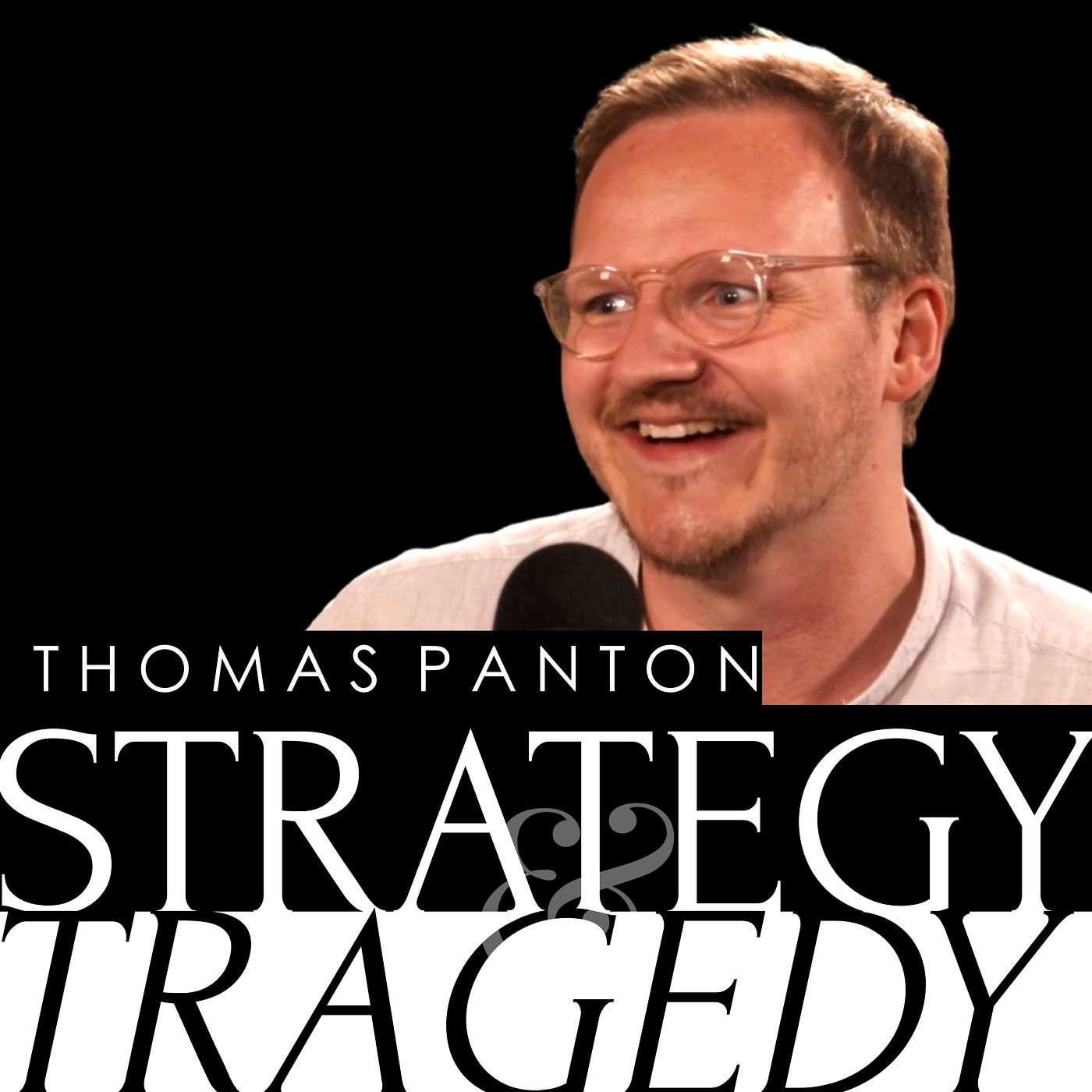
Founder-turned-VC: What Thomas Panton did next
In short
Thomas Panton reflects on why his eco-verified marketplace Canopy ended, then explains how those lessons shaped his move into venture capital and his current climate-tech investing work (Endgame Capital) plus a new startup (Morpheus) aimed at speeding up VC/angel feedback and reducing bias.
Guest backgrounds
Thomas Panton is a founder-turned-VC. He previously built Canopy (eco-verified marketplace; fundraising for a seed round). He later joined/works with an angel syndicate and is building Endgame Capital, a climate-tech fund. He also co-develops Morpheus with a co-founder friend who became a head of AI agents in their industry.
Key claims
Canopy failed due to team strain and underestimated mainstream willingness to act on sustainability intent (intent-action gap). Founders should be obsessed with the customer’s problem, not their solution. “Arrogance with evidence” is a trait of top founders. In fundraising, humility about unknowns matters. VC bias is partly societal; Morpheus and diverse decision-makers can reduce it.
Notable examples
Canopy’s “no real MVP” approach; customer interviews that were used to fit the product to known industry problems rather than define the product from customer pain; Morpheus provides feedback even when founders don’t get a call; Endgame’s “climate denier proof” thesis (buyers should purchase for business value, not just impact).
Written by AI. May contain mistakes.
Chapters
0:15
The Rise and Fall of Canopy
Thomas reflects on the challenges faced during his time at Canopy and the lessons learned.
“Steph, that's the biggest question you could have asked me to open anywhere.”
2:19
The Reality of Entrepreneurship
Exploring the importance of authenticity in entrepreneurship amid social media pressures.
“And it's crazy because when we spoke, it was big fundraise coming up.”
4:14
Balancing Tenacity and Agility
A discussion on the need for persistence in vision while being flexible in execution.
6:12
The Traits of Successful Founders
Thomas emphasizes the balance of humility and confidence in successful founders.
“and the day-to-day operations of the company.”
9:13
Learning from Mistakes: Canopy's Lessons
In-depth analysis of the missteps taken at Canopy and how they inform future ventures.
“Do they have the humility to be able to be transparent with us about those challenges, but the arrogance to know they can solve them?”
12:20
Finding the Right Co-Founder
Insights into assessing compatibility with potential co-founders and team dynamics.
“You know, even in my situation, you know, I don't, some, like one of my co-founders for years, like nearly a decade, right?”
14:02
The Importance of Co-Founder Alignment
Learn why alignment on vision and work ethic is crucial for startup success.
19:25
Understanding Customer Needs
Explore the significance of deeply understanding customer pain points.
“I guess closing the canopy chapter, what would you do differently?”
20:55
Founder Market Fit and Pain Points
Discover the critical role of founder market fit in addressing customer pain points.
“Because then there's no logical reason why they wouldn't pay for it.”
23:04
Transitioning to VC: Lessons Learned
Hear insights from a founder's transition to a venture capital role and its challenges.
Show all 23 chapters
24:28
Addressing Bias in Venture Capital
Discuss the impact of unconscious bias in funding and the importance of awareness.
28:00
Funding Inequities in Startups
Discusses the lack of funding opportunities for female and non-white founders.
“We actually do need to talk about the weather.”
29:48
Introducing Morpheus: A New Venture
Introduces Morpheus, a platform aimed at improving feedback for founders.
“But by doing that, you also automatically allow for feedback to go back to every single founder who ever replies or wants to reach out to a VC or an angel investor.”
31:38
The Co-founder Dynamic
Explores the relationship and working dynamic with the co-founder.
“bias or conscious bias, at least until the first call.”
33:58
Balancing Optimism and Experience
Discusses the tension between optimism and experience in venture capital.
36:23
Critical Perspectives on Startups
Shares insights on assessing startup founders and avoiding past mistakes.
40:59
The Value of Firsthand Experience
Reflects on the importance of firsthand experience in understanding entrepreneurship.
42:00
The Journey of Entrepreneurial Conviction
Explore the importance of firsthand experience in entrepreneurship and the challenges founders face in fundraising.
“So number one, you've got my own business for five and a half years.”
46:08
Investing with Purpose at Endgame Capital
Learn about the critical approach of Endgame Capital in evaluating climate tech investments and the qualities they seek in founders.
“The best thing about what I love about what we do is that we use the phrase climate denier proof.”
48:27
The Evolution of a Founder’s Perspective
Understand how experiences shape a founder's approach to solving climate issues and the changing nature of business goals.
“It's just that Thomas hadn't experienced how people really buy things, how people put money on the table and ultimately how the world works.”
52:05
Trusting the Process: Advice for Young Founders
Reflect on the journey of growth, the importance of trust in the process, and advice for overcoming challenges as a founder.
“And the answer would still be the same now.”
56:00
Navigating Challenges as a Founder
Learn how to approach challenges and growth as a founder.
57:50
Lessons from Personal Tragedies
Discover how personal tragedies can lead to strength and resilience.
“Reassurance that you can get through it, really specifically.”

Ask about this episode
Get the gist, explore an idea or ask about something said.
 Claude
On Strategy & Tragedy: CEO Stories with Steph Melodia, what are the key points of this episode?
Searching your listeningTranscript
Automatic transcript. May contain errors.
0:00Thomas, we last sat down on Monday, the 14th of August, 2023. You were building Canopy, the world's first eco-verified marketplace. You were fundraising at the time. What has happened since then? Steph, that's the biggest question you could have asked me to open anywhere. So much, right? Canopy doesn't exist. So that's the biggest sort of alarm, I think. But also I've gone like deeply to the dark side into venture capital, which is like the other big thing that I'm sure we'll dig into. I think fundamentally, like what's changed since 2023 is that like, you'll know, you just, you come and learn so much in startups.
0:49So like what feels not that, like if you put it into timeline, it's not that long ago, right? It's like a year and a half or like, yeah, a year and a half basically. and but actually it feels like 10 it feels like so much has happened i've learned so much about startups about vc about the world of course um so yeah i mean so much has changed so why did canopy end yeah the big question i think like fundamentally what happens with startups is that you have such a big hairy audacious goal as a founder and sometimes like it's not the right thing and I think that it can be really hard as a founder to let go when it's not the right thing or when something's not working so I mean my lesson throughout all of that like it was my second startup my first startup you know closed not because of anything I did wrong but just because a pandemic came and it was like I hadn't really gone through the the trials and tribulations of a founder making mistakes because I'd been so lucky in the first startup right so with Canopy there was a lot of learning just like even though yes I knew all the like setting up a company I you're about fundraising yada yada yada but it was like this this whole shift of now okay now we've raised venture capital now we're growing um how you navigate the challenges as a founder but also with your team um and the dynamics between that you know it changes and and i think that there's no one thing you can say which this is why canopy didn't work but i mean i left canopy sort of middle of last year.
2:21So not that long after we spoke. And it's crazy because when we spoke, it was big fundraise coming up. This was going to be our big seed round. It was going to really take us from sort of being like this really ambitious, like young, like new disruptor to actually establish processes and growing. And we had a real good plan for that. And I think fundamentally what happened is just like we experienced a lot of challenges. It put strain on the team. So when I left, you know, I think that the others did the best they could to keep it going. And, yeah, unfortunately it didn't work out. But, you know, maybe there are other plans for them and me and the pipeline.
2:54So you take the learnings and you grow from it. Exactly. And with those learnings is something I really want to dive into here because you amass these battle scars. And, you know, the whole purpose of the show, like Strategy and Tragedy, is like not to put anyone off entrepreneurship. No, of course. Just to kind of relay that, like, realistic view of, like, sometimes I think in this age of social media, is it's more important to have a show like this one to showcase the realities the stories because even when we post this stuff on so we've talked before about how much the algorithm does seem to reward like the humble bracket and the celebrations all these sorts of things so what are some of the biggest lessons that you've learned from canopy not working out i think there's another thing just to add into that is that I turned 30 in two months and Forbes 30 under 30 was just announced right and LinkedIn goes crazy yeah right yeah now we all know it's a bit of a bit of BS like we all know it's like kind of a bit of who you know I'm not putting any shame on the people who win they do amazing things but um and I think that when you're coming up to 30 and you're a startup founder particularly when you've had a couple of startups you know you've raised venture capital it kind of becomes like a stupid vanity metric that you look at yeah um and i think that maybe is one of the learnings is like not getting too obsessed with what others are doing not getting too obsessed with like the vanity metrics around startups and really just building really good solid business that really solves a problem for your customer yeah and i think actually with canopy as well as much as there's this huge growing want to be more sustainable um and we kind of knew that what we were trying to solve was this difference between want and action or intent and action gap um i think that we underestimated the lack of willingness from sort of mainstream population maybe yeah to to even if you sell the argument that okay there's a there's a price premium on purchase but it saves you money over time like it's quite hard to do like when you've got big economic macroeconomic changes happening yeah i think maybe you can underestimate that when you're so bullish about your own your own solution the biggest learning i think and i think it's not that we didn't know this as founders um or i speak for myself but um but more that we didn't follow it like we knew it but we kind of ignored it is that you should be absolutely obsessed with your problem not with the solution you think is going to solve that problem because you have to be willing to sort of wiggle your way around startup world yeah to solve the problem for your user so one of the many contradictions within the world of entrepreneurship that I'm obsessed with is trying to reconcile on the one hand the tenacity the persistence the determination the clear vision everything that Thomas you have in spades versus that agility that like letting go of certain aspects and just focusing purely on the problem on solving a customer need how do you reconcile those two especially now having been through what you've been through with canopy yeah i think i think they're not mutually exclusive for sure like i think that with canopy you i still believe that the the overall way like solution that we were looking at is what's going to solve the problem but i think and i can be bullish about that but i think the way that we implement that way we roll it out can be different it's basically the difference between your sort of north star and the day-to-day operations of the company.
6:18How you get there is kind of irrelevant. That's what you need to be flexible with. But like what you're trying to do, it is ultimately you should be bullish about it and believe that that's true. Obviously, this always needs to be evidenced. I was talking to my new colleagues, which we'll come on to, I'm sure, in a bit. But I was talking to them a little bit this weekend about what makes a sort of 1 % founder. We were trying to really dig into this sort of power law of founders and startups. And one of the things that I'm really, I guess, quite confident about in a good founder is that there is an arrogance, but it's an arrogance with evidence.
6:56So, you know, you can be, I think we talked about it, about being sort of like disagreeable, but like in the right way. You know, you don't want to just piss people off, but you need this confidence. You need this belief that you know better because, well, sure you do, because no one has solved this yet. right so you have to believe that you know better than right right but you have to evidence that with like your ability to to build your ability to sell selling is everything and i think like this this makes a one percent founder in that they've got this arrogance but they they show again and again and again that the arrogance is justified um and it takes time right like no one can just have that as a first-time founder like you've got to prove yourself yeah for sure and you know what that perfectly aligns with um something that an investor actually said on the show as well with like a bit disagreeable and I love how you phrase that around the arrogance with evidence that's a really good little pithy soundbite there I love that how does that translate to fundraising when you need when storytelling is everything especially in those early days you've got to have that level of conviction I think that this my approach on this and opinion of this has slightly changed in the last sort of six months so again we'll come on to it but I work at a venture capital fund now.
8:08And I think that when you're a founder, you believe that when you're raising money, your obsession is to sell your equity, basically. It's like for the best price, almost like you're selling your product for the best price. And that's true. And you need that and you need the ability to weave your story and to navigate challenging questions. But I actually think like now there's an aspect of also like honesty, humility, like really in these conversations early with VCs or any investor is actually an incredibly valuable trait to bring to the table. You don't need to know everything. And I think that as founders, we generally think we do need to know everything.
8:49So we'll have an FAQ document which answers every question under the sun and in a pitch for like the pushback from a VC. Well, we should have the answer and we should have conviction in that answer. And actually, it's OK to go, we just don't know yet. But here's how we're trying to find out. Here's how we're learning. Here's how we've dealt with a different challenge. It shows that we can deal with these things, even if we don't know right now. And actually, when we look at startups at the fund, this is something which is actually really valuable. Do they have the humility to be able to be transparent with us about those challenges, but the arrogance to know they can solve them?
9:25Yeah, exactly. That's what it is. I was just thinking at least demonstrating you've got an awareness of your blind spots. I think that's when the alarm bells kind of go, if you're not even aware of it. How much does that arrogance seep into hubris that creates those blind spots? It's fine to not know to your point, but demonstrate you're aware and that you've got the figure-out ability skill to solve it. We will come on to what you're doing now and your perspective from the VC angle for sure. because now you can talk about from the founder perspective versus investors. So that's really exciting.
10:00Just sticking with kind of the canopy chapter for a sec as well. How has almost like, I'm sure you've done even just in your own mind, a bit of a postmortem. What are some of the other lessons that have come out of that for you? And how has it made you a better entrepreneur and even investor today? Yeah, I think like, again, we're always told it, but no one ever listens. it's it's don't build until you've got a demand for what you want to build um at canopy look i i've worked in the industry that canopy was building in my whole career so there was a there was a deep founder knowledge like that i brought to the table which shouldn't have dictated what the problem what the product was going to be but we let it and it wasn't that we didn't do customer research it wasn't that we didn't do market research but it was this like underlying belief that well we've seen all the problems in the industry right because because thomas has worked there for so long so therefore this this product that we're solving is almost like every time we did a customer interview we would be like ah yeah our product solves this like almost trying to mold our product into their problem rather than letting our product uh be defined by their their issue right their problem itself so so i think like really really fundamentally as a founder and i mean equally also um i mean maybe we'll talk about that i also build i'm building something else as well and And like this, the way that that's being done is so inherently foundationally different to how we did it at Canopy.
11:27We built nothing until we had people basically begging to use an imaginary product, which didn't exist yet. But we were like, OK, we can solve that problem. Yeah, we know how we can solve that, but we didn't know what that would look like yet. So then you get enough of these people saying these things, what they want solved. and then you go okay here's what this initial product can solve it's one of the thing that keeps coming up through these the the these problems of customers and that's what we're going to like really fixate on because it means you can just get it out there and solve the problem instantly people will pay you and then you can start building other stuff with canopy it was like they're all there's this huge problem to solve let's build the the the platform the product that solves this problem and it's like that's a monumental task like there was no real mvp it was like let's just go all out and and i think that's a mistake and i think that's a huge learning curve for for me as a as a ceo you know i wasn't the techie of the company but when you're when you're involved at like the head of the company and the head of the vision like you kind of you kind of get involved in all of those decisions right you have to be yeah and so so i think that's a huge learning i think the other learning is just um is people you surround yourself with like people have different ways of working and it's so hard to know that until you've worked with them yes so any tips now like red flags green flags how can people start to assess what someone will be like to work with until they work with them i honestly think it's an incredibly hard um question to answer um you know i had a call with another vc today who was looking at bringing in another co-founder to one of their portfolio companies and it's like how do you assess that because they could work together for two weeks, two months, and it might not be enough to tell you how they'll be in two years.
13:12You know, even in my situation, you know, I don't, some, like one of my co-founders for years, like nearly a decade, right? By the time we, we parted ways. And yet the way we worked together was very different, even though we knew each other so well. And like, we thought we knew everything about each other. And it's not criticism to either of us. It's just different. and i don't i honestly i don't think you can know that for sure and it's a bit of a risk you have to take as a founder with your co-founder if you have one yeah um and even with your first hires you can't it's the same sort of yeah exactly of course you can't spend two years hiring someone you can't spend two years you can't have a decade-long trial can you exactly what's your stance on that then on in kind of psychometrics personality profiles all these sorts of things to help i think the the the biggest thing i would say to look for if you're looking for a co-founder is their willingness to to grind through really hard times um i think that it is probably the single largest pressure on you as co-founders when things get tough who's there every day every hour solving the problem and and who still wants to consider the fact that things might be smooth and like want to take a holiday or whatever like um again i think that there is no right answer here but i think that if you're not aligned on what that vision that way of work is it will cause problems and i think that you could probably both do one one way and that you could probably work it out and build a great startup so long as you align with that but you could also both be like super hardcore grinders like in the hard and even in the good times and so long as you both are like i don't think you necessarily have to be exactly the same but there's like a complete respect and understanding of it from both people which again is a learning for me like i never stop working stuff so like and i love that and that works for me yeah it comes from swimming days we talked about this in the last episode like and i think that that's great for me yeah but needing to understand and respect others way of working is so deeply important which i hadn't fully gauged i think even in my second company um and bear in mind the first company i was a solo founder so i didn't really care yeah i'd do what i want yeah exactly but yeah so i think i think that's probably the biggest one and then i think i think this is actually something that we all aligned with really well at canopies it wasn't a problem but the the empathy of the to the problem you're solving um i think that you really all need to be so deeply um caring of of solving it for whatever reason it doesn't even have to be an impact driven company yeah but if you're for example you could be building a another fintech sass platform which uh maybe i am um and and so long as you really care about solving this then that's fine but if you're just doing it because you think it's going to make some money or you think it's like oh there is a problem there i mean you might have really identified it yeah but you don't really care about solving it it feeds into your point on who's going to be there to pick up the slack when they're going out of touch all right because if you just don't care enough that's not something that you can instill in someone through any sort of training motivational speech it's like that has to come intrinsically from that person just something i'm connecting the dots a little bit here is a little bit on your point on arrogance with evidence there's something they're connecting whether it's co-founder pairings hiring team members and indeed even with those customer interviews you're kind of touching on all those points is the case for past behaviors like that evidence like whether it's a customer you're doing customer interview like the mum test running into the spike avoiding hypotheticals right it's like a little tidbit in like the art of customer interviews right it's like avoid what what do you think of the sound of there would you do that like avoid it's like when in the past have you had that problem and what did you do about it and whatever variation of that needs to apply whether it is to customer interviews co-founders staff yeah to try and shortcut that a little bit because i know there's so many resources online with like 50 questions to go through with the founder like so many accelerators that do the matching and um and so at least even though you can't tell for it completely until you get into it um at least your most solid reference point is going to be the past behaviors when have they done this or how did they solve that problem yeah yeah i think that like really fundamentally you you need to look at the past yeah um and i think that's why in in vc like we look at these sort of like outlier traits like you know really abnormal success was it sport was it like um really good in a specific class were you a collector of like really interesting things like i don't know just something which like really pulls you away as like an obsession um because it it allows you to see what that person is really like where they really love something you know you i can't remember exactly who it was i was talking to um the other a day but oh it was it was um a guy who's like connected with y combinator and he was saying that the people who he surrounds himself with at the moment and he's building a platform with for them it's not talking to them about the thing they do every day which is their jobs he's obsessing over the hobbies that they love to talk about because that's something that they'll pay to solve so if you can find a problem in the hobby that they do in the abnormal trait that they show yeah then you're more likely to build an amazingly loyal customer if you solve something really valuable exactly so i think that's a really interesting point when you when you you know get to know someone and i and i think also um one thing that i'm i'm still like trying to work out how you could do it but honestly i think if you've got like two founders who've just met each other who want to start a company go put them in some sort of like escape room like honestly like put them under like extreme pressure in a nice way but like it must It must show how these guys would work together.
19:05Yeah, that's a really good idea from maybe some accelerators. Yeah, maybe we should do it as a VC fund before we invest. That would be hilarious. Get the founders all in a really stressful situation. We probably wouldn't be loved if we broke up loads of companies. Better get it out of the way sooner than later. So before we, we've hinted a lot at what you're working on now. I want to hear all about that for sure. I guess closing the canopy chapter, what would you do differently? I would spend more time obsessing over the customer's problem rather than my focus on the problem, my knowledge of the problem.
19:46Founder market fit is important. It absolutely is. You need to know that this founder knows what they're talking about better than anyone who's tried to do it before. sure but that doesn't necessarily reflect what the customer needs to solve the problem so i think honestly that's the probably the biggest thing and then if there was a secondary thing it would get in an escape room with my co-founder and i love how just with you know this that that focus of the pain point is as if we haven't belated the point enough for our listeners but it's just another thought that comes to mind here is the problem needs to be so painful that somebody is willing to pay for it.
20:29And parting with your cash is essentially a conversion of your time, right? Like we have two resources in this life. They are our time and our money. And most of us trade our time for that money. And so the value of that, however much the actual, you know, whatever the price actually is, it's just like taking on board like your reflections especially from like the interviews and trying to make it fit you're just backing yourself further and further into that corner like what is it that someone is willing to part with their cash over that's the main question to stick with 100 and actually one of the things i obsess now in climate tech when looking at climate tech companies for example but it doesn't have to be climate tech can be anything is are you saving them time and money?
21:16Because then there's no logical reason why they wouldn't pay for it. Because if you can still save them time and money and they still put some money on the table to pay you to solve it, you literally make their life so much easier. Interestingly, on that, I have to plug my interview with Matt Lerner. Do you know who Matt Lerner is? He has a really interesting stance on saving time and money. So have a listen to that one. Because basically his argument is, because you see it a lot with like b2b sacks yes like on their way of like save time money it's just not and this is more from like a messaging perspective like it's not compelling whatsoever and like his argument that just comes to mind on that is like people don't actually mind um spending time so he i think he used the example of like a good film yeah it's like you'll happily sit through and watch like a two-hour film if like you're being entertained if there's like that level of value of course But it's the difference between an individual and a company.
22:12So in my opinion, I think the individual absolutely obsessed on their hobby and they'll spend time and money to the hobby. Whereas with a company, it ultimately all comes down to the bottom line. How much money am I spending as a company? How much money am I making as a company? And how much time are my staff or my employees spending doing things? Yeah, of course. And if you can save all of that and make them money, then as a company, it's a no brainer. It doesn't have to be the sell on your marketing. yeah yeah yeah but it's the action the internal whereas whereas you're and matt's absolutely right like with an individual you're you're far more likely to put the money on the table to actually spend more time doing your hobby right right right if you can um so i think it really depends on yeah and depends on the company i mean this is nuanced right yeah but yeah the point is good um but i think it does vary yeah um entity to entity all right so what are you working on now well so that my my the main thing i'm doing as i sort of have been touching on is that i've gone to the the dark side um i'm a cif lord no we're joking um we yeah i've i've jumped into investing so i work at a what was an angel syndicate um and is now building up to become a fund um uh called endgame capital uh we're a climate tech uh a climate tech fund and how different is it being on the dark side as you say versus i shouldn't say starving yeah i shouldn't say that say that it's the dark side because we're really trying to sell ourselves as a value-add investor right so like every investor says it but you know there is actual value that we bring i promise i promise everyone um but anyway um honestly it's um it's been really uh enlightening um i think that there's so much chat about vc there's so much chat about founders and honestly i think a lot of it is like either misunderstanding from one side to the other which is a problem that needs solving or it's just fluff and opinion um once you actually go and work inside um it doesn't have to be vc you know it could be as a full-time angel investor it could be as a angel syndicate so you know whatever structure it is an accelerator it doesn't really matter the point is is that you learn a deep respect for the work that's being done and why there are these things that don't get done whether it's feedback whether it's like completely open door policy like i think that you start to understand why these problems exist again like i want to solve those as well but i think that as a as a as a founder turned vc you you maybe would i'd want to speak to founder thomas and and tell him you know this is why it's like this it's why it's yeah it's why it's like this and also maybe that'll give you a better understanding of how to play that game exactly which is important it's so important and it makes total sense because i think just knowledge information breeds that familiarity and understanding and i think that the the the gripes the common complaints that we hear about on both sides of the fence are weak excuses to make either side feel better about themselves because i think it is easier to finger point and blame others whereas it's like actually if we can put the ego to one side for a second and sit down and be like look are they like are they actually dicks were they like born this way was the purpose of their life on this planet to dick you around probably not like maybe but probably not right you know maybe there's a one or two but like let's ask that question and for the for those of them it was not it's like there's there is a reason for this but you don't it's like any it's like in sports it's like anything where there's opposite sides where there's opposite teams it's easy to have that like tribal mentality a little bit isn't it and you and you understand right you sympathize with your own your own community exactly so so i totally understand i think one of the biggest learnings as a founder going into vc is that if your if your business is good enough it will be funded um you know we we see a lot of deals in climate tech of course i mean i sometimes get not climate tech stuff like don't do that because that's not what we invest in is very obvious that we don't invest in in your ai agent for email sorting like thanks though but the the point being is that we see a lot of deals and frankly the the ones which are compelling businesses will get a call with us on that note and i know that what i'm about to ask you ties into something else you're working on which we also want to hear about but i have to ask you straight off an interview i've just done as well as like hearing accounts from female founders, BAME, black founders, unconscious bias, this underrepresentation.
26:47Quick one, so sorry to interrupt. I'm sure that you are on the edge of your seat listening to this interview, at least I hope so. I'm so aware of all the other podcasts that are already out there. So the fact that you've decided to tune in and listen to this one is not lost on me. If you can just go that one step further and hit that follow or subscribe button, doesn't cost a thing, takes two seconds. Now is your chance to do that. It means so much. Really appreciate your support. Thank you so much. Now let's get back to the interview. But I have to ask you, straight off an interview I've just done, as well as like hearing accounts from female founders, BAME, black founders, unconscious bias, this underrepresentation.
27:25I have heard time and time again how much evidence, how compelling a case it is. But there is this unconscious bias that's in the way of funding some companies. So how does that argument hold up? it exists 100 % in VC particularly from the white male VC. There is no way to ignore that and I think the more we talk about it the better. I think that we know it exists so therefore how do we solve it is important. I think that a lot of the solutions that are talked about are sort of plasters over a never-ending opening wound. You know one thing that really frustrates me with these sorts of big questions is that you know there is an obvious lack of funding for female or non-white founders um and but we also have to ask like how much opportunity is there right at the beginning of the rungs for female and non-white people to become founders and actually and get the network to become founders and actually i think this is almost like it's a really difficult one because it's a huge societal sort of economic question right you're basically trying to big We're not talking about the weather on this podcast.
28:33Forget VC and Starbucks. Climate change. Yeah, that's true. We actually do need to talk about the weather. All these typical like small talks. What is it? Like weather politics. It's like, oh no, actually these are huge. They're huge things that do need to be told. But my point being is that like, you know, fundamentally these are issues which are just societal. Yeah. And it's not. It's not an easy solution. But it's also not that. A great parallel example to this is that people in climate are really angry at the energy usage of AI. Instead of being angry at the energy usage of AI, why not be angry at what is sourcing energy or how we source energy, which is fossil fuels?
29:12If fossil fuels weren't the source of energy, then we wouldn't be angry at the consumption of AI because it would be renewable. In the same sort of sense, I think that we're angry at VCs for having this unconscious bias. well it's not a VC problem this is a societal patriarchal problem white patriarchal problem we can go deep into politics which we're not going to but I think that what VCs can do about that is surround themselves with those people so we for us for example we have like operator LPs and we have we have we're starting a venture scout program and a lot of that is really focused on bringing people who aren't looking like me around the table to help us make decisions on deals so that it does remove some of the bias but it's not a perfect solution because these are like societal nurture things for sure and this nicely segues into your other startup that you're building yes so on the side which no founder should ever say um is morpheus um which the whole concept of this came from originally that founders never receive feedback when they um don't get a call right usually um i mean i try to give feedback to people but for example we have an inbound form as well at in-game if you aren't going to get a call on that inbound form you won't hear from us and and that's a problem i think i think that founders should know why and if there is a reason then it should get back to them somehow so that's where it sort of started that's even more rife with exactly what we were talking about if you're non-white female you're even more unlikely to hear back particularly if you're not from finance and even for for white straight men like if you're not in finance it's immediately harder like as well obviously not on the same level so i think like this was where all sorts of started and then i started working in vc and i was like well shit it's like this is why this doesn't happen because it's so inefficient that you know we spend hundreds of hours like analysts particularly spend hundreds of hours reviewing deals like which need to be done but like the way it's done is so inefficient so the whole concept of morphia is how do we speed up and get the best founders in more calls with the best VCs quicker.
31:24But by doing that, you also automatically allow for feedback to go back to every single founder who ever replies or wants to reach out to a VC or an angel investor. The idea being that you, everyone hates these buzzwords, but democratize the investment cycle and remove that unconscious bias or conscious bias, at least until the first call. There's nothing we can do. There's nothing that any tech can do once i'm on call with a founder opposite me right then it is in my mind how do you get bias out of that right without it being run by a robot which there are vc funds which we're trying to i think you still need a bit of human touch um but at least to get these people in the course yeah i think you have to make it more data-driven um but you also have to make it um yeah unbiased which is what morpheus is completely um so so this is the the problem that we're obsessing over yeah um and and yeah we've already sort of been working with some vcs on on what that solution might look like um it's yeah it's exciting days early days we haven't even incorporated because what's the point until you've got a paying customer in our opinion um but yeah it's uh it's exciting so you're doing so much of this completely differently from before 100 really taking on board all of these lessons learned how exciting yeah Particularly as well with team.
32:41I think that, so I know, so my co-founder, who I won't mention on the podcast because we both still work our full-time jobs. But, you know, she and I have been friends for four years. I actually interviewed her four years ago to become the CTO of Canopy when Canopy was greener right at the beginning of the journey. She wasn't ready to jump into startups. Totally fair. We kept staying in touch. We're aligned on morals, on ethics. I've seen how quickly she's progressed in her career to become a head of a department in this specific topic in AI agents, in the specific industry that we work in. So there's an obviously founder market from a technical perspective, but the speed and the grind that she's put into her work really attracted me because I was like, oh, it's like I'm looking in a mirror.
33:28Someone who actually works like super, super hard, like it doesn't stop because they're so driven by their mission. so we met up um at the end of last year when i was still sort of trying to work out what i was doing i was doing a bit of work at endgame before joining full-time i'd experienced this problem i started talking to her about it and you know what was originally meant to be like an hour dinner catch-up ended up into like a four-hour brainstorming session and it's just been yeah it's been brilliant and in in many ways i think she's got this fire of a first-time founder which is actually i need like i'm a bit bitter as a founder i'm a bit old i feel a bit like frustrated no i know but old in like i've i've had two startups they've both failed i've seen lots of startups fail so i think like her fire and almost like naivety which which is not an insult no not at all it's brilliant because we we we balance each other in the best way possible because we both work super hard amazing but we but we have this sort of like experience versus naivety to make the best decisions love that i mean i don't know how many founders would be where they were now if they didn't have that initial naivety right amount of people yeah and and even i like look i'm i can't claim to be an experienced vc right like i haven't worked in the industry that long on this side of the table yeah so i think like even with me there's a certain naivety in believing like 100 % that people will want like will definitely want to solve every VC wants to solve this problem yeah well I can only know by the VCs I've spoken to right yeah there's nothing and I haven't worked in VC long enough to be able to go yeah for sure every VC but but I believe enough yeah that it is a solution that this is a problem that needs that optimism there which you absolutely need you need it you need it um given that you are bitter now bitter old mad great that's such a attractive definition i'll take it i gave it to myself so i can't really with with these with these battle scars yeah that you have so painfully amassed through through multiple startups um now you know it sounds amazing and knowing you as i do and seeing you through this journey I too have like absolute belief and I completely feed into like that optimism as well but I think with with kind of like post-mortem in mind and these scars and the cynicism that has been like bred over the years not not to dampen your spirits too much but are you taking any sort of like pre-mortem now with your new ventures with your new career change to be like okay actually I don't have that same level of blind optimism that my co-founder has which is great that balances me out how can I now use that to my advantage yeah to mitigate risks and and make this a success this time around yeah I think there needs to be a bit of context as well like when I left Canopy I was so bitter about startups that I almost left the industry entirely you know i i was like i don't want to work in a startup i don't want to work with startups uh i don't work with investors i was just really just like a real huge chip on my shoulder yeah right but not in a good way were you gonna go back into swimming
36:54probably not let's be real what was going through your head at that point where you were just like so fucked up with this i think that really fundamentally it came down to um like really digging deep into my principles my ethics feeling frustrated at like maybe maybe it's like lack of that in in startup industry you know you kind of a lot of people sacrifice that to be successful yeah I'm unwilling to do that yeah um so I think like you know I I literally just turned back to where I started NGOs charities I was like these guys and I know them because I've worked there are as selfless an employee that you can be but there was also a reason that I left right and i think that i needed the time months of and and in that i was still doing startup work right like i was still mentoring i was still like my i hadn't shut the door but i definitely was most of the way out yeah um and i think mentally as well like like a mental strain like every time kind of an anxiety to come back into the industry worried that like oh the same thing would happen and I think it talks to that sort of pre-mortem of like doing a new startup is how do I mitigate that anxiety of that?
38:08But actually I think that the time allowed that to become a good chip on the shoulder to start something new again and to work in the industry again but on the other side of the table because I have a critical view of startup founders but not in the way that it makes me bad at assessing them. it makes me even want to find the best founders who are head and shoulders impressive above other people yeah amazing who will build the best companies right which is what you need in investing so i think like from a vc perspective i'm still learning like the whole process of vc and i will be like look i'm not one of the partners of the fund i i am there to learn and work as well and I bring expertise, but by no way am I coming in as a seasoned investor.
38:55But I think that the beauty having this sort of existential crisis of startups generally actually makes me a pretty good eye on deals. A thousand percent. And deals where even my colleagues or other VCs will be so hyped up about something because they've been resold this by the founder or they've resold it by another VC who's investing. and then I'll come in and I'll just be like the grumpy old shit who's like yeah but it's not that good is it and it's not that it's not that good it's that I want evidence that it's that good I want evidence that this founder is arrogant in the right way all of this stuff you know we made we warehoused a deal we announced it a couple of weeks ago in this French startup when I first met the founders I was so suspicious of their arrogance just because I was like I know arrogant founders and I know like you can spot it arrogant founders yeah yeah yeah so like I was really trying to gauge it and after the first call i was like this i want to dig in on this more and then we the team met their team and the team saw how they worked and and we had more calls with them and just more and more realized these are arrogance but with evidence 100 these guys are one percent founders that we should invest in and it was easy to find that conviction with my and and because also the colleagues had this like bullish optimism right it was like okay i should look into this but like I'm going to do it in a suspicious way.
40:16So I think that's good on the investment side. From a startup side, I think that really fundamentally, it just means that I'm learning everything that went wrong with the startup. I think honestly, I think Canopy could have succeeded. But I think that we probably weren't the right team to do it at the time. And because of that, I think I take a lot more focus on how me and my co-founder work together um how we solve problems when we disagree when we're working how quickly we reply to each other like i think that i'm really focused on it and not in a toxic way but in a way where i'm giving internal assessment consistently about is this right yeah and now it's come to the point and you can see in the way that i talk to her that i feel so confident that i've answered those questions for me so i think in any startup i do now if there'll be one after Morpheus or if I'll just stay in venture capital who knows but but I think that in anything and in when assessing founders it will be in like if I can get to the point where I find conviction in this person or these people then I will allow my sort of chip on the shoulder to become more of like a bullish enthusiasm for these people sure that makes sense or it'll be like given how impressive of an entrepreneur that I believe you to be and I'm going on record with you being such a backable founder in so many different ways given that you're now on the vc side of the fence how does it feel to wake up in the morning and say these bitches don't stand what as in the the the the founders this is like if you know you know this is this meme interview question from issa ray to zendaya which is just like how does it feel to wake up in the morning and look at yourself in the mirror and think damn these other bitches don't stand a job i do not think that honestly i i think that maybe you give me too much hype but i do having you know and the conviction that i have as well i've said to you many times like i'm not blowing hot air up your ass i'm going on the record with this um the conviction that i have is the vast array of firsthand data points that I have amassed as it relates to entrepreneurship.
42:38So number one, you've got my own business for five and a half years. We worked with over 100 startups in that period of time. That's just the number that became clients, let alone the much wider network. Now I'm at about 60, 70 quality one-to-one hour-long interviews. This is almost like a massive research project in itself, like getting to spend this much quality time with entrepreneurs. I now mentor MBA students in entrepreneurship. My network continues to grow. So I hope that that all adds to, you know, the justifications to why I say that. And I think, honestly, where I'm going with that is I feel really sorry to any fundraising founders that are pitching at Endgame Capital.
43:19No, but I think that... They've got to be so good. But I think that even with John and Jina, the founders of the fund, like, they take that approach too. Jina is a two-time founder turned investor. She also has been there and done that and really understands that problem from an operator perspective as well, has worked with huge international clients in her previous corporate life. And it's like, I think that we all come with this open door policy, but kind of a no bullshit policy. It's like, we're here to back great businesses that are led by the top 1 % of founders that will solve the biggest crisis that we have today, which is the climate crisis, in our opinion.
44:02But they have to really foundationally be good business. So I think like, you know, this is where John is so valuable in this, I think, because me and Jenna had this bullish enthusiasm as founders. And John has come from sort of private equity to Climate Tech VC, done his MBA, like come back again to Climate Tech VC. So he has seen so many great, amazing founders and so many founders that say they're great and aren't. And I think that that mix of kind of approach and perspective from each of us allows us to, yeah, sure, like make it challenging to get investment. But knowing that if you did get investment from us, we're so bullish about you that we will go all the way with you.
44:47We'll support you. We'll open doors for you. We know the people who know the people who will get you to the right place. And I think that this is such an important reason why I joined Endgame is that it wasn't just VCs talking about investing in like the wishy-washy climate problem that most VCs talk about. It was VCs who deeply care, firstly, but also like have a really critical approach on climate tech and the climate tech founders around that. And I think that was so relevant to me as well. I needed people who also had this critical approach because otherwise I would consistently get frustrated at maybe naive optimism.
45:26yeah absolutely so so so i i think it's valuable and i really appreciate all the comments but but i also think that there are we see so many like founders who are so impressive that it's actually quite an inspiration as someone who's now building another company as well like to be like wow like these guys are so awesome that i i would love to be in that category right like but I'm hopefully like honest enough to accept that I'm not yet and I say yet because like yeah for sure look I'm not 30 yet you know two months to go so still time no no it it sounds like a really rigorous process with endgame capital and so for anyone who is fundraising listening in what is it that you guys are looking for exactly yeah I mean exactly to the pinpoint um sure um I think really fundamentally we look for obviously at a baseline it's exceptional founders who have like really just exceptional experience either in the space or just like can bring this like real founder pedigree mindset to to startups to climate tech even if they haven't worked in climate tech necessarily but as businesses what we look for is really tech defensible software and hardware but it has to have a defensibility to it and it has to be near commercialization now what we mean by that is you could still be doing pilots but there's not that much research or r &d that needs to go from these pilots to being a scalable commercial solution or product in the market.
46:55The best thing about what I love about what we do is that we use the phrase climate denier proof. And what we mean by this is that even Donald Trump would buy it. You know, even the people who even the people who don't give a flying crap about climate will buy this product because it's good business. So more efficient, more affordable, better. and this is a real foundational part of the end game thesis is this sort of capitalism first but impact by design so as you scale as a commercial business yeah your impact scales yeah and i think also like you know we're climate tech investors right we look for a really quantifiable impact we have to see that but i think if you're trying to sell to your end users this that the impact is what they buy yeah we're going to struggle to find conviction in you because really what you should be selling them is this brilliant business and then it's also like we can see that if this succeeds it's going to have a 50 million ton ghg mitigation every year for you at scale like you know it's it's exciting that we can have that impact but it but it has to not be the selling point what a perfect role for you thomas like given everything you've been through experiences your roles at ngos your passion canopy everything that's happened is it's like you know i'd it's almost like you were destined to be in this position it's incredible um and you know what i can't remember exactly how i phrased the question but i do vaguely remember asking you a similar question two years ago with canopy around the the capitalist aspect of it because we've already belabored the point on on not having gone deep enough on on an intense enough pain point for people to pay but i think knowing so many other amazing like um climate focused entrepreneurs what i'm at least from my vantage point what i'm seeing over and over is that it's a it's it's a feel-good kind of lagging factor for consumers it's not the leading decision driver so everything that you're talking about in terms of the investment thesis now with endgame relates exactly to that so it's just that's also where everything just feels like it's neatly yeah all coming together now and i think i had to go through the phase of canopy yeah yeah exactly all that learning that comes with trying to solve this huge problem yeah and really believing that people had the intent to do it gives you this real just like baptism of fire that people don't and it's not to say people don't care that's not that's not the point the point is is that you there's so much going on in people's lives so much going on in business that we have to solve a real problem for them um and it and it happens to have a great climate impact um and i think that's really really pivotal to it um and i think it's funny because we probably did talk about it in the last episode like ideologically like you know if you spoke to thomas who did his politics degree you know 11 years ago, 12 years ago, he would hate that I work in VC.
50:02But it's because of the naive optimism. It's not the wrong opinion. It's just that Thomas hadn't experienced how people really buy things, how people put money on the table and ultimately how the world works. And I'm obsessed with this point as well because there's something on here too around like... goal setting ambitions beliefs and there's this element of you know i'm the most like consistent person like we sat doing a podcast two years ago right i'm still here i'm still like i'm very consistent which like can be good can be bad right like not showing off about that but um oh crap i just lost my train of thought what i was talking about i was talking about Oh, yeah.
50:49Ideologically. So this is where it's like, I can hold, I can be like, this is the plan. I can be like, this is the plan. I'm also like a good executor, which again, not good, not bad, right? But I'm consistent. I execute. This was the plan. This was our mission. This was the goal. But what you touch on, which is so interesting, is, yeah, but like in that space of time, you have gathered more intel more data more experiences more learnings that you need it kind of goes back almost full circle to that tension point between conviction and flexibility right because it's like I think we can sometimes get hung up on oh my god would 20 year old Thomas or you know 16 year old what would she think about what I'm doing today and it's like you need to There's some things you need to let go of because they just didn't know what we know today.
51:45I think what's really interesting about that is exactly as I said right at the beginning is that you can have this big, hairy, audacious goal. It's North Star, which doesn't change. But your way of getting there through all the learnings that you take does. There are multiple different roads you can take through that. So I think like for 20 year old Thomas, if you asked him, like, what did he want to solve? It would still be the climate crisis. Yeah, yeah, exactly. And the answer would still be the same now. But the difference would be... Do it in a surprising way. Exactly, exactly. And it's interesting because I'm still bullish about the work that Greenpeace do.
52:25I still encourage people to sign up as members. I'm still selling their mission to people. I'm still bullish about being a founder and believing that I can solve things better than a lot of people can. I still believe that. But I also believe that going through that organization, Greenpeace, going through the startups as a founder, now puts me in a position where I can look at other founders and hopefully, and hopefully John and Jena would agree, have quite a good perspective on what makes them successful and what's going to work. and look time will tell of course but I think that you you take these learnings as you go and it doesn't matter if you um stick with it for five years or or jump to every every it's it's how you're learning through that yeah how you're listening to the things that are presented to you yeah and then how you use that in whatever you decide to even if it's the same thing yeah and I think as part of getting older as well is a realization that there are other levers to pull to have greater impact that weren't immediately obvious when you were younger or at all obvious.
53:30And I think that, there was another point I was going to make on that as well. I know what's going on with my brain at the moment. I'm like, it's getting hot in here. I know exactly. What else I was going to say is, oh crap, it's on the tip of my tongue. with the big vision learnings greenpeace to startups to investing is you don't need to be a martyr in the process either and i think there's that like when you're younger and just more naive and you just don't have as much knowledge of like how the world works and systems and like i didn't i had no clue about business and i hadn't clue about that when i was young obviously right so um and i think it's kind of like when you're younger you've got that like i've got to do something myself it feels like you're one person against the world you're on that mission whereas like actually getting in the system and like affecting it from from within is where i was going with that well i mean even but even the most even the most evidenced arrogant founders know that even though they probably are and know it that they are the best people to solve the problem they also know that they can't do it alone yeah exactly they're going to need to collaborate with investors they're going to need to collaborate with the partners that they sell to or the marketing people that come in and support them or the pr or whatever it is um and at the most important level their team like it's not a one-man you can't do it as a one-man man so like i think that really importantly like it's not so much about like believing you can just go it alone or it's not so much about like yeah this martyrdom of like i'll sacrifice everything for the cause exactly it's it's just that you learn what's actually the most effective route exactly whilst still believing yeah exactly particularly from i'm speaking from a founder's perspective here but like still believing that you're the best person to lead yeah but just not doing it alone yeah exactly and the founders need to be open to that yeah you need to be willing to accept that so penultimate question yeah a similar theme with this kind of like this has been such a great opportunity to be reflective you know these are markers in time where we get to sit down and like go through your journey um we're talking before about you know the younger versions of ourselves what would you say to not even the 20 year old thomas but the thomas of just a couple of years ago to like in those final days with canopy what advice would you go back and give him now honestly just trust that it will work out and i think that everyone says this when they've gone through different times or and they come out the other side of it um and look everyone consistently has other challenges that they're faced with i mean i mean look i'm muslim we know this and i think that we believe that challenges are presented to us to help us grow and to prove our faith right so even if you didn't have that the same principles even if you're an atheist it's believe the process trust the process trust that you know how to get through this and trust that this challenge is going to help you grow as a person and I can do that through my faith but also I would do that regardless now um so I think that's really what I would say because probably a year and a half ago Thomas was stressing the heck out right exactly so I would honestly I would just say look take a breather it's going to be okay you know best um and listen to the people who care love that well if there are any founders listening to this right now that are feeling like down in the dumps things are stressful this is the the version of you in a couple of years time that you're getting to hear now on this show and also reach out like i i say this cautiously but i because when you've got vc in your title everyone reaches out but it's good it's good but but um but i mean it like look we the difference that we we have as a team but also i i particularly like care about is that we've been there we've been in the trenches we know how you feel we might not be the investor for you but I definitely care about what founders are going through so if you're a founder that is going through like I don't know what to do I don't know what's happening there's these challenges look find me on LinkedIn drop me a message explain where you heard it and I can at least try and give you my perspective on it but it might not be relevant so just be prepared that's really kind of you Thomas appreciate that all right traditional closing question to wrap the show one tragedy that's taught you an unforgettable lesson well Steph which we haven't already that's typically the response to that question like I mean something we haven't already covered wow I mean I think probably that we haven't covered like what the um well I think like it's difficult because I think last time I probably spoke about um at the ending of my swimming career um and if i didn't then it's a good it's a good one because it was the first major tragedy that my in my own life experience like there's tragedies always around you but like this was something that i was passionate about i wanted to do and it was stopped because i got injured right um i think that was your answer to last time but it has to be the same because what it did is it laid the foundation for every major tragedy that came afterwards to know that look swimming was my life I was going to the Olympics I was I deeply cared about that I deeply cared about the sport I cared about my my my team and it's just like that was all taken away pretty pretty quickly and I think that that tragedy allowed me to kind of go well whatever tragedy comes i can deal with it and i think that every founder if you can sort of anchor yourself in something that happened to you um and it doesn't have to be huge right but it just has to be something where you really had this like epiphany of um like well fuck i can't do this thing i love anymore um you can use that to a to a brilliant strength um and it's whether the company fails or whether it's just a day-to-day challenge, use that feeling.
59:36As reassurance that you got through it. Reassurance that you can get through it, really specifically. Because sure, there are other people who can get through challenges and I'm sure that every founder knows someone who could get through the challenge they're going through. But you have to believe that this was meant for you and you will find a way through it. If it works, if it doesn't work, it's not the point. The point is that there is another side to it. So yeah, I think the swimming has to come back again. Incredible. I love that. Thomas thank you so much for coming back on the show I love doing this like now that the show has been going for long enough now to kind of like actually revisit like where are some of them like how what happened during that time and use this as like a reflective opportunity for you as well but also I think one of the best opportunities to like relay those lessons learned the hard way again even more so so thank you so much again and thank you so much for listening if you're still with us then thank you so much really hope you enjoyed this do hit that subscribe button and I look forward to seeing you next time.
From the publisher
Thomas Panton is a serial entrepreneur and now Venture Fellow at Endgame Capital, investing in early-stage 'climate-change-denier-proof' tech startups.
In this interview, Steph and Thomas discuss:
- What happened with the eco marketplace he co-founded, Canopey
- The key lessons from Canopey's post-mortem - and how he's applying them to his new stealth startup
- Co-founder alignment - red flags / green flags - and the best way to test them
- How being a serial entrepreneur has helped him be a better investor now
- What Endgame Capital looks for in their investment deals
- How to help remove some of the unconscious bias in VC
- What makes a 1% founder
(Psst! Here's the Matt Lerner interview mentioned in the conversation: https://open.spotify.com/episode/6i0oJnpsNDgW0JF8ZkKu3R?si=652d59ea50d14c30 )
Fundraising? Head to Endgame Capital's website, here: https://www.endgamecapital.vc/ or drop Thomas a message here: https://www.linkedin.com/in/thomaspanton/
I'd LOVE to know, what resonated most with you here?
Get involved in the conversation:
🤍 Instagram: https://www.instagram.com/stephmelodia/
🤍 LinkedIn: https://www.linkedin.com/in/stephmelodia-keynotespeaker/
🎬 Watch the episode on YouTube: https://www.youtube.com/@stephmelodia/
🙏🏼 Support the show on Patreon: https://www.patreon.com/user?u=108229517
🎧 Don't forget to subscribe, rate, review, and share with a friend!
More from Strategy & Tragedy: CEO Stories with Steph Melodia
All episodesWe use cookies.They keep VO running smoothly and help us improve it. Privacy policy