
In short
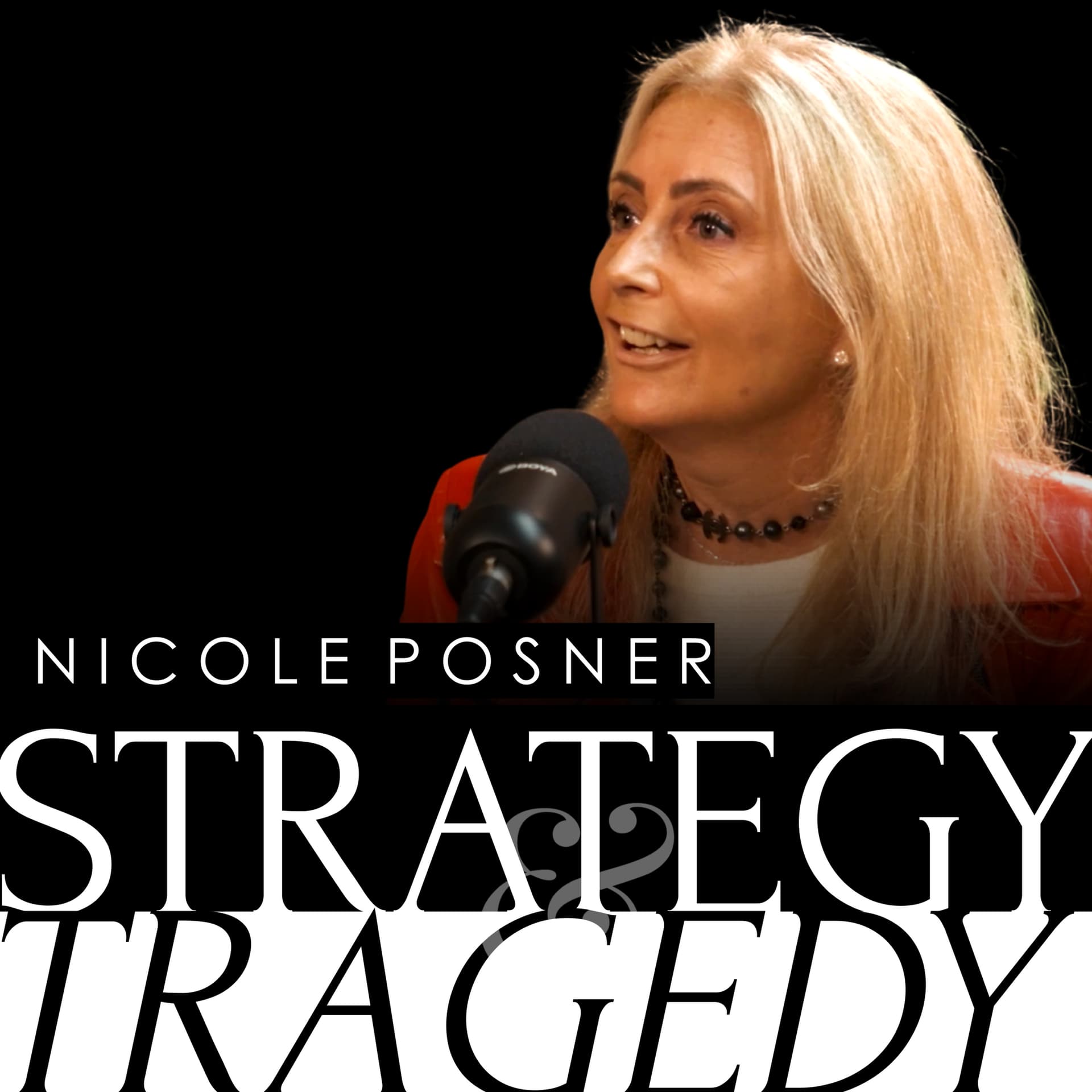
Podcast Episode Notes: Overcome ANY Conflict with Nicole Posner
Podcast Title: Strategy & Tragedy: CEO Stories with Steph Melodia Episode Title: Overcome ANY Conflict with Nicole Posner Release Date: [Insert Release Date] Host: Stephanie Melodia Guest: Nicole Posner Listen Here: [Link to Episode](https://open.spotify.com/episode/1XXH8jkdZcSVp2FfYeLK62?si=a5c7a02987644fe2)
Episode Summary In this episode, Stephanie Melodia engages with conflict resolution expert Nicole Posner, who specializes in helping conflict-avoidant leaders navigate challenging conversations. They discuss the staggering statistic that 65% of startups fail due to founder fallout and explore the critical importance of establishing strong co-founder relationships, effective communication, and maintaining a healthy company culture.
Key Themes and Takeaways
Introduction
- Statistics Overview: 65% of startups fail due to founder disputes.
- Purpose of the Episode: To address the root causes of conflict among co-founders and provide strategies to mitigate these issues.
Guest Introduction
Nicole Posner
- Conflict specialist who helps founders and leaders communicate effectively.
- Author of *And Breathe: The Difficult Conversation Code*.
- Emphasizes the importance of understanding personal values and emotional intelligence in business dynamics.
Co-Founder Relationships
- Co-Founder Dating: The importance of “dating” co-founders to understand values, communication styles, and reactions under stress.
- Suggested initial questions:
- What are your core values?
- How do you handle stress?
- What are your expectations regarding the business's vision and mission?
- Cultural Alignment: Discussing how personal backgrounds and expectations can impact business decisions.
Conflict Prevention Strategies
- Conflict Charter: An informal, mutually agreed-upon document outlining potential conflicts and responses.
- Spending Time Together: Encourages informal interactions to build a deeper understanding of each other’s personalities.
Effective Communication Techniques
- MAP Framework for difficult conversations:
- Mindset: Calm yourself before addressing the issue.
- Act: State your goal for the conversation.
- Plan: Prepare what you want to say to stay on topic.
- Traffic Light System for managing conversations:
- Red: Stop, listen, and let the other person speak.
- Amber: Acknowledge what you've heard before sharing your perspective.
- Green: Ask for permission to share your viewpoint.
Importance of Company Culture
- Cultural Consideration: Understanding and defining company culture from the start to avoid misaligned hires and communication breakdowns.
- Long-term Vision: Recognizing that values and culture should evolve with the business.
Consequences of Avoiding Conflict
- Festered Issues: Unresolved conflicts can lead to bottlenecks, slowed decision-making, and mental strain.
- Mirroring Behavior: Leaders’ avoidance can create a culture where others feel unsafe to express their views.
Final Thoughts and Advice
- Honesty and Authenticity: Encourage open conversations; being authentic builds trust.
- Communication with Heart: Using humility, empathy, authenticity, respect, and transparency in interactions.
Closing Remarks Nicole Posner emphasizes that while conflict can seem daunting, it ultimately can lead to stronger relationships and improved business outcomes when approached with the right mindset and tools. The episode serves as an essential resource for entrepreneurs looking to navigate the complexities of co-founder relationships and workplace dynamics.
Additional Resources
- Purchase Nicole's book: [And Breathe](https://www.amazon.co.uk/Breathe-Difficult-Leadership-Conversations-Business/dp/1913728927)
Connect with the Podcast
- Instagram: [@stephmelodia](https://www.instagram.com/stephmelodia/)
- LinkedIn: [Stephanie Melodia](https://www.linkedin.com/in/stephmelodia-keynotespeaker/)
Call to Action Don’t forget to subscribe, rate, review, and share this episode with someone who might benefit from it!
Written by AI. May contain mistakes. Listen to the episode to check what was said.
Transcript
Automatic transcript. May contain errors.0:00Welcome to Strategy and Tragedy, the top 20 UK business show for entrepreneurs. If you're thinking of starting your own business or you're in the early days with your own startup, then this is the place to be. If you're tuning back in, then a very warm welcome. I'm so happy to see you here. It honestly makes me so happy that you're tuning back in. It's not lost on me the amount of other podcasts and shows that are out there. So you listening in right now has not gone unnoticed. Now, gang, did you know that 65 % of startups fail because of founder fallout? I think that statistic is insane in the membrane.
0:37But honestly, I've been there myself and I've seen it happen with others. And it's such a shame. You could have a fantastic idea. You could have market. You could even have investment and for it to all come crumbling down because of a co-founder fallout. So first and foremost, leave us a comment. Drop me a no. Give me a sign of life. Let us know privately if you feel more comfortable, if this resonates with you, if this is a topic that you've experienced yourself. And of course, do let us know what you think. after the interview. Now, with all that in mind, I am so pleased to welcome my next guest, who is a conflict specialist.
1:11Nicole Posner is here to put an end to that statistic. She works with co-founders and conflict avoidant leaders, helping them to speak up calmly, confidently and courageously in the moments that matter. She's also the creator of the Difficult Conversation Code and author of And Breathe, which we have a copy of here, which I feel calm just by the front cover. It honestly makes me feel nice and chill. So bang on with the artwork. Nicole, welcome to Strategy and Tragedy. Thank you. Now, actually, I listened to Alex Murray's interview. Yeah, great one. And I saw on LinkedIn, he said, you should never start the podcast interview with thanks for inviting me.
1:51So I'm going to be a bit alternative and go, I am very happy to be here, but sorry, Alex. Well, you've already made me happy by plugging another one of my interviews. So, gang, if you haven't already listened to that one, Alex Merry will leave the direct link in the show notes. He is another specialist. So actually what we're doing here with the show is for the listeners who have been with me from the very beginning, you'll know this, but started out interviewing founders, entrepreneurs, their stories. And now what I'm doing is peppering in these subject matter experts such as yourself with the whole conflict conversation.
2:26And Alex Merry is indeed another one of these specialists who specializes in public speaking. And yeah, I put him through the ringer with interviewing him because one thing is coaching and advising others, but another is doing it himself. So that's a great one. I'm really glad you listened to that. Anyway, welcome. So, Nicole, 65 percent of startups fail because of founder fallout. That is insane. insane why do you think that is what's the most common causes that lead to this inevitable fallout there are so many yeah but um i think a lot of the problem starts at the very beginning because they don't do what i call co-founder dating so there's a lot of matchmaking situations have a great idea great service they want to get excited they want to get out there but they don't actually give enough credence to the importance of their relationship.
3:24So that is the very big starting point, who they are as people. It's not just about what they're bringing to market. It's about them. And it's like I always say when you meet someone, you have a new personal relationship. You don't just get married. You get to know them. You spend time with them. You understand their values, what's important to them. And that, I think, is the crucial link that's often missed in a lot of new co-founders when they start up. Just sticking with that one for a sec, sorry. Are there any practical frameworks, tools or even give us kind of example questions? Because I think a lot of people might even struggle to know, like, how do I maybe they're lacking their own self-awareness?
4:09How do I get to know someone else better? I would always start with what's important to you, your values. who you are as a person, understanding where you come from, your environment, your likes, dislikes, even stupid things like when you sit in an office environment, some people love having music on while they work, some people hate it. So getting to actually understand who you are as people, how you might react in certain situations, under stress, under pressure, ask questions. actually you know if this happens you know what's what's the likelihood you're going to react in this way or um understanding a classic is friends who co-found yeah so you expect that you've been might have been friends since you were this high or met at uni whatever there's an expectation that you are always going to agree on things because you've you spent your life doing things together and I've I have I cannot tell you how many co-founders I've met who have fallen out with their best friend and lost the business because of it because there's an expectation so you almost bypass the dating with friendship because you don't do your due diligence exactly and so I you know I would say if you if you are going to co-found for example with a friend sit down and say, okay, we know we love each other because we're here, but how are we going to work together?
5:45So going back to actually the list of things, what vision and mission for the business? So many people think we're going into business together. Yay! But actually, do you want to be a lifestyle business or do you want to be a unicorn? Is there alignment on that? vision can also change as well further down the line. Discussions around, you know, status, hierarchy, that's also very ego driven as well. And if you get to the point where, you know, one of you is going to become a CEO, are you the right person for that role to take the business forward? Also salaries, remuneration, those kinds of questions are things you need to sit down and discussed at the very beginning um i'm going on and on but i'm just getting excited about this yeah you know and and so uh you know what you talk about the status and then there are things like um changes in your personal circumstances so you might both start out or might be more of you actually where you're um young free and single and then one of you gets married has a baby so suddenly your commitments within the business change time-wise and what the sort of effort you want to put into it.
7:04And while one of you might be thinking, you know what, why aren't you working till midnight every night and working weekends? And the other one's like, you know, I've got other commitments that are priority now. So that can create a lot of friction as well. If we go back to the beginning for a quick second on that, and like that discovery stage, there's a couple of things that come up, a couple of challenges that not only I can imagine, but I've definitely witnessed either firsthand or secondhand. So one of them is with the questioning, right? So if we say like, okay, sit down, what are your values?
7:37How do you react in this situation, etc, etc? One of the problems with that, and this is definitely coming from my sort of marketing background as it relates to, you know, customer interviews, is by simply asking a direct question doesn't always mean that you are going to get the honest and truthful answer. So sometimes there's a need to either ask things in a lateral kind of way, come at it from a different angle, or even put certain things to the test and just see how do you actually react in situations? Because, of course, stress can cloud the mind. I might say something about how I react in a situation, and that might be how I honestly do think of myself.
8:16But when it comes down to it, maybe I do act slightly differently, or maybe it's perceived differently by others. So what can you speak to, I guess, on those two points in terms of finding, getting to the truth without just directly asking questions? Quick one, so sorry to interrupt. I'm sure that you are on the edge of your seat listening to this interview, at least I hope so. I'm so aware of all the other podcasts that are already out there. So the fact that you've decided to tune in and listen to this one is not lost on me. If you can just go that one step further and hit that follow or subscribe button.
8:51Doesn't cost a thing, takes two seconds. Now is your chance to do that. It means so much. Really appreciate your support. Thank you so much. Now let's get back to the interview. Do you know what I always say to people who are starting out, spend time together. Yeah. Not just sit down like, you know, this is an interview, but actually, you know, spend proper time together. See, you know, you get to know people in different ways. It's not always about tell me your life story. Exactly, yeah. You know, I was talking to a founder and I said to him, look, you know, yes, you might have your list of questions, but actually go out.
9:32Go out for a few coffees with him. Understand his environment. Understand where he comes from. Ask him about his family. Because you get information from people, not just from direct questionings. But if I ask you about your background, you know, yes, I might make a wrong assumption, of course, but that's going to give me a lot of information about who you are as a person. Because the way you answer other questions is not necessarily, you know, they might not be. So how do you act under pressure? Yeah, exactly. So they might just start talking about family or a situation from a former, you know, I don't know, situation in a work environment.
10:11Yeah. Yeah. How do you how do you handle that? Yeah. You know, it's not like how do you handle? Exactly. So extracting information in different ways. it's giving them an opportunity to story tell is how i see it kind of an open-ended it's funny because literally just earlier today caught up with a friend and she's helping me out with something and she was saying about asking someone tell me about the best boss that you ever had and how it's one of these really eye-opening questions that reveal much more than you think on the surface right because actually even through that answer and especially if you do let them just kind of talk and talk they're revealing their values they're revealing how they want to be managed if they want autonomy do you have any sort of frameworks or practical tips throughout that dating period because what you bring to mind for me is some of these accelerators that do their own kind of co-founder matchmaking yeah and i know for example i know some amazing co-founding teams have gone through the founders factory accelerator for example and they've shared with me this very accelerated like from first date to marriage in I don't know kind of 12 weeks yeah yeah speed dating and I can't remember off the top of my head but for example like they have got tried and tested sort of framework and process that they do take them through there's certain scenarios that they might put them in is there anything that you could add to on that side at all but I have something I call the conflict charter at the beginning so what is that that is
11:48a mutually agreed document, not legally binding, it's an informal document, where you sit down and you think of all the what-ifs that could go wrong. You know, what if one of us wants to leave the business? What if we get to a point where our relationship breaks down? What if, you know, we want to bring in a CEO and the other one doesn't want to? And you bring to the table as much as you can and you discuss it and you say, what are we going to do if any of these, if this happens? And you mutually agree, this is how we're going to act. Now, the reason that that works is both, first of all, you've both agreed, you've both mutually agreed it.
12:37So you've both committed to it. Secondly, if you get to the point further down the line when one of those situations actually materializes, you're reacting from a place of calm. You're not reacting. Your fight, flight, freeze response mechanism isn't kicking in where you suddenly want to go. And also you've got something as backup to say, right, we are now going to do X, Y, Z. know we we can't agree this ourselves this is what we are going to do um and that just gives you like a safety net yeah as well um it just means that um sometimes when you are caught in the crossfire yeah um we don't see we see red yeah you're not going to react in the best way are you it's getting those awkward conversations out the way sooner than later this sort of links to another question I wanted to ask you which was that honeymoon period so again coming from both first hand as well as you know close second hand experience is I for one like if there's a new project or a new business idea I get so excited and I just get like my I mean I mean I'm already quite excitable and very energetic anyway but if I'm like oh this could be so good we could make so much money we could do this and that and I'm thinking about it content like more more ideas and I'm coming up with stuff I'm not like late at night I'm rolling over to my notebook it's true we have more ideas it's the first thing to mind how can you any again practical tips when you're in that mode early days and it can be either or both the excitement of the idea or collaborating with this person it can feel so counterintuitive to say I know that we are on a massive high right now and we're both giddy and excited but can i sit you down and do this conflict charter with you no i'm not saying at the early stage sure you know a little bit further in yeah it's not you know it's okay to have a honeymoon definitely okay but always be mindful so this is the thing about when things go wrong yeah insurance insurance policies okay we don't ever want to have to have them right but in business and in life we unfortunately do and they're there to protect us and this is you know where you've got you know the devil and the what's the opposite the devil the angel thank you you know here's here's the sort of the devil going excited loving it and sort of the angel sitting there going just you know let's take a minute exactly there's nothing wrong with having excitement you know that's what drives and motivates but it's like having that that little bit of an insurance policy to say just to be aware okay because I know everyone gets caught up in that excitement in the early days in that honeymoon period but you also you know this is a business and you also you have insurance for all other areas of your business right this is just another one and that is the problem why we have that statistic because those 65%, they never think at the beginning that things are going to go wrong.
15:57Yeah, exactly. And so what, you know, I guess what I'm trying to do is raise awareness to the fact that put an insurance policy in place at the beginning. Yeah. You know, yes, it sounds like everything's great. Okay, now we're going to do a conflict charter. Yeah. Yeah. Okay. Not necessarily, but, you know, you get legal advice when you start a business up. You know, this is sort of common sense advice, if you like. And I would also say, speak to those that have gone before you. Okay. You know, you think that this is going to be amazing. It's bloody hard running a business. Speak to, you know, I could introduce you to hundreds of founders who have fallen out.
16:47Yeah. OK, who have spent years, you know, in legal battles in, you know, losing their mind, losing family, losing sleep, losing everything because they got locked into the most awful, awful situation. Oh, such a shame. Because they haven't done their due diligence at the beginning. It's so funny how the brain plays tricks on you, isn't it? I always draw the analogy between business and babies, right? Where it's like you birth a business idea, you get excited, so you think about and how quickly, you know, as the female body can forget the pain of childbirth and labor. It is kind of like that as well.
17:31It's like, oh, I don't, it's not even on my radar to think about all the failures and all the other people who have gone through this before because you're just filled. Again, it's like how that excitement can take over in those early days, how you're filled with optimism and how you don't also want to feel like the one to bring the other side down either. Do you know like I often think that sometimes I'd love to introduce new excited founders to a room full of founders who've gone through. A reality check. That could be a good little kind of network business idea they did it yeah yeah but that's funny i remember i i could i mean i don't have enough fingers for the amount of conversations i've had with when i've spoken to people about what i do and and they've said i wish i met you five years ago yeah and then they sit and they vomit out their story and you know it's like your heart goes out and and they said I wish I'd met you X years ago.
18:35Well, gang, this is exactly why I have Nicole on the show here. So I'm hoping that she's coming in at the early enough stage to help you guys out. I hope that this is the five years sooner point that we're already at. So again, gang, if you're going through this, if you've had experience, if you are dating a co-founder at the moment, like do leave a comment, get involved in the conversation. So let's get back to the top causes. So we started off with like basically not getting it right in the very beginning. So we talked a lot about that in terms of dating, just to summarize sort of the key points, like just spending time with each other.
19:09After the excitement dies down a little bit, come together for an informal conflict charter. Any other tips? Culture. You know, culture feeds into so many areas of the business. So, yes, it does come down to, you know, your values. but, you know, understanding your business, you've got to walk and talk values and whatever. And so many, again, founders I speak to, I say, you know, have you thought about the culture? What's important to you as a business? No, no, no. You know, we'll talk about that later. Because that feeds into so much, into who you hire, a lot of misaligned hires. Yeah. the way you communicate them how you deal with stuff so that's one thing i would that's a great one you bring up and the problem with that is i think the term culture a is just so nebulous it's so kind of it's super important but it's intangible it's hard to kind of quantify to codify i guess this is where your values kind of come in but also i feel like there is a connotation with larger organizations like this is our corporate culture but of course this still applies in the very early days the problem with that is in the early days you're so thinly stretched yeah i get that you're just trying to like make ends meet find product market fit do your interviews pivoting all the rest of it that culture is such a almost a luxury much further down the line right but it's not it may feel like yeah but again this is what i try and drum in is you know much further down the line is when the problem is going to happen if you don't deal with it now yeah don't say deal with it think about it and you're right it is like such a i don't know a word that's thrown around yeah like you worked on your culture um but do you know what it doesn't even need to be culture it's just know who you are yeah you want to be how you want to be thought about as a business what's important to you how you behave yeah sustainability I don't know whatever it happens to be but live and breathe that don't just write it down on a bit of paper yeah behave it you know and that that will reflect a lot you know that again a lot of misaligned hires have been because and that's cost them money time time headspace yeah you know when they're desperately trying to to get this business up and running or scaling it and you're bringing in the wrong people and you're dealing with people problems the whole time massively detrimental is like that takes a lot of energy from you focus so while yes it doesn't feel like it's something it's a luxury as you said where i'm sitting on the other side of the table having seen when it's gone wrong you know i want to drum into people it is important at the beginning know know who you are yeah what comes to mind for me on that is one of the very many bezos um decision making frameworks there's actually a whole huge article it's absolutely humongous on all the way that jeff bezos thinks and it goes on and on and on with principles and frameworks and guidance this is where you so often cite like the way bezos runs meetings and the way he makes decisions and everything else it's absolutely insane i think anyone else can like hold a flame to jeff in that regard but one of these thousands of frameworks is the urgent important quadrant so what's urgent not important what's important not urgent etc etc and it feels like that as well it feels like what you're saying is your culture in the early days even if it is just you and your co-founder or a very very small team getting started it's important it doesn't feel urgent in the moment but it is still important and I think what you sort of take the pressure off there as well is like don't deal with it but think about it and I think what anchors that is the self-awareness and yeah you know part of that is kind of the emotional intelligence how how well do you even know yourself before you get to know somebody else that well because that's going to translate into the culture the precedent that you set for the company as you grow okay so we sort of summarize like the dating sort of stage discovery what are some of the other so beyond that if you haven't quite got it right from the very beginning what are some of the other top conflict causes that you've seen in your experience um poor communication the way people respond if they don't agree yeah um you know silence is often because to be fair i don't think any of us have been taught this what can we do about that so my ethos in life is always doesn't matter how uncomfortable it is you have to have that conversation so what you see with a lot of conflict avoidant leaders for example they will sit with it and sit with it and then it just escalates and escalates and either it blows up or the conversation never gets discussed so I always work first with the mindset behind it I have to have this conversation how am I going to have it and I have a little framework or use a map.
24:54Map. Work on your mindset first. So before a difficult conversation, we often go into sort of freeze mode. God, I've got to have this conversation. I've got sick. Oh, my God. You know, it's going to become a screaming match or I'm not going to be able to say what I want and they're so much better at saying things than me and whatever. So you can never have a decent conversation when you're in that frame of mind. So I would say, first of all, work on that. Do anything that's going to calm you down. Now, everyone, that will be different. It will be go for a run, go for a walk, phone a friend, listen to a great podcast, read a book.
25:37I don't know, go for a cycle, meditate, whatever, listen to music, podcast, whatever. Moving your body is a good one because you just get the energy out. Yeah, exactly. It's got somewhere to go. So, you know, don't ever start one of these conversations when you are feeling. OK, second is always have a goal. So know what you want to achieve. That's the A. Always know what you want to get from this conversation. If you don't agree with someone. OK, what do you want from that conversation as the end result? Just to say, I want you to agree with me or I want an apology from you because that felt. that hurt me or I want understanding from this conversation or that's your goal know what you want to achieve and then p what everyone will often forget not everyone that's a huge generalization a lot of people forget is plan plan what you want to go plan what you want to say because it gives you a the confidence and sometimes we get sidetracked you know we get we go off um off topic whatever so if you've planned out you think right i want to bring this up this is the reason why i want to bring it up um this is what i'd like back or this is what i'd like to change or or these are the points that i think are important to this do it in a note form do it bullet points or if you've got a great memory but pre-plan it because when we're in the throes of a difficult conversation we get derailed yeah and you know the fight flight freeze things our cortisol levels go through the roof we sort of forget what we want to say so that's what I would say use a map before you have a difficult conversation yeah that's super helpful yeah love all those practical tips and tricks why does this subject interest you so much why is the whole topic of conflict so important I just love the psychology of conflict.
27:33I love people's behaviours. I love understanding what drives people. I love understanding why the sort of red mist comes down, people react or they dig their heels in. I just find people fascinating. You must not be conflict avoidant yourself then, or is that a common misconception? I can be. Do you know what's funny, actually? Full circle. Do you know what? Just going back to Alex Merry, who you called out from the very beginning, that's another really interesting example where he is a public he hates public speaking yeah it's so funny but that's almost his story is how he's been able how he's a better educator in that sense because he's his own personal he's had to overcome it so i'm actually not surprised it's just a common misconception and the same with um lauren curry i had on here as well who's kind of confidence queen and it's again that common misconception of like she must be misconfident super confident She's like, actually, no, this is like the plot twist.
28:30So what's your plot twist here? So the interesting thing is we react, the way we react in conflict is different depending on who the conflict is. So with my husband, if you're watching. Shout out, Mr. Posner. Don't listen because you'll know my secrets now. So, for example, there are certain things that will trigger me, say, with my husband. I will react in a certain way to him. And then there is some, the point about how we react in conflict is there's always a fear behind it. Okay, so what am I losing from this if I react in a certain way? So the conflict avoiders or the people who shy away from conflict, there is, you know, what am I going to lose?
29:19Am I going to lose my voice? Am I going to lose my reputation? Am I going to lose my voice? Am I going to lose full stop? So we do behave differently depending who it's with and or, you know, maybe your, I don't know, sibling or whatever. You might just react completely different. For sure. Yeah. If you're having a conflict with a co-founder or business partner, again, there is something at stake behind this conversation. So we will react differently. Yeah. I can't actually remember what the original question was to this, but why you care so much about it. and if you're conflict avoidant or not.
29:57Yeah, definitely. So in certain situations, I will be, yes, definitely. Do you struggle more with that being an expert in this space and you recognise, oh, I'm doing this myself? How hard is it to take your own medicine? I have to pause. I have to stop and think, right, what would I say to my clients in these situations? I have to pull myself back in. I have to do that a lot as well. I'm like, I give advice all the time. I have to take it myself. Don't worry, yeah. Best advice. Exactly. do as I say not as I do exactly yeah but I I do know that I think I guess the difference to me is and and I I would hope any expert in whatever field they are is you have the knowledge to know yes I am conflict avoidant but this is what I have to do whereas a lot of that awareness avoidant leaders don't have that yeah exactly I sit and I think right what would I say to Steph in this situation yeah and given your interest in the psychology behind it what can you share lifting the hood on that like I guess the the flight what is it the flight fight freeze which actually again Alex Murray I can't believe how much we're citing Alex Murray in this episode but um he shared two more I never even realized it's not just those three he said there's actually five f's the other two oh yeah see if you know you'll come to me in a minute you know I only remember one of them so I hope you wrote the other one.
31:20The other one is fawn. Fawn and flop. Was it flop? Yes. You might be right. Yes. You've got fight, flight, freeze, fawn, flop. Yeah. So I get, at least with the first three, the original triad, I get that that is an evolutionary survival mechanism. I understand that. But is there anything else that's interesting? so I guess actually more with the psychology on the avoidance of conflict I get the the fear side of it but why I mean I like can't stand it like why why is it why does it feel so horrible it's a perceived threat so an emotional threat as opposed to a physical threat yeah threat so So there is something that I guess what I was trying to explain before, it's like there is something that is going to happen to me emotionally perceived.
32:19Yeah. It won't actually happen, but it's a self-defense, self-protection. If I get pushed back or if this is confrontational, it's often based on something that's happened to us in the past. so perhaps you had a confrontation with someone in when you were a child growing up with your parents or the environment you were brought up in and in certainly as a child from the eight six months to seven years if let's say something happened to you at school let's say in that time our minds don't have the capability to think okay um someone's bullying you okay well they're a nasty person and whatever but what you then you make your own um uh decision about what that means yeah that means that um i'm a bad person or or i'm not good enough or whatever and that feels uncomfortable and so you carry that with you internalize it your whole life until you suddenly someone stops you or you're able to recognize that yeah so your reaction every situation thereafter after in many years is always the same but you're not aware of of the why behind it so it could be environmental it could be as I said something that happened as a child or you've seen it happen so your parents you grew up in a home I'd you know where your parents were always shouting and screaming and then your dad left your mom yeah and then so you you take that as oh my goodness you know shouting is terrible therefore I'm never going to you know enter into a conversation that feels confrontational because something bad is going to come to me so we subconsciously apply this meaning to it and we internalize it and then we go out into the working world and we don't get therapy or training and then we go into these situations and then all the excitement spurs us on to build the next unicorn and lo and behold 65 percent of startups are there any um have there been any conflicts that have been the worst of the worst that you've been beyond resolve this is less helpful and more just spilling the tea now yeah and like the causes behind that like what's beyond salvageable i mean there was one that springs to mind where um i was called in actually post grievance investigation as a mediator and um one there was two men and one had been accused of attempting to strangle the other one that's how bad it got yeah and wow i remember sitting there and i walked in and i said yeah hi how are you and today and, you know, just making polite comments.
35:16How do you think I am? Someone's just attempted to strangle me, you know. Oh, my God. And I was like, okay, this is going to be a car. Needless to say, you know, it didn't go very well. There was a lot going on there. But interestingly, okay, so there's a lot of issues. I think that he, I don't want to label him, but there was obviously a lot going on for him in other things. Yeah. Sounds like it. A lot going on. And the guy who apparently, you know, did the strangling, you could see his frustration over the behaviour of, you know, I don't think, I don't know if it ever happened or not. We'll never know.
36:03But what was the most interesting was the manager of these two guys. When I spoke to him beforehand, he said, I'm around all afternoon, you know, if you need me. And suddenly, you know, halfway through the mediation, I said to them both, you know, how do you feel if we bring your manager in? Because he's quite integral in all of this. Nowhere to be seen. He'd done a runner for the afternoon. And I realized that he was part of the reason that they were in this mess because he couldn't, wouldn't, not able to. Take care of the situation. Yeah. And that is the problem with a lot of, you know, new managers.
36:46Who don't get the training. Yeah. They might be promoted into a role. Yeah, yeah. Not specifically co-founder or founder related, but, you know, certainly within a corporate situation. they don't have skills to do that exactly and this is so I mean the world of work I'm so grateful that the world of work is changing in so many ways I'm going to try and not open up that can of worms but one of these areas that still needs to change is this weird just accepted path of the career progression from I'm interested in this field I'm kind of good at it I spend time working on it and I get so good at it that I move up the rankings and I do less of the work that I'm good at and then suddenly I have to do this other thing that I wasn't interested in in the first place I don't get any guidance or training but it's every single company well I'm sure everyone can relate even if like you know previous jobs you've had or whatever it's insane it's absolutely insane yeah absolutely spot on and and there's a company it may might be meta well i'm pretty sure i think nicola mendelson did an interview i love her um yeah she's great yeah um it could have been with stephen bartlett well i might have made this up anyway i'm pretty sure it was her and i think that to this point that she said when they promote within the business they don't necessarily promote people into people management roles they promote them sort of sideways or into another role so they still get the recognition they might get a pay pay increase whatever but people are not necessarily interested in exactly people and it makes me wonder kind of like ripping up the rule book again like i feel like there is this expectation that working up to managerial roles again apologies I know this is entrepreneurial and we've gotten to a bit more sort of corporate management but it's it's an important topic the the kind of the the connotations or the expectations of that is that you have a certain amount of experience and therefore you are a certain age but what about if there were regardless of age and experience so let's imagine if there were a younger person somebody that's fresher in the workforce but they have very high emotional intelligence maybe they grew up with lots and lots of siblings or a big family for and it's something that just it's a skill set in its own right that comes naturally to them that you know they might be in their early to mid-20s for example but they are good at mediating just you know a real true people person like why does it have to mean that you've had 10 years doing this thing suddenly you're gonna manage other people in this thing anyway i agree i mean i think it's wonderful it'd be wonderful i think it's coming yeah any um any insights you can share from that particularly bad conflict any learnings out the back of that before we move on no i mean i the management side of it i guess is the main learning beating my head against a brick wall i mean that's kind of why i stopped mediating one of the reasons and oh frustration because wow I felt that it was all very well me going in and dealing with the conflict as you know that one it wasn't a successful one as that happens yeah um but going in and dealing with it and walking away but the problems are still fundamentally there and I'm all about making proper excuse me making proper change and if the leadership you know problems are systemic of the leadership yeah 100 so i always you know i then trained to be an executive conflict coach to work with leaders yeah help them stop the all the stuff that went on there stop the fish rotting from the head yeah because i was just like this is you have to want it as well like i can imagine some leaders being a bit dismissive maybe or kind of like oh this is just you know these misbehaving employees or whatever so you've got to be you've got to be helpful and willing and open in the process right um and recognize that you might be part yes pride must get in the way of that so much as well that must be difficult for them to admit sometimes and lack of awareness yeah on the fact that yeah creating this chaos Yeah.
41:32Sometimes something's got to happen to, there needs to be a catalyst sometimes, right? Either it's bad enough or it's just happened enough times that make you think, hmm, maybe it's me. I'm the problem. I'm the denominator. Yeah. I don't know, though. I definitely, there's a few individuals that come to mind and I'm like, I don't know if you'll ever realise I think you're taking that to the grave. You just have to walk away from, don't you? Anyway, at least another couple of quick questions as well. One other, who knew there was so much to talk about on conflict? I feel like we could definitely keep going.
42:02But I don't know if you're familiar with the graph. I don't know what the name is, but it basically, if you imagine kind of starting on a straight line, a big dip and then a big kind of curve upwards where it's basically the dynamics of team kind of formation. And it starts out with team forming and then storming, which is the dip. and then norming before you get to performing yeah forming storming norming performing and the idea is is that you have to go through that process to get to a high performing team so again sort of bring it much more back to like startups here as well right we're forming an early team what's your take on getting to the storming phase as quickly as possible before you can get like is that a necessary evil that you just have to go through and the sooner you can do it the better or do you think that's unnecessary what's your take i think it's unnecessary okay good i'm glad to hear that yeah it's me being conflict avoidant because i don't want to but that is the concept here is that the sooner you get through that the better you'll be the same as the relationships right like have you had your first argument in the first few months oh i i think i i would re reword it okay i think the important thing is the ability to create enough of a safe space that people can say what they want to do sorry say what they need to say so that's you know the storming so learn how to have honest direct conversations but learn how to do it in a respectful way so you create the culture where it's safe to speak up and say what you need to do but you also create the culture where you do that respectfully and you know conflict can also be good because out of bad things things get better if managed the right way yeah there's a lot of negative connotation to conflict but that doesn't have to be the case all the time that's a really refreshing take I love that so I think that's quite important and dynamics also you know when you're building a team um there's so much that goes into it but you know personalities as well you've got to have the right people in the team and and to work collaboratively together you've got it yes there will be those times when people get on and you know that create that can nurture creativity and innovation as well because you it's good to have differences of opinion and and that can create different viewpoints yeah and take um something to a different level or different direction 100 yeah but you've got to listen and be open to other people's perspectives as well so within that dynamic i would say that you don't have to go through that up and down curve like you described but what you do need to do is learn how as a as a business as a team set the precedent before you start going back to culture i want you to say what bring to the table if you don't agree with me that's fine yeah please tell me and explain why I want to know if I'm doing it wrong if you think your idea is is perhaps could work better brilliant yeah we're all in this together the same we've got the same goal but let's do it in the right way I love that a lot of it is about putting the ego to one side isn't it and again this as the leadership of saying like especially if you've casted a team around you of people who are subject matter experts who know their stuff better than you it's like I want to be proven wrong I want you might have a better idea um the other thing that came to mind people pleasing I love love love this refreshing take on how conflict doesn't need to be negative because what you bring to mind for me there as well is how the people pleasing and keeping the peace can be a short-term gain for long-term pain.
46:15Because again, to your point, you're not being your authentic self. You're letting something fester. You're not nipping it in the bud. And for the wider good, you might actually have, you know, a better way of doing things. You need to have that openness and comfort to do it. Yeah. What are some of, I guess, this is maybe my penultimate question here as we start wrapping. What are some of the consequences of sitting on problems? So again, being a conflict avoidant leader, co-founder, give us a little bit more encouragement as to what will happen if you don't bring these things to the table. So either they escalate an issue.
46:55It just sits in festers. You know, it never goes away. Don't mean to be a spoiler, you know, spoil everyone's. ones. Debbie Downer. Yeah. But they never go away on their own. They don't. So you either they fester and then they blow up. So for the from a business point of view, and it creates bottlenecks, and it slows down decision making, and it fractures relationships. And what happens is personally on yourself, you know, you take you carry stuff with you. You think you might not, but you do you go home you churn it over yeah keeps you talk about it all night with your family or your partner so it eats away at you so it's gonna affect your own mental health um but within the business you know if it if it just sits there you might skim over the surface and going to people pleasers as well you know what they often do is they'll just sort of put sticky plaster on it Exactly.
47:58Just, oh, you know, brush it under the carpet. But let me tell you, it always pops up, rears its ugly head and comes back again. So, and then also your, to your point as well about mirroring behaviours, you know, if you are that person where you avoid conflict, everyone's going to do that in the business. You see, it's not safe to say what I need to say. It's not safe to address a problem. So that's further motivation for co-founders, isn't it? It's almost, again, that parent analogy I always make, which is if you're not doing it for yourself, do it to model it for others. correct um this is a very very basic simplistic question but i do want to just go back to any specific like wording phrases again like i was saying with almost like how to say no it sounds very basic but what could somebody say if they're kind of sat on something something's kind of festering and it feels like i'll just be so much easier just to like avoid it water under the bridge but what what could you say what could they put into a message how could what could be the first words out of their mouth on a phone call give us a bit of that direction mama posna we need help what do we say um the first thing is you know can i talk to you about something which induces anxiety in anyone oh my god it's gonna be something bad okay but it's it's direct you know now the other person knows you have to have a conversation yeah how else are you going to start it without saying you know there's something that's been worrying or something that's been worrying me or something that's concerning me yeah i talked you about it yeah you know let i need to have a conversation with you is you know i guess for a more confident person but if you're a real people pleaser or conflict avoid and start with me i something that's really worrying me or upsetting me, I'd love to have a chat with you about it.
50:02Yeah, nice. I'd also, the word that I recommend no one uses, and I do still do, is the but word. So if you're having that difficult conversation and you've put your point to me and I just respond with yes, but, that is just going to trigger. Immediately defensive. Because what that implies is you have not listened to anything I've just said. So I have a little framework that I talk about, which is called the traffic light framework. So if you're in, I know you actually did ask, how do you start the conversation or whatever, but it brings me back to the yes, but thing, which is if you need to have a difficult conversation and you want to get your point across and you keep getting a rebuttal back, whatever.
50:58stop that's your red light okay you stop you let the other person speak let them get say whatever they need to do even if you're like you know you're like it's on the tip of your tongue just hold back don't interrupt don't do the faces and the body language because that's a communication as well okay that's like you're doing now you just listen when they have said their bit You then go to Amber, which is, OK, I've heard you've said, I hear you and I understand that you're upset because. Can I explain my point now? When someone feels heard, OK, they know you have acknowledged what they've said.
51:48You've not just listened and said nothing. You've acknowledged it. that's when someone will be ready to listen back okay and then when they've said yes that's psychologically giving you their agreement as well you then go in green which is can I share with my perspective with you now love it Nicole I'm so happy that you mentioned that those are the magic words I was hoping were going to come out at some point because I don't think enough people realize the power in just playing back to you what I've heard. I cottoned on to this, honestly, as a bit of a sales kind of trick years and years ago, like such a long time ago, maybe one of my business development roles in an agency.
Read the full transcript
52:33And I could see I mean, I think I'm also very perceptive, I pick up on the tiniest micro facial movements. And I noticed how much people's eyes would light up especially if you're in person not over zoom and stuff but how much their eyes would light up and i can just tell the martiniest micro responses from the other person the power of i've not only heard you i'm proving i've heard these and using their own words back um and the other reason i'm really happy that you mentioned this is i've recently made friends with an incredible expert in the field of non-violent communication um is that what it's called non-violent uh envy it's nvc nvc and it's not what does this stand for communication yeah nvc and she talks a lot about this as well she talks about this concept of fingerprints i don't know she's an expert in it but it goes back to that the wounded child that inner that younger self of like we all need to be seen and heard and especially in those high stakes high energy red you know red flag to a ball conflict situations it's such a diffuser as well isn't it you almost you want to disarm the other person and i think it's also that reminder that we're on the same team we both goes back to your point around vision we're both working towards the same goal this is our shared vision i hear you i do i hear you it's the respect and everyone wants to feel respected it's a way of demonstrating that respect and then i love the traffic light system now do I have permission to show where I'm coming from yeah Nicole I could I'm shocked myself at how much I could talk I feel like I could go on and on and on but we need to start wrapping up are there any other top pearls of wisdom that you'd like to share on this subject of conflict before I ask you my final traditional closing question I think there's one other thing that I would throw into here again it's another one of my frame I mean I've got so many but Great Basel.
54:37There's two. Okay, there's two. Okay, one is in terms of going back to the communicating piece, honesty, courage, and authenticity are a pipeline to connection rather than a barrier to communication. So you have to have those difficult conversations. You know, lay it down on the table. Be courageous, be honest, but be yourself. Yeah. Just say it because that will build trust and rapport. So that was one good thing. And the other thing is communicate with heart. So heart, you know, it brings so much. Everyone has a different meaning to it. But my idea of heart is the letters. H is humility. E is empathy.
55:28A is authenticity. R is respect. And T is transparency. Nice. so whatever conversation you have to have bring those traits into it brings that human side to it doesn't it you're not there you're not in the battleground yeah you're there human to human but so so those are my love that framework i love that amazing nicole thank you so much for coming on the show and sharing i really hope i genuinely really do hope that that comment you said that people come up to you and i wish i met you five years before i hope that this is what we're doing now our listeners thank you so much for tuning in i hope that you found this helpful and even just wherever you're at again please let us know i'm super curious if this is something that has happened to you or you're going through at the moment or even just i feel like this is a lifelong thing like keep it up your sleeve there'll be future instances whether it is with future co-founders future roles and in life as well right it's a conflict communication i think it's i just love the reframe on this as well.
56:29I love the reframe that it isn't negative, that it is, it can lead to better positive things and whether that is stronger relationships, better outputs. Nicole, thank you so much for coming on the show. And thank you too for listening. Episodes are weekly. So I hope to see you next time. Thank you so much.
From the publisher
65% of startups fail because of founder fall-outs. Nicole Posner is here to put an end to that. She works with Conflict-Avoidant Leaders, helping them to speak up calmly, confidently and courageously in moments that matter. She is also the Creator of The Difficult Conversation Code and author of 'and BREATHE…' (Purchase here: https://www.amazon.co.uk/Breathe-Difficult-Leadership-Conversations-Business/dp/1913728927)
Other resources mentioned in the interview:
Tune into Steph's interview with Alex Merry: https://open.spotify.com/episode/1XXH8jkdZcSVp2FfYeLK62?si=a5c7a02987644fe2
Get involved in the conversation:
🤍 Instagram: https://www.instagram.com/stephmelodia/
🤍 LinkedIn: https://www.linkedin.com/in/stephmelodia-keynotespeaker/
🎧 Don't forget to subscribe, rate, review, and share with a friend!