Ask ChatGPT


 The Business of Fashion Podcast
13 Nov 2026 · 53m · 17 chapters

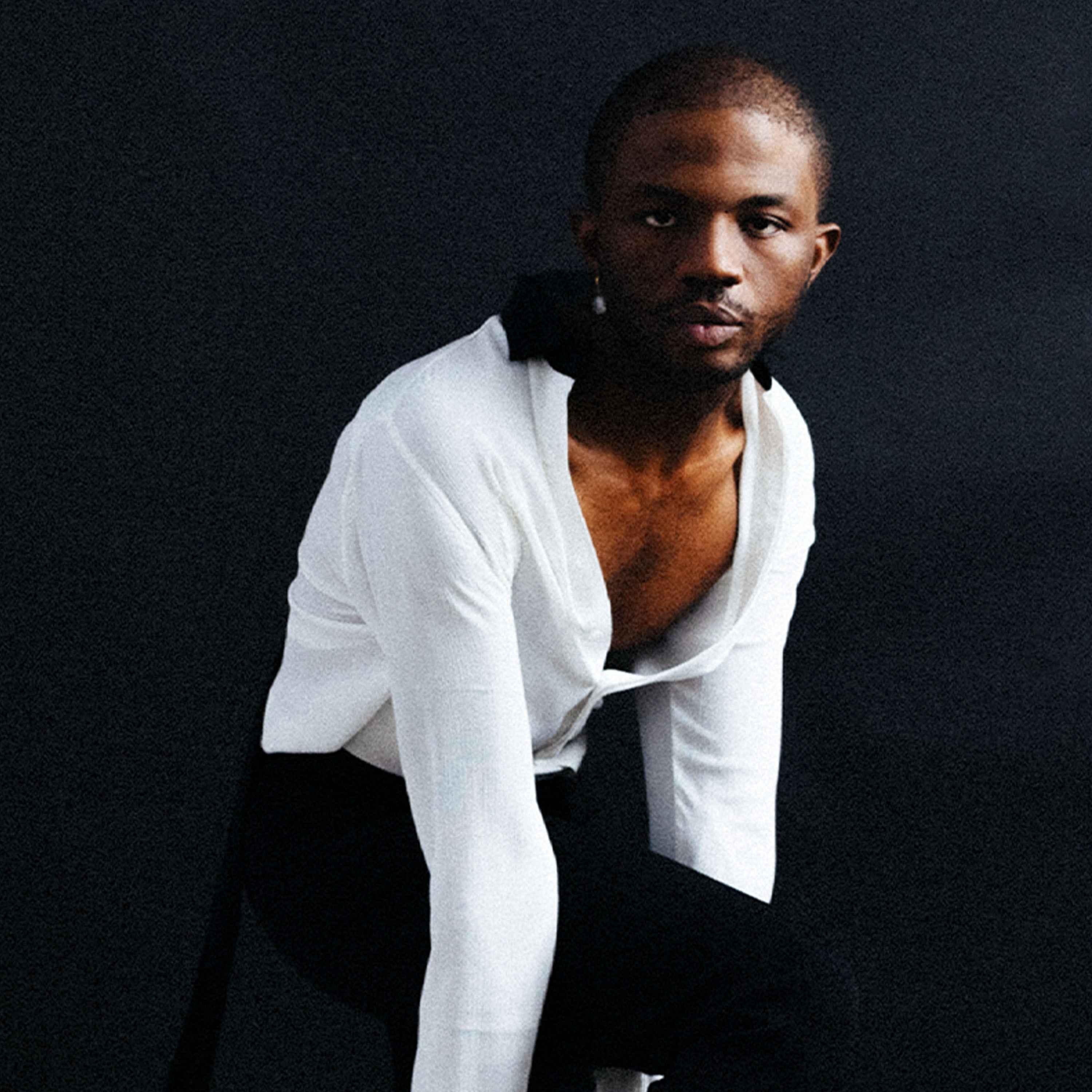
Terrence O’Connor explains why cultural relevance can’t be manufactured, arguing that it comes from uncompromising creative vision, long-term groundwork, and personal conviction rather than groupthink marketing. He uses Charlie XCX’s “brat” rollout as a case study, discusses how fashion should learn from music’s cultural impact, and emphasizes that the best creative partnerships are built over years through friendship and collaboration. He also highlights the growing importance of experiential, multi-touchpoint brand worlds in a digital era.
Terrence O’Connor is a creative director and strategist who started in social media/marketing, then expanded across music, fashion, and digital media. He helped actor/comedian Benito Skinner build his online presence, later worked with artists including Charlie XCX, and produces the Cultural Digest weekly video series analyzing internet and entertainment culture.
“Strongest perspectives” come from individual conviction; “brat” didn’t appear out of nowhere; brands dilute ideas when they over-strategize; long-term commitment beats churn; fashion needs full-world experiences, not just staged ambassador content.
Charlie XCX’s “brat” playlist reveal; Dior Men’s show under Jonathan Anderson; Taylor Swift’s post-COVID Eras tour as experiential marketing; Chanel/Lazy references; “hotflation” as a culture note.
Written by AI. May contain mistakes.
Discussion on Terrence's unconventional career in creative direction.
“before moving to New York and later to Los Angeles, where he recognized the commercial and creative potential of social platforms like TikTok and Instagram.”
Exploration of Terrence's upbringing and its impact on his career choices.
“Here's Terrence O 'Connor on the BOF podcast.”
Terrence discusses how he nurtured his creativity despite societal expectations.
“And that's what we're actually here to explore today.”
Terrence explains how he defines his role as a creative director.
“So what kind of family were you growing up in Massachusetts?”
Discussion on how Terrence transitioned into a creative director role.
“Was it closeted just like your sexuality?”
Terrence shares how collaboration with others influenced his career.
“And then I and with that was a lot of like strategy and marketing stuff.”
Exploration of how meeting others led to broader career possibilities.
“Well, it really depends on who I'm working with.”
Learn about the early influences and the role of social media in shaping aspirations.
“Like it was really boundary shattering, I would say.”
Explore the speaker's reflections on personal growth and motivation that transcend traditional goals.
“And, you know, when you hear, I don't, I've only met Benito once or twice, you know, sitting near each other at fashion shows.”
Discover how moving to LA expanded the speaker's creative horizons and network.
“And that's, you know, it always comes eventually, you know, it's like the muse, like, she's elusive, she's in the she's often the and then she she reveals herself right when you need her to.”
Understand how the speaker leveraged digital culture and collaboration with peers to build a career.
“And we would go to people's houses and meet just, I mean, everyone in the room would be an artist of some kind or writing a screenplay or working on a video, digital video series or, you know, creating an album.”
Learn how the speaker organically started making videos and engaging with cultural commentary.
“And that really ended up being how it weren't.”
Explore how fashion reflects and shapes cultural relevance in society.
“And, you know, some might say it's a torrent.”
Discuss how fashion phenomena emerge and the hard work behind them.
“Yeah, I guess for those of us in the UK, like Charlie XCX was kind of already a known quantity.”
Exploring how music and fashion are increasingly intertwined post-COVID.
“is just how different cultural pillars or conversations come into conversation with each other.”
Discussing the importance of sustained relationships in fashion marketing.
“I think we had another feeling like that when Celine Dion did that concert run in Paris recently.”
Encouraging young creatives to collaborate and create with friends.
“You know, I think that is, I think that's the best collaborations I've been a part of.”

Get the gist, explore an idea or ask about something said.
 Claude
On The Business of Fashion Podcast, what are the key points of this episode?
Searching your listeningAutomatic transcript. May contain errors.
0:00Hey, we're Nick and Jack, hosts of The Best One Yet. Behind every episode, there's research, email, spreadsheets, and our shared Google Doc, the Headline Hammer. With Google Workspace with Gemini, Google's AI is built right into the premium versions of tools we already use, like Gmail, Docs, and Sheets. No new tools or extra logins, just personalized AI for the way we work. That means less time on the work around the work and more time finding the stories worth talking about. Get AI tools for work. Upgrade to Google Workspace with Gemini at goo.gle slash workspace with Gemini. That's G-O-O dot G-L-E slash workspace with Gemini.
0:33This message is brought to you by today's sponsor, Walden University. Set a course for change. Now is the time to make a real change in your life, career, and community. At Walden University, we give you the support and flexibility to get the W. Walden's online programs are designed for working professionals like you. You'll gain hands-on skills to take on real-world challenges and succeed. Your future is waiting, and Walden is here to help you achieve it. Take the first step to make your impact. Visit waldenu.edu. Walden University. Set a course for change. Certified to operate by Shev.
1:15Hi, this is Imran Ahmed, founder and CEO of the Business of Fashion. Welcome to the BOF podcast. It's Friday, November 16th. Terrence O 'Connor has built an unconventional career as a creative director and strategist working across fashion, music, and digital media. Raised in an academic household in Massachusetts, he initially saw few clear roots into a creative career before moving to New York and later to Los Angeles, where he recognized the commercial and creative potential of social platforms like TikTok and Instagram. He started out by helping actor and comedian Benito Skinner build his online presence before going on to work with artists including Charlie XCX, whose brat rollout became a defining cultural moment.
2:05Alongside his client work, he produces a Cultural Digest video series, offering sharp observations on internet culture, entertainment, and the trends shaping our world, making him a closely followed observer of how and why ideas gain traction online. I think the strongest perspectives don't come from groupthink, it comes from personal conviction. it's kind of like a belief I think I have of like the power of the individual artist so I think when we get art that is so uncompromising in that way and so allowed to exist in that pure form it is it hits us like a wave. This week Terrence joins me to discuss what fashion brands can learn from the success of Brat, why the best creative partnerships are built over time, and how friendship and collaboration have shaped his unconventional career.
3:08Here's Terrence O 'Connor on the BOF podcast.
3:15Terrence O 'Connor, welcome to the BOF podcast. Hello, it's so honored to be here. it's very it's good it's one of those weeks where i feel like i'm running around yeah doing a hundred million things but i get a moment of like real connection in conversations like this this is my favorite this is my favorite part of my job is chatting with people like you and i'm oh i'm i'm really keen to keen to get to know you better no well i I feel like I very rarely do a podcast. So it's always like a fun format of conversation. Where in the world are you today? I am home in LA for like the first time in so long.
4:07I've kind of been on this like year long odyssey and my house in LA has just been collecting dust. So it's nice to brush off the cobwebs and, you know, have coffee in my kitchen. Yeah, well, I'm glad you've had a moment of respite. You are leading an interesting life. You are on an odyssey. And that's what we're actually here to explore today. I wanted to, you know, of course, you know, like the way I first came across you was the Cultural Digest. the really smart observations, encapsulations, situations that you kind of string together in this weekly overview. And I was immediately like, wow, that's kind of interesting.
5:03But it's also been interesting to just see how you've taken that and grown it into something bigger. So when you were growing up. Yes. And where you were growing up, what counted as a good job? Like, what did people put into your head of what a good job looked like and why? Yeah, so I'm from Massachusetts, which is a very traditional place. I mean, it's a cool place. It's, you know, where our country began. We have the oldest universities in America. And so education is a central like tenant of life in Massachusetts. And you can sort of like see which families are like, oh, that's like sort of a Wake Forest family.
5:51That's like a Harvard Penn family. And it's like kind of a huge part of the culture. So what kind of family were you growing up in Massachusetts? So I came from like a very traditional family. family. My parents are both sort of like from middle class backgrounds. My dad is like the son of Irish immigrants and he sort of like clawed his way to Columbia and then, you know, worked in finance and I had a stay at home mom who raised us. And so we had a very like traditional suburban life and I went to an all boys Catholic school. And yeah, the concept of like having a creative career just wasn't even really on the table.
6:38Everything that I was sort of like aware of was like, there's finance, there's doctor, there's lawyer, teacher, you know, but there's, there's, that's kind of like the gamut. And especially as sort of like a kid trying to, I was closeted, you know, up until the end of college really. And so I was also really trying to figure out what I should be to like placate the expectations of my culture and it I think it took me because I was so delayed and like coming out of the closet it also took me a lot of catching up to do to like figure out what career I wanted to make for myself and how I wanted to like express my creativity which was always central to who I was as a kid.
7:31But did you have ways of nurturing that creativity when you were younger? Or was it something? Was it closeted just like your sexuality? no my creativity was super nurtured by my family so like my culture was really traditional but my parents are like the most loving open people ever so I was kind of like could do whatever I wanted and my mom you know some of my earliest memories were like doing watercolors with her and so I was always like drawing as a kid I was making things with my hands like making up stories with my plastic animals and stuffed animals and just sort of like I lived a very sort of like solitary childhood there's a lot of like time spent in my head and then right making things with my hands or making my sister put on outfits that I thought were cool so you could express yourself through the childhood pursuits like that yeah but in terms of a actual job a creative career was like not really on the table it sounds like so no if you were sitting next to someone at dinner now and i'm sure you go to a lot of dinners and you're seated next to someone you don't know how like how do you describe what you do now like what is your job terence o 'connor yes what's my job this is a classic classic question i do i think I just now I say I'm a creative director because it's the kind of like easiest blanket statement for people who are not like super familiar with the inner workings of my industry.
9:17But yeah, I'm a creative director. I started primarily in social media. And then I and with that was a lot of like strategy and marketing stuff. And as social media became like a growing part of creative projects in general, my role became more overarching. And I think it depends on like what project I'm working on, like how that actually plays out. Because I've been on projects where there are like three creative directors. One creative director is doing all the music videos. one creative director is doing all the like physical and you know live shows and then another creative director in charge of like anything going out on digital so in in those ways like there's nuance to it and sometimes i've things have been like misattributed to me or another but like for the average lay person creative director creative strategist is sometimes a good one i like that word because a lot of how I think of is strategically and, you know, figuring out what's best.
10:27So what does that mean? So for some, you know, even the words creative director or creative strategist can be quite opaque to someone maybe sitting on a finance desk on Wall Street or on a retail shop floor in Bangalore. Like, what does that actually mean in terms of what you do? and how did you end up doing that? Well, it really depends on who I'm working with. That's really what sets the terms of my engagement. So I've worked on album campaigns, book rollouts, TV shows. I've worked on traditional brand projects. And so for all those different jobs, my role is a little different. But pretty much how I would like simplify it is in some way I'm in charge of deciding what the visuals should look like, how they should be executed, who should execute them, and then like, you know, how the world consumes them.
11:42So usually I'm involved in like some portion of that across any of the projects I work with. And then in some cases, like I, in some instances, shot things myself. It's I've directed music videos for projects I'm a part of. But then there are other projects where I'm not creating any of the content myself. I'm just sort of this sort of like strategic role who's helping make sure that it's experienced by the public in like the right way. And then there have also been times when like, I like, if I think back to when I really was starting out, like I didn't really know exactly how to be a creative director or what it was myself.
12:30But I knew that a lot of the people that I admired were doing creative direction and they were like, in some way, responsible for sort of like, helping these amazing things that I admired come out to the world. and so I really was interested in that um and I kind of saw social media as this like new frontier that I could um become like a master at and use and you knew that intuitively you were like okay you know you studied arts and economics I believe so like I just I guess what I'm still trying to understand is like how do you go from this like background where like doctor lawyer teacher arts and economics to like launching music albums with world famous artists and leading visuals for big brands?
13:21Like how does that actually happen? So how it actually happened for me was meeting my ex-boyfriend Benito Skinner. So we met shortly after we both graduated college and uh so we were 22 and i was moving to new york for like a digital advertising job um and he was moving to new york with like this dream of being an actor um which when he told me that it was like sort of a gas i was like i didn't i didn't even know like people could want to be an actor like actors or something that just appeared as out of nowhere and then like were you know the concept of like trying to be one was insane but I was you hadn't moved to LA yet where like people trying to be actors are a dime a dozen right so I had never even been to LA like it was just not it was so antithetical to the culture I was raised in so when I met him I was so inspired by the like scale of that dream.
14:37Like it was really boundary shattering, I would say. I think his influence on me, like the defining influence, I would say is like he really like pushed the expanses of like what I thought could be possible. and when he told me that I was you know I was like shocked at the statement but I also was like yeah I definitely believe you can do that and I thought he was amazing um and and talented and handsome and I at the time had no other means of like helping make that a reality besides this notion that I could maybe help him use social media to like get him closer to that so that's really how it started and that idea of using social media in that way it's so obvious now but back then that was 2016 and I was kind of influenced by the CEO of the company I was working at Gary Vaynerchuk who sort of was a YouTube breakout star for using YouTube to help promote his dad's his dad's like local wine business and so that was kind of like in my head as well I was so interested in the creative process because I usually find that it's like there's a problem that then we use the creativity to like try to fix and it's usually I mean with a lot of creative projects, it's a problem of communication, like a person trying to communicate something and the heart helps them do that.
16:20And, or a person trying to be something and the mode of communication like helps get them there, you know? So, um, yeah, for Ben, it was, that was his goal. And I had, you know, this notion that I could use social media to help. So that's really where it started. It sounds like it's like one of those happy accidents in life. And, you know, when you hear, I don't, I've only met Benito once or twice, you know, sitting near each other at fashion shows. But yes, he does exude this kind of contagious confidence. And I can imagine that hearing someone so confidently state the goals of what they want to achieve like that.
17:07that kind of brings out that feeling, well, I can do something big too. You know, like I can make something of my life. What did you learn from him about, you know, even by just articulating a goal like that and putting out in the world, it's my experience that as soon as other people know what your goal is, they can help you. but sometimes we're like scared to say it out loud you know yeah well it's so interesting
17:46I yeah I mean he is so determined and motivated and he is like very smart and a very hard worker And so it was kind of like there was no chance he was going to not achieve that. So what I have found with my journey, my personal sort of like growth and development in my own career is that I am not super motivated by goals. like I don't have I was actually like reflecting on this like I'm not a ambitious person like I'm I don't desire money like I really desire the freedom to not think about money and that has got me to a place that you know is I feel so like blessed to be at because I don't like thinking about money I was very aware of my parents like anxiety about money and just how much it consumed them especially as i was a teenager and like 2008 happened and a lot of shifts especially in the financial world that my dad was a part of um so i just that's never been like a interest of mine and then like accolades are i are vague notions to me i like i think what I've learned about the projects that I pursue and the people that I work with, it's motivated by like a love for them or a love of the work that they've made.
19:30And that helps me. That's what like gets me out of bed in the morning. And that's what has gotten me this far in my career not because i've been like i want to be that or i want to like achieve this yeah some people some people take a more intuitive iterative process yeah which is which is absolutely another great way of just like figuring out life yeah um but you know you use the words get out of bad and I'm just curious for someone who's not driven by goals what is it that's not driven by goals like I am my goals in life are like to create work that I care about and proud of I think any creative person there's this desire to make at all times like I am constantly wanting to make something and as a kid like I used to be you know like my biggest temper tantrums were like if I didn't know what to draw and I'd just be like at the table being like mom I don't know what to draw just like crying you know like that's those like early struggles with like inspiration and I'm so cute to me now to think of that but there have been times I think now as an adult when I'm like, I don't know what my next pursuit is.
20:56And then it reveals itself. And that's, you know, it always comes eventually, you know, it's like the muse, like, she's elusive, she's in the she's often the and then she she reveals herself right when you need her to. So that's what I follow, personally, and it has allowed me to do a lot of cool things that I'm proud of so i'm not complaining absolutely so paint us the picture of how you know you meet this guy you know you're in this relationship he's got these big goals you know that you have some skills potentially with social media to help him but how does that become the driving force in your career like what did you know what did you learn about the internet and digital culture by working so closely with him and then how did it turn into your full-time existence?
21:55Well it really it really turned into our full you know my job when I moved to LA we moved to LA at the start of COVID in 2020 so now it's almost been seven years that I've been here But it was so exciting to be in LA because the second I got here, I could tell that the city ran differently than at least the parts of New York that I was in. in. It was a city full of creative people. And we would go to people's houses and meet just, I mean, everyone in the room would be an artist of some kind or writing a screenplay or working on a video, digital video series or, you know, creating an album. Like, there was so much expansion in the types of people I was meeting.
22:52These were not just the kids who went to my friend's college, You know, like whatever. The types of people that I was hanging out with in New York were, you know, friends of college friends. Like we all sort of had normal out of college jobs. And when I got to L.A., it was really like, OK, we're here with all of these other creative peers of ours. And that is really where my world expanded. And at the time, I was so inspired by the possibility of vertical video on the Internet. I was like really interested in this idea that there was sort of going to be like a new YouTube, which at the time was not exactly clear that that's what TikTok would be.
23:40but I felt strongly that it was and I felt strongly that it was something that like these new creative friends of mine that I was meeting and hanging out with could like use to benefit their careers and their work. And so that's really how it started for me. And people were, you know, fans of Ben's from his online videos and the stuff that he was making and that I was helping him make. And yeah, and then I really had this thought like that I could do what I do with Ben with a bunch of other people. So that's how it started. And that really ended up being how it weren't. and you worked with you've worked with so many amazing talents charlie xcx and troy siobhan and like a whole bunch of people yeah but at which point in this journey of working with all these other people did you say hey i'm gonna create this start doing this video myself every week because other people were kind of the the talent you know yeah yeah you were helping them like when did you carve out the space to say okay well i i have something to say and i'm going Just share it.
24:53Yeah. Well, it's funny. It really happened so organically. And I think that's the journey of my career is that these moves I've made are really not, I'm not sure I'm as conscious of them in the moment. Like the reason I work in music pretty much is because Charlie was the first person to ask me if I could work with her. And she and I, you know, was it was like a dream job. Like I was such a fan of hers and we were becoming friends at the time. And then she was like, yeah, she really like took a bet on me, which she's known to do. She's done that for so many people in the creative world and other artists.
25:49She has like a real eye for potential. And yeah, and that's kind of what like started me on that journey. But again, it was born out of like just genuine friendship. And I always say like every good thing that's ever happened to me started with a conversation at a party. Like literally everything I've ever gotten in life, like started chatting to someone at a party and becoming friends. So in that way, I really liked L.A. also because it was such like a blend of like social and career is like, you know, it's just impossible to break the two apart. The more that I was working with my friends, the more we were making videos together.
26:36And, you know, we were in things together online. And that first time I like the first cultural digest I made, again, I didn't make it with like a strategy of making it into a thing. I just was bored one day on my couch, like talking to my camera because Ben was filming his TV show and I had no one to talk to. So I just made a video and I was like fascinated. And I think one thing that I share with like most of my friends and collaborators is sort of like a fascination with the culture and how it ebbs and flows. and it's sort of like a river and I'm always like interested in like charting the course of how it goes.
27:26And so, yeah, that came like super just naturally and then I was like, oh, it seems like people liked this and they'll do it again. And then I made it a weekly thing just because I thought it was fun and it seems cool that other people thought it was fun too. So, yeah, I think that was another just sort of like natural progression I really like this idea of thinking of like the culture, digital culture, online culture, culture writ large as this river that ebbs and flows. And, you know, some might say it's a torrent. It's a flood, you know, like just communicate as much as you can over and over again, like create chaos.
28:15and I'm just curious like you know as you look at the role fashion plays in that river you know what what do you think what do you think fashion what do you think is the role that fashion is playing in this torrent or this river or whatever you want to call it and like what does it take to be relevant culturally relevant. I hear these like, yeah, fashion executive types always using the words culturally relevant, culturally relevant. But what does that really mean in your view? Oh, I've thought about this so much. Well, fashion, like any other creative expression is, uh you know like an illustration of what is important what is new and what deserves to be valued right like that is it's like this there are so many ideas baked into a look a piece of clothing and like how people wear it there's there's so much thinking that goes into that in the same way that there's so much thought and narrative and style that goes into like creating a cool album cover like there you're saying a lot of things even though it's just one image and I think that's the same with like you know movies which are so so complex and and any sort of creative expression right I love watching what happens in the fashion world when you get people with a really strong perspective and they're allowed to execute on that perspective and i think like this is one thing i've learned really clearly with all the creative work i've done and it's something that brands get wrong a lot.
30:14And one thing that drove me crazy about working in marketing in my early days was it was so much group think. It was like boardrooms of people coming up with ideas or picking apart things and negotiating something into something into something and landing on some like bullshit you know but I think the strongest perspectives like don't come from like group think it comes from like personal conviction it's kind of like a belief I think I have of like the power of the individual artist so I think when we get art that is so uncompromising in that way and so allowed to exist in that pure form, it hits us like a wave.
31:11And you just feel the effect of what that is, whether it's a fashion show, an album. I remember so vividly the day that Charlie sent us Brat before it was out. She had it in a playlist and she sent it to us and we were on a train from London. to Paris and we were all separately listening to it in our headphones. And I was just like, Oh my God, like, this is like extremely special because of how clearly her and, um, yeah. And you know, that that's, that's now happened to me so many times with so many projects I've worked on, but I love when you see that, especially also in the fashion world when you see someone's like, that you show and you're like whoa something so who's giving you that same feeling in the fashion world right now and why let's see well I mean I don't know if I'm I'm probably biased but when I went to the Dior men's show a year ago I was like really shook at Jonathan's collection I was I was impressed because I'm really like a 360 like I need to know that the music makes sense the setting the clothes the casting like it all is part of the same fantasy and that moment I was like watching the models come out I was like oh my god I know exactly what he's saying without really knowing words to attach to that collection, you know, like I is sort of like a feeling that started in my feet, like bouncing from the music and then seeing the guys come out.
33:07I mean, that was like a cool moment a year ago. And then, yeah, I think like you see it with Lazy, like with Chanel but just the reception and the fervor over that it's been an exciting yeah I think those are like exciting moments that we are all aware that something special is happening I think Jonathan in particular I think he might be the designer
33:39who most understands digital culture and most understands how like he just it just there's something about the way he thinks and the way he executes things like that a24 partnership and the way that launched recently like he's just he understands how to make things work online in a way that you know that he's like so intricately involved in it like you can feel it like he's just he's brilliant at it yeah and you see it with his own brand as well jw anderson and previously at louis may like it it is it's very clear and that's what's so So I think that is the types of people I'm most inspired by are aware of the importance of caring at all levels of the creative process.
34:40And it was interesting, like when I first started out, social media was really not deemed important or it was sort of something that people were like, oh, yeah, that's like that gross thing that like we need to do. And it wasn't respected, but like, I think that's what was so cool about Charlie, someone like her. She cares about every touch point connected to her work. The music itself, which requires such craft and care and genius to make, but then how it's, you know, released, what it looks like, you know, the tweets she's writing about it. Those are the minutiae of presenting a project, which I think he's kind of similar in that regard.
35:32And those are my favorite people to follow or work with. We'll be right back with more on the BOF podcast.
35:46Hey, we're Nick and Jack, hosts of The Best One Yet. Behind every episode, there's research, email, spreadsheets, and our shared Google Doc, the headline hammer. With Google Workspace with Gemini, Google's AI is built right into the premium versions of tools we already use, like Gmail, Docs, and Sheets. No new tools or extra logins, just personalized AI for the way we work. That means less time on the work around the work and more time finding the stories worth talking about. Get AI tools for work. Upgrade to Google Workspace with Gemini at goo.gle slash workspace with Gemini. That's goo.gle slash workspace with Gemini.
36:19This is the story of the one. As a shipping manager, he's running the dock, stocking supplies, and making sure every order goes out on time. And Grainger helps him stay prepared. From shipping supplies to PPE to hand tools, he counts on Grainger to keep products moving and trucks rolling. So his operation runs smoothly no matter the shift. Call 1-800-GRAINGER, click grainger.com, or just stop by Grainger for the ones who get it done.
36:53on the whole brat summer thing now that i've got a chance to ask someone who was kind of there behind the scenes because i just remember when that just kind of came out and like it just kind of came out of nowhere and all of a sudden it was everywhere like what do fashion brands not understand about how culture spreads like that like what do they you said that one thing they get wrong is that they kind of dissect everything together and everything kind of maybe gets diluted because too many cooks in the proverbial kitchen but like yeah what do they misunderstand about how something spreads well it's funny anyone who asks me about that i think in the question and i just ran into this i had drinks the other night they always say it came out of nowhere it's like no that came out of so many years of genius like it was not it was i mean because of all the groundwork that she did to get herself there it allowed for that like forest fire catch of flame i would call it like which happened naturally like she it was but again it's like it's almost that thing where like you have to create your own luck or you know like you that didn't happen by accident it happened because she's like one of the hardest working people I've ever met and she had been at it and at her craft and honing her ideas for like what 15 years so and i think you you're you're starting to we're starting to see this play out with other artists as well as our larson like and and i think that what people get wrong is the notion that that is achieved in like one year of you know planning your marketing It's like, yeah, you got you got to look like 10 years out, you know, frankly.
38:58Yeah, I guess for those of us in the UK, like Charlie XCX was kind of already a known quantity. And I'd met her on a couple of occasions. And she always had obviously an amazing look on. But I guess the way that exploded that summer and became like the defining. It became the defining cultural conversation of that whole summer. And then like Kamala Harris, like was talking about it on Twitter. I mean, it just kind of broke through in a way. Yeah. And I guess one thing you're saying is, you know, those things don't come out of nowhere. It's usually someone's been working really, really, really hard in the background and like, you know, sometimes something just catches fire.
39:45But do you have any sense of what, why something catches fire or how something catches fire? Or is it just, is it just unpredictable? I mean, I think it goes back to the same conversation with Blasey. I think like the, when you see someone who is allowed to like execute their vision so clearly and with such precision and with the runway to do that in that way, it's so rare. It's so rare that we get like uncorrupted art because there's so many forces in our economy and society that are trying to like make something into something else. I think humans and consumers, we're all able to like sense the when something's sort of like that spiritual alchemy of art making and freedom come together.
40:46It's like, of course, it's going to succeed. I've always felt that I can see my deepest thoughts in the work that I've put out. And sometimes in a way that I almost feel naked, even if it's not immediately visible. I also feel like I can feel them from the work of my peers and other artists that I see in the world. I can like, it's interesting. There's a lot that's baked in in the background, but then I think energetically gets transferred in the art. And yeah, I think that's why it's like really important to try to nurture collaboration and community that fosters like that positive, all the good stuff and try to like block out on the bad, you know, because it'll come through, I think, whether you like it or not.
41:52Absolutely. On the note of collaboration, one other thing that I think is really interesting in the cultural landscape now is just how different cultural pillars or conversations come into conversation with each other. Yes. You know, and like you've come from the kind of music Hollywood world and you're like doing more and more in the fashion world. And I think the fashion industry is keen to have a presence in like music and film and sports. And musicians have always used fashion to express identity and a vibe and a look. But like, how do you think music and fashion are intersecting now? Like, what are the opportunities there now in that intersection that go beyond what, you know, what was, you know, before was more about image, kind of, you know, what people projected.
43:00But it feels like there's a lot more depth and they're intertwining now. Yeah, I think we're at an interesting time culturally because there is a requirement to give more and to create a full world that is not just the clothes or the ambassadors wearing the clothes, but it's also like, where are we seeing the clothes? It was like, physically, what is the experiential moment that the world can come interact or be a part of? I think that was one thing that was so clear. As COVID was ending, we saw Taylor Swift put on the biggest tour in the world. It was unlike anything anyone had ever seen. You know, like the Arrows tour was such a tidal wave of outpouring for need of experience.
44:11And I think that I was there for a leg of that tour with the Heim girls who were opening for Taylor for a view for like a section of that. And it was amazing to like be in that stadium every night and just witness that sheer quantity of people for three and a half straight hours or whatever it was like sing every single word and then wait out in parking lots to hear if they couldn't get in. And it was so cool coming from, you know, the like bleakness of lockdown and stuff like that. And I felt like it really ushered in this era where experiential marketing was going to be even more important. And so I think that is to me, that's an exciting just additional facet that fashion world can and should be thinking of, like not just the experience of the show for the people who are at the show.
45:11but like what are the other ways and touch points that I think are now more important than ever as we've gotten so digital like people want to go to things um yeah I think that's like a massive opportunity I think because it's baked into the sort of like career of a musician it's like inherent that they're you know gonna be performing live or you know rolling out things in real life But yeah, that's, I think, an exciting opportunity there. I think we had another feeling like that when Celine Dion did that concert run in Paris recently. And there was that kind of, even if you weren't physically there, you could tell by the reactions and the way people were talking about it or talking to people who went to the concert.
46:01You could feel that energy. Right. I guess a lot of what I see fashion brands doing, though, with talent, it feels so staged. It doesn't feel like the Taylor Swift concert or it doesn't feel like the Celine Dion concert. You know, it doesn't. So much of it is about these like front rows and putting all these people there and just creating a ton of content. And I don't know, like, what do you think of that formula of the ambassadors in the front row and all of that? I think ambassadorship is interesting, but I don't think it's received like a, I don't know if there's been a lot of innovation in how it works just yet.
46:50And it's funny, I think there's opportunity in investing in a more long-term way. I think that's one thing that's interesting to me right now is because things are so, there's so much churn. I'm actually fascinated by commitment to relationship. and sticking it out for years and years and seeing what can blossom from that type of connection. I think it's part of what I feel about marketing in general and the way things get watered down and over-strategized in a room of marketers is really depressing. I think it would be so much better if you like were a company and you picked like a genius artist and you're like, do whatever you want.
47:56Who do you want to work with? Like that is and stick with it. See what you guys are able to do for like five years. You know, that would be cool to me trying to create something that can survive the long term or at least longer than a season or a year. You know, I think that is, I think that's the best collaborations I've been a part of. It's been like, you know, five years of getting to know each other, getting to know each other, how we think, what to say, what to do. Like to create good things, it does take time. And yeah, I think brands could definitely benefit from shifting their mindset in that way.
48:40um before we wrap up has it already been an hour yeah are we wrapping it's it's been 52 minutes anything of value you have said no it's been very interesting i'd like i like the i really like the way your brain works oh i like i like that it's like yeah anyway i i just i i like asking you these kinds of questions because I can see you know your head turning yeah and I can also see that you've thought about these things before like these are not like topics that are just you know you really think deeply about this stuff which is why yeah I think that cultural digest really resonates with people because I've taken a break for a while I need to get back on it but it is it's funny like when I get when I get busy with my other work I'm like okay well I have to I can't be doing everything all at once, you know, but yeah, I do.
49:36No, I get, I get it. Well, is there anything in the culture this week that you're excited about? Since, since this is going to go up on Friday, like let's do a little cultural. Wait, let's see. What do I have? I mean, I have some stupid, stupid things. Okay. Well, for one, everyone's addicted to being in Japan for two weeks right now. Everyone, you know, is in Japan for two weeks at the moment. I don't know what's going on with that, but we love. We're obviously in Woke 3.0. The wave has arrived. The blue tsunami, the whole, yeah. Yep, yep. Russell Brand is in prison. Dems are up. Taylor and Karlie Kloss are, you know, back together.
50:24It's like everything's right in the world. And then I've been really interested in what? Oh, I've been interested in hotflation. This is something I've been sort of like yapping about lately. We are at a time when everyone's hotter than they've ever been. Like people that we have known for 15 years are just now looking their best they've ever looked. And it's maddening, honestly, because like here we are trying to keep up with it. And it's like, you can be breaking your back at the gym, eating everything correctly. And like everyone else is getting hotter too. So if you're not getting hotter right now, like you're falling behind.
51:09But it's also inspiring because I think, you know, there's always room to be better versions of ourselves. So hotflation. You heard it here first, folks. Hotflation. I've never heard of that term. I will never forget it but you're right Terrence like everyone looks really good no everyone's amazing I mean clearly Ozempic has a little bit to do with that but also just the focus that people have on health and wellness I feel like it's really the single biggest challenge facing the fashion and luxury goods industry right now is like people would rather invest in their bodies and beings than in like trinkets and baubles um before we sign off there's a lot of young creative people that listen to this podcast and i'm lucky i meet them i meet them all over the world a couple weeks ago i met someone in akra in ghana who was a podcast lister and they you know one of the reasons they listen to this is they're they're looking for advice so like for like a young creative person like looking to find their path in this very challenging ever-changing maddeningly complex world like what what advice do you have to offer i kind of have one simple statement which is to make shit with your friends it's kind of like the best way to create a career for yourself is to just make things with the people you love and that's it the power of collaborating with like-minded people you have to have a community and it wasn't until I found my community in LA that I really like made that career for myself and it's not like a I also have this really weird thing with like networking like it's not networking it's having friends and making things together totally i banned the word networking from my team i hate it i hate it because i think it implies like i want to get a coffee with you so that i can get something from you totally and it's like uh it's like this like trickery or something i'm like i i i don't care about getting a copy with a random person i want to like be friends with the people who inspire me to be the best version of myself and i want to make things with them it's like for me creation is an act of love um and so that's that's the only way I got to where I am.
54:00If anyone admires my career, that's how I did it. But it also starts with, you know, being, you know, like finding friends that inspire you. And yeah, so important. Yeah. Investing in your relationships. Make shit with your friends. I love that. That's a really great note to end on. Terrence, thank you for your time. Next time I'm in LA, I'm going to look you up. I'm going to look you up. And let's make some shit together. Yes, please. We'll see if I'm here. But if I am, let's fucking do it. All right. Enjoy the rest of your day. Bye, King. Thanks for having me. Bye.
54:57Thank you.
55:27That means less time on the work, around the work, and more time finding the stories worth talking about. Get AI tools for work. Upgrade to Google Workspace with Gemini at goo.gle slash workspace with Gemini. That's goo.gle slash workspace with Gemini. This is the story of the one. As a shipping manager, he's running the dock, stocking supplies, and making sure every order goes out on time. And Grainger helps him stay prepared. From shipping supplies to PPE to hand tools, he counts on Grainger to keep products moving and trucks rolling. So his operation runs smoothly no matter the shift. Call 1-800-GRAINGER, click grainger.com or just stop by Grainger for the ones who get it done.
Terrence O’Connor has forged an unconventional path as a creative director and strategist, operating at the intersection of music, fashion and digital media. Raised in a traditional environment in Massachusetts, he built his career in Los Angeles by leveraging social platforms like TikTok and Instagram to help shape the digital presence of his peers.
O’Connor’s approach has since led to roles defining the visual and strategic output for major artists, including Charli XCX and Troye Sivan, building cohesive worlds that span album rollouts, live performances and digital engagement.
Beyond his work with artists, O’Connor is known for his weekly “cultural digest” videos. What began as an organic exercise in observing the ebbs and flows of online culture has established him as a commentator on the mechanics of the zeitgeist.
This week on The BoF Podcast, O’Connor joins Imran Amed to talk about his transition from the East Coast to Los Angeles, the underlying principles of successful creative projects and how the fashion industry can better navigate the complexities of digital culture.
Additional Resources:
Hosted on Acast. See acast.com/privacy for more information.