Ask ChatGPT


 The Business of Fashion Podcast
6 Nov 2026 · 1h 2m · 25 chapters

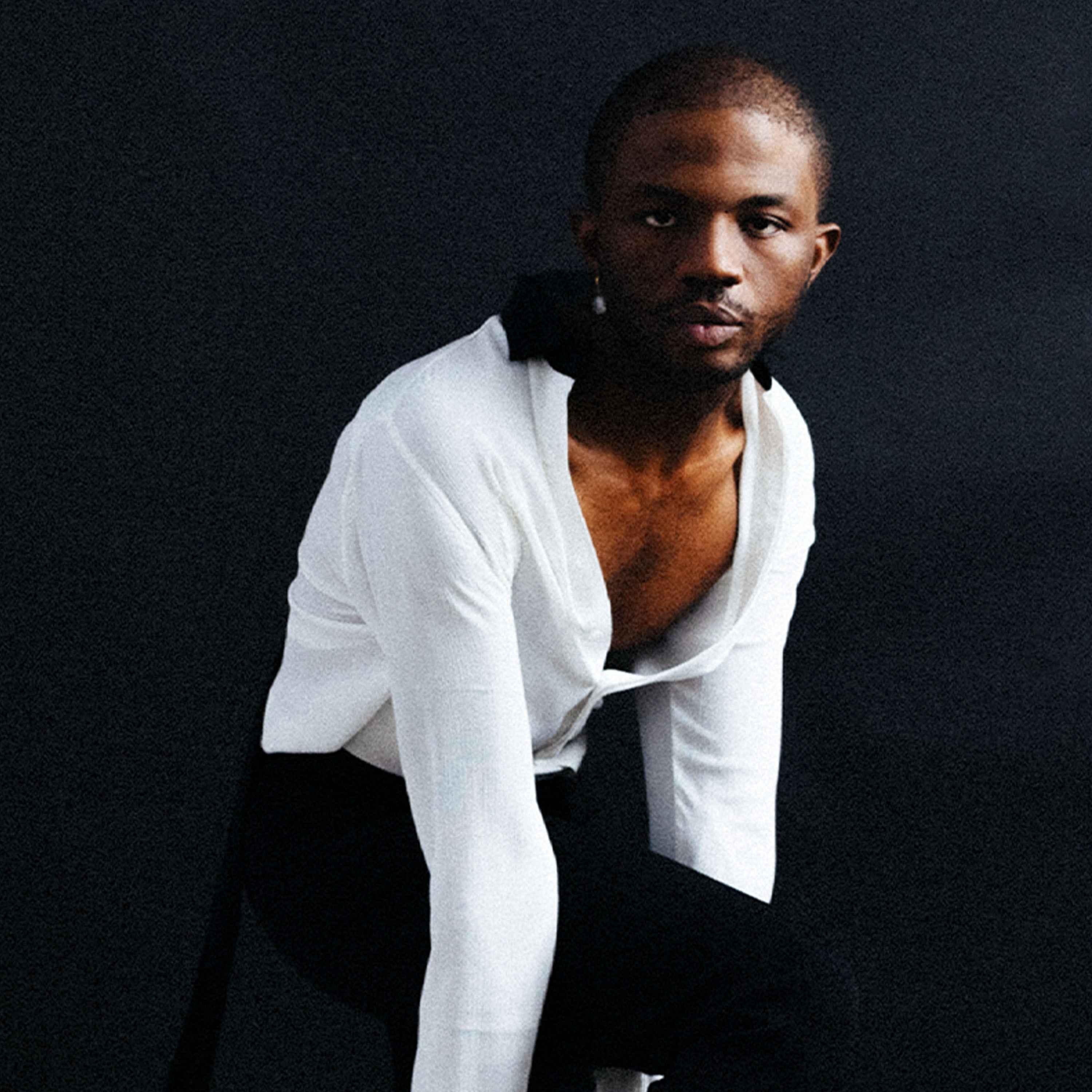
Simbarashe Cha’s path to becoming a New York Times street-style photographer and columnist, and how he applies “practice makes permanent” to build mastery; includes his pivot during COVID to protest photojournalism and later return to fashion coverage worldwide.
Simbarashe Cha is a photographer for the New York Times covering fashion weeks and street style. He grew up nomadically (born in Pasadena, attended about 10 schools by high school graduation), pursued music in his 20s, worked in finance at Wells Fargo for nearly a decade, and didn’t buy his first camera until age 32 (around 2011). He began with a blog and technical writing, then shifted to portraits and fashion.
He realized his “blind spot” after watching a Bill Cunningham documentary—he had been neglectful in a past relationship—then committed to deliberate practice. He calculated 10,000 hours of street shooting as about 6.5 years if he shot daily. His style mission is to find people whose personal style feels accessible and “within reach.”
Covering London, Milan, Paris, and Tokyo (Ralph Lauren Polo Fest); getting early access to shows by emailing PR; first protest photos during the George Floyd/Breonna Taylor protests leading to a New York Times photo editor call; later being assigned to Tristan Siriano’s show and then Fashion Week (also shooting for GQ before going full-time at the Times).
Written by AI. May contain mistakes.
Simbarashe discusses his travels and experiences in fashion photography.
“Simbarasha Cha, thank you for joining us.”
Simbarashe shares insights about his unique childhood and its influence on his career.
“Well, you have an amazing peripatetic lifestyle.”
A discussion on Simbarashe's journey from music to finance before photography.
“And so yeah, like I had a very, what do they call the digital nomads?”
Simbarashe recounts his early experiences with photography and its initial role in his life.
“Yeah, that's what I read, that you worked in finance.”
The transition from working in a camera store to pursuing photography professionally.
“You know, we all had like these like chat rooms and internet chat rooms and stuff.”
Simbarashe reflects on how he developed his photography skills and established his career.
“big sort of America Online boom in the States.”
Exploration of transitioning from a music career to photography as a hobby.
“I need a hobby because I'm not doing music anymore.”
Discussion on how the speaker's photography journey began and evolved into a profession.
“like start pursuing more independent sort of freelance creative work.”
Reflects on the influence of Tumblr and other photographers in shaping the speaker's style.
“ooh, I think at some point on my early walks in late 2011, I ran into Brandon Stanton, who's Humans of New York.”
How Bill Cunningham's work influenced the speaker's perspective on fashion photography.
“looking for people on the street who had some kind of edge or some kind of look or some kind of expression that they...”
Contemplation on finding joy in one's work and the importance of pursuing passions.
“You weren't taking interest in her interests.”
Discover how a mentor's passion influenced Simbarashe's career path.
“Who all seem to like, behind the music, they all hit their rock bottoms and do all this stuff, right?”
Learn how setting realistic goals can guide your creative journey.
“And it reminds me of a conversation I had with someone who was much, much older than me at a similar pivot point in my life when I was 29.”
Understand the importance of dedicated practice in mastering a craft.
“Like I was always doing the thing, but I was never like, what is the whole adage of like Eric Clapton locking himself in his closet for months?”
Explore the journey of turning a passion for photography into a career.
Hear how Simbarashe broke into the world of fashion photography.
“You know, I think that column stayed vacant for a long time.”
Learn how street style photography has changed and the importance of passion in the field.
“Like, those of us that kept doing it, you mentioned, you know, Tommy and some of these guys, like, they were doing it because they're such legacy names that they can generate income.”
Discover how the pandemic shifted the focus of photographers towards photojournalism.
“came around, I wasn't thinking about the New York Times at all.”
Explore the difference in approach between photographing protests and street style.
“I was just photographing demonstrations between New York and DC.”
Understand the trajectory of working with the New York Times from freelance to full-time.
“sort of my shooting philosophy, and I think that's where the stars sort of aligned.”
Learn about the responsibilities and creative freedom of being a style columnist.
“But at that point, I was shooting Fashion Week for GQ.”
Discover how street style photography can be integrated into daily life beyond a traditional work schedule.
Explore the unique characteristics of fashion in Tokyo, London, and Paris.
“Do you have a favorite city fashion week or not to shoot in?”
Learn about the distinctive personal style of Montreal and the best seasons to photograph.
“Maybe not selfish, but biased, which is, have you ever shot in Montreal?”
Reflect on the insights and inspiration shared during the conversation about personal style and life choices.
“But partially because I really believe it's an amazing place.”

Get the gist, explore an idea or ask about something said.
 Claude
On The Business of Fashion Podcast, what are the key points of this episode?
Searching your listeningAutomatic transcript. May contain errors.
0:00Hey, we're Nick and Jack, hosts of The Best One Yet. Behind every episode, there's research, email, spreadsheets, and our shared Google Doc, the Headline Hammer. With Google Workspace with Gemini, Google's AI is built right into the premium versions of tools we already use, like Gmail, Docs, and Sheets. No new tools or extra logins, just personalized AI for the way we work. That means less time on the work around the work and more time finding the stories worth talking about. Get AI tools for work. Upgrade to Google Workspace with Gemini at goo.gle slash workspace with Gemini. That's G-O-O dot G-L-E slash workspace with Gemini.
0:33Simbarashe Cha: A rug shouldn't just fit your room. It should make your home feel finished. Ernesta creates designer quality rugs, custom fit to the exact size of your space, so every room feels beautifully pulled together. Explore Ernesta's range of options, all ready to be custom cut, finished, and delivered to your door in as little as two weeks. Start with five samples for just$10 and get$50 toward your rug when you order. Visit Ernesta.com today. That's E-R-N-E-S-T-A dot com.
1:11Hi, this is Imran Ahmed, founder and CEO of the Business of Fashion. Welcome to the BOF podcast. It's Friday, November 6th. Every season, as the fashion world travels from New York to London, Milan, and Paris, Simbarashe Cha is outside the shows photographing what people are actually wearing on the street for the New York Times. But his work also takes him far beyond Western fashion capitals, from Tokyo to Dakar. Plenty of photographers dream of a job like that, but it wasn't until later in life that Simbarashe realized that's what he wanted. He spent his 20s trying to make it in music, worked for years in a bank, and didn't buy his first camera until he was 32.
1:58Getting from there to here took a documentary about the legendary street style photographer Bill Cunningham, years of practice, and a few happy accidents. Even now, Simbarashe says it hasn't quite sunk in. Every day when I wake up in the morning and I'm brushing my teeth and I'm looking at myself in the mirror, This happens every single day without a fail. I just like remind myself that, oh, like this is my job now. This is, this is, this is incredibly crazy. Simbarasha joins me to talk about why practice makes permanent, the blind spot he had to admit to himself and why the style he looks for is meant to feel within reach.
2:38Here's Simbarasha Cha on the BOF podcast. Simbarasha Cha, thank you for joining us. Welcome to the BOF Podcast. Thank you for having me. How are you doing? I'm great. You have just come back from a long stretch of travel. How many weeks? Nearly eight. Not quite eight, but nearly eight. I think it's the longest. And where did you go?
3:07Let's see. What month is it? So I started on the road with London Fashion Week. um as you know I cover the fashion weeks here for the New York Times and um so we start we always start in New York so I was home for New York left for London did Milan Paris um and then before I ended Paris I got a call from my editor asking if I would be willing to cover uh the Ralph Lauren Polo Fest in Tokyo and I said that I was willing to do that um but then asked if it was okay for me to just stay and do my work in Europe for the following week so then I could travel to Japan for the next week. So that's really what extended my trip out.
3:56All right. Well, you have an amazing peripatetic lifestyle. And your current role, which sounds super exciting, which I want to learn all about a bit later, Um, it, it, it sounds like it wasn't, it wasn't the way you used to work in your, your kind of old life. So I want to get a bit of background on Simbarasha before, before this big New York Times role, which is so exciting. So where did you grow up? Um, I grew up in so many places. Um, principally I was, I was born in Southern California. I was born in, um, Los Angeles, Pasadena specifically. and then from there because of I guess complicated family dynamics I just ended up being like shuffled around I say that like so impersonally it wasn't that impersonal but I ended up having to move with different family members switching between public and private schools and things like that.
5:04So I think by the time I graduated high school, I think I had attended like 10 schools. Wow. And so yeah, like I had a very, what do they call the digital nomads? I was like, I was a nomadic child. So I used to get the people would always ask like, you know, are you military brad's like actually not not quite no but so growing back growing up in a nomadic way as you did with it sounds like not a lot of like continuity or stability in terms of like going to the same school and how do you think that shaped you as a person you know it's interesting i i don't know if this was um the cause or effect or if this was just something that was always wired into my dna um but i think from the time that i was a child as soon as i became aware of the fact that as an adult i would have responsibilities therefore for a job, I always only imagined myself like doing something that required me to be out in the world.
6:27So, how that manifested when I was like small, you know, let's say before my teenage years, I thought very fantastically about making films, either feature-length films or because I'm part of this generation, music videos were just really huge, you know, in the 80s when I was growing up, MTV was like the biggest thing culturally. So either making films or making music videos is sort of my entry into the idea of doing creative things. And then when I got to high school, I became more sort of attuned to musicianship and specifically like music artists, pop artists, and things like that. So I learned guitar.
7:12and from that point, and I would say pretty much throughout the rest of my 20s, my goal was to be a musician, be like a professional musician, like in a band on tour and seeing the world that way. So there was never a point where I thought that I would be okay or satisfied with like sitting in an office and working like a nine to five, even though throughout my 20s while I was pursuing music, that's exactly what I did. Yeah, that's what I read, that you worked in finance. So how does this kid who's so interested in being out in the world and interested in music and culture end up with the finance desk job?
8:00A lot of things that happened in my life, I think it was actually purely by accident. um I had been in Los Angeles um not pursuing music yet I was just kind of working I was like in my early 20s maybe like 21 or so and then went to visit a friend in Portland like I don't I don't know how old you are Imran but like you know back in the day like the dawn of the internet the dawn of like the public internet, let me be clear. You know, we all had like these like chat rooms and internet chat rooms and stuff. And before people would like meet each other through like Instagram and social media, sometimes you would meet people in a chat room.
8:44You had no idea what they look like or anything like that. So like the trust level was like really high to like meet people. I remember those days. It was like this, you know, for me at that time, I just remember feeling like I had access to a whole different universe of people. And we had all these shortened names on AOL Messenger and on various chat rooms and stuff. It was very anonymous, but there was a high level of trust. Yeah, it was a high, high level of trust. So I got I got I got online online when I was in high school, and one of the very first chat rooms that I discovered, I think, so at the time, I should preface this.
9:39So I was a junior in high school. I was living in Albuquerque, New Mexico at this point. And I think this was right around the time when there was the big sort of America Online boom in the States. But my mother, who worked at Intel at the time, building processors, she was just a lot more evolved technologically than that. So instead of getting America Online and putting it on our computer, I think we tried that for like two days, but that's when like all the landlines were just overloaded with everybody trying to sign up with AOL at the same time. She had a colleague who was running an internet server like out of his garage, like literally out of his garage.
10:22So she put us on the World Wide Web while everybody else was just on the sort of internet of AOL. And because I ended up on the World Wide Web, I think one of the very first chat rooms I ended up in was this room that was just high schoolers like around the world. Many of which I'm still in touch with, believe it or not to this day, but there was one person in particular who ended up in Portland, Oregon with her boyfriend while she was in college. And I was just kind of like, I was planning to do like a road trip up and down the West Coast. And then she just invited me to come hang out with her and her boyfriend in Portland.
11:06So I went up there, I hung around for like a weekend and I was like, oh, I can get used to this. So I ended up staying in Portland, but at some point I started running out of money and thought, I need a job. So I went into a temp office just to get some temp work. They placed me at Wells Fargo in this home equity office, home equity servicing office. Is that giving out loans, like mortgages? It's managing existing loans. Okay. Existing loans and lines of credit. So mostly it was just like contractual work. and I would say that in school my entire life math was probably my weakest subject so I was like they want to put me in a bank that's hilarious but as it turned out I was like really really good at the job and I also kind of just fell in love with the work and and the idea of this was sort of my first window into like meeting people I mean in terms of like customers and clients but just like meeting people and learning about their different levels of successes and processes.
12:14And that ended up being very useful for me later on when I started my own business doing photography. But yeah, I ended up doing that for about eight years, almost a decade. Yeah. Wow. So when was it, Simbarashi, that you first picked up a camera?
12:35So it's kind of like a two-pronged answer. So at some point in my 20s, I had a little point and shoot. Like, I know that's like all the rage now. So I had one of the original Cybershot point and shoots that I used to take with me when I would go out dancing in these nightclubs in Hollywood. And I would just take photos of like all of my friends and then whenever like celebrities would show up because I was always like one of the best dancers at the club. So people would want to meet me. and I swear I swear this on my life like I'm pretty sure I took like some of the very first selfies because this wasn't like really a thing and I've got like the time stamp for these photos in like the early and mid aughts but anyway so I had this camera but I wasn't thinking photography at all this was just like a documentary tool for for my nights and then later on when I was living in New York after the economy crashed and, you know, the banks started failing and stuff.
13:43I ended up with this job for this camera reseller in Brooklyn, like way deep in Brooklyn. And I was at this job for like two years, I think. And then just, you know, one day on my lunch break, I was just thinking to myself, like, I need a hobby because I'm not doing music anymore. I'm in my 30s now, and I've sort of given that up as a pursuit. I need to fill that time with something else. What can I do? And then it was just sort of a no-brainer. I've been working for this camera company for a long time, and I don't own a camera. That's kind of weird. So for that, I bought a camera. Got it. So was it one of those magical moments that you kind of really connected with that medium suddenly?
14:34You know, how did it progress in such a way that it ended up being the way you make a living? I mean, to go from just like the guy working behind the desk at a camera store to like the guy shooting all around the world for the New York Times, like when did you realize like, oh wow this i i really like this i'm good at it i want to keep doing it um so when i moved to when i moved to new york um i was i guess 28 years old when i moved to new york and had made the conscious decision at that point that i wasn't necessarily going to give up my music career but it was certainly like winding down and i thought that my best chance to do music is in california if I'm moving to New York, then I should pivot to writing.
15:28So I really focused on developing these manuscripts, and I started thinking about being a novelist, and I started writing as an independent film critic for this defunct online website called Star Pulse. I was doing a lot of writing at this point, thinking in my mind that I'm trying to build myself towards a writing career. So at the time that I bought the camera, And I was really thinking up front initially that I just need a hobby, something that will creatively like spell me from the music that I was no longer doing. Because in my mind, writing itself was never a hobby. Writing was just something that I always did intrinsically like my entire life.
16:11So I never thought of writing as a hobby. But I did think of music as both a pursuit and sort of a creative love in a very different way. So when I bought the camera, no, I wasn't thinking about a career in photography at all. As a matter of fact, when I bought the camera, I think it was October of 2011. I think Instagram was around, but social media and the way that it exists did not exist yet. There was no push or no thirst yet for, let's say, a lot of millennials and Gen Z people to like start pursuing more independent sort of freelance creative work. And I think all of that came out of sort of the downturn of the economy, but it hadn't really started to crystallize yet.
17:00So for me, when I bought the camera, I literally thought that the camera would just be something that would sort of force me to go outside and then find things that I might be inspired to then write about so that I could continue writing. So when I started my blog, in the very early days, like the first month or so, I wasn't thinking fashion blog at all. And I wasn't even thinking take portraits of people. I was like, let me just find cool things to photograph that I can then write about that people might be interested to read. And slowly, I just started writing naturally about the process of learning photography because I knew everything about the marketplace of cameras from working for the company, but like I did not know anything about actually being a photographer and that was like starting to scratch this itch from being a child and wanting to make film being like oh actually like I can take these still images and kind of see if I can manipulate these to look like that cinema that I used to remember growing up and then slowly but surely that then evolved into me taking portraits of people which then evolved into me taking portraits of more stylish people which then evolved into readers of the blog emailing me and asking me to like photograph their weddings for money.
18:25And that was kind of where the business of it kind of started. So even at that point, I wasn't thinking, oh, I'm going to be like a professional photographer. I was just trying to master this, the subject of photography as a means to continue my writing exercise. And what led you to start photographing people? Because there's so many other things that you could have been focusing your lens on. Why did it end up being people, do you think?
18:59Tumblr had a lot to do with it, but even with Tumblr, I was consuming Tumblr in this very abstract, nebulous way, whereas it was the patterns and it was the colors and it was like the chaos of how a Tumblr feed was so different from like a Twitter feed or like a message board or what became like Reddit. Like it was just so different because it was so viscerally visual. And I think that for me, like all I could think was like, I, I would like to opt into this because I think that this is exciting. My thought to photograph people really started, ooh, I think at some point on my early walks in late 2011, I ran into Brandon Stanton, who's Humans of New York.
19:59And I think for like the next two or three weeks, almost for the next month, we would kind of just randomly run into each other on Fridays and we would just sort of tag along with each other and just walk and talk. And he wasn't famous yet. I think on Facebook, he probably only had certainly less than 10 ,000 people following Humans of New York. So it was known, but it wasn't globally popular yet. I don't think he was making money from it yet. And I remember I had just started taking portraits of people, but I wasn't thinking that this is something, that I've got something. I was just like, oh, it's really cool meeting people and taking portraits.
20:48And as he's taking portraits of people, and then I'm stopping people to take portraits, I'm realizing kind of in real time, and I remember saying this to my friends who were interested in my hobbies at that point, I remember telling my friends that, like, you know, I realized that, like, Brandon will stop anybody. He will stop anybody. He'll stop dogs, children. It doesn't matter. Like, he'll stop anybody. It doesn't matter what they look like. It doesn't matter how well off they are or how down on their luck they look. If he finds them interesting, he will stop them. And I think because of my background in music and my background and my love for the visual arts, I only realized while I was walking with him that I had a much more strict and stylized idea of what I wanted my visuals to look like and feel like.
21:50and I had to kind of admit to myself, not that this is a bad thing, but I had to admit to myself like up front and rather quickly that, oh, like my eye is way more prejudiced than him. And I really appreciated that he was so indiscriminate with the people that he wanted to photograph, whereas I was a lot more discriminant. And once I sort of realized that, then the focus started taking shape was like okay well if i'm if i want my photos to be like more stylized portraits then i got to find more stylized looking people and then that sort of created the domino effect that then led my blog from being just this technical writing blog about photography into like a fashion blog and were you aware of what was happening in the fashion world at that time with all of the street style blogs like Scott Schumann and Tommy Tan.
22:47And there was like a burgeoning, but very small group of photographers that were doing kind of exactly that, looking for people on the street who had some kind of edge or some kind of look or some kind of expression that they...
23:14that they channeled through what they wore? I had a really good friend at the time who really, really loved my photography and put me onto the Sartorialist blog maybe a couple of months after I'd started my blog. So I want to say that technically, Scott Schumann was the first street-style photographer that was sort of in my actual upfront consciousness. But when I lived in California, my partner at the time used to wake up in the mornings, on Sunday mornings, I'll never forget this, she used to wake up every morning and the weekends and go into our second bedroom that was sort of functioning as like a lab.
24:07And our desktop computer was in there and she would turn on the New York Times and watch Bill Cunningham's roundups. And I always kind of say this as a sobering point because, you know, this is like a personal aside, Imran, but I hope that people who are listening to this can relate. If you ever talk to people or if you're ever discussing your past relationships to other people in your life, I find in my experience that almost no one that I know ever admits that like the failure of a relationship is like their fault. Everyone is always like, and I'm not saying that this is untrue, but everyone that I hear their past relationship experiences from always make it seem like the other person was at fault or that no one was at fault and people just sort of drift apart.
25:04and up until this point I would say that if I look back on that relationship I too would have thought that oh no one was at fault there were just circumstances that were out of our control but in my case you know my partner would wake up she would go turn on the New York Times she would watch the video roundups of Bill Cunningham's street style photos from the previous week and he would do his voiceover. That narration. Yeah, he would do the narration and like while she was doing that, I would be in the living room watching sports and I just, in my mind, it's like, oh, this is like my time and she's just kind of doing her time and that's cool.
25:50And I might have popped my head in there a couple of times to see like what the jubilant ruckus was about because he always sounded so happy. and she told me you know this is this is Bill Cunningham but at that point in my life when I was living in California I wasn't thinking about fashion at all not in that that that context and I never really opted in to her interest in looking at the New York Times for the for the style section right so his voice was in my consciousness and I knew of the work that he did but I didn't really care. I didn't really care until after I started photographing in New York when somebody that I took a portrait of asked me to watch his documentary on Netflix.
26:35And I'm like 20 minutes into this documentary and I'm like, this guy seems so familiar. Like, where do I know him from? Like, oh my, like, why, why do I feel like I know this guy? And then at some point, like the depths of my mind pulled out the index card that was like, this is the same voice that your ex, used to very religiously like tune into like on Sunday mornings and it was such a sobering thought for me because I realized that first of all I'm just way more fallible than I thought I was right I just didn't ever think that I had like the kind of blind spot that would contribute to like the breakdown of like a relationship or something like that in that kind of way, not in the like we're fighting all the time, but just in the way of just like me being sort of careless and negligent, if that makes sense.
27:29You weren't taking interest in her interests. Correct. Correct. And so, but that's such a beautiful story. And thank you for sharing that. When you made that realization that the voice of Bill Cunningham on that index card in your brain It was the same voice on this documentary that this subject of yours told you to watch. Did something click in that moment? Oh man, Imran, so many things, so many things clicked. Like I think the first thing was the realization that, you know, this man is in his 80s and he loved his job more than anybody I've ever known loved their job, including the people that I idolized in terms of like, you know, some of the biggest, you know, rock and rap legends who've ever lived, right?
28:21Who all seem to like, behind the music, they all hit their rock bottoms and do all this stuff, right? But Bill was like, he was so earnestly happy about his work. And for me, at that particular point in my life, the only thing that I thought would make me happy was being able to do the kind of work that I loved and enjoyed. So right there at the beginning of my journey of doing this photography thing as a hobby, I see Bill. I see how happy he is. I know that I love going out and walking around New York City and like taking photos of people. And then I'm thinking, you know, could I do this for like the next 60 years of my life?
28:58Probably. I could probably do that. But then it also meant that as soon as that documentary ended, before I could start making those kind of long-term plans. Like the very first thing I did was pick up my phone and then call my ex and then tell her about the realization that I had and sort of apologize for my inadequacies in that area because I had to come to grips and realize that, you know, it's possible that maybe my life hasn't worked out the way that I wanted it to, like for these up up to this point for reasons that were actually in my control like I always think and I think a lot of us we always think that if things don't work out like it's not it's not in our control like we we didn't have like there's nothing we could have done to to improve those things but in my case I really realized that like oh actually there are things that I could have done so much better gotten so much maybe more support about maybe been more focused, um, been more attentive, especially, um, to the relationships in my life that once I sort of made amends or tried to make amends with sort of those past failures that then allowed me to think, okay, well now going forward, how do I make sure that like, this doesn't happen to me again?
30:16And I think that was really the fuel that made me work as hard as I did. That is so beautiful. And it reminds me of a conversation I had with someone who was much, much older than me at a similar pivot point in my life when I was 29. And without getting into all the detail, once I explained to him the thought process I was going through, he said to me, Imran, you are so lucky that you are asking these questions of yourself at this point in your life, because I didn't ask those questions of myself till much, much later. And what's so amazing for you, Simbarasha, is like you had that realization.
31:01And that was the moment. I mean, we can all have regrets about things that we've done in the past, but the most important thing is that when we have these kinds of realizations, it changes the way we engage with the world going forward. So from that point on, tell me how things changed for you or how you changed things for you.
31:26So the first tangible goal that I made, which was not actually the goal that I stuck through for for my photography career but the first goal that i made on the spot when that uh when that film had ended and i'd made my phone call and i was sort of thinking about just what a weirdly and surprising refreshing time i had watching it like i i thought well okay if i do the math like bill is in his 80s um he's gonna retire soon like he's not he can't do this forever and forever is or not forever is going to be a much shorter time frame than than i than i think so this is 2012 spring of 2012 um so my first goal was that at whatever time he decides that he doesn't want to do this anymore.
32:24I just want my work to be at a level where when it comes time to have the discussion between the photo editors and photo directors at the New York Times of like, who could succeed this column, I just want to be on the short list. So even at this point, I wasn't thinking, I want that job. Of course, I would have loved to have had that job, But I thought the marker for my personal growth and development would just be to just be good enough to have done that. And I was reading Malcolm Gladwell's Outliers at that point. And, you know, his whole thing about the 10 ,000 hours of mastery was like the sort of section that really stuck in my brain, which made me then sort of reflect on, OK, well, why did I not end up having like a music career?
33:13Like, you know, a guitar was always in my hand. I was always recording and playing. Like, where did I go wrong there? And then I just sort of had this idea that like, you know, the one blind spot that I had with my creative endeavors up until this point was just practice, sheer practice. Like I was always doing the thing, but I was never like, what is the whole adage of like Eric Clapton locking himself in his closet for months? Like, I don't know if that's true, but that's a myth that's out there, right? And I just thought to myself, maybe I should do the equivalent of that and just lock myself away, outside on the street, of course, and just keep shooting and keep shooting and keep writing about the shooting.
33:56And I'm just going to see by the time he's done how good I can be at this. So even at that point, I wasn't thinking I'm going to be a professional photographer. I was still just thinking about, can I master this craft? And can I master like how many years if I, if I divvy down like 10 ,000 hours to the amount of hours I was spending weekly on the street, like how long would it take me to get to 10 ,000 hours? I calculated six and a half years. And I thought to myself, well, I just did music for 15 years. I could do, I could do this in half the time and get there. Like, and that was like kind of the carrot dangling from the cart.
34:37It's just like six and a half years is like a lot shorter than I think. Like I could do this, you know? And, and yeah. Well, the other thing it takes, at least in my experience, to rack up those 10 ,000 hours is to kind of really be obsessed with it, to really love it. So it almost doesn't feel like it's work or effort. It's just, you like doing it. Like when I first started writing BOF, I mean, it was kind of a similar, around the same time in 2007 I started writing. I didn't do it knowing what it would become. I did it. And the more I did it, the more I loved it. And it was the whole process of like having an idea and kind of fleshing out the idea and then figuring out how to lay it out on my blog.
35:31and like that whole pro there was something very satisfying and enjoyable for me and just that process and i think you're right i think the more you do so well i think malcolm gladwell is right and you're you're right that you know the real outliers are people that really spend a lot of time doing something and i think that's something that's sometimes lost in our culture of instant gratification and instant fame and instant success that people sometimes assume is the way things happen. But in my experience, at least, it takes those hours and hours, and it's a lot easier if you really like what you're doing.
36:14Can I just add on that for a second? Because what you're saying is absolutely true. I think that, so in the mid-aughts when I was living in California, my favorite writer at the time was Bill Simmons, who's like a, he's a big podcast person now. But back then he was writing for ESPN on this column called Page Two, which I think is where they kind of chucked a lot of like irreverent material. But I love the fact that he was writing about sort of the intersection of like pop culture and sports. And he wrote this book called The Book of Basketball, which I think was maybe like around 2010. So I'm pretty sure this predated me buying the camera.
36:51And one of the themes when he was sort of discussing sort of this corollary of like, what do a lot of the greats have in common? Was this theme of putting in reps. So in the context of this book, he was talking about, I think, just like a person who spends all their time in the gym after practice. So this is after practice or before practice, just putting up shots, you're just putting up free throws, right? And you just keep doing it, you keep doing it, you keep doing it. And then from Wells Fargo, I had a colleague at the time who used to correct the phrase practice makes perfect. And she always used to say practice makes permanent.
37:30And from those two sort of schools of thought, I think that really crystallized by the time I got a camera and I decided that I was going to start dedicating myself to the practice of, of learning how to improve and master photography. Um, those were the two principles that really stuck with me for the most was just that number one, I just need to go out and shoot every single day, regardless of the weather, regardless of how I feel. Like if I'm well enough to get out of bed, I'm well enough to go shoot. And then the practice makes permanent being that like, I still have to, when I go out and shoot, I still have to consider mechanically like what it is that I'm doing.
38:11And, and mechanically when I'm approaching people, and in the beginning more people said no than yes, I had to think about, well, if I keep doing it this way, practice makes permanent, people are just going to keep saying no. So what are the things that I have to tweak in my practice so that I can start getting more of that linear ascension or that curve ascension sort of growth? But yeah, those two schools of thought, I always think about the intersection of those and how those actually help me in practice while I practice. We'll be right back with more on the BOF podcast.
39:12had a successor for Bill after he died. You know, I think that column stayed vacant for a long time. But here you are, Simba Asha Cha, who I have to say, like when you popped up at Fashion Week, I saw you all over the place taking pictures. I didn't know who you were shooting for, what you were doing. I just started noticing you everywhere. And at least for someone in my fashion universe, you just kind of popped up. So tell me how it all happened that you ended up kind of shooting from the front row in Paris Fashion Week for the New York Times. So I started, I started shooting Fashion Week way back in 2012 outside Lincoln Center.
39:59And back then, believe it or not, you could get into a show by just sending PR like your blog. They didn't really, nobody was thinking about follower numbers or anything like that. It was just like, do they like the photos? Yes, you can come in and shoot our show. Right. And so I was shooting shows super early before anyone was paying me any kind of money. Um, I started getting, um, invitations to a couple of shows in London. So I started going to London and then, um, my partner at the time, we would do this thing where we would just kind of seek out like all the contacts and like for everybody, everybody doing a show for the entire fashion month calendar.
40:48And then I just kind of had this thought, well, let me just like email everybody and just see, like, let's just shake the tree and see how many like apples like fall out. And for the first couple of years in London, New York, of course, and then Milan to an extent, I would get favorable responses. Like I was able to go shoot Burberry in 2014. And again, I wasn't commissioned for anybody. And that was sort of like a high watermark for me at the time. And then as that started happening, Paris was always kind of like the last outlier. I think Paris, they were a lot more formal and, you know, serious about who they were letting in their shows.
41:33So I could never get into any of the shows in Paris, but I would go to Paris because that's where all my best street style would be. After doing that for a few years, I started pivoting to shooting editorial because I wanted to start shooting more commercial because, of course, that's where, like, the money was. And I think as I started to pivot into commercial work, I thought less and less about that Bill Cunningham goal. Because at that point, you'd be a fool if you were going to try to make a career out of shooting street style. Like, those of us that kept doing it, you mentioned, you know, Tommy and some of these guys, like, they were doing it because they're such legacy names that they can generate income.
42:23But the people who came in my generation, like, you really had to be in it for the love of the game. So for me, I think I saw kind of the writing on the wall early, and I thought, I need to go find other ways to make money shooting fashion. but I would then take that money that I made shooting fashion and then kind of blow it all on going back to fashion week because my blog was kind of the engine of every job that I got and I realized that when I was posting you know 21 portraits a week at that point that if I just went to fashion week that would supply me photos for like the next three or four months I didn't have to like walk around New York City every single day if I just went to Fashion Week.
43:09So that was the first end of it. But then also, as I started putting more international photos into my blog, I found that potential clients were taking me more seriously because they're like, oh, he's traveling globally, like he must be serious. And then their offers also just kind of in tandem started to improve. So I totally forgot about it after a while. By the time COVID came around, I wasn't thinking about the New York Times at all. So when did the New York Times thing happen and how?
43:41That happened because of COVID. So yeah, let's say like 2016 to, let's say 2017 to 2020, I wasn't thinking about the New York Times at all. And then during COVID, during lockdown, as you can imagine, every single photographer was out of business for a period of time and um you know March April May rolls around I'm sort of sitting around thinking like hmm I never would have considered doing photojournalism in the classic sense but it seems to me that the only people who are working right now are photojournalists so maybe I can consider being a photojournalist I still didn't know how to do that I reached out to a couple of friends and asked for their advice um but then George Floyd and Breonna Taylor um happened and were just in the street protesting um I went into the street I photographed my first protest uh I think was like day three of the protest and I basically just put those photos in my Instagram as stories I think you you might know like I do these Instagram story roundups whenever I'm shooting like long form and on the second or third day I was leaving my house to go join a protest a photo editor from the New York Times called and asked if I would be interested in photographing the protests for them and And of course I said yes because I wasn't making any money, but also it's the New York Times who's going to say no.
45:23So yeah, for the rest of that, I think for the next six months, my beat was basically just the protest. I was just photographing demonstrations between New York and DC. And was there a connection between how you sought out your subjects for their style and panache and the way you would seek out subjects who were protesting for fundamental human rights, racial justice, how did that feel as a kind of transition?
46:06I would like to think that one of the reasons that the New York Times reached out, The New York Times was not the first publication to reach out, but they were the publication that I said yes to. A couple of publications reached out to me after the first day. I posted the stories in my stories. Again, in my stories, meaning that they were going to disappear after 24 hours, right? So it wasn't even in my feed, right? You kind of had to have seen them in real time. um but the the feeling that i got from the other uh publications is that they they wanted a particular kind of image that sort of spoke to um the unrest and the photos that were in my stories were very much in line with sort of my overall sort of portraiture philosophy which was that like I always wanted to capture photos that made a viewer want to be in the space.
47:06So when I started photographing the portraits just as an instinctual habit, that is how I photographed it. So you know if a police van was on fire like I could photograph that yes but i i wasn't really i wasn't really looking for like anger and hostility in the crowd because a lot of people were looking for that and it was very easy to find i was looking for like the hopeful faces or the people who were there because they understood like what solidarity meant and the fact that like they're really pushing for like a civil kind of change um and i think I think that when the New York Times reached out, that editor really seemed like he understood sort of my shooting philosophy, and I think that's where the stars sort of aligned.
48:02And then at some point, I guess, after the protests died down, they asked you to shoot for them on the style beat? Like how did that work? Nah, they didn't. Again, just totally by accident. I was shooting, so I basically, when the protest stuff started dying down, the end of 2020, I got a call to go to LA to shoot on this campaign for Ralph Lauren. So I went and I did that. That I put in my feed. Everyone loved it. It was great. Shout out to Janelle Monae. And I just happened to be having a phone call with my photo editor at that point who, I should say, while I was photographing the, over the several months that I was photographing the protest, several editors, several photo editors from the New York Times reached out, you know, directly and privately.
49:08And that was one of the things that I always loved about the New York Times up front was just the amount of support I was getting from people who were seeing my work, but also not assigning me. But they were just kind of like, we see you out here every day. Like, are you OK? They're asking about my welfare. They're asking, like, you must be exhausted. You've done this like 60 days in a row, that kind of thing. um so the following spring um was it the following spring or the following summer where the the the runway shows came back i don't remember which season it was but tristan siriano had a show at his house um and ahead of that show one of the photo editors had called me just to like shoot the breeze and she'd asked in the conversation, she was like, so like, what were you doing before, before COVID?
50:00And in my mind, it was like, they all knew what I was doing because my blog was sort of out there, but as it turned out, like none of them knew what I was doing. And so I was like, oh, like I was shooting fashion. Like I just shot this thing for Ralph Lauren. Like I do this stuff for Vuvcoe, like, oh, you guys actually don't know. Like I have a whole decade's worth of like portfolio. So I sent her my stuff. And literally because of that, she then assigned me to Siriano's show. And from that show, I was then asked to shoot Fashion Week. But at that point, I was shooting Fashion Week for GQ. And Will Welch, they were incredibly, incredibly supportive.
50:50I think GQ were like kind of the first of any of the publications that asked me to shoot a fashion week and then agreed to my My rate demand which I I will always give them respect for that But then the New York Times were like well, you're already shooting for us like Can you shoot some shows that maybe you're not covering for for GQ? And I was like yeah cool and for like a year or so I was doing both and then at some point the times came and they were like all right like what will it take for you to just like shoot for us and then we kind of had that conversation and then at that point at least for the next two years I was freelancing exclusively for the times and then sometime after that you joined full time and now we see you well I see you we see you at fashion week like you're a fixture now and like I said earlier, like you just kind of, at least on my radar, as a human, you just kind of popped up.
51:52I'm like, who is that guy? I see him everywhere. Then I finally figured it out. And then I saw your style outside columns. And what I loved about them, what I still love about them is that there's the photos, but there's also the writing. There's also the take. And I guess, As you said, that's something that you've been doing pretty much your whole life. And now you kind of have Bill Cunningham's job, which is amazing. And I think it's such an inspiring story. And you've got this massive platform now. And so you're not just doing Fashion Week. As you said right at the beginning, you're traveling all over the world.
52:40So give us a little bit about what's your remit now at the Times and how does it work and how do you decide what to cover? Because as the style columnist for the New York Times, you can pretty much go wherever you want and people will welcome you in, I guess. It is a thought that's not lost on me to the point where every day when I wake up in the morning and I'm brushing my teeth and I'm looking at myself in the mirror. This happens every single day without fail. I just like remind myself that, oh, like this is my job now. This is, this is, this is incredibly crazy. I, I, I really love the fact that, um, I would say now, like when I, when I, when I was first hired on to, to shoot freelance, obviously I was sort of shooting to produce newsworthy content.
53:36for other editors to kind of like write over so that there would be newsworthy content. And then I started writing for the Times also just by accident. It just so happened that I photographed, I think, Milan Fashion Week and had expected the photos to publish at a certain time and they didn't. And I called my editor and asked if there was an issue. And upon learning that everyone was too busy to write the intro, I asked to write the intro. and she was like well you're a photographer you don't write and I was like did you not see my blog like it is mostly writing with some with some like fashion photos slapped on like it's a writing blog that uses the images to like as a vehicle for the writing right and so that's how I that's how I ended up being a columnist as well as a photographer so you know there wasn't like a conscious conversation we had it was like a cause and effect of like here's a void what happened well I can solve this and then they just kind of let me carry on with it so in that sense like I I have an amount of latitude that I it's never lost on me and I'm always like super grateful about it um I have a second column called look of the week which um the style editor uh Stella Bugbee had actually pitched to me as sort of like a throwback to kind of old school street style, which really was up my alley because that was exactly the kind of work that I was doing like with my blog.
55:11And I think that it solved kind of two problems. The style outside columns are like super ambitious. If it's not a fashion week, if I'm doing like a seasonal column or I'm in like a city like Tokyo or Dakar or something I'm usually there for like two weeks it's like very immersive sort of like embedding into a community or a city um to sort of learn the speed of the city so that I can properly photograph the people in it um but that also is just a very taxing kind of work and so her thought was that if I did look at the week it was a lot more regular but it was just also going to be like a lot simpler in execution because the goal is to find one feature to then do as a weekly as a weekly column so in that I'm incredibly fortunate because look of the week can happen anywhere and I think that's the thing that I love the most about it and I think that's the thing that I love the most about not having to think about the constraints of like let's say my job being nine to five right because I can find somebody by happenstance on a on a Saturday or a Sunday and it's like oh well if I actually photograph this person and interview them and like like this is work now right and I think most people would think well I'm not going to work on my day off but then for me it's like there's flexibility in me being able to like shift my time to accommodate when I do find people so that I can like write about them and put out the calm and timely manner so I just love that you know I'm kind of they kind of just trust me to to to photograph and write and find people and um I know like especially if you are really attuned to like the TikTok space and Instagram space now I mean there are a lot of photographers who do or a lot of let's say content creators I should say content creators but they're also photographers who do like a really really great job in finding people who have just like outrageously good fashion right um but from the time that I was hired from the time that I was doing my blog like my sort of mission statement about style was always very specific in that I was always looking for people who were super accessible but also people that an audience can look to and think that the way this person is executing their personal style is within the realm of possibility for me, if that makes sense.
57:48So I love - Relatable. Yeah. Yeah. Yeah. For sure. Do you have a favorite city fashion week or not to shoot in?
58:07um there are a few cities that provide a distinct set of advantages or likes that i have so for example i absolutely love going to tokyo and um doing street style in tokyo i think it's i mean it's no secret that it's maybe one of the best city like best dressed cities in the world um I also just love that it's a little different now because the level of tourism in Tokyo is so high, but it's still a bit antithetical to a lot of the cities in the West in terms of, like, the speed and the sort of social customs and expectations. And I just, I really like the fact that there's a lot more order and it's not so aimless, if that makes sense.
58:56um i really love looking for people in london um i think that london for me is is a city that is just a an incredible balance of people who can dress aesthetically well and being able to photograph them against like backgrounds that match those aesthetics so i like the fact that a lot of the buildings incorporate like limestone for instance it reflects very well not just in direct sunlight but it reflects very well when it's cloudy and you know london's got a lot of cloudy days um and then let's see i think those are my two probably favorite cities to to go around in but i will always say that i think i probably still take my best photos in paris it just everything that paris has to offer is just at such a high level.
59:54I have one recommendation for you. Let's hear it. It's a slightly selfish recommendation. Maybe not selfish, but biased, which is, have you ever shot in Montreal? No. You need to go to Montreal. Tell me more. Because, and this is for all my friends and all of our listeners in Montreal, is there's something about that city and personal style. The Montreal people just have such a great sense of personal style and they're so confident and approachable. It's like this mixture of incredible confidence to dress a certain way, but without the posturing or the posing. It's just so natural and I love it.
1:00:50Is there a season you recommend?
1:00:54Yes. Definitely not the winter. But I think the spring is really nice because obviously when it gets really hot in cities like Montreal and New York, the clothes just kind of come off and people are hot, right? So I think the springtime is really good and the autumn is really good. And the winter, everyone's just bundled up because Montreal is as cold as everyone says it is. But anyway, just a slight aside there, partially because I've been feeling so nostalgic about Montreal, because I studied there and lived there for six years and I miss it a lot. But partially because I really believe it's an amazing place.
1:01:35I'll take it on board. So, Marasha, this has been such a wonderful conversation. I'm so grateful. your stories and your insights and your advice and the way that you see the world is so special and I kind of had an instinct that that would be the case because I could kind of feel it in your photos and in our brief interactions we were sitting at the Marnie show this season in Milan and chatting a little bit it's the first time I think you and I chatted yeah and yeah it's just been so nice getting to know you I'm really grateful that you joined us for this this episode And I think it's going to inspire a lot of people that, you know, there's lots of things that we can learn from the way life unfolds around us.
1:02:19But at some point we need to kind of take control of them and shape the life that we want to live. And you're just such an incredible example of that. So thank you. Thank you so much for having me. I had a really great time. And yeah, it's been an honor. Pleasure. Thank you. Thank you.
1:03:10We'll see you next time. No new tools or extra logins, just personalized AI for the way we work. That means less time on the work around the work and more time finding the stories worth talking about. Get AI tools for work. Upgrade to Google Workspace with Gemini at goo.gle slash workspace with Gemini. That's goo.gle slash workspace with Gemini. Still waiting in line? Again? That's time you'll never get back. Save time and money with Stamps.com. Over 4 million businesses have skipped the line with Stamps.com. Join them to save up to 90 % off carrier rates from your computer or phone right now.
1:03:46Print postage for certified mail, registered mail, and packages in seconds. Then schedule a pickup right from your home or office. For a limited time, go to Stamps.com and use code PODCAST for a free welcome gift. Taxes and fees apply.
Every season, as the fashion world travels from New York to London, Milan and Paris, Simbarashe Cha is outside the shows, photographing what people are actually wearing on the street for The New York Times. His work also takes him far beyond the Western fashion capitals, from Tokyo to Dakar.
It wasn’t until later in life that Cha realised this was the work he wanted. He spent his twenties trying to make it in music, worked for years in a bank and didn’t buy his first camera until he was 32. Getting from there to here took a documentary about the legendary street style photographer Bill Cunningham, years of practice and a few happy accidents. Even now, he says, it hasn’t quite sunk in.
Cha joins Amed to talk about why practice makes permanent, the blind spot he had to admit to himself and why the style he looks for is meant to feel within reach.
Key Insights:
Additional Resources:
Hosted on Acast. See acast.com/privacy for more information.