Ask ChatGPT


 The Business of Fashion Podcast
30 Oct 2026 · 38m · 17 chapters
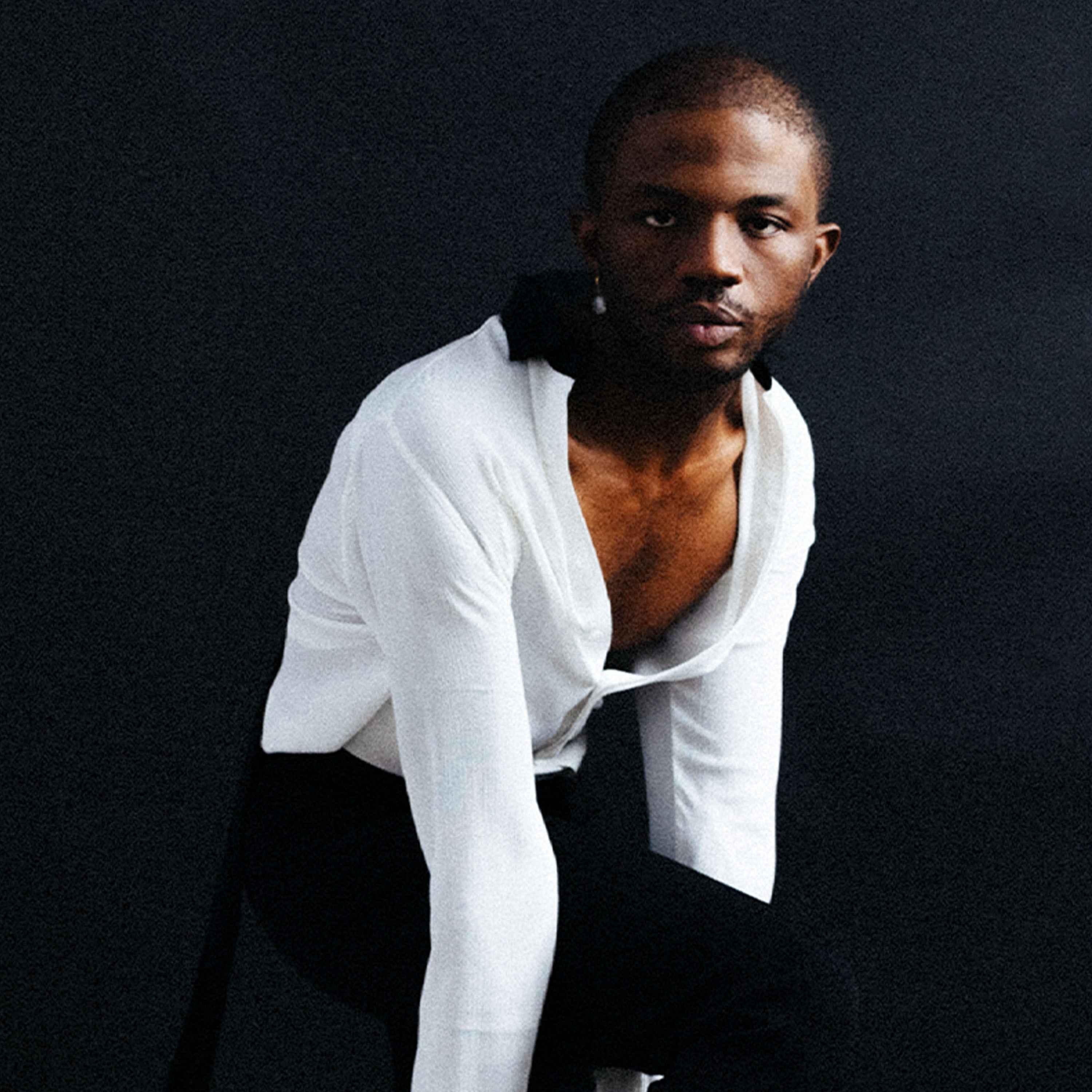
Daniel Obasi discusses why Lagos produces resilient, technically strong creatives despite limited formal training, and how he builds a contemporary Nigerian visual language through words, collaboration, and world-building. He also describes his studio/community space Ama and his current focus on returning to film and image-making, including shooting the Lagos Fashion Week campaign.
Daniel Obasi is a Lagos-based creative director, photographer, stylist, and writer. He grew up in Lagos, moved to Onitsha for three years, and studied French at the University of Lagos. He trained in graphics/advertising (CorelDRAW, Photoshop, copywriting) and began photojournalism during a six-month university placement in Badagry. His work has appeared in Vogue Italia and The Face; he joined BOF 500. He has worked with Louis Vuitton (Fashion Eye) and Beyoncé’s team (Black Is King Lagos shoot).
Lagos is a “creative factory” that builds strong people; creative success often requires self-reliance due to few systems/training institutes; aspiration can become a way to escape uncomfortable truths, contributing to a disconnect in contemporary Nigerian luxury imagery; global collaborators succeed when they grant creative freedom.
Lagos Fashion Week campaign portraits shot at his studio Ama; his early editorial “Mistral” shot in Badagry; his collaborations with illustrators for storyboarding; references to Francophone African filmmakers (e.g., Usman) for capturing contemporary African identity without dilution.
Written by AI. May contain mistakes.
Exploring Lagos as a hub for creative talent and resilience.
“They were shot by the creative director Daniel Obasi.”
Daniel shares his background growing up in Lagos and Onitsha.
“Daniel Obasi, welcome to the BOF podcast.”
Discussion on fashion and cultural identity in Lagos and Onitsha.
“And if I understand correctly, you grew up in Lagos and then moved to Onitsha at some point in your life.”
Daniel reflects on the development of his creative talents and interests.
“You would have people who would go to school one day who would also like, you know, interact with Christianity, but also their traditional religion and also have a business.”
Daniel discusses his transition from writing to fashion and advertising.
“And I think there was also a lot of hospitality as well.”
Insights into Daniel's education and experiences in advertising.
“They were aware of the print, the Ankara print, even though it's not really native.”
The story of how Daniel discovered his passion for photography.
“So I kept trying to research what other career can I do or go into that would make sure I don't end up broke.”
Daniel shares experiences of shooting and styling during his early photography days.
“And quite honestly, like when you design newsletters back then using like this application called Dreamweaver, it's as good as designing a website.”
Discussion on societal expectations and Daniel's approach to creativity.
“So they teach you a lot about how to use less words to sell a product.”
Exploring how Daniel's work was received within the creative community.
“A lot of times I learned how to do mood boarding.”
Daniel discusses being told his style was too quirky but ultimately embracing his creativity.
“Very interesting because, you know, we don't have a lot of platforms here.”
He reflects on the challenges of defining Nigerian identity in contemporary art.
“Like, why is that, why does luxury feel so detached for Nigerians?”
Daniel analyzes the historical context that influences the creative landscape in Nigeria.
“Like if the Senegalese had found a way of expressing their culture while not diluting it in a global context, what is it about the history or the people or the attitude here that prevented that same thing from happening?”
He shares insights on his unique creative process, emphasizing collaboration and iteration.
“I pick inspiration a lot from conversations.”
Daniel discusses his journey from local projects to international recognition without pitching.
“Or is it a bit more iterative than that?”
Daniel discusses the importance of creative freedom in his work and the community he’s building in Lagos.
“So the guys who are people who feel like, okay, I like that and I can connect to that, just reach out.”
A brief mention of how Quicken helps organize personal finances, relevant for creatives.
“So why do your finances still feel so complicated?”

Get the gist, explore an idea or ask about something said.
 Claude
On The Business of Fashion Podcast, what are the key points of this episode?
Searching your listeningAutomatic transcript. May contain errors.
0:00You've got big plans for your money. You invest, you track, you plan ahead. But does your financial app actually help you decide what to do next? Quicken helps you go beyond balances and basic reports. Project your cash flow, dig into your investments, and use Quicken AI to understand what matters across your finances. With Quicken, you can make sense of your options and decide what to do next. Quicken. Know what to do next. See how at Quicken.com. Hey, we're Nick and Jack, hosts of The Best One Yet. Behind every episode, there's research, email, spreadsheets, and our shared Google Doc, the headline hammer.
0:33With Google Workspace with Gemini, Google's AI is built right into the premium versions of tools we already use, like Gmail, Docs, and Sheets. No new tools or extra logins, just personalized AI for the way we work. That means less time on the work around the work and more time finding the stories worth talking about. Get AI tools for work. Upgrade to Google Workspace with Gemini at goo.gle slash workspace with Gemini. That's G-O-O dot G-L-E slash workspace with Gemini.
1:05Hi, this is Imran Ahmed, founder and CEO of the Business of Fashion. Welcome to the BOF podcast. It's Friday, October 30th. This week's Lagos Fashion Week campaign is a series of portraits drawing on the tradition of African studio photography. They were shot by the creative director Daniel Obasi. Few people have done more to shape how the world sees Lagos. Louis Vuitton asked Daniel to photograph the city for its Fashion Eye series. Beyonce's team brought him in to style the Lagos shoot for Black as King. His work has run in Vogue Italia and The Face, and last year he joined the BOF 500. Yet Daniel built his career in a city where many creatives have to find their own way.
1:52Lagos, he says, produces remarkably resilient talent, partly because formal training is still hard to come by.
2:01Daniel Obasi: Lagos is such a beautiful city. It's like a really good creative factory because it's very good at building very strong people. And when that strong person is also creative, it makes that person a very strong creative. So that person is not just going to give up. I sat down with Daniel at his creative studio Ama in Lagos to talk about how a city with so few easy paths turns out so many extraordinary creatives and what it would take to give the next generation an easier path. Here's Daniel Obasi on the BOF podcast. Daniel Obasi, welcome to the BOF podcast. Good morning. Good morning. It's very special to be here with you.
2:50We are in AMA, Members Club, Coworking Space, Studio, in Lagos, Nigeria. My first time being here, so I'm still bubbling with energy from all the people I'm meeting. But this place is kind of perfect for someone like you, a genuine multi-hyphenate creative. We hear the word multi-hyphenate so much, but you're really one of these people who's got your fingers in all these pies. And few people, I think, have shaped the way the world sees this city as you. So I'm really excited to be here with you. So I want to start right at the beginning of your story. And if I understand correctly, you grew up in Lagos and then moved to Onitsha at some point in your life.
3:49And you've kind of led this hybrid childhood. Like, tell me a little bit about what it was like growing up here in Lagos, but also then what it was like to move to Onitsha.
4:03Daniel Obasi: Okay, so I was born in Abba, Abbey State, that's the eastern part of Nigeria. I'm Igbo. My mother moved to Lagos in 1999 and she moved with me and my siblings. And I think living there, I kind of just spent a lot of time in school libraries, really. And I think at some point she made this move to have us relocate to Onija because we couldn't really speak Igbo language. So that was a thing. A lot of kids back then were very immersed with like Western education and there was kind of like a disconnect with like okay home in terms of like language. So we moved back to Onitsha for three years. So I had to spend a lot of time like learning and trying to kind of like adapt to what it meant to be Igbo.
4:53Daniel Obasi: I had to like you know figure that out through my classmate making friends and but where we live one of the interesting thing about where we live was like we lived in a war and if you look out the balcony there was like this massive intersection of like you know fashion business culture just every day and religion it was just a huge like you know merge of different things that became like an identity for a lot of people who were from there. You would have people who would go to school one day who would also like, you know, interact with Christianity, but also their traditional religion and also have a business.
5:31Daniel Obasi: Like it was very like mixed. Some mornings you would come out and people are praying before they open up their business. And it's, it was very, and the colors there was very like rich. And I did a lot of like people watching from the balcony. What people did you see? I saw a lot of people. I saw like you know when you're young like that you're just looking at like a lot of hustle so there's a lot of like hustle culture and at times that people really wanted to like improve the way they live a lot of hard work you would see women carrying things in the head you would see like young guys working as apprentice for like other people you would see um there's a i feel like that's what i really really saw a lot of like hard work and a lot of connection and to like what it meant to be, you know, an evil person living there.
6:22Daniel Obasi: And I think there was also a lot of hospitality as well. People were very welcoming everywhere we kind of like went to. Yeah. And what did a Lagos kid notice in terms of the way people were dressing or presenting themselves in Onitsa? So the difference would definitely be there was much more play with like cultural or I would say traditional dressing. So I know like when we were, when we released Liby Lagos, there was a lot more, even though it was an Igbo area, because while it was in Festa, there's a lot of like attention towards like Western fashion. So you would see people wear like, you know, jeans and pants and suits and all that stuff.
7:04Daniel Obasi: But in the East, there was a good mix of it. So you would know, like, I think it's even recently that I noticed that here in Lagos. But back then, you would see people mostly dress like, you know, native. They were aware of the print, the Ankara print, even though it's not really native. They were aware that it was so, those things, mostly just for the weekends, mostly just to go to church. Fashion was very elaborate there. There's a lot of colors as well. So at some point, you kind of discover you've got this, like, pulsating creativity within you. Like, how did you, when did you first start noticing that?
7:41How did it present itself?
7:44Daniel Obasi: I think it presented itself as a way to survive. You know, I think when, I've always been a writer, actually. Okay. That's kind of been my first and biggest, like, passion. I used to write a lot when I was younger. And whenever I would read a novel, I would kind of just, like, skip into it. So as I'm reading the word, they kind of like come alive in my mind. And so that became like, oh, I would be like, well, this is, but I didn't think I could have a career as a writer. So I kept trying to research what other career can I do or go into that would make sure I don't end up broke. And you chose fashion?
8:24Daniel Obasi: I did choose fashion. I didn't choose fashion. So I tried to do, I tried to do law, but I was like, hey, law is six years. Like, why would I do six years in university? I tried to do diplomacy. I tried to do international relations. I was going to become a diplomat. But I was like, do I really have the head for politics? And so I was like, you know what? Let me just go into mass communication and do advertising. Mass communications. And do advertising. But before I got into that, I spent like a whole year working at this security company as their graphic designer. So my mother made sure that we did computer training.
9:04Daniel Obasi: So I kind of could do graphics, weirdly. So I got there, and the first job they gave me was to assist in their graphics. So I would do their newsletters. I would do their posters and all of that for everything they were going to do. And it just came naturally to you to do that? So I had a bit of training during my computer training. So when you do computer, they teach you how to use CorelDRAW, how to use all this other apps. So I just carry that over. But then the others, I would spend hours on YouTube just like learning how to do this in Photoshop or how to do that in Photoshop. And quite honestly, like when you design newsletters back then using like this application called Dreamweaver, it's as good as designing a website.
9:46Daniel Obasi: So without the coding aspect. So that kind of became a foundation. And I just kind of like decided to build on that, obviously learning from the Internet. and then I took one one year course at Orange Academy in Maryland on advertising where I went to study I was like hey can I just learn more about what it's here so I would go to work then during the weekends I would go for like a weekend course there this was all before I got accepted into like the University of Lagos to do French. So when you're in this advertising course What were like the basic lessons that you learned there? So funny enough, one of the things that they kept trying to push me towards was copywriting.
10:28Daniel Obasi: Copywriting, how to write like copies. So I cannot draw. But the class was very practical, so you would have to draw everything. So the posters, so I wasn't really good at drawing. And they're like, oh, you might excel better as a copywriter. So they teach you a lot about how to use less words to sell a product. So it's kind of like this skill where if you're putting together like a promo or whatever you would start with a big paragraph and you would trim it down until it falls down to either a singular word or a phrase. And I think one of the key things I learned is that everything has to really kind of be a verb.
11:06Daniel Obasi: So whatever you're selling to people has to kind of end with something that makes them move. Like for example, come dance. So there is a noun, there's a verb there that's kind of like forcing people to come to do something. So that's just a little skill. It's like think big. Yeah, think big. Exactly. Just do it. Just do it. So those are like the little principles that guide the back end of advertising. For someone who has such a vivid creative mind, visual mind, but you couldn't draw, is that how you got into photography? Okay, so I cannot draw. A lot of times I learned how to do mood boarding.
11:44Daniel Obasi: So obviously like pulling references together to try to communicate like what you want to do. How I got into photography was on a trip. When I got into University of Lagos, there's this course when you take a whole year away from the campus and they send you to Badagri where the French village is to interrelate with other students from other universities. And this is because you were studying French? Yes. And there's a French village in Nigeria? Yes, in Bataviru. Oh wow. So I was stranded there for six months. So I was six months in this really beautiful place that was kind of slightly detached from the hustle and bustle.
12:23Daniel Obasi: Very easy going life. You go into the streets, the weather is impeccable. It rarely rained. The sun, the weather was like, whoa. So there was a lot of beauty around. And then I began to photojournal with my phone. so I would take a picture on the road and I would make a I had a VSCO journal I think that's when VSCO became a whole thing for young creators yeah so I would just journal I would take pictures like and just post it on Instagram or post it on my VSCO on Tumblr so I didn't realize I was kind of like quietly building this really interesting visual archive and then next thing I know I'm like hey I want to do I tried to invite my friends to come let's shoot in Badagri and like oh hey I can't make it to Badagri I was like I really have this cool idea can you come I would style you shoot it's like nah I can't I was like can I borrow your camera to shoot it's in Badagri and it's like okay sure I can give my camera but I don't want to come all the way there so I took my friend's camera and then went to Badagri and shot my first ever editorial with this model I had met and I messaged this designer called on for to please give me some clothes and it was called mistral mistral yeah and then we shot it in bedagery it was a very windy day and like there are parts of but I agree where they feel kind of looks as if you're they're like you're literally inside a cloud so when I shot that and I showed that to my friends I was like okay this is really amazing are you sure you're not gonna go into photography I was like I feel like my concept I've been too weird for people so maybe I'll just keep that to myself so it was kind of like a selfish thing to just make images for myself and not really for other people so why keep it to yourself because I was told early when I started that I was too perky yeah and like like okay like your way of doing things is not really going to work here I was told by whom by a lot of people actually so because these are people who I was like oh I would ask opinions about like oh what do you think about this like oh no it's too quirky it's too poor it's too it's too this it's too feminine it's too and I was like oh okay so I guess not so I would mostly like collaborate with other people to like you know style their work and just like creative direct with them and I became bold and I began to like release my stuff online I was like okay yeah this is I'm just gonna put it out there anyway and what happened when Mistral and other things you started releasing them into the world Like how did how did people respond?
14:55Daniel Obasi: Very interesting because, you know, we don't have a lot of platforms here. We don't have like magazines and publications. So it was always just like maybe someone would see it on my Tumblr. Yeah. Someone would see it on my Instagram and be like, I really like this. Can I put it on our platform? Right here. This is really cool. Can we put this on? I'm like, OK, great. And I would send it and the interaction we would get was really, really strong. And I was like, OK, so there are other people who are also dealing with like the issues of like masculinity and gender and non-conformity not just from this part of the world and i think i began to canvas or connect with other people from other communities like oh they were also trying to create work that was not like you know commercial or mainstream and was there a moment where you realized or locked onto the fact that the kind of imagery and visuals and mood that you were creating was actually, because it was quirky, it was actually really unique.
16:00Daniel Obasi: I mean, I don't know because it was like, I know like because I was doing styling, you know, I was really passionate about putting Nigerian fashion forward out there. And also because I come from a graphics background and sometimes as a graphics artist, like when you research like, you know, imagery for references, it was very hard to find like really good imagery around like, you know, Nigeria or something like that. So I kind of felt like whatever I was creating was answering those questions that I used to have when I was looking for those kind of like references. So what were those questions that you used to have?
16:42Daniel Obasi: Like, why is that, why does luxury feel so detached for Nigerians? Like, why is it for Nigerians the idea of what luxury is, foreign brands? Like, why is there not a lot of interaction with the movie world and the fashion world? Like, why is what I really like novels and books and literature very interesting? Like, when you read Charmanda's books, like, you know, Papua Hibiscus, it's very dreamy, the way she talks about these things. and when you look at the visualscape it's completely there's a disconnect you know why is that when you look at the music videos it's a certain type of imagery that you constantly see in the music videos and when you look at the films for example it's also a very distinct so this i feel like there was it was quite hard for me to figure out what is the nigerian identity yeah in a contemporary sense you know but then when i looked at movies from like artists like usman and I was like, okay, these people who are in the Francophone countries, they were able to capture what it means to be African or what it means to be Saniglis and still tell a very contemporary story that is globally accepted without diluting their culture, without shying away from the truth of what they were going through, without messing around with what is colonialism.
18:00Daniel Obasi: They were very hard truth. but when you look here, there seemed to be like an intentional, like, you know, distinction from that. Talking about minorities was a problem. There's rarely anything about queer materials here at that time. So I felt I understood safety was a concern. I understood that people were trying to portray a certain image for commercial benefits. But I was like, well, I might as well try. So before we get into the image creation again, I'm just curious in asking yourself those questions. And as people around the world who are listening to this may have never been to Nigeria, they don't know much about Nigerian culture, they don't know about the different tribes and languages here.
18:47I mean, why do you think that disconnect was there? Like if the Senegalese had found a way of expressing their culture while not diluting it in a global context, what is it about the history or the people or the attitude here that prevented that same thing from happening?
19:11Daniel Obasi: I would say when I've watched it so many times and I really hope I'm going to give the answer justice. So when I was growing up, one of the biggest things that I noticed was that there was a constant need to leave the country. There was a constant need to escape from what people were going through in real time. So when you look at the politics of the country since independence, when you look at how, you know, a lot of the things that are still affecting this country is kind of like rooted in the foundation of what it is. You know, people wanted to escape. and I think constantly being reminded about like you know like oh what you have it it wasn't really it didn't really symbolize that for a lot of people at a certain time people were doing like you know the lot trees to go to America a lot of it felt like it was better to just like migrate somewhere else to do and I'm Igbo so my tribe migrates the most so it that was it so like because even growing up, I know at the time my family was preparing me to write the SATs to go to America.
20:19Daniel Obasi: You know, everyone just felt like, you know, whatever is here wasn't enough. And I think that's coming from all the structures and also, you know, there's a whole civil war. So all that background that has never really been addressed properly or never been interactive, we kind of just made ages easier to pack your bags from wherever you live, you know, and go to another city to either hustle to do work so that your life is slightly better so i think for me that's where i would say that mindset kind of like came from so aspiration became like a a way to heal as opposed to let us actually sit with the uncomfortable truth about like what has happened yeah and how do we fix or mend like you know so that we have a better you know future for everyone.
21:04Daniel Obasi: So I feel like that's what it is from my perspective. But yeah. So that gave you an incredibly rich opportunity to imagine you're almost starting from the beginning to establish a language of what Nigeria could look like in a contemporary context with new tools, with technology with all of these platforms I mean that must have been really exciting well I like I said like I'm very obsessed with world building yeah and as a writer I'm I'm also very even as a creative like I feel like the underlying of what I think about is alternatives you know I'm not big on problems like okay the problem exists okay so how do you solve that like what is the alternative I'm always asked like what if you know what if this wasn't here what if we did it this way like even in my day-to-day life it's a constant what ifs so when you're thinking about world building which is a word we hear a lot now in fashion and you think about the creative process that you've now refined and learned and taught yourself over the years can you just describe us a little bit about how it comes together when you're imagining something or doing working on a project?
22:26Daniel Obasi: Okay, so it depends. I pick inspiration a lot from conversations. Yeah. So a lot of times, and I like to talk my ideas out, and because sometimes it stands out as a little voice in the head, it starts as a little thought, and then the more I talk about it, and it's so interesting because I've also come to the sense that words are actually very powerful. So the more I say something, it's like you're actually adding life to it so when I get an idea it feels very hazy in my head and crazy so I'm writing it down and I'm talking about it or I call a friend I'm like hey so I have this idea to do this like just listen to me like I'm thinking of this putting this putting this putting that together and you know and he's like okay no it's not possible the minute I've said it to me it's possible so I'm like okay that's what I'm gonna do so I'm like I'm very much big on like manifesting that and one of the other things I've also learned to do is collaborate with like illustrators so I had a friend who I had a friend for a year who I would go to and we would sit down I'd like okay I have this idea and can you just draw this out and we would draw out the most interesting like final frames of everything and I'm like yeah this is what I want to shoot and And that's kind of how my practical process is.
23:51It's so interesting that it starts with words because, you know, I'm lucky to meet a lot of creative people. And most creative people start with images or mood boards. But for you, I guess because you are comfortable with words from the beginning, that's a great starting point. And then you collaborate with a visual person to kind of translate that. So does that mean for some of the images that I've seen that you have a pre-ordained idea of what it is you're trying to create and then you create that image from there? Or is it a bit more iterative than that?
24:27Daniel Obasi: So a lot of my projects are exactly like that. So except when it's a commercial project, you know, so I have to lean on what the client wants. Yeah. So, but then even with that, you know, at some point I hated mood boarding because I felt like now I have, like, I feel like you're expecting me to give you this. Whereas I know that's not my process. So I had to find a really strong way to use, like, the illustrations I was making or find references to create these things. But before I even touch a mood board, I would write. I would try to draw it out as much as I can. and then find references that meet the, what's it called, the sketches, and then present that together.
25:12That's interesting, too, because I guess that copywriting experience comes in handy when you're talking to clients now, right? Because you have a way of, like, describing the image and, like, putting into context for them. And so many people use mood boarding, as you say, which in some cases is just pure copying or referencing. So by creating an image through illustration, you're creating something that feels special and new.
25:38Daniel Obasi: Yeah, it's like original, but it's also the way, it's also the true art of filmmaking. Yeah. Because you start first with a script and then you move to like, you know, storyboarding. And then you now shoot. Yeah. Before looking at, okay, what type of shot, like, you know, do the shot list with the references of how the shot would be made. I just felt mood boarding at some point kind of gives me a creative block. because now I'm seeing the limit to what this is. And, you know, so the mood boarding always just comes for like, you know, references so that every other person can understand what it is that we're trying to do.
26:14So when did your work start getting noticed globally? I took a look at the quite impressive list of brands and individuals that you've worked with. and I wonder for someone based in Lagos creating these very special images, like how do you go from doing projects with kind of local projects, original projects here to getting a global stage?
26:45Daniel Obasi: So I've never pitched for like most of the jobs I've gotten. It's always been people reaching out. So right from the first day, really every time I've pitched for a job, I've never gotten it. So the times when my, because I have an agency now that I work with abroad that tries to get me represented for things. But most of all the works I've done from the very beginning has always been, hey, we saw this, we think it's cool. Can you work with us on this? And we discuss. Oh, hey, I see this. Even like I said from the beginning, like I would put out the work and people will respond. And it's just been a cycle of that over the years.
27:25Daniel Obasi: I had a bit of representation here in Lagos when I started with ALCA, a white space program, and I worked with Papamata. So he's been the only one who at the time really did a bit of representation for me here. And I think I worked with him for the Louis Vuitton photo book. But locally, I think because people can just see your work here. And like I said, it's a personal, I feel like to act as a work for you, it has to be something personal that you saw in the work. I kind of understand that I'm not really for everybody. Yeah. So, and I try not to force it. So the guys who are people who feel like, okay, I like that and I can connect to that, just reach out.
28:08So when a global brand reaches out to you, how do you know or what tells you that they're interested in your point of view? That you can create the kind of imagery that comes naturally to you that's really part of your body of work?
28:29Daniel Obasi: I think it's when they give me their creative freedom. I haven't worked a lot of international brands commercially. It's mostly been from an editorial point of view, from the magazines. But it's the creative freedom. Whenever I know that, okay, I have a creative freedom, or you understand the sketches that I've sent to you, and you're okay there, that's really it. It's the creative freedom, really. So Daniel, you are working on so many things. As I mentioned at the start, you're one of those true multi-hyphenate creatives that you can go, he said this, and he said slash this, and he said slash this, and now you're also running this space.
29:12I mean, what are you focusing on right now? What's bringing you joy? What are your goals right now?
29:23Daniel Obasi: Okay, well, right now I'm focusing a bit in the business, I think. I believe for a huge part of my life I was working as an artist who was trying to understand myself, one, figure out what to even do with these talents that I have. And obviously there's no right or wrong way most of the time. So, but I wanted structure in a sense where I was like, okay, I need to build something now that, you know, I can use as a foundation to define what happens to me in the next 10 years, what happens to my work in the next five years or in productivity. So that's one of the reasons why I went into creating this space that we're in.
30:08Daniel Obasi: For the last two years, I've been building Amar, both in terms of finding the space and also just renovating it completely. And on one hand, it was intentionally like, OK, let me make a studio for myself where I can work from. but on the hand was also to extend it to a way as a as an avenue for me to also interact with my community here and also like be able to build something with other people and collaborate other people from a singular place but I think Amr kind of just like created its own life for itself, created its own community for itself so a lot of the things happening now were not always on the board like you know it was it's kind of grown beyond just that people have connected to it a bit differently than i expected so who is that community that's found comfort and home in this space i think people who are also looking to find themselves a lot of people who are curious about like you know what it is to build something what it is to like you know go into the world a lot of people a lot of people here are students a lot for young people a lot of young brands a lot of like young creatives who are just like oh I just want that and people who are also looking to connect meaningfully who want to come in and have like ideal conversations and we're just looking for somewhere in Lagos that they don't have to worry too much about so many other things so like an escape really yeah but in beyond that what I'm working on now that I've gotten the space done and set It was also important that, okay, this space can function, but also like operates on its own.
31:55Daniel Obasi: You know, this is self-funded. So I had to get really very clear about organizing the business. So we allowed a part of it to go to his coworking. Another part of it to go to was like, you know, having a bar and a little kitchen and a photo studio space upstairs. So it functions both ways. I can use it for my personal things and also I can lease it out to other people to use for their thing, which allows for a little ecosystem of sort to be growing. And then having like community events like the Sunset at Amma that just brings all of us together where we like, oh, I know you. Oh, meet this person.
32:33Daniel Obasi: So it's kind of like a tiny ecosystem and it's really been doing quite a lot of great things. So that's what I've been working on for the last two years. I've just now started moving back into being an image maker. I picked up my camera to shoot the Lagos Fashion Week campaign. Which is why I'm here. And I was picked up to start shooting stuff in fashion. But I'm also very much keen to also go back properly into film. I think because I also did a bit of costume designing, I was able to go back to do costume designing for a film this year. I haven't done that in like two years or so. So it's really been, now that we have this space, it's really been good because now I feel centered.
33:20Daniel Obasi: So from here, I'm able to just like move on to other things. We've even gone as far as like interacting with design and objects like lamps and furniture. And then my things I'm very excited about for like, you know, the next few years is definitely like making a film, like going back into like proper like image making, telling stories, that's really what I am. So extending your creative process from words that starts with words and then goes to the story, like getting it properly into moving image. Yeah, like proper like moving images, like whereas we've done like shots and all for fashion and campaigns.
33:54Daniel Obasi: But I think never really like a proper like, oh, film, that's like, OK, a series of film or that. So I'm very excited about like, you know, dabbling into that. I wanted to just conclude with just getting some thoughts from you on questions that have been percolating in my mind quite some time now. I think, first of all, like what, you know, so many people listen to this podcast in other parts of the world. What do they need to know about Nigeria, about Nigerian culture, about Lagos, about the creativity here, about the scene here, about the people here that maybe people don't understand? Like, what are the misconceptions and what's the truth?
34:37Daniel Obasi: Hmm. What are the misconceptions and what are the truth? I think Lagos is very good at branding. It's so interesting. One time someone said to me that Lagos is a creative factory. I think, and when she said that to me, I was trying to understand what she meant by, like, a creative factory. Was this a Westerner? No, it's on the premiere. I was like, oh, like, because she was like, we met somewhere. She was like, oh, Lagos is such a beautiful city. It's like a really good creative factory because it's very good at building very strong people. And when that strong person is also creative, it makes that person like a very strong creative.
35:22Daniel Obasi: So that person is not just going to give up. There's a lot of resilience that is kind of like built or tempered into like the character making of like Lagos creative. And so that's why when they venture into the world or when their work comes out into the world, it comes out very, very much like on a level that is very technical, but also very passionate. And you can literally hear and feel the work and you can feel the person's life or, you know, sometimes even behind the work. And you have no choice to want to root for that creative. It's very, it's because I know that a lot of creators are like that.
36:01Daniel Obasi: But on one hand, I think that's great because it means that Lagos produces a lot of strong and amazing creatives. But also the process to creating those type of characters can be very eviscerating. It can be very, very, very difficult. You know, there are no systems. and so the absence of like systems to support creatives here tends to mean that every creative has to kind of like figure it out on their own and so people are oftentimes moving in different directions until they finally like you know come to the one that okay this is the direction you know there are very few institutes you know like as fashion week does a great job there's also like you know the arts on the art x and all of that so i think but i guess by extension you're saying because people are kind of left to fend for themselves.
36:51Once they do find their thing and it clicks, there's a level of, a standard of quality and...
36:59Daniel Obasi: There's a tenacity that drives the work. It's not just, oh, hey, I'm trying to figure myself out. A lot of times there are a level where you kind of, it's almost like a survival aspect to it where young people are learning, like even so like for i i work i know a lot like young designers who haven't gone to fashion schools but they're making clothes at an extremely high standard you know they're making they're trying to venture into couture they're learning how to make which were by themselves like you know and there's that level and sometimes i just wish that they had like you know an easier path to those through well-established systems of training, really.
37:44So if you're a 22-year-old Lego stylist or designer or creative, what's your advice for them?
37:57Daniel Obasi: Just keep going, really. I think my advice for that person would just keep going. There's so many mistakes you do. There's only just so many mistakes you can make. and every mistake you make is just, you know, I guess that's not the right way. You never come back to that mistake again. You learn from that and then you pick up again and then keep going. And I think the support you're looking for oftentimes might not come from your immediate community. It might come from somewhere else. But eventually they will come around. Right. Well, Daniel, I'm grateful for the time we spend together. Grateful to come to your studio.
38:35Grateful to be in Lagos and I'll be seeing more of you, I'm sure, later this week. But thank you for sharing your story. I'm sure it will have been very inspirational, not just to young creative people here, but all around the world. So thank you.
38:51Daniel Obasi: Thank you very much for coming to Amma. And I'm happy you stopped by on your first trip to Lagos. I'd be very honored to have you here. It's a pleasure. Thank you. Thank you.
39:10Thank you.
39:35So why do your finances still feel so complicated? Quicken helps you put the whole picture together and make sense of what to do next. Connect accounts from more than 14 ,000 financial institutions and see how all the different pieces of your financial life fit together. With Quicken, you can make sense of your options and decide what to do next. Quicken. Know what to do next. See how at Quicken.com. Hey, we're Nick and Jack, hosts of The Best One Yet. Behind every episode, there's research, email, spreadsheets, and our shared Google Doc, the headline hammer. With Google Workspace with Gemini, Google's AI is built right into the premium versions of tools we already use, like Gmail, Docs, and Sheets.
40:13No new tools or extra logins, just personalized AI for the way we work. That means less time on the work around the work and more time finding the stories worth talking about. Get AI tools for work. Upgrade to Google Workspace with Gemini at goo.gle slash workspace with Gemini. That's G-O-O dot G-L-E slash workspace with Gemini.
This week’s Lagos Fashion Week campaign is a series of portraits drawing on the tradition of African studio photography. They were shot by the creative director Daniel Obasi.
Few people have done more to shape how the world sees Lagos. Louis Vuitton asked Obasi to photograph the city for its Fashion Eye series. Beyoncé’s team brought him in to style the Lagos shoot for Black Is King. His work has run in Vogue Italia and The Face — and last year he joined the BoF 500.
Yet he built his career in a city where many creatives have to find their own way. Lagos, he says, produces remarkably resilient talent, partly because formal training is still hard to come by. Amed sat down with Obasi at his creative studio AMAH in Lagos to talk about how a city with so few easy paths forges so many extraordinary creatives, and what it would take to give the next generation an easier path.
Key Insights:
Additional Resources:
Hosted on Acast. See acast.com/privacy for more information.