
 Ask ChatGPT


 The Business of Fashion Podcast
23 Oct 2026 · 56m · 26 chapters
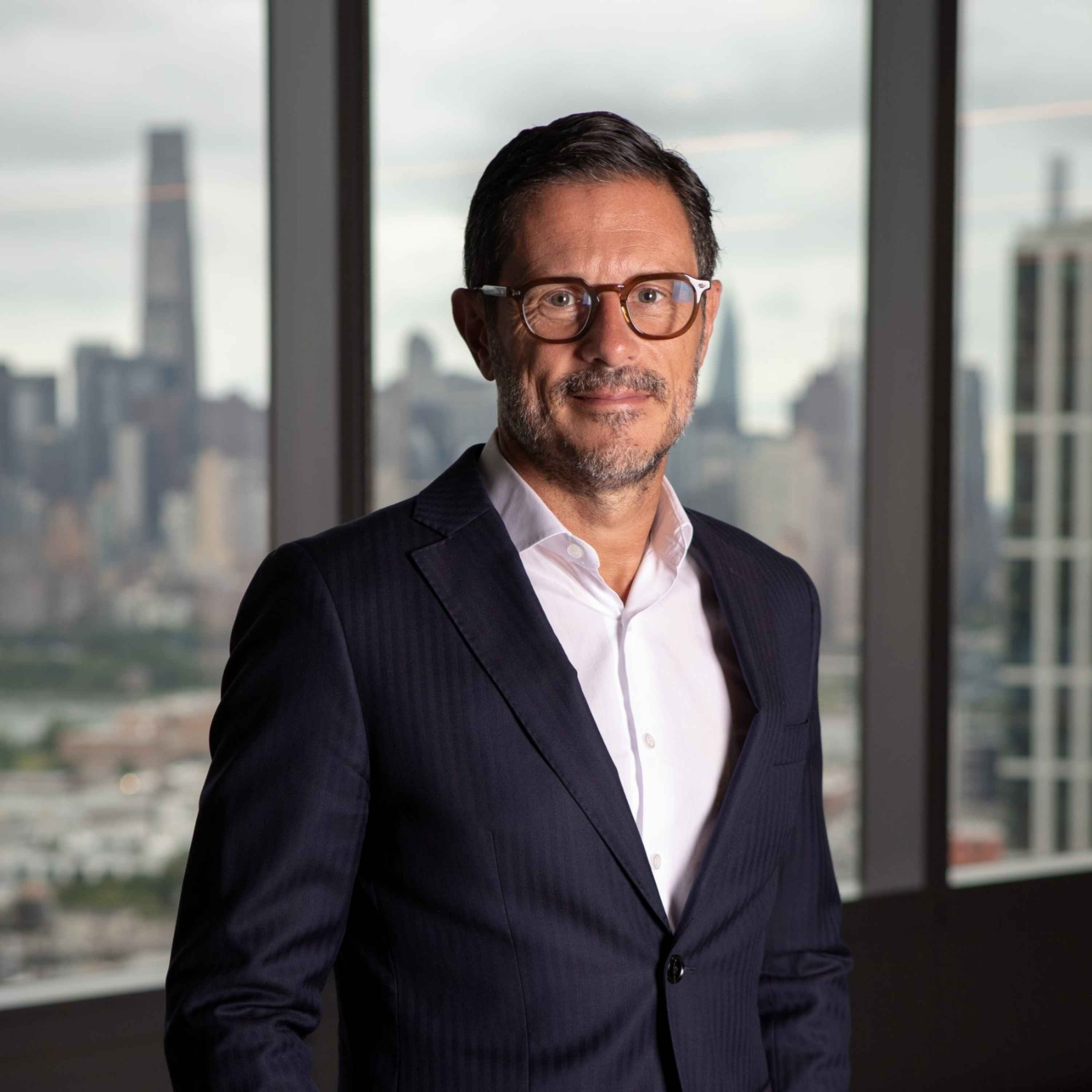
Olivier Braun (CEO of Bloomingdale’s) explains how the department store is regaining desirability through “art and science” retail, brand storytelling, better merchandising, and relationship-led service—while also discussing why the US luxury market is still growing.
Olivier Braun is a French retail executive who grew up in the French Alps (skiing; farmer family). He studied engineering, then business school, then spent 12 years at Bain & Company (retail-focused). He led a turnaround at Galeries Lafayette (managed ~70 stores/7,000–9,000 people), then ran department stores in Thailand for Central Group (including Central and Robinson) and later became CEO of Bloomingdale’s in New York.
Department stores aren’t “dead” because shopping is leisure and brands need an experience beyond e-commerce. Retail success requires balancing data (“science”) with inspiration (“art”) and strong customer care. Bloomingdale’s growth is driven by wealthier top customers and improved store experience, assortment, and personal shopper relationships. Luxury brands risk losing desirability when they chase short-term financial returns and lose their core identity.
Phoebe Philo choosing Bloomingdale’s wholesale after previously avoiding it; Bloomingdale’s shift to fewer brands with more space for brand DNA; growth in “VIC activations” from ~40 (four years ago) to ~550 last year (e.g., Hamptons lunch with a designer, Napa Valley experience with Giraud, Paris runway/showroom pre-dressing).
Written by AI. May contain mistakes.
Discussion about Bloomingdale's comeback amidst the decline of American department stores.
“For most of the last 30 years, the American department store has been a story of decline.”
Olivier Bron shares insights on turning around Bloomingdale's and the luxury market.
“Olivier believes that Bloomingdale's can still matter to shoppers and to brands, but only if it gives people a reason to walk in.”
Olivier Bron discusses his upbringing in the French Alps and path to luxury retail.
“Olivier Braun, welcome to the BOF podcast.”
Olivier recounts his journey from engineering to management consulting and finally to luxury retail.
“And I thought it was about time we shared some of those conversations with our listeners.”
Olivier shares key lessons learned during his time at Bain & Company regarding retail success.
“And this is why I then went to a business school and then after my engineering journey, and then I landed at Bain & Company.”
Olivier explains how he transitioned from Bain to oversee operations at Galerie Lafayette.
“I ended up at Galerie Lafayette because I met a great and crazy guy at that time named Nicolas Ouzet, who just took over Galerie Lafayette's CEO role in 2013.”
Olivier discusses his evolving role at Galerie Lafayette and the importance of modernization.
“You can have the best stores in the world.”
Discussion on the evolution and modernization of iconic department stores.
“The whole thing about Galerie Lafayette is so good.”
Exploring the evolution of leadership roles and team dynamics in retail.
“especially back in the days, it was with the tourism in Paris, plus the local customers, et cetera.”
Discussing the unique characteristics and global benchmark of Central Group in Thailand.
“Eight years, you know, was a good time, great time.”
Reflections on the cultural impact of living in Bangkok while leading a retail organization.
“business, one of the strongest in Thailand.”
Highlighting the advanced retail experiences in Southeast Asia, particularly Thailand.
“If you ask to my kids still today, they will tell you that their favorite country in the world is Thailand.”
Describing the motivations and initial impressions of taking on the role at Bloomingdale's.
“You know, like the Japanese department stores feel a little bit antiquated.”
Analyzing the challenges and perceptions of U.S. department stores compared to international counterparts.
“The US is the biggest market in the world.”
Discussing the potential future and relevance of department stores in modern retail.
“a bright future only because I've been in this industry for years.”
Strategies for enhancing the customer experience in department stores to ensure relevance.
“So basically you're saying you still see a real role for these kinds of retail institutions.”
Learn how Bloomingdale's is reshaping its brand strategy to enhance customer experience.
“But in the US, I think it's something that is probably a little bit new.”
Explore the factors driving the buoyancy of the US market and wealthy consumer behavior.
“any executive I speak to, they're like, thank goodness for the United States.”
Learn how Bloomingdale's is drastically increasing customer engagement through tailored experiences.
“Four years ago, we used to do 40 of what we call these VIC activations.”
Discover the critical importance of salespeople and their impact on Bloomingdale's success.
“I was kind of shocked by the level of importance an individual salesperson can have to a business like this.”
Explore strategies Bloomingdale's employs to attract and retain high-performing sales associates.
“Because when you're running like even a 10 million business, you're running, you know, a small SME and you need some tool systems.”
Understand why luxury brands, including Bloomingdale's, struggle with desirability and how to regain it.
“and tools to make their business easy is extremely important.”
Analyze the importance of self-awareness in luxury brands and their market positioning.
“And you're saying indirectly and very humbly that some of the luxury brands in Europe have lost the connection of who they are as well.”
Examine how brands are adapting to market changes and maintaining customer relationships.
“Maybe smaller, maybe different, but might be better coming back to the roots of the brands, who they are, where they operate, and who are the targeted customers.”
Learn how effective pricing and distribution strategies can enhance brand performance.
“You mean reducing prices or offering entry-level prices?”
Discover the importance of collaboration between designers and brands for success.
“It was, as always, really great talking with you.”

Get the gist, explore an idea or ask about something said.
 Claude
On The Business of Fashion Podcast, what are the key points of this episode?
Searching your listeningAutomatic transcript. May contain errors.
0:00Being a serious business owner takes hard work, patience, and a drive to keep moving forward. So it's important to find a serious business card that goes the extra mile. With the VentureX Business Card from Capital One, you earn unlimited double miles on every purchase. And with big purchasing power, you can spend more and earn more. This is your sign to take your business to the next level. The Capital One VentureX Business Card. What's in your wallet? Terms apply. See CapitalOne.com for details.
0:29Olivier Bron: This episode is brought to you by Macy's. I'm definitely not someone who wants to replace my entire wardrobe every time the season changes. And thankfully, you really don't have to. This autumn is much more about remixing the things you already own with a few new pieces. A trench coat is the perfect example, because you can style it completely differently depending on where you're going. For dinner, you can pair it with a textured skirt, statement earrings and knee-high boots. For something a bit more casual, throw it over dark wash denim, a draped knit and some loafers. Or for work, pair it with a crisp white blouse, barrel leg jeans and ankle boots.
1:09Olivier Bron: It's really all about finding those versatile pieces that makes the clothes already in your wardrobe feel new again. So if your autumn wardrobe needs a refresh rather than a complete overhaul, Macy's has plenty of new season pieces to help you remix what you already have.
1:30Hi, this is Imran Ahmed, founder and CEO of The Business of Fashion. Welcome to the BOF podcast. It's Friday, October 23rd. For most of the last 30 years, the American department store has been a story of decline. Store closures, bankruptcies, endless discounting, and floors packed with racks that look the same from one store to the next. Bloomingdale's is starting to tell a different story. Last quarter, its comparable sales grew more than 11%. Its second quarter in a row of double-digit growth at a moment when much of the luxury industry is struggling to grow at all. The man behind that turnaround is Olivier Brun, who arrived in New York nearly three years ago to become CEO of the venerable department store chain, which had lost its luster.
2:23Olivier believes that Bloomingdale's can still matter to shoppers and to brands, but only if it gives people a reason to walk in. The magic is happening first when you're balancing really this art and science. Retail can only be about science. It's not only data, analyzing data, but there is a very strong component of that. Magic is happening when you have this touch of inspiration, innovation, point of view, etc. that you don't get with just data. We're selling products mostly that people don't need. So it's really about self-esteem, bringing joy, bringing delight to people. And this is why I really love this department store format.
3:07This week, Olivier joins me to talk about how you make a brand every American knows desirable again, and why some of luxury's biggest brands are wrestling with exactly the same question. Here's Olivier Braun on the BOF podcast. Olivier Braun, welcome to the BOF podcast. Thank you. Thank you for inviting me into your beautiful office. We're overseeing Midtown Manhattan. Yeah. You've been in this office now for how many years? Three years. I'm going to turn three years in a week. Wow. Already three years. I remember our first breakfast in Paris at my hotel one morning. I can't remember even who connected us or how we met.
3:53But ever since you and I have met, we've had such interesting conversations about the state of the luxury market, about the future of department stores, about so many things. Yeah. And I thought it was about time we shared some of those conversations with our listeners. So I'm really delighted to be here. Before we get into the meaty stuff, I always like to start with, you know, the origin story. And your origin story is interesting because you grew up in the French Alps. Yes. You grew up skiing a lot? Yes. Yes. All my family is coming from the north of the Alps and still are. And yeah, this is my place.
4:33very far from Paris, very far from fashion. You know, I grew up in the Canadian Rockies. I grew up skiing too. So there's something about growing up near mountains that kind of shapes you as a person. What was it like growing up there far away from the big cities of Europe? It's a lot about outdoor nature, you know, but it's a lot also about connections, relationships, friendship friends and families. That's what really made me. Growing up there, did you ever imagine you'd end up in the world of fashion and luxury and retail? Absolutely not. I mean, it was so far from what my family is doing, from, you know, we're coming from a farmer family.
5:19So it's really, yeah, I'm miles and miles away from this world. so I never thought about it. I always have like you know something about aesthetic about color about art even if I was far from it I was very interested about it but never thought that I would end in that world by any means. So trace us the story how it happened how you go from the Alps to engineering school to management consulting to luxury retail. How did that happen? It's all about people and meeting. It's about having, you know, meeting people that actually changed something in the course of my journey. And it's really about that.
6:03So I had the chance to meet people that influenced me in the direction I was taking. And it's really about it. You know, So yes, initially I was more versed into science and this is what really I still enjoy doing, by the way. It's why I love also retail and department stores. But then I realized quickly that it was not my passion. I was more passionate about people, about business, about commerce. And this is why I then went to a business school and then after my engineering journey, and then I landed at Bain & Company. You know, at Bain, what I was the most passionate about was really about retail.
6:41I mean, to be fair, when I was like younger and when I was in college, I was, you know, working in stores. I was working in bars and hospitalities and I always liked it. I had this fiber. I had this little something about it. I always loved people. So I think when you love people, I think it's giving you a good, you know, good assets for performing in retail. So take me back to Bain. Yes. And getting the retail bug. And I think, I mean, you were there for over a decade, right? Yes, 12 years. So in your like retail playbook, like what were the most important lessons you learned about the critical success factors for retail across the board?
7:26Like what, if you were going to distill it down to those consultant bullet points, what does it take to run a successful retail company? Yeah, I think that's a great question. I mean, I don't want to give any lessons and I will be very humble because it's really my personal view from what I've seen. Right. But I think it's the magic is happening first when you're balancing really this art and science. Retail can only be about science. It's not only data analyzing data, but there is a very strong component of that. Magic is happening when you have this touch of inspiration, innovation, point of view, etc.
8:04that you don't get with just data. The second thing, I read that in order to be good at retail, you need to care for others. You need to like serving others and helping people, bringing joy. Even if you're in a grocery store or you're in other forms of retail, it's really about serving people and bringing joy and happiness and et cetera to people. And when you think about it, department store is probably the best of all these worlds. Because the complexity of the model is pretty strong with the number of SKUs and references that we carry, the number of models and customer segments that we're addressing.
8:46It's a pretty complex model. And we're selling products mostly that people don't need. So it's really about self-esteem, bringing joy, bringing, you know, delight to people. And this is why I really love this department store format. So art, science, and customer service. Yes, and care. Okay. So you're at Bain. You do this 12-year stint. Yes. How do you end up at Gallery Lafayette? I ended up at Galerie Lafayette because I met a great and crazy guy at that time named Nicolas Ouzet, who just took over Galerie Lafayette's CEO role in 2013. From his dad? Yes. And they had an external CEO at that time, but he's taking the role.
9:35It was time for him to take the job. And he's launching a big turnaround program at Galerie Lafayette at that time. So we've been lucky at Bain to get the project. And I was the project lead on that, on driving this turnaround at Galera Fayette. And after a couple of months, Nicolas is telling me, you won't do consulting forever, right? And I said, yeah, probably not. And after a couple of discussions, he was, it's what I'm saying, crazy enough to actually propose me to join the team and manage all the stores, but the flagship of Osman, which was representing about 70 stores and half of the business.
10:13And how old were you at the time? 36. And I remember we had this discussion and I think that's pretty crazy because the biggest team I ever managed was probably 20 people. And how many people worked in those 70 plus stores? Probably between 7 ,000 to 9 ,000 people at that time. So it was a big jump, but I would never be grateful enough for the risk and for the audacious move that it had made at that time. Were you nervous? Very nervous. And actually, we agreed on one condition, which was actually not to change the team for the first year because I had to learn from the great people I had in my teams.
10:52I had people that had been in business for 20 to 40 years. And I remember when I started that Guerrilla Fayette, the first few months were about visiting stores and learning the job. And I was with people that were supposed to be in my teams, but they were actually teaching me how to, you know, look at a store, do a store visit, drive and manage such big teams. I remember touring stores and touring stores with the former head of the retail of the store network in France and saying, what did you see? A, B, C, D. No, it's not enough. Redo that again. So we're redoing the tour two, three times before I was able to spot the right thing, see the right problems, identify what we had to change.
11:38So it was such a great privilege to have time to learn operations at that time, coming from the strategy world. It was such an accelerator about learning retail, but the core of retail operations, which I didn't know before. It was absolutely amazing. These learnings that I got from that time still last today and still has an impact on how I'm looking and visiting stores. Which is, by the way, something else we could add to your list of art and science and customer service. Fundamentally, retail is an operations business too, right? That's very right. It's about, you know, you can have the best strategy if you fail in execution, in the details of the execution, then your experience will land flat.
12:20You can have the best stores in the world. If you don't operate the right way, you're going to lose it. So in working with and overseeing these 70 stores and 7 ,000 people, what was the biggest challenge that you had to face in terms of like implementing the strategy that you were working on some kind of turnaround, right? What was the hardest bit? You know, I can tend to be a little bit impatient. It's really about learning time and how you manage time. These models have been existing like forever, for 100 years. And you can't transform a business in just, you know, in a minute. So you really have to learn the pace of the change in these institutions.
13:06People are super willing, super passionate, super engaged. But they've been doing these jobs forever. Change takes time. And that's probably the first learning. The second learning is actually change requires your personal implication, involvement. You need to spend time with people on the floor to give sense, explain what you're doing before expecting any change in direction. And we spend tremendous hours explaining what we're doing and where we're going. And I think the last point for me is really being very, very strong on your convictions and the vision you're having for the business. And it's exactly what we're doing currently at Bloomingdale.
13:44Yeah. So 36 years old, you take on this role. How did your role at Galerie Lafayette evolve over time? How long did you stay? I said eight years. Oh, wow. Okay. But it was, honestly, it was the best learning curve I could dream of. First, because the strengths of the brand and it's an institution, it's iconic. It's almost mythical. Yeah. I agree. The whole thing about Galerie Lafayette is so good. And when you talk about Galilafet in France, it's like, you know, it's an institution. Everybody knows about it. But it requires, like the rest, it requires to modernize and evolve and keep changing.
14:21And this is exactly what we've been doing at that time, what they kept doing very well since. So it's, no, I think it's a great brand and family-owned. So you can think long-term. And I know that and realize that now that we're listed. I think it's a privilege to not only think about the short term, but have, you know, this long-term perspective. which is absolutely fundamental in the business that we're running. So I think, yeah, my role evolved after four years. I mean, Nicolas gave me also Osman as part of the, so the flagship of Paris as part of my school. Maybe one of the biggest department stores in the world.
14:57It is, you know, depending on the ranking and, you know, between number one, number three, number, but it's, yes, it's among the biggest ones. It's really amazing, especially back in the days, it was with the tourism in Paris, plus the local customers, et cetera. It's a very interesting model, pretty unique model. The productivity of this ground floor is among the best in the world for many, many brands. So it's very, very spectacular. And the complexity and the number of customer segments that you're managing, from the very wealthy Parisian customer to the Asian tourists coming in, it's very different models.
15:36So it's very exciting. Lots of learning here as well. What convinced you to leave? At some point, you know, eight years in the role, you said it yourself. It's actually, it's been a long period and probably learned as much as I could. Probably also my contribution to this model came to a new phase. And I think it was time for a new team of leaders to take over and manage the next page of this business. So it was my time. Eight years, you know, was a good time, great time. And it was time for me to move to the next step. And for me, what I was dreaming about at that time is not only operating the stores, is having the ability to increase my scope of responsibility and start dealing with the buying team, the marketing teams.
16:20I mean, really the CEO role was really my objective. Not much by ambition, by this need to keep learning this business, building a vision on a full business than just on one vertical. But you did that in a completely different continent, in a completely different culture, in a completely different kind of operating model at Central Group in Thailand. And for people listening who don't know Central Group, tell us about that group and why it has become such a benchmark globally. It's an amazing family and an amazing group because it's a family-owned business, one of the strongest in Thailand. But it's also a family story that started by a department store back in the day, 70 now, probably 80 years ago in Bangkok.
17:13They're probably now among the strongest specialists of department stores in the world and probably among one of the biggest department store group in the world, because it's not only about the operations in Thailand, but they also own Selfridges, KDV, La Rinascente, Bayan Corp. I mean, I can list many, many of these department stores in Europe. So they have a portfolio of flagships and department stores that is pretty unique in the world. And your responsibility was what? Was really leading department stores in Thailand, so Central and Robinson, the two nameplates that actually were the heart of the business in Thailand.
17:52Okay. What was it like living in Bangkok? It was a blast. It was a blast. If you ask to my kids still today, they will tell you that their favorite country in the world is Thailand. It was amazing, but it was also because the Thai population and this group has been amazingly welcoming, so open to different points of view, different perspectives, challenges. So it's been amazing, but it's been a shock. culturally, managing teams was a very different way in leading, a lot more in, you know, still giving sense, but a lot more in the influence and probably more in the consensus way than being very directive and very, in terms of leadership style, it requires like some...
18:32You adjusted your approach to become more like consensus driven, which is more common in Asian cultures, right? Very much. Very much. Was that hard? No, not really. I think, again, if you truly genuinely care for others and you like people you get the best and then the question is actually how am i going to get the best out of this team because we have few expats in the team so mostly thai teams how do you get the best of your team yeah and the best of your team is by adapting your leadership style as well to the population you're and the people you're working with yeah and we did we did great i have to say i visit thailand quite frequently i walk into those stores and i'm like wow i agree It's incredible.
19:12And it just feels great. Yeah. You know, I'm glad you're saying it. Because, you know, Imran, I think people, I mean, sometimes when they think about Thailand or even Southeast Asia, they don't realize the level of maturity of the retail experience in these countries. It's among the most beautiful beauty departments you can think about. When you think about Central Chitlam and the work that has been done by the team, It's honestly one of the best department stores in the world. I completely agree. And even if I compare to what I see in Japan or what I see in China or what I see in North America or what I see in Europe, it is really one of the best, if not the best.
19:57You know, like the Japanese department stores feel a little bit antiquated. the European department stores have this like incredible history, but they don't feel like they're modernizing as much. And the American department stores, which brings us to where we are today, you know, they seem stuck in a model from another era, which begs the question, you're working at one of the finest department stores in the world. You have this new role in this like incredibly interesting culture, country, you decided to take on the show at Bloomingdale's, which I think arguably people, you know, you wouldn't disagree is, you know, was not necessarily high on the list of top rated US luxury department stores.
20:50So explain to me, you know, your initial impression like when you first came here like why would you want to take this on this is a big turnaround i remember i came and did a tour of department stores in the us in like 2007 yeah i had a big project i was working on and i just remember going from one to another and they were all the same like you couldn't even tell them apart it's really interesting because you know when i'm in thailand i'm receiving a phone call from a head-on tour in new york about this job at Bloomingdale's. And I initially thought that actually I was done with department stores and I would probably explore some other opportunities back in Europe because I had the feeling that I actually understood the model of department stores.
21:34But then I thought, okay, here we go. The US is the biggest market in the world. The biggest players in the world were actually located in the US. I said, it's probably time for me to experience what it is to fight and operate on this amazing market. And a couple of other things were super interesting for me. In the US, 80 % of the department store model is still wholesale. So we're still buying the product we sell, which is a big difference. Very exciting. The store takes the risk. Yes. Basically. So you're really doing your true retail job, you know, about selecting the products and selling them.
22:12The second thing is actually the digital penetration. At that time, when I joined, the market was about 30 % digital penetration, which is much, much bigger than anything you can experience in the world, probably outside of China. So that's very exciting. I was very interested about these things. And I had the privilege with this CEO at Bloomingdale's role to be also part of the executive committee at Macy's. So I was also interested on how other models were operating. So I was very excited. But when I came here, I didn't know much about the US market, about the the US department stores. I visited them probably once or twice, but I didn't know much.
22:48And I was exactly surprised exactly what you said. I was surprised to see department stores look all exactly the same with these forests of racks, packed with products, limited differentiation, very limited expression of the brands. We saw some of them, but very... So I was very surprised. and also by the fact that the experience in US department stores was a bit dated, you know, the way without being too technical, but with a strong, strong way of what we call classifications, right? So you still have coats, you still have the dresses and something that you don't experience now anymore in anywhere in the world, basically.
23:29Maybe in South America, but it's most of them. You mean they sell by category? Exactly. It was like, we're going to put all of this category together so you can shop the category. Which is, I guess, made sense once upon a time because people used to go to department stores because they offered a selection and you can get every option for a coat that you wanted. Yes. But if people want that now, they just go on the internet, right? Yeah. So why do people need department stores in the US now? A lot of people, I know you've commented on this a lot, and I don't want to go down this track too much.
24:07There was this narrative that the department stores are dead. And you clearly disagree with that, otherwise you wouldn't have taken this job. But why do you believe in this model? But I don't believe that actually the department store format has a bright future only because I've been in this industry for years. I truly believe that it makes sense from a customer and from a brand perspective. So yes, 20, 30 years ago, particularly in the premium segment, might be different if you're going to a more mainstream positioning, but on the premium to luxury, I truly believe that actually now the classification, this category or this department approach doesn't make sense anymore that much, except for a couple of categories.
24:47So people are shopping brands. The key thing about the department store, it's a unique experience. I really believe that actually when a woman turns 30, when they got their first job, they got their first kids without being too caricatural, they have less time, but they still enjoy shopping. Shopping is actually the number one leisure on the Western countries. People, what they like doing when they have free time is going out with some friends, family and just shop, spend some time shopping. And I think there is nothing better than a department store that is well executed in order to spend some time shopping.
25:27The density of brands that we're bringing, the fact that we're multi-brand and then we can bring some inspiration. The fact that we are normally mixing big blockbusters and new brands, incubation brand, is very, very important. This mix of categories is also very, very meaningful. So I think that the experience by itself in a department store is normally amazing. You never fall from a product. You never more than two meters far from a product. You can see without wall, without, it's raw. The connection with the brands and the products is very special. But we have to do that the right way. Otherwise, it can become boring, can become overwhelming.
26:03It can become like well overseen. So you need to reinvent yourself. But it's really a great experience. So basically you're saying you still see a real role for these kinds of retail institutions. And maybe the word department is a misnomer now. Because especially at the high end, like organizing things by departments doesn't make sense anymore. But you believe in it because shopping is in a way a form of entertainment for people. So the stores have to be entertaining. They have to be, because we have functional, like unlimited selection in a functionally organized format on the internet. So when you arrive here at Bloomingdale's and you see this undifferentiated sea of product in a not very entertaining context or environment, what's the strategy that you put together?
27:08It's exactly running away from that perspective and that vision. Otherwise, it's only about the product. It's only about the transaction. And it's going to end only about the price. than the discount. You're missing it. I think when you're honestly talking to the brands, and you know the brands by heart, Imran, you're talking to them, and you can see that actually, yes, products is important, but everything, you know, but the product is increasingly important. The storytelling, the social marker that the brand represents, you know, everything, the experience that you're having when you're in a point of distribution of the boutique or whatever, That's very, very important.
27:48All the experiences that they're building now, even outside their own boutiques, when they do events and things like that, runway shows, all the storytelling beyond just the product is increasingly important. And I truly believe that actually, I mean, we're there in Europe for sure. But in the US, I think it's something that is probably a little bit new. But the customers are ready. They're looking for it because they are traveling, because they like it, they enjoy it, and they want more than just the product. Yeah. So we're doing exactly what you just talked about. We're probably putting less brands in our stores.
28:22We don't need that many brands. We have to be clear on their roles and their contribution. We need to give them more space to express not just the core of the assortment, but a broader range of the assortment. Which they also want to do because they don't want to be reduced to a classification or a category either, right? Otherwise, you're going to land buying only the black and the brown and probably five or seven core SKUs and you forget about the rest. But then you're not telling the story of the assaultment. And you need to give them also space to customize the space for the customer to be immersed in the brand.
28:53Because otherwise, when they go to a boutique here on Madison and they have the full experience of the brand and then they come to Bloomingdale's and say, oh, I don't get it. Is this the same brand? So how many brands were there at Bloomingdale's when you arrived and how many have you reduced it down to? Do you know? Yeah. But I mean, I can't really give you the numbers. But no, we have... Tell me the percentage reduction. Yeah, we probably, right now, we probably won't feel that much. We probably have 10 % less brands, but probably expressed in a better way. When you look at the renovation of our luxury ready-to-wear floor, we have definitely less brands than what we used to experience, but we give them more space to really express their DNA and their identity, which is making a big, big difference.
29:34I'm glad you mentioned that because the last time I came here, you and I walked around the shop floor and it was still mid-renovation. Yes. And I was really surprised by some of the brands that have chosen to sell here. Yeah. Like a brand like Phoebe Philo. Yeah. Who initially completely avoided doing any wholesale at all. Yeah. And so as part of the kind of revamped go-to-market strategy, they cherry-picked around the world the finest multi-brand environments. So when you're trying to attract a brand like Phoebe Philo into Bloomingdale's, what's your pitch to them? Like, why do they say yes? And we have a couple of other ones that, you know, and that's a great example.
30:26The first thing, the right go-to customer strategy is actually the balance between DTC, their own boutiques, and the multi-brand format. We have very, very different customers than the boutiques industries. And we have data to prove that. And honestly, if you want to build a go-to customer strategy, you must balance both. Because then you're going to bring many new customers, you know, prefer, these customers prefer to browse and they don't know exactly what they want. If you know exactly what you want, you're going to go to the boutique. If you don't know exactly what you want and just spend time and shop, you're going to come to a multi-brand department store format.
31:03So first, balancing the two is great. It's the best for the brand. It's best for getting the customer to your brand. So that's one thing. The second thing is actually in the way we're building our assortment, it's a mix of big brands and more emerging brands, incubation brands, and we want to preserve that. I truly believe that this is the role of a department store to dedicate part of its real estate, very expensive real estate, to incubate and bring new brands to life to our customers. It's better for the customers and it's better for our ecosystem and the brands. We might have here the big ones of tomorrow that are emerging here at Bloomingdale's.
31:42We did that in the past. We have to keep doing that in the future. But it's making that more interesting. And our personal shopper, you know, they're so important in our model. They love it. They love to say, hey, you know what? I'm going to give you or sell you like a Chanel outfit, but let me show you this small brand that we just brought in. So balancing the two is very important, and I think it resonates also for the brands. And the last point, Imran, is actually look at the store. Look at the design of this store. You've been in these stores, and you told me when you came in that you were very surprised.
32:14I was, yeah, kind of blown away because it's not the Bloomingdale's I remember from my department store tours, you know, like the shiny floors and the like black and white and the like, it felt much more elevated. Yes. And considered in every space had its own personality and its own kind of design ethos. Exactly. With the warm and cozy environment where people and the customer feel good. And I think it makes sense for the brand. When the brands, you know, explore the potential opportunities when they come to the US or when they want to expand in the US, what do you prefer? An undifferentiated experience somewhere or a very personalized, tailor-made for you experience to bring your brand to life?
33:01And this is exactly what we're doing. All the strategy that we're building right now is realigning our strategy with the brand's priorities to make sure that we're building an ecosystem that is coherent for them. And we want to be the number one partner for the brands when they come to the US. we'll be right back with more on the bof podcast
33:25Olivier Bron: this episode is brought to you by macy's i'm definitely not someone who wants to replace my entire wardrobe every time the season changes and thankfully you really don't have to this autumn is much more about remixing the things you already own with a few new pieces A trench coat is the perfect example because you can style it completely differently depending on where you're going. For dinner, you can pair it with a textured skirt, statement earrings and knee-high boots. For something a bit more casual, throw it over dark wash denim, a draped knit and some loafers. Or for work, pair it with a crisp white blouse, barrel leg jeans and ankle boots.
34:05Olivier Bron: It's really all about finding those versatile pieces that makes the clothes already in your wardrobe feel new again. so if your autumn wardrobe needs a refresh rather than a complete overhaul macy's has plenty of new season pieces to help you remix what you already have being a serious business owner takes hard work patience and a drive to keep moving forward so it's important to find a serious business card that goes the extra mile with the venture x business card from capital one you earn unlimited double miles on every purchase And with big purchasing power, you can spend more and earn more.
34:43This is your sign to take your business to the next level. The Capital One VentureX Business Card. What's in your wallet? Terms apply. See CapitalOne.com for details.
34:57Everyone is focused on the U.S. market right now. Yes. any executive I speak to, they're like, thank goodness for the United States. Because obviously there's, you know, was the very fast going Middle East market, small, but like going really fast, which is obviously stalled this year, given all of the two political conflict and issues in the region. The Chinese market, if you saw the results from LVMH just last week, down double digits in China. Europe isn't growing anymore. It's flat. And so all eyes are really on this US market. So why is this market so buoyant? Because it's not like things aren't complicated here as well.
35:52You know, there's cost of living issues. Gas prices are high. there's a lot of just general economic uncertainty. What are the key drivers that are sustaining this continued growth in this market? I think first, I have to say that the economy is probably not as bad as some other regions in the world, to be fair. The growth is still here, and particularly when it's coming to consumption, which is essential to the U.S. economy, still going good and particularly in our categories. The second thing is actually these wealthy customers, these top of the pyramid, they have more purchasing power and have been limitedly impacted by everything that's happening in the world.
36:37It's a very preserved market from that aspect. So these wealthy customers keep making a lot of money and are super wealthy and they're enjoying buying and shopping. So that's been like the second driver of the context and the strengths of the context here in the US. So it's a growing population that is getting wealthier. So that's... And those wealthy customers, are they new wealthy? Are they old wealthy? Are they, you know, people are talking about AI wealth. People are talking about people's stock portfolios here. Everyone's stock portfolio in the US, if they have a 401k or private investments, those portfolios have grown 20, 30%, even just for average people.
37:29Is that part of it? Do people feel wealthy here? Yes. Wealthier? Yeah, I think that's, you know, the cost of living is very expensive, but I think you have this, we're seeing both. We're seeing like more wealthy people and the wealthy people have been wealthier. This is what we're observing, and particularly when all the indicators that we're following, and when we look particularly at our customers, it's been very, very true. Part of the great performance at Bloomingdale has been also driven by these wealthy customers that have been there. I mean, the number of these wealthy customers has significantly increased and their spendings significantly increased.
38:05You know, this is a population that is probably more sensitive to the political stability in the US, to very influenced by the stock market. So these are the two major drivers that we've seen in the past, except COVID or anything special, but these are the main drivers. What's happening in the world or what's happening in terms of inflation, it didn't really impact the behaviors of these customers. The midterm elections are coming up, which might create a different political environment here. there's a lot of talk that we're in an AI bubble. So depending on whom you listen to, there's risk that the stock markets could collapse just as quickly as they've inflated.
38:53Is this a fragile strength in this economy? So I understand that it's very buoyant at the moment and for all of the reasons you're saying, but do you worry at all that it could just... Sure. No, very much. It's something that we're observing very cautiously. And you're right, it might happen. There are some risks here. I think for now, we're surfing on that wave and the business is strong and I think it's going well, but there are some midterm risks for sure. The first thing is actually what we don't like in our industry. Uncertainty is always bad. Whatever is the output, even when we're doing tariffs and these ups and downs were challenging for us to manage.
39:33Same for political evolutions and things. I think it's not much about the output than the uncertainty that we're going through. So that's short term wise, it's creating some turbulences. But then you're right, there's more structural risks. And I very much agree for now, we don't know exactly what's going to be the impact, but there's a risk. So for those super wealthy customers. Yes. Who in our industry, 5 % of the customers account for 40 % of the revenue, something like that. I'm sure the numbers here are very similar. Yes. What are they looking for now? So like when you're sitting down with a luxury executive in Paris or Milan, and I'm sure they're asking you, what do we need to do?
40:22How are you advising those executives? So I'm, there's the general answer and there's the Bloomingdale's answer. The general answer and, you know, everything that we've been reading, which I mean, I felt a bit like to be totally transparent with you, overwhelmed by the, you know, experiences and all these words that they don't mean... It feels a bit overdone now, doesn't it? I feel like people have been saying that since before COVID. Everyone's looking for experiences, blah, blah, blah. I agree with you. But no, I think now we need to put a little bit more content in what it means. What do we talk about when we talk about experiences, et cetera?
40:59What we're saying is actually, especially for the super wealthy customers, they seek for relationship. Relationship is extremely, extremely important. And you know, this role of the personal shoppers in the US is very important. They love relationships. And you know what? In this digital world, AI world, relationship has never been more important. And we see that actually our personal shoppers, they're friends with their customers. They go to the wedding of their kids, and they're part of the family. It's a very special moment, special relationship. So that really matters. The second thing, what is coming to more than experiences, they want to live moments that actually are different from others and different from what they used to do in their normal course of life.
41:41So what we can build together, whether it could be a shopping afternoon in a wonderful store at Bloomingdale, but also building things with brands that actually are surprising, different, unusual, inspiring. Do you have an example of that? Yes. I think it could be more and more what we've been developing. Four years ago, we used to do 40 of what we call these VIC activations. So these activations for very important customers. And last year, we did about 550 of them. And what it is, could be... 550? Yeah. So more than one a day. Yeah. But honestly, the ambition is much stronger than that. It could be a lunch in the Hamptons with a designer.
42:25It could be an experience with Giro in Napa Valley. It could be attending a runway show in Paris with the full experience and visit of showroom, pre-dressing, et cetera. So that's everything we're talking about. And that's bringing surprise, delights, excitement, joy in the life of people. Can't all your competitors do the same? and can't the brands do the same? Yes. So like, how do you stand out? Yes, we're standing out first because actually the person, I mean, it's about who owns the relationship with the customer. Got it. So we own the relationship with the customer. We'll build these relationships and these events and these moments, right?
43:10Let's call them moments. The second thing is actually you have to tailor them to the customer. It's not about building random events one after the other. is actually what's going to make sense for this customer. What are they looking for? Oh, they've been, you know, 100 times to Paris. So it's not about bringing them again to Paris. It's about bringing something to them that they never experienced before. So it's a lot more, the way you're going to tailor that, the way you're going to customize that, that's making very careful. That requires a lot of effort too. And you have to really know these customers.
43:41Yes, yes. And that's why, again, this relationship is the starting point of what we're talking about. Everything starts with the relationship. Let's talk about these sales people, because that's my other thing I took away from our conversation last time. I was kind of shocked by the level of importance an individual salesperson can have to a business like this. In fact, one could almost argue there's a war for the talent amongst Bloomingdale's and its competitors for these top selling salespeople. Yes. And if I recall correctly, a single salesperson can be selling 10, 20, 30 million dollars in revenue per year.
44:31It's almost like they build their own business within Bloomingdale's. Yes. So what's your strategy for attracting, incentivizing, and retaining these critical talents? No, you're right. These people are actually business people. So the first thing, you have to be clear on who you are as a nameplate. You know, we have a customer profile that is very different from the one that you can get at competition. So we're bringing also different kind of personal shoppers. We're bringing different kind of customers. Our customers are probably, you know, 50 % of our customers start to shop with Bloomingdale's before 30.
45:12And a lot of transgenerational, you know, shopping experience. Two-thirds of our customers shop cross-generation. Mother and daughter. Mother, daughters, granddaughters. That's exactly what we're building. So it's often like long-lasting relationship with our personal shoppers that are actually, so it's very, very special. But you're right. These people are part of the customer's life, which is very important. understand them better than anyone. So we're serving them better now because we have better brand matrix and we have a better environment. So before that, we didn't have all the brands, we now carry most of the brands.
45:46We didn't have the right environment, meaning personal shoppers, their own spaces, lounges, etc. for them to welcome these customers and have a very special moment. And we had to sophisticate all our tools and systems to serve them properly. Because when you're running like even a 10 million business, you're running, you know, a small SME and you need some tool systems. You can't lose time. You have your assistants, you're running a business. So you have to be very efficient in serving the customer. That's so interesting because it's almost like the exact things that you're doing to attract the customer are the same things you're doing to attract the top selling associates.
46:27Because of course, they want to work in a nice environment and serve their clients in a nice environment. They want access to the best brands and they want access to like all the information that can help serve that client better. Exactly. Why do you think you've been able to attract some of the talent from elsewhere? I think there are probably different reasons. The culture at Bloomingdale's is very, very special. I experienced that myself. Everybody says that, Olivier. So tell me why that's true. Yeah, I'm going to tell you that. I mean, the connection, the relationship, and the care we have for people here, you know, is very, very, very special.
47:11The time we spend in the store, connecting with people, I can tell you, you can talk to people. They will stay, you know, at Bloomingdale's forever because they love that. You know, the thing is also what our customers are feeling. When you come to Bloomingdale's, it's not intimidating. It's not formal. It's not institutional. It's really easygoing. And you know what? The culture is very much like that. So we're not perfect, but honestly, the level of genuine connections that we're having with our people is extremely, extremely strong. And I truly believe that it makes a big difference. This is the feedback we're getting from the newcomers.
47:43The second thing that made the big difference is actually, I mean, honestly, we got all the brands. And now whether they are on the floor or we managed to get the products, et cetera, we have most of the brands that actually people need. and our personal service worker needs. So we have inventory, we have the brands, so we have the products that they need, which is very, very, very important. Honestly, the incentive scheme is not better than others. It's pretty aligned, it's pretty market practice, but we tend to be creative to make sure that actually they have the best conditions to do their business.
48:14So having the best support from the central team, the best connection with the buyers, having the right assistance and the right systems and tools to make their business easy is extremely important. And I guess the incentive plan can be the same, but if they can build a bigger business here, then they're getting a share of a bigger pie. And you know some details, but we have like a very, very strong home business and they love it because it's often a category that they didn't necessarily address or could address the right way. When you're spending, a customer is spending millions in fashion, I can tell you that these customers are spending millions in their homes as well.
48:53So we managed for these people to actually build a bigger cake than when they could have before. And yeah, that made probably a big difference. Well, the results have been super impressive. Yes. You know, ever since you and I met, I've been kind of observing, first hearing about the change, then talking to you about the change, and then really seeing it myself, and it's really showing up in the numbers. There's one final topic I wanted to talk about, which is the watchword on every European luxury executive's mind at the moment, which is this word desirability or brand desirability. And you and I spent some time talking about this last time.
49:38Yes. Why have luxury brands, many of them, lost their perceived desirability with customers? I think that's a great question. And honestly, again, I will be very humble because I don't want to give any lessons to any executive in the luxury world because that would be very pretentious. But for us, everyone knows about Bloomingdale's. Everyone. In the US, the awareness is very, very strong. But the deserability, the credibility of the brand in this luxury world is not where it should be. I think at some point when you're losing grounds from who you are truly, what made your brand what it is, what is your purpose on that market, then you're jeopardizing your brand.
50:31So you're using Bloomingdale's as an example of a brand that's lost its desirability historically, which you're trying to work on. And you're saying indirectly and very humbly that some of the luxury brands in Europe have lost the connection of who they are as well. Yes, we still think, what is luxury? And what is my brand in that world of luxury? And I think these are the two things. But honestly, this is, again, when we talk about department stores in the US, same thing. What is the department store world and what am I playing as a role in this world of department stores? Because we were so obsessed about financial returns, about short-term performance, that you lose ground on this long-term perspective, which is extremely, extremely important.
51:15The most important asset that we have right now, and yes, we can project that on other people in the industry or other companies in the industry. It's our brand. I don't know if our flagship will still be here in 50 years from now. What I can tell you is actually the brand Bloomingdale's will still exist and I hope will be even much stronger than what it is today. This is exactly our responsibility here with the leadership team is to transmit this brand to the next generation of leaders in a much stronger position, much more desirable brand perspective. And I think it's exactly the problem of some of the brands.
51:56I think, yes, short-term gains can be great for shareholders or for financial outlooks. But I think it's a mistake when you think longer term about who you are. And honestly, the parallel that I'm taking here is working exactly the same way, whether we talk about the department stores or we talk about the luxury world. I got it. So put on your consulting hat back from your days at Bain. Yeah. and you're sitting down with one of these guys and you know by the way i completely agree with you that some of these brands have really lost the unique sense of who they are but there's other issues as well there's the issues around pricing yes there's other issues around quality yes uh there's issues around design innovation do you see progress you know we had this massive we called it the great fashion reset on BOF last September, you know?
52:56And it's just been interesting to watch. Do you see things changing? Is there an impact? Do you feel confident that brands are kind of figuring things out? You know, I believe so. For one good reason is actually because of self-awareness. I think one of the biggest problems was probably a lack of self-awareness of what was the situation and what was driving the business. Well, declining numbers are going to give you a strong degree of self-awareness. But I think it started before that. Really? Okay. Yeah, I think it's a matter of, you know, first, it's an industry that actually never really experienced crisis, to be fair.
53:37Never. For most of the, I'm not saying that forever. I'm saying for the last 20, 30 years, for a generation of leaders, it's been pretty easy. And for some of the brands, it still is pretty easy. And when it's too easy, then you lose the quality, you lose the level of excellence that you need to operate in that world. Whether it's about having the store experience, having your customers lining up in front of your stores, from the quality of the products, from even the marketing, everything. You're losing ground on what made you and who you are. Because it is at some point a little bit too easy to sell.
54:14So I think that's probably one thing that is, for me, was a big deal. And then, of course, the sales went down. So it's a good wake-up call. But I think then you realize, oh, we have a problem. And I think now everyone got it. And I'm glad in the recent discussions we had, and particularly in March and in September, I think first people were questioning what were the root causes. And now I think people get a better sense on what are the problems here. So we didn't see explicitly for every brand ways to fix it yet, but we've seen a level of self-awareness that was the right one and an understanding of the starting point of the situation, which I think was also giving us hope that the future is going to be better.
54:59Maybe smaller, maybe different, but might be better coming back to the roots of the brands, who they are, where they operate, and who are the targeted customers. At some point, I remember, you know, a year ago, two years ago, everyone wanted to be at the tip without naming any brands, but everyone wanted to be the tippy-tippy top of the iceberg. Not everyone can apply it that way. It's an iceberg, so it's at the tippy-tippy top.
55:26Olivier Bron: But the brands that are performing well, can you talk about those? Like, I know you don't want to talk about the ones that aren't performing well for understandable reasons, but tell me about what's working and why you think it's working? No, I think what we've seen is actually, so newness has always been and still be a very strong pillar of what our customers are expecting from the brands. And we can see the performance of newness when true newness is coming, innovation and things. That's really one thing that is driving. The second thing that has been working well when the brands have been reworking their assortment and pricing structures, it worked well.
56:04You mean reducing prices or offering entry-level prices? Yes. It doesn't mean necessarily reducing the pricing, but reviewing the price architecture has been very, very important. And building the journey of the customer. How am I entering the brand? What is my journey to newness? It's been very structuring. And the brand that have done that right, seen like a better performance for sure. So that's the second thing. And then being mindful about the distribution, in-store execution, retail excellence, all of that, I think was also a very strong marker. We've seen some brands being very radical in reducing distribution.
56:41I think, yes, I think that's a smart point to come back to exclusivity and unique experience. Probably some of them have been really far in that journey. But it's not only about exclusive distribution. It's the way you execute your distribution and the experience that the customer is having in your store. So it's keep being demanding and this level of excellence that you need to operate in that world. So, yeah, I think we've seen some things. Well, let's talk about the Blasimania. Is it still going on? Yes, it's still. It was quite fortuitous that you opened this two-story apartment just as that was going to happen.
57:21Yeah. No, I think building this unique Chanel destination in our flagship in 59th Street was right on time. You know, I mean, honestly, Chanel was performing really, really well before. So it's why also we worked on this joint project. But it's been like explosive since. But I think it's about the Blasimania. It's about very wise management of the brand and the assortment structure as well. I think it's, again, it's not only about Mathieu Blasie himself. He's doing amazing. but I think it's this ecosystem that is coming together. Completely agree. And Mathieu will talk about that ecosystem as well when you sit down with him and talk about it and ask him about it.
57:59I mean, it's this idea that it's just about the designer. I mean, the designers, obviously, we needed some creative innovation, what you call newness, but then we also need all of the other bits and pieces to work. Yeah. And you know, no offense, I hope you won't take it personally, but I think it's also when you have the right balance between the strengths of the brand and the strengths of the designer. What Mathieu Blasier has done fantastically well is actually serving the brand. It's different, but it's still Chanel. Olivier, thank you very much for your time. Thank you, Imran. It was, as always, really great talking with you.
58:36And finally, I get to share this conversation, this ongoing conversation that we've been having in the past couple of years with our listeners all over the world. So thank you for your time. No, thank you very much for being here. Thank you, Imran. Thank you.
59:18patience, and a drive to keep moving forward. So it's important to find a serious business card that goes the extra mile. With the VentureX business card from Capital One, you earn unlimited double miles on every purchase. And with big purchasing power, you can spend more and earn more. This is your sign to take your business to the next level. The Capital One VentureX business card. What's in your wallet? Terms apply. See CapitalOne.com for details. 500 orders a month was manageable. 5 ,000 is madness. embrace intelligent order fulfillment with ship station the only platform combining order management warehouse workflows inventory returns and analytics in one place would use to take five separate tools ship station does in one automate fulfillment and rate shopping to ship up to 15 times more with up to 90 savings go to shipstation.com and use code audio to try ship station free for 60 days
For most of the last 30 years, the American department store has been a story of decline: store closures, bankruptcies, endless discounting and floors packed with racks that looked the same from one store to the next.
Bloomingdale’s is starting to tell a different story. Last quarter, its comparable sales grew more than 11 percent, its second consecutive quarter of double-digit growth, at a moment when much of the luxury industry is struggling to grow at all.
The man behind that turnaround is Olivier Bron, who arrived in New York nearly three years ago to become the CEO of the venerable department store chain that had lost its lustre. Bron believes that Bloomingdale’s can still matter to shoppers and to brands, but only if it gives people a reason to walk in.
This week, Bron joins Imran Amed to talk about how you make a brand every American knows desirable again, and why some of luxury’s biggest brands are wrestling with exactly the same question.
Key Insights:
Additional Resources:
Hosted on Acast. See acast.com/privacy for more information.


