In short
Blaine Westropp discusses finding and evolving “style” as a cinematographer/DP, emphasizing that style is built through time, experimentation, objective self-review, and emotional intuition during production. He also covers DP challenges like limited ownership, the importance of planning/testing, maintaining “summer camp” vibes on set, and balancing ambition with life outside filmmaking. He shares career background: early camera play from his mom’s photography, college advertising/business work including building and photographing a sunglasses company, and later discipline shaped by athletics and having no backup plan.
Guest
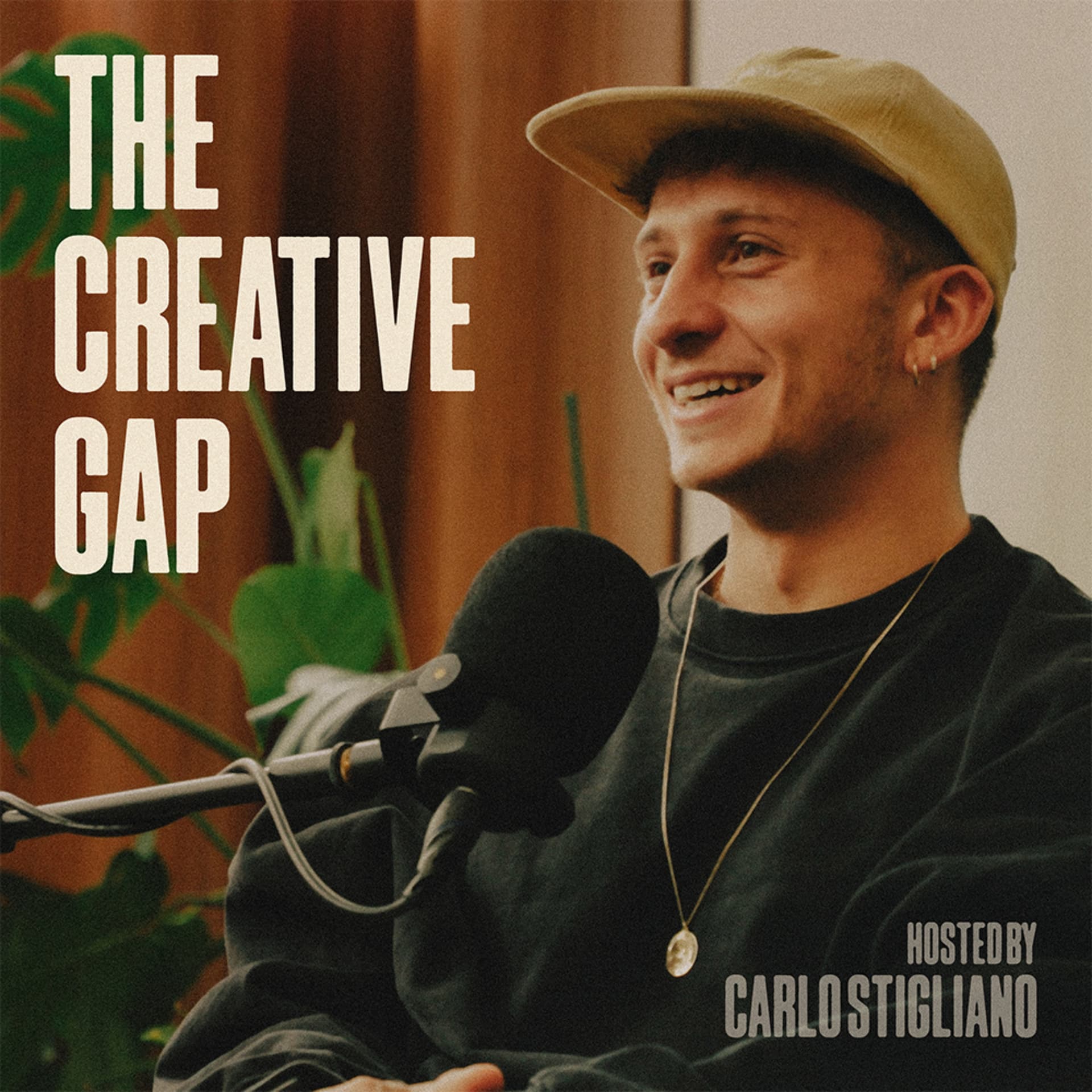
Blaine Westropp, a cinematographer/DP focused on commercial and branded content. He works with fashion/apparel and skincare brands, shoots green screen VFX-heavy studio work, and delivers website-focused “moment” imagery (often many single shots).
Key claims
Style can’t be rushed; it’s assembled from liking parts of many references and also rejecting what you dislike. The “feeling while doing it” matters more than merely making things look good. Critique is useful when it prevents repeating mistakes. Planning/testing prevents on-set breakdowns. Good set culture improves creativity. Going all-in can be balanced by stepping away from the camera and talking about other interests online.
Notable examples
Green-screen “mountaintop in snow” studio shoot for a large clothing company; Joshua Tree branded documentary-style shoot where the director called “vibe time” and Blaine filmed the horizon topless on a bus for 20–30 minutes.
Written by AI. May contain mistakes. Listen to the episode to check what was said.
Chapters
Tap a time to open that second in VOFinding Your Style
0:45 to 2:28
Blaine discusses his journey in discovering and evolving his creative style.
“But I think I finally feel like I've found my style that will evolve and will change.”
Understanding Style and Process
3:16 to 6:28
The conversation continues on how to define style through outcomes and processes.
“When you think of style, do you think of the outcome of what you created or do you think about what it takes to actually get to the outcome, like the processes, the workflow?”
Critique and Growth in Creativity
6:28 to 7:48
Blaine reflects on self-critique and how it influences growth in creative projects.
“Is that where you find your intuition coming on strongly?”
Navigating Challenges on Set
7:48 to 12:39
Blaine shares experiences of dealing with challenges while shooting and lessons learned.
“successful like summit you know oh yeah i feel like you're hard on yourself you critique yourself a lot.”
Collaboration and Ownership as a DP
12:39 to 14:00
Discussion on the balance of creative ownership and collaboration in cinematography.
“And I think that's something that I'm internally questioning a lot right now is like, is DPing only what I'm meant to do?”
Exploring Cinematic Techniques
14:00 to 14:50
Learn about unconventional cinematography methods and the confidence required to execute them.
“somebody says this is too dark or too bright or zoom in, like you don't, you don't have to, like, you don't have to do that.”
Finding Joy in Filmmaking
14:50 to 17:40
Discover the joy of capturing moments in filmmaking and the personal connection to images.
“You also got to have such a level of confidence in your ability to like, to go with that.”
Early Influences in Filmmaking
17:40 to 20:35
Hear how early experiences and family influences sparked a passion for cinematography.
“I mean, I'm sure there's certain things.”
Creative Beginnings: From Clothing to Filmmaking
20:35 to 23:10
Explore how starting a clothing company led to a passion for photography and video.
“And that is what sparked my passion for video and photo was shooting my own clothing.”
Discipline and Passion in Creative Work
23:10 to 27:38
Understand the relationship between discipline, passion, and dedication in creative pursuits.
“And I think there's just certain things about the, some of the other things that I've done that I, I feel have led me to this direction.”
Show all 38 chapters
Life Lessons from Film and Travel
27:38 to 28:00
Learn how experiences in different cities and relationships shaped creative journeys.
“to make this happen and everything that I do, I feel really passionate about.”
The Importance of Focus in Creative Pursuits
28:00 to 28:34
Exploring how backup plans can hinder discipline and focus in creative careers.
“if you have a backup plan that might not be as good as what you want to do, you will likely not be as disciplined in what you want to do.”
Navigating the LA Film Scene
28:34 to 29:53
Discussing the challenges of entering the LA film market and the role of financial stability.
“Um, did you go out specifically to grow as a DP or to grow in film?”
Experiencing Financial Low Points
29:53 to 30:47
Reflecting on the lessons learned from financial struggles in creative careers.
Resilience and Growth Through Adversity
30:47 to 31:39
Understanding the dual paths of perseverance or retreat in tough times.
“I think, I mean, a lot of people experience that.”
Balancing Work and Networking
31:39 to 32:58
The importance of networking during high points in your career.
“not making money, that too shall pass as well.”
Support Systems in Creative Careers
32:58 to 34:07
The significance of supportive relationships in navigating creative work challenges.
“And it's hard to live based on motivation, especially when you're on the lowest point.”
Navigating Financial Conversations with Family
34:07 to 35:15
Discussing how to communicate financial struggles with family while pursuing a creative career.
“It's like New York City is a crazy party at every day, even like right this moment at 11 a.m.”
Peer Support and Collaboration
35:15 to 36:25
The benefits of working collaboratively with friends in the creative industry.
“He, uh, he had a construction business for a long time, like commercial construction.”
Building Relationships Over Business
36:25 to 37:43
The value of personal connections in professional settings, illustrated through a storytelling example.
“But occasionally, like on Friday mornings at eight, which is, you know, a little bit early to go get coffee.”
The Shift in Creative Mindset
37:43 to 39:59
How focusing on relationships and enjoyment can enhance creative work.
“And I never thought about a video shoot like that.”
The Role of Fun in Creativity
39:59 to 42:06
Discussing how a fun and engaging environment fosters creativity on set.
“But I don't know if that's the right way.”
Finding Creativity in Relaxation
42:06 to 46:08
Learn how taking time to relax and enjoy can enhance creativity.
“I don't feel like anyone is really talking to each other.”
Balancing Ambition and Life
47:33 to 52:58
Explore the importance of balancing ambition with personal life.
“For you, how do you find, maybe this is a new idea, but just the balance between being all-in and ambitious, but also allowing space for other areas of your life?”
The Role of Risk in Creative Work
53:00 to 56:00
Understand how embracing risk can lead to creative growth and opportunities.
“But then I have to remind myself I'm only 27.”
The Thrill of Taking Risks
56:00 to 57:40
Explore the evolution of risk-taking in personal and financial decisions.
“what the future could hold and what I believe I'm capable of doing.”
Learning from Missed Opportunities
57:40 to 59:20
Discuss the importance of seizing opportunities and learning from past mistakes.
“And other risks like going to do something, moving to a new city, like that's probably, that's a hard one.”
The Power of Saying Yes
59:20 to 1:01:40
Understand how committing to opportunities can lead to personal growth and new experiences.
“Like little things happen where I I change how I do things in little notches here and there.”
Finding Your Path Through Exploration
1:01:40 to 1:05:20
Discover the value of trying different avenues to find your passion.
“And that's something that I used to like when things were smooth and perfect and I knew exactly what we're doing.”
The Journey of Creative Expression on YouTube
1:05:20 to 1:10:02
Learn about the evolution of creative content on YouTube and its impact.
“Like we could probably make this a big landscaping money or a big landscaping company and make good money.”
Creating a Personal Log through YouTube
1:10:02 to 1:11:34
Learn how the speaker uses YouTube as a diary for documenting creative experiments.
“um and i want it to be really what i like is it is a log of experiments, insights, and thoughts for my future self and more importantly, for others to benefit from.”
Finding Authenticity in YouTube Content
1:12:29 to 1:14:22
Explore the importance of creating authentic content rather than chasing views.
“I try to ensure that I am a little bit outside of that.”
The Value of Being Real on YouTube
1:14:22 to 1:16:36
Understand the significance of being genuine in video creation and audience connection.
“And what I've been thinking about lately is what is my goal at YouTube?”
Thoughts on Sponsorship and Authenticity
1:16:36 to 1:18:58
Learn how to navigate sponsorship while maintaining content integrity on YouTube.
“day to day i have tried to post different things over the over the years so that people are not surprised when a video could come out that is not teaching them cinematic lighting or something.”
Advice for Aspiring Creators
1:18:58 to 1:21:41
Get insights on how to start creating on YouTube regardless of experience level.
“And it is probably one of the craziest ways to make money because it is so insanely easy to talk about a company for 30 seconds.”
Defining Personal Success
1:21:41 to 1:26:30
Reflect on how personal definitions of success evolve over time.
“But I always say that there's room for you.”
The Challenge of Being Present
1:26:30 to 1:27:56
Explore the difficulties of maintaining presence amidst distractions.
“I think being present is extremely important and it's not easy.”
Gratitude for Meaningful Conversations
1:27:56 to 1:28:33
Hear the importance of genuine conversations and connections.
“your success i'm like yeah ferrari is dope too yeah it is too yeah for sure you can't deny that like monetary financial gains like that is that is 100 a part of it yeah yeah well Blaine, dude, thank you.”
Transcript
Automatic transcript. May contain errors.0:00Blaine, welcome to the show.
0:01Blaine Westrup:Thank you for having me. Yeah, it's good to have you. I would love to know where in your life right now you're feeling the most fulfilled.
0:12Blaine Westrup:I think in terms of my career, maybe I'm just going in that direction because that's what I think about all the time. I think it's just like finding the style. When I was younger, I think a lot of people can feel this, but they might not know what it is. Like, why is my stuff not in this particular way? And I think it just takes time to find a style. And it's always evolving. But I think I finally feel like I've found my style that will evolve and will change. but I feel good about the way that I approach things in life and in making images. And that's a good place to be in my opinion. Where do you think has led you to the place where you feel like your style has, you feel more confident in your style now?
1:11Blaine Westrup:I think it's just time. I don't think it's anything that you can rush. I remember a time, like I was aware of when I didn't have my style down which I don't know if everybody has that I was there was a time where I wasn't aware and then I became aware like oh what I need is to find my style of of making things and doing things um so that like being aware of that process and just knowing that it might take a little bit of time. I think it's just through time, you see a bunch of stuff and you do a bunch of stuff and you, and you, over time, you can make a bunch of stuff. That's not what you want it to be.
1:58Blaine Westrup:And then you look at it and you're like, why is that not where I want it to be? And then a month later or a year later, you're find yourself in a similar position. You don't want to make the same approach because it didn't work. And you just see a lot of stuff and occasionally land on a banger that works and you're like, oh, I want to do that again. And then I found that once that starts to happen, kind of like other things fall into place as well. Maybe you could relate to this. We all have that one friend who is constantly on top of new music, trends, artists, and somehow never misses a beat.
2:36If you want to get a sense of what that feels like, try Musicbed. If you ever spent way too long searching for the right song, not just something that works, but something that actually feels right, it's because every great story needs real emotion behind it. MusicBed is a highly curated music licensing agency that has real musicians who are touring, releasing records, albums, and most importantly, making meaningful work. Music and film has the power to generate a real sense of awe and inspiration in a way that nothing else can. MusicBed exists to create those moments. Switch to MusicBed and start your 14-day free trial using the link below.
3:12Try it on your next project and see how it changes your process. When you think of style, do you think of the outcome of what you created or do you think about what it takes to actually get to the outcome, like the processes, the workflow? Like how do you sort of explain what your style is?
3:27Blaine Westrup:I think in the beginning it was the outcome, like just a very simple, I see this, I want to make something that looks like that. I think that's like how style could start but in the end that's all that is is just looking at something and liking it and you look at a million things and you like a little bit of each and then you put it together but um i'm blanking on uh what exactly that's okay um i also think something with style too is how i guess how important is looking at something seeing why you like it and what it takes to get there, but also equally looking at things you don't like and asking yourself why you don't like those things.
4:12Do you feel like that is also a way to kind of determine your style as well?
4:15Blaine Westrup:Yeah. Like how important is that? Yeah. Yeah. Um, I do think that's important. Um, and going back to before it is about, I think it's about the outcome and the approach, right? You think about the outcome that you want or that you don't want, and, and then you morph into, it makes its way into how you approach doing anything. So I can look at things from the start and know or have a feeling of if it's not going to go in the direction that I want it to go. Like if it's, you know, if it's something that you think you might share with others or it might make your website or it might not make your website, done tons of stuff that we've all done tons of stuff that might not make the website most of the stuff yeah honestly most of the stuff yeah um so being able this is a hard thing but being able to look at something that you've made and uh be objective about it i think is a very positive way to progress because a lot of i think a lot of people will make something and think that it's great i do think it's good to make things and it's okay to think that it's great if it's not, even if it's not.
5:35Blaine Westrup:But I don't want to look back two years, like two years from now, I don't want to look back at something that I'm making today and be like, that is horrible. I like when I look back at stuff and I'm like, oh, actually, I did have some intuitions happening here. But there is stuff when I look way back that I'm like, oh my God, I can't believe. I mean, we all have that as well. Like, I can't believe that was going through the lens like that. Um, so yeah, I think it's looking at other things and looking at your own things, but mostly looking at your own things and like, do you like it? Like actually asking yourself, do you actually like this?
6:13Blaine Westrup:You, you don't really need to do anything. You think that's a feeling too? Like, uh, like you look at something, you're like, okay, yeah, this looks good. Like compared to a lot of the stuff that I look at that looks really good. Like this is making, you know, like great commercial, but like how important is like the feeling of it? Is that where you find your intuition coming on strongly? Your style is based on feeling? The feeling of when, like when something, when you're making something and you're starting to like, it looks good. Cause I feel like there's a difference between something looking good and something like feeling like this is right for you.
6:43Like this is going towards your, your style, your intuition.
6:47Blaine Westrup:Yeah. The feeling, the feeling while doing it is, is a huge thing. I think that making like two ways of feeling when you are making something to, to put, to transfer some type of feeling through that to somebody else is where the magic happens. whether it's a photograph, a letter, motion, whatever it is. If somebody else feels like the cold of the air or the emotions between two people that you created, that's the goal. The emotions that you feel when doing something, I think also just help you to make something that is like cohesive and it's like if you're climbing a mountain and you're feeling bad is it going to be like will you make it to the top like i mean like an actual mountain right if you're feeling really good and and everything's feeling right you might have a successful like summit you know oh yeah i feel like you're hard on yourself you critique yourself a lot.
7:57And then do you think that, where do you find the balance of critiquing yourself to be valuable versus detrimental? I feel like. Yeah.
8:06Blaine Westrup:I don't think I critique myself in a detrimental way. Um, there are a couple of things that have happened over the years. Nothing, nothing like negative in the grand scheme of things, but there are a couple of things that have happened to me when working that are like, that I didn't let go, like where I, I messed up or something didn't totally work out where, uh, you know, I like think about it at night. Sometimes it's not a huge negative, but, um, I say to myself, you know, I never want that to happen again. Like I can't be in a position where that happened. I can, I can give you the examples if you want or like what actually happened yeah so there's like two things that were going wrong one and was this on set yeah you were shooting on set yeah and it was all it was me it was like i was not able to figure it out and i was i was lucky i guess to be in a position where it was above my experience level but it was really hard it was for a large clothing company were in the studio and they were the the final product was the they were wearing coats the final product was for them to like be on a mountaintop with it snowing but we were in a studio and we were shooting green screen and i just i was like not nailing it i couldn't nail it and we were having uh like quick vfx happen on the side right with like test shots um and it just wasn't looking right.
9:44Blaine Westrup:I didn't have the experience to do it. And eventually we got through it, but there were like multiple, multiple hours during the setup that I was really thinking, like, I don't know if, like, I might need to just walk out of this building and like move to a different, to a different state and like change my phone number. But that the final product was good. The issue that I think about is like, I cannot be in that situation again, where I take that long. and it's like obvious that it's not working. So that goes away with time. Like you get in experience, I've shot tons of green screen stuff. Like you know what to do and you get better at it and that's just part of it.
10:27Blaine Westrup:But I was hard on myself about that. And then there's one other, I don't need to give the details, but it was a similar type of thing. Do you think that you've changed internally about how you deal with struggles on set? Because maybe in that particular scenario, you reacted a certain way. You're, you're, I don't know, the way that you spoke maybe was a little different, but if you look back and you're kind of looking at yourself now, do you think you've grown in how you sort of deal with problems on set? Yeah, for sure. Um, I feel more smooth about everything. Um, planning is a big thing. Like testing, testing things out is a big thing before I've done a lot of like stuff in a kitchen, for example, by just by chance, I've done like a lot of shoots in kitchens.
11:16Blaine Westrup:And when I started to do that, I was like testing things out in my own kitchen just to see how things were working. And, um, when I did the, the green screen for the, for the mountaintop stuff, I didn't do any testing before that. So I feel smooth. If things are not going the way that I think they should be going, I will press for them to move in a direction that I do think that I should be going. If I have a good relationship with the director, um, and, and there's something happening that is like the way that I don't think it should go. Only if I have a good relationship, will I step away from the camera and say like, here, there's the camera.
11:58You can, you, I can't like
12:01Blaine Westrup:I cannot physically hit record on the path we're going down. Right. And then they kind of like laugh about it. And sometimes we just do what they want to do, even if I don't think it's right. I feel like that's the hard part about being a DP sometimes is the lack. There's something that I'm internally going through right now is sort of the lack of ownership sometimes on projects as a DP. Because at the end of the day, you are technically serving what the director wants. but if it doesn't, if it doesn't feel like it's going in the direction that you, you internally feel like it should, or like the way that you know, it could be improved or whatever, whatever the case may be, I feel like that that's tough sometimes mentally.
12:39And I think that's something that I'm internally questioning a lot right now is like, is DPing only what I'm meant to do? Like, is there more for me? Is, is that the right thing for me right now?
12:51Blaine Westrup:Yeah. I mean, it's tough that's why like you mentioned 90 of the projects are not you know portfolio work it to me it has to like i'm all for collaboration and and that's the way to make great things but sometimes i've felt in the past like what you have your vision of how things should be done somebody introduces something into that one of the team members the director the if you're in commercial, the agency or whatever, they introduce one thing that it kind of like breaks the division of the way that you want to do things. Then there's another thing and another thing and your ownership gets diluted because you have to include things that might not be right for how you want things to be done.
13:39Blaine Westrup:And I find that as a DP, you have a lot of insights. It's like, you might not be the director, but you really know, I know when things start happening, like this is not, this is not going to go in the direction. But when it does go in the direction, that's good. And you have to push, like whether it's a, as a DP, whether it's a focal length or if somebody says this is too dark or too bright or zoom in, like you don't, you don't have to, like, you don't have to do that. Um, I was, do you know Nick Brady? Yeah. Yeah. Nick, uh, Nick's helped on a couple of things of mine as well. Nick's great. Yeah.
14:21Blaine Westrup:I love, I love him. I, uh, I saw the movie challengers with him, went into challenges having, having no clue what the movie was about. Um, so that, that was a good experience, like watching a movie, not knowing what it's about. But that's a great way to go into movies. Um, I don't want to go like too far down this path, but he was telling me there, there was some cinematographer that he knows or that he was reading about. And the guy would, like the night before the shoot, talk to the rental house and like switch a fully spherical commercial to like some crazy funky anamorphics and just tell everybody that there was a problem with the lenses and he would bring on the lenses that he wanted to shoot with and just do it at the very last minute so that it could go in his direction, which I feel like you got to get to a certain point to make calls like that.
15:09You also got to have such a level of confidence in your ability to like, to go with that. That's, that's insane. Yeah.
15:17Blaine Westrup:I think it's just the same. It's the same thing with life and like working with other people. If, you know, if from the easiest thing going on vacation with friends to the hardest thing, like being stranded on an island with a group of people. How do you, you have a vision for how you want the shelter to be made. Somebody else has a different vision. You don't agree with their vision. Like, how do you succeed in that? Not just in filmmaking, but like everywhere. It's not, it's not easy. Where do you find that, where do you find the most joy in the process of filmmaking right now? I think many, there's many joys that I have when I'm when I'm working and I'm like looking through the viewfinder and I, I will like say, I will like be in the viewfinder and I will say like, fuck yeah.
16:17Blaine Westrup:I think I, I like moments. Like I don't always think about everything from a start to finish in terms of like an edit. And I do a lot of work that is just moments for a website where there will be like 50 just singular moments delivered and they'll just be peppered throughout a website so i think i just like like those moments and in the moment when i see one of those happening for some reason i just really like that like oh i've been there's been times where i'm like i've been doing this for my whole life and like oh there's a good there's a good one like there's a there's a good image or a good shot that i will like just look at later like i like looking at the images and just i don't know just like staring at them for a moment not connected to anything else right just by themselves yeah like sometimes i'll just take a camera and like i don't even know if i will always take the photo but i'll just look through a lens out the window there's just something about visually seeing something from a different perspective than your eyes that has always interested me like i see you from right here that's normal right but i could take an image where your whole eye is taking up the frame or an image where i can see that wall over there it's like basic but it's always interested me when did you start finding a passion for cinematography in general or filmmaking was this has this always been a part of your life um yeah my mom was a really good photographer and um she always had cameras and would take photos of my sister and i and then um then a video camera got introduced into the mix um and i just started messing around with that like very very young um and i would make like short little movies with my cousins during thanksgiving and then my cousin had a computer and he would edit those like really quickly and then the whole family would come in and watch and they were just like insane videos of like just i don't know we were like eight i don't know how old we were 10 i don't know um and then yeah just was always messing around with cameras and seeing different views than your eyes can provide and then got more into it in college did you go to school for film for advertising okay um how has that served you at all if it has It may not have.
19:05I mean, I'm sure there's certain things.
19:10Blaine Westrup:I think like there's certain things from college that are helping me right now. I don't know how much of it was like exactly like any paper that I had to write or anything, which I never really liked doing. But I started a sunglasses company in college or studying advertising through the business school. There's like different, I think I took a coding class, took other things that are like slightly outside of advertising, but can relate like HTML code fits with advertising. So I started this sunglasses company, made the website, took all the photos, designed the sunglasses with a couple of guys that I went to school with, and just like did all the parts of of building that and then once i started taking the photos of the sunglasses like sunglasses that are not easy to photograph reflections in general yeah for product photos specifically so once i learned how to nail sunglasses in product photos and then started making videos to like advertise the company i'm like i kind of want to be making images.
20:25I have a similar story. When I was in, going into my freshman year of college, right out of high school, I started a clothing company. And from there I was doing my own photo and video. And that is what sparked my passion for video and photo was shooting my own clothing. Yeah. At that time, the clothing business is not even there. It's a whole thing, but that was my conception of starting. And I immediately got hooked. I just noticed that that I was carrying a camera around more often, not just for shooting the clothing anymore. It was just, I would take pictures of my friends at the beach and it just started to progress and more and more.
21:01And that's how it started for me.
21:03Blaine Westrup:That's cool. It's similar to what I experienced. Were you, did you have, were you like messing around with a camera at all before that or no? No, so I wouldn't even classify myself as like a creative or anything up until the point where I was like,
21:2419. I was an athlete. I, my, my whole life was taken over by soccer. I would travel a lot. That's all I did. Um, but I, I was fortunate that my dad had a creative background. He designed women's gowns and dresses and, um, he just had a bit of a creative mind to him. And when I started to pursue photography. He and my mom also were very supportive. But it wasn't until that time, I guess prior to that, I guess my first creative endeavor, I just started as a DJ, which is pretty funny. And then I went into music production, audio engineering. The funniest story, honestly, is when I started DJing, I got booked to do nightclubs at the Jersey Shore, like Karma, some of these bigger clubs that people might know.
22:14Cool. But there were teen nights and I was 15 and I'd get dropped off at the club by my mom. And then she would be picking me up from the club at midnight.
22:22Blaine Westrup:And you were DJing. I was DJing. Oh my God. It was so much fun. It was a great, it's a great little moment in my life that doesn't even feel like it's, it doesn't even feel like it's part of my life at this point. It's so far removed from what I, who I am now. But I guess that was my first moment of creativity. And then I found passion in music in production, audio engineering. Um, and I went to school for music, but then photography and video just took over from there. Cool. Yeah. I like, um, exploring different things kind of leading you to one thing. Um, like soccer, DJing, clothing company, film production, you're like exploring the different, all these different things have kind of led to where I'm going now.
23:10Like, I think the way I think about it sometimes is like soccer for me because of where I was playing at the level that I was playing, it created such a, um, a discipline within me that had to get built that I still see to this day, I'm very disciplined in a lot of areas. And I think there's just certain things about the, some of the other things that I've done that I, I feel have led me to this direction. They're just like little breadcrumbs of things that I, still feel as being valuable to the things that I've done that help make me who I am now. Yeah, that's cool.
23:45Blaine Westrup:I think discipline is a good one. Yeah, tell me about discipline. Obviously, just in life. But I'm only disciplined with a few things, which is a weird, it's kind of weird to live like that because there is the element of like, the way you do one thing is the way that you do everything, which some, some quotes like that, I, I, I hear them and I ask myself if I like, just because somebody said that, is that true? Like, I don't, I, maybe that's true. Maybe it's true a little bit, but I don't know if it's fully true because I hear that and I'm like, oh, well, I do a lot of things not well, but I, I, cause I, I feel like, I don't know if this is an excuse, but, or like some way of me.
24:33Blaine Westrup:Yeah, I don't know. But I really focus on just like a couple things and do those couple things like ferociously. And then the other things like, like you saw when I came in here, I took my coat off and I just put it on the ground over there. And when I get home later, I'm just going to take my coat off and put it on the ground. And then the next time I need the code or if it gets in my way, I might move it. But I would never operate like that in a studio. I mean, I guess we're in a studio and I did that in a studio, but when I'm working. So it's... Do you feel like you're disciplined a lot around work?
25:11Blaine Westrup:Yeah. Primarily? Yeah. I have no problems working. I like working. I don't like doing paperwork. like I could barely I sent you the document last night the form that I sent two weeks ago yeah sorry and that's digital it's not even paperwork but I don't know I don't know the best way to do everything but I say to myself I'm just going to I'm just going to really focus on these few things and just put everything into that so that the other things I just, like, I'm not wasting energy on certain other things, but I know that you have to put energy towards things that are not just work and I'm able to do that.
Read the full transcript
26:02Blaine Westrup:But just like even working out, I go through phases where I'll do it for like three months, you know, like five times a week and then I'll, for some reason, stop. I think it's hard, like when a random travel gets introduced and you have to leave for a week. And if I'm in a running phase, I will literally bring my shoes and say that I'm going to hit the gym in the hotel. And like, I can't do that when I'm shooting. I know some people that do do it. Do you do it? Yes. Yeah. So yeah. But you're, so you're, you're better than me. I think part of it is because it's, it's been working out specifically.
26:40That's been a part of me since I've been 12. My dad had me working out when I was 12 years old. I've been doing it. it's just like a part of who I am. And I, I just can't see my myself without it. And I think building habits and discipline, I think has to come down to like a deeper meaning as to why you're doing it. And if it's very like superficial, like, you know, I want to work out because I feel like it's the right thing to do. It's not going to go very long, but if there's a deeper meaning, like I need to lose weight because my health is getting sacrificed. I think there's a deeper meaning to build that habit.
27:14So I think discipline and working out is a very difficult thing unless you have a very specific goal or meaning behind it. And I think similarly for work and discipline for me is I'm very disciplined in my work because I know that I have to do it. I have no backup plan. I have no plan B. I have no degree. I have like, this is, this is my life. I'm betting on myself to make this happen and everything that I do, I feel really passionate about. And I think a lot of passion for me is also where I find a lot of discipline. Do you find that is something similar where your disciplines are really strengthened by how passionate you are about something?
27:54For sure. And I think that having no backup plan
28:00Blaine Westrup:is another aspect of that.
28:06Blaine Westrup:if you have a backup plan that might not be as good as what you want to do, you will likely not be as disciplined in what you want to do. Because you have a fallback. You have a fallback. And I remember I lived in LA for a couple of years. After college, I moved to New York. And then I moved to LA like a year and a half after that and was in LA for like two years. And in LA, I was like doing nothing. Um, did you go out specifically to grow as a DP or to grow in film? Like what was your main reason for going out there? I, I just liked LA and, um, I mean the, the real reason why is I had a, a girlfriend at the time and she got a job in LA and was like, do you want to go to LA?
28:59Blaine Westrup:And, um, I was like, yeah absolutely um but I kept I kept a place in New York and actually no I did not keep a place in New York during that time but I would always come back to New York for work and didn't really try that it was harder than I thought um to like work in LA it takes time to enter a market and make friends and everything but anyways I called my dad I don't know why it's so weird even saying this but i called him and i was like do you think that i should drive uber for like to make money when i'm not working and he was like absolutely not do not do that put put all the focus on what you're trying to do oh interesting and i was like you know with zero dollars like okay i'll do that um and it was useful yeah like you have the backup plan you don't focus but it's hard because like you have to make money but i've been in i've been at zero a bunch of times and that is like part of the story and the the feeling of being at zero i don't know your financial history but the feeling of being i've been there plenty of times and i never want to it's the crazy but it i feel like part of the growth of getting to the place where you're building something for yourself or you're pursuing especially a career in film or a creative endeavor part of it is experiencing that yeah for sure it's part of it and i've experienced that more times than i can count and it is not fun and i try to do everything i can to avoid that as much as I can.
30:48Yeah, same.
30:51Blaine Westrup:I think, I mean, a lot of people experience that. Not everybody I know experienced that. And it just keeps you pressing on, like experiencing something. It could do two things. It could keep you pressing on, or it could reveal that maybe you're not made to, maybe this isn't for you. I think there's two paths. And I think being honest with yourself about that is really important. Because when your back is against the wall, how how strong are you to push through that? How passionate are you about the thing that you're pursuing to get past this moment in time? I'm a big believer in the saying this too shall pass in both areas.
31:30This too shall pass when you're feeling good, when you're making money, when you're feeling high, that will pass. And the same thing for when you're feeling low, when you're not making money, that too shall pass as well. I think both of them live in the same world and you have to feel both of them absolutely um the a big thing that my dad also told me this and it's
31:56Blaine Westrup:i mean i don't know if it's obvious or not but specifically with like if you're trying to be a dp and you are and you're working a lot like during those times i've had this happen During those times of working a lot, you're on the high, the finances are good. And during that time, the hardest thing to do is try to develop work for after those two months or three months that you're working. So while you're making money, while you're working, you should also be trying to develop relationships, whether it's, you know, social relationships that could lead to more work or, you know, connecting with directors or producers from the standpoint of a DP, you know, working on your portfolio, whatever.
32:49Blaine Westrup:You have to be doing that when the high is happening because it sucks to do that when nothing's happening because your confidence is not there. And it's hard to live based on motivation, especially when you're on the lowest point. Motivation rarely will get you out of bed to do the thing. It also has to do with how disciplined are you to do those things when you're at your lowest. And I think you're absolutely right. To maintain that sort of level of work and building while you are feeling good, I think is really interesting. Yeah, for sure. So have your parents always been very supportive of this sort of career that you've been going down?
33:27Blaine Westrup:Yeah, they've definitely been supportive. The first couple of years were interesting.
33:37Blaine Westrup:Like when I first moved here, I was working, but not making like tons of money. And I was in New York City. So I was having like an amazing time, but I literally only had money like two days a month. I mean, actually, yeah, like most months I only had money like two days a month. Half of the money I was making was going to rent. Right. And for my apartment. And I was working in post-production. And then the other half of the money would be like me exploring New York City and just loving it. It's like New York City is a crazy party at every day, even like right this moment at 11 a.m. on a Wednesday or Thursday.
34:21Blaine Westrup:day. So that was a little bit hard to navigate, but that is when sometimes complications came with my parents where I, you know, I, my, I would talk to my dad all the time about business and strategy. And when I would have these moments of like needing money, that was complicated. Like, I don't, I don't want to, like, I went to college and I'm calling, talking to my dad, like, I don't have any money right now. Like this sucks. So, but even in, in those moments, they, they never were like, you got to do something different. They, they would, my dad would say, you have to do something different in terms of how you're approaching the industry or like, here's some things you could try.
35:11Blaine Westrup:Like, why don't you just email a bunch of people? And does your dad have a business? Yeah. He, uh, he had a construction business for a long time, like commercial construction. So we all like to this day talk business all the time. That's an amazing relationship. I have a very similar relationship with my dad where I get to talk to him about things, business financially that I have no idea about. And I'm very grateful to have that relationship. because he's he's I feel like your dad the way he speaks to you is very similar to how my dad talks to me in that he never steers me in a direction of oh you should go in a different direction because it's not working he's like how can you figure this out same here and that's it's good to have that um do you feel like you have that with peers as well with my with my friends do you have like a good support system with friends that are like supportive of you and like you guys kind of work together to kind of help each other through whatever whatever you're building for sure i think that an interesting thing that's happened over the past maybe two years is the the way that my friends and i are are like all working with each other um on different things we're like all hiring each other and and passing jobs to each other and And we do like talk strategy and support each other even in the most minor support of like sharing something that they did on Instagram or like even liking and commenting it, which is like an easy one.
36:55But occasionally, like on Friday mornings at eight, which is, you know, a little bit early to go get coffee.
37:03Blaine Westrup:I go get coffee with some guys and we don't necessarily like talk about filmmaking, but it leads to it's just very supportive group of people. We're all saying good things about each other, looking at different things we've done, sharing different things we've seen and like working with each other. so there's like money moving around as well and that's a good thing and that's something that i wish i knew i want to be careful what i wish for because i'm like happy with this how i where i am right at this moment but just hanging out with people and doing things and being social is is a hugely important aspect of this it's like in the show the office when they go are you did you watch do you watch the show i don't know i think they went to chili's it was like my nightlight for a while it would just stay on when i go yeah dude same when they go to chili's and michael's like refusing to talk business and then they get they get the client and i think he was with like jan and jan was like we you know we have to talk business we have to talk business and by the end of it they were like singing the chili song and like shook hands for the deal at the end so that's it's important to just like be a human which is not something like in the beginning i thought i wanted to shoot images and i thought the only thing that matters is to be able to shoot a good image like i don't want to small talk with anybody i don't want to like do anything besides just experiment with a camera until i can make a good looking image and then like i am glad that I did that but during that time I should have been like what changed for you to actually see the value in being social I think I think once I I got to a point that I wanted to get to I was able to just like relax a little bit oh actually also I was on a shoot with my cousin and he said he was like taught me everything um so much of of like what i do now is is through him and i'm like very appreciative of that because he he he's the one that put me in the scenarios that were above my experience and and he his taste and style is like incredible so i learned a ton from him but on one of the shoots we were doing he he was like blaine the like half of this is everybody having a good time with each other.
39:32Blaine Westrup:And I never thought about a video shoot like that. I was like, what? We're supposed to be hanging out and having a good time. Now I know how important that is because that makes everything better. Before that, I could be just so focused on trying to do something that I wouldn't ask anybody about their day or really try to small talk with anybody i think i was stressed about the my abilities and like i want to be able to make this thing like this i need to figure that out i need to figure that out and then i figured it out but you just need to prove yourself more yeah i think like dude being in new york i'm looking at i'm working in in the studio with fashion brands fashion and apparel brands and like skincare stuff and i'm on the street looking at billboards from the largest campaigns in the world like with a 50 foot supermodel on the on the billboard like right there like damn the team that shot that like that's part of a huge campaign that's going all over the world with like millions of dollars attached to it and it's like a girl or a guy just like on plain white background i'm like what how why can i not like get that look and then i can get that look so like once Once I figure that out, I'm like, all right, I could be nice.
40:59Blaine Westrup:I could be nice now. But I don't know if that's the right way. I've worked with people and I'm like, oh, that person's going to be a superstar just because of their energy. They're like a PA, but they're going to be a superstar. Yeah. Personality is really important for me. And like, just the, I guess the culture that you create on set is like, why else go to work? If you're not going to have a good time on a film shoot or a photo shoot, go to a, have another, there's plenty of other jobs where you can be boring or, you know, not have any emotion or laugh or do whatever. Like it, the best work that I've created and the best commercials I've done, the best whatever has always come from the most enjoyable sets that I've been on.
41:59The more I'm able to laugh, make jokes, like make fun of each other. Like, I think that's part of it too, is that's when I feel like I can be the most creative and relaxed when I'm pent up. Like my energy is, it's off. I don't feel like anyone is really talking to each other. That is when I feel like my creativity is just not there anymore because I feel like I'm almost running like a robot at that point.
42:26Blaine Westrup:I agree with you. That's something, yeah, that I've learned over time as well. It's like you're going to summer camp. Yeah. Like a one-day shoot in the studio in New York City doesn't really make the summer camp vibes if it's just a one day shoot but a lot of times you're going somewhere for you know a three day maybe it's a three day shoot at least at least me it's like a three or four day shoot but I'm there for like eight days eight or nine days the the funness of hanging out with people is required to make something good um I was in this is crazy like not nothing like this has ever happened to me on a shoot.
43:11I was in Joshua Tree, I don't know how, like three or four months
43:16Blaine Westrup:ago. And it was a documentary style, like short branded content for a computer company. And it was about these two guys that created a video game that was coming out in a couple months or something. And, uh, and so we, we went to Joshua tree in the, in the middle of the desert for a couple of days, because that's where they concepted the video game. And we wanted to just like shoot interviews with them there and like B roll there. And, uh, on like day three or something, I am, uh, in front of one of the houses, like we were like really in, in these houses in the desert. It was like a very weird, very weird, but awesome spot.
44:01Um, and I'm talking to the director
44:04Blaine Westrup:who I work with all the time. Um, and I'm like, dude, we're not, I don't know. It was like 11 AM or 1 PM or something. And I'm like, should we be shooting? Like everybody's just kind of chilling right now. And he's like, he just like turned to me and he just said vibe time, which, which is a, a thing, a term that we use, we stole it from somebody else, but a term that we use, um, um where you're just chilling usually it happens before the shoot and not in the middle of the shoot like it happened and he's like just just wait until things like seem right to like start up which is an interesting thing that could possibly only happen in documentary um so there was this old bus and i took i felt like i couldn't like not capture the beautiful images around so i I went on top of the bus, put the camera on a tripod and just filmed the horizon of Joshua Tree.
45:01Blaine Westrup:It just hit record and then just took my shirt off and I'll send you this photo. Took my shirt off and just laid on top of the bus with the sun coming down just while the camera was just rolling on nothing for like 20, 30 minutes. And that was like that moment to me was like, oh, yeah, there are there's beauty in the moments of just like we're just all hanging out. for a minute we don't need to be working in this moment that is rare right um it's rare but taking that in a miniature way towards other things and just like having good time with people not not being like too serious like it doesn't need to be so so serious you need to do your job and as the stakes go up things become can become more stressful but But it's okay to just sit back for a minute and just look around.
45:59Blaine Westrup:You don't need to have the answer to everything immediately. There's flows of energy up and down, and that's okay. I think I'm just kind of, I don't know exactly how to say it, But the feelings, like slowing down for a minute, having some vibe time when you can, messing around, like joking around with the crew, even like giving each other shit. It's like summer camp vibes. Yeah, for sure. Organization is very important to me. Google Sheets are great, but for someone who likes to see things visually, I switched over to Milanote. It has become the absolute only way I'm able to organize my podcast and film projects.
46:41I needed a platform that was designed with that in mind. With Milanote, you were able to freely design your boards that best aligns with your taste and creative workflow. There are literally no limitations to how you can create your own Milanote board. They even offer really great templates to get you started. I'm currently recording five podcast episodes in two days, and the only way I was able to make that happen was with the right organizational tools and workflow through my Milanote board. By easily dragging and dropping each board, role, link, or images, I was able to clearly organize crew information, questions, forms, and scheduling for my guests, as well as keep track of my expenses and delivery schedule for each podcast.
47:18You can even use Milanote on the go from your phone. Just open the app and use it like you would on your computer. Milanote is available for free with no time limit. Sign up and create your account using the link in the description. There's something that I'm going to be kind of going through in these podcasts, and it's something that I've been trying to work through myself and it's the idea of like going all in on something like whether that's being a dp filmmaking youtube whatever like going fully all in versus being all consuming and all consuming not in the sense that you're consuming content but that becomes who you are and i'm trying to work on this a lot more because i'm very ambitious i'm very disciplined in my work but i don't want it to be all-consuming of that being all of who I am, that I don't have time, energy, or anything to give to my wife or to give to other people or other things.
48:16For you, how do you find, maybe this is a new idea, but just the balance between being all-in and ambitious, but also allowing space for other areas of your life?
48:29Blaine Westrup:Honestly, it's not easy. I've already mentioned that in the beginning of my career, I was just like a technical psycho. I went all in on that. And then just when I mentioned Joshua Tree, I'm like, why are we not working? But moving past that, I don't want this to be all consuming. Like I want to be who I am and do other things. But I have gone all in on making an image in a horizontal rectangle always.
49:11Blaine Westrup:But I think this is something that I've realized. I'm obsessed with taking a camera and making images with it. there's been times where I think this typically happens when like I go to a wedding or go on vacation like I've gone on vacation and not I've gone on vacation usually I bring a camera sometimes I don't even use it and uh I like don't make any images for a week or two weeks and then I come back to that like stronger, which may seem kind of opposite, but you step away from the camera for two weeks and every time I come back, a full two weeks away from the camera, I think is kind of rare for me at this point, but every time that it has happened, I come back with like a refined sense of what I want to do.
50:09Blaine Westrup:Like, oh, there's a reason, there's a reason that I'm coming back to the camera. I'm not just messing around with it. And I'm like more zen about it. So the point of me saying that is if I've experienced something where I go away from the camera for two weeks and I come back to it with stronger, like my style has gone one notch towards where I want it to go for some odd reason, it happened when I was away for two weeks. what does that say about it being all-consuming that says you don't want it to be all-consuming you don't want it to be everything about who you are i'm fine with bringing a camera everywhere sometimes using it sometimes not using it but even on social media like i don't always want to be talking about camera stuff like i share i have an insane situation happening out on the streets in New York every day, like, like funny stuff, crazy stuff, busyness.
51:12Blaine Westrup:I like like showing that and talking about that and just like going to dinner and doing things that are not camera related and talking about industries that are not camera related. And the biggest way to like a trick that I do to make it not be all consuming is to, to outwardly talk about other topics on the internet because because you can get into conversations about other things on the internet like whether it's on threads like I like social media yeah um on threads I talk about whatever is on my mind on YouTube I talk about camera stuff on TikTok which I've been experimenting with I like talk about I like show food that I'm eating it's very low effort but it's just an experiment so yeah i i don't want to all be all consumed with i want to be able to like contribute to situations in like a meaningful way that is not just like filmmaking related right yeah i feel like part of it too is to be a good i don't want to say artist but like filmmaker dp photographer for the more that you experience life and the more that you are just out in the world, you seeing, you seeing things on the street, going on vacation, just the more that you are out there experiencing things without the focus of having to be making something, I think just gives you a better, well-rounded version of yourself that you could bring back to work that increases your taste, your voice in a, you know, in a much, in a more developed way, especially as you grow older.
52:58I think, I think sometimes I expect myself to have a lot of the answers and like, you know, know how to do everything. But then I have to remind myself I'm only 27. And the people that I look up to, they're 30, 40, 50 years old, and they have lifetime of experience and things that they have seen and done that I haven't done yet. I haven't experienced. And I just want to be more open to life and hopefully allow that to infiltrate my work more and who I am when I'm working.
53:27Blaine Westrup:For sure. You're only 27? Yeah. Damn, dude. You're doing good. What was I going to say? The having the life experiences, having the life experiences is definitely like so important. For one, it's important for your life to experience things. And two, yeah, if you want to, if you want to make things, what are you going to make if you haven't seen something? Like, even if you get yourself into a tricky scenario, or your heart gets broken, or like, negative situations and positive situations work its way into like, what you make, whether you're like making a table or a film. I'm trying to think.
54:30Blaine Westrup:like that that kind of like helps you with what you want to say right exactly which is something that has somebody asked me like a long time ago like what do you want to say and it was it's the same thing as style like oh my god i don't i never thought about it like that what do i want to say i don't know what i want to say and i've been trying to figure that out like you can more so find that answer when you're experiencing the world around you and like other people around you. Um, I had some, I had somewhere that I wanted to go with that, but I think it's like kind of lost on me. It's all good.
55:10Um, I'd love to know your relationship with risk. I think risk is a really important thing to me. Um, and that I actually feel like I I embrace risk a lot more than maybe some other people because I just, once again, going back, I have no other option. I have no backup plan. And I just really believe that to get to where you want to go, there's no room for complacency in a certain regard. And I just want to be able like this, for example, I could have easily asked you to do this over Zoom, but I wanted to take a risk, spend money and try to make something cool and what will come of it. I don't know, but I just believe that there, these are the risks that are worth taking to see what the future could hold and what I believe I'm capable of doing.
56:05Um, and I think my level of risk has evolved over the years as well.
56:09Blaine Westrup:Same. I absolutely love risk. It's like thrilling. Um, Um, it's, it could be dangerous. You have, you have to be smart about it. I like taking risks that I like taking financial risks that I, I like put some time into considering. Dive into that. I mean, most of my financial risks are investing into something that I think will be useful or that I think will make more money. It's like an investment. So if it's camera equipment, how much do you want to spend? How do you know what you need? What your threshold is. Yeah. How do you know what you need to get? Do you need to get anything at all? I bought a camera, but I considered it for a while.
57:07Blaine Westrup:And then I'm like, all right, let's do this. And it's like a little scary if with like high priced risks. And then it puts you in a position like, okay, you have to make money with this. Like there were two years, for two years, I had a studio and I'm like, all right, I have to make money with this. And that journey is fun to me. I'm not saying this is in no way like financial advice, but risks financially, you have to be smart about. And other risks like going to do something, moving to a new city, like that's probably, that's a hard one. Yeah. Especially if you don't have friends in the city.
57:54But I love, I love the risk.
57:57Blaine Westrup:I love like the, I don't love the downs, but, but I love the ups and downs. The process of it. Yeah, the process. And I think like a form of risk is like just going with the flow and just, just doing things. It doesn't need to be a financial risk. It can be like, Hey, do you want to do this podcast? Yeah, sure. Like that could, that could be a risk for some people if they're like nervous or scared or whatever um just getting out of your comfort zone yeah for sure itself is a risk maybe a low depending on what it is comfort zone is the opposite of risk for sure yeah i uh i had um i don't know if this is risk related but um i had an email come through about going to qatar to shoot some stuff for fifa It was the same one I got.
58:59Blaine Westrup:I got one too. It was like last year though. Yeah, it was, it was last year. Did you do it? No. Uh, no, I did. There was a, there was a Qatar, a London and a New York. I did the New York one. Really? Yeah. Dude. Was it in a, I mean, we could, we can get into it later. Yeah, we can talk about this later. Anyways, but it, this changed, this changed how I do things. Like little things happen where I I change how I do things in little notches here and there. I was like, they asked if I was available. Like the subject said availability request. The email was very simple. It said, are you available to go?
59:38Blaine Westrup:We're working on a project with FIFA for the world cup. Can you go to Qatar on these dates? And are you available to shoot in New York city on these dates? Also, we need a drone. And I, they just asked me one question. and in my response to them, I didn't answer the question. I just asked them a bunch of questions. Right. And I didn't get selected for that project because I was too, I wasn't willing to make the risk of like, I was available. I should have just, or I didn't just say, yes, I'm available. So I was asking all these questions. You're very thoughtful about the decisions. Yeah. Yeah.
1:00:16But now when I get availability requests,
1:00:20Blaine Westrup:I'm just like, yes, I'm available. That's my whole entire email. No questions, no asking anything. All of those details that I'm wondering about can be figured out later. They asked me a simple question. Are you available? I am available. That's all they're looking for. Right. So I was sad because I'm like, damn, I just missed an opportunity to go to the craziest looking city I've ever seen on Google Maps. Yeah, for sure. And I messed it up because I was just like, what are we shooting? What do you need? The details that could be figured out later. Yeah, all that could be figured out later. And I'm kind of glad it happened because now I know.
1:01:02Blaine Westrup:If I ask somebody a question, like, are you available? I didn't ask you any other questions. I don't want to know any other information. It's just a yes or no. Just give me the yes or no. And then if like, you know, the money's not right, you can, you're not like signing a contract. Yes. Doesn't mean that you're confirmed to do it. Yeah. So, so now I'm like, if I'm available, yes, the answer is yes. My email is very short. Yes, I'm available. And then that's a risk. Even that little mini thing is a risk. Like just be open. Just, yeah, just go, just do it. Not everything is going to be all smooth and perfect every time.
1:01:42Blaine Westrup:And that's something that I used to like when things were smooth and perfect and I knew exactly what we're doing. And I think that Qatar situation made me be like, just send it. Just you need to go to the desert. Like, yeah, I'll go to the desert. I was talking to the director, Ryan, last night about this. It's like talking about the desert thing. Saying like, yeah, you would call me up. You want to go to the desert? I'll go to the desert anytime. We'll figure it out when we're there. but it's a transition because i used to be like what's the what hotel are we staying at like where is it i want everything to be figured out yeah so that's in a way is a risk for me and like it goes it all connects to like going all in fully sending it climbing with no rope like climbing with no rope can you elaborate on that yeah i mean recently uh sorry, what is the guy's name that climbed the tower?
1:02:43Alex Hammond or whatever.
1:02:46Blaine Westrup:That is one way of climbing with no rope. Yeah, for real. I mean, it's kind of the same. That's insane. It's so insane. But like in The Dark Knight Rises, the scene where Batman is in the jail and he's like trying to get out and he's putting a rope on and climbing up the it's like a cylinder they're way deep down he's trying to climb up and the guy that's been in there for a long time he's like how talking to him trying to get advice and he's just like do it with no rope and then he climbs with no rope and gets out gets out of the jail um like risk just saying yes if you're available um going all in not having a backup plan like those kind of all go together to let you just be like yeah i'm just gonna go do this it forces you to commit yeah fully yeah it's not easy but do you think it's for everyone no i think there are some people that that may think they want to do it, but there's a lot more that comes with it.
1:04:02Blaine Westrup:Like what we've talked about, the ups and downs and finding style, learning how to be a good person with people is a skill that you need to have. It's hard. Like, I think anybody can do it. Like, I think anybody could do pretty much anything. I mean, maybe there's certain things. Do you think you can climb the building? I don't know, man. Like, at this very moment, I'm looking at that straight line of bricks. Like, I don't know how. Yeah, I don't know. I don't know if it's for everybody. But I think a good thing is to explore different things. Like the sunglasses company, there was a time when I was visualizing the future of that company being large.
1:04:58Blaine Westrup:And then through that, there was something else that I wanted to do. And I went to that and visualized the future of that being large. And there's like, when I was in high school, I had a lawn mowing business. I'd go to leave flyers on all the houses. And with my three friends, we would mow lawns all every day, all summer. I, there was a moment in that where I'm like, is this going to be a big landscaping company? Like we could probably make this a big landscaping money or a big landscaping company and make good money. And then through these things, you just, you find what you're, what you like to do, which is also a risk trying different things.
1:05:39Blaine Westrup:So even if it's not for you, I do think it's good to like go down different avenues and find what you like, what makes you happy? Because if you really zoom out, like if you, if you zoom out from, from the world, and this has been said many times before now, but why would you like, you need to be careful about, or you, you should be striving to be doing something every day that you really like doing. And in today's world, it's easier to monetize that so that you can get money so that you can live it's easier to monetize that than it was yeah a hundred years ago like if what you want to do is talk about something the whole audience is right in your pocket like the whole world is right in your pocket you could you could do it speaking of audience your youtube is amazing thank you i love it it's been a fun I think it's, it's a filmmaking camera channel that is so polar opposite of every other filmmaking camera channel that is out there.
1:06:45And I really appreciate that you have seemed to find your voice in that space. And thank you. I'm sure you're continually evolving that, but from when you started YouTube to where you are now, like, what is it, what is it doing for you? what is it serving you as not maybe not financially but just like personally creatively what is the
1:07:06Blaine Westrup:purpose of it so in before i started posting i would just be doing a lot of camera tests like i told you in the beginning of us talking that sometimes i put a camera up to the window and just like look through it sometimes i don't even take the photo and through through my job like through working in this industry, I have a bunch of cameras and a bunch of lenses. And sometimes I have lenses for a job that are in my apartment, or that's at least how it was when I started. So I'm like, I'm doing all these tests, I'm testing different cameras, seeing what different cameras look like next to each other, testing the ISO of the Alexa to see like what I feel comfortable with using.
1:07:53Blaine Westrup:I could just, it's all in a timeline. I'm looking at it in a timeline. I could just upload this to YouTube so that others could also see that. That's the mission of how it started. And then right now, I still want it to be that same thing. Testing things and putting it on the internet for others. But also, there's some things that I can say. Like, I have ideas and stuff that I have put out onto YouTube. but I definitely just want to keep it real. I posted, this is what, this kind of sucks but I posted a video about some lenses. It's the same type of video that I've been making from zero subscribers to right now.
1:08:44And the lenses were given to me
1:08:47Blaine Westrup:which is what happens as you grow on YouTube if you're talking about camera stuff. Cameras and lenses are going to be sent to you. And it just kind of creates this little bit of like, legally, you have to say that they were given to you. And now nobody, once you say that people like don't trust it anymore. And even making this deal with the lens company, which it just, they give me the lenses. I'm not being paid. The lenses are pretty affordable. The amount of work put in to make it is like, it's not even financially worth it. I just like making lens videos. And, um, you know, it's, I'm like somebody commented and it's like grouping me in with, with others that are like, this, this is the greatest lens set ever.
1:09:33Blaine Westrup:And I'm just like, damn, that sucks because this is just the same video that I would make years ago. Um, so right now what I want it to be is like, be definitely careful about receiving stuff, especially if it's part of like a huge marketing campaign that's like on every youtuber's thing they all launch on the same day yeah i i just like didn't even realize that was happening on on the last video but i think most people know that i that i'm not like messing around with that um and i want it to be really what i like is it is a log of experiments, insights, and thoughts for my future self and more importantly, for others to benefit from.
1:10:24Blaine Westrup:So there's a couple videos that I have on my channel that I go to YouTube when I'm working on something and I need to know how to do this thing in DaVinci Resolve. I go to YouTube, search my name, search like Blaine Westrup, like doing lazy VFX. And there's this thing that I did on YouTube and I literally have to pause the video, go to DaVinci Resolve, do that little step, play the video. So it helps me out. Right. Cause I, cause I know I made the video. I can find it easily and I know it could help others out too. So it's like a log. I think of it like, it was like a diary. Yeah. It's like a diary.
1:11:04Blaine Westrup:and I've said this before I'm on a spaceship I'm just like logging what I'm doing there so that the next person that comes to the spaceship can like see that log of notes um but yeah it's it's definitely fun I love it it's a lot easier to post on YouTube with zero subscribers yeah then like a little bit of pressure starts but I just tell myself just do it the same way that you started um like how do you how do you feel about it lighting is one of the most important ways to convey emotion in a story it's important for me to utilize tools that aid my creative vision not hinder it nanlight makes lighting tools that are built for working creatives filmmakers photographers and storytellers who need gear that they can trust like right now this entire set is being powered by nanlight their lights are compact powerful and incredibly versatile whether you're working solo or with a full crew over the last few years nanlight fixtures have become my most reliable tool when creating images and that reliability creates confidence as a dp what i need in lighting is consistency and control and nanlight gives that thanks again and and life for supporting the creative gap podcast and helping make these conversations possible for more information follow nanlight on their social media channels or visit their official website.
1:12:28I go in waves with YouTube. It is, I think it's one of the hardest things I do, I think, because I don't, similarly to you, I try my, and I say this in a, I don't want to say this in a mean way, but like I try not to identify with a lot of the YouTube filmmakers, like in that sense. I try to ensure that I am a little bit outside of that. And I think I do in a lot of the stuff that I talk about. For sure.
1:13:04And I think for a while, even now, I question, like, what is YouTube for me? Am I supposed to be talking about lenses? Am I supposed to be talking about lighting because I'm a DP? and I feel like the more that I just get into it and I've been doing it for a couple years now I truly just find the most passion in the videos that I create when I'm literally just talking in front of the camera about something that I'm feeling and like a problem that I had a a thought that I am developing um no flashy cuts no crazy edits literally just me venting like it's I've the way I describe it is like therapy sessions, essentially.
1:13:49Those to me are the most meaningful YouTube videos for me. They are not the most widely best monetized type of videos. Brands have nothing, they don't want anything to do with those types of videos. But I think what it has given me is a platform where people can expect honesty on my channel. They can expect a truthful message that is like really coming from me. And I think that has helped me build a strong foundation of an audience. And what I've been thinking about lately is what is my goal at YouTube? Is it to grow to a million subscribers? Is it to get a hundred thousand views per video? I think those are great goals, but I think for me, I'm really happy with where I'm at, at 50 something thousand, whatever.
1:14:42I think I am at, what I've realized is I'm at a beautiful place where I don't need a million subscribers. I have a great core foundation of people that love my stuff. And if I can continue to develop that in a deeper way, rather than just expanding outward and not having the depth that I know I can, that is more meaningful to me. So I think as I'm evolving, as I'm continuing my YouTube, I think I'm leaning more into that rather than trying to create videos for the sake of views and growth when I just don't feel like that's important to me.
1:15:19Blaine Westrup:Completely agree. Some of my favorite videos that I've posted on YouTube are, like, I know exactly that they're going to, I could, like, predict how many views they're not going to get. but um it's just like a collection of clips assembled together that i shot that i like and i i like posting that on youtube you know it's a 30 second video it's a minute video of just like some footage i was just testing something out i like that um i think just being real and doing what you want to do is the key because i've worked with some people and and discussed like them making a youtube channel and i always say that the only way that you're ever gonna that this is not going to be a complete waste of your time is if you just really want to do this so anything that you're posting on youtube because it is longer form it does take longer to make it just has to be what you want right and and if it's not it's not gonna it's really just in my opinion not gonna work out it's not gonna be fun your people watching are not going to have fun with it um and the beauty is you can do anything that you want on the platform i try to post different types of things so that because i think about different types of things day to day i have tried to post different things over the over the years so that people are not surprised when a video could come out that is not teaching them cinematic lighting or something.
1:16:59I think also the people that I've met through YouTube is insane.
1:17:09Blaine Westrup:You get connected with people. It's an extremely valuable thing. There's so many positives of it. And I think a couple of years ago, there was like a negative association with YouTube filmmaking. For sure. I know people like still talk about it to this day, but I feel no negative about it whatsoever. I don't either. It's just great. Like I've been hired by directors that have been needing something to happen in Jersey or in New York City that have reached out to me because they have watched me speak and they resonate with, they're like, oh, I could be in the same room with that guy. Like I don't know anybody in New York.
1:17:50Blaine Westrup:Oh, I know that he lives in New York. I will hire him like from YouTube. Very similar. A director I've never worked with before. She's based in Belgium. she was listening to a video that i did a behind the scenes video which i do like these raw bts videos and a lot of them were just like me talking to like the director you get to see like the actual conversations she resonated with the way that i was communicating with the director and the team and then hired me for a short film in europe so it's it's an amazing place if you are yourself on it yeah i that's that's all that that's what it comes down to um definitely don't try to copy like algorithm hacking i think is pretty tricky ball game to get into like i don't like when i catch myself thinking about titles i've done a few videos where i've a b tested thumbnails and like i'm like i don't really like this game i just want the title to be what i want it to be and i want the image to be something that looks cool and i just want to be how I am.
1:18:57Like I had sponsors on the channel that I liked working with them.
1:19:02Blaine Westrup:And it is probably one of the craziest ways to make money because it is so insanely easy to talk about a company for 30 seconds. You could say the same thing every single time and they're paying you for that 30 seconds. But it's tricky because, you know, it's just like, I feel like I've said no to, I mean, I'm sure you in your email, you probably get these companies that want to sponsor videos all the time. I just stopped doing it. I have like two or three companies that I work with and I've been working with for like four years and I keep working with them because I legitimately love their product and I also love the people behind them.
1:19:47Blaine Westrup:That's a whole, that's, that's perfect. It's literally the only reason I will say yes to a sponsor is if I'm able to have a real connection with the product and the people behind it. And like I have relationships with some of these people behind these brands now outside of just like deals. That's great. That's how it should be. That's how I experienced it on my channel. I only ever had one sponsor that, you know, we had like, we would sign year contracts and I used, I used them and talked about them. I just didn't love interrupting the video. Right. And I didn't love thinking about like, I need to add this in somewhere that, and it doesn't really have to do with what I'm talking about.
1:20:39So I'm not, I loved when it happened.
1:20:42Blaine Westrup:It was great. I took a pause with it for a little while, but I'm definitely like, it will happen again on the channel. It's like, it's totally fine. I don't get mad when people have YouTube videos and there's a sponsor in it, but it's an incredible platform and experimenting on there. I would like recommend it to anybody that's doing anything with the camera. I recommend it to everyone too. Yeah, I tell... everybody like just just do it especially in the beginning where you have you have time like this job this job is not you know every single day all day you have time to do it just you can do an experiment you don't need to talk to the camera you don't need to you can make it if you're a photographer you can make a video on youtube that is five seconds of a photograph like you You don't even need to say any words.
1:21:36Blaine Westrup:You don't even need to do any music. You can do whatever you want. Right. And I think a common thing I hear is just the level of saturation. But I always say that there's room for you. There's unlimited room for you. 100%. Always. Yeah. There will always be room for you. People will find you. You can connect with people. There's literally unlimited room. Like you are able to upload a video. it's it's just fun i think last question i got for you what is your definition of success and how has that changed over the years i think this is definitely a tough one because i feel like it does change over the years and um i feel like it could change moving forward but i i think it's like an inner calm where it's tricky because when i called my dad i said should i drive for uber in while trying to figure this thing out success to me there was like not having to think like having money in the bank like that was that it was a pressing need yeah and that happens to everybody Like, oh, what is success?
1:22:58Blaine Westrup:It's money. It's enough money to be free, which in a way that that is true. but for me it's like having having that and more importantly just being able to just like if i was in this room alone just be able to like sit here and just be at peace knowing that i can knowing that i can walk the earth and feel strongly about the direction that I'm going in so that's kind of that's kind of where I'm feeling right now like I feel very strong about do you want me to wait for that I feel in a lot of my youtube videos there's sirens it is what it is yeah I don't it doesn't bother me um I I'm trying to be like I wish there could be like some great answer that that could be like oh I'm gonna I'm gonna follow I'm gonna write that down and put it on the wall and follow that.
1:24:03But I don't know.
1:24:04Blaine Westrup:I don't know if I exactly have it, but it is like an inner calmness that allows you to like powerfully walk out of this building and have a sense that you're going in the right direction. And I feel that. I have a lot of work to do, but I feel that calmness of like, I know, I know what to do. It's amazing. Yeah. I think that's a great answer. What do you, I would love to know what you, it is, um, similar in that I think for a long time, success for me was monetary for many reasons. Uh, you know, I grew up loving cars. My dad loves cars. Um, I thought success was having like a Ferrari and a, you know, whatever.
1:24:53And granted, maybe that is a version of success, but I think as I've gotten older and I've done 80 something of these episodes and talk to people from everywhere in the world and different parts of the country and different stages of their life, this is a question that I ask all the time because I'm very curious about it. And I think for me, my version of success is similarly finding a level of peace within me, but also being in a place where I can not allow the stress of work and life to affect my relationship with my family and my wife and my friends and still be present with them even though something might be going on at work.
1:25:44And I want to be able to get to the place where I have that inner piece to know that that will be okay but something that i'm struggling with it will be okay but right now i need to focus on being the best version of a husband i can be a friend and just be present in this moment and i know that's a a weird version of success but like to me i want to make sure that i'm living my life not solely based on who i show up as as a dp as a filmmaker, as a YouTuber, a podcaster, but making sure I show up as the best person, as a husband, as a friend, hopefully as a father one day. And that to me is really, that to me is my version of success and what I'm trying to find.
1:26:31Blaine Westrup:I love it. I feel that. I think being present is extremely important and it's not easy. I uh it's so weird um also I don't want to no you're good I have caught myself being not present in times that I should be present in the weirdest way and it's like I am always testing out cameras so the camera's rolling and someone's talking to me and you can hear in the audio when I look at the footage years later I'm like oh my god I can't believe how I was speaking to whoever it was, family, friends, whatever. It's just like, I was not even listening to what they were saying. I'm like going like this. I could just see myself like, and I'm like, uh-huh.
1:27:29Like not paying attention whatsoever while I'm like at like Christmas Eve or something
1:27:35Blaine Westrup:and just like messing around with the camera. So it's not easy to be present. like having that calmness and being able to be confident that you know where you're going can allow you to have that presence but if you don't know where you're going that's that's when i have not been able to be present because i'm literally trying to figure out something else so i i feel your success i'm like yeah ferrari is dope too yeah it is too yeah for sure you can't deny that like monetary financial gains like that is that is 100 a part of it yeah yeah well Blaine, dude, thank you. Thank you. This was great. I really enjoyed this conversation a lot.
1:28:15Blaine Westrup:Me too. I really am honored to be here, honestly. So thank you. And I hope that this was like good. This is my first time ever doing something like this. First podcast. I love it. No, it was fantastic, dude. Most of the episodes, I try to steer away from technical stuff. And I just really try to get to know the person. And I really appreciate you being honest and open. And I really appreciate it. I appreciate it as well. Where can, where can people find you? My name, Blaine Westrup on YouTube. That's my favorite. I think that's a good, good spot to start. Beautiful. Yeah. All right, man. Thank you.
1:28:55Blaine Westrup:Thank you. Hopefully you enjoyed today's episode, everyone. Have a great day. Peace out.
1:29:13The End
From the publisher
In this episode, Blaine Westrup reflects on the slow, earned process of finding your style as a filmmaker and the confidence that only comes through time, failure, and self-critique. He shares pivotal on-set struggles that shaped his growth, the tension between ownership and collaboration as a DP, and the importance of culture, energy, and “vibe time” on set. Blaine dives into risk—both financial and creative—and how saying “yes” more often changed his trajectory. He speaks candidly about YouTube as a creative logbook rather than an algorithm game, the discipline required to survive the highs and lows of freelance life, and why stepping away from the camera can sharpen your voice. Ultimately, his definition of success isn’t fame or money, but an inner calm—a grounded confidence in the direction he’s walking and the life he’s building beyond just the frame.
Switch to Musicbed and start your 14-day free trial today: https://fm.pxf.io/tcgp-freetrial
Sign up to Milanote for free with no time-limit: https://milanote.com/carlostigs
Learn more about Nanlite & Nanlux Products: https://nanlite.com/ // https://www.nanlux.com/#/en
🤝 Follow Blaine ► https://www.instagram.com/wstrpp/
Subscribe to Blaine ► https://www.youtube.com/@BlaineWestropp1
🤝 Follow The Podcast & Carlo!
The Creative Gap: https://www.instagram.com/creativegap/ | https://www.youtube.com/@CreativeGapPodcast
Carlo: https://www.instagram.com/carlostigs/ | https://www.youtube.com/@carlostigs