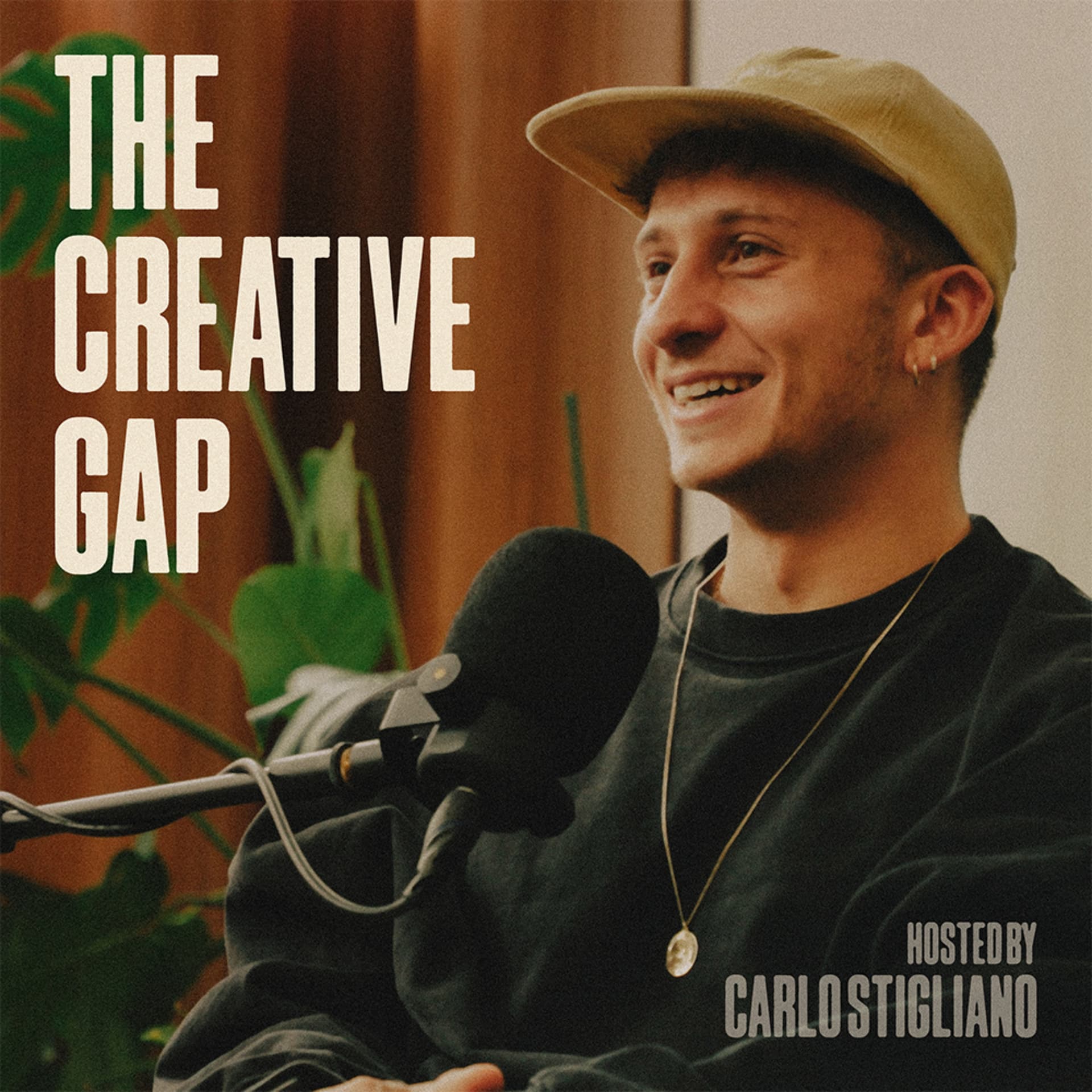
In short
Ryan Booth discusses “choosing conviction over comfort” in filmmaking—how directors grow by pushing beyond their comfort zone, resisting “outsourcing” their creative opinion, and collaborating without micromanaging. He contrasts two career paths: specializing narrowly vs. keeping a broader creative identity. He also connects these ideas to leadership, vulnerability, and balancing an intense directing career with family life and curiosity-driven documentary work.
Guest background
Ryan Booth is a commercial director and former DP who transitioned into directing after years building a commercial reel. He’s directed major music and commercial projects (including work with Chris Stapleton) and is currently developing narrative work (feature directing) and doing documentary projects.
Key claims
- Progress requires engineered discomfort; comfort can stall growth.
- Directors shouldn’t engineer outcomes to make everyone happy; they must lead with a vision and accept consequences.
- Collaboration works best when department heads are empowered; step in only after they’ve completed their thought.
- “Success” is measured by the caliber of the circle of artists you can work with, not by gig size.
- Parenting grounds him physically and emotionally, helping regulate his hyper-focus.
Notable examples
- Holding a gimbal overhead for 7–10 minutes on tour, then collapsing—painful but exhilarating, like filmmaking.
- A turning point after 7 years of similar commercial work; he broke the cycle by starting a company and pursuing features.
- On a Super Bowl commercial with Chris Stapleton, Ryan’s mix direction was challenged to restore the intended “quiet story” tone.
- Wardrobe collaboration: he pushes for the “most interesting” outfit even when agencies assume the client won’t approve; sometimes the first choice wins.
- A CMO questioned whether he was “too nice”; Ryan argues you don’t need to be an asshole to get results.
Written by AI. May contain mistakes. Listen to the episode to check what was said.
Chapters
Tap a time to open that second in VOFilmmaking: Pain and Exhilaration
0:45 to 2:36
Exploring the duality of pain and joy in filmmaking experiences.
“that maybe you don't really think about when you're curating something yeah like on the sticks or something.”
Pushing Beyond Comfort Zones
3:26 to 6:15
Discussing the necessity of pushing creative boundaries in filmmaking.
“I've, you know, loosely, I think there's two kind of tracks along the filmmaking experience.”
Navigating Career Paths
6:15 to 7:30
Understanding the divergence in filmmaker career choices and growth.
“And I just felt like this is not, for me, from a long-term development standpoint, like this is not good.”
The Role of Character in Filmmaking
7:30 to 10:51
Examining how personal experiences shape a filmmaker's approach and confidence.
“when people know what tool they wanna pick up.”
Learning to Lead on Set
10:51 to 14:02
Realizing the importance of taking ownership and leadership in projects.
“And like I had two intact nuclear families, different last names, and they called me by whatever name I was.”
Overcoming Fear in Leadership
14:02 to 18:09
Explore the importance of taking ownership and leading with conviction in creative projects.
“And like, I have to be out front of, like, it's my job to lead this moment, to make a choice, to have an opinion, and then to bear the weight of the consequences of that choice and that opinion.”
Balancing Expectations as a Director
18:10 to 22:20
Learn how to manage expectations and collaborate effectively with your team.
“I'm like, I feel a little bit like, I don't know.”
Growth Through Collaboration
22:21 to 27:20
Understand the significance of empowering your team and the art of collaboration in filmmaking.
“I have to believe that eventually my control over the medium will result in like a feeling that you can't take away no matter what specific choices get made.”
The Importance of Vulnerability
27:21 to 28:00
Discuss the role of vulnerability in directing and how it can impact your creative process.
“And I think it's just the nature of like, you know, there's a reason why I think a lot of filmmakers peak in their fifties and sixties.”
Directing with Vulnerability
28:00 to 31:20
Learn how vulnerability shapes a director's approach and the dynamics on set.
“you know, which is what a film set is, you know.”
Show all 32 chapters
Measuring Progress in Filmmaking
32:20 to 36:00
Explore unique definitions of success and progress in a director's career.
“You said that you're starting to just, it's almost like you're just finding your legs now, it kind of seems as you're finding your voice and more.”
Balancing Work and Personal Life
36:00 to 42:00
Understand the challenges and strategies for integrating family and filmmaking.
“is the idea of going, of being all in on something versus being all consuming on something.”
Exploring Prosopagnosia and Its Impact
42:00 to 43:55
Learn about the disorder prosopagnosia and its connections to personal experiences.
“I reached out to the guy who is the preeminent like researcher of this topic.”
Documentary Work and Real-World Impact
43:55 to 45:20
Discover the challenges and rewards of making impactful documentaries.
“oh, I thought this would be a cool film to make one day.”
The Role of Curiosity in Filmmaking
45:20 to 47:29
Understand how curiosity can drive creative projects and connections.
“I just did a project I've been working off and on for the last God, like almost five years now with Yo-Yo Ma, the cellist.”
Parenting and Grounded Presence
47:29 to 49:03
Explore how parenting influences creativity and daily routines.
“who are doing interesting things, like as a kind of pivot point around this thing that I do.”
The Pressure of Responsibility in Creativity
49:03 to 51:11
Examine how personal responsibilities shape creativity and decision-making.
“And like, so I don't just get up and I'm only thinking about what I need to do during that day.”
Modeling for Future Generations
51:11 to 52:48
Reflect on the significance of being a role model for children.
“It is happening simultaneously, which is interesting for sure.”
Cultural Shifts in Parenting Styles
52:48 to 56:00
Discuss how upbringing and culture influence parenting approaches.
“or like a career or like a passion for something.”
Navigating Marriage and Career as a Filmmaker
56:00 to 57:40
Discover how personal relationships affect professional dynamics in filmmaking.
“Cause there's just like, it's so different than anybody that, I mean, I grew up in the suburbs of Houston.”
Lessons Learned from Eight Years of Filmmaking
59:20 to 1:02:14
Explore the importance of persistence and self-direction in creative projects.
“I mean, I think the persistence, I think, is probably the word I would say.”
Managing Creative Input as a Director
1:02:14 to 1:10:06
Understand how to incorporate team ideas while maintaining vision as a director.
“Did you expect that to be something that maybe you were equipped for, or is that something that you had to learn as you were going through your sort of endurance and keeping the thing in that voice?”
Collaborative Decision Making in Film
1:10:06 to 1:12:04
Learn how collaboration influences decision-making in creative projects.
“And so I think for me to go, yes, I agree with you.”
Attributes of Ideal Collaborators
1:12:05 to 1:14:34
Discover the key attributes Ryan Booth looks for in collaborators.
“Character is way more important than skill.”
The Evolution of a Film Project
1:14:35 to 1:17:04
Understand the challenges and transformations in bringing a film to life.
“because the rest of it is going to be, we're going to have to figure out together, but like you need to be for sure, a hundred percent down to clown, like whatever is required.”
Reflections on Filmmaking Experience
1:17:05 to 1:19:58
Explore the emotional journey of making a film and its impact on the creator.
“And it, I, I owe my collaborators and I owe the people who've been a part of that journey.”
The Importance of Finishing a Film
1:19:59 to 1:23:50
Learn about the urgency and importance of completing a film project.
“And it like makes me very eager to get back on set to make another film and to increase the level of complexity, difficulty and ambition, you know?”
Getting into Film Festivals
1:23:51 to 1:24:05
Understand the process and emotional aspects of submitting films to festivals.
The Journey to South By Southwest
1:24:05 to 1:25:18
Discover the challenges and triumphs of getting a film into a prestigious festival.
“i was like very possible we don't get in you know um and i finally the last step i called my one of my kind of main producers.”
The Director's Experience and Expectations
1:25:18 to 1:27:30
Learn about the complexities and emotional journey of a film director.
“But like, I really am, I feel like my entire filmmaking journey as a director has been learning to take responsibility for the things I want to make and being out front of and leading from the front.”
The Eternal Challenge of Filmmaking
1:27:30 to 1:30:18
Explore the ongoing challenges filmmakers face throughout their careers.
“I'm happy to kind of, it's, I think it's such a special thing to be able to like articulate some of these kind of the internal churn sometimes, because it's so easy.”
Celebrating Film Accomplishments
1:30:18 to 1:30:59
Discuss the significance of completing a film and future aspirations.
“Couldn't have ended it again in a better way.”
Transcript
Automatic transcript. May contain errors.0:00Ryan Booth:Ryan, welcome to the show. Thanks for having me. I wanted to start this off to let you know that probably once a month, I think about the shoot that we were on, on tour, where you had me holding the gimbal up over my head for seven to 10 minutes. For sure. And then afterwards, I just collapsed. Yeah, yeah. That was, it was a painful experience, but also like the most exhilarating moment I've had in a really long time on set. just that shoot in general we don't have to go into it but sure just uh on a commercial i'm normally it's very staged everything is very particular yeah but that one in particular was really forcing myself to test my skills my my foundation as an operator just the the things that maybe you don't really think about when you're curating something yeah like on the sticks or something.
0:54Ryan Booth:And I just want to say, I think about that shoot often. I love it. And that moment, I think about often how much pain I was in, but how much joy I was feeling there. I mean, that feels like a metaphor for filmmaking in general. Like it's painful and exhilarating at the same time. And I think, you know, I love like getting to work with people who I, how I tend to hire is I have, a hunch that the thing that you've presented publicly means like, yes, we should work together. And then I like to take people and put them in situations where it's probably not their normal thing that they do. Because I find I'm constantly testing the hypothesis of like, what are we capable of doing that we don't get a chance to do that often?
1:48Because that's something that I, I find is very important and valuable in my own career is like, I know I'm, I know that very frequently I'm capable of more than I'm asked to do. And so I think, you know, for the people that I work with, I like to ask them to do more than they thought they might be able to accomplish, because you might discover that you've found something you want to integrate into like how you move forward. And I think that that, that kind of bouncing off of each other on set is a great way to learn what, you know, where we want to go. And I feel like, you know, I'm happy to hear that because I definitely think that like those moments are like very valuable for encouraging each of us to like go further.
2:34Ryan Booth:Yeah. Truthfully, I can't think of another tool that I use for filmmaking and this podcast that I've stuck with for over four years now. Everything that I do from my passion projects to YouTube videos to Instagram reels all the way to this podcast requires a certain level of curation, quality, and emotion. When I think about what makes certain works stand out over others, it isn't the flashy cuts, but it's the music behind it. That's why I use MusicBed. Thoughtful music is truly one of the best ways to rise above the noise as a filmmaker today. One of the best tools I utilize daily on MusicBed is the option to search by mood.
3:10Ryan Booth:We create based on feeling and emotion. So why not find music the same way? Musicbed is meant to serve those who care deeply about the stories they are sharing. And if that's you, switch to Musicbed and start your 14-day free trial today with the link below. Do you think that people tend to limit the possibility of what they're capable of more often than not? I don't... I would say there's two groups. I've, you know, loosely, I think there's two kind of tracks along the filmmaking experience. There's people who kind of go, I do this one thing and I want to be the best at doing this one thing. And at every moment I'm going to double down on getting better and more nuanced and more specific about this one specific thing.
3:59And I think that's a completely valuable path. The other is I do all of these things. Like I have a way of being and that way of being can apply to all of these different expressions within the larger umbrella of filmmaking. I'm on that side of it. I get very claustrophobic if I feel like I'm being put into into a smaller and smaller box because I only do this one thing. And, but I find that like, on no matter if you're, which side of that journey you're on, I have some good friends who are on this side of that journey and are achieving, you know, having some great success by just repetition. But I think no matter what you don't progress without pushing yourself outside of your comfort zone.
4:49And I think that, that like the short answer is you don't know a lot of times that you need to be pushed until you get pushed and you realize that you've been comfortable and haven't been progressing. Um, so I think that, that it might look a little bit different depending on what kind of overall trajectory you're on. But I do think, yeah, for sure. It's the human nature to get comfortable and not, and be like, I'm, I'm good. Um, and I feel like we have to engineer scenarios to kind and continue to push us forward.
5:21Ryan Booth:Do you ever feel like you were a part of that other camp? And was there like a moment where you realized that you were operating in a state of comfortability for too long? Yes, for sure. I did commercials, kind of how I got into directing. I was a DP before I started directing and I made a short doc and a short, a scripted short film. And the short doc kind of had a moment and I got signed to a commercial company. And then kind of before I knew it, it had been seven years of kind of building a commercial reel. And I felt, you know, a few years ago, I had this feeling that I was only ever seeing boards that if you reduced me down to a log line, those were the projects that were coming to me.
6:10Like everything looked the same. Everything felt the same. It was the same kind of people. I was like, it was the same kind of boards. And I just felt like this is not, for me, from a long-term development standpoint, like this is not good. And so I intentionally kind of broke that cycle. I started a company with a couple of friends. I realized that if I didn't make my feature, I was probably never going to make my feature. And so I spent a couple of years ago, I spent like about half a year intentionally breaking the, the kind of the inputs that were pushing me towards doing the same thing. And so it's been incredibly uncomfortable the last couple of years, but on the other side of it now, I feel like I have a far wider range of inbound opportunities than I did a couple of years ago.
7:09And I feel like that's likely a cyclical revelation, like a few years from now, I'll probably have to do that again.
7:17Ryan Booth:But I think that's part of human nature too, especially if you want to be someone that continually evolves and grows. and pushes. Well, and the complicating factors you need to make a living in the middle of it. And it's easier to make a living when people know what tool they wanna pick up. That's what I was gonna ask also is, what is the value of putting yourself in that box or maybe people perceiving you as being this one thing? Are there benefits and value to that also? Definitely, for sure. And my friends who kind of have doubled down on like being the best at this one very narrow thing. I'm continuously like envious of the like inbound, the frequency of inbound opportunities because it's like, they know exactly why you would go to this guy for this thing, you know?
8:07And so for me, what I've realized is that actually my way of working is probably the thing that never changes. And so -
8:15Ryan Booth:Like your workflow from start to finish? My workflow, like for instance, in the commercial space, I was talking to my reps the other day and I think probably 75 % of the work that I get as a director, as a commercial director, it's the very first time that the agency and client are working together. Like almost exclusively, I am the guy that you hire when you want to do something, but like you need the first thing to work so that you can then push further. So like my kind of actual repeatable thing is I help agencies move the Overton window for the clients that they are working with. Like that's my kind of unique edge edge.
9:01And so that means I'm not going to there. Like it means I'm not going to make the agencies feel like shit for the fact that we're probably only going to get 60 percent of what they're trying to accomplish. I'm not going to make the clients feel so uncomfortable with the direction that things are going. And I'm also able to hold the kind of the tension of that relationship in a way that doesn't shut me down. Like, you know, I, I'm not, I know that my role is like very specific in those kind of instances and like, I'm compensated for that. I get paid for that, you know? And so I think a few years ago I would have kind of, I think been like, well, these, it's a fucking other beer commercial.
9:48Like, I don't, like, why do you call me
9:50Ryan Booth:for the beer commercials or the horses or the whatever, you know, whatever, like the dudes from Texas, give me the guy from Texas. And now I realize like zooming out a level from that, that actually what they're asking is, can you hold this very kind of tenuous and like fragile kind of dynamic at a very high intensity scale, you know, where there's a lot of money on the line, a lot of relationships on the line. The stakes are really high. The stakes are high that like, I'm somebody that can step into that and go, I got it, like no problem, you know? What do you think are some moments that have helped attribute to that sort of character that you feel like you have now, that confidence?
10:37I mean, I think, you know, not to go into the like psychological like realm, but, you know, I came from like my parents got divorced when I was two years old. And like I had two intact nuclear families, different last names, and they called me by whatever name I was. What family you were with? Yes. Oh, wow. So I had two of the last names growing up and it just depended on who I was with. And so I've always kind of had to navigate the space between two kind of intact and perhaps not always on the same page entities. And so I felt like that was a negative for a while. I think I've realized that actually I have the language and the confidence.
11:31This is the kind of internal self-confidence that I now don't lose myself when I move between those two groups. Is this a recent revelation?
11:39Ryan Booth:Yeah, yeah. In the last couple of years, for sure. Because I remember about three years ago, I remember I finished a job in my EPs, and I'm speaking almost exclusively about commercial endeavors at the moment. But that'll lead to other things. my EPs, you know, we, we would finish a job and they'd be like, you know, how did, how did it go? And my question back was always like, is everybody happy? Sure. And I realized like, that's a problem. Like that's not good. Problem was putting other people before you. That's right. That my responsibility as a director is not to ask if other people are happy.
12:20It's to have a, to cast a vision and then stay true to that vision. And sometimes people aren't going to be happy about where we go or how it shakes out. That my job was, is always to deliver on the thing that I said that we were going to do. And it may not be that everybody's happy about that. That that's not my responsibility. Other people's reaction to what we make is not my It's out of your control. It's out of my control. And I was trying to engineer the outcome instead of engineer the process. Interesting. And so for me, how that, why I'm bringing that up is because I hit a wall where I just realized I'm just trying to like make other people happy.
13:07I don't know what I want, you know? And I remember being on set one day on a commercial and it wasn't, the scene wasn't working. Like it definitely wasn't working, which happens all the time. Yeah. but scene wasn't working. I had made a couple of attempts to figure it out. I couldn't quite figure out why it wasn't working. And I remember the agency, you know, comes up and we're talking and, and they're like, I remember them going like, well, what do you think we should, like, what do you want to do? You know, like if we could just throw away the kind of intention of this, what would you, what do you want to do?
13:42And I was like, I don't know. Like, I have no idea. Like, this is your thing. I'm not sure. And then I was like, I got a huge fucking problem. Like -
13:52Ryan Booth:It's like almost disassociating the responsibility. That's right. That's right. That that kind of like worried about making sure everybody was taken care of and happy was keeping me from going like, this is what we should do. And like, I have to be out front of, like, it's my job to lead this moment, to make a choice, to have an opinion, and then to bear the weight of the consequences of that choice and that opinion. And I realized that that was the fact that I was outsourcing my kind of opinion to other people was keeping me from doing the work that I really wanted to be doing to make a feature, to lead in any capacity into things that I found interesting.
14:36And that that was kind of, I just realized that I had like gone down a dark alley that I did not want to continue down. And I had to backtrack for like two years.
14:45Ryan Booth:And when you maybe talk to your reps now about how a job went, what is your sort of response now? My response now is like, these are the things I'm really proud of. These were the things that I found to be really difficult about, you know, the particulars of a particular job, whether that be like, you know, a logistical thing or a relationship thing, you know, this last job that I was on was was really complex logistically. And we got only a fraction of what we were attempting, but I felt really strong about the things that we did accomplish within the windows that we had. So I'd be like, I feel good about this.
15:26I feel good about this. I feel like we brought the right people in on the project. And I think the feeling of what we captured is what I said that we were gonna do, even if the particulars aren't exactly like we imagined them to be. I think that, and to be honest, like agencies in the edit with the editor now, I gave them an editor that's like going to push them as hard as I push them on set. And I feel like we've done, I've done my job to equip them to try and bring to life the best version of the thing that we made. Yeah. And like, I don't think about it beyond that. And I think that's new, new for me.
16:06I'd be like, oh my God, like, I wonder if they're like disappointed and they wish they hired the other director.
16:12Ryan Booth:Cause I'm always pitching against other directors and I know who I'm pitching. Especially at a high level like this. I know who I'm pitching against several times. I'm like, you want me? I would have hired the other one, you know? And like, I think now I like lay my head on my pillow at night and I'm like, I did what I did. I feel confident about what I brought to the table. You said something interesting about giving them an editor that will push them of just as much as you had. I'm also curious from a director's perspective, how do you balance the expectation that you put on yourself with the people that you hire on a project?
16:44That is like a constant area of exploration for me, for sure. On my feature, for instance, I hired Pat Golan, DP'd, which I know you talked with him. Yeah, unbelievable. He's an amazing DP. And he is someone who I intentionally wanted, And like when things get fast for me as a, as a director or when I'm not sure what I want, I tend to pick up the camera and sketch it myself. I'll fling that camera around, you know? And, you know, like I knew that Pat was someone who his first instinct was not to like whip the camera around. it was to like, no, no, where's the one place we should place the camera that will let the scene unfold in a proper way that we're talking about.
17:38And I wanted the friction of like, he and I seeing things differently because I wanted to make sure on my film that it wasn't just my first like instinct all the time. And so, so that was an example of, but then there's another version where like this wardrobe stylist, I just hired the wardrobe stylist from Euphoria was on my commercial that I just did. And, and it's a silly commercial in which she's able to do 10 % of what she should be able to, you know, like, Um, but I have intentionally been like feeling like I've been leaving growth in learning how to, to kind of work with a stylist to have an opinion about like clothing's always been a bit like overwhelming to me.
18:31I'm not a fashionable person. I'm like, I feel a little bit like, I don't know. A lot of times it's easy for me to let the agency take that. I'm like, you guys can care about the clothes. I'm going to worry about this other stuff.
18:43Ryan Booth:You feel like that's sort of the next step for you to the next growth phase is to dive into some of these. Because as a director, you probably come, most directors come from the camera background. Like that side is probably strong, but the production design, art, wardrobe, makeup is very new to a lot of people. It's definitely like, I find like I described commercials as directing commercials is like getting to work out with a very expensive personal trainer. You're like, what do I want to work on? I'm going to work on this. Okay, great. We're going to design a whole thing that helps you get stronger here.
19:14Right. And that's it. And so I find like commercials have been a great way for me to, on this one to go, all right, I'm intentionally going to work with wardrobe because I feel like I don't have the language or the understanding to say, other than, I don't know if I like that or not. And so I like, I really enjoyed working with my stylist on this one. And there was a couple of times where I went to her and I was like, what I want you to tell me is when they've walked us back from a direction that you find to be really interesting, that you know, if we could put them in these clothes, it'll help the scene in a significant way.
19:55and she was like two times she came to me because on a commercial I don't what happens in wardrobe is you do fittings the agency's there and a lot of times the stylist will put someone in four or five different outfits they take pictures of it it goes into a shared document we're all sitting around and the agency goes I like this one I like this one I like this one I go I like that one and then they combine a like a first choice and a backup then that goes to the client and it gets kind of in real time throughout the day. And so there was a couple of times I told her, I was like, look, if the first choice in backup, if you feel like the rock is tumbling down the hill, please let me know.
20:39And I wanna learn how to push for, you know, the most interesting version of what we're trying to accomplish. And twice she was like, I really think they're making a mistake on this outfit. And be like, okay. and she was like, what is your first choice? And I was like, this one. She was like, that's my first choice as well. I was like, all right, I got it. And so then I went in and talked to the agency. I was like, look, I know where you guys are going. I know you're assuming the client's not gonna approve X, Y, or Z. So you're pre-judging where this is gonna go and you're gonna present something that you know will get approved.
21:16On this one, let's try and present the one that's like not what they might see coming. you know um let's just see how it goes and if they pull it back we've got the thing that we can we know is going to get approved but like let's push on this one and that one and we got the first like we got her and i's first choice approved those two times does it make a difference in
21:38Ryan Booth:the final film absolutely not does it really matter no but like for me that's just now new language that i have to take into my next project so that like the sum total of the thing that i'm making. Because I think in filmmaking, the real challenge is a bit like cooking, right? It's like you have 50 ingredients, like what is the right combination of things and heat at the right time and finely chopped this and this goes over here. Like, how does it become like this thing that emerges? And I do find that like, you know, if I don't take an active role in making a choice about wardrobe, even if it's one of 15 characters that's on screen for less than a second, like I have to believe that eventually my control over the medium will result in like a feeling that you can't take away no matter what specific choices get made.
22:39Does that make sense? Yes.
22:40Ryan Booth:I feel like it's, for me, it's kind of leaning into the direction of you starting to take more ownership over the entirety of the thing that you were involved. Was there, I mean, I'm assuming you're coming from a place where you maybe lacked ownership in certain areas and you're trying to find that more now. I think it's not lacked ownership as much as like, I think it's easy sometimes for the, the, when I pause like that, I'm zooming out. So I've just, I've zoomed way up. I think one thing that, that has shifted for me in terms of understanding my role as a director is learning how to collaborate with, um, with department heads who are very good at what they do and learning when to say, like when to vision cast and then cut people loose and then when to come in and go, I literally don't think that that highlight color feels like the thing we're trying to make.
23:37Ryan Booth:And when you say cut them loose, cut them loose, like give them the reins to do their thing. That's right. Yeah. Because I do think that a lot of times I'm someone who like, I always, I say all the time, complete the thought and then tell me, I'm not going to, if tell me if I'm stepping in before you've completed the thought. Because once you've completed the thought, now we can have a conversation about whether or not that art direction or wardrobe, or even when we're in, in, I'm grading my first feature right now, like working with a badass colorist. And like, you know, I went in for the look setting session and like two times I had to say, let me know when you've like, when you've completed the thought on this because I have thoughts now, but I don't want to like step in too early.
Read the full transcript
24:23You don't want to impede. I don't want to impede, you know? Literally one of the best things that ever happened to me, it was the very first set I was ever on. I won a filmmaking contest and they brought all the winners out and we got to sit in the chair next to the director and this director came, came by, they were setting a scene probably 10 minutes away from rolling. And he, he came in and he goes, Hey, all right. Like, I want you to watch this monitor and you tell me like what you want to change. You know, it's your, it's your responsibility. You tell me what you want to change. And I was like, okay.
24:57So I like pull out my notebook and I start writing the list. You know, I've got probably 30 things. This curtain looks weird. This lighting is funky. Eve, like, why is the camera in this place? Like this, whatever. I make this list. He goes away, comes back with a coffee and he was like, all right, how's that list coming? He looks at the list and he's like, okay, okay. He's like, I'll be back in five minutes. Great. Goes away. I've got all this stuff on the list. And then starting about three minutes before we're about to roll, like I'm looking at my list and like things just start crossing off.
25:27They're doing it. They fix the curtains. The camera shifts a little bit. The fill side light comes down. Like just doink, doink, doink, doink, doink, doink. And he comes back like two minutes before we're supposed to roll. And he looks at my list and I've crossed everything off before things. And he goes, that one, we're not, I've had nine conversations. That's not happening. That one, okay. That one, yes. That one, yes. All right, go tell them. And it was literally like, can you shift the pillow here? Move this over here. And then it was like, okay, great. Good. All right, let's roll. And that experience for me was like incredibly instructive.
26:05And it's something that I have continued to think about to this day, which is when I set the vision for what we're trying to accomplish, you got to let everybody work. Like it is, there is nothing more disempowering than someone stepping in and saying, hey man, do you think you could make sure that the, like, this needs to change? And you're like, bro, I was, I'm about to do that. You know, because then it starts to feel like now everybody's just doing what you say instead of we all have a shared taste level. We all have this thing that we're pointing towards. And like, given the kind of freedom to exercise your own expertise, we're probably going to be pretty damn close to being on the same page.
26:48Now I'll step in and go, how about this, this, and this couple of small things. Okay, great. No problem. It just changes the tone of the working relationship. Yeah. And so that's something I think a lot about is like how and when to step in and how I empower my collaborators to actually do something that might be better than I would imagine myself.
27:12Ryan Booth:Yeah. I imagine this comes from a place of years of experience, years of failed attempts at managing, micromanaging, and eventually getting to the place where you feel like you needed to adapt in a certain way because maybe you weren't getting the results that you wanted. Totally. I think that for sure. And I think it's just the nature of like, you know, there's a reason why I think a lot of filmmakers peak in their fifties and sixties. It takes that long to accumulate the experience. You know, I mean, there's some freaks of nature who do it straight out of the gate, but like, they're not like the rest of us, you know?
27:46I think a lot of people, like, there's a reason we can do this well into it. We're not professional athletes who like, we're done at 25, you know, like we are literally just, in a lot of ways, I feel like I'm just getting started in terms of my ability to like orchestrate a living and breathing organism, you know, which is what a film set is, you know.
28:08Ryan Booth:Do you also feel that it's really important to be vulnerable as a director? Yeah, hugely. Do you feel like you lacked that in the beginning? No, I think all I have, you know, it's interesting, like, I mean, it's a couple of bros talking about directing, but I do think there is a, like, an expectation for what, like, I find on commercial sets a lot of times, and I'm mostly on commercial sets when I have bosses. when I'm doing music work or my own film or these kinds of things, I'm, I'm much more free to run the set how I want to run the set. The kind of more highly structured, you know, you know, filmmaking experience happens on commercial sets.
28:54I find when I get, and I'm a big dude, I'm like six, three. Yeah.
28:58Ryan Booth:I know when I stand next to you, I got to look up. I'm six, three. And like, I am in some ways fit the stereotype for what people expect of a director, but my My personality is not such, I'm not, I don't yell. I don't like, I'm not somebody who's super forceful. In my experience, you're very thoughtful and you tend to think inwardly before you speak outwardly. That's correct. And I find sometimes, especially with like big, scary C-suite, you know, Fortune 50 C-suite executives who are on set with me. I literally, the first pre-pro meeting I was ever on, the CMO of a company. I don't know if I can say it.
29:39Yeah, it's okay. Of a company. I'm literally in a conference room at my first pre-production meeting, never been in a pre-pro meeting before. It's the CMO of a Fortune 50 company. And he's flanked by, you know, 10 lieutenants on the other side of him. And the very first, I'm like, you know, the pre-pro, a pre-pro meeting, you're going through a deck with like, here's all the shots that we're going to do. Here's the art department. Here's all the stuff. It's kind of final approvals. Anybody have any last thoughts? And I'm like halfway through the storyboards. And this guy goes, just puts his hand up like this.
30:17And he looks to a guy on his left. He goes, is this asshole too nice? He's like, is this guy too nice? Is he going to be able to like actually get this done? He was like, Brian, are you going to be able to get this done? And I literally was like, hey, guy, I've found that you don't need to be a fucking asshole to get things done. Right. That if you cast a vision and empower the people around you, you might end up finding that they bring more to the table than if you were just prancing around like a peacock.
30:46Ryan Booth:Yeah, it's a mic drop moment. And he hired me four more times, which is amazing. Wow. But I find that when I present more stereotypically, the big kind of client side tends to calm down. And so I find that that's an interesting thing to navigate, kind of how I am on set and what people expect, like how to deal with what people expect from a director directing a global campaign or whatever it may be. organization is very important to me. Google Sheets are great, but for someone who likes to see things visually, I switched over to Milanote. It has become the absolute only way I'm able to organize my podcast and film projects.
31:32Ryan Booth:I needed a platform that was designed with that in mind. With Milanote, you are able to freely design your boards that best aligns with your taste and creative workflow. There are literally no limitations to how you can create your own Milanote board. They even offer really great templates to get you started. I'm currently recording five podcast episodes in two days, and the only way I was able to make that happen was with the right organizational tools and workflow through my Millenote board. By easily dragging and dropping each board, role, link, or images, I was able to clearly organize crew information, questions, forms, and scheduling for my guests, as well as keep track of my expenses and delivery schedule for each podcast.
32:09Ryan Booth:You can even use Millenote on the go from your phone. Just open the app and use it like you would on your computer. Milanote is available for free with no time limit. Sign up and create your account using the link in the description. You said that you're starting to just, it's almost like you're just finding your legs now, it kind of seems as you're finding your voice and more. And I think, you know, at a certain point when you were DPing, you probably had an idea of what progress looked like. When you started directing, you had an idea of what progress looked like. How do you measure progress now?
32:39I think it's, for me, it's like, I mean, I have a definition of success that I'm working towards, which is actually borrowed from Amy Winehouse, of all people. The Amy Winehouse doc is like an incredible film. And she said that her definition of success is that she could call anybody on the planet and that they would come work with her. For me, that's my, like, my goal is to be able to work with the best, most thoughtful, most compelling filmmakers and artists on the planet. And so for me, progress is, like, is my circle of people that I'm working with, like, getting closer to that definition.
33:32and the discomfort that comes with that is proportional. And so I think that that's one way that I can judge, like, am I kind of making progress? You know, working intimately with Chris Stapleton, for instance, which is the project that you and I worked on together. You know, we just did a Super Bowl commercial in which we had a shared notes app in which we wrote the Super Bowl commercial. and I remember we were like 900 cuts in, we were on sound mix and I sent what I thought was the final version of the mix and he texted me and he was like, we have to talk. And I was like, okay. And we ended up on the phone and he was like, hey man, I just want to remind you about the intention of what we're trying to make.
34:21And I feel like, you know, we are trying to make an unplugged album and you just gave me fucking Led Zeppelin in an arena with the sound design and mix. And he was like, we are trying to tell a very quiet and small story in the midst of a very loud event. And so I don't know what that means in terms of like what to take out or what to turn down. I don't know that language, but like, this is how it makes me feel. And it was like, I texted him a couple of days later and was like, dude, that was huge. That was like a great reminder for me and a marker that I'm on the right trajectory in which I'm working with people who at that caliber, like are willing to go to bat for the thing that we set out to make together and keep me on the path that we set out on, if that makes sense.
35:20And so that I think for me is like a big kind of thing I'm keeping my eye on in terms of how I'm making progress. It's not about the scope and scale of the projects or am I getting calls from, you know, whatever. There's no brand. There's no size of gig. There's no, it's not about visibility or external factors. It's like, is my inbound circle, like people who I'm inspired to be working with, you know, if that's continuing to grow, then I'm on the right trajectory. Yeah. There's something I'm asking a lot of everyone on this
35:59Ryan Booth:because it's something I'm working on right now is the idea of going, of being all in on something versus being all consuming on something. Yeah, that's a good distinction. And for me, it's because I come from, I'm very ambitious. I believe that I could do a lot. And I'm balancing my ambition towards work, but not sacrificing my ambition in my personal life and other areas. Have you found some ways to find that balance between being all in on your directing career filmmaking, but it not consuming your life to the point where you don't have anything else besides filmmaking? Totally. I mean, yeah, just the nature, I have a 14 year old and an 11 year old now.
36:44and I've, you know, I've been married for a long time. And I think that like my family, a big part of what I've been working on the last handful of years is really trying to learn to integrate the work and the family side of things. Meaning that like they, it's not like I'm gone and then I'm home, but like, what does it look like to, to kind of integrate as a whole person instead of being, I think someone who's very busy and then is not busy. Like, I don't think that those two things for me, I know that's a weird distinction, but like that, that to me is really important to figure out how to, um, I think because out of that integration, I can, I have people in my life that can speak into like, why are you going to do this?
37:37Or, hey, this gig in LA that's, you know, almost a month long, which is a long time to be gone. We have talked about it and we understand kind of what it means and why I would say yes to something like that. Um, and how that might be kind of progressing my career as a whole, which then affects and impacts my family. Um, and so I'm trying to get better at that. Um, because I think the, the hard part is for me, the thing that I know to be true is the thing that's coming around the corner that I don't know about is often the thing that leads to the most interesting opportunities. And so the real balance is like, how do I not power down my family life to be available for a hypothetical future versus believe that that will show up when it's it's the right time and I can say yes to it when it's the right time, but I don't need to like, um, reduce the kind of my time outside of work in hopes that like, you know, I'm a, I happen to be available for the thing that that's like that unexpected request or the unexpected gig or the call to go X, Y, or Z.
38:58Does that make sense? For sure. And I, I don't know the answer to that. I mean, I don't know if I'll ever know the answer to that. Given my, if I, if I was left to my own devices, I would work 24 hours a day. Of course. 24 hours a day. I would not sleep. Like I would, but I do think that like filmmaking is a endeavor that requires a robust and healthy life outside of it because you have to bring things that you're discovering and learning to the table. And if you're working all the time, how the fuck are you going to do that?
39:31Ryan Booth:Blaine and I were talking about this before about, that's why I feel like some of the greatest filmmakers are in their 50s and 60s because they've had experience outside of life. And if you're only, if you're, if you have the blinders on to just this one thing and you're focusing only on work, how can you have a voice that develops and grows outside of just that thing? I completely agree with that. I completely agree with that. I got to go to, and I think filmmaking can be a gateway to that. To be honest, I think like do more documentaries, like, cause you can do both. You can work and meet people that you're like, you know, I had this harebrained idea to do this film.
40:11I'm very fascinated with brain injuries. Okay.
40:14Ryan Booth:Was there any personal connection to that? Yeah, my mom, like she slipped and fell in the shower like 10, no, 15 years ago and basically gave herself CTE. She was like a degenerative kind of, and you wouldn't, you look at her, wouldn't, you know, wouldn't know anything was wrong. but she definitely like is disabled. And I find that to be really, it's been, it's really difficult. And it's hard for people to make sense of it. I did a doc for a hospital system in Houston before I moved here with a guy who got in a car accident and had a traumatic brain injury and doesn't remember, doesn't remember his brother, but everyone else he does.
40:59It's just like a hole in, and it's just like, it's really fascinating. Anyway, I was kind of kicking around this idea about, in particular, people who have face blindness, which is a condition where if you and I were talking right now, and then I went to the bathroom and Ryan and I switched jackets and then came back and sat down, you wouldn't know that which Ryan was which.
41:25Ryan Booth:I've never even heard of that. Yeah. It's really fascinating. There's a part in your brain that stores like my face with who I am. Those are on two sides of the brain. And some people have a severed connection. They don't, it doesn't talk. So like you wouldn't, it's, they say it's like the equivalent of walking in a forest and trying to pick out a specific tree. It's like, I know it's a tree, but I have no, it's like, you'd be like, oh, he was wearing this hat. He had this backpack on, you know, whatever. Anyway, I was really fascinated by this idea. and so I reached out to the guy who runs the, like it's called prosopagnasia.
42:03I reached out to the guy who is the preeminent like researcher of this topic. He happens to be at Dartmouth. And like, I went and saw him and we talked for a couple of hours and he showed me all these studies that he's doing. And then like, I asked him if he would put me in touch with kind of patients that he works with. And I've gone down this whole rabbit hole of like learning about this particular disorder and disability. And like, I heard it because of a podcast that was fascinating. I had some personal experience in my life and like, I haven't done anything with that yet. I will eventually, but I find that like, that's living.
42:41For sure. But it also overlaps with work, you know? And so -
42:45Ryan Booth:Cause you probably wouldn't have had that curiosity if you didn't have the background of storytelling in your mind. If you didn't have a place for it to hypothetically go, be like, why would I call this guy? You know? But like, I've, I, you know, a good friend of mine's a priest. He's like a Methodist priest. And back in the day, a while ago, when the kind of the migrant caravan was coming up to the southern border, I'm really fascinated with the border and West Texas in general. He joined the caravan to walk, just had water and food for people. He's like, I have no statement about what's happening other than like, I'm here to provide support.
43:27Like, and, and so like, I went and met him and like, we spent some time together during that process. I don't know if that'll ever turn into something, but like, I find that like following my curiosity into real life is a helpful way to build that kind of repository of experience. So that when I eventually do make a thing, then it's coming from a real place instead of, oh, I thought this would be a cool film to make one day. You know what I mean? But I think doc is a great way to like have a container to explore that kind of stuff.
44:05Ryan Booth:For me, one of the most meaningful projects I've ever done was a documentary I did in Kenya for a nonprofit called Malele Home. I did it maybe two and a half years ago or so. The purpose was to go there and showcase this nonprofit that houses teenage boys that gets displaced due to drugs, abusive homes, all of that. And the goal of the film was to hopefully raise enough funds for them to have their own school, their own land, their own housing, essentially, to maintain the influx of boys that were coming because it was becoming a lot. But a year after we made the film, I get a text from the head of the nonprofit saying that through the film, they were able to raise enough funds to buy land in Kenya to start building their school, start building these homes.
44:53Ryan Booth:And even though it technically may not be the most, you know, the best thing I've ever done, it is easily one of the most meaningful projects I've ever made. Totally. Yeah. I mean, I think that's a really special part about what we get to do is, is that there is in fact, like people do connect on a really kind of emotional level to what we make. And I think that in proper, you know, within certain contexts, like that can actually have a real world implication for sure. I just did a project I've been working off and on for the last God, like almost five years now with Yo-Yo Ma, the cellist. And he has taught me an enormous amount about the kind of professional power of curiosity.
45:41So the way that he works a lot of times is he's like, I've heard of this thing and I would love to go and meet the people who do that thing in this place. And it could be about anything, anything. Um, and because he's literally the best in the world that the one thing that he does, he's like, can I, I want to, I'll put on a show and then can we invite all these people to come? And then he just sits in like talks with people about whatever it is that they do, you know? And so I've been with him, you know, when he's, you know, he, he went and he did a national parks project for a while during COVID where he was like connected the kind of the indigenous tribes that were kind of historically from that land with the, like the U S state parks department, you know, like, it was like, you guys talk, you know, um, like viewed himself.
46:36He's like, this thing that I do is a, like I'm a vessel to help connect people.
46:42Ryan Booth:That otherwise probably wouldn't. And so I went with him to Bhutan in October and like ended up in a, like a fourth century monastery talking to these monks, you know? And it was just like, like, how the hell did I get here? You know? And yet like, it was an incredibly meaningful and powerful experience to like sit at the feet of people who have committed to this one thing and like hear and learn from them. And that Yo-Yo is like, I'm great at music. That's all I know how to do, you know, like, but what is the like broader implication for me being good at music? How might that lead to interesting people in places?
47:27And how might I connect other people who are doing interesting things, like as a kind of pivot point around this thing that I do. And I think about filmmaking that way. Like you do have the opportunity to bring people together, even a hundred people on a set. Like there's a lot of story and kind of interpersonal like relationship that gets brought together on any given, even a dumb commercial set, you know, that I find like can be impactful and meaningful. And I try and keep that in my mind as I'm thinking about what I wanna do next, you know?
48:01Ryan Booth:On a personal level, I'm just, I'd love to ask how has being a dad changed you? I mean, I think it, like, I'm someone who could live in my head a lot. And I think that having kids for me personally has like required me to live in my body. You know, like I'm, my physical presence is required. A lot of what I, you know, my oldest, her alarm goes off now at 5.30 in the morning. And like, I'm the guy, I get up and do lunches. I make them breakfast. She's out the door by 6.30. And then my youngest gets up at 6.45. And then I ride the school bus, not school, they don't have school buses. I ride the New York city public bus with her and a bunch of middle school kids, like down to her middle school.
48:55And so by the time I get back to my house at like nine o 'clock in the morning, I've done three and a half hours of like very practical parenting work. And like, so I don't just get up and I'm only thinking about what I need to do during that day. And then I go to my office or I work by myself and I'm just working on my own shit. But it's like every day starts with something incredibly practical and -
49:20Ryan Booth:Sort of grounding. Grounding in a really compelling way. And I love it. I really do love it. I think it's, you know, I also just have people that I'm responsible to. And I find that to be, for me personally, I find that to be, I need the kind of external regulation. Otherwise, again, I would like look up and be like, oh my God, it's midnight. And I've been here since eight in the morning. There's sort of like two avenues I wanna go in here. Just out of like personal curiosity because I got married a year and a half ago. My wife and I are talking about kids and just the nature of this industry and how to manage that.
50:01Ryan Booth:And I guess from a responsibility standpoint, do you feel that you sort of thrive in having the pressure of a responsibility? I find the clarity that that provides clarity that I appreciate for sure. When the kids were younger, I called it, they were like really amazing bullshit filters. They like made me have to say no to things, which I have a whole theory about no and yes cycles, like three to five year no and yes cycles. But I found that I had to say no simply because of them being alive and me having a responsibility, which I had not experienced prior to that. But the kind of the actual challenge for me is that I've only ever been a filmmaker since having kids.
50:49I started DPing literally like the thing I shot that I won this contest. Literally, my wife was pregnant with my first with my oldest. And so I've not ever not been a dad as a filmmaker. So I don't know. I don't know.
51:07Ryan Booth:It's almost like you grew simultaneously in your career with your parenting. It is happening simultaneously, which is interesting for sure. But no, I find it to be really helpful to have like kind of, I think, a physical barrier from letting it overtake everything for me. And again, plenty of friends. I have plenty of friends, colleagues, peers, people who are older than me who don't have kids and it like completely works for them as well. I find that they tend to be a bit more able to self-regulate than I am. I'm really not capable of it. You know, I'm time blind and hyper-focused, you know, it's like, which to be honest, like prep is, is a great, it's a great experience for me to do prep on a project because I like, I'm a hundred, I am all in on prep.
51:58Like I, it is around the clock. It, I am like. Is that your favorite part of the process? I love prep. I love prep. Um, I definitely like, I, yeah, I, I can't wait to do another feature and like properly prep it. I think I had barely three weeks to prep my feature. Cause it just went from, I don't know, to like, can you shoot in three weeks? You know? Um, but like, I would love, I, yeah. Prepping narrative would be amazing. I wonder what that's like.
52:31Ryan Booth:The last thing I wanna talk about just parent, I got one more thing on that is, I feel like something that I consciously think about is what are the things that I'm doing in my life to put me in a position where I am presenting myself as a parent to my kid one day, that I'm a good example of what you should look for or like a career or like a passion for something. Like, do you ever think about like what you do to hopefully be a good role model for your kids in that way? Does that make sense? Yeah, yeah, of course. I would say that the sad truth is you can't, like, it doesn't matter what you intend.
53:13Like, like who you are is what they see. Right. So like you are the role model that exists in their life in whatever form you are alive. Um, it's just one of those relationships that like they see everything bit of you, you can't present or create a proper role model scenario. Like it just, it just is, you know, um, it's like a, you know, a fish trying to describe the fish bowl that they're in. It's just like, it just is what it is. And so I think on the reason I say that is because rather than me stressing out about like, am I conveying properly to them? I think you just, all you have to do is be present with them and be present to the things that they find interesting, the things that they respond to and allow them to like experience, like to learn how to follow their own intuition and curiosity.
54:11I think that the role model, like you being a role model is primarily about modeling that like, you don't always know the answer, but that you love them and that you are there for them. And that like, when you screw up, you'll say it. And that like, you may not know where you're going, but that you feel confident that the journey will be worth the effort. And I think beyond that, I don't know what else there is that you can manufacture because they just, you know, they're around you all the time. Yeah, for sure. Does that make sense? It does. Yeah.
54:49Ryan Booth:Do you think that your way of, you and your wife, your way of raising kids has a lot of similarities to how you were raised and how maybe your wife was raised? Me, no, for sure. I think my wife, yes. Her family is like, her family's great. My family, I mean, my family's great too, but I think that like just my family situation, how I grew up is just very different than my kids experience. I also think like, you know, we moved here, we moved to New York when my oldest was four and my youngest was two. My youngest does not remember living in Texas. She only remembers being here. So I think in a lot of ways, like we've completely, I mean, like we're like, you know, they're like first gen New Yorkers, you know, like it's a very different experience.
55:42Like, and even if we left today, they would always be like little New York city kids. Um, and so that part has been interesting. Like I, we, we totally changed things from how we grew up, you know? Um, and I, I don't, we'll see what the kind of consequences of that, you know, are down the road. Cause there's just like, it's so different than anybody that, I mean, I grew up in the suburbs of Houston. My wife did as well. You know, like we both grew up. My wife and I have known each other since I was 11. I think her mom was my sixth grade English teacher. So I've like known her for a very long time.
56:20So like we couldn't be further from where we grew up at this point, which is interesting.
56:25Ryan Booth:Well, I appreciate you indulging me on the - Yeah, yeah. No, it's cool, man. I mean, I definitely think it's one of those things where like, it's it's like completely partner dependent and like priority dependent yeah you know how you and your partner like want to and will engage with it like you can make it work you know anything can work it's just a it's like a new sort of chapter i'm going into my life uh being married is one like one thing but i've been with her for 10 years now so we grew up to we met when we were 15 so Like I've seen her grow up, she's seen me grow up every stage of that.
57:00Ryan Booth:And I think just being married now has added this extra layer of just like being transparent about everything, being honest. And I'm sort of trying to figure out how to navigate. And the side of me that is very creative business focused, my filmmaking career, and then integrating her into that a little bit more. Because I feel like for a while it's very separated. I'm going to go do this job. But now that we're married, how do I communicate with you about this? Totally. Yeah. That's something I'm trying to work on. You'll work on it forever. For sure. It's very cyclical though. Cause you, you'll, again, you'll get into a good rhythm and then your career will change and the kinds of things that you're doing will change.
57:41And like, I mean, I, I used to be gone for like three days at a time and it was like, whoa, that's, you know, now I'm gone for three weeks at a time. And it's like, that feels normal now. When I did the feature, I was gone for 60 days straight. And it was like, well, this is like new, new, how are we going to navigate this? You know? And so it just, you know, like, and now it's back to like, I do a lot of these little two or three day things now, which is, you know, a different rhythm. And it's just always changing. It's always changing, you know, and the kids are getting older, like every few years, your kids kind of what they need changes as well.
58:17So it's like starting over again, and gotta figure it out. We gotta figure this new phase out. And it's just an interesting dynamic. You're kind of always - Yeah, always adapting. Always learning.
58:28Ryan Booth:Lighting is one of the most important ways to convey emotion in a story. It's important for me to utilize tools that aid my creative vision, not hinder it. Nanlite makes lighting tools that are built for working creatives, filmmakers, photographers, and storytellers who need gear that they can trust. Like right now, this entire set is being powered by Nanlite. Their lights are compact, powerful, and incredibly versatile, whether you're working solo or with a full crew. Over the last few years, Nanlite fixtures have become my most reliable tool when creating images, and that reliability creates confidence.
59:02Ryan Booth:As a DP, what I need in lighting is consistency and control, and Nanlite gives that. Thanks again to Nanlite for supporting the Creative Gap Podcast and helping make these conversations possible. For more information, follow Nanlite on their social media channels or visit their official website. Well, speaking of your feature, I know you said you started this, you said eight years ago, I believe. I did, yeah. Before we get into it a little bit more, I'm curious if you could think to like one key thing that you learned during this process that you didn't know anything about, or maybe something you learned about yourself during this process.
59:35I mean, I think the persistence, I think, is probably the word I would say. I think especially because I learned how to direct alongside making this film. I made a short doc and this short film to start my directing career. That short film was the proof of concept for what became the feature. And so that this feature and this story has been tracking alongside my entire directing career. And I think that because I spent so many years kind of primarily doing commercials or DPing, both are, are, are expressions of filmmaking in which somebody else is driving the boat and you're reacting and you're bringing yourself to the projects.
1:00:23but like, you know, if I don't call somebody back, like that thing's something got done that day, you know? In directing a feature, the primary feeling is that it's like you're blowing up a balloon that you can't tie off. If you stop blowing, it will deflate. And then it's hard, it's really hard to blow it up again. And I find that that is the feeling of directing narrative is like at every step of the process, if I'm not out front leading, actively leading, like the momentum stops. And so persistence is like definitely, and self-directed persistence, like me making autonomous decisions has been incredibly, that has been the thing that I've had to learn.
1:01:19And it's taken me a long time to get there. You know, many years in this eight year process, of course it's not eight years where you're working on it exclusively, but many years in this eight year process was me kind of going like, can Greg and Clint solve it for me? Can this person figure it out? If I bring this person on, then they'll like bring the money to the table.
1:01:39Ryan Booth:Was it sort of going back to like deflecting responsibility again? Yeah, like, and not realizing that like, I have to take responsibility first and foremost at every step of the process. There's no magic bullet. There's no like, nobody's gonna do it for you. Nobody cares about it like I will or do. And it just took me a long time to like understand what that meant and how I would best kind of, how I could lead in that environment. You know? Yeah, amazing. yeah i i know that i shot a feature and i came in it three days after they started production i got thrown into it it was a whole thing but something i learned was just the difference in endurance yeah that i had to manage coming from commercials you are you're shooting a particular way for a day or two and like for a short piece but when it came to a feature it was a whole new vibe, aesthetic tone in a long period of time.
1:02:49Ryan Booth:Did you expect that to be something that maybe you were equipped for, or is that something that you had to learn as you were going through your sort of endurance and keeping the thing in that voice? Definitely. I mean, endurance for many reasons, I think is a huge. I mean, that's a physical, mental. Totally. I mean, I, but I, I, I would say that's actually something that I feel like I've always had a pretty good sense of is like, this feels right or this doesn't like, and I would describe it more intuitively than like, specifically this or that, you know, it's interesting. I, um, we wrapped the feature.
1:03:27It's about, it's about musicians on tour. Right. And so we go on tour ish to shoot this movie. Well, my lead is a guy named David Ramirez. Like, since we wrapped the movie, he's not done another filmmaking project. He's a musician. He's just been on tour like four or five times. I've seen him play a few times. And I kept feeling like I wanted more like bits and bobs from tour that we weren't really able to get because of the filmmaking mechanism or is, right? And so I went out a couple of times. I sent people out a few times. I probably shot another terabyte of like footage of just like him on the road, you know, like could, because we used his tour van, it's his tour van.
1:04:13We use all of his equipment. It was like, at any moment I could go back out and grab stuff. And let me tell you, absolutely none of it has made the cut because it is not, it is not from our film. It's David. It's not the character.
1:04:29Ryan Booth:It could live in its own world. It could live in its own world. It could make for a great doc, but it's not the movie. And I think that like, I have always kind of, I think had a relatively intuitive sense that like when something is or isn't within the tone of the thing that we're trying to create. But yeah, that, that, I mean, endurance is correct because it is like pretty unrelenting, especially when they're like, you know, making, you're having to make hundreds and sometimes thousands of decisions in a day that all influence that. That was gonna be my next question was as a director, I mean, from my perspective as a DP, I get thrown questions all the time.
1:05:09Ryan Booth:Totally. And then from a director's perspective, you are thrown questions from every which direction with questions about problems, questions about solutions, ideas. How do you manage internally what ideas might be right for the story, right for the project versus sticking with your intuition about something. Like how do you manage, the thing I'm trying to really get is as a leader, how do you convey or how do you say, yes, this is a great idea, I wanna do this, or no, I don't wanna do this, but making it in a way that doesn't essentially make that person feel like their idea is not valid or not welcomed in a way that they don't feel comfortable coming to you again.
1:05:52Ryan Booth:I think that's a skill that I'm learning is how to say no and also when to say yes to things. Totally. I think, I mean, again, part of it's prep. I think for me, it's the tone setting happens before. And then, you know, because prep is just slowly ratcheting up the intensity leading to set, right? So when we're on a director scout and we're walking through a venue, it's a very different feeling than when we're on a tech scout walking through the venue, right? And so I think that for every time we're kind of approaching something that feels important, it's having conversations around the edges of it with my people.
1:06:31And so that by the time we get to the set part of it, I feel like we're all, my goal is that we're all on the same tonal page. So that when we say, oh, I feel like this should go here. Like for instance, there was a scene in the movie, the final scene in the film, uh pat and i pat had worked out kind of this it's the whole thing was going to take place on one like 35 foot kind of dolly track put uh put uh like a push on a dolly on track up to kind of a close-up and we set it up and we were like getting into it and both of us looked at each other after the first take i don't even know if we'd gotten a take maybe it was a rehearsal take and we both were like it feels like we want to be close like it doesn't feel like we need to stay close yeah we just need to be right there and so we ripped out the dolly track and like shot it handheld right up in front of the and then we popped out for a wide shot and you know whatever but like but i think that what little prep he and i had time to do became apparent in that moment where it was like, man, this is like, this is a subjective, it's his subjective experience.
1:07:48It's not an objective observation of this moment. We need to be in his head. And so like, those are the moments I think where I go, all right, our conversations leading up to this were fruitful because we both were able to make that decision. I think for me though, So the question you're getting at is like, how do you let people bring something to the table?
1:08:15I was, one of the very last things I DP'd was a film for the Daniels, which was amazing. That's pretty awesome. It has never come out, which is amazing. Were you proud of it? Super proud of it. It's really great. It's part of an anthology feature and it like there's financier problems and whatever. But, but working with them, because there's two of them, a lot of times they, we would kind of huddle and I'd be like, I really think we should do this. And Daniel Scheinert in particular would say, okay, that's interesting. And he would just say, pitch me. Like, why? And then I would have to articulate why I thought we should do this thing.
1:08:55And then they would kind of go, okay, yeah. You know, one of the Daniels might be like, well, I don't know about that. The other one would be like, no, I get it. I think that's great. Maybe we do this, blah, blah, blah, blah, blah. And I just like that pitch me mentality, I think is something that I've taken away. So like when somebody comes to me and is like, I really think it should be this, then I'm like, why? Like, how does that, what is that?
1:09:18Ryan Booth:Right, you're almost forcing them to actually articulate the reason why they want to do something. And it can be like, I don't know, I just feel like it should. That's okay. It doesn't have to be like, you don't have to have like super elaborate or intellectual reason. But I like, I find too, like, it's kind of in post. I find for me notes, all notes exist to do is highlight what I was already, like, they just put a flag in the ground on things that I probably was already feeling, but couldn't quite articulate. And I feel like my experience with my collaborators on set is similar. When they're like, I don't know, there's something about this.
1:09:57I'm like, yeah, there is something about this. I don't know if it's the light or the clothing or the way that the camera is moving or whatever, but I agree there's something is pinging. I say this all the time. Something's pinging me about this. I can't quite figure out why. And so I think for me to go, yes, I agree with you. There's something that's kind of, I don't know if we've nailed it yet. I think now it becomes a collaboration between us to figure out how do we, like, what do we need to do? Do we need to do something different? And sometimes like it's, it's simply, we all go, you know what, let's trust the thing that we set in motion.
1:10:36Let's complete the thought together. Right. And if it's still bothering us when we're like, when it's time to move on, then let's make a change. You know, I don't know. I try and bring people into that experience, though I still feel responsible or I am responsible for deciding what we actually do about it.
1:10:56Ryan Booth:Does that make sense? It does. We might've touched on this a little bit, but what do you really look for? Maybe it could even be attached to the people that you brought onto this feature, but when you are bringing on the people that you are looking to collaborate, what are some good attributes to a collaborator that you look for? It's a great question. I mean, it's very much project dependent for sure. I think I like people, I like working with people who think very deeply about their work and have a, like have their own kind of like internal structure for how they make decisions and for why they say yes to certain things.
1:11:34I think like people who are self-aware and engaged, I think for me, I will always be kind of like vocalizing what I'm thinking about or how I'm just the tone of this conversation is how I am with everybody that I work with. And some people are like, bro, oh, shut the fuck up. Like, where do you want the camera? That's not the person that I want to work with. They may be really great, but like, I'm going to wonder why we put the camera there. So we should probably talk about it.
1:12:05Ryan Booth:Character is way more important than skill. Definitely. It supersedes it a little bit. Well, because at some point skill is like, we're all good enough. Yeah, yeah, yeah. You know, so I think that's becomes the differentiating factor. On the feature, to be honest with you, The question has been, even through post as I've been hiring collaborators, which there were several times where, you know, I made some difficult decisions on who I was hiring people that I thought we were going to hire that I didn't. And, um, you know, it's, it's, it's been a challenge, like, but on the feature, given how fast it was coming together, how limited the budget has been and how, like, kind of how much higher we're aiming than our budget level.
1:12:49I've just said like the, the, like the metric has to be an enthusiastic yes. Not like a, I don't know, like, yeah, I could see how that might work. It's literally like, like Pat kicked my door down to like DP the film. And he did that after having only read the script 24 hours prior, we talked the day after. And then like, they started to close the deal. Cause it was just like, yes, I see it. I want to come like be a part of it, you know? Um, and I do, I do find this same with my production designer, Toa was like very similar. It was like, I get this. I grew up in a world similar to this. I a hundred percent see it.
1:13:33Um, I really want to do this movie. And I found that the same was true with some of the bigger, we had some like big actors that joined us. And it was the same. They were like, David Strathairn was in the film, who's like an Oscar winner. And I sent him the script through a mutual contact. And he, we talked on a Thursday and I was like, so here's the thing. There's this one role you're like, you know, play this kind of like legendary country star. The trick is I need you to get up on stage in front of 3000 people at the Ryman and play a song you don't know. And it's on Tuesday. And he was like, well, that scares the shit out of me.
1:14:16And I haven't been scared like that in a minute. So yeah, let's do it.
1:14:21Ryan Booth:I love that. You know? So I find that that to me is like a big, it's a roundabout way of answering your question. But I find that like having a kind of clear metric for why somebody might decide to be a part of it in this feature, at least that, that metric was an enthusiastic yes, you know, because the rest of it is going to be, we're going to have to figure out together, but like you need to be for sure, a hundred percent down to clown, like whatever is required. And I'll never, you will never work harder than me. I'll always be out front of it. I will always do more than I, to pick up as much slack as I can, but you have to just say yes to like on this project, it's just a yes.
1:15:05And if you're not sure, then I'll catch you on another one. A hundred percent fine. Right.
1:15:09Ryan Booth:You know, was this experience shooting this feature, what you hoped it would be for your first feature? I think that that is a great, that I had a lot of trouble metabolizing this experience. I think part of the reason it's taken, you know, I, I, we wrapped to production 18 months ago. And it's just now being announced that it's coming out at a festival. I think it took me a long time to metabolize the experience, both on set, which is like many days, I was like, you know, I've been talking about this movie for however long is not what I imagined it looking like, including my Leslie Grace, who played the kind of co-lead in the film.
1:15:54When I originally conceived of the film, it was always like kind of a female version of David, kind of tattooed smoking cigarettes. And the two of them are like going at it. And Leslie is like a movie star, you know, and, and like a musician, but like a pop, like just a very different kind of musician. And I remember my producer, Morgan Cooper was like, dude, I, I, I see what you're trying to create. And I think that Leslie can open the possibilities of this movie in a way that you don't even know is like, I think she will bring something to the table that you're not, you won't know until it happens.
1:16:34But I just like, I don't want you to get stuck on the 10 versions in the movie that almost happened. This is the version that's happening now. And I think that she could do something really amazing. And thank God I hired, I mean, like literally day one, I went to Morgan and was like, thank God you pushed me on that. Because I feel like I've had to throughout this entire experience allow it to evolve into the like very real, messy, imperfect version of the movie that exists. It is not the thing I imagined, not even in the slightest, but even if I had made the version that I intended to make in 2020, when I raised the money and had the money in my hand, and then COVID happened, even if I had gone forward and made that version, it still wouldn't have been the thing that matched what was in my head because it never matches what's in your head because it's real now, you know?
1:17:30And I think like metabolizing that process and experience has taken me some time, but I think only because I had, you know, six or eight years of hypothetical possibilities to, to let go of, to now have the feature as it exists. And it, I, I owe my collaborators and I owe the people who've been a part of that journey. I owe them like the letting go of all the other versions of it to say, this is the, like, this is the version that came to life and like I'm proud of what we made and I'm ready to move on to the next one.
1:18:05Ryan Booth:Amazing. You know, did you have fun on it? I loved it. Did you enjoy it? Oh, I like, I was the, the most, I mean, it was, of course it was so hard, but like I cannot tell you like my hunch was always that I think I'll come alive on a narrative set in a way that I have not yet on any of these other sets and like that hunch was confirmed immediately I was like I fucking loved I loved it I love narrative work I love building with my actors I love the kind of everybody pointed in a similar direction like I just I loved it so much for sure. And I love commercials. I love being on set. I really enjoy getting to do this for a living, all the various forms that it takes.
1:18:52But like, there's something particularly special about the camaraderie and the kind of special like alchemy that happens on a narrative set. It's amazing. I felt it. It's really amazing.
1:19:08Ryan Booth:The one that I did, it's unlike anything I've ever felt. It really is. You're family with those people after that, you know, for better or for worse. For sure. But I do, I do think that like that, you know, I just, that part of the reason I was late today was because our film got announced as premiering at South by, which is very exciting. Congratulations. But. That's huge. I, I honestly, why I was actually late is because I, um, just, I wrote a letter to my cast and crew because I was like, this announcement's going to happen while we're having this conversation. And there's quite a few people who I haven't been able to have personal conversations with.
1:19:44And like just writing out a letter to everybody saying, thank you for your hard work. And, you know, we're premiering this film, like brought back all of these kind of memories of being together on set and all the different kind of things I learned from everybody. And like, it's just such a dense experience. And it like makes me very eager to get back on set to make another film and to increase the level of complexity, difficulty and ambition, you know? I don't wanna make a movie that small, like again, not because I think there's anything wrong with small movies, but because I like, I'm hungry for more, you know?
1:20:24More time, you know, broader scope story, more cast, more crew, like more ambition, just because I do wanna execute at, you know, a level in which I can share with even more people. Like I just, I want more, you know? And I think it's taken me a long time to be able to say that and not feel immediately guilty or like I'm being immodest or indecent in some capacity. But like, I fucking want, I want to like execute at the highest of levels, you know?
1:20:57Ryan Booth:Congratulations on - I appreciate it. I'm super stoked. You know, it's, it's funny. Like, you know, I think it took me, I'll, I'll say one story. I feel like we were kind of riding the festival wave for a long time. We were always just behind, like the cut was always needed a little bit more work before it went in, but we were kind of having to submit and we got really close to TIFF. We were in final consideration for competition at TIFF in the fall. And it was a real heartbreaker when we didn't get in. And I kind of set the movie down for the rest of the fall. I was like doing other stuff. And, and, you know, we submitted to South by again, in a lot of ways that makes a lot of sense for this music film.
1:21:44We're from Texas. We shot in Austin, half the venues that were showing the movie that they're showing movies in, we shot in, you know, I mean, like so much overlap there. I mean, for me, even personally, like I DP'd, I was the DP at the Spotify house for years at South by, Like a scene in the film was inspired by a doc I made for Spotify where they went after South by and built a recording studio for a junior high, like down the street from the Spotify house. Like I shot a scene in that recording studio at that junior high, like, you know, for my movie. So like very integrated. Of course it makes sense.
1:22:23But, you know, I, I, they, they delayed were the last set of films that have been announced. we're supposed to find out in December. Then they said it'll be January. And then they said it'll be February. And so in January, I had to decide, cause you can only, our film's been kind of humming along at like 90%. It's picture locked, you know, like there's a bunch of temp music has been put in, but like, you know, it's pretty, you get a sense of what it is, but like the finishing part where I like need, you know, 10 or 12 people to like, give me their attention. I need color, sound mix, fully. The final details.
1:23:03All the details where it's hard to marshal everyone's attention simultaneously, unless you have a deadline, a proper, true deadline, which is typically why a festival becomes that deadline. In January, I remember I like met with everybody And I was like, I feel like we have to decide that we're going to finish the movie before we find out if we're going to get into a festival. And like the fact that we keep waiting for a festival to determine when we finish the movie, I think it's backwards. I feel compelled. Like we have to finish this movie. And if we don't get into a festival, then like we got to finish movie and we can figure out what's next.
1:23:43Right. and so in january mid mid january i pressed go and like we spent the rest of our finishing money engaged all the post partners to like get it done and then still south by kept delaying and then we were like uh you know as of a week ago we were one of five films being considered for three spots i was like very possible we don't get in you know um and i finally the last step i called my one of my kind of main producers. And I was like, all right, I don't think we're going to get in. They would have given us a spot if they were going to give us a spot, but you're going to have a finished film on March 1st.
1:24:23And I'd like to start setting up like screenings for potential distributors. Like, fuck it. Let's, let's bypass the festival circuit. I don't know. Maybe we don't need it. I'm not really sure. But, and we had that, I had that call on Thursday morning. And And then like four hours later, we get the call that we got into South by. And he texted me and he was like, just so you know, like we got into this festival because you remembered again that you have to take the reins of this movie. You're responsible for where and when this movie goes, like, and you weren't out front of it until today. And now we just got into a festival.
1:25:01And so I think that not that I think there was some like magic trick in that, but I do think it's been a healthy reminder that like even getting into South by is not a magic bullet that is now actually just starting the next likely year long journey to getting this movie out into theaters you know or on a streaming service or whatever it may be like we are just starting the next step of this process like and it'll be great to get everybody together and like have an amazing time celebrating the film and all of those things. But like, I really am, I feel like my entire filmmaking journey as a director has been learning to take responsibility for the things I want to make and being out front of and leading from the front.
1:25:47And like, that is not dependent on the external validation or rejection of anything that I make. Like, it's an act of faith to like, say, I like, I'm going to finish this movie and I'm going to work on another one, you know? Anyway, I'm now I'm getting my head about how to finish, how to like drop it. I will say one of my favorite things that happened is I went to a screening of Dune 2 that Denis was there for Q &A and the moderator was like, you know, this is one of the best film, you know, like studio
1:26:25Ryan Booth:filmmaking at its finest. And like, how does it feel to have made a masterpiece? You know, he was like, he was like, when I watched this movie, all I see is like, ah, I didn't like, we had to stop that scene before I got to the right bit. I didn't put the camera here on this one. I wish I would have shot this. It's like, all I see is the things I didn't get or the things, the paths I didn't take. You know? And so when I watched the movie at the end of it, I've come to the conclusion that the only thing I can say is I'll do better on the next one. That that's my way of like metabolizing my experience because I, you know, the true reality as a director is you'll never experience the work that you make ever.
1:27:10Right. You, that's for someone else to experience. I'll never, I don't know if my movie's good. I like, I'm not qualified to know if my movie's good or not. The only thing I can do is present it and then let people experience how they experience it. But the act of faith as a director is to say, like, I'll do better on the next one.
1:27:30Ryan Booth:I can't end any better on that. Thank you for being here, really. Yeah, of course. Thanks for having me. I'm happy to kind of, it's, I think it's such a special thing to be able to like articulate some of these kind of the internal churn sometimes, because it's so easy. and I felt this way, my, sorry, you can cut all this out. We already mic dropped, but my editor, you know, we were talking about this journey with the movie and I was at dinner with Greg the other night and he was telling me about some incredible, and it's his story to tell some like, you know, the film almost fell apart and then it came back together and actors moving on and like all of this like churn about getting this movie made.
1:28:23And this is a guy who's Oscar nominated, you know, like is, and then I was at a screening where Guillermo del Toro was talking about Frankenstein and like all the crap that went on behind the scenes in that film. He lost his main actor a month before they started. And just hearing about that, I was talking to Lucas, my editor. He was like, the biggest myth that we believe as filmmakers is that if you get to a certain point, then the waters smooth out. When the greatest thing that we can learn is that we realize what you're going through now is what you will always be going through. The chop, the uncertainty, the, am I doing it right?
1:29:09Should I be more qualified? Like, do I need to learn something else before I do this? like that feeling will never go away. The only thing that changes is the scope and the scale of the things that you work on. Sometimes they get bigger, sometimes they're smaller, sometimes they're with these people, sometimes they're this. But like what we're doing right now is like, this is it. And the sooner that we realize that there is no like magic bullet, there's no peak to get to, it's literally always false peaks, right? Like, oh, if I just make a movie, then da, da, da. And you get there and you're like, oh shit, there's another one higher, right?
1:29:43Like that experience is true forever. Then we can settle in and go, all right, like I don't have to be perfect. I don't have to have it all figured out. Like even the biggest people don't have it figured out at any given moment. And I think the value of podcasts like this and you spending your time doing that is it's a great way to kind of remind us and kind of pop the illusion that there's like some mythical moment in which this won't feel as overwhelming and scary as it does right now. Unfortunately, that's the gig we signed up for. That's right.
1:30:20Ryan Booth:Couldn't have ended it again in a better way. You want a third ending? All right, what else can we talk about? Well, I'm really happy to hear all of this about your film and it getting into South By. I don't know what that experience is like, the feeling of making something from scratch like this. I can't even imagine how hard it is. and to see it receiving this accolade is, and just the finishing of a product, finishing of a film is something in and of itself. For sure, 100%. And I just, I'm really happy to see that. And I wish you the best with this next stage because I know it's going to be a next journey for you coming up.
1:30:59Ryan Booth:And I'm really excited to see how that turns out for you. Appreciate it. Yeah. So where can people find you? Great question. I have had a temp website for a long time now. I mean, Instagram is probably the easiest. That's where I'm most consistently active, for sure. That's just Ryan Booth. Ryan Booth, yeah. Sounds good. Well, hopefully you'll enjoy today's episode, everyone. Have a great day. Peace out.
From the publisher
Ryan Booth shares an honest and deeply thoughtful look at what it actually means to grow as a filmmaker. From breaking out of the commercial “box” that once defined him to directing his first feature "Stages" after an eight-year journey, Ryan unpacks the tension between comfort and conviction — and what each stage of his career demanded of him. He reflects on moving from DP to commercial director to narrative filmmaker, learning to take full ownership of a vision, and collaborating without losing authority. This conversation explores leadership, vulnerability, agency politics, intuition, and the endurance required to bring a feature to life. At its core, it’s about the courage to stop trying to make everyone happy and instead stand firmly behind your voice — embracing the reality that the chaos and uncertainty never disappear, they simply evolve as you do.
Switch to Musicbed and start your 14-day free trial today: https://fm.pxf.io/tcgp-freetrial
Sign up to Milanote for free with no time-limit: https://milanote.com/carlostigs
Learn more about Nanlite & Nanlux Products: https://nanlite.com/ // https://www.nanlux.com/#/en
🤝 Follow Ryan ► https://www.instagram.com/ryanbooth/
🤝 Follow The Podcast & Carlo!
The Creative Gap: https://www.instagram.com/creativegap/ | https://www.youtube.com/@CreativeGapPodcast
Carlo: https://www.instagram.com/carlostigs/ | https://www.youtube.com/@carlostigs