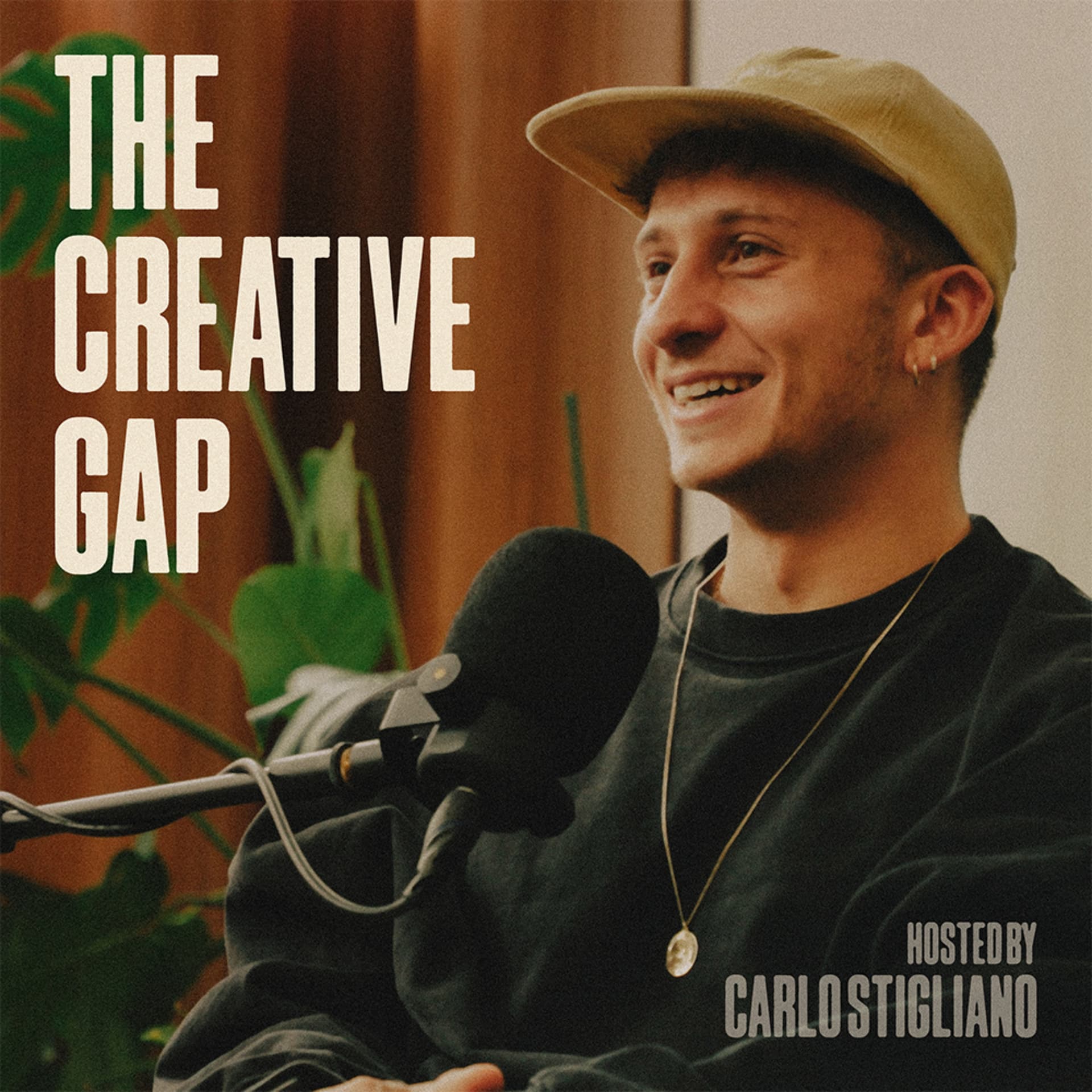
In short
Sam Snowden discusses building and running a creative agency while staying aligned with purpose, managing uncertainty in freelance work, and balancing ambition with mental health. He emphasizes “going back to roots,” reducing reliance on external validation, and treating filmmaking like problem-solving and a long game.
Guest
Sam Snowden. He’s a filmmaker/creative entrepreneur who grew up supported by family (including parents who backed his video-making and varied interests). He moved to New York, built a freelance career, and later started/grew a creative agency. He’s worked across documentary-style work and wants to expand into narrative filmmaking (shooting with talent, learning technical basics like lighting and composition).
Key claims
- Don’t wait for emails/DMs; focus on what you can control during slow periods.
- External validation (views/likes/comments) can distort why you started; celebrate wins beyond metrics.
- “Be all in, not consumed”: gratitude and community help shift from “I want” to “I get to.”
- Learning comes from doing under real constraints; YouTube knowledge must be practiced on set.
- Avoid trends dictating your style; don’t confuse inspiration with copying.
Notable examples
- A failed startup after college (“didn’t work”) led to redefining success.
- An older filmmaker’s feedback (about needing photography fundamentals like lighting/composition) changed his work.
- He describes learning by shooting in chaotic New York time crunches (limited setup, fast turnaround).
Written by AI. May contain mistakes. Listen to the episode to check what was said.
Chapters
Tap a time to open that second in VOAligning with Purpose
0:45 to 2:36
Discussion on feeling aligned with personal and professional purpose.
“to that point where you start to feel like you're fulfilling that purpose but um i feel all right about it.”
Returning to Your Roots
2:36 to 4:56
Exploring the importance of staying true to one's creative roots.
“But do you find that you tend to be excited at the start of the new year for what is the potential this year?”
Managing Expectations in Creativity
4:56 to 9:14
Insights on handling the unpredictability of creative work and expectations.
“If you want your work to feel different, this is the upgrade.”
Finding Assurance in Doubt
10:05 to 11:15
Strategies for reminding oneself of their path amidst doubt.
The Evolution of External Validation
11:15 to 12:46
Reflecting on the changing nature of validation in a creative career.
“but for the most part creatives are alone right 90 percent of the time so I always try to hold on to that feeling of like, I really wanna do this.”
Obsession vs. Passion in Creativity
12:46 to 14:02
Discussion on the balance between obsession and passion in creative work.
“I try to view filmmaking like a sport so that, cause I am a creative person, but I'm not necessarily like anything can happen.”
The Balance of Obsession and Ambition
14:02 to 14:30
Learn how to pursue your passions without losing balance in life.
“in a room for a month to like fulfill this deep obsession that you have to prove to people that you're working hard.”
Finding Gratitude in the Creative Process
14:30 to 17:45
Discover the importance of gratitude in managing creative stress.
“The reason why I'm asking everyone is to hear everyone's different perspective on it.”
The Role of Privilege and Support in Growth
18:58 to 21:41
Understand how family support shapes creative ambitions.
“And I think candidly, like I grew up really privileged.”
Coping with Uncertainty and Failure
21:41 to 23:45
Explore strategies for dealing with anxiety and uncertainty in creativity.
“And I look at my life now and I'm like, so confident in my ability to figure out a lot of things that are unknown.”
Show all 33 chapters
The Pursuit of Future Goals and Self-Reflection
23:45 to 28:00
Learn how to balance expectations with self-reflection for personal growth.
“Because your journey can feel so like, just like condensed and because you're the one that's living it.”
The Importance of Process Over Product
28:00 to 28:50
Learn why focusing on the creative process can lead to greater confidence and success.
Reflections on Early Career Setbacks
28:50 to 30:11
Understand how early failures can inform and shape your future creative endeavors.
“take a stab at becoming a freelance creator and like making it happen.”
Redefining Success in Creative Work
30:11 to 31:22
Explore the shifting perceptions of success in the creative industry.
“I had to be like, why do you care about telling people you're successful?”
Understanding Risk and Comfort Zones
31:22 to 32:55
Discuss the relationship between risk-taking and comfort in creative careers.
“Do you have a good relationship with risk?”
Embracing the Journey of Entrepreneurship
32:55 to 34:02
Learn about the excitement and challenges of pursuing entrepreneurship without a safety net.
“The thing that I say is my plan A is my plan B through Z.”
Building Resilience Through Uncomfortability
34:02 to 35:56
Understand the necessity of being comfortable with discomfort in creative fields.
“And because you believe in your process as an entrepreneur and business owner to do that.”
Continuous Learning and Adaptation in Filmmaking
35:56 to 37:54
Discover the importance of ongoing learning and adapting in the filmmaking process.
“Whether that's just like basic accounting or learning how to start your own business.”
The Role of Practical Experience in Mastery
37:54 to 40:00
Learn why practical experience is vital for mastering filmmaking skills.
“And that is a tricky thing to tell yourself because a lot of the filmmaking stuff is technical.”
The Value of Delusion in Creative Pursuits
40:00 to 41:58
Explore how a certain level of delusion can empower creatives to take risks.
“And those are the times when you learn the most, you know, like you only have two hours to go film a campaign or you got to turn around and edit the next day.”
The Balance of Delusion and Reality in Creativity
42:04 to 43:56
Explore the importance of balancing delusion and realism in the creative process.
“Yeah, I think any creative in that space of when they come up with an idea and then all the different phases it takes to execute that, like you are delusional through that, you know, because it's not there yet.”
The Art of Selective Feedback
43:57 to 46:09
Learn how to navigate feedback and its impact on creative growth.
“Do you find that you're selective in the feedback that you receive, but also that you consider to a high regard?”
Lessons from a Filmmaking Mentor
46:10 to 48:25
Hear a personal story about receiving critical feedback that shaped a filmmaker's journey.
“I was working on a startup and I was really trying to like, one, prove myself to these people, but also prove to myself that I could do this.”
Finding Your Unique Creative Style
48:26 to 52:22
Understand the challenge of developing a unique creative style amidst trends.
“I've always tried to find inspiration and uniqueness, but how does that, how do you find uniqueness and inspiration coming from a place where you're just basing that off of other people's work?”
The Philosophy Behind 'Create More'
52:23 to 55:57
Discover the philosophy of 'create more' as a driving force for creativity and business.
“I will say not because of your agency, but I do have a tattoo that says create more.”
The Genesis of Create More Studios
56:00 to 56:46
Learn about the philosophy and evolution behind Create More Studios.
Transitioning from Freelancer to Business Owner
57:55 to 1:01:46
Explore the challenges and learnings in evolving from freelancer to running a creative studio.
“Being a freelancer and then starting a production company are sort of two completely different worlds.”
Building Trust in a Creative Team
1:01:46 to 1:05:24
Understand the importance of trust and delegation in a small creative team.
“I think trust, it's funny because you, that whole process I was telling you about, you know, freelancing for so long, you only learn to trust yourself because when you start, it's like flipped.”
Authenticity in Personal Branding
1:05:24 to 1:10:02
Discuss the significance of authenticity and lived experience in personal branding.
“Otherwise they will never feel any sort of voice of their own.”
Navigating the Creative Journey
1:10:02 to 1:11:51
Learn about balancing ambition with personal fulfillment in creative work.
“And I always try to take the live first philosophy and just do what's in front of you.”
Redefining Success in the Digital Age
1:11:51 to 1:14:00
Explore the concept of success beyond numbers and social media pressure.
“It doesn't, brands aren't going to want to, it's just me talking.”
Finding Joy in Creation
1:14:00 to 1:16:32
Understand how letting go of expectations can lead to genuine creative success.
“And it's just, it, it, I think that's where I just need to focus deeper.”
The Art of Focus in a Distracted World
1:16:32 to 1:18:22
Discover strategies for maintaining focus in a fast-paced creative environment.
“And what in New York, there's this energy of hustle and bustle and get everything done.”
Transcript
Automatic transcript. May contain errors.0:00Sam Snowden:Sam, welcome to the show. This is a pleasure. Thank you. Of course. Start off strong. Where do you feel most aligned with your purpose as of lately? Wow. I like it. Podcasts start with the heavy hitters. You usually wait to get to the heavy hitters. I feel pretty aligned. I think every year you start with a blank calendar year and we're in February now, but it's super daunting and the older you get, the more responsibility that you hold, um not just as a creative but as a human it feels like things are a little bit heavier i'm getting into my later 20s so to your point the purpose thing feels even more um it just feels vibrant you know and like you you want to make sure that you're doing all you can you can get to that point where you start to feel like you're fulfilling that purpose but um i feel all right about it.
0:57I think I could, I'm trying to get back to the roots, but I think taking on more responsibility, growing the business, becoming an adult, it can get pushed to the side a lot. And it's a tricky balance of wanting to fulfill that while also just trying to live your life and be a normal guy. So yeah, I feel all right about it. Yeah. We'll check back in in a year.
1:24Sam Snowden:Yeah. Going back to your roots. What does that mean? What does that look like? I think my, when I say that going back to my roots is I've always wanted to do this. So anytime I'm looking for inspiration or looking to fulfill that purpose is like, are you, are you doing this for what, uh, this idea that you've created since you moved in New York? Are you doing this for the little kid, the little version of you that, um, was satisfied with pretty much anything like a flip camera and a couple of friends shooting hoops in the driveway and now expectations as you get older and you move to a big city where it's competitive it can really skew what success looks like for you and whether or not you are fulfilling that purpose so whenever I get a little bit confused or lost about what I'm doing I always just try to go backwards because the answers are never really forwards for me especially with things that inspire me and things that keep me rooted in why I started.
2:26Sam Snowden:Are you the type of person that feels excitement when the new year comes? Because I know that there's a lot of people that maybe feels a little bit of anxious because maybe as a creative, the new year, the winter is usually pretty slow. There's not much going on. But do you find that you tend to be excited at the start of the new year for what is the potential this year? Yeah, I think something that I'm learning is a lot of my freelance career so far has felt on a whim and maybe not out of my, like a little bit out of my control. And so you're kind of waiting on, well, is this person going to reach back out to me or do they want to be on a retainer?
3:05Or the thing that I'm trying to teach myself is to do the things that are in your control. And so when I look at a blank calendar year, I'm like, I know things will come in. you can't really predict, but what are you going to do in between those awkward moments of heavy hitter projects and cool opportunities that ease your brain versus just sit in your chair and just wait for that email or wait for that DM. And that's sort of what you sign up for when you start this, but you have to remind yourself that at the beginning of the year, because everyone wants to create these six month plan and this year long plan of, oh, we're going to do this, create a series do all this stuff and then you get two weeks in and you're like well we haven't really done anything and no one's hit us up and that kind of happened to us and it's it's okay because things are rolling and things it's you know it's ebbs and flows of of work so writing that mentally is it can be tough but I think the the long game as a creative it will always pay off to
4:09Sam Snowden:So like tell yourself it's going to be okay. Time is everything. We all know this. Time is our greatest asset and most valuable. When it comes to our work, it is equally as important. This is where Musicbed shines. As filmmakers, we can't force creativity and we can't always rely on scheduled moments to feel creative. We thrive in moments where creativity hits in the most unexpected times. Recently, I had to deliver a brand content piece to a client with little to no turnaround time. And in those moments, the last thing that I'm nervous about is trying to find the right song. Musicbed is the only place where you can instantly find the right music for your project, not just based on sound, but catered towards the feeling of the project, especially in those crucial moments where creativity hits.
4:54Sam Snowden:Elevated craft requires elevated tools. If you want your work to feel different, this is the upgrade. Switch to Musicbed and start your 14-day free trial today using the link in the show notes. How do you remind yourself that you're on the right path, even in moments when you feel like you're experiencing doubt or those moments where you have those expectations and maybe things aren't happening the way that you thought they were going to? There's no one in your DMs. There's nothing. You're sitting, you could sit in your chair, do nothing. But what are those things that kind of help you remind yourself that you need to keep going?
5:26Sam Snowden:Oh, man. That is a question I think I'm always trying to answer because for me, it becomes, it's evolving over time. You know, what I would tell myself three years ago is not what I would tell myself now. So dive into that. What would you tell yourself three years ago? What would you tell yourself now? I think you're constantly searching for a little bit of external validation. That was three years ago? Three years ago. I think you're searching for whether that's just like, yo, your work is great, keep going. And I think I'm fortunate enough to have grown a little bit of a community to where that feels awesome.
6:00And I never take that for granted, but there's levels to where you want to get and that external validation might not hit the same after three years of making the same videos and um you got to find that somewhere else whether that's outside of video and outside of creative and you find that uh fulfillment in that like self-assurance in other things like fitness or family or relationships because the sitting around and waiting for waiting to feel that as a creative is is crazy because one day you feel like you're on top of the world and the next you're like why did i choose this as a job um so i don't know if i i think i might have jumbled around your question but i i think i try every year to find new ways to find to make that you know um a thing whether that's like finding self-assurance somewhere else or finding purpose in a new thing that doesn't involve just making videos and like feeling good about it because that's just, I don't want it to always be so cookie cutter, you know?
7:13Sam Snowden:Do you feel like the external validation and like really putting a lot of weight into that, do you feel like you started to lose you in the process of that? yeah i think also the landscape has changed so much as you all know like the demand and the saturation for the space that we operate in now is crazy i when i if i told my high school counselor what i do now or when i told my high school counselor what i wanted to do now like the job didn't exist and now every kid wants to become a streamer become a youtuber isn't that like the number one. Yeah, it's the number one. And my mom works as a high school counselor and she's like, all of these kids just wanna become YouTubers and streamers.
7:56And it can take away why you started, right? Because you start to look at whatever one else is doing and the, oh, well, they're doing this trend and they're doing that. And I think I try my best when I feel like I'm losing that, like, why am I doing this? And I'm searching for external validation. like either delete social media or or find a new way to celebrate a win without it being in views and likes and comments because either that's just sharing an experience with a friend and going out and making a small video for 30 seconds like that's a win and i think there's a lot of gurus on the internet now and there's a lot of noise on the internet that will inspire you to make something, but at the same time create this like crazy idea of what you have to make to fulfill that.
8:53And it's this double-edged sword that I think leaves a lot of people sitting in their seat like, damn, am I inspired or am I like confused on what I should do right now? And I think 10 years ago that wasn't really an issue because there wasn't that many people talking about it or there wasn't, it didn't feel as attractive of a thing, mainly also because it's become such a business. So a lot of people get into it to make money, which is, I'm not saying it's bad, because that's how I run my business as well. So everyone can eat, but at the same time, it can feel really saturated and it can feel like a thousand people are trying to tell you to do something when you got to figure that out for yourself.
9:34Sam Snowden:When you told your high school guidance counselor of what you imagined you were doing, how does that align with what you are doing now? it's crazy enough i think it was almost spot on and i wish i wish i was more i think in high school you can i was not sheepish but internally i knew exactly what i wanted but externally telling people was i was embarrassed like you know i want to make youtube videos and i want to tell stories about um athletes and brands and all that stuff and it's funny i like just created a mini doc as of like earlier this week and I looked back and I was like I was doing the same exact thing 10 years ago it wasn't that good but it's the same format and no one cared about it then really like in terms of maybe like hey man you could take this and do this as a career it was just like oh this is a cool little like passion project you got going um and I would just tell my younger self in that same position that if when you talk about what you want to be and what you want to do like hold your chest high without being like cocky and arrogant but more rooted in because you love it and you because you really want to do it um because that's something that I've learned over time no one can take that away from you even if it takes you 20 years to get to where you want don't let people like strip that of you that that can like kill you um and I think that's like a precious thing that I mean you guys all get it like when you're editing and you're on these commercial projects and then you go home and it's just you you get to decide what you want to do you know and it's not like you get to celebrate moments with people when you're working in crews but for the most part creatives are alone right 90 percent of the time so I always try to hold on to that feeling of like, I really wanna do this.
11:29And I can't escape that feeling of when I hear a song, I think about what does this look like on the timeline? And that type of thing I used to shy away from because it felt a little bit weird and I couldn't explain how that would translate into a business, but now that it's working and it feels second nature, I'm like, yeah, I manifested this whole thing. Like I've been wanting to do this my whole life. But yeah. what's your view on obsession do you feel like you have to be obsessed um i think that our generation is like sensationalizing what obsession looks like and obsession can look like a lot of different things uh my view on it is i think that there has to be some aspect of passion or you could use the word obsession to fulfill that like full potential whether that's creative or athletic or just in anything like it could be in business or whatever you're trying to pursue um i do think creatively it's a little different because obsession is like if you just told me okay well if you wake up every day and edit a video for 14 hours a day like you will become become Hollywood's best editor.
12:49Like it's not really like that. I try to view filmmaking like a sport so that, cause I am a creative person, but I'm not necessarily like anything can happen. Like I'm very much like, well, you gotta like do something. You're practical. I'm practical. And I'm practical in the sense that I feel like it's taken me a really long time to learn the basics of even just like filmmaking. I feel like I learned something new every day i'm gonna ask you about these lights after this because like i don't even understand lighting that well and i think the practice practical nature of trying something but setting small goals um that can be converted into like a form of obsession but really like what does that mean like when people say you have to be obsessed about what you do for to me that's just like are you continuing to try it you know are you continue do you is it is Is it on your mind?
13:42Like for me, filmmaking's always on my mind. Does it mean that I'm like obsessed and all I talk to people about is filmmaking and all I think about is how to make the greatest film ever? No, not necessarily. Cause I think that a lot of how I make films is through lived experiences. Yes. And I don't believe in locking yourself in a room for a month to like fulfill this deep obsession that you have to prove to people that you're working hard. Like there's a lot of other ways to get things done and progress in your career without putting your mental health at a crazy. Yeah. Spiral.
14:21Sam Snowden:Crazy spiral. Exactly. Yeah. You're kind of answering the question that I have presented to every guest that I am. The reason why I'm asking everyone is to hear everyone's different perspective on it. And it's the idea of being all in on something versus being all consumed. and the way I'm sort of framing this is like, it comes from that idea of obsession, like being all in on filmmaking, being all in on your business. But how do you be all in without being consumed by it, that it takes away other aspects of your life that you deem to be valuable, like your personal life or your family, your friends.
14:58So where does that balance come from
15:01Sam Snowden:where you still are ambitious, you have that drive to get to a certain level, but it doesn't consume your life? Yeah, that's a great question. I think that's something I'm constantly working on. I don't know if I have the answer to what that looks like because one week I can feel consumed by it and it's like, damn, this is my entire well-being. Like if I don't finish this video or if I don't get this project this week, like it's an ego attack or it feels like I'm like, damn, what am I doing? and then i'll have weeks where i'm like you could take away everything right now and i'm like the same dude so i i try to one tell myself to not take this whole thing so seriously even though it can feel like the heaviest thing on the planet at times it's not that deep like yeah it's true and it's like i say that with you know an asterisk like at times it can feel really deep but it's really not that deep and I always go back to like damn how grateful am I to have something that one like I've been able to become I guess like a professional at and make money doing but really I'm just grateful that I found something at a younger age that I still love to do now you know and I think that's so rare so it is a little bit corny but like finding things that you are grateful for and like reminding yourself constantly about that can help me feel less consumed with the outcome versus like the actual process of being able to do it it's the classic like i get to do this versus like i want to do this um and i have to do i have to do this and or yeah sorry i have i have to do this and i gotta go do this thing and easier said than done it's a complete reframe that it's a similar message but it completely transforms the way that you look at things yeah it does it does and i it you got to have it in your network and your friend group because i also just have i have friends that are creative and i i love being able to talk about this type of stuff and and go all deep on like people's purpose and creativity and what you want out of your career and how we're gonna grow together and then I have people in my life that you know I was catching up my friend last night who's a firefighter in California he's one of my best friends we couldn't live more different lives you know but it's like there's some peace and just chatting about like what'd you eat for dinner you know and like what's going on in your life and I think that it's cool to bring yourself back to reality because this is such a blessing to be able to do this, but at the same time, like it's, it's all equipment and like, I'm just trying to connect with humans at the end of the day.
17:53So I think that that helps me like get through that process.
17:57Sam Snowden:You know, organization is very important to me. Google sheets are great, but for someone who likes to see things visually, I switched over to Milanote. It has become the absolute only way I'm able to organize my podcast and film projects. I needed a platform that was designed with that in mind. With Milanote, you were able to freely design your boards that best aligns with your taste and creative workflow. There are literally no limitations to how you can create your own Milanote board. They even offer really great templates to get you started. I'm currently recording five podcast episodes in two days, and the only way I was able to make that happen was with the right organizational tools and workflow through my Milanote board.
18:33Sam Snowden:By easily dragging and dropping each board, role, link, or images, I was able to clearly organize crew information, questions, forms, and scheduling for my guests, as well as keep track of my expenses and delivery schedule for each podcast. You can even use Milanote on the go from your phone. Just open the app and use it like you would on your computer. Milanote is available for free with no time limit. Sign up and create your account using the link in the description. Did you grow up in a way where practicing, and I don't want to say practicing gratitude in a direct form of like you thinking about and doing like meditation, for example, but like has gratitude always been a part of your life and be a tool for you to help yourself stay grounded in moments where you feel, you know, like you're maybe veering off from your purpose or you're not feeling a certain way.
19:23Sam Snowden:Has gratitude been a good tool for you? Yeah, I think so. And I think candidly, like I grew up really privileged. And when I say that, I'm like, I have a great brother, two great parents and like supported me in everything that I wanted to do whether that was like you know when I asked them I was like I want to start making videos and they're like great like they were cool with locking me with me locking myself with me like trying to make videos from my high school film festival and spending countless hours just like researching YouTube videos and they were also cool with me like trying to play basketball and like trying to compete at the next level and i think i say this in a way that makes me i think i'm extra grateful now because in the moment as a kid it's hard to find that gratitude when a lot of things are just presented to you and that's all you know like you just know your bubble of right where you grow up your friends what they have, what you have.
20:26And I try, I think, to practice gratitude now. And I think my way of practicing back then was doing those things at the best I could possibly do. I tried really hard at everything that I loved and I feel like they were able to give me, whether that was my brother's support on just creative ambitions or anything in life. And my parents also just being cool with like I was kind of a weird kid I wanted to do a lot of different things and they never ever questioned me or made me feel like oh you're going down like a weird path like you're skating one day and then you're playing basketball and then you're gonna make a film the next day and I attribute all of my short-lived career and success to that I'm like I do the same thing now because they gave me guardrails for what they thought was doable and attainable, but they never were like, I don't know.
21:28It's a little weird. Like maybe we should be more safe, more safe or like trying to like, when I graduated college and didn't get a nine to five, they never questioned it. They were just like, you got to figure it out. And I look at my life now and I'm like, so confident in my ability to figure out a lot of things that are unknown. And I look at my childhood and I'm like, well, it's because they gave me the confidence and they gave me the runway to try and fail. And I failed a lot and I still fail, but learning to fail as a kid in those moments has allowed me to be cool with it now. And like, even though things get heavier as you get older and failures feel super scary i'm like i was doing dumb shit as a kid like trying videos getting made fun of on facebook and then like entering my talent show in middle school and they were like cool like we back you i don't you know like you just gotta like put effort and really try and if you're gonna fail know that it's you like no one's there to save you really
22:34Sam Snowden:um and i'm really grateful for that now for sure do you think that failure for me at least when i'm in moments of uncertainty i don't know what's going to happen i don't know my next job no emails nothing like that my initial reaction is to feel a bit anxious about it but a practice that i feel like i have found to be really valuable is when i when i'm really anxious it's because i tend to look forward very much. And looking forward for me, I feel a sense of inspiration because I know the potential of what it could become, but it also scares me a lot because I don't know that. And looking back sometimes, I'm able to look back at my past successes and failures and use that as a sort of way to remind myself that I've been here before.
23:25Sam Snowden:I've felt this before and I've gotten out of it. I've done something really hard and I've solved that problem again. So this feeling, even though it sucks, I could look back at my past experiences and know that I've been able to get through it. And that is a sort of reassurance for me to be able to continue to push forward because I've done it before. Totally. I completely resonate with that. I think the future can be so easy to romanticize, especially as a creative, because you're like, damn like next week we could shoot this thing and blah blah and then it can make you feel a little bit jaded about the past because you for me i i was always insecure about how fast i was doing things you know like and not doing them fast enough and not doing them fast enough and being like oh well i didn't get this thing by 24 or like i didn't achieve what i wanted to by 25 and like look around, like, what am I doing wrong?
24:25Because your journey can feel so like, just like condensed and because you're the one that's living it. And it's so hard to look at like your wins and losses because you're just so personally attached to it that like, no, it feels like it's never enough.
24:46Sam Snowden:You feel like comparison is a big part of that as well? Yeah, I think comparison. I think the your how like what standard you hold yourself to and right the which is great I think it's I look at successful athletes and artists and I'm like they're all hard on themselves like there's not really I don't know anyone that's not tried hard to get to where they're at and I look at the people in my life and the people that I respect and they all have a similar attitude that they're constantly in pursuit of something and they're not walking around talking about how great the past was. They're really excited about the future.
25:25And I think that's also a healthy way to live too. So it's a weird double-edged thing of like, you should be excited about the future because the last thing I want to be doing is living and romanticizing what I had and like, oh my God, it was so good because you're so grateful to have right now. And I always try and tell myself that. Like the fact that we get to talk about this right now, it's amazing. I'm so lucky. And it's gonna.
25:49Sam Snowden:And I'm grateful. I think about it often that I even have the opportunity to be able to offer this and be in a position to talk to people like you about this. For sure. And you need to have conversations like this to continue on, you know? I think you can get so wrapped up in what's going on and like, damn, like, am I gonna make it happen next week? Is this thing gonna work? Blah, blah, blah. than just having a conversation with a friend or sparking some inspiration. Like it makes a huge difference, but those are things that you have to remind yourself to control versus like, it's not really ever just gonna hit you in the face.
26:28Yeah.
26:29Sam Snowden:You have high standards for yourself, which I think most creatives that want something do. How do you balance setting a certain expectation for yourself and a certain standard without maybe feeling, without being maybe detrimental to yourself if you didn't hit that mark? Do you find that you're able to give yourself grace or do you find that sometimes you beat yourself up a little bit because you didn't hit that expectation? Yeah, I think I beat myself up quite a bit, but also know that with experience and time, doing like usually it comes when i'm trying to do larger scale things like larger projects or things that take months and like really bets that you're placing on yourself or your team or just like the moment and i try my best i'm i'm not great at it to to really like when you look at that process what did you take from that through the actual like 95 percent of versus the result right because it's like the results what everyone sees and then you go through that you know four or five whatever it is month sprint of trying to work on something and then um how you treat yourself through that is just as important as how you treat yourself after whether that's like you get a big win and you're like let's celebrate let's go out blah blah and then i look at some of the things that i've done over the past couple years and what i remember the most is always like those long edits and the calling a friend and those long audio messages talking about how we're going to get it done and like scraping money together and i am such a coming of age like just focus on that i always tell myself like it that matters that matters the uh i always tell myself that the process is like really important and almost more important than the product um because your pursuit of creating that product is like what's going to help you down the line you know even if you make a documentary and no one sees it I'm like the second one that you make you're going to know so much more and you're going to like feel way more confident going through that I will say that I definitely took a step back and had to do some self-reflection right after I graduated school and wanted to do this thing I was like I am going to take a stab at becoming a freelance creator and like making it happen.
29:01And I worked my first job after college in my college town. And I tried to make a startup with a friend and someone I had just met and kind of sold me on this dream of what it could become. And I think rooted in my own ego and just a little bit of, honestly, probably insecurity of like, damn, like I have to prove to the people around me at 21 and 22 that i can do this and you know it's not just like some passion thing that i do for instagram or whatever i want to do this at the highest level and spark notes
29:39Sam Snowden:says it didn't work yeah and and it was a failure for sure like it was like a bad it was not good and then i took that hit and was like damn all right well there's a couple things you could do from this. You could probably like throw in the towel and figure out something new, or you can try to reinvent what this looks like for you. And it's not the end of the world. We talked about it earlier. It's not that deep. I had to tell myself that when you're 22 and all I wanted to do is walk around and tell people I was successful at this thing that I love to do. I had to be like, why do you care about telling people you're successful?
30:15Like, do you actually like the thing or do you like the idea of what it like makes you feel? right and that is a scary thing that i you only learn when you fail and i was like well i did something that made me feel really shitty and sorry i don't know if you could cut it's okay um but like i learned that the hard way and i think i took that energy with me when i moved here i was like everything's a win if i do a shoot for free on the first week i move here and it and i got some value out of it great it's a win and that mentality is so powerful because it's like nothing can really stop you at that point and i had before that i had all these ideas of what success looked like and then once i started actually working in the field and talking to people and like asking questions i was like this is gonna be my whole life why i don't need to win right now.
31:12I don't even know what a winning looks like. I never defined that. So yeah, I think the long, the long route also helped me just alleviate that, that tension.
31:22Sam Snowden:Do you have a good relationship with risk? Yeah. I think I have a great relationship with risk only because I, I've only had one thing I've ever wanted to do. And so it never feels like a risk. Like in my head, a risk is, well, you're going to do this thing and then if there's a plan b that's that's great too like for me a risk can also just be looked at as an investment or investment of time investment of money a capital like whatever you want to call that risk is i think a tricky word because it also could be like equivalent to just pursuit or trying. And I have never been afraid to try. I think risk can come later, maybe when you have more responsibility and there are things that you're not doing for the first time anymore.
32:18You know, it's like, oh, now you're risking maybe something that you've grown or you've built over the years. That's different. And I don't even know if I'm really there yet, you know, if that makes sense. Like I, maybe later in my career, like taking a risk to jump into a different industry or type of filmmaking or whatever that looks like. But for now, since I'm still pretty early stages, I do think I have a good relationship with the risk, but I also might not know what true risk looks like considering this is all I've ever known.
32:51Sam Snowden:Some people could say that that is a risk in and of itself because you don't have a backup plan. all that you've known is all that you've pursued and what if all of you all that you've pursued quote unquote doesn't work what do you have then um probably not even not even in a sense like to have something but that is that is what i i've heard from many like to myself as well because i don't have a backup plan i have no plan b i've said this before like i dropped out of college I do everything I can. The thing that I say is my plan A is my plan B through Z. I have no other option. I have no other safety net.
Read the full transcript
33:31Sam Snowden:I have to make it work. And that in and of itself is a risk because I'm not doing anything with the idea that, oh, if it fails, I can fall back on something. I feel safe in that way. For sure. And that's something that at first can make you feel really uncomfortable. comfortable and you start to create scenarios in your head of well damn like I'm kind of locking myself into this for the rest of my career and then I think I've recently I've flipped that and been like damn I'm locking this in for the rest of my life like this is gonna be so fun you know and like how lucky am I to be able to wake up today and go choose what to do and have the freedom to be like, yeah, when I'm 32, maybe we'll change things up.
34:22And because you believe in your process as an entrepreneur and business owner to do that. And that's nothing against working a nine to five or working at a company because I think there's benefits there. But to me, I feel alive every day because I have the opportunity to fail or succeed or do anything in between. And I would not change that for the world, even if it causes stress or anxiety, Like sometimes I think stress and anxiety is actually, it's good. You know, it makes me feel like I'm trying to move the needle. And going back to what we talked about earlier is you're feeling a little bit of that purpose.
34:59Right. And when you're young, you don't know that fulfilling that purpose is going to cause you a lot of stress and tension in your life and hard questions to answer. But that's because you're, you know, a kid and you shouldn't think about those things. and then you become an adult and you start to fulfill those promises that you made. And those are just things that come with that responsibility that can actually be twice as fulfilling, you know, when you get to do those things at that age. I love that. Yeah.
35:32Sam Snowden:Do you think for people that are looking to get into this sort of creative world, whether that's filmmaking as a freelancer or starting an agency, starting a production company, some sort of entrepreneurial world route, do you think that there has to be an understanding that you have to be comfortable with uncomfortability in general. Do you think that that is a sort of requirement to pursue a path like this? Definitely. I think, and I wish that there was, there's obviously online courses and there's creators to get great advice from, but I wish that there was something in the education system that taught, something similar to this doesn't have to be creative, But I do think that there are things that I wish we learned in high school that would help create a better foundation to do things like this.
36:21Whether that's just like basic accounting or learning how to start your own business. And that can be its own conversation like wherever. But I, sorry, what was the question?
36:33Sam Snowden:Just about the pursuing a creative path and understanding that to be. For sure. Being uncomfortable in that space is something that I think before you create your laundry list of what you do, that should be the first thing. You know, it's like, there's all these things I want to do and romanticize. But before I do that, let's just swallow the pill of like, it's probably not going to go the way I want it to go. And it's going to be a brutal, grueling process to try those things. And I think it weeds a lot of people out, you know, which is fine. like it it's okay if it's not something you want to pursue but to your point you gotta always keep that and i have to tell myself that now because even though like we go through our career i'm sure you've dp'd on a bunch of different sets and then you're like you get to the next one and you think oh like i actually don't know how to do that or i don't know how to light that and that is a good it's a good thing but it gets harder as you get older because you have uh you've gained the skillset to where like, not that learning feels like foreign, but you should always want to learn.
37:46And I think you have to remind yourself that constantly that you aren't like the guru, you know, and you aren't the know-it-all.
37:54Sam Snowden:And I think for me, just on that point that you said about walking onto set and might not knowing something, I think what I've learned has become really valuable to me is walking onto a set and not having the expectation that I might know how to do a certain thing all the time, but having the confidence to know that I have the history behind me that has solved problems like this before to get me in the position to solve this one again. Totally, totally. And that is a tricky thing to tell yourself because a lot of the filmmaking stuff is technical. You're like, oh, well, I don't have this thing, so it's not going to work.
38:31but filmmaking is all problem solving at the end of the day, especially when you work in crews and projects like that. So I like that. That's a cool philosophy to hold because that can be applied to everything. Everything. Yeah, for sure.
38:46Sam Snowden:How do you find that you are learning today? Because I think there's a lot of learning that goes on at YouTube, for example. Yeah. There's courses. And I think what I'm coming to realize is that YouTube is a great place to learn something, but it's hard to get a real deep understanding of something. You can learn something on YouTube. How do you learn something and then practice it to get a deeper understanding of something? Like what is your process of learning today? Yeah, I just think doing it, you know, like going out. And for me, it's like physically shooting, being with talent. Like I'm trying to learn more about narrative filmmaking and and work with work in that setting because i for the longest time was just mainly doing doc style stuff which is great but in order to to learn and get out of your comfort zone and do skits and do things that push your creativity forward you have to take risks and be in spaces where i'm like how does a boom mic work you know like i don't know you know i'm just used to like micing people up and doing it my way and then i think to your point the youtube thing is great but it gives you this idea of you know the knowledge and that's it just the idea of the knowledge capability it might take but then like go do the thing and especially being in new york go do it in a chaotic environment i think that's one thing it's like could i learn how to do something in my office with no one around yeah go do it when you have 20 minutes to set up and do it and like if you don't get the shot you probably ruined it you know like it's put yourself in environments where it's harder to fail than succeed and i that is like easy when you know mic'd up at a podcast telling you to go like fail but that's true like i think about the times where I've been in the most like time crunch or just areas where I'm super focused on execution.
40:51And those are the times when you learn the most, you know, like you only have two hours to go film a campaign or you got to turn around and edit the next day. Giving yourself parameters to rise to the occasion is the best way to learn. And that can be in a lot of different forms. But for myself, that is when people ask like, do you think you could do this thing? I'm like, yeah, I know how to do it. And I think to myself, no, I have no idea how to do that. Literally, yeah. And I'm like, do you know how to direct a commercial with 20 people on set? Never done that, but I probably could. And does anyone really know what they're doing?
41:31No, like people just have more experience. So it goes back to what we were talking about earlier, failing, and I think you gotta put yourself in positions to fail.
41:40Sam Snowden:It seems like a common thread among some of the people that I've been talking about in that it seems like you have to have a bit of delusion about yourself in general. Do you think that delusion in general is a part of putting yourself into positions that you're uncomfortable with and then figuring it out? I think delusion is just, I think there's a negative connotation to the word, but I think it's really valuable to be slightly delusional about what you believe you're capable of. Yeah, I think any creative in that space of when they come up with an idea and then all the different phases it takes to execute that, like you are delusional through that, you know, because it's not there yet.
42:23It's not tangible. And delusion is just like the aggressive word where people are like, you have to be delusional and be obsessed about that whole thing. to a certain extent for sure i think the delusion can also be met with the reality of like you can come off arrogant and and uh i don't know the right word probably you can come off arrogant and ego and have this ego to where at the end of the day you need to work with people and you need to be able to facilitate those environments without with the confidence that you can get it done and the delusion that you know what you're doing is going to create this thing that you're proud of and that you can really like hang your head on but you also have to go through that process with some grace and understand that like no one's going to really want to be in those spaces with you if you are just the guy who's like being a drill sergeant and uh not looking at other like feedback and taking other forms of inspiration there's a fine line i think the more i direct and work with and collaborate with people there's a fine line of being delusional and being really obsessive over the thing that you are making and then also uh like not taking it so so personally and serious and uh like going through that process with some with a little less ego and a more optimistic view of like, it's going to evolve over time.
43:57Sam Snowden:You mentioned feedback. Do you find that you're selective in the feedback that you receive, but also that you consider to a high regard? I think, yeah, for me, I'm very selective on the feedback that I receive and that I take to heart because it's easy to post a video or whatever. You get some random guy to comment, you should have done this or whatever. To me, to be honest, I don't really hold much weight to that, but there's a small group of people that I really look to for real honest feedback. Yeah, for sure. I, taking feedback is a skill that you learn over time because I remember first starting my video editing journey and I worked an internship at a music management company.
44:42And at that point I thought I was like, dude, they're going to, every edit I make, they're going to love. And then I remember like turning in my first project and there was just like i didn't even understand like how things were labeled yet it was like v they're like first of all this is v1 and i was like v1 like what do you like what do you mean um but it's a it's it's actually the really like such a healthy process to have people view your work to your point though i think over time you narrow down what that feedback looks like and also on a positive note too. Like if everyone's telling you like, dude, this is the greatest thing you've ever made.
45:21Like this is God's gift, like all this stuff, that can drive you in a different direction as well. So -
45:28Sam Snowden:I think that's sometimes even worse. For sure. And I think that that can create an ego and a weird mentality versus like the next thing you make. And you're like, well, it didn't perform as well. And people aren't giving me the love that they gave me in the last one. So I must have gotten worse at my craft or whatever. I also think if you are in a position where you're receiving that praise all the time, it sort of forces you to stop looking at yourself as a student and you're like, oh, I've mastered. I'm good. I have it. I nailed it. Everyone says it's great. Yeah. And you kind of become someone that just stops learning.
46:04Sam Snowden:Totally, totally. I had a, I'll try to condense the story. I had an experience when I first moved here, I was working on a startup and I was really trying to like, one, prove myself to these people, but also prove to myself that I could do this. And it's like a weird battle of like, people are asking you, so what's your name? What do you do? Where are you from? And you answer it a hundred times. And by the hundred time I was like, I just wanna be a filmmaker. But I say, I'm like, oh, I kinda do some photo here. And I'm like, I'm a filmmaker. and i remember they brought in this and i won't name drop him because i don't really know like what he's done in the past but he's an older filmmaker that for some reason they brought in to do a documentary and they wanted to he wanted to like see what i've been doing at the company he's like oh well there's this kid documenting some stuff there and i actually ended up just texting him a video that i had made it was a documentary that i made throughout college something that i'm really proud of at the time and i texted it to him not even thinking he would watch it and i was like yeah i i want to become a documentary filmmaker let me know what you think and he was he texted me i'll never forget in like bullet points of things that he liked things that he didn't like and that was the first time where i took feedback and was really struck by it i was like damn this is what feedback looks like you watched it in detail as someone who's been doing this for 60 years and you told me what you like what you didn't like and he was completely right looking back four years in the moment i was like dude i was gonna say in the moment did you did you feel encouraged by the people or did you feel hurt by the feedback initially well he's so funny because it's aged so well he basically said he's like he's like you understand storytelling really well you you have great music pacing all this stuff but like you don't know how to shoot like he's like you need to learn photography before you learn video like you're shooting everything in motion but like you don't understand that like what creates a frame like the lighting and composition and i'm like dude i have everything in 120 fps like this is sick i don't know what you're talking about but from that moment i remember buying a tripod and being like dude this guy doesn't know what he's talking about like i know how to frame things and from then i think i've actually like my work has changed immensely i never talked to him after that like we never had a relationship really because i met him once but i look at my style of filmmaking now and i'm like damn he was so right like i had no idea what how to compose an image how to like what how lighting affects faces and skin tones and all that stuff things that you probably learn throughout your filmmaking journey that no one really tees up for you but he teed it up for me in a way where it almost inspired me to be like no i i can go do that i can i can figure those things out and then implement those back into the things that i feel more comfortable doing where do you feel like do you believe in style yeah yeah i believe especially now because the internet is is adapting to kids are learning so fast which is great but also scary because it's like did you really take the time to figure out what you want to make versus did you just find your favorite regurgitating person and like make their style with your touch on it which to be fair i i can't even i i can't even act like i haven't done that before i feel like that's that's a hard thing too because you look at inspiration you look at mood boards that you're creating for a project or whatever nine times out of ten you're probably looking at like shot deck frames like all these places where there are beautiful frames and you're like, this is sort of what I want.
49:52Sam Snowden:And it's hard. I've always tried to find inspiration and uniqueness, but how does that, how do you find uniqueness and inspiration coming from a place where you're just basing that off of other people's work? Do you feel like you have to like separate yourself entirely to find that uniqueness yeah yeah i think that the biggest thing that i've kept with me through it is like i don't do trends right i don't believe in doing things that even if you're inspired by them you should never let a platform dictate like what you are making unless that's the style of stuff that you want to make which is totally fine um i grew up on like youtube like watching people like casey and i'm like this guy made a style like granted you know people were vlogging and everything but like he made it attractive to document your day in a cool way and use that type of music and text and like film on a like a little droby chai prod and stuff like that i think you as the creator have to always be reminding yourself that like you're in control of what like what you're making and then also how you're showcasing it to the world, right?
51:09Like that's why I never believe in like, okay, well, is this the right format for this? Or are we trying to like, is this gonna perform well on blah, blah, blah? Yes, you should think about those things, especially for clients and business stuff. But especially for personal, I just try to take that philosophy of like, if you have an idea of what you wanna go create and you feel like it's original to you and you have a good time doing it which is the biggest thing is like you'll know when you like making something versus when you're making it to fulfill a trend or fulfill this like oh it's gonna get me followers or like oh it's gonna this is gonna pop that's a crazy bad feeling like and i've i've done that before like i've gone through that process of like creating a content schedule for myself and i'm like you're gonna post some once a week and I'm like, I'm not built like that.
52:01I can't do that. And that's okay. Because that's my style. My style is more sporadic and out there. And I hope that there's some quality behind that, but you just got to figure out what that is for you. And the only way to figure that out as a creative is to just go through that long years of process.
52:22Sam Snowden:Your agency create more. I got it right here. Wow. I will say not because of your agency, but I do have a tattoo that says create more. When did you get that? I got this six years ago, maybe five, six years ago. That's crazy. Yeah. When I first learned about your agency in the name, I was like, there's no way. That's insane. Damn. Do you have a period on it or no? No. Maybe we can have that. No, that's so cool. Yeah. For me, the reason I got this, it was at a period of my life where I felt like I was consuming way too much and I was losing sight of me in my path of creating things and developing myself as a filmmaker.
53:09Sam Snowden:And to me, it was a simple reminder that I just need to create more shit. That was as simple as that. Yeah. Tell me about yours. I mean, it's funny. It's like, I think I, listen, I didn't invent it. Like I always tell people that, like creating is cool now everyone wants to become a creator but i started in like 2019 probably similar time you got a tattoo i wasn't or in college i didn't start it and be like this is a brand you know like similar to how you just were like i need to go do this i'm going to tattoo it i'm going to go actually fulfill this thing i want to do it was the same way the way that i started it was i was making a video in my library of my college so like i was like damn why am i doing school this is so bad all i want to do is make short films and make a production company and i'm sitting here in the library ironically editing a video when i should be studying but i put on the thing it was a short film i made with my friend and i was like i don't know how to end it and it just said like don't make excuses create more and i didn't it obviously just put it and put it up and was like this is cool and then i was like oh create more that's kind of interesting and i just put it at the end of every video i made and i think i've done that for probably since 2016 um coming up on like 10 years now and then obviously it kind of became this not like a thing but it became a way to market myself and i was like if i ever made this anything bigger than me and people knew more about create more than sam like that's kind of a win and that's how i treated it in college i was like i'll just make some stickers and t-shirts and i'll make a vlog series and we can call it the create more series and it's that same philosophy that you're talking about it's like it's not that i'm not here to like go inspire millions of people to go like create art i'm just like this is what i needed for me right exactly and i want to show you how i evolve and develop my skill set through that same message of create more the only way i've gotten to where i I am now is because of create more, you know, action and taking that leap to like, just go film the thing.
55:25Just go take the photo. Just go, um, start the, start the business, start the, you know, it's like, obviously you have to, there's a lot of layers behind that. Of course. And, but that's usually the start of it, right? Is like getting over yourself.
55:39Sam Snowden:I think it's at its simplest form. I think once you start thinking about the, the, how deep those things go, it could almost paralyze you to actually not go and do the action to go and start but at its simplest form for me create more those two words literally just means go and do it just go do something yeah go and take action on whatever it is for sure don't sit still and don't do any don't not do anything for sure i love that i uh and then when i moved here and i was making my llc i was like i'm gonna start a business i'm gonna do this thing i was thinking do i want it to be sam snowden like what what's going on and then I thought I'm like if it ever grows I never want people to feel like they're working for me I want them to feel like they're working for a brand that they believe in and it can pose more as a production studio with that message tied to it and so that was the the genesis of of create more studios it's funny talking about it because it's like I guess it's more professional now but in my head I was like I never actually intended on making this uh a business but But now it makes so much sense.
56:46I kept that same philosophy and message with me the entire time and I still do now. Even when I journal or feel a little bit lost in my own pursuit, I'm like, dude, you just actually need to live the thing that you've been talking about for the last 10 years. And it usually eases that heart of my brain.
57:05Sam Snowden:The fourth Project Spark is an international initiative created by Nanlux and Nanlite to help creators transform early concepts into fully realized short films, supporting bold ideas and emerging creative voices. This year, six outstanding teams will be selected and awarded up to$20 ,000 in total production support. Each selected global team will receive a$15 ,000 production budget, along with up to$5 ,000 in equipment rental support. Fully provided by Nanlux and Nanlite, ensuring access to professional-grade lighting solutions while allowing teams to stay focused on storytelling and creative execution.
57:45Sam Snowden:Submissions are open February 28th, 2026 and close on April 18th, 2026. For full details and submission guidelines, visit the Nanlite website. Being a freelancer and then starting a production company are sort of two completely different worlds. What have you learned about business and what have you learned about yourself through the process of building a business? this. Yeah. That is a very, I want to hold onto that statement for a while because that is so true. Like freelancing my first three years here didn't feel easy, but I was like, I really only am looking out for myself and do, did I make enough this month to like get through, you know, the winter, blah, blah, blah.
58:26Like it, especially in New York, I found it really easy to just connect the dots because there's so much work that the domino effect of doing one thing for someone leads you to a brand. And then I'm like, wow, this is cool. I'm a freelancer. Like people value what I do. And then you reach the point of, well, I'm just doing a bunch of different things for people, which is great. And now I'm losing sight of the mission. Like what am I trying to actually do? And I'm still super early stages of, of building, create more into a production studio and company and i never ever set out for it to be this big thing like i don't really care if it's like oh my god we have like an office of 45 people and it became the next a24 like i actually would not want that um just because i enjoy the flexibility of of working in a small team and also So like, I believe that you can do a lot with a little.
59:27And in the stage I'm in right now, it's just me and Hunter, one other person. And what I feel like we've been able to create together is special. And I'm like, that was the separation between me and create more. And I finally found it. It was so hard to do that, right? That was to answer your question is that was the most difficult thing that I had to go through was I'm connected to all these brands and these people that I've been so lucky to grow long-term relationships with, but they want to work with me. They want me to be at their hip all the time. They want me to follow them around. And for the longest time, I made all the minted videos solo, like film, edit, everything myself for two years.
1:00:11Was doing on like two or three different retainers at the time, literally running around the city with my head cut off solo, filming editing everything and i wouldn't take help because it wasn't even an income thing too which is like looking back now i probably could have been a little bit smarter about how i was spending my time but i was so married to the product that of like i want to push this and make this brand of videos that once i hire i can teach or show that process in a way that makes sense versus like a diluted version of it and i'm glad that i took my time to do that because hunter has been such a rock star he's i feel so lucky to have met him he just started as an editor and within a month i was like you're a director dp editor like you are super talented like you i know you applied to a position but that position is going to change and i want you to like do this thing with me.
1:01:09And I think since I waited that long to, as a freelancer to develop my style and personal brand, when I put out a feeler for people and it attracted the perfect person. And I'm so proud of that because if I would have tried to do that a year before or whatever, I don't know if I would have been in the spot. One, I didn't have an office. And I also just didn't have that confidence in myself to be like, this is how I make things. This is how I think we can make things together and this is how even though we're a two-man show i think this is how it can grow versus like taking the oh let me you know try this little thing i was like no this is what we're gonna do and it's been a year since and yeah that's it's been a good process has trust
1:01:59Sam Snowden:been a new yeah a new sort of force that you've had to develop especially bringing on hunter now and relinquishing some of the responsibility. Yeah, massive. I think trust, it's funny because you, that whole process I was telling you about, you know, freelancing for so long, you only learn to trust yourself because when you start, it's like flipped. You're like, you have to only trust yourself. You're all you got. Like, you're not gonna rely on someone else to get it done. And then it flips on its head when you start to build something and create a umbrella for them to like, work under right it's like yes they're filling the the service on stuff but like they're doing it for the thing that you built and that trust aspect at first was difficult for me to just like one get the thoughts out of my head I'm like how do I explain and this comes with directing as well like I'm sure you totally experienced this like the only way to get better at working through something and communicating it is just like constantly doing it over and over again i was like i'll run you through the timeline this is what i do and it was kind of awkward the first day and i'm like i don't even know if i said that right and then you do it again and again and again and you have enough conversations to the point where you almost operate perfectly now as a as a team we actually had a moment the last fall where we were working on a shoot and we were essentially both directing and DPing because we didn't really have, like, it made more sense for us to play both roles.
1:03:34And we were like, damn, we're kind of crunched on time. I don't know if we can do it. And we essentially just like separated into two units, which is so funny to say that because it's just two people, but it felt like it. I was like, you go with your FX3 to this house in Brooklyn and I'm going to go into Manhattan and film with the other talent. And that way we can do it at the same exact time. And that to your point was trust. I was like, that was the first time i won't look at the monitor i won't say anything really had to believe he was going to be able to deliver for sure and in in in a space where i'm like you know you are representing obviously the company but you're also representing me because i'm getting a lot of these deals um just through like pre-existing clients and stuff like that so when you bring new people in it's a reflection of you and he crushed it and i'm i'm so proud of that sequence because it gave me confidence moving forward that i'm like even if i'm not in the room you are holding holding it down in a way that represents what we do really well and also that's just like such a valuable thing to have you know i'm like you are your own person as well even though we might work for the same production studio, like I trust your taste more just as much as I trust myself.
1:04:51You know, and I think that is something that it was hard to put on a job application was like someone who has taste or someone who I like their style. It's just like, those are things you learn over time.
1:05:03Sam Snowden:I think that's a great reflection on you as well, because as an owner, I think it's equally as important to, yes, you have to learn to give, to release trust or to have trust, to release responsibility, but you also need to provide an opportunity for those people to thrive within. Otherwise they will never feel any sort of voice of their own. They'll never, they'll never feel like they are capable of doing the thing. So you stepping out of your comfort zone to be able to give him the opportunity to prove himself that he is capable is a really important aspect of that as well. For sure. I appreciate you saying that.
1:05:45Cause that is, I look at the people that I've worked with and I took mental notes. I'm like, they didn't really trust me. You know, like they hired me and then they forgot why they hired me. But then that affects you. Totally. As a creative, you're like, like, is this, do I feel like I'm growing through this? And I was actually talking to him yesterday about this. we had a meeting and cause it, we were coming up on the year of working with each other. And I was like, think about where you were at a year ago, like essentially PAing and now you're a partner, you know, like we really do everything together.
1:06:21And, uh, that's special because at, I hope as a leader, that's what I want. That's the environment that I want to create with, but it's also a fine line because, you know, people need guardrails and people need tasks to, to, to get those things, um, to get their craft in a better spot versus just like taking this crazy, like, oh my God, my boss gave me this crazy, um, like empowering thing to do, but I have no clue how to do it. Like we have worked really close with each other and, uh, I'm really, I'm really happy with how it's going.
1:06:59Sam Snowden:Talk to me about the development of your personal brand a little bit. How do you find, And did it take you a while to feel comfortable to be open with the public about your journey and your learning process? Because I feel like when I watch your stuff, it's very honest. It's very, it feels very genuine. Yeah. And I feel that sometimes you could watch videos and it almost feels like some people are just repeating what somebody else said. Yeah. Because it sounded cool or because it made sense to them or whatever, but it doesn't feel as a lived experience. Yeah. Do you find that lived experience is important to be able to then share something?
1:07:37Totally. And I think, well, thank you. I appreciate that too. I try my best to always hold the same, like however you would come through in a video is how you should come through in real life. That's my biggest fear is like putting something out in the world and then meeting someone in person. And then they're like, oh, this is like an act, you know, which is, that's one thing. like if you're actually an actor that's a totally different thing but i'm not like i'm a filmmaker and if i'm ever going to put out something educational or something i hate the word of value because it's like what really is value these days um something that is shared experience lived experience something you learned in your career i always want it to just be specifically from my own thing, not like, oh, someday, like I saw the other day, this creator said, blah, blah, blah, like, and I'm just going to regurgitate that.
1:08:34That's also a fear of mine. Cause I can't even get myself to say that it's not me. I would rather it sound dumbed down and elementary and how I talk in an authentic tone versus try to make everything sound so professional and like hit the mark on every content pillar um i just think that that's how i've that's the approach that i've taken early days to like in college i was like how to grow a tiny youtube channel i had like 500 subscribers like that's the same way that i make videos now like even though you grow a little bit and you start to develop some taste and maybe like grow a following like it's taken me so long to even grow a following and i'm obviously still like a smaller creator in the sea of of things but the things that i put out i hope feel the same as i put out like in 2021 or 2022 like i don't really if you watch them like i have no shame in them because it's actually just like me talking in the moment obviously watching yourself can be a little bit cringy but it should feel like it's just like a open diary of the things that you're learning through the process.
1:09:48And the last thing I'll say about that is that I've only really talked about things and I try to only talk about things that I have done. And I think there's a weird space on the internet right now where you can't tell when people are talking about the things that they've done, if they've actually done it for sure. And it's like, it's not necessarily a call out, but it is, it's a scary path that I hope a lot of kids don't go down, learning from their favorite entrepreneurs and creators, filmmakers, artists, like advice is one thing, but taking everything that someone says online to heart and applying that to your journey is a super slippery slope.
1:10:27And I always try to take the live first philosophy and just do what's in front of you. Like just because someone told you that has a million followers this is how you should frame your shots and this is how you should do your thing like it's okay if you want to do things your way and do things at your own pace because there's a to get that fulfillment through that is is a really slippery slope
1:10:54Sam Snowden:i've come to the realization recently about myself my channel and like what i what i hope i guess to grow into more and for a long time i think it was based on the idea of growing this is something i'm working as like growing horizontally in the sense that adding things to my plate or just growing more but outwardly without going vertical in the sense of increasing the depth that i have in the things that i'm actually doing and i've realized that the more that I do that, the less that I actually find me in the process of that. It's because I'm trying to do something that really doesn't feel aligned with me, but it feels like it's right based on societal sort of things.
1:11:42Sam Snowden:Like you should reach for a million subs. You should, you know, have the fancy car, all the big, you know, cool things, which is totally cool and valid. And, but But I've realized, especially in the stuff that I love to create, it's not the most glorified in terms of monetary. It doesn't, brands aren't going to want to, it's just me talking. Right. And what I've realized is where I'm at at YouTube right now, whatever, 50 something thousand subs or something, I don't technically need any more than that. That is enough for me. What I want is to have the depth of 50 something thousand subs, then have a million and not have any real depth with the audience that I'm building.
1:12:29Sam Snowden:Yeah, that's super real. And I don't, it's just, it's something I'm just trying to wrap my head around. I can't create based on what other people are doing and what their goals are. If 50 ,000 is enough for me, how do I make it the best 50 ,000 that I can? Yeah, I love that. And I think, I wish more people could also see that. By the way, 50 ,000 is a lot. I know. Well, that's the thing is like, if I had 50 ,000 people in a stadium. Yeah, this feels like a lot right now. In a stadium, 100 people in front of you is insane. Yeah, for sure. A million is great, but 50 ,000 is more than you need. And also it's the perception of success.
1:13:13Success and also sort of... are the rise of social media it's such a over talked thing but like it's just true like 50 000 genuinely does not feel like that many people it does not it's scary because like even if you go to a film festival or you show your film to 50 friends like be in that room and try not to like get nervous you know that's like but posting to 50 000 people you're like oh my only a thousand people saw in the first hour like be in a room with a thousand people insane when you think about it but you have to talk about it for it to not feel insane if we live behind the screens and we never really address the elephant in the room we will all succumb to that feeling
1:14:00Sam Snowden:and i don't want to do that personally for me i'm just trying to get away from the wanting of more more more and not not in the sense that i'm losing my ambition because i'm very ambitious but it's trying to realign with what i really want and not just seeking more for the sake of wanting more yeah totally it's um it's something that i've it's like it's just been on my mind lately because i feel like i i've gotten lost sometimes especially in my process of what I, who I am, what I want to become. And it's just, it, it, I think that's where I just need to focus deeper. It can take the fun out of it too.
1:14:48And I think the fun in making it is the reason that you were able to grow, you know? And that's like, I think about the way that I've grown and it's, it feels like a meme because I was trying my hardest for so long to figure out like people like i don't know how you don't like how are you not growing like your stuff like the stuff you're putting out is great and i'm just like it's such like a nice way of saying like i don't know it was like fell back in it but it was also so inspiring at the same time and then last i think last uh fall of 2024 i decided one day i was like i'm just gonna put together a sizzle reel of my favorite work from the year and then i found this clip that of me as a kid and And I put that in the beginning and then didn't think much about it.
1:15:37And I posted that video and I was like, all right, 3 million views and a bunch of new people following. And this video that really took me 20 years to make from the archival footage and all the work that's taken to get there that I didn't even put pressure on it doing well, basically changed a lot of my career, if you will say, just like new eyes and new brands and new clients and all that stuff. So it goes back to what we always talk about. They create more philosophy, like put yourself in the position to succeed. And usually for me or for people like us, that is when you're putting yourself out there and creating and putting things out in the world that you're really actually proud of with no expectation of how it's going to do.
1:16:24And that's when I have usually had my most success, which is so ironic.
1:16:31Sam Snowden:but yeah this year if there's one thing you could look at that you're most excited to learn about what would it be i think
1:16:43learning how to focus and i say that it's like such a vague statement i have such a hard time focusing these days because i wake up and i'm like well i have six things i have to do but what thing do I need to do? And what in New York, there's this energy of hustle and bustle and get everything done. Can you squeeze everything in 24 hours? I am just wanting to relearn how to focus. And I'm just saying like, can I sit down for an hour and edit without checking my phone? Can I sit down and create this pitch deck for a client and not get distracted about, oh shit someone called me like i gotta go do this thing learning to focus in new york with all these goals that we have as a team and as just personal stuff the only way that things are going to get done is through focus and i think just lately i'm like so distracted with uh a multitude of things sort of every time like growing horizontally like i can feel that way sometimes on the daily like Well, I did everything at 60%.
1:17:55Right. And I sent the emails. I did the edits. I uploaded the thing. But did I ever reach a point where I could actually progress and feel myself getting better at my craft? And I hope that the more responsibility that I have to take on as a business owner, as a director, as someone who's trying to do a multitude of things in the space, can I just find focus for a couple of those things? And that's, that's a super tricky thing. I hope that I can quiet the noise of the distractions, the sea of content, the sea of opportunity and the goals you set out to do. You give them the best shot and time will tell, but that's like my, my simple goal for the year.
1:18:43Sam Snowden:Thank you so much for being here. Appreciate your time. This has been great. I really appreciate you being open, honest about everything and sharing your time with me today. it uh it means a lot and just i'm grateful that you're here where can people find you where can people learn about your yeah i'll create more um i guess just socials would be sam snowden and uh create more studios on all handles and then minted a pretty consistent with we'll do some more stuff this year so or minted new york uh and yeah that's that's about all i got amazing man yeah thank you i'm done rambling yeah hopefully enjoy today's episode everyone have a great day peace out
From the publisher
This conversation with Sam Snowden dives into the evolving mindset of a creative navigating purpose, pressure, and identity in a saturated digital landscape. He reflects on how growing responsibilities and external expectations can distort your original “why,” emphasizing the importance of returning to your roots and creating for the younger version of yourself. The discussion explores the unpredictability of freelance life, the danger of relying on external validation, and the need to build self-assurance through things beyond work—like relationships, fitness, and lived experience. Sam highlights the balance between ambition and not being consumed by your craft, reframing obsession as consistent curiosity rather than burnout. Ultimately, the conversation centers on taking action (“create more”), embracing failure as a necessary part of growth, and defining success on your own terms rather than through comparison or metrics.
Switch to Musicbed and start your 14-day free trial today: https://fm.pxf.io/tcgp-freetrial
Sign up to Milanote for free with no time-limit: https://milanote.com/carlostigs
Learn more about Nanlite & Nanlux Products: https://nanlite.com/ // https://www.nanlux.com/#/en
🤝 Follow Sam ► https://www.instagram.com/samsnowden
🤝 Subscribe ► https://www.youtube.com/@samsnowden
🤝 Follow The Podcast & Carlo!
The Creative Gap: https://www.instagram.com/creativegap/ | https://www.youtube.com/@CreativeGapPodcast
Carlo: https://www.instagram.com/carlostigs/ | https://www.youtube.com/@carlostigs