In short
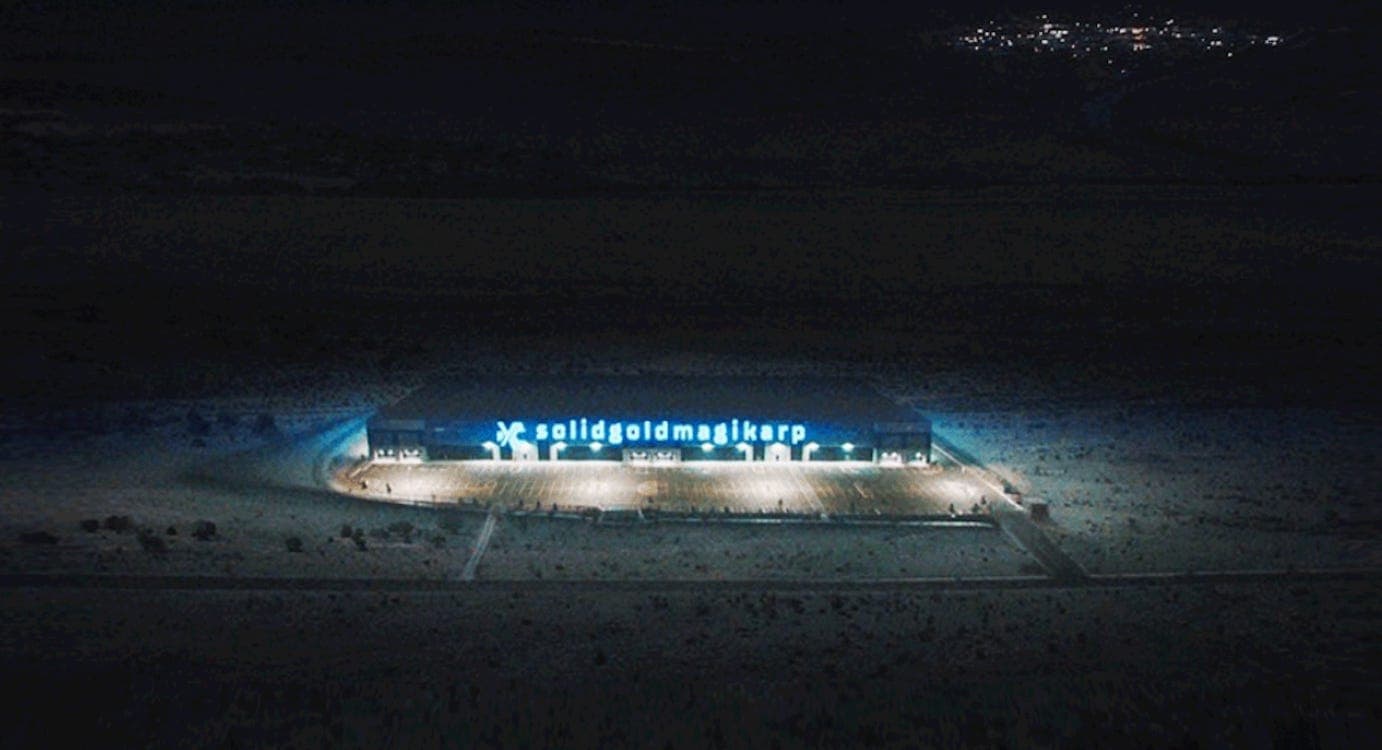
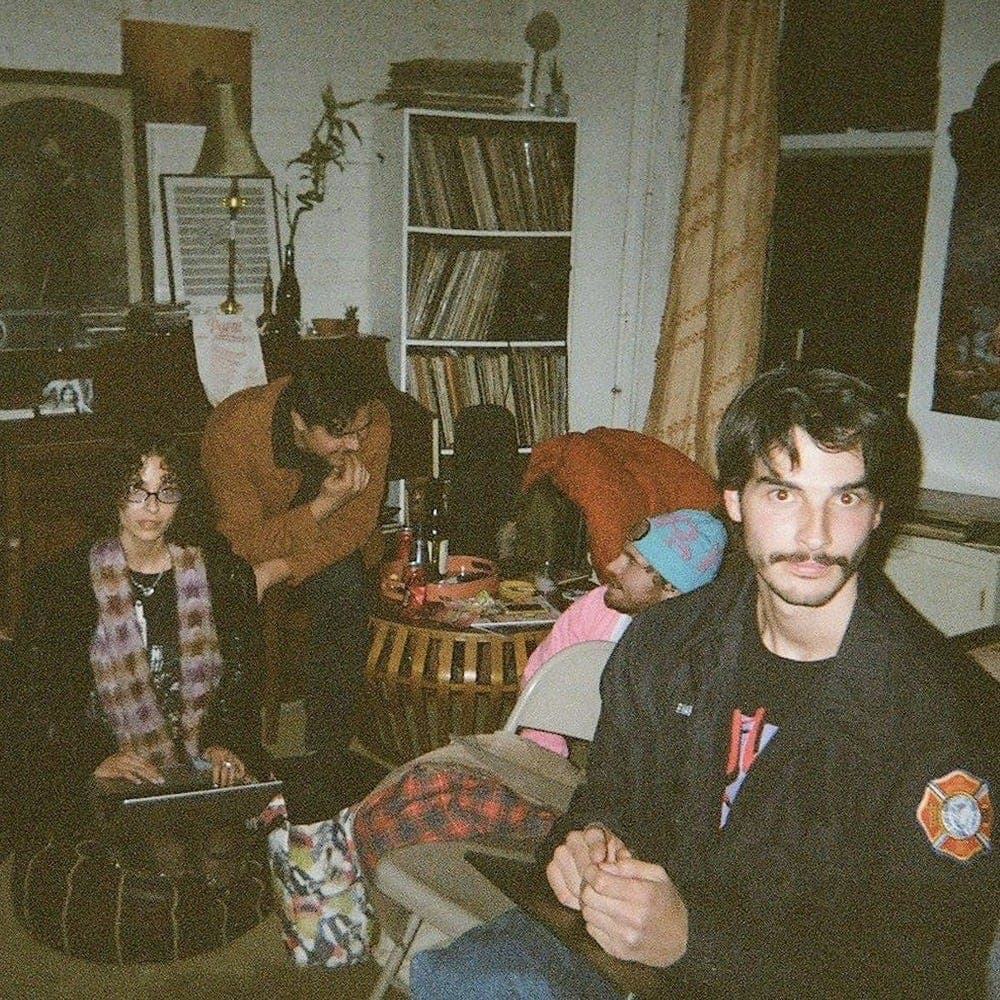
Matthew Gasda discusses his third Dime Square trilogy play, The Last Days of Downtown, which chronicles New York’s post-pandemic lower Manhattan DIY creative scene through a single Chinatown apartment where 17 characters throw parties around a 40th birthday.
Guest backgrounds
Matthew Gasda is an acclaimed playwright and author. He runs/has built the Brooklyn Center for Theater Research and wrote the Dime Square trilogy (Dime Square, Afters, Last Days of Downtown). He also co-wrote/created the scene’s theatrical ecosystem that became widely discussed online.
Key claims
The trilogy documents how scenes shift from pandemic “fuck it” physical hangouts to later brand/institutionalization and platform logic. Gasda argues the plays show how people compete for social capital/clout, and how nostalgia can both critique and block new culture. He says Dime Square became part of the scene via a feedback loop between observers and participants.
Notable examples
Terry’s rival Stefan is ridiculed by last days; Afters centers Rosie’s coke addiction funded by a “bitcoin bro.” The play includes monologues referencing a real bar story (Bethlehem) and debates like “culture was actually good in 2009.”
Written by AI. May contain mistakes. Listen to the episode to check what was said.
Chapters
Tap a time to open that second in VOExploring 'The Last Days of Downtown'
0:44 to 3:46
Matthew discusses the themes and characters in his latest play, exploring its significance within his Dime Square trilogy.
“Matthew, thanks so much for coming on to Cujo.”
Evolution of Themes Across the Trilogy
3:46 to 6:12
Matthew shares how the themes in his plays have shifted from nihilism to hope, reflecting personal and societal changes.
“if there was a magic world in which we could do all three back to back, which would be really fun, a lot more would kind of make sense because I've consciously put a lot of Easter eggs in.”
Character Reflections and Generational Dynamics
6:12 to 8:28
Matthew reflects on the character of Terry and generational dynamics portrayed in the plays, emphasizing their relevance to current culture.
“So, yeah, there's a lot about generations in this play.”
Creating Art in a Changing Cultural Landscape
8:28 to 10:40
Matthew discusses the impact of the pandemic on NYC's cultural scene and how it inspired his works.
“sometimes the title comes into view and obviously there's Last Days of Disco and I was thinking another, the end of the Whitstoolman trilogy.”
The Heterodox Atmosphere of Dime Square
10:40 to 13:20
Matthew explores the early heterodox nature of the Dime Square scene and its evolution over time.
“And I don't like authority myself of any kind.”
Reflections on NYC's Artistic Community
13:20 to 14:00
The discussion wraps up with reflections on the dynamics of NYC's artistic community and its roots in past cultural movements.
“Even the fact that like to describe what I enjoyed about it becomes like contributes to this identification.”
Pandemic Hangouts and Nostalgia
14:00 to 17:21
Exploring the impact of the pandemic on social interactions and nostalgia in art.
“So, I mean, I think it's an extremely diffuse phenomena, but my earliest memories of the pandemic hangouts were really just like people relieved to be around other people.”
Cultural Reflection and Generational Tensions
17:47 to 22:28
Discussion on the skepticism towards past cultural eras and their relevance to current art.
The Future of Art and Technology
22:28 to 28:01
Delving into the uncertainty of cultural production amidst technological advancements.
“I often feel like I don't know what's true in just a very fundamental sense.”
Navigating Fame and Anonymity in Arts
28:01 to 31:40
Explore the delicate balance between fame, anonymity, and personal identity in creative scenes.
“who would kind of like speak in these like dictatorial monologues.”
Show all 18 chapters
The Evolution of the Indie Scene
31:41 to 36:02
Discuss the shifts in the indie scene from music to other creative expressions and their cultural implications.
“Yeah, and so I think, and I'm not the only person in this situation.”
Cultural Backlash and Perception Games
36:03 to 41:46
Analyze the dynamics of cultural backlash and the influence of perception in creative communities.
“he did this thing that he had a controversial video.”
The Importance of Small Group Creativity
41:47 to 42:00
Understand how small communities foster creativity and the challenges faced in larger contexts.
“So why are scenes and artists so interesting to you as a creative object unto itself?”
The Dynamics of Small Creative Scenes
42:00 to 44:46
Explore how small group creativity shapes cultural scenes and moments.
“I think that there's something very universal about small group creativity.”
Theater's Unique Role in the Digital Age
44:46 to 47:19
Discuss the advantages of theater in capturing social life compared to digital media.
“What makes the theater actually well-suited to capturing kind of like internet age social life?”
Navigating the Challenges of Institutional Theater
47:19 to 49:52
Learn about the struggles and decisions behind running an independent theater.
“As far as I can tell, there's a lot of hostility towards this like weird offshoot thing.”
Cultural Responses to Social Unrest
49:52 to 52:24
Examine how social unrest influences contemporary culture and art.
“Would you say that your work has helped kind of ignite that wider interest?”
Future Prospects for Culture and Art
52:24 to 54:16
Discuss the potential impacts of tech money on future cultural development.
“To check out more, head to our Substack.”
Transcript
Automatic transcript. May contain errors.0:00Hey guys, it's Andrea and Emily here with Cujo, a podcast about culture in the age of platforms. And today we are here with acclaimed playwright and author Matthew Gasda. We're going to be talking about his latest play. It's called The Last Days of Downtown. And the third and final installment of his Dime Square trilogy of plays that document New York's post-pandemic lower Manhattan creative scene. But there's much more to it than that. We're going to get into his experience making hyper-topical plays about cultural scenes using the decidedly non-digital media forward medium of the theater. This world of DIY theater that Matthew has carved out for himself with the Brooklyn Center for Theater Research.
0:43And how the story of this scene has been a harbinger of culture in the 2020s writ large. So let's get into it. Matthew, thanks so much for coming on to Cujo.
0:53Matthew Gasda:Hi, happy to be here. All right. So as mentioned, your latest play, it's The Last Days of Downtown, and it's run out of an independent theater called Studio 17 in the Flatiron District. For those of us who are either not in New York or just haven't had a chance to see it, tell us about what the play is about and the experience that one would have attending it. um what is the play about uh it starts with the 40th birthday of a like successful indie filmmaker named terry and his like friends and he's going to stockholm the next day for a festival that's screening his film and then he leaves his apartment to a character named michael who's the star of his film and is uh kind of like a reckless fuck boy who doesn't have a place of his own but like sleeps around for places to stay.
1:42Matthew Gasda:And he's like, he's sort of stolen Terry's girl. But that's like kind of the spine of the play. So there's kind of like an A section, which is Terry, a B section with Michael. And then we're back to A with Terry again. Michael and Terry, you never ever seen together. And in both cases, they're like throwing parties and having people are coming through the apartment. It's just one apartment, which is somewhere in Chinatown, although where exactly we never fully learn. So it's like a huge ensemble play where there are 17 characters and kind of like two main storylines. In terms of things happening, very little happens.
2:14Matthew Gasda:Nothing really changes except for people's attitudes. So it's really not so much about like the plot as much as it was about like the characters and their internal perspectives and their takes. And it's a third installment of a trilogy. Yes. Some of the same characters are from the other plays. Terry, for example, is in the first play. Yes, Terry's in the first play and he is more of a comic character in Dime Square, he's kind of paranoid and less successful. He's paranoid in both plays, but he's in Dime Square. He is also being cocked by Stefan, who's mentioned in the third play in both plays.
2:50Matthew Gasda:Like he he's like got a masochistic relationship to other men who were like competing with him for the women he loves. And in both cases, he sort of knows that he's been betrayed, but he like socializes with these men who are actively like competing with him for erotic and social and creative capital like there's a second play called afters which picks up with the terry doesn't appear in which picks up with the character named rosie who's also in dime square so there's kind of like dimes and then there are two plays that follow like two main characters from dimes into different universes so rosie the afters is about rosie's descent into she's a visual artist and it's about her descent into like coke addiction she's living in a loft paid for by a bitcoin bro and is also throwing parties so that's always the through line and then there are characters who always return and there are characters who sometimes return.
3:37Matthew Gasda:So there's only one character who's in all three and that's Chris, the coked out older editor, fiction editor. And there are a few characters who are in both or in two of the three. So if you read all three back to back, if there was a magic world in which we could do all three back to back, which would be really fun, a lot more would kind of make sense because I've consciously put a lot of Easter eggs in. But they're also meant to stand alone, like they have standalone plots. And you might be a little confused if you don't know anything about the previous plays, but not much. That's fair. Tell us a little bit more about how you mentioned it starts with Dime Square.
4:09Dime Square is the first play. Then there's Afters. Now there's Last Days of Downtown. Has what you're exploring there evolved from play to play?
4:16Matthew Gasda:I would say Last Days is a lot less nihilistic than the first two. Something starts to shift towards the end of Afters where there's like a bit of sentimentality and hope that kind of leaks in. I mean, Rosie's story is quite bleak. Afters is probably the bleakest, but there's like an ends with a note of hope that I think We're like thinking about what's outside of the scene, thinking about the meaning of life. And I think in Dime Square, Terry is mainly interested in competition and rivalry and mimesis. And in Last Days, he's thinking about integrity and truth and starting over, I think, by the end.
4:57Matthew Gasda:And so there's a sense of, I don't think it's aspirational. It's not a feel-good story, but the ending does feel, I hope the ending of Last Days feels a little bit, there's something different about it. There's a sense of reality is coming back and the wider world is coming back. And it's also why it's called The Last Days of Downtown, not The Last Days of Dime Square, because I think I've said this in other interviews, but Dime Square is kind of fading back into downtown. Downtown is like the overall archetype. There's always downtown. The Dime Square itself was temporary. I sort of picked up on in the last play that there is something about like it's his 40th birthday.
5:34I think the first play he's 30. And there's something about the experience of growing older or the question of what does it mean to like age out of a scene. But then you also have like these characters who are a lot older than that who are still kind of mingling in this milieu. Yeah.
5:51Matthew Gasda:And I think, I mean, the ages probably don't actually line up because the first actor to play Terry was like 29, I think, when we did it. And Sean, who plays Terry in this version, he turned 40, so it was a bit of a reference to him as well. It was written for him. So, I mean, I would say like if I had to create a kind of universal template, Terry would be like 32 or 33 in dimes. Yeah, it's been about six years. So, yeah, there's a lot about generations in this play. There's a character who's 19. There's a character who's 60. There are people in between. That's also always been a hallmark of the series is like this mixture of like abject older men and young women, which is like very true to downtown.
6:29Matthew Gasda:And then like millennials kind of competing for cultural capital in the middle. And it seemed like in the first play, Terry's like in the throes of, you know, finding his way within the struggle for cultural capital and success. And in this play, he's kind of like, I've achieved that. What comes next? Yeah, he's gotten the things that he wanted in Dime Square and it's not making him happy. But he gets most of what he fantasizes. Specifically, Stefan is totally defeated. His rival by last days is totally an object of ridicule. In last days, you hear about Stefan offering coke at a bar to younger women and he's surrounded by a few hangers-on.
7:08Matthew Gasda:The last three hangers-on in the city still like his pros. so in Dime Square Stefan is like riding high by last days he doesn't even appear he's just a non non-entity and Terry is ascended he is if not like Safdie Brothers level he's like mid-career indie successful and he's traveling for his work but it's just not what he needed it's not what he needs he could be in this cycle forever and that isn't going to be enough for him I think why choose to bookend the trilogy with Terry or what was interesting about him specifically to you um i became really good friends with sean and who played terry we brought back dime square um 2024 and into early 2025 and sean and i became pretty close and he was turning 40 and uh terry's kind of the character who not exactly but is closest to my own like obviously like as a mid-career indie writer director speaks closest to my own reality or or sits closest to my own reality.
8:08Matthew Gasda:But I never really have like a good reason why I start writing anything. I felt like I basically did have a perspective on the scene. I did feel like things were changing and I did feel like my own life was changing. And you have to grab epiphanies while you have them and turn them into something where you don't write a play at all. So I felt like there's, sometimes the title comes into view and obviously there's Last Days of Disco and I was thinking another, the end of the Whitstoolman trilogy. And sometimes you just get little suggestions that are out there in the world. And I didn't have to write it.
8:40Matthew Gasda:I think some people were skeptical when I said I was writing another downtown play. The challenge with these plays is always like proving to people who think it's a ridiculous topic for a play that you can pull it off. So the original play, Dime Square, was obviously sort of documenting the scene you saw emerging in downtown NYC after the pandemic. But then it sort of became a thing that played a role in concretizing and popularizing the scene itself. what drew you to capturing that moment? What at the time did you find interesting about it as an artist? I mean, just that it had really strong characters and those characters mostly didn't do anything.
9:20Matthew Gasda:It's just people in rooms bullshitting and competing for the things I've mentioned, social capital and clout. It was pretty Aristotelian. The original scene was pretty... They only had a couple locations and had reoccurring characters. And there was a sense of the pandemic gave like a almost like a classical tragic backdrop to the whole thing in the sense that like Oedipus begins the plague in Athens or not in Athens, in Thebes. So I don't want to rationalize things I didn't have a fully rational plan for. Like I just had an inkling of these things. And then typically when I like kind of float an idea and it gets a strong reaction, even if the reaction is negative, I know I'm on the right track.
10:00Matthew Gasda:I think some internet commentators kind of accused me of being opportunistic. And in a sense, I was, but I didn't know I was. I didn't know how much the name would auto-sell tickets. But I'm glad I did because that supported the work and the actors and the build-out of a larger company. Yeah. And I guess what I was trying to get at, it was like the scenes sort of very quickly obviously became kind of a punchline on the internet. but you've written about how it did feel at least initially like something exciting was going on in culture there what were your hopes for the scene or what did you actually find despite the sort of like controversial reputation interesting and so inspiring about it and what ended up happening and then I'm curious about like how does the last days of downtown grapple with that evolution well Well, I mean, it was kind of famously, it was an antibody response to like persecution culture, people like cancel culture, censorship culture, things that kind of were simultaneously at their peak and fading in 2019, 2020, 2021.
11:09Matthew Gasda:And I don't like authority myself of any kind. So I think there was something at the height of like both like Foucaultian biopolitics and social censorship. It just was like a relief to hang out and not have to worry about freedom of association or who was who and who had said bad things or done bad things or who was just a rando. There was a general sense of whatever this is, it's better than being on the internet and yelling at people or being scared to go out. Kind of we're living at the end of the world. Yeah. Feeling. Yeah, it was a fuck it moment. I mean, again, I think to intellectualize it after the fact I mean I can do so but I definitely didn't have a plan I don't think anyone had a plan and I I was only dimly aware of the online discourse I wasn't a Red Scare listener it wasn't really online until after I wrote the play because I kind of got pulled online and then the play kind of contributed to the meme of Dime Square and was one of the things that didn't create the meme but it codified it for people but it also like the scene around the play became part of the scene which is very strange so yeah it was a strange experience but it just it just happened it just happened and there wasn't a name for some of it.
12:19Matthew Gasda:And I think there were people involved who you'd be surprised were involved. I mean, I think I've also written like in the beginning, it was very much like either apolitical or like a left-right alliance. And certainly in the early years or early months of 2021, it was very much just like literally whoever isn't scared of COVID and wants to hang out. And there was no politics associated with it. I think Times Square only became more ideological in a public sense later, at least in my experience of it. But to me, it really in the beginning was mainly a social scene and yeah the only politics described to it were just like anti-covid anti-lockdown politics which are like almost seem quaint now like we've all forgotten about it but um that was like the only really ideological gesture was being in physical space you've written about how you enjoy like the kind of like heterodox atmosphere politically of the scene and yeah yeah and it became i think it's one of those it was recursive or reflexive where heterodox at first is something you don't talk about being heterodox.
13:16Matthew Gasda:And then over time, it kind of strangles itself as it becomes more explicitly heterodox. Even the fact that like to describe what I enjoyed about it becomes like contributes to this identification. And then it becomes over time, it becomes institutionalized and becomes funded. And essentially, you can't be heterodox. You can't talk about being heterodox for too many years without losing some edge. But I think in the beginning, it genuinely was. It genuinely felt like a true, true, like kind of 90s style intellectual freedom where there was a mix of people with a mix of viewpoints that often were coming into conflict.
13:49Matthew Gasda:And then as Heterodox became a brand, and then as that brand got iterated and kind of interpreted in different ways, people siloed and created places and spaces and plays and magazines that had kind of a more definitive version of what they thought Heterodox was, or they reacted against it. So, I mean, I think it's an extremely diffuse phenomena, but my earliest memories of the pandemic hangouts were really just like people relieved to be around other people. And so there wasn't much in the way of politics as it was practiced before in practice now. Would you say that I think back to like I was I left New York prior to the pandemic.
14:26I was involved in like the Brooklyn music scene very closely for over a decade leading up to that. And there are some similarities. There is some level in which some of the dynamics in these plays could be set in that era or other eras of downtown and agriculture.
14:46Matthew Gasda:Oh, yeah. A thousand percent. I think there's a lot in Last Days of Bat. Victor, the millennial actor, is actively reflecting on that. And yeah, yeah, that's I mean, there's there's like a DNA strand of like the 2010s like that's survived into the 2020s. But it's competing. I don't I don't. Yeah, I don't know exactly why you're right about that. Like, I don't know how to articulate why that's right. But I mean, I think that you're telling these very human stories and specifically about like how the interesting human questions raised by people who are artists who are trying to make it as artists.
15:23like in a capitalist economy basically and um like there's probably aspects of it that uh i don't know if you said it during like the romantic period or something like are there there may be certain aspects of those dynamics that would ring true not the surface references yeah and i think
15:41Matthew Gasda:um on the whole there's like a really strong i mean like as a former pitchfork millennial who played in a lot of bands and has like there's a lot of nostalgia in last days for a different Like they're explicitly, there's that long monologue about the bar in Philadelphia or outside of Philadelphia, which was a true story that made my George, who plays the actor or plays Victor. And I were at a bar in Bethlehem where all that happened. I think I went to college with him or he went to Hampshire when I went. He did go to Hampshire. Yeah. And and so there's I guess there's like a strain of like millennial romanticism and and like hipster romanticism where the middle aged characters are still still remember a time.
16:18Matthew Gasda:I mean, one way of like the generational analysis of the play is like there's the Gen Xers who are degenerate, the older characters who just want to do blow. There's the Zoomers who are like fighting nihilism and like engaging in moral surveillance of their peers, but want to stop, but can't stop. And then there are the millennials who are like struggling for meaning, but feel like completely trapped and in some ways emasculated. And like they're kind of the millennials are the most pathetic characters in the play, but they're also the characters who express like the most romantic ideas like the Fellini monologue at the end of the play, the bar band monologue and just kind of the general back and forth.
16:55Matthew Gasda:If George's character says, like, culture was actually good in 2009, it's kind of a joke, it's kind of serious, but it's like one of the big questions in the play is like, what happened? How did certain things in Brooklyn that seemed like a lot of fun, how did what once seemed like a fun life kind of devolve into something or give birth to something that is really harrowing?
17:15The Culture Journalist is an independent project that relies on word of mouth and is funded entirely by listeners. If this pod had something meaningful to your life and you want to access everything we put out, please consider supporting our work by becoming a paid subscriber over at our Substack. Paid subscribers receive access to our Discord community, the Cujoplex, full access to bonus episodes, and more goodies. You can get it all for just five bucks a month over at theculturejournalist.substack.com. a thing that i was wondering also about in talking about that was when i look back on this like sort of previous youth culture counterculture scene before this that is gone now i'm kind of like well what did it all add up to and it added up to probably a number of artists who got their start in that scene and are still doing stuff and like was there any in writing this any grappling
18:12Matthew Gasda:with well what did it all add up to yeah yeah i would i mean yes i think i think that like basically that is in the play so i i don't know if i have more or less to add to that like um there's a lot of skepticism uh i mean i think the whole play expresses skepticism towards the last 15 years in like an indiscriminate way um another character nate says how did anyone get here whereas here this general version of reality victor says culture is actually good in 2009 chris the the cooked out old fiction editor says like i missed the three-hour lunch like publishing lunch um another character says i would cut off my left hand to live in 2009 when of course she was alive but too young to participate in the culture um i guess if i like if i think about it there's probably even more nostalgia like baked into this place so it's kind of like a an aggressive very critical form of nostalgia that's simultaneously aware of itself as impeding like real emotional development, but also is necessary as a point of comparison with what's happening.
19:12Matthew Gasda:So maybe one point of the play is like, do these characters have to let go of this nostalgia for a more romantic, enterprising, optimistic era, the early Obama years, which kind of like seemed like a naive moment, the post GFC years when infrastructure was temporarily cheap. And even like before the rise of Vice and Gawker, and a lot of the things that millennials created that people hate, maybe be a window of time between 2009 and 2013-ish, right around the time of the selfie and the iPhone 2. So is nostalgia for that moment, is it getting in the way of genuinely creating a new culture or is it really necessary in order to critique what's happening and the kind of cheap internet nihilism of the very online Zoomers?
19:55Matthew Gasda:So I think there are a lot of tensions. I think this is the maybe less interesting prose version. I think the play animates these tensions in a more interesting way because I'm not there to arbitrate and referee. But certainly like these are the plays, the questions the plays are asking. It's like all these different people from different generations sort of washed up in this space, like this liminal space. And they don't know what is, you know, they can look at what was behind them, like the Benjamín angel of history or whatever. Like we see, we only see what came before. And then there's like the Trump of incipient fascism, right wing stuff.
20:30Like it's just this like really weird moment where we don't know where is culture going, you know?
20:35Matthew Gasda:Yeah, it's simultaneously like extreme, but also this moment might turn out to be really pragmatic. It might just be about everyone scrambling for kind of post-work income, post-information economy jobs. Like it's also marked by an extreme uncertainty about what the next 10 years look like. Is it going to be like an age of biotech breakthrough and robotics and space travel? Or is it going to be disintegrating infrastructure and wars in the street between political factions? Or just something that is none of these things? Are we making amazing art or are we just trying to be popular on the internet and getting this kind of temporary 15 minutes of fame?
21:19Matthew Gasda:Yeah, no, I mean, I'm personally most pessimistic about actual cultural production. I'm more optimistic about technology and philosophy only because I think there's just some openness that's possible in the sense that at least it could be horrific, but at least seems like amongst technologists that I know there's like genuine openness, openness about rethinking values where in cultural fields, it just feels either frozen or entirely opportunistic. And yeah, like lizard brains, can I get clicks, living for clicks, living for attention. That's another thing I also find very interesting about this scene.
21:53And you sort of touch upon this in the plays a bit where this specter of like tech money flooding in. And we had this moment in 2021 around crypto. And is it this time of amazing transformation and all of the artists are going to be saved from Spotify and streaming and find this amazing utopian new future? Or is it just going to be more of the same? There's a lot of interesting stuff going on this moment.
22:18Matthew Gasda:Yes, I think whether you call it a pivot or a fourth turning or a revolution or an evolution, like, yeah, I think it's a really uncomfortable time. I often feel like I don't know what's true in just a very fundamental sense. In 2009, I could turn on Jon Stewart and feel like, okay, I can receive guidance on what's true and that I have no faith in anything like that. No single source or sage or commentator provides kind of a soothing point of view. I was thinking about the rally to restore sanity as like a millennial high point. My friends in college driving to go down there and to D.C. or wherever it was.
22:55Matthew Gasda:Just the idea of a way to... Taking me back, yeah. Yeah, restoring sanity. That's like a totally cringe idea. there's no restoring sanity and colbert himself in particular became like a uh an unfunny and like weird hollywood figure um really out of touch with like normal people's lives in my opinion and so it's like yeah there's just no maybe those maybe some kind of paradigm will emerge and i but we definitely seem in like like we're in a deconstructive moment is that a word um where nothing is really true and truth is up for debate and it might involve um the new truths might synthesized old truths and that were previously incompatible.
23:37Matthew Gasda:I mean, Spencer Pratt's campaign from the East Coast is just interesting from the perspective of using new technology. He's saying, I'm not a Republican or Democrat. It's like drawing all sorts of, like, you can just see the internet struggling to make sense of it. Whatever it becomes, it's like some kind of new form of communication, political communication. And to me, that's indicative just from an analytical point of view of new forms of politics, new forms of ideology are going to start like popping out of the ether really fast and might get weirder and weirder and weirder. I mean, I have no idea, but other than that, I don't think it'll look like five years ago or even two years ago.
24:13Yeah. I feel like we're like on the cusp of, or probably already in deep within like the need to develop kind of like a new lexicon for even talking about how much contemporary creative scenes or, or responses to them or anything that's adjacent to creativity is increasingly shaped by the logic of platforms and platform optimization, you know, even in like, I mean, from the, you know, quote unquote creativity of like what we're seeing in these weird political campaigns to all the way to like, you know, what are supposedly like independent art worlds, right?
Read the full transcript
24:45Matthew Gasda:Yeah, I think that's hugely true. There's no divorcing the medium from the message. There's so much baked into the mediums. There's something for whatever reason about AI video right now that seems right populist but in a year we might say AI video is left populist like it's interesting how these kind of associations get baked in and then it's almost like hard to break out of them um the manosphere is like a baked in like the girl boss podcast is kind of baked in it's it's like almost hard for anyone if the once they slip inside the skin of a certain medium or a certain paradigm to like defeat it or to do something interesting with it um you end up like wearing the skin of the mask over time or it seems like that is the danger exactly yeah and certainly like back to the play like that was something i struggled with after dime square the play and it's something that like terry i mean it's something that these characters are also if you take like dime square as another kind of platform or mask or or brand um it's useful it gets people to see you it makes you legible but then you're stuck being legible in a way that is not exactly right yeah that was actually like one of the next things i wanted to ask you about was looking at when that play came out, which was 2022, Dime Skirt simultaneously about a scene, but also then became kind of part of the scene it depicted.
26:01Did that kind of collapse between observer and participant change how you think about how you approach your work, both as a playwright and as a critic?
26:09Matthew Gasda:Yeah, yeah. It was like nothing I'd ever experienced. I don't really imagine there's a way to experience it again. There maybe was like a two to four week period where as far as I know, we were like the only indoor mask free show you could see. I mean, ironically, there might be, there might've been like other like underground theater performances, but by nature, I would not have heard of them. Um, cause they might've been secret. Like there was a time when we actually did have to keep it like on the down low. We were like afraid of the police showing up today. We're competing with thousands of small productions and cabarets stand up.
26:40Matthew Gasda:And like, there was a moment where I could genuinely say we're one of a handful indoor shows. And it was also at a time that I didn't really understand how early it was on Dime Square. And so the play was like feeding the scene. It was like every night of the play, we'd go out together. And then people who were like coming in from the internet, kind of like tourists of Dime Square. And the play wasn't even done. It was done in Greenpoint, the first production, but we'd like get in a car and go to Klando at the end of the night. And by the end of the night, you are in Dime Square and the people came to see Dime Square talking about it.
27:05Matthew Gasda:And it's just this giant feedback loop. And then some of them would write about it, like the crumb stack, which was this kind of gonzo sub stack that also became a part of the lore as it was happening. he was also a critical move but then became part yeah and he was he was inventing I would like hang out with crumps and then I would appear as a character I would put words in my mouth um in a lot of the some of the things some things were true but he would just fully mix it with complete fiction but then like 19 year olds would show up having read about it like I read about this my senior year in high school and now I'm an intern and like they see you as this character in the crumb stack and you have to kind of be like well i mean i'm a like it's truly like i'm there's the gazda of the crumb stack and then there's matt like it's a it sounds corny but that was a real tension um i didn't mind my character in the crumb stack i thought he was funny um he was like kind of like an ultra i mean i mean i guess i'm pretentious but this character like the character version of me was like ultra he was like a bolaño poet like really an out of control egomaniac um who would kind of like speak in these like dictatorial monologues.
28:12Matthew Gasda:So it was a really interesting time. Some of it caused me a lot of anxiety, man. I didn't feel great about all of that, which is reflected in last days. But I have to admit to your question, Andrea, that like that's essentially it's a once in a lifetime moment to be in like a self-mythologizing. Which you all talk about in the play, right? Like are you talking about the play like character in the plays? characters are asking you know how much of this is real how much of this is self mythologizing yeah open question I think all I mean all I really know is like the only thing that's real to me is the stuff I actually make um so I hope my plays are real and I hope they have they work as plays that could be performed in a hundred years um but a lot of things were kind of ephemeral and silly but um well yeah how did how did that actually end up changing how you think about how you approach your work sort of as that collapse happened i mean i can imagine how surreal it was but do you have a sense of maybe how i mean not not to imply that like it was like necessarily even a cognizant thing for you but do you have any reflections on that you have to be a lot more suspicious i think you have to realize you're under surveillance like when you're one of like five people or ten people who's like known in maybe a social scene of 500 people you're actually like there's a much larger dose of your persona than you realize i'm a minor figure on the internet but like in certain subcultures, I'm a major figure and you have to kind of watch yourself more.
29:35Matthew Gasda:And, um, you have to develop a really thick skin because yeah, you're never everything about you, every, everyone you date, every, like my, I had, I was engaged and my engagement ended and kind of was kind of a dramatic back and forth back together, breaking up. And it was like, I could feel, um, actually really, I would say my, the two major relationships I was in in the past five years both kind of played out like in the scene and like that they were actors and it was like they're making their own plays and people are going from one event to another event like and that's just one obvious example whereas like the play speaks to people can also just make things up and not even about you but about your friends or colleagues and it's really intense and like there's uh it's like all my current girlfriend is a psychoanalyst or training to be a psychoanalyst and she's like it's all desire some of it's negative some of it's positive but there's a lot of desire that's reflected onto these micro scenes because they, I think my theory is they basically exist at a salient point between being famous and accessible.
30:36Matthew Gasda:It's a lot easier to talk to me than it is to talk to Timothee Chalamet. Like I don't, I'm not a celebrity, you know, to say the least, but I'm not, you can like find things out about me. You can see my play. You can have some kind of capital or like juju or aura that can be transferred or perceived to be transferred to put it in like totemic terms so um there's like an anthropological desire to be associated with something that's a little bit more famous than you it might all just be instagram brain it might all be internet brain so this like weird middle ground between fame and anonymity that all these characters are in reflects my own anxiety about that because you're very vulnerable you don't have money for like security or like i guess i have pr because mitchell does free pr or like very, very, very...
31:18He's a patron of the arts. He's a patron, yeah.
31:21Matthew Gasda:He's basically donating PR to me as a friend, but I could never afford like, you know, real corporate PR. I mean, now I have like an agent, a manager. I have some infrastructure around me, but not much. Almost all the problems that happen with the theater I have to solve myself. So I haven't been able to like sail off into the sunset with my dime square of fame. Really, notoriety is a much better word than fame. Yeah, and so I think, and I'm not the only person in this situation. And a lot of people in the downtown world are in this exact situation. And so it might be that is the downtown world.
31:52Matthew Gasda:Downtown is actually that exact. It's not really a place as much as it's that threshold state. It's funny. Yeah, like when I think back to like the scene that I was in, there were definitely like powerful nodes within the scene and artists that blew up and people who had power. But it wasn't, I don't know, it didn't. it felt like there was like a speculative economy and intention economy around this that like despite the controversial elements of the scene or the culture war backlash that arose upon the scene the mainstream media just sort of like dove in and was perfectly happy to sort of participate in that um and it is a dynamic that's slightly it was slightly like ratcheted up from even the generation of scene before that, I guess.
32:39Yeah.
32:40Matthew Gasda:I have one theory, like as someone who like as a teenager and like college student was like, I was playing in bands in Eastern Pennsylvania and at Syracuse where I went to college. Like I really do feel like at the time I felt like Dime Square represented a new evolution of the indie scene in general. So instead of musician and in, and in Dime Square, the character of Nate, who's also in last days is a canceled indie musician. and I really felt like music had been for various indie music had like in a meaningful sense had as a culture not as a practice had disappeared and had been replaced with like at least at the time and like downtown downtown 2021 it was like indie films like novellas and gonzo poetry and like it was more more about print was kind of back film was kind of back maybe I think driven by letterbox and substack like there's material analysis you can do to figure out why but it just felt like music was gone and no one cared about musicians.
33:31Matthew Gasda:And the joke of Diamond Square is probably that Nate was way more famous than the other characters at a certain point, but he was liquidated and he doesn't exist anymore. And so no one even cares about his fame. And also the scene was the only place he could go, probably. The scene was the only place you could go. Socially, because they would accept someone who was canceled, maybe. Yes. And I think that's certainly that's true. And there was in 2020, 2021, there was this guy, jam who was hosting people in his loft which was one of the he's kind of a fascinating figure sort of a scene legend not a lot of people some people have written about him but there was like a guy from an indie band who's that i knew about that i'd actually met like 15 years before at a party who wasn't canceled but he was just like chilling at jams all the time drinking beer and then more recently i ended up right before we opened the play i ended up at a really strange coincidence at like a small hang with julian casablanca's at clando and like a couple other people.
34:25Matthew Gasda:And it was really interesting to see him. Like, I mean, he was at Coachella like the next month and being super famous, but he was kind of like undercover as himself. And there were a couple of people who were like, Oh my God, you're talking to Julian Casablanca. It's like, that's amazing. Like he told me to go away. And, uh, I didn't even know I was going there to hang out with him. My friend just said, or my girlfriend said like, do you want to come meet up with my friend and her boyfriend and have a drink? And I just was like, and we were about, we were rehearsing last days and it like I realized Nate is that was like Nate again he wasn't canceled or anything like that but there was something like he was only half legible to this bar but is like a truly a superstar in a lot of sense certainly like a 2000s era superstar although sometimes like you maybe Bill didn't know who he was anymore they didn't recognize him at first but like he's so tied to like the downtown mythology yeah in a different downtown though and that's the other crazy thing So he's obviously downtown way before Dime Square.
35:18Matthew Gasda:So it was, again, this odd, like, Escher drawing of downtown, where in that tiny frame, I was actually as legible to the people. And when I go to Klando, I often get people will be like, you wrote Dime Square, like you're the Dime Square guy. Like, he was maybe only a little bit more well known than me in that tiny environment. But certainly beyond that, he's like, you know, many orders of operation, more socially, culturally legible, like many, many, many, obviously. So, but it's a very, it was very surreal. like in that microclimate it's just different and so i think yeah the plays the plays reflect um another yeah so i guess there's maybe another way of putting this just there's a lot of nostalgia in the play for when musicians were larger than life and that they've been shrunk for various reasons they can be there but they're like famous for once having been famous rather than untouchable totally i also appreciated julian casablanca's at coachella uh you see like how he did this thing that he had a controversial video.
36:11Matthew Gasda:Yeah. Yeah. I appreciate that. He, um, maybe he got something out of the scene with a feeling of, you know, I'm going to go ahead and touch the third rail and see, you know, see what happens. Yeah. I have no idea. I didn't really get to talk to him about anything serious, but who, yeah, who knows? He might've just woken up one day and needed, wanted to shake things up and make a statement. Very possible. If you like what you're hearing on this episode, there's a place where you can join the conversation. It's called Cujoplex, and it's a private online hangout zone on Discord where smart, cool weirdos just like you, you know, people who like talking about the evolving state of independent culture, can congregate, share links, and talk about the news of the day.
36:56We've had some great conversations lately about creative economies, media theory, AI, politics, the future of journalism, and even the records and TV shows we've been obsessing over this year. Some of our chats have even inspired episode ideas. You can get access to Cujoplex along with our monthly bonus episodes by signing up for a paid subscription over at our Substack. That's theculturejournalist.substack.com. When you say like there were times that were difficult, like did you personally end up getting caught up in this sort of like culture war backlash against the scene? How much of backlash do you think was like overblown?
37:35How much of it was it was warranted?
37:38Matthew Gasda:Yeah, I mean, I definitely got caught up in it. Certainly there's some people who certainly like the theater left, which is like the theater world in general, hates me. But I think that's more like a form of envy that essentially make yourself vulnerable to mimetic rivalry and envy. And if you're perceived as having the wrong politics or the wrong point of view, it also, I mean, it does seem crazy. Like there's certain, I certainly know new people in the theater world who in like 2023 were totally downtown. And then 2024 after the election, we're like completely back on like a very visible form of leftist performance on the internet.
38:10Matthew Gasda:I don't know what to even say about that. But it's, but I think there was certainly, my feeling in New York is that there was, there was a bit of a woke to, I mean, these terms are tired, but just for shorthand, there was a woke to around, I would say there was a mini salience, like a bump after Zoran's election, where it felt like some of the same like discourses were recombining and re-energizing. And I think that was kind of like a mini crest. I mean, personally, I don't think there should be backlash. I mean, I am an old, I'm old school. I just, I typically take the side of the persecuted rather than the persecutors.
38:41Matthew Gasda:I think it's bad to be a persecutor. And I think that certainly is part of my point of view as a playwright. So I really just think people should leave each other alone or try to find why someone is saying something and why someone is doing something. That's as close to my own value system as I can express here. But yeah, there's a ton of gamesmanship with perception and there's a ton of gamesmanship with association. I think almost all of it's hypocritical because I do think almost everyone was hanging out a couple years ago and some of it is just a matter of like who noticed like I certainly I remember some plays in 2022 2023 one night in particular I remember like Curtis Yarvin and Michelle Goldberg were like sitting right next to each other Michelle Goldberg of MSNBC and Curtis Yarvin of monarchist fame like there was a moment really where it really was just it was cool because people were genuinely showing up from all walks of New York life and not bothering each other and not like worrying about how they were perceived in relation to each other.
39:38Matthew Gasda:And that was cool. And I miss, I think that's how things should be. Certainly that's how I think creative culture should operate. It was very confusing to me as someone who was on the outside or had lived in New York and knew many of the people involved, but then was not living there anymore. I was kind of doing my own thing. And I mean, even from a remove, if you're only learning about something on the internet you can kind of be like wait are all of my friends becoming like reactionaries now or i don't know i'm sure that there were actual people like who were there were like some nefarious elements involved um that i don't think that should be underplayed but that's such an interesting encapsulation of michelle goldberg and curtis yarvin coming together yeah and i think it's like it's a question of like, if an extreme view is uttered at a party of a hundred people and the whole party doesn't walk out, are they guilty of something?
40:30Matthew Gasda:I really don't think so. I, again, this might be make me an old fashioned like nineties liberal or so. I don't really know. Like I just, I guess I sound like Bill Maher or something. I do think the market solves, I do think the hangout, the party solves for a lot of this unless the, but there, I mean, on the other hand, parties that are dedicated to that point of view, which there were to extreme views are like lame for the same reason, which is that there's not a sorting process and there's not a debate process. There's not like a suspension of disbelief or a suspension of belief. I do think the problem is this sorting that happens so quickly because of the internet, where it's so tempting to find a room where everyone agrees with you.
41:08Matthew Gasda:That then just, it's like these cycles of amplification. And then also canceling the people on the other side of you so that then they don't want to hang out with you. or if not like canceling, like not publishing them or not going to their shit or. And so I do. Yeah, like siloing and amplification do seem like the enemy to me. Which is cool that you are this trilogy of plays doesn't go too far into into that. There are references, but it's not like that's not the central focus of the plays. But it's cool to with the medium you are working in, you are at least continuing this vibe of getting everybody in a room together and kind of taking the conversation off the internet.
41:47Yeah, yeah. So why are scenes and artists so interesting to you as a creative object unto itself? Like what are sort of the greater human questions that we open up when we're focusing on the stories of artists and their dreams, aspirations, and power struggles specifically?
42:03Matthew Gasda:I think that there's something very universal about small group creativity. And there might just be like a mathematical law about it. Like literally there might be something like, like creativity might not be able to happen at scale. There's some evidence for that. If you look at the Renaissance was a, Florence was a tiny town. Like Gertz's Weimar was a tiny town. The Beatles were playing in Hamburg and Liverpool. And I'm just making, Brian, you know, calls the scenius, like scenes, scene genius emerges really within small, very dense networks. It does seem like there's a certain point of scale at which it like an expression of genius or an expression of creativity is, is impossible.
42:42Matthew Gasda:So in other words, I suspect there's some kind of law out there that basically the Williamsburg indie scene, like there wasn't a ton of bands, but... There is a ton of bands, not a ton of bands that made it. Right. So there's a selection process, but yeah, the top. But even then, it's not, there were a ton of bands, but they were in a small, like geographically small area for a small period of time. It might've felt like a ton, but I'm guessing if you studied, like you'd really did a quantitative breakdown, it wouldn't have been like an inconceivably high number. So yeah, I think like being part of a scene is almost like a universal experience, like almost like having a baby or it's close to high school.
43:15Matthew Gasda:It just triggers something in us that's very, like the dramas that unfold in like a group of a hundred or a group of 200 are very different than, I guess it has to be big enough that it can happen across a neighborhood that it's not like one hangout, but big enough that it's not everywhere. And when that happens, there's like something really genuinely dramatic. There's something dramatic about leaving a party and going to another party. and by the time you get there, something that happened at the first party is being talked about at the second. Or going for a drink after your play and you run into someone who saw the play the previous night or doing a show and there's someone in the front audience that you hooked up with the year before.
43:52Matthew Gasda:There's something about circulation that's dramatic. It makes life feel like a movie. And so maybe I'm just finding myself in a scene for the first time really in my New York. I never really was in a scene in New York. And so I guess it was just like cat been away. I couldn't not. It's very intoxicating. Very, very, very hard to get out of. Yeah. You know, the double entendre of like even the word seen, right? Or the double meaning of it. Exactly. Right. Yeah. Exactly. And it's especially intoxicating in a place like New York where there are actually like institutions, media amplification and all of these things that actually make something happening in this tiny community feel very momentous.
44:33I don't know how much that happens in like other. New York is something especially wild and intoxicating about it.
44:42Matthew Gasda:Yeah, I mean, it's the big leagues of scenes. So it's like, it's the premier league. What makes the theater actually well-suited to capturing kind of like internet age social life? What do you think that the theater can still do that maybe digitally mediated culture cannot? Well, I've written about this a lot. It just like passes the Turing test. You know that it's presumably, and since we're not at the age of intelligent robots yet, we know it's human. For a while, you basically can ask people to turn off their phones and pay attention and listen and not. Even like movies, people are on their phones in the movies now.
45:18Matthew Gasda:And if they're watching at home, they stop. I find it hard to watch a movie without stopping. I have a flip phone. People are like gambling. You and I go to see the Phillies game. we'll probably look around and see people like placing real-time bets on Kyle Schwarber to hit a home run rather than just enjoying the streak he's on. Like there are a lot of things that have been gamified and theater might be in a lucky position where it isn't affected by technology in the same way. And you also talk about how the plays sort of bring in this like very topical terminology or sort of capture a little bit how the internet has influenced how people speak in real life.
45:55Matthew Gasda:Do the plays do that? I think I've seen you write about how you've mentioned that. Yeah. And certainly I think I wasn't really online until the pandemic. I didn't have Instagram or anything. I think I made a Twitter and that was a huge source of creative stimulus for me. I think someone asked me, maybe it was you or someone else after the play recently asked like why this world? And part of it is just because it's linguistically really fresh. That doesn't mean the words mean anything deep. It just means the sounds are weird. It means the sounds are interesting. Yeah, that makes sense. I mean, it's interesting because your plays tend to kind of document a lot of contemporary culture before said culture has even kind of really had a chance to register itself in history.
46:31Matthew Gasda:Yeah. Did you find, if I'm embarking on this, like, was there already a path to kind of capturing that within theater or did you just not really see that happening anywhere else and theater was your medium of choice? I think I would say that's the thing I'm most proud of and the thing I feel like is most original about my contribution to culture is speeding up the rate at which plays could respond to cultural changes. And similarly, I think with Doomers and Sam Altman, I think I got ahead of a lot of things and it was a lot of work and I had to do a lot of research and I had to really think very critically about how to create forms that could capture the zeitgeist.
47:06Would there be rooms for your plays in, like if you were trying to work within the traditional or the existing establishment theater economy outside of what you've created? I don't.
47:19Matthew Gasda:There are like no opportunities for me. As far as I can tell, there's a lot of hostility towards this like weird offshoot thing. Yeah, film and TV, yes, to some degree. Publishing, yes, to some degree, although not easily. But I've said this before, but institutional theater has been very strangely and ironically the hardest institution to even crack into. I just have never gotten a meeting or I've got maybe one meeting. How did you end up with the Brooklyn Center for Theater Research? Was it an artistic decision, an economic necessity, both? Yeah, it's a longer story. And by the way, I'm going to be retiring the name and the institution after July.
47:57Oh, really?
47:57Matthew Gasda:Yeah. Why is that? Feels like it's time. In a lot of ways, I'm really tired. And I also don't really like being an institution. So I think at the time, the institution was kind of like it was just a name we gave to the loft that I was renting and the fancy like pretentious name was a way of like reifying this thing that was very fly by night but now it feels like we've been brought into network with theater institutions that we're competing against and I don't like that at all I just like I think I've created the the company and I've created the people like the network of people exists and I don't need to be it's incredibly stressful to run to have to be on a lease and to be financially responsible for maintaining making rent.
48:40Matthew Gasda:I mean, like hundreds of thousands of dollars of rent have been paid in the last few years just to keep this afloat. That's before I pay actors and before I pay insurance. Like it's not easy. And you just, yeah, my gut feeling is if I don't, and this is in the play too, if I don't slow down or stop, then the quality of food the restaurant serves is going to really go downhill. And I'm going to go downhill. So you're not you're not like someone who like went in to this being like, my dream is to build an institution. No, no, I only run institutions because I'm pretty good at it and because no one else will put on my work, but not because I enjoy being a business person per se.
49:16What are you going to do after that? Just keep putting on plays, but not under that, not under that name.
49:21Matthew Gasda:Yeah, I think I'm going to there's some film opportunities I'm interested in. And I mean, I certainly have plays in my head. I don't think I can ever stop writing. But yeah, I think first and foremost, I just need to take a break. And I also don't make my income does not come from running the theater. Like the theater promotes my work and gets me other gigs, but it doesn't. It's not actually like how I support myself. So I just I have a couple months of savings, basically. And I want to just see what it's like to not have to answer emails every day and not to have to talk to a million people every day and just recharge.
49:51Yeah. Yeah. Well, one thing Emily and I were talking about in To It, the sort of new theater project in LA that you were telling me about that's doing a reading of one of your works coming up here is kind of maybe a resurgence of theater and DIY theater, particularly among younger people. Would you say that your work has helped kind of ignite that wider interest? And whether it's yes or no, why do you think young people are gravitating more towards the theater right now? Yeah.
50:16Matthew Gasda:I mean, again, I'm proud of like having made a contribution to theater culture and getting like shaking up the model and showing that you can make theater for cheap and you can do things fast and you can work with your friends. You don't need to be an old person like you don't have to do the boomer. You don't have to do boomer regional theater. Nor do you have to come from a theater background or on through academia and all the traditional steps. Yeah. Correct. So, I mean, I think there's a kind of working class attitude that I hope is more contagious. So you wrote a piece for Compact around the time that Trump was elected for a second term about how you thought that this era might actually end up being an interesting time for culture.
50:59Matthew Gasda:Yeah, I was wrong. You think that's coming true? Has any of it? No. And ironically, that piece caused me so much backlash in the theater community. People didn't even read it. And then they just saw like Trump and culture and didn't even the first paragraph is a criticism of progressive surveillance, moral surveillance. But no. And in fact, maybe in the long term, yes. But my optimism was wrong. Are there some good things that you think? I mean, because like historically, there have been a lot of fertile periods of culture during times of social unrest. has anything good do you feel like is there anything any currents in culture that make you feel optimistic or is it all just like going the wrong way no i mean i shouldn't be so pessimistic i do think like return to guitar music and like people forming actual bands and not djs i think i mean i'd like to say that like what i'm doing i'm proud of again i'm proud of i think the indie theater thing is is a good sign i think anything anything independent i think the anxiety about ai in writing is producing, at least ironically, like the crisis of literature or that literature is undergoing as a result of AI-generated writing is maybe provoking change.
52:11Matthew Gasda:I mean, long-term, it's hardly all a wash, but we are definitely not experiencing the benefits of it now. And I really think that so much of this depends on how tech money and tech aristocrats spend their money. So far, it's dismal in how tech fortunes are deployed, but there might be a new generation of tech founders and 100 millionaires and billionaires who might be interested in actually being actually being patrons um and so i think regardless of what you think of big tech like functionally pragmatically like that that is where financial power in my end i mean like practical power really lies so we'll see we'll see if they go back to naming concert halls after themselves or whatever that would be good yeah i think we need i mean i have a couple friends who got these this new aesthetics grant from a tech founder both of whom i think are really talented chelsea hodson who runs rose books and my friend megan got an architecture grant um i think things like that are good it seemed like a legitimately like open process without much of an agenda so or we go on making culture for you know not for the money or whatever yeah well i should run and go meet my friend for some oysters before the happy hour ends but yeah we appreciate your time where can people follow you follow your work follow the institute's work while it's still around what have you got coming up yeah certainly the theater operation is running through the end of july so you can go on centerfortheaterresearch.com or find our instagram my sub stack is just matthew gazda sub stack check out any of my books um i think if you just google matthew gazda books things will come up and yeah thanks for your time have fun eating oysters yeah enjoy bye see you later
53:55This episode of The Culture Journalist was produced and edited by Emily Friedlander and me, Andrea Dominik. To check out more, head to our Substack. That's theculturejournalist.substack.com. And if you like what you're hearing, leave a rating or review on Apple Podcasts or share us with friends to help support independent journalism.
From the publisher
CUJO is a podcast about culture in the age of platforms. Episodes drop every other week, but if you want the full experience, we recommend signing up for a paid subscription. Paid subscribers also get access to our CUJOPLEX Discord and The Weather Report, a monthly episode series where we take stock of where the cultural winds are blowing and tell you what’s rained into our brains.
What does it take to chronicle the contemporary culture through the ancient medium of theater, and what new insights can it unlock about the present? On this episode, we talk with playwright, author, and critic Matthew Gasda about his recent staging of The Last Days of Downtown, the third and final installment of his “Dimes Square” trilogy, which chronicles the aspirations, anxieties, attentional antics, and creative rivalries of New York’s post-pandemic downtown scene.
Matthew joins us to discuss his role leading a resurgence of DIY theater in NYC — including as the founder of an institution called Brooklyn Center for Theater Research — and how he’s used the medium to capture subcultures in real time, before they’ve even had a chance to register their place in history. We talk about the downtown’s scene’s polarizing legacy and where it fits within previous eras of NYC counterculture, what happens when you and your work become part of the story you’re trying to tell, and how the world of the trilogy acted as a harbinger of culture in the decade to come.
Visit the Brooklyn Center for Theater Research for upcoming plays from Matthew
Follow Matthew on Substack
Read Matthew’s novels and plays
This is a public episode. If you'd like to discuss this with other subscribers or get access to bonus episodes, visit theculturejournalist.substack.com/subscribe