In short
Coachella 2026 “trend report” using the festival as a forecast for 2026 culture industries, focusing on how YouTube live streaming is reshaping booking, performance design, and audience discourse.
Guests (backgrounds)
Andrew Underberger, Billboard editor; host of the “Greatest Pop Stars” podcast; attended Coachella Weekend One; also covers basketball (RightstoRickySanchez.com). Hosts Andrea and Emily (The Culture Journalist).
Key claims
- Coachella now functions as three separate experiences: Weekend 1 (content platform), Weekend 2 (the in-person festival), and the YouTube live stream (“perpetual Coachella”).
- YouTube is “TV now,” turning Coachella into a Super Bowl-like spectator event with massive reach and faster cultural impact.
- Genre signals: pop is “blue chip” and up; rock is returning; dance is “trending” again; hip-hop is down at Coachella and in mainstream charts (including a Hot 100 week with no rap in the top 40 since 1990).
Notable examples
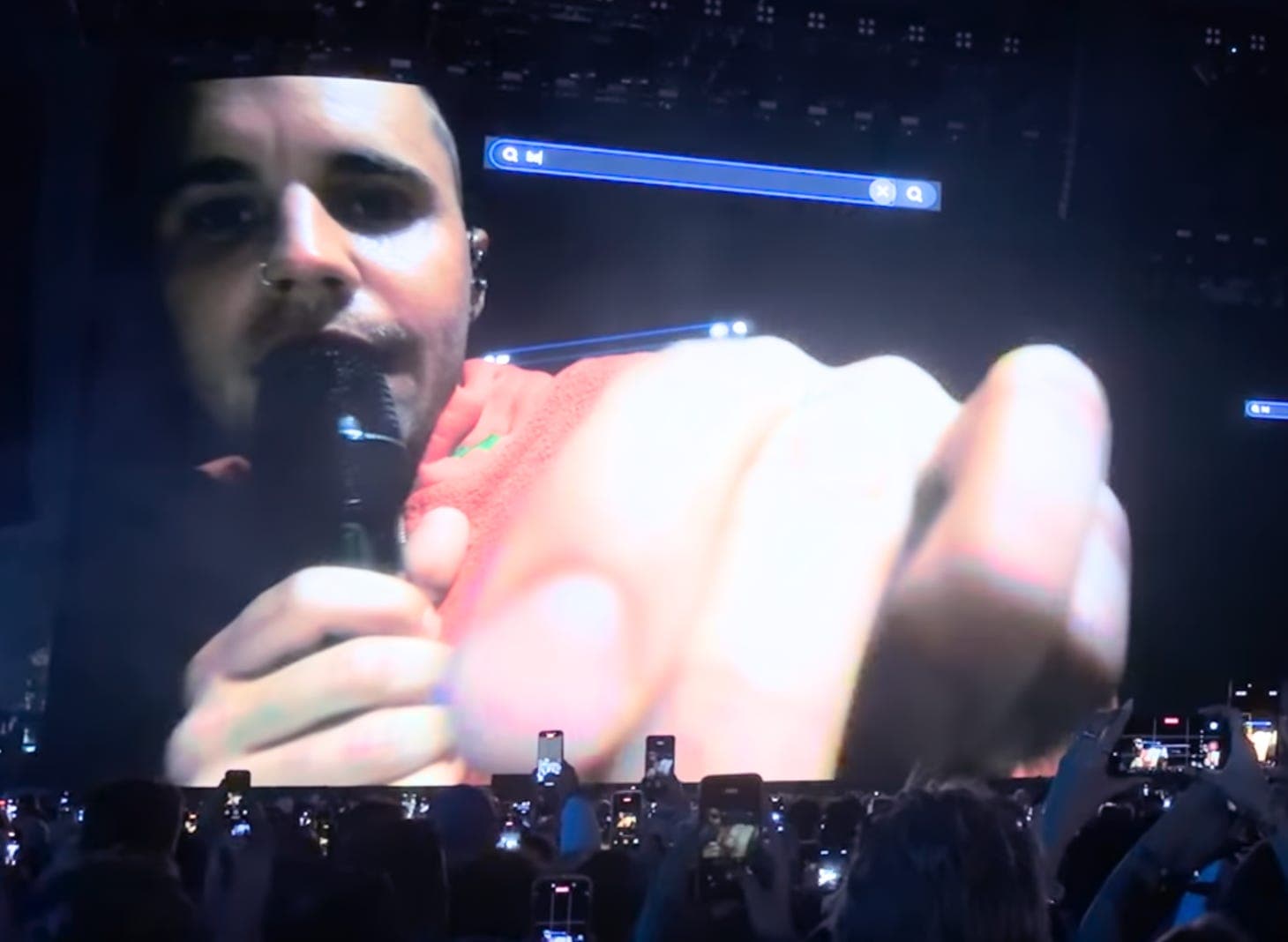
- Justin Bieber’s set traveled especially well on YouTube; Sabrina Carpenter’s Weekend 1 monologue was hard to hear in-person but clear on stream; Anima canceled Weekend 1 due to “high winds,” then faced backlash for spectacle and “hologram” discrepancies.
- The Strokes’ Weekend 2 visuals referenced Gaza and Iran, touching a political “third rail.”
- Aesthetic shift: from influencer polish toward rawness/imperfection; “Boho Circle Belt” discussed as a style fate.
Written by AI. May contain mistakes. Listen to the episode to check what was said.
Chapters
Tap a time to open that second in VODiving into Coachella 2026
0:45 to 2:37
Discussion on Andrea's experience at Coachella, the evolution of the festival, and its cultural significance.
“And there's actually literally data to back that up.”
Trends Observed at Coachella
3:30 to 8:10
A deep dive into the musical trends at Coachella, focusing on genre shifts and artist representation.
“Hey guys, it's Emily and Andrea here with Cujo.”
The State of Hip-Hop at Coachella
8:10 to 11:20
Discussion on the diminishing presence of hip-hop at Coachella compared to past years.
“But like as a result of that evolving into becoming this indicator of just like the music trend cycle, you know, it feels like all genres are ubiquitous now.”
The Rise of Rock and Electronic at Coachella
11:20 to 14:01
Exploration of the resurgence of rock music and its integration with electronic acts at the festival.
“Coachella, it does check out with my sort of real world understanding of not even real world understanding because that's the billboard charts are not necessarily reflective of reality in its totality.”
Rock Infiltration at Coachella
14:01 to 15:00
Discover how rock music is making a comeback at Coachella this year.
“there was that very like mimetic Charlie XCX quote going around how she declared the dance floor is dead and now she's making a rock album.”
Anima's Controversial Cancellation
15:01 to 17:36
Explore the controversy surrounding Anima's cancellation and its implications.
“I think there also is an appetite now for showmanship and more of the analog.”
The Impact of Live Streaming
17:37 to 22:26
Learn how live streaming is reshaping the festival experience and artist performances.
“I think it would have been punk for him to come out and play that stuff.”
The Three Coachellas Phenomenon
22:27 to 28:00
Understand the distinct experiences of Coachella Weekend One, Two, and the live stream.
“Andrea, I know you said there were like three Coachella's this year.”
Weekend 1 Performance Overview
28:00 to 28:30
Discussion of the perceived lack of standout moments in Weekend 1 of Coachella.
“with her Weekend 1 performance that people had, and it felt like it was sort of missing that big wow moment.”
The Evolution of Coachella Through Live Streams
29:10 to 30:50
Exploration of how live streaming changes the relevance of Coachella in popular culture.
“That's theculturejournalist.substack.com.”
Show all 29 chapters
Coachella's Cultural Impact and Comparisons
30:50 to 33:50
Analysis of Coachella's significance in the music festival landscape compared to other events.
“It's like, this is like what was resonating.”
Headliners' Influence on Coachella's Success
33:50 to 36:50
Discussion on the choice of headliners and their effect on ticket sales and cultural relevance.
“It has maybe been a bump in ticket sales for their upcoming tours.”
Defining Trends in Pop Music at Coachella
36:50 to 39:30
Examination of how headliners represent current trends and trajectories in pop music.
“But it wasn't like people were necessarily there just to see the Coachella brand and those were the artists who happened in the headline.”
Performances That Spark Conversation
39:30 to 41:30
Analysis of performances by Justin Bieber and Carol G and their impact on fans and media.
“of bucking the trends of the rest of everything else that was going on.”
Political Statements at Coachella
41:30 to 42:07
Discussion on controversial moments during The Strokes' performance and political engagement at the festival.
“in a way that like it didn't have to be for Bieber.”
The Strokes' Political Statement at Coachella
42:07 to 44:40
Discussion on The Strokes making a political statement at Coachella amidst a less political atmosphere this year.
“Did it feel like artists at Coachella or the crowd were engaging with that or was the Strokes set kind of an anomaly?”
Political Impulses in Performances
44:40 to 47:30
Exploration of various artists expressing political sentiments in their performances at Coachella.
“But yeah, I mean, we didn't, we were talking about this at the house too, weekend one, I think, Andrew.”
Legacy Acts and Festival Dynamics
47:30 to 50:24
Analysis of how legacy acts like Devo are perceived and their placement in the festival lineup.
“I don't, I'm not going to like go so far as to say like that was exactly like Golden Voice's intention, but they couldn't like not be thinking about that.”
Commercialization at Coachella
50:24 to 55:05
Examination of the role of brands and commercial presence at Coachella, likening it to social media feeds.
“more tailored to the realities of their 2026s.”
Influencer Culture at Festivals
55:05 to 56:00
Discussion on the visibility and evolution of influencer culture at Coachella this year.
“And, you know, if brands can make themselves useful to people, that's great to say nothing of like the whole influencer economy that's there as well.”
The Evolution of Journalism at Festivals
56:00 to 58:40
Explore how the role of journalists at music festivals has shifted towards video capture and social media.
“And then there's some debate about that being exaggerated.”
The Challenge of Coverage in Real-Time
58:40 to 1:01:00
Understand the dilemmas faced by journalists trying to balance live coverage and personal enjoyment at festivals.
“On another part, on another hand, I do sort of feel like I'm becoming part of the problem because I don't want to be one of the millions of people there watching through their phones and blocking people in back of me.”
Cultural Insights from Coachella 2026
1:01:00 to 1:03:40
Discuss the implications of Coachella on the future of music media and audience engagement.
“And the Coachella official video, maybe they give it to you, but maybe they don't.”
The Future of Live Music Experiences
1:03:40 to 1:06:50
Examine predictions about the increasing importance of live performances and authenticity in music media.
“But yeah, I think that is definitely the evolution.”
Fashion Trends at Coachella
1:06:50 to 1:11:26
Analyze the changing fashion landscape at Coachella and cultural implications.
“There's really not much reason not to at this point.”
Best and Worst Fashion Trends
1:11:27 to 1:13:10
Discussion of the standout and disappointing fashion choices from Coachella.
“I feel like I saw just like a lot fewer like original, truly like fabulous looks at Coachella this year.”
Notable Fashion Statements
1:13:11 to 1:14:26
Examination of specific fashion items that gained attention at the festival.
“and Harry Styles fans saying that he has backed his last flip due to Harry Styles' return.”
Andrea's Coachella Experience
1:14:27 to 1:14:51
Insights into Andrea's reporting and experiences during Coachella.
“There's a full report for me on there up now.”
Guest Contributions and Social Media
1:14:52 to 1:15:55
Andrew shares where listeners can follow his work and upcoming projects.
“Thank you so much, Andrew Unterberger, for coming on the show.”
Transcript
Automatic transcript. May contain errors.0:00I'm thinking. I'm seeing a lot of walking away. Should we run it? Let's do it. Hello, it's Andrea and Emily here with The Culture Journalist, a podcast about culture in the age of platforms. And it's that time of year again. Andrea just came back from Coachella. She went to both weekends this year, which I believe is her 12th time at the festival since 2012. Per Cujo tradition, we're going to dive deep today into what she saw and use Coachella as a crystal ball for talking about where contemporary culture is going, or at least the state of the cultural industries in 2026. So this year was particularly interesting because it seemed like Coachella was more in the conversation than ever.
0:49And there's actually literally data to back that up. And that's thanks in no small part to, of course, Justin Bieber, but also the festival's marked transformation into a mass televisual couch spectator event in the vein of an awards show or even the Super Bowl. They were calling it Coachella? Is that what they were saying? Yes, Coachella has become kind of the unofficial nickname widely embraced for the Coachella YouTube live stream. Joining us for our annual Coachella breakdown this year is Billboard editor Andrew Underberger, who was there in the trenches with Andrea on Weekend One and is a host of the Greatest Pop Stars podcast, where he also recently did a Coachella recap.
1:30Andrew, as you may know, also moonlights as a basketball guy. You can follow his work over at RightstoRickySanchez.com for some of the best 76ers criticism on the internet today. So Andrew and Emily and I get into how Coachella is actually three festivals now. There's Weekend 1, Weekend 2, and the live stream. And how the live stream specifically is transforming everything about the festival. From the logic of the bookings to the performances themselves and what the experience feels like on the ground. We also get into how Justin Bieber's set and the festival as a whole functioned as a medic commentary on how YouTube is basically just TV now.
2:09Plus, we discuss an overall aesthetic shift from influencer polish to rawness and imperfection. and how The Strokes' performance visuals on Weekend 2, which featured imagery of the wars in Gaza and Iran, touched a political third rail in what was otherwise a surprisingly apolitical atmosphere. Listen to the end for Andrea's dispatch on this year's style highs and lows, including the fate of the infamous Boho Circle Belt. We'll be right back after the break.
2:58The Culture Journalist is an independent project that relies on word of mouth and is funded entirely by listeners. If this pod had something meaningful to your life and you want to access everything we put out, please consider supporting our work by becoming a paid subscriber over at our sub stack. Paid subscribers receive access to our Discord community, the Cujoplex, full access to bonus episodes, and more goodies. You can get it all for just five bucks a month over at theculturejournalist.substack.com. Hey guys, it's Emily and Andrea here with Cujo. We're back with me and my husky voice after two weeks in the desert to do our annual Coachella trend report.
3:39We're here with Billboard editor Andrew Underberger, who I had the great pleasure of sharing lodging with during weekend one of Coachella in a big Airbnb full of exhausted, over-caffeinated fellow journalists covering the festival. That's right. Good times were had, a lot of late nights and even earlier mornings. And yeah, we got through it. It was a good time. That's right. That's right. So Emily is going to be taking the lead on questions for this episode, grilling us about what we observed, both IRL and on the live stream. I also went to Weekend 2. Andrew, you were just there for Weekend 1.
4:10And Emily was sort of observing in the background on the internet. Emily has never been to Coachella. Emily has never been to Coachella. Andrew, remind me, how many times had you been to Coachella before? This was my fourth time total, second time for work. So if Coachella is kind of the upfronts for the year ahead in the music industry, What did you learn? If you were writing trend pieces based on what you saw at Coachella this year, what would the trends be? What stuck out the most? Well, I think that when you're talking about Coachella and the sort of artists that they book and the genres that they really focus on, you're really talking about four genres, I think really sort of being the core of the festival.
4:52And the balances between those four genres have shifted a lot over the last 20, 25 years. But those genres are, I would say, hip hop, rock, dance and pop. and I think if you're sort of sizing up those four genres based on how they represented at Coachella and sort of the stock valuation of them you would say that pop is way way up pop is sort of like the highest kind of blue chipper right now and rock is maybe up a little bit not as dramatically but it's doing better than it has in past years. Dance is probably about trending even maybe like a little bit down and hip hop is just way way down which isn't to say that it's like not popular at the festival because the couple rappers that they did have had pretty sizable crowds and some who were really into it.
5:34But there really only were a handful of hip hop sets and sometimes spaced out very, very far apart. Sometimes it felt like you could go in a higher day without even seeing or coming across a rap set. And it wasn't even really clear to me like, oh, how could they not get this rapper who's super hot right now? It wasn't like there were obvious misses on the lineup. It's just that the rappers who are really representing right now and doing really well in the mainstream and on streaming and stuff, it's sort of a dry field at the moment. And it's sort of hard to tell who the real up and comers even are or should be.
6:07So that's a stark contrast from the last time I was there at Coachella, which was 2018, where rap was really at the core of everything. You know, hip hop and R &B certainly were very much central to the festival at that point. Now they're just not. so it's interesting to look at hip-hop as kind of being like almost a fringe genre coachella at the moment did you guys see that tweet from yeah yeah feeling for little wayne about feeling left out and then who was it that chimed in on it it was like fred durst fred durst like yeah we gotta start our own shit you and me wayne yeah it's weird because i know something we're going to talk about today is the collision of coachella and youtube and like how the live stream on youtube is playing a bigger, bigger role in the festival as a whole.
6:49What's interesting to me is like something I've noticed simultaneously, just kind of anecdotally, is that like a lot of the rappers that are sort of up and coming are really popping. Coincidentally, seem YouTube famous right now. Like Belly Gang Cushington is like the biggest rapper in Atlanta. He's killing it. And nobody talks about them in the mainstream media. And so I wonder if there's an issue where fewer rappers are crossing over into this sort of like discourse space that Coachella inhabits. Yeah, I think there's definitely some of that. And there's also, you know, the rappers that are the most popping on streaming maybe aren't ready for the Coachella stage yet to a certain extent because they're sort of unseasoned and, you know, rappers get big on the internet.
7:32That doesn't mean that they necessarily have live training or any sort of studio seasoning or anything like that. So maybe they scouted Bill Gann Cushing and just decided he wasn't ready or maybe he didn't know what his price was yet. Maybe we'll see him next year. Who knows? But this year, we only really saw Central Sea and Young Thug and Sexy Red and maybe one or two others, none at the headline level, not even really any at the directly below headline level. And Young Thug had an incredible crowd who rapped along with every word, but he's kind of a generational rapper at this point. Like, if you can't get the people in for Young Thug, then you're really in trouble.
8:03But it's hard to tell who the Young Thug of tomorrow is going to be, at least based on who was at the line of Coachella. Yeah, I think for my many years going, it's been really interesting watching both how the festival has had to evolve its genre curation just to like kind of stay financially viable and to kind of keep growing and sell tickets each year. But like as a result of that evolving into becoming this indicator of just like the music trend cycle, you know, it feels like all genres are ubiquitous now. And like that's maybe true. But a cool thing about going to Coachella is like it allows you to on one level or in one layer, like be able to sift through that a little bit and think, well, what is sort of drawing people, resonating with people, like what's getting booked?
8:43You know, because ultimately a lot of that does just come down to what people are listening to, like agency and like streaming politics aside. you know and right now we're I think it's kind of a fallow period for hip-hop in terms of like and we have to remember like Coachella is a pop festival when we talk about Coachella we're not talking about this like indie subcultural thing that it like maybe was like 10-15 years ago certainly when it first started like it's not that this is like the preeminent music event in the world for popular music writ large and that doesn't mean just pop the genre like it's for popular music.
9:15No question. Yeah. And on the other side of that, which you and I talked about a little bit last weekend, Andrea, is that rock appears to have at least a presence at the festival again. Now, I don't know that Coachella necessarily understands who the best or safest or just most popular rock acts are to book and doesn't necessarily know the best place to put all these artists yet. But there is a legitimate interest in rock music and rock bands and even up and coming newer rock bands that there really wasn't when I was there the last time. When I was there the last time, rock was a second class citizen at best.
9:46And it was kind of relegated to the tents and the smaller tents, even not even like the open air ones, like the actually enclosed ones. And it felt like the people that were there were a distinct minority. Some of them were just there to get out of the heat. And now it feels like there's actual rock music that people are excited about again. And it's not on the level of pop, you know, pop the genre as opposed to like pop, just just popular music. But it's a factor again. And I last time I went there, I was not sure that it ever was going to be again. So that's been sort of heartening to see and sort of the flip side of what we're talking about with rap.
10:14I do want to say, though, as someone who's like my partner is a hip hop journalist, I don't. I wouldn't agree that hip hop itself is necessarily or I think we should clarify that maybe it's going through a fallow period in our media sphere. But I think there might just be more fragmentation. Well, there's definitely more fragmentation. And certainly, like, it's never a bad time for rap music. There's always rappers who are doing exciting things and getting people into it. But, you know, obviously I work at Billboard, board. So I have to look at this from a charts perspective. Rap was the default music on the charts as recently as five years ago, maybe even as recently as like three or four years ago.
10:49And now it's not. It just isn't. And we had a week last year that I reported about a little bit where for the first time since literally 1990, there were no rap songs in the top 40 of the Hot 100. And that was really stark because if you look like five years earlier, it was half rap. And now we're at the point where it kind of depends on the week. Sometimes there's rap, sometimes there isn't, but it is no longer the obvious commercial center of popular music that it was for like a good decade from the mid 2010s up until like the mid 2020s. So seeing this at Coachella, it does check out with my sort of real world understanding of not even real world understanding because that's the billboard charts are not necessarily reflective of reality in its totality.
11:29But in terms of this part of it, that does sort of jive with what we've been seeing in the numbers. So it's just interesting. That's all. All right. I guess what I'm saying is, for example, I would say like based on kind of my vantage point oh geese is like the biggest thing in music right now but you're going to find a lot of rappers that are way bigger than geese from a numbers perspective they're just not included within that sphere of cultural relevance yeah or Coachella right exactly so it's interesting to look at also this is a whole separate tangent that I don't we don't have like totally time to go down but like we're also looking at like what are the other like moving parts that are like impacting this perception and stuff right now I should be clear that like I don't think it's strictly just the genre like trend cycle like I agree with you Emily if anything I think hip-hop has been a lot more like exciting and interesting than it has for me anyway in a long time I'm really excited about a lot of the new young talent that's bubbling up in there you know are they Coachella status what does Coachella status mean like think about the like the business strings that are getting pulled behind that the audience strings the visibility I don't know but it is funny because I remember even as recently as like I don't know like two or three years ago at Coachella, the Sahara stage, which was like the giant dance music stage that saw, you know, the ascent of all these giant EDM DJs that really propelled Coachella like to the mainstream for before they started booking these pop acts.
12:44There were like barely any of those acts anymore. And it was all big hip hop artists. And now it's like just a couple of years later. I remember talking with Katie Bain at the time, who's director of dance music for Billboard, and everybody was buzzing about like, well, is dance music dead? Is dance music dead? And she's like, it's not. It's just not here right now. It's not like necessarily on the charts right now. It's like taking a breath and recycling. And then of course this year dance music back and big in the Sahara again. But it's like almost like those streams of hip hop and those streams of dance music have just now made the Sahara, I feel like the hard, the harder music tent, like the high energy music tent, because you did have Sexy Red in there.
13:22You had Nine Inch Noise in there, which, you know, that's dance music for sure. it's EDM but it's also industrial rock cat's eye fits that description too for sure yeah like Lisa with Lisa was in there last year so it's more just like the edgier big pop music which is like I think there's something to be said for like a new strain of classifying sounds or like looking at audiences around sounds to be emerging alongside the traditional genres but I also yeah and I think you know just to put a coda on like what you were saying a few minutes ago Andrew like I do think reading the tea leaves of Coachella the upfronts or whatever what's coming up I do think there is this current of rock that's coming up.
13:59And it is funny that like just last week, you know, there was that very like mimetic Charlie XCX quote going around how she declared the dance floor is dead and now she's making a rock album. I have a lot more to say about that. Not like just her, but it's I saw the presence of rock everywhere from like, of course, geese to like the beautiful term that you coined when we were sitting around the kitchen table one evening, Andrew, of like the periodic table rock bands of you know iggy pop and devo and suicidal tendencies was there black flag was there you know turnstile massive on the outdoor stage but it's also i'm feeling it infiltrate pop like teddy swims which is about as pop mainstream radio as you can get brought out david lee roth he brought out david lee roth to do a van halen song you know and then somber of of course, who is this big, big star in the pop space, but who essentially is like cosplaying rock and roll, brought out Billy Corgan Weekend 1 and then Billy Idol Weekend 2.
14:57All the Billies. Dialing in the movies. Yeah, exactly. Yeah. And then, of course, you had Geese. I think there also is an appetite now for showmanship and more of the analog. I think people are getting tired of the big spectacle on the screen, as I think is evidenced by Anima's cancellation and the subsequent hate that he's been getting for when his performance did come up and it was like watching a giant screensaver for 45 minutes. Yeah, the Reddit forums, I've just been scrolling through them, the kind of Coachella subreddit, and the number of anti-anima posts are just overwhelming. I didn't see that as a Weekend 2 thing.
15:33Katie was showing me a little bit of like preview footage of what it might have looked like. And I was like, oh, this is definitely 100 % not for me in the first place. But yeah, it felt like that was a tipping point of something. I'm not sure exactly what, but it did feel that way. Just really quickly for people who weren't paying attention to this, what happened with Anima? So Anima is an electronic music act. I think he picked up a lot of steam because he had a residency at the Sphere in Las Vegas that a lot of people really liked and said was cool. He did not headline the main stage, but he was scheduled to close out the main stage, i.e.
16:04following Sabrina Carpenter on both Friday nights of the festival. And this was being billed as the debut of his new tour. And so there was, I think, a lot of loaded expectation for this. Again, going back to the upfronts thing, it's like essentially Coachella was serving as the launch of his next tour cycle. And there were at least like four or five billboards for it out on the highway before you even got there. It was overwhelming. It was overwhelming. It was like, OK, we get it. Anima's launching a new tour. But that's an increasingly common thing that we're seeing at Coachella, too. This is where artists come to launch tours and albums.
16:35I mean, Madonna as well. She'd fit in her guest appearance with Serena Carpenter Weekend 2 almost seamlessly in time with her announcing the album on her Instagram that week, putting out a teaser song, and then like clockwork. She comes out during Sabrina's set, plays the first new song full length that we've heard from the album. But yeah, so Anima canceled his set Weekend One, you know, Echoes of Frank Ocean. On the screens, it said that this was a decision made by both the artist and Golden Voice, Coachella's promoter, that due to high winds, it was not safe to do his big spectacular show, which was interesting because it was really not that windy on site, right, Andrew?
17:11Didn't feel like it, but there were reports that someone had gotten crushed by a speaker at John's Summit, and maybe they just didn't want to take any chances. I don't know. But yeah, the EDM set called due to wind was an unusual combination of words, I guess, put together. Yeah, and almost immediately, all of us started talking about, like, well, I mean, that sucks for people only coming Weekend One, or, like, the hardcore Anima fans that, like, most certainly, like, came out so that they could be there the first weekend when he debuted it. And it's like, the guy couldn't even, like, come out and just play the songs.
17:39It made me really think, Emily, of our last episode with Jamie and about the sort of live experience arms race and like how dependent these artists are on spectacle in terms of both appeasing their fandom and like sort of like monetizing the next legs of their careers. I think it would have been punk for him to come out and play that stuff. But then he did come out weekend two and it really wasn't clear like what aspect of this would the wind have affected. And he basically like went up and down a little bit on these little riser platforms. And it like really wasn't that impressive. I will say the ambition, his ambition as an artist of his visual spectacle is very impressive.
18:16Like I can't knock that. Like the guy has a big vision. Is that vision cool? I will let you all give me one opinion. Yeah, I'm jurors out on that one. But, you know, it essentially amounted to just like these big screens with columns on them, like Roman columns. and these sort of like classical style statues that were like shedding their clay to reveal they were robots underneath. It was really cool, but it was like very like standard, like Coachella's spectacle fare. To me, it felt like he was like biting everything interesting that truly interesting dance music electronic artists had done at Coachella in years prior.
18:49I was like calling him chat GPT, Gusoffel sign. Yeah, and then also fans were knocking him for that. They're like, that's what you canceled your set over. So you could like go up and down a little bit on risers in a way that absolutely would not have like impacted the set and then also on the live stream the live stream looked cooler than real life because it appeared that there was like a giant like hologram of Lisa one of his featured artists with big angel wings coming out and walking the catwalk into the crowd during the performance and then people discovered that that didn't happen in real life and it felt like some kind of like inverse fourth wall betrayal I think of like people tuning in and wanting to see what's happening at Coachella and they're like wow that looked amazing wait that didn't actually happen, then why did you put that up there?
19:30It feels like cheating. It felt like cheating a little bit. And so now Animo's getting really, he's getting a lot of hate from all angles for the whole thing. Can you tell us about the live stream and how it impacted both the experience of being there and sort of the discourse around Coachella? I know, Andrea, you're going to write a piece that's sort of about this, right? Yeah. Check out the LA Times later this week. So the live stream just makes it so that everybody's kind of in on what's going on. and it kind of amplifies the potential impact of these sets. I don't know what the exact number is, but it's a lot.
20:04It's at least like 10, 20-fold. And you could really see that this year. We can see it in a couple ways. I think a lot of people had criticism of Sabrina Carpenter's set because they felt like it was designed specifically for the live stream. And there were some things that really didn't translate well at the actual festival, like the biggest example being that there was an interlude that the actress Susan Sarandon and delivered a seven-minute monologue over, which is insane in the first place, but it was even more insane to be there for it because it couldn't hear it. The audio on it was so low and so muffled sounding that a lot of us were just kind of looking at each other going like, what?
20:39Like, can you hear this? I can't hear this. And I was like texting my coworkers like, oh, is it more audible where you are? And they're like, no, I can't hear it anywhere. But you could hear it on the live stream. So if that was the stated goal was to kind of have the best product for the people watching at home, which do outnumber, of course, the people who are actually there just because there's no limit physically lead to how many people can be watching the live stream at any point in time, then it might have been a success. Maybe people didn't even have that sort of criticism of it, but watching it live, it totally killed the momentum of the performance.
21:04And it was the main thing that people were critical of when discussing it afterwards. But on the other side of that is the Justin Bieber performance, his headlining performance, which also had some sort of mixed reception in the venue. But for the people watching it at home, I don't know if it necessarily scanned as a perfect set, but it was a momentous set and it was a set that really traveled really well because of the live stream and because everyone was able to sort of watch him on YouTube playing YouTube videos of himself from the past and then singing over them it had this sort of compounding effect where I'm sure to a lot of people it was a very emotional thing in that like he came up on YouTube and now here he is playing himself on YouTube you're watching him on YouTube and it felt momentous to get to see this this kind of meta commentary on his career that he was providing in real time and also just to see him sing over a bunch of his old hits that he hasn't really touched in a good decade or so.
21:56And that just spread like wildfire. And, you know, if there wasn't for the live stream and people just sort of watching it in the venue and spreading word of it afterwards, then it would have spread slowly. But overnight, his streams basically tripled. Like they were up something like 200 % or so. And that's because there were millions and millions of people watching this live stream. And then they were immediately going to Spotify or Apple Music and being like, okay, play me the 10 Justin Bieber early songs that I love the most. And so you got to kind of see all sides of it, but definitely the live stream is impacting the real world festival in a way that I'm sure nobody quite anticipated, both in terms of the reach of it and just the way it's forcing people to rethink how they're doing their sets in the first place.
22:34Andrea, I know you said there were like three Coachella's this year. Can you elaborate a little bit about that? Yeah, the three Coachella problem. No, I mean, there's Coachella Weekend 1, there's Coachella Weekend 2, and then there's like the Coachella live stream. and those are three like very very different experiences you know weekend one i always say weekend one is the content platform weekend two is the actual festival and then you have like perpetual coachella which is like both the live stream and the rewatches but yeah i mean i think i've been saying this for a few years that i i've increasingly noticed artists souping up their performances for the live stream because i mean it's like endless potential audience capture and make no mistake I think you know like Justin Bieber said as resonant as it may have been and like as amazing as a singer as he is like that was also like a giant ad for YouTube yeah I was told that one of the heads of YouTube was there you know yeah and sometimes it looks equally cool I think Gaga's set last year was like a great example of that like that was like absolutely amazing in person and I went and re-watched a live stream later and it was like amazing on that too when I saw Doja Cat set a few years ago.
23:40I think that's when this idea first popped into my head. I was like, this is not that tight in person, but it looked amazing on the stream, on the rewatch. Interesting. Because there's all these like little details that artists are putting in. You know, it's not unlike the Super Bowl halftime show, right? Like if you were in the crowd at the Super Bowl, I don't know if you could like see all the tiny little details and the little nods to different like vendors and stuff that were like happening like deep in the grass. If you were sitting there up in the stands, you could feel an energy people weren't going to feel at home that's for sure but it's kind of like that but the the other like i mean i think it's smart to sort of separate coachella into these three different coachellas you're talking about i have never noticed just anecdotally because i obviously wasn't there for weekend two but such a stark disparity in between the quality of like guests and event moments in weekend two versus weekend one like we've had conversations about coachella and covering it at billboard but we basically say we're not really going to send anybody for weekend two because nothing really ever happens at weekend two luckily you know you and katie were there this year and i think really one other person on our social team but all the cool guests came out at weekend two like we got really not many e-list i mean i love billy corgan god bless them but like we're not really creating a lot of major headline interest out of a billy corgan a guest appearance at a somber set but sabrina carpenter bringing out madonna addison Ray bringing out Olivia Rodrigo.
25:00Giveon brought out Steve Tog, yeah. Yeah, and obviously the Bieber set seemed very spruced up. People were very critical of his Weekend One performance in a way that they were not critical of his Weekend Two performance because he apparently gave more energy. He had a better sort of spirit about him and he had better guests. He had SZA and Billie Eilish instead of Thames and WizKid and the Kid Leroy. Again, no shots at any of them. They're all very big artists in their own right, but they're not headline makers the way that Billie Eilish and CZA are. And so it seemed almost like weekend one was being used as like a rough draft for weekend two this year.
25:34I'd be curious for your thoughts on this, Andrea, because you've gone more recently than I have. But is that a trend that you've seen more in recent years than in the past? Because when I was going in the 2010s, certainly weekend two was considered an afterthought. And if the big guest didn't come out of weekend one, there was no chance that we were going to see him a weekend two. Yeah, that's definitely something that's inverted. But I mean, it was way more acute this year. Even Katie and I were talking, and we always go to both weekends together because we're insane. And I've noticed an increasing trend towards that, like more and more surprise guests or an equal number of surprise guests or different guests during weekend two.
26:06But this was the first year that I really felt like it had like flipped. And I have also noticed I've enjoyed on a personal level because sometimes I don't always necessarily go to cover weekend two. Sometimes I go because I was able to come by a pass and I can just go and enjoy the festival and it feels less surveilled. Oh, yeah. The sound is really dialed in. The artists are a little bit looser. They're having more fun with the crowd. Like that's when I said earlier, you know, like weekend two is the music festival. Like that's extremely, extremely true. This year felt a little bit less loose.
Read the full transcript
26:36Like it was a different crowd. It was a more relaxed, like less influencey crowd, I'd say. But it did feel like I think a lot of people got FOMO from the live stream and ended up getting tickets, including like people that I was like interviewing in the crowd for some LA Times stuff. And it felt a little more crowded. But that in tandem with more surprise guests, more surprise stuff in general coming out. I don't know. I'm curious as to like maybe why you guys think that is because I'm still chewing that one over. My gut reaction is just if everything is going to be streamed, then why not trickle out the surprises, spread out the surprises to keep Coachella in the news?
27:12That seems obvious. It's a key audience capture online. I bet I'd be really curious to see the number of live stream drop-offs in past years after Weekend 1. I think this year, yeah, I think that's totally it, Emily. I think maybe this year like kind of reestablished Weekend 2 as its own thing worth watching and going to yeah there was a kind of built-in suspense for weekend two anyway a because there was this anima thing about like okay what we didn't get to see that weekend one what's what's going to look like when he comes back weekend two and b because bieber was so raw coming off that first big headline appearance in like a pretty long time that it seemed like maybe he was gonna have more to offer weekend two anyway and it would also seem like he probably wasn't going to do that entire youtube replay thing the same way again so there might have been a more natural sort of oh, well, we can't check out at Weekend 2.
27:58And also the Sabrina thing, there were so many issues with her Weekend 1 performance that people had, and it felt like it was sort of missing that big wow moment. We definitely were sort of talking about it at Billboard, like, oh, okay, maybe she's just saving it for Weekend 2. I don't remember having those conversations in the past years, so I do feel like maybe there were just sort of more naturally built-in things this year that kept people coming back for Weekend 2, and maybe other artists sort of followed the lead there and said, okay, well, if people are actually going to be paying attention to Weekend 2 this year, maybe I'll save my really cool thing for that weekend anyway.
28:28If you like what you're hearing on this episode, there's a place where you can join the conversation. It's called Cujoplex, and it's a private online hangout zone on Discord where smart, cool weirdos just like you, you know, people who like talking about the evolving state of independent culture, can congregate, share links, and talk about the news of the day. We've had some great conversations lately about creative economies, media theory, AI, politics, the future of journalism, and even the records and TV shows we've been obsessing over this year. Some of our chats have even inspired episode ideas.
29:04You can get access to Cujoplex along with our monthly bonus episodes by signing up for a paid subscription over at our Substack. That's theculturejournalist.substack.com. In the broader sense, sort of zooming out beyond what was going on on the ground itself, to what extent is the live stream, in your opinion, potentially redefining what Coachella is? Did you feel that it was more in the zeitgeist overall this year as a result or not? Andrea had some thoughts on that, I know. Yeah, there's a few different things that have made the live stream like feel more relevant and that in turn have made Coachella feel more relevant.
29:44I think one is what you pointed out to me, Emily, when we were talking about this a little before we can too, was, you know, like YouTube is TV now in a way that it's been crawling towards for a while. But for like a lot of people, especially like younger people, you know, they're going to watch the NBA finals on YouTube and then maybe they'll like switch over to the Coachella live stream. Right. I think people are more aware of the fact that there's a live stream. I think there's a big appeal to Coachella because like it's hard out there in this economy and like people, yeah, Coachella is really expensive.
30:13It did completely sell out in record time this year. That also means that even more people who wanted to go probably couldn't go. I think, again, pulling this from something that you said in that same conversation, I do feel like Coachella is the Super Bowl now. It's not just a music festival. I don't even necessarily see it as part of quote-unquote festival culture. I mean, I think festival culture has now, that tide has receded to festival culture at large being more of sort of like a niche thing. Touring is bigger than ever, I think, or like is at least financially propping up the music industry more than ever.
30:43But, you know, as far as festivals go, Coachella is now like post-festival. Like it's its own brand, represents so many different trajectories culturally. And I did feel like it was more in the chatter, you know, Magnitude Media's substack, which is called What's Resonating, like there literally was data in this post that the two most talked about things online that had the most engagement right after Weekend One or in the week following weekend one was Artemis 2 Returns to Earth and Coachella. It's not just anecdotal. It's like, this is like what was resonating. And I think it's very telling that this is what was resonating online and on social media.
31:19It's not just like how my feed happened to appear. It's somehow more in the zeitgeist than ever. And I think a lot of that, yeah, has to do with the sort of normalization and familiarity with the live stream. I think the live stream was extremely high quality this year. Like the camera work was excellent. Like sometimes I'd be close to the state. And I was like watching the band, but then I'd sort of get distracted by what the cameras were filming and what was getting fed to the live stream on the screens because it was just like looked so good and so cool. I think Coachella is the only music festival that's also a spectator sport.
31:50There are other festivals that have good lineups and sometimes they have headline making moments. A lot of them, they sort of come up organically because you have something like, well, maybe you booked Chapel Rhone in October of the year prior. And then in February, she blows up and then your festival is happening in May and you booked her without really realizing that was going to happen. And you can get a lot of attention for something like that. But Coachella is the only one that kind of generates that interest in and of itself. It's the only one that people care about almost regardless of who's playing.
32:15That being said, it helps when you have headliners that really are difference makers. And I'm not sure they totally had that last year. Love Green Day. I've loved them for 30 years. I don't necessarily need to tune in to see what Green Day is doing in 2025 on a Coachella live stream. But Sabrina Carpenter, sure. I mean, she called her shot two years ago. That's certainly interesting. and she's coming off this incredible two-year run of pop mega success. You want to see how she's going to advance the story next. And obviously Justin Bieber we saw in record amounts. I mean, when you mentioned the Super Bowl in conjunction with Coachella, it's worth pointing out here, like, I'm sorry to keep harping on the streaming stats, what he is doing this year is absolutely unprecedented in Coachella history.
32:52We have never seen an artist have this kind of bump where it's not just, oh, okay, you know, they're up like 20%, 30%. That happens. Up 200-something percent, you only see that one other place and it's at the Super Bowl. He is getting a bump from this headlining appearance like he would if he was headlining America's Game. Like that is the only thing to compare it to. And that shows you, I mean, certainly not as many millions of people around the world are probably watching Coachella's watch the Super Bowl. But it's not a totally different universe anymore. And the fact that there is the live stream and that gets disseminated over TikTok and all these other social media platforms means that it kind of can live forever.
33:27And it's not a one day bump. It's a two week bump. It's a one-week bump that turns into a second-week bump after his second weekend is as big as his first weekend. And it could last for a month. It could last longer. It could be a difference maker in his entire career. And that is something we've never seen before, even at the big headline moments of Coachella Pass, even with Beachella, even with Gaga last year. It's been a bump in exposure. It has been a bump in maybe overall Q rating. It has maybe been a bump in ticket sales for their upcoming tours. But we've never seen their numbers just skyrocket overnight.
33:56And I think that sort of shows you the increased power of Coachella as a cultural happening and of the last year in particular. Is Coachella like the New York Times of festivals where like, you know, all major papers are kind of like struggling and contracting and they just keep getting bigger and bigger? Yeah, I mean, sort of. Like, look at who's headlining Bonnaroo this year. I guarantee you it's not Sabrina Carpenter and Justin Bieber. it's you know role model and kesha who are good artists with big followings but role model has one hit kind of and kesha hasn't had a really big hit in about a decade she'll put on a great show i'm sure and he's you know he's pretty good at what he does but those are not the kind of artists you want headlining your major festival in 2026 do you want them like second or third line down and they would be at coachella but coachella really does kind of set the bar and they are the only one that's kind of maintained their sort of cultural currency while everyone else is sort of struggling with the stuff that andrew was talking about oversaturation and artists who don't necessarily want to deviate from their own tour plans to play a one-off festival when they can make similar money just out of stadium date and everyone else is a potential victim of those kind of industry whims except for coachella coachella is the only one that really sort of stands alone i remember like just up until recently we do this podcast every year about coachella and for the last few years the conversation had been about coachella having trouble selling tickets, potentially seeming like it was falling out of relevance to a degree.
35:18But as you said, this year, both weekends sold out pretty much immediately. I'm curious why you think that happened. Is it some kind of testament on the state of festival culture or live music culture writ large? Obviously, it's a complicated picture because other festivals don't seem to be hitting the same level of prominence. Or did Coachella figure out some just very clever way to turn things around. I think they just got better headliners, to be honest. I think last year they had good headliners, but they didn't have anyone who was going to be the sort of artist that you travel halfway around the world to see because they're all active touring artists.
35:54They've all reached a certain commercial level of their career where they're not necessarily hitting totally new heights at this point. They're sort of established at this point. So I don't know if there was one artist that was really driving excitement last year. And this year we had two, arguably three. I mean, Carol G has a huge, huge following, even though we haven't really talked about her as much as Sabrina or Justin Bieber. It's a global following. And people are excited just to get to see her on a stage like this because there was a long time where that probably seemed unthinkable. And she talked about this at the festival, that she's the first Latina female headliner that they've ever had at Coachella.
36:26And she was kind of calling them out for it, being like, hey, it took you way too long to get to this. But she was really ready to meet the moment. And I think a lot of people were excited to see that. And obviously, it had been a while for Bieber. Sabrina Carpenter is like a top five pop star right now. So you have those three headliners. That's a pretty good start. And I think that, you know, just based on the amount of merch we saw over the course of the first weekend, people were there to see those three artists specifically. And they might have been there to see other artists as well. But it wasn't like people were necessarily there just to see the Coachella brand and those were the artists who happened in the headline.
36:57Those three artists were driving a lot of the specific interest in this year's festival. So, you know, I talk about Coachella not being susceptible to the whims of the industry. They are to a certain extent. And I don't think they are the way that Lollapalooza or Bonnaroo or any of these other festivals are. They're not impervious. So it does help to have three like legitimate A-lists, at least one and a half, arguably A-plus list pop stars top in the thing. That's always going to make your job a lot easier. Yeah. And I was telling Emily, too, when we were prepping our questions for this, you know, I really feel like this incredibly strong slate of headliners also, each of them speaks to the three big trajectories that I see that define pop music right now as well.
37:35There wasn't like a nostalgia act or like they weren't doing it by genre anymore. It felt like they were doing it by audience, like the audiences that are really defining the biggest acts in the world. And you have, you know, Sabrina that speaks to like kind of classical, like polished, high production value, streamlined pop. Entertainer pop. Entertainer pop. Exactly. You have Justin Bieber, kind of a legacy act, but still in the zeitgeist. someone who has stakes. He almost represented this sort of like, for lack of a better term, this kind of iconoclast streak that I see emerging in pop where it's like, I'm going to do something a little bit against the grain, a little bit unexpected.
38:10I think there was a lot of like, is this going to be his comeback or is he going to like pull a Frank Ocean? You know, he's famously like loves the Frank Ocean Coachella performance. And he's also like flouting the sort of, you know, he doesn't officially have a manager right now. He's had this semi like fraught career, like in the public eye in recent years. He represents kind of the like lo-fi flouting the industry and tradition kind of streak in pop music, which I think we're seeing both aesthetically and sonically. And then you have Carol G, who I think represents the fact that pop music has become much more international in recent years and those audiences really matter and are valuable.
38:42And she also represents a certain kind of like, I think, really powerhouse like show don't tell kind of pop storyteller that whereas every single detail was pre-planned and accounted for more or less. And Sabrina's show, hers was much more about, I mean, it also was entertainment, but I don't know. Do you get what I'm trying to say, Andrew? Yeah. Well, I think certainly I felt like the Carol G performance had like a certain purposefulness to it that maybe wasn't in the Sabrina Carpenter one where it felt like she was kind of speaking to history and to larger themes and to, yeah, a sort of collective identity that gave it kind of a rootability inherently that maybe like Sabrina Carpenter feels a little bit too polished for at this point in her career.
39:24Yeah. Maybe it reached not to like the past, present and future of pop music. Yeah, a little bit. I also want to say that with the Justin Bieber thing, it was almost like the charm of kind of bucking the trends of the rest of everything else that was going on. And I don't know, it had almost like a Kanye, like a non-problematic Kanye energy to me. Totally. Yeah. I mean, the thing that I keep coming back to with the Bieber set is that I do think it was probably the weakest performance of the three. I mean, just when you kind of compare this, not just the spectacle, but the sort of neatness of the other two and the fact that they really played almost perfect sets.
40:00There weren't a lot of things that you could call them out as having flaws in, aside from the interludes and the Sabrina Carpenter thing, which was super weird. But the performance was great. The Bieber performance was not always great, but he understood the number one rule of Coachella, which is to do at least one thing that everyone's going to be talking about the next day. And Carol G sort of understood that. Sabrina Carver, I don't think, quite understood that. Maybe a little bit better on Weekend 2. But Bieber knew that what he was going to do was going to get a ton of attention. And people would be saying good things about it.
40:27People would be saying not so good things about it, but they'd be talking about it. And that is goal number one with a headlining Coachella set is you want people fucking talking about you the next day. and certainly, you know, mission accomplished there. I love how at the Grammys he did almost like a noise set or something. Like he was like using a loop machine himself. I guess he upped the ante. He's really good at coming up with these ideas. I love it. He's getting better, certainly. Yeah, yeah. And again, you know, when I was talking about it, I think people are sort of like a little bit, I mean, Carol G, like I think she took a big gamble and successfully so, but made it like, I want everybody to be talking about my whole performance the next day.
41:09It's like the one thing, you know? Yeah. And people were, and I've seen a lot of people being like, yeah, like now I'm a Carol G fan. I didn't know about her before. Now I know. So it didn't quite have the same like nostalgic pull of the Bieber one, obviously, because Bieber's been in our lives for 15 plus years at this point. Right. But she won a lot of new fans that night, for sure. And she had a different mission. I think that was part of her mission in a way that like it didn't have to be for Bieber. Absolutely, yeah. Yeah. Let's talk about the strokes. This was like one of the big weekend to viral moments that was actually, I guess, controversial or where the strokes, I guess they like waited till their second set to to make this sort of like hitting the third rail political statement.
41:56And like the end of the second set, too. Right. yeah yeah what was it and it was like imagery of uh gaza the was it the iran war i don't have a full list of everything martin luther king some people the cia is rumored to have maybe disappeared all the yeah all the international leaders at the cia and then the video yeah yeah and then the video was like cut short we don't know exactly under what circumstances but it was it definitely had echoes of like the Super Bowl two years ago when one of the performers in Kendrick Lamar I talk about this all the time one of the performers in Kendrick Lamar's performance went rogue and was carrying a Palestinian flag and you kind of and it kind of gets disappeared and you don't know what happened did this feel like well sorry obviously there's a lot of crazy horrible stuff going on in the world right now.
42:53Did it feel like artists at Coachella or the crowd were engaging with that or was the Strokes set kind of an anomaly?
43:03I would say it was an anomaly. I mean, and the crazy thing to me is that it was the fucking Strokes who I don't remember making a single statement about anything over the course of 25 years. They feel like the political band. Yeah, I would never have guessed. So, I mean, shout out to them for a late developing social conscience, I guess. but I certainly did not expect to see that. I mean, I didn't see it, period, because I wasn't there at Weekend 2, and I missed their set Weekend 1, but obviously I've seen the clips about it since. I mean, good for them. I think it was definitely pointed that they waited till Weekend 2 and the very end of the set.
43:35I think they were sort of hedging their bets that they weren't going to get yanked off in the middle of it, but they did what not a lot of other artists were doing. It was not a big weekend for statement making. I did see Wednesday saying something about, you know, fuck Palestine. or sorry, fuck ice and free Palestine. Fuck Palestine would have been a much more controversial statement. And bands like that who are playing in the sort of lower, you know, earlier in the day in the sort of lower capacity stages, they were maybe making some comments like that. But certainly you weren't seeing Addison Rae making, you know, huge pronouncements from her 30 person, 30 ,000 person set or whatever.
44:12Right. Whereas like last year you had, God, what's her name? Claro brought up Bernie Sanders, remember? That's right. wow yeah last year it felt very very political um if in the message you know if in just like literally like speech only but i mean it's like just off the top of my head it's like you had claro do that you know green day obvious was very you know very you know change the american idiot lyrics to be about trump um you know you had um like kneecap i think you said yeah kneecap was a big thing uh amal and the sniffers spoke out uh dark side spoke out um uh spoke out against what bob villain um trump against trump and free palestine yeah like you know and that's just that's just like what's off the top of my head whereas like this year like i mean katie and i were talking about it weekend one and that's why this thing about like it's like little this this coda from the strokes um has really struck me because we were just like this year feels so much less political also last year like kids were wearing like luigi mangioni like luigi hats and stuff and uh you know i kind of i thought i've been seeing at shows of like all different genres just in la like a lot of people wearing like fuck ice t-shirts and i didn't see a single one that's not to say people weren't wearing them.
45:39There's 125 ,000 people there. But yeah, I mean, we didn't, we were talking about this at the house too, weekend one, I think, Andrew. Like we were like, we can only do something, but like there just wasn't that. And yeah, Katie and I were wondering like, we're like, are people just trying to dissociate at this point? You know? Yeah, you were saying that there was like a little bit of like a nihilistic energy in the air between all like the people smoking and - Smoking cigarettes. Yeah, smoking cigarettes specifically. and just a sort of lack of any sort of communal purposefulness in terms of here's what we're all here to be and do and represent.
46:17It didn't really feel like there was any of that this year. Did a political impulse get expressed in other ways or any indirect ways where you saw it coming through? I think Carol G's, I found Carol G's set to be inherently political the same way that Bad Bunny's set was inherently political. you know there wasn't like necessarily any messaging like literal messaging or like towels being waved around or anything on stage um but you know there's an ICE detention center not too far from the Coachella site um and I think you know I this I really respected this about her performance that it was like I think a real again show don't tell of you know her heritage of Latin American culture, South American culture, you know, Colombian pride, all the different like sort of facets of that.
47:07And, you know, people waving flags, you know, Colombian flags or Mexican flags and just in the crowd, you know, and it was sort of just like, it was like, it was like, it was like, you know, like, like politics and joy and celebration in that sense. And I thought that was cool. And I think the fact that she just got, she was like booked as the headliner is a statement unto itself. I don't know. I don't, I'm not going to like go so far as to say like that was exactly like Golden Voice's intention, but they couldn't like not be thinking about that. And she did sort of vaguely address it in the same portion of the set I was talking about where she talked about being the first female Latina headliner.
47:46She said that she was offering solidarity to her people who are like going through tough times right now. And she didn't get the specifics there. and she's given interviews where she's talked about how she's kind of afraid to go into specifics because she doesn't want to get deported, which is a shockingly real fear at this point. But it did feel, and especially like it came towards the end of the performance. It was one of the only times during her set that she spoke in English and she really wanted to address the crowd and make sure that everybody understood what she was saying. And it did feel pretty weighty given the context of the moment in a way that I was not prepared for necessarily.
48:20And it did kind of, It did feel like a statement of some sort, even though she was very vague in her words and she didn't really say anything particularly specific. I think everybody there kind of knew what she was saying anyway. Yep, exactly. And then, of course, you had Devo. Devo's always like overtly political. That's like their whole raison d 'etre. So, yeah. Can I say something about Devo real quick and about their sort of bans of their ilk? So I saw Devo for the first time. Incredible performance. you were sort of giving me the heads up about it, Andrew, because they're one of your favorite bands.
48:53I've never been a huge fan, but I thought that they fucking rocked. That said, they had like 500 people in like a 12 ,000 to 15 ,000 person tent. And this was sort of endemic of a lot of the kind of retro rock acts. Towards the end, it was close to five. I mean, I didn't specifically either count heads. Everybody ran up to go see Sombra, yeah. Well, they also made the mistake of playing Whip It like five songs into their set. So obviously a lot of people vacated after that. But I think in the future, I understand what Coachella is doing, booking acts like Devo and Black Flag and suicidal tendencies.
49:25They're trying to kind of create a historical continuum. They're trying to let the people know they haven't forgotten about their roots. They may be pandering to the parents of some of the kids that are being, that are, you know, chaperoning these kids to see Cat's Eye or whatever. Get one or two of them. Don't get five or six of them. And maybe put them on earlier in the day and maybe don't put them in the bigger stages. This is no shade to any of those acts specifically. I saw Iggy Pop. He was fantastic. Black Flag is a new female lead singer. I thought that was super cool. But it's just not doing these artists any favors when you put them on early evening in these big tents and all but the first three rows are totally vacant.
50:01It just makes it more of a bummer than it should be when you're trying to celebrate these legacy acts. Put them in a venue, in a space that's commiserate to their audience at this point. be honest about how many 20-somethings want to see 65-year-old Greg Ginn shouting about whatever, playing the guitar. You just got to be realistic about these things. And I love these bands, and I'm glad that they get a showcase moment like this, but I wish it was a showcase moment more tailored to the realities of their 2026s. Sorry about that. Maybe they need to do an underplay. Drew wrote a piece recently about the rise of the underplay in music.
50:36Maybe you need to do some, you know, put them in a smaller space than they can, sorry, in a space that is too small rather than too small. And then it's exciting. I know. I was like, it would have been tight to see Devo in the Sonora. Like, can you imagine? Sure. Why not? I get that maybe there's, you know, a disconnect with the legacy acts playing smaller stages. I get that too. But this is not the way. I just don't think that this is what anybody wants with these bands. So, yeah. That's my opinion. What was like the state of commerce at Coachella? Which I mean, like, obviously, to put this very, very cynically, a festival is like kind of a, you know, it's like real estate that you sell ads against and you sell the ads to the people who are there.
51:22Andra, you had a really nice metaphor where you were like walking between the stages of Coachella is like, you know, traveling down a feed to, you know, this artist and this artist and this artist. And then along the way, your experience is rudely interrupted by the presence of brands. Yeah. Yeah. I kept making the joke that I was like, instead of like scrolling my feed, I was strolling my feed. That's a bar. I like that. and you know which again like i want to be very clear i'm not saying this like with judgment i think it's like boring and short-sighted and not taking in the late capitalist realities of like trying to put on a production to the scale of coachella but it must also be that if just as coachella is sort of a preview of culture to come that this is also a space for brands to be sort of rolling out their you know with their current strategy oh yeah i mean it's like massive audience capture for people like if what they're just trying to get is like eyeballs on their logo yeah make a tent that has air conditioning and phone chargers in it and you're gonna thousands of people are gonna like stare at the Amex logo for like half an hour you know what I mean um it's smart or like Neutrogena put up a they just had this like freestanding like four-sided mirror tower thing sort of in the center of the festival it wasn't like huge or like garish or anything and at first I was like ew gross selfie culture and I was you know a few hours in when I I was like sweaty and like could feel my mess.
52:44I was like, this is Neutrogena, please save me. I know. I was like, this is so smart that Neutrogena just like has a mirror where you can just go like check your face for a second. But I remember that it's Neutrogena that did it. Right. Right. Right. But yeah, it was really interesting that the festival has very much like sort of internalized the logic of the internet or of social media feeds in ways good and bad where it was telling Katie, I was like, it kind of feels like, you know, like I have Spotify or something on shuffle in the background while i'm scrolling instagram and so it's going from like it is cool at coachella that i can go from seeing like geese to i don't know a latin artist to a k-pop act to a pop act you know in a matter of two hours and like and or discover like a really sick japanese hip-hop act shout out creepy nuts that was an amazing discovery and you can actually still happen upon and organically discover bands at coachella i do love that about it and you know So it's like having that going on in the background and you're really going from like scene to scene, too, because the crowds really change with all of them, which is really fun.
53:45And like the way people dress changes with all of them and the energy changes. Yeah. And you're like looking at cool art. So like, let's say I'm like scrolling my Instagram feed and I'm like looking at some cool art or like videos or something. And then all of a sudden, like, again, like, sorry, Neutrogena, but like Neutrogena, Electrolite, Aperol, Amex, like all this. And it's just in your line of sight, like while you're trying to. So you want to pay the premium price to get no ads on your Coachella feed? You mean that should be an option moving forward? Yeah. Is that what the VIP is? It's not at all.
54:17No, I'm just kidding. In fact, you're probably more coveted by brands. Yeah, the VIP garden. I took this really funny quasi-dystopian picture. Some kind of Google Gemini activation in the VIP garden. I didn't go in it, so I didn't know what was in it. But they had a big sign that was like, free Wi-Fi here. you just saw like a circle of people like standing outside the like Google Gemini pod all looking down at their phones so they could like text their friends and tell them where they are. It was like Wi-Fi, phone chargers, Google Gemini, you know, VIP. But you know, it's kind of an aeroburus, a reverse aeroburus, like a snake, like adding to its own tail as it goes along.
54:56I don't know. I'm going to, sorry about that. I'm going to stop that metaphor. There's tons of, if you like look it up, there's just like tons of like research and articles out there about like Like what an enormous value capture something to scale of Coachella is for four brands, both on the ground and I think increasingly commercials on the live stream for sure. And, you know, if brands can make themselves useful to people, that's great to say nothing of like the whole influencer economy that's there as well. So did you say it felt less influencer-y though this year? Just visually, like I felt like I saw like fewer people where like I could look at them and clock them as an influencer.
55:32And I think that's more of like a style aesthetic thing. Like it felt a little cringed when you like looked at someone who's like every detail like dialed in. Like they had a team do them up. Like this is the year of anything like recession indicator or something. But this is the year that started to feel a little cringe. Again, this is just anecdotal. But I feel like people were maybe a little more like clandestine about it. Which isn't to say it didn't have. Of course, there was all that whole kerfuffle about the Hollywood Reporter reported this. But like a lot of influencers were like having their brand sponsored trips canceled for some reason.
56:01And then there's some debate about that being exaggerated. I don't know. It just felt a little bit less, at least overtly, visibly, annoyingly, influencer-y, which is not to say that they weren't there. So you two are, you are writers, you are editors, you are journalists who, I assume, Andrew, you as well, your primary medium is the written word as opposed to other stuff. Sure. What did it feel like to be a print journalist covering the festival this year? How has your job changed there over the years? Well, I would say the primary evolution of it is a part that I'm not necessarily helping along that well yet.
56:44But now it's okay. Go there. See everyone you can. Get good notes and write about it later. But also get video. And make sure you capture video. Make sure you're doing it in certain 1080p or whatever. make sure that you have your phone, you know, in portrait and not in landscape and other sort of very specific instructions about how to best capture video for social. And usually in past years, we'd have one designated social person and they would go do that stuff and the rest of us would write. These days, it's more like everybody's got to be that person. And some of us are obviously a lot better at it than others.
57:17I took a handful of videos that were not deemed up to snuff by our social team. Sorry about that, Abby. But clearly that is going to be a shifting priority as we go forward. And I had, I do my own podcast called the greatest pop stars podcast, where I had a friend of ours named Steven J Horowitz, who was there for variety. He was basically the only person that variety had there. And he didn't, as far as I can tell, he didn't necessarily even write that much. He did a recap at the end of the weekend of, you know, the, whatever the six best things that he saw, but what he was mostly there for was to capture video.
57:49And he's a really good writer. He's a really accomplished writer, but that's not necessarily what we need these days what we need is video to go up on social channels and that's the thing that you get if you're there that you can't necessarily get off of the live stream you can get something a little bit closer get something that feels a little bit more tangible maybe uh so that's that i would say is the big evolution i'm still mostly just writing but hopefully someday i'll be able to capture video confidently as well yeah it was interesting for me because i felt like and correct me if i'm wrong but i felt like there were maybe actually like as many if not more people that were in the billboard has for social or video than there were writers.
58:26I would say there are probably still more writers, but the lines are getting a little bit blurrier because all of our social people write and all that. Yeah, exactly. And we all have to sort of be trusted to be able to hold our own there. And it's tough. I mean, on one hand, I certainly understand why that's the case and I want to help. On another part, on another hand, I do sort of feel like I'm becoming part of the problem because I don't want to be one of the millions of people there watching through their phones and blocking people in back of me. I'm a tall guy. Nobody necessarily needs me to add another couple inches to my height with a phone.
58:56And just making the experience a lot less pleasurable for everybody there. And I saw this was like a very common complaint, especially weekend two when Sabrina brought out Madonna, that nobody was really reacting to the moment viscerally. Everybody was just whipping out their phones and filming it. And, you know, that's an old person complaint anyway. And that's been true since, I don't know, probably a decade ago, maybe even longer. So it's not like this is a new thing. It's not like it's anything that's going to change course anytime soon, but I just don't want to contribute to it. So it does make it a little bit harder for me to sort of enjoy the festival just as an attendee, to have to be worrying about the video and be blocking the view of people in back of me and maybe just adding to the general visual pollution of a million people having their phones out, kind of not actually experiencing the moment on stage.
59:41Andrew, how has your job changed? I know that you wrote a piece for the LA Times reporting on a Madonna appearance. yeah like it's very interesting too because you don't always get consistent passes as media like even within your own team so that really affects where you're standing and like a social editor might not necessarily get a ga pass which means they're like not going to be able to get like a great shot on their phone or something good luck to them yeah i had i had an artist pass weekend too or both weekends and you know so i was able to like when madonna hit the stage i got like a really really good video and i like ran back awesome and i'm like let's hit the press tent like let's go you know and it was just like firing off this video and he's like shoot it to me you know I like we like tapped our phones I gave him the video he communicated to you know their audience editor like got it up and I'm sitting there I'm just like typing on my like notes pad like just writing writing into like an initial scaffolding I'd built to add to it and um and I ended up doing that for the times like throughout the weekend like and then they like someone got wind that Billy Idol was gonna come out during Sombra so I'm like posted up at Sombra like waiting for him to come out with my phone even though on a personal level there were like other acts I would have much rather seen at that time sure you know and then I'm just like to the press tent again like you know as I happen to be going to the press tent like suddenly Snoop came out like at the end of Givion's set so I was like okay I gotta stop and like get this too you know and like I guess I felt a little bit like existentially like dizzy about that this year because it did feel kind of more acute what felt acute look the the very fast turnaround and the need to get social video for like a surprising moment i did that in the past for kcrw as well too but it just felt like this became the kind of a main form or like an equally important form of content this year or like it really crystallized as that so but also like a lot of people aren't watching the feed live they might wake up the next morning and be like oh sabrina carpenter brought out madonna i want to Go watch that.
1:01:33And the Coachella official video, maybe they give it to you, but maybe they don't. Or maybe they give it to you a week from now or a month from now or a year from now. And if you want to actually watch it the morning after, which I certainly did, you got to look up some of these fan shot or media shot videos. And so we actually are providing some degree of service for these people in certain circumstances. But it does get me a little existential too when it's like, okay, I'm there. I'm specifically assigned to cover Giesa's set. 20 minutes into Geese's set, they do a 45 second long snippet cover of Justin Bieber's baby.
1:02:07Okay, well, that's interesting. I film video of it. I can't get on the internet in the tent. I can't get in the internet on the internet, like outside the tent. So I got to completely relocate just to very, very slowly upload this video to our Slack. And then eventually they decided the video isn't really necessarily a needle mover anyway, and it doesn't get posted. And it's like, I missed half of Geese's set trying to take and upload and share this video. Was I there more for that or should I just stay and watch the whole set? I don't know. It's a decision that is going to become, I think, increasingly frequent in my live coverage.
1:02:42Exactly. In years moving forward. Yeah. It's just sort of the way things are now. And I don't hold our team responsible or accountable. I don't hold it against them at all. They're doing what they have to do and they understand the realities of media coverage of 2026. But it can be kind of a bummer as somebody who would rather just stay and watch and then write about these sets later. Yeah. If we're talking about what Coachella tells us about culture this year, what does covering Coachella tell us about the future of music media in general or what we can expect? More videos? Yeah. I mean, I don't want to sound too down about it because, hey, we still get to go and not a lot of people do.
1:03:18So we are privileged in that sense and we are lucky to get to go there. And even though there's at least one moment a day that I think to myself, what the fuck am I doing here with all these kids? Like, get me out of here. I'll just watch my couch next year. I do still also have at least one moment a day where I'm like, this is incredible. I can't believe I get to do this for a living. I will do this for as long as I am permitted to do so. So I don't want to sound too doomer-y about it. But yeah, I think that is definitely the evolution. And I think people do still want to read about the festival and they want to get context from people that were there.
1:03:51and maybe that's not necessarily reading. Maybe it's listening to podcasts like this one. Maybe it's TikTok videos. But I think people do want actual cultural commentary from the people whose opinions they trust who are actually there at the festival because you know you can't get everything off the live stream and you only know so many people who are there. So I do think that there will still be some sort of value in the things that Andrea and I are doing, video aside, but it might take different forms. It might evolve mediums. We're going to have to stay flexible. yeah so so both insight context commentary is a value that we can still provide i hope so and also accuracy like trustworthy yes yes yes another one where like everyone is kind of able to capture the moment who is there but we know that it's been vetted yeah and i know when i when i'm not there i'm waking up the next morning looking for video but also looking for a recap i want to know what happened with my own eyes and i also want to have it contextualized properly yeah i think i agree with that i think we're just seeing like that the purpose of it just kind of shift mediums like you're seeing more people do takes on tiktok i think it's interesting that i feel like there's a whole like new subset of like festival reviewing that's happening just from people like from tiktok influencers that are watching the live stream which is like that's cool like but i mean i mean there's a lot to like unpack with even like just saying that i think it's not to say that people can't have like critical opinions from watching the live feed they certainly can and they might be very different from sabrina carpenter as an example like uh very different from what it felt like on the ground and i think both of those things are valid i predict that it's going to shore up i think the value of like trusted critics actually like interviewing talking about like the experience of festival goers on the ground and like talking to them is something you can't get on the live feed but it's actually like really important for audiences and i think is part of our responsibility as journalists but yeah it's just like you have to just be so fast constantly and you have to be up to late turning stuff around like to catch the wave of audience demand for these things that it is like incredibly physically and mentally taxing yeah more so than ever are we sadly going to probably see more journalists just stay home and write things based on the live stream i think yeah i mean yeah yeah it's sort of unavoidable i mean the sort of cost benefit analysis of actually sending reporters out there versus having just one guy watch on a laptop screen is maybe not even on a laptop screen.
1:06:14It's sort of undeniable. And for a lot of publications, that's going to be the way and understandably so. There is still something to being there. And especially if you're capturing video, if you're interviewing artists, which I didn't do so much of, but some of my co-writers did. And if you're really trying to kind of do stuff on the ground there, there is still value to it for sure. But it's sort of a fine distinction at this point. And 80 % of what you could get being there, maybe not 80%, but certainly more than half you could get off the live stream. And so if you don't have the budget to spend thousands of dollars in transit and hotels and, you know, per diems and all that, yeah, sure.
1:06:49Watch from your couch. There's really not much reason not to at this point. What is like one thing maybe that you haven't mentioned already or just something that you want to emphasize that you expect to see more in culture as a whole this year based on what you saw at Coachella? I think one is just I think live music performances, high quality live music performances, like the streamed concert is just going to be I think we're just going to be seeing more of it. I mean, more podcasts are having live musical guest performances. I think live performance video is now like its own piece of music content.
1:07:28And it's not necessarily an offshoot of the live music industry. I think this is now being seen as a thing that generates a lot of audience capture. It's a really high value ticket in the attention lottery. It's great for social media, keeps people on YouTube, and it's good for bands too. And also, I should mention, or one point that comes up a lot is that late night is sort of generally scaling back or scaling back itself is generally itself being scaled back, but is often scaling back musical performances. So we might be seeing this more on YouTube versions of this. Yeah, I think that what we're seeing is that fewer live events are needle movers than ever before.
1:08:13But those handful of remaining live events are super, super impactful in ways they haven't been in past years and that they're only going to get more impactful. And it might just be a sort of five or six things on the calendar a year sort of thing where it's, you know, It's the Super Bowl, it's the Grammys, it's the Met Gala, it's Coachella, and it's like one or two other things. But those five or six things can kind of shift the culture overnight. And maybe that means that certain award shows don't matter so much. Maybe it means that certain festivals don't matter so much. Maybe it means that certain kind of mid-level live events and event events don't necessarily have the same impact that they might have five or ten years ago.
1:08:51but those sort of tentpole events are going to be game changers every single time and then maybe simultaneously you'll see those who are look interested in more alternative culture than going to smaller yeah yes boutique kind of like sustain release or something you know in electronic music for example and i think we want more we want more humans we want more authenticity whatever that means in the broadest sense and we want more like analog in our live music performances or our live content you know i think this is like that's partially a parasocial thing but i think people want more justin bieber on the laptop i think i think people want a little bit more imperfection in their entertainment i agree i agree with that i think friction is going to kind of friction a priority on live performances yeah no because especially in an ai era and an era where everything can be kind of made perfect if you want it to be, there will be a certain thrill in sensing that something is a little bit not as it should be.
1:09:53And not in like an uncanny way, but in a way where just there's a little bit more room for failure, I do think. That was one of the things that made the Bieber set so exciting, even as it was incredibly flawed. Exactly, yeah. Final question. Coolest fashion trend you saw and worst fashion trend you saw? This is lightning round, so we're going to just go really quickly. Andrew you can use yourself if you want Can I just make my one fashion related observation Because I don't really speak fashion This is not a forte of mine By any stretch of the imagination When I would go in the 2010s The default young male uniform Was the NBA throwback jersey It's gone It is no longer a thing of Coachella There's still a handful here and there I saw at least one person Wearing the Bugs Toon Squad jersey from Space Jam And let me tell you When you go to Coachella And you don't see that jersey at least once That is the downfall of American society.
1:10:45That means we totally lost the plot. So at least we hit that baseline, but it is not the wave anymore. It used to be like you'd see one out of every 15 dudes was wearing one of these jerseys. Now it's like one out of every 150. It's definitely become a distinct minority. Are those dudes just staying home to watch the finals? It's possible. I think more likely they've either moved on to soccer or baseball. Like basketball in general just isn't as popular as it was 10 years ago. and I don't know, maybe they're wearing Strokes t-shirts now. I couldn't tell you what has replaced the basketball jersey as the thing.
1:11:20All I can tell you is that the basketball jersey is no longer the thing. That's a really great fashion observation. Thank you. Thank you. I appreciate that. Andrea, best and worst. Yeah. Hard to say best. I feel like I saw just like a lot fewer like original, truly like fabulous looks at Coachella this year. The one like cool look I really liked, but it's definitely like not original or not something I haven't seen before but it's like the really baggy jorts long baggy jorts with like an extina like thong pulled up above it or like with a bikini top I just think that's like a cool like anybody who wears that you just like look fucking cool like it's simple oh hair like having like nice hair is like big like long flowy healthy natural like is it flowing does she have long hair is it flowing yeah I stuck my fist in would I be able to get it out yeah yeah the worst trend is always going to be the leather circle belt that has become sort of like an icon like of our show of our annual coachella review it was definitely there as much as it ever had been but it did feel uh do you know what i'm talking about andrew did you notice this were we talking about it at the house it's possible yeah it's just like disgusting it's just like the leather circle boho belt i just can't wait for it to go away we dubbed it last year when we had culture critic biz sherbert of american style and nymphed alumni on she dubbed it the boho amnesia belt for because it's like being worn by people that are trying to throw back to an era that they didn't actually like live through um remember it's just awful and it was like still everywhere this year but it is starting to feel a little tired i noticed like i kept seeing it in context of just like outfits that felt very much prefab boxed outfits where people were like, I saw this and this is what you're going to wear to Coachella.
1:13:03So I wore it. So hopefully that's on its way out. Sorry, can I talk about the one shirt that I wore that was particularly well received by the Coachella faithful? So I have a t-shirt that just says on it, let Benson flip, which is a reference to the pop star Benson Boone and his predilection towards flipping off of various things and the unnecessary amount of backlash and hate that he receives for doing so. and Harry Styles fans saying that he has backed his last flip due to Harry Styles' return. And I wore this T-shirt on the Saturday of Coachella. I would say six or seven people asked to take photos of it.
1:13:39Another dozen or so just stopped me to say, hey, man, love your shirt. And I think it's just a message whose time has come. It is, you know, not a lot of people are making statements at Coachella. A lot of people had that shirt. I saw it on a lot of people there, actually. You weren't alone. No, he was a fashion influencer. They saw you in it and then they wore it the next day. Maybe, yeah. It's possible. Actual worst new trend. The boho amnesia belt has now been replaced with the Y2 amnesia ruffled ripped skirt. It's just a short skirt with long tendrils on the side that I'm assuming is supposed to look ripped.
1:14:13I think it's part of a larger trend phenomenon I saw there that I dubbed kind of romanticy core or like yearning core. There was like a lot of ripped bodices. And that's something we've talked a lot about on this show is the yearning romantic. I saw that manifest in fashion. If you want to know more about what I thought of Coachella Style, you can go check out Biz Sherbert's American Style Substack. There's a full report for me on there up now. How many articles would you say you published total across your two weekends, Andrea? Well, like including short video blurby things. Sure. I don't know, like seven.
1:14:44That's a healthy number. Yeah. We'll see. There's still more coming. That's right. Not done yet. The grind never stops. Yeah. Thank you so much, Andrew Unterberger, for coming on the show. This was great. Where can people keep tabs on your work and what you have coming up next? Well, they can, I guess, find my author page on Billboard.com if they're so inclined. Or they could follow me on Blue Sky, the only social media platform that matters, according to some people. At AU Get Off My Gold is my handle. They can listen to your podcast. That's right. They can listen to my podcast, The Greatest Pop Stars Podcast, available on all major streaming services or on Billboard.com.
1:15:24And what about basketball? That's right. The rare Coachella Philadelphia 76ers overlapping audience. I guess maybe more so considering that you're on this podcast, Emily. But yeah, you can find me at the Rice to Ricky Sanchez, which is a sub stack run by Mike Levin and Spike Eskin, who hosts the basketball podcast, also called the Rice to Ricky Sanchez. I'm on there occasionally, but I'm on the sub stack all the time. Find me there if you want to read about the Sixers. likely very short series against the Boston Celtics that they are currently engaged in.
1:16:01This episode of The Culture Journalist was produced and edited by Emily Friedlander and me, Andrea Dominick. To check out more, head to our Substack. That's theculturejournalist.substack.com. And if you like what you're hearing, leave a rating or review on Apple Podcasts or share us with friends to help support independent journalism.
From the publisher
CUJO is a podcast about culture in the age of platforms. Episodes drop every other week, but if you want the full experience, we recommend signing up for a paid subscription. Paid subscribers also get access to our CUJOPLEX Discord and The Weather Report, a monthly episode series where we take stock of where the cultural winds are blowing and tell you what’s rained into our brains.
Andrea just got back from Coachella, so it’s time for our annual report where we use the festival as a crystal ball for talking about where contemporary culture is going. And this year was particularly interesting — not just because of Justin Bieber and his laptop, but also because of Coachella’s marked transformation into a mass televisual couch spectator event.
Joining us for the debrief is Billboard editor Andrew Unterberger, who was in the trenches with Andrea for Weekend 1 and hosts the Greatest Pop Stars podcast. (He also moonlights as a basketball guy) We talk about how Coachella is actually three festivals now — Weekend 1, Weekend 2, and the livestream — and how the latter is transforming everything from the festival’s booking strategy, the performances, to what the experience feels like on the ground.
We also get into an overall aesthetic shift from influencer polish to rawness and imperfection, how the Bieber’s set functioned as a metacommentary on how YouTube is TV now, and how the Strokes’ performance visuals on Weekend 2 — which featured imagery of the wars in Gaza and Iran — touched a third rail in what was otherwise a surprisingly apolitical scene. Listen to the end for Andrea’s dispatch on this year’s style highs and lows, including the fate of the infamous boho circle belt.
Follow Andrew on Bluesky
Listen to his Coachella episode of Greatest Pop Stars
Check out Andrea’s full style report over at Biz Sherbert’s American Style
Read Andrea’s L.A. Times story about how people are affording Coachella
This is a public episode. If you'd like to discuss this with other subscribers or get access to bonus episodes, visit theculturejournalist.substack.com/subscribe