In short
Podcast Episode Summary: How 21st Century Culture Lost Its Way with W. David Marx
Podcast Details
- Title: The Culture Journalist
- Hosts: Emilie Friedlander and Andrea Domanick
- Episode Title: How 21st Century Culture Lost Its Way, with W. David Marx
- Episode Description: A discussion with culture critic W. David Marx about his upcoming book "Blank Space: A Cultural History of the Twenty-First Century" and the structural and cultural forces shaping contemporary culture.
---
Key Themes and Discussions
Introduction
- Emilie and Andrea introduce W. David Marx, a culture critic and author, discussing the rise of nostalgia-driven culture characterized by sequels, remakes, and a “creative recession.”
Cultural Changes of the 21st Century
- Cultural Attitudes: Marx argues that the current cultural landscape is influenced not just by economic or technological changes but also by shifts in cultural values.
- Poptimism: A significant cultural shift where pop music and mainstream culture have become dominant, often at the expense of niche or avant-garde art.
- Valorization of Entrepreneurial Heroism: Culture now celebrates commercial success and entrepreneurial ventures among artists, often overshadowing artistic integrity.
Key Concepts from "Blank Space"
- Creative Recession: The idea that true innovation in culture has stagnated, with many artists struggling to break through in a landscape dominated by celebrity figures and established brands.
- Nostalgia Culture: The constant recycling of past cultural forms and themes, making it challenging for new and original works to gain traction.
- Cultural Omnivorism: A trend where audiences embrace a mix of high and low culture, leading to a homogenized cultural environment where everything is permissible, diluting the impact of unique genres.
The Role of Critics
- Critics have the power to shape cultural narratives and should focus on promoting innovative works instead of merely celebrating commercial successes. Marx highlights the need for critics to push back against mainstream norms and advocate for originality.
Cultural Ecosystem and Social Norms
- Reinforcing Norms: Marx suggests that the cultural community should enforce norms that value innovation and criticize those who overly commercialize their art.
- Changing Values: A shift in values towards rewarding artistic risk-taking is essential for revitalizing the cultural landscape. This includes acknowledging smaller artists and avoiding the “sell-out” mentality.
Future of Cultural Innovation
- Marx expresses cautious optimism, citing examples of innovative artists such as Nathan Fielder and Dijon, who push boundaries and create new cultural forms, even within an omnivore monoculture.
---
Key Takeaways
- Cultural Stagnation: The podcast underscores a sense of loss in cultural innovation, largely attributed to economic pressures and a shift in values that prioritize commercial success over artistic integrity.
- Importance of Originality: Originality is essential for cultural progress. Although it may be challenging in a saturated market, it remains a crucial metric for evaluating art.
- Role of Critics: Critics should actively seek out and promote innovative works to inspire a resurgence in original cultural production.
Conclusion W. David Marx’s insights reveal a complex interplay between economics, culture, and criticism in shaping the present and future of cultural production. The conversation emphasizes the importance of fostering an environment where originality is celebrated, and artistic innovation is encouraged.
Additional Resources
- Pre-order "Blank Space": Available on [Penguin Random House](https://www.penguinrandomhouse.com/books/769187/blank-space-by-w-david-marx/)
- David’s Newsletter: [CULTURE: An Owner’s Manual](https://culture.ghost.io/)
- Follow David on X: [@wdavidmarx](https://x.com/wdavidmarx?lang=en)
Call to Action Listeners are encouraged to reflect on their own cultural consumption and support innovative artists while questioning the values that dominate contemporary culture.
Written by AI. May contain mistakes. Listen to the episode to check what was said.
Transcript
Automatic transcript. May contain errors.0:00Like, I know it sounds lame, but - There's no such thing as selling out anymore, man. This is how big business works. I mean, nowadays, if you don't sell out, people will wonder if nobody asked you to. Right. Hello, it's Andrea and Emily here with Cujo. We spend a lot of time on this podcast talking about the structural forces that have made pop culture in the 2020s feel like an endless succession of sequels, remakes, and nostalgia plays. But what if changing attitudes are partly responsible for this period of stagnation that we seem to find ourselves in, which the creative studio Nemesis recently likened to a kind of creative recession.
0:37That's the focus of Blank Space, a cultural history of the 21st century, which is a forthcoming book from culture critic and writer W. David Marks, and probably the first major exhaustive account of the last 25 years in music, film TV, internet culture, and fashion. He doesn't just look at the technological, political, and economic forces that have created our current winner-take-all landscape, where billionaires and centi-millionaires like Taylor Swift, Paris Hilton, Mr. Beast, Logan Paul, Jay-Z, and frankly, Donald Trump just kind of took up all the cultural oxygen in the room, making it harder and harder for the next generation of artists to break through.
1:18He also zeroes in on a sea change in our cultural values that he believes led us here, and that set us apart from our 20th century forebears, including poptimism, the valorization of entrepreneurial heroism, cultural omnivorism, digital norm evasion, and more. If you're not already familiar with David's work, he's the author of the mega-influential books Status and Culture, How Our Desire for Social Rank Creates Taste, Identity, Art, Fashion, and Constant Change, and Amatora, How Japan Saved American Style. He writes a newsletter called Culture and Owner's Manual, and you might have also caught his writing in publications like The New Yorker, The Atlantic, The New Republic, and more.
2:02So much of David's work overlaps with what we do here at Kujo and our own work as journalists, and we've always wanted to have him on the show. Fortunately, David was kind enough to sit down with us from his home all the way across the world in Tokyo. We talk about how he went about even approaching the mind-boggling task of summing up the past quarter century of culture, and why most of the cool, innovative outputs that we love have ended up getting pushed to the margins rather than uplifted like we saw with so many artists in the 20th century. We also get into what originality means in a climate of constant churn, and why he believes that fighting for it is still important, even in a postmodern landscape where, as they say, everything has already been done.
2:45Lastly, we talk about how building a healthier cultural ecosystem might have to start with changing our cultural attitudes. According to David, that means reinforcing social norms again around, you know, shared goals as a creative community, like normalizing giving credit to smaller artists, learning the canon of art so that you can knowingly break it. And perhaps most importantly, given the last week of discourse on the Internet, making it lame to sell out again. Blank Space comes out on November 18th, and you can find the pre-order link on our sub stack. It's great. Definitely go get it. And just a heads up, we're hosting our first ever Hauntology Reading Group at 4 p.m.
3:28Eastern Time this coming Thursday, October 30th. That's the day before Halloween. If you want to join in, there's still time. Just sign up for a paid subscription or send us a few bucks at the send us a tip button on our sub stack. and we'll send you the readings and a link to log into the conversation. We hope that this will be the first of many more group reading sessions to come. We'll be right back with David after the break.
4:03Hey guys, we are here with W. David Marks. David, it's so great to have you on. Welcome. Thank you so much. I am a listener, and this was one of my top picks for podcasts to do when the book comes out. So I'm so happy you reached out. Oh, man. That's wonderful. Glad to hear it. Very flattering. Right. So you've endeavored to write a history of the first 25 years of the 21st century, which sounds like an incredibly daunting task, both because of the sheer multiplicity of information that you've had to wade through, and because it's a time period that feels pretty uniquely difficult to make sense of, especially as we are still very rawly living through it, one might say.
4:44How did you approach the task of creating sort of a container or structure for the book? How did you approach figuring out what to include and what not to? Right. So with my last book, Status and Culture, the original idea I had in my head when I started writing it was to do two books. And the first would be to explain the general mechanisms of culture. you know and that ended up being a lot about status but just you know how fashion works and how trends form and things like that and then I would do an additional book to show that the internet and the 21st century have altered the parameters so much that culture has changed and the output has changed and then as I pitched it it was kind of like no you have to have that in the first book as well but I really wanted to try to take that lens and put it on the 21st century.
5:28And at the same time, my first book, Amatora, was just a straight linear history, which I really like. And I think readers really like because you just kind of move through time and it's much easier to write and tell the story because this happens and then this happens and it kind of builds from there. And so I wanted to combine those two things. And so I pitched this, hey, I'm going to do a cultural history of the 21st century without really thinking too much about how I would do it. And then as I kind of sat down to figure it out, I first just divided it into what I thought were four blocks.
5:58And they, you know, unfortunately kind of conformed to American presidential terms. So the first one is really about the Bush years. And the second is about Obama years. And the third is about the first Trump. And then the last one is just about the last five years. And from there, then I kind of thought about, well, I'm going to talk about pop culture. I'm going to talk about technology. And so for each block, there's a chapter about technology. And then I kind of just followed what I thought the main themes were and what I needed to cover. So it came together quite organically, but it was daunting.
6:28I mean, I wouldn't recommend writing a contemporary history at all to anyone for any reason because it's still happening. And I think it's really stressful to wake up every day and look at the news and think about that news as something that needs to go in the book. Right. Especially like just this year alone, I can imagine. Yeah. Yeah. And I mean, this year, like every day something comes out where it's like, well, that changes what's in the book. So that's even more dangerous. But, you know, I think good three or four paragraphs about the Hawk Tua girl. And somebody in 2025 may even be like, who's the Hawk Tua girl?
7:00But it was just this feeling of having to put these things that were happening in real time in the book, I think is incredibly difficult and a strain on your mental health, but also maybe wrong in the sense of you don't have particularly good perspective on it. So anyway, it was very difficult. But I think with all my books, a lot of what I'm trying to do is take a bunch of ambient things that I know or general lunging towards some sort of principle or truth and then having to sit down and really structure it so that I can understand it myself. And so I think even with all of these challenges, just the act of trying to put together a cultural history of the 21st century that reflects how someone felt about it immediately after those 25 years is hopefully a useful exercise.
7:44And I don't think it will be the final authoritative history of these years. But at least it kicks off the process of starting to think about it and gives more historians and critics something to kind of base their critique on or a place to start from. So I think it was a useful exercise, but it does come with a lot of caveats. Are there things or sort of parts of what encompasses obviously the broad term of like cultural history that you weren't able to include and stuff that may have led you to different or maybe even like sunnier conclusions? Or were there just aspects or like vectors you wanted to touch on that you couldn't for the sake of, I don't know, your own sanity, if not the reader's sanity?
8:25I mean, I turned in about 110 ,000 words and it got cut to 85 ,000, which is really good. I mean, it was just too long. But what got cut was mostly additional trivia, you know, like parentheticals about Chet Hanks' White Boy Summer or something like that just doesn't need to be in there. Like you can make like a companion like zine or like footnotes. Exactly. Go along with it. Yeah, totally. You know, too hot for the published edition. Like Terry Richardson and Joe Francis showed up way more than they probably needed to just because I thought it was funny how much these people were kind of like the Forrest Gump of the 21st century.
9:01like they just kept showing up in all these places you didn't you didn't think they would be so a lot of those references got cut when it was just kind of i was trying to add in follow-up to the characters past their prime um but i mean there's just things that i didn't cover as well as i should have that i would want someone else to really dive deep on and one of those to me was gaming which is i think gaming has been a huge cultural part of the 21st century and i just wasn't able to cover it another i just read immediacy by anna cornblow i read that after I wrote Blank Space, which is unfortunate.
9:33And I think she does a great job of talking about literature in the 21st century, which I really didn't get to either, like autofiction and all those trends. So yeah, I mean, there's just things I couldn't get in there. And in one level, I think there's too much music in the book in the sense of, is music really a driving cultural factor of the 21st century? But at the same time, if you look at who are our megastars, It still is Taylor Swift and Jay-Z and Beyonce. I mean, it's all people who originated in music, whether that's what they're famous for now. And so, you know, music is it's kind of a strange.
10:07The transformation of music, I think, is part of that story. But whether it got over-indexed or not, I think, is up for debate. Something that was actually on my mind while reading it was that, you know, I came up in sort of like the Brooklyn music scene. Right. I actually just like helped. I was a reader for a book that's coming out about the late aughts, early tens of Brooklyn music scene. Ronan Givroni for Abrams is called Us Versus Them, and that's coming out next year. But if I were to think about some of this time period that also coincides with my youth, I might actually say, I actually think it was a pretty vibrant time for culture.
10:46like if you look more like independent artists I think the ultimate conclusion is the same and that things did end up like that scene no longer really exists to the same extent underground music got sort of washed out right but I wonder if it was like hard to include little things like that where like things were actually quite vibrant but because of the forces you talk about it didn't end up making as much of a splash in the long tail does that make sense yeah I mean I think what's difficult is the thesis of the book is more or less these 25 years represent a incredibly fertile time for culture in terms of culture serving as entertainment, culture serving as profit, and culture serving as politics.
11:26And it's been a pretty difficult 25 years for culture being focused on what I call creative invention, which is people using culture in order to move culture forward or create new aesthetics or just the things that culture really did well in the 20th century that we still really care about. There's a biopic about Bob Dylan, not just because he was an interesting character, but because he moved the culture forward. And I think you can take that principle to almost all of the nostalgia for the 20th century. And so when I got to the end of the book, it's like, was I unfair to write so much about Paris Hilton and Terry Richardson and Kim Kardashian?
12:01Because these aren't the people that were doing that. And if you care about art and invention, maybe those are your villains. And there were people out there doing really incredible things. But I think that's somewhat of my point too, which is cultural trends and cultural movements are not just about the creativity itself or the work of art itself. It has to get wrapped up in an innovation cycle in the sense that people have to be hyping it. And there has to be a general sense among many people that it is interesting and they're putting it into their identities and they're taking influence from it.
12:35And so from that perspective, reality TV and these reality TV stars certainly had that in the sense that Keeping Up with Kardashians is a TV show that everyone knew was a big deal. And someone like Kim's star just rose over time. Whereas you have people in the margins doing incredible things, perhaps, but it just never gets the energy of the whole culture behind it. And what was remarkable with the 90s, and I don't want to be too nostalgic about it, but what happened in the 90s was things that were on the margin that people on the margin were very hyped about had this moment where it came into the mainstream.
13:10And so, you know, Nirvana is an obvious example, but then also Tarantino and 90s indie cinema. And so that just didn't happen in those 25 years. And so this is not a book saying that there's a crisis of cultural production or there's a crisis of people not coming up with great stuff, because I think there wasn't incredible art being made and incredible pop culture being made in those 25 years. It's just that so much of the good stuff stayed on the margins and never really went anywhere. And I think that's the problem I'm trying to address. So it's more of a problem with the distribution and the value.
13:42The technical term I would say is valuation. It's like these things never got imbued with this really important cultural value and cachet that it needed to take over the whole market. But there's not a problem with people being able to make culture and make interesting things. I totally agree with that. And I think that's a really important point. I think a lot of the discourse sometimes is too much like, oh, good stuff isn't being made. Why was this time more conducive to good stuff being made? And obviously, I don't know how you would do an analysis of this, but I like to believe as a critic that good stuff is always being made.
14:15But is that time period more or less hospitable to it actually connecting with a huge audience? Yeah. And the thing I would add to that is that But let's say pre 2000. So when I got to college in the late 90s, I wanted to make film. And it was incredibly difficult, probably even five years before, because you had to get access to film, which is really expensive. And then there was digital cameras. So we just got a cheap digital camera and shot a bunch of crummy looking film things. You could still kind of suddenly make a film. But if you made a film, there was no way to distribute it. You had to send it around to people and hope they played it at film festivals.
14:53You had to call people into your living room to watch the movie. Now with YouTube and with phones that can shoot video, anybody can make a film. So that has all changed. But that possibility means that the people before the internet age of digital production had to be people obsessed with film, the format or obsessed with music. They were nerds, more or less, the people who are really interested in wanting to make these things and make it part of their identity that I'm a film director or I'm a musician. and you didn't get people who were not interested in film because the barrier was so high.
15:31And so then once the barrier went down, you have this influx of people who don't care about the medium itself and can actually just do their normal lives and speak in their normal rhythms in front of a camera and suddenly get audiences. So if you think about YouTube pops up and yes, some people are trying to make semi-professional films for it and they don't do as well as someone literally just talking to a camera and saying, here's what I bought at Forever 21 today, right? And so that monopoly ends for nerds. And so now you have an influx of all these people who can just be themselves. And if they're popular at school, they can be popular online.
16:07And so it's not necessarily even that the artistic minded people aren't making things. It's just that now they're coming to compete against the number of people who are not artistically minded and that the ratio of non-artistically minded people to artistically minded is, I don't know, 20 to 1 or whatever it is. And if everyone in the world is watching this content online, they're much more likely to like the popular kids video than the unpopular kids video. And so it just flips everything where you're not just having to compete against gatekeepers or whatever the villains in the past were, but you're just competing against this influx of media that's in your same category, but doesn't really care about the same things you do.
16:45So I think a lot of that is also responsible, at least in the case of filmmaking, for this feeling where it's like, why is everyone making crummy, lowest common denominator things? You may even be at a disadvantage if you care too much about artistic rigor or inventiveness, as opposed to just pulling a Mr. Beast and being like, I'm going to make content that is like perfectly calibrated to the algorithm. Yeah. And the problem is you are judged in this incredibly objective way against Mr. Beast in the sense that if you make an artistic video and the right 50 people watch it, your view count is 50.
17:20Whereas if you make some sort of garbage video and it has 50 ,000 of the wrong people watching it, and I mean right and wrong in terms of maybe influence on the market, it's still 50 ,000 to 50. And so I think about a lot, if someone sent me a video, it's like, you've got to see this. And I had a view count of 230. Would I really take it that seriously? And I'm even somebody who is sympathetic to things that are unpopular, but there's just something about the stigma of of a low view count that we've all absorbed as kind of logic in our head of thinking about culture. That's kind of the, I was thinking while I was reading your book too, it's kind of one of the crazier parts of like endeavoring to trace the last 25 years is because telling a cultural history, it's not just like lateral, like this happened and then that evolved into this.
18:01And then there were these artists and the notion of culture and what it impacts, how you define it, you know, how we define cultural success has become like quite ontological alongside its own progression. in the past 25 years. You know, it's like while trying to document this, like what the goalpost is and where it is, like has kept changing and evolving. I think if you were to write a cultural history in the 90s, I mean, I guess Chuck Kosterman did it, but would you include low rent TV shows that were only on at like 11 p.m. or something? Probably not, right? You would focus on the market. But I really believe Girls Gone Wild is one of the most important cultural moments of the 21st century.
18:41And so, I mean, and that's Spencer Kornhaber had done this big article about cultural decline for the Atlantic, which I thought was like a good introduction to most of the people who represent this idea. But, you know, my main critique of it was that, you know, culture is always a narrative and that narrative is controlled by the media in a sense. And the narrative at the moment includes so much pop culture that we know is not high quality, but we feel like we have to include it. And, you know, I'm going to use this word that people really don't like, which is poptimism. But let's just for a second say the, you know, poptimist critics, people who really want to find who want to believe that there's something very high quality in pop culture that's worth being a critic about have just over indexed big releases, whether those are films or TV shows or or albums that are targeted and created for the purpose of finding giant audiences and taking them very seriously.
19:38And one of the downstream effects of this, and I don't think this was something they thought about, was it just moves the narrative, the central narrative away from a group of people who are more artistically minded and trying to create something new towards the middle of the market. And so one of the biggest problems is that narrative shift. And that's where it's like, I don't just think it's the algorithms. I don't think it's the internet in total, because if you look at where that shift happens, it really happens before the internet goes mobile and the internet really takes over culture. And so, I mean, I think what was most interesting to me in writing this book and thinking about the timeline was the degree to which these trends start in the early 2000s, far before we can blame algorithms, right?
20:20So, you know, I like Kyle Chaka's book, Filter World, and I think it's accurate, but he's really describing the last 10 years. And I think you can see a lot of those trends started much earlier and we can't really blame machines. I would say that it came from the people who have the most control over the narrative, shifting that narrative away from, hey, you don't know this and you're not going to like it the first time you consume it, but you really should pay attention to this thing because it's important and interesting and the future towards, you know, this thing you already like or you already know because you've heard it a million times.
20:52Let me tell you more about it. So, you know, that that has profoundly shaped what success looks like, even before we get to the Internet, putting it all in kind of consumable quantities with view counts and subscribers. Was there a way in which this book felt like a logical next step after your last book, Status and Culture? Did the ideas that you were exploring there about how cultural innovation happens fit neatly within a 21st century culture? Did you feel like what you were exploring there held up? Or did you feel like once you reached the 21st century, some of the understanding you had broke down or the rules around how you understood innovation to occur didn't apply to you?
21:34So Status and Culture tries to lay out mechanisms and show kind of how the system of culture works and how you can expect individuals to act in that system. And it's kind of abstracted. And at the end of the day, I talk about cultural stasis, but I talk about it almost from the perspective of, look, under these certain parameters, the mechanisms are just going to output what we would consider to be non-dynamic forms of culture, whether that's Retromania, which Simon Reynolds first identified. in 2010, or it's all this lowest common denominator, internet culture, whatever it is. I mean, I think the system effects predict these pretty well.
22:13When you write the same perspective as history, then you start inputting specific events and people. And so suddenly you have to tell the story of Joe Francis, or you have to tell the story of Khalifa Sana's essay about the rap against rockism. So you get these specific moments. And so I think this book is much less about the system effects, although I talk about it a bit. And it's about the value shifts that I believe that certain people were responsible for promoting and also the value shifts of the elites who bubbled up to the top. And so, you know, a Paris Hilton or a Kim Kardashian in becoming megastars represents some pathway to success and some values that they're supposed to stand for the values of society.
22:58And so I think the book is much more about values and about the human role in cultural change rather than kind of the system effects. And so, you know, some people will be slightly bothered that I name names or that we're all kind of responsible. But the other thing I'm trying to show is that I don't think it was a 25 years of just people got greedy and everything became about money. It's that there were all these ideological reasons for moving culture in the direction that they moved it, that people believed they were doing the right thing. And so just to get back to this kind of poptimist idea, if there had been a bias towards white male indie rock in terms of criticism, it seems incredibly justified and appropriate to say we should take all music as seriously.
23:41And so if it's a pop song, if it's from a marginalized community, we shouldn't put it into a separate category. It should be treated with as much respect. And so you need to expand the critical review across all music, especially with innovation really happening, much more with the Neptunes and Timbaland and what was going on in hip hop. So I mean, that in itself, I think is an unimpeachable logic that comes out of liberal inclusivity. But then that obviously spun out in different directions towards what I call ultra-poptimism, where fans were really saying, If we love something and there's lots of us, how dare you criticize it?
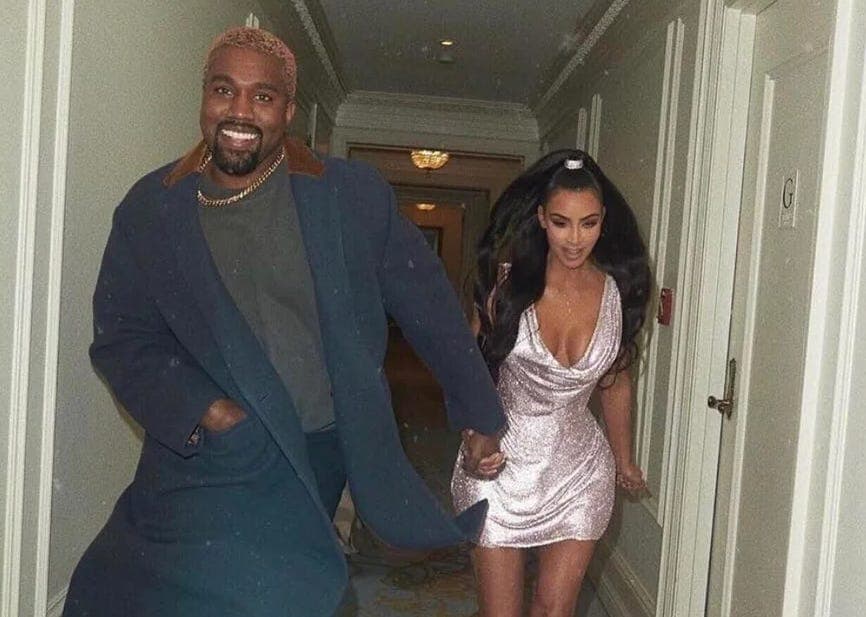
24:18And so I think that's what I'm really interested in with this book is not just what are the system effects and we're all victims of it, but where are people making choices and how those choices played out. And Anna Wintour, I think, made a pretty, I can see reasonable choice by putting Kim and Kanye on the cover of Vogue when she did. But obviously that was the end of any kind of bias against reality TV. And I think, you know, since that point, there really has not been that strong of a line between, you know, fashion design and reality TV or people who've come up from reality TV. So all these things have meaning.
24:54And the reason I started the book with Pearl Jam, which is somewhat of an odd place to start the book, and I'm not even a huge Pearl Jam fan, but, you know, the Pearl Jam was approached with fame in late 1992, early 1993, and they rejected it and more or less said, we're never going to make a music video again. because music videos are making us too popular. And it's just not that kind of stance is always possible in culture. You can always stand up against the forces that are pushing against you. And I think the last 25 years has been people saying yes to those forces rather than saying no. Can you say a little bit more about why you chose to focus in on values?
Read the full transcript
25:34You do touch upon systems a lot and you explain sort of how technological innovation, economic forces did impact the choices people made. But what was interesting to you about the values? Was part of this that you feel like we're not paying enough attention to the values? We're talking too much about systems and that looking at values opens up the story in a different way? I think values ultimately are what determine what the cultural narrative becomes. And so when you go back to 1994 and you think about what 1994 in American cinema, if you were to open the Wikipedia page, in terms of the movies that sold the most, that had the most people attend them, and in some ways democratically were voted to be the most important movies, you have something like The Flintstones.
26:17And The Flintstones is not seen as a particularly important movie. It's the same year you had Pulp Fiction. And I think if somebody were to tell the story of American cinema in 1994, they would much more mention Pulp Fiction than to mention the Flintstones. And so values are what is shaping as we look through culture and what's going on. And we decide, you know, as critics and writers, what should we write about? What should we make the moment? Those values are guiding those decisions. And so, you know, whether we like it or not. So Taylor Swift came out with an album, I guess, last week, and her fans seem to be a little mixed on it.
26:54And a lot of critics are being more critical about it than they had in the past. But the New York Times popcasts, John Caramonica and Joe Coscarelli are strongly behind it and, you know, did it almost an emergency pod about it. And so if you were to look back on 2025 and say, what were the big moments? I think that the Taylor Swift album will be one of those. And so it is its values that pick Taylor Swift over Geese. Maybe alternatively, you would say, OK, one battle after another has gotten a lot of play and will be kind of a big cultural moment of the year. And that's also a lot about the degree to which that was a big budget movie with Leo DiCaprio and all that.
27:34So the reason I'm interested in values is not because it determines everything going on in the market, but it determines what we care about and what gets valued overall and what becomes the hallmarks of our culture. And then those hallmarks end up influencing the next wave of people. And so, I mean, I think it'd be naive to think that Paris Hilton's rise didn't inspire a bunch of other people to look at that and say, oh, this is something that I could do as well. And so if Paris Hilton becomes valued by the system, then you're going to get more Paris Hiltons. And you're also going to have what did happen, which is this kind of revivalism that Paris Hilton was right and that she was unfairly maligned and that stars are blind is an incredible song or whatever it is.
28:17We have this kind of Paris Hilton revisionism now. It is an incredible song. Yeah. So the values are what's shaping how we think about culture at any time. And I think that's why I was interested in it. Okay. I have kind of a meta question within what you were just saying, which is you said that when we look back in 2025, the Taylor Swift album is going to be remembered as a major cultural moment. Okay, but what is determining what we consider major cultural moments, like in retrospect, because it's not the same forces that like did, I mean, critics, for example, which is like one thing that you obviously spent a lot of time talking about in the book, like the role of criticism or how that's changed.
28:56But like with the metabolism of pop culture and everything now, like what even like determines what those things are? Like, how do we know what that is? You know, according to, I guess, is like sort of what my question boils down to. Yeah, I mean, it's incredibly difficult because, so let's say the Hukitua girl, because here's like a really good case study of this. So when that was all developing, I think Joe Rogan went out and said she's the most famous woman on the internet right now. And I think when he said that, most people in more erudite educated circles had never even heard of her and didn't know what was going on.
29:28You know, she made her appearance on some sort of videocast. I don't even know the name of it, but, you know, it's two guys going around Nashville and trying to hit on girls and ask PG-13 questions of them and get their phone numbers. So, I mean, so this is something that most New York cultural critics probably don't watch. So she gets big on the internet, kind of in the manosphere type world or the kind of adjacent barstool sports, barstool conservative kind of universe. And then, you know, things play out and she gets in the crypto world. And then, you know, she does the rug pull and the coin disappears.
30:01And maybe by the end of that, someone would have heard of her, even if they were not consuming the, you know, they weren't listening to talk to her or whatever the podcast was. And now she's completely disappeared, more or less. I think she has a cameo in some Glenn Powell movie or something. But, you know, overall, she's kind of out of the conversation. Now, I would say that that was still a big moment of 2024, even though it was short lived and felt like a fad. The same way, La Boo Boo is also, you know, will be something people talk about for 2025. So the question in the long run is, will these things be remembered if they didn't really latch on to anything?
30:34It didn't lead to anything. I think the answer is probably no. But at the same time, if you were to go back and try to find the moments in which things have escaped velocity and feel like they're part of the culture and not just something that a couple people know about, but not everybody, then you do glom onto these moments. And so, you know, what was so clear about 80s or 90s culture is that a film like Back to the Future or Star Wars or whatever, I mean, everyone not only saw it, but they knew everyone else had seen it, that you have this common knowledge that it's a hit. And I think we are in a universe in which there's no more common knowledge that you could be really into something, but have no idea whether someone else has even heard of it.
31:13And that does make the kind of casual canonization of culture that we do quite difficult. And it's also very hard to predict in the future whether that will be the case. Now, I would say canons in the past have been really altered by elite critics and people who care about the format. And so if you go through the 70s and you look through what's the popular music of the 70s, it's like Tony Orlando or the Captain and Tennille. It's these things that people don't listen to as much anymore. But when you read histories of music in the seventies and you look at like what Simon Reynolds writes about, then you get bands like wire or you get, you know, punk, post-punk, reggae, you get all these movements that maybe weren't at the time as popular.
31:56But now if you look back, shaped the direction of music for the next 20 or 30 years. And so in cultural history at the moment, I think that I looked at, you know, what were the things that were actually popular the years that they were happening, but But at the same time, I think you'll go back in 20 years and write a completely different cultural history where you start finding the clues for the thing that is actually popular at that time. And just another clear example of this. So John Gans's book, When the Clock Broke, is about almost an alternative history of the 90s that's about Ross Perot and David Duke and Pat Buchanan, who were marginal figures in the 90s.
32:30But they're not so marginal now because they lead directly to the rise of Trump. And so there's probably some things in my book that explain what's going to happen in the next 20 years. And there's probably things I completely missed because they're just too marginal at the moment. So that is just always a challenge for any kind of history writing. But I think it is becoming increasingly challenging because the things that are popular may actually not even be that popular. And there's a lot of things that are popular. I call this kind of empty popularity where I don't like it and the people around me don't like it.
32:59But someone out there must like it. So I'm just going to pretend like it's something that is popular because I have to respect their tastes. I don't want to be mean about it. But at the same time, I have no proof that it's actually popular with anybody. Right. So that this false popularity also exists. Because those consensus metrics have been pretty obliterated or are now just kind of like being fabricated on the fly. Like as things evolve. Yeah. And I don't know if you saw this Rolling Stone top 250 songs of the 21st century. And, you know, some of it makes sense. I mean, having Get Your Freak On and Maps towards the top, I think it makes perfect sense.
33:32But there was just massive, incredible emissions that I was shocked by. You know, I think Drop It Like It's Hot was a scene like as one of the most innovative hip hop tracks the last 25 years. That wasn't on there. I wasn't on there? No. Grind In by Clips wasn't on there. Get Lucky. I mean, there was a kind of a big Pharrell Williams shutout, which was odd. And then, you know, then there's songs that I like that I thought were incredible that I also would assume they would never even heard of. So, you know, like a band like the My She, their last album, Hallelujah, is incredible. Some of the songs on there are great.
34:07They're some of my favorite songs in the last 25 years, but I just assume no one compiling that list had ever heard that album or, you know, the band Why, WHY? Like Fatalist Palmistry is definitely one of my favorite songs in the last 25 years. But I have no expectation that that would be on that list. And so, yeah, it is really, really hard to build any kind of consensus. And so, you know, Bob Lefset, he's a lawyer, but music industry analyst, he just called the whole thing clickbait because it's like you can't even do this exercise in the 21st century anymore. This actually like carries kind of well into what I'm asking next, which is like kind of a question that was stuck in my brain throughout reading the book.
34:44So the book concerns itself with, you know, this like sort of postmodern crisis and reckoning of a lack of innovation and newness in culture in the 21st century. And in the conclusion of the book, you posit that, quote, that artistic invention is a social good and that creators need to try to make radical new forms of culture. Given both the breadth and speed with which all that qualifies as culture today comes at us, I'm curious if you could say some more about what does it mean to be new and to be radical in culture today? Like, is it simply that it exists in contrast to the familiar or is it something more than that?
35:24How do we know it when we see it? Right. I mean, I think that is a very difficult question and one that becomes quite contentious because if you talk about Taylor Swift, for example, a lot of the analysis of why is Taylor Swift interesting, it clearly can't be the instrumentation because instrumentation is quite conventional. It can't be the melodies because the melodies are quite conventional. So it's her use of lore. It's the fact that she does this world building with her lyrics, et cetera, et cetera. And so you can always find in whatever's popular, something must be somewhat novel in order for it to have enough stimulus to interest people.
35:59But if you just take, let's just take a basic conception. Culture is based around conventions. So conventions are agreements, these kind of mutual unconscious agreements between people about the way things are supposed to be. So culture describes the arbitrary parts of our life and we could do things this way. We do things that way. Music could sound like this. It could sound like this. It could have, you know, three, four times. It could be four, four times. But there's these conventions that we all agree more or less that things should sound like this, be like this. And then those get kind of lodged in our brain as the way we look out at the world and say, this is the way it should be.
36:31And this is, this is right. And this is wrong. And so conventions, when you build something and it matches the convention is following the template of this is the way a pop song sounds. It should be this many minutes. It should have this kind of melody. The hook should come in the middle and building things for that template makes it conventional to be inventive means that you are doing something that not only breaks that convention, but breaks it in a way that people find delightful and surprising, and that opens up the possibilities of breaking it more in the future too. And so art traditionally, at least kind of in its avant-garde era, had figured out like, this is the convention and we're going to break it this way.
37:10And we are opening up all this new forms of expression through breaking it. And so when I mean my cultural invention, it doesn't have to be particularly sophisticated or formal. It just has to say, if things are this way? What if it could be a different way? And so, you know, hip hop came from the South Bronx because, you know, music was incredibly melodic and harmonic. And it said, no, what if music is mostly rhythmic based and lyrically based? And so that was a massive revolution in pop culture, and it has continued since that time. So the invention itself can, it can come from anywhere. And it's not something that has to be formal experimentation or particularly, you know, a group of people sitting around trying to scheme about the way it should be different.
37:56It's just kind of what's cool at the time. So I think that so much is being created right now that is conventional, that is not even trying to aim towards invention. And one of the things I've always loved to write, which is there's so much great pop culture that is still conventional, but at least tried to be a little bit different. And maybe it failed to get to the point of art, but it was still more interesting that it tried to be art. And so if you listen to this, you know, these 250 songs from Rolling Stone, you just hear a lot of convention in the sense that when they were made, it was based off melodic ideas that already existed.
38:31And I've been re-listening to the Taylor Swift back catalog and, you know, the first four albums are albums I didn't listen to at the time. And they're all kind of late 2000s. And what's interesting about them is I recognize the harmonies and the melodies exactly because they sound like late 90s Lisa Loeb or Natalie Imbruglio or whatever, right? They don't sound like these are radically new forms of music. And again, you can maybe point to the lyric writing or something about her that's different, but the music itself is incredibly conventional and that's why it worked. And things that are conventional tend to be more successful than things that are inventive.
39:08But I think there is kind of a formless way to divide these things up and they don't have to be perfectly massively radical, but just at least attempting to be radical or valuing that radicalism is what gives us a culture that is not just new, but also valuable. And, you know, unfortunately, if I go back and watch a Godard film from the 60s, it still feels more radical than a lot of filmmaking right now. And that is not encouraging and it doesn't make you feel like the 21st century is moving forward. No, I totally agree with Liv Goddard. That's like a perfect example, I think.
39:46If you like what you're hearing on this episode, there's a place where you can join the conversation. It's called Cujoplex, and it's a private online hangout zone on Discord where smart, cool weirdos just like you, you know, people who like talking about the evolving state of independent culture, can congregate, share links, and talk about the news of the day. We've had some great conversations lately about creative economies, media theory, AI, politics, the future of journalism, and even the records and TV shows we've been obsessing over this year. Some of our chats have even inspired episode ideas.
40:22You can get access to Cujoplex, along with our monthly bonus episodes, by signing up for a paid subscription over at our Substack. That's theculturejournalist.substack.com. What would you say to somebody who is like, well, you know, everything has already sort of been done in terms of, you know, coming up with new genres and people have been recycling old styles, not just in the 20th century, but going back like even further than that. Do we need new categories other than originality for evaluating art? Or do you think there's something particularly important about originality? I personally, when I evaluate a work of art, I guess maybe originality is a thing, right?
41:06You know it when you see it, you know it when you feel it, something feeling fresh and transgressive. But I tend to fear towards the side of like, is this expressing something about our time or something about what it means to be alive right now rather than originality? But maybe I should be asking for originality. I don't know. I mean, I think originality was the key for a very long time of how to judge art. And so if you go back to the Immanuel Kant definition of what makes an artist, it's they have to be fiercely original, they have to be influential, and there has to be something about them kind of mysterious where you don't know the origin of their artistic genius.
41:41And that really marked, I think, almost, I guess, 200 years of the values that critics brought to works of art to judge them. One of the things about poptimism, which is if you're going to start judging Britney Spears and Max Martin the same way you would judge Radiohead, you have to start also changing the criteria. In that, if lip syncing was seen as a big taboo, so then you have Ashley Simpson caught lip syncing. Well, that can't be disqualifying. So lip syncing is part of the pop artifice. So that's OK. Auto-tune. Singers should be able to hit their pitches correctly. Okay, well, not pop musicians.
42:16Auto-tune is okay. Pop musicians should be great. Performers was an old idea. Okay, well, no, the producer is part of the equation. So if they're cutting up every vocal take to create the best vocal take, that's fine. pop writers should be expressing themselves with the music. Well, if you have Max Martin and he's doing it all by math, that's also kind of a form of genius. So basically all these criteria of originality and self-expression or whatever these main criteria were, were being whittled away in order to justify why you were going to say that Britney Spears makes great music. I mean, it's funny to me because Taylor Swift or Britney Spears, it's kind of almost on its face, they make fun music.
42:54I don't need someone to explain to me that a Taylor Swift song is catchy because it's just catchy. But if you're in the critical exercise of taking it as seriously and evaluating it the same way you're evaluating Kid A, which is a more challenging work, then you're going to have to change the criteria. So I think we already kind of moved away from originality because that was too confining and it pushed things away from music that was created for the market or films created for the market. That being said, originality is the whole ballgame in the sense of things, especially as you look back at them from the future, you look at the initial creative or aesthetic change that then cascades down to the rest of culture.
43:35And so things that feel fresh in their time. And Simon Reynolds said this, I think on your podcast, it really affected my thinking about it, which was things that sound futuristic in their time still sound futuristic, even once those conventions become pretty regular. And so Kraftwerk still feels futuristic, even though a lot of music sounds like Kraftwerk. And so when you hear music that's trying to be fiercely original, it always feels that way. And that kind of transgressiveness makes it valuable for a long time. And so when I listen to 100 Gex, there are parts of 100 Gex that are pastiche, that are kind of playing with, you know, especially this last album, they had a bunch of new metal parody and they had some ska parody.
44:16I mean, and it's all kind of funny and they do it well, but that music could only be created in this time. I mean, it sounds like the internet. It sounds like the 2020s. And that is something I really respect. So they can use older elements like all artists have used older elements and they can use the canon the way that all artists have created their original works based off understanding the canon. But there's still something at the essence of 100 gex that is only now. And that's the part where I feel like there's still room for you to create something popular but to at least try to use some sort of techniques or angles that make it very much about now rather than just repeating tricks of the past.
44:54You can get kind of heady when you take like a longer, even longer historical view where like I did a project, like a research project recently where I was looking at something like the history of American architecture. right and like in the colonial era or like around the time of like the united states becoming the united states we had like greek revival right and that was considered edgy right at that time to like revive the greeks and then later on we had like a gothic revival we had the arts and crafts movement which was from the uk but spilled over into the united states and that was like edgy precisely because it was reviving like non-industrial forms of production and hearkening back to like medieval guilds right so it's like it's interesting to think about because like everything inevitably is going to be recycling something new but there's something ineffable to originality that i'm trying to put my finger on but it's hard yeah i mean so if you think about the early 2000s the rock revival i mean the strokes the strokes don't sound actually like television or these bands but they very much have the ethos of those bands.
46:00They kind of look like it. And the instrumentation is quite similar, but nothing really actually sounds like the Strokes from the 70s. But that was a defining movement from the 21st century in that it was different from what came before. And trap and drill, I think, have been so successful, especially trap, because trap music doesn't sound like hip hop that came before. And so one of my conclusions looking at this 25 years is you can say, OK, well, there's less original stuff than before. But where there is something original and it can be revival. It can just be a novelty based off of that you haven't seen this thing in a while.
46:32It doesn't necessarily have to be like a true original thing that's never been thought of before. But where there is a spark of originality, it's been or a spark of novelty. It has been incredibly successful that people's desire for novelty hasn't gone away. It's just that the system is unable or unwilling to provide that novelty. And so if you're Marvel and you're making films, you start getting into a groove of it has to be this in order to be a Marvel movie. And then your capacity to create innovation and originality keeps going down. I think Taylor Swift too, is just at a point where she's running a business and doesn't want the business to fail.
47:08And it's very odd because it's kind of like, don't you have enough money for this business? Isn't it successful enough? But apparently she doesn't think so. And so originality is one form of novelty, but it's not the only one. And so retro has been really successful in the 21st century because it presents forms of novelty that also have some level of valuation baked in that people remember these things, or it harks back to some era with some iconic people. And we can kind of point to that. The 21st century has been very bad about creating iconic looks and iconic people. And so things that are original now never get the valuation to kind of, you know, escape velocity from the margins into the center, where things that are novel, but based on the past do.
47:52I keep bringing up Simon Reynolds. I mean, obviously, it's a huge influence on me. But when I read Retro Mania, my main feeling was not, why are things that are from the past popular? Because even in the 90s, you know, I grew up on a bunch of nostalgia for the 60s. It's because things that are created now can't compete against nostalgic things. I think that's the new place that we are. And so there's always been revival. It's just the revival has been alongside innovation and originality. And I think now we feel that that revival is drowning out the innovation and originality. And that's what the big difference of the century has been.
48:24All right. So one thing we want to ask you about is there's two shifts that feel especially specific to the millennial generation. And that really kind of set us apart from our Gen X predecessors, which are pactimism and the valorization of entrepreneurial heroism, which you talk about in your book. how did we end up not just placing value on the type of culture that's the most commercially successful, but also starting to see it as the more ethically righteous stance? Tell us about what is ultra-poptimism and what does it tell us about where these values ultimately lead us? Okay, so the more cynical fashion approach to millennial taste would be to say that Gen X had won the war in the late 90s of establishing these kind of indie anti-market forces as the mainstream and any millennial growing up at that time would have felt almost oppressed by how unfun it all seems that we had to hate pop culture and that we had to feel bad about everything and so when Britney Spears and the Backstreet Boys and all that Total Quest live culture popped up it was very easy to feel like okay this is exciting and fun and i don't know why i'm supposed to be told that it's wrong um and so millennial tastes start from that backlash to 90s indie culture and pop music it was very easy to also see pop music is more popular than non-pop music it's for more people it tends to be created and liked by fan bases that maybe tend more towards marginalized communities than educated white people.
50:04And so it would be also easy to justify ideologically to say, well, pop music is more democratic. It's more progressive than non-pop music. And so popdomism has this edge to it that is ideological, that's very much about taking the principles of liberal inclusivity even further and saying that judging someone's taste, especially let's say if they're not as sophisticated, is a form of oppression. To tell someone that they have bad taste because they like pop music or junk food is wrong. And therefore we should liberate them by not only accepting their taste, but uplifting it as well. And so I think the poptimism and progressive left kind of thinking really merge well together.
50:52And as somebody who my politics are on the left. I understand that ideology perfectly. It's not a diss on poptimism to say it has the ideological edge. I think it just merges quite well. Entrepreneurial heroism part is quite interesting because part of it also, I think, comes out of the backlash in the 90s of this anti-corporate kind of feeling and anti-careerist kind of feeling of the 90s. Some of it is that once you've accepted pop as the righteous form of culture and that market mechanisms become the way that you judge the success of that culture, it's very easy to also say, well, money itself is not bad and the pursuit of money is not bad.
51:35And artists in some ways are entrepreneurs. And if they're going from scratch to build this giant business, who are we to criticize it? And so I think that there also became a kind of democratic liberal justification for making a ton of money as a sign of your catering to people's tastes and providing the products that they want, et cetera, et cetera. Then you have people like Jay-Z who make a very big deal out of every time I make millions, if not billions, you, the audience, also wins somehow. I mean, I think that's kind of his message. And that also spreads where it's like, who are we to criticize Jay-Z and to keep him from the thing he wants, which is a ton of money.
52:14So then moving from there, then you get things like the financial crisis and you get a sense of economic precarity, which also just blends in that everyone is starting to worry about their future and they feel like they need to get rich as quickly as possible as a safety net against possible financial ruin. And then there's things like healthcare costs rise and all sorts of things that make everyone say you can't really be a poor bohemian poet living in a crummy apartment in New York anymore because the apartment costs too much and your health care costs too much. So everyone has to make some money and people should get paid by the fruits of their labor, et cetera, et cetera.
52:51So I think you have all these generally progressive ideas that get pushed into a feeling that entrepreneurialism is good, that it's the right form of capitalism. And then also maybe the worries about economic situations that push people into that. And then, you know, so in the book, I have a whole chapter about millennials and it really is about just how pro-market everybody is and whether that's, you know, TV shows about wealthy people or bands like Vampire Weekend who seem kind of engineered from the beginning to be very popular to white audiences. You know, the whole generation is marked by this pro-market sentiment that I think is quite different than Gen X, which was very performatively anti-corporate.
53:30And it's notable or important to emphasize, I think, that poptimism, I don't know about entrepreneurialism, but the sort of forces we're talking about, they were socially progressive, but I wouldn't say that they were economically progressive or economically populist. Maybe they could be rationalized in some ways, like, oh, we need to be paid what we're worth or whatever. But I have a lot of problems with it, first of all, because it suggested that people from marginalized backgrounds cannot make avant-garde anti-poptimist music, which That is a really important thing. But also it does not feel economically populist to me.
54:06And I think that it represents a system that was unequal and it feels very in line with sort of like the sanitized corporate neoliberal world that was happy to embrace some aspects of progressive identity politics. But almost, you know, one could arguably for good reasons, but also as a way of distracting from the fact that they weren't, you know, paying their workers well. That's my rant. I think that's a good corrective, which is, yeah, the politics of all this pro-market, pro-manufactured pop sentiment really did not have that economic populism in it. I mean, a really clear example is like, you know, AOC.
54:46Then does she have a line of like, every billionaire is a policy failure, right? But no one would say like, every billionaire pop singer is a policy failure. I think that we celebrate even, you know, on the New York Times podcast last week, they were talking about, is it incredible that Taylor Swift has built this$2 billion business or her assets are now in the multi-billions just based off of her diary or something? And so that's something we should celebrate is that she's become this business success rather than saying, does she need billions of dollars? And is it a success that so much of the cultural market has been captured by one person?
55:19So there's a hypocrisy in a sense that I think a lot of people who are economically progressive are also incredibly supportive of centralized manufactured pop culture. There's a lot of people who would never eat highly processed foods or want to support craft brands or their local coffee roaster or whatever, who also think the most liberating form of pop culture is the most manufactured. So I think there's this weird tension there that capitalism, as you said, the kind of neoliberal capitalism, the values of it have infested a lot of thinking about art and a lot of thinking about politics and a lot of thinking about culture in general and the justifying artists who are going out and basically saying, I'm going to use my music as a launching pad to then launch products and become a billionaire.
56:10I have this critique of Addison Rae that a lot of people have been kind of mad about in a sense, but, you know, Addison was a TikTok star and then she did her makeup brand. You know, she worked with the private label companies to make her a cosmetic line, a perfume line. And then what's the next step in this business journey is to launch pop music. And to me, that seems incredibly cynical and maybe not something we should be supporting, but the amount of middle-aged male critics at major publications who are just like, this is the greatest music of the year and kind of can put aside the fact that it seems so cynical and business related, I think it was very telling to me that we're in that era in which no one's going to punish you for trying to make money, even if the art itself is ultimately just a step in your career path.
56:58Right. It's funny how it's like art is now just whether you start as an entrepreneur or become entrepreneur, it's like art is no longer like the goal or achievement unto itself. It's like even, I guess this goes back to sort of like the goalpost moving thing, just like what one considers a success or achievement or a moment in pop culture like ultimately just comes back to like and now can they even make any more money how are they going to make even more money now it's not about what are they making next it's just how are they going to like expand their margins next fun enough to be like a you know a high achieving actor like an oscar-winning actor it's like you have to launch like a tequila brand now or something or exactly yeah and so what what's frustrating is tarot swift comes out with this album she puts out this movie that it's not really a movie that fans feel a little betrayed by.
57:44She then asked fans to buy five additional versions of the record that, you know, there's an acoustic version and this and that. And it was just all merch. It was just like, hey, if you're a real fan, you have to buy this stuff. And the fans seemed to be a little bit upset about that, that they did seem to be, okay, now I'm just being economically exploited by this person who has all the money in the world. And at the same time, And the critics were on her side. I mean, not all of them, but some of the most famous ones at the paper of record were on her side with all of this. And so you also have this, I'm not convinced that the world necessarily all is so happy that these stars are just progressing their asset management.
58:27but the degree to which the values imbued in our top critics is not to be weary of these things or to discount an artist because they're doing things for money but either to put it aside or to almost get excited about it i think that's the part that that's very surprising to me and it's not that my values were completely shaped by the 90s and then stopped but just if you look at the perspective from the 90s in order to understand how the world changed that is the biggest difference which is just that there was a massive bias against corporate thinking or commerce in general in the 90s that just completely disappeared to the degree that now we're excited when an artist becomes a billionaire.
59:09And to reference the very beginning of my book, that the CEO of Goldman Sachs can spin at Lollapalooza and nobody cares. And that's not something that would have been true in the 90s. Maybe the critics that you're talking about who praise Taylor Swift's entrepreneurialism are also just really afraid of getting attacked by her fans or something because of all for ultra poptimism reasons yeah and i i think what was an interesting i recommend people listen to this podcast from the new york times last week which is that there was this kind of sense of oh the critics for this album realized that they could start being a little more negative again and they won't face repercussions and i mean it was almost admitting that critics were holding their tongues a bit and trying to find what was best about Taylor Swift because they were scared, which is also a very strange situation.
59:58So you talk a lot about the 21st century valorization of omnivorism, which you define as, quote, the rejection of cultural hierarchies, creating equal interest in all genres, tastes, and historical styles. What's interesting about omnivorism is that it arguably produced some of the more kind of, well, interesting moments in 21st century culture. Like, you know, you're talking about Pharrell earlier, not according to that Rolling Stone list, you know, Kanye West-Eas, Virgil Abloh. And yet when we hit the 2020s, you argue that it becomes so ubiquitous that it becomes almost an impediment to innovation.
1:00:35What is an omnivore monoculture? I just love this so much. I'm so excited to talk to you about it. What is an omnivore monoculture and how might it paradoxically lead to a culture that feels stale? Right. I mean, so omnivorism really starts in the 90s and it's a term to describe being a consumer of culture where you're interested in high and low at the same time that you can enjoy a meal at a fine dining establishment, but also a McDonald's hamburger that you like indie, you like pop, you like everything. And I would say that one of the greatest forces for cultural innovation in the 21st century had been these particular omnivores.
1:01:16And I would say, you know, Pharrell and Kanye are two of the clearest ones, but people who loved every genre and just had this curiosity about the world and were bringing things in and mixing and matching. And so mixing and matching was really potent for creating new forms that got us through many years of the 21st century. At some point, everything was mixed and matched, except for really country music and hip hop. Those were the two that were country music had not fused with anything. And that's usually because country music is generally very provincial and uses conventions that are old. So there's not a lot of new things to mine from it.
1:01:53But then, you know, country music started taking in a lot of trap beats and things got closer and closer to hip hop. And then Little and As X, that was the final kind of hybridization where now you have country and rap together, really successful. And then obviously last year with Shibuzi, then you had it kind of wasn't even a big deal anymore. or it could just be a huge hit to have a country rap song. So we're now at a point where every genre is pretty much in this giant pile of what is possible for you to play with. And so it's an omnibore monoculture in the sense of kind of everything is there, and it's not that interesting anymore to bend genre because all the genres have been bent.
1:02:31And that is different than an old style monoculture where, let's say the late 1950s, almost every song has the same harmonic structure, the same chord sequence. and you had to make songs that were like that. So it's not like that where everything has to be one sound. You can add everything in, but it also feels at the same time where everything is possible. And so there's no barriers and barriers are what create cultural value. To have this can't be this is what makes the thing inside of the culture feel more valuable. And so since everything can be everything, there is a kind of stagnation that comes with that.
1:03:07And so if you, by fusing genres, create all this energy, and that got us through 20 years. Now there's nothing to fuse anymore. And so we hit a wall. And so it's not anyone's fault at all. I mean, I think the fusing was interesting and good. It's just at some point you run out of things to fuse. You also make the really good point, I think, in the book that the genres like goth and punk and techno or whatever, I mean, they still obviously exist techno, especially in terms of having their own small industry within the larger industry, but that different genres helped up and coming artists establish following in a more, you know, supportive environment before they started having to compete against, you know, the likes of Taylor Swift or Beyonce on Spotify or whatever.
1:03:56Yeah. I mean, I think I'd like to see more research to bear out my idea there. I mean, I kind of would throw it off the cuff, but... It tracks anecdotally to me. Yeah, I mean, if you have to be a pop star in this big monoculture as your first thing, I mean, it's almost impossible to get started. And at least in terms of the ability to break new artists is almost impossible for the industry. And it used to be a lot easier if you're in this smaller pool in which there's a fan base that's already there kind of for the thing you're doing. Whereas now, yes, you have to compete. So I really, I really enjoyed the conclusion of the book because of how clearly you kind of state these five components for a path forward.
1:04:39And I can recommend everyone read the whole book because it's a really nice kind of capstone on it. But one of the steps that you put forth is rebuilding and enforcing social norms. One thing that you cite as like a past social norm that kind of worked amongst artists and creatives was this 20th century taboo of selling out, you know, and artists and subcultures kind of enforced selling out as a norm, as a way to create social rewards against commercialism and have something else to kind of strive for beyond, you know, just commercial success and financial achievement. And obviously, the playing field has changed a lot today.
1:05:15Everything we just talked about. I was wondering, what might some of these new social norms look like today? You know, how do we establish these kind of social rewards when it feels like the only way to kind of disseminate them is to inevitably participate in the system we're trying to push back against? How do we get people to change their values? And then how do we like, how are those values going to stand up to these like very, very intractable or seemingly intractable economic and technological forces. Maybe you have some examples of ways that that's already being done. Right. So, I mean, at the end of the book, as we mentioned earlier, I talk about the cultural innovation, cultural invention is a social good.
1:05:53So I think that's the number one norm that needs to be enforced that, you know, if you're a creative person and you're in a creative community that you are mostly interested in solving for creating more invention in that community. And so if you're in a community in which the people around you are watering down what they're doing in order to get a paycheck or immediately selling out or selling out what I call the double sell out, where it's like where you sell out and then after you sell out, you just sell out more. You become famous in order to sell your coffee brands or whatever it is. I think it is okay to have that community criticize and exile these people.
1:06:28And so the norms need to be around a goal. it's not just being petty and trying to criticize other people but in order for that goal to be things that everyone is working towards there has to be some sort of punishment i mean i think in corporations often they talk about like let's have norms for our teams and the thing about norms they only work really through negative reinforcement that if the norm is just like be creative and there's no punishment for not being creative then no one will be creative because the incentives to make a lot of money are more obvious and more ample. And so I think that the focus on norms has to be for groups that are trying to create something interesting to try to dissuade everyone from just quickly giving up on that mission in order to secure some sort of personal financial gain.
1:07:20And, you know, again, it's like I know that people get quite sensitive about the idea that people should be making money from the things that they do. So you don't want to say like prevent them from doing so, but just to be much more thoughtful about how to do that. Another part of this is just to uplift artists who are adhering to the norms of pushing towards creative invention as well as punishing the ones who don't. So I mean, I think it's fair to criticize Taylor Swift for being so baldly commercial where she doesn't need to be. My biggest problem with actually romantic ripping off the pixies is not that she ripped off the Pixies, but that you hired Max Martin and you have the unlimited budgets and you have some of the smartest musical technicians in the world.
1:08:04And this is the best you could come up with is referencing a song that every single person of a certain generation knows. And I've already heard that song too much. Right. It's like it's just playing into the algorithm rather than trying to make the big, cool pop that Max Martin frankly used to make. Right. The thing that people love about Max Martin is that there was no Backstreet Boys type song and then there was and he made it out of nothing where it's like I don't need to hear the Pixies again because the Pixies already exist. And it'd be one thing if a young producer did that. I mean also there was a Drake song a while back that used One More Time by Daft Punk and it was also awful just because it's like this just isn't that interesting the way you're using it.
1:08:42So I mean that is a norm to say you're being lazy and we should punish you for it and we shouldn't give you a pass or try to find some sort of justification why that was cool. It just actually wasn't. And so I think for critics and for creative communities, it just needs to get back to having some sort of focus on what is the thing we're trying to do. And that's what social norms can achieve instead of just letting everybody run around doing whatever is convenient for that particular moment. What are you excited about in popular culture or just in culture in general right now? Like what's working for you?
1:09:17What do you think is innovative? Like what are some of these things that we could be looking towards and reinforcing like what you were just discussing? And if you're not excited about anything, what will you be paying attention to in the years to come having written this exhaustive 25-year history? I mean, I get excited about things that it's not that high of a bar. I mean, it just has to have some sort of stimulus where I'm like, wow i've never seen that before heard that before or seen that um nathan fielder's show the rehearsal is ostensibly a reality tv show but he takes the format and does something really innovative with it and then the second season in particular all builds toward this this incredible moment that's pretty clearly both interesting from a entertainment point of view but also interesting from an artistic point of view uh i already mentioned 100 gex they sound like culture feels now.
1:10:08And then, you know, I was excited with, I don't listen to a ton of drill, but the idea of it was exciting to me or, you know, even like early ice spice or something, which is, this is a rhythmic form that had not existed before. And it sounds very different than hip hop prior. I mean, trap has gotten to a point where everything is trap. And so it's, it's not that quite interesting anymore, but, but drill is still really unusual the way it sounds. And so it is not that cultural innovation is impossible. I just don't believe that. I just don't think anyone's trying to solve for it now. And there's almost no reward.
1:10:44And so that's, I mean, a lot of my critique becomes about critics, like critiquing critics, which is the worst because it's like, there's so, like number one, your audience for your ideas hates you. And then number two, that it's like such a small, small topic of discussion that nobody cares about. But critics are the people who have the most power to change this, right? And so where a John Carr and Monica does an entire episode about drill and I learn a ton and get access to all this music I didn't know existed, that's really powerful. And so, you know, my critique of the podcast talking about Taylor Swift so much is not that that I think they're wrong about like that they have bad taste or that they're they don't know about music or any of that.
1:11:24It's just if they're focused on talking about Taylor Swift every fourth episode, that's a wasted opportunity to introduce people to music that they wouldn't have heard otherwise, which is the thing that critics used to always do. And so where I still see critics point me to something also, and I'll give you another good example of something I'm into these days. And so the Dijon album, Baby, I think the first time you hear it, it's very strange. I mean, it's a mix of genres, which I think is not that odd. But the way it's mixed and the way it all kind of flows together is unusual. And it takes you three or four listens to kind of understand his specific thing he's trying to do.
1:12:00And that's what great art often does, is it just sounds unusual at first. And then you have to learn its rules and rhythms, and then you come around to it. So again, I think I'm asking for very, very little, which is just asking for critics to really be thinking about what is the unusual music or films or books that we can point people to and to imbue those new forms with more value so that they have a chance of really influencing the market. And then in general, just making people more excited to be innovative because innovation has lost its initial clearest reward, which was critical reception.
1:12:37David, it's been such a pleasure to have you on. We've been big fans of your work for a long time. So this feels like a long time coming. And yeah, where can people find the book and follow your work? So the book will be general release on November 18th. And I do a newsletter at, it's called Culture and Owner's Manual at culture.ghost.io, in which I kind of write essays about these topics. And my other previous books are also available. I think if you haven't read Status and Culture, it's not really a book about status. it's more a book about culture. But I highly recommend you reading that if you're interested in any of these topics.
1:13:11If you listen to Kujo, you should definitely read that book. Yes. Thank you.
1:13:22This episode of The Culture Journalist was produced and edited by Emily Friedlander and me, Andrea Dominick. Our theme music is by Mark Donica. To check out more, head to our sub stack. That's theculturejournalist.substack.com And if you like what you're hearing, leave a rating or review on Apple Podcasts or share us with friends to help support independent journalism.
From the publisher
Just in time for Halloween, we’re hosting a virtual hauntology reading group (specifically, hauntology the music genre) at 4pm ET next Thursday, October 30. If you want to join in, sign up for a paid subscription, or toss a few bucks into our haunted tip jar, and we’ll send you the readings and a link to log into the conversation. We hope it’ll be the first of more group reading sessions to come.Paid subscribers also get access to our CUJOPLEX Discord, an online hangout zone where folks who like talking about the evolving state of independent music, culture, and media can talk about the news of the day; and the Weather Report, a monthly episode series where we take stock of where the cultural winds are blowing and tell you what’s rained into our brains.
We spend a lot of time here talking about the structural forces that turned pop culture into an endless churn of sequels, remakes, and nostalgia plays. But what if the blame for our current “creative recession” lies on more than just economics or platforms? What if our cultural values themselves have shifted in ways that make true innovation harder to sustain?That’s the focus of Blank Space: A Cultural History of the Twenty-First Century, the forthcoming book from Tokyo-based culture critic W. David Marx—and probably the first major exhaustive account of the last 25 years in music, film/TV, internet culture, and fashion. He doesn’t just look at the technological, political, and economic forces that that created a winner-take-all landscape where billionaires and centi-millionaires like Taylor Swift, Kanye West, Paris Hilton, MrBeast, Jay-Z and frankly Donald Trump took up all of the cultural oxygen in the room, making it harder and harder for the next generation of innovators to break through. He zeroes in on the cultural attitudes that have led us here—and that set us apart from our 20th-century forebears—including poptimism, the valorization of entrepreneurial heroism, cultural omnivorism, and more.
In addition to Blank Space, David the author of the mega-influential books Status and Culture: How Our Desire for Social Rank Creates Taste, Identity, Art, Fashion, and Constant Change and Ametora: How Japan Saved American Style. He joins us to talk about the mind-boggling task of summing up the past quarter-century of culture, and why most of the coolest, most innovative outputs ended up getting pushed to the margins. We also get into what originality means in a climate of constant churn, and why he believes that fighting for it is still important, even in a postmodern landscape where “everything has already been done.”
Finally, David makes the case that building a healthier cultural ecosystem starts with changing our cultural attitudes. That means embracing and reinforcing social norms that have fallen to the wayside in the past quarter century, like normalizing giving credit to smaller artists, learning the canon so we can break it, and yes, making it lame to sell out again.
Pre-order Blank Space, which is out November 18 via Penguin Random House.
Subscribe to David’s newsletter, CULTURE: An Owner’s Manual
Follow David on X
This is a public episode. If you'd like to discuss this with other subscribers or get access to bonus episodes, visit theculturejournalist.substack.com/subscribe