In short
Podcast Episode Summary: How A24 Turned Cinema into a Lifestyle
Podcast Information
- Title: The Culture Journalist
- Hosts: Emilie Friedlander and Andrea Domanick
- Episode Title: How A24 Turned Cinema into a Lifestyle
- Description: The episode examines A24's unique position in the film industry, its influence on cinema and culture, and critiques its branding strategies.
Key Themes and Discussions
A24's Influence on Cinema
- Unique Positioning: A24 has become synonymous with quality art-house films like *The Witch*, *Moonlight*, and *Uncut Gems*. The studio represents a hope for many filmmakers that quality art can succeed commercially in a risk-averse Hollywood.
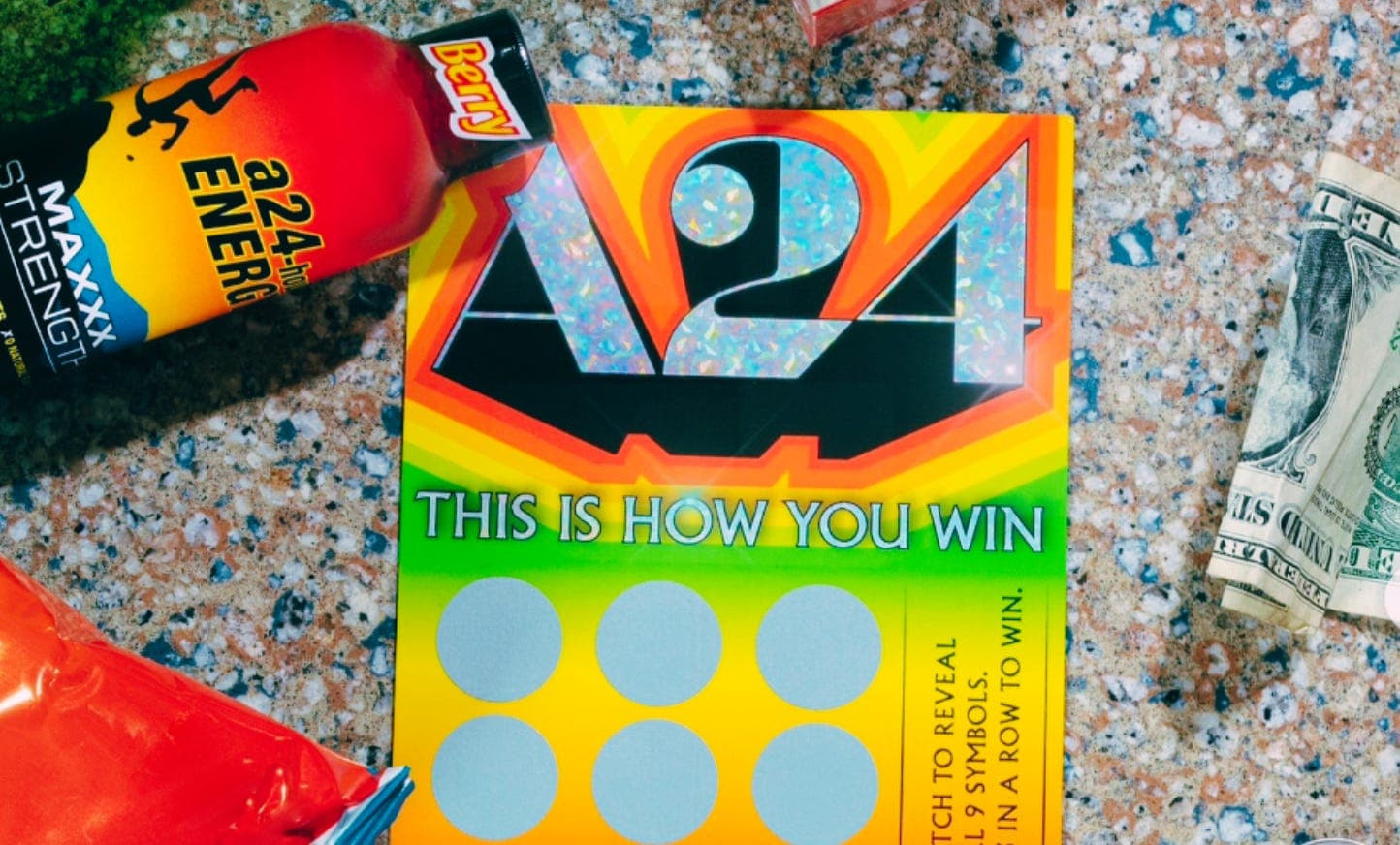
- Cinephile Branding: The discussion highlights how A24 commodified the idea of being a cinephile, creating a lifestyle brand that resonates with urban, culturally savvy consumers. Their logo and marketing evoke a distinct aesthetic that signals quality and innovation.
The Illusion of Quality
- Marketing vs. Substance: There is skepticism about whether A24 is genuinely saving American cinema or if its success is an illusion created by effective branding and marketing strategies. Critics argue that A24's reputation for high-quality films may overshadow the actual content of their catalog.
Evolution of A24
- From Distributor to Studio: Originally, A24 began as a distribution company, acquiring independent films and later transitioning into a production studio. They launched numerous critically acclaimed films but have faced scrutiny about their shift in focus and the potential commercialization of their brand.
- Financial Influences: The episode discusses the recent $100 million investment from Thrive Capital and how it raises questions about A24's direction and integrity. This financial backing may contribute to a shift in their focus from art to profit.
Aesthetic and Political Elements
- Distinct "Feel": A24 films often share aesthetic and thematic elements, focusing on psychological trauma, family struggles, and societal issues. The hosts discuss the films' tendency to shy away from overtly controversial political themes, opting for safer narratives that may not fully engage with the complexities of modern life.
Competition with Neon
- Neon as the "Other Alternative": Neon is suggested as a competitor to A24, focusing on international cinema and more incisive themes. The hosts explore how both companies target similar demographics but differ in their narrative styles and marketing approaches.
Key Takeaways
- Branding Is Crucial: A24's branding strategy has successfully positioned it as a leader in independent cinema, appealing to audiences through a lifestyle aesthetic that emphasizes uniqueness and sophistication.
- Art vs. Commerce: The tension between genuine artistic expression and commercial viability is a central theme; A24's narrative suggests that it can marry both, though critics question the reality of this claim.
- Cultural Impact: A24's influence goes beyond film; it reflects broader trends in consumerism, branding, and cultural identity, encapsulating how modern audiences engage with cinema as part of a lifestyle.
Conclusion The episode provides an in-depth analysis of A24's unique place in the film industry, examining how its branding strategies have allowed it to create a cultural phenomenon while simultaneously raising questions about the authenticity of its artistic claims. The conversation with Nicholas Russell sheds light on the complexities of contemporary cinema, highlighting the interplay between art, commerce, and audience perception.
References
- Nicholas Russell's Work: [Author's website](https://nicholasrussell.me/)
- Recommended Reading:
- "The Life and Death of Hollywood" by Daniel Bessner
- "A24's Risky Hollywood Moment" by Felix Gillette
- *Hollywood: The Oral History* by Jeanine Basinger and Sam Wasson
For more insights and discussions on cultural trends, visit [The Culture Journalist Substack](https://theculturejournalist.substack.com).
Written by AI. May contain mistakes. Listen to the episode to check what was said.
Transcript
Automatic transcript. May contain errors.0:00Branding is how you tell the world what you're about. I think about A24. They built a brand that's all about bold, innovative storytelling. When people see that logo, they know they're getting something fucking weird. They're getting some different boundary pushing. It's gonna be crazy. Yeah, they did such a great job in laying the foundation. People instantly know the vibe. Hey, pals, it's Emily here alone again while Andrea is on vacation, and you're listening to Cujo, a.k.a. The Culture Journalist, a podcast about culture in the age of platforms. With a catalog full of arthouse favorites like The Witch, Spring Breakers, Moonlight, and Uncut Gems, it's hard to deny that A24 occupies a unique position in the zeitgeist.
0:45In a Hollywood landscape that can feel like it's becoming more risk-averse by the year, see our recent episode with Andrew DeWard on his book Derivative Media, the artist-forward distributor and studio has become synonymous with a dream that to many American cultural producers feels increasingly remote. A kind of impossible reconciliation of art and commerce. The conviction that one can doggedly put quality art out into the marketplace and see it actually succeed. But is it accurate to see A24, as many of its fans do, as the company that is single-handedly saving American cinema? Or is it all just a carefully crafted illusion, one that is probably more a testament to the importance of savvy brand positioning and good graphic design than it is to the actual quality of the films in its catalog?
1:36We brought on the Las Vegas-based writer and critic Nicholas Russell, author of an excellent essay for Dirt called The Popular Alternative, The State of A24, to discuss how the company grew from its humble roots as an upstart indie film distributor to a studio and lifestyle brand in the mold of Disney, albeit one for urban-dwelling adults who pride themselves in being smart cultural consumers. We talk about how the company successfully commodified the idea, if not the reality, of being a cinephile, the similarities between the A24 baseball cap and the New Yorker tote, and what Nicholas describes as the longstanding tension between, quote, A24 the studio and A24 the startup, one recently complicated by a$100 million cash injection from Josh Kushner's Thrive Capital, a major investor in open AI.
2:31We also discuss the aesthetic elements and political tropes that A24 tends to foreground and also shy away from in its films, and the rise of Neon, which you may know is a distributor behind critical favorites like Parasite, Nora, and How to Blow Up a Pipeline as the, quote, other popular alternative. We'll be right back with Nicholas after the break.
3:03She want to slide and talk. If she likes Halloween, of course. She a star red carpet source. Maybe we can make a film like A24. Guest list fine, I'll bring 20 more. Might, might check two steps forward to the... The Culture Journalist is an independent project that relies on word of mouth and is funded entirely by listeners. If this pod had something meaningful to your life and you want to access everything we put out, please consider supporting our work by becoming a paid subscriber over at our sub stack. Paid subscribers receive access to our Discord community the Cujoplex, full access to bonus episodes, and more goodies.
3:38You can get it all right now by subscribing over at theculturejournalist.substack.com. Hey guys, we are here with Nicholas Russell. Nicholas, thank you so much for coming on the show. Yeah, thanks for having me. So I know that this piece had been in the works for a long time, or I saw you write that on Twitter. What drew you to writing about A24? Was there something that irked you or that felt like it hadn't been said? It's interesting because this piece originally started at a different publication and sort of Genesis was me and an editor going back and forth about topics in culture that maybe hadn't been given an in-depth look.
4:24And A24 came up And it seemed at the time, this is probably over a year ago at this point, that A24 had been talked about or talked around in a very superficial way. And it's maybe a point of irritation amongst film critics bringing up A24 because there is such an identifiable thing that they do that is kind of ephemeral. but once you invoke it people tend to know kind of what you're talking about whether it's for lack of a better word the vibe of one other movies or the look or the bandied about word aesthetic which you know to your question of was there something that drew me to it or annoyed me about it is this illusion of uniform quality amongst their releases which I think is an artifact of the marketing which we can get into.
5:18I've always been really suspicious of upstart companies in Hollywood that are promising audiences and shareholders that they're going to do something different and new and sort of unprecedented, which is usually, you know, turning on this ironic marshalling of, well, actually, you know, we're going back to the roots of cinema, sort of classic Hollywood, which A24 obviously has endeavored to do with the way that they talk about themselves, even with their logo like minor interesting tidbit is like you know when they were founded they hired this design company to design their logo and one of the sort of points that founders wanted to hit was something modern but also hearkening back to the like golden age of hollywood which is the kind of bullshit you hear with people talking about fonts and it seems like There is a sense that A24 had really succeeded in becoming synonymous with this feel, this mission, and that there reaches a point where the feel and the mission and the reputation kind of could become a stand-in for quality or be leveraged in such a way that the marketing speaks louder than everything else.
6:34It's interesting, Ray. There's an earlier draft of the piece that talks about this idea that no one talks about other bigger production companies like they talk about A24. For instance, when someone thinks of Universal, especially now, maybe you have certain associations. You think of early mid-century Universal Monsters, Dracula, The Little Man, The Greatest Black Mirror, that kind of thing. Or you think of big budget films like Oppenheimer or something. But if you go through the slate of Universal Films, you are not seeing something that communicates to you a corporate ethos about Universal.
7:14You recognize the logo, obviously. That's one of the biggest things that all these Hollywood production companies have. Most Americans certainly can do it. Oh, yeah, the Columbia logo with the woman holding the torch or, I don't know, Regency or Focus Features. You know, you become a nerd to seeing these visual signifiers of a brand, but they don't necessarily tell you very much about the movie you're about to see. Even if, you know, internally, obviously, these corporations are selling a different narrative, like prizing a certain kind of artistry or whatever. whatever right but a24 people are always sort of thinking of the same thing which is like prestige like glossy very well crafted intentional filmmaking and i think as i argue in the essay a lot of that is built off of the back of the very early era of a24 we're talking like from their inception in 2012 up to 2018 with Gems.
8:23That is the period of time that I think a lot of audiences are still unintentionally invoking when they see the A24 log. Oh yeah, The Witch, or The Bling Ring, or Spring Breakers, which was like one of the really big early hits for them. And then it trickles down, right? You start thinking about filmmakers and auteurs, which is, I think, one of the main things that A24 sort of prides itself on is harboring and nurturing up and coming filmmakers in singular visions. So Sofia Coppola, Paul Schrader, the Safdie brothers, you know, there's like a Greta Gerwig, you know, with Lady Bird, Barry Jenkins with Moonlight.
9:09They prize the director or writer director sort of over the stars that are in these movies as a point of, you know, redirecting your attention towards like the real craft of these movies. which I don't know my argument in the piece is that this is ironic because A24 were their biggest hits or at least a lot of them they didn't produce them they merely distributed them that was what A24 was when they started out you know they were a distribution company. How would you describe A24's unique position in the zeitgeist? How would you know its supporters its biggest fans describe it versus how what its detractors maybe describe it.
9:56One of the casualties of subsequent drafts of this essay was this idea of the A24 fan, right? And they're sort of an easy punching bag because they are the most outwardly consumerist and A24 caters to this kind of person. It's kind of a cliche by now to talk about A24 merch, You go to their merch store, it's rife with clothes and knickknacks, souvenirs, all this sort of stuff that is referencing their films or recreations of props from their films. This intense, kind of very deliberate commodification of objects in the sort of A24 pantheon. And I think there is an idea of the A24 fan, like super fan, which, you know, as I say in the piece, I'm skeptical of if this person really exists.
10:54But, you know, there's someone who has to get their hands on everything that A24 produces and does and sees every one of their movies and does so because they feel that A24 is a tastemaker and that they are getting in on something unique within the Hollywood system. right like this is a company that not only makes films and tv shows but has a sort of lifestyle culture that comes alongside it is it just synonymous with like i am a fan or supporter of independent cinema like if you wear the new yorker tote it's like i'm an intellectual and i support the literary arts or whatever what does it mean if you wear an e24 tote i don't know i I think the New Yorker tote is a good comparison because it's like the New Yorker tote has sort of exceeded the bounds of what it signifies, right?
11:50It's like you don't know if that person reads. You don't know how they got that tote to begin with. And so it's like A24, if I see someone more often than not, it's not a tote, it's like a baseball cap. It's a kind of brand loyalty that just for me as the kind of person I am just doesn't really make a whole lot of sense to me. but it means that you're buying into an idea of what the company is, right? And I think one of the things that annoys me, and if I had to be slotted into the binary of fan or detractor, I'd probably be a detractor, but it's not on principle, right? I think I love a lot of A24 films.
12:30I don't love them because they're A24 films, though. And I think maybe that is the difference between the two camps is A24 doesn't come first in my estimation of like how I view other movies but I think they want you to think about that first and often are like trying to obscure the degree to which they are or not involved in the production there was something within the sort of cinephile film critic community which can be like incredibly insular and sort of like horrifying to to be part of but like there was a meme going around that was like you know these two cartoon characters like one of them is arguing that a24 is awesome and the other one is like but they're a distribution company first they don't even produce their movies like as a point of like a gotcha right and i think the deeper sort of implication there that is like rightfully being made fun of is the fact that what a24's involvement is ultimately doesn't matter the brand is what matters and the association is what matters so you know someone in a conversation you'd be like i love the witch and then and someone who hates a24 could be like well they didn't even produce that movie ultimately it doesn't matter and this is the same thing with neon which we can talk about that later But like, the point is, the brand gets slapped on to the product.
13:56And it confers a kind of quality on its own before you even see the thing. This happens a lot, obviously, like, people don't really talk about it as much, because I think A24 still is it's on the way out of being this niche indie thing. But you know, HBO Max does this all the time, right? Like they acquire films that they didn't produce but because they are either in the american or international market quote unquote premiering them for the first time it gets to be called like a max original even though it's like hbo didn't do anything they just like bought the rights to distribute it and so a24 is a good subject for talking about wider issues or just realities in hollywood which is to say you know behind the scenes, deals are being made in order to bolster careers and bottom lines.
14:48This is all very cynical, but sort of commonplace background noise, how the industry works. And I think the ugly, but very plain truth about A24 is that it is a business. And they would like to obscure that fact. Can you give us a little history of the company? what did it set out to do when it first started and then how did it kind of grow into the juggernaut it is today so yeah 24 started in 2012 by a trio of guys whose names I don't remember off the bat but it ultimately doesn't really matter one of them used to work at Oscilloscope which is a production company one of them used to be in like film finance at like an investment firm And another was like, quote unquote, head of production at this place called Big Beach, indie production company, mostly known for the sunshine.
15:47They all got together and formed A24, which is named after an Italian highway of the same name that one of them was like driving on when they decided to start the company or whatever. But ultimately, like I said before, you know, they started as a distribution company, meaning They went to festivals, they went to trade events within the industry to acquire films that had already been made but did not have, specifically in this case, American distribution. You see this a lot at Cannes or Sundance, Toronto, any film festival, right? You're seeing a lot of films that have been produced by independent partners but don't have any company to actually put those movies either in theaters or on streaming.
16:33and this is how 824's reputations began is like you know they were trying to be very discerning about the kinds of films that they chose and so they officially start distributing films in 2013 and i think their first theatrical release is a movie that no one thinks about anymore which is this movie called a glimpse inside the mind of charles swan the third which is a roman coppola movie roman coppola is someone people might recognize more as a collaborator of wes anderson He typically helps write the stories for his scripts, if not actually writing scripts. But the main big hits from that year were Sofia Coppola's The Bling Ring, Harmony Crane's Spring Breakers.
17:16And then a movie that I remember very well, but maybe people don't really think about anymore, is The Spectacular Now, which I believe starred Shailene Woodley and I think Miles Teller. Teen drama. drama but you know they sort of accelerate year to year i mean they strike a deal with direct tv later that year in 2013 they start acquiring other movies like the needle knows enemy and there is a sort of exploratory phase in the next few years where they're just sort of figuring out what they can do they're also you know acquiring investment money sort of grow and i think this is where you start to see a more streamlined kind of output from them and this is where you start to see like more recognizable films that people tend to go around this time you know movies like swiss army man or room or the lobster there starts to be this kind of art housey indie quasi-international flavor to them, wherein you're seeing, for a while, a lot of big-name actors in these indie films.
18:30This doesn't really happen anymore. It's going to happen again with The Smashing Machine, which is, I think it's Benny Safdie's solo directorial effort. The Ping Pong? No, that's a different one. That's Josh Safdie's movie with Timmy. with timothy chalibre which i can't wait to see yeah so like it's funny because like they both individually have a24 movies coming out later this year that are both like i have to assume are going to be in some sort of oscar contention but you know for a while there at the beginning in like midpoint later early part of a24's inception you know you had actors like say robert pattinson coming off of twilight doing you know these sort of gritty indie movies like the rover or you know i mean a pretty funny but unsuccessful version would be like matthew mcconaughey and this movie called the sea of trees you just had like recognizable faces in these unfamiliar sort of contexts where it seemed like they were trying to be taking more scenes as artists and a24 seemed happy to be part of that veneer of being a little bit outro but also you know cool enough for like recognizable celebrities to want to be involved with them and this all comes to a head in 2016 like 2016 really big year for them the witch comes out which you know starts their brief relationship with robert eggers you have i believe american honey by andrea arnold but the real prize is moonlight which is the first film that e24 produces and right out the gate you know they win an oscar for best picture and this sort of catapults them into like a new strata recognition and fame and you know within the next two years you see huge with the sort of cinephile communities like ladybird first reformed florida projects good time and then arguably one of the really really like their biggest ones is hereditary which starts their chicharri oster Yeah, it seemed like after their Moonlight Oscar win, they continued to produce some of the studio's slash distributor's best work for at least a couple of years.
20:57What feels like the height of the brand in terms of if its goal is to marry artistic quality with commercial success? Does that window feel like the bingo moment for them? I think ultimately, up to 2019, they have like a real run of movies that like remain in some senses, like kind of iconic to a lot of people. I think, you know, First Reformed for Paul Schrader, as an example, like represented like a really huge moment in his career, you know, taxi driver. He is like well beloved in the cinema community, but hadn't really had a high profile film come out in several years. and First Reformed which stars Ethan Hawke like became a real flashpoint for Paul Trader's career it's like a very serious-minded very well-made film that touched on a lot of very relevant sort of hot topics but I think my argument is sort of that 2019 is where it all kind of like comes to a head and something kind of depending on your opinion either solidifies or congeals with 824.
22:16It's like a huge year for them. There's like kind of no arguing about it. Sort of starts with Gaspar Inouye's climax. Then comes High Life, Claire Denis's science fiction film with Robert Pattinson, which I think is the one that really sort of, along with Good Time, puts him on a different trajectory in his career as like a serious actor. He had been trying to do that like pretty much the entire time that he was doing Twilight. He did Cosmopolis, which is a paper Cronenberg movie. he'd always had his sights on for lack of a better word like weirder projects but high life is the one that really kind of gets him going on the path that you know leads that a different kind of movie star you have the souvenir by joanna hogg which is like one of my favorite 24 movies which is starring tilda swinton's daughter and then you know summer sort of is where they get going in 2019 midsimar comes out that's like the big to do arguably like their biggest movie of that year just like in the zeitgeist and then you have the lighthouse and then to top it all off in december you have uncut gems and so it's like by the time of uncut gems there is a retroactive streamlining that's happening within the company because 2019 is also the year where a24 releases their own like imprint books wherein their screenplays given a sort of art book treatment very glossy like well-packaged hardcover books about you know their sort of touchstone films it's sort of solidifying this idea of A24 having a lineage even though at this period of time they've only been in the industry for like six years and yeah from there like 2020 on I think is when you start to see a more recognizable sort of visual thing that they do that becomes kind of easy to tag and make fun of or to like identify.
24:17It sort of goes downhill there in my...
24:23If you like what you're hearing on this episode, there's a place where you can join the conversation. It's called Cujoplex, and it's a private online hangout zone on Discord where smart, cool weirdos just like you, you know, people who like talking about the evolving state of independent culture, can congregate, share links, and talk about the news of the day. We've had some great conversations lately about creative economies, media theory, AI, politics, the future of journalism, and even the records and TV shows we've been obsessing over this year. Some of our chats have even inspired episode ideas.
24:59You can get access to Cujoplex along with our monthly bonus episodes by signing up for a paid subscription over at our Substack. That's theculturejournalist.substack.com. You write that there has always been a tension between A24, the studio, and A24, the startup. What was the moment where the balance seemed to tip from studio to startup, as you argue in the piece? Yeah, I think there's a moment in time in Hollywood, this is starting to happen in the early 2020s. But even before then, where private equity is starting to make its presence known in Hollywood, you know, raising money and taking board seats for pretty large scale companies.
25:49One that comes to mind is like Legendary Pictures. I don't know. In my like adolescent brain, I tended to think of Legendary as like kind of action genre-y production company. A place like Skydance where, you know, Tom Cruise has had a long working relationship with them. New studios are being built in places like Atlanta. and there is this sort of rush, this kind of gold rush in Hollywood where before you had a sort of a myriad of advertisers and sort of corporate entities who would be like putting their fingers in the pie. Private equity is like now the place to do this. I mean, one of the unfortunate realities is that private equity is where you're probably able to get a pretty large scale cash infusion very quickly.
26:44The problem is private equity, as anyone knows, is sucking the life out of any industry that it touches. They're resource extractors. I think one of the biggest controversies or TIFFs that happened recently was Sequoia Capital invested in MUBI, the sort of independent streaming service that had a really big hit last year with the substance. A lot of people were really pissed off about that because Sequoia Capital is, I think, the primary concern in this case is their entangled investments with regards to Israel. But it's an uncomfortable topic for a lot of people because I think for a long time there was this association with Hollywood as like a glitzy, corrupt place that was corrupt for sort of insular reasons.
27:37right you had big name producers and movie stars and writers but there wasn't necessarily cross pollination between industries or you know different industrial complexes which is like a lie it's like for example hollywood's always had like a very cushy relationship with like the u.s military but like anyway what ends up happening is a24 starts to have a more ambitious purview with the things that they want to do. Starting, you know, in the 2020s, there is this sense, and I guess it should be, this is a sidebar that is pretty important, is 824 has like no spokespeople. Their marketing campaigns for their films almost always rely on the personality of the stars and the director.
28:25So a really good example of this is the recent film Materialists, Selene Song's second film after Past Lives. You know, you look at the press store for that, it's all about how charming and funny chris evans and dakota johnson and pedra pascal are but other than the sort of obligatory social media presence that a24 has you don't have like anyone in top brass saying anything about materialists which is true for all of their movies the three founders i think two of them are left they don't say anything to the press on purpose it it's very opaque and because of that it can be a little difficult to accurately you know with evidence make a claim about like why a 24 is or isn't doing a certain thing and you know it grants them a mystique because there's never anyone issuing an official statement so all you're left to do is infer you know from the movies they acquire the productions they have of coming down the pipeline and what the people who've worked with them have to say.
29:34And I think it gives them this aura of kind of inscrutability that's kind of cool. It makes it so like when they work with or accept the input and money of private equity investors, for example, I believe it's Jared Kushner who sits on the board of A24 now. Josh Kushner, the Democrat. the democrat brother yes thank you sorry the kushners the j kushners it's easy to get them mixed up but you know a big investor in open ai and just like you have all these really uncomfortable associations which has always been true in hollywood but i think you know it becomes more difficult for a24 to navigate this sort of kind of antiseptic reputation that they've had they don't want to like be seen as getting their hands dirty or getting into bed with like unsavory characters even though that is part and parcel of becoming like a major production company at least in america it's kind of unavoidable just based on like how this industry is propped up you are going to make decisions that are going to piss people off and often are going to run into some really ugly characters one of the like flashpoints that i talk about in the essay is the Oscar campaign for Jonathan Glazer's film The Zone of Interest.
30:56Yes. October 7th had already happened, and part of the campaign was Jonathan Glazer and some of the producers, you know, talking about the kind of weaponization of anti-Semitism with regard to criticism of Hamas and pro-Palestine protesters and movements. There was a big to-do when Zone of Interest won an Oscar, and part of Jonathan Glazer's speech was talking about this. And there was a huge backlash. A lot of very prominent Jewish figures in Hollywood like signed this risible letter talking about the degrees to which, you know, it's anti-Semitic to talk about Israel in a critical fashion. You know, this issue has obviously like exploded since then.
31:40But A24 didn't say anything. A24 - They didn't like stick up, stand up for them. No, you know, they like they didn't send out any sort of signal flare as to what they thought of this situation, which, you know, as I said before, there are no official spokespeople who are issuing these statements for A24. They would rather stay silent. This is not to say that there's no internal like communications department. You know, obviously, like you have a lot of influencers and certain kinds of film critics who get sort of preview screenings for things. And, you know, they want to generate positive press amongst like a willing catered people.
32:21But when it comes to, say, a controversy, there is no sort of like damage control. They sort of like let it they let the thing burn out. And I think you've seen since that moment, A24s tread very carefully in terms of the kinds of movies that they put out. and I think they generally want to avoid controversy as much as possible which is ironic because they also want to be seen as being edgy too. Edgy yeah totally you can't have it both ways yeah like that kind of brings me to the next question which is like you said that whether they produce a film or simply distribute it A24 films all have this sort of recognizable feel or feeling to them, or at least the marketing does.
33:08And, you know, people from the company have acknowledged this themselves. Can you break down that feeling for me a little bit? Like, what aesthetic and thematic elements to A24 films seem to have in common? And conversely, are there certain things or topics they seem to shy away from? I guess you mentioned, like, recently, controversial, like, third rail political issues. Totally. This is, like, a really crass comparison but it's like it's like porn it's like you know when you see it it's like yeah 24 thing is like being cool right which when you try and drill it down into that work you run into a problem because you're kind of like well what exactly this cool mean but i think a24 you watch a trailer from them for like say something like the green knight and what you're being promised which to be clear is what every trailer that is good tries to promise is like a movie beyond any previous cinematic experience that you've ever had i think something that 824 tries to manufacture is this feeling that you're only going to get that from these movies that we produce you're going to get in on the ground floor something really cool or a trend that's about to pop off or you know we're harkening back to like you know old school filmmaking a certain kind of lighting or color grading we're doing certain kinds of filmmaking techniques and there's a sort of you know it's not specific to A24 but I think they certainly indulge in a still sort of fetish of how films feel and look whether it's sort of like talking about shooting on film or you know working with certain kinds of artists, composers, cinematographers.
34:50It's like the mix of things going on that normally for the lay audience member would not matter that much. Like if you're just someone who casually enjoys movies and doesn't really pay attention to how they're made or who makes them, you're not really going to care about that stuff. Just not to say you shouldn't, but I think A24 kind of like makes that to do about who's involved. this was sort of like lampooned recently with the marvel movie thunderbolts one of their trailers was copying to like all the people involved in the movie who have been involved in a24 movies and so like incredible it was like a teaser that was like you know florence q who is in midsmar and the director who was like the main guy behind beef the like netbook show with steven that A24 produced and the cinematographer from Law and the writer from Law and blah blah.
35:46It was like a pretty apt kind of send up of the way that A24 talks about their own films, which is to say like they want to act like each film is historic or notable in some way. But I think you're seeing a lot more flops recently. They're becoming more obvious. death of a unicorn is a good example of a film that has all of the a24 trailer tropes and completely flopped or um this horror film opus starring ayo edibiri from the bear another film that completely flopped and i don't think many people liked liked watching it but you know i think like now a24 is doing they're trying to make up for that with you know quantity releasing more and more films every year and in some ways are kind of hearkening back to their roots later this year.
36:39I mean, like the Safdies both have their big films coming out. They just produced a film with Spike Lee that's starring Denzel Washington. I think they're trying to re-up their sort of cinephile pedigree after a kind of uneven couple years. And what about like, just thematically speaking, I think you have a couple lines about this in the piece that like, there are certain types of emotions or aspects of psychology they like to mine. Totally. Right? Yeah, I think, you know, you see a lot of family stuff in A24 movies, like broken families, a lot of struggles with, say, drug addiction or grief. Trauma.
37:19Trauma, totally. I think one of the more egregious examples was the horror film Bring Her Back, which is directed by this Australian duo who did another A24 film called Talk to Me, which is a little bit and, you know, Bring Her Back has a very sort of cloying kind of trauma narrative that the kind of elevated, quote, an elevated horror sort of genre in it. It's a space that A24 likes to play in a lot. And another example, less on the trauma side, but the sort of quote, unquote, elevated heretic with Hugh Brant. There's a certain kind of movie that they like to make that is, you know, touching on certain topics without doing too much to offend anyone.
Read the full transcript
38:09And I have a feeling that they're going to start to realize that people can be offended by pretty much anything. And so you can't quarantine a film from controversy from the get-go and i think it's a really anemic way of viewing how to make movies or how to produce or nurture a certain kind of filmmaking which is not to say that they're not nurturing good stuff but it's all funneled through the identity of the brand and you run into a problem with that because you're trying to keep the brand coherence. You're trying to make sure that people who have followed you for a long time, like, can get what you're doing and not feel shocked or feel surprised without feeling, like, betrayed.
38:57And that's a really fine-lined walk. I think what's interesting about this, like, what you're sketching out is that there's this sense that one of the great achievements of A24 reputationally has been you know its ability to carve out a place for ambitious risk aversion sorry ambitious work in an industry that is notoriously risk averse but I wonder if like do you feel like what you're describing is a studio that is not risk averse I think your your slip there is actually like quite apt i think ambitious risk aversion is like kind of a pretty perfect which is not to say again that they don't take certain kinds of risks but you look at their most quote-unquote important movies let's take the example from last year the brutalists right this is like on its own terms an incredibly self-important film about you know the holocaust about Jewish identity, about the idea of authoritative, auteurist, artistic vision.
40:07It naturally became the center of a couple conversations, the validity of which you and your listeners can decide for yourselves. But one of them was the treatment of Israel in the film. The film takes place post-war, follows a Jewish architect played by Adrian Brody, who goes sort of the gauntlet of interpersonal horrors and the film ends with a jump into the future at like a memorial or commemoration of his work. Israel is brought up as like a thematic lodestar for the film, sanctuary for Jews who've been persecuted. So that was one example of a conversation that stirred up a lot of bad feeling.
40:53and the other was the use of ai in the film to augment accents of the actors in the film so madrian brody and a few other people in the cast are portraying hungarian jews and the main use of ai in the film came with treating their voices to make their accents more accurate and you know The AI conversation is very touchy, and rightfully so. And this was a pretty important conversation for certain groups of people as a means of pointing fingers at A24. This had happened earlier last year with Civil War, Alex Garland's sort of like big budget apocalypse of America film where AI was being used to generate posters in film.
41:41And there was a backlash with that. Those are two really good examples, though, of films that seem to be hard-edged, very provocative sort of forays into a certain kind of filmmaking that ultimately are not, they're not saying anything particularly profound. And I think it's worth noting, you know, if we want to maybe talk about how they differ from a company like Neon, is that A24's films are mostly American films, or at the very least like Western European films. They don't really dabble in international cinema that much. And I think their audience space, they are focused on the American demographic.
42:24And I think that just naturally presents the company with a set of topics that they have to avoid.
42:47as it becomes more and more successful or at least gets more and more capital what are some ways in which we see a24 becoming more and more like just any other hollywood studio and conversely are there ways in which we see mainstream hollywood like marvel as you mentioned becoming more like A24. Yeah, I think one of the big examples I used in the essay was a couple years ago, A24 was really gunning to work with the NFL to produce NFL sanctioned content. One of their kind of like head people at A24. In a like rare series of interviews for I believe it was Bloomberg, they were talking about how they could like really see a24 like really crushing this sort of like sophisticated branded content and that bid ultimately failed but you know it gave an illustration of the ambitions that i think a24 has for itself which is to say bigger things more high profile things, projects that are no longer niche, but still have a certain level of aesthetic rigor that, you know, doesn't turn them fully into a big production company.
44:16But I think the problem for them is that they already are. They have done a good job of solidifying their reputation as a recognizable film company. They're one of the most recognizable American film companies for sure. And their ambitions to make bigger kinds of films, like verging on blockbuster sort of genre fare, you know, television stuff, we're talking about like Euphoria or The Idol, and also being a home for a certain kind of auteur. I just imagine that you're going to see in the next couple of years some really odd announcements for the kind things that they want to do i remember one of the really puzzling ones that i don't think maybe it's in development hell now is that they wanted to do the earth sea cycle which is this series of fantasy books by ursula k leguin a24 wanted to make that project i can't remember if it was supposed to be a movie or a tv series but that was like a really good indication of oh okay like now we are branching out into the wider canvas of you know high fantasy and i believe earlier this year alex garland who you know directed and wrote this movie called men and civil war and ex machina i think was announced to be making an adaptation of the video game Elden Ring for A24.
45:48So I think that's a good indication of the kinds of things that A24 wants to do to become a bigger, more ambitious company. With regards to the sort of Marvel or Disney side of the equation that you were talking about, I don't really feel like it's not reciprocal. I think A24 is becoming more like Disney and not the other way around. I think it certainly helps for a movie like Thunderbolts, which has a lot of kinds of filmmakers who are interested in preserving their bona fides, even if they're working with Marvel. You have someone like Sebastian Stan, who's also in Thunderbolts, who had a really big year last year with playing Trump in The Apprentice.
46:36And then this other A24 movie called A Different Man, both of which were highly critically acclaimed and were very deliberate postures for him as a serious actor. I think you have a lot of people who are anxious about their association with Disney or Marvel. It's like if A24 has its own sort of cliches, so does Marvel where you look at a beloved indie actor or director who gets swept up into the machine and kind of like never does anything interesting ever again. And A24, arguably, it just depends on your opinion of the filmmakers, right? This kind of thing kind of can happen to them as well. There can be a flattening effect wherein an A24 darling like Ari Oster is kind of, it's not that he is going to make the same movie over and over again, but the A24 association certainly doesn't help differentiate project to project.
47:39I mean, like he has the next, his next big one is Eddington, which is starring Joaquin Phoenix and Pedro Pascal. It's a 2020 COVID like modern Western that if you look at any of the trailers that are out right now, much like Materialist, it seems like A24 has no idea how to market this movie. And maybe that's a nod, like a good thing in Ari Oster's direction that the movie is sort of too complicated or strange for them to properly market it in a coherent way. But I think you're starting to see strain with the way that they're marketing certain projects. I mean, I keep coming back to materialists.
48:26Like the marketing campaign for that film is just like utterly bewildering. And each new trailer was like a completely different sort of pitch of how an audience was supposed to interpret the movie. And I think kind of backfired for them in a way. not to say that that film isn't being well received or talked about but you know you have the trappings of a rom-com sort of triumvirate with chris evans and pedro pascal and dakota johnson and then if you watch the movie it's really not like that at all so i don't know does materialist still feel like an art film something i would say i mean i'm not i wasn't really a fan of past lives I think Celine Song, who's the writer and director of Fast Lives and Materialists, has, there's like a sort of film school kind of affect to her movies.
49:18She's a playwright, and I think you can see that a lot in the staging of scenes and the way that dialogue is delivered in her movies. But Materialists, it feels like such a, it's the most studio feeling movie that A24 has released in a while. I think part of that is just the setting. It's a very Manhattan-based film that is talking about class and wealth and heterosexual relationships and marriage. And I was comparing it to a HIMSS commercial. It just looks so pretty in this very kind of cold way, sort of like a contradictory description. But, you know, you're watching a movie that is kind of like all about surfaces and doesn't really penetrate that much deeper below.
50:09and you know it's shot in a very I think there are these like quietly ostentatious sort of like tracking shots that I'm sure people are meant to pick up on as like being very controlled and intentional but the pieces don't really cohere in that film and I think it's like a fair microcosm of sort of A24's least successful endeavors. It's like a lot of different elements thrown into a pot and they don't become something more by the end of it. It's funny that you mentioned hymns because throughout this conversation, I've sort of been thinking about how we had this podcast about the history of the girl boss with True Anon's Liz Fronjok.
50:58And we talked about how a lot of the biggest startups or like DTC startups of the 2010s were sort of like taking aspects of like the hipster ethos and then importing them into this like saleable brand. Totally. Like we talked about Glossier and how Into the Gloss was kind of, yeah, it had like a hipster sensibility, but then it was like, you know, through Glossier making that mass market. And I feel like A24 feels like the cinema version of that. Totally. I think you're seeing, I mean, HIMSS is like, it's like a funny example because it's like, that's a company like A24. Maybe I shouldn't harp on this comparison like too much, but like, you know, they've been around.
51:44They're not new, but I think they're like newly visible because they've made a concerted marketing effort to be like you're saying. I think it's funny hipster is not really used as like a descriptor anymore even though I think in some ways it is like an accurate way of talking about the posturing of a lot of companies which is to say the marketing is supposed to obscure what is being sold in the case of hymns it's like they sell a variety of like supplements and products one of which is like you know hair loss supplements or whatever but their main one is like erectile dysfunction but they're being so coy in the way that they're selling their pill or tablet one example is i got served this ad from hymns that was this very kind of warm toned like dewy skinned advertisement where it's like all these different women hitting all of these different demographics like talking about how he used hymns last night and like how like amazing it was but you you're not they don't tell you that it's for erectile dysfunction because like that would be too like gross and conversely like for their target audience of like men with ed it would be too embarrassing to like admit that you have like an erectile dysfunction problem and so they're selling you on the feeling of you know what it means to use their product.
53:16And I think that's true with A24, right? I think it's an uncomfortable truth that if Hollywood is a business, then a lot of movies are products. And you can have artistic ambitions, and you can be on the crew and be part of the cast and really put your best efforts into making something of quality. But I think something that has been lost in the sort of recent pearl clutching around theatrical releases and whether or not people still show up to the movie theater and whether real art is being made the real cinema is being made is the fact that a movie like fast x or fantastic four or a bigger budget but like still like quote unquote for adults drama these are all products for the company and if you can understand that it will illuminate the degrees to which something is or is not what the company is selling it as and i think a lot of people who really like a24 would be really loathed to think of any of their films as products even as A24 is like commodifying the shit out of their own movies but I don't know I think that's just the gambit that you're seeing now and I think it's a product of how companies are becoming more squeamish about being plain about what they're selling I think people want to have like an air of mystery or stylish kind of evasion when it comes to the things that they're buying it's like You can talk about almost any fucking industry.
55:03You think about seltzer water, poppy. It's a great example. You're talking about places that have very similar fonts and very kind of shape-based design and just kind of... Looks good on Instagram, yeah. Yeah, exactly. It's supposed to look good shot a certain way on your phone. and it's almost like this desire to make the world on your phone tangible and it it's resulting in this like flattening of a lot of aspects of culture and like material goods too you're seeing a lot of things that look the same because they're clean right like i think even if they are ubiquitous and homogenous from a design standpoint it's sort of like understandable they're very legible they're very memorable they have very pleasing colors but you know if everyone's doing it then it doesn't become special anymore yeah totally I mean I can't tell you how many times I've been in like meetings working on various projects where like A24 comes up as a reference like whether it's like working for a publication or something else like A24 comes up as a reference for like well we got to do something like them right or like we got to hire someone from there it's perceived that they have found this way to sort of like succeed in capitalism through a combination of like smart branding maybe not parasocial dynamics but some sort of like sense of building a community totally which is like it's like it's even that like the invocation of community it's like you're just talking about brand loyalty like yeah that's what they want i mean another you know speaking about a24 being used as a comparison is like there was a piece in the cut earlier this year about the main guy at simon and schuster and how they're branching out into like video content for like for their authors you know sort of trying to build a brand around these authors and and a24 was one of the comparisons you know like i want to do something like what A24 is doing.
57:17And I think, you know, if you're in marketing or any kind of thing, like I'm sure you've just heard that, that comparison like over and over again. Or the A24 of like, I want to build the A24. Of blank. Yeah. Of streaming. Yeah, yeah, exactly. Or I guess that was my next question for you. Like, is it replicable? Have they established a template that is replicable for sort of like surviving under the current economic conditions of culture and the cultural industries sure i think you know they have one in the sense that you can't really become the a24 of something if a24 exists it's like you can't build out a brand like a24 from jump and i think like i'm sure that the people involved at a24 would be like this is exactly what we always wanted to do from the beginning i would be hard-pressed to believe them because they didn't know how it was going to grow and they didn't know what aspects of their films audiences and like investment partners were going to latch on to you know the trajectory changed and as much as they would like to say like you know this is how we wanted it like they didn't know and i think that element of unpredictability is part and parcel of like how they become the company that they are and to then be like i'm in this other industry but i want to become a 24 it's like in order to become quote-unquote a 24 you have to manipulate a different aspect of people's attention in order to be seen as novel right i mean like if we're thinking about what a24 does they're just a production company like they didn't reinvent cinema but they they did a really good job of getting a kind of i don't know you use the word social.
59:08I think that's like not an unfair descriptor, you know, of targeting a certain kind of viewer, a certain kind of social media user as well, to think of their films as being different than other films. And I think, you know, a brand that wants to achieve that same kind of relationship with their consumers has to weaponize a different aspect of their own industry in order to do that and i just think it's hard i think it's just like much more difficult to try and achieve that kind of success when we're inundated with so many different versions of the same thing and yeah with cinema and just filmmaking in general it's different right because it's like you can have a lot of the same kinds of movies but there there are variations in the end product because the director has a certain point of view, the writer has a certain point of view, there's different actors, they're made with certain equipment and technology at a certain time and place.
1:00:11There are all these variables that can make something ostensibly in the same wheelhouse feel radically different. And so, you know, the plurality of films being made, you know, we want that, right? Do I want like a plurality of like, I don't know, subscription socks? Not really. But, you know, that's the engine of capitalism, right? Is there are only so many things that you can try and goad people into coveting. And what A24 does really well is funnel this desire to be a cool sort of culture citizen into a different kind of consumer, you know. via like obviously buying a ticket to their movies but also their merch and another fan of A24 is like another spokesperson right word of mouth is like the best way of legitimizing something's quality is because it's like a critic didn't say it but like your friend did and you like trust what your friend thinks and so you know A24 wants to be your friend.
1:01:19one interesting counterpoint to this is the buzz around another studio called neon you mentioned earlier um dur actually published another piece about a hollywood studio it was yesterday i think neon and neon is the studio behind films like anora and parasite and how to blow up a pipeline um and and people are often describing neon as sort of like right the first time I heard of it I had seen like multiple Neon films without knowing what Neon was but like every time people describe it to me they're like oh it's sort of like the new A24 but more edgy and avant-garde does that ring true to you like does Neon feel like another A24 in the making is that possible or is there something else going on I mean I feel for Neon because it must be so so annoying to be compared to A24 I think like Neon first and foremost I want to say they are only a distribution company, at least right now.
1:02:21I think they have produced films, but they have definitely prized acquiring different kinds of films. They have a much more international gambit than A24 does. You highlighted Parasite. There's another film, Memoria, starring Tilda Swinton, a movie like Triangle of Sadness, Anatomy of a Fall, which had its own big Oscar campaign. you see a different kind of film being sort of nurtured there. I'm loathe to compare them to A24 even though I can definitely see similarities. I mean, sometimes between filmmakers, they've shared directors and actors. That Dirt piece about Neon even points this out. Dakota Johnson has materialists at A24 and then she has another rom-com with Neon coming out later this year.
1:03:13I think Neon is definitely trying to assert itself as a recognizable brand. And I think it's true, like what you're saying. I think a lot of people have seen Neon films without thinking of them as Neon films, which in my mind is kind of better because they're maybe producing films that people know or are familiar with without hammering the sort of, it's because we did it kind of thing that can get a little just like overbearing. But I imagine if we're talking about Neon, A24 will naturally come up. And I think maybe Neon wants the opposite to be the case, where if one talks about A24, one brings up Neon as well as the alternative.
1:04:00The subhead for my essay was A24 is the popular alternative. And Dirt's piece about Neon is the other popular alternative. and I think that's the sort of trajectory that that company is on is like they want to be making or producing or distributing just like more ambitious films that you wouldn't necessarily think that they would do well with the mainstream audience but they're putting them in theaters anyway and I want to try and not to slip into the like which one's better but I think naturally that will be just a artifact of the conversation as both a24 and neon develop his you know pitting fandoms against one another i will say for like in neon's favor the content of their films is definitely far more um it tends to be more incisive than a24s like deals directly with like class issues for example totally i mean like one parasite and enormous yeah absolutely but i I mean, like one of my favorite films from the last few years was this documentary called All the Beauty and the Bloodshed, which follows the photographer Nan Golden and, you know, deals with her HIV AIDS advocacy through the 80s and situates that within the like opioid crisis, the Sackler family.
1:05:27And it's just like a really wonderful film that feels so it's so at odds with what A24 would produce. and you know i think neon right now is like very firmly in the critical darling position that a24 used to be in i think even if you like look at the filmmakers that neon sort of courts you're a certain kind of cinephile you're like oh yeah those are like the really cool people but who knows you know for sure i mean anora was like the big one right because it won so many oscars but it's a prime example of like a certain shift if you want this narrative to play out if you're invested in this narrative because it's sean baker right sean baker who had the florida project with a24 and incredible film that was a great film and i think that they also do red rocket which was his follow-up starring simon rex but then you know he shifted to neon for anora which i have like no conception of like why but it's just like an example of a24 doesn't always keep the directors who make a name for themselves or or create a big splash at the company one last thing i'll say is that i'm looking at the neon website right now and i was looking in their shop and i was like do they have a similar thing going on to a24 and as far i have not expected every item in the shop but as far as I can see it's all just merch for the individual films and there's nothing there's nothing that's just like wear a neon shirt so it says neon sometimes on the t-shirt like in a small letters or in the label but it it's all just like for the individual movies okay if you'll indulge me real quick because I hold on there was an article that was going to be part of my essay that I ultimately didn't.
1:07:22It just got cut for space. But around the time... Okay, so this is really funny. So around the time of the Oscar campaign for Anatomy of a Fall, there was a piece in Vulture about Neon situating that company as the rival of A24, right? And you and I are having this conversation about the merch shop of Neon. Let me just look real quick at what they have. So I see shirts, I see hats, I see posters and hoodies. And so the headline for this vulture piece is a quote from the guy at Neon being like, I'm not going to sell a$60 candle, which like they're not selling candles yet, but they are selling pins and figurines that are like a hundred bucks and toys and mugs.
1:08:19And I think, you know, one can be glib and be like, ha ha, you are doing the thing that you said you wouldn't do, which I think that's fair. But I also, I just feel like if you're trying to build or manufacture an audience that is loyal to your films, then the way to do that seems to be through like rampant consumerism. You know, everyone wants their trinket to, you know, to to project their good taste to other people and be like, well, you like A24. Well, I like neon and neon is actually cooler. I don't know. I'm more subtle. So I'm not it's not going to like it might say neon in like really small letters.
1:08:57Totally. And it's like it's all like so annoying because it's like, I don't know, man, like filmmaking shouldn't be it shouldn't be like rendered into like a sports competition where it's like teams duking it out or whatever. ideally if you're a cinephile you think of cinema as an art form and not an excuse to buy a long legs poster or something but like yeah i think you know neon finds themselves entangled with a24 as a competitor and i think the way that they're going to try and compete is to do a lot of the same things but maybe better or slightly differently yeah slightly different aesthetic sensibility or i don't know just be another option in the market for people they also have an enora thong i don't know if a24 has ever put out a thong no but they did have like the fucking hot dog hands from like everything everywhere all at once and i think they've had some other pretty ridiculous merch that is supposed to be taken in good faith as like we're in on the joke too this is so stupid but like whatever you know and like and people buy it as far as i know they wouldn't be pumping them out as much as they have been if people weren't buying them and i think they've tapped into something that is like it pretty canny honestly like one of the things that we me and my editor at dirt were trying to maybe suss out that ultimately we couldn't find very much like hard evidence for but it was sort of just like an intuition for us was if covid sort of accelerated the kind of like merch buying set for a24 it was sort of like it was a hypothesis that i don't think really bore out but i could understand that impulse because people were just like buying a lot of shit during lockdown and like and i think you see now especially this more vociferous kind of, I don't know, plushies and decals and stickers and, you know, little trinkets that people have on their bags or their cars or their water bottles.
1:11:12And just like, it used to be kind of like you'd think of like anime weebs as being the kind of people who do this sort of thing. And now it's like, it's, it's proliferated amongst a lot of different sort of cultural subsets it's like everyone has their own little twee little thing that they have that's you know i just like it because it's cute it's like i think a24 kind of capitalized on that in a really canny way at a time when a lot of other places weren't doing that stay tuned for the culture journalist merch line coming yeah exactly because sometimes people also people like Like Vue Media often is like free and not something they should pay for.
1:11:54Totally. So I kind of get it, but you do have a point. Okay, Nicholas Russell, thank you so much for joining us. This has been a great conversation. Yeah, of course. Thanks for having me. It was fun. And where can people follow your work? I'm unfortunately still on the Evil X app. And I have a Substack, which I know not many people have heard of this platform called Substack. But where I do sort of like monthly recaps of my stuff, it's called email.com. Oh. And yeah, I tend to have something at Defector sort of every month. And I don't know, sort of a horrible plug because I'm trying to be online less.
1:12:38But my name gets around sort of without me wanting it to.
1:12:48This episode of The Culture Journalist was produced and edited by Emily Friedlander and me, Andrea Dominik. Our theme music is by Mark Donica. To check out more, head to our Substack. That's theculturejournalist.substack.com. And if you like what you're hearing, leave a rating or review on Apple Podcasts or share us with friends to help support independent journalism. Thank you.
From the publisher
With a catalog full of art house favorites like The Witch, Spring Breakers, Moonlight, and Uncut Gems, it’s hard to deny that A24 occupies a unique position in the zeitgeist. In a Hollywood landscape that can feel like it’s becoming more risk-averse by the year — see our recent episode with Andrew Dewaard on his book Derivative Media — the artist-forward distributor and studio has become synonymous with a dream that, to many American cultural producers, feels increasingly remote: the conviction that one can doggedly put quality art out into the marketplace and see it actually succeed.
But is A24 singlehandedly saving American cinema, or is that just a carefully crafted illusion, more a testament to the importance of smart brand positioning than to the actual quality of the films in its catalog? We brought on the Las Vegas-based writer and critic Nicholas Russell, author of an excellent essay for Dirt called “The Popular Alternative: the State of A24,” to discuss how the company evolved from an upstart indie film distributor to a studio and lifestyle brand in the mold of Disney — albeit one for adults who pride themselves in being savvy cultural consumers.
We talk about how the company successfully commodified the idea of being “a cinephile,” the similarities between the A24 cap and the New York tote, and what Nicholas describes as the longstanding “tension between A24 the studio and A24 the startup” — one recently complicated by a $100 million cash injection from Josh Kushner’s Thrive Capital, a major investor in OpenAI. We also try to break down the ineffable A24 “feel” (including the aesthetic elements and political themes the company tends to foreground, and shy away from) and consider the rise of Neon — the distributor behind movies like Parasite, Anora, and How to Blow Up a Pipeline — as the “other popular alternative.”
Follow Nicholas on X and Substack
Read more by Nicholas here
Recommended reading about A24 and the Hollywood system from Nicholas:
"The Life and Death of Hollywood" by Daniel Bessner (Harpers)
"A24's Risky Hollywood Moment" by Felix Gillette (Bloomberg)
Hollywood: The Oral History by Jeanine Basinger and Sam Wasson (Harper Collins)
This is a public episode. If you'd like to discuss this with other subscribers or get access to bonus episodes, visit theculturejournalist.substack.com/subscribe