In short
Podcast Summary: The Culture Journalist - Episode "How the tattooed foodie bro became the defining person of 2025"
Episode Overview In this episode of *The Culture Journalist*, hosts Emilie Friedlander and Andrea Domanick engage with London writer Clive Martin to explore a new subculture identified by Martin as "The Normans." This group represents a rising class of food-obsessed, young urban professionals shaping the cultural landscape of 2025. The episode dives into their dietary habits, aesthetic choices, and the broader implications of their influence on urban gentrification.
Key Concepts The Normans
- Definition: A term coined by Clive Martin to describe a subculture of young, food-obsessed urban professionals.
- Cultural Markers:
- Obsession with viral food trends, particularly extravagant sandwiches and artisanal food.
- Aesthetic influenced by 90s cartoons (e.g., Spongebob) and retro Americana (e.g., bubbly orange fonts).
- Common fashion elements include mullets, doodle tattoos, and a mix of high-low culinary experiences.
Cultural Consumption
- Shift from Traditional Arts: Food has overtaken music, film, and art as the primary mode of cultural consumption among young people.
- Masculine Culture: The Normans embody a bro-centric foodie culture that reacts against more feminine or nuanced food trends of previous generations.
Gentrification
- Impact on Urban Areas: The presence of the Normans serves as a bellwether for gentrification, with the aesthetic and consumption habits of this group often displacing traditional food establishments.
- Cultural Cannibalization: Discussion of how gentrification is cyclical, with neighborhoods adapting to new trends while older cultures are eroded.
Influencers and Media
- Food Influencers: The rise of food-related influencers and vlogs (e.g., Eating with Todd) reflects the Normans' cultural footprint.
- Social Media's Role: Instagram and other platforms are central to the Normans' lifestyle, influencing how food is marketed and consumed.
Discussions Characteristics of the Normans
- Appearance: Short/long shorts, slip-on shoes, graphic t-shirts featuring anthropomorphic food, and distinct hairstyles (e.g., mullets).
- Dietary Trends: Preference for natural wine, extravagant sandwiches, and fusion cuisine that combines traditional and modern elements.
- Social Dynamics: Predominantly male-dominated, often engaging in performative consumption.
Comparisons to Previous Generations
- Yuppie Culture: The Normans share similarities with yuppies but are less focused on traditional status symbols like luxury goods and more on experience-based consumption.
- Retro Nostalgia: There is a clear desire among Normans to engage with working-class food culture, albeit through a sanitized and commercialized lens.
Key Takeaways
- The Normans embody a new wave of food-centric culture that is reshaping urban spaces, reflecting broader trends of gentrification and cultural consumption.
- Their rise signifies a shift in how young people engage with culture, moving away from traditional art forms and towards food as a primary medium for self-expression and social interaction.
- Understanding this group provides insight into the dynamics of urban living, economic pressures, and the ongoing evolution of cultural identities in contemporary society.
Recommendations from Hosts
- Clive's Favorite Non-Norman Restaurants: A discussion of various non-Norman eateries in London, Philly, and LA that retain their original cultural essence amidst the changing landscape.
Conclusion The episode concludes with reflections on the interplay between gentrification, culture, and identity, emphasizing the importance of understanding these trends as they evolve. The dialogue showcases how young urban professionals navigate their culinary landscape while grappling with the realities of modern living.
---
For further insights and to keep up with Clive Martin's work, you can follow him on social media or check out his articles on various platforms.
Written by AI. May contain mistakes. Listen to the episode to check what was said.
Transcript
Automatic transcript. May contain errors.0:00I'm trying my favorite burger in London. This is the world famous bleaker burger. They drag the cheese through the beef fat onto the burger. Then it's paired with the perfect amount of salad and homemade burger sauce. And just look at that. The patties are so juicy. They should come with a free poncho. The quality of the beef is super rich. It's got that like blue cheesy flavor. Like you see the burger, it looks so simple, but tastes so complex. Hey guys, welcome to Cujo, a podcast about culture in the age of platforms. I'm Andrea Dominic, here with my pal and co-host Emily Friedlander. Okay, so what do mullets, Maddie Matheson, Spongebob stick-and-pokes, and the semi-defunct vice-vertical munchies have in common?
0:45According to this week's guest, London writer Clive Martin, they're all hallmarks of a new type of food-obsessed young urban professional that Clive calls the defining person type of 2025. You know the type, the kind of people who queue up around the block for hours for a taste of the latest Instagram famous cartoonishly gigantic Italian sandwiches, usually in a neighborhood where the old school Italian sandwich shops are being displaced. And they're there not just because they're hungry, but also because they kind of wish that they could model their entire existence on Jeremy Allen White's character in The Bear.
1:19Clive has dubbed this kind of subculture of people the Normans. It's a name that he took from this now shuttered cafe and restaurant in North London that was famous for its loving homages to greasy spoon staples like chippy teas and chicken fingers and where the Normans loved to congregate. But really, this is a subculture that transcends international borders, at least in the English-speaking world. It's a distinctly bro-y strain of contemporary foodie culture fueled by viral images of, you know, oozing cheeseburgers, indie rock music, Anthony Bourdain hagiography, and upscale, farm-to-table recreations of working -class and immigrant food traditions.
2:01Whether you live in New York, Los Angeles, or Melbourne, you've probably noticed the Normans, or at least the types of eateries where they tend to gather. They're both a bellwether for gentrification and perhaps the dying gasp of hipster culture. And they usually sell or are sporting merch, you know, with old-timey bubble orange fonts and anthropomorphic hamburgers and other foodstuffs on them. So Clive is a former colleague of ours from Vice, and he's one of our favorite observers of contemporary culture, especially when it comes to cities and gentrification. So we brought him on to discuss his article for Vice, titled Meet the Normans.
2:38and how food supplanted music, film, and art as the dominant mode of cultural consumption among young people. We also get into the trends nature as a kind of masculine reaction to other strains of millennial yuppie food culture, how both the food internet and the bro internet are reshaping our cities, as well as how young people interact with them, and how the rising cost of living is pushing the gentrification cycle into ex-urban areas like upstate New York, Margate, and Joshua Tree. Finally, we share some of our favorite decidedly not Norman restaurants in London, Philly, and LA that are still hanging on.
3:16We'll be right back with Clive after the break. Cheeseburger in paradise How about all your food and onion slice Not too particular, not too precise I'll just stop Cheeseburger in paradise
3:35The Culture Journalist is an independent project that relies on word of mouth and is funded entirely by listeners. If this pod had something meaningful to your life and you want to access everything we put out, please consider supporting our work by becoming a paid subscriber over at our Substack. Paid subscribers receive access to our Discord community, the Cujoplex, full access to bonus episodes, and more goodies. You can get it all for just five bucks a month over at theculturejournalist.substack.com. We are back with Clive Martin. Thanks so much for joining us, Clive. Thank you, thank you.
4:12All right, tell us about the Normans, which you have called the defining type of person in 2025. Yeah, well, I think probably the place to start is the name, because I think there is a kind of meme-y US version of it, which is like safe sleazy. But then the British version of it, and maybe the more European version of it, it basically stems from this cafe that was in North London, and it was called Norman's. And basically their USP was they were doing like a kind of cosplay version of like greasy spoon culture. Like, which I don't know if you're listeners, the American listeners or that is, it's kind of like low down, dirty, very British cafes kind of frequented by construction workers and all the people and things like that.
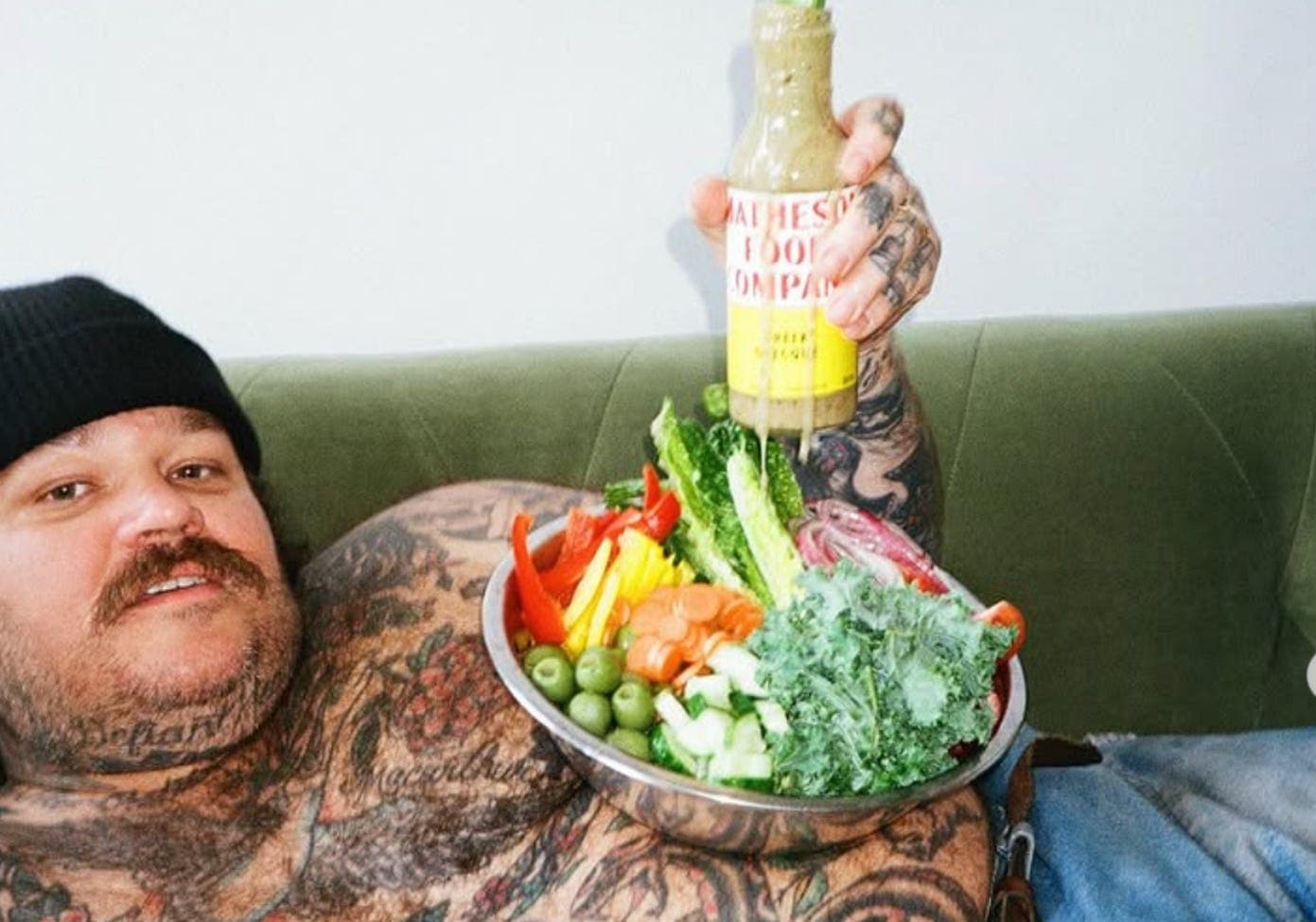
4:55So it's the home of like, you know, the Bull English breakfasts and things like that. Beans on toast, extremely like instant coffee, milky teas, that kind of thing. and um anyway these guys started this thing up in north london called normans and it was doing like basically kind of like a lot of fry-ups but also like kind of it's classics like sort of like chicken nuggets and chips and fish finger sandwiches like very kind of british like school nostalgic schools slop kind of thing it it kind of went like very viral and on the weekends there'll be like a massive queue like all the way down the down the street kind of thing and um me and my friends were kind of like talking about all the time this place normans like why are these people queuing up to have like the most and paying like way over the odds to have the most kind of basic food you can imagine and um anyway norman's is kind of it's actually closed down recently but um some reason we just started calling like we started i started noticing more and more of them there was a kind of like certain type of guy that would have like uh mostly guys that's something to get into but it was like simpsons and spongebob kind of doodle tats and like granddad style like five panel caps either like really long shorts or really short shorts and then moustaches dishes mullets like signet rings maybe vests maybe and then also what's really interesting is a kind of like it's a very heavily branded sort of subculture so graphic design seems like really really important in it so it's like bubbly orange fonts like kind of a lot of like nods like americana the other thing is anthropomorphic foodstuffs or like drinks or something so it's like a strange like very 1950s looking like cartoon of like a dancing pizza man or like a sort of like a whistling donut or like a dancing beer bottle kind of thing or like maybe a cute female i don't know like a burger or something you know it's like all these sort of strange sort of like vintage ear american advertising kind of like motifs and yeah and then i guess we'll probably get into this but this kind of obsession with like consumption and food in particular and also natural wine.
6:59So yeah, that was kind of like me and my friends that determined Normans would be like going somewhere, be like, oh, don't go there. We can't go there. It's full of fucking Normans. It became this sort of like thing we'd say, like, oh, well, the Normans have taken it over. It'd be like the Norman invasion. And it just stuck. And yeah, sort of anyway, I wrote this piece about it in the end after quite a long time of thinking about it. I had an epiphany while you were just describing the Normans, Clive, which I didn't make this connection when I read your piece, but we have a diner chain it's based in LA that's like almost exactly sounds exactly the same but it's called Norm's and and it has orange bubbly font I wonder if there's a relationship or an influence or if Normans is based off of Norm's in LA because it's a very classic like greasy spoon 50s style diner I wouldn't be surprised yeah yeah yeah and I think actually weirdly there's actually another thing in london started up recently called norbert's what yeah yeah i don't know what it is yeah yeah i think that probably definitely an element of it even though like norman's the london version was like obviously aping kind of british working class food there's definitely a lot of the things you see it's very much like british people looking at american culture and kind of like bringing it back home kind of thing and sort of bastardizing it and kind of maybe slightly misunderstanding it so the thing that's kind of really really taken off here in the last year or so is like very big tinfoil wrapped sandwiches that you'd see in like first of all they're kind of very like brooklyn italian deli kind of sandwiches but they're also the ones that you definitely people saw growing up on like man versus food and diners drive-ins dives and also like munchies you know there'll be like a munchies video about um you know this italian deli in brooklyn served the best you know and there's like an interview with the owner and his son kind of thing and it's like i think i've never actually watched the bear but i think the bear is kind of that as well from what i understand yeah it's about like a millennial italian guy like kind of breathing new life into this pre-gentrification italian right spot yeah yeah yeah so yeah it's very much that and then so people in london have got like really obsessed with those kind of classic tinfoil wrap sandwich we don't really have a tinfoil wrap sandwich culture here but it's like really really kicked off in london now but then they're always full of like i think i said in the piece they're always full of like one of the five ingredients or several of the five ingredients which is like palm uh which no one says over here but you see it menus all the time um kimchi yeah like parmesan i guess right kimchi yeah yeah sort of umami stuff um kimchi um like harissa some kind of slaw, like some kind of pulled bee.
9:36Yeah, it's a strange kind of new diet that's sort of crept in and then they'll charge you sort of 12 quid for them. And I know they just sort of like create, this is sort of really, really popular and you get like queues around the street for them and all this kind of stuff. And you can spot that kind of normal aesthetic like completely in the queue. And they're obviously really, really highly Instagrammable. So like they've got huge digital footprints. There's always different collaborations and pop-ups happening. very entrepreneurial culture and it's very hype driven culture i would say which we definitely have yeah not just in london um the line around the block thing what you should tell them though that in actual brooklyn and philly or whatever it's not tin they don't really use tinfoil they use like wax paper right yeah usually and then tinfoil is more for like the egg and cheese like the breakfast sandwich yeah it's to keep it warm yeah yeah the fact that like it's just so funny to me because like tinfoil as a you know subcultural signifier is like i've just never like thought about it i'm like yeah you wrap a hot sandwich in tinfoil but that's what you do like yeah yeah and like cutting through the tinfoil which like i never like cutting when you cut them in half you cut through the tinfoil yeah and uh yeah which i just i don't know i just guess i never really saw in the uk before i feel like i've only ever seen now like you know like weird like food shows on the back end of like cable tv um that's another thing and that they all do the same it's hard to on the podcast it's they every like instagram video is the same opening of it they go like that and sort of turn it outwards so you can sort of see yeah it's about the layers yeah yeah exactly it's a huge thing and if you yeah if you go on the tags posts to these places yeah there's just endless endless variations of that shot of the sandwich so um yeah but then you know there's other examples i think natural wine is another big part of it um maybe that's you know obviously quite probably a big thing in new york maybe not so much around the whole of the states but um being in la right yeah but there's like there's a place called top cueve it's cueve it's like french right yeah yeah and it's like ground zero that kind of thing it's just like bubbly orange writing really expensive small plates lots of you know the mullets and the moustaches and just like a very like high low thing yeah when i think of like the wrapped sandwich i'm familiar with it as just like affordable street food yeah affordable like on-the-go lunch or whatever but then natural wine's the opposite of that so that contrast that combo i would never like think of having natural wine with like a a sub you know yeah yeah but i think maybe some british people think that's what you do do i don't know there's no that's what they think people in brooklyn do but then there's the australian side of it which i find really really fascinating yeah i was i don't understand the australian side of it at all yeah i've never i've never been to australia but like before i wrote the article i did like a tweet x post about it and like so many people were like this is this is melbourne this is melbourne this is melbourne culture being exported around the world and then i was like okay and then i started like looking into these places and like hanging out with them for some research and stuff i I realized how many people there are Australian.
12:45And then I met a friend of mine who lives in America. And he was like, yeah, you'd be surprised about how Australian Brooklyn is. Like this tiny country in Australia, one big country, small population, has managed to basically kind of conquer a lot of Brooklyn, like a lot of New York and London. In London, there's just loads and loads of young Australians here because it's like an easy visa, first of all. A lot of them probably have English parents anyway. I was in a pub in East London recently, and I kind of was sitting there. it was like a weekday and kind of realized that everyone around me was australian and they didn't know each other it was just different like small two free pockets of australians so there's a huge australian influence in east london right now and i think a lot of those kind of normal businesses are run by australians and it seems to be a bit of a kind of melbourne looking at brooklyn being taken to london kind of thing perhaps yeah okay so it's not riffing on australian no i don't know nostalgia for I would like to hear the definitive answer for that you know but yeah I really would you talked a little bit about some of these aesthetic and culinary hallmarks of the Normans can you give us sort of just a snapshot like if I were to see a gaggle of them in front of one of these restaurants what are like what are the clothes give us a check yeah okay right so for the guys let's go for the guys it's much more identifiable maybe like slip-on bands or New Balance shoes, some kind of like tube socks, you know, like kind of quite a skatey kind of tube sock kind of thing.
14:14Hats, a lot of like kind of like kooky, like doodle tats, very cartoony, like Spongebob. There's like a lot of Spongebob motifs, a lot of Simpsons sort of things. Like I said, either short shorts or long shorts, a vest with like some kind of like i don't know like a windbreaker over the top of it and then mustache baby mullet a couple of earrings and a kind of like slightly crumpled like five panel style granddad hat with some kind of slogan on it and then yeah like a line bike which is like the london like it's the sort of city bike service yeah that would be the kind of and there's variations within that you know um there's all sorts of things that i could probably yeah but that's the kind of like the staples and the food and the food is going to be yeah natural wine yeah natural wine sandwiches pizzas there's a thing in london called yard sale pizza which is a pizza company but basically they've got a deal with loads of pubs in all over london actually now apart from west london uh they have a qr codes on the tables so that you can order pizza to the pub like really really easily which i think is kind of like everyone thinks it's quite american so yeah they've got these kind of like legion of drivers and stuff like that and all their graphic design branding is like completely that kind of cartoon pizza man kind of thing everyone who works there's got a mustache and what have you um so yeah a lot yard sale pizza sub sandwiches like or bagels bagels is also big burgers is always going to be big yeah some kind of bready food stuff that's quite easy to eat on the go and yeah natural wine but they also kind of love guinness as well there's a big thing i don't know if the guinness things hit new york like kind of like performative guinness drinking or la for that matter i can't reimagine LA um I had a friend visit from New York recently who was like ordered Guinness on like a hot day in the middle of the afternoon and I was kind of struck by that but I think he's just like a peculiar individual yeah I mean some people it's their drink right but like yeah the Guinness thing is also quite quite big in the normal culture and just being across London in general really um girls is a bit more um hard to define actually it's like a lot of those kind of alice bands i'd say and sort of like floaty dresses um sort of like racing jackets maybe that kind of thing yeah some of this feels recognizable and some of it feels yeah yeah yeah exactly yeah a very norman looking guy actually is paul mezcal he's kind of a real sort of like style leader in it i think a lot of the guys there would like to look like paul mezcal or think they look like or have been told they look like paul mezcal that's like the hair the mullet yeah yeah short mullet yeah a lot of them are actually kind of like really good shape which isn't like very hipstery um traditionally but there's a lot of sort of like crossover like people running like ultramarathons and you know doing pull-ups in torio park and things like that which didn't really cross over like my generation what the hipster thing was but yeah it seems like it's kind of a combination of like normcore yeah indie punk hipster and like athleisure yeah 100 i mean if you're going to give it like spiritual forefathers like the iggy pop to its Sex Pistols kind of thing.
17:21It's kind of like Mac DeMarco, massive influence. Totally, yeah. That Matthew Matheson guy who is always on munchies. Action Bronson. Yeah, Action Bronson. Yeah, yeah. And the bear, probably. You know, those are sort of like spiritual forefathers of it, yeah. Yeah, you should definitely watch the bear just for like reference of this because I'd be curious about the dimensions it would add to kind of your analysis here. But yeah, the guy's aesthetic, the main guy, he has all these little tattoos right you know stick and poke sort of like line drawn like they're very cool you know and it's like the shaggy hair like fitted white tea yeah yeah and of course maddie matheson is in the show too so yeah i think there's this sort of like authenticity thing going on right it's just sort of like you know maybe slightly hollywoodified version of like what a you know just like a working class guy who works in a sub restaurant in chicago kind of thing you know that's what a lot of these norland guys i think kind of think they are what i think they bring into london but um yeah it just feels very um if you kind of have to earn that a little bit you can't just like work for a fintech company like you know the weekend you're like in dive bars like you know having like you can poke tattooed there's definitely a level of like class fetishization to it it seems yeah it's class fetishization but it's like britain already has such a rich working class culture to kind of exercise you know people do that still 100 but like to try and do i don't know there's an american meets australian version of it very strange yeah so like who becomes a norman if you're doing like case studies of you know customers for a brand looking to target the norman what characteristics or demographic or occupational info would you include like would you say this is mostly like white collar workers and like what they do on the weekend i know that you said it's mostly guys good question yeah i mean this is sort of the million dollar question for me i think it's pretty broad i think there's probably definitely people who are in like junior positions at like fintech companies or media companies who it's almost like a weekend uniform for them you know that sort of thing i imagine like a lot of freelance video editors, graphic designers, sign painters, and then like people in hospitality themselves.
19:43I think it's pretty broad. It's not like original hipsterism, which is everyone likes to be musical media. I think it's broader than that. You know, I suppose the thing is, I don't really know anyone who's in that world or I'm a bit older than they are. I would like to know that question. You know what I mean? I'd like to know the answer to that question, I suppose, and kind of try to understand the kind of the socioeconomic sort of aspects of it yeah yeah i mean andrea can you think of like the equivalent of this type of person in los angeles it's definitely everywhere here in philly and and definitely it's a thing in new york yeah since we started prepping for this episode i've been racking my brain and like i honestly i don't think i can and i think because a lot of it is borrowing from different super american subcultures so no you know what you know what i just thought of it there is like a small grilled cheese shack that popped up recently just in hollywood and and it's that that's exactly it it's just like these delicious phenomenal like meat and cheese grilled sandwiches i went there like the day it officially opened it had been like a pandemic pop-up before and it was just like massive line around the block i guess it was yeah it seemed pretty norman there was people with cool haircuts and tattoos and like tote bags tote bags something I missed off my list.
20:59Yeah, tote bags for sure. And there's definitely like a breakfast sandwich renaissance that's happening here right now. So I bet that's probably what's adjacent to it. Yeah. Yeah, I wrote this piece a while ago for Vice in like 2020 where I named maybe a similar phenomenon in New York. I called it, well, I think it exists in many cities, but I called it like Neo New York aesthetic. And you could also say like Neo Philly or Neo Chicago where it's like, I think it often revolves around like fetishizing ethnic white enclaves and their cuisines of the past or something. But it's like someone opening up a pizza place that is like clearly targeted toward a new audience of like gentrifiers in a neighborhood that is paying homage to the businesses, you know, maybe will be displaced by gentrification.
21:52So it's like, you know a pizza place that is trying to look like a pizza place from the 90s but everything is more expensive and they use like only organic ingredients or whatever um this happens a lot with sandwich shops I see this a lot with Jewish delis so it's like Andrea it's like a someone millennials opening a cartoon version of Cantor's Deli yeah I definitely see this a lot over on the east coast and I view it as sort of like they're establishments for people who who move to cities maybe hoping for some kind of like dream version of that city's past but that past is being displaced and so yeah it's sort of like it's it's a bellwether for gentrification I think yeah like the complicated politics of it yeah you know what now I'm sort of locating it a little bit more in my mind there are these new like small like burger stands called the window all around la that are like very trendy they use as you noted in your piece clive that kind of like metal font yeah that's another big one yeah yeah and it's like it's very simple it's just like it's smash burgers hand spun shakes right you know a fried chicken sandwich you know fresh lemonade and a kale salad and a green bowl like that to me is like 100 and even their aesthetic is like It looks like a rose tattoo that you'd get a stick and poke of or something.
23:16So more and more of these little stalls that people are lining up for. And it's just like hand food. Here on the East Coast, it would be like that. But there would definitely not be a grain bowl. It would be like a cartoonish Caesar salad with huge croutons that are maybe made of cornbread instead of regular croutons. And then a very dramatic mountain of Parmesan cheese. Yeah, totally. That's what their kale salad is. yeah i noticed one of the ones that i went to just called rogue sarnies sandwiches we got in the uk with sarnies so it's got a very american menu in many ways but the sarnies thing is very british anyway alongside that they sell like the kind of extremely sugary cheap fizzy drinks that you get in like a corner shop in the uk so like rubicon and like fanta and things like that you know like the worst kind of like stoders you can imagine and also the worst kind of like british crisps like frazzles and like uh knickknacks and things like that the sort again like children's food really kind of thing like why what is it about do you think it's some sort of nostalgia thing it's like one hand it's a weird collision of like for british people like a very real nostalgia rubicon and knickknacks is the sort of thing like your parents would get annoyed if you have after school because it's just so unhealthy and then it's an imagined nostalgia which is for most people there wouldn't be you know tinfoil wrapped sandwiches and 12 hour could be shins with jalapeno sauce and things like that you know which is a something that seems to be cribbed from sort of like anthony bourdain and the bear and um the munchies and that sort of thing so it's um yeah it's a weird collision of very british stuff very american stuff very real nostalgia and a sort of wanted nostalgia uh yeah funny so yeah that sort of takes me to a big thing i've been wondering after reading your piece which is would you say the norman is a class phenomenon or is it a generational phenomenon or is it maybe some combo therein i was thinking about this today actually it's a class phenomenon in the way that so when i first started working for vice i was speaking to a guy i know who used to work days we were on like 18 grand a year you know when we were 23 we was absolutely nothing literally bang on minimum wage and whilst uh london has got much more expensive since then and i think in many ways, it's much harder to be skinned.
25:38Wages have risen a little bit in London and a lot of people are starting salaries of 30 grand a year now. But housing is still really expensive. You're still locked out of the housing market and you're still spending an insane percentage of your wages on. So it is still kind of unaffordable, but wages have kind of risen a bit. So I think it may be, it leads to a life where people have a certain amount of disposable income, which they all spend on consumption because there's nothing really else to do. Right. And no i'm really high fashion is also really expensive things like that holidays are expensive so it becomes a sort of like i know you're out three nights three four nights a week you go to every new place that opens sort of thing a sort of um very very low-end luxury i think it is a bit of a class thing and it's definitely a generational thing i don't think there's many people from the actual cities who are into it um i suppose like i don't think a lot of native new yorkers or londoners or angelinos or what have you are super into it no they're like well we'll take you to the actual original exactly yeah yeah and like as i've got older i've noticed a lot of my friends have kind of gravitated towards places that are quite forbidding in many ways like extremely out the way like nepalese restaurants of like plastic chairs or like pubs of like mobility scoogers and just ancient irish people inside those kind of places whereas the normans are still sort of in love with um a sort of like global hipster culture i suppose but it's also like they're kind of interested in the authenticity but like a sanitized version of it yeah yeah and that's why you know there are still like i suppose like norman safe spots just down the road where they would probably never go and um you could probably map them and i wouldn't do that i I wouldn't give anyone that list because it's my list.
27:27But like, yeah, you can sort of, you know where to hide from them, essentially. No, they're fine. They're not bad people to be around. I'm sure they have all the best intentions in the world. So would you say it's mostly like how old on average are the Normans? Like what's the age range here? I think it's like 22 to 32. Yeah. It's like young people moving to a city and wanting to kind of dog whistle to other people who have good taste, but they also want to fit in. Yeah. But I think the people that run the businesses are older. They're probably, you know, close to my age. Yeah. Yeah. I could just be like not seeing this, but I would say that one difference with the U.S.
28:02is just I totally 100 % see this aesthetic in like the people who are in the industry and the aesthetics of their businesses and the aesthetics of their food. I don't see it as much in an actual subculture of people like that the people who go there don't necessarily dress like that I would say in the US but they do wear it is very like based on brand allegiance though like there's definitely like wearing the cartoon shirts and holding the tote and wearing the hat. yeah it almost reminds me of like a24 we had an episode on a24 recently or like people who are a24 bros and how it's all about collecting stuff like baseball cards some kind of new like consumption culture that's a little bit different from like hipster culture yeah and all these places have merch i think that's the other thing to say like every one of these places is like very merch heavy there's loads of t-shirts loads of bags hats or like you know the sauces the wines the beers whatever you know sort of thing so you can really buy into what is essentially a hospitality venue and becomes a lifestyle brand which is probably yeah that very important thing to know you know i'm realizing that this neighborhood called highland park in la is like that's the normans that's the norman spot now yeah like echo park is all but abandoned like silver lake is like elder millennials and the norman that's where it's like the cool foodies go there's like you know lying outside the gourmet donut shop and these very like instagram ready donuts i just realized i went to a norman pub a bar the other night to go see a friend's show it's called the goldfish which is why i wanted to bring it up because that's funny because you said yours are called what do you say the camel and the the florist arms and the forest so this is the goldfish and inside it's very like retro arcade like 70s bar there's like a pool table there's an arcade hall there's neon signs advertising karaoke but it's like very very like dialed in scummy kind of you know and everything is like aquatic themed but in like a kitschy dive bar sort of way yeah and everybody was like probably 22 the thing is they had a menu that you could order them from the trendy thai food place down the block and have it delivered there and i feel like that that's what it is it's like going to like a very stylized divey bar and being able to like order from the trendy companion menu or something yeah i think the service industry so i keep thinking of sort of like but the service part of it is really interesting because i suppose in britain we're not really very good at service um but um there's a lot a lot of these places there's a kind of slightly obsequious kind of hey buddy what can i get for you hey dude hey bro kind of thing it's like very un very unbrish it makes a lot of people like me stiff english people kind of quite um i don't know how to um i don't know how to respond to that kind of over familiar over familiar would be the uh sort of term a lot of like if they have a table service that like they'll come and crouch get down the knees and talk to you like start writing things down it's A little bit TGI Fridays kind of thing as well.
30:52You know, that sort of thing. Is it like imitating an American affect? Yeah, I think so. Big time. Big time. American sort of, you know, like, because tipping culture, I suppose, isn't so prevalent in the UK. So, you know, earning your tip sort of service, I suppose, you know, being super friendly. But there's a thing that had a weird incident in the piece. So this Rogue Sarni's place, this is before I actually started even thinking about writing this. I heard it was good. So I went down there. It's quite near where I lived. And I turned up. And it was sort of a funny time. I was like four. I was looking for an early bite before I went to the pub.
31:21So I went there and I was like, are you guys open? And he went, yeah, we've been open for a couple of weeks. I was like, it's not really what I was asking. I was asking like if you're serving food right now, not like the status of your business. And how successful. And he's like, oh, I was like, yeah. He's like, oh, yeah, sorry, 12 to a four. So, yeah. I thought that was really interesting. It's almost like he couldn't understand what I was asking him without the context through the lens of hype. he thought you know because it just opened this branch of it and he thought super excited to go in there and try to find out if they were generally open rather than if they were open right now i thought that was really weird small little things like that yeah that's fascinating one thing i want to raise before we move on was we had an episode yeah earlier this year with a writer who wrote a history of yuppie culture and he talked about how the boomer generation you know us millennials often think of the boomer generation as, oh, like they had it much easier than we do.
32:20But that basically a lot of the aesthetic predilections and cultural affectations of like city dwelling boomers who could be known as like the yuppie generation were based in a kind of class insecurity. And there's kind of like an interesting parallel there where at least in America, I am sure there's some version of this in the UK and Europe. It became like chic to move from, you know, modern houses in the suburbs back into the city into like the period house with hardwood floors. And it became a way of performing taste and sophistication or turning away from the mass produced food of like the 1950s and being into like organic food or getting really into French cheeses and French wine.
33:10And that that was a cultural way of performing class mobility at a time when actually the financial prospects of the generation were shrinking. And I definitely see sort of like a parallel with millennials. And like, I guess this group is sort of Zoomers and customers using consumption and a cheaper form of consumption. What did you call it? Like, it's not a huge investment. Yeah. Yeah. In order to get some sort of upward mobility or some sort of, I don't know, status at a time when that feels increasingly hard to come by. I mean, there's definitely a lot of DNA with the Uppies, right? Yeah. But if you think about it, the standard aesthetics and sort of coveted objects of the Uppies is like Armani suits and all over people's glasses and bang on all over some stereos and hardwood floors and really high-end things, right?
34:05But that's reserved for a very, very small percent of the population now. and it's almost gone downwardly mobile to yeah posters in your bedroom tattoos pizzas collectible collectibles you know vintage clothing you know so it's really fascinating yeah and there also even at that time was almost like um i guess it was a little when i think of like the show fraser when i think of like the classic yuppie it was mostly about performing like being of a higher class but there was also i don't know it was a little bit of a play with authenticity and you know oh i like french peasant breads or something where it was like a little bit also fetishizing working class at the same time well yeah it's almost like nobody wants to be frasier and wants to be the dad now yeah yeah yeah tell us a little bit about like we don't have to go too far into this but i was really fascinated that you like named these food influencers in the uk that i had never heard of and then i looked at their like youtubes and igs and i was like there's a lot going on here like this is like really intense yeah so the leaving light the name always pops up and i think a lot of normans will probably not like him or his work but there's so much crossover is this guy eating with todd he is the uh he's just a sensation over here people are fascinated by him they loathe him and i guess some people love him in equal measure but he is this slightly unfortunate looking ginger man who goes around london mainly and you know tries food i suppose he's a food vlogger right but there's a lot of quite grim shots of him like with like i don't know eat a burger all the juices come out and like he opens his mouth really wide there's a lot of like gratuitous like food porn kind of things in there and he's like very there's a kind of slightly gluttonous sort of thing going on his fingers are always covered in like chicken wing juice and things like that and um he's always like breaking things apart and showing you the ooze inside of them and so yeah he's uh he's definitely one of them there's another guy called willie cook what willie cook and he is the look is extremely normal and he's more of a home chef there's a bloke called jesse jenkins who is yeah he has like metal fonts he's quite a sort of experimental cook and he's you know there's a lot of ingredients that would have been unfamiliar to a standard british palette like 10 years ago like kimchi and um you know things like that uh there's there's a lot of them essentially i suppose what is really interesting as well is like the people who run some of these places are sort of social media stars in their own right like it's in cafe mondo which is a cafe in south london's again does sandwiches and the guy on there is quite big on like you know he's in the videos and he's on social media and there's a whole natural wine sort of spear of influence as well and you know there's a kind of brat summer adjacent sort of natural wine thing going on as well which is kind of close to the girls version of it uh yeah so um yeah there's a lot of them and they are leading lights in that world as you observe though there's something that feels very masculine about norman culture i guess you did describe something that like the women would wear maybe it's just hard for me to picture but it feels this sort of like masculine analog of maybe other kinds of millennial yuppie food culture we've talked about like we have you know air juan culture or this sort of like i guess it's called like shoppy shop food culture but like little boutiques with like trendy snacks that are it just feels much more like femme coated probiotic sodas probiotic yeah like do you know like poppy yeah yeah do they have that like poppy no i don't know okay yeah water kefir water kefir is quite big here okay i get water kefir well but what does this culture tell you about changing masculine ideals especially among like the kinds of people who live in these gentrifying urban neighborhoods i asked my partner this the other day but like why does every guy want to be calm from the bear like why is that But I guess you haven't seen the bear.
38:18Yeah. But you probably understand the art of that. I sort of get it, yeah. Why does everyone... I mean, Paul Mezcal, I think, really is a huge influence on it. I suppose it's... Well, that's the safe sleazy thing was all about, right? It's like that side of it. I guess it was just sort of a reddity version of it. I don't really know safe sleazy. Yeah, I don't either. So I think it's a certain... Basically, it's more like a certain type of guy that's more of a hinged thing. It's like, hi, I'm a nice guy. I've got a kooky mullet and stuff. I'm actually a toxic boyfriend. sort of thing like i look on this google images here and it says like most annoying guy ever why does every guy look like this are we the problem they've all got mustaches and mullets and things like that so i suppose my version of norman's thing is sort of a more consumerist version of this this is more like a dating sort of like cliche as it were it's sort of approachably masculine it's um a little bit soft a little bit retro it's non-threatening i think is and i think the kind of bubbly it's a little threatening right like or like karm from the bear is a little he's gonna like he broke the girl's heart or whatever right okay yeah yeah i don't know i feel like there's a touch of like i have a complexity and darkness within me i'm gonna keep it vague and mysterious though like yeah yeah i'm the most fun guy in the world and i'll show you all the spots around here what sort of thing yeah yeah yeah it's like oh you haven't been to this bar so you mentioned the thai foods it's like sort of things like that isn't it's like we should go to this bar you can get you just bring Thai food in there and you know you have it here and yeah that sort of thing you know it's sort of I know the spots I'm you know I'm out of the world I've you know got these tattoos which were gradually accumulated over a space of 18 months whereas tattoos are kind of traditionally like a lifetime of misadventure you know I imagine it's also like a weird I mean I'm speaking more from American culture which I live in but it feels a little but like a fetishization of a sort of working class masculinity by like knowledge worker class people, especially like that is sort of like Italian American old world masculinity or something.
40:21Yeah. Yeah. But then it also has this like artist sophistication or definitely like at least at least the bear. It's like he's he's a sensitive, troubled artist. And then I also think back to how like just the archetype of like the male chef and like celebrity male chef culture becoming a thing in the 20th century was like part and parcel with the rise of food as like something that was viewed as like an art form instead of just like a cultural tradition or sense of nourishment and it's like this sort of like jackson i don't know why i'm thinking of like this jackson pollock swagger masculinity of like you know putting the sauce on the plate in this like expressionist brushstroke kind of vibe yeah yeah and i think in the states as well there's a big thing about you know just watching american tv growing up there's always something about line cooks line cooks were a sort of um certain type of person it was like you might have i don't know like been in jail or like run away or something like that and you get jobs as a line cook and definitely a bit of that situation of that you know anthony bourdain being like what did he say in his memoir like if i wasn't in a kitchen i'd be dead yeah yeah and i think that the fetishization of like white working class ethnic culture, I suppose.
41:30Like, you know, it's sort of why there's so many films set in Boston, you know, amongst the kind of Irish community. It must be the most like overrepresented, kind of that Irish Boston thing was overrepresented sort of culture in the world. And the same thing was sort of like Italian Americans in, you know, Brooklyn. People love that, you know. People really do love it. Yeah.
41:51If you like what you're hearing on this episode, there's a place where you can join the conversation. It's called Cujoplex. and it's a private online hangout zone on Discord where smart, cool weirdos just like you, you know, people who like talking about the evolving state of independent culture, can congregate, share links, and talk about the news of the day. We've had some great conversations lately about creative economies, media theory, AI, politics, the future of journalism, and even the records and TV shows we've been obsessing over this year. Some of our chats have even inspired episode ideas.
42:26You can get access to Cujoplex along with our monthly bonus episodes by signing up for a paid subscription over at our Substack. That's theculturejournalist.substack.com. Looking at these influencers and then seeing kind of like the equivalent of that here, like it might just be the specific like algorithm I'm tuned into. and I talk about this sometimes on the show in other contexts, but it feels like we're definitely in this era of, like, bro media being a thing, and one way in which it's characterized is by, like, comedians, podcasters, celebrity chefs forming this sort of, like, extended bro network that all like to, like, pop up on each other's shows.
43:09I mentioned Stavros Halkius, the comedian. He does some food-related content, but he'll pop up on Maddie Matheson's show or Binging with Babish goes on the Adam Friedland show. Maddie Matheson goes on Joe Rogan. Sometimes these people will go on like political podcasters as well. There's the whole Hot Wings phenomenon. And it seems like a lot of the internet is watching dudes hang out with other dudes and like the male desire to do that. Sometimes this feels almost like the cultural layer of that or something where it's like, hang out with a bunch of dudes and eat a disgusting burger, but it's like a sophisticated disgusting burger.
43:46yeah and i think the the sort of social media the marketing model of a lot of these establishments is sort of coming to hang out with the dudes you know the dudes are on instagram you know you can see them and they sort of like do like in jokes and things like that and they'll post like little bits like oh yeah we've got all this in today come down to this and we're gonna we've thrown this on the menu today and you come out and there's a lot of sort of post-service drinks and shots and things like that whereas this is sort of like playing almost like podcasters really you yeah and women are there but they're not it's just like hard to picture them at the center of this exact culture yeah they are there 100 but it's they're definitely not the center of it are they there with other groups of women or are they there like with their boyfriends i think they're more like they're more likely to be there other groups of women actually hard to say really hard to say i think it varies yeah there are definitely like female food influencers that like i follow here in the states and prominent ones in my mind though it's more associated with like cooking and like they might have a similar food taste but it's more geared towards like making food at home i just don't see like images of like women like women hanging out around food yeah in the same way so the writer steven phillips orst who we almost brought on through this conversation but he wasn't able to make it because he has a cool show at the Edinburgh Fringe Festival this month, wrote a really excellent piece in the food issue of Spike Art titled We Are All Foodies Now, which feels like a cool counterpoint to this article.
45:17And he kind of talks about how food connoisseurship feels like it has become sort of the dominant kind of cultural connoisseurship of the 2020s. He attributes the rise of foodie culture, interestingly both to sort of like the economic decline of the more traditional culture industries like music, Hollywood, the art world and to the fact that food is simply something that is easier to become an expert in than other arts especially in a world of shortened attention spans and also you have to eat three meals a day or whatever so it's like easier to become an expert in that and maybe easier to learn about.
45:53Do you agree with that assessment and if so how does that make norman culture different from something like hipster culture which similarly revolves around the idea of defining yourself around one's rarefied consumption habits yeah i mean i completely agree i guess to explain that i have to kind of look at myself and think like in my 20s i almost can't really remember what i ate you know i just ate you know it was like it was just i liked food I had a brief sort of trying to be a chef when I was really young but anyway like in my 20s and stuff I suppose food was sustenance you know working and living in East London Turkish food was probably something they quite a lot of and it's something that I had a sort of vague understanding of quite niche like that's felt quite exclusive at the time like knowing about like Lammershin different between Lammershin and Pide and things like that but that really was it like there was no dominant and it was that stuff was cheap you know utilitarian every man sort of food now as i've entered my mid-30s i have become an accidental expert in the london restaurant scene which i never really thought i would i mean not not to a high end but i've certainly i've been to a lot of the spots that people talk about and go to and so have a lot of people younger than me i've noticed um they're also quite tuned into this sort of thing and yeah it's really replaced the nightclub i think certainly you know the nightclub seemed to be very very young very trendy very internet-y kids and then restaurants is sort of everyone else yeah i've started to think about food in a way that i never thought i really would and have quite snobby elitist opinions about things and kind of show off just to start actually finding time actually showing off to people that yeah don't really know things stuff like whenever i take my parents out of dinner like always try to show show off somewhere and take them somewhere like they hadn't had before or wherever i'm dealing with people who wouldn't live in london or i mean or traveling outside London in a different like provincial British city I'm like oh I'm not going there can't we go here I've looked up on Google already sort of thing you know so yeah it's sort of certainly become really important in my life and I think the same with a lot of you know you know like restaurant discourse do you know this place the Yellow Bitten do you know that saga right so the Yellow Bitten is a restaurant in King's Cross and it's run by this sort of Irish communist cosplay sort of guy and his aristocratic wife anyway they're only open for lunch they take cash only uh they complain if you don't spend enough money there's like no official wine list it serves kind of very very british sort ofst john adjacent but like very sort of staple kind of english did you say they complain if you don't spend enough money yeah it was a really look it up it was a really really big there were like loads of the think pieces written about this in like the London press because he's quite vocal on Instagram but was this guy and uh anyways this place is hugely controversial but I found myself like having an opinion on the yellow bitten saga having never been there having never thought I freaking care about anything like that in my life um so yeah so in London especially I think it's probably the same thing you know that you have restaurant discourse it's not just this restaurant is good this restaurant is bad You know, Vittles?
49:01Vittles is this sort of all food media outlet par excellence. And it kind of originally got famous because the guy who runs it, he was very good at like finding extremely niche kind of global cuisine in London. You know, Guyanese food in a shopping mall in Croydon or a Polish place in a car park in deep west London. He became kind of an expert in that. Vittles is a huge influence in London. So, you know, it's just something that a lot of people talk about. And I think she's thinking, actually, you know, you're probably way more likely to see in some parts of London a T-shirt that relates to a hospitality venue than like a band, I would say.
49:42And how does it how does it differ from hipster culture or like I don't want to generalize and I don't know if this is entirely true, but why do you think like Normans choose to define their lives around eating at the cool restaurants instead of listening to the cool bands or like going to the cool, obscure, independent movies? well yeah i suppose if you think about your classic 2003 brooklynite you know that sort of like arcade fire american apparel sort of like thing what's the food stuff of that what's the what's the eating culture of that world does anyone remember does that was it a big thing i think it might be maybe they didn't eat very much because yeah too much drugs but i feel like yeah the eating would be like like i think of new york city it would be going to like this like polish diner waselka at like two in the morning after the party and like so it would be about going to like a cool like immigrant owned restaurant probably or getting like the best falafel spot in new york like it would be something like that way less the center of it no way down the list of sort of signifiers right yeah um i suppose food has moved up the list of signifiers recently food and drink and i think there's just more to buy into there maybe you know some of these hospitality places there's a low barrier to entry as um you know um our friend piece there was saying there's a certain amount of law um i suppose you can it's kind of an intimacy to it really like uh social social yeah it's very social very consumptive very visual very visual yeah it's very like share it's very shareable the way that like a should be concert video never will be you know or like showing your record playing will never like get engagement on you know it's not visceral yeah music isn't i mean in that way you know like in the in the sort of live nation ticket master era music's really expensive to go to you know really really expensive it's like premier league football match prices and then you buy a few beers there on top of that you're playing you know probably it's around as much as a night out at an expensive wine bar you know sort of thing so i don't know why food has overtaken these things maybe it hasn't truly overtaken to be or something it feels like it has i think it's also worth noting that music has become probably less communal like in the era of streaming right the seeking it out aspect has like declined significantly versus like the seeking it out aspect of food has risen significantly like i think around the same time so maybe that's why the signifiers have kind of switched i think that's maybe one factor yeah it's all you know it's all there on spotify it's not like you're convening around a record store or like a music scene as much to to get at that thing and then generally when you're engaging with music it tends to be in like a social media space and yeah it's less consumptive now there have been a few in london there have been a few music events recently which are very uniform based like kneecap at finchery park that was so uniform like everyone there has the same outfit on which is sort of like i you know vintage irish purple shirt maybe kind of paul mezcal mullet you know there's a lot of that sort of thing going on a lot of palestine stuff and then you've got um oasis you know the streets of london this week have just been full of oasis fans and people have sort of started to kind of cosplay as oasis oasis gigs like everyone ironically no i think there's just a strange misunderstanding that in the 90s they think everyone at an oasis gig in the 90s wore a bucket hat which isn't true there's just it's just a few sort of iconic photos of the band themselves wearing those bucket hats but you go then i I didn't go.
53:11I was in town, sort of seeing the crowd. And so many of them had a bucket hat on, you know, people younger than me. And it's sort of like a cosplay and very, very shareable thing going on. You know, very distinctive uniforms that have been worn for these concerts. Nostalgia for an unremembered 90s. Yeah, yeah. To paraphrase LCD sound system. So Clive, you also wrote a piece for The Face, which we loved, about another kind of contemporary subcultural group whom you've deemed urban sprawlers. So these are the city folk who kind of absconded to the countryside during the pandemic. And they've been sort of effectively gentrifying rural communities, which definitely is also a thing that we've noticed in the US.
53:54You know, in New York, it'll be like the Hudson Valley. In Southern California, it's like the desert. Do you see the Normans as an extension of or maybe like a new iteration of that same group the urban sprawlers and if so how did that evolution come to be and if not you know what might be some of the distinctions between them i'm really kind of generally like one thing i've been thinking about or wondering during this conversation is like how did you first notice the normans like what told you that this was distinct from like other kind of subcultural groups that you've been observing oh i suppose you know in this in the piece it kind of starts off with um me being on a bus and these kind of just like about 50 of them got on and they were just like wow these look really all wearing the same uniform and they're all kind of talking about things that i certainly didn't talk about when i was 25 you know a resident party sort of thing that would be my first sort of thing the urban sprawlers so the backstory to that is that i kind of spent three years living in deep deep southwest england and it was a university city town so it had a kind of certain pool it's very beautiful part of the world and I noticed that a lot of sort of London-y businesses started up there like sourdough bakery kind of things like very high-end coffee shops sort of like ramen place a you know sort of things you see in the cities and they were basically mostly run by people that used to live in London and they were generally older than me and they had kids so I think this is probably the most like important thing sort of noticed is that like they had made a kind of financially minded move outside of the city or a kind of you know we want to raise our kids outside the city sort of move normans don't have children they're far too young for that and far too kind of immersed in the kind of urban experience to do that so yeah the urban sprawl thing and then i kind of would often notice like even people didn't necessarily live there people that are on holiday there they would go to the same spots they'd obviously read about some kind of list and they always see them sort of looking in estate agent windows real estate agent windows sort of like longingly you know going oh maybe maybe if we sold the place in stoke newton we could buy a five bedroom here sort of thing you know and it's like usually quite sort of grippy doll couples another thing that when i first tweeted about it a lot of people said uh place this place called margate which is on the coast about an hour from london it used to be the sort of place when my nan moved down that way she's a kind of working class white south south london and she moved out that way in the early early noughties and this it was depressing as fuck back then it was you know it was where the old comedians went to die essentially you know and it was all like dilapidated funfares and it also had a big reputation for like pedophiles being rehoused there things like that um yeah so really really grim part of the world anyway someone there was actually a fast train that started up to king's cross and it and they opened a take gallery there as well anyway it kick started so margate is the kind of thing to look at margate uh is now london by the sea and a lot of people bought cheap property there and have started up record shops coffee shops restaurants dog joints you you name it but i think they're generally older people because they have the kind of capital to start up businesses anyway when i first tweeted about it it was like that's margate core so i got a lot of melbourne corn and i got a lot of margate core so i guess margate is the place where both of those groups sort of like collide and a lot of normans you still instagram will be in margate the weekend kind of thing over summer um drinking so like the urban sprawlers are selling it and the the normans are buying it kind of yeah yeah yeah exactly and the market thing's really interesting because it seems to be there's so many people that from like old indie bands whenever i get like a weird like dead of night like god what happens to that person like someone who's older than me in 2007 and look them up they're in market you know and they got a kid called milo or jago and they they run some sort of business down there yeah so similar to like the new york and moving upstate phenomenon and here in philly is also like a similar vibe where the indie rockers sometimes move to this city called lancaster right like an hour and a half away and i think maybe what ties the phenomena together is you know how people are responding to economic pressures and like the rising cost of the city where it's like you know if you're in your 20s you stay in in the city you know you can't buy a house so you focus on conspicuous consumption and then if you want to buy a house or have kids, you move to a cheaper place.
58:13In New York, among my peers in New York and people I knew through my career in my 20s and early 30s, the vibe is everyone is if they want a more country experience, they move upstate. If they want to continue to live in a city, they move to Philly, where I live because it's cheaper. I was able to buy a house in Philly, which I would never, ever be able to do in New York. Or they move to certain towns that are kind of gentrifying in jersey or close to new york city so it's like i think it's very connected and then also i think with the rural gentrification you'll see some norman style businesses but then you'll also just as like norman culture seems to fetishize uh you know the city of the past the city as it was in the past sometimes the at least in the states the rural gentrification is like like fetishizing, you know, the idea of the country and New England's past.
Read the full transcript
59:05And the woman, Audrey Gelman, who was the founder of the women's social club, The Wing, who was like one of the big quote unquote girl bosses of the 2020s. She has opened a store of country homewares in Brooklyn. And now she's expanded it into a hotel in upstate New York. And then she created this whole like weird, like fictional British town or called Barnell green or something like some weird yeah fake british town with a map of like the vicar and everyone and then the store is like what you would buy it's like kind of fetishizing british on some level which is i'm sure very different from the uh joshua tree desert thing but it's like they're fetishizing like the old new england roots uh and english roots as well of uh upstate new york and the berkshires and stuff yeah there's a lot of stuff in the press right now about jd vance coming to this town called charlbury she's in the cotswolds which is this kind of mega moneyed pseudo it's about it's like an hour and a half from london it's really not that far from london but it's um this kind of pseudo like fake kind of countryside sort of place and it's got some high-end restaurants things like that and so a lot like ellen lives in the cotswolds now as well so maybe that's sort of yeah what did jd vance do he's just got he's never been glad yet but he's going on holiday there so i guess he's hiding out of house and it's all very weird yeah yeah and in california it's very it's very analogous except it's not country like it's desert so it's more like a nostalgia for i think more a certain area of california and what and the west coast and like what that represented but it's very very similar to what you're saying emily like if you want to go more bougie you actually go north so more the central valley this town called oh hi that's like very like oh yeah yeah like yoga like mystic it's very very beautiful up there but it's all the locals are pissed because it's basically like you know all the executive producers and creative directors and like that sort of ilk from LA are like buying property in Ojai and relocating there and but then if you're kind of like you know more of a working artist you go to Joshua Tree or you go to this town called 29 Palms like that's where like you know a lot of us can like afford to buy property I can't yet but um but it's like you go out there and it's like a lot of my writer friends go out there to do their writing or like work on their project and then they Airbnb it to supplement their income.
1:01:24But the, you know, the towns are now redeveloping around like bespoke hand blown glass and like hand woven, whatever hammocks, you know, that sell for like 200 bucks. And there's like the gourmet coffee place and the coffee roasters out there, you know, and it's now becoming kind of like there's like a tension with a lot of the locals there who are, you know, it's a very, very otherwise like rural low income community, you know, and some of it is like definitely like Coachella spillover, like that's definitely its own kind of I mean Coachella is not it's like maybe an hour from Joshua Tree but like that whole region of the desert is sort of getting you know taken over by by the spillover of like the creative class that can't really do LA anymore doesn't want to and it starts with you know the creative class moving there because it's a bit cheaper and then the artists sort of create like a hospitable environment for like richer and richer people to start going there there's this place in upstate New York called Wildflower Farms that is like a it's definitely over a thousand nights to stay in and it's like a fake farm where you like go and you have like friendly farmers you can interact with who like show you around the farm and you go and like pick eggs from the chickens in the morning and then take the eggs to like the fancy restaurant and then they like make it the eggs as you want or whatever and it's like almost like Mary it goes back to almost like Mary Antoinette and her like totally where she had like would slum it on a fake farm for fun that's wild so Clive we've both been reading you for a long time since our mutual days advice and a lot of your work both then and just continuously um kind of examines the different facets and subcultures of gentrification you know which is a challenge of modern life that we've like all been grappling with since our own, you know, early 20s living out on our own as adults.
1:03:15And of course, gentrification certainly like predates when we started to experience it. But I do think a lot of people tend to think of gentrification as this kind of like static, maybe like dichotomous thing where it's, you know, like the idea of like the small family business closes and gets bought out and becomes a bougie corporate chain that may or may not be dog whistling to the same thing but i think it's much more nuanced and more mercurial which is one of the nice things that your work has tended to get at so i'm wondering do you see gentrification and kind of the types of people and subcultures who emerge alongside it as you know something cyclical like a pattern that repeats itself like sort of the analogy we were drawing between the yuppies and the normans or do you think it's more of a kind of a linear evolution well yeah it's a good question isn't it i suppose i think it's definitely cyclical i mean how can it not be cyclical these people are sharing the same spaces you know you see you know one business will change hands and because it's set up in a certain way like a restaurant has to become a different type of restaurant sort of thing eventually because you know you see failed businesses become new businesses that fail so you see that even and you see people change their looks i think maybe there is just every now and again something becomes very identifiable and it really comes quite flares up and comes quite extreme.
1:04:30Like some of these things, sometimes hipster culture, gender for pride culture, it just sort of dribbles along and it's sort of there and it's sort of humming along nicely. And other times it's sort of like it explodes into something, you know, like the original Brooklyn hipsters. I just, I don't think when I was in my 20s, I don't know if we were as necessarily, maybe I'm completely deluded here, but I don't know if we were quite as recognizably a group as some of the people that I see in London stay at these trendy wine bars. I don't think it was as uniform based. I don't think it was like dominant aesthetic sort of thing.
1:05:03Maybe a very subtle way there was, but I think this one is cartoony, almost like amplified to like a cartoony kind of level. I think there's just mega crazes. I think there's always an evolution, but occasionally something just chimes with the moment and really, really takes off. You know, like yuppies, like sort of Britpop kind of like stuff. And then, you know, OG hipsters and Normans, maybe that's one path. really good question really hard to answer i think yeah yeah i think i even i had trouble kind of articulating it when i was writing it down yesterday yeah because i kind of wonder i'm like it's it's as we observe it in real time it can feel or seem kind of cyclical and like you know our animal brains want to draw connections and patterns and all that but sometimes i wonder i'm like but is gentrification getting more like acute like is there more of a squeeze like sometimes i wonder like are we heading to a point when there's not going to be anything left to gentrify and then it's something else or is gentrification really fundamentally about like constant cultural cannibalization i think there's always an average dream but dalston east london sort of a hot spot which for years is sort of like um i guess the poster chart for gentrification sorry these are very london references but a lot of my references are very london sure um but like dalston has sort of become camden i was there recently and there were there were people like saying with like signs for like drinks offers and like you know it's a very like hard sell you walk past and there are people like try shove food in your face they go come in come in here she never used to get there and you always had in camden for years and i think you know touristy in the way that camden camden is sort of like a really low-rent occupancy street now you know so um i think there's always another extreme to reach and then then maybe there is a final stage where it's just nothing you know it's anywhere right great example that is the king's road right so king's road in chelsea which runs from full and chelsea one of the long roads in london in the 1960s it was a hot spot for hippies it was like there's a shop called grandma takes a trip there in the 1970s it was where vivian westwood first opened traditionaries and sex which is where the sex pistols met it was the aesthetic birthplace of punk in the 80s i think it continued to be pretty trendy i couldn't tell you exact references but there was stuff going on there now it is just wall-to-wall chains you would never ever know this place was ever a cultural hotspot is just um you know oliver bonus um the ivy uh i'm trying to think of some sort of you know muji um trying to think of things that are down there and then just like boots you know it's like chemists and cafe concerto just really took really normal really normal high street quite touristy you know that's probably something like final stage gentrification just there's no there's no sense that this place was ever cool right quite disturbing yeah yeah Yeah, and I also think like America is vast, Britain less so.
1:07:53But, you know, I think the gentrification is going to be less like in city. It's going to be branching out from the cities, I think, to other. It's a good point. Or the big cities to other cities. Definitely having here in Philly and rural areas. Like, I think they'll reach a point where, yeah, like London, New York, Los Angeles. I guess you can't buy into them anymore, probably. Well, this stuff is huge in Manchester. And, you know, Manchester and Philly, it's probably a toss-up wherever Manchester is more like Philly or Chicago. But it's very much that sort of second city, sort of blue-collar, urban, industrial sort of thing that's now kind of been hipstified.
1:08:29Yeah. It's interesting because in LA, I'm noticing some spots like what you just described in London, except I'd almost say they're post-gentrification. I think of Echo Park, which we all are familiar with what that Echo Park connotes, and the Sunset Strip. And for a while, it was this thing where it was like, Like, oh, you know, it's like these, they all had their like old original histories and communities. And then they became hipsterified. Then they became trendy and you can't tell it's cool anymore. But now I've been noticing like maybe in the past five years, it's just a shift to like empty lots and storefronts.
1:09:03Like in this perpetual state of like retail limbo. Sometimes something will come in and then it'll cycle out. But mostly when I think back, like what has that been the past few years? I'm like, well, it's mostly been like empty. It'll be like it was a Chase Bank and before it was a Chase Bank, it was Tower Video. And now it's just this empty building on the Sunset Strip. You know what I mean? You know, I've looked into it a little bit and a lot of them are just it's like overseas property investments and they don't necessarily even plan to like do anything with them. And I wonder if that is maybe the final stage of gentrification or if it's just a new thing called post-gentrification.
1:09:37Yeah, maybe when subculture just lives entirely on the internet in Discord channels and things like that, you know? Yeah, and there's still this weird haunted lore around these spaces, but there's nothing to do there anymore. It's either all high-rises and hotels, but it's this kind of contradictory combo of folks either can't really afford to live there, or there's actually nothing to do in those neighborhoods anymore because it's all weird housing that no one can afford. You know what I'm saying? Have you guys noticed this? Yeah, yeah, 100%. You know what, to be fair to Normans, at least they are buzzy.
1:10:11At least they are physical. at least they're there they're at least keeping small businesses alive sort of thing you go there and there are people of young people out having fun if you go to a lot of towns around britain which is i think the empty high street thing's really really a big topic of conversation here they are just ghost towns after about a certain time so you know one hand they push prices up in certain areas but um it's good to have some people in the streets because you know you don't get that everywhere in the uk anymore totally and also this reminds me like i don't want to i don't want to knock any specific restaurants because I know overall I think it's really positive when new restaurants open up especially small businesses we're not having this conversation in the spirit of saying we wish this trend didn't exist we're just kind of interested in in what it means I also want to note this is kind of to wrap things up I want to know it's I feel like this kind of observation is one that could not only but I'm not surprised it comes from you because you were like from London and I think that it's really cool that I'm a native New Yorker you're from London andrea's native from la and i feel like maybe we're particularly attuned to these kinds of yeah or obsessed might be a better word we're obsessed yeah in that in that spirit i want to just end with a quick lightning round name one really awesome restaurant that is not norman in your city that you would like people to go to you guys go first i need to think for a second yeah i'm just gonna like randomly pick this this restaurant here in philly that is called dante and luigi's and it's like an old white tablecloth fancy italian uh restaurant that let me see what dates back to oh it's i think it's maybe the oldest or one of the oldest 1899 and it has like crazy like architecture like with all these columns and you have these like waiters who feel really old school like almost like how maybe like only French waiters still are where they wear like a starched white shirt and black pants and they're very like genteel and I don't know like like career waiter vibes yeah um and I think that the restaurant was the site of it was definitely the site of like a mafia murder at one point but it's just like kind of inconspicuously still around in my neighborhood and i love it that's awesome i think maybe might be more like a genre of restaurant in a restaurant but like examples would be like the twickenham tandoori like something like that uh like suburban curry houses so it's just like a very particular the service is great they're very they're always quite cold in there um they're very like plush they're always really cold in there and then the weight of the service is excellent and it's like kind of a staple menu and it's always pretty good some are better than others and you know there's a lot of bow tie action going on there a lot of pulling pulling your seat out for you and a lot of rituals and um it's just extremely unfashionable probably one slowly on their way out it's sort of like i guess that they understand even the improved is probably increased for the better in in britain but i do have a real softball for those old school sort of 80s style, 70s, 80s style curry houses that I grew up going to.
1:13:24And they're infinite. The Twickenham Tandoori, which near my parents live, is quite like, yeah. That sounds amazing. Yeah. I feel like I'm forgetting probably the one that I actually want to name. So I'm just going to go with kind of like the first one that popped into my head, which sounds very akin to the one that you described, Emily. It's called Musso and Franks in Hollywood. It's over 100 years old. And whenever there's like a nice occasion to celebrate, I like to go there. But it was featured, you might know it if you guys have seen once upon a time in Hollywood. It's the bar that Brad Pitt and Leo go to.
1:13:55And I think he gets he drinks like a whiskey sour or something there very memorably. And it's like definitely it's it's it's not like I'm not giving you like a cool deep cut right now. It's known. But I love it because it really is an L.A. institution and it has like the waiters in the red jackets who, you know, have been working there for decades. And the service is really classic and the martinis are great. And The menu is very old school, controversial, but the food, I like the food. A lot of people think it's kind of devolved into kind of basic diner food. It's a kind of place where you have to like, you order your main, but then if you want like a side, you have to order the side separately and the side is like peas and carrots.
1:14:31But it's a beloved conversation spot, you know, plush leather booths and stuff. And, you know, I think of it fondly because it's like where my dad and like his writer friends would go after they'd go watch their weekly movie and then like discuss it and they'd talk about what they're working on and if you're a real angelino like it's always going to be a beloved classic place to go if you're not you might pass some judgment on it so yeah hell yeah i only know dantana's which is like a little bit more another classic love dantana's yeah featured in uh jeff's britney spears book yes gone there gone there many times with jeff yeah and drew actually when i was the last new york i didn't insist on going to a soprano's location so I just chose this one which is in one scene some Italian restaurant and broke in I think Belmontese oh Belmontese yeah it's awful it's terrible food was awful it was great great vibe but the poop was truly terrible so maybe don't go there alright thank you for coming on Clive where can people read more of your work yeah all over the place really actually not that much I'm doing a lot of self advice again actually which is probably a whole other topic of conversation but yeah I'm wondering I don't know how that's going.
1:15:40I wanted to ask how that's going. Yeah, there's a couple of pieces on there recently. Where else? The Bass, The New States, The Fence, The Great Magazine, London. I do quite a lot of stuff. Yeah, twitter.com, x.com. Yeah. Cool. Great. Thanks so much. Thanks so much.
1:16:01This episode of The Culture Journalist was produced and edited by Emily Friedlander and me, Andrea Dominic. Our theme music is by Mark Donica. To check out more, head to our Substack. That's theculturejournalist.substack.com. And if you like what you're hearing, leave a rating or review on Apple Podcasts or share us with friends to help support independent journalism.
From the publisher
What do mullets, SpongeBob stick-and-pokes, and foil-wrapped sandwiches have in common? According to this week’s guest, London writer Clive Martin, they’re all hallmarks of a new type of food-obsessed, young urban professional that Clive calls the “defining person-type of 2025.” You know the type: people who queue up around the block for hours for a taste of the latest Instagram-viral, cartoonishly gigantic Italian sandwiches, in a neighborhood where the old school Italian sandwich shops are being displaced.
Clive calls these people “The Normans,” after a North London cafe-restaurant they frequented for its loving homages to greasy-spoon staples like chippy teas and chicken fingers. But it’s a subculture that transcends international borders, at least in the English speaking world: a distinctly bro-y strain of contemporary foodie culture fueled by viral images of oozing cheeseburgers, indie rock music, Anthony Bourdain hagiography, and upscale, farm-to-table recreations of working class and immigrant food traditions. The plan their weekends around new eateries, walk around wearing restaurant merch, and secretly wish they could they could quit their fintech job and start over as Carmy from The Bear.
Clive is a former colleague of ours from VICE, and one of our favorite observers of contemporary culture—especially when it comes to cities and gentrification. We brought him on to discuss his article for VICE, titled “Meet the Normans,” and how food supplanted music, film, and art as the dominant mode of cultural consumption among young people.
We also get into the subculture’s nature as a kind of masculine reaction to other strains of millennial yuppie food culture, how both the food internet and the bro internet are reshaping our cities, and how the rising cost of living is pushing the gentrification cycle into exurban areas like Upstate New York, Margate, and Joshua Tree. Finally, we share some of our favorite, decidedly not-Norman restaurants in London, Philly, and LA that are still hanging on.
Follow Clive on X @clive_mart1n
Read more by Clive:
“Urban sprawlers: How city folk ruined the countryside” (The Face)
“Ketamine, crime, and chaos: Life in a London party slum” (VICE)
Other relevant reads:
“Welcome to Neo New York, where everything feels old school but isn’t” by Emilie Friedlander (VICE)
“We are all foodies now” by Steven Phillips-Horst (Spike Art)
This is a public episode. If you'd like to discuss this with other subscribers or get access to bonus episodes, visit theculturejournalist.substack.com/subscribe