In short
Podcast Summary: The Culture Journalist - How to Get Dressed in America, with Biz Sherbert
Episode Overview In this episode of The Culture Journalist, hosts Emilie Friedlander and Andrea Domanick discuss the evolution of fashion and style in America post-pandemic with trend forecaster Biz Sherbert. They explore how social media aesthetics, particularly from platforms like TikTok, have influenced youth culture and fashion. The conversation delves into the current state of subcultures, countercultures, and the impact of festivals like Coachella on fashion trends.
Key Themes and Discussions
- Evolution of Fashion Aesthetics
- Fringe Aesthetics During the Pandemic:
- The pandemic saw a surge in various niche aesthetics such as Cottagecore, Old Money, Dark Academia, etc.
- The rapid proliferation of styles has since slowed, leading to a more fragmented fashion landscape.
- Current Fragmentation:
- The discussion highlights the difficulty in categorizing contemporary fashion styles as social media trends become less cohesive and identifiable.
- Biz Sherbert's New Publication: American Style
- Purpose:
- Sherbert launched *American Style* to document what young people are actually wearing and why, seeking to bridge the gap between online trends and real-world practices.
- Methodology:
- The publication focuses on real-life observations and conversations with people about their clothing choices in various settings (concerts, bars, etc.).
- Countercultural and Subcultural Fashion in 2025
- Shift in Style Conversation:
- For the first time in a long time, men and boys are leading the style conversation, signaling a shift in gender dynamics within fashion.
- Festival Culture:
- Festivals like Coachella play a significant role in shaping public perceptions of fashion and style, serving as both a marketplace and a canvas for self-expression.
- The Festival Cowgirl Phenomenon
- Enduring Trends:
- Despite cycling trends, the "festival cowgirl" aesthetic has maintained popularity, influenced by iconic figures and pop culture references.
- Street Style vs. Online Trends
- Current State of Street Style:
- The episode discusses how street style has evolved with everyone acting as their own stylist via social media.
- Sherbert expresses a more anthropological interest in observing how style interacts with the environment.
- Cultural Reflections on the 90s
- Nostalgia and Identity:
- Young people today express a deep connection to 90s music and fashion, viewing it as a cultural touchstone for identity.
- Cyclical Trends:
- Fashion is noted to move in cycles, with 90s styles resurging as young people seek to reclaim or reinterpret past aesthetics.
- Gender Dynamics in Current Media
- Men's Influence in Fashion:
- The episode discusses how male influencers are gaining prominence in style discussions, shifting from a focus on women's fashion and issues.
- Festival Observations
- Coachella Insights:
- The contrast between social media portrayals of festival fashion and real-world observations highlights discrepancies in how style is interpreted online versus in person.
- Payment Plans and Accessibility:
- The rising trend of payment plans for festival tickets reflects broader economic challenges and consumer behavior.
Key Takeaways
- The fashion landscape is currently fragmented and complex, influenced heavily by social media.
- Sherbert's *American Style* seeks to document and understand the reality of what young people are wearing beyond online trends.
- A revival of 90s aesthetics among youth reflects a desire for authenticity and connection to past cultural movements.
- The role of festivals in shaping style is significant, serving both as a reflection of current trends and a commentary on socio-economic conditions.
Conclusion This episode provides a rich exploration of American fashion's interplay with culture, community, and identity. By engaging with Biz Sherbert, listeners gain insights into how young people navigate style in an increasingly complex and interconnected world.
For more details and to follow Biz Sherbert's work, check out [American Style on Substack](https://bizsherbert.substack.com).
Written by AI. May contain mistakes. Listen to the episode to check what was said.
Transcript
Automatic transcript. May contain errors.0:16Hey, pals. It's Andrea and Emily here with Cujo, a podcast about culture in the age of platforms. So today we're talking with style writer, critic, and trend forecaster Biz Sherbert. We first hit on a couple of years ago for our episode on dark academia and post-pandemic aesthetics. This was early 2022, a time when the internet, and specifically TikTok, were copping up one fringe aesthetic after the next. You remember, like, cottagecore, trad-cath-coquette, old-money, coastal-grandmother. Fast forward to today, and that frenetic churn of internet-born fashion memes seems to have slowed somewhat, leaving behind a landscape that is a bit more fragmented and difficult to parse.
1:04Biz, meanwhile, has kept a discerning eye on how the internet shapes how we dress, look, and see each other to become one of the most exciting and sharp young voices in fashion criticism. Along with continuing to co-host the style podcast Nymfet Alumni and writing for places like The Face and another magazine, Biz recently launched a new publication all about, quote, what people are really wearing and why. It's called American Style. Find it on Substack. And it arrives as a corrective to coverage of style and social media that Biz felt had become siloed into two reductive ways of thinking. Either that youth fashion is dead and was ruined by social media and its endless trends, or that none of those trends are even real things that make it to the outside world to begin with.
1:54Following a Coachella collaboration that we did with American Style a couple of weeks ago, check it out on our Substack and hers, we're so excited to have Biz back on the show to tell us about what she's been up to and observing. We talk about the origin story of American Style and what Diz has learned about the 2025 sartorial landscape by just talking to young people IRL at places as wide-ranging as a recent Deftones concert in Atlanta, The Wall outside her old college dorm in New York City, and Disney World. We also discussed the state of countercultural and subcultural fashion in 2025, why men and boys seem, for the first time in a long time, to be leading the style conversation, the role that festivals like Coachella play in the wider image-making ecosystem, and the strange staying power of the festival cowgirl.
2:45We'll be right back with Biz just after the break. Okay, you want to know the dress code? We don't have a dress code. You just gotta let go.
3:01And embrace yourself. The Culture Journalist is an independent project that relies on word of mouth and is funded entirely by listeners. If this pod had something meaningful to your life and you want to access everything we put out, please consider supporting our work by becoming a paid subscriber over at our sub stack. Paid subscribers receive access to our Discord community, the Cujoplex, full access to bonus episodes, and more goodies. Our bonus eps are where we get personal and experimental. Recent ones have included a conversation with Brandon Hagen of Vundabar about what it's like to have your indie band randomly blow up on TikTok.
3:39An oral essay by Emily revisiting her former years as a Kim's video clerk. And a conversation with Teddy Brown about the unseen algorithms actually running our world. You can get it all right now by subscribing over at theculturejournalist.substack.com. Hey guys, we are back. Biz Sherbert, welcome back to the pod. uh just welcome me back from Coachella but yeah good to have you back on thank you for having me it's been a few years doing great work over there yeah last on talking about it was dark academia right yeah and I feel like that really shows like the spectrum of culture that's gone by since we last spoken maybe two or three years ago because like that was the thing and now it feels like such a long time it feels like old hat now you know it does I'll always be fond of dark academia, though.
4:28Yeah. All right. So when you first told us about American style, you said that part of why you started it is because you felt like coverage of style and social media had all been kind of siloed into these two reductive ways of thinking. What were those and what were you observing? Yeah, well, I guess I was working pretty deep within this space, almost on like every medium. It felt like I was thinking about these things on podcasts, thinking about these things for content on TikTok, for writing. I feel like I was really steeped in not only like what was being written and made about this from an editorial perspective but also like the general public sort of thoughts and reactions to I guess the idea that style was now being run by the internet or had like a huge impact on it and I suppose the two camps that I observed over the past couple years one was like the idea that TikTok and other platforms had ruined fashion that no one had personal style anymore everyone was dressed terribly people were wearing micro trends out in the street and just looking super foolish and then the other sort of camp was like that all these trends and aesthetics that we were seeing online actually didn't exist and that you would go outside and you wouldn't see people wearing these things I mean dark academia for example that one is pretty like easy to wear so I wouldn't use as an example actually but like that's you know something that came from tiktok was kind of coined on TikTok so the succession of things that followed in terms of fashion yeah no one was wearing those things and they're like it's sort of this like touch grass mentality that was really popular yeah just extreme frustration with content that was made about trends or people wearing trends and videos whatever it may be so I think those are the two sort of polarized sides I saw I didn't see like a lot of thinking that was pulling from both or trying to actually explore what the reality of that was.
6:21Yeah, like the connective tissue kind of or how that was being lived in. Around when did you start noticing that kind of divide or like that reduction happening? So I had like been making videos about fashion on TikTok since that's I guess why you guys had me on those years ago. Since like the beginning, since like 2020. and so from the beginning there was people that were really like skeptical of these trends them being explained their existence so i think from the very beginning i was familiar with that and i also made them a kind of high volume for a while for a company and so i was creating content that wasn't always like totally aligned with my perspective so i could see how people i was getting like a live view of how people were reacting in the comments and like something that came up a lot at the beginning so maybe like 2021 2022 was like it's not that deep like that was like I think the first iteration that I observed and then I think that the big crisis around these things seemed to have come last summer I think it was building and building and building everyone was making fun of each other all the time about like the idea and you can tell someone's like screen time by or so you can tell someone's screen time by what they're wearing like I feel like that was a huge thing meme pages were constantly like distilling personality types based off of outfits that felt very online so I think the crisis came last summer when everyone was like freaking out about personal style and that came around the time that there were also articles being published like the death of core or like the death of tiktok trends or whatever which yeah they definitely slowed down like they aren't being coined like they were a few years ago where it was like coastal cowgirl, ballerina of sleeves, all these kind of niche things coming up.
8:07And then for me, the moment I was like, people are not well, was when I read this article in The Cut that was specifically about a writer there who, it was like, what happens when your personal style isn't personal to you? And I enjoyed reading that because she, I don't know, condensed something I felt like a lot of people were feeling. And it was all kind of pointed. There was like this weird reflexive relationship with the internet that was kind of implied throughout it. So yeah, I think it came to a head last summer. And now I feel like people are less aggro about it. But it's also still like an open-ended question that I'm trying to figure out on American Style.
8:44So what's your approach with American Style for people who haven't checked it out yet? How does it differ from what's out there or even the work you've done before personally? Yes. So the sort of gist of it is like it's a newsletter about what people are really wearing and why. I think what's different about it is like it exists between those two poles that I spoke about earlier. I'm really interested in the idea of connective tissue and what sort of trends that maybe are born online and that people are seeing online look like in person and how people translate that to real life. yeah I mean a big part of the practice to create the newsletter is going and speaking to people and observing them in real life that will be people that I meet at the street or at a concert at a bar or my friends friends of friends it can really be anywhere but I like to bring that in as the perspective that I do think is really missing from style media and culture media and yeah I'm always going to be curious still about how the internet changes our identity and how we present ourselves so it's never just going to be like this I only observe in person it's not like siloed in that way and then the other thing is like my interests really gravitate towards I think tensions around status tensions around creating an image and tensions around tradition so like for me I'm quite interested in things like what sorority girls are like wearing now you know That's quite a like a traditionally static group.
10:18But how has that changed as a result of fashion becoming bigger than ever through social media platforms? Right. I feel like that's an aesthetic that's become like so acute and like accelerated. Yeah. And it's still so difficult for people to really parse or like get into just because it is still like a yeah, those girls have all blown up their rush talk and stuff like that. But it's still like a pretty insular community. You know what I mean? So I think it's a lot of it is like assumption based. But I think through looking at things like that, we can really like figure out what's going on in the larger culture, because we are like looking at those tensions around tradition and image that are just coming to the surface all the time right now, not just in American culture, but kind of like on the global stage of ideas, I think.
11:05Like, so one thing that I found intriguing, because I noticed at the end of like the Coachella post we collaborated on, you put out a call for like, is anyone going to, you know, you named all these like festivals in the UK, like Reading and Leeds. And I was like, wait a second, but this is called American Style. But you also then, you know, note in the about section of the newsletter that American Style doesn't just cover American Style. But you have some interesting reasoning behind that. Can you talk a little more about why you've chosen to call it that? Yes. So the name came to me actually when I was making Rice Krispie Treats.
11:38I was like not really even tapped in. Like I wasn't brainstorming. I was just like make my Rice Krispie Treats. It just came to me and I really liked the sound of it. So first things, I'm from South Carolina. I feel like I feel quite attached to my identity like as an American, especially being from the South. Then also I spent I've spent like a lot of time living in different places. Most recently, London. obviously my attachment to americanness was intensified there because that becomes your main identity is like being american and i also was able to kind of like observe our american culture through like a different lens for the first time living abroad and so that's kind of like where it sort of came from but then when i sort of came back and spent some time in america again i was just like so tuned in to like these kids i would see at the mall or like in lower manhattan or at the club like anywhere i think everyone thinks this but like america is a culture of extremes and so like i really learned that living abroad is like it's like as simple as like why are there only three tomato sauce brands in the tesco like orvis in america we have tons or like girls I knew there, like none of them had eating disorders.
12:54They all ate like normal food versus people I would know in America who maybe had a similar body type would be like on extreme like keto diets or something. So it's like all these kind of instances of extreme behavior. And then I think like all that plays out in style and fashion in an interesting way. So it's kind of like a mix of personal, like my identity with professional interests that started from the beginning of my career as a writer. The first kind of commission I ever really had was an ID. And it was about this. I'm sure we talked about it a couple of years ago when I had like two clips or something.
13:29But like it was called like the rise of alt trad or something. And it was looking at the rise of like Christian iconography amongst like young alternative people online and especially in New York City. So that's always just where I've found my interest. And then it's kind of developed over time. But yeah, there's something democratic to it, I think, as well, because I'm just as interested and kind of like, or more interested in what the average person is wearing as someone who is like in the golden cage of fashion, you know? So I like to put those two things on the same level and put those people on the same level.
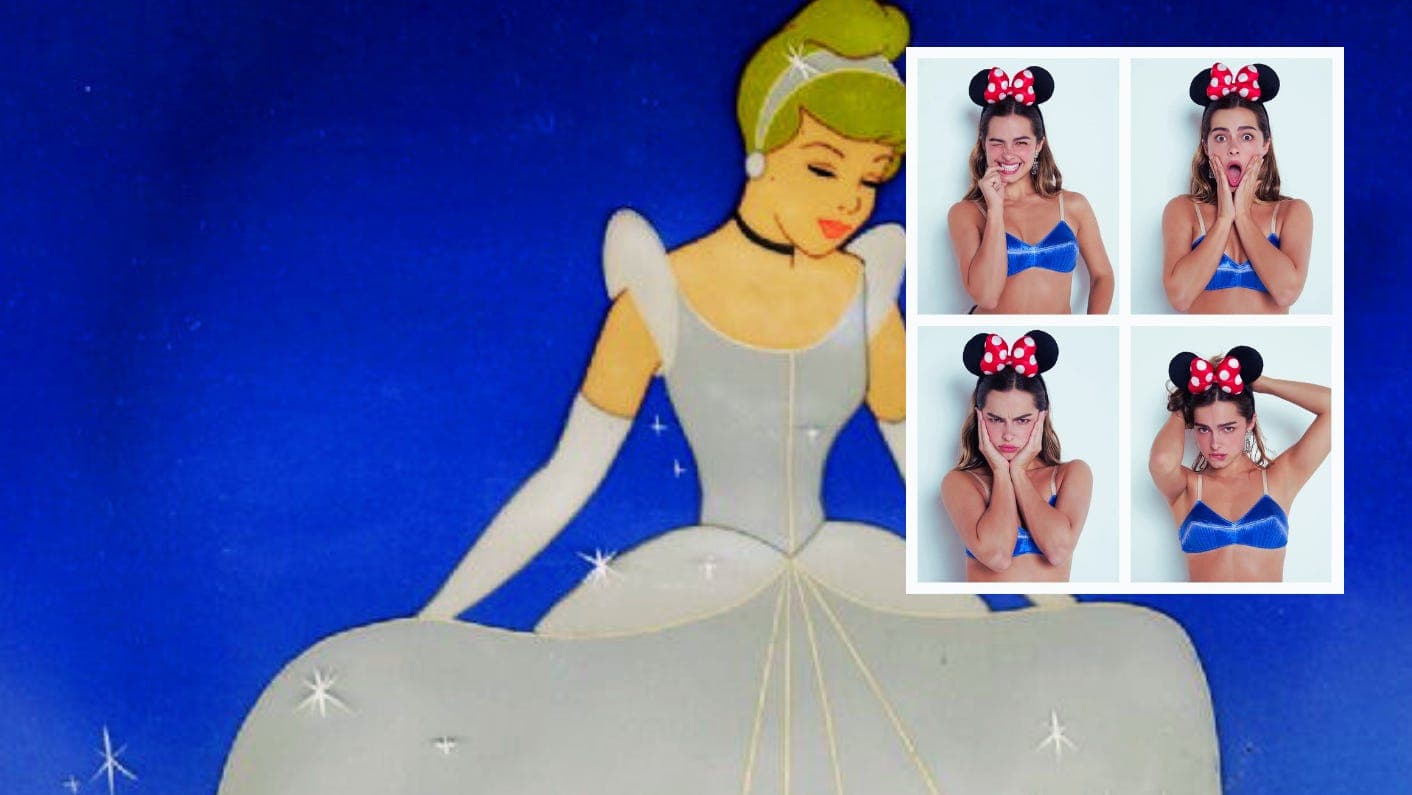
14:07And to me, that is a historically American idea. this. So like you've been saying, you know, a lot of the focus here is to like kind of take things back to IRL, taking it to the streets and seeing how this is all manifesting. How do you like what goes into how you think about like where you're going or where you choose to like focus on for these different pieces and also like who you're choosing to talk to or look at? Yes, I definitely had some things going into it that felt very like just like an immediate place to start because I'd thought about them for a long time like reporting on sort of alternative culture in the south is something that's always been interesting to me so i went to a deftone show in atlanta how i pick the thing is just like sort of i don't know i just am into it basically or maybe it's like i've been thinking about this thing for a while and then i see that there's like an event that corresponds with it at the same time there's obviously an element of like serendipity that can't really be controlled like one of the stories I wrote was maybe my second one was about these two girls that I met on the campus of FIT over the summer last summer I was actually like maybe there for an ex to see an exhibition opening at the museum but I just like stumbled across these girls and you can have a feeling someone's gonna have something to say but you don't really know and what they shared with me was so much more like spectacular and like evocative than I could have ever predicted but yeah in terms of how I pick someone I mean there's like the obvious things which is like does this person look like they put a lot of effort into their outfit because a lot of times those people will have more to say about it but not always and then also I think it is just up to like if they're catching my eye or maybe they're wearing some garment or some trend that I have been interested in yeah I think those are kind of the things I think of when I pick out where to go and who to talk to why disney world disney world i mean i have been to disney world many times and so i like knew it well and then that's actually a good example of sort of like what we're talking about is like i had been saying for at least a year and a half i felt like or two years like i felt that this sort of touristy hyper cheerful like americanness was having something was going on there and it started with like maybe seeing like olivia rodrigo and random los angeles influencers like definitely carlson post disney world pictures where they were like smiling and grinning and had like instagram filters on them you know so that was kind of like the first thing i saw happening years ago it didn't really take that anywhere obviously yeah so i was really interested in that i think addison ray there was like some crazy photos she posted last year where she's wearing Minnie Mouse ears that's embedded in this piece and then a friend of mine in London dressed up as that photo for Halloween and even since like that piece was published which was like a month and a couple weeks ago so many people have sent me like more Mickey Mouse gear that people are wearing or like people at Disney World so I think that was one where I was like okay something's happening here and I literally cannot know until I go and what What I actually found with that piece was like what people were wearing was so not like of this world of sort of like coquettish influencer style at Disney, which I like.
17:34It's actually really wonderful to have your hunches like disproved. Totally. It's also kind of a interesting thing to look at this sort of idealized or like a old retro futuristic image of America or just an old utopian image of America right at the start of the Trump administration. Okay, that is also something I should have mentioned as well. It's just that, like, obviously, I have been to Disney World. I know how, like, deeply patriotic it was, but you don't really register that as a kid because that's just, like, your life. You know what I mean? At least for me. Like, I'm from South Carolina.
18:10So those queues of, like, 4th of July, you know, Independence Day, all these things, which is, like, in my life. But then now going again, I was like, wow, they have like a hall of animatronic presidents and like all the rides that like Walt Disney worked on himself that are still there are super, super patriotic, super looking towards the future of America. coat and then also yeah it's everything it's like when you walk into the magic kingdom which is like the main park at disney you walk into an area called main street usa which is this like crazy composite of a bunch of kind of different eras of architecture to create the ultimate like old-timey american main street and then comparing that obviously with what people were wearing there which was honestly very shabby and like very like not aligned with this vision of america and americans that walt disney himself had it was very interesting so the fact that it like sort of became like trendy or chic online like what was that what do you think that was like about then if that wasn't actually maybe a reflection of what was going down on the ground well one thing is like these girls were probably at disneyland which is in california and on disney world which is in orlando yeah but like i think very different i've never been to disneyland but i i know it's like inferior in terms of rides and like it's not as big and stuff like that fighting words okay that's maybe fighting words but like i know it's like a smaller park at least right i guess i've never i've never been to disney world so okay okay i think i can't say it's not like i mean we have like i think of main street usa and stuff but it definitely doesn't feel hyper patriotic other than like the innate association of disney with like america yeah it's also like you can like drive from LA right yeah it's like yeah an hour and a half yeah like it's pretty much you you're going to Disney World to go there like because it's in Orlando so it's like unless you live in Florida it's like a pretty long drive or a flight away as to why I think those girls were getting into it I think they were just on the same wave that we're seeing really come to a head with like Addison Rae and her kind of representation of American sort of like youthfulness and something kind of playful but also really apple pie and kind of freaky at the same time I said this I think on a different podcast as well but I think people just like want to feel normal and like have normal fun and not feel like everything is like an ironic enjoyment even though obviously it's like for a lot of people it's like impossible once you are in a certain cultural milieu to like not ironically enjoy Disney World right yeah but I think people want to have they just want to have fun and like go on the rides and it's like such a like overwhelming sensorial place I think people just like want to not feel beholden to what I would call like a big taste which is like the idea that you have to be tasteful and have good taste and like Disney is like the opposite of that but when you go there i mean i had a great time when i went and it was so busy and i still had a good time i'm like this actually is american innovation it's also a really controlled environment so you can kind of like let your guard down but yeah more than anything i think that people just were hearkening back to a time before so much irony and balenciaga dimna like nihilism and also i think you know we're seeing this more with addison but like a sort of britney spears enjoyment of the world right yeah i think that's kind of what might have been drawings and people to being into that it's monocultural yes it's super monocultural and i think like with a lot of culture led by essentially tastemakers of the past five to ten years has been them revisiting monoculture and being like i like this whether that's like lana del rey waffle house vibes or Christianity like we were talking about earlier everything that could represent the status quo tradition or your hometown I think people are like revisiting essentially like this sort of hierarchy of coolness and yeah going back almost to the bottom or to like the middle yeah this actually like goes really well into the next question I wanted to ask you which is your approach of like kind of going to these places taking the online trends but then you're also going to spots that they may be hearkening to in real life or not hearkening to.
22:24But do you see this approach that you're taking as like a return to the tradition of examining street style? Or do you see it as maybe something distinct from that or like post that? And also like now would you say like does street style still exist? Yeah, it's so complicated, isn't it? Because it's like everyone is their own stylist now and everyone's their own street style photographer. Like you're just making your own street style images like putting your phone and making a tiktok and obviously there's like the rise of like the man on the street box pop videos where it's like you look very confident today what are you wearing so that's kind of like the new channel for street style i would say i don't know if like i really feel super connected to the idea of street style but i do love seeing people in context and how what they're wearing interacts with the environment and the people around them.
23:17That interests me a lot. I also have this giant, like, Bill Cunningham book. I honestly hadn't, like, really looked much at his work. And I found this last summer in a bookstore. Those images definitely really inspire me. Like, I definitely feel inspired by street style images in the way that you can, like, recognize patterns through creating them. But I feel like, for me, perhaps it's more of, like, an anthropological interest than a street style interest. But I do want to say I do love the anthropological work of like, I don't know if it's called Ladies of Madison Avenue or like there's these TikTokers and short from video creators who will go to like Madison Avenue and take little videos of the ladies there and interview them on the Upper East Side.
24:04And I think they also do it in like Palm Beach. I love that kind of thing. But yeah, I think overall, I think I feel a little anthropological. Anthropological about it all. Yeah. And I feel like street style as a term would normally connote that. But like in the last decade, maybe ended up connoting something kind of different. We had this episode with Liz from Zock about the girl boss and glossier. I don't know why I wanted to say glossier. And how it functioned with her blog as this like kind of elevating this bourgeois niche taste that like women in coastal cities were. I mean, that's not the only definition of it, but I feel like that's how it functioned.
24:44Like Aesop hand wash, like cultivating these like random essentials that a woman of a certain taste would have. Yeah, exactly. It's like street style. That's kind of why I was drawn to that question was like street style just like means something inherently different now. Like it used to just be like you go out and you see what people are like wearing, you know. And I guess it used to be like a revolutionary thing in a way to be like we're going to elevate what we see people wearing on the street versus like an editorial, like produced fashion image. Like the ID magazine. Straight up, exactly.
25:15Yeah, and I still think like lots of beautiful images can be made. Also like the pictures that I take for American style, like I have a camera and it like isn't working. And so when I went to the Deftones show, I was just taking them on my iPhone. But I was like, wow, like this is everything. Like an iPhone picture of someone's outfit, where they are, that's now. Like that's street style. so yeah it's just so different now because it's like those amazing street style photos from the 2010s that was all about like the good camera like really having an eye like high flash like a pop of color all those things but i still ultimately like love to see what someone's outfit looks like in an environment versus like in their room with a you know their front-facing camera on right i also think like what you were just saying about like the ladies of madison avenue or like palm beach or whatever is very telling that like that's where you find street style or people sort of like dressing you know dressing to go out or having like a distinct style necessarily when they go out that's like almost like something like of an older generation and it's just a totally different like lexicon for younger generations yeah and those are the last people that we don't have access to through their own social media accounts you know like that's actually like the final frontier i guess in a lot of ways of street style because they're just not gonna be posting their outfits, you know.
26:35Exactly. Yeah. Okay. So before we get into like more sort of specific stuff that we wanted to talk about that you've written about in the newsletter, give us kind of a bigger lay of the new sartorial land here. Like what have you been observing since starting this generally about how people are crafting style now? Like where are they shopping? How much does the IRL still influence image making versus say the other way around? Gosh, it's like I feel like I can't confidently answer that question yet and I feel like I'll need give me six months but like I I don't know it's like it's much more diverse but also undiverse like of course one thing that okay so let's use deftones for an example so I went to this deftones show that was like a great sample because it was full of actual young people and not 22 year olds it was like 14 to 19 year olds so like people that that focus groups are dying to get their hands on you know what I mean those people are less accessible right to like journalists and people want to write about them so it's like part of it was just people are still buying a lot of clothes on timu or shien and they're like aware i think that these are places that are like bad to shop at but they kind of have like a tongue-in-cheek way about saying it but it's still not like oh my god it's from timu it's like you know it's normal to shop at timu they're like it's from timu like that kind of Yeah, like, yeah, it's like casual, like a little self-referential.
27:59Lots of thrifting, I would say, is like one of the main things, which is not surprising. But I mean, that's a big change from like 10 or 15 years ago. Like to be 15 and going to the thrift store in 2015 for fun, for fashion, was still a pretty small amount of people doing that. People are still getting clothes from their siblings, which is really nice. You know, it's like their older sisters, that sort of thing. and yeah i think like that's something i really want to figure out more as well with the newsletter is like where exactly people are shopping especially honestly like with the tariffs that's going to be interesting to see because it's like this generation grew up on imported very very cheap fashion that was like extremely accessible and it's formed like kind of i think their look like i met this one really fabulous girl at the deftone show who was wearing a full fit like a full like studded rock chick club kid fit and all of it was from timu like all of it like she was wearing tons of rings just like fully kitted out and it's like okay like how are we gonna replicate that if we're not able to get these things cheaply we might have to even return to those looks diy origins no exactly that's that's actually a really beautiful thing to think about because there are definitely kids that I meet who are like DIYing stuff.
29:22Sometimes they're like DIYing stuff from Shein. But also it's like I found it really beautiful to see that a lot of the places that actually like but not necessarily DIY but like these girls would be like yeah I got this corset at like Party City or like I got these are like kids Halloween tights. And I was like there is something really DIY about that. Because it's like if you think about like this you're going to like a grunge kind of golf concert and you don't have a grunge store to go to right so it's like oh i'll go to like i'll get to live in party city and like make it work so i thought that was very like very sweet to see that's kind of how people are operating so i don't think people expect that i think they think it's all from heaven by mark jacobs depop and like the thrift store and cn it's so funny because when i was like a teenager people who dress like that would go to saint mark's place in new york city which is like different the vibe was you save up as much as you can and then you bought you go to this there was this place called search and destroy i'm not sure if it's there anymore that was like this very classic it was there when i was in college and it had me shaking in my boots yeah it's incredible to go in there yeah that was where i discovered like manic panic but it was like it was i don't think it was cheap are you from new york okay cool yeah i mean you're like what these kids want her you're like manic pixie dream girl but yeah i mean i guess like i i have a feeling that if i went to search and destroy i would see kids that were on that pilgrimage still you know because i think what i realized is like yes all these new players are in the game and people are getting these cheap outfits but i have a feeling that like these landmarks and icons of alternative culture still resonate because some of these identity markers just haven't changed that much like the mall the mall golf is like pretty static and like resistant My partner had an essay where he called the aesthetic of the mall goth kind of twisted.
31:13That's cute. Yeah. Yeah. I think it's like it's a resilient thing. And I think sometimes we give young people it's like I'm sure this is not just this new generation but like we have a tendency to either be like they know nothing or like they know everything and they're only buying archival stuff and they like have a big cultural knowledge but actually like some things and places are always going to be like cool to 14 year olds, I think. That makes sense. If you like what you're hearing on this episode, there's a place where you can join the conversation. It's called Cujoplex, and it's a private online hangout zone on Discord where smart, cool weirdos just like you, you know, people who like talking about the evolving state of independent culture, can congregate, share links, and talk about the news of the day.
32:01We've had some great conversations lately about creative economies, media theory, AI, politics, the future of journalism, and even the records and TV shows we've been obsessing over this year. Some of our chats have even inspired episode ideas. You can get access to Cujoplex along with our monthly bonus episodes by signing up for a paid subscription over at our Substack. That's theculturejournalist.substack.com. yeah like speaking of the deftones show in atlanta what questions did you have going into it especially around how young people are relating to like the sort of legacy deep counterculture act deftones what did you find out i found it really interesting that you spoke to a guy with like liberty spikes and he was like oh i guess i'm in a frat he was like a funny he was my fave he was like it was so funny because he was so sweet and like we had the most like the cutest little exchange and he was like i was asking him if his liberty specs were his daily look and i could kind of tell they weren't but he was like no i'm pretty i guess you could say i'm pretty mainstream i guess you could say i'm in a frat but he was just being so funny about it so yeah i mean that obviously is like poserdum 101 but like his take on it was like i felt this coming from him like yes he was kind of doing because it was funny but i don't think he was doing it from a place of like like wanting to really make fun of people.
33:26I just didn't feel that. And there were people there with genuinely bad vibes who were like, there were some boys I saw who were up to no good. And I was like with these girls who were kind of into cosplay fashion. So they're dressed really, really extreme. They're in the piece. And they were just like kind of trolling them in person and being really weird. So that definitely still exists. Like it wasn't just like a utopia of vibes, but was the question what I was kind of observing. Yeah, like what were you going into it looking to find out? i honestly felt like i had some ideas of what i would see i thought i was gonna see a lot of like mini skirts and like furry boots and like i thought i was gonna see a lot of big distressed jeans those were kind of some things that came to mind for me i think big distressed jeans is the biggest one mini skirts and furry boots not so much but big distressed jeans and sort of this like neo grunge look that's become popular online but also is something you can definitely observe in real life it's just like a very earth tone you know distressed jeans like a brown shirt sort of thing that's quite popular with young people so I thought I was gonna see that and I did see that and then in terms of like my approach I don't know like I definitely had some questions I walked in there with but I think with this kind of thing you have to like just like recalibrate as you need to when you're in the space in terms of what you're asking people and realizing like oh this question is kind of more interesting for people to answer or they want to answer this question more.
34:56I feel like the best things in interviews like you can't really plan for. Like when I was talking to Charles with the Liberty Spikes, I just asked him if that was his normal look, right? And then like we have this confession basically. But yeah, I just think hitting the basics, like what are you wearing? Where is it from? I also like to figure out kind of like what context these people are coming from. like are people wearing this at your high school are people into this kind of music at your high school that sort of thing and I think that helps me create like a bigger understanding of who they are and if they feel like they fit in through listening to this kind of stuff or they don't fit in and I think a really like interesting thing is that the idea of like being into the 90s is kind of like an identity thing now where a lot of the kids I talk to I'd be like oh are you like into this larger scene and for them that mostly meant like the 90s like the music the fashion and yeah it was something that they really identified with which is pretty interesting what does it mean as a cultural orientation in the world do you think it's a good question because like i think what also drew me to deftones was like i love deftones but their music is very like someone like being in the bathtub like with open wrists do you know what i mean it's just it's such a downer music in a way and so i was like whoa like what does it mean that like all these kids from like the frat houses every single part of culture like the country kids a girl i'm i met who worked at a factory like why are they all relating so much to this music that's like downers from the 90s and is about angst but is also unintelligible in terms of lyrics which is something they all brought up they're like yo like i don't really know what they're saying but it's just like a vibe you know it really was interesting to me so what does it mean to be into the 90s at this age um i think probably it's just like such an attractive time because there's so many images from it like we have you know cameras were really going off of that time and like so we have a lot of like visual references for it but then also it's like the last time before technology took over um so there is like an idea of kind of being able to have the life that you have now maybe you like but like a much better cooler version of it and then that disaffectedness or the like gen x stereotype of someone who's like very critical of the world kind of like tortured and artistically inclined seems to resonate with people but i do think i'm gonna have to go deeper on that by having some longer chats yeah there's something about it but then it's like very much like giving authenticity and i think yeah a lot of that probably has to do with the technology that you were just talking about, which is something I've been thinking a lot about with this too.
37:43And I think we even touched on this in an episode, Emily and I did a couple years ago about the shoegaze revival, in which we've talked about deftones and stuff too, because they're adjacent. But it's interesting because you could observe like a similar cycle among millennials. Like when we were in high school, like the 80s were a really big thing in music. They were a really big thing in style. Maybe it's coincidence, but is there something to, like when you hit your teens in early 20s developing an intrigue with the generation or decade that you were born in even though you weren't like you're of it but you didn't live it kind of yeah and i think a lot of it is just tied to like the trend cycle too you know it's like wait the 90s are how many years ago now like 30 30 because like when you look at 90s clothes like stuff that people in their 20s are wearing in the 90s that all like borrowed from the 70s which is like when they would have been born you know so yeah it's i think that's definitely real so like i don't want to untether it from like the cyclical trend cycle but then also like i was high in high school in like the later 2010s and i was into the 90s then which like kind of tracks with the 20 year trend cycle we had valerie steel the fashion historian on the podcast last year and she talked about this idea of like now time which came up in the coachella report and it's like the the feeling that everything is trending at once everything is in at once and it's like i don't think that's totally true like i don't think that the trend cycle is like as accelerated as people think it is but i do think like the 90s and the 60s are going to be the times that people are always going to be like obsessed with because well actually like yeah another another wonderful guest of ours was john karamanica and it was all about subculture and stuff in the 90s and he was like 60s had counterculture 90s had subculture and it like wasn't the same so i guess thinking back about that i'm like the explosion of those divergent cultures during the 60s and the 90s must make them like always going to be interesting to young people right yeah but then it's also creepy right now because like then there's the other side of it which is very 80s it's really Like giving like punks versus rockers or like punks versus mods or whatever it may be.
40:01Having like the kind of burnout shoegaze like 90s kids and then the like wannabe Patrick Bateman kids. The yuppie Wall Street vibe. Like I think I just saw, I forget, I think it was like Days posted this morning. It was like Miley Cyrus is dressing like she wants to like deregulate the stock market or something like that. Oh, was that like a Margaret Thatcher thing? Like was that what they were referencing? I looked through it because I was like, all right, you got me. And it was very like Wall Street, like femme Patrick Bateman, like those big roomy shoulder leather jackets and with like ruched leather gloves.
40:34But then also like similarly like big baggy button downs and things like that, like crisp white baggy button downs. Yeah, I mean, I think that's also like another thing with American style is just like it's actually confusing to have people referencing like the 80s and the 90s at the same time, along with everything else. But if we want to look at just those two things, like it's confusing. yeah even like us millennials supposedly being obsessed with the 80s there was definitely a lot of like 90s like sky ferrera i think of like people like that who yeah how'd they're kind of come up in like the mid 2010s exactly or i think of like in underground music i like to talk about james ferrero as a reference point who was also mining a lot of 90s stuff in addition to other decades but then like he became like a really big influence on young lean and young lean became a big influence on or you talk about how like two hollis is influenced by young lean and or like even the pc music aesthetic was like super big in like the early 2010s and there was like a contingent of people who are really into that and now it's like they were so like y2k yeah and now there's like a new generation that's interested in that and the influences are like maybe there's other ways of mapping influences across time it's a really good idea and i'm not really good at visualizing data but like i think that there is like a new map making process that needs to occur it's not like doot doot timeline timeline timeline it's like it's a little bit like squishy it's almost like a choose your own adventure totally yeah a little yeah which is like ultimately what nympha alumni i think is much more dedicated to is tracking these things throughout time but it is very like red string on the bulletin board but yeah like i think what i was trying to get at when asking about the deftones show and the guy with the liberty spikes who was a frat dude is like were you interested in finding out if interest in a band like the deftones was like a countercultural identity or subcultural identity or if it was something different yeah i definitely was interested in that like i was like how much of people's identity is being invested in this and do they feel that it is counter to their culture do they feel that it is different and like it was kind of case by case to be honest i mean i still like as somebody's all i'm always going to be interested in life in the south and like i said alternative culture in the south the general idea i'm getting is like that these things are still pretty subcultural but that maybe the punishment from society isn't there in terms of like how someone who was subcultural may have been viewed in the 90s or earlier it seems like it's much more permissive and less rigid and so even if these things are like i i do hesitate to call them subcultural just because i'm not like an expert on the differences between like subculture alternative culture and counterculture but I think there's a lot more permission around being this way for a lot of people but I think there are still like social risks depending on like where like where you go to school but I could tell a lot of the kids that were there were like from middle class and upper middle class families like in Atlanta at the same time so I don't know what they dress like in our like on the day-to-day but they were swagged out then I also wonder if the punishment or like the ostracization factor goes both ways where also like being a quote-unquote poser is not as much of a sin.
44:00Yeah, definitely not a sin. I feel like it's like very accepted. But yeah, poserdom is like, yeah, the quintessence of like the 90s. Like that was like an idea that was really important then, along with the idea of the slacker and the sellout. Like obviously the slacker was kind of like celebrated in the 90s, but now it's like people just like have like fake email jobs or something like that like they like are like 22 and like i want to have a job that i can like work from home and like not do anything whatever or like being a gamer interested in anime and games and magic might not have the same connotation as it would like yeah a long time like being a nerd it's not yeah yeah like i think that like these identities that we historically associated with being lower on the social ladder are like not as they're like really topsy-turvy now like hassan being the like number one male candidate of the left and him like just being on twitch all day and like gaming all day and having like an array of i assume like plush toys behind him or something like that it's like the nerds versus jocks thing doesn't really work anymore i don't think the goth versus preps thing works very well anymore but once again these things are all situational so i would also have to to go and see what it's like at high school.
45:16You know, not just like on the kind of night out where you're really expressing yourself. Totally. I want to talk more about Two Hollis. Okay. And this is also like a thing I observed at his set and some other ones. And I'm so jealous you went to that. It was, it was a lot. It was fun. So, so you did a piece about Two Hollis and in it, you mentioned that your co-host of Nymphed Alumni, Sam, pointed out that quote, it feels like for the first time in a long time boys and men are leading on in pop culture and style and i think i even like texted you something to this effect it was more when i was at ag cook's set but like very similar crowds there obviously so how does two halls embody that and why do you think that is men are just like kind of everything right now and it's not because like we all of a sudden are not into like girly stuff like it's because like men are more like women now and so like they're more interested in their appearance their signaling online and their tastes and stuff like that so that's something that comes up for me a lot I also think obviously because men's fashion is like historically so much more resistant to change like that's why suits exist and like that's why suits basically look the same as they did like 100 years ago when something actually changes it's like hmm like you're gonna notice and it's gonna be like easier to observe I'm kind of working through this out right now but like that much of the 2010s were dedicated to like women's issues so it's like feminism was for me as a very like young person at the time feminism really went places than 2010s and maybe places they shouldn't have gone because i feel like a lot of it kind of backfired but now i feel like everyone's eye is on like men and boys their culture what's happening to them how are the conditions of the world affecting them whether that's like through examining how they operate in relationships or how they like spend their time how they spend their money are they addicted to gaming are they addicted to like pornography all these things feel like a lot more sort of urgent and i think also off the back of this most recent election i think there was also like a realization that men and young boys were kind of ignored culturally for a long time only in the sense that to use like the most like jarring example would be like an incel right and like instead of like really digging deeper into that i feel like it was more about seeing that as like a cultural villain or as like a punchline or like when i saw i remember when i saw the batman movie with robert pattinson i was like oh my god they made the villain an incel like they made the riddler an incel who's like live streaming to his like incel friends it's like that sort of thing and now i think people are like okay we can like slow down a little bit and actually figure out what's going on with men which i think is a good thing and then also i just think men are like even though like we think of influencing as like a women's job you know they've always led like i'm thinking of like pewdiepie or someone like that like they've always been so successful at making content but i think now they're yeah maybe innovating in content but also i think there is an element of like misogyny to it which is like that i think people do get tired of female influencers and creators much quicker or are much quicker to like pick them apart probably but i think people are more resistant to that just because men operate at like a lower bar in general.
48:29Yeah, I feel like I saw that big New York Times spread on Hassan. Yeah. And with great photography and how you mentioned him, he's become this face, you know, the Joe Rogan of the left figure and how the forefront of like independent political media or whatever is sort of like parasocial figures who all go on each other's podcasts. And it's compelling. And I always I watch a lot of it. I consume a lot of that content. But I'm always like, there's almost It's never a woman who's like, oh, I'm showing up on so-and-so's podcast. It's all, maybe I'm not watching the right channels or something. No, I don't know.
49:04You're probably right. I mean, I think like. Like Call Your Daddy is not going to show up. No. Or that's a whole, it's like, and that's almost like has this cringe valence. Well, exactly. That's kind of what I'm saying is like, well, I have my personal issues with Alex Cooper and like what she kind of represents with Call Her Daddy. But like, I feel like no one likes her anymore. And that's kind of what I mean is like, I think there is like maybe a bigger tolerance of like a longer shelf life for male creators. I mean, I don't know, because I don't follow their trajectories that closely. But I think it would track like historically that it's like harder to be a woman in this field, except like, obviously, they make more money from like influencer deals and stuff like that.
49:47But yeah, I think streaming, because it came out of gaming, is always going to have like a big male audience, both in terms of viewership and creators. And then like the women's side of it is like complicated because it's so tied to like the sexual marketplace. And you don't see a lot of, yeah, like podcasts where women are quote unquote bro-ing down. My podcast? Yours, yes. And I guess ours, like, you know, but it's not the same. There's something different, but maybe it will change. well you know i feel like i agree but i also think like i'm happy that men have these spaces and like i don't engage with a lot of this media or consumments i can't really like speak to the quality of it but there actually was a time many years ago where i started listening to logan paul's podcast it was a long time ago and i was just like wait like this is good for men only because at the time his message is very positive it was like believe in yourself like you can do it and while i probably didn't agree with everything he was saying i genuinely felt like his message was positive and it was like him and his three friends like growing down basically so i don't know like yeah how much that actually like impacts the forming minds of like america's young men but from my experience that i was like okay like obviously a lot of that content's become more radicalized now um which is its own thing but i do think that like there is potential for like male influencers and creators to essentially be good role models like the place that it stems from maybe was yeah like refreshing to see i totally hear what you're saying and like it just it doesn't have to like then go to that extreme like there's other directions yeah yeah i guess i actually i don't know i don't know why a lot of male content has become more radicalized probably because that's what gets click too like keeping it like a nice neutral like here's how to just like function in society is not going to like give you returns on your content yes and also it probably echoes like very intense adolescent feelings which is like feeling misunderstood feeling left behind whatever and then also yeah you're right like extreme content does engage like even call her daddy started out as like a sexploitation podcast you know where they would talk about like really graphic sex stuff and was she was only able to like pivot to something that's much more in the middle after like becoming successful
52:15on the flip side of that and we kind of touch on this a little bit already but why have the themes fallen behind your next sentence is that this comes at a point where it's clear that the girlhood project that came to a commercialized head with the barbie movie and other things has failed why did it fail do you think i think i'm like a very like visceral level that everyone can feel it just feels like totally not right to be walking around being like i'm just a girl like i can't think like my boyfriend does everything for me i don't know how to like track my own money i don't know how to cross the street by myself it just doesn't feel right anymore in this like new administration and like how the culture has shifted as a result and then i also just think like every turn I feel like people are trying to tell us that it was like this radical thing to um put bows on things and have girlhood be at the center of women's imagery but like no one could ever tell us why besides like that like women should be allowed to like be young and girls and like I really believe in protecting and nurturing girls and like teenagers and I think that like that should happen but I also don't think that like women should infantilize themselves or that like dressing like a baby is anything other than like a coping mechanism for like a world that is like cruel and confusing and random and oftentimes like mundane and actually not always cruel sometimes it's just like boring and like you're at an office job so it's like i mean that's like why sunny angels exist like the little dolls it's like they were created as little companions for 25 year old office workers like in in japan and tokyo so like that's always going to be a thing i think we're you know women are attracted to tokens of youth and things that bring them comfort but yeah i also think the feminism specifically of the barbie movie did not resonate with people and that was the biggest girlhood project or it almost felt like it was like the grand finale in a way and now everyone's like okay we had that like enough like we can move on let's move on yeah and but then i think the problem was like maybe because barbie was so successful it just kept getting shoved down people's throats after that yeah i just think this like trying to look like a doll and be like a doll and be like inanimate kind of scares me right now yeah what about on like the right has manifestations of that changed i don't know like that to me i don't totally know as much about because i feel like the i'm just a girl thing was super liberal at least at first because i think of like sandy liang as being like the first person who is doing it in fashion or like in the very like contemporary to now way she's a queen of the bow and i think if i was very downtown new york you know but the aesthetics definitely like moved right you know i would see these like coquette trump sort of sweatshirts i think probably like some brands of femininity on the right are maybe oriented towards being girlish versus being like a fertile woman if like the milkmaid is one thing and then like a girlishness thing is another.
55:41But I do think like overall, all the kind of beady ideals are collapsing onto each other. And so like, it's hard sometimes to be like, this exists on the right and this exists on the left. Yeah, and it'll be interesting to see how it evolves as the months of this administration pass. I know it's almost been six months. Well, not yet, but soon. That's crazy. So to wrap up, What has been a wonderful conversation. It's festival season. We've, of course, already done a little collab on this with you, with Andrea contributing to American Style's coverage of Coachella. And you put out a call looking for contributions from other upcoming festivals like EDC and Reading and Leeds.
Read the full transcript
56:30What did you guys observe at Coachella this year? Andrea was, as we all know, on site both weekends, as she is pretty much every year. Fizz, you were observing it from all these people sending you their observations and photos from the ground. Was there a difference between what you were observing remotely and on social media versus the reports you were getting on the ground um i mean i could just say thank you to andrea and everyone else who like sent me dispatches it was so interesting to me what i saw online was mostly like the influencer outfits and then the reaction to them so like alex earl tarayami and then i did see people being like coachella fits are not coachella-ing this year like like these suck like that sort of thing i could see this sort of division of like oh this slays this doesn't slay you know that sort of thing there's this influencer who's really young named katie fang i believe and she wore this like tiny little skirt and people hated it and then when i got the reports in especially from andrea i feel like you were really saying like that it was what like that like people weren't like dressing for coachella oh yeah they were oh my god like so much more markedly yeah no it was opposite of what i was seeing online which is like people being like blah blah blah this outfit sucks but then you were like no people are back and of course you shared so many threats from the ground if you go look at the edition of american style that i contributed to there's a a video i took like walking around the vip during weekend one that this very um astutely captioned with what did you say coachella visualizer or like coachella simulator that video is like needs to go in the library of congress i like when i watched that i I was like, whoa, whoa, whoa, whoa.
58:23Because it's just like somehow you just managed to capture like the essence of the festival and what people were wearing. I would say like definitely a very weekend one essence of the festival and very VIP zone of the festival, which is, of course, that timing in that zone is where you will find like the most like acute fashion or people dressing one way or another. Like nobody that was in the VIP said maybe just like a few like maybe artist manager dudes or something like nobody like didn't think about their outfit that day there. You know? Yeah. There was lots of thinking. Yeah. That's a good way to put it.
58:59Yeah. Yeah. So what were the most interesting trends that were maybe different from last year and what were the worst ones? Well, I will say like one, this is maybe a meta trend that I know not what you're actually asking, Emily, but to what we were just saying. like it was just interesting to me biz knowing that I'm there in real time but like you're sort of also observing Coachella style in real time but it's on social media and it's like this totally other way of engaging with it and like it was really interesting because I'd be like let me know like if you want me to look out for anything in particular or like types of vibes you want me to talk to you about and then you'd be sending me screenshots of people like on TikTok and being like are people dressing like this because this influencer wore this and i was like god that like that whole exchange between us was so interesting and surreal to me and then i'd be like no i haven't seen much of that you know what i mean yeah it's weird because it's like it's a little too like matrixy for me not that specific exchange you're having but like me being like oh i should look at like what the influencers are doing and looking them up and being seeing them like live posting like day one of coachella and that's like that's the festival for the people is like watching the content if that makes sense and it's like that is how the time is marked or that's how like the calendar is marked which is really weird I think one thing I didn't expect which is I heard a lot from you and from other people that I spoke with it was like the the cowgirl thing being so big where did she come from yeah because that just seemed like a couple beats yeah behind for me like in terms of like I write about this in the the report but like Lil Nas X that song old town road first he made a song in like 2018 but it blew up in like 2020 and that really you know got like a party friendly cowboy look coming and i'm like whoa it's like five years later and like it's still really interesting for people to wear like a cowboy hat and like ashley's chap's my guess is it could be shaboozy shaboozy yeah i mean i guess the references just haven't stopped since then like you know post malone has his cowboy hat on again it's like i feel like sabrina carpenter so dolly parton-esque there's so much to reference but it just feels it just wasn't what i expected i guess it wasn't what i expected either because yeah it's kind of remained a thing but like very specifically i remember last year like when i would see people in cowboy hats and now again this is like now i think i got a party city artifact at this point like yeah the pink cowboy hat with like the ryanstein fringe yes but it felt like people were almost wearing them more in like reference to barbie or something but even just seeing regular cowboy hats and cowboy boots i remember like they're gonna sound bitchy of me but i just remember like thinking last year i was like i was like god that's so tired you know and now this year it felt like i was like who decided this is like fashion again you know it's like chilling it's truly chilling and that's why like that is the essence of what i'm interested in is just like we're all beefing with each other over like these random fartorial choices where like we look at the pink cowboy hat and we're like oh my god like it's like a bachelorette party from like 2018 or something you know so it's like how are like how is the temporal plane changing or something and like how are we always in constant there's like no consensus reality for fashion anymore which is like is strange i think it's different from like this when i said shibuzi or like post malone it's a little bit different even from that where i feel like that is more like oh you know this culture is just part of american culture it feels like you can there's a narrative that you can ascribe to it that's just like oh well this is no longer like right or left or northern or southern it's just american culture and it's but it's it's more subtle aesthetically than i think what you're describing yeah i reckon it will come like the pink cowboy hat will be one of the things that is remembered yeah somehow like when we write the like the the story of like 2010s and 2020s fashion i'll say that it wasn't like this year it was like less like let's just call it like the gay cowboy hat because i think it's like you know it's referencing chapel it's referencing barbie it's referencing orville peck but this it felt like the straight cowboy hat this year like yeah it definitely looked like the straight cowboy hat there was a lot of this american flag print ones that i very specifically because i've been to stagecoach too that i very specifically only having seen at the past sold at stagecoach and like a bunch of people were wearing them right as i was walking in on day one my friends and i we were all like gawking and katie turns to me at one point and she's like mary and i have decided it's politics and beyonce and i think i emailed you guys about that too because it just felt like politics like as a broad stroke of the very like aesthetic administration under which we're part of now like sort of seeping into the vibe there hence the american flag print cowboy hat whether it was ironic or not i could not tell you wondered that a lot um and then beyonce of like that just straight up looks like something that someone one of the like maga like the people who followed maga rallies like it like the grateful dead like the true believers would wear right and even when I saw that stage coach when I was last there which I think was like maybe 2018 2017 was like at the time almost feeling like oh this is like an accessory to make yourself feel more authentically country at this festival you know and like I see it sold at like events and stuff still and it always has that connotation and then this year it was just like a thing back to what you're saying though it just really felt like fashion was back and I still can't like wrap my head around I mean Emily I'm sure you remember when we did our Coachella trend report last year you know we talked about like sort of the rise of celebrities and like upper echelon influencers like dressing down more like you know t-shirts and jean shorts and you know even me feeling a little like I'm always gonna like dress extra at Coachella because I love a fit.
1:05:07But last year feeling like a little fish out of water almost because I was in my full Space Raver outfit or whatever. And this year that was not a problem at all. But why? Who decided that dressing for Coachella is a thing again and it's more of... It just felt so much more visible again. Yeah. I think it must have to do with the Barbie movie came out last year. Was it 2024? Four. Two years ago. Three. I feel like the idea of being a girl with her friends and wearing your outfit is like the Carrie Bradshaw sort of aspiration of a lot of young women right now. I don't know. I just feel like girls want that.
1:05:51They want to get dressed up and wear a little outfit with their friends. and I mean maybe it's also has something to do you can tell me what you think about like last year being such a big like summer for going out and for like obviously it was it was brat summer so I think maybe it was like was that training for a big summer out because I feel like everyone's kind of dressed like shit last summer like in the sense of like because it was coming from the UK it's coming from the rave scene it brought it's like you're gonna wear your t-shirt or whatever or your big t-shirt and you're like trainers so i think maybe people have like that party spirit in them but now they're ready to like do it up you know i feel like this dovetails interestingly somehow with the news i think it was reported by billboard that like a large percentage of people at coachella this year were on like a payment plan oh my god it was like this recession indicator I don't know how that like jives, but.
1:06:50This is the first year that more than half of GA ticket holders were on a payment plan. And I think it's important to add a little bit of context here. Yes, it's an indicator and a fascinating one. Music festivals and Coachella have had payment plans way before you could use a micropayment to like buy your like fancy groceries. You know what I mean? Like they've been a thing, I'd say, for at least 10 years because festival tickets like done been expensive. and people have been doing payment plans at Coachella for a while. This isn't like some kind of new indication about Coachella. I think it's an indication of the bigger picture.
1:07:24But it's more than before, right? Yeah. I mean, it's more than half now and I guess it wasn't that before. Yeah. People should be able to pay stuff off for sure. But Coachella debt, festival debt, I don't know. I think festivals should all cost$250. That's like, I feel like how much Bonnaroo cost when I was going there. but it seems really cheap actually looking back maybe with like 500 but yeah i think we need to have a sliding scale yeah agreed but if you want like the scale and the experience and like the spectacle and you know implied attachments clout what happens with it like it's just it's what it costs like and you know you can fact there's a whole conversation to be had about like this is also an art of like how much the music industry is struggling and like just the brand of the heavy heavy heavy brandification which is like somehow i feel one year i want to do a thing like comparing how many like visible brands there are at coachella versus like um you know having to pay all these like i'm like who are these videographers that they're paying because the camera work is incredible there you know and like those are not like change like are we getting what we pay for it or what are we paying for is an interesting question i loved watching claro's set which i watched on like the youtube live stream i was like i feel i feel like god in this claro set type thing so i like i hope that like translated into the in-person experience so last question what do you guys think makes music festivals such a ripe territory for examining style what role would you say they play in the image making ecosystem I'm kind of curious about this especially as like an east coaster who like does not really relate to the Coachella thing at all I feel like from my experience I mean you've been to so many more music festivals than I have they definitely used to be like the image making factory like so it was like that was like the ultimate photo that you would see on pinterest that was just like that was the ideal and i think that continued through the early 2020s like i remember emma chamberlain she wore this like very sort of like unique little jumpsuit that was made of that like scrunchy popcorn material a couple years ago and that felt very like significant but now it feels like more of like a temperature check like because it almost like is like a reality inducer even though it's not But like for me, looking at this, I'm like, oh, like the cowgirls are still here.
1:09:58You know what I mean? Versus in my head, I'm like, they're not, you know, that doesn't make sense. So I think it's like an interesting way to sense check what people are actually wearing and what they want to wear when they're being seen, you know? um and i guess like when you were saying about how it was kind of normified the past few years and like really low-key that kind of like reflected the values and culture and style at the time being more like minimalist and sort of paired back and now we're in something new so for me i think it's interesting to look at it as like a mirror and like what is actually reflected back and what's like more of an illusion in our heads and what is like just people dressing up because they're going to coachella versus what you can extrapolate to yes the rest of culture yeah yeah yeah and like how far can you reasonably take that extrapolation before you're just making stuff up you know yeah i yeah i agree with that very it's just interesting to me because i feel i mean i only started going to festivals in the 2010s when i felt like this was already a thing like like being stressed out about what am i gonna wear to my first coach when um yeah but it's like festivals as a concept and like wait like they were kind of the implication is like they're places to like observe like raw culture or like suffer you know hyphenate of culture word now that's like become the identity of that and like the showcase for that so it's like there's just done total flip it's like the tail wags the dog now and that's where the twins are set but yeah it's like that's i think that's like why you and i both are fascinated by this it's because like this man i always say microcosm but really more of a macrocosm probably like of popular called yeah like the video you sent like when the the library of congress video like that was the simulator is like what does it feel like to see all these things at once you know what i mean and like what looks good what feels right and what feels weird or like outdated yeah to see it all at once i think it's a unique experience yeah and it doesn't feel right and it feels weird i like immediately like needed a drink when i got to the festival because it was like so overstimulating and overwhelming like just to like keep my head on straight it was it was a lot anyway this thank you so much for coming on thank you for you know everything that you're doing with american style we're big fans everyone should go check it out where else can people find you?
1:12:24What else should they be checking out? You can find me on Substack, my name as a URL, or on Instagram, which is also my name is Sherbert. And you can listen to Nympha Alumni. It's just nymphalumni.com. But yeah, thank you so much for having me. It's always really fun to talk to you guys.
1:12:47This episode of The Culture Journalist was produced and edited by Emily Friedlander and me, Andrea Dominic. Our theme music is by Mark Donica. To check out more, head to our Substack. That's theculturejournalist.substack.com. And if you like what you're hearing, leave a rating or review on Apple Podcasts or share us with friends to help support independent journalism.
From the publisher
During the pandemic, it seemed like the internet, and specifically TikTok, was coughing up one fringe aesthetic after the next: Cottagecore! Trad Cath Coquette! Old Money! Coastal Grandmother! And of course, our personal fave, Dark Academia. We even did a whole episode on it, as part of a larger examinatin of post-pandemic aesthetics.
Fast forward to today, and the churn of social media-born aesthetics seems to have slowed somewhat, leaving behind a landscape that feels more fragmented and difficult to parse. So we’ve brought back our guest for that episode — style writer, trend forecaster, and bonafide Cool Girl Biz Sherbert — to give us a lay of the sartorial land. Along with continuing to co-host the influential fashion and culture podcast Nymphet Alumni, and writing for places like The Face and AnOther Magazine, Biz recently launched a new publication called American Style on Substack (subscribe!), which she says is about “what people are really wearing and why.”
If you’re a CUJO subscriber, you already got a little taste via our Coachella collab with American Style a couple weeks ago. Either way, you’re in for a treat: Biz joins us to talk about American Style’s origin story and what’s she’s learned from documenting what young people are wearing out in the real world, at places ranging from a Deftones concert in Atlanta, to Disney World in Orlando, to a rave in North London. We also get into the state of countercultural and subcultural fashion in 2025; why men and boys seem, for the first time in a long time, to be leading the style conversation; the role that festivals like Coachella play in the wider image-making ecosystem; and the strange staying power of the festival cowgirl.
Subscribe to American Style and follow Biz on Instagram (fka @marcfisherquotes). Listen to Nymphet Alumni on your pod platform of choice.
This is a public episode. If you'd like to discuss this with other subscribers or get access to bonus episodes, visit theculturejournalist.substack.com/subscribe