In short
Podcast Notes: The Culture Journalist - Oscar-winner Cord Jefferson on How Hollywood Became So Risk-Averse
Episode Overview
- Hosts: Emilie Friedlander and Andrea Domanick
- Guest: Cord Jefferson, Oscar winner for *American Fiction*
- Discussion Focus: The risk-averse nature of Hollywood, Black representation, and the creative struggles within the film and television industries.
---
Key Themes
- Cord Jefferson's Background
- Career Transition:
- Former journalist and editor at Gawker.
- Worked on notable TV series including *Succession*, *The Good Place*, *Station Eleven*, and *Watchmen*.
- Risk Aversion in Hollywood
- Jefferson's Perspective:
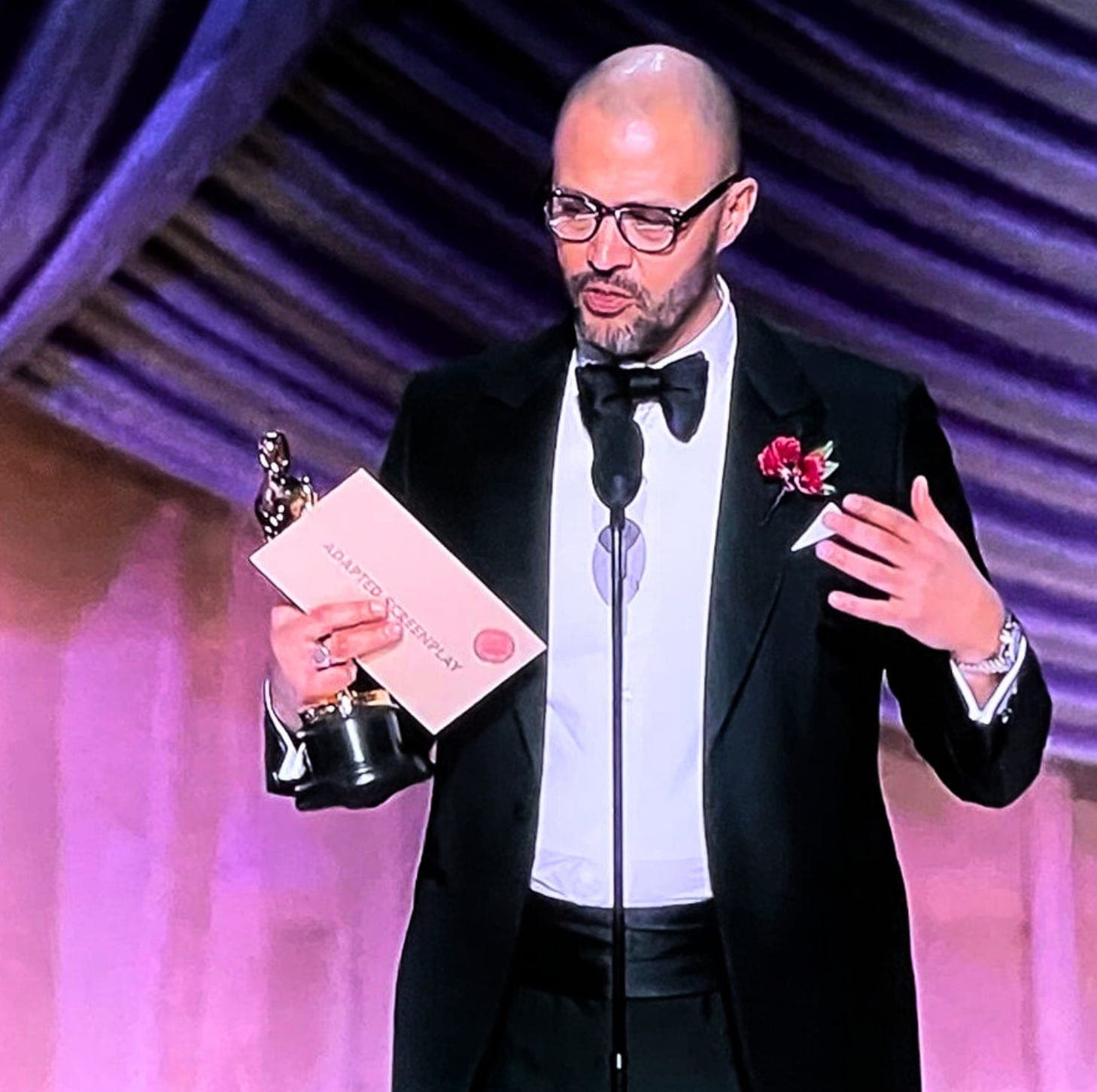
- In his Oscar acceptance speech, he criticized Hollywood's risk aversion and urged executives to support more independent films.
- Suggested diversifying investments in smaller projects instead of focusing solely on high-budget films.
- Black Representation in Media
- *American Fiction* addresses issues of Black representation in both Hollywood and the publishing industry.
- Jefferson's success sparks discussions about the necessity of diverse narratives and the importance of giving opportunities to underrepresented voices.
- Struggles of Writers in Modern Media
- Discussion on the challenges writers face in a climate where creative work is often evaluated based on financial metrics rather than artistic merit.
- The effects of the pandemic and recent strikes (Writers Guild and SAG-AFTRA) on the industry are highlighted.
- The Changing Landscape of Journalism and TV
- Transition from journalism to TV writing:
- Jefferson discusses how skills in journalism, such as storytelling, interviewing, and research, translate well into television writing.
- The difficulty of breaking into TV without a stable financial backing or connections.
- The Role of Algorithms and Corporate Influence
- The reliance on algorithms for gauging art's value is critiqued.
- Highlighted how corporate interests often overshadow creativity, leading to a preference for remakes and established franchises over original content.
- Labor Issues in Creative Industries
- Comparisons between conditions for journalists and TV writers.
- Discussion on the struggle for fair treatment and pay, particularly in the wake of unionization efforts.
---
Key Quotes
- "Instead of making one $200 million dollar movie, try making twenty $10 million dollar movies." - Cord Jefferson on diversifying film investment.
- "Growth for the sake of growth is the ideology of the cancer cell." - Jefferson discussing the issue of corporate greed in creative fields.
---
Conclusions
- The episode provides a critical examination of the current state of Hollywood, emphasizing the need for greater risk-taking and investment in diverse voices.
- Cord Jefferson's insights from his personal journey in both journalism and television highlight the interconnectedness of these fields and the broader implications for cultural production.
- The discussion raises awareness about the ongoing struggles within the industry, advocating for a shift towards valuing creativity and narrative depth over mere profitability.
---
Further Reading & Resources
- Visit the [Culture Journalist Substack](https://theculturejournalist.substack.com) for more episodes and articles.
- Follow the hosts on social media for updates and discussions on cultural journalism.
Written by AI. May contain mistakes. Listen to the episode to check what was said.
Transcript
Automatic transcript. May contain errors.0:00Hey, vows. It's Andrea and Emily here with The Culture Journalist. So this week, we are re-upping our episode with writer Cord Jefferson, who you might have heard just won an Oscar for Best Adapted Screenplay for American Fiction, which he also directed. American Fiction was adapted from the 2001 novel Erasure by writer Percival Everett. And since Sunday night, the film and Cord's comments about it have been provoking a lot of interesting conversation about Black representation in Hollywood and the publishing industry, which also happens to be the subject of the film itself. We encourage you to dig into both the film and the debates around it.
0:41Cord is, as you may know, a former Gawker journalist with some very strong opinions about both journalism and Hollywood, which is why we weren't surprised when he used his acceptance speech to offer a pretty candid take about risk aversion in Hollywood that almost immediately went viral. I've been talking a lot about how many people passed on this movie and discussing it. And I understand that this is a risk averse industry. I get it. But$200 million movies are also a risk, you know, and it doesn't always work out, but you take the risk anyway. And instead of making one$200 million movie, try making 20, 10 million dollar movies or or 50 50 uh uh 4 million dollar movies the next martin scorsese is out there the next greta is out there they just want a shot and we can give them one and this has changed my life thank you all who worked on this movie for for trusting a 40 year old black guy who's never directed anything before it has changed my life thank you i love you all thank you so when we were listening to this speech we realized that this wasn't the first time we'd heard Cord talking about this.
1:46In fact, it was one of the topics that we dove into with him when we had him on the show in 2021 to mark the start of Succession's third season. Cord was a writer for the show's second season, in addition to working on other shows like The Good Place, Masters of None, Station Eleven, and of course, Watchmen. What started as a conversation about Succession's Roy family and Cord's experiences transitioning from a career in media to a career in TV and film, evolved into a deeper meditation on the struggles writers in both fields are facing in a creative economy governed by algorithms, risk aversion, and companies obsessed with growth at any cost.
2:25This conversation was recorded way before the writer's strike and also American fiction, but the issues that we discuss have arguably only become more relevant. And it's also a great look into where Cord comes from, his journey to becoming the artist he is today, and perhaps some of the seeds of ideas that maybe inspired American fiction. So without further ado, here's our encore presentation of our interview with Cord Jefferson. Big congrats to him for his Oscar.
2:58The Culture Journalist is an independent project that relies on word of mouth and is funded entirely by listeners. If this pod adds something meaningful to your life, please consider supporting our work by becoming a paid subscriber over at our sub stack paid subscribers receive full access to bonus episodes along with culture recommendations the occasional essay and more goodies look we don't have like a big staff or cushy sponsors to fall back on like most corporate podcasts do it's literally just me and emily and sometimes an editor so every listener who subscribes actually makes a big difference.
3:35You can go get it at theculturejournalist.substack.com.
3:43Hey guys, welcome back to the show. We're here with our guest Cord Jefferson. Cord, thanks so much for joining us. Thank you for having me. So before we get into all this, tell us a little bit about what first drew you to a project like succession given your journalism background what did it feel like to be asked to contribute to a show that deals with media so they reached out to me before succession had premiered actually so i didn't really know what succession was going to be they were just like this is a show that sort of is a send-up of the murdochs and so that intrigued me um but i was mostly interested in jesse armstrong just as a creative because he was sort of like one of the geniuses behind the show that I really loved called Peep Show.
4:28It's this British comedy show that I was in love with. He also did this movie called Four Lions that I thought was really good. This sort of like satirical terrorist movie with Reza Ahmed. So I was just really excited to work with him. I think that I had the interview with Jesse before I had even seen an episode of Succession. I was going to say yes, no matter what. I think they sent me like the first three before they premiered. And once I saw the episodes and saw how good they were, I was extra excited to work on it. But rolling back a little bit before that, tell us about how you ended up in TV in the first place and what that transition from being a journalist has been like.
5:02That was totally unexpected. I say, you know, that my literary heroes are like Joan Didion and James Baldwin. And I think it's not just because they're like incredible writers. Right. But I think that what it meant to be a writer for them was incredibly broad. they'd write a book of essays and then they'd write a novel and then they'd go and like follow a politician around and write a sort of like reported article about that then they'd write a screenplay something that i was blown away when i heard that i think a lot of people don't know is that spike lee's malcolm x which i think is one of his best movies the original screenplay for that was written by james baldwin like you know obviously they did some rewrites but the original draft of that was james baldwin's draft so what it meant to be a writer for them was very big and i I think that when I first started out as a writer, I started out as a journalist and I always had ambition to do other stuff, but I didn't really know how to get into other things.
5:57I assumed that eventually I'd write a book and then writing the book might lead to a movie or TV show. But, you know, entertainment is just incredibly difficult to break into. I wasn't a rich kid. My parents were, you know, professionals in Arizona. So even despite the fact that I lived in L.A., I didn't really have any friends who were in entertainment. And so to me, it just seemed like an impossible barrier to climb. I was kind of like on the other side of the fence thinking it would be cool if I could see it at the garden, but there was no way for me to do it. And then one day I was, I was working at Gawker was my last journalism job.
6:28I worked at Gawker from 2012 to 2014 and a showrunner of a TV show had seen this, this thing that I had done for Gawker about, I wrote this satirical article about the problem of like violent white youth, like the white community. They're letting their kids like run amok on the streets. And Chris Hanks had me on to do sort of a send up of that article. So Chris and I just sort of like made fun of like the violent white youth and like what's going on in the white community. And the showrunner, this guy named Mike O'Malley, saw that when he reached out to me and asked me if I wanted to write for his show.
7:00So I quit my job at Gawker and I quit on a Friday and I was in the writer's room on Monday. It was a pretty quick turnaround. Oh man, that's the dream. yeah I mean at the time I thought it was normal I thought that that was kind of how everybody got in or many people at least and I've since since I've been working in in entertainment now for seven years I've realized that it's pretty rare how you get in but yeah I feel you know I feel very very fortunate I we got in that first room in the first room was only it was only 13 weeks and I was actually getting paid less than I was getting paid a gawker so it was like I was taking a pay cut I wasn't in the in the writer's guild yet I was getting paid was called a neophyte rate So I wasn't sure what was going to happen, but I liked the collaborative nature of it.
7:43I liked the process. I liked the idea of sort of writing fiction, which I had never done before. That first job wasn't perfect, but it was a glimpse into the industry and I liked it. Can you tell us a little bit about what working at Gawker was like during that period and like what you were leaving behind? Yeah, I mean, I really liked Gawker. I loved it there. I loved the work. I loved my co-workers. I loved the sort of like mission statement of the site. As I've gotten older, I'm starting to realize like how much anger animates my life. You know, I was an angry young man and I think I've become sort of like an angry middle-aged man in some ways nowadays too.
8:23Like, you know, I remember reading in an article about Gawker that somebody sort of like coined the term the rage of the creative underclass. It was just a bunch of like smart, talented, funny people who were looking at the world around them and looking at media and sort of were like, why don't I have like a cushy, you know, million dollar a year contract job at like Esquire or GQ or any of these other legacy media brands and sort of like pointing out the faults that they saw in the world. It felt very much like a pirate ship in many ways. It was kind of like you got there and you sort of like you made your own way.
8:56You know, my first day at Gawker, nobody told me what to do. It was just kind of like, here's your login for the CMS and now just like post stuff. And that was like frightening and terrifying, but also incredibly freeing and exciting at the same time. So, you know, I sort of was really nervous about leaving Gawker because I loved it so much. ultimately I think I made the right choice but I certainly do miss that kind of writing I miss doing that stuff from time to time yeah and it's you know it's unfortunate because it does feel like that was truly an era yeah just for kind of new slash younger media like this generation and even now I feel like it's like if any of us wanted to go back to it there's not really that to go back to but you raise a really great point because I feel like a lot of times these conversations around Gawker and certain other sites that Emily and I have worked for over the years.
9:50There's a lot of talk about low pay, bad things in the workplace, but you don't often hear about the kind of thrill of it that it was and the freedom and this really kind of turning point for a new generation to kind of reclaim media and journalism for themselves. Yeah. The kind of work that I was doing before was in these very sort of like traditional journalistic outlets and, And, you know, I was never like at the Times or the New Yorker or anything. But, you know, before that, I had worked at The Root, which was at the time it was owned by Slate, which was owned by The Washington Post. I ended up as an editor at Good Magazine for a while, which was also sort of like, you know, pretty traditional in its, you know, in its ethos.
10:30And when I got to Gawker, it was just like it was like, yeah, call this politician an asshole if you want to. Like call this person like a stupid idiot if you want to. It was kind of like, it was like the permission to be aggressive, permission to sort of like say what you actually felt about things instead of sort of pussyfooting around the idea that you had any opinions or a real view of the world. The ethos, what I worked there was, was if it's true, publish it. You know, obviously there were mistakes made at Gawker and people publish things that weren't true, but it felt like it was actually sort of like living in the world and engaging with the world on its own terms instead of sort of like doing this like high-minded tightrope walk that I think that sort of, you know, a lot of traditional journalism exists.
11:10It just gave you permission to be kind of grimy and angry and aggressive and, you know, mean even, of course. And also funny. Yeah, exactly. I think that some, you know, I worked with some of the funniest people that I've ever met at that job. When I was there, it was Katie Weaver and Adrian Chen and Max Reed in Hamilton Nolan, Leah Beckman, AJ Delario, Emma Carmichael, Taylor Berman. It was just kind of this like murderer's row of incredibly talented writers and editors. My title was the West Coast editor, but that was just because I didn't want to move to New York. And so I lived in LA the whole time.
11:45And so my only communication with them was over Campfire. Like, I don't know, Campfire was pre-slack. And so I would just like laugh all day at the stuff that people put in the Campfire. It was just sort of like endless runs of bits and jokes and you know a lot of it never made it I think that some of that pissed off Nick Dunn because he would he would get angry because he would say like the some of the best stuff of the day would be left in campfire instead of published onto the site yeah I can relate to that I was the west coast editor for noisy advice it was like the exact same situation all my co-workers were in New York but laughing all day on slack yeah exactly I still miss our headline chat room.
12:26Yeah, it was one of the most fun jobs I've ever had. It's also exhausting. I did it for two years and after two years I was pretty beat. But I can't imagine, you know, there was people who were there for, you know, five times that. It's a pretty brutal breakneck pace and, you know, the likelihood of burnout is pretty high, I would say. What was it like to come to a show like Succession after having had that experience? I think that they wanted to bring me in specifically because I had worked at Gawker. So I can only work as a consultant because I had to go back to Watchmen. I started Watchmen about a year before.
13:02And then I went back to the good place actually from Watchmen. And then basically in between my good place and Watchmen stint, I did six weeks in London for Succession. there's another writer named will tracy who used to work at the onion when all of those properties were bought by univision so he had sort of like seen the slow destruction of the onion under univision and i had seen the sort of like slow destruction of gawker and so they i think they wanted to bring us in just to sort of like pitch on the show in general but also to sort of like talk about our experiences at those kinds of publications specifically for like the vaulter storyline that was going to happen bittersweet catharsis difficult to watch i'm sure and the spitting in kendall's face moment so like a little bit of that gawker spirit yeah exactly i think that it was probably cathartic for some people to watch that just the idea like imagine if you could spit in the face of like these uh private equity idiots who have bought your website and are sort of like slowly destroying it and ruining something that used to be great.
14:08Yeah. And also the bit about how they had downsized to just, what was it? Weed. It was like food and weed, I think. Right. Yeah. The food vertical, the weed vertical are the only two profitable ones. Exactly. And it would be run by interns or like an editor and interns. I know. I wonder how much audiences like, you know, general audiences, not folks that work media just can really savor or appreciate those little details yeah i think that that felt very sort of like specific to maybe like 1500 people in new york and los angeles i think that those those people especially liked that episode i think that everybody else probably enjoyed it but probably to a lesser degree totally yeah exactly i guess it's convenient that like those 1500 people are also like journalists and they're going to talk about it a lot and tell all the friends And that was just such an example of how that show felt like one of the few shows or like few works coming out of Hollywood that got the media landscape and its politics right.
15:21Whereas often when I watch movies featuring journalists, I'm like laughing because it's completely, you know, off from what like a present day journalist experience would be. Do you think Hollywood in general understands journalism and the media industry and why or why not? This sort of like leads into a show that I created with my old colleague, Max Reed, that we were sort of developing at Apple based on our time and experience at Gawker. you know max and i sort of met and one day and we're chatting about the depiction of journalism in in entertainment and we sort of you know journalism is like either it's either like the character is like a real slimy dirt bag i was i just watched uh have you guys ever seen that movie red dragon yeah yeah so it was uh so i was just re-watching red dragon a couple weeks ago and it's like philip seymour hoffman is like exactly what i'm talking about there he's like Like this guzzy journalist who is sneaking around taking all these creepy photos of Edward Norton's character.
16:25Or it's like all the president's men. Or Spotlight, where it's like journalism is the most important thing in the world. And these people do heroic jobs and nothing that they do is wrong. Everything they do is right. And we met and we were like sort of at least our time in journalism was spent somewhere in between those two poles, right? It's like there would be days that I would go into work at Gawker and I would be incredibly proud of the work we did. And I would be like, this is this place is excellent. And and the stuff, the stuff we did today and the stuff that I did today was very important.
16:59Then there would be days that I left Gawker feeling like a little embarrassed and ashamed of myself and feeling like what I had done that day was had sort of like made the world worse. It was never sort of like I left feeling like a slime ball or like a hero of the world. It was always a roller coaster up and down. And I think that the things that make a person a great journalist are also, you know, the things that make people dislike you as a human being, which is like, you have to be nosy. You have to publish secrets. You have to investigate people's lives. You have to sort of like sort through their garbage and that sort of like the sort of details of their existence that they don't want to share with the world.
17:33Like, these are all the things that that that you do as a journalist. And these are all the things that we did at Gawker. And, you know, sometimes that that sort of like left you feeling a little scuzzy. But I personally don't feel like there's a ton of entertainment about journalists that feel like it reflects my experience in the world of journalism. And I especially think that like blogging, like bloggers are feel like are often depicted as are still depicted as like you're in your mom's basement in your sweatpants, like drinking, you know, a two liter of soda and like eating chips out of the bag.
18:07And it's like furiously typing. Exactly. Exactly. It's just kind of like bloggers are still depicted as these kind of like loser idiots who sort of like don't really know what they're talking about when actually sort of, you know, my existence as a blogger was spent in like this beautiful classic downtown Soho loft space that, you know, wasn't at all like a mother's basement. So I feel like that isn't really discussed or depicted in the way that that feels real and authentic to me. Yeah, shows or movies will sort of, you know, latch on to the obvious like plot device of featuring a journalist where, you know, it's almost akin to a detective figuring out a mystery, you know, or something like that.
18:49But then not much is spent excavating the moral dilemmas of journalism. Yeah. Really resonates with me. Like the whole Janet Malcolm, you know, is morally indefensible thing. Exactly. Exactly. At the start of our pilot, like we had that Janet Malcolm quote at the beginning of our Gawker show. specifically because we felt like that is sort of an under-discussed aspect of the job. Where do you fall? Where do you fall in this matter? Is journalism beyond good and evil? Is it good? Is it evil? I mean, it depends on where you stand. I think that Gawker was largely good, but I think that Gawker made some mistakes along the way.
19:38to me gawker reached a point that it was like do you guys remember lenny from of mice and men yeah it's sort of like lenny lenny didn't know his own strength right and lenny sort of like picked up the dog and thought he was petting the dog and he killed it by the time that i was there gawker was sort of like used in the same breath as the new york times and people it was well read and sort of like it was being discussed in the media and it's sort of like it had power and it was still operating as if it was like 2005 and it was being published out of nick den apartment I think that it got to a point when like it felt like sometimes it was punching down and it felt like it didn't really understand its own strength and the power that it had amassed.
20:17And so I think that there are secrets that probably shouldn't be told. When I was really in the thick of it, I was just like I said, it was if it was true, then you print it. And I don't necessarily agree with that edict anymore. I think that there are things that are true that probably don't need to be printed and that you don't need to discuss. And that's sort of like, you know, people's privacy is of primary importance at a certain point sometimes. So I think that I exist somewhere in between those two poles. I do think that journalism is incredibly important. I think that a lot of stuff deserves to be published, but I think that, you know, if I sort of stand behind everything that Gawker published when I worked there, absolutely not.
20:54I think deserve is a good word to sort of help navigate that moral or ethical question, you know, like, does it deserve to be published. Yeah. You know, and I guess that goes back to like one of the principles of journalism, right? Which is just what is the public service of this? Even if it's a fun satirical piece or something, you know? Yeah, absolutely. And I think that that becomes difficult when you become as big as Gawker became. Navigating like what people are deserving targets and what people are undeserving targets becomes harder and harder the sort of like more power you ascertain. And I think that, you know, we miss the mark sometimes.
21:29Totally. And, you know, importantly, and I think Andrea and I lived through this moment as well, like this was a moment when journalism was moving to the Internet and, you know, distribution model became social media. And there are like factors also outside of the story itself that play a role in what the impact of the story is that are extremely powerful as well. And sometimes you don't know how big something is going to become. One thing that I will say also about Gawker, though, is that I think that it was ahead of its time. Obviously, this is not new to say, but Corey Sika, I think, is like largely responsible for like the tone of the Internet and the way people write on the Internet.
22:11I think that Ken Lane, who was I used to work at Wonkett and Ken Lane was my editor there. And I think that Ken Lane is also like hugely responsible for the way people talk on the Internet. And I think that also the things that were like crazy at the time are like now just commonplace. I guess like six months ago, my friends told me about this Instagram account, Dumois, that it's just purely like people's celebrity spottings. It's like people's like creep shots of celebrities out to dinner and they send it to Dumois and Dumois like posts it and sort of like posts the explanation of like who was there and where they're eating.
22:45But all that's to say, it's like that's just Gawker Stalker. Gawker Stalker just used to be like people sending in like celebrity sightings around New York and LA or whatever they were. And just like, you know, I'm in the Gucci store in Soho and I just saw like Lindsay Lohan or whatever and send it to Gawker Stalker and Gawker Stalker would publish that. And there was like a huge uproar amongst celebrities that was like, this is like an invasion of our privacy. And it's like, yeah, it makes us unsafe. Yeah. And there was like, you know, Emily Gould, one of the early Gawker writers, like went on CNN and had to sort of like face people who were sort of like excoriating or for standing up for Gawker stalker.
23:20And it's like, and nowadays that's just like, it's just so common now. It's like people are tweeting where they see celebrities. People are like taking photos and videos of where they see celebrities and like uploading it to TikTok or whatever. People are like instantly posting all this stuff on Instagram. So it's like all of this stuff that like people were initially angry at Gawker about. It felt just like, you know, Gawker was just ahead of the time and just saw sort of like what was going to happen in culture and saw that early on that sort of like what privacy meant 50 years ago is not what privacy is going to mean nowadays.
23:49Gawker, I think, just always was willing to tolerate things that seemed unethical to other people a decade before other people sort of like got on the boat, if that makes sense. Yeah, now it's fairly ubiquitous. And they're even trying to revive Gawker. They have, yeah. Yeah. And which is, you know, interesting because it just raises the question of like, what does that voice look like now? Or can that exact thing be replicated now? Yeah, you know, I'm happy for them. I hope that they are very successful. I think that, you know, it's a tough thing to do just because I think with the advent of Instagram and Twitter and all these other avenues for people to express themselves, I think it's difficult to sort of make your voice heard amongst all the noise that exists out there in the world today.
24:34It kind of really raises these existential questions about, like, does the world need gawker again or need you know vice like to yeah that was what it was in its heyday it sort of feels like the vibe right now is you either die a gawker live long enough to see yourself pivot to video you know yeah you know the second tv show i ever worked on was a show called the nightly show with larry wilmore on comedy central and i i really liked that job there was a ton of amazing people there but the idea that i could never shake was that like you know it's an incredibly difficult format when literally millions of people are on Twitter every day, like commenting and making jokes about politics.
25:17So, so like, let's say a new story happens at like 10 AM. It's like, you don't start shooting that show until 6 PM. And, you know, within those eight hours, there's, there's already been like millions of people making jokes and making observations about the thing that you're trying to sort of like make jokes and make observations about. And that's even, you know, that's even when you're taping the show. By the time the show premieres and airs at like, you know, 10 p.m., there's already another news story is broken that everybody's focused on by then that you sort of like thought that you were going to comment on.
25:48But that, you know, it happened 13 hours ago. So it's just it's incredibly difficult to keep up with the pace of the Internet.
26:18it.
Read the full transcript
26:24to helping people find us. In terms of succession, I mean, because the media landscape is changing at such a rapid clip, how much does or did the show kind of feel a need to kind of keep up with that? Absolutely. I think that the business is kind of the wallpaper and what you're actually tuning in for is like the family drama. You know, the same goes for Mad Men. It's like Mad Men is like the advertising was like the wallpaper, but what you're really tuning in for is to like see, you know, Don Draper like have another affair and like sort of like explode his life again. Like, right, like it's going to be about themes that feel universal and themes that feel timeless and not just the way that the media look in the year 2019.
27:05I'm sure that the business stuff does feel dated, but, you know, I'm sure that it's probably still great to watch because it's still funny and you're still intrigued by sort of like Kendall blowing up his life and you're turning it to see like how Kendall is going to screw up again. There are things that, you know, remain a constant just like the sheer brutality of what life is like in the C-suite or how these, you know, very human struggles faced by the individual characters, family struggles, et cetera, are then sort of callously handed down into these like invisible workers below that you don't really see that much.
27:42And that was kind of what for me as a journalist that in addition to obviously like the characters being super compelling, It was sort of imagining these machinations that I never get to see. Yeah, I think that what I want to get at is one of the things that like frustrates me about all of media these days, you know, all of journalism and TV and film and all these creative industries is the difficulty of creativity existing in a world in which like you answer to shareholders. Like that to me is sort of something that I would like to get at or something that I would like people to take away from that episode of Succession is just that once you get people like the Roy's coming in or any other private equity firm coming in and all of a sudden you need to make good business decisions.
28:33Like good business decisions are very frequently going to be bad creative decisions. I think that frequently interesting artwork doesn't make sense business-wise you know when you sit down to write something or when you sit down to paint something or you sit down to make a piece of music if the first thing that comes to mind is like how good is this going to be for my bottom line I think that you've already failed you're already sort of like missing something and so for me I think that's just sort of like the incompatibility of those people's jobs at Valter, which is to sort of like make interesting, creative work that, you know, sparks a conversation or that interests people.
29:12It's not going to sort of like play in the C-suite to every time because the C-suite people want, you know, they demand like, here's the X amount of page views we want this month. And then we want you to double that next month. Then we want you to triple that next month. And it's like, you know, that doesn't necessarily comport with what a good website is or what a good publication does or what a good TV show does. Like those are not things that necessarily go hand in hand. I don't think that I'm saying anything new, but it just, we've reached a place now when we've sort of have allowed the tech ethos of growth at all costs and growth for the sake of growth to sort of like permeate all aspects of culture.
29:48We've allowed it to sort of like permeate journalism. We've allowed it to permeate TV and film. And now you just have a bunch of people operating that like, we need to get bigger. Why are we getting bigger? Why don't we have more, more, more, as opposed to like, let's focus on like the quality of what we do have. And to me, that's been a sort of like devastating blow for all creative industries. There's this amazing interview with Q-Tip. Have you guys seen this? Where Q-Tip found this like incredible rapper, you know, years ago, I guess. And he was like, I think you're great. And I want to bring you in for a record contract.
30:19And he brought in this woman rapper. So like, it was like Columbia or Capitol. It was one of those two. I can't remember. But he was like, I'm bringing in this next big thing. like let's let's sign her and he brings her in and they like um they have this meeting with her and like after the meeting one of the people at the record company was like yeah she seems like a nice person and like we like some of her songs but like you know like she's not really doing well on social media like her numbers on youtube and stuff like aren't great and he was like okay and so then he left there and he went to def jam and he did the same thing and he was like he was like look i've got this like incredible artist and def jam said the same thing it's like you know our social media numbers aren't great like it's don't know if it's for us and that was Megan Thee Stallion he said so like everybody passed and they were just and they're just like no not for us and it was that turned out to be Megan Thee Stallion and so like all these people whose jobs are sort of like to build artists up and and and sort of like help artists record their artwork and release it to the public they weren't thinking about like the actual artwork or the artist they were thinking about like the numbers on YouTube and they were thinking about the number like how many Instagram following what she has.
31:21And it's like, it's just like, we, we are allowing this sort of like tech world mentality of like, you know, there's this, this is like this hippie dippy. It's like a quote that I heard in college from this conservationist. And he said, the quote is growth for the sake of growth is the ideology of the cancer cell. I think about that all the time as it relates to sort of like the way the world is right now, because it's like, if you look at an artist and you don't pay attention to what this artist is saying and all you're only paying attention to how many Instagram followers they have or like how many YouTube views they have it is just such a dark way of trying to like work in a creative industry and it's such a dark way of sort of like looking at what artists do it's to me is like it's it's like how many numbers can we put on the board as opposed to like is the quality of the work good is is this person like a great writer is this person a great singer is this person a great musician can I envision this person doing wonderful things if I help them grow.
32:18And instead, it's just kind of like, well, if you don't have a million Instagram followers, then you're worthless to us. And I think that kind of mentality is poisoning creativity. It's poisoning all these industries. I really think it is the great secret crisis that all creative people are going through at this time. It's just people don't talk about it that much, but it maybe is one of the biggest existential blocks and painful things that artists and writers and creative people are like privately dealing with. Yeah, we're letting algorithms assess art. Like you can't let algorithms assess art.
32:54Like algorithms can't do that yet. That to me is what the human beings in those jobs should be doing. I honestly think it's a moral issue. Like I look at this as a moral crisis, like that it is, it is immoral to let algorithms and let your sort of like risk aversion keep you from like actually making interesting stuff because you're too afraid that you're going to make a mistake. To me, it's just a huge failing of every creative industry at this point. I feel like there's more fear driving the creative process now than ever, at least in my lifetime. I feel fear like whenever, you know, it's embarrassing to say, but like whenever I have like a pitch that I'm really, really passionate about and it comes time to like present it somewhere.
33:37I'm just like always afraid that whoever is the person who decides whether this is worth investing in, are they going to make the arbitrary decision that they feel this is something that will not perform well metrics wise? And then the thing that I care about most is damned. Yeah, exactly. Everybody is so, so risk averse. And I don't know how that plays out. I don't know how that plays out in other industries, but I'll say like the risk aversion right now in TV and film is why everything has to be a remake or everything has to be based on a piece of ip it's like trying to like get something made nowadays that's an original idea an original an original movie or an original tv show unless you're aaron sorkin or steven spielberg like that's incredibly hard to do like people because because people want a built-in audience so that's why it's like well let's remake a tv show that people made 30 years ago or let's remake a movie that somebody made 10 years ago or let's remake a movie that that somebody made in korea two years ago but we're just, it was, it was Korean and Americans don't like subtitles.
34:37So we'll just remake it for the Americans. Like it's, it just feels like that is sort of like diming creativity because everybody's like so afraid, which is such a weird decision because there's so much money right now. It's not like the industry is struggling at all. Like streamers are having record profits. They just don't want to like lose out to the next streamer. And so it's like, it feels like this arms race of like, let's put out the most content. Let's put out like 15 different animated series to compete with like all the 15 other animated series that these people are putting out again it's like growth for the sake of growth it doesn't feel like anybody's really focusing on like let's make sure that the quality is here like let's actually like sit down and see if this is something that that that we think is worth putting in the world i had a buddy who took out a um a show i don't want to reveal too much because this is his personal story but but he took out a show that was i think it was like a comedy that he'd written and it was you a little sort of like on the more complex comedy side and maybe a little darker and he had an executive tell him to his face uh we're just looking for schitt's creek or ted lasso man like that that's all like it just like somebody just told him that and i you know i was i was i met with an executive one time who just said like we're looking for our bridgerton if you can bring us our bridgerton um then then sort of like we'd love that and i was just like when i hear people talk like that i always think like i would be embarrassed to talk like like why why are people not embarrassed to say things like this?
36:02Like, why are you not, why are you not ashamed to say what I'm looking to do is replicate something that other people have already done? Unoriginality is just like such a sin to me. And it's so weird to me though, that that's what it seems to be guiding everything now. Art and commerce have been sort of like at war, I think, since the first painting was made. But to me, maybe it's just because of recency bias, just because I've only been in this business for the past seven years and so so i'm sort of like thinking that it feels especially bad right now but you know it does feel especially bad right now it does it just feels like the stuff that we're asked to write and watch is just so it's just yeah there's just mass risk aversion everywhere people are terrified i have a question this climate of risk aversion which i think is half a business model issue like the streaming arms race and half the nature of discourse right now where everything is politicized, cancel culture, all that.
36:58What does being risky creatively or with your art, what does that look like today? I think like Lil Nas X is like a perfect example of somebody who's like risky and he's huge because of it. Right. But I also think that like there's a key factor of that, which is that like Lil Nas X made a song all on his own that was like incredibly cheap and he put it out and it blew up. Right. And so I think that if Lil Nas X had recorded Old Town Road and taken that to a record label I think they would have told him to get lost I think they would have laughed at him and they would have said I think they would have said like there's absolutely no way we're gonna put this out like who are you what are your YouTube numbers like how many followers you have on Twitter they would have laughed him out of the building right but he did that and he put a song out and it blew up and so then all of a sudden he had a built-in audience and so now there's less risk aversion because millions of people like that song and so he's like has some leeway to sort of like do wild stuff that i think is incredible so that's the key is like i don't think it's like that risky anymore like i think that it would have been risky at first like i think that if he had come in and been like i want to put out a record and like i'm going to be pregnant in the video and like i'm going to be a pregnant man and people would have been like there's absolutely no way we're gonna let you do that but because of old town road blew up and he had all of a sudden had this like big built-in audience, I think people were willing, more willing to go along with, with his sort of like wilder ideas and the world is better for it.
38:20What an exciting dude to watch and like, what an exciting person to, to watch grow. But I think the problem is that TV and film is so expensive. It's so expensive to make. Yes. You can of course make like a, um, you know, like Issa Rae made awkward black girl on a shoestring budget and people like that. And they gave her insecure. So the, yes, you can absolutely do that, but you're not going to make succession without corporate overlords saying like, yes, you can do this. Like you're just not. Succession is an incredibly expensive show to make. There's obviously like incredibly talented, expensive actors in the show.
38:53And so you can't walk in off the street and say like, I'm going to make Succession because it's, you know, you, you need somebody to, to give you millions and millions of dollars to, to execute that. I think that I may destroy you is like a, it's like a risky, interesting whatever you may feel about that show that was very much like a person who just got to execute her vision which is like which is so so so so rare like the fact that she could just walk in and hbo was going to say like we're giving you this money you can sort of like do what you want that is incredibly rare that's almost unheard of these days but you do see instances of this you absolutely do see the instance of this but i also again i would she have been allowed to make i may destroy you had she not made chewing gum because again she's less of an unknown quantity that to me is like the real question is like if Michaela Cole had come in like nobody knew who she was and she came in and said I want to make I may destroy you do you think anybody would have made it no idea like I I don't think so I I doubt it um I didn't know much about her backstory before I saw it and I was like oh are they just like way more permissive in the UK about giving productions like these a shot like are they way more open to more kind of creative and indie concepts i was just like how did this happen this is incredible because it's you know she's british or something i mean that's the yeah i mean well you know france europe is like far more permissive i think when it comes to sort of art and stuff like like i've got a couple really good french filmmaker friends at this point and they were telling you about this program in france where everybody pays into it And then the French government will fund purposefully anti-commercial work.
40:36You'll come in and say like, I need money for this film. It's probably not going to make a bunch of money because it's really weird. It's like this weird French art house film. But, you know, I want to make it. It's important to me. And you go in and pitch them and they'll give you money for your film. Like, can you imagine that in America? Can you imagine somebody coming in and saying like, I want to do a really weird, quiet art house movie. and then the United States government would write you a check for millions of dollars to go do that. Like, of course, that's not going to happen. That's not to say that like indie movies and indie TV shows like can't get made in the United States of America.
41:10I just think it's like much, much harder. It's also because like, you know, things are a little bit less expensive there. You know, there's not a writer's guild in the UK. So like writers don't get paid as much. I don't think actors get paid as much. So I think there's a lot of factors that go into these kinds of things. But, you know, at the end of the day, I think it's built in culturally that they're going to find ways to help make those things in ways that it's not built in in the United States. So I guess on that note, we want to talk a little bit about journalists and their growing role in TV, which we touched on a little bit.
41:42But do you feel like you're an anomaly in terms of being a former journalist who moved into this world? Or do you think it's part of a wider trend? you know i don't i think that i think that it's it's been you know david simon famously you know pre you know he's been doing it for decades now he was in homestead life on the street and then the wire and he you know he comes from journalists back right you know and even i'm sure there was people even before him or two who sort of uh left journalism and got on the tv so i don't think it's like anything new i always called myself a writer you know i felt odd about calling myself a journalist because i didn't it's not all the only thing that i wanted to do and i felt like when i said i'm a journalist it sort of like felt limiting as to what I was trying to do because I had ambitions to do other stuff too.
42:22I felt like a lot of the people that I knew who were sort of like my contemporaries and my colleagues sort of felt like this is what I do. Like I'm a sports blogger or I'm a music writer or I'm a political reporter. It just felt like people were really myopic when it came to sort of what they were contributing. And I always thought that, you know, people should be more open-minded. Like, you know, consider writing like a box of tools and you can build a bed with a box of tools. You can build a chair, you can build a coffee table. You can do a lot of things with your box of tools. If it feels like it's a trend at all, I think that it's only a trend because journalism is in a lot of trouble.
42:59And I think that a lot of journalists feel like they are in unstable places. I think that unless you're at the New York Times or the Washington Post or the New Yorker or like Vox or whatever, I think that people are terrified that their jobs are going to go away or that they're going to be laid off or that their magazine or newspaper is going to shutter soon. So I think that people are like looking for ways to remain creative and remain a writer, but in a way that sort of allows them to like, you know, buy a house and feed themselves and like think about having children if they want to have children.
43:32Like, I just think that people are looking for stability. And I think that whereas for a long time, you know, journalism wouldn't necessarily make you rich, but it could give you a stable income for the rest of your life like i think that like a lot of other industries that that sure thing is going away and so i think that people are like looking for for something that feels a little bit more steady and stable and and you know tv and film is is here for that how does the one world compare to the other in terms of you know earning a living um are there labor issues or inequalities that you feel run in parallel between the two worlds yeah absolutely i mean i will say that like And the, I mean, as far as earning a living, like since I've been in the writer's guild, I made vastly more money than I ever made as a journalist.
44:18So as far as sort of like the day-to-day paycheck, like if you work for a year in TV and you work for a year in journalism, chances are you're going to make more money in television than working a year in journalism, depending on where you are. I would just say on average. That being said, the amount of money that you make as a TV writer versus the amount of money that like Netflix CEOs make or the head of HBO or the head of AT &T, which owns HBO or the head of Fox, like the amount of money that an average TV writer makes is like, you know, hugely different. In journalism, like the same goes for like the average New York Times reporter and like the Salzburgers, right?
44:57Like obviously the Salzburgers have like vastly more wealth than most of the, I would guess like most, if not all of the reporters who work at that newspaper. And so, you know the difference between sort of like the executives and the actual people like on the ground doing the labor of like creating things unless you're like Shonda Rhimes or Ryan Murphy that is a pretty big gap but also it's worth saying that you know TV writing is is inconsistent you might work on one show in a year and sort of like whatever money you make on that show despite it being like a great salary if it were your if it were a yearly salary you know that that ends up being your salary for like three months of work and then you're out of a job again you've got to start like struggling and scraping and and trying to trying to put together money and put together work again um there's a huge discussion right now with the iatsd i don't know if you guys have heard about this yeah the the iatsi strike yeah yeah so that's that's brewing and so like iatsi people like those people are on the ground making film and television every day now they're they're not like people in the writer's rooms but like that doesn't matter like tv and film is a is a huge group effort.
46:02Like it requires hundreds and hundreds, if not thousands of people to make a, to make a TV show or a movie. And so all of those people who are doing that work are, you know, treated horribly in some cases, like they're, you know, like not allowed bathroom breaks or not allowed time off to go get cancer surgery. Like, it's just like, it's really bleak stuff and especially shameful in an industry when like money is so prevalent. So yeah, I would say that there, there's sort of like comparable labor issues. I would say that overall, yes, there's going to be for an average TV writer, there's going to be more money than an average journalist.
46:38But, you know, that doesn't mean that like sort of like smooth sailing no matter what. Everything we've been talking about in terms of these labor issues and creativity and the demand for like content, content, content over context. I wonder if there's a window right now because, you know america and the world in general is having a huge reckoning with labor right now right um you know as things are reopening quote-unquote post-pandemic you know people aren't wanting to go back to work you're seeing unionization movements in industries that i never thought in my lifetime i would see it's like in the music industry for example uh iotse um you know i'm in sag-aftra we're dealing with stuff there i'm also in the writer's guild too and I mean that's cool like I'm in two unions now like that was not the case a few years ago I kind of wonder if for creatives do you feel like maybe is there potential to kind of reclaim the narrative right now and no longer see like the vaulter layoff scene play out in real life anymore I mean I would hope so I think that there does seem to be momentum behind these issues but at the same time you know there's also like the same sort of like corporate structures that are out to like destroy these things and they're more powerful than they've ever been, right?
48:00You see the way that Uber and Lyft destroyed Prop 22 in California, right? Like we like, we're spending millions and millions of dollars to destroy that. And you see the way that it's been incredibly difficult to unionize at Amazon, right? Because like Amazon is the biggest company in the world and they sort of don't want them to unionize. And so they do everything in their power to stop that. And so there does seem to be momentum behind unionization and these labor issues, but at the same time, the billionaires are stronger than they've ever been before and have more money than they've ever had before.
48:33And they're going to spend a lot more to sort of like to kill these movements. And so, you know, I love the Writers Guild. Like the Writers Guild is incredibly important to me. And like, I'm a union man, like through and through when it comes to that. I'm incredibly happy that people are sort of like sticking up for themselves in this way. But, you know, I think that people are fighting tooth and nail on the other side to ensure that doesn't happen. Right. And it's, you know, as we know in media, it's no guarantee that you don't experience the vaulter scene, but it does at least provide you with resources, have someone on your side fighting for getting a better severance or whatever.
49:10Yeah. Exactly. Exactly. Can you tell us a little bit about the fellowship that you created earlier this year with the Writers Guild? Yeah, yeah. As I said before, when I was telling you earlier about journalists coming to me and asking me how to get into film and television, I was never able to give them the exact key of how I got in because I got in in such an orthodox way. So I always was hoping that I could eventually do something that had more material consequence to it. And so when I signed my overall deal with Warner Brothers last year, and I sort of like came into, you know, more money than I ever thought I would make as a writer, certainly.
49:53And I felt like I wanted to do something with that money that wasn't just sort of like selfish and enriching myself. And so I decided that why don't I just set up a way to help out some people to get into TV. And so I put up my own money for those things. And I reached out to a bunch of writer friends of mine, literally all of whom agreed to help, which was amazing. And that's going well. Literally Monday, we just got in the three scripts from the three fellows. I haven't had a chance to read them yet, but I intend to read them this weekend. And we're going to try to get them meetings and get them into rooms soon.
50:29I wish I could do more, but it was what little I could do for the time being, at least. What makes journalists a good fit for TV? Like what what impact can they have? I think the journalists are good fit for TV because I think that to be a good journalist, you have to be kind of a renaissance person. I think that you need to be interested in a lot of different things. I think you need to be interested not only just in like cultural things, but also politics and, you know, the way systems work and the way corporations work and where money goes. and you have an ear for dialogue because you're constantly talking to people or interviewing people or watching interviews.
51:04You're doing your own research about things, which is great for writing. And you're sort of like hearing a lot of interesting stories that could make for compelling plot lines in a TV show or a movie. So I just feel like good journalists are really steeped in this world already. And then when you get into a writer's room, it's just utilizing all the things that you've learned in journalism in a different way. It's not like it's rocket science. It's not like you're a fireman and all of a sudden we're asking you to do neurosurgery. It's essentially very similar in these ways. And I think that, you know, people are always like, well, I don't know how to format a script.
51:39And it's like, you can learn how to format a script in like, you know, half an hour just working with final draft. The hard part is just sort of like learning how to think about plot and learning how to think about characters, learning how to think about story. And I think that journalists do that all the time. I think journalists actually make really great TV writers. and when we plan out great like big features we often are thinking about things in terms of scenes already exactly exactly we're both are storytellers exactly i think a storyteller is a storyteller is a storyteller i mean if you can write a great screenplay you can probably write a great novel i think if you can write a great novel you can you can like probably tell a great story around the campfire that keeps people interested and i think that like you can probably write a great stage play if you can do that like i just think that these i think these skills like translate to other areas, I think that people are just sometimes a little frightened to try to utilize those skills.
52:29So last question, and this ties into your Gawker show or overlaps with it a little bit, but I don't want to restrict it strictly to Gawker. If you were to cast a new media succession, who would the characters be or be based off of? A new media succession. I mean, it has to be, I think the sort of like the the triumvirate when I was working in new media was very much BuzzFeed, Vice and Gawker and I guess I remember the all the all was the all was like doing its own thing kind of like outside of that ecosystem and in a very interesting way in a way that sort of like everybody from those three entities like appreciated the all whereas I think it's sort of like everybody there were people that got through hated BuzzFeed and hated Vice and like I'm sure that those those feelings were mutual from the other places toward gawker this is like embarrassing to say but if if it were like an incredibly incredibly nerdy game of thrones like game of thrones is already kind of nerdy but if game of thrones were even nerdier it would be uh gawker buzzfeed and um gawker buzzfeed advice i think right does that doesn't that make sense and then probably probably the new york the new york times would sort of like be um i i'm i i don't know enough about game of thrones to sort of like keep the keep the game of thrones metaphor going but the new york times and sort of like those legacy media corporations would like exist but it wouldn't be as like interesting as sort of like the rivalry that was going on between between buzzfeed and gawker and yeah totally yeah or like some of the the the major players because we get a lot of big personalities from this era yeah nick denton nick one's amazing like succession but with like shane smith and nick denton and uh can you imagine jonah peretti like it's like it was absolutely that i would love to see the conversations between those guys yeah exactly like all of the yes yes it would i mean i think that that is that is you know hopefully my tv show well the tv show that i made with my friends hopefully that gets on the air one day and i think that you might be delighted because i think that there is a there's a good amount of what we're discussing right now in the show that's the show that i personally want to see you guys will please go become an executive at a tv network
54:45noted i'll get right on it if you guys ever want a second career executive at a tv network and i've got a show for you i promise all right let's do it hopefully there's a lot of executives listening to this if they are dope this take it down it's gotta get me there's no way that's not gonna get made. I appreciate that. From your lips, I appreciate that. Well, Cord Jefferson, thank you so much for joining us. It's been a blast talking with you. Thank you. I had a really nice time.
55:19This episode of The Culture Journalist was produced and edited by Emily Friedlander and me, Andrea Dominick. Our theme music is by Mark Donica. To check out more of Cord's work, head to our sub stack. That's theculturejournalist.substack.com. And if you like what you're hearing, leave us a rating or review on Apple Podcasts or share us with friends to help support independent journalism.
From the publisher
This week, we’re re-upping our episode with writer Cord Jefferson, who just won an Oscar for Best Adapted Screenplay for American Fiction, which he also directed. American Fiction was adapted from the 2001 novel Erasure, by writer Percival Everett. And since Sunday night, the film, and Cord’s comments about it, have been provoking a lot of interesting conversation about Black representation in Hollywood and the publishing industry—which also happens to be the subject of the film itself, and which we encourage you to dig into.
Cord, as you may know, is a former journalist and Gawker editor with very strong opinions about the economics of cultural production. Which is why we weren’t surprised when he used his acceptance speech to offer a pretty candid take about risk aversion in Hollywood—and the need for executives to take more chances on independent filmmakers. “I understand that this is a risk-averse industry. I get it. But $200 million dollar movies are also a risk,” he said. “Instead of making one $200 million dollar movie, try making twenty $10 million dollar movies, or fifty $4 million dollar movies.”
It wasn’t the first time we’d heard Cord talking about this stuff. In fact, this was one of the topics we went long on with him when we had him on the show in 2021 to mark the start of Succession’s third season. Cord was a writer for season two, in addition to working on series like The Good Place, Station Eleven, and Watchmen, for which he won an Emmy. What started as a conversation about Succession’s Roy family—and Cord’s experiences transitioning from a career in media to a career in TV and film—evolved into a deeper meditation on the struggles writers in both fields are facing in a creative economy where culture is evaluated based on numbers, where pre-visibility and remakes trump original ideas, and where what executives believe is “good for business” feels increasingly incompatible with artistic risk-taking.
We recorded this conversation long before last year’s Writer’s Guild and SAG-AFTRA strikes, not to mention American Fiction itself, but the issues we discuss have become only more relevant with time. You can think of it as an extended riff on the argument he made on national TV this week—and it’s also a great look into where Cord comes from, the moral dilemmas that result when we allow algorithms to evaluate art, and perhaps some of the seeds of thoughts that inspired American Fiction.
Support our independent journalism by becoming a paid subscriber at theculturejournalist.substack.com. Paid subscribers receive free bonus episodes every month, along with full essays and culture recommendations.
You can also follow The Culture Journalist on X and IG.
This is a public episode. If you'd like to discuss this with other subscribers or get access to bonus episodes, visit theculturejournalist.substack.com/subscribe