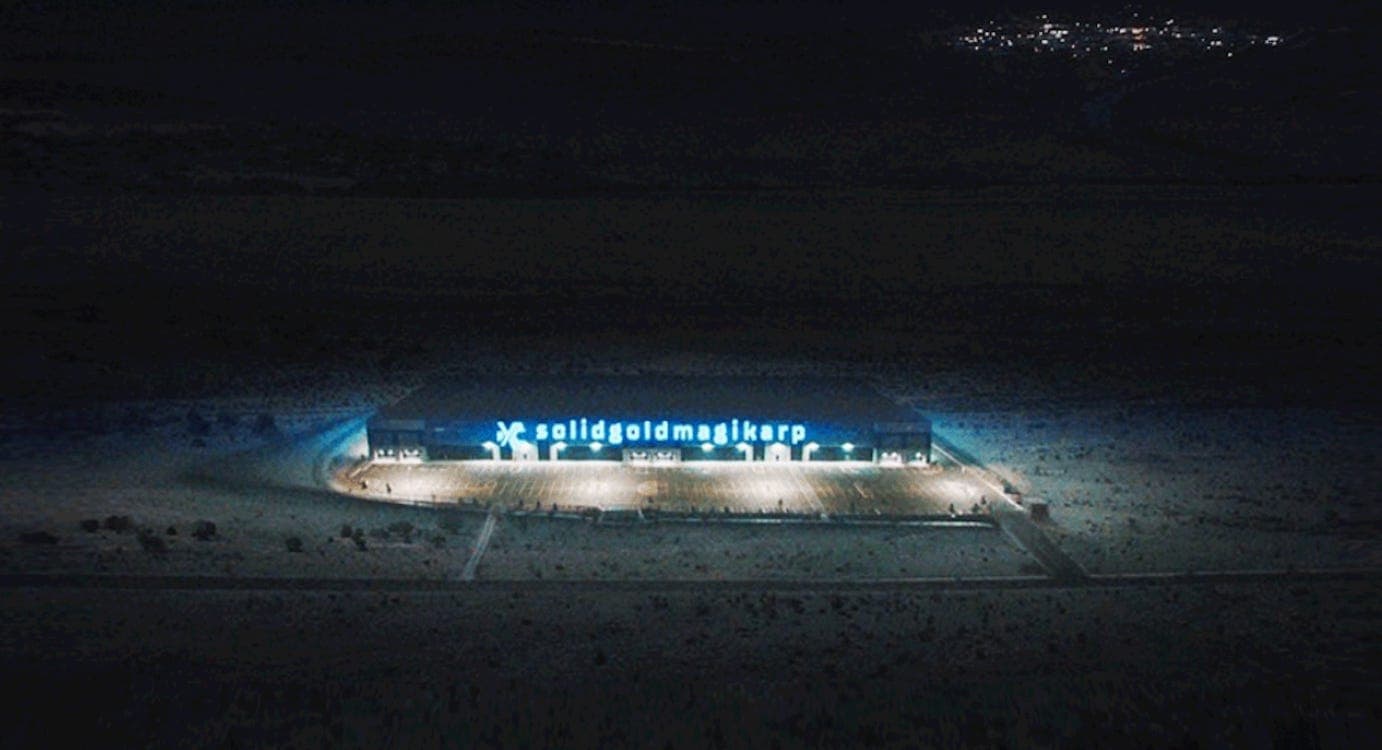
In short
The episode explains vaporwave’s origins and meaning, focusing on how it uses slowed-down samples of 80s/90s media plus a distinctive visual collage (pastels, classical busts/columns, retro corporate imagery, Japanese kanji, early Windows 95/clip-art aesthetics). It argues vaporwave is more than a music genre: audio and visuals are inseparable, creating “false memories” and a “homesickness” feeling (hiraiith). It also covers how internet tools and piracy enabled sampling, how anonymity shaped the scene, and why debates over whether it’s “political” erupted after major coverage.
Guest backgrounds
Director Christian Britain and producer/artist Enzo Van Balen. Enzo co-founded the label My Pet Flamingo and also runs/releases synthwave (Time Slave Recordings earlier). Christian came to vaporwave through Enzo and helped decide to document it; they cite watching the synthwave documentary Rise of the Synths as a model.
Key claims
Vaporwave is subversive in form (plundering unlicensed digital materials, refusing monetization). It’s often cynical toward the “promised future” sold by mass advertising, unlike synthwave’s uncritical nostalgia. Major catalyst arguments followed Dummy Magazine’s Adam Harper essay and “Dream Catalog.”
Notable examples
Vectroid’s Floral Shop; Daniel Lopatin’s “Nobody Here” (film title); Cat System Corp; George Clanton; St. Pepsi; Echo Jams; Ramona; “Prefab Sprout” sampled via St. Pepsi; “Hiraith” as a thematic definition; “Simpsons Wave” and “rope-a-wave” debates.
Written by AI. May contain mistakes. Listen to the episode to check what was said.
Chapters
Tap a time to open that second in VOVaporwave: Origins and Aesthetic
0:45 to 2:44
Discussion on the origins, characteristics, and cultural impact of Vaporwave.
“paired with an equally unmistakable visual aesthetic featuring pastel colors, classical sculptures and columns, retro corporate imagery, and Japanese kanji.”
Defining Vaporwave: Perspectives
3:16 to 5:20
Exploration of various definitions and interpretations of Vaporwave by the guests.
“All right, let's start with the broad strokes.”
Aesthetic Influences in Vaporwave
5:20 to 7:20
Analysis of the visual sources and cultural references that shape Vaporwave aesthetics.
“I think it's the only genre I could truly say requires the audio and the visual to be integral to understanding the full picture.”
Personal Relationships with Vaporwave
7:20 to 9:16
Guests share their individual connections to Vaporwave and its influence on their work.
“And that's probably what you would recognize if you only casually were aware of it through like Tumblr or Twitter or TikTok nowadays or whatever.”
Vaporwave's Cultural Impact
9:16 to 14:03
Discussion on Vaporwave's relationship with culture and how it differs from other movements.
“I started off running a synthwave label, Time Slave Recordings, which is, for people who don't know, another electronic genre, which is kind of heavily reliant on nostalgia and on the 80s for its inspiration.”
Cultural Influence of American Media
14:03 to 18:01
Explore how American culture permeated the childhoods of New Zealanders and millennials.
“We were definitely infiltrated with American culture and The Simpsons.”
Origins and Influences of Vaporwave
18:01 to 20:44
Discover the roots and key figures of the vaporwave genre, including pivotal albums.
“And then Floral Shop was maybe like then kind of taking that and pushing a little bit farther into something that felt less like a fun experiment and more like well conceived.”
Cultural Sampling and Nostalgia
20:44 to 24:32
Delve into the significance of cultural sampling in vaporwave and its nostalgic elements.
“I don't think we hyped Vectroid up enough, by the way, by, you know, talking how she was throwing everything at the wall with Laserdisc visions, you know, Fuji grid, new dreams.”
The Role of Source Materials in Vaporwave
24:32 to 28:00
Analyze the impact of 80s and 90s pop culture on vaporwave's aesthetic and emotional resonance.
“Well, yeah, without the democratization of technology, laptops being completely affordable, software being able to be pirated and to be able to actually use the software in a user friendly way.”
The Essence of Vaporwave and Nostalgia
28:00 to 29:10
Explore how vaporwave connects listeners to commercial culture and nostalgia.
“And he felt like he couldn't do that, But somehow when he made a vaporwave track that would take a phrase or a loop from one of those tracks, he could get people to listen to it.”
Show all 34 chapters
Reflections on Childhood and Advertising
29:10 to 31:00
Discuss how childhood memories and advertising shape our perceptions of culture.
“I don't want to insert my own narrative on it, but I've just been thinking.”
Vaporwave's Cynicism vs. Synthwave's Idealism
31:00 to 32:30
Contrast the critical perspective of vaporwave with the nostalgia of synthwave.
“It's the saccharine kind of super nostalgia, those late nights when you shouldn't be watching TV.”
Irony and Subversion in Vaporwave
32:30 to 33:50
Investigate the role of irony and critique in the creation of vaporwave music.
“Do you guys see Vaporwave as a purely backwards looking movement, like this longing for that sort of promised future that you were just mentioning?”
Community and the Evolution of Vaporwave
33:50 to 35:30
Examine the early vaporwave community and how it grew through shared experiences.
“Yeah, I mean, we spoke to 50 plus people and everyone had their own take on it.”
The Impact of Scholarly Articles on Vaporwave
35:30 to 37:10
Analyze how articles influenced public perception and discussions around vaporwave.
“I think that where he thought that it could be more than just a joke or more than just maybe not even a joke, maybe more considered than just looping a track from the 80s.”
Debates and Identity in the Vaporwave Scene
37:10 to 39:40
Delve into the debates about authenticity and identity within the vaporwave movement.
“And the first time you were introduced to something, that often becomes quite definitive in establishing your truth.”
The Subversive Nature of Vaporwave
42:00 to 42:56
Explore the anti-corporate stance in vaporwave and its underground roots.
“And if you look at the way 100 % electronica approaches things, they've certainly tried to take the music to as many people as possible.”
The Importance of Art in Vaporwave
43:39 to 49:10
Understand how visual art and storytelling are intertwined in vaporwave.
“And then you think of haircuts for men, you know, that artwork was iconic.”
Anonymity and Community in Vaporwave
49:10 to 54:41
Discuss the role of anonymity in fostering a safe and creative community.
“But then there is also the kind of throwaway aspect of stuff like Floral Shop, which just replicated, replicated, replicated, and is almost just like a piss take in a way.”
Gender and Identity in Vaporwave
54:41 to 56:00
Examine how vaporwave culture provides a space for diverse identities.
“I think anonymity might have been, made it easier for people to do that.”
Exploring Anonymity in Vaporwave Culture
56:00 to 57:00
Learn about the role of anonymity in creating safe spaces within vaporwave culture.
“But this is a time where that wide acceptance of alternative, I think, was finding its voice.”
The Evolution of Vaporwave's Economic Landscape
57:00 to 59:10
Discover how vaporwave transitioned from free downloads to physical media sales.
“When you see kanji, it's a completely different language.”
Navigating Copyright and Legal Challenges in Music
59:10 to 1:03:20
Understand the legal complexities and copyright challenges faced by vaporwave artists.
“Like there's this narrative about how like people weren't selling stuff.”
The Impact of Major Labels on Vaporwave
1:03:20 to 1:10:00
Learn about the influence of major labels on the vaporwave scene and artist identities.
Challenges in Capturing Vaporwave's Essence
1:10:00 to 1:13:19
Explore the logistical and creative challenges faced in documenting the vaporwave movement.
“We knew we didn't want to, albeit an internet-born genre, we didn't want to make the film on the internet.”
Crafting a Compelling Narrative
1:13:20 to 1:16:39
Learn how the filmmakers navigated storytelling challenges in a decentralized culture.
The Impact of COVID on Filming
1:16:40 to 1:19:59
Discover how the pandemic influenced the production and interviews for the vaporwave documentary.
Vaporwave's Cultural Legacy and Influence
1:20:00 to 1:23:19
Discuss the lasting influence of vaporwave on modern music and aesthetics.
“That was blatantly a ripoff of Vaporwave.”
Nostalgia and the Future of Music
1:23:20 to 1:24:08
Examine how nostalgia shapes contemporary music and technology preferences among younger generations.
Nostalgic Aesthetics and Music Trends
1:24:08 to 1:25:16
Explore the connection between nostalgia and emerging music trends, including the return to analog technology.
Influence of Legacy Artists on Modern Music
1:25:16 to 1:26:43
Discuss how older artists are utilizing social media to revive their careers and reach new audiences.
“We're kind of forcing ourselves to operate within the constraints of the old technology that was a lot harder to use and to master.”
Generational Perspectives on Nostalgia
1:26:43 to 1:28:54
Delve into how different generations experience nostalgia and its impact on their musical influences and memories.
Learning from the Vaporwave Movement
1:28:54 to 1:30:39
Gain insights on how the Vaporwave movement can inspire younger musicians to create authentically without corporate constraints.
“I think that will be there for any generation.”
The Community Impact of Art and the Internet
1:30:39 to 1:31:33
Understand how Vaporwave and art can foster community and fulfill the internet's original utopian ideals.
“and pathways to really genuine community through making art that isn't aspiring to end up on a major indie label and then a major label.”
Transcript
Automatic transcript. May contain errors.0:22Hey pals, it's Andrea and Emily here with Cujo, a podcast about culture in the age of platforms. So if you were on the music internet at all during the 2010s, you're probably familiar with Vaporwave. You know, that archival-obsessed musical micro-genre based on hypnotic, slowed-down samples of old radio hits and commercial jingles from the 80s and 90s, paired with an equally unmistakable visual aesthetic featuring pastel colors, classical sculptures and columns, retro corporate imagery, and Japanese kanji. It's kind of a meme at this point. you can go on Canva and find Vaporwave graphic templates right now.
1:01But it was actually one of the first internet-born genres and art movements created entirely using digital tools, using materials plundered from the internet. And beneath the placid, detached surface of Vaporwave, somehow always both nostalgic and ironic, there was a passionate community of musicians and fans creating something that in retrospect was actually quite political and subversive, if not in subject matter, then at least in form. There's a new documentary out now capturing the story and cultural impact of Vaporwave, told from the perspective of more than 50 artists, producers, and other key figures from across the scene, including Daniel Lopatin, Cat System Corp., Luxury Elite, George Clanton, and St.
1:43Pepsi. The doc is called Nobody Here, The Story of Vaporwave, and in keeping with the spirit of the movement, you can watch it for free on YouTube. Joining us today are director Christian Britain and producer and artist Enzo Van Balen, who's also a co-founder of the label My Pet Flamingo, which produced the film's companion soundtrack. We talk about the genre's origins, including as a kind of outgrowth of the noise scene, the role of anonymity in Vaporwave, and how its use of memeable visual iconography foreshadowed visual communication on the internet today. We also talk about what we can learn from the story of a musical movement that was by definition, unmonetizable.
2:24Unless you're creating your own samples, that is. We'll be back with Christian and Enzo just after the break.
2:43The Culture Journalist is an independent project that relies on word of mouth and is funded entirely by listeners. If this pod had something meaningful to your life and you want to access everything we put out, please consider supporting our work by becoming a paid subscriber over at our Substack. Paid subscribers receive access to our Discord community, the Cujoplex, full access to bonus episodes, and more goodies. You can get it all for just five bucks a month over at theculturejournalist.substack.com. All right, Enzo and Chris, welcome to Cujo. We're so stoked to have you on. Thank you very much.
3:21Yeah, thank you. Thanks for the opportunity. All right, let's start with the broad strokes. What is Vaporwave? How would you define it? And I know that whether it even is definable is sort of one of the questions that the film examines. But how would you define it both sonically and visually? I mean, I guess having spent all that time making the film, the thing that struck me most was how difficult it is to define and how everyone kind of had their own interpretation on it. I guess maybe for people who are only slightly familiar with it, They probably most, they'd identify it as slowed down loops of maybe 80s slow jams or R &B, Muzak.
3:58Kind of, you know, they might have come across Floral Shop by Vectroid or Macintosh Plus. But like I said, everyone had a kind of different view on it. Maybe they all agreed, I think, that it was more than just a music genre. Maybe it was as much an art movement as it was that. And really the thing that seemed to bind everyone's interpretation of it was that it was themed around nostalgia and kind of interpreting your past and your past. maybe your own relationship with it. Probably the best definition we had of it was Yaunt, Cat System Corp, who named his label after the Welsh word hirreith, which basically means like a homesickness or a home that you can't return to or maybe which never existed.
4:33So it's kind of like these faux memories, which I think really encapsulates the whole movement in a lovely way. I really enjoyed discovering that word from the dog. Yeah, I like wrote it down in my notes. I was like, that's a great word. Have I never heard it before? I really recently they opened a restaurant just around the corner from me in a part of Cardiff called Hiraith. So obviously the word is quite, you know, it's quite a special word in the Welsh language, I think. Like I'm not a Welsh speaker, I know a bit of it, but I think that word is quite a poetic language and, you know, the kind of local obsession with mythology and that kind of side of their culture.
5:06I think it really fits well with Wales as a place as well. It's funny that you want being from Friesland in the Netherlands came across this word and kind of forms so much of his ethos and the movement as a whole. Yeah, I definitely lean on the side that it's an art movement. I think it's the only genre I could truly say requires the audio and the visual to be integral to understanding the full picture. Because, you know, like with anything, you can just listen to the music, but you don't have the whole piece, I don't think. And with a lot of music, you know, you can appreciate the artwork of the album, for instance, but this is integral to the, you know, the very foundation of what people are creating.
5:43For the majority, obviously, some people are just slapping some reverb and slowing something down. But I think it goes deeper than that, as we've shown in the film. For people who may not have ever heard it or seen the visuals, could you just give us a brief sense of what sorts of source materials aesthetically predominated? It's very much American consumerism. A 90s consumer culture referencing adverts from major brands, Coca-Cola, Pepsi, famously. makeup adverts but also films and Japanese music videos and Japanese adverts for beer and very much that whole consumer culture that really reached a peak in the 90s but some from the 80s as well and maybe a bit of a culture jam because it's a product of the internet and maybe early internet culture you've really got to throw in that kind of like Windows 95 aesthetic into there as well so you know like early clip art and that kind of visual language of that era of the internet you know and greek helios busts and uh romantic statues and uh pillars and that kind of stuff as well it's a kind of just a smorgasbord of ideas that are almost they kind of look lazy to the untrained eye perhaps like just stuff is thrown together in a pastiche or a collage but yeah like high saturation colors too.
7:04Yeah, pastel pinks, purples, blues, you know, in the early days, if you looked at band camps, say, and you scrolled through the albums that were under the vaporwave tag, you would see the same kind of color schemes in almost every album. And that's definitely branched out as the genres kind of moved on. But that's what you would have seen. And that's probably what you would recognize if you only casually were aware of it through like Tumblr or Twitter or TikTok nowadays or whatever. It's very much breaking those images as well, isn't it? It's not just a replay of that it's taking the vhs format or the crashing computer to evolve it into a glitch to show that we're not just representing the same thing over and over again we're repurposing it with a different intent yeah it's a weird like it's sort of a meditation i've always thought of it as a kind of like almost like lo-fi decadence in a way yeah or contemplation of that yeah and i think the people who came up with the visual art are people who specialized in that kind of thing they're also almost treating the visual side of it in the same way as producers are treating a loop of a diana ross tune from the 80s you know chopping it up and then adding like a you know like a grainy filtering effect like not the audio side of it but you know add vhs layers and artificially distress it you know gorsion blur like stuff that will kind of make it feel foggy and of the past and you know yeah yeah i think that's what separates it isn't it because you You know, growing up in the UK with that electronic music scene, we had a lot of these styles.
8:27And I think when I first came to the film, I was like, OK, I've seen this before. What's really new about Vaporwave? You know, I've seen this with Aphex Twin, you know, with some of the bigger names coming out of the jungle, breakbeat movements. Those music videos were adopting that glitch effect, this VHS style and breaking that consumer visual that was all over the place coming from America. But I think it's when you add that hazy touch in the way that it is, that's what makes it different. Yeah, it's very much like the gaze of the person consuming it or chopping it up, which is, I think, a whole thing that we're going to get into later in this conversation.
9:02But before we do, tell us a little bit more about each of your respective relationships with Vaporwave, because you guys come at it from different but converging places. And tell us how that led to making this film. I started off running a synthwave label, Time Slave Recordings, which is, for people who don't know, another electronic genre, which is kind of heavily reliant on nostalgia and on the 80s for its inspiration. And I accidentally heard some Vaporwave. I heard Floral Shop, and then I started listening to, you know, I got down a rabbit hole, basically. I started listening to Waterfront Dining and other artists of that era and fell in love with it straight away.
9:44And we did release a couple of records on our Synthwave label by Waterfront Dining. And it immediately became apparent that this was just so different. You know, the way it treated nostalgia was completely different. And so we set up My Pet Flamingo as a label purely because we needed another outlet that would make more sense to the people who were following our music. and obviously there's a lot of convergence and a lot of the people who listen to synthwave are the same kind of people who listen to vaporwave but yeah for me it came at me you know as someone who really enjoyed the music that we were releasing and really have this kind of I feel I feel a real strength of nostalgia with my childhood you know without making it too bleak I lost my father when I was quite young and I always had kind of a sense of maybe I not knowing who I was or where I was from and so I've always reached quite strongly into like my family which she's belgian half my family's belgian and so i feel like a sense of identity with those parts of my childhood and the music that my mum played me when i was little or that she i would hear her playing with friends and so i think that anything that's nostalgic immediately grabs me and um yeah as someone who also makes a bit of music um you know we started playing around with it and releasing it ourselves as well so i'm a fan i'm someone who runs a label and i'm also someone who dabbles in producing it too great answer mate my relationship is a lot simpler it's purely from knowing enzo and what he's up to being friends and him setting up my pet flamingo and me simply saying what what's this then and i'm going oh it's vaporwave i was like no it's not it's just this it's just that referencing 90s because i i'm stuck in the 90s basically you know i'm still got the cd collection in my car you know i don't sign up to spotify and all those other things so i'm very much into physical media.
11:25I've got the decks at home. I'm trapped in the era. So when he's doing this and then started explaining it, I was intrigued. And then the thought of, is this worthy of a documentary? We explored that. One of the topics, it seemed like there was enough in it. And my relationship with Vaporwave was simply being learning from day one. I mean, it might be worth adding at this point that me and my brother, Jay, who I run the label with, we'd seen Rise of the Synths, which is the crowdfunded documentary that covers the history of synthwave and we watched that and we were kind of blown away because these kind of movements are usually there isn't a lot of mainstream coverage of it and certainly not anymore and you know with the exception of things like dummy magazine and vice and maybe you know tiny mixtapes and blogs like that that were covering it it's never had a documentary of this kind of level of substance and even like we both love jungle and drum and bass and hardcore culture from the uk there hadn't been a thorough and like high-end effort to document that history even and so for something this niche to see Rise of the Synths come out it's like well Vaporwave's just as worthy and maybe even more so because I think that Vaporwave's relationship with nostalgia is more complex and more critical than synthwaves but yeah so we just thought well how can we help to document this music so that it's kind of a part of culture and history and maybe easier for people to find.
12:43It's interesting for me to hear you speak about it because the two of you are from Wales and I always thought of vaporwave as this more or at least prior to watching this doc I always thought of it as primarily like an American phenomenon and specifically like we we had an episode about hauntology which is I guess dates slightly earlier but in my head there was always a sort of like comparison of, well, hauntology is people largely from the UK sort of mining elements of Britain's past and vaporwave is primarily American. It's like a similar gesture where Americans are mining their more like pop cultural, like maybe for the Brits, it's like remembering music from the BBC or something.
13:30And then for vaporwave in America, it's like, oh, we're remembering Pepsi commercials specifically i remember having friends do you remember the blog rose quartz i think yeah yeah i think lux talked to us about rose quartz um quite a bit yeah she mentioned it when we were kind of doing uh the early explorations you know like during covid which we're i'm sure we'll get on to when you talk about the challenges that we faced here yes but she kind of was really helpful in giving us a background to it at that time yeah rose quartz definitely familiar with that they were from australia and new zealand i lived at one point with this guy Shay who is from New Zealand one of the founders of Rose Quartz and like Shay talked to me a lot about how oh like a lot of us kids in New Zealand grew up sort of fascinated with American commercial and pop culture and so it's interesting to me to hear that the impulse and fascination wasn't just coming from here but we had the same saturated we were just drowning in American culture it was major export yeah i mean films you know the films that we're nostalgic for the chances are i'm thinking about the goonies or i'm thinking about ghostbusters i'm certainly not thinking about the grittier side of 80s film like alan clark films and stuff like you know i'm not nostalgic for that era at all like i think we were we all grew up looking at the this idea that maybe all the houses were bigger and all the roads were wider and every day was sunny and everyone seemed to have nice cars and look at the malls over there.
14:56We were definitely infiltrated with American culture and The Simpsons. And McDonald's. Come on. Maybe Hauntology, I think it is a little bit of a generation earlier too. I think so. When maybe British media was, maybe there was a little bit more of a memory of a time where it felt like you were saturated with more UK native culture instead of commercial American culture, but maybe by the time the millennials come around. I assume the two of you are more millennial. Well, no. 44? Does that put me as a millennial? That's millennial. All right, fine. Okay, yeah, cool. Put a label on me. Thank you.
15:36It's interesting, the point you just raised, it kind of got me thinking how the fact that it does feel squarely sourced from American culture and some aspects of that era of Japanese culture, but it speaks as much to just how much in the 80s and 90s American culture was getting exported and sort of this, the real cresting of the wave of neoliberal globalization that was happening at that time. And like the fetishization of kind of like post yuppie, like hyper capitalist culture as a distinctly American thing, but becoming so much more readily available everywhere else. Whereas like you were saying, I think there was more of a national identity vibe with hauntology and that being a specifically British thing.
16:17Of course, American culture was still being exported in that era too, but not in this like mass media way so it's like just as much an artifact of like the of mass media and how it was changing at the time as as much as american culture i think as well yeah potentially for starters i can i can say as someone who runs a label yes well over half of the people that would buy our music would be from america or canada but there was a lot of people and a lot of interest in europe there's a lot of interest in the uk and japan itself which is interesting and a lot of the artists that we work with and when you see that in the film they are from other parts of the world And maybe when it first started, it would have been more of an American thing.
16:55But I think that what people have discovered, who've discovered it from abroad, for example, people who are creative and want to get involved in it themselves, is that this is a way in which you can channel your own story. You can reference your own culture. You could, if you were like you and you were from, you were Cat System Corp, you grew up in the Netherlands, you can reference the way you felt about American culture and shopping culture. And you can make, you know, more soft music that reflects the way you used to be envious of the way Americans seem to go and shop malls and that kind of consumer culture that seemed to be being that ideal that was being sold at the time.
17:30but equally you could do what we did which is to make an album about the music that you listen to on the radio in the car with your parents when you are visiting family in Belgium or you could make an album about rave culture like there's plenty of examples of artists who are telling their own stories and that's the process really and maybe that's kind of spreading outwards because it's an internet genre and anyone can take part wherever they're from you know that's probably a good moment to talk a little bit about like where does this music come from who are the originators of vaporwave or were there specific releases that you would say established the vaporwave idea or sound yeah i mean the film takes its name from the lopatine track nobody here which he made under the alias chuck person so like a lot of people definitely see that track in particular and maybe the album echo jams as a whole as the roots of vaporwave certainly a lot of people would have got the idea from that and then you could also make a similar case for artists like james ferraro 18 carat affair internet club who were making music in a similar vein in the very very early days i think for me it's ramona to be honest yeah that that that floral shop would have set the template for how to make a vapeway record wouldn't it when that one come out is it 2011 and what about echo jams at 2010 i think just curious if there was like it was this album than this album and this album well echo jams certainly predates floral shop and you could argue that echo jams was probably you know kind of the inspiration for a lot of people who were were inspired to to make their own echo jams or to approach production in a similar way with that kind of idea of nostalgia and plunder phonics almost echo jams was something i think he clearly was sort of meant to be throw away and it accidentally spawned you know a genre that's lasted more than a decade but I think the record that probably set the template and kind of enabled people to understand the idea more fully as a genre itself was Floral Shop.
19:36And then Floral Shop was maybe like then kind of taking that and pushing a little bit farther into something that felt less like a fun experiment and more like well conceived. it's interesting you say that because i definitely think there's kind of conceptual weight to what ramona was doing when she made that album but at the same time i think when we were digging around for um you know contributions that she'd made to forums and stuff from the time she was you know had that whole argument where people were saying this is a political statement this is meant to be this is meant to be that well in her own words you know how much context can you give to the curation of doctored loops of an 80s slow jam you know like I don't think that a lot of the artists who were doing this at the time were giving it a great deal of thought they were just being experimental and maybe it was coincidental that they just all happened to be approaching this from a semi-nostalgic plunderphonic angle you know just all around the same time I think a lot of the thinking behind it came from the critics who heard it at that time and really wanted to add some context and some meaning to it.
20:43And we're going to talk about that and the big Adam Harper essay debacle. I remember that essay. I don't think we hyped Vectroid up enough, by the way, by, you know, talking how she was throwing everything at the wall with Laserdisc visions, you know, Fuji grid, new dreams. For me, she defined what Vaporwave is. Yeah, I think that's a fair point about Vectroid and the many pseudonyms and that kind of eclectic. She was very active at their time getting all of our creative ideas out. What are like some deeper predecessors? You do touch on some of these prior to these millennial artists. Like how far back does this go sort of this technique of like the slowed down sample?
21:22I mean, we spoke to quite a few people who all had very different views on what it really dates back to, you know, some people would point to hauntology, some people would point to DJ Screw and the Screwtapes, and there's a very strong case you can make for that but plundering and playing around with loops has been a thing forever I mean even even the Beatles did it you know they were doing stuff with tape loops on revolver you know Paul McCartney was really into all of the avant-garde movements that were around in the 60s people like Terry Riley and Steve Reich and yeah even dating back to like Concret as well yeah yeah yeah yeah exactly Pierre Chauffeur and I think it was I can't remember the name now but Adam Harper referenced something when we were talking to him that you could go back to I think it was called the bureaucratic sonata so if you do accept the non-sampled yeah non-sampled vaporwave as being legitimately vaporwave which a lot of people obviously do you could go back to i think it would have been like the late 19th century to find examples of people who were composing ironic subversive pieces that were kind of satirizing culture at the time and you know like taking the mick out of the rich basically in this in this music form so you know you really could date back that idea a long long long long way back but if you're looking for its most recent roots I think yeah DJ Screw would be a really big recent influence on it.
22:41Something that I sometimes think about when I think about people like Daniel LaPatton and James Ferraro those artists that this sort of grew out of I think there was definitely a sense that they were kind of like in some ways growing out of noise music culture which I guess is like an avant-garde lineage but it felt like this moment when these people who might have grown up in a noise scene were like, well, what if we started playing with pop cultural detritus and playing more with melody and consonants and sort of opening the noise genre up to the commercial sphere a bit and something more accessible, which makes sense just given the internet, all of the materials that the internet put at their fingertips.
23:26Well, that's what exactly what he says in the intro, isn't it? A lot of people were playing with noise and then we experimented with melodies and then the next generation took it beyond that. And Tom makes the point when we were interviewing him in the film about the fact that, you know, this has been done to some extent many times before, but the thing that distinguishes it was this idea that instead of using tape, you were using the internet as your source material. and Cat System Corp Zero and some of the other artists we spoke to also came off the back of that noise scene so I think that that pathway became quite a well-written path didn't it that seems like a natural wave yeah a natural segue for a lot of people and also a certain ambivalence we're going to talk about this later but a certain ambivalence towards participating in the commercial music industry and it's sort of a an ecosystem apart or at least it started that way I mean, it's possibly not even ambivalence.
24:21The opportunity just wasn't there, was it? And the internet opened those opportunities, which will be something that definitely comes up in this conversation, won't it? Because that's what's unique about the time when Vaporwave pops up, I think. Well, yeah, without the democratization of technology, laptops being completely affordable, software being able to be pirated and to be able to actually use the software in a user friendly way. You know, the difference between Fruity Loops 1 and Fruity Loops 10. It was incredible. The advances just were phenomenal to be able to download a YouTube track in a minute and have it in your door.
24:54You know, I was making music from the early 2000s, maybe just before in Fruity Loops. And just the difference in that decade to, oh, wow, I can now sample everything. I went from digging crates to just ripping, plundering, but not releasing it for money. I have to add on the record, just for fun, educational purposes. And also that makes it sort of the not releasing it for money part also makes it feel kindred with noise, even though there was like a legal reason for it. Not releasing it for money does make it feel like it grew out of that kind of context. Yeah, I agree with that. And I think that was the founding decision for releasing the film on YouTube in the way we did.
25:31You know, we thought about could we recoup some of the costs? And then it just came down to what's actually the right thing for the film, the audience, the sentiment of what's being created here. That's why it ended up on YouTube. That just felt like a natural home for it. Yeah. Like how authentic, you know, that is what we've done. so let's be authentic and see it through to the end and not you know try and recoup a couple of quid that's not what it was about so um yeah and we're really glad we did that aren't we yeah and i think that was your feeling about it from the very start was like where do we see this ending up if loads of people are interested and we stuck it on youtube standard definition upload for people to enjoy and we've had tens of thousands of plays already which is 55 isn't it as of today yeah i And that's really exciting for us to get as many eyes on it as possible.
26:21I want to talk a little bit more about the source materials surrounding Vaporwave. What was the significance of those particular source materials, like, you know, 80s, 90s pop songs, music, certainly commercials, video game soundtracks? What made those source materials, or at least like the slowed down versions of these sounds, so intoxicating to the producers and artists and folks initially convening around the scene and genre? I do wonder if a lot of people are, like me, kind of re-exploring their own childhood and their own culture. There's something about the way you feel when you hear echo jams and the way you feel like you're only remembering fragments of the stuff that you probably haven't listened to for many, many years.
27:07but the process of adding the hazy layers of reverb and delay, it creates that false memory that we're talking about, like that feeling of hiraiith. And I wonder if that in itself as a process for a producer is quite cathartic and enjoyable. As a listener, yeah, you feel like you're falling into a nostalgic rabbit hole where you're kind of listening to someone else tell you a story. And I think that's what's so special about it for me. What did Ryan say, Enzo? because I think he nailed this question on the head when he was talking about Prefab Sprout. Can you remember the line? And he said it's about sampling and it becoming the whole.
27:45And I spoke to him about this recently because, funny enough, Ryan's massively obsessed. So St. Pepsi's massively obsessed with Prefab Sprout and a lot of the music that his parents played when he was younger. And he spent a lot of time when he was in college trying to get people to listen to Prefab Sprout, you know, albums like Steve McQueen. And he felt like he couldn't do that, But somehow when he made a vaporwave track that would take a phrase or a loop from one of those tracks, he could get people to listen to it. And then from that, they ended up having their own, like quite a lot of people ended up having their own relationship with that music.
28:18But it was something about the fact that, you know, a loop doesn't have to be just a moment. It can be the whole heart of a song. I think that's the line he's used in the film. And that kind of approach to sharing the things that are special to you with other people is really like captured quite nicely by some of the people we speak to and how they feel about the source material. And like a lot of people assume that it's just irony or like just something that's cool. But I think a lot of people are telling some pretty unique stories there as well. What is it you think, though, about the fact that a lot of the source material is pretty distinctively like commercial and like mass cultural?
28:53perhaps some of it is less specific than maybe other things we might glom onto when thinking about nostalgia for our own childhoods like i i wonder maybe is there is an aspect of it sort of almost a nostalgia for mass culture at specifically at the time when when vaporwave emerged is when things were becoming a little bit more fractured a little bit more lonely a little more individualistic on the internet and there's something about these billboards and commercials that we all have our own relationships with, but that represented a kind of a bigger, more connected world than maybe the one we fell into.
29:27I don't want to insert my own narrative on it, but I've just been thinking. Sounds like you have. It's interesting that we're drawn to the vaporwave community was drawn to specifically this kind of commercial aspect of culture. Yeah, I think that's right. I think an uncharitable or I don't necessarily agree with this, but I think one kind of less charitable reading that was circulating around at the time, also in discussions of like hypnagogic pop was like millennial solipsism. You know, in the States, this was before something like the Bernie Sanders movement picked up speed in the United States.
29:58And this is when millennials were still in America, at least we're still known for a kind of like political apathy. This is a critique that I sometimes heard of like this music or at least hypnagogic pop before it, like this kind of, we feel a sense of political impotence and apathy. We don't know what agency we have. So we are going going to sort of like drift back into the past and think about, you know, where we came from. It was more of a almost like romantic, in the sense of the romantic movement, like excavation of personal emotion, kind of. River, is it River, Vapor 95 captures this so beautifully when he talks about that idea that you don't know it's happening at the time, but there's a time when it's the last time you go for a bike ride with your friends as a kid.
30:43and that kind of thing is happening every day that things are happening for the last time without you realizing it and so maybe when we were kids and we were looking at these advertising blocks it would have felt like they're selling a world to you and it's maybe only when you're becoming an adult that you realize that a lot of that stuff is bull like frankly like you're sold a lie in many cases and a lot of these things aren't necessarily accessible they are just pipe dreams or they are there's a falsity behind it and it's not honest and so there is this nostalgia certainly in some people who make this music kind of towards the simplicity of that that optimism that you might have felt in those days i think the the curtain's been pulled back now and maybe we don't feel that way anymore and that's what we're trying to get back to is that feeling of being optimistic perhaps but that's the beauty of the the variety isn't it of vaporwave is that you You have midnight television, for example, which does do very much that.
31:40It's the saccharine kind of super nostalgia, those late nights when you shouldn't be watching TV. And you're just there, the glow of the television, sucking it all in. And you're not really aware almost of what you're watching, but you remember it fondly of staying up late watching TV. Like I think of the anime I used to watch, you know, and I shouldn't have had the TV on. Maybe kind of looking back at these old commercials or music videos or whatever and being like, wow, this really shaped my conception of the world. Well, take the Big Mac commercial, McDonald's, you know, that is such a fond memory.
32:17It's shit food. You see the golden arches and you're like, oh, yeah, they did a brilliant job on us. Yes, they did a brilliant job on us. And like having this kind of conflicted dual emotion about it. Do you guys see Vaporwave as a purely backwards looking movement, like this longing for that sort of promised future that you were just mentioning? Or is there also something kind of forward looking or even utopian about it as well? I think Synthwave is what you just said there. I think that's what Synthwave is. It's a backwards looking movement that completely eulogizes the past in an almost universally uncritical way.
Read the full transcript
32:56And it makes you think about all the good things that you felt without really asking any questions about that at all. And Vapewave is much more cynical. Not everyone is political. Not everyone is making a really distinct statement. But Vaporwave is much more willing to examine things from a critical perspective and say, no, that was bullshit. Like, you know, that was what we were told at the time. And we now kind of see it for what it is. And you kind of the throwaway nature of the way a major corporation label will just discard music and delete it. Well, we can find it on YouTube and we can chop it up and loop it and make our own version.
33:29And everything is just plastic and throwaway to you. But we can kind of subvert that in an artistic statement. Where you fit on that kind of line of how seriously you take it will depend. But there's the potential and certainly a lot of artists that really do approach it from a more critical perspective. Yeah, that was my question we were going to ask. How much of this is nostalgia and how much of this is irony slash critique? Yeah, I mean, we spoke to 50 plus people and everyone had their own take on it. We spoke to loads of people who told us that they were just messing around with loops and that they were just having fun.
34:04and definitely for people like Christ who runs Business Casual, they came directly from YouTube poops and a lot of people's main interaction with Ape Wave at the time would have been meme culture. So you can't detach entirely irony and kind of jokes and being sarcastic with it. But definitely there were also a lot of people who felt that just the very act of stealing an MP3 and releasing it is a subversive act in and of itself. Yeah, and I'd subscribe to that as well. I think you go back to that 2014-15 period and, you know, Simpsons Wave was born. That, you could argue, is a catalyst of the movement at the time where it became a joke, a parody of itself.
34:45But that had its own value and merit. It was done with love. It was done to entertain. It was done with this. But it was also a parody of a previous time. But definitely, if you look at those forums and you see the sentiment of the time, I think it's just a voice trying to find itself. And, you know, this generation's just grown up on the internet, not knowing what it's like to not have internet, not knowing what it's like to not have information at your fingertips. A lot of it's just playing around, having a laugh with your mates, going a bit too far, making mistakes. And I think out of where the thread I was going there is that's where you saw Dream Catalog, isn't it?
35:21That's where you saw the moment where there was actually people who wanted to put a line in the sand and say, no, we think it should be this. and that of course created a lovely moment where people were able to reflect and go well no actually it's this so i don't think until that time there was so much introspective i think it was more of a going with the flow do you think that's fair to say vinnie and then there became these catalyst moments of actually what are we doing here what is this going to be yeah what was the dream catalog for people who aren't familiar what was the you mean the rolling stone article yeah so dream Dream Catalog maybe and HKE, the artist behind Dream Catalog, had an approach to Vaporwave.
36:00I think that where he thought that it could be more than just a joke or more than just maybe not even a joke, maybe more considered than just looping a track from the 80s. There are other ways to create and evoke these feelings. And we can do this making a bit more effort on a production point of view. And I think they drew the line in the sand or tried to make it something slightly different. and that's where you saw the emergence of dream punk and stuff. And the same with the Adam Harper article, isn't it? It's those couple of catalyst moments where people are questioning or critiquing what it is.
36:32I think the Adam Harper article is really important on this. It is, isn't it? Because a lot of the biggest arguments around what Vaporwave is and what it's trying to do would have come about after Adam Harper wrote that article for Dummy Magazine where he's talking about hyper-capitalism and accelerationism and all these lofty concepts, which he's well placed to do as a critic. And there's certainly a value in viewing it that way, whether your intention as an artist is to make those statements or not. But it would have suddenly introduced hundreds of thousands, maybe more eyes to what Vaporwave was and led people to discover it through that article.
37:11And the first time you were introduced to something, that often becomes quite definitive in establishing your truth. And so I think you started to see a lot more arguments in subreddits and online about, well, no, this can't be fun. St. Pepp's just messing around. He's not taking it seriously. This is supposed to be a statement on this and that. And you had the whole rope-a-wave argument where they were basically saying these are just bros making tunes and trying to be cool. And they're not taking it seriously. And we shouldn't take them seriously. And there were definitely big chasms in the scene as early as that.
37:42I was just going to say, but at the same time, you've got these lovely little friend groups starting on Facebook. I mean, it started as a Ferraro fan club, didn't it? And they're starting to just share music. They're playing with different sounds, being inspired by whoever, whatever, and then they find Turntable FM. And it's like, oh, okay, here's a place where we can listen to music collectively. And, you know, all coming back to that democratization of systems and networks and how we can really easily communicate and share things very quickly. Who weren't thinking about capitalism, who weren't thinking about this or that.
38:13They were just having some fun in Fruity Loops, sampling some old music that their parents would have shown them or an advert that they'd heard. But I think that's kind of the point I was making is that in the early days, almost everyone who was sharing and enjoying and consuming this music would have been another person who was making it. And if Dummy Magazine publishes an article and suddenly you've got tens of thousands of people reading that article, you've suddenly got more fans than you've got practitioners for the first time. And so if they come into it with a view on it and start sort of, I'm not trying to imply that everyone was arguing, but there were certainly debates and discussions about what it was meant to be.
38:49And that nature of what Vaporwave was became less about being a very small community of people who were sharing music on Turntable FM and Tiny Chat and much more of something that's now it's seeped out into kind of wider culture and people are engaging with it for the first time. yeah i i was really surprised watching the film about how upset people were about this adam harper article and upset with like adam harper saying that it was there's something very political to this music yeah i was like isn't that kind of like the pinnacle of success like inspiring like one of the greatest living british music writers to write something like this and why were they so allergic to this like political patina and then I also thought about how if you look forward in music after this to like the mid to late 2010s everything becomes politicized and that just becomes part of how most artists are operating so I don't know if that was just a throwback to like a period in history where artists didn't like being called political or what what do you think was going on I think what George in particular I was gonna say this yeah yeah in And George, because George, you know, that bothers me.
40:01I'm offended. The fact that young people, not the fact that they were young, but the fact that people who weren't even listening to Vaporwave at the time have discovered it through this article that's had such a big reach. And now they're telling him that what he does isn't Vaporwave. But he's like, no, I've been here since the start. I'm kind of well-placed. Like maybe you have a different relationship with it, but don't tell me that I'm not Vaporwave. And don't be judgmental on people who've been here since the start, because we maybe had a slightly different perspective. It's definitely valid to say that Vaporwave is political, purely for the reasons we outlined before, you know, whether it is just taking a sample, chopping it up and not getting permission.
40:38That is a political or subversive statement against mainstream music culture. And you can go much further than it with that if that's your intent. But I think the thing that probably pissed people off the most, especially George, would have been the fact that it suddenly led to people telling him that what he was doing wasn't Vaporwave. And just to clarify for folks who are listening who might not have seen the doc yet, we're talking about George Clanton, the artist and founder of 100 % Electronica, the label. And all these interlopers suddenly coming in and maybe misunderstanding it, which is funny, also kind of quaint when you think about music culture just a few years later leading to the present where you don't find that many scenes that are like, we don't want interlopers.
41:20like everyone seems generally very interested in getting as many people to listen to their music as possible but that again feels almost like out of noise culture to me yeah i know i know what you're saying it's like people didn't like certain sub genres of jungle and like rave when they got too mainstream over here and there's always a touch of that kind of you feel a bit sad when protective as well aren't you protective yeah that's a really that's a much better word but But then I don't, without dwelling on George too much, and I can't really speak for him, but we did speak to him for a while on this subject.
41:53And it felt more like he was just annoyed because people were telling him that what he was doing wasn't real. I don't think he had a problem with more people coming in. I never got that impression. And if you look at the way 100 % electronica approaches things, they've certainly tried to take the music to as many people as possible. So they do want interlopers. They do want more people. it's probably just kind of the direct personal feelings that they had when it was such a controversial subject that article comes out and maybe a few other things where people are ascribing these notions of anti-capitalism if that wasn't your viewpoint that's going to feel a little bit of a challenge i suppose he had an interesting quote in the documentary where he said it's not anti-capitalist it's anti-corporate or that was how he defined his own music yeah and i think that that kind of speaks to all that stuff that we were saying about not getting permission for samples and maybe not making a broader brush political statement with your music, but being quite subversive in the process behind it and being underground.
42:55If you like what you're hearing on this episode, there's a place where you can join the conversation. It's called Cujoplex, and it's a private online hangout zone on Discord where smart, cool weirdos just like you, you know, people who like talking about the evolving state of independent culture, can congregate, share links, and talk about the news of the day. We've had some great conversations lately about creative economies, media theory, AI, politics, the future of journalism, and even the records and TV shows we've been obsessing over this year. Some of our chats have even inspired episode ideas.
43:31You can get access to Cujoplex, along with our monthly bonus episodes, by signing up for a paid subscription over at our sub stack. That's theculturejournalist.substack.com.
44:08old to inhabit rather than just a sound to listen to i'm not sure how helpful it is to stay in the generals i think we need to look at each case from mall soft to dream punk and unpack the intent probably of each art but yes i think instantly recognizable um cool it's appealing i think that what we heard from people about this idea that vaporwave was kind of the return of concept albums and selling something like a broader like idea and a story which the art was essential and integral to more than any other genre that had been around for for quite some time and i think that that is maybe why the art is so important so floral shop conveys a certain feeling like news at 11 the cover art that you see there that's telling a story that is essential to the context of that album which for people who don't know is an idea that 9-11 never happened you know that we could kind of go back to a time before this horrific moment in history occurred and the the towers are still there and every sample cuts off at an exact moment just before you go to the news where this thing this terrible thing that we all experienced all over the world happened i think that the visual and the music and this idea of tying together a broader concept is really important in a way that not a lot of genres are like where the art is is an important way of selling up an album maybe but is less central to the concept and telling of the story itself i think i think that's one of the best examples and i think where it gets tricky is because it's expanded so greatly it's hard to just simply say oh it's because of this this and this i'm trying to think you know you've got mesh doing dream sequence where it's created a whole vhs and nailed a style down.
45:53And then you think of haircuts for men, you know, that artwork was iconic. And then there's a lot of in between. So I think there were definitely pioneers who created a style and the obvious one is Floral Shop and there was a lot of copying. So I do think it comes down to being recognizable. So you have your pastels, you have kind of a consistency. Okay, this is Vaporwave. We've got the kanjis, you know, it's not just about the visual artwork. It's about how the art looks on a MP3 player because you're incorporating kanjis into it. Now, what is that about? And we're playing into anonymity. It's so much more than just the image.
46:28Well, it's about, it's not just that it's like recognizable within the world that it moves in, but it's recognizable to people's past experiences, to the visual culture that it's referencing, that folks are consuming a shared touchstone, perhaps. But it's also about being completely unrecognizable, isn't it? Right, yes. It's about being, it's a juxtaposition. It's like, OK, this is familiar, but it's not. It's completely not what you expect. You know, you put a picture of a nice pastel shaded album on, you're not expecting 10 minutes of a glitch repeating. Are you saying, do we think it became so popular because of that integral connection between visual and sound?
47:10Yeah, the fact that the visuals and the sound can't be cleaved from one another. I'm curious to hear more about what function you think the aesthetics served in it. I'd say probably, well, Vincent, if you want to think about your answer, I'd say yes, when you reach that meme culture stage and we really had, you know, the vectroid artwork being 4chan the hell out of and it became, okay, the bust. We got this, we got this, we got that. Those uniform standards became much more widespread and accepted as a familiar face. Then I think that became the repetition. The memetic replication of these images.
47:46and florishop right there is is really that like that was the template both musically and visually everyone i think so right and that's where the color scheme really comes from perhaps um yeah and maybe maybe there is something about it as a subversive visual art form as much as is a subversive musical form in that you're taking bits of this and you're taking bits of that you're playing on all of this corporate ideology but at the same time it's like you said i think Chris there's also a lot of anonymity within there people don't want to be discovered for who they are because they are stealing music effectively they're stealing these corporate logos from the likes of Pepsi and Nike and and McDonald's and there's an anonymity that's there that's self-protective and also kind of hiding from the idea that this might get bigger than it is at that time but it goes beyond that though doesn't it from that moment because then we step into that merch world and actually it's that because the two are linked then cassettes became appealing you're like what i can buy a cassette of this or i can buy a a random format and you're like oh okay so this looks great i do like the sound it's a collector's item and then we're playing into a whole new world and i think shima really kind of touches that you know where we've gone from an ironic take on capitalism consumerism and now oh wait there now we're actually getting into that again and what did he say was the quote is so funny with buying all this he schlock that our parents were kind of hooked into buying when they were younger yeah it's the hardest question that you've asked to answer because on the one hand you can you can say that you know this is an immersive art form where the the art and the music are a marriage uh not just of convenience like as in they're part of telling the story and that felt like a return to concept albums and you You could give loads of examples of that.
49:40But then there is also the kind of throwaway aspect of stuff like Floral Shop, which just replicated, replicated, replicated, and is almost just like a piss take in a way. It's just a joke, an internet joke, but it's visually recognizable and people learn to love it and recognize it and it helps them to find other music that they like. So you can kind of approach it in several different ways. You can understand it, but it takes ages to understand. And just when you think you've got a grip on what Vaporwave is, it changes again. So Skeleton Lipstick took Floral Shop as a specific example and broke down what's on the cover.
50:15What are you seeing there? You're seeing the Twin Towers before they fell. You're seeing this helium bust. You're seeing these ideas of institutional certainty that you think are going to be there forever. Or you go through your life expecting to be permanent. And then suddenly, nope, they're taken away. and with this art form what he was making the point that you're trying to play around with established truth and certainty and subvert it and i'm gonna take your truth and make it clip art that was it wasn't it i'll take it i fucking love that so much and i guess maybe it's also kind of as simple as like the sound of vaporwave is generally sourced from visual media specifically that's fair and so you can't necessarily have the music i mean you could and you do the music on its own but even just listening to the music on its own it still conjures images you know and maybe that's why it feels like such an aesthetic genre because it inherently is perhaps yeah and the places where it emerged people discovered it through tumblr and they discovered it through flickr and images and gifs and you know here come that boy and many other kind of you know like gifs and clips that were thrown around on the internet at a time when it was just being shared as something through.
51:26I mean, it really did explode visually as much as it did musically. Totally. It's as much problematizing the trajectory of mass media as it is anything else, I think. Yeah, yeah, absolutely. It's a good point. I definitely see like a line from what they're doing, not just to like the sort of aesthetics wiki like tiktok aesthetics thing of like the early 2020s but also to certain like almost like nft culture and certain kinds of like crypto communities where there'll be like a group of people who sort of like all identify themselves by sharing the same iconography and like posting it over and over again i wonder if that came a little bit from vaporwave or something there's like sort of like more um counterculture or did that come from meme culture as well it came from meme cult it's just how separable are these things like this these are phenomenons that occurred maybe in the early days of the internet and that in itself makes this the ultimate genre of its time yeah like i don't think it could exist in the way it has without being a product of its time both in the way you make it and in the way it expanded and in the way that it was possible for people from anywhere in the world to be a part of it when every other underground movement that had ever existed and even those like hauntology perhaps and earlier than that that had an approach to like plunder phonics and similar kind whether art or music you know they needed a geographical place to start they needed to happen in a bar in london or in new york or somewhere and then to expand outwards but now you could have one person in a village in australia engaging just as actively as someone in japan or america or london or anywhere just needed an internet connection in a laptop that was it you weren't competing for space at nightclubs and bars to get your music heard and shared you could just do it all yourself as whitewoods says in the film it was a different time there were no rules i love that he's the wise sage of the film isn't he oh yeah him and zero yeah and so you touched on this a little bit already but why was anonymity so central to the scene i think the answer that we got to as to why anonymity was such a big factor for people in the early days at least was because it was what everyone else was doing you know people were using pseudonyms to engage in chat rooms in early internet communities and so it kind of started that way but then there's other factors as the music becomes heard by more people people are making maybe simultaneously an aesthetic choice to hide their true identity and not make it about them but make it more about the art that they're sharing but at the same time there's also an element of self-protection you know and this idea of not being discoverable so that if you get caught sampling Michael Jackson or Diana Ross, there's really no way of finding you and there being any consequences for that.
54:10It might be a protective move on that part. It's only in the last decade that there's been this real kind of personal identity online, you know, manifesting worldwide. I remember going back to AIME or even just setting up your first email. You weren't putting your real name. You're coming up with something creative. You know, there's a flourish, there's a sense of play. And I think those early days pre-Facebook, you know, where that started actually, you know, this is your online identity. So we don't explore that a lot. But I think there was a rejection of that to stick with that playfulness, that artistic sense that, no, we're going to be whoever we want to be.
54:46expanding what chris was saying there the one thing that did come across when we were talking about vaporwave and community was that you know for a lot of people they couldn't find a home in other scenes they didn't feel like they fitted in with more mainstream trends and cultures and vaporwave was like a home for people you know the weird and wonderful the wacky very different people who were able to be themselves in a way that they might not initially be able to be face to face in a social environment vaporwave as a community inherently being an online thing at that time at at least, gave people an opportunity to sort of find a tribe.
55:19I think anonymity might have been, made it easier for people to do that. And we also spoke to female artists who really felt like they were much more likely to be judged. They just wanted their music to be judged. And there were a handful of people who said the same kind of thing. There's a judgment that comes with putting yourself out there. And so anonymity makes it very much easier for you to express yourself and be brave enough to release music and share your art without fearing that something like, you know, your personal appearance or identity or where you're from. Your shade of lipstick.
55:49Or just where you're from and what, you know, like you can really just put the art out there and let it stand for itself. And, you know, the trans routes to this movement, obviously you think of Ramona straight away and that's its own story. But this is a time where that wide acceptance of alternative, I think, was finding its voice. It was about the music. It wasn't about sexual identity. It wasn't about gender. You know, it was very much making friends. In a safe space. Yeah. And it's very difficult. But look, I'm a white man of a certain age from Britain, and that comes with its own kind of inherent biases and lived experience that's not able to fully articulate a lot of these things.
56:30part from the people when we discussed gender wasn't it that it was like okay that really makes sense like we get the fun part and but then when people are sharing our stories about how they're discriminated against you know we haven't got to deal with that and and that felt like okay that makes it even more important and that makes it into the film when lux talks about that experience of people suddenly finding out that luxury elites a girl and how that suddenly ends up with people sending weird dms and everyone wants to know what she looks like and stuff i mean that's not acceptable in any form but in online culture when you're in a scene where people are able to sort of be anonymous you're less likely to encounter that and it becomes just more of a safe fun creative space it shouldn't have to be like that but that's the world and it's the internet and just to answer the question as well i think anonymity creates wonder it creates intrigue aside from those other, you know, more serious reasons.
57:26When you see kanji, it's a completely different language. Ooh, what is that? Or you see an odd object in a utopian dreamscape with pastel colors and you've got an artist named it. Or telepath is probably a good example of anonymity, isn't it? He performed live with a mask on. It creates intrigue, wonder, becomes a selling point, if you will, without buying it. It's interesting because the anonymity thing reminds me of some of the ideas, values associated with an earlier era of the internet, like web one utopianism of like, oh, we can escape our earthly existences and be whoever we want online.
58:08And then I think about also, you know, there's obviously an aspect of like, they were using these uncleared samples, and anonymity affords you a bit of protection. I also think about how probably a lot of these people by virtue of their age grew up in the era of file sharing um which was also associated with an ideology of like all music should be free yeah which i think came from like the europeans uh the napster era and then this genre emerges right around the time when that sort of like commons of the internet is being closed off by streaming like the rise of streaming so it goes from like this free-for-all to things sort of being like tamped down and then Corporatism.
58:51Yeah. Yeah. And I can see how this would emerge as a response to that. I'm curious, like as vaporwave continues along the decade, did that sort of like anti-corporate? Well, it always seems like it was anti-corporate, but how did it like economically evolve? Like there's this narrative about how like people weren't selling stuff. And then you talked about how they actually did eventually become very interested in physical media. and so I'm curious how that evolved. I think Bandcamp is a good starting point there because previously the genre had basically been shared in like chat rooms and via Mediafire or free downloads and to a point that Bandcamp made you able to share stuff for free.
59:36I mean, from a distribution point of view, that time you didn't need a label, you didn't need anything, you could just log in and distribute your music and you could give downloads codes away for free on Bandcamp even but at a certain point you'd run out of them and so you'd have to have and name your price and there were a couple of people I spoke to who said that really it was it's kind of increasing popularity and the fact that people were rapidly running out of free downloads that they could use that led people to introduce the kind of pay the bare minimum to continue to download this and I don't know like with any genre maybe that kind of archival thing I mean tapes don't make a lot of money and even in punk you know even if you're anti-capitalist you still have petty capital petty capitalism you know you still have very small things that are exchanged for a reasonable price to help you subside you know to to help subsidize your your living it doesn't mean that you're you know suddenly running a sony style enterprise because you've released 50 tapes on a vape wave label and i think that maybe it got to a point when a thousand records were selling out in a couple of minutes and that happens quite quickly because the number of people listening to vape wave is growing people are stuck they start collecting they don't know how or when to stop more and more of these bona fide classics from the earlier are being repackaged in tape form and then vinyl and so it becomes like a collector's mentality like economically yeah it perhaps is stepping away from those early days but i'm not sure it necessarily ever subverts the original intent because you're not talking about a lot of money here you're talking about a handful of people being able to spend all of their time working on music that's my personal take on it we spoke to a few people who maybe felt that it lost some of its humble kind of origins when it was more about media sharing for free but by and large I think a lot of the artists and fans kind of feel like you know being able to earn a few pounds or dollars whatever to to spend more time creating art without pressure I think is a is a good thing it's not like anyone's getting super rich off it I know that they talk later in the film about how on the DSPs vaporwave started becoming a category or a playlist and on um that on YouTube vaporwave stuff seemed to have sort of a be algorithmically favored or something but i'm curious like how did they make the transition from you know where they started to like can this music actually go on dsps or how that's a really good question and i'm one of the people vapor we spoke to and he said that exact thing chris didn't he well i just i was thinking of skeleton lipstick's response that again we didn't include because it didn't quite fit but it's like fuck copyright what they're gonna do but that doesn't answer your question which systems change is what we need but if we are talking about conforming to the current systems and models um then it's original composition isn't it so george for example simple as that moved away from doing music as esprit and became more focused on his project as george clanton which is less reliant on samples there are still a few in there but it's much less reliant on that and like many artists i think dan mason's another good example of someone who started using solely original composition runners club themselves they don't sample they sample themselves they record music and then sample their music back and create the same kind of end result um and jeff was more explicit when we spoke to him vaporer said that it was a conscious decision to move away from sample based music because he wanted to be able to upload the music to spotify without fear of recriminations down the line and especially when spotify created that playlist i imagine for a while people were really waiting to see what would happen you know is this going to lead to a lot of people receiving kind of takedown notices and legal threats and for for the most part it hasn't happened and maybe it's because algorithmically, financially, they don't really see much value in shutting down what is a cottage industry by their standards and people are making a few quid here and there making art and it doesn't it's just not worth the time and the hassle we haven't really in the entire history of this genre had too many examples of actual legal problems i know shima talks about dream i was gonna say dream catalog that was that and that stood out to me and and they said that some of their you know when when that rolling stone magazine article happened um there's obviously all these eyes are suddenly on their music and people are like okay you've not got permission to use this in the same way as many people found out a hard way in in the 90s and the 80s what happens if you don't make the effort to clear samples and you do make money it can be quite consequential it can ruin careers it can make you you know poor but by and large there just haven't been that many cases of people haven't had that yet and so it's kind of been a wait and see but we have dream catalog they got the story was as rick counted in the documentary they got a rolling stone mention or it wasn't even like a full article on them they were well it was like top 10 albums of the year artists to watch out for and i think there there is like an they did an interview and there's quotes within that that attributed to david and and maybe um telepath as well hke and telepath alias of 2814 but obviously that was a big deal for yeah it had a bit of meat on it and it was a big like you know public visibility moment for the genre and then he took they talk about how what is the gender of the person who talks about it i can't there it's a he shima yeah and then um he talks about how the it became like it got on the um radar of the major labels and then they all like it was like a feeding frenzy maybe that's too strong a term but they all just like what's that went after the label they had legal on a legal on our ass yeah like they they got hit with all these um complaints take down notices and then it ended up they had to delete the entire catalog i mean i should make a point of saying at this point that some people dispute that version of the story and that and that there's there's an there's an argument from some people at that time there was a big division you know hke um he had a feeling that vaporwave had lost its way and that it wasn't just dead because um we had to stop doing things the way we were doing or we're going to end up all getting sued i don't think you know he on a broader sense felt like the genre genre was turning into a joke um and that it was completely failed in all of its early ambitions and was going nowhere culturally.
1:06:34So he created Hard Vapor, which was a really kind of edgy way to say, like, to hell with everything that I've been a part of. And some people argue that he just took those albums down because he didn't want to be associated with the genre anymore. A better example of what you're saying, though, here is perhaps what St. Pepsi said to us, which was that he had a call. basically he had an email from pepsi and his manager when he'd signed to car park records his manager was approached by pepsi and said okay we need to have a chat about the fact that you're using this name saint pepsi without our permission and in a lot of cases you're using the iconography we didn't use the anecdote in the film because it's quite long but essentially what that boiled down to was them saying you can finish this tour because you've already put posters and sold tickets but you need to stop using that name and so he had to rebrand himself as skyless bence not because he was rejecting or moving on from vape wave but because he was told he had to drop the name pepsi or he would you know he couldn't be on a label and make money out of this whilst kind of blatantly taking that copyright um and just using it so there are some examples of people falling into trouble because of this i just think that when kind of was it the epic takeover of band camp and with all these playlists coming up on spotify and apple radio i think people feared that we would see another wave of that and it would be more serious because these days a lot of it's done automatically these detections yeah so far like you know so far from where i stand and we can move on for this from where i stand the um and the research i've done the environment maybe it's there's something about the way that these compositions are constructed and slowed down that it gets like it's not getting fly i don't know maybe it's certain platforms and not others but from where I stand the um the environment of um you know labels and also like financial entities take kind of um looking to buy up catalog like music catalog and then squeeze as much money as they can out of it is becoming it's like gotten more and more intense like there's all these articles about these you know private equity style companies that buy up you know companies but buy up an artist's uh repertoire and then you know they exist just to sort of passively find ways to squeeze revenue out of everything which is almost the same as the smiley corporation that was set up because i think the smiley face without going too far off on a tangent was created as a gift to make people feel a little bit better about being made redundant so they were all given in these badges with a smiley face and the designer wanted it to be free and free of copyright and then eventually someone set up the smiley corporation literally to copyright it and then aggressively sue anyone and everyone that uses the word in association with the smiley face and that happens now you can only license that i found this out the hard way someone who worked for me had this because they were selling a smiley face related product on etsy but you know wow no away hyper commodification he was part of a list of a thousand people who were basically joint sued in america and he'd probably made 15 20 pounds out of it but it's probably a subject for a wider conversation about copyright but yeah yeah so we've talked a lot about how this scene obviously was you know intentionally anonymous very ephemeral scattered across platforms you guys have both mentioned several times of you know it's just how many sub genres or different aspects there are how difficult it is to pin down tell us a little bit about what were the challenges of capturing a movement and subculture that was pretty much deliberately decentralized and and how did you go about doing so what were the challenges where to begin well i mean the obvious challenge was the travel restrictions, COVID, when we launched the film and the aesthetic vision for the film.
1:10:43We knew we didn't want to, albeit an internet-born genre, we didn't want to make the film on the internet. We felt, given the way that we raised crowdfunded, that there was an element that people wanted to see contributors, people wanted to see real people on screen, And we'd had Econ 1, we'd had Econ 2 at that point. And it became clear as Econ 3 was announced that that would be our best opportunity to get as many people within budget in a respected place in time. And while we could travel to America, I would go off to different parts of the country independently because of the budget. and then we would meet the team again in Los Angeles to pick up even more visitors, contributors.
1:11:38So that was the main challenge, the logistics, the finance and the creative vision kind of how do we not make too many compromises because I think we went into the project. I wanted to create ethereal worlds for everybody and have this as the most unique documentary known to man. you have never seen anything like this it's going to be revolutionary just like vaporwave and of course the compromises come um the reality of getting this many people to share their thoughts and you know these are real people these aren't performers they're not actors so you know that in itself requires a lot of time and so i think we did our best to make sure that every venue we visited was aesthetic and if it wasn't we would create sets build sets and try and make each individual location personal to their music and their style as opposed to trying to pin them to a location it was very much pinned to their aesthetic and I think we did that pretty well and those are kind of practical roadblocks and challenges we had to overcome but I think maybe from the conceptual standpoint as well it's a difficult story to tell because um a lot of it happened in very small chats chat groups that don't exist anymore how do you get people to understand and feel immersed in this idea of uh of an spf 420 show that's being hosted on tiny's chat how do you kind of show the stuff that is no longer possible to see like we couldn't even find the group xerox fax machine sorry we couldn't even find it didn't we then well we couldn't even find xerox fax machine sorry we couldn't even find xerox fax machine superheroes which is almost impossible to say it was one of the early facebook groups because it just wasn't available to us so it's kind of the challenge of taking you to an aesthetic time and place in an interesting and immersive way that in and of itself is hard but also when people don't agree on a definition um there's a decade of time to cover in which the music has changed fundamentally from being an online only thing to being a url thing um it's grown and so there's all these conversations and discussions that we had to have about the changing ideals of it and whether it was attempting to become mainstream um and there were just so many kind of angles that we could have discussed getting it down into two hours even like the length of it to some people probably think it's quite long we could have gone on for another hour and not told the whole story and that was it the real challenge the biggest challenge was what we could not include like what had to be in the story what had to be part of the story and the fact that we didn't want to have a narrator because we didn't want to impose our own bias we were only able to use uh the product of the contributions that we had so the interviews that we did so the biggest weakness in the end would have been whether we asked the right questions at a certain time and whether the takes be usable so all of those things become factors um but i think it is that the hardest thing is to tell a story that people feel that they can trust as being true to how they view vaporwave and this is a genre that people have absolutely fallen in love with and everyone has a different relationship with it so i think we had to kind of we did a few diligence making everyone happy yeah yeah and making sure that the foundational research was in place instead of just going off to film um which i did make it sound like that is what we did you know we spoke to so many people on zoom so many people who didn't make it into the film and making sure that the foundations were there you know there's eight associate producers so you know there was a lot of talking and we had time to talk fortunately but making sure that we weren't sucked into the in crowd if you like conversations or caught in the loop of insular direction instead letting ourselves go on these tangents you know cover the subjects that didn't make it in you know hours and hours of footage that just it doesn't work as an entertaining and interesting piece of film albeit each story has its own value, it has its own interest.
1:16:03So I think the challenge and what has taken so long is both me and Enzo sitting at this computer, wrangling it, wrangling it to the absolute minute detail and doing justice to the time and effort and love that has been given to us from the community. Yeah. I mean, you look at the comments on YouTube and you can see that I think we're really proud of how it's been received we feel really good about it in the end we overcame a lot of those challenges and we're proud of the end result we're not under any illusions that it's the perfect conclusive and only way of telling the story it's the definitive documentary on vaporwave can we use that word but if you look at the comments you'd see a handful of people saying why wasn't this included why weren't they interviewed and it we had we you can only go so far um and so we've had to make compromises um but try and stay as true as possible to the original intention and tell a story that's as true for as many people as it possibly can be you're never going to make everybody no happy or feel like their side exact side of the story was so true you guys already kind of went above and beyond having what is it more than 50 interviews or contributors to it and like chris said all the other people that we spoke to that was part of that you know when lockdown suddenly happened we literally did the crowdfund a few weeks before lockdown was announced the first time and we'd planned to go to Canada to do filming at this show I think it was called um aesthetic aesthetica there was a show that was being held in Toronto I think anyway and we're gonna go and start filming there and then go to the next econ when that happened and we couldn't do anything for two years and so we spoke to a ton tons of people we did written interviews as well so there's a lot a lot there and we'll make it into the book i should mention the book q a's yeah you should plug the book that's a classic so so the way we approached it obviously a lot of stuff and a lot of people that we spoke to didn't make it into the final cut but there's so much stuff that you could do with a book like a coffee table style book where it's told in the same way through the voices the people that we interviewed but it allows us where we've cut people down or where we've missed stuff out that was great but didn't fit into the story as it kind of emerged that stuff can all come back in and we can kind of expand outwards a bit more and go a bit deeper and it'll also give us a chance where we feel like maybe taking on feedback since the film's come out that we could have gone a bit further into the x or y we can then reach out to a few more people and maybe touch on some of those those gaps there are gaps in every story i think we've got to be able to accept that yeah yeah i I don't accept that.
1:18:47It's the definitive documentary. So that's officially in the works? Oh, it's been in the works all along. Oh, amazing. We had to approach this almost like in the way you'd approach a dissertation, transcribe all the interviews, have a very boring spreadsheet, which is sorted by subjects so that I can kind of find stuff when we're looking at a specific idea. Of course, yeah. It just gave us the idea that there's so much more that could be done with this. Yeah. um i'm curious where do you guys see vapor waves influence extending today like do you see any subcultures or genres as as heirs to vaporwave directly in terms of genres that it's inspired i mean vaporwave has always been a collective kind of basket of cousin drummers almost if you will you know like all these different sounds and i think that one of the things that's really emerged in the last couple of years has been slushwave which i think the people who are into slushwave really see it kind of as its own distinct genre now and that is very much if you look at the if you look at band camp that that's emerged as a really um sorry slushwave if you look at band camp uh for example has really blown up with artists like desert sand feels warm at night and others like taking this different approach and then the whole fruit to get aero um kind of movement liminal spaces um barber beats i mean there are they might you might argue that they're all already directly related to vaporwave but they kind of seem to be expanding outwards into their own thing like ps1 jungle pizza hotline sure who was making it maybe and it got pulled into the vaporwave aesthetic but there's a wider movement of modern uh jungle which is i use the word modern but it's very much looking back on that kind of era of late night gaming after a rave like the ps1 era of um of music as a soundtrack so those kind of things are really blowing up but i think like from a more mainstream perspective you can see vaporwave everywhere you could see it in you know products released by nike and adidas and they've got overtly vaporwave um collections even like Louis Vuitton and the famous PVC backpack that came out.
1:21:03That was blatantly a ripoff of Vaporwave. You could see Arizona iced tea tie-ins everywhere with the kind of the neon green and the palm trees and all that stuff. And then there's Lopatain, who's producing for The Weeknd and curated the Super Bowl halftime show, music for Uncut Gems. Even going back as far as Rihanna appearing on Saturday Night Live, that was... C-Punk Azealia Isn't that Azealia Banks? You think that's C-Punk, do you? Alright Wasn't the Rihanna thing called C-Punk? Or maybe I'm thinking of something different There was like the C-Punk Yeah And she was riding on one, wasn't she?
1:21:41Yeah, exactly That was in the film at one point Yeah, it was And I think you're Now you point that out I think that was one of the reasons Why we pulled that out Is because we felt like It wasn't necessarily Explicitly Vaporwave But all those things Aren't airs of Vaporwave, are they? They still fall into Vaporwave nostalgia is being commodified more than ever. What musically is after? Is that where you're going with this? I'm not going anywhere. I'm just curious, like, where... I mean, I think you know as music critics. You definitely know. I think the zeitgeist... It feels like the zeitgeist has shifted a bit more towards...
1:22:18back from electronic sub-genres to rock in the last couple of years um i do see something vaporwave-ish though in like aesthetic cultures associated with underground musical movements and especially like the gen z uh fascination with uh like old forms of like cassette tapes and flip phones flip phones and uh you know not cdjs walkmen and sharing things via usb like kind of like be when you have the part in the film where you talk about like the physical media element and that the physical art objects that were being sold by people in the vaporwave community were often harping on these like older modes of technology like i see that um yeah and i think that vanitas makes a really point about how maybe people of a younger generation feel like having a phone that does a thousand things is quite intense and so there's a little bit of a movement i've seen online for people who are looking for basically just simple phones that are just phones and maybe text messaging because we're being constantly bombarded with content in a way that's probably quite alienating and tiring to people who don't remember what it was like before and maybe don't even think about switching off and I can't speak for them yeah there's something in the idea of everything being digital you don't own it you can't hold it and you can have a much more direct relationship with something especially art if you can physically touch it and see it in the real world you know yeah I think yeah Enzo you mentioned liminal space like I definitely see that even though that's maybe more of an aesthetic movement than a music genre but i to me i feel like i'm like that's gen z's vaporwave you know um but like the sort of nostalgizing of like like old volvos and like here's what your suburban street looks like with a a hazy filter on it you know and like summer camp sounds kind of um but i also think it's sort of this is something emily and i talk a lot about on this show that you know there's a current there's sort of a spiritual like return to noise music that i think happening so even if more emergent genres um right now feel or more some of the more like exciting stuff bubbling up feels like more rock oriented it feels like a lot of it is sort of rooted in noise and in that pull towards analog technology analog forms of media consumption and i think maybe that that could be kind of an air or a future forward iteration of sort of a lot of what the roots of vaporwave were yeah and i think we see that over here with like the return of jungle music and and i mean it's always been there but what what i'm seeing definitely is a lot of people who are making a big point of saying that we've used an amiga or an Atari and we're using Octomed, we're not using Logic.
1:25:37We're kind of forcing ourselves to operate within the constraints of the old technology that was a lot harder to use and to master. And that in itself has like, it creates a sound that you can recognize as being distinctly different to using digital only platforms and samples of a break, say, rather than throwing them through an Akai. Like those things, there's a nostalgia for forcing yourself to be limited by what's available to you you know 100 yeah yeah can i give one other example sorry go on chris that's because i say we're seeing a lot more ogs coming out of the woodwork realizing they can use social media and still have life beyond uh retirement aren't we you know got wu-tang's final tour uh we've got goldie london electricity representing you know i'm seeing a lot more dj zinc is to start it's a really interesting um real series so i think canada just announced their first album in many years as well did they really yeah so that's interesting maybe they felt like they've had enough of a rest and they want to get back in via vhs no less yeah yeah yeah i mean maybe things have changed but they haven't changed all that much and that we're still in this moment where music is sort of flattened out and a lot of artists are finding that their music I mean it may be a little different with boards of candida but a lot of the older legacy acts are finding that their stuff can randomly just like catch an algorithmic eddy and um blow up again and then sometimes they end up exploring enjoying more success now than doing a sort of like you know retrospective tour than they did at the beginning of their career I mean I'm definitely nostalgic for that I've posted in our nobody here group yesterday um massive attacks track I was like guys I need some new music I really want to hear something born from this feeling or this sound and you know something that makes you feel that good yeah just it hits the spot you know you've got that what was it unfinished symphony you know i just remember the feeling when that came out and you're watching on saturday morning charts tv i i just wanted to find the prodigy experience that was the one that that i used to look back to yeah prodigy you said yeah the first album experience that early really hardcore sound breakbeat they're having a huge moment now the prodigy they're back i feel like trip-hop and sort of those adjacent genres are all sort of re-infusing themselves this is kind of what graft and tanner was saying was about cycles of nostalgia and maybe at the time when vaporwave started everyone was sampling diana ross and 1980s kind of or you know that kind of period but as time moves on and younger people get into it you know we interviewed enrail who's much much younger than i am and he's nostalgic for early iphones whereas i was probably nostalgic for a time long before I had a mobile phone where you'd have to go to the phone box or you'd make a plan on a Wednesday where you'd meet up on Saturday and hope that they remembered.
1:28:42You know, like the world is different. And, you know, like we were probably at that point when Vaporwave was first coming out, those people were the last generation to be able to straddle both sides of that technological divide, which I think is interesting. What lessons might younger musicians be able to take away from the story of the Vaporwave movement, especially when it comes to building something of lasting value but outside of the corporate music industry why is their story still kind of inspiring well hopefully the confidence to take whatever they want to play and have fun and who knows what will come from it you know don't intentionally break the rules just be authentic and play because look what comes out of it i kind of feel like coming back to the point i made at the start which is about it helping you deal with your own relationship with nostalgia and how you process that kind of transition from being young into being an adult and we got a lot of that from people that we spoke to making the film you know the way your expectations for adult life really crash headfirst into reality when you reach adulthood and maybe kind of realize that the dreams you were sold were a lie or weren't necessarily open to everyone so you can repackage the things that make you feel a certain way about the past and kind of frame that frame of reference will continue to change.
1:30:00I think that will be there for any generation. So Vaporwave could continue forever, theoretically, if people wanted to continue to interpret the past in that way. I'd like them to be inspired to completely reject corporatism, replace the current mechanics of society and inspire change for others. That's what I desperately hope this film achieves. For me, the thing that I found inspiring about it was the idea that if you want to make art, you don't have to go into it and worry about making money. There are extrinsic rewards, or you don't have to worry about your face becoming plastered everywhere, that there are extrinsic rewards and pathways to really genuine community through making art that isn't aspiring to end up on a major indie label and then a major label.
1:30:50Just start something. If you feel it, start it, take it. This literally took people out of dark places. You could break it down to they were just sharing some MP3s on a file share program or just saying hello on Messenger and feeling like they had someone to talk to. It's so far reaching, but the essence of creation and art. And that community thing and this idea that it was like the promises of the internet being fulfilled at last, because, you know, the early utopian ideals of the internet were lost for a long way. And then suddenly, you know, what Vaporwave showed to a lot of people was that you can find a community online.
1:31:28It doesn't have to be big. You know, you're now able to just log on and share that with people. well Enzo and Chris thank you so much for taking the time where can people follow you follow your work obviously the doc is up on YouTube what's next oh yes everything's on my pet flamingo isn't it yeah so if people wanted like to download a proper like full HD version of it for the you know to keep for posterity and you know maybe even to just support then that that's available along with a lot of the music that's in the film. So we had a... It was a great sampler, yeah. Yeah, which was kind of part of the original crowdfund.
1:32:06And that's still on My Pet Flamingo as band camp. So you can just go to mypetflamingo.com.
1:32:15This episode of The Culture Journalist was produced and edited by Emily Friedlander and me, Andrea Dominick. To check out more, head to our sub stack. That's theculturejournalist.substack.com. And if you like what you're hearing, leave a rating or review on Apple Podcasts or share us with friends to help support independent journalism.
From the publisher
CUJO is a podcast about culture in the age of platforms. Episodes drop every other week, but if you want the full experience, we recommend signing up for a paid subscription. Paid subscribers also get access to our CUJOPLEX Discord and The Weather Report, a monthly episode series where we take stock of where the cultural winds are blowing and tell you what’s rained into our brains.
If you were on the music internet at all during the 2010s, you’re probably familiar with Vaporwave. You know, that archival-obsessed musical microgenre based on synthy, hypnotic samples paired with aesthetics like classical sculptures, retro corporate imagery, and Japanese kanji.
It’s almost a meme at this point, but Vaporwave was one the first internet-born genres and art movements created entirely using digital tools, plundered from online archives. And beneath the placid, detached surface of Vaporwave—somehow both nostalgic and ironic—there was a passionate community of musicians and fans creating something that in retrospect was actually quite political and subversive—if not in subject matter, then in form.
A new documentary called Nobody Here: The Story of Vaporwave captures the evolution and cultural impact of Vaporwave, told from the perspective of more than 50 artists, producers, and other key figures from across the scene, including Daniel Lopatin, 猫 シ Corp. (Cat System Corp.), Luxury Elite, George Clanton, Saint Pepsi. In keeping with the spirit of the movement, you can watch it for free on YouTube.
Director Christian Britten and producer and artist Enzo Van Baelen, who’s also co-founder of the label My Pet Flamingo, join us to talk about the genre’s origins, including as an outgrowth of noise music, the role of anonymity in the scene, and how its use of meme-able visual iconography foreshadowed visual communication on the internet today. Plus, we discuss what we can learn from the story of a musical movement that was by definition unmonetizable (unless you’re creating your own samples, that is).
Watch Nobody Here: The Story of Vaporwave for free on YouTube.
Download the film here.
Check out the Nobody Here companion sampler over at Bandcamp.
This is a public episode. If you'd like to discuss this with other subscribers or get access to bonus episodes, visit theculturejournalist.substack.com/subscribe