In short
Podcast Notes: The Culture Journalist - Episode: There's a lot of ways to lose your house
Episode Overview
- Title: There's a lot of ways to lose your house
- Hosts: Emilie Friedlander and Andrea Domanick
- Theme: Exploration of labor disputes in Hollywood amidst technological advancements, particularly focusing on the recent strikes involving actors and writers.
Key Themes and Discussions
Labor Movement in Hollywood
- Historical Context:
- Recent strikes by Hollywood actors and writers mark the first time both groups have united on the picket line in 63 years.
- The episode captures the essence of a "hot labor summer," highlighting the current revolutionary sentiment in the industry.
- Impact of Strikes:
- Discussion on how the strikes are affecting life on the ground in Los Angeles.
- Notable figures emerging as folk heroes during this time include:
- Fran Drescher: President of SAG-AFTRA, her passionate speeches resonate with ordinary workers.
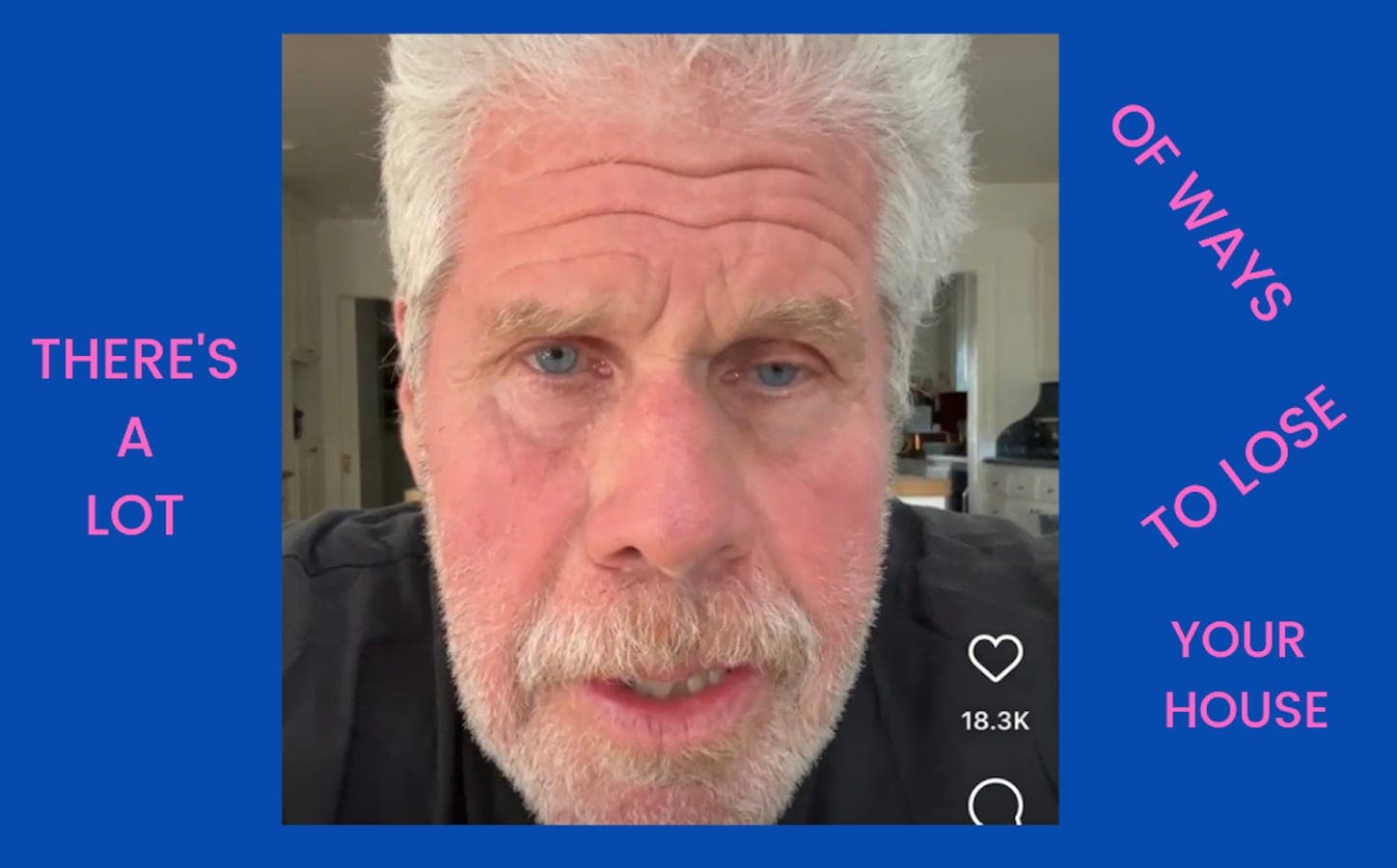
- Ron Perlman: Known for his candid remarks about the challenges faced by Hollywood workers.
Technological Changes and Ethical Concerns
- AI and Automation:
- The episode delves into a controversial proposal where production companies would scan extras for one-time payment and use their likeness indefinitely, illustrating a shift toward automation in the industry.
- This raises concerns about job security for background actors, who traditionally earned a wage for each performance.
- Cultural Reflections:
- Hosts reference a Black Mirror episode that portrays a future where actors' likenesses are used without their ongoing consent, connecting it back to current labor issues in Hollywood.
Financial Strain on Creatives
- Producer's Strategies:
- Discussion about comments from Hollywood executives indicating a strategy to prolong negotiations until writers face financial hardship, risking their housing.
- A particular quote highlighted includes the phrase "the end game is to allow things to drag on until union members start losing their apartments and losing their houses."
Cultural Commentary
- IP Culture:
- Hosts reflect on the current state of culture, noting a trend of recycling intellectual property (IP), as seen in Mattel's extensive movie pipeline based on its toys.
- The cultural significance of this trend is questioned, suggesting it reflects a stagnation in original storytelling within the industry.
Conclusion
- The episode emphasizes the intersection of labor, technology, and culture in Hollywood, encouraging listeners to consider the profound impacts of these issues on the livelihoods of creative professionals.
- For full insights and more discussions, listeners are encouraged to subscribe to the podcast.
Additional Information
- Podcast Link: [The Culture Journalist](https://theculturejournalist.substack.com?utm_medium=podcast)
- Instagram: [The Culture Journalist on Instagram](https://www.instagram.com/theculturejournalist/?hl=en)
- Subscription Info: Full access to episodes available for $5/month on Substack.
Written by AI. May contain mistakes. Listen to the episode to check what was said.
Transcript
Automatic transcript. May contain errors.0:00Hey, pals. You're listening to a free preview of a paid subscriber-only bonus episode of The Culture Journalist. We'll be giving you a little taste right here. Get full access to the whole episode in addition to plenty more subscriber-only bonus goodies by heading to our Substack and signing up for a paid subscription, just five bucks a month. That's theculturejournalist.substack.com. So what do you feel like is the most upsetting or angering detail about the situation that's trickled out as this story unfolds? I think two of them stand out to me. And they're ones that if you've been following the story, you've probably heard.
0:40But the most futuristic dystopian Black Mirror one was the thing about the AI scans of extras. that like when SAG was at the negotiating table with the AMPTP, apparently the producer side had put forward this idea that production companies should be able to like invite people who are extras, like background actors, to come in and get scanned and then get paid like, I don't know, like$300 for getting scanned. And then the company could just like use the scan of them for like different productions, like in perpetuity or whatever. That just felt really, really dark and just like a, you know, perfect, emphatic illustration of automation, which is like previously, if you're an extra background actor, you would have been paid every time you come in to perform your role.
1:41And now maybe you would only get paid once. and that basically means you have no job left. I don't know the exact details. Maybe there is some sort of thing where you get paid a fee every time it's used. So that was super dark, and you can kind of see that. Obviously, for the lower paid actors, that's a loss of livelihood, but it also pretends darkly for even the name Hollywood actors you may be familiar with where you know it's kind of like that um black mirror episode recently where i think it was like selma hayek you think that you're seeing selma hayek and um i'm not going to go through the whole plot but the reveal sorry for the light spoiler but there's a selma hayek character that's revealed to be not selma hayek herself but you know a character based on a scan of selma Hayek and it was you know depicting a Hollywood where this is like what happens all the time um yeah that episode is called Joan is Terrible it's the first episode of the new Black Mirror season and not only is just highly entertaining but it's it's extremely edifying in the current labor climate and tech climate so I recommend you watch it if you haven't seen it yet yeah even though it's like this sort of weird like it's like a show on Netflix making fun of Netflix which is cool but it's just yeah it's creepy so that was like you know one of the most disturbing details and then the other really big disturbing detail that came out was I think it was like in the day before the strike was announced or some like maybe in the 48 hours before there is this deadline story that came out it was quoting Hollywood producers and executives talking about the writer strike the wga strike um and saying that they were planning to hold out um until like at least like late october before sitting down to negotiate with the writers like they wanted to let it stretch out for a while instead of ending things because they believe that by that time the writers would be literally running out of money um so like one quote was from an executive anonymous executive it said the end game is to allow things to drag on until union members start losing their apartments and losing their houses.
4:03And another person described this approach as a cruel but necessary evil. So, you know, that's horrible. It almost felt like perfectly placed for the eve of the actor's strike because it was definitely picked up on during the announcement of the actor's strike, like where Fran Drescher definitely talked about it. It's just like this is disgusting um like who are these people there's something about her that she's like very good at just sort of i guess she's a she's an actor but kind of showing like what an ordinary person's response would be to this like horrible news like she it's almost like she she talks sometimes as though like she's hearing this for the first time and is horrified she's very good at like relaying like this is so inhumane right she seems like a really unlikely character but she's really got this like great vitality and sort of i don't know it's fitting that everyone associates her right with the nanny which is you know very proletariat in its own way and her passion you know her passion is and she's not somebody who's like necessarily like super in the limelight right now she's not like starring in like major hollywood films or anything but she's someone who's committed to her people.
5:23Mr. Sheffield, I can't go in there. My mother had three rules. Never make contact with a public toilet. Never, ever, ever cross a picket line. What was the third one? And that's it for the free preview version of this paid subscriber-only bonus episode. We get into lots more. If you want the full thing, head over to our Substack and sign up for a paid subscription. You'll be supporting us and the independent journalism that we do completely ourselves, just five bucks a month. That's over at theculturejournalist.substack.com.
From the publisher
With Hollywood actors and writers joining forces on the picket line for the first time in 63 years, “hot labor summer” is officially upon us — and on this week’s subscriber-only episode, Emilie and Andrea try to pinpoint the sweltering, revolutionary, distinctly Barbie-pink feeling in the air. We discuss how big labor upheavals in Hollywood are historically connected to big technological sea changes, how the shutdown is already impacting life on the ground in Los Angeles, and some of the unexpected folk heroes (like SAG-AFTRA president Fran Drescher and “there’s-a-lot-of-ways-to-lose-your-house” Ron Perlman), who are emerging as the faces of this turbulent time.
We also get into what all this heralds for a culture that is stuck in an endless IP loop, as encapsulated in a recent New Yorker piece revealing that in addition to Barbie, there are nearly 60 movies in the pipeline right now based on toys made by Mattel.
This is a free preview of a subscriber only episode. To listen to the full thing and support our independent journalism, sign up for a paid subscription at theculturejournalist.substack.com. Paid subscribers receive free bonus episodes every month, along with full essays and culture recommendations.
Keep it weird with The Culture Journalist on Instagram.