In short
Podcast Notes: The Culture Journalist - "Trump Trad" and the Aesthetics of the New Right
Episode Overview
- Hosts: Emilie Friedlander and Andrea Domanick
- Guest: Carolina Miranda, arts journalist and critic
- Main Topic: Exploration of the aesthetic landscape surrounding the Trump administration, coined as "Trump Trad," and its societal implications.
Key Concepts
- Trump Trad Definition
- Coined by Carolina Miranda, "Trump Trad" refers to the aesthetic identity of the Trump era characterized by:
- Nostalgia for the Past: Emphasis on neoclassical architecture and traditional gender roles.
- Professional Wrestling Influence: The dramatics and performance styles reminiscent of wrestling culture.
- Visual Vibe of the Administration
- Descriptions of the aesthetics surrounding Trump include:
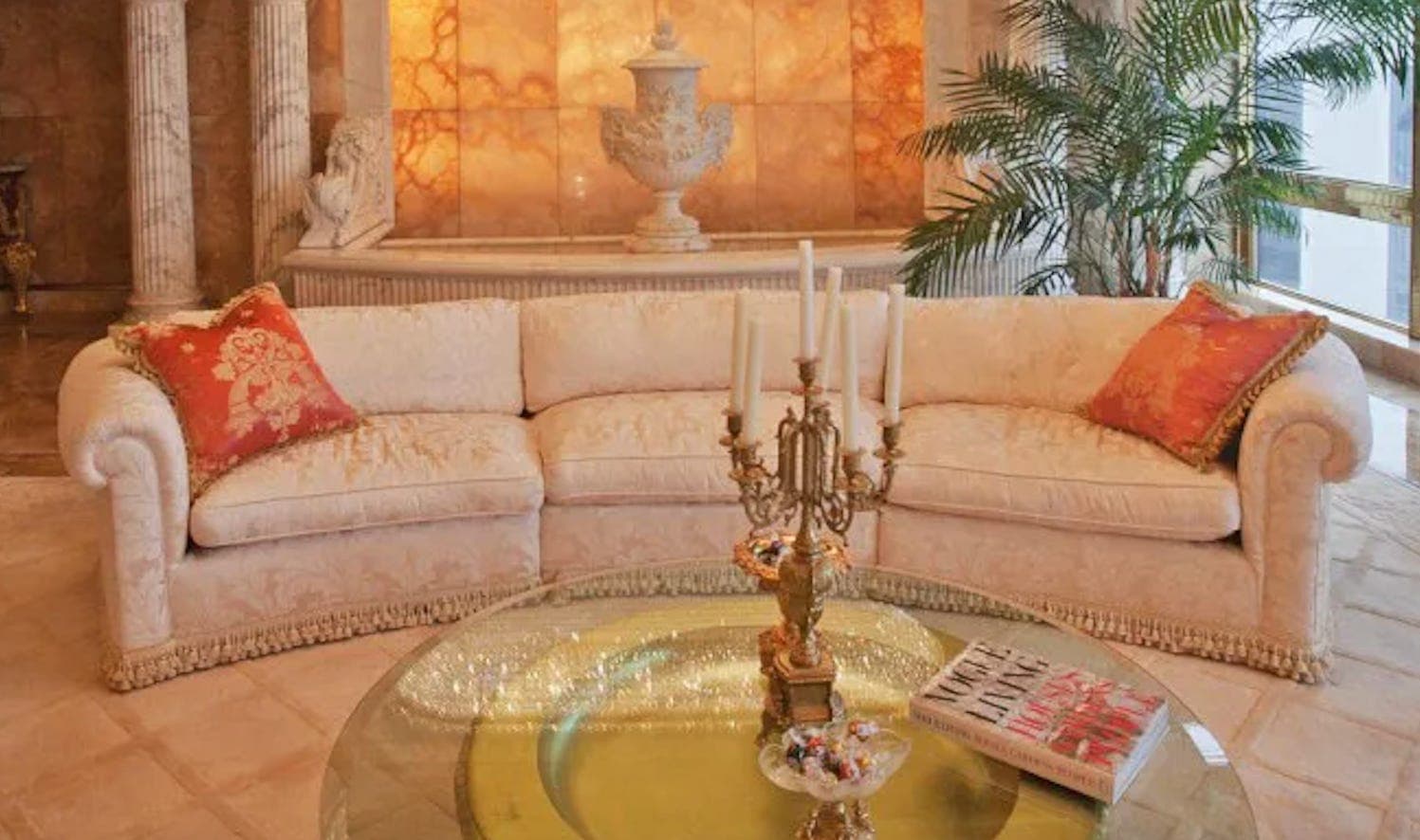
- Gilded neoclassical decor
- Traditional masculine and feminine attire (dark suits, red ties for men; high heels, flowing hair for women)
- The "Mar-a-Lago Face" phenomenon, highlighting beauty standards within the administration.
- Three Core Pillars of Trump Trad
- Yearning for the Past: An ambiguous longing for different past eras, allowing diverse interpretations among supporters.
- Traditional Gender Roles: Reinforcement of binary gender concepts in appearance and roles.
- Professional Wrestling: The theatrics and performance style influence Trump's public persona.
Discussions and Insights A. Architecture as an Aesthetic Medium
- Trump's fixation on architecture reflects a desire for permanence and legacy, reminiscent of historical figures like Hitler and Mussolini.
- The Executive Order for Civic Architecture aimed to promote neoclassical styles, celebrated by alt-right factions.
- Architecture serves as a powerful symbol of power and cultural identity.
B. Cultural Commentary
- The conversation touches on how the aesthetics of Trump and his administration are a response to perceived cultural elitism.
- Discusses the relationship between aesthetics and political power, where aesthetics can define political landscapes and influence public perception.
C. Gender Aesthetics in Trump’s World
- Discussion on the hyper-femininity in the Trump administration, comparing it to mainstream social media aesthetics, particularly the Kardashian influence.
- Key distinction made regarding the Eurocentric and privileged portrayal of femininity in Trump’s female representatives.
D. Silicon Valley and AI Influence
- Trump's administration's embrace of AI and meme culture as a way of communicating political messages reflects a blend of technology, culture, and propaganda.
- The AI Slop phenomenon represents a low-quality but high-volume output of political messaging.
The Role of Political Aesthetics Today
- Political aesthetics have evolved with social media, emphasizing rapid, visual communication over more traditional forms of political imagery.
- Trump’s aesthetic has been effective due to its accessibility and resonance with populist sentiments.
Final Thoughts
- The conversation concludes with reflections on how aesthetics shape political narratives and the importance of understanding these visual cues in the contemporary political landscape.
- Carolina Miranda emphasizes that despite the challenges, analyzing Trump's aesthetics offers insights into broader societal dynamics and cultural responses.
Additional Resources
- Carolina's Works:
- [Washington Post Column: Welcome to the Era of Trump Trad](https://www.washingtonpost.com/opinions/interactive/2025/trump-trad-presidential-aesthetics)
- [KCRW Arts Insider Newsletter](https://www.kcrw.com/newsletters)
Call to Action
- Listeners are encouraged to engage with the ongoing discussion through the podcast's member-only Discord community and consider supporting the independent journalism project through subscriptions.
---
This summary encapsulates the key themes and discussions from the episode, providing an insightful overview of how aesthetics and political narratives intertwine in the current cultural landscape.
Written by AI. May contain mistakes. Listen to the episode to check what was said.
Transcript
Automatic transcript. May contain errors.0:00But it's really emblematic of our country. But the Kennedy Center, you look at the columns outside, you look at, I mean, they're supposed to be covered by something, whether it's marble or whatever, granite. They were never covered. They were painted. But bringing it to more modern times, a lot of money has been given to it and the money has not been properly spent. They're such a terrible waste, but we'll make it, we'll bring it back. We'll make it great again. Hey, pals. It's Emily here with Andrea, and you're listening to The Culture Journalist, a podcast about culture in the age of platforms.
0:35So since the Trump administration took office in January, you may have noticed a certain visual vibe characterizing the places he hangs out at and the people he surrounds himself with. Think like AI slot memes, gilded neoclassical decor, men clad in dark suits and red ties, women decked out in high heels and flowing hair. And for both, an ambiguous blend of plastic surgery and highly contoured makeup that the Hollywood Reporter dubbed Mar-a-Lago face. Matt Gaetz, let me tell you something. Highlighter is not for you. Stop highlighting the center of your face. But I have deep-set eyes, George. How do I fix the deep-set eyes?
1:17Well, you're not the only one to take notice. The arts journalist and critic Carolina Miranda has been keeping tabs on the visuals of American politics for years. And she came up with a name for the distinct accumulation of aesthetics suffusing our current administration. She calls it Trump Trad. Carolina recently wrote about Trump Trad in a column for the Washington Post called Welcome to the Era of Trump Trad. It's the first in a series that she's doing for them, providing an ongoing aesthetic analysis of the Trump era, which she's been doing since taking a buyout from her longtime role at the LA Times last year.
1:53I should also note that, full disclosure, Carolina also writes an arts newsletter for KCRW where I am her editor. In her WAPO piece, Carolina breaks down the elements and meaning of Trump Trad, which she divides into three core pillars. A yearning for the past, architecturally and otherwise, traditional gender roles, and, funnily enough, professional wrestling. Carolina joins us to explain the components of Trump Trad, including the aforementioned Mar-a-Lago face. We also get into how to reconcile all the Tradness with his administration's simultaneous alliance with Silicon Valley and AI, which recently manifested in the form of deeply offensive, anti-immigrant, Studio Ghibli-inspired slop.
2:39We also talk about whether or not there is such a thing as a Kamala aesthetic or a Joe Biden aesthetic, and how Trump's obsession with taking control of programming at the Kennedy Center and issuing executive orders about architecture fits in with his politics of resentment against so-called cultural elites. We'll be right back with Carolina Miranda after the break.
3:05This is a man's world This is a man's world This is a man's world But it wouldn't be nothing Nothing, nothing Without a woman or a girl
3:35The Culture Journalist is an independent project that relies on word of mouth and is funded entirely by listeners. If this pod had something meaningful to your life and you want to access everything we put out, please consider supporting our work by becoming a paid subscriber over at our sub stack. Paid subscribers receive access to our Discord community, the Cujoplex, full access to bonus episodes and more goodies our bonus eps are where we get personal and experimental recent ones have included a conversation with Brandon Hagen of Vundabar about what it's like to have your indie band randomly blow up on TikTok an oral essay by Emily revisiting her former years as a Kim's video clerk and a conversation with Teddy Brown about the unseen algorithms actually running our world you can get it all right now by subscribing over at theculturejournalist.substack.com Hey, guys, we're back with Carolina Miranda.
4:29Thanks so much for coming on. Thank you for having me. All right. So let's get this squared away. Tell us, what is Trump Trad? Trump Trad is my attempt to define what Trump's aesthetic is. So in thinking about sort of the signals that leaders give off with their aesthetics, I was trying to come up with a unifying theory of what Trump's aesthetic is. And I came up with three components, which is this look towards the past, which is especially evident in his taste for architecture, neoclassical architecture, a lot of Baroque, Rococo, decoration, combined with very idealized gender roles. So in Trump world, men are men and women are women, and there's no space in between.
5:14And then the third part of Trump Trad is this element drawn from wrestling, professional wrestling, the histrionics of it, but also some of its underlying philosophies, the way in which it serves as an aggressive form of entertainment. And that, to me, were the kind of three elements that bring together his world vision when it comes to aesthetics, if you could describe it as a vision. So as you just said, one of the chief components of Trump Trad is this longing for the past. Obviously, it's baked into the original MAGA campaign slogan, make America great again, though I don't hear him using that as much these days.
5:55Which past or pasts does Trump Trad gesture towards and why those historical periods, do you think? That's a good question. I think what's interesting about his interest in the past and this longing for the past is that he really leaves it up to you to determine what period of the past that is. And that means that anybody who had a sense that things were better when, you know, fill in the blank, can fill in that time period in their mind. It really leaves it open. Now, in terms of Trump himself, certainly some of the things that he's hearkening to, things like his interest in neoclassical architecture, which I think certainly speaks to a foundational American style, like he's going founding fathers with that sort of architecture.
6:44But it's also an architecture that is very connected to white supremacy. You know, Hitler also loved neoclassical architecture. It has often been associated with those tendencies When Trump signed that executive order during his first term to make federal civic architecture, quote unquote, great again by promoting neoclassical styles, a lot of the alt-right celebrated that move as a return, you know, to European ideals. And so I think what Trump trad does in this longing for the past is he certainly has his own past that he's longing for, but he's leaving it a little bit open so that his followers can fill in what they think is that great past.
7:25But you also mentioned three specific time periods that you think Trump's own tastes tend to focus on, obviously the classical era and then the kind of like late 19th century, correct? Yeah, I mean, I think you're looking at the antebellum era. The neoclassical architecture was very prevalent during the late 19th century. And so I think that is an era that he certainly harkens to. There's certainly the racial implications of that and the political implications of that. And then I also think the 1950s, you know, this idea of a strong post-war United States in which men were men and went to work at their important jobs and women stayed home and took care of the home.
8:08There's also like the, and I don't even know if he thinks of it this way, but thinking of like Mar-a-Lago and the sort of Gilded Age vibe. Yes. Late 19th century Gilded Age aesthetic and this idea of rich magnates building these sort of monuments to their wealth and almost their like feudal style power. It's like American people who are successful and succeeded through capitalism building these buildings that are gesturing at almost like a European aristocratic wealth of some sort. Oh, absolutely. I mean, you hit it right on the nose. I think what you see in Mar-a-Lago and then with his apartment in New York as well is that whole habit of taking these different pieces of European art and architecture and fusing them in different ways to create these kind of fantastical buildings that served as tokens of their success.
9:03And so you see it in Mar-a-Lago, which is a Spanish style house with like Moorish elements, but that also, you know, Trump has added gilded portraiture to and a lot of chandeliers and floral carpets and and a lot of styles that hearken to this European past from various eras. I mean, he's drawing from neoclassical. He's drawing from the Baroque. He's drawing from Rococo. And he's kind of mashing those together as symbols of financial and also, I think, cultural success. And this kind of mythos of Trump, at least in the past, is this like princely man. Exactly. Golden haired prince. Yeah. You know, and that was something that the Gilded Age barons did, too.
9:45You know, you go to J.P. Morgan's house in Manhattan or you visit it, if you want to go a little later in time, William Hearst's castle here in California. Those are all these kind of fantastical structures that are all put together, you know, with the bones of other buildings and art drawn from Europe that that, you know, people were able to acquire in that era because the U.S. was growing so wealthy. Totally. Which we see almost, I don't know, you could see a metaphor in how things are today and oligarchy and stuff like that. But yes, I don't know if that's what Trump originally had in mind.
10:17I mean, maybe subliminally. I mean, I think he would like to see himself as a gilded age baron. I don't think he'd be embarrassed by that. Yeah, it's interesting. It's almost like this exercise in like hyper maximalism, right? Yes. Like he's taking the most maximal and like this is on like a very like almost like visceral level, like the most maximal elements of all these different styles. I mean, I would venture to say there's not like a lot of like intellectual forethought of like, well, I'm going to pull this element for its commentary on this and that it's just like taking what were like the loudest conveyors of power, success and wealth from all these past movements that we've like internalized as a culture and know how to recognize visually and just like skimming those extremes and then mashing them together, which while we were you know reading up and like researching for this episode I got to thinking I was like it's funny because that parallels kind of like what social media and the internet does is just sort of like take the most extreme or like polarizing ends of things and like condense them and like throws them at you with very little breathing room in between yes yes very little breathing room is definitely describes Trump style yeah yeah what there was a line in your piece it was something about like attention span or something yeah I think it it was a quote that I took from architecture writer Thomas de Monshaw.
11:33Yeah, yeah, yeah. The Thomas de Monshaw quote, he described his Manhattan apartment as a pocket Versailles for a would-be sun king, a place for a short span of attention, a place without threat of stillness. That was the line I was thinking of, without threat of stillness, a place where you don't spend a lot of time wondering whether something is right or wrong. What a great line. Exactly, exactly. You're so kind of overwhelmed by the aesthetics that you're not really thinking of what terrible things might be happening behind them. Which is our moment. Right. A metaphor. Yes. Yes. So also one of the things you know at the beginning of this piece is you know how aesthetics kind of define the battle lines in culture wars and provide the basis upon which leaders build their cults of personality and you you cite you know Putin and some other leaders for their aesthetics and you know how even just pretty much all past U.S.
12:27presidencies have had sort of their own aesthetic and visual language that sort of connotes the vibes, if you will, of their policies and their presidency. What was interesting to me is that you note that Trump's aesthetic language seems to manifest, especially through architecture, even to the point that he issued an executive order to, quote, make buildings beautiful again. What that got me wondering is, so why architecture as his medium of choice? Like, does that just stem from his background in real estate? Or do you think there's more to it than that? I mean, I definitely think the real estate thing is a big part of it.
13:02You know, Trump sees himself as a builder, even though in the last few decades of his career, he's primarily been a licensor of his name than than somebody who builds actual things. But I think he is really interested in this idea of permanence of the monument, one of the executive of orders that he also signed during his first administration and has now been resuscitated with a memorandum is the idea of a garden of heroes. So the idea of the sculpture garden where you go and you see monuments to U.S. heroes of all eras. And so the idea of creating these physical spaces where you can kind of come waft his legacy, I think is really important to him.
13:44And you've certainly seen it in discussions that, God, I hope they are not serious about putting Trump's head on Mount Rushmore, which resurfaced recently when Lara Trump once again revisited the idea of like, will they carve Trump's head onto Mount Rushmore? The last time this came up during his first administration, the National Park Service said that there was not really like stable enough rock on the mountain to like carve another head into it. But whether his head gets carved or not into that mountain, I really hope it does not. Like that mountain has suffered enough and it's a sacred space to the Lakota on top of everything else.
14:18But I think what those types of gestures signify is somebody who's really thinking about like permanence and legacy. And I think nothing does that more effectively than monuments and architecture, buildings, houses, all of those sorts of things. Which is not an uncommon like masculine obsession, right? I feel like the idea of impacting the built environment is like that's the biggest impact that one can have and expression of masculine strength. It just it seems like Trump is not alone. No, no. And in fact, Hitler, Hitler was famous for his use of architecture as a tool of the state. And he was so obsessed with it.
14:57In fact, the idea of designing monuments and designing these like grand, massively scaled buildings, redesigning German cities, you know, that even when the German army was like losing and it was clear that Germany under Hitler was not going to hold on under the Allied advance, Hitler was still obsessing over the architecture. And so I think those types of signifiers, yeah, for any sort of great leader are something that are really important. See also Guy Pearce's character in The Brutalist. Yes. That's a whole other story. But yes, it is exactly that tendency of like, I will leave my stamp on the planet by placing a great building on it by which I will be remembered.
15:40You know, it's very predictable at this point. Right. And I mean, I think this even extends to, you know, the conversations that are happening right now around the Rose Garden at the White House. Right. He wants to like rip it out and replace it with concrete, which, you know, debatably, that's not architecture, maybe architecture adjacent. But that's landscape architecture. Right. It's landscape architecture. And I guess the logic, quote unquote, behind it is wanting women to be more comfortable in their high heels. Standing in the grass. Yes. Yeah, it's probably like roses are maybe seen as effeminate and impermanent and who knows.
16:14Yeah, Trump does not strike me as somebody who has a great deal of love for the outdoors. And that whole plan with the White House is taken from some of the tiled patios around Mar-a-Lago, which are used to host events. But, you know, the architecture of Mar-a-Lago is not the architecture of the White House and nor is it the legendary Rose Garden, which is a garden. He does like the manicured outdoors, though, like, you know, the golf courses and stuff. Yes. Like an English style, a French style garden that you admire from a distance. You don't necessarily lose yourself in it. And that sort of brings me to my next question, which is about the role of gender in the Trump trad universe.
16:53So we touched on this for a bit, but, you know, on the surface, like a lot of the aesthetics of hyper masculinity and hyper femininity that we're seeing leveraged among his administration, that includes things like, you know, contoured cheekbones and what you mentioned in your piece, the Utah curls, which are like the long, loose waves parted in the center, pencil brows, etc. You know, maybe some cleavage. A lot of that I was thinking is actually not that far off from aesthetics that have been popularized on social media in recent years and then subsequently internalized by pop culture even more broadly.
17:30I'm thinking like kind of the Kardashian aesthetic or like the Instagram filter aesthetic. And it seems to have like that has just trickled down into sort of what the feminine and masculine of this Trump trad is. Given Trump's policies around gender, of course, this feels like it reads quite differently, like in those hands. But I'm wondering, is there anything unique to, for example, like the Mar-a-Lago face look? Or maybe it's more that these signifiers have just become associated with Trumpism now. And so we look at them differently. I think, you know, it's interesting. This is a really interesting question.
18:08I think that different subcultures as a result of social media and television and film and mass media and the way in which the human body is rendered on it have all come up with their kind of different hyper femme versions of gender. Like, I think the Kardashians are certainly one of them, but I would hesitate to compare the sort of Mar-a-Lago, what they call the Mar-a-Lago face with the Kardashians, because I think the Kardashians are really inspired by and have appropriated black and Latina aesthetic culture into their looks. You know, while the Lara Trumps and the Kimberly Guilfoyles of the world do borrow these very sort of exaggerated looks, you know, the pillowy lips, the contoured cheeks, you know, they're doing more of a Fox News anchor or what I kind of think of as the segregated country club look because they tend to all be white.
19:02I mean, to get Utah curls, you have to have a certain texture of hair. And I think that kind of says it all. And and, you know, they're frequently dressed wearing the women in the Trump universe are wearing dresses. They're in high heels. It's hard to imagine any of them wearing, say, some of the street styles that the Kardashians rock. You know, like they're not going out in track suits and parachute pants and ripped up jeans. So while I think both looks borrow from the sort of hyper exaggerated look that has been to some degree fueled by the Internet, I think that they are rooted in different aesthetics and different desires.
19:40You can also see kind of like going back to, you know, the women that, you know, in Trump's family or that he's surrounded himself with since the 80s, like there's a continuity in the look. Yes, it's like they're blonde. They worked as models. They're slender. You know, it's hard to imagine a woman in the Trump universe getting a BBL as you would the women with some of the other sort of more exaggerated hyper femme looks that you see in other subcultures. It's definitely its own version of that exaggerated aesthetic. right right i think what i what i was thinking of and and you raised some really excellent points here about the kardashians specifically and i think so much of this is just maybe like a flat and sort of idealized like internet face i almost want to call it right um like internet face is a good way of putting it yeah yeah less so less so specifically the kardashians they kind of just come to mind as like you know the shorthand for that in a lot of ways and of course like you said the pillowy lips but it's interesting because i think the tendency to think of like the sort of like elite rich like conservative woman has always been a certain degree of femininity but it hasn't necessarily been like sexy and there's quite a like a sexualized undertone to how women in the trump administration are starting to look in you know in a very like hetero male gaze kind of coded way yeah well i mean trump used to sponsor and run beauty contests right and so i feel like it's kind of in keeping with his view of the role women serve, which is to please the male gaze.
21:14It's almost like sorority girl-esque, like country club sorority girl-esque more than anything. Yeah. Yeah. That's a great way of putting it. It is absolutely rooted more in sorority. I spend a lot of time on TikTok every Rush season watching those young girls show off their outfits for Rush. I never was in a sorority. I could care less about sororities, But I'm kind of obsessed with that TikTok trend. And it's very much that it's the long hair, the hyper femme looks, lots of pinks, short skirts, and none of it, say, inspired by the Kardashian street style that I was describing. It's all very country club.
21:51Right. What I will say, though, that's kind of interesting about it is even though it is like very male gaze centric, I think that Trump would and maybe even the women themselves would pride themselves in thinking that it's an expression of femininity that is not incompatible with the sort of not necessarily a feminism, but a sort of professional empowerment. It's not just like, oh, women are these wilting flowers. It's not like, oh, the woman belongs in the home with these women per se. It's more like a woman can have this high powered position at the White House or as an anchor on Fox News and look sexy, if that makes sense.
22:29That absolutely makes sense. And I think that connects with this look across other subcultures, too. Like if you think of the Kardashians, like I can be sexy, but I can also run like my makeup and clothing. in television empire. You know, I once did a story for the LA Times when I was at the LA Times about the whole Buchona phenomenon, which is the look that was inspired by the narcos in Mexico and has since come to like occupy a lot of like Mexican and Chicano popular culture. If you remember Jenny 69, she describes her look as Buchona. That's, you know, big boobs, pillowy lips, very long hair, small waist, big butt.
23:08It's that hyper feminine look, but they are not wilting violets. These are women who own beauty product lines, who have, you know, wildly popular Instagram pages, who kind of are running their own mini empire as they embody these kind of hyper feminine attributes. Trump is very proud of like Ivanka for being this successful business woman or like Ivana Trump. I don't know if you saw The Apprentice, which I thought was a very good film. You get some of the backstory of Ivana Trump. And, you know, she was like a really, really successful, ambitious businesswoman in her own way. And that ended up causing some friction and power struggles, I think, between her and Trump.
23:51But it's part of it somehow. Yes. And also these women in the case of the of Trump world, you know, they've got ripped arms and muscular legs, like there's a certain steely toughness to the look, even as, you know, they're rocking the long hair and the makeup and the dresses. So speaking of steely toughness, you also talk about wrestling as one of the pillars of Trump trad. Can you tell us a little bit more about Trump's relationship to wrestling and why you decided to single it out in your piece? I mean, I think there's his direct relationship to professional wrestling. You know, Vince McMahon is a friend.
24:30Linda McMahon is currently the secretary of education. He has a deep connection to wrestling. He's appeared in wrestling plots on World Wrestling Entertainment. He once shaved Vince McMahon's head on television. So he has this relationship with wrestling. And I also think that there's something of his style that speaks to that larger than life element of wrestling. You know, the 80s padded suits with like the big shoulders, the architectonic hairdo that makes him seem taller than he is, the sort of unnatural orange pancake makeup. It's almost like he's not just Donald Trump. He's playing the character of Donald Trump in the wrestling ring.
25:11And so something about his physical looks and his connection to wrestling made me make that connection. But I think what also was important to me was the whole concept of kayfabe, which in wrestling is the concept, you know, everybody knows that these world wrestling entertainment narratives are plotted out in advance, that the wrestlers know who's going to win and who's going to lose in the ring when they walk in. Those stories are written out well ahead of time, but both the wrestlers and their audience act as if it's all real. It's sort of like everybody is living in the state and unreality, but nobody speaks out about what the reality is.
25:53That is kayfabe. And I think that that is something that you have seen so much with Trump. You know, if he says something particularly hateful or offensive, often his followers will be like, that's just Trump being Trump. You can't really believe him. You know, it's almost like he's just playing a role on stage. And I think, you know, there's been a lot of surprise this time around among, you know, farmers, Venezuelan immigrants, Cuban immigrants who are now finding themselves on the receiving end of Trump's policies in this administration. They were like, well, you know, we didn't believe that he was going to do what he said.
26:31And I and I feel that's almost the kayfabe. Like everybody was part of this show where they knew everything was fake, where they went along with the fakeness. But now they're discovering that maybe some of that was real. It's so fascinating. I also think of the famous clip now of him kind of negotiating with Zelensky in real time. And this like, it felt like watching combat. And he was like applying the different, you know, tactics of the art of the deal and being like, you have no hand, you don't have a hand of cards here. And yeah, I see that in his just performance style, I guess. Exactly. Exactly.
27:07Yeah. There's this kind of trash talking aggression that goes with the performance of being a wrestler. And yeah, we definitely saw that with Zelensky. So, Carolina, you mentioned how other historical leaders like from JFK to Ronald Reagan to Putin have minted their own signature aesthetics. What do you think makes Trump trad such an effective aesthetic for this moment. I'd actually like to hear from both of you about this because Emily, I know you have some experiences at a Trump rally that are relevant to this that you can share. I think there's a couple of things about Trump Trad that make it so of the moment.
27:45One of them is that it's larger than life and so it plays well on TV. And Trump, at the end of the day, is a reality TV star. He's a performer. So I think certain aspects of the aesthetic are just highly resonant and visible, and it makes them easy to purvey. I also think it's accessible. You know, you put on your red baseball cap and you are now MAGA and you are part of the Trump army. And, you know, it doesn't require a lot of marching or discipline. And so I think there's that combination of larger than life with a certain accessibility and populist vigor that goes with it that that has made it so resonant at this at this moment in time.
Read the full transcript
28:28It almost goes back to the architecture thing, where by virtue of architecture being architecture, it's also, you know, it's creating a built environment that you are immersing yourself in. And you could say that the Trump aesthetic is really, it's kind of his and his alone in a way. And he in his buildings in his country clubs, he has managed to craft an immersive world experience that is kind of removed from reality and is, you know, to some people, I guess, beguiling in some way, absorbing. And when I went to, I've talked about it a little bit on the pod before, but my partner was reporting on a Trump rally in like the final days of his campaign up in Lidditz, Pennsylvania.
29:14And, you know, like, I have to say, like, it was awful in that, like, when he came on, he just, he was in a bad mood that day. I think it was like the day that the Iowa poll came out. It was like right before the election and he seemed to think he was going to lose. And it was just like, like listening to somebody just kind of go off the rails and incoherently in real time. And he talked about like not caring if journalists got shot. That was that one. And like people started leaving in the middle of it. But every bit of the rally, like up until he actually arrived was quite, I would say he puts on a show, which is also why I'm interested in him wanting to take over the Kennedy Center.
29:54But like there is an aesthetic visual coordination of reds. I guess it was like blues and reds and whites. But, you know, he has a musical ear. Like he curated a playlist that was, I'd say, quite effective. The sound system was very good and very loud. And he creates like this kind of hypnotic sensual experience in a weird way. This is before he arrived on stage. It was just like the mise-en-scene kind of. Yeah. And then when the motorcade rolled up, it was like this tremendous show of force of like, you know, this massive, massive line of black cars. And then as soon as he got on stage and started talking, everyone started leaving.
30:36So they liked the show, but not necessarily the speeches. It was like everything that was set up was in this way that like you couldn't help but like you know there is this this one song he plays at every rally it's a Pavarotti James Brown collaboration this is a man's world have you heard this and he it's like it was like a live thing and I think it played on a loop for a really long time and it was like it was just very infectious in a strange way um even though like the like of course this is a man's world and then he also he didn't do this at the exact rally that I went to but part of the spectacle is that usually when he arrives on a plane, there's like this call and response that is staged between the like supposed pilot of the plane and the ground where he's like, Trump Force One, like over and out coming in for a landing.
31:25And it's like a video game almost. It's like the superhero is showing up. Incredible. Yeah, I don't know. I just think that he has in his own way, this entertainer's world builders talent. Yeah. I mean, he's he is a showman, which I think is why he has been so successful. Somebody told me a while back that one of his intentions that he had wanted to very early on study film, but then ended up going to business school at his father's urging. And so I think this impulse to entertain is one that presumably goes pretty deep because I feel like, you know, I lived in New York during the 90s when Trump was kind of a joke.
32:04He had built his major buildings, but he was starting to have a bit of a slump, you know, at the turn of the 21st century, but he would still make himself the story by the way in which he arrived places, by leaking stories about himself to the gossip columns, by, you know, doing outrageous things. And I think that is just such a critical part of the appeal. It's entertaining. It's entertaining. That rally or town hall where he just like gave up talking and just played song after song and danced along and everybody got into it he has like a sense for what will resonate in a weird that one looked very awkward on television though that did not play well to the camera all the people fainting was very strange it was just such a bizarre moment because i remember seeing that and thinking oh this is gonna tank him but i knew it wouldn't because like that whole notion has been upended but it's funny because it's like had that happened under any prior administration or had that been like a democratic candidate that would have been it you know yeah Trump knew that people respond emotionally to good music.
33:10You know, and it's it's so funny, too, because I was I was watching all of the coverage of the inauguration as well as the rally they had afterwards. And, you know, he does that terrible little I call it the hot dog dance because it looks like he's holding two hot dogs in his hands as he goes back and forth. I think there are dirtier explanations for it. And it's so funny because the camera would do these like pans of the Capital One Arena where the victory rally was held. And there's the audience all doing like the same Trump move as YMCA plays. And so he's found a way of creating these kind of viral moments that people can mimic.
33:53If you like what you're hearing on this episode, there's a place where you can join the conversation. It's called Cujoplex, and it's a private online hangout zone on Discord where smart, cool weirdos just like you, you know, people who like talking about the evolving state of independent culture, can congregate, share links, and talk about the news of the day. We've had some great conversations lately about creative economies, media theory, AI, politics, the future of journalism, and even the records and TV shows we've been obsessing over this year. Some of our chats have even inspired episode ideas.
34:29You can get access to Kujoplex along with our monthly bonus episodes by signing up for a paid subscription over at our Substack. That's theculturejournalist.substack.com. You were just talking about sort of the lines of cars. And it's like these aesthetics, whether it's Putin or Reagan or Trump, they all seem to be kind of about show of force. And I'm wondering, you know, historically, do political aesthetics only seem to like, quote unquote, work when they're about brute force? Are there any examples of stronger, effective aesthetics or like visual political languages that are not necessarily about being domineering?
35:12Bernie Sanders. But what's his visual language besides like, I'm thinking of like. Wearing a coat. Yeah. The mittens. Wearing mittens. Pointing in the air. Obama was I don't know if Obama's visual language was very distinctive. I don't know if it was about force. I think, you know, who's interesting as a contrast in this regard is Claudia Scheinbaum, the president of Mexico, who has this really singular style that is feminine and Western, but always features like elements of like indigenous aesthetics in it. So it might be like embroidery on her blouses or a dress that evokes a traditional indigenous huipil and who uses those images to project strength, but in a way that is not the brute force projected by Trump, that it's more like a strength of resistance than it is of aggression.
36:09Interesting. Yeah, because, you know, ultimately all of these visual languages kind of have to by default be about strength because it's like because you're the leader we're talking about global leaders exactly but it's does there always have to be this like implicit symbolic violence or does there have to be that in order to succeed but she's a great example i think yeah she's really interesting i'm i'm ready for someone to do a good story analyzing her aesthetics and the way you know she gets on tiktok trump will say something about mexico and she's on tiktok the next day with a map or a chart in her ponytail in her traditional, one of her traditional blouses and just basically schooling him on what the facts are.
36:51Maybe this should be another column for you as like a counter response to the Trump trad one. I would read that. Taking notes, taking notes. Uh-huh, uh-huh. To shift gears a little bit, the term you came up with is Trump trad. We've been talking about his aesthetic in terms often of it's like kind of hearkening to the past. How do we reconcile that with Trump's very clear alliance with Silicon Valley or figures from Silicon Valley? Something that bleeds over into, you know, the administration's own visual propaganda, which is that they love AI slop. They love doing AI. Last week, we saw the White House cruelly and kind of horrifically tweet a Studio Ghibli meme of an undocumented woman being arrested as part of the whole viral Studio Ghibli thing.
37:45Is there a way in which the Trump administration's embrace of AI feels consistent with this political worldview in general and also with his views on art specifically? Well, that's a good question and probably a whole other story in and of itself. I think, you know, Silicon Valley and Trump are definitely one of the more unusual marriages of political and social convenience. But I do think that there are these overlapping ideas that bind them together, often having to do with like power and race, you know, questions about the birth rate, you know, many of which are you rooted in eugenics. And that's something that both Silicon Valley and the far right share, you know, the idea of like a diminishing white population that needs to be repopulated.
38:37ideas about optimization, you know, continuously fixing things, reducing things, making them run better. That's a very Silicon Valley idea. And we now see like Elon executing them on the government right now and Trump, you know, and the far right, which has always been this political union of, you know, less government is better government definitely seem to have overlap there. So there are these like bizarre ways in which Silicon Valley, like the tech industry and Trump intersect, even though Trump is not a techie himself. And I think the way that AI serves Trump is because he's not really interested in creativity.
39:18He's interested in propaganda. And AI is really useful at churning out the latter. It can be poorly made. It's slop. Like if you think of that video that he posted to his social media channels. I saw it on Instagram of the Trump Gaza. You know, it was incredibly poorly made. Some of the images made no sense. There were bearded women dancing, presumably in a world, you know, in Trump world where men are men and women are women like that didn't quite make sense. But it got across this idea of like, oh, Gaza could be this Mediterranean resort if you just clear it of its people. And so I think as somebody who's not particularly interested in quality, AI really serves Trump because it's just about getting the message out.
40:14I mean, to some degree, I almost liken it of the red hat. Like there was no design thought put into the Make America Great Again hat. It's almost like somebody said, slap some Times New Roman on a baseball cap and we'll have our icon, you know, and AI is the technological equivalent of that. For Trump, it's really just about getting out the message. And I think AI really serves them there. I've also seen some interesting critiques, articles talking about the Trump administration's use of AI slop and connections to kind of, you know, hatred of what he perceives as cultural elites, a sort of disdain for, you know, creative labor or the sense of there being a hierarchy between certain kinds of culture production and others.
41:06And just like, you know, we don't need to hire a, you know, presumably left-leaning graphic designer from, you know, Los Angeles to do this graphic. We can just, you know, use AI and, you know probably a disdain for art history art historical practice um knowledge things knowledge that i think comes across with this yeah yeah absolutely i'm so glad you brought up the trump gaza video too because i was trying to think of a way to work that into our questions and i i couldn't it's so fascinating to me too because like you said there's all this stuff in there and of course like the internet had a field day with this with the bearded women and being like woke Gaza, you know, Trump Gaza's woke and all this.
41:49But the implication was that somebody on the internet created that as like a joke, you know, and then Trump kind of took it and reclaimed it, like shed it of all of its irony and was like, no, but actually this, you know? Yes. Yeah. Because I don't think Trump has the imagination to put all those commands into AI to make that video happen. it's so absurd that like only somebody who was trying to like dunk on him could kind of make that i think yes or i don't know like a 13 year old boy it fits into also this general like it's like an aesthetics of cruelty or something yes like cruelty to the people of gaza um in the case of the um studio ghibli meme like cruelty towards undocumented people and this sort of flouting of morality and also flouting of conceptions of aesthetic production, I guess.
42:46Like basic, they flout basic decorum with memes. And there's something that about that, that, you know, Trump shares with Silicon Valley as well, which is this kind of like adolescent mean boy behavior that it's like, we're gonna put out the most inappropriate social media memes to make our statement like for valentine's day they posted a poem on instagram that was like violets are roses are red violets are blue don't come to our country or we'll arrest you um you know that's that's the kind of like lack of politic and decorum that you'd associate with like a 13 year old just like you said right it almost feels like there's this undercurrent of like a war on irony if that makes sense like yes taking things that are supposed to be ironic or have kind of subtext to them like the origins of the trump gaza absurdist video or the studio gibbification of like people's pictures or whatever and then you look at the contrast of something so horrible as this undocumented woman virginia besora gonzalez in context of something sweet and fantastical like a Ghibli aesthetic, you know, that would in any other context or era like fall within the realm of irony.
44:08And here they're just, yeah, again, this feels like another form of kind of symbolic violence of like reclaiming it and being like, no, but it's actually this. Yes. We're owning it. We love this. They are like earnestly appropriating it. Yes. Yes. Charlie Wartsell reached out to the White House for comment on the meme, the Ghibli meme, and the response was like, there will continue to be arrests and there will continue to be memes. It almost just feels like schoolyard bully or something. Yeah, it's very adolescent. It's all very adolescent. And it's in keeping with, you know, their live propaganda imagery.
44:44If you think of like Kristi Noem standing in front of that like jail cell in El Salvador, you know, sort of what lack of humanity and ethics do you have to do something like that? Well, it's the same people controlling the memes. Totally. A question I had is, you know, given all this, is Trump Trad really just rehashing the past or Trump aesthetics? Or we don't have to only focus on the Trump Trad concept, but is Trump Trad really just rehashing the past or is Trump creating something new in a weird way, in a disturbing way, in the totality of all of the references he's combining? You know, it's not just referring to past epics of architecture or retrograde gender roles.
45:29It's wrestling. It's AI slop. It's even like certain aspects of pop culture, like the song YMCA that are like have, you know, roots in more like LGBTQ culture. Yeah. Is Trump tried something we should think of as something necessarily less modern than the 20th century modern art and architecture he abhors? Or is it actually a futuristic aesthetics that maybe gestures at a value system that we find abhorrent and we find retrograde? Does that make sense? Yeah. You know, I think of it almost as the way we discussed his architecture earlier, as, you know, his architecture and his interior decor as taking all of these symbols that convey status and power and putting them together.
46:16And I think that's the way I think of Trump and Trump Trad as somebody who's reaching for a palette of ideas that convey power. And those ideas often rest in the past or notions of the past, not even the past literally, but it's more like notions of the past. But, you know, like, you know, there is quite a bit of future in there because what you're constantly doing as a politician is you're constantly pointing towards the future and the things you will do in the future and the ways in which you will transform the nation. And so I think any aesthetic is going to have some of that, like, you know, and this is not an uncommon tactic.
46:54You know, the architecture built under Mussolini in Rome, you know, synthesized modernism, but also like classicism, you know, like classical Roman buildings. You know, Hitler did the same thing, taking classical architecture and adapting it to this modern environment, even though he supposedly hated modernism. And so I think what you're constantly seeing these types of leaders do is reach for icons of the past that may be familiar and use them as a way to project into the future. As you said, he's kind of breaking with decorum. He's breaking with, you know, notions of good taste in many ways or long has.
47:35I think it's something like Italian futurism is interesting to think about in that he probably thinks that he's doing in a weird way, thinks that he's doing something futuristic. Or I feel like probably a lot of the people he surrounds himself with or like, you know, J.D. Vance and like the intellectuals that he's reading, the right wing intellectuals that he's reading, they probably think they're doing something futuristic in a weird way. Yeah. There is like a weird aspect of like where they are doing something kind of maybe modernist at a certain level. Yeah, it's really a stew of ideas that is kind of incredible to try to pick apart.
48:14A really funny thing is I have my partner, I have not read it. My partner is reading The Art of the Deal right now. And he was talking about Trump's conceptions of, he actually talks about modern art quite a bit, which I want to read. I was going to read it in preparation for this conversation. But and it seemed, according to my partner reading this, it seemed that Trump didn't necessarily hate modern art. He saw it as like a scam. And he was like impressed. He was not impressed by the art, but he was impressed by the fact that modern artists or art dealers were able to convince rich people that something was valuable, which I found sort of interesting.
48:49I think that's that's a common approach to the haters of modern art. How can you sell this stripped down thing and call it a work of art? Exactly. But he was like sort of a little he was like skeptical and a little impressed. But also that the reason why he didn't like it was because he liked art where the like material value of the art was straightforward and obvious. So like something that is made of gold felt more concrete to him. You know, what's interesting is he's had like if you look at pictures of his New York apartment over time, there has been an evolution there. because if you look at images, I'm not sure exactly when they were taken.
49:29It was like in the late 70s or early 80s. His Manhattan apartment was more done in like a postmodern interior decor. So yeah, you had the granite and the stone and all of those kinds of surfaces, but then you had these like bold cushions and sofas and things that just felt very postmodern. So kind of stripped down, but bearing the forms of classical design. But then over time, it's become this like kind of gilded rococo, you know, 57th Street antique store kind of vibe as his house has evolved. OK, so let's broaden this a little bit. Carolina, was there an aesthetics of Biden or Kamala? And whether there was or wasn't, how might this have worked against them?
50:18I think, you know, that that is a good question. I think Biden had an aesthetic and it was an aesthetic of late 20th century politics. You know, the smart, tailored Ralph Lauren suit, the blue tie. Jill, the first lady was very demure in her looks. I think, you know, one of the things that had historically been expected of first ladies was that they be relatable and she would show up elegantly dressed, for example, to a state dinner, often wearing American designers. But, you know, she wouldn't be in high fashion and in stilettos the way Melania turned out. Melania Trump has turned out to some events.
51:01And so you're rocking like a hamburger hat. You know, the Jimmy Choo's, the Louboutins. I guess that's who they're redoing the Rose Garden for. And so I think to some degree, they evoked this like near past of respectability politics that was almost like too near to the present to be idealized. and I think Kamala's aesthetic was different you know she was feminine without being hyper femme she wore the pantsuits often with these silky feminine blouses many times with sneakers which felt like a throwback to working girl you know her dressing giving this impression of a woman at work and I think she was very stylish but also there's something about her style that that is a little bit of that what I call the corporate lean in look, you know, wearing the man's suit, but with the silky woman's shirt.
51:57Although I think with Kamala, you know, it's hard to I feel like there's a layer there because as a woman and as a woman of color, she's always going to be much more constrained in what she can wear without drawing popular criticism. So I think together, like the Bidens as well as Kamala had this to a certain degree you see this dressing this aesthetic of respectability politics and I think the respectability politics are are just gone you know like we're just not there anymore we're not respectful Kamala did have I really did think she had really nice style personally or it was just like like it was a little bit the lean in but it was like hyper tasteful or I don't know.
52:39I just thought she was I love the way. And she was always like beautifully. I mean, don't get me wrong. I always thought she was beautifully put together. This is not I don't mean this as a criticism of her dressing like the hair was always on point, the nails well done. I thought her suits were beautifully chosen to her shape and the way she combined them with blouses. I always thought was really well done. And I love the suit and sneaker look because there was something about it that felt very modern. But, you know, at a moment in which you have a president who like wears Cheeto dust, it's like it just does feel like so respectable.
53:15Like, how do you get around that kind of performance? How do you top that in a way that's still dignified and elegant? Totally. And there was it was also I wouldn't say that either of them, Kamala or Biden came close to constructing like this sort of totalizing aesthetic experience. Agreed. In the way that that Trump did. It was kind of like, no, this is like what a politician looks like. Yeah. And I think, you know, part of that was Biden came into office during the pandemic. So there were not all of the events that typically you would see a president at, combined with the fact that honestly, you know, the White House just kept him off camera a lot.
53:54And I think that had to do with his age. So there wasn't really I didn't feel there was a lot of opportunity for him to build up any sort of aesthetic. But I agree, even even if they had, I don't think there would have been like a totalizing aesthetic is as you describe it. Right. Well, I'd also point out that as we're talking about this, you know, we're just talking about their clothes and their appearance as individuals. Whereas when I think of, you know, Trump's aesthetic that goes like so beyond how he looks. It's like, you know, it's an entire universe, right? Yes. And there's like the parades of cars and the MAGA hat and the this and the that.
54:31And I wonder if maybe what didn't work for Biden and Kamala is that they sort of like limited that aesthetic language, whereas like the Trump campaign tapped into the fact that like we and this is a subsequent question I have so we can get more into it there. But, you know, tapped into the fact that we are such we're living in such an age of visual communication we always have as humans but especially now with social media that like aesthetics have to go beyond the minutiae of what somebody is wearing you know and i think there was an attempt with that with the kamala campaign like 11th hour like with the whole brat charlie xcx thing we had a whole episode about that riding the coattails of like that giant aesthetic moment but maybe that was too little too late or like you know the camo hat it was almost like attempts sometimes to kind of grab onto external moments in pop culture.
55:25Right. But not necessarily having their own aesthetic language. They had their own aesthetic. I don't know that they had an aesthetic language. Yeah. And I think, you know, part of it, too, is rooted in the fact that Trump, like, is his own best merchandiser. Like, he's not just selling himself. He's selling us, like, literal stuff. He's selling us the hat, the T-shirts. He had a sneaker line debut at the end of 2024. If you have not taken the time to go look at those sneakers, I highly recommend going to look at them because they're kind of insane. Again, presented in these like crazy colors, very gendered, like the men's sneakers with like red and black and women's sneakers in shades of lavender.
56:08And he has this entire like orbital system around him that beyond his personal dress and his personal decor, like he is literally releasing objects into the world to be consumed, which is not typical, I think, nor should it be of a politician. But that's where we're at. He is the merchandising president. This is maybe for another episode. But have you followed at all the mayoral race in New York and Zoran Mamdani? A little bit. Well, there's like a progressive candidate who's kind of like in second place after Andrew Cuomo right now, who who is, he identifies as a democratic socialist, but he has a very, very strong aesthetic that I think goes much deeper than what we're talking about with Kamala and Biden.
56:54His mother is actually like the, I think the director of Monsoon Wedding. And so he comes from like a filmmaking family and he is someone who I have my eye on as someone who's like on the other side, but is coming very close to articulating this sort of like deeply compelling and original visual language. I've been running into his posts a lot on social media. And he does have a certain uncompromising tone that is not typical of left wing candidates, which is really interesting. Yeah. And his campaign videos are almost like little indie movies, like indie films. And they're like very interestingly staged and often feature people like people running halal food carts or like taxi drivers.
57:34It's really, really interesting. Anyway, back to Trump. The sheer unabashed opulence of the Trump aesthetic has sort of long set him apart from the coastal cultural elite, even if he is economically very much a part of that elite. We had an episode the other week about yuppies and sort of like yuppie culture in New York in the 80s and 90s and like how Trump sort of didn't fit that comfortably into it. He was sort of doing his own thing. He maybe didn't feel accepted by what he perceived to be the cultural elite in a strange way, even though he was part of it. Meanwhile, like his contempt for those elites, which includes the news media and academia and in his mind, probably, you know, critics, art critics like us, has become a big part of his entire politics of resentment.
58:20Does this complicate writing an art column about him at all? Or does it maybe make it even more interesting? I mean, I think for me, no, it doesn't. I'm a flea of a massive phenomenon that is Trump. So I feel like I'm just going to continue to do what I do, regardless of whether he has, you know, kind of weaponized the whole idea of what an elite is. I mean, I think part of it is just we kind of accept their definition of elite and Trump's definition of elite. And, you know, to some degree, Elon Musk's definition of elite is kind of anybody who isn't them and is criticizing them. And yet, you know, they are incredibly rich.
59:03Trump occupies one of the most powerful positions on the planet. And I'm a Latino working in journalism at a time in which journalism is falling apart. So I feel like if anything, I think what I can do with stories like that is just get folks to think about what it is, what we're seeing means. Totally. And like at a time when, you know, he would probably just like, you know, disagree with the entire premises of, you know, art historical thought. Do you know what I mean? Yes. Yes. It's kind of crazy. But it's also as somebody who wields symbols and objects and architecture in really powerful ways, you know, it's like it doesn't have to be good to be interesting and powerful.
59:48And that's kind of what makes it an interesting assignment. Also, like, did you ever think you would be writing an art column or an aesthetics column about a conservative president? It's kind the phrase? I mean, I probably wouldn't have imagined it. Although when I was at the LA Times, I would occasionally do columns related to aesthetic objects in the public sphere. So I did an entire column when I was at the LA Times on the red MAGA hat and how it represented kind of this antithesis of design. As I mentioned earlier, like nobody really went to any trouble to design that hat. It was just kind of someone cranked it out and it became a thing.
1:00:23And like while I was at the Times, I also wrote about the redesign of the CIA website. I think that was like in 2017, 2018. I can't exactly remember. Time is a flat circle, so I can't remember when I ran it. But it went from being this kind of like stodgy government website to a website that looked like, I don't know, the website for a J.J. Abrams movie. It's like action, like young people in smart outfits around the world doing fascinating things. And and so that was it was an area that I had dipped into before. But when I started talking to the Post and we talked about what we could do for them, I was telling them about those stories and they were like, that could be really interesting, kind of like an ongoing aesthetic analysis of the of the Trump era.
1:01:08OK, so, Carolina, I know this is something that you have been following closely. And I think Emily and I both excited to ask you about this. But what do you make of Trump taking control of the Kennedy Center. Like he's clearly got a lot on his plate. Why do you think the symbolism of taking control of an illustrious performing arts venue means so much to him? I mean, I think it goes back to I think what Emily was saying earlier about this kind of resentment of, you know, the cultural elites. And now he's going to take over and show them, you know, he's going to show them who's got boss, you're not going to have your cute little DEI plays and performances here anymore.
1:01:44It's going to be like, you know, America, hell yeah, you know, that's what we're going to do. I think Trump may think that the Kennedy Center can turn into this place that is venerative of him and his ideas. But I think what he doesn't understand is how arts organizations function and the very thin margins on which they operate. and that often running an arts organization involves a lot of cajoling of donors and the patron class. And it's difficult to see Trump playing that game with that circle of donors. I don't know. He could maybe attract a new universe of people who will donate to the Kennedy Center simply to stay in his good graces.
1:02:29But that kind of wheeling and dealing that it takes to run an arts organization. Like, I just don't see him being adept at that. On top of the fact that this also happens to be a moment post-pandemic in which a lot of arts organizations are in a very fragile state. Like, donations have dropped. It's not clear that a new generation of patrons has emerged to help support these organizations. And so is Trump aware of any of that? Does he care? Is he just going to wreck the place the way he appears to be wrecking the federal government. Right. I was going to say it is like this being adept at running an arts organization, like really kind of matter in this case.
1:03:09I mean, he yeah, he could go in and I guess, you know, do the fascist thing and be like, we're only going to have, you know, Wagner concerts from here on out. He could do that. But then, you know, how is that going to work? I mean, there are real considerations here, like budgets to pay musicians, which are not cheap. And all of these events require donations and grants and patronage and seeing if he can run that balancing act and if Grinnell can run that balancing act. And also this is at a time in which a lot of performing arts venues are experiencing declining audiences. You know, it's expensive to go see a show.
1:03:50And so a A lot of places, you know, the Music Center here in Los Angeles, a lot of places have been working on initiatives to try to engage a younger generation of people to come and see the shows. There was a whole program devoted to that at the Kennedy Center that they just killed because it was too diverse. So could he come in and mandate a lot of things? Sure, he could. How's that going to work against the economic and social reality of a place like the Kennedy Center? I don't know. You know, like he could put the Kennedy Center in its grave. It's interesting. It almost feels like it's sort of a checkmate setup because it's like, oh, if you really want to like leverage this and maybe use this as an extension of your propaganda machine, you're going to have to guess what?
1:04:32Fund the arts. Yeah. I mean, and that's the thing. It's like, you know, Hitler was famous for funding music. I mean, he was a huge fan of Wagner. He would go to the festival at Beirut. Is it Beirut? I'm not exactly sure how it's pronounced every year. But he also funded this stuff to the hilt like he was a famous art patron. Obviously, it was the art that interested him. So Trump, in this whole culture of cutbacks that are currently going on in the federal government, is he going to now kick in the millions of dollars? I mean, the Kennedy Center has a massive annual budget. Is he going to kick in federal government funds to make up for lack of patronage or for lack of ticket sales?
1:05:15And at the end of the day, you still have to sell tickets. This is entertainment. I could definitely see like some, I don't know, Silicon Valley VCs or Bitcoin rich individuals like jumping at a chance to be like, oh, we're taking control of an arts institution. Isn't that so cool? You know, we didn't get to do that. I don't know if that would translate to like people going to see stuff. I know I saw that Trump, he really wants to, he really likes cats. He really likes Broadway shows like cats. And ironically, he really likes Les Miserables. Yeah, classic Broadway. way. But I do wonder if this is all part of that.
1:05:48There's one way of viewing almost everything Trump is doing is just like an extension of, you know, his personal desire for revenge in various aspects of society or whatever. And like feeling like he wants to, you know, just get back at the enemy and be like, I get to program the venue or, you know, I get to program what I want. And I finally have a chance to do that after being rejected or whatever. Like if it's that simple, I don't know. Yeah. I'm going to show these woke liberals what Kennedy Center programming is. Yeah. Yeah, he could do that. But again, there's a whole money and patronage question underlying that, that I don't see any of them attending to at a time when these institutions post pandemic are incredibly fragile.
1:06:38You know, in the words of Colin Powell, if you break it, you own it. All right. So throughout history, aesthetics have always played a critical role in the language of politics and power, which you note in your column. But how do you think social media and the fact that, as I alluded to earlier, we've become generally more visual as a society impacted the role and weight of political aesthetics today? Like, how has this shifted what sorts of aesthetics are cultivated or what sorts of aesthetics succeed now, maybe compared to prior examples from across the political binary? That's a that's a good question.
1:07:16You guys have a lot of thoughtful questions. I feel like every one of these questions could be a separate column. You inspired them. So it's really interesting to think about, you know, every kind of demagogic leader has the the media of their age. Like Hitler would not have been Hitler without television. Television was like a massive tool for him. You know, he used it to kind of stage these grand orchestrated events that were like televised operas with incredible sets and lights and music and, you know, thousands of soldiers marching in sync. And I think what we have is this culture that is working to occupy that three inch space on your phone with the language of meme culture.
1:07:57You know, years ago, I wrote a column for the L.A. Times about how since the advent of like meme culture on the Web, it has almost made like political graphics less important. You know, there used to be this very robust culture of like political posters and buttons and all of the ephemera that went along with political life in the U.S. and were part of the aesthetics like cultivated by a candidate. it, those have now been completely drowned out by the latest J.D. Vance meme that you're looking at on your phone. And I think, as we discussed previously, Trump being someone who's willing to reach for the shiny object that renders well on a small photo, who's willing to kind of reappropriate the AI slop, who's willing to kind of take the most offensive aspects of meme culture, like 4chan culture and deploy it politically.
1:08:51I think that's what the internet has helped cultivate. Like the reality of social media has helped cultivate in our current politics. Yeah. I mean, I think that's a great answer. It's just, it's, it's sped up. The momentum is different. Like the, you know, the entire metabolism of how and when and where we consume information and particularly visual information is different from, I mean, even five years ago, Right. Yeah. So it makes sense that, yeah, we'd see this shift away from logos and campaign banners. I mean, does anyone remember Hillary Clinton's campaign logo? I don't think so. Right. I mean, I remember Eisenhower's I like Ike buttons more than I remember Hillary Clinton's campaign.
1:09:34And I think that's part of it. It's just been subsumed by this culture in which the campaigns aren't the only ones creating the imagery. We're all creating the imagery for them, too. That's an amazing way to put it. Yeah. Well, Carolina, this has been such an awesome conversation. Thank you for joining us and for the work that you're doing. If people want to follow you, I know you're in a few different places now. You're doing the independent journalist thing, which we love and support. Where can people find you? Well, I do a newsletter for KCRW called Art Insider that comes out every Tuesday.
1:10:08And it's free, F-R-E-E, and it tells you what's going down in LA. So please sign up for that. And I also, I'm writing monthly for the Washington Post, but we'll see how long that lasts under the Jeff Bezos regime. But I'll keep going as long as I can. And I also, I'm a regular contributor to publications like Alta Journal and the New York Review of Books. Awesome. Thanks so much. Thank you so much for having me. The questions here were just great. You guys gave me so much food for thought. Oh, thank you. I'm so glad.
1:10:44This episode of The Culture Journalist was produced and edited by Emily Friedlander and me, Andrea Dominic. Our theme music is by Mark Donica. To check out more, head to our Substack. That's theculturejournalist.substack.com. And if you like what you're hearing, leave a rating or review on Apple Podcasts or share us with friends to help support independent journalism.
From the publisher
Since Trump took office in January, you may have picked up on a certain, shall we say, visual vibe. Think: AI slop memes, gilded neoclassical decor, men clad in dark suits and red ties, women decked out in high heels and flowing hair—not to mention an ambiguous blend of plastic surgery and contoured make-up that the Hollywood Reporter recently dubbed “Mar-A-Lago Face.”
If you’ve noticed some of these recurring themes, you’re not alone. The arts journalist and critic Carolina Miranda has been keeping tabs on the intersection of visual culture, society, and politics for years, and she recently came up with a name for the look and feel of the current administration: Trump Trad. Her recent column for the Washington Post, “Welcome to the Era of Trump Trad,” is worth a read—and it’s the first in a monthly series providing an ongoing aesthetic analysis of the Trump era, which is among her new endeavors since taking a buyout from her longtime role at the LA Times last year. (She also writes the Arts Insider newsletter for KCRW, which Andrea edits.)
Carolina joins us to explain the three core pillars of Trump Trad: a yearning for the past (architecturally and otherwise), traditional gender roles, and—fascinatingly—professional wrestling. We also get into how to reconcile all the trad-ness with this administration’s simultaneous embrace of Silicon Valley and AI, whether or not Biden or Kamala aesthetics exist, and how Trump’s obsession with taking control of the programming at the Kennedy Center and issuing executive orders about architecture fits in with his politics of resentment against so-called “cultural elites.”
Want to continue the conversation? For access to our member-only Discord (and all our bonus episodes), sign up for a paid subscription.
Sign up for Carolina’s KCRW newsletter
Read more from Carolina:
“How Silicon Valley boys came to rule politics” (WaPo)
“Influencer Jenny69 calls herself a ‘buchona.’ How a narco-inspired style came to rule social media” (LA Times)
This is a public episode. If you'd like to discuss this with other subscribers or get access to bonus episodes, visit theculturejournalist.substack.com/subscribe