
In short
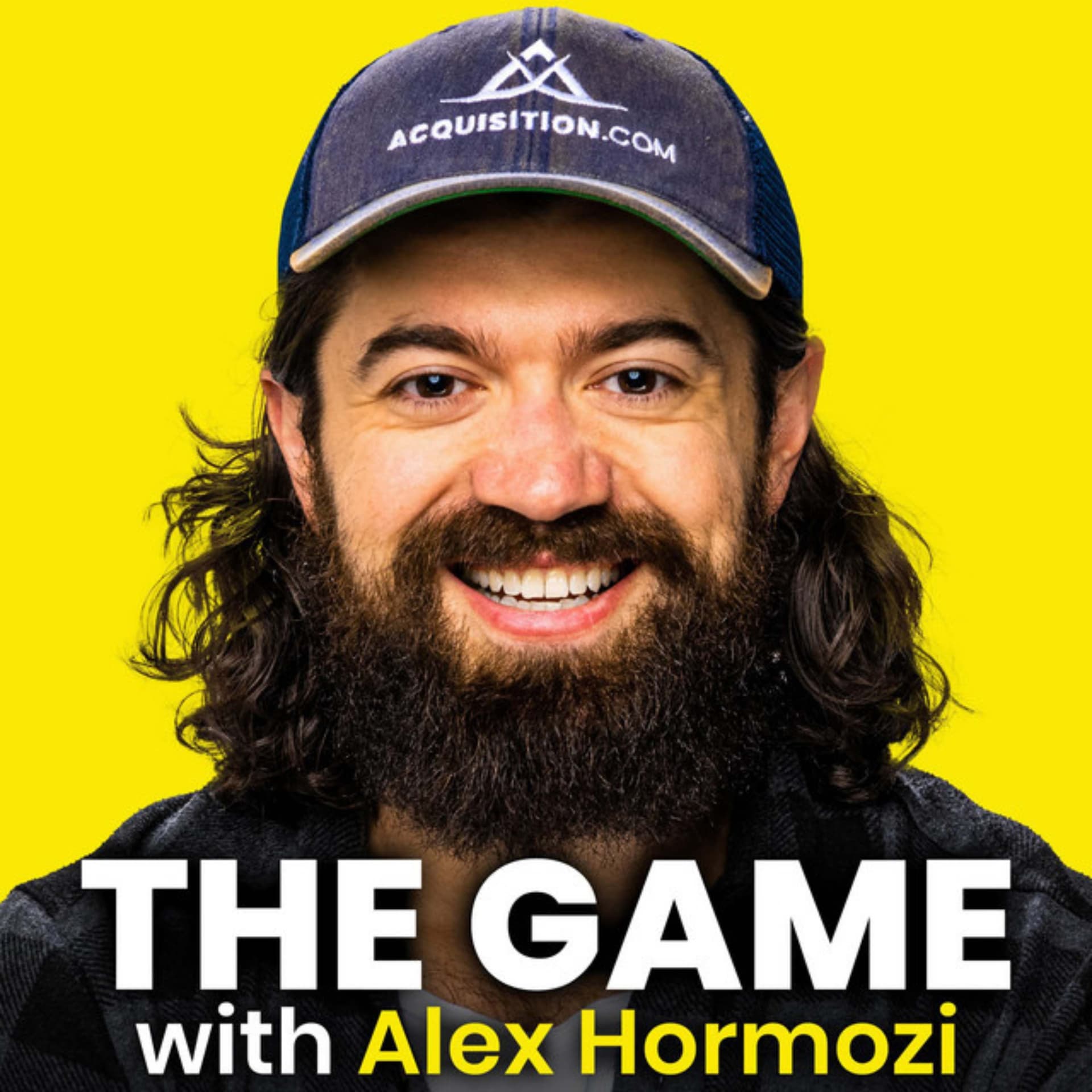
Podcast Summary: The Game with Alex Hormozi - Episode 931: My Business Isn’t Growing. What Do I Fix?
Episode Overview In this episode of "The Game," Alex Hormozi addresses common challenges faced by entrepreneurs, providing tactical advice on various topics including hiring, pricing strategies, customer retention, and growth stagnation. Through a Q&A format, he engages with entrepreneurs at different stages of their businesses, sharing insights based on his extensive experience scaling companies.
Key Themes and Discussions
The Importance of Self-Reflection
- Change vs. Stagnation: Hormozi emphasizes the need for entrepreneurs to be willing to change themselves to achieve their goals instead of just maintaining the status quo.
- Decision-Making: Many entrepreneurs delay making important decisions, which can result in stagnation. Hormozi encourages taking decisive action rather than overthinking.
Common Business Challenges Hormozi outlines seven recurring obstacles that entrepreneurs face when experiencing stagnation in growth:
- Focus:
- The necessity to concentrate on one primary business to avoid diluting efforts across multiple ventures, which can lead to revenue drops.
- Over-Expansion:
- Entrepreneurs may prematurely expand by opening new locations without sufficient talent or resources, leading to diminished profits.
- Compensation Issues:
- Underpaying employees or underpricing services can undermine profitability. Hormozi emphasizes that both employee compensation and pricing strategy must be aligned for business health.
- Single Product Dependency:
- Relying on one product can lead to reduced margins over time. Diversifying offerings through back-end sales can help maintain profitability.
- Target Market Definition:
- Broad targeting can dilute brand messaging and services. Focusing on a specific customer avatar may enhance effectiveness and profitability.
- Data Utilization:
- A lack of data prevents effective decision-making and growth. Hormozi stresses the importance of implementing systems to collect and analyze data.
- Revenue Generation:
- Entrepreneurs should identify core activities that drive revenue. Without a clear understanding of what actions yield results, growth becomes challenging.
Audience Q&A Highlights
- Focus and Growth: An entrepreneur from the tattoo industry expressed concerns about managing multiple lines of business. Hormozi advised focusing on the core business to scale effectively.
- Hiring and Leadership: A plumbing business owner discussed chaos from aggressive growth and new leadership. Hormozi suggested tightening operations and focusing on data to stabilize and grow profits.
- Coaching and Content Creation: A solopreneur selling coaching services sought to double revenue while struggling with content creation. Hormozi emphasized leveraging both organic reach and advertising.
- Supply Chain Challenges: An entrepreneur in the beef protein industry talked about supply constraints. Hormozi highlighted the importance of owning manufacturing capabilities for long-term growth.
Conclusion Hormozi’s insights and strategies highlight the necessity for entrepreneurs to remain adaptable, to simplify their focus, and to make informed decisions based on data. He encourages a mindset of continuous improvement and strategic planning to overcome obstacles in business growth.
Key Takeaways
- Self-reflection and decisive action are crucial for growth.
- Narrowing focus and understanding customer needs drive profitability.
- Data collection and analysis are essential for informed decision-making.
- Balancing revenue generation strategies with effective management leads to sustainable growth.
Additional Resources
- $100M Scaling Roadmap: Hormozi offers a free roadmap to help entrepreneurs identify their current stage in business and necessary actions to grow (available at [acquisition.com/roadmap](https://www.acquisition.com/roadmap)).
- Follow Alex Hormozi: For further insights and updates, connect with Hormozi on various social media platforms.
Written by AI. May contain mistakes. Listen to the episode to check what was said.
Transcript
Automatic transcript. May contain errors.0:01The other piece that I will tell you that is worth writing down is that we need to be reminded more than we need to be taught. that it goes double for your audience. Maybe some of you guys watch some of my content. You've probably heard me say work more before. And yet when you see the seventh video of that in a slightly different context, it's like, well, I kind of wanted the reminder.
0:22Please help me welcome author of the$100 million offers leads and soon to be money models, Alex Ramozi.
0:32How are you guys doing today? Good, good morning so far. Yes, very tactical. Awesome. I appreciate that. So I normally do a little bit of a preamble, just kind of top of mind stuff. I feel like it's more common that we will keep our goal the same, but then be unwilling to change ourselves to accomplish it. And then we just stay on the same path when we know we should probably be doing something different than we currently are. It's just something I'm thinking about. Like I heard the last bit of, you know, you've got a bunch of stuff that's in your way. It's like, well, if you had to accomplish the goal, you probably do something a little bit different than you are.
1:04And I think rather than saying, you know what, the path I'm currently on will never accomplish my goal. We kind of mentally masturbate to the idea that we have this goal, but our actions don't align to it just because it's very easy to say and much harder to do to change you. So you don't change your goal. You also don't change you. And so you just stay there basically doing nothing. It's just something that I've observed on a continuous basis. And in having a lot of these discussions, I've had kind of the unique benefit of seeing the common mistakes that are made as business owners, kind of at all levels.
1:35And they're thematic, meaning they're very strategic in nature, less tactical, because a lot of times, like for sure, tactics, we can help you with all that stuff. But the big things that move the business are going to be the decisions that sometimes are just left unmade. And typically that is what slows the decision down more than anything else. And so right now you probably have some decisions you need to make. And the amount of time you choose to deliberate can take weeks, months, years, and sometimes you just never make the decision so you stay the same. And so I see a lot of businesses stuck in those places because there's typically rock and hard place scenarios where you either choose short-term pain today or long-term pain persistently.
2:10That's just slightly less painful than the short-term pain, which is why I think people get stuck in these ruts. And so just by show of hands, who here is in around the same revenue they were last year? Okay, keep your heads up. Would you guys like to change that? Yeah, okay. Okay, so these are kind of the seven rock and hard play scenarios that I see with founders in general. The first is focus. I talk about it a lot. I have, you know, a laundromat, a real estate business, any commerce company, like whatever, right? Like, and they all somehow work together, but like, let's be real. No, they don't.
2:44I mean, just in that they have customers and the customers have money and money, you know, combines all the businesses, sort of. But for the most part, it's like, you need to fix one thing and go all in on it. the difficulty is that when you have quote two businesses or more than one business that's kind of live at one time the short-term pain is that you're going to see a dip in revenue because you're going to lose the revenue from the one that you choose to give up so you either have that or you have the long-term persistent not achieving of goals the next one is over expansion so this is the classic like i had one location it was doing well and so then i opened up a second location and i took the best person from my first location put it over there my first location dropped to here.
3:22My second location didn't get up to my first one. And that pretty much destroyed two thirds of my margin. But now I have two times one third of the margin. I'm making about a little bit less than I was before with two times the liability. And so I think the solution is I should open up a third location, right? Which whenever, like to be clear, every business needs to expand. So how are you quote over expanded? It's easy to say that, but the reality is that you're just under talented, meaning that it's the team that you have is just not sufficient. If you had two rock stars or somebody who's better than you at the first location, then it'd be fine for you to open up the second one.
3:52But it might be a model issue or a cashflow issue that prevents you from getting the talent that you need, which ultimately is what's keeping you stuck. So in this situation, again, what do you do? Do you kill the second location? It's like, well, that kind of hurts. On the flip side, it's like, or do you just give up all of your profit for a year or two in order to get somebody else in? Also a risk. So what do you do? You just stay the same because it's easier. The next is compensation, which can be over or under. So I'll give you an example. Physical therapy clinic came here doing really well.
4:20All the beds were full. You know, all the therapists were staffed up, just wasn't making any money. And so, you know, after a couple of questions, it was like, oh, well, you know, I do a rev share with my therapist. I was like, oh, okay. Well, how much? And she was like, well, 50%. I was like, okay. Well, are they like, kind of like a hair salon? Like they just rented, you know, rented a chair or room and then they handle everything else. She's like, no, I, I spend the money to get customers. I close them. I outfit the facilities. I'm the one who cleans everything. They just show up and do work.
4:44And I I was like, well, yeah, you're running the entire business on half your margin and there's just nothing left, right? You know, that's an example of a competition issue. Another one very common is underpriced. I bet over half of you guys are underpriced. And I think the reason there is, again, it's the same rock and hard play scenario. Well, undercompensation, underpriced, equal side of the same coin, once for employees, once for customers. But if I tell my staff that I have to change their competition, I'm going to lose my team. But if I don't, then I'm never going to make money. Underpriced, same, same.
5:15If I raise my prices, then I'm going to lose my customers. But if I don't, I'm not going to make money. Let's see. What is my S here? Ah, thank you. Single product, which is like you have a business where you have one thing, that's it. And you do that thing relatively profitably, but over time your margins continue to shrink. And so then you're like, well, I guess I should just start another business when maybe you just need to sell those people something else. Having a backend. Next one is avatar. This is again, classic rock and hard place. Well, I have to accept everybody who has a pulse on a credit card.
5:44Really, the pulse is optional, but I have to accept these people. And if I don't, I won't be able to make payroll next month. But I do need to get more narrow and more focused on my services and who I'm servicing and the messaging around it and the pricing that goes with it and my actual delivery. But if I do that, I'll lose money in the short term. Right. And so then we stay again in this rock and hard place scenario. And this last one was the last one I added to this list, which is data. There's not really a rock and hard place scenario here, more so that I guess the rockin' hard places, you need data, but the resources and time it takes to get data, you're unable to do because you don't have data.
6:16And so you're like, well, how do I expend the resources to collect the data and forego my short-term goals of putting out fires and growing? It's like, well, you can't grow because you don't have the information to make the bets you need to make. So these are just kind of seven recurring themes I've seen. I saw a bunch of you guys nodding your heads. As we go through the Q &As, I will do one of these so that we can kind of beat in on it together. With that being said, let's rock and roll. I'm guessing you're a yoga clinic instructor. The doctor. Yes. I should have gone with doctor. That would have been better.
6:46So my name's Colton. We sell tattoos to tattoo clients. Doing about$4 million in revenue. We'd love to be at$35 million in revenue. And what's stopping us is focus. So we've got multiple parts of the business stop me if you've heard this before we do the tattoos we also have continuing education for other tattoo artists and um what i was alluding to earlier i've started to get into coaching studio owners and things like that and so ed was talking about maybe doing something like gym launch for the tattoo industry yeah so yeah so normally i wouldn't recommend doing something like gym launch because gym launch was a unique situation it's actually similar to tattoos in that probably tattoos actually been more in that direction because it's so dependent on the skill of the operator or the artists that are in each shop unless you are absolutely like mechanized it so it doesn't matter if anyone's good like there's a hundred tattoos that everyone gets i don't know is that true no okay yeah it's like yeah i don't know about that part so what's the goal goal is to have a company that i can exit okay so you want to exit so this these are conflicting.
7:49Very, very tough to exit a business that's like that. It was unique for us and very difficult to do that mostly because it's very face driven. And so people don't typically like, unless it just over kind becomes, you know, Jim Lynch became its own brand that it was like, I stepped out the back door for almost two years leading into the sale where I wasn't involved in delivery or even the last 18 months for the, for the ad side. So you can do it. It's just significantly harder than you might expect and profitability will take a hit, but let's outline the decision paths. So you have number one, go into the kind of information, et cetera, space, very difficult to sell.
8:22You will make more money in the short term. The second option is that you just continue to grow corporate and build a large brand. And then that will for sure be easier to sell when you come to sell, but it will take longer to get there. I don't really think there's an option three. So which of these sounds more tasty to you? It all sounds good to me. The only, when I'm thinking about scaling the studio side of things, I would need a lot of studios, which is just a lot of personnel. It's like 20 people per studio, you know? So, I mean. Panda Express has 2 ,600 locations. Yeah, that's true. Yeah.
8:52I mean, I'd really be happy with any of them, I think. Well, then which one are you going to do? So should I not do gym launch for tattoos? I don't think you can. It's like, that's what, the thing is, is that either way, you're going to have to shoot a kid in the head. Yeah. I know, aggressive? Maybe multiple. Well, it feels that way, I imagine. You know what I mean? It's like this spawn that you created. and you're like you made it in your own image you know yeah and it hurts it hurts a lot has anyone here ever shut a business down before painful as shit like so much harder than starting one because i'm assuming to pursue one of the other options i'd have to shut the studio down yeah yeah yeah now there's the narrative that you're saying well isn't it good that i have these studios that I can prove that I'm legit.
9:37Nope. Nope. Doesn't matter. I owned exactly zero gyms when I had gym watch. I had six prior, but zero when I did it so that I could focus on gym watch. Yeah. Makes sense. So which direction are you going? I think, I think the educational or the tattoo studio owner facing thing. So here's the thing. You will make more money over, like let's paint it out over 10 years, right? Like over 10 years, you'll make more money every year. You just won't make as much the last year. And so there's a lot of romanticism around selling a company. And as somebody who has done it, I can appreciate it. But the thing is, is like, I don't see one way as right or wrong.
10:15If you offered somebody, Hey, would you like to make a million, like when you're 85 years old, and you look back, would you be happier that you made, I'm just making up numbers,$3 million a year in personal income for 10 years, or basically made a hundred thousand dollars a year for 10 years and then made 50 on the last year in your 30s or 40s, whatever, pick your, pick a number. I don't know. When you look back on it, like, I mean, it's 10 years of living. So I'm not as polar on the decision. It's totally personal, but if you do want an exit, then the corporate path is the way. If you want to make more money, then the gym launch version is probably a better path, which I don't normally say, but just because of how difficult it is to attract star artists and And that being kind of the core of the delivery, I could imagine wrapping their model in something that you have.
11:06And then ultimately what you'll have to weave in is the things that make it sticky. And that's why Jim Launch was able to win because basically everything in education, what makes it so difficult to sell and also honestly to run is that once someone has gotten your secret or your bag of tricks, then what? You have to have consumables. And so that's one of the things that, you know, we can help you with, but like putting the consumables in there so that it does stick. And that's, what's going to drive LTV long-term putting the sales motion to place, all that kind of stuff. It's different, but ultimately the thing that's going to make it work.
11:32Cool. Awesome. Thank you. Rock and roll. Thank you. A doctor of the year. My name is Tony Cooper and I sell plumbing and air conditioning to residential customers. And I'd like to, we're currently doing around, we'll pay some for 15 million this year. And I'd like to be at 40 million. And what is stopping me is the chaos. We, I recently hired two new leaders from outside the industry and we went from 4 million to 8 million, 11 million. We're paying for 15 now. Awesome. The chaos. I'm worried about the overexpansion or just, just, uh, because we're making a lot of errors. Our, our profits are staying level and I expected them to go up, but we're not, we're growing top line and we're just flat.
12:11We're just chewing up a lot of mistakes. Yeah. Why the aggressive growth pace? It's actually, I'm kind of bent more towards perfection and going slower. The, the guys that I hired are from outside the industry. They're just top line revenue driven. And it's almost like we just keep driving it and it's working. And I'm making more absolute dollars than I could have imagined when I first hired them. So it's a good thing, but I'm wondering if they'll - And you're netting two, right? You're at 10 %? No. Yeah, we're netting about 14 % right now. We landed last year 15.7 and we're like 16 something whenever I'm at the 4 million mark.
12:53So we're staying flat net. but the gross dollar is coming to me i'm the single owner everything's paid off we're not acquiring debt to to grow so you know i'm stacking up money but i'm just wondering if we're going to make a mistake that rams it backwards what are those guys compensated on net and they're driving top line it's just how they're built i guess they did that they're they're driving top line and i one the guy that's the biggest driver he really uh i just just in love with big numbers he's come from the corporate world where they did hundreds of millions of dollars and and that's what he's uh about yeah so your issue one is data i'll bet unless you have real-time gross operating margins on each of your product lines because by doing that you'll be able to drive ebitda through the roof and in your business being tax efficient is actually super achievable do you have a good um cfo i don't know i don't think we do okay i would want more of that function my background is kind of accounting as well.
13:49So I'm kind of a little bit lent that way. Okay. Are you, do you want to exit it or what do you want to do? I just want to grow it. I want a good running business. That's just a cash cow, kind of a lifestyle business. That's what I want. Okay. Well, what if you said our goal this year is to not increase top line at all and to triple bottom line? Yeah. I like that. I feel like, yeah, that's chill. Yeah. No, I like that. That would, I would be perfectly happy with 15 million and run 30 % in that. Yeah. Yeah. Cause I mean, if you're at 13, 14 % or whichever one it is, if you're around there, I would for sure, like you for sure I'd be targeting plus 30 minimum.
14:28I don't pay much attention to industry averages, mostly because like American averages is like fat, overweight and divorced. So like, why would I care about industry averages? I kind of take the same position with, with most service businesses. I'm going to bet right now that you probably have some sales motion that can be improved and probably some pricing that can get optimized that would improve cash flow. Basically the sequence goes like this. It's like, okay, we have to look at the sales motion so that we can fix the pricing and packaging of each of the services so that we can generate sufficient cash flow so that we can get the talent that we need so we can shore up the infrastructure.
15:03And so that would probably be the sequence that I would do it in. And then I would set the year's goal. Like here's our four-part plan. This is what we're doing for next year. And this is how we're going to go from, you know, whatever, two and change or three and change, whatever it is to, you know, six in EBITDA. Fair enough. Congratulations on the business though. Rocking and rolling. Cool. My name is Ricky. I, uh, I sell coaching to real estate agents. I do two and a half million in revenue. I say, I, well, it's really I because I'm a solopreneur. I have no employees. I, um, everything's a hundred percent organic.
15:33I'd like to double it. What's stopping me? That's a good question. Your boy, Ed, he seems to think he's real passionate dude you see he seems to think i could be just super famous uh-huh and he's like you need a brand manager yeah and so you know he's like you need somebody that has already kind of achieved that with someone else yeah so i guess my question is how do i find that person because 99 of the stuff out there is scams yeah it was totally that kind of thing i would even define them as scams just people with that are not that competent i think comes down to deception whether they intended to see or just the art that good but back that's your point i agree so fundamentally if you want to just make more money and you are a brand that promotes itself then you need to advertise more are you constrained on your delivery delivery as far as the fulfillment yeah no it's group coaching it's easy so you could double the amount of customers you have right now and it was quadruple yeah okay well then yeah i mean this is a pure advertising play you probably i mean i'm i'm interviewing sales guys and i'm looking at paid ads like hiring people yeah that so like i'm getting into that yeah the paid side is going to give you call it like a one-time three to five acts off of a baseline not a promise or guarantee just saying like that's that's what i would say is kind of typical if you've gotten to this point off of just organic obviously we can help you with that stuff but like the long-term kind of like well that you need to keep digging is you want to so think about like this so you have just imagine this is your audience right now you're monetizing these people right the people who are just like super hot, they love you forever, and you continue to promote.
17:06And you know, this gets filled up with new eyeballs, and then they come up because they see your stuff, and then they give you money. Yay. Right? When you start doing, if you do more organic, and do it across more platforms, do it more consistently, do with higher volume, do with higher quality, that we're going to do is you're going to grow this, this base, this percentage will stay about the same, but now it's going to go to here, right? So then that dollar sign goes up. That's a great long term play. And you just want to keep growing the pyramid. What ads will do is that ads will keep this the same and then it'll move this line down.
17:35And so you want to do both. So like in the short term, if I was like, how do I like double your business? It's like, that wouldn't be that difficult. I would just be like, cool, just pull the ad library. It's done. But if we're looking at a 10 year horizon, then I would say, well, we need to do both of these in parallel. We need to continue to plant the seeds and then the ads kind of reach off the top and skim. That makes sense. Yeah, for sure. So how do you find an ad manager? I mean, I mean, I mean, I mean, a brand manager so that that's good yeah the best thing i mean i just we just poach we just i mean just outreach hey you've crushed it with so-and-so can i pay you more to do it here right it tends to work i guess how do you realize who those people are to poach like who look at the brands that you admire and then reach out to them and offer them more money to do it for you but you see the brand but you don't really know who's behind the brand linkedin like frankenhut like yeah solvable gotcha for sure solvable yeah i mean and most of the people who are really good at media stuff do have some presence anyways on their own so they don't make themselves invisible like you could probably chat gpt search who are the people who are involved with that here's my question like like is that something that could be outsourced you mean recruiting no no no no not the recruiting part like the like the brand manager part no i I wouldn't recommend it.
18:50Yeah. Bring somebody in-house. The thing is, what are the core things for the business? So for every business, you have attraction, you've got conversion, you've got delivery. Right? Those are the things that are core to every business. IT, recruiting, finance. I see all of these functions as ancillary that aren't core to value creation for the customer. They're things that must occur for the business to continue to be a business, but not things that are core for you value to be created. And so for you, your brand is arguably the most important asset that you have and for sure would not be something that I would outsource.
19:19So bring somebody in house, work in direct for me. Yeah. I would poach somebody. Obviously we've done, we've hired a lot of media people, you know, with that. But beyond that, I would probably, if I'm doing order of ops, it'd probably be, cause the thing is, is right now, are you selling, you're selling, who's doing the sales? Well, so I do it in a challenge. Okay. That's the only time I offer it. You know, you do one to many, one by a day thing, something like that. Yeah. Okay. And so I'm going to switch to book a call. I'm a single sell guy. And do it on a recurring kind of evergreen basis or still do it in this long?
19:47I'll do it both. I'll do both. yeah but okay but you're selling straight to checkout got it yeah that motion um as soon as you turn on ads is going to break in all likelihood because it's totally different selling to cold than is to warm and so the motion break you will not convert the same percentage you really do yeah no doubt no doubt no doubt by a lot and so the whole the whole the economics of the entire funnel will change and so that'll take some adjustment in motion so just more like preparing you for that because that's what comes next yeah so high level recruiting for brand manager that's going to start building the base and then ads plus sales motion are going to have to come in tandem because they both have to be good the ads have to be good and the sales motion has to be good if the ads are great and the sales motion sucks it won't work it's so much to create in the ad suck it won't work cool that makes sense for next step yeah yeah go to linkedin and poach somebody got i highly recommend outbound for high level roles by the way like your stars one already have a job and two are not looking on craze list that answers one of my questions Real quick, guys, I have a special, special gift for you for being loyal listeners of the podcast.
20:55Layla and I spent probably an entire quarter putting together our Scaling a Roadmap. It's breaking scaling into 10 stages and across all eight functions of the business. So you've got marketing, you've got sales, you've got product, you've got customer success, you've got IT, you've got recruiting, you've got HR, you've got finance. And we show the problems that emerge at every level of scale and how to graduate to the next level. It's all free and you can get it personalized to you. So it's about 30-ish pages for each of the stages. Once you answer the questions, it will tell you exactly where you're at and what you need to do to grow.
21:28It's about 14 hours of stuff, but it's narrowed down so that you only have to watch the part that's relevant to you, which will probably be about 90 minutes. And so if that's at all interesting, you can go to acquisition.com forward slash roadmap, R-O-A-D map, roadmap. Bingo. My name's Austin. I am a chiropractor. We do right around 2.4. I've been stuck there for five years. I'd like to get to 3.6. I've been stuck there for five years. Stock are growing over five years. We've been at 2.4 for five years. Yep. And so I don't know what's stopping us. I'd like to get out of the swamp. Heard. And then profit margins, you're at 30%, right?
22:06Yes, sir. Yeah. Okay. And we're seeing$600 ,000 as a profit number. I don't know if that's still accurate. Okay. Okay. So you have$600 ,000 in profit. And you and a partner, you're 100 %? 100%. Okay. Well, what do you want to have happen? What do you want to do? Do you want to go to many locations? No, I want to grow a main big location and create a space for family to eventually grow in there. If they don't want to do that, then that would probably change my goal to be in an exit from a standpoint. What's your square footage? Right now we have 7 ,700 square feet. Okay, so decently large. Yeah, we occupy about 4 ,700 of it.
22:41okay got it and so are you at capacity within the space right now no we used to have a supply issue till about two weeks ago all right and then we hired another doctor so now it's become a demand issue that's where we're at now so how do you get customers now we our highest is referral then we get about the next highest would be paid ads through facebook what percentage are ads we do probably about 20 % from ads. About half is from referrals. Another 20 % is from Google. Okay. So you separate Meta ads from Google ads when you talk about ads? Yep. Okay, got it. We don't actually currently do Google ads, but that's where they said they came from.
23:22Heard. Got it. Which I would probably see as word of mouth. Like I Googled you or Google somebody here. It's probably SEO or something like that. Okay. Okay. So two and a half million, like what stops you from just spending more money on Meta ads? Trust that we're doing it right. i mean are you mailing more money than you put in yeah well so you might have one of daily ice which is that we need we need attribution tracking so that you can know if you're putting a dollar in and getting five dollars or ten dollars or twenty dollars back out we have no clue but as soon as you have the attribution tracking because fundamentally what you lack right now is an input output equation for the business to grow and so every business needs to know what are the what are the core actions that i do that increase how much money i make and if you can't define that for the business then for sure as shit your employees don't know what it is if you don't know what it is right and so for you if you are not supply constrained and you're debating constrained that means lead generation is the issue if lead generation is the issue what's the activity the activity is going to either be i'm going to be making content i'm going to be getting affiliates that are going to be promoting my shit for me i'm going to be running paid ads right those are going to be kind of like the bigger buckets that you're going to be going into and then you got people do those things on your behalf and so right now do you make content yes sir okay what percentage comes from that we just started it about two months ago how much did you do uh we're not going videos that gets created into short and long per week, four videos for the month.
24:39And that's cool. Yeah. Don't. Yeah. Okay. Got it. Okay. So you've got four longs and you chop this into little shorts and things like that. Okay. Got it. All right. So short term, long term, short term, we got to get the data tracking in place. Second step is going to be the ads funnel in place and kind of like what the sales motion is behind that for local. The good news is that it's easy to do because there's already so much trust locally that you don't need to have nearly the complexity of kind of like the funnels and indoctrination and education prior to someone making a purchasing decision you can pretty much just like one call close two two conversation close anybody even at very high ticket numbers which is one of the benefits of local the downside of local is that you've got a market that's this big correct that's the downside right so if you don't want to expand markets then you need to dominate the market you're in and so it's going to be a multi-pronged approach and it's kind of like i was saying earlier like we're going to start with ads because that'll just get you more in because i'm guessing right now if you have a good reputation and good brand, then the ads will actually help you more than they would help somebody who doesn't have that footprint.
25:37But then we're going to start probably layering in the content as the second kind of the well that needs to continue to get dug. Again, this is going to be long-term. And so you're going to want to be a thought leader. And then what happens is that if you can, if you can succeed at building the brand long-term, and it sounds like you're a more long-term guy. So I will, I'll speak in these terms. What happens is your radius actually continues to expand. And so if you take into the natural extreme, you can go to the Amen Clinic in New York or whatever. I think it's in New York because they have a national reputation, but people fly there.
Read the full transcript
26:02And so that's how, that's what it looks like as you continue to expand the brand, because people will just be more willing to travel to you and pay premium prices, which I'm sure if we looked under the hood, the price is probably good too. But like those, those are some things. And if you're in the swamp, cashflow is actually the biggest thing that you need. Right. And so again, the pricing and packaging is probably like, again, if I was your order of operations, pricing and packaging were probably number one. So we could free up cashflow, the freed up cashflow, we'd then funnel into the ad so that we could get date, well, Then we'd put the ads in place, putting flow through there.
26:32And then the baseline that happens after that is we're just going to increase the cadence on the content that demonstrates thought leadership. That's the path. That makes sense. Thank you. We're having trouble also hiring good, high quality doctors in Wyoming. It's actually ladders up to the first problem, cash flow. Okay. We need to fix the pricing so that we can generate more cash flow, so that we can pay doctors, so that we can actually get the business to not rely on you as much. Boom. Appreciate you. Thank you. Yeah. Happy to help. Hi, Alex. I'm Rob Jenkins. Hello, sir. Hey, I'm a 25-year recovering attorney.
27:05I have a very specialized practice. I'm so sorry. My condolences. We serve as an officer of the court for judges throughout Texas. About 1 ,400 judges, 250 counties. Our revenue currently is standing at$15 million. Okay. 74 % profit margin. Okay. Based on a proprietary piece of software we developed. I'd like the revenue to get to$20 million. It's a nice round number. Me too. And it's progressing that way. For both of us. Yeah, it's progressing that way. So what's stopping me is we have conquered the market in Texas. We are number one by a large magnitude. Number two, three, and four combined still don't do what we do.
27:44And so we're about half of the entire industry in the state of Texas. Love it. So where we are now is this crossroads of we have solid relationships with five of the seven whales that could possibly exist in Texas. And the whales being the law firms that ask the judge to appoint a receiver. We have relations, like I said, lockdown relationships with five out of the seven. There's two that we will choose not to serve. Dicks. So we just don't align. Yeah. Our values. Yeah. So we're kind of at this crossroads of, do we go to another state? or as kind of came from yesterday's discussions, perhaps I go out and do some whale hunting and bring some new whales into Texas.
28:28And so meaning find other national big high volume law firms that choose not to do business in Texas because Texas is a tough state to practice in. And so it's really that fork in the road of what makes more sense. We're a single business building operation outside of Dallas. we cover the entire state with our ability. So we have massive efficiencies. Yeah. We are tight. I have a rockstar team. Three of them there are up front on the front row versus going into uncharted waters. Yeah. And saying, all right, well, we did it in Texas. We can do it in Oklahoma. What prevents you from doing Oklahoma?
29:08It's never been done. There would have to be a tweak to the law. The legislation might need to pass. So there's a two-year journey to pass a law to make it more available. Okay. But the good news is the, you know, one of the particular wells we have in Texas is saying, Hey, come to Oklahoma. We're already here. We need this remedy here. Yeah. But my natural inclination based on efficiencies and processes and systems that are in places, we'll figure out how to do what you're doing here bigger. And so I'm kind of in that fork, which mountain is worth climbing. What's a great, I was, you even used the analogy I was going to, I was going to use.
29:44So the good news is that both ways will get you up the mountain. And I think one of the things that I used to get, I'd lose too much sleep over was obsessing over which path when both of them lead you up. So then I would end up deliberating for way longer than I should have because I wanted to find the perfect path rather than just knowing both of them will take me up. And so that's allowed me to take, make big decisions faster just as a overarching frame. The second thing with regards to the actual decision. So when I think about something like this, I think, okay, how do I maximize the risk adjuster return on this move?
30:12Right. And so if I call a whale up, so you have five whales that you like, are there any other whales that you like that are not those five that you have relationships with? Not in Texas. But the idea is there are, you know, there's firms out there that do eight states. They just don't do Texas. And so not a lot of cost into pursuing, hey, let me encourage you. Let me tell you what Texas can hold for you and try to get them to come to us. Is there, and you would know this, Are there laws that prevent you from kind of doing a joint venture or something like that with a whale firm so that you do as an exclusive?
30:46It is critically important that I am independent. Okay. Yeah. Yeah. Heard. Yeah. Because otherwise I would have been like, you could put a very big, you know, check on the table for them to get there, which I guess you could still do, but you would have to have no agreement. Like they could just take the money, obviously, and then not send it to you. They probably still would. But as a risk consideration, the thing I don't like about that one, my big hang up, which might be yours, is I just don't want the growth of my business relying on somebody else opening their business and doing a good job.
31:16Whereas I'd rather go where the fish already are. So if Oklahoma has a two year delay, I mean, that is a pain in the ass. But are there other states that don't have a two year delay? That's just the most logical first step. Because of the one whale that's right there. I mean, it's literally our north. Yeah. And we already have a relationship with a Texas whale that is in Oklahoma saying, please, I'm here also. How much business does that represent, though? That's the big question. It's unknown. Because you're doing Texas and you're at 15, right? Oklahoma is way smaller by headcount than Texas, and this is one of five.
31:48So it's like if we had one-fifth current revenue, you're at three, and that's of Texas slice of pie. now whatever the Oklahoma slice of pie goes from three to less than three exactly and like to me I'm like I don't know if I care you nailed it yeah that's really a big piece of it is you know the growth piece of great we can take on another state and of course Texas could lead to Colorado and Colorado but you're talking about all right you just added 10 more percent revenue yeah Yeah, incremental for sure. But now you have something else dragging on your brain at 9 to 3 in the morning, you know?
32:28Yeah, I'm with you. So then what stops you from going to New York, hypothetically? Like if you operate remotely, fundamentally within the business, if it's another state, is another state, is another state, do you need to be local in order to do it? Something has to do with the laws that are in place. This remedy that is a Texas law-based remedy makes sense in Texas because Texas protects wages. You can't do wage garnishment. It protects your homestead. We can't force you to sell your house. It has a lot. You know, it's considered the second toughest state in the nation to recover unpaid debt in or judgments in.
33:04So we come in as a tool that works. And so there would be just a handful. I would estimate three to four states where this would make sense. Okay. It's a matter of, is the view worth the climb? Is adding 10, 15 % more top line revenue worth taking my brain, my overthinking brain to Oklahoma? I would say this will actually be fun. I'm going to do this because it'll apply to probably half the room because this is a really cool fundamental decision. So bear with me. This will be a little bit longer, but you'll hopefully like it. If you don't, don't tell me. So let's say that this line represents normal revenue of the business.
33:41In my experience, I've noticed that I get a 20 % decrement or decrease in performance whenever I change anything about the business before any kind of gains can then get accrued from whatever that change was supposed to bring. And so I see this as my guaranteed cost of change, no matter what that I have to pay. And so what's ended up happening after observing this over and over and over again is that number one, if I'm going to take a guaranteed 20 % cost, then I'm not going to take a potential for a 20 % gain on a guaranteed 20 % cost. And so for me to take a 20 % dip, it's like, I need to see 50, maybe a double in the business for me to be like, okay, this is worth it.
34:20And so what ends up happening is that I think this can, I'm speaking to everybody now, but you get out of this constant desire to tweak everything in your business and drive your employees insane because you're always have a new idea every week. And they're like, well, we just did this other one because what ends up happening is you're like, well, this thing's going to net. that will, you're like, okay, well, what if this does net me 20? I should still do it, right? Okay, sure. Let's play that out. But the thing is, is that this week, you're going to think of something else. You're gonna have another 20%.
34:44And so people actually have, like, persistently far below a potential businesses that are operating way below what they should be, because we just constantly are changing shit. And so to ladder back to what we were talking about, my question would be, what state can generate the same amount of revenue as texas none none okay you have to grow the pie of texas so you have two two growth paths right you go from 40 or 50 percent where you're at now to 70 80 percent so it's like what monopolistic levers can we employ so that like we can starve everyone else out which then just increases the value of the business a ton which is awesome and And so there's share of pie and growing pie of Texas.
35:26And if none of the other states really make this feasible, then I think that probably answers that at least in the short term. So I don't love the, I have to get other people here as my growth path. And so it's like, number one, the thing that requires the least amount is increased percentage of pie. Number two would be increase pie percentage or sorry, yeah, pie percentage. And then number three, if I've done both of these things well enough, then that might already be, I mean, for sure getting your 20. But then it's like, okay, I'm going to look at New York. I'm going to look at some of these other states that might have opportunity that's still not as good as Texas, but I have truly tapped this.
36:05And that's probably the order of operations I would do it on. So then solving for the constraint of, okay, why do these other 50%, why are they allowed to breathe? And then how do I take the oxygen out of the room would probably be my approach if I were swapping places. love it thank you yeah no thank you congrats on the business very cool yes sir my name is chris i sell welding accessories to welders we do 1.7 million revenue i'd like to be at 10 million revenue what's stopping me is i feel like demand has plateaued and we have about 300 000 followers on tiktok and i was wondering if you that's amazing so you're doing this on from tiktok tiktok is our main channel i kind of got things going and then we have a shopify store yeah but i'm still amazed thank you yeah tiktok is just the worst monetization of audience so kudos i was wondering if you think it'd be worth trying to double that audience from 300 000 to 600 000 or jump into another channel like amazon is what i was really considering you were seeing amazon as a channel like as a means to sell more things well so okay hold on so are you saying I have such limited resources that my decision is I can either list my stuff on Amazon or I can make more content is that what you're saying?
37:25you said go from 300 to 600 on TikTok yes make more content with TikTok the thing I made videos for about a year just every day I was trying to make good original content and over the past few months I've been experiencing a lot of burnout and I think that's what's kind of made me interested in looking in other avenues of selling my shirts. So this is awesome. I'm really glad you asked this question. You have to reverse engineer you. So what are the things that you actually like doing? Making content. But you're burned out though. Yes. Yeah. So is there a type of content you enjoy and other types you hate?
37:58More educational content. I like educational content because I feel like when I post it, people can come back to it anytime. So what stops you from making that? ideas like coming up with good original ideas i feel like it's hard and like i know they say just like post the video like no matter what but sometimes when i look at it i'm like man yeah it could be better maybe yeah so i i don't think you should just do this other random thing for no reason so if that if you want that initial answer i can give you that one right away i think that the long-term play for you is figuring out how to make the content that you enjoy so that you can keep making it.
38:41And so it's either you like the stuff you make or you capture yourself doing things you already like. Those are kind of your options. And then the rest of it is just pain tolerance. That's fair. Being real. And to be fair, going from season to season of content creation, like you'll probably notice many people, myself included, like the nature of my content shifts over time. And it's for the same reason, which is that like, I have to give myself permission to do whatever I want, because there are no rules and no one's, there's no content police that's going to come arrest me if I don't make a video today.
39:09They're not going to arrest me if it's not algorithm optimized. I'm just going to make what I want to make. And that changes because I change and I focus on different stuff. The other piece that I will tell you that is worth writing down is that we need to be reminded more than we need to be taught. That goes double for your audience. Maybe some of you guys watch some of my content. You've probably heard me say work more before. And yet when you see the seventh video of that in a slightly different context, it's like, well, I kind of wanted the reminder. And so it's not like you're disserving the audience by reminding them of something they want to be reminded of in a context that is slightly novel.
39:40And so I think one of the big burdens that creators or people make content put on themselves, that they believe that the content has to be as novel for them as it is for the audience. And it is just not true. Dave Ramsey has been answering I'm broke questions for 35 years. Stop spending the money you make. That's it. That's it. That's what you got to do. Right. And then everything else goes up. That's how it works. World's shortest content piece. But the thing is, is that it's the nuance of this unique situation. Well, there was a girl who won a lot. I mean, I've seen multiple lottery winner call-ins to Dave Ramsey.
40:15Have you seen those little clips of him? I've seen multiple. So you'd think, oh, well, we can't make another lottery clip. We've already covered what to do with lotteries. It's like, well, that was a$22 million lottery. This is a$2 million lottery winner. What's different now? Well, this guy has a wife who hates him and this guy doesn't. now what well the answer is stop spending so much money you get where i'm going with this right yes so if you weld stuff and you like making cool projects the nice thing about your business is super visual so it's so made for making content around which is a huge advantage whereas if you like teach stuff you have a big box of intangibles it's like for me to demonstrate client finest acquisition not nearly as fun or cool as you welding some shit never that's fair right i also follow a handful of gym equipment accounts like that's probably one of my hardcore side hobbies I will look at reels of the same piece of equipment 30, 40 times until another one comes up.
41:10It'll be 31 or 41 times, right? And so I think you underestimate how much your audience might just like your shit. And then you just be okay with posting today's version of that thing. So just keep Dave Ramsey top of mind. And part of the reason that he's been able to make the content for 35 years is that he enjoys doing it. And so it's just find a format that you like and then figure out all the algorithm bullshit around it to make it you know all nice and clickable and all that all that kind of jazz but i'd say start with you and kind of reverse backwards and then long term that's what's going to build it but was that really the core problem uh i just i wanted to answer that because i know that probably affects a third of the room so yeah now the uh other big problems that i've kind of realized being here data like i don't know my numbers like i should that's a big thing that i've realized focus you're right and that's a big thing like we need to be reminded more that's i think coming here and just having that laid out has helped you run ads yes we do uh google and meta ads okay what percentage comes from that versus organic from tiktok it's probably 50 50 i'd say okay interesting got it and so what stops you from just running more ads i've talked to my marketing guys about it and they say we've saturated the mark not like that they say uh we just don't like trickle up slower so we're planning on spending more leading into the holiday season okay cool i agree spend more i appreciate it i know he's not the only person who's dealing with that content issue as a side note yeah shoot uh my name is derek i sell real estate advisory services to c-suite execs and business owners i do about 1.2 right now and i'd like to be at 10 uh you're running like 60 margins right like 700 a year like profit as an example the guy who repped you to buy this building that's like what i do so my my hypothesis in seattle i'm in seattle suburban market in seattle doing 1.2 hypothesis i'm moving to phoenix next year so i'll be i'll open the office in phoenix much larger tam i want to hear your framework about how do you think about customer acquisition strategy for c-suite execs in a brand new market where you don't know anyone yeah so how many people do you have working under you in seattle i have one guy so you can you just earn either meetings for me what for okay are you concerned that your revenue in seattle is going to drop i'm starting over so you're cool just you're like this is going to zero it's more like lifestyle too okay um heard okay yeah so well then what'd you do to get the first one point brute force calling and emailing one to one yeah well that will do so like yeah for sure but zero to one but how do you think about from zero to ten in a brand new market would you change that strategy up yeah if you're going for high level people then it's gonna it's gonna be more outreach driven because most high level people are gonna get everything from referrals or for meeting people in specific you know arena and yeah yeah i'm just being real i'm not responding to a meta ad for buying this building right for sure yeah and so and you don't pay that you don't pay out of pocket i mean the landlord or the seller pays my fees so like the customer itself doesn't pay for my services or you do you do renters is that what it is tenants so like yeah okay so yeah yeah that is actually kind of interesting i remember yeah now it's coming back to me yeah unique model only focusing on tenants tenants and buyers yeah oh but and buyers yeah okay and buyers okay got it what percentage just time landlords yeah what percentage is tenants versus buyers oh in this market with interest rates it's like 80 or 90 percent tenants okay have buyers interesting huh and i do industrial in the office building.
44:46So yeah, like, yeah, I'll say this. If like that specialization is kind of unique, at least I haven't. And I feel like I get solicited constantly. And so you're not getting beat on by broke by a commercial real estate brokers problem. I mean, not really zooming all the way out. You go into a new market, right? It's like, you got to either be face to face, networking, et cetera, like conferences, meetups, like pounding the pavement. V1. V2 is outreach just digitally, right? Which if you have some organic following that can help, or you have to go true cold outreach on LinkedIn, things like that, that can work for sure.
45:21Again, volume, the ad strategy, I think because of the unique angle that you have, I actually am more okay with it. Given it's like, if you just lean in on the tenant side, I actually think you might have a better shot because it just feels unique rather than like, I have to buy these buildings, you know? um yeah so that because if you're like i i am a specialist at negotiating leases for commercial buildings under these conditions then it's like you're niching down and that messaging could pull someone who otherwise would like i have multiple brokers that i use that's yeah but i currently don't have a i own all my shit but like if i didn't then i would you know i would probably be responsive to a message like that so i think i would probably just from a speed perspective because i'm guessing you have cash from right i mean your margins are good so i would probably start with ads first no and i would do the rest as though ads don't exist but the ad strategy would be probably one of the primary things that i would want to crack in the new market because otherwise it's going to take you however long it took you to do it the other time how would you use 80 20 i mean from from cold outreach to ads what's that disparity look like yeah i don't normally recommend doing more than one thing yeah my only exception is for local because local there's just it has smaller.
46:35You just have to just hammer a market. The thing is, is that ads don't take a tremendous amount of time. Yeah. I basically would want you to spend, call it a hundred to$200 a day in local ads. And your primary priority is to work the shit out of those leads and get the sales motion in place. Yes. And in the meantime, you do the normal playbook. Okay. So it's like, this is my guaranteed path. This is my fast path that I'm willing, I'm spending this money. to learn to get it, to crack it. That would be my approach. Now, the good news is that there's plenty of realtors who are super serious of running ads in local markets.
47:11Platforms, LinkedIn, obviously. No, I mean, I think like, again, I like the super niched messaging. So I would actually be more willing to, I mean, LinkedIn for sure, but I wouldn't be as opposed to a meta strategy given that unique angle. Just being generic realtor number six, no. No chance, yeah. Right. Okay, real quick. And then decommoditizing my service, I guess. I already had that kind of specialty. So that probably helps. I would be showing before and afters, you know, this is what the tenant was originally offered. This is what we're able to negotiate. This was the difference. Right. Just, I would be, I've talked about a guarantee, you know, landlord offers this.
47:45If our, if where we end up is 20 % less than that or not, I'll rebate my fee kind of deal. The landlord paid fee back to you. Yeah. But it's like, yeah, tough to guarantee that when sometimes it's 8 % savings, 10 % savings. I mean, I would probably go with dollar amounts if you can. Okay. And then only take projects over X. Right. That way you could probably, it'll, cause you want to anchor to the biggest number you can and that would probably be how I'd approach it because percentages get eaten up real fast and going from like, if it's less than five, it's like, that's not impressive. But if it's like, I'll save you 50, but it's like over a six year term, it's like, okay, that I did save the money.
48:20It's just backloaded and they're fine. So I'd rather anchor to the big number. Okay. Appreciate it. Thank you. 100%. Congrats, by the way. Allsie. Hi, Alex. My name is Dylan Larson. I sell beef protein chips to athletes and outdoor enthusiasts. We do about a million in revenue. We want to be at 12. We want to be doing about a million a month. Up until this point, we've been severely, what I've identified as supply constrained. We've been in the supply chain purgatory for a while. I say a while, a period of like six to nine months trying to find a manufacturer that's going to make our stuff work because we decommoditized away from jerky didn't want a price raise to the bottom changing their lineup a little bit dissuaded so many of them so we finally found one and we're working through that right now okay so what else is distracting you the approach um now that we've unlocked the volume uh this new manufacturer can do about 20 000 units a month okay which will get us to about 280 000 a month in revenue.
49:25At that point, he has a proprietary machine that can spit out a tray of our product every 12 seconds. But that machine is too large for his facility. So we would need to kind of come together and find a solution and a location to employ that or the alternative option, which I think is the ultimate end state anyways, would be to stand up our own facility, understanding the timeline, the red tape. How much is the machine cost? I didn't think about buying it from him. Yeah. And you could buy it used. Okay. So basically how big are your dreams for this business? Large. Well, you want to get to 12, but do you want to do beyond that?
50:02Do you want this to be a big brand? Yeah, absolutely. Yeah. Well, if you want it to be a big brand, then owning the manufacturing for something that is novel or different is probably a good idea. The issue is obviously cashflow is that you're super constrained right now. I'm guessing a couple of things. If I were to like one, there's probably a renegotiating of terms if I absolutely could to just increase my, my payment. So like, can I beat net 30? Can I beat net 60, et cetera? That'd be the first thing I would look at. We had a company I was looking at investing in. Just taking term, like we just really hardcore negotiated one from net zero to net 90.
50:33And then the company went from 2 million a year to 5 million a month in 18 months. Not a promise or guarantee, just saying. The second thing, okay, so one is cashflow from a term spaces. The next one is what's your influencer game? Oh, well, right now we're heavy in the CrossFit space, very heavy. and we were able to secure his name's Austin Hatfield he's he has a high high likelihood of podium at the CrossFit Games and uh you know a shot at winning and so we contracted his head and so he's he's our primary influencer right now so we're kind of pumping everything into him and we got a couple more athletes like that and then we do everything else through podcasts and on the unscripted live reads got it you don't run any ads then it's all organic no yeah Yeah, we just kept hitting the inventory ceiling, trying to solve for that.
51:19Okay, so right now you have a double sitting in front of you that you think you can hit with the guy's existing capacity. Yeah. How many months of that do you need in order to save up enough to buy the machine with terms and lending? Ooh, I mean, not that. Not that many? Not that many, yeah. Okay, so I mean, I think that you're spelling out kind of the plan. So meet existing volume requirements. I also, it might be worth leaning into selling out because then you can just kind of pent up some demand in the meantime. That's number one. You can also do pre-orders. Do you do that? We did before, but we ended up letting go of another manufacturer just a couple weeks ago, because there's a whole nightmare.
52:00QA dropped. Everything wasn't on time. So we were technically sold out for this last month, and we got the team together, rented. We just kind of flew by the seat of our pants and solved the problem. So we did the sold out play. And I'm sorry, I forget if I addressed your question there. You're good. I was just trying to pull cash forward. Okay. So we have, we have our terms. I think you can use pre-orders as a mechanism. You have your existing volume that you think you can hit these new volume caps that are twice as big. Cool. So that, so the three of those things bring you cash flow forward.
52:28Then it's, where are you based out of? San Diego and the manufacturers in LA. Interesting. Okay. Well, yeah, ideally you'd be central. So then you could get. Yeah. Our three PLs in Georgia. So that doesn't. Okay. Okay. So yeah, then you can, I mean, I still just hate California stuff, but yeah, you can, then you could basically open up the facility there. I'd still hate that, but you do live there. Right. Originally from Montana, so that's probably a more appetizing location. Much more appetizing. It sounds like if we scale into this guy's volume, we're able to acquire the machine from him. Or just from whoever makes the machine.
53:05Right. It was proprietary. He assembled a bunch of things together. At least he says so. Yeah. And then grab the new facility that we would own and then inject that machine to a lot of people. Yeah, it'd be interesting. Like the machine is a big question mark for me. Like I would call up a couple of really good machine guys and say that this is my partner of marketing and roll in and check the machine out and be like, all right, how proprietary is this? Because we might find out it's like, you know, a$75 ,000 machine that has, you know, a$25 ,000 add-on that they're pretending is$400 ,000. A good friend of mine was in the machine business, murdered it.
53:38They were doing$70 million a year selling machines. The average cost they'd sell machines for was like$400 ,000. cost them 17. Yeah. So like printed, destroyed. So I say this because like, again, I mean, a smart machine builder prices off of value, which is if I, you know, I replace your entire workforce that cost you 2 million for 400 grand, it's a steal. And if it just happens to cost me 20 grand to build more for everybody. Right. So I would, I would really lean on that. Cause there's, there's probably a big Delta there because the core of your business, if it really is this proprietary thing, that machine right now is the core defensibility that you have.
54:18So knowing everything about how that thing works is everything. Because if you're, again, like we have to take this to natural extreme. Let's say we hit that. Okay. Then we have this machine and then we build it out. It's like, well, we're going to need more machines. And that's the only thing differentiates us from everybody else. Then it's like, that actually is a huge point of leverage for the business. And so getting as much intel as you possibly can on that so that you can ultimately grow. Got it. Thank you. Yeah, you bet. Rock and roll. I should have prefaced this earlier, but I try to answer the questions in a way that, you know, obviously affects more than one person in the room, whether it's, you know, should I do this business or this business?
54:54Should I, you know, go to a different state? Should I buy the machine, you know, for, for meats? Do I need to expand the brand? How do I go, you know, how do I go about doing that? If I'm at 15 million and my margin isn't what it is and we've been going like crazy, should this be a year to prune the tree and get it really lean so that we can then set up for our next year of expansion. Like these are all everyday business problems that affect more than just the people in the back of the room. And part of the selection that we do is we try and have different questions that are representative of more people's problems than just one rather than like seven people in a row.
55:22They're like, I think I need to grow my brands. With that being said, so we gave a talk on basically maximally converting an audience to our sales team. So this is something Vince and I put together. One of the big reasons that I stayed at between 30 and$40 million a year for like three or four years of my career was because I didn't understand how to convert the widest percentage of an audience. And so Benson's going to go through a talk that kind of explains our thinking around this. So you can maxly convert as many people as you want within your given target market. Business owners, quick question.
55:52Can I get your email address? Because I want to send you a zillion dollars of free value in my next book,$100 million Money Models. Okay, who here read one of my other books? Yes. All right was it worth reading yes okay so august 16th this book comes out it is the crowning achievement i've been working for years on it and on top of that every single person who shows up live will get a product i've been working on for not one but two years that is better than an nft less than a bitcoin and every single person who shows up will get one all right and it will be for sale afterwards so this is not this is legit all right so click register the event's absolutely free i've got five five mystery headliners and out of 10 what would you rate the last two books Can I get some fingers?
56:31Hell yeah! Alright, so you're not gonna miss it. Click, register, and I'll see you there. Alright, thank you guys so much. I appreciate it. Back to Benson!
From the publisher
In this Q&A, Alex (@AlexHormozi) answers real questions from entrepreneurs at every stage from how to hire your first team member to whether it’s time to quit and start over. He tackles pricing strategy, customer churn, partner dynamics, and what to do when growth stalls. Just tactical answers from someone who’s actually built and scaled real businesses.
Welcome to The Game w/Alex Hormozi, hosted by entrepreneur, founder, investor, author, public speaker, and content creator Alex Hormozi. On this podcast, you’ll hear how to get more customers, make more profit per customer, how to keep them longer, and the many failures and lessons Alex has learned and will learn on his path from $100M to $1B in net worth.
Wanna scale your business? Click here.
Follow Alex Hormozi’s Socials:
LinkedIn | Instagram | Facebook | YouTube | Twitter | Acquisition
Mentioned in this episode:
Get access to the free $100M Scaling Roadmap at www.acquisition.com/roadmap