
In short
The Influence Factor: Episode Summary
Episode Title
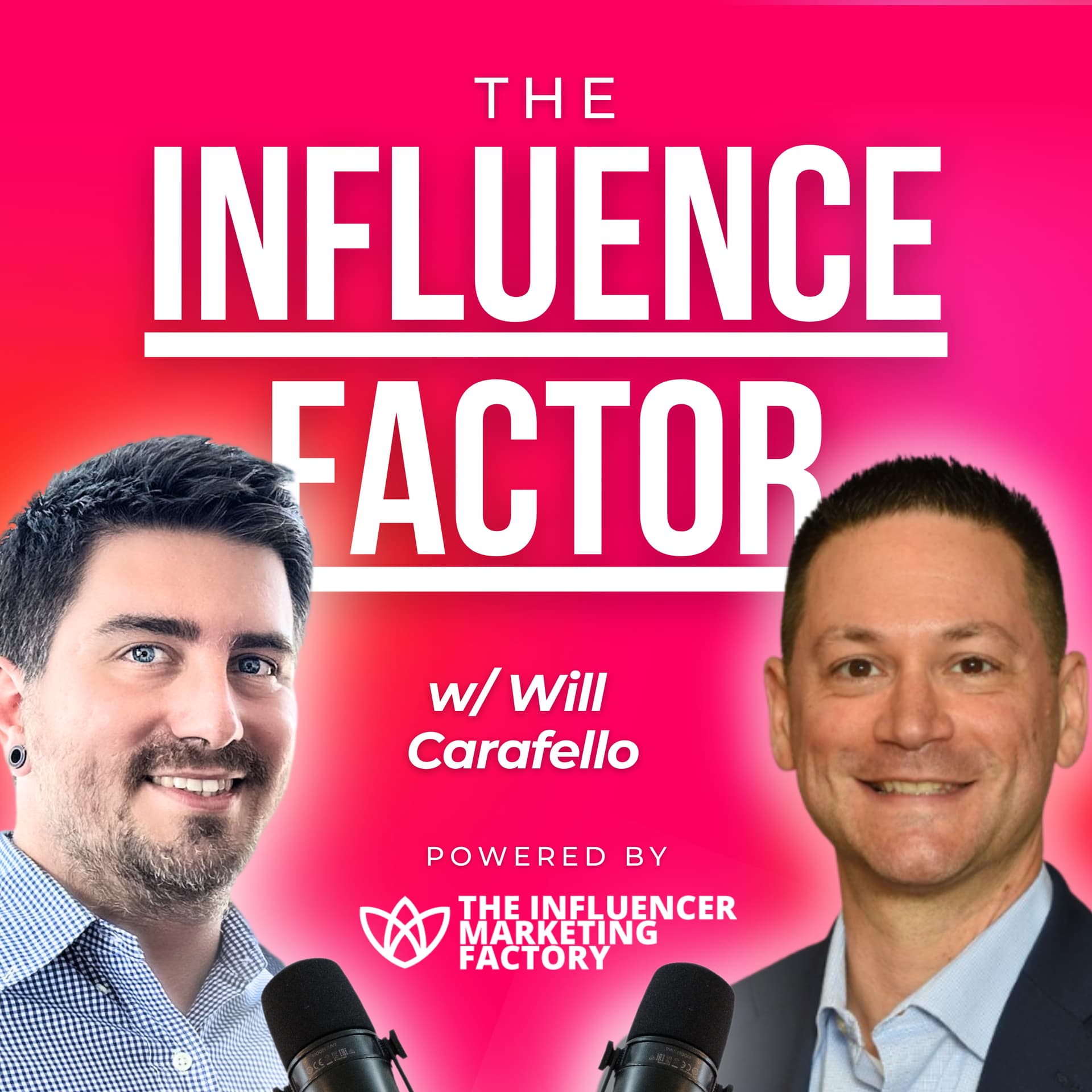
The New Era of Sports Engagement w/ Will Carafello (NY Mets)
Host
- Alessandro Bogliari, CEO and Co-Founder of The Influencer Marketing Factory
Guest
- Will Carafello, Social Media Manager for the NY Mets
Episode Overview
In this episode, Alessandro speaks with Will Carafello about the transformative role of social media in sports, emphasizing how it enhances the connection between athletes and fans. They discuss strategies, trends, and the evolution of athletes as influencers in the creator economy.
---
Key Topics Discussed
- Introduction to Will Carafello
- Will oversees social media content for the NY Mets, focusing on creating engaging content across platforms.
- Will's Career Journey
- Started as an intern at Madison Square Garden.
- Worked with various sports teams including Newark Bears and Harlem Globetrotters.
- Became Director of Marketing for the New Jersey Devils, enhancing their social media engagement.
- Social Media Engagement Strategies
- The importance of community management: Responding and interacting with fans.
- Transitioning from a formal tone to a more humorous, humanized approach.
- Monitoring content performance to identify successful formats.
- Athletes as Influencers
- The shift from athletes primarily focusing on their sports to being more relatable and personable on social media.
- Increased partnerships between athletes and brands or influencers.
- The need for athletes to be genuine in their content creation.
- Content Production Balance
- Discusses the challenge of balancing scheduled and real-time content.
- Importance of being adaptable to current trends and events.
- Strategy involves planning for regular content while remaining flexible for timely posts.
- Collaboration with Brands and Content Creators
- Highlighted a partnership with Netflix for the promotion of "Happy Gilmore 2" featuring Jeff McNeil.
- Emphasized the need for authentic, engaging content that resonates with fans.
- Future of Sports Marketing and the Creator Economy
- Predictions for continued growth in vertical video content and AI usage in content creation.
- Increased demand for authentic, behind-the-scenes access to athletes and teams.
- Opportunities for real-life interactions between fans and athletes.
---
Key Takeaways
- Social Media's Impact: Social media has dismantled barriers between fans and athletes, allowing for a more personal connection.
- Authenticity is paramount: Athletes should embrace their identities beyond sports to build genuine connections with fans.
- Adaptability in content strategy is crucial in fast-paced environments to leverage trends effectively.
- Collaboration and Engagement: Successful partnerships with brands can amplify reach and provide entertaining content for fans.
- Future Trends: Expect a rise in vertical videos, AI-driven content, and more interactive, real-life experiences in sports marketing.
---
Conclusion This episode dives into the intricate dynamics of sports engagement in the social media landscape, outlining how teams can effectively reach their audiences while establishing strong personal connections. Will Carafello's insights provide a roadmap for navigating the intersection of sports, social media, and influencer marketing.
---
For more insights on influencer marketing and the evolving landscape, listen to previous episodes of The Influence Factor.
Written by AI. May contain mistakes. Listen to the episode to check what was said.
Transcript
Automatic transcript. May contain errors.0:00Social media really does take down the barriers. It allows fans to get closer to the game. It lets them see their favorite athletes both on and off the court.
0:14Hey, Will, welcome to the show. How are you? I'm great. Thank you so much for having me. Absolutely. Today is going to be, you know, an interesting episode. We have been already covering sports and athletes in the past, but this time, you know, we can go a bit more granular when it comes to, you know, the specifics, especially when it comes to like, you know, teams and matches and everything that is going along, like social media and sports is definitely something more predominant these days. So I really want to learn from you on that. But before we get started, we usually ask our guests to present themselves using the map that basically is dividing three different items, basically the mission, right?
0:46So what do you do and what do you aim to achieve with your work? Achievements, anything that you are very proud of in your either life or your career. And the last one is the purpose. So why do you do what you do? So I oversee the social media content for New York Mets. That basically means the day-to-day, making sure that we have new, fresh content out across all of our channels. I think one of the things I'm most proud of is our team. We have a really great team that pushes the boundaries of social media. We're always trying to improve and get better. One of the things I'm personally proud of is I did run the New York City Marathon last year.
1:24So from the couch to the marathon, I ended up losing 50 pounds and it was just a personal thing that I challenged, I took on and was pleased with. I'm sorry, give me the last two. The last one is the purpose. So why do you do what you do? I'm a lifelong sports fan. I grew up a Mets fan. I feel very blessed and I feel like I have a great opportunity to be able to connect the Mets fans with the team. So, you know, here with the team, we have a great responsibility to our fans and provide them with awesome access and really cool content. So, you know, I was a fan once and now I have the privilege to be able to give the Mets fans the opportunity to see behind the scenes.
2:08Amazing. First of all, you know, congratulations on the marathon. It's definitely something there. So that's a great one. And yeah, tell me more, right? Like you said, being a sport fan, going from someone maybe watching them to be actually the one managing the content. So tell me a bit more about your career journey in marketing, specifically when it comes to this emphasis on sports. Yeah, so I actually started out at Madison Square Garden. I was an intern there, spent 16 months as an intern. I couldn't get out of that place. I loved being there. It was just a tremendous vibe to that building, great history.
2:40I was in the group sales department there. Then I left and went to Newark Bears, which is minor league baseball team. You got a chance to learn a little bit. And minor league baseball, you do everything. So it was really a great opportunity for me to, you know, see the inner workings of the organization, especially early on in my career. Ultimately came back to the garden, worked in the marketing department there. That's where I knew I really wanted to be. I started out in group sales and then was doing marketing for sports properties, which handles all of the sporting events that come into the building that are not team sports.
3:13So no Knicks, no Rangers. And then bounced around a little bit, went to the Harlem Globetrotters. So I got a chance to travel North America with the Globetrotters and do some marketing for them. And then ultimately came back to New Jersey where I grew up, worked at Giant Stadium and Continental Airlines Arena in marketing, marketing the events there. bounced over to Prudential Center when that building first opened. So I got a chance to be a part of the launch of that building. And during my time there, I switched from the building side to the team side, going in and being director of marketing for the New Jersey Devils.
3:46And that's really where I got my start in social media. We had a very progressive president and he was looking to save some money on our marketing spend and really felt like social media was a great way for us to connect with our fans. So I jumped in, had a lot of success over at the Devils. We went from one of the least engaged teams on social media to the most engaged team in a year's time. And then probably a year or so after that, the Mets were looking to hire the first person with the word social media in their title for the team. So I came over here and just celebrated my 12th year with the team.
4:23And since you were saying from the least engaged to the number one most engaged on social media, I'm curious, what are some of the, you know, either factors or formats? Like, how do you go from like not being engaged on social media when it comes to sports, right? Have you identified certain type of formats? Is it like, again, how do you bring something like a team, right? That maybe doesn't have that much engagement on social media to be the number one? It's a good question because there's a lot of things that are very simple that we started to do that changed the tide for us. One, we started to respond and interact with fans.
4:56The fact that fans knew that, you know, somebody was behind the keyboard more or less that, oh, you know, like if I reach out to the devils, they're going to reach back out to me or they're going to stay connected with me. If I post something, they're going to like it. So you're just that community management was was a major key factor. We also started to be more human. We started to use more humorous copy. We started to have a little more fun with things. And then we also paid attention to the content that we're producing. We would see if, you know, this type of content does better than another piece of content, we should try to double down on that.
5:28So, yeah, there's some very easy things that we started to implement that really changed the tide for us. And I'll admit that was very early on in the world of social media. So we didn't have all of the fun stuff that we have today with the vertical videos and TikTok and that kind of stuff. But, yeah, we started to implement very simple things and started to pay attention a little bit more. And that really helped us out. And, you know, in addition to, right, the social media landscape evolving, also the, you know, also the type of relationship and a type of like, I'd say commitment, right, from also athletes themselves to social media changed a lot, right?
6:00Before athletes were, I'm going to do like my, my all like, you know, things that is basically play the sports, being there for, you know, for, for my audience and for my team. But that's about it. And then in the years, there have been, you know, also been this personality, right? in front of the camera, not only on the field, but also maybe during their personal lives and inspirational moments and so on. And because of that now, we see an increase of partnership between content creators and maybe influencers that are fans of the team and so on. So how did it change in the past years? Have you identified anything specific that you are looking really closely when it comes to, again, athletes as influencers that are able to communicate not only about the sports, but also about like, you know, anything else going on in their lives.
6:43Yeah, no, we've definitely seen it more and more with our team as well as, you know, athletes everywhere and especially in college sports as well. You know, social media really does take down the barriers. It allows fans to get closer to the game. It lets them see their favorite athletes both on and off the court or field in our case. But yeah, I mean, I think, you know, that has drastically changed. I think the flexibility and the availability of the platforms now make it very easy for athletes to pull out their phone and create content and share that content. And I think, you know, TikTok probably changed the world a little bit for all of us from a content creation standpoint of that.
7:23We're okay with it not being extremely polished, beautiful, you know, we just want the access. We want to be able to see our favorite players when they're on the road, when they're, you know, doing things that we don't normally get a chance to see them do. So yeah, I think the platform, the accessibility has changed significantly as well. So, and I think the fans are the beneficiary of it. I think a lot of athletes realize like, oh, this is a great way for me to connect with the fans and, you know, tell my full story. I'm not just an athlete. I have other interests. I have a family. I have other things going on that makes me more relatable to you.
7:58And, you know, maybe you get the benefit of the doubt if I go 0 for 4 one night because, you know, I like you as a person. And do you feel that now athletes are totally getting like how to become, let's say, you know, again, content creators themselves, you know, this person or are you still noticing maybe some, I don't want to say mistakes, right, but things that you might not know, you know, if you're not a content creator, right? Because again, your role, right, is still like primarily as an athlete, right? And so I know that sometimes maybe they might not be communicating the right way or maybe the type of like formatting, right, of their videos might be, you know, be better.
8:29Like, have you noticed anything that you would recommend, like, for athletes out there that want to become maybe either, again, better communicators or whenever it comes to, you know, partnership with brands? Like, what would you do differently? Yeah, no, I think there is, we run into that all the time where, you know, athletes are definitely trying to use their social channels to brand themselves more. But, yeah, I mean, I think, you know, my recommendation to athletes that are, you know, trying to utilize social better is to, you know, again, I think first and foremost, be genuine. and like, you know, use the opportunity to show who you are.
9:02You don't need to have an entire team put things together for you. But, you know, I think another aspect is making sure you're comfortable with the content you're producing. So, you know, we make suggestions to our players all the time. Hey, you should do this. Hey, you should do that. And we'll bring them, you know, different concepts. But, you know, if it's something that they don't think is going to, that they feel strongly about or feel comfortable with, it makes it, you know, challenging. I think for the most part, athletes have figured out, hey, I can just pull out my phone and I can, you know, shoot in that vertical format.
9:33And again, a lot of opportunity with editing on your phone as well. You don't need, you don't need an Adobe product to pull it off. CapCut, you know, a lot of our guns are pretty savvy with that kind of stuff. So, yeah, I mean, I think for the most part, our crew at least is pretty good with it. But, you know, I think people who are into it and people or athletes that are trying to brand themselves have a pretty good grasp on it. And again, I think the more you try different things and you learn from those, you'll see success. And, you know, specifically to your job, right? And if you look at the social media strategy of the New York Mets, right, for a second.
10:09I'm very curious to hear from you on that in terms of from scheduling the content to what type of formats is working well. You kind of already shared a bit about that. But I'm also curious, since these days there is so much going on on the internet, right? You want sometimes to either shock people with some content or maybe you want to newsjack in things, right? Maybe something happened to one of the athletes and then you have to create a video super quickly. What is the balance between scheduling content in advance to, again, trying to understand what is happening in every single minute to maybe putting something out there?
10:44And also, how easy it is to manage something like that, again, with so much content going on in the internet? Yeah, not easy for sure. Obviously, it's a tough balancing act. We have a content calendar that spans months into the future. And we are planning on a number of things. We kind of have, I would say there's probably three funnels or the, you know, we start with the largest part of the funnel and work our way down. So, you know, stuff that we know happens every year, player birthdays, you know, holidays, stuff like that, that we know we're going to produce content for that stuff gets put in the calendar and we're aware of that stuff.
11:20but then we're probably looking at the month, what we have for that month, and then even more granular, what's going on this week, and then even more granular, what are we doing hour to hour? So we try not to schedule too much content in the future. We're planning. We're absolutely planning and making sure that we have a good mix of content across all of our channels throughout, but we aren't scheduling significantly into the future. In the off-season now, without games, we are able to plan a little bit better or schedule a little bit more, but only a day or two in advance. Obviously the last thing we would want is like to post something that we have scheduled a funny video or something we produced in the off season and something happened, you know, that would make it feel insensitive.
12:03So yeah, there's, there's a constant mixed. And I think the other part of it is, you know, the trends, the trends change, you know, very quickly. So, you know, what we're talking about today by next week may not be, you know, we might be onto something else. So, you know, a lot of times we are working very quickly and, you know, shout out to our, our content creators who are, you know, there's a concept that comes up, they get, you know, we go and we film it and they are able to turn it around and get it out. You know, one of the major factors for us is, is timing. You know, we know for sure there's a window for a lot of these trends and a lot of the content that we're producing.
12:39So we have to react quickly. So I'd say we have a pretty good mix of, you know, planned and scheduled content, but a lot of it is serendipitous and stuff that we were working on very quickly and were able to turn around fairly quickly. Hello! Is your brand ready to amplify its reach? Well, the Influencer Marketing Factory is here to do just that. We are a global influencer marketing agency helping brands ignite their growth from influencer identification to campaign strategy, handling legalities and agreements to managing shipping and logistics we have it all covered we work with hundreds of brands across different verticals from fortune 500 companies to dtc brands and we don't just stop there with detailed roi analysis we help brands like yours measure success transforming impressions into actionable conversions you can find us at the influencer marketing factory.com or just search the influencer marketing factory on google yeah you know that was a you know very curious about it because one of the things that we noticed in working with some you know companies and brands out there it is that there is a trend going on but then you have like so many layers right of approvals and then you need legal and then you need approval of the ceo and this and that and boom the trends now is three weeks old if you're actually gonna post it in the moment you're gonna be counter-effective right because you actually be like why are they posting this now that was like you know uh going going live and everything so have you have identified either a framework or something to say there is this trend you know thumbs up to proceed or and then you get a content or do you get a content first and then you check it out like i'm curious to see what is the framework there because again as you said you have to go fast you don't want to miss on something but at the same time you don't want to jump on a trend just because right yeah no absolutely i think you know we have really good leadership here our vb brand is very in the know on a lot of this stuff and recognizes that we have to work quickly so you know we have you know slacks channels we have text groups and if somebody sees something and says oh hey this you know can we do this you know there was something not too long ago and again by the time this comes out the trend will be long gone but group seven on tiktok you know someone saw it put it in the group and then we worked pretty quickly to get that up and out and again it was one of those things where it was like you know she just greenlit it and said let's go let's make it happen and we were able to do it so So, you know, for the most part, we do have the flexibility of if something's going on now, let's get it done by the end of the day or within the hour or whatever we're able to do and then get it up and out.
15:09Obviously, there are certain scenarios where there's a little more conversation, a little more collaboration of like, does this make sense for us? Can we do this well? Because that's the other part of it. You don't want to just do it to be part of the trend and alienate our fan base or just not fit our brand overall. Absolutely. you know that's why you know i was asking exactly right sometimes i notice that certain brands maybe jump on a trend just because and then it's not part of their dna the audience is very confused right and you actually you might lose part of the audience right because you're jumping on something that is not really you know part of you as a as a brand and you know like still on the partnership side i saw that you posted on your linkedin right but also partnership that you did with with netflix strikes to promote the release of you know happy gilbert uh 2.
15:53in that case right You're combining basically social media with Netflix, right? There is streaming service with sports that people go either in person or see on like, you know, traditional TV. So you mix in a lot of different things here, right? So first of all, how did that, you know, come as an idea? And then what was the execution look like? Yeah, no, that was a fun one for us to work on. But yeah, so Netflix was promoting Happy Gilmore 2. They had come to us with, you know, hey, we're looking for an idea. And one of our players, Jeff McNeil, is a big golfer, big fan of the movie as well. So we pitched them the concept that ultimately we posted, which was Jeff and the actor, Chris McDonald, who played Shooter McGavin.
16:32They would, you know, battle in a miniature golf course. We couldn't we couldn't actually get to a golf course, but we're able to film that here. So we were looking for something that would, again, catch the the eyeballs of Mets fans, capitalize on the moment and, you know, make the partner happy. So it was, you know, is a fun concept that we came up with. We wrote up a script, sent it over to them. Chris was great. Jeff was great. They, you know, we walked through it very quickly with them and, you know, kind of, you know, explain, hey, this is what we're looking for. And we were able to film it very quickly.
17:03And again, shout out to our, our tremendous content creators who, you know, took that footage and was able to edit it really quickly. not seen there was the the number of uh test shots that we did beforehand before either uh you know jeff or or chris got out there so you know there was probably a half hour of additional shooting that happened before they showed up and then we filmed with them for for a while as well so yeah no it was just something that you know hit checked all the boxes and it was something that was great for mets fans because they got to see jeff mcneil you know show his personality a little Gilmore as well you know I can imagine right I just said right you're like shooting a bit you know earlier and then what you see right is part of it like how do you how do you keep like that you know everyone talks about authenticity still you know I know that it's kind of a bad word these days but how do you keep it like you know that right you said before with athletes but also with actors now how do you keep it in a way that it's still like a good balance between it's good content the quality is there but at the same time right fans can see that it's actually either an authentic moment or something that can try to you know like again somehow right give a like give an image right of again having fun because at the end of the day that's sports right they've been together having a good time right so what is the balance for you in that case yeah that one was probably you know again like that was a little more scripted but we did go you know it was given to both Chris and Jeff well beforehand so we had the chance to talk with Jeff and kind of walk him through like hey this is what what you're doing and again if he you know he had some questions early on or like okay what what's my what's my role here what's my character here yeah for the most part you know we don't we try not to coach them you know we want that authentic moment we want you know their reaction we did an activation earlier in the year with with nintendo switch 2 and you know that was one of those where you know the players were getting a chance to use the new Mario Kart world game that it just came out.
19:02So again, something like that, we just kind of let them play because we wanted their genuine reaction and they're all competitive and they're all, you know, they all want to win. And again, some of these guys are just picking up the controller for the first time. And it was just, you know, for our fans, as well as the players, it was just fun to see them in their genuine moment. We didn't, we didn't coach them. We didn't give them kind of, you know, to which direction because we wanted that authentic reaction of them, you know, and And we were fortunate. We had a couple of very close races. So it was very heated with the controllers.
19:33And it's great to see, finally, different medium getting together and also different interests. Because I think that when influencer marketing started, if you were a beauty company, you were only working with beauty people. And then fashion with only fashion people, finally, we all understood that you can be a person, but with several interests and hobbies. And so I think that this intersection. right so as we said sports with you know movies and now video games right with athletes right i think it's an interesting one right again we're not just like one person with one profile we have like a multitude right of those so i'm happy to see like that that is happening and on this i also want to ask you what do you think that is going to be you know the future right of sport marketing like you know as first thing and also the intersection with the creative economy because they have been like been evolving a lot so i'm very curious you've been you know again as you like from even before all the short form videos and verticals right and now we are doing that what is the future what is missing right now yeah no i i'd probably be a very rich person if i knew but uh yeah i mean i'm seeing obviously you know vertical video is you know right now probably the most important we're seeing a lot more ai you know from content creators again which is scary which is also exciting you know there's definitely some opportunities there but yeah i i think you You know, we're seeing a lot more in that space as well.
20:59But yeah, I think people want more access. I think people want authentic. I think they want to see that. But, you know, I know that there's a lot of AI produced content out there that entertains people. And, you know, again, I don't know how much it'll seep into the sports space or the athlete space. But, you know, I think from our world, I envision vertical video to continue to grow. You know, I think they'll probably expand, you know, certain aspects of being able to go live and share content instantly. So I can see that definitely expanding. And I think also the way that we capture content, we did some stuff with, we've tested out the meta Ray-Ban glasses.
21:42and again I think that that gives fans a really unique perspective you know directly from the point of view of athletes so I can definitely see more wearable content you're being bigger that's definitely an interesting one right I mean of course you know not many people see use those devices right I think that Metatright tried to get into that and then it was like a lot of hype right but then you know it went down so that would be definitely an interesting one I think like especially with all the point of view right the type of videos so that may be like like i feel like an athlete right for one hour and you actually go play with them that would be an interesting one and i'm also curious like because we're still talking about like you know of course you know ai and you know wearable devices and be able to be basically like see what they see but what about also like i've been more on the you know kratos irl type of events i'm asking because we just went out with with you know like an infographic report and we serve with people and we noticed that a lot of people actually love to meet their creators right in real life meaning that they are either doing a meet and greet as simple as that as to they actually come out with the idea they invite people you can meet them or maybe they do in collaboration with a brand in your case right when it comes to athletes specifically i know of course they already like this activation but if you were able to see more activations like in in in real life right between fans and and athletes and sports together.
23:00What type of events would you like to see? I think we have, as consumers, I think we trust each other more than we trust the brand, which, again, hurts me coming from the Mets. I can tell you it's a lot of fun to come to a Mets game, but you're going to trust a creator more than you're going to trust the guy who works here. So, yeah, and I'm aware of that. But I think, yeah, I think it's definitely a space that we're getting more involved in. They can truly tell an authentic story of what it is like to come here. You know, I think, you know, from the creator side, you know, I think you'll see more of those in real life experiences.
23:35And we've worked with a few over the last year. And, you know, they've mentioned more and more that they are starting to, you know, they're producing content regularly, but they are, you know, taking the time to do meet and greets or to go out to different places and connect directly with fans. And it is, it's very impressive how, you know, you can just go from, this is a thing I like and thing I, you know, I started talking about to my phone. And then now all of a sudden, you know, you have the connection with, with a larger community. You know, it, it really, you know, social media has done a tremendous job of, you know, connecting like-minded people or people who have similar interests.
24:11So, yeah, I mean, I, I, I'm not sure where it will go for, you know, for, for the athlete space, but, you know, definitely would love to, you know, see more opportunities for, you know, content creators to work with the Mets and, you know, be able to connect with their fans at a game. And the same thing for our athletes, you know, whether it's through the minor league systems or our major league players, you know, being able to connect in real life, I think is, you know, very important, not just having that digital persona. Exactly. Especially in sports, right? There is about, you know, being there, being present, right?
24:45And it's like, you know, physical sports, right? So I think that that's what we're noticing, right? And that's actually, if you think about it, like even other sports, right? Like boxing events, you know, football, like even creators are getting together and creating teams, right? To make it even more like an engagement for people, you know, when it comes to sports, even for people that don't watch sports usually, right? I think that is a nice way to get them interest, right? Because maybe you might not be interested in that professional sports, but maybe if you see someone that you know playing, right?
25:14The more for fun than others, that would be a good, you know, good way to get them in, you know? So yeah, that would be an interesting one. Will, thank you so much for joining me today. I'm very curious to see the next, you know, partnership and activations because again, you're like, of course, you know, sports has been always there in society, but now it's getting, you know, like a different shape and formats and everything. So very curious to see what is next. Thanks so much for having me. Absolutely. This was the Influence Factor by the Influencer Marketing Factory. And I'll see you in the next episode.
From the publisher
In this episode of The Influence Factor, host Alessandro Bogliari sits down with Will Carafello from the NY Mets to explore the transformative impact of social media on sports.
They discuss how platforms are closing the gap between fans and athletes, making it easier for athletes to create and share content while giving fans a more personal look into their lives.
🌟 Leave a 5-star rating on Apple Podcasts and Spotify🚀 Start Your Next Influencer Marketing Campaign: Get In Touch🎙️Want to be a guest? Apply here
Show Notes:
(01:00) - Introduction to Will
(02:25) - Will Carafello’s Journey in Sports Marketing
(04:46) - Social Media Engagement Strategies
(06:42) - Evolution of Athletes as Influencers
(10:50) - Balancing Scheduled and Real-Time Content
(14:20) - Trends and Authenticity in Content
(16:10) - Collaborations with Brands and Creators
(20:32) - Future of Sports Marketing and the Creator Economy
Check out some of our previous episodes!
- How Visa Supports Creators as Small Businesses w/ Jonathan Kolozsvary
- Patreon’s Secrets to Building Loyal Superfans w/ Paige Fitzgerald
- How FP Movement Builds Impact w/ Courtney Weis
- Inside McDonald’s Bold Marketing Moves w/ Jennifer Healan
- The Rise of B2B Creators and Monetization Strategies w/ Olivia Owens (Teachable)
- What Makes Content Stick w/ Victoria Blinova (YouTube)
- The Daily Grind of a Tech Journalist w/ Amanda Silberling (TechCrunch)
- From Shark Tank to Viral Success w/ Annie Leal (I Love Chamoy)
- The Creator’s Attorney w/ Tyler Chou
- The New Currency of Marketing w/ Raja Rajamannar (CMO of Mastercard)
- Liquid Death's Unconventional Marketing w/ Greg Fass
- Inside Snap's Playbook w/ Brooke Berry
- Scaling Miss Excel w/ Kat Norton
- The Inside Scoop on Social Media w/ Jasmine Enberg (Insider Intelligence)


