In short
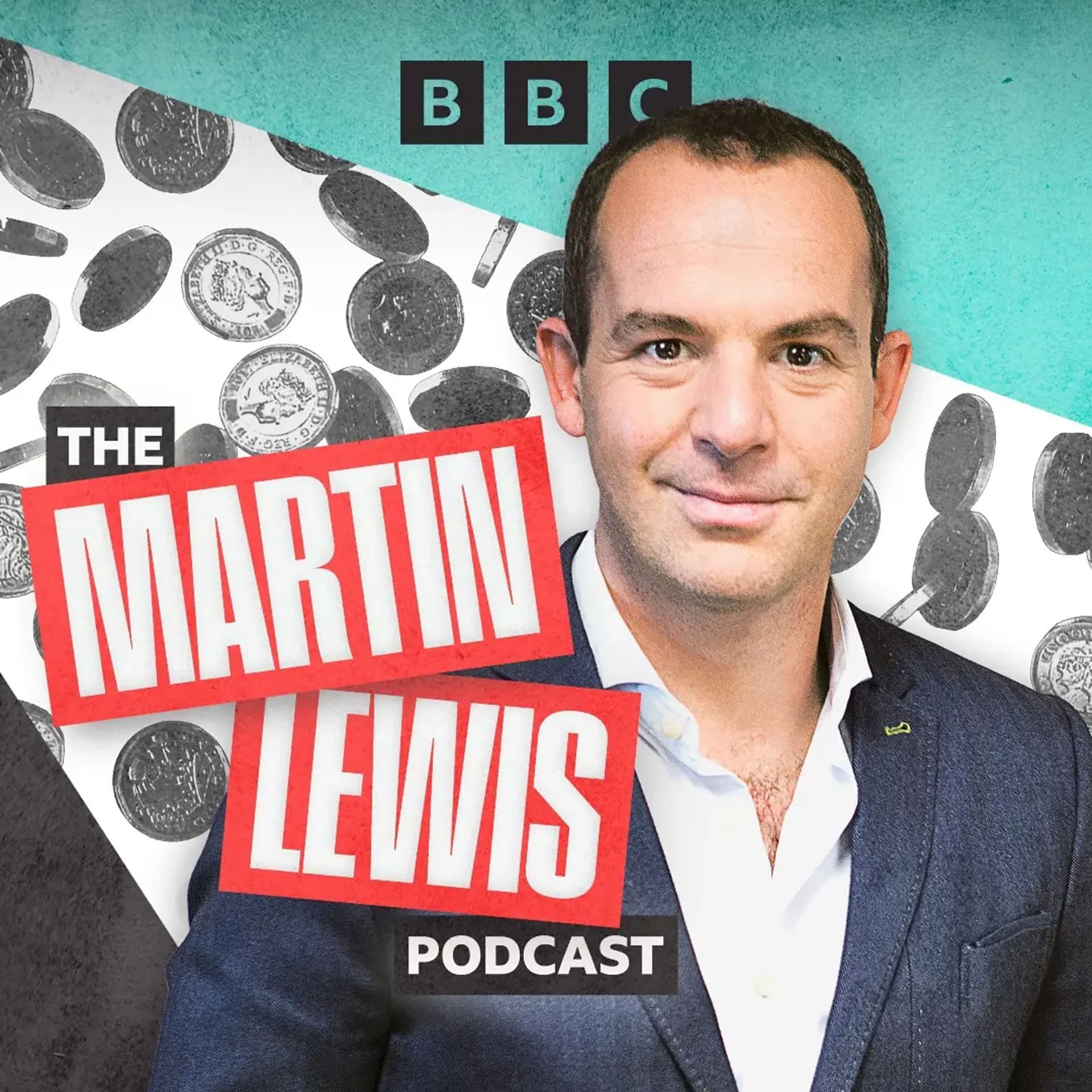
The Martin Lewis Podcast - Episode Summary
Episode Title
Car Finance Mis-selling: What You Need to Do | Top Joint Bank Accounts | Economic Abuse: The Signs
Podcast Overview In this episode of The Martin Lewis Podcast, Martin Lewis addresses pressing financial issues, including updates on car finance mis-selling, joint bank accounts for couples, and signs of economic abuse. The podcast aims to provide listeners with practical financial advice and insights, answering questions sent in by listeners.
---
Key Topics Discussed
- Car Finance Mis-selling
- Overview: An update on the car finance mis-selling redress scheme set to be announced.
- Key Questions Addressed:
- What counts as mis-selling?
- How can you know if you were mis-sold?
- Expected payouts: Claims could be processed faster if complaints are lodged before the scheme starts, with expected payouts around 2026.
- Finding old agreements: Martin recommends using the Equifax app to track down past motor finance agreements.
- Categories of Mis-selling:
- Discretionary Commission Arrangements: Interest raised without consumer knowledge.
- Contractual Ties: Brokers not disclosing exclusive lender relationships.
- Unfairly High Commissions: Charges exceeding permissible limits not disclosed to consumers.
- Couples’ Finances
- Discussion: The traditional versus modern approaches to managing finances in relationships.
- Joint vs. Separate Accounts:
- Joint Accounts: Recommended for couples with similar financial habits but can lead to tensions if financial personalities differ (spenders vs. savers).
- Individual Accounts: Allows personal spending without guilt or needing permission, promoting financial independence.
- Communication: Importance of regular discussions about finances to avoid misunderstandings and ensure both partners are informed.
- Economic Abuse
- Interview with Surviving Economic Abuse Charity Representatives:
- Definition: Economic abuse as a form of domestic abuse where one partner controls the other's financial resources.
- Signs to Look For:
- Monitoring or controlling spending.
- Preventing the partner from working.
- Using joint accounts to control the victim’s access to funds.
- Advice for Victims: Encourage victims to speak to their banks about their situation and seek support, with many financial institutions having teams trained to help victims of economic abuse.
- Additional Financial News
- Updates on Bank Apps: Issues reported regarding users of Bank of Scotland, Lloyds, and Halifax being able to see other users’ transactions—raises serious data privacy concerns.
- Stamp Prices: Upcoming changes in stamp prices effective April 7, prompting advice to purchase stamps early to save money.
---
Conclusion
- Engagement: Martin invites listeners to submit their financial queries for future episodes, promoting interaction and ongoing financial education.
- Next Episode: A reminder that new episodes are released regularly, encouraging listeners to subscribe and share.
---
Key Takeaways
- Car Finance Mis-selling: Understand your rights and the complaints process; use available tools to track down agreements.
- Managing Couple's Finances: Open communication about finances is crucial; explore what works best for both partners in a relationship.
- Recognizing Economic Abuse: Know the signs and seek help; banks can assist victims in managing shared accounts safely.
- Be Informed: Stay updated on financial news that can affect personal finances, such as changes in fees or policies.
---
*For more personalized financial advice, tune in to the next episode or reach out with your questions at MartinLewisPodcast@bbc.co.uk.*
Written by AI. May contain mistakes. Listen to the episode to check what was said.
Chapters
Tap a time to open that second in VOIntroduction to Episode Topics
1:07 to 2:46
Overview of today's episode focusing on car finance misselling and financial issues.
“Listen on bbc.com or wherever you get your podcasts.”
Discussion on Banking App Glitch
2:46 to 3:52
Insight into a glitch affecting Bank of Scotland and customer data privacy.
“What's your reaction to this story around some customers using Bank of Scotland, Lloyds and Halifax apps, being able to see other users' transactions on their accounts?”
Impact on Mortgages from Economic Factors
3:52 to 7:30
Analysis of mortgage rate fluctuations due to geopolitical events.
“Logged out and back in again and it was sent to us.”
Inquiry into Student Loans
7:30 to 9:10
Details on the Treasury Committee's inquiry into student loans.
“if my fix were due in the next six months.”
Car Finance Misselling Update
9:10 to 12:00
Information on potential compensation for car finance misselling.
“the Treasury Committee is a cross-party committee of MPs.”
Advice on Complaints and Financial Agreements
12:00 to 14:01
Guidance on how to handle complaints regarding car finance agreements.
“And that's what we weren't yesterday, as well as some of the underlying structures of how it will probably be operated.”
The Importance of Documentation in Car Finance Complaints
14:01 to 15:06
Learn why having your car finance details is crucial for filing complaints.
“They know what car they sold and on what basis.”
Understanding the Process of Car Finance Redress
15:07 to 17:01
Discover the potential processes involved in mass redress for car finance misselling.
“If you don't have the documentation, I do.”
Types of Misselling in Car Finance Agreements
17:02 to 22:01
Identify the three main categories of misselling in car finance deals.
“If you haven't put a complaint in, put a complaint in and that would include your latest address details.”
Redress for Deceased Individuals with Car Finance
22:02 to 24:28
Understand how to file complaints for car finance agreements of deceased individuals.
“dealer or broker and you could have been paying far less interest.”
Show all 25 chapters
Timeline for Compensation from Car Finance Complaints
24:29 to 25:54
Get clarity on the expected timelines for receiving compensation for complaints.
“and that'll be part of the process as they go forward.”
Managing Communication During the Redress Process
25:55 to 27:58
Learn how to manage communication about your claims and updates with finance companies.
“That's part of what we think will be in the mass redress scheme.”
Managing Joint Finances: A Shift in Perspectives
28:00 to 28:30
Learn about how the approach to joint finances has evolved over the years.
“then I'll be starting to get quite militant on this one.”
The Pros and Cons of Joint vs. Separate Accounts
28:30 to 29:38
Explore the advantages and disadvantages of having joint or separate accounts in relationships.
“because it used to be the case that everybody had one joint account.”
Survey Results: Who Handles Finances?
29:38 to 31:28
Discover insights from a Twitter poll on financial responsibilities in relationships.
“saver, that can cause real relationship friction.”
The Risks of One Partner Managing Finances
31:28 to 33:11
Understand the potential dangers of having one partner solely responsible for financial management.
“Now, of course, this is my Twitter feed, so you would assume that, my ex-feed rather, you would assume that people who are into finances tend to be following more.”
Different Approaches to Financial Meetings
33:11 to 34:55
Learn about various approaches couples take in discussing their finances.
“And plus as well, and I'm sure not in this case, we'll be talking about there's economic abuse implications of one person dominating on finances too.”
Choosing the Right Joint Bank Account
34:55 to 36:40
Get recommendations on suitable joint bank accounts for shared expenses.
“No major purchases without consultation but other than that just trust each other's judgement.”
Recognizing Signs of Economic Abuse
37:35 to 40:02
Learn about the signs and behaviors associated with economic abuse in relationships.
“I really wanted to bring this on because we talk about joint accounts and I know we've got more questions about the rights on joint accounts later.”
Addressing Economic Abuse and Joint Accounts
40:02 to 42:01
Understand the complexities of managing joint accounts in situations of economic abuse.
“Yeah, I mean, I've had so many questions over the years from people who have joint account nightmares and trying to escape and trying to close it off with the next partner.”
Understanding Joint Bank Accounts and Economic Abuse
42:01 to 43:30
Learn the complexities of joint bank accounts and how they relate to economic abuse.
“the other problem with that is it can slow up transactions.”
Steps to Take if Experiencing Economic Abuse
43:30 to 46:04
Discover practical steps and resources for dealing with economic abuse.
“I've rushed through that rather quickly.”
How to Support Friends Facing Economic Abuse
46:04 to 47:30
Learn how to approach and support friends who may be experiencing economic abuse.
“And they often have specialist teams these days as well, don't they, to deal with people who are in the vulnerable positions and in these positions and people who are trained to deal with this type of economic abuse?”
Car Finance Mis-selling Insights
47:31 to 49:13
Hear insights on car finance mis-selling and the compensation process.
“Thank you so much for your time and the charity of supporting economic abuse, as you've heard.”
Upcoming Changes in Stamp Prices
49:14 to 50:46
Understand the upcoming changes in stamp prices and how to prepare.
“It's something we've covered before a few years ago on the pod.”
Transcript
Automatic transcript. May contain errors.0:00This BBC podcast is supported by ads outside the UK.
0:30the highest B2B return on ad spend of major ad networks. Spend$250 on your first campaign on LinkedIn ads and get$250 credit for the next one. Just go to linkedin.com slash broadcast. That's linkedin.com slash broadcast. Terms and conditions apply. Welcome to The Interface, the show that decodes the tech that's rewiring your week and your world. Coming up in our latest episode, we look at the hidden chain of human labor that's actually reviewing your sensitive data, the proposed law that could end the internet as we know it, and the debate about wired versus wireless headphones. Which should you choose?
1:08Listen on bbc.com or wherever you get your podcasts.
1:19Martin Lewis:Well, I mean, this is huge and it is mainstream. This is not some minor niche thing. Do what you can, and if you can't, you can't. you'll have to cross your fingers and hope they've got the details. Which is clearly a breach of data privacy. It is an issue and it is going to play out this one. Yes, I am absolutely pleased. So it is absolutely something I welcome. Hello, I'm Martin Lewis and this is the cunningly named The Martin Lewis Podcast. I didn't wonder what that's going to be about. Usually much of it comes from my BBC Radio 5 live show with Adrian Childs, but there's also bonus money-saving tips just for you lucky, lucky podcast listeners.
1:52Martin Lewis:In today's pod, car finance misselling. We now know that the redress scheme will be announced at the end of this month. And you've sent loads of questions in, from what counts as misselling, to how do you know if you were missold, how much will you be paid out, finding old agreements, what if you've complained and not being contacted in return, and so much more. We'll go through all of them in detail. Then on to couples finances, based on this week's Tell Us. we'll talk through how you work money together. I'll run through the top joint accounts and the rules on joint accounts if there's an issue between you.
2:26Martin Lewis:Plus, sadly, joint accounts can be misused as a form of domestic abuse. So we'll be talking to the charity Surviving Economic Abuse about how you spot the signs and what to do about it. Plus too, there's news on stamp price rises and how to beat them, mortgages rising and how to beat them, student finance and Lloyds, Halifax and Bank of Scotland at two. Lots to get through. Play the theme tune. I got meals, I got to pay So I'm going to work, work, work, every day I got a mouth, I got a feed So I'm going to make sure everybody eats OK,
3:13Martin Lewis:before we get going on the main topics of this week, Adrian had a whole host, a plethora of news issues he wanted to ask me questions about. So he did. What's your reaction to this story around some customers using Bank of Scotland, Lloyds and Halifax apps, being able to see other users' transactions on their accounts? Well, I mean, this is huge and it is mainstream. I put out something on social media at eight o 'clock this morning. I've had over 3 ,000 responses of people who've been affected. So this is not some minor niche thing like Laura on Facebook. Yes, I screenshot all the transactions to ask my husband where he had been.
3:49Martin Lewis:Realised it was an error when I saw a direct debit for Seven Trent Water, which is not where we lived. Logged out and back in again and it was sent to us. Although perhaps my favourite one was, yes, it said I'd sent£10 ,000 to Tesla. I nearly pooed my pants. I've translated that somewhat to what he actually wrote. But a lot of people are quite angry about this. You are seeing somebody else's personal data. As far as we know, this was on the Lloyds, Halifax and Bank of Scotland app. There are enormous numbers of cases on it. They're telling us it's fixed now, and that seems to be what's being reflected in my mailbag on it.
4:21Martin Lewis:But I think it raises, and what we'll be looking at this afternoon, my team and I have just been discussing, it raises issues of data protection, breach of GDPR, exactly, you know, whether there's compensation to the individual, whether the Information Commissioner needs to get involved in looking at exactly what the situation is. It's absolutely, you know, people's personal and private transactions have been appearing elsewhere. And I've been surprised how many people have told me they screenshotted. Now, clearly, they weren't screenshotting for nefarious reasons. They were screenshotting to say, here's an error, this is a problem.
4:50Martin Lewis:But actually, of course, that means you now have a screenshot of somebody else. This has enabled people to have a screenshot of somebody else's banking transactions. And they can say the name of from and who to. So it is an issue and it is going to play out, this one. But this is a massive story. But we're still at the start of it. So this is just hours old, this story. Yeah, I mean, I think it was about eight o 'clock when I put my request for info out this morning and I've been swamped on all my other channels on it. So, yeah, it is, although it's over now. But the question is, what is Lloyd's Bank of Scotland, Halifax, going to do to make it up for customers after this glitch, which is clearly a breach of data privacy?
5:22But you can't just say it's a glitch either. Oh, it's just a glitch. It's more important, dealing with people's money.
5:28Martin Lewis:Well, it's a technical glitch, but with a real material problem outcome on the back of it. You're absolutely right. Mortgages. So we know the situation around Iran is pushing up fuel prices. Why would it be affecting mortgages? I know it is. Hundreds of mortgage products have come off the mark. OK. We were in a situation where it was predicted that Bank of England base rates were going to drop this year and possibly at the next meeting, which is not very far away, next month, we were likely to see UK cut interest rates. Mortgages, and we're talking here fixed mortgages especially, tend to be based on the city's long-term prediction of interest rates rather than on the current Bank of England base rate.
6:11Martin Lewis:So even though this is the Bank of England rate we thought was going to go down and is now far less likely to drop next month, and now the predictions for the end of the year, it'll be roughly where it is now, are a little bit lower. But all of this depends on how long the Middle East conflict lasts. Because the rate at which fixes are set depends on that, it's almost the sentiment of where we are with interest rates. As that is now higher than it was, interest rates are not going to drop. They're going to stay roughly where they are, we think, for the moment. And everything is obviously incredibly volatile.
6:42Martin Lewis:That means that mortgage rates have gone up. Fixed rates have gone up. This is the rates you can get a fix at. Of course, if you're already on a fix, it's fixed. What I would probably say to anybody who has a fixed rate ending in the next six months, so you're going to be coming off your fix, you're going to move on to the standard variable rate if you don't do anything, I would be speaking to a mortgage broker. I'd also be talking to your existing company to find out if it is possible for you to get a rate now that you can lock in so you have that rate available when your fix ends, your current fix ends.
7:11Martin Lewis:That's just in case rates get even worse. But in case rates get better, which we hope this Middle East conflict will not be long-lived, then that you have the ability to get out of this fix and get a new cheaper one if things get cheaper. And that is actually often pretty possible. You might have to pay an admin fee to do so. But that's the question I would be asking my mortgage broker if my fix were due in the next six months. is there a deal I can look into now but I can also escape from it if things get better and what's the best deal I could get so it's well worth talking to mortgage brokers and going through they'll know all the ins and outs of that you can talk to them about that On student loans something you've obviously got interest in very passionate about are you pleased with this announcement that MPs have launched an inquiry into student loans in England is that going to change anything do you think?
7:53Martin Lewis:Is it going to change anything is a very big question am I pleased? Yes I am absolutely pleased and what I'm very pleased to see This is Treasury Committee of the House of Commons is launching an investigation into student loans. There are two forms on their website. There were one for organisations like mine, which we've already been through. I had a meeting with my team yesterday because it was this was embargoed. So people knew it was coming yesterday, but it wasn't public until today. And we went through the list of questions, had a long discussion about our responses to questions over interest, repayment thresholds.
8:24Martin Lewis:thresholds and most importantly, are negative retrospective changes, contractual breach, which I think they are. Should they have to follow the FCA rules and the consumer duty on student loans? Absolutely. And how you communicate it and all these things. But more importantly, I think for the message today is on Treasury Committee's page, they actually have a questionnaire for students, graduates, university leavers, potential students to answer and to feed into this process. I put a link to that on my social feed. so that people can feed in. Now, it is really good to see this, and I think it is an important step where we're going.
9:02Martin Lewis:We know that many of the opposition parties have policies out on student loans. We've heard from the Prime Minister that he is looking at student loans. It's important to understand for those listening, the Treasury Committee is a cross-party committee of MPs. It is not part of the government. It's jobs to scrutinise policy and hold ministers and public bodies to account on behalf of Parliament. So while it has the power to publish reports and put pressure on the government, it doesn't have any direct power to compel the government to act on it. And I've seen a few confusions out there, people thinking that because it's got Treasury in it, that this means this is a Treasury report.
9:38Martin Lewis:It's not. It's a Treasury Committee of the House of Commons report, which is not a governmental report, but then it goes to government and it puts pressure on government. So it is absolutely something I welcome. but I think we need to be very careful not to overstate that this is a government thing that's going on, if that makes sense. Car finance then. People who bought a car between 2007 and 2021 using a car finance product could be due compensation. That much we knew. It's been rumbling on for a while. You updated us last week. You've been inundated with questions ever since. Just remind us where we are in the process.
10:15Martin Lewis:Let's do very quickly who could be affected by this. Let's start that before we do anything else. This is for somebody who got a motor vehicle finance arrangement. So that's car, van, motorbike and camper van, but not caravans because they don't have a motor, so they're not included. Between the 6th of April 2007 and the 1st of November 2024. The reason you said the 2021 date is because the main category of misselling, which is discretionary commission arrangements, that ended in 2021. but there are two smaller categories which you may have been missold in up to 2024. The finance types we're talking about are personal contract purchases, or PCP as it's more commonly known, and higher purchase, not leased cars.
11:00Martin Lewis:It's for vehicles for personal use or a sole trader or small partnerships for work if the finance is under 25 grand. It applies if you've paid the vehicle off. It applies if you no longer own the vehicle. And if you had multiple car finance deals, you may be due multiple payouts. So what we got last week, the update last week was on the timeline. I will go through that. You've got loads of questions and I'll probably end up answering it in the question. So I won't do too much detail now. In a nutshell, if you've got a complaint in before the scheme starts and we're going to hear an announcement of the scheme at the end of this month and then there'll be a three month implementation period or five month implementation for older deals, then you are likely to get your money in the bank account if you were missold in 2026.
11:41Martin Lewis:If you have not put a complaint in, well, they will be trying and they have to try and track down people they miss sold. It's a mass redress scheme. It is not a complain and you get. It's complain and it's easier and you get quicker. But if you don't complain, well, what the regulator is trying to do is make sure people get payouts anyway. The non-complaint payouts will be in 2027. And that's what we weren't yesterday, as well as some of the underlying structures of how it will probably be operated. But I think they're probably best done with all the questions that you've got there. Okay, Chrissie, I used your car claims tool when it first came out.
12:15One out of three lenders say they didn't have any details for me. The other two did. I'm sure I have the original finance agreement, but if I don't, what do I do?
12:25Martin Lewis:Okay, so yeah, so you put a complaint in, that's good. You got one of those three to go forward, and you used a free tool that's available online that I can't tell you where it is, because that's the way it works. Look, there's a new tool that came out last week. It's Equifax's app. So you get the free Equifax app. You sign up for a free basic account on Equifax. If you're paying, you don't need to. So if you get through to a route where you have to pay for its more upgraded system, you don't do that. And it now has a list. It says motor finance and you click it and it tells you all the motor finance agreements it's aware of that you had since 2007.
13:05Martin Lewis:On the basis of what? Your name, your date of birth? It's a credit reference agency, so it's on your standard credit reference details that you'll have to give in. You might have moved houses and stuff like that. When you sign up for a credit reference agency, they ask you all those past details and stuff. And generally, with a credit reference agency, if they know your current address, then they know your past address details because that's what they do. That's literally their job is to keep all that type of stuff up to date. Now, it is not a fully comprehensive list. It's only the companies that Equifax have had details on.
13:34Martin Lewis:It only launched last week. The feedback I've had so far, I've had loads of people raving, saying I've got lots of details of agreements I couldn't remember, I didn't know who the car finance firm. And I've had some people say to me, I know I had this agreement, I've got the paperwork, and it's not on there. So I'm not saying it's perfect, but absolutely, and certainly for older agreements, it's the best thing out there at the moment. And then once you've got those details, as you take them towards where you would complain? The miscreants have got, if we can call them that, have got the details.
14:02They've got the paperwork. They know what car they sold and on what basis.
14:07Martin Lewis:Well, that's one of the big questions, Adrian. Do they? Because once you are beyond six years after the date that the finance agreement ended, well, then arguably they don't have to keep the details. And, you know, they've been encouraged through data issues to destroy details. So one of my concerns here is, and the regulator is going to be pushing these firms very hard in order to make sure that they try and scrape every little piece of information they can to see if people were missold. But I still think it is far safer for you, especially if you've got your finance agreements or you can find details of them, to be putting in a complaint and saying, I know I had car finance with this.
14:47Martin Lewis:I know I did. And here's my details. So you're right. and there will be a push for the non-complainants to be discovered by the firms. But, you know, a little bit of cynicism and scepticism says it's far safer if you know what your details were when you're doing it. But can't they say, well, we haven't got these details, so I can't... Well, they can't if you've got the details. No, yeah. They can otherwise. Look, my big push here is even though we've got the category of complained and not complained, you are far better off to be in the complained category, both because your payout will come much more quickly, but also because then it has updated address details for you, updated bank account details for you, and you can say, here are all the agreements I had.
15:27Martin Lewis:If you don't have the documentation, I do. And that's quite important. Beth, I can't find the car registration details or the finance company details for a car I had in 2008 before I was married. Is there a way I can find these out? That's the Equifax app. Yes. That's what I hope it will do for you. If not, I'm shrugging my shoulders. Look, it was always a case, the further you go back, the trickier this would be. and 2007 is a hell of a long time ago. So do what you can and if you can't, you can't, you'll have to cross your fingers and hope they've got the details. If we move to dress into the agreement and don't receive correspondence, will they give up after the allotted time frame or are they obliged to find us?
16:04They being who?
16:06Martin Lewis:OK, so what we need to do, we just need to take a step back here. We do not yet know the full process details. I mean, in truth, it's not yet confirmed there will be a mass redress scheme but it would be absolutely horrifying after all the feelers that the FCA has put out if it were to renege on that at the end of this month. Once we do that, there are huge protocols in place. I mean, my team and I have already been with meetings talking about how we make sure vulnerable people don't miss out on this, how we do tracking, how when a company gets in touch with you, we can make sure that you know it isn't a scam and, you know, all types so that you don't have to use a link they give you on a piece of paper or in an email.
16:42Martin Lewis:You can go and click another link independently that you'll be able to verify first. All that type of stuff are things that meetings have been had on. But the exact process, we don't know yet. But absolutely, if you know you had car finance with a firm, I would be making sure you contacted it to tell it your latest address details right now. You know, I'm presuming you've put a complaint in. If you haven't put a complaint in, put a complaint in and that would include your latest address details. So how do you trace previous agreements if you have a private number plate put in the vehicle from new?
17:14Martin Lewis:Well, it's mainly about your finance agreement. These are finance agreements, not number plate agreements. So hopefully when you're doing it via the finance Equifax, they should be able to do that for you. OK, Michael says, how can the government step in and stop us getting the right compensation owed to us by these companies? If you were to default on your council taxes, etc., the bailiffs would be at your door. It's not right. So what this question is about is the proposed payouts from the regulator are lower than the equivalent cases that we've seen when people have gone to court. And absolutely.
17:48Martin Lewis:Now, whether the government has interfered on that or not, I don't know. The FCA is supposed to be independent and I have absolutely nothing that tells me whether government have got involved or not. You've got a supposition in your question. I can't back that up or deny it because I have no knowledge of it. What I would say is there have certainly been legal manoeuvres and pushing from the big finance firms and the big banks to try and push back on the regulator to reduce the payments. And I think the regulator has probably gone for a spot in the middle of what people like me and the claims firms and others are pushing in order to get maximum compensation for people who are missold.
18:26Martin Lewis:And what the banks and others are saying, well, if you do this, we're going to fight it hard and judicial review. and we've already seen the process slowed down because of the amount of fighting that's won in. So I think the regulators probably come up with a sweet spot. It's important for me to say the court route is still open to people. If you want to go to court over car finance misselling, well, actually, there's a wider range of misselling that you could go for. And I suspect if you were to win in a court, so that's two big ifs, let's be honest, if you want to go to court and if you were to win in court, you would probably get a bigger payout.
19:00Martin Lewis:The issue is to go to court, you would probably need a firm to be helping you unless you're legally qualified or very comfortable on doing this yourself, in which case 30 % of the payout you go would go to the no win, no fee. So it'd be reduced by 30%. After that 30%, and it's difficult to say, so give me wiggle room, I don't think there's that much difference between what the FCA is proposing to pay people out and what you would get if you go to court after that fee. Now, I have had personally, I did a lot of thinking about after we've saw somewhat erosion in payouts by the FCA. And also, I don't like the interest rate it's promising to use, which is basically bank based rate plus 1 % rather than the old statutory 8 % interest.
19:43Martin Lewis:Neither of them are compounded. So it's giving less interest. But I decided that I would talk mainly about the FCA route for one big reason. My mailbag on this is full of two questions. that dominate. One, when is it going to be quick? And two, I just want it to be easy. And the FCA route is not that quick, but it's going to be certain and it's easy. And most importantly, it also covers people who haven't complained. And people always say to me, why do we have to do the work? If they know they've missold, why don't they pay us out? Well, in this scheme, that is actually going to happen. And so therefore, I'm mainly communicating the regulatory regulatory redress scheme.
20:26Martin Lewis:But it's important, and then every time I do this, I make sure I say it at some point, to say there is the court alternative too, if you choose to do that. So that's a question for each individual to look at for themselves. If you bought a car in that time using a finance deal, the kind of which we're talking about, is it definitely the case that you have a claim? Or were there legitimate details? Legitimate deals, I should say. This is the really important point I think people need to understand. There are three different ways under the regulator's redress scheme that you may have been missold.
20:58Martin Lewis:I'll tell you what they are in a moment. But the key to all of them is that it's about interest and commission that was not disclosed to you. So you were not told. So you will not know if you were missold. You will only know if you had a car finance detail. So for now, there's no way to know if you were missold without complaining. The whole point is they didn't tell you what they were doing. So the only way to find out if you've got a complaint is to complain. So what the complaint letters do, or the ones I'm involved in anyway, what they do is they basically ask, did you do any of these things?
Read the full transcript
21:37Martin Lewis:That's the main question. Now, let's go through what those three types of misselling are. The big one is discretionary commission arrangements. This is where the interest was increased to pay the dealer or broker extra commission. These were banned on the 28th of January 2021, so it only applies to agreements before that. So effectively, you didn't realise that the interest that you were paying was giving a huge wad of extra commission to the dealer or broker and you could have been paying far less interest. That's the first case. And that's, I think, about 13 million car finance agreements. 12 million.
22:14Martin Lewis:11.4 million. It'd gone a little bit as I spoke. The next one, which is 3.2 million agreements, and of course, you could have had more than one of these things happening, is where a broker didn't adequately disclose it was working exclusively with one lender or that one lender had a first right of refusal. I call this contractual ties. So, for example, the dealer, this is one way it could have worked, said, we'll go to a panel of lenders to find you the best car finance. But in reality, they went to one lender, it had first refusal, and therefore they didn't go to a panel, you didn't have a competitive market.
22:43Martin Lewis:And the final category is unfairly high commissions, which is about three million agreements. If the commission paid to brokers or dealers was both over 35 % of the total cost of credit and 10 % of the loan, then if they didn't disclose that to you, this is seen as likely excessive and thus misselling in its own right. So those are the three categories. You can hear they're complicated, which is why the process is pretty simple. You complain and say, did you do any of these things? And what's really important to understand is if you put a complaint in when we were only talking the first category, discretionary commission arrangements, and you've got a letter saying, I didn't have a discretionary commission arrangement, you didn't have a discretionary commission arrangement, that still counts as a complaint.
23:26Martin Lewis:So therefore, you're in the complaint, I've complained category, the quicker category, and they will have to look at the other two types of complaining as well, the other two types of misselling as well. OK, Wendy wants to know, is there redress for loans taken out on cars for people who have since passed away? If no complaint has been raised, how can I be sure the finance company will check and make contact? Absolutely. If you are the primary beneficiary or executor of somebody's will who had car finance, then you are entitled to complain and you are just as entitled, as long as you're the right person, because the estate has a complaint and that money should go to the beneficiaries of the estate.
24:09Martin Lewis:Now, they will be looking at these deals. Clearly, it's more complicated if you don't complain for them to track down who the money belongs to. So if you think somebody who has now passed away, had car finance in this way, then it is worth getting in touch and putting in a complaint. You'll need to prove, obviously, that you're the right person for the money to go to and that'll be part of the process as they go forward. But yes, you can absolutely... someone having passed away does not bar the complaint. Steve, I had a claim approved using your template and advised my complaint would be log monitored, but have had no response from MotoNovo since.
24:43Should I chase them up, or will I get the redress details when announced?
24:47Martin Lewis:You've had a response, you're in the system, you've got proof of a response, you're in the complaint category. What will happen is we'll get this announcement at the end of the month, and assuming everything goes as it's been indicated, it will. And it's a new-ish policy. see after three months, you'll be sent a letter and assuming that you were missold, the letter will say you're due this much money. You can then agree it if you want and then there will be a month for them to pay it to you and then you should have the money in your bank account. I'm just checking I haven't missed any element in that timeline.
25:17Martin Lewis:I don't think I have. I'll double check that. And via the magic of podcasting, I have double checked it. I just want to go through in a little bit more detail the timelines. If you put in a complaint or you put in a complaint by the time the scheme starts. Once the scheme's announced, there's that three-month implementation period or five-month for older agreements, after which you'll be told how much compensation you're getting within three months of that. And you can accept that and should receive payment within a month afterwards. So all in all, your payout should come in 2026. If you're in the category who have not complained when it starts, so this is what the massive of redress is about where the firm has to find you and say, OK, we think this person has been missold.
26:01Martin Lewis:We have to get in touch with them. That's part of what we think will be in the mass redress scheme. After the implementation period, that three months or five months, if the firm thinks you were missold, it must contact you within six months and ask if you want to opt in. You'll then need to respond to the letter if you want redress and you've got three months to do that, which means payouts, another month on the top, are likely to come at some point in 2027, which is why you're far better to be in the camp who have complained. It also means you've definitely told them, I've got car finance, you should be checking this, than the camp who haven't complained.
26:37Martin Lewis:It's quicker and it's likely to give you more certainty that they'll definitely be looking at your case. So you should get the payout this year. Some people say to me, why wouldn't I agree? Why would I not agree to have the money? Because you might decide you want to go to court would be one of the options and answers for that. But yeah, so in your case, it should all be fine. You don't need to do anything. Just wait and sit on your hands for the moment. Okay, Gaynor, I've been told I have three claims. I wanted to know I had to change emails since filling out your forms. I did contact them to change these, but I'm unsure how they will try and contact me for this now.
27:09I'm worried they will try to contact an old email. Do they send letters to your home address also? Or as it was started through email, or they just replied to that. Don't want to not get my money, says Gaynor, which is fair enough.
27:21Martin Lewis:I wouldn't panic, Gaynor. I think what I would say is we don't yet know the mode of communication that they must do. That's something that we're waiting to hear on. Whether it's letter, whether it's going to be email, if you emailed a complaint, or how it will work, I'd always be checking my spam boxes. I would be absolutely sending to the same email address you did your complaint an update notification that you have changed address and notifying them of your new address, and hopefully you'll get notification of that. But I wouldn't be too worried. The time to worry about this is once we're after the implementation period and we're after the period where they have to get in touch with you.
27:57Martin Lewis:And at that point, if you haven't heard, then I'll be starting to get quite militant on this one. But my assumption at the moment is they have big processing teams doing this and we have to cross our fingers it will all be OK.
28:12Let's go into the tell us thing. How do you manage money between you? Do you have kitchen table finance meetings? Do you have joint or separate accounts and why? And tell us why you chose this one, Martin.
28:25Martin Lewis:Look, I think this is really a really interesting subject and it's something that's changed a lot over the years because it used to be the case that everybody had one joint account. When we're talking the 1950s, when we were the old school way a family worked, man went out to work, woman stayed at home. Not in every case I know, but this is how it worked. It was a homemaker. And therefore, because there was only one earner, it was seen as joint money and everything was together. And people tended to get married when they were 18, 19, 20. Whereas now people get married later. They both work. They have independent finances.
28:58Martin Lewis:And the whole thing has shifted. It also is because I think, well, I'm not going to do too much away. I think the way that people operate their finances together is absolutely, absolutely crucial. Let me do the first one. I'll get in and we'll start to discuss this. Samantha says, we just have one joint account. All money goes in and bills go out. What's left, we spend as needed. No his and hers or I'll pay this, you pay for that. One account, one family unit. And I think many older people have no idea how old Samantha is. Many older people tend to find that works. For me, that works well if you are similar money personalities.
29:37Martin Lewis:But if one of you is a spender and one of you is a saver, that can cause real relationship friction. So I think that really is a sort of dependent on how it goes. Okay. Louise, all bills are spit proportionally based on salary ratios. Interesting. We have separate accounts, so we can each spend money on what we want without needing to ask permission or feeling guilty or not, provided enough is always available to cover our share of the bills. We've done this for 30 plus years and I've never argued or felt awkward, icky about money. I think that is almost the perfect definition of the way that a modern relationship works financially.
30:17Martin Lewis:Joint bills, whether the bills are proportioned in terms of salary or not is one of the questions that people ask. You can absolutely see why, but then people keep their own separate finances. Now it is worth remembering, of course, if you've got a joint account, then by definition your credit files are going to likely be financially linked when you apply to other things. So even just a joint bills account would do that. But it's not a problem in most cases, unless one of you has a poor credit history. So I think that does tend to be how people work it. Mandy, I am in charge of everything to do with finances.
30:49Martin Lewis:Joint account, husband trusts me, not like today's couples who have separate accounts. I'm financially savvy, husband isn't. My knowledge was passed down from my father. I have to say, Mandy, you'll forgive me, but I have a bone to pick with that. But before I do, you know, we talked about that special exclusive poll. I did a Twitter poll on this this morning. I'm just getting the results up now, the latest results. And here are the results of the Twitter jury. Here we go. The question was, is there a chief financial controller in your house? If you're in a couple, does one person dominate sorting the finances or is it a shared task?
31:25Martin Lewis:Well, these were the answers so far. 50 % of respondents said they were in charge of the finances. 27 % said we share it. 9 % said my partner is in charge. And 15 % said I'm not in a couple. Now, of course, this is my Twitter feed, so you would assume that, my ex-feed rather, you would assume that people who are into finances tend to be following more. And there's also some bias that people tend to think they're in charge. Shall I tell you my problem with the one person does it thing? Go on. OK. Three Ds. Death, divorce, dementia. The problem with one person doing it is if they are not communicating with the other partner, if there isn't a good financial fact sheet list of details of who every provider is and why the decisions were taken and made, then if one of the three Ds were to hit the person who is in charge of the finances, it can leave the other partner in the lurch terribly.
32:25Martin Lewis:And I have met so many times over the years. And I'll be honest, and whether this is anecdotal, whether it has any relevance, they tend to mainly be women, and they've mostly been women in their 50s, who've come up to me and said, my husband has passed away. And I have no idea what to do now. I don't know where to start. He did everything. He looked after me. So my plea to you, Mandy, and you may well be doing this, is it's fine for you to be the lead financier in your family. As long as your husband, who you say isn't good with money, as long as he understands the decisions you're making and you have enough details and explanation that in the event something were to happen to you, and let's hope it doesn't, he would be able to take over relatively seamlessly.
33:06Martin Lewis:If not, the gift of looking after the family finances can also be a curse. And plus as well, and I'm sure not in this case, we'll be talking about there's economic abuse implications of one person dominating on finances too. Avi says we talk finances every six months or so. It's not planned. We have separate personal accounts for personal expenses and a joint account. We contribute the same percentage of our salaries which we use to pay for our mortgage, childcare, bills, petrol, etc. I think the meetings are incredibly important. Kitchen table, financial budgeting meetings, especially if family finances are tight, are really worthwhile doing so that you can both...
33:42Martin Lewis:You've got somebody to pass the information off but check that everybody's happy and everybody understands what's going on. Miguel, we discuss finances every week. We align on savings, investments and goals. OK, that's probably the winner. Miles, all funds pooled except for taking advantage of ISIS, maximising pension relief, etc., which are practically pooled, although legally distinct. It's a bit silly to do otherwise. On separation after 35 years, it will get divided equally anyway. OK, yeah, I mean, that's true. Ultimately, it doesn't matter what's in each account. if you're married, if you were to get divorced, there would be a financial settlement.
34:19Martin Lewis:Charlie says, he is responsible for all things house related. I cover everything else. Separate bank accounts and we neither know nor care how much the other earns or has saved or debts. So you've got your way of splitting it. I mean, look, there is no right or wrong way to do this. I wouldn't want to be prescriptive. The only thing I would say is as long as it works for you, that's good. As long as both partners are happy, that's good. And as long as both partners are in the position that if something were to happen then the other one would take over, that's good. That's my checklist. Not very difficult.
34:47Graham says mostly separate accounts but total transparency. I produce a monthly net worth statement and we move money between accounts as needed. No major purchases without consultation but other than that just trust each other's judgement.
35:03Martin Lewis:I think Graham gets my Geek Gong of the Week award. I like the idea of a monthly net worth statement. Nice. Nice Graham. I'm giving you Geek of the Week, which for me is a huge compliment, obviously. Yeah, you get extra points if there's maybe a flip chart involved or a PowerPoint presentation. Yeah, I mean, I'd like to see a graph. I mean, a graph of progress would be good. I think that would be important. We need some imagery. We need a little bit more on that. But I just like the phrase monthly net worth statement. Is there anybody else out there who has a monthly net worth statement? Not a net worth statement, not once a year, a monthly net worth statement.
35:41Martin Lewis:Go Graham. Your general advice for couples on how to manage household bills. Some of the questions, Sarah has texted in, my partner and I, we're unmarried, are moving in together soon. Is there a good product out there on the market for a general or joint bank account that we can both easily pay into from which shared bills, household expenses can be paid that will also offer us some benefits in return? Yeah, absolutely. There is a standout account for doing this. So at the moment, I've got the list in front of me of accounts that pay switching fees. There are four that will allow you to do it for joint accounts.
36:17Martin Lewis:So you've got Santander, which is£200 free if you switch to it. Club Lloyds,£200 free. First Direct,£175 free. And Co-op,£100 free. So these, if you're switching a joint account, if you're not switching a joint account, just set up a joint account somewhere else and then move it across. Of those, probably my top pick for your requirements would be Santander. You get 200 quid for free and you get a 6 % linked easy access savings up to£4 ,000. But you also get 1 % bills cash back on bills paid from it via direct debit up to£10 a month. So there's a£3 a month fee, but you get the cash back on bills.
36:54Martin Lewis:So assuming you've got normal household bills, the cash back will easily cover the£3 a month and more. So you could make up to£7 a month depending on the size of your bills from doing this, which is, you know, just under an extra£100 a year. It's also got a top overseas debit card as well. So I would probably say for joint accounts, if they're just bill-only accounts, that would be your winner. You have to have paid. I mean, the payment in each month is really quite easy. I think it's 500 quid a month on that particular one. So, yeah, that would be my top pick. And the others that pay joints, as I say, are Club Lloyds, First Direct and Co-op Bank.
37:25Martin Lewis:Now, I know, Adrian, that we have on the phone now, we have Deidre with us, who's joining us from the Surviving Economic Abuse Charity. Deidre, thank you so much for joining us at the moment. Thanks for having me. I really wanted to bring this on because we talk about joint accounts and I know we've got more questions about the rights on joint accounts later. But a joint account is all very well when you're in a harmonious relationship and you're talking together, but it can be a form of domestic abuse the way it's used. Could you talk to us about exactly what happens there and what the signs people should look out for are?
37:56Yeah, definitely. So what people need to be looking out for is something called economic abuse. And as you've already stated, economic abuse is a form of domestic abuse. And sadly, it's an incredibly prevalent and also dangerous form of domestic abuse. And our research at Surviving Economic Abuse found that in the last year alone, 4.1 million UK women experienced economic abuse. And when we talk about it, what we mean is this is any kind of behavior that is used by someone's partner or their ex-partner to control their money as well as their economic resources. So this might be tactics like monitoring and controlling your spending.
38:37It might be taking on debts in your name without your consent or knowledge. It might be preventing you from working so that you don't have an independent income. And really, it's all about controlling the person you're in a relationship with to stop them from becoming independent from you, you know, both during the relationship and long after separation. And what survivors tell us again and again is that when they're in a relationship with someone who is abusive, they will misuse joint money and joint assets like a joint bank account to economically control and harm them. So with joint bank accounts, you know, both individuals have access to that account.
39:18Both individuals pay into that account. They pay out of that account. And abusers may use this to monitor and control victim survivor's spending. They might not allow them to have control of that account at all, even if their income is going into it. But they also might spend on that account without the victim survivor's consent or knowledge. They might cause it to go into an overdraft that the victim survivor is then held accountable for. And this can cause victim survivors a lot of financial harm, both during the relationship but long after they leave. And one problem is that if you are trying to leave someone who is abusive and you remain trapped in a joint account with them, it makes it very difficult for you to access the money you need to leave.
40:01But also they can monitor you through transactions you make on that joint account as well.
40:07Martin Lewis:Yeah, I mean, I've had so many questions over the years from people who have joint account nightmares and trying to escape and trying to close it off with the next partner. I mean, also one of the other signs, because it's worth friends looking out for signs, is people not having their own bank card, isn't it? Not having their own debit card. Exactly. So they can't access their own money. Just because, interestingly, we were talking about how families work. And some of the some of the suggestions there were, you know, we monitor, we have graphs of how much spending we've got. Monitoring spending isn't in itself a problem if you're doing it collectively to try and keep all the finances on track.
40:39Martin Lewis:Where does it cross the line? I think it crosses the line when it becomes a means of controlling that other person. And monitoring isn't just about both of you consensually agreeing, you know, how much money you have to spend and what's good for your relationship and your circumstances. But it's a way of another person saying, this is what you can and cannot spend on. You can't meet your basic needs. You can't meet your children's basic needs. And if you do spend money in the way that I don't allow, that there will be consequences for you. And, you know, if those actions are alongside feelings of fear and intimidation, that's where it's problematic as well.
41:19You know, within a joint bank account, both parties should be consensually equally agreeing to what they put into that account, what they take out of that account, and they should be feeling safe to have those discussions and make those decisions. and no one should feel fearful or intimidated around how they use that money.
41:36Martin Lewis:So I'm going to come on in a second to what people can do about it. I just want to give a few notes here. Now, normally when you're setting up a joint bank account, there are two options. There's one to sign, which allows any named holder to access funds, make payments without the other's permission. Clearly, you may want to do that, but you can hear the economic abuse potential in that. There's also all to sign or two to sign, where all account holders have to make decisions jointly. While that works that both must be consensual on it, the other problem with that is it can slow up transactions.
42:06Martin Lewis:And often you can't have a debit card or online access if you're doing that. To close a joint account, any overdraft has to be paid off first. But if you have a two-to-sign account, everyone will need to give their permission, usually by signing a form or coming in branch. A one-to-sign account can be closed by any account holder. So a two-to-sign account can mean that you can be stuck in a joint account. And I've had questions in the Question Time podcast on people in exactly this situation. My ex-partner is running up debts on our joint bank account. The bank won't let me close the joint bank account.
42:37Martin Lewis:What can I do? And it gets tough. Few other issues while we're on this. I just want to run through them. If your partner loses mental capacity, many people assume you've got a joint account, then you'll still be able to access it. Actually, the bank might freeze the account completely or only allow essential payments until they can deal with someone who's got legal authority, like a power of attorney for the other partner. If you're having problems with the other account holder, you could ask the bank to register a dispute and cancel the mandate. That would freeze the account so no one can access it.
43:08Martin Lewis:It can then be unlocked when everyone agrees how to split the money. And if you can't agree, you might have to go to court. And also the final note is on death in a joint account, most accounts, as long as they're held, they're joint tenants accounts, allow a right of survivorship. So the surviving partner would then have that joint account, it would be their money, and it wouldn't account for inheritance tax. I've rushed through that rather quickly. But Deidre, my main question for you, if somebody thinks they are suffering economic abuse, or somebody thinks someone they know is suffering economic abuse, what do they do?
43:42I think the first thing to say is you're not alone, there is help available. And you know, just as you reeled off that whole long list of different types of accounts and circumstances, it can be really overwhelming and confusing to know what is your best option depending on your needs and circumstances and especially when considering what's safe for you. So I think the first thing to do is speak to your bank, tell them that what you're experiencing is economic abuse and that you need their help to think about how you might be able to potentially close that account, manage an overdraft if there is one or freeze that account when and if you know it's best for you to do that considering you know how that might alert someone who's abusive that you're planning on you know dealing with the fact that they're being abusive through the account and you're trying to become independent from them many high street banks are signed up to something called the financial abuse code and it's really a commitment from them saying we know that customers are experiencing economic abuse and we want to take steps to support them including support to delink themselves from an abusive partner that they share a joint bank account with and be able to access an independent bank account and you can go on to surviving economic abuses website to look at the steps you can take to delink your joint account from someone who's abusive and there's also something on our website called the Banking Support Directory.
45:12And that gives information about the kind of support that each bank offers to victims and survivors of economic abuse to help them deal with the joint bank account, but also help them set up an independent bank account. So they might be able to support you do things like open up an independent bank account without traditional forms of identification. If you've not been able to access that, they might be able to help you set up a bank account that has a non-traditional sort code that isn't based on your location. They might even be able to help you set up a bank account where you also get money from the bank that is a non-refundable loan to help you just pay for essentials while you're trying to leave.
45:54So I would say the first step is talk to your bank, tell them what you're going through and ask them what they can do to support you. And they can be flexible, especially when it comes to joint bank accounts.
46:04Martin Lewis:And they often have specialist teams these days as well, don't they, to deal with people who are in the vulnerable positions and in these positions and people who are trained to deal with this type of economic abuse? They do. So they'll have specialist vulnerability teams that can help who are trained in economic abuse and what kind of support they can offer. And some banks have something called specialist domestic and financial abuse teams as well. And they can offer very special support. So just call up your bank and ask them how they can support you because of the fact that you're experiencing domestic, including economic abuse.
46:34Martin Lewis:Deidre, thank you so much for coming on board. I hope that helps. I'll just do one final question, if you forgive me. If somebody thinks a friend is suffering from economic abuse, do you intervene? Do you talk to them about it? What do you do? I think that you privately, you confidentially talk to them about it and you're just there for them for when they want to talk to you about the fact that they're experiencing economic abuse. And so that you are led by them. And when they are ready, if they're ready to ever take action, that you're a safe source of trust and support for them when they need that.
47:10And you can also go on to Surviving Economic Abuse's website to learn more about what economic abuse is, what are some of the signs of economic abuse, and also the kind of support that you can give a family member or friend who might be experiencing economic abuse. But the most important thing is that you are there for them in a non-judgmental, supportive way when they're ready for it.
47:32Martin Lewis:Thank you so much. Thank you so much for your time and the charity of supporting economic abuse, as you've heard.
47:39Martin Lewis:And that's it for the main bit with Adrian. I'm now pod only with producer Simon. Hello, Simon. How are you doing? Absolutely delighted to be here. The only issue I've had since we last spoke is that I dropped my daughter off at nursery yesterday. I specifically asked the nursery teacher, will he be making Mother's Day cards? She said yes. I picked my daughter up from nursery. They hadn't made Mother's Day cards. Now I need to go out and buy a Mother's Day card. Okay. And does your wife listen to the podcast? Well, hopefully not until Monday. That's what I was about to say. I've just given that away.
48:12I was a little bit amateur for you
48:14Martin Lewis:there, but there we go. So anyway, listen, do we have any questions left on car finance misselling that we didn't get to with Adrian earlier? Yeah, we've got one more in from Tracy. She asks, is it just an average£700 payment or is that the set amount? No, that's an average payment that the regulators come out with. The amount that you'll be paid depends on a couple of three different things. First of all, which type of misselling you tend to get a little bit more if it was discretionary commission arrangements. Second, how big your car finance deal was. Obviously, the bigger your car finance, if it was£20 ,000,£30 ,000, then there would be more compensation than if it were£5 ,000,£10 ,000 because the interest that you were charged, which was unfairly charged, would be higher.
48:54Martin Lewis:And third, how long your agreement lasted. Again, because the longer your agreement lasted, the more interest would have been charged and therefore the more interest you would have been overcharged, therefore the more interest you were due back. I think that makes sense. And is that it? Are we done on that? Yeah, you've covered them all. Yeah, and I think we got through loads of different subjects in today's podcast. I was fascinated to listen to the representative of surviving economic abuse. It's something we've covered before a few years ago on the pod. And it's always important to remind people that money can be used as a tool of control in that way.
49:25Martin Lewis:The only other thing I wanted to do was to stamp. I already did that. That reverberated through the studio. I don't know if they might pick that up. I feel slightly bad I did that so hard. So, yeah, stamp prices are going to go up from Tuesday the 7th of April. A first-class stamp will rise from£1.70 to£1.80, so up 10p. A second-class will rise from 87p to 91p, so up 4p. That's, of course, the standard charges. There are also large letter first and second-class as well. So what do you do? It's really simple. As long as the stamp you buy isn't dated, so generally these are the stamps that say first or second on them with a picture of the monarch's head, obviously King Charles now or the late Queen if it were earlier, then those stamps once you buy them last in perpetuity until you use them.
50:12Martin Lewis:So you can buy stamps now for the coming Christmas because they're going to be more expensive on the 7th of April and as long as you've got the cash available you may as well buy them now if you're going to be sending them at Christmas because they're cheaper right now. And I suspect there will be savvy money savers listening to this who have done this for the past 10 years and may even have stamps that they bought when they were 61p 10 years ago and are still using them now because they stocked up at the right moment. So it's very simple. If you know you're going to need stamps, you may as well stock a button on them now because it's exactly the same thing.
50:43Martin Lewis:They're just going to cost more in future and they do not have a use by date. And that seems to be a good way to end this week's pod.
50:53Martin Lewis:That's it for this week. We tend to put out a new episode every Thursday and Monday, which is our Question Time podcast, where you can ask me questions on absolutely anything and everything, open brackets within reason, closed brackets. Just email martinlewispodcast at bbc.co.uk. If you've enjoyed today's pod, please tell your friends you've been listening to the Martin Lewis Podcast and why not subscribe? Then your pockets will be pleased with you.
51:33Martin Lewis is the founder of MoneySavingExpert.com, but of course, other consumer and price comparison websites are available. You can get in touch with Martin's podcast production team by emailing martinlewispodcast at bbc.co.uk. The offers and rates mentioned in the podcast are correct at the time of recording. However, if you are listening on demand, it's worth double-checking as details can date. Remember to subscribe on BBC Sounds and leave us a review however you listen.
52:08The best B2B marketing gets wasted on the wrong people. So when you want to reach the right professionals, use LinkedIn ads. LinkedIn has grown to a network of over 1 billion professionals, including 130 million decision makers. And that's where it stands apart from other ad buys. You can target your buyers by job title, industry, company, role, seniority, skills, company revenue, so you can stop wasting budget on the wrong audience. It's why LinkedIn ads generates the highest B2B return on ad spend of major ad networks. Spend$250 on your first campaign on LinkedIn ads and get$250 credit for the next one.
52:43Just go to linkedin.com slash broadcast. That's linkedin.com slash broadcast. Terms and conditions apply. Welcome to The Interface, the show that decodes the tech that's rewiring your week and your world. Coming up in our latest episode, we look at the hidden chain of human labor that's actually reviewing your sensitive data, the proposed law that could end the Internet as we know it, and the debate about wired versus wireless headphones. Which should you choose? Listen on BBC.com or wherever you get your podcasts.
From the publisher
In this week’s podcast Martin Lewis gives an update on the car finance mis-selling story. He questions such as: ‘what counts as mis-selling?’ ‘How do you know if you were mis-sold?’ ‘How much will be paid out?’ ‘How can you find old agreements?’, ‘What if you’ve complained and not contacted?’ And so much more.
We also look at couples’ finances – in Tell Us this week we talk through how you and your partner work on your money together. Martin runs through the top joint accounts and the rules on joint accounts if something goes wrong. Plus how joint accounts can be misused as a form of domestic abuse… he talks to the charity Surviving Economic Abuse about that.
Plus news on stamp prices, mortgages, student finance and Martin’s reaction to the news that some customers using Bank of Scotland, Lloyds and Halifax apps have been able to see other users' transactions on their accounts.
If you want to ask Martin a question, you now can! His Question Time podcast lets you ask Martin absolutely anything and everything (within reason!) – so if you’ve always wanted to know what colour his eyes are, what he's planning to do in his eventual retirement, or have a very complicated question about your personal finances, email it to MartinLewisPodcast@bbc.co.uk.