In short
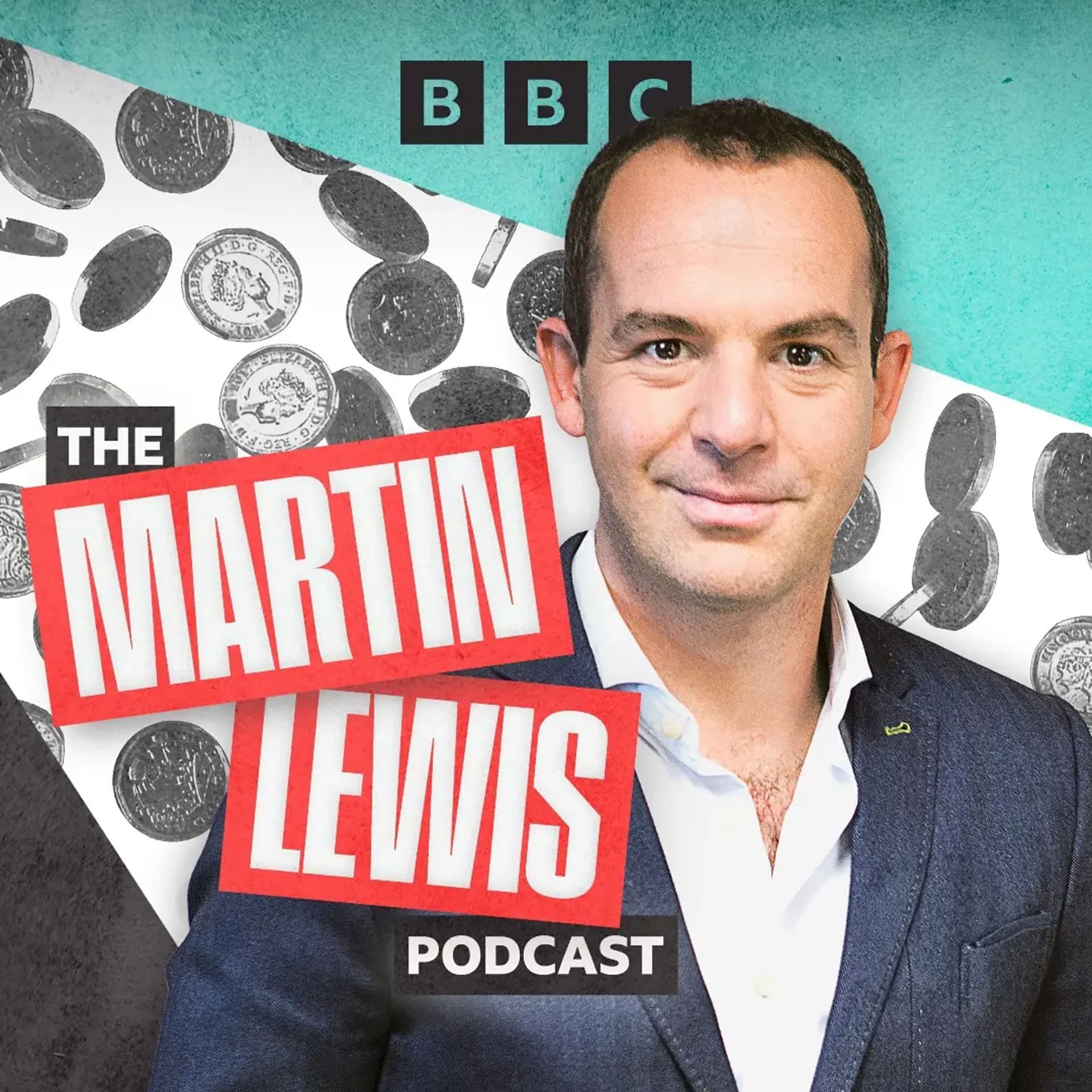
The Martin Lewis Podcast - Episode Summary
Podcast Overview Title: The Martin Lewis Podcast Description: Martin Lewis answers your financial questions, offering valuable money-saving tips. Episode Title: Savings Q&A Special – ISAs, savings tax, pay off debt or save, and more. Plus a credit card beginner's guide. Episode Description: Martin addresses numerous questions on savings topics including ISAs, savings tax, whether to save or pay off debt, and other subjects like travel insurance and credit cards.
---
Episode Highlights
Introduction
- Martin Lewis introduces the podcast focusing on a Q&A format, responding to various financial queries from listeners.
- The episode also features segments on travel insurance and credit cards, along with a discussion on borrowing and debt.
Key Topics Discussed
- Savings and ISAs
- Understanding ISAs:
- An Individual Savings Account (ISA) allows tax-free interest on savings.
- You can deposit £20,000 per tax year into a cash ISA, which remains tax-free as long as the money stays within the ISA.
- Safety of Accounts:
- Savings accounts are generally safe if they come with UK Financial Services Compensation Scheme (FSCS) protection, covering up to £85,000 per person per institution.
- Choosing the Best Accounts:
- Martin advocates for shopping around for better interest rates rather than sticking with a single bank.
- Encourages listeners to utilize various banks and products to maximize interest earnings.
- Debt vs. Savings
- Paying Off Debt:
- It’s generally more beneficial to pay off high-interest debt (like credit cards) than to focus on saving.
- Emergency Funds:
- While emergency funds are important, it's advised to clear high-interest debts first to reduce financial burdens.
- Credit Cards
- Basic Functions:
- Credit cards can be used for transactions and borrowing.
- Importance of paying off credit cards monthly to avoid interest charges.
- Building Credit Scores:
- Using any credit card responsibly can help build a favorable credit score.
- Investing Basics
- Long-term Savings:
- Investing in a diversified fund is usually recommended for long-term growth.
- Martin emphasizes the need for understanding risk and recommends consulting independent financial advice if new to investing.
- Travel Insurance
- Booking Early:
- Importance of securing travel insurance at the time of booking travel to protect against unforeseen cancellations.
---
Key Takeaways
- Financial Safety: Always prioritize accounts that offer FSCS protection up to £85,000.
- Maximize Earnings: Don't hesitate to switch banks or savings accounts to take advantage of better interest rates.
- Debt Management: Focus on paying off high-interest debts before building savings.
- Understanding Credit: Responsible use of credit cards can assist in building a credit score.
- Invest Wisely: Consider index funds or seek independent advice for investment opportunities.
---
Conclusion
- Martin wraps up the episode by encouraging listeners to engage with the podcast, offering thanks despite his croaky voice.
- The importance of staying informed about financial products and making proactive financial decisions is emphasized.
---
Additional Notes
- Listeners are reminded that rates and offers discussed are correct at the time of recording, but should be verified for current accuracy.
- The episode features a regular segment called "Money Mastermind," where Martin quizzes Adrian on financial knowledge.
*This summary encapsulates the key discussions and insights from the episode, aimed at empowering listeners with financial knowledge and practical tips.*
Written by AI. May contain mistakes. Listen to the episode to check what was said.
Transcript
Automatic transcript. May contain errors.0:00BBC Sounds. Music, radio, podcasts. Hello, I'm Martin Lewis and this is the cunningly named The Martin Lewis Podcast. I do wonder what that's going to be about. Now, usually much of it comes from a BBC Radio 5 live show with Adrian Childs. But don't worry, there's bonus money-saving tips just for you lucky, lucky podcast listeners. In today's pod, it's a Q &A special. We've had huge numbers of questions on savings, on how ISAs work, what safe savings, why they limit what you can earn, how tax on savings works, the pros and cons in investing. Should you be saving or paying off debt? And far more.
0:37And questions on lots of other subjects too. Getting travel insurance for holidays booked a long time ahead. How credit cards really work. What to do if a car finance firm hasn't replied to your reclaimed complaint and more. And this week's Mastermind is all about, can borrowing more mean you pay less? As you can probably hear, I've got Lurgy and my voice is a bit of a struggle. So let's get on with it. Play the theme tune.
1:03I gotta pay So I'm gonna work hard I gotta pay I gotta pay So I'm gonna make sure Everybody eats That is the sound of Martin Lewis. It's his theme tune. It plays wherever he goes. Even when we've got nothing to play it on, when I see him, I can hear that tune. Martin, what are we doing today? Yeah, it's true, Adrian. Even when I lift up the toilet lid, that's the tune that goes off. when I, you know, any time I make a deposit.
1:37All right. So we've got this story that your money and mental health charity has got itself a new status. Explain what that means. It has. I'm now officially super. I think I might get myself a cape. Yeah, I set up the Money and Mental Health Policy Institute in 2016. Its aim is to break the toxic link that there is between mental health issues and money problems and debt. We've been going a long time. I still chair the charity. But last week it was announced that we now have what's called super complainant status. And we are only the seventh organisation in the UK to get that since super complainant status came into effect in 2002.
2:14The others being which? Citizens Advice, Citizens Advice Scotland, the Campaign for Real Ale and the Consumer Councils for Water and Northern Ireland. And what it means, and we've got it with the Competition and Markets Authority, and we're hoping we'll also get it quite soon with the regulator, the financial regulator, is if we do, and it has to be done in a formal structured way and takes quite a lot of resource to do, a formal super complaint, then the regulator has to respond to us and it has to tell us why. Hopefully it's doing a formal investigation itself or perhaps it's telling us why it wouldn't do a formal investigation.
2:46It's basically a power that enables you to jump the queue and to prioritise things that you might have been lobbying for anyway, but they're just going, yeah, we'll get to that at some point. But now with super complainant status, tough to super complain with a voice going. With super complainant status, we can do that automatically. It's a massive kite mark as well. And what it does is it sort of, it means that when we go into meetings with organisations, they know we've got super complainant status, this special escalation measures that can be really powerful. So I'll try and give you an example of something.
3:16In the forefront of my mind, and we don't yet have this power with a regulator, the type of thing we would do is take travel insurance. Now, when you look at travel insurance, someone with depression is typically paying three times as much as everybody else it goes up to some with their personality disorders are paying 27 times the cost for travel insurance as everyone else and we while there may be some incremental cost and incremental risk we simply don't think the increased risk justifies the increased cost now we've done our own research on that but we don't have the power to go and to force companies to give actuarial data in the way that a regulator would.
3:51So if we were to choose to do a super complaint on that issue, that would then push it onto the top of the regulator's agenda for it to go and investigate and check out, is it really justified, Wes, that some people with bipolar disorder are paying 27 times what everybody else is to get travel insurance for a week away in Spain. And that's the type of thing that super complainant status will enable us to do. It's not officially in place yet. It's been announced that we'll get it. We don't get it till April. And then actually the research that you need to do to put in the super complaint. I mean, you know, I'd probably have to put a couple of members of the charity on it full time for six months to do the research to get us in a position where we could make a super complaint.
4:28But yeah, I'm very pleased to get it. It is, it's a big, it's, you know, it's a bit of a cape and a bit of an underpants on the outside of your suit for a charity. Tell us about the tellers today. So the tellers, which is a special that we're doing today, is all about effectively your simple questions. What's the one thing about saving money that's confusing you or stopping you acting right now that you could do with some help with. And that's where we want to go. You talk for a second. I just need to have a cough and some water. Sorry. Okay. Martin has very professionally faded himself down so we can't hear him coughing.
5:06I would have forgotten to do that and just sort of splotted away regardless. I'm back. So we're talking about nice work. We're talking about saving money. This is putting money in a savings account or saving money as in money saving expertise. It's meant to be the much wider saving money as in money-saving expert, but the way people interpreted it was saving money, and we were just so swamped with questions and some really interesting ones and things. I'm always fascinated by what people don't get. When you've had your nose in the trough of a subject for 20 years, it all seems quite simple, and then you go, oh, I thought that was pretty obvious.
5:38And so that's what we want to do. This is a beginner's guide, a 101, to saving money, but with a focus on savings. What have you got for me? Greg, the accounts you speak about for ISAs and savings, we've never heard of them. How safe are these accounts? In a way, that's sort of the wrong question, isn't it? They're safe, but are they making you, you know, how do they save you? How are they a good way of saving? No, forgive me, I think his question's right. OK, fine, fine, fine. I mean, I think what he's saying is, you know, he watches me do my programmes and I recommend all these accounts from providers they've never heard of and how can they trust them because they're names they don't know.
6:17And in fact, a couple of years ago, I shifted on my website that we have two columns. We have the best payers and then we have the best payers from the big names because so many people are nervous of putting their money away with a provider they've not heard of. Now, I don't share that view. Well, frightened of what, though? Frightened that it's going to... Frightened that it's going bust. Right, OK. Frightened that it's going bust and them losing their money. But you're protected, aren't you, to a certain point? Exactly, which is the answer. The answer is you will never hear me talk about a savings account that does not have the full UK financial services compensation, which means you are protected up to£85 ,000 per person, per financial institution, in the unlikely event it were to go bust.
6:55And you're protected. It is effectively a state-backed scheme. Now, clearly it's only as strong as the state is. So if the UK government were to go bust, then you wouldn't have any protection, but then we've all got bigger things to worry about anyway. So certainly when I am talking about those accounts, they are all full UK FSCS deposit protection. So you would get your money and the interest back and it would be done pretty quickly under the way that they work it right now in the unlikely event that one of them were to go bust. If it didn't have that protection, I would mention it. That's something I do.
7:24For example, there's a couple of cash ices at the moment that pay you a bonus interest and they pay the bonus interest not into their bank account, into a separate scheme. So technically the bonus interest, not the normal interest, not your capital isn't protected, and I would mention that. But I say I would, I sometimes see adverts on the internet for products that are not UK FSCS protected. They might be corporate bronze dressed up to look like they are savings account, but they don't have that protection. So you do have to be wary. But if you'll forgive me, assuming you trust that I do my due diligence, which I do, then anything that I mention would always have that protection scheme.
8:02Mrs B says her bank keeps reducing the interest rate, so it's very hard to build savings as quickly as she'd like. She said, why should I keep my money in a bank earning them loads? Should I just keep it all in cash instead? Well, the first thing I'd say is stop trusting your bank and stop sticking with one bank. But let's answer the last bit first. Money in a bank account is protected up to£85 ,000 per person per financial institution, as we have just discussed. Money kept in cash under your mattress. Well, the best possible home insurance policy would only protect you for up to£1 ,000 of cash.
8:38So it is very, very unsafe to have money of that bulk into your cash. And frankly, you are more likely to be robbed than your money is to be robbed from the bank. Plus, the bank does pay you interest. The problem is, you're saying, my bank, why do you have a bank? I mean, I have many different banks, as do most people who are savvy with saving money. You know, you might have one for your bank account. You might have your credit card in a different company. you might have your savings account elsewhere. You might have five different savings accounts. So the answer is, stop sticking and being loyal with your bank.
9:06Go and get yourself the best pair on the market. I mean, at the moment, in savings, you can be earning, getting on for 5 % easy access, the likes of Chip and Trading212 are offering that in their cash ISAs. And there are a whole host of other accounts out there that are paying decent rates. You know, Tesco, if you want a big name, 4.41 % in its easy access account. all of those are probably smacking the pants off your bank so stop being loyal with your bank would be the answer get your money out of your bank and put it in the top paying savings accounts not just sticking with what your bank i mean why would you give a bank all your custom by definition by the way there is no one financial institution that's top of the table at the moment for any more than one product therefore if you have more than one product with one financial institution by definition you don't have the best buys.
9:55Loyalty in that sense does not pay. Just briefly, something occurs to me, if you take the view, say look my bank, Bank X is paying me next to nothing. I wonder how much money they're making from investing my money which I've given them to keep hold of. But you can't really get them, you can't get that figure can you? Well look there's two ways to look at this. We can go very simply and we can simply say that when a bank gives you a credit card and therefore it lends you money, it will typically charge you 25 % APR. When you save with a bank, which is you lending the bank your money, so it's the same thing, it's just the other way around, I mean, the best pair will pay you 4.5%.
10:35So there is a massive difference. Now, of course, on a mortgage, they won't pay you as, you know, they're not charging as much. They're probably charging somewhere between 4 % and 8%. And then there's the whole issue that I know many people want me to go in and talk about, but I'm not a macroeconomist. The fractional reserve banking, which actually means banks create money by being able to lend out more money than they keep in capital and there's whole security things of the way that that works. But ultimately, yes, that's exactly what's going on, which is why the big rule is make sure at least if you're putting your money in a bank, which you do get some protection and you do get some service from it, make sure you're getting the best rate for it.
11:09Actually, so don't we can all fulminate in the unfairness of it, but we'd be better off spending that fulmination time just getting the best rates we can. Well, yes, and, you know, that's always the way. You minimise your borrowing costs, you maximise your saving costs. That's what I've made my entire profession out of. And loyalty doesn't pay. The way you get the best interest on savings is to be an active, aggressive saver. And I don't mean that in terms of aggressive to people. I mean constantly monitoring your rates and moving them to where they're best. Now, some people will say that's not worth the effort, and they may be right for a couple of, you know, 0.1 or 0.2 % of interest.
11:43I wouldn't tell you off for not keeping it. But certainly, if you're earning anything less than 4 % on your savings right now, assuming they're not locked into a fix where you can't move them, then you should be ditching and switching and going and earning over 4%. And if you're not, then, you know, you're ripping yourself off, if you like. Yeah. Great. Great question. My basic savings account earns a low interest rate. Wouldn't inflation mean my money is worth less in 12 months than the interest I'd gain? So in real terms, I'd get more value spending it now rather than save it. You would, and that's exactly the reason that they cut interest rates to encourage you to spend.
12:18That's the entire reason of interest rate policies. When we cut interest rates, it's to make borrowing cheaper so that firms are likely to borrow more and therefore spend more. And it's to make saving less attractive so people are less likely to save and more likely to spend in order to put more money into the economy. That's literally the principle of interest rates. The problem I have with your question is at the moment inflation is 3 % and the top paying savings are 4%. So in real terms, your money would grow if you put it into a savings account. It would grow even faster if you got a good investment.
12:46For example, though I don't talk about investments, but absolutely that's worth looking at. Now, when we have the position that inflation is higher than the top you can earn in savings accounts, which we had for a number of years, I used to call savings losings. They were losings. I mean, it didn't mean you shouldn't use them because what you wanted to do is mitigate and minimise your loss with the highest interest that you could possibly get. But they were losings. At the moment, the top pair is the savings. But if you're with a bog standard crappy account, then you're not going to be getting enough interest and your money will be diminishing with inflation.
13:16So you need to not be in a bog standard terrible account. Rachel, I don't understand how this£20 ,000 limit in cash ISAs works after one year. If I get a new ISA, can I then move the money from a previous ISA or do I get taxed as it's over the limit, if you include the interest? OK, let me go back to basics on this one. Oh, I've just found if I drop my voice a little bit, it doesn't hurt as much. So forgive me, I'm going to become Whispering Martin for the rest of the show. So you get, you are allowed to put£20 ,000 in an ISA, an individual savings account, which is just, when it comes to a cash ISA, is just a savings account that you don't pay tax on the interest.
13:54And you are allowed to do that every tax year. The tax year ends on the 5th of April and it starts on the 6th of April. So if you haven't used this year's, you need to get on with it because that deadline is coming pretty quickly. Now, once you put money in a cash ISA, it stays tax-free year after year after year, as long as you don't take it out. So that means you could put in£20 ,000 this tax year, right now. You could put in another£20 ,000 on the 6th of April, so you'd have£40 ,000. And then a year after that, you could put in another£20 ,000. Once that tax year that you put the money in is closed, you are absolutely free to transfer that money and move it elsewhere.
14:35So for example, if you opened a cash iser with the top payer this year, that rate dropped and you had another cash iser next year with another£20 ,000, well providing that new cash iser allowed you to do transfers, you could transfer this year's money across. So the rule on cash isers is not you can only have£20 ,000. The rule is you can only put in£20 ,000 per tax year. Once it's in, it's in. I've explained before that a cash icer I tend to think of as a piece of cling film. You know, you've got your cakes, you've got your chocolate cake, you've got your strawberry cake. Your chocolate cake is cash because it begins with a C.
15:09So I've got my chocolate cake. Now, the problem with the chocolate cake normally is it gets interest, that's the icing on the top, and someone from the tax office can come along and take a bite out of it. But what an icer is, it's a piece of cling film, it's a wrapper you can put around the chocolate cake. Now, the chocolate cake is still chocolate cake when it's in the wrapper, it hasn't changed. It has exactly the same structure, it works the same way. It could be easy access. It could be no notice. It could be fixed. You can have all those variants in the cash ISA. It's just the same thing.
15:35The only difference now is when you put the chocolate cake to your mouth, the tax officer can't bite it anymore because it's wrapped in cling film. So you get that cling film every year. And once it's in the cling film, it stays in the cling film until you take it out of the cling film. And in fact, you can still use that cling film. You could even move your cash ISA into a stocks and shares ISA or vice versa. Once you've put the money in, as long as you don't take it out of the ISA wrapper, as long as it's within the cling film, you can move it and change the nature of what's in it from stocks and shares to a different provider.
16:05So don't get too confused on it. It is just an annual allowance. But once you put it in, the annual allowance is about what's put in. It's not about what you have in total. It's about what's put in in that tax year. Did that make sense? It did. Bohemian girl. And I'm imagining her there sitting on a bean cushion, in Jostick Burn, in Procolha and perhaps or something playing. But she wants to know, why do banks limit the amount you can save every month, say£200 for Nationwide Flex, and then prevent you opening a second account? I was wondering where you were going then until you said Nationwide Flex.
16:39Yeah. Right. So the Nationwide Flex is Nationwide's current account linked regular savings account that off the top of my head, I think, pays 6 % interest on up to£200 a month for a year fixed. A number of bank accounts have these regular savings accounts. They tend to pay very high interest. First Directs pays 7%, but only on limited amounts you can put in each month. First Directs up to£300 from memory. Why do they do this? Very simple. It's a loss-leading marketing promotion. It means that they can advertise their current account, get you a very high rate of interest, 6 % or 7%, but only on a very small amount of money, so they don't have to pay very much out.
17:15Why do they not let you do more than one? Well, because then you would have more money at a very high rate of interest that they don't want to pay you. These are called... Now, they are still good accounts. You still get that high rate of interest and they are still good for people who are saving each month because it's£200 a month that you can put in. But you want to know why they do it? Because it's a marketing thing. They're simply saying, OK, well, if you put£300 in a month over a year with First Direct at£3 ,600, I mean, effectively, we're going to have to pay out£130 interest over the year on that amount of money and that's capped our liability.
17:49So just in the same way as many banks pay you, like First Direct again, will pay you£100. And NatWest will also pay you free cash for switching,£175. That's one incentive. Another incentive is a linked, limited regular saver for a small amount of money with a high headline rate of interest, which attracts some people. That's why, because it's marketing. It's not really a product. It's a marketing bonus. Christina's fed up. She's sick of working hard, getting taxed on income, and then taxed on savings. How does that work? So frustrating. she said. Well if you forgive me you are not taxed on savings.
18:23You do not pay tax on your savings. You pay tax on the interest earned on savings and I know it is a fine difference but it is an important one. You put money in the bank or the building society or wherever you do in a deposit savings account and you do not pay any tax on the money you've put in. You only pay tax on the money you've earned and it is because it is treated like any other form of income although it does have special allowances and it's really important to actually focus on what those special allowances are. This is a little bit complicated, it may well strain my voice today, so let's go with it.
18:54But the first thing to say is everybody has, and I'm doing this really simple and it does very slightly the limits in Scotland, but let's just take it as principle. Everybody first of all has £12 ,570 that they can earn from any source, whether earned income or savings interest or anything else which you don't pay tax on, your normal standard tax-free personal allowance. Now, in savings specifically, and there's something else I'm going to come to in a moment, you then have, if you're a basic 20 % rate taxpayer,£1 ,000 a year of interest you can earn from any savings source which you don't pay tax on.
19:31That's£1 ,000 of interest, not £1 ,000 in a savings account. So at 5 % interest, as a basic rate taxpayer, you could put£20 ,000 in the savings account and it would be tax-free because that would generate£1 ,000 of interest. As a higher 40 % rate taxpayer, you're allowed£500 of interest tax-free. So, you know, it'd be£10 ,000 in there that would save you and you wouldn't pay interest that you could have in the top 5 % savings account. If you happen to be lucky enough to be a top 45 % rate taxpayer earning over£125 ,000, you don't get one of these. There is another savings allowance that is rarely spoken about, which is called the starting savings allowance.
20:08And this is for low earners and it's quite complicated. So what it says is you can earn up to£5 ,000 on top of your£1 ,000 as a basic rate taxpayer of interest tax-free as a low earner. So if you had earned income under£12 ,570, which is the standard tax allowance, you can earn£5 ,000 on top of that in savings and this starting savings allowance in savings interest, which is untaxed. For every pound you earn above£12 ,570, you lose a pound of the£5 ,000. So let's make this simple. Let's say you earn£13 ,570, which is£1 ,000 above£12 ,570. You therefore lose£1 ,000 on your starting savings allowance.
20:54You can now only have£4 ,000, which you can earn in the starting savings without paying interest on your savings. But what that means technically is for people who had, say, all of their money was generated by savings interest, well, they would have£12 ,570 for their normal tax-free allowance. They would have their£5 ,000 starting savings allowance and they would have their£1 ,000 personal savings allowance as a basic rate taxpayer, which means you can earn£18 ,570 tax free if all your money came from savings interest. And then you could have an ISA on top for£20 ,000 a year, which would be tax free.
21:29And you could put money in premium bonds up to£50 ,000, which would be tax free. Now, I'm not arguing here that the tax, I'm just explaining the tax regime, but I go back to the annoyance. Let's just because people say it's double taxation. Let's be technical. It's not. There are other things that are double taxation, but you get taxed on the amount of money you earn on your income. And then you get taxed on the amount of money you earn on your savings. You do not get taxed on your savings. So I think it's technically not double taxation because it's the taxation on what your savings are earning you, not the taxation on the savings themselves.
22:05Can't you start an ISA for a grandchild even though you have your own ISA? Do the combined ISAs have to max out at 20k or can each have 20k in them in the same financial year? Not a mastermind question, Adrian, but what does ISA stand for? Hang on a bit. It's savings allowance. What's the I? That was the I's the key bit. Independent. Individual. Individual, yeah. So answer the question. Then it would be the case that you get two lots of allowances. No. Well, yes. Well, there's two individuals involved. Exactly. You can't open an ISA for you for your grandchild. Right. Your grandchild can have a junior ISA and you can have an ISA and they're totally separate.
22:51And the money in the junior ISA is not your money, it's your grandchild's money. and everybody is individual in this case. Okay, but it's not clear that it's not opening, it's not quite clear that it might be opening. Well, if he's saying, can I save money in my account, which I hope one day in the future to give to my grandchild, no, because you've got an individual savings account, it's your money. The fact what you choose to do with it in the future is irrelevant for this case. Your grandchild can have a junior ISA. Interestingly, I have to double check this, I'm on a 95 % surety level. I think only parents and guardians can open the junior ISA.
Read the full transcript
23:25So the parents and guardians would have to open it and you would have to put the money in. But yes, you can absolutely put money into a junior ISA for your grandchild, but it's their money, not yours. So it wouldn't count towards your individual savings account. It would be their individual savings account. And it's around£9 ,000 you can put in a junior ISA for an under 18. SZN, whatever that means. So I'm looking into saving options for the next financial year, trying to find the best options, balancing ease of access, i.e. not locked in, avoiding needing to pay tax on interest, minimal risk due to current financial climate, any advice appreciated?
24:00Well you're asking me for the next financial year so the answer is no I can't answer and I need to be really plain. I can only give you today's best savings accounts and in fact almost invariably as I'm recording this one or two of those will change. Savings are incredibly fast moving. It's an hour by hour, not even a day by day thing. So the idea that I can give you the next financial year starts on the 6th of April, that I can give you the best rates now, I'm afraid I can't. But we can talk through the basics. There's a few basic things you need to understand. First of all, we're talking savings here.
24:35So you're putting your money away where the money that you put away is protected and you're going to get an amount of interest on top. The first thing the bog standard to place to look at is easy access savings. That's where you can put as much money in as you like and you can take as much money out as you like whenever you like with total freedom. But they tend not usually to pay the highest rates, although perversely the best payers do at the moment. If you're going to have a lot of savings, so you're going to go over your personal savings allowance, that£1 ,000 for basic rate taxpayers I talked about before, then you'd probably want to put it in a cash ISA to protect an amount of that money from tax.
25:08In the old days, until about a year ago, cash ICAs paid worse than normal easy access savings currently, because there's a competitive market out there, the top paying easy access savings are all cash ICAs. So, you know, you've got CHIP, you've got Trading212 at the moment, all at or around 5 % or just a little bit below that. It's also worth looking at fixes. Fixes, the problem with easy access is they're variable. So you put your money in, you get a rate, but that rate can be changed. and it will generally drop when UK base rates drop but it may also drop when the provider decides it doesn't want to be as competitive because it's attracted enough customers in and now, hey, I'm going to drop my rate because I wanted to try and get lots of customers in.
25:48I've got them in. I'm going to drop my rate and cross my fingers that they don't leave. So I always say when you're getting variable rate savings or easy access savings, you've got to be prepared to monitor your accounts and be prepared to ditch and switch and switching savings is easy. With fixed rate savings, you're locking your money away generally although not in a cash ice, so there is access to the money though you'd pay a penalty to get it out, for a set time. So you might fix for two years. Your money is therefore locked in for two years. You can't take it out, but you get a guaranteed rate of interest that won't move in return for that.
26:16And at the moment, you know you can get a one-year fix at 4.58%, which, while it's lower than easy access accounts now, if UK interest rates dropped, it may well look good in future. That's Close Brothers, or Virgin Money has one at 4.16 as a big name. For two years, Oxbury Bank is 4.53%. and Tesco Bank is 4.2 % as a big name and that way you're locking your money in. So those are the main big decisions that you will be looking at. As for which the best buys are, well, there are sources out there that will give you best buys on a daily basis, updated by the hour and that is just you have to do it on the day you're putting the money in.
26:51You can't do it in advance, it just doesn't work that way. Okay, and Tony says, if you're lucky enough to have a million pounds, where can you put it given banks only have an 85k liability? Tony's asking for a friend I assume Well let's just be careful because that's not strictly correct In the event that you have a significant life event such as selling a property selling a business and inheritance we've done this in a mastermind question before then you're actually protected under the financial services compensation scheme for up to a million pounds in one account for the first six months So if it were a short term life event then you would have protection in one account for up to six months Generally, though, for those people who have very, very large amounts of money to save, my general rule would be spread it.
27:40Spread it. Now, you could say, OK, I'm going to put it in 12 different accounts to cover the million pounds at£85 ,000 each, no more than£85 ,000. You have to make sure they're different financial institutions, some financial institutions which are joined. You've got Lloyd's and HBOS, you've got NatWest and RBS. Sometimes they share financial protection, sometimes they don't. So you have to check that out. and there are websites where you can check that out or you can do it on the regulators, the Financial Conduct Authority's website looking at their banking licences. But there are easier ways to do it than that, which you can work out for yourself.
28:12But what I would say is, yes, you could spread it and put no more than£85 ,000 in each and you could probably just about manage that at reasonable interest if you had a million pounds. If you had£2 million, that starts to get really tricky because that's 24 different accounts type thing you're starting to look at. So what I would say then is spreading mitigates the risk. So even if you then had£200 ,000 in each account, if you were lucky enough to do so, once you've gone, you know, then you're minimising your risk just by the simple fact of spreading it and not putting all your eggs in one basket.
28:42And each time you spread it, you're protected up to£85 ,000 a pot. So quite a chunk of that money is protected. So it's all on your attitude to risk of how many different accounts you'd spread it into. But the basic, you know, like muck, if you've got lots of savings, spread it. And we've got lots more questions on savings to come, but now we're going to move to a couple of different subjects just to mix it up a little bit.
29:06Anthony, credit cards are so confusing. I want a credit card to help with my credit score. And for our holiday this year, no idea where to start, what things mean, what to look for. OK, so let's go to the very basics of credit cards. Credit cards have two functions. One is a function of transaction, a way to pay for things. And two is a function of debt. You can borrow with them. And therefore, what you do on a credit card is you put money on a credit card and you don't have to pay it off. So you owe the credit card the money and they will usually charge you interest, although there are some 0 % cards that don't charge you interest.
29:37Now, we have to be very clear when we're using a credit card whether we want it for one function or both functions. Those people who just want it for a transaction purpose. And why would you want a credit card for only for spending and not for debt? Well, first of all, because you may get rewards or it may offer you very cheap foreign exchange rates when you're spending abroad. And because you get Section 75 protection on a credit card that you don't get on any other form of payment plastic. And Section 75 protection means on an item costing between£100 and£30 ,000, the credit card company is jointly liable with the retailer.
30:15so in the event the retailer anywhere in the world went bust, you would be able to get your money back from the credit card company. And in fact, even if an item was faulty, you could choose to go back to the credit card company. You wouldn't have to go back to the retailer because it's jointly liable in exactly the same way, including for your consumer rights. And that is very powerful consumer voodoo protection. So you want that. The way that you neuter a credit card to stop it being a debt card, and Adrian, you're going to have to do it for me this week in my voice, is you pay the card off.
30:45in full. I'll take that. You pay the card off in full every month because when you pay the card off in full, there shouldn't be any interest provided you don't withdraw cash on the card, which is where some cards will still charge you interest if you do that. Make sure you don't bust your credit limit as well. So when you're getting a credit card, the first thing that you need to decide is am I getting a credit card as a transaction card, in which case I must be paying it off in full, or am I getting it to borrow one, in which case I don't need to pay it off in full but of course I should be paying off as much as I can because it minimises the cost of the borrowing and I'll pay it off as quickly as I possibly can.
31:21Now could you re-read the question again having done that introduction for me? Yes, I want it to help with my credit score is the next bit. And then after that? Then want it for our holiday this year. So to help with your credit score, any credit card would do that and if you're struggling to get a credit card you might even go for a credit rebuild or build a card which is deliberately there to build your credit score. They are easier to get. In all of these cases, when you're applying, go through an eligibility calculator, preferably a comparison eligibility calculator that will show you which of the top cards you're most likely to be accepted for without putting a mark that impacts you on your credit file because every application you make for a credit card goes on your credit file and can have a negative effect.
32:03So we want to minimise applications and an eligibility calculator allows it to home in on the card that you're most likely to be accepted on. So, to build your credit score, any card would do it. Now, in a perfect world, if you could get any card, you'd want one that gave you rewards for spending on it because the way you build your credit score is you put£50 to£100 a month on the card each month. You pay it off in full. I'm going to do it as a whisper instead of a shout this time. In full. In full. So you know what I mean. Subliminal. I'll keep saying it. There you go. You pay it off in full each month.
32:32In full. There we go. And that way, over a year, it should rehabilitate your credit. Now, you said you also want one for spending abroad. Well, the Barclay Card travel card is the top credit card for spending abroad at the moment. And that would also rebuild your credit score if you could get one. And it would also get your Section 75 protection. So if you want all those things wrapped up into one, it's that. But the most important warning I would give people when it comes to credit cards, as you want the basics, is people, just like I taught before, there's no one credit card that is best for everything on the market either.
33:04Credit cards need to be seen as a bespoke tool. You might want one for 0 % purchases, one for 0 % balance transfers, one for spending abroad, one for rewards in the UK. And it's perfectly possible, you have to manage the applications and spread them out to protect your credit score, to have those different cards and to utilise them for different purposes. The idea of one card fits all is a mistake. So a credit card has a huge range of different uses, some of which we only want to be transactional, so we pay off in full, some of which we want to borrow on. So you don't pay off in full. You pay as quickly as you can.
33:39But you need to choose the right card for the purchase. As what you want is to build your credit score, actually that's relatively easy because any card will work in the same way on that, as long as you're putting 50 to 100 quid a month on it. What you could easily do if you want it for overseas spending is you put 50 to 100 quid a month on if you get a good overseas spending one, except the month you go abroad when you can put more on it. Putting more on it isn't a problem. I just don't want people to overspend. So it would still have exactly the same effect of building your credit score just make sure you pay it off in full, each one says there's no interest.
34:09I just wonder whether conceptually you should explain about the need to have a good credit score and this oddity that if you're ultra careful, never take credit, never take debt, just pay for everything just in cash and so on, this will ultimately could count against you. Well, there's no such thing as a credit score in the UK, but lenders do credit scoring when you apply. What I mean by that is you don't have an actual number that dictates what your credit score is. You might be able to go online and get one from the credit reference agencies, but that is just an indication of how a typical lender may see you.
34:43It isn't actually material. It doesn't mean anything, that particular number. But yes, you're absolutely right. Credit scoring is based on behavioural prediction, trying to predict how you will behave in future based on your past. So if you have absolutely no credit history, they can't predict how you'll behave in future. And if they have no information, they are unlikely to lend to you. That's why I said, if you can't get anything, go for a credit rebuild or build card, because those are the cards that say, hey, we will give you pretty much most people a credit card. Our interest rates are hideous.
35:14Credit rebuild card interest rates are way above the typical 25 % APR, which is why you must pay the card off in full. In full. In full. Each month. In full. You must pay it off in full each month, otherwise you would be charged a large amount of interest. So yes, absolutely, you're right. but many people if you've had an overdraft if you had a mobile phone on a contract sometimes if you've had gas and electricity bills you will have enough of a credit file to get yourself a credit card of course they're also looking at what income you have it's not just about credit scoring it's about affordability scoring too you have the best credit score in the world if you've got no income they're probably not going to give you a credit card Nicola on saving saving or investing in particular through funds long term 20 years how do you go about investing into a fund.
35:56I'm too nervous to actually go ahead and do it as I don't fully understand it at all. What happens with any money you've saved, invested? Do you get taxed on it, et cetera? Okay, so let's go to the basics on this. It's interesting. I was giving evidence last week at the Treasury Committee about lifetime ISAs. And during that, we were talking about, you know, if you're getting a lifetime ISA as a first-time buyer, you probably want it in cash. But if you were going to use it for retirement savings, which it isn't right for most people, but it is for a few, then you probably want to put it in stocks and shares because you probably want to be investing over the longer period where you're not going to have to crystallise getting the money out.
36:32And I mentioned at that that I do worry sometimes that because, and I don't think it's unfair of me to say this, I am the biggest voice in consumer finance out there and I don't talk about investing. That people think that I'm negative on investing and it puts them off investing because there isn't another equivalent voice out there who goes and champions investing. I only talk about savings because that's my expertise. I don't have an expertise in investing. So let me make it very plain here. I am not anti-investing. I think if you're trying to put money away over the long run and you want it to grow, you know, over at least five years and you want it to grow, you generally have a better chance of it growing quicker if you invest over a wide spread of shares and funds.
37:15So you'd use a fund to invest in a wide spread of shares. Then you do savings. And I do it myself personally. It's just not my professional expertise. But if you are going to start putting money in funds and you're planning to do it over the long run, well, of course, if you've got lots of money, go and get yourself independent financial advice. If not, there are lots of good websites like The Motley Fool and Triple I and others that can guide you. And some of the big share platforms like Hargreaves Lansdowne have advice on different shares. An easy place to start is either robo-investing, although the charges can be a bit big, which is places like Nutmeg and Moneybox and others who will invest for you and they will choose your investments.
37:49Or go and get yourself a tracker fund. a low-charge tracker fund, which simply maps an index, an index like the FTSE 100 or the FTSE 250 or the S &P or the NASDAQ in the States or wherever you want to invest in. And it effectively says we're going to replicate the whole range of different shares that there are in that index and we're going to track them. So your money will move up and down as that whole basket of shares moves up and down. Because, of course, when you're looking at risk, investing in one firm is very, very risky. Now, risk is a concept people misunderstand. Risky doesn't mean dangerous.
38:24Risky means you could do very well because it could grow very, very quickly, or you could do very badly because it could drop to a stone and it could collapse and you would lose all your money. So it means risk is a measure of variance. The potential variance is much greater, could be much, much better, could be much, much worse. Most people, certainly if they're putting proper, you know, core savings, don't want high risk. And so putting it in a fund that invests in a spread of shares, you know, the old adage, don't put all your eggs in one basket. And an index tracker that looks at, you know, the FTSE 250 invests in 250 different companies or at least mimics the investment of 250 different companies.
39:03That would spread your risk. That is within investing terms, a relatively safe place to start and just make sure it's a low charge one. But I mean, if you can't find a low charge one, then just do anything. Start putting your money away and hopefully that will work for you. I'm only giving you a broad brush because I don't talk about investing. It's not my thing. But I do think it's actually quite an interesting opportunity for me to say I'm not anti-investing at all. It's all about your own attitude to risk and go and get an independent financial advisor to have a look at it. Jane wants to know whether to save and invest or pay off debt.
39:34In almost every case, unless you have 0 % debt, your debt is costing you more than you can gain in savings or investments. So let's make this very simple. A typical high street credit card costs 25 % interest. The top savings account pays you. Let's call it 5 % and let's imagine it's tax free. If you have£1 ,000 of debt at 25 % interest a year, it's costing you 250 quid. If you have£1 ,000 in a savings account at 5 % interest, you're making 50 quid. If you were to use the£1 ,000 in the savings account to pay off the£1 ,000 of debt, you'd be£200 a year better off. so provided the debt has an interest rate that is higher than you're earning on your savings then you are generally and it's a very broad brush there's lots of ifs and buts better to pay off debts than to save and certainly rather than to take a risk an investment risk with your money if you've got expensive debts student loans are a whole different matter because of the way the repayment system works people know they tend to quasi somewhere between the loan and a tax the way that that works.
40:37So let's ignore that for now. Mortgages, same rule on mortgages. If your mortgage has a higher interest rate than you can earn in savings, then you are better off to overpay the mortgage, providing there are no early exit penalties or redemption penalties for paying off the mortgage. And most people can pay 10 % of their mortgage off a year without penalties, but do check. And that you keep a cash emergency fund of three to six months worth of bills aside. Then you're generally, if the mortgage rate is higher than you can earn on savings, better to overpay the mortgage. If the savings rate's higher, then you could save.
41:09Do you want to do that thing that you do to me? Oh, is it that time? Wow, I was enjoying myself. Yeah, let's play the theme tune. I'll have a sip of water.
41:24Welcome to Money Mastermind. The current score, Adrian, you're like a store that you can buy from any time. is Adrian has seven correct and 11 wrong in this three-option multiple-choice mastermind, which is slightly better than random chance. So I'm quite proud of him for that. It's a relatively short question today, Adrian. They say less is more. Who does? They do. Right, OK. So I'll do it with today's intro. Adrian, for you, is less more or is more less? That is your question. If someone is taking a personal loan out, they've got a great credit score and income so they will be accepted for the market's best buy which of these loans would at the moment involve the lowest total repayment?
42:12Do you understand the question? I do. A. A loan for£4 ,750 over five years B. A loan for£5 ,000 over five years or C. A loan for£5 ,250 over five years Which will end up costing... Which will you have a lowest total repayment on? A£4 ,750 loan? A£5 ,000 loan? Or a£5 ,250 loan? All over five years. Which would you pay back the least money on if you borrowed it today and you got the best rate on the market? So, sorry, I'm not being awkward, but do you mean the interest you're paying on it? No, the total repayment. How much money would you pay back in total? An easy way to do that, to make it easier conceptually, which would have the lowest monthly repayment because you're repaying them all over five years, 60 months.
43:08So whichever you repay less on a month is the one that is cheapest for you. OK. A£4 ,750 over five years,£5 ,000 over five years or£5 ,250 over five years. OK. Obviously, I mean, clearly there's an issue going on here. because I don't ask the questions otherwise. There is. So, look, I know the answer can't be the obvious one. Which is? What's the obvious one? The obvious one is for the least amount. I know that's wrong, but I've been in this studio for 90 minutes. I haven't had a toilet break, I haven't had a glass of water and I haven't had a cup of tea, so I am... My already slow brain is fogging up.
43:46So I'm just going to submit myself to being wrong. The lowest one. So you're going to go for A, that a loan for£4 ,750... I know it's wrong, but I can't think why it's wrong. Now you're going to tell me. OK. Well, let's start. Let's break with tradition and start with the sound that you don't want to hear, please. You are correct. It is wrong. OK. I should get a point for being correct about being wrong. I should not. Anyway. The point here is when it comes to personal loan rates, there are thresholds at which the interest rate drops. They tend to be£2 ,500,£5 ,000,£7 ,500, and there can be smaller ones in between.
44:31But at those nodes, the interest rates that are available get cheaper. And the time it tends to work biggest is at£5 ,000. So if you're borrowing£4 ,750, the cheapest loan on the market is 9.9 % representative APR. It was when I started this morning. Whereas if you're borrowing at£5 ,000, the cheapest rate is 7%. If you're borrowing at£5 ,250, the cheapest rate is 7%. Now, when you do the maths, if you borrow£4 ,750 over five years at 9.9%, that is, you're going to be paying£100 a month on it, which is a total repayment of£6 ,041, including some rounding. But if you borrow£5 ,000 at 7%, the repayment is only£99 a month, a pound a month less, and the total repayment is£5 ,940.
45:24So actually£100 you'd pay back less, even though you're borrowing£250 more. £5 ,250, which I threw in as a red herring, well, that's more expensive than both of them because you're borrowing more and it's the same rate as£5 ,000. So the correct answer is it is currently cheaper to borrow£5 ,000 over five years at the top rate than it is£4 ,750. £250. And that is generally always true. The numbers vary depending on the rate differential between each of those thresholds. But if you're about to borrow nearly a threshold, £2 ,500,£5 ,000,£7 ,500, it's often worth borrowing a couple of hundred quid more, which I would always put towards repayments because you want to get rid of your debt as quickly as possible, because the total you'll repay is actually less.
46:10Now, I could have done even more by focusing only on the interest you'll pay, in which case you'd have probably gone down to about£4 ,600. You'd still pay more interest than borrowing£5 ,000 because of the different interest rate. But I'm just going on total repayment. So it is a bizarre quirk of the thresholds in personal loans that if you're near a threshold or you're near the next threshold where interest rates start to get cheaper, more is less rather than less is more. Generally, when it comes to loans, I would always say minimise your borrowing, minimise the amount that you're borrowing but at a nearer threshold it works the other way around does that make sense it does make sense i get it i didn't listen i should have interrogated you on the interest rate being the same but then anyway but i am i think i've performed a useful service yeah yeah it's a useful idiot that's the phrase isn't it yes that that is it my um lee dixon the footballer used to call me his idiot filter when we were going through you're actually you're actually a very clever man and these masterminds are deliberately set up so that i'm going to tell people a piece of information that they wouldn't necessarily have known for themselves because that's the whole purpose of doing them.
47:11So it's quite tough to expect you to know them. But the score, Adrian, in case you're wondering, is Adrian Charles. Seven right and now 12 wrong. We're starting to get back close to that random chance thing.
47:25Travelling insurance. I booked a cruise for September 2026. Can't get travel insurance. The online portals don't allow you to input a date that far in advance. So what can I do? You're quite right. They generally don't. But there are some firms that do. Off the top of my head, the ones that allow you on single-trip insurance to book over a year ahead are StaySure, Avanti and Aviva. And this is because I always do my warning, book travel insurance ASAB as soon as you book. If you have booked and you don't have travel insurance, get your travel insurance now. Because half of the purpose of travel insurance is to protect you from things that happened beforehand to stop you going.
48:02I think Aviva allows you up to two years, so that's the longest one that would probably cover you. So it's about finding the right firm. Stay sure of Vantium Viva off the top of my head, though.
48:14Okay, I'm now joined by podcast producer Simon. We're going to do a few more of your Q &As, effectively. I'm going to try and focus not so much on the savings ones now in the podcast extra, but I don't think we're going to do too long because I'm not sure how much longer my voice can hold out. So, Simon, over to you. What have you got for me? Yeah, I thought we were getting sponsored by Barry White midway through. Yeah, you held it all together well. Save first, save last, save every penny. Move on. Yes. We actually got sent this voice note from Maxie. Hello, Martin. I've heard you say before to pay off credit card debt first before saving.
48:51I also know the sensible thing is to pay off your credit card every month. But how do you pay off credit card debt which has accumulated while making sure you have the liquidity for emergencies, like, for example, a boiler or something? What's the best way to pay down the credit card debt and maximise savings for emergencies at the same time? Maxie, you are quite right. I do always say you should absolutely prioritise paying off expensive credit cards before savings. And you asked me about liquidity, but I'm actually more concerned about having funds to pay. And I make that difference quite deliberately.
49:29So let me give you a scenario which I think will explain this. Imagine you have£2 ,000 of debt on an expensive credit card that's accrued and you want£1 ,000 in savings or you're planning to put£1 ,000 in savings. In the way you're explaining it, you can't use that savings to pay off the debt because you want to keep that savings aside as an emergency fund. Now I'm in favour of emergency funds but not while you have credit card debt and here's why. Take that£1 ,000 and pay it off the credit card. Your situation before was you had£2 ,000 of debt and£1 ,000 of savings and net£1 ,000. Your situation now is you have£1 ,000 debt on the credit card and you have no savings.
50:06So what happens in the event of an emergency? Well, in an emergency, you've got£1 ,000 of room on your credit card and you go put it back on the credit card again. Now, that would leave you in no worse a position than you were in before, because you still had£2 ,000 credit card debt before. But in the meantime, if there isn't an emergency, you've got£1 ,000 less debt on your credit card that you're being charged 25 % interest on, which means more of your money that you're earning isn't having to pay the debt interest and it means you're better off. So by paying off the credit card, you're still leaving yourself room to use those credit cards if you had to in an emergency.
50:43I mean, make sure it's a real emergency, but in the meantime, you're saving on them. So think about it as what access to funds would I have or borrowing would I have in the event of an emergency in your specific situation of paying off credit card debt. I hope that makes sense. What's next, Simon? I'm a little bit concerned about your voice, Martin, so we'll try and run through a few quick ones. Mikey's been in touch. My dilemma, his dual energy contract is ending soon. He usually fixes, but selling his house, British Gas say fix and pay a£100 exit fee when he leaves, but won't it be cheaper to allow variable rates until he moves?
51:17The house is yet to sell. The vast majority of fixes on the market are portable, so I would check that that British Gas one isn't portable. Portable means you can take it with you when you move. In general, Scottish Power and OVO don't have portable tariffs, but they will let you leave exit penalty free if you fix and you move house. The rest will charge you an exit penalty if you want to leave your fix when you move house, but will usually let you take the fix with you. So I would check your terms of that British gas tariff you're looking at to see if you fix now whether you could take it with you.
51:46And if that won't allow you, there are many others out there that are portable. That's the key phrase, i.e. move house and the fix can come with you. Ronnie wants to know about balance transfer credit cards. He doesn't understand them. He has three credit cards he's trying to pay out at the moment. Okay, a balance transfer is really, really simple. It's called a balance transfer credit card. It's actually a credit card that offers a balance transfer deal, is probably a better way to phrase it. A balance transfer deal is where you get the new card, you then give the new card the details of your old card, it pays them off for you up to the credit limit, or normally up to 90 % of the credit limit, and now you owe the new card instead.
52:22but at whatever that special balance transfer deal is, which currently the longest balance transfer is up to 33 months 0 % with a 3.45 % fee. So you could be interest-free until 2028, which does hopefully give you enough time to pay it off. And because it's now interest-free, that means more of your money clears the actual debt you owe rather than just services the interest. A balance transfer deal is just a way of effectively shifting debt from one card to another. You apply to the new card. You tell it what you want it to pay off because it has to do it. You can't pay it off yourself. It has to be part.
52:53It's a special balance transfer mechanism. Then it just pays off your old cards for you. Hope that makes sense. Sarah wants to know, how do you get Toyota to reply to repeated emails about car finance commission stuff? She knows they've seen it because she was copied into an email been forwarded on to a dedicated email address, but nothing else in over a year. Now, because you've been doing it for over a year, I assume this is about discretionary commission arrangements where car dealers could increase the interest that they charge people in order to earn more commission, but they weren't telling people they were increasing the interest.
53:23And that's the big campaign, and I've had over 2 million template letters on that one. Some firms are really bad at responding. But because you told me I was copied in on it being forwarded to a dedicated email address, that means they have definitely received it. And the most important thing is they've received it, and it will have been logged at the time they received it. It is incredibly frustrating that they haven't replied to you. but frankly until we know what the regulator is going to say in May while it's nice to have a reply what's more important is that your complaint has been logged and it was logged when you first complained and you got through under the line so I would swear a little bit and stamp your feet a little bit about the fact that they haven't got back to you but I don't think it's going to make a material difference to what happens in the end and whether you get paid out or not so I wouldn't worry too much Bridget, she has said can she have some advice on inheritance tax for single people or common law couples would be helpful.
54:14Currently, if you're single or in a common law partnership and childless, your house and your savings will fall prey to inheritance tax if your estate is above£325 ,000 threshold. She sees that as an inequality in social engineering. You are 100 % correct. It is an inequality. Unmarried couples, even if they've been living together 20 years and have 10 children, do not have the same status in inheritance tax law as married couples. Honestly, I mean, I could comment on it, but that's pointless. The solution is get married. And if you have an objection to getting married, which many people do for various reasons, it's got a lot of baggage with it, or they see it as a paternalistic institution or whatever you like, then anybody can now get a civil partnership.
54:56A civil partnership is effectively a marriage without the baggage. It gives you exactly the same rights as married couples, but you can just do it. It's a legal way of, if you choose, you don't even have to do a particular ceremony on it. You know, you have to go and sign it and do that, but you don't have to make it a big deal. It's a contract that gives you the same inheritance tax rights as a married couple. And you may not like my answer, but my answer is you can do political campaigning to change the way it works. I don't see that happening. I don't see it happening very quickly. So if you want to sort this, then I would be looking at getting yourself a civil partnership which should do the same thing.
55:28Just to very briefly explain what's going on for the people who don't get it. There are two big perks to marriage or civil partnership under inheritance tax. The first is you can leave anything you like to your spouse and there is no inheritance tax to be paid on it. The second is you can also leave them your unused allowances. Now, the two main allowances people have are you're allowed to leave up to£375 ,000 and there's no inheritance tax to be paid. And then there's up to£125 ,000 people can leave if they're leaving their main property as well to their descendants. Now, that would be children, stepchildren or step-grandchildren or grandchildren or adopted grandchildren or foster grandchildren.
56:07It has to be direct descendants. So what that means is if you die and you leave everything to your spouse, then your spouse has both of your£325 ,000, so that's£650 ,000, allowances, and both of the£125 ,000 if you're leaving your house to your direct descendants, your primary residence to your direct descendants, which means you can leave a million pounds of assets without it having any inheritance tax. If you're unmarried in the same circumstance then you'd only get£500 ,000 you could leave without it having any inheritance tax. You can argue that is absolutely a bias and inequality within the system.
56:42It is. It's a very well-known one and the only answer is either get married or get a civil partnership. That's all I can provide for you I'm afraid. And that brings us to the end of the question and answer special. In which case I will say I do hope you've enjoyed it this week. I hope my croaky voice hasn't disturbed your listening. If you have enjoyed it, please tell friends and do remember, why not subscribe? We tend to put out a new podcast every Thursday. If you haven't enjoyed it, maybe it's just because you liked hearing me struggle to push my voice out in its croaky, gravelly nature because you have a sadistic bent.
57:13Then again, that does mean you really enjoyed the podcast. So I win after all. See you soon.
57:26I gotta pay So I'm gonna work I gotta pay I gotta pay I gotta pay So I'm gonna make sure Everybody eats Martin Lewis is the founder of MoneySavingExpert.com But of course, other consumer and price comparison websites are available. You can get in touch with Martin's podcast production team by emailing martinlewispodcast at bbc.co.uk The offers and rates mentioned in the podcast are correct at the time of recording. However, if you are listening on demand, it's worth double-checking as details can date. Remember to subscribe on BBC Sounds and leave us a review however you listen. I got bills, I gotta pay
58:13BBC Sounds, music, radio, podcasts.
From the publisher
Martin answers a huge number of questions on savings, on how ISA’s work, where is a safe place to keep your money, the pros and cons of investing, should you be saving or paying off debt and far more.
The podcast also covers lots of other subjects such as getting travel insurance for holidays booked a long time ahead, how credit cards really work, what to do if a car finance firm hasn’t replied to your reclaim complaint and more.
This week’s Mastermind is all about if borrowing more means you actually pay less?