
 Ask ChatGPT

- Podcasts
- The Media Club with Matt Deegan
- Gay Times: Where Readers Become Investors
The Media Club with Matt Deegan10 Jul 2025 · 53m · 22 chapters
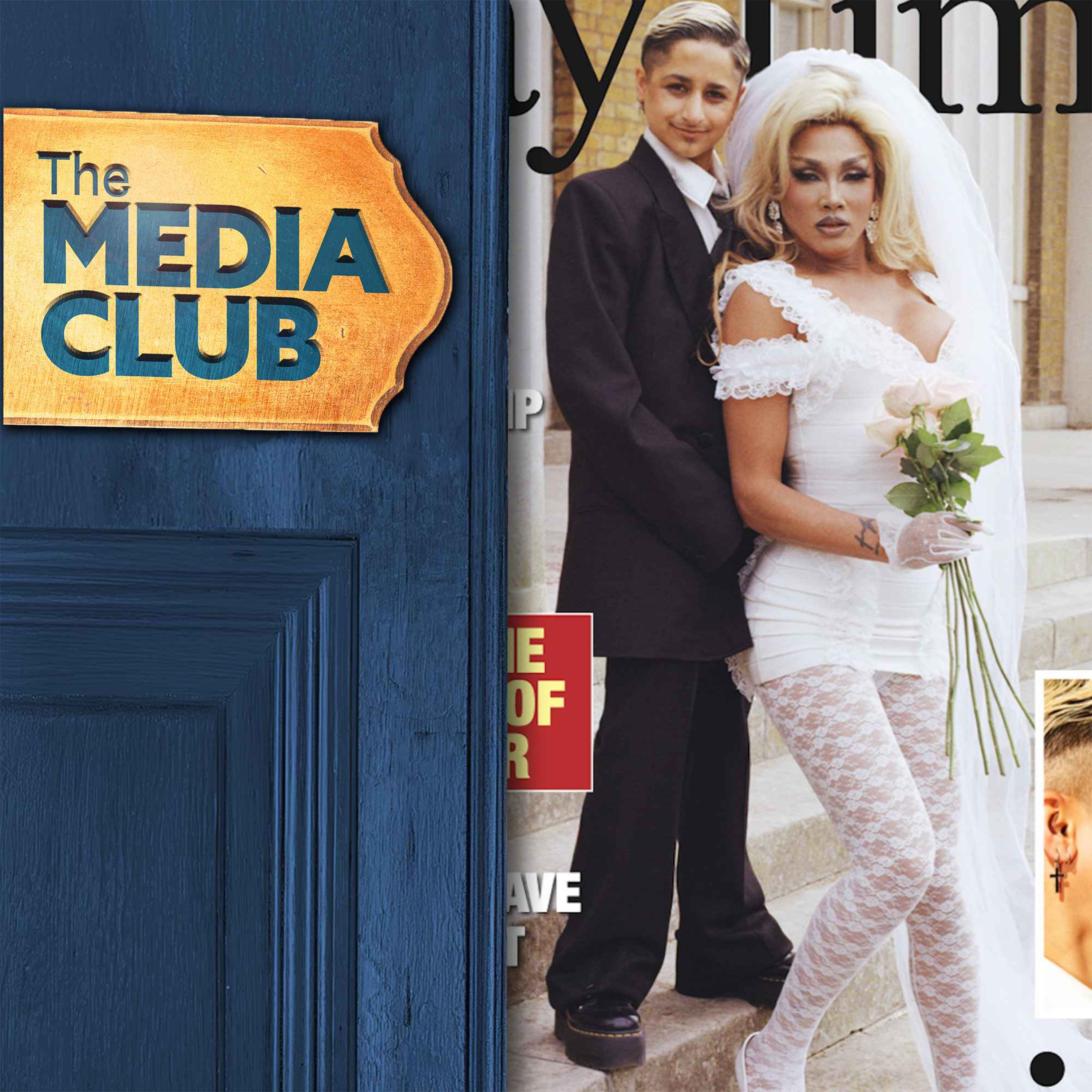
Gay Times: Where Readers Become Investors
In short
The Media Club episode covers how publishers sustain themselves as ad money declines, focusing on three big themes: (1) Gay Times’ shift from brand/advertising dependence to reader-backed funding via a “readers become investors” share scheme; (2) legal and ethical pressures on journalism, including challenges to Google’s AI Overviews and broader publisher rights; and (3) media industry controversies and public service broadcasting funding risks.
Guests
- Tag Warner, CEO of Gay Times (41-year LGBTQ+ media brand; US audience growth; previously print-led).
- Charlotte Tobit, journalist at Press Gazette (covers media/press industry issues; discusses legal challenges and tech impacts).
- Also referenced: Greg Wallace (BBC/MasterChef misconduct allegations; autism claim amid complaints) and Sir Peter Bazalgette (PSB funding warning).
Key claims/examples
- Gay Times lost advertisers after an anti-DEI backlash in the US (mid-2024), then launched community investment: readers can buy shares (about £16 minimum, up to £50k), get shareholder info and perks (events, preferred access, possible free subscriptions).
- Google AI Overviews reduce “zero-click” traffic and click-throughs; publishers want opt-out without “no snippet” and fair compensation (Foxglove, Movement for an Open Web, Independent Publishers Alliance).
- PSB may shrink to two broadcasters; BBC funding is crucial to protect journalism.
Written by AI. May contain mistakes.
Chapters
0:05
Meet the Guests
Matt introduces Tag Warner and Charlotte Tobit, discussing their backgrounds and insights.
“What used to take five separate tools, ShipStation does in one.”
1:40
Meet the Guests
Matt introduces Tag Warner and Charlotte Tobit, discussing their backgrounds and insights.
“That's all coming up in this edition of the Media Club.”
3:37
Admiring Authenticity
Discussion on Jade Thurwell's impact and authenticity in media amidst challenges.
“or pop stars and stuff and people kind of behind the desk and managers.”
5:00
Greg Wallace Controversy
An examination of the allegations against Greg Wallace and the implications for media.
“OK, so at the time of recording, so Wednesday afternoon, the report into Greg Wallace's misconduct is yet to be published.”
6:20
Victims and Accountability in Media
A discussion on the importance of recognizing victims of harassment in media.
“He used that phrase to say that he should have been protected.”
8:33
Cancel Culture and PR Strategies
Exploration of how public figures navigate cancel culture and media narratives.
“But absolutely, I think the fascinating thing that we've seen as a brand that intersects, we mostly deal with the UK and the US media.”
10:04
Legal Challenges in Media
Insight into ongoing legal challenges faced by publishers regarding AI content use.
“But equally, there are plenty of people in the Instagram comments that are still supporting him and agree with every word he said.”
13:00
The Impact of Google's AI on Publishers
Tag Warner shares experiences on how AI snippets have affected publisher traffic and revenue.
“And there's plenty more to come, as you say.”
14:00
The Evolving Landscape of SEO and AI
Explore how SEO dynamics are changing with AI's influence.
“We've seen a significant impact on click throughs in the sense of them decreasing from Google.”
16:48
Big Tech's Impact on Journalism
Discuss the relationship between big tech and journalism, and its consequences.
“And have chosen to skew it a slightly different way.”
Show all 22 chapters
19:23
Funding Challenges for Public Service Broadcasters
Understand the funding issues facing UK public service broadcasters today.
“And then you get a bit of a first move advantage and then you sort of set yourself up for a year.”
23:04
Public Perception of the BBC and License Fee Debate
Examine the public's evolving view on the BBC and its license fee.
“He's been, I think he's senior at the BBC or production company.”
26:40
Public Perception of the BBC and License Fee Debate
Examine the public's evolving view on the BBC and its license fee.
“Hello Media Club listeners, Patrick here from Podcast Discovery, the podcast marketing company, where this week we've been thinking about how best to use your podcast network.”
29:51
Weekly Headlines Discussion
Explore the latest headlines and their implications on media.
“Here's a few headlines we've been discussing in the club this week.”
31:01
Gay Times and the Challenges of Advertising
Delve into the difficulties faced by Gay Times in the media landscape.
“But you're right, people don't want to talk about this stuff.”
37:50
Community Investment and Shareholder Engagement
Learn about Gay Times' innovative approach to community investment and building a shareholder base.
“of a different way yeah well i guess we're kind of approaching it on both angles so we've launched to community investment.”
41:46
Shareholder Insights and Company Culture
Understand the perspectives of existing shareholders and the cultural shift at Gay Times.
42:00
Exploring Shareholder Opportunities
Learn about the unique approach Gay Times is taking with its new shareholders.
“Have you said what percentage of the company the new shareholders own?”
43:01
Subscription Models and Community Engagement
Discover how subscription models like Patreon and Substack are changing the landscape for publishers.
“Do you think more of the people you write about could go down this route?”
45:03
Business Post's Transformation Journey
Examine the shift of Business Post from B2C to B2B and its implications for the media industry.
“It's an exceptional process because it forces you to do all of that work, but it's really rewarding because it's not just helpful from that investment side.”
47:14
Shifting Focus from Broad Reach to Engagement
Understand the transformation in media strategy from broad advertising to targeted engagement.
“And also we found that when you're geared up for ads and brand marketing, it's all about eyeballs and you're really trying to get these huge numbers and massive reach and huge impressions.”
48:05
Mystic Matt Media Quiz
Participate in a fun quiz segment testing media knowledge with guests.
“It's the best of three, so buzz in with your name if you know the answer.”

Ask about this episode
Get the gist, explore an idea or ask about something said.
 Claude
On The Media Club with Matt Deegan, what are the key points of this episode?
Searching your listeningTranscript
Automatic transcript. May contain errors.
0:00500 orders a month was manageable. 5 ,000 is madness. Embrace intelligent order fulfillment with ShipStation, the only platform combining order management, warehouse workflows, inventory, returns, and analytics in one place. What used to take five separate tools, ShipStation does in one. Automate fulfillment and rate shopping to ship up to 15 times more with up to 90 % savings. Go to ShipStation.com and use code AUDIO to try ShipStation free for 60 days.
0:32That sound could mean a lot of things. And when something's going wrong at home, the hardest part can be figuring out what the problem actually is. At Thumbtack, you can upload a voice message or a photo, and our AI-powered search will help diagnose your project. Plus, the pros we know have over 14 million five-star reviews, so you can hire with confidence. Thumbtack. We know homes. Hire the right pro today.
1:04Hello, welcome to the Media Club. I'm your host, Matt Deegan. In the club today, when the ad money leaves, what do you do to keep your publication going? Tag Warner, CEO of Gay Times, joins us to discuss their adventures in a readership share scheme. Partly fueling that is Google's AI overview. Charlotte Tobit of Press Gazette takes us through the legal challenges publishers have just launched. All that plus Greg Wallace isn't giving up without a fight. And are we heading for a world with just two public service broadcasters? Meanwhile, in the Audio Network Media Quiz, I will consult the club's crystal ball.
1:40That's all coming up in this edition of the Media Club. Come on in.
1:49A tag. Welcome to the show for the first time. Lovely to see you on the sofa. Thanks so much for having me. I'm an avid listener for many years. That's great to be here. That's where we like to hear. and Charlotte joining us from your own club environment. This is my media club. Thank you for having me. No worries. Great to have you here too. So Tag, now you've got your own club membership. Who else would you like to add to our club roles? Do you know who I'm going to choose? As someone that I admire greatly, also a good friend of mine. That's fine. That's okay. Jade Thurwell is one part of Little Mix.
2:23Has gone on to a very successful solo career just come off a very successful Glastonbury set. The reason I'm going to choose her though is because I've always admired her way of speaking in interviews to the press, but to the public via social media as well in such a way that's so integral and authentic to her. And so she inspires me greatly as a friend, but also - And that's hard when you've been in a girl band. That's not always, you can't always do that. Yeah, right. And I think she's spoken a lot too during those years, especially those like real early X factor years, very tightly controlled messaging, controlled narratives.
3:01And she's kind of come out and talked about that subsequently, but with so much kind of poise and like maturity. So really exceptional. But I think also specifically this week, she just came out with some content, her album's coming out soon, talking about kind of how to follow your dreams and your passions in this industry that is so cutthroat. So much of the album is sort of themed around the industry. It's called That Showbiz Baby. And she talks about how she sort of, really going for her dreams, but doing it in a way where you're not trying to kind of tear people down along the way. I think there's a huge amount to be said for that in the pop game.
3:34I've got friends across the whole spectrum, whether it's songwriters or pop stars and stuff and people kind of behind the desk and managers. But I just love her approach. I think she's brilliant and she is a master of media. Like she gets it right every time. As you have to be as a pop star. Also, she make our karaoke nights go really well. Right, exactly. And Charlotte, who would you like to add to the club list this week? A little bit different from the last one. I'd like to nominate journalist at The Observer, Chloe Hajimotheo, who wrote the big Salt Path investigation that's been out. It's made a bit of a splash, kind of, for anyone that doesn't know.
4:14It's basically saying that this couple who wrote a book that a film with Gillian Anderson and Jason Isaacs has just come out is based on that as well. There's quite a few allegations in there, but it was all about them having their house repossessed and losing money. And now the allegation is that they, in fact, stole thousands of pounds from a former employer. And there's quite a lot to it, but it stood out for me, especially because it feels like the first real major agenda setting investigation the Observer has had since the takeover by Tortoise. So, I mean, if that's kind of a statement of more to come, that's fantastic.
4:56Perfect to change into a podcast series at some point as well. Oh, that's started. Don't worry. OK, so at the time of recording, so Wednesday afternoon, the report into Greg Wallace's misconduct is yet to be published. But that hasn't stopped the presenter launching a furious attack on producer Banerjee UK and the BBC. and Charlotte this obviously partly because he's sort of just officially been sacked as the presenter of Masterchef. What's super interesting is the fact that the BBC has like a whole basically a whole finished series of Masterchef but Greg Wallace is in all of it except the series finale because that's when he was suspended so are they just going to have to give up an entire series?
5:38I don't really see what else you can do with that but I mean I don't know if you're going to list some of the things that Greg Wallace is saying but it is absolutely gobsmacking. Yeah, so more allegations are coming in. The BBC won't comment until the report is published. Wallace says he'll not go quietly, has recently been diagnosed as having autism. I'm not disagreeing with what he's saying, but yes, he's not going to disappear, is he? No, I think the most outrageous thing to a lot of people is the fact that he's essentially saying, well, I was autistic and it was a dangerous environment. He used that phrase to say that he should have been protected.
6:23Like, what about all of the people that said that they felt uncomfortable and unsafe working with him? I mean, more than 50 people really takes it up a whole gear. Yeah, it's interesting, isn't it? It's like a big thing about being cancelled. and now is it maybe that people are kind of uncancellable is he trying to make a case to try and stop himself being cancelled right I was going to say I think this is the playbook that we've seen coming out more recently I mean before I go into that though I think the the thing that I always think about with these stories is thinking about the victims the alleged victims the people that come forward 50 people like that's insane I mean even if it was one person We should be taking that incredibly seriously.
7:08I think that when these stories come out, especially when they're kind of bigger press stories like this one, so often the people that have been involved and often subject to this kind of harassment or kind of traumatized that experience are then reliving it again in this very public way. And we talk about victims of sexual harassment or abuse in the workplace in this way that can feel quite callous. So I think firstly, it's about recognizing actually that's an experience that people have gone through that can be really troubling and sometimes stay with people for life. So I think the kinds of, I guess, the dismissive language and the statements that he's saying come across as even more shocking, I think, for that reason.
7:51Because it's just sort of pointing to this sort of invalidating fact to say your experience actually doesn't matter. And even so much as my experience was bad as well. So yeah, I'm the victim to you, basically. Yeah. And also, I think I think that's the thing that I find always disturbing about these stories is invalidating victims coming forward. It's exceptionally difficult to do. I think we saw a Guardian piece out today on Wednesday that spoke to that fact about how difficult it was for people in these production companies to come forward. The environments didn't exactly sort of make them feel able to share this.
8:28And then we make it even more difficult by them by saying, actually, you're the problem. It's actually your fault instead. So that's kind of part one. But absolutely, I think the fascinating thing that we've seen as a brand that intersects, we mostly deal with the UK and the US media. I've really seen this come out of the US is this kind of new playbook, which is don't apologize. Actually, it's everyone else's fault. and in a weird way. And it kind of works. I mean, it's been a successful playbook for lots of people, obviously driven by Donald Trump. It absolutely has. Ultimate non-apologist. Yeah, and I think what we might see with this story as well is that what we've noticed is there's quite a similar pattern.
9:08So you sort of go out to your mainstream media. I mean, you know, BBC is kind of as mainstream as it gets right in the UK. So you sort of go down in flames, kicking and screaming, and then you move over and you transition to sort of alternative media, but you arrive into those alternative media sources as like this hero. Yes. Because you took on the system. You took on the system. People said that you did this awful thing and you told them to kind of do one. And now you've moved into this new space. So I just feel like we're going to see this happen again. And that will be in podcasting and YouTubing and different alternate sources.
9:44And that person arrives as somebody who is lauded as brilliant and standing up against the system. And I fear a lot in these environments that actually we just are seeing this pattern play out again and again. Do you think he's getting some PR support to help him find this new direction? His strategy is quite interesting, isn't it? Because then last year when he kind of went out on his own as well and basically blamed it on middle-aged, middle-class women and I don't really see how either of the new statesman all that one are really advisable from a PR point of view. But equally, there are plenty of people in the Instagram comments that are still supporting him and agree with every word he said.
10:26So I guess there's a certain base of people that it will play well with. OK, more developments in the rise of Google's AI overview. I feel it's almost becoming like a co-host of the show, the Google AI overview, we've mentioned it so much, and its impact on news media. You remember, actually, the other week, a Mail Online's Carly Stephen discussing on the show the massive drop in click throughs to Mail Online that they found since Google has launched the AI overviews. But Charlotte, another week, another legal challenge. Yeah, it's an interesting kind of new coalition of a few kind of groups. So there's this tech justice nonprofit called Foxglove.
11:09There's a campaign group called Movement for an Open Web. They've done stuff about Google's various cookie plans before. And then the Independent Publishers Alliance, which is a UK-based group of smaller publishers. And they say they know about the sentiment among bigger publishers, although obviously they're not directly involved in this one. But it's gone to the Competition and Markets Authority and the European Commission. And basically to the CMA, they're saying, yes, you're looking at it and that's great, but we need something to happen sooner because Google is stealing our content now and it's a real threat to British original journalism.
11:52So they're kind of... I mean, they're not the quickest bodies, are they, to adjudicate on these things? No, exactly. So they're essentially asking for interim action, like while you're looking at it, please, can you maybe do these key things that would help, which are letting publishers opt out of the AI reviews without having to opt out of search, which is currently one of the kind of really frustrating things about it to a lot of publishers. Google says you can, but you have to do a no snippet thing. That's what it's called. But that essentially means that you wouldn't get all of the extra detail about your search result.
12:28And it's previously been shown that hardly anyone clicks through to those ones. So obviously, that's still a bad situation. And then the other thing is just simply to provide fair compensation for use of that content. and it's pretty clear the impact that it can have on websites big and small. I kind of looked at some similar web data this week. You can see kind of the full, got some big tables with it all you can delve into on PreskyZat but basically it's showing an increase in zero click searches for a lot of major news websites. so that means essentially for the search keywords that they're currently the biggest on how many times a AI reviews are showing up and b how that's affecting searches where no one clicks through anymore and obviously yeah we all much discussed kind of the impact on on traffic and therefore ad revenue and potential subscriptions revenue so they're kind of the they're the two stories I've done in the past week.
13:36And there's plenty more to come, as you say. Tag is a decent sized publisher. Have you kept an eye on what's been happening with Google's AI snippets? Yeah, I felt it. Not just kept an eye on it. Yeah. I mean, yeah, so many perspectives on this. And I think I've run Gay Times for about seven years now. and um i guess broadly speaking you know when anything feels i kind of approached it was like when anything feels like a game that you have to play you need to be very wary of that being your business model and and so seo has always been a little bit of that hasn't it well that's exactly the point exactly the point so this isn't just about ai it was also about seo before and when something's a game and you're playing this game with uh let's say an organization that has this immense amount of power and control over your success or not, and you're in a dance with it, it's not a great long-term strategy.
14:33So then, of course, when the person that you're in a dance with starts changing the rules up again, and everyone's up in arms, I think even as a person who runs the business myself, I think it was on our side to maybe think about whether or not that was viable long-term. Don't get me wrong, though. It hurts. We've seen it. We've seen a significant impact on click throughs in the sense of them decreasing from Google. We've seen our proportion of kind of social referrals increase. Therefore, SEO seems to be playing less of a role in our strategy. We're trying to get this relationship with our audience, which is much more direct and getting them into sort of habits of coming to our app or to our website direct.
15:17And of course, you know, I think when you have that closer relationship with customers and with audience members, they do that. But when you're in this game of just looking for the clicks all the time, you're so reliant on these players like Google, and that can be really fraud. And also, it's sort of nice to have a bit of everything. It's nice to have a bit of ad revenue from that side. Yes. Bit of programmatic. And it's important. That's important. That's how it works, right? You need that mix of revenues. You're not kind of over-reliant. But yeah, it's been interesting to see it. The one thing on our side, actually, that we've noticed is, of course, it's an increase because it didn't exist, is this increase in referrals from ChatGPT.
15:54Yes, yes. Different approach. And I think we've kind of looked into this and think, what's the difference between Google's AI overview? And it seems to be, at least when I'm seeing Gay Times showing up in Google's AI overview, it feels, rightly or wrongly, I don't know, just from a customer perspective, as consumer perspective for me, very complete. And I don't feel the need to go anywhere. And even the links are kind of not given a huge amount of priority. It's not a big thing, but ChatGPT gives the kind of URL alongside the link button and kind of sometimes prompts you to go to that publisher or that source to find more information.
16:30Whereas I think on the Google side, it seems to be, the technology seems to be sort of skewing you to try to get all your information in one place and then allowing you to move on. And it does also show that you can take different approaches. Absolutely. And these are two massive companies that have basically the same access to all the data. Yeah. And have chosen to skew it a slightly different way. Absolutely. And that's not to the detriment of ChatGPT. It seems to be doing fine with that. Yeah, exactly that. And that's why I think we've been quite interested. Because we're like, actually, we've seen actually some of our traffic boosted quite a bit from that source.
17:04Whereas, of course, that didn't previously exist. Two different approaches. But also, you know, I think when I stand back from the whole thing and look at it, I think the thing that I feel kind of, I guess, consistently slightly dismayed about is big tech's ongoing lack of kind of value when it comes to journalism. There's just never been this mutual respect, which is a shame because I think there could have been this kind of mutual understanding about what the two kind of entities or the kinds of organizations would do with each other and how they could work together. And there's just always been this lack of respect for each other in the industry.
17:46Charlotte, I mean, big tech goes through phases of sort of courting journalists, offering money to publishers to do certain things, roundtables. Have they given up? Are they ambivalent to it now? They are worried enough about AI for themselves. Let's cancel those nice roundtable lunches. I mean, Google literally put out a study a few months ago saying news brings us no value, which publishers just could not believe. So that felt like a real significant moment in that changing relationship. Have you seen any of your Google Analytics change and be affected by the AI overviews at Press Gazette? yeah i don't i mean i i don't know if about the aiv specifically yet to be honest for us although i mean i have seen our content showing up in them so um uh it's it's not that we're not there um yeah i definitely all of our analytics are in a bit of a flux to be honest like because twitter used to be huge for us obviously journalists want it all the time and now it's absolutely tiny um It's just changed so, so much.
18:59I think it's interesting, Tig, isn't it? There used to be like an annual Google dance where an algorithm was changed and it either was bad news, good news, or it was just the same. But there's sort of one movement. Now I find that when I look at some of my projects and I open up Google Analytics, it's like, where does that come from? And it's month to month changes. Yeah, you're absolutely right. And also, I guess, between the publishers, it was a kind of thing of who could work out the change quick enough and kind of capitalize. And then you get a bit of a first move advantage and then you sort of set yourself up for a year.
19:33But yeah, absolutely. And I think the other thing that we've, again, taken note of is a much broader level, looking at the big tech organizations that are led from the U.S. and seeing their kind of shift politically over the last six to 12 months and kind of alignment with obviously the Trump administration and their kind of general disdain of media. I think that, like to Charlotte's point, like I'm not surprised that these organizations are coming out and talking about the fact that actually, you know, in their eyes, media news sort of isn't particularly valuable. Has that sort of been given permission to?
20:11Absolutely, because you've got now a kind of discourse politically and socially, which is like, you know, we don't really need media anyway. We're kind of fine without it. As we're kind of also watching like, you know, significant democratic backsliding. We're all kind of saying everything's fine, isn't it? Because at least we've got socials. So I think, you know, not to be too doom and gloom, but I think I feel kind of broadly quite concerned about it. So I guess when we're looking at these specific things, yes, you know, we're seeing like an impact on the AI overview. I guess in my role and kind of what I'm trying to do is be like, like, right, we need to take 10 steps back, because if we're always reacting to the thing that changes each year, we're not looking at the broader shift and trend here.
20:53OK, media grandee Sir Peter Bazalgette was in front of MPs this week, warning not for the first time that the size of UK public service broadcasters could go back to what it was in the 1970s. Charlotte, what does he mean? What's he been saying? They don't get the funding support. there's no there's been no strategy to to ensure their forward-looking health which is something that I recognize um so for example um yes we've had the media bill now but it took so long um and so much campaigning for something like asking for PSB prominence on streaming and smart TVs and everything and and that that does feel like again a bit like we were saying earlier like quite a simple thing but the process is always so long and he's also keen to he thinks that perhaps there's going to be two public service broadcasters rather than the kind of three that we've well the sort of well the four that we've got now yeah and i like the fact that he kind of refused to specify when obviously he has some in mind and it was suggested to him that it would be the bbc and ITV.
22:00And again, he made a point that I related to a lot, which is essentially, especially in that future where there's fewer PSPs, we really need to figure out the funding, future funding for the BBC, especially with what we've just been talking about with Google, with all these big tech threats to kind of your legacy outlets um of which the bbc is is kind of the biggest in the uk it would support journalism and therefore democracy in the uk so much if we are more secure in the bbc's funding it has more more of a long-term view it doesn't have to keep straddling to figure out what it's going to have next um and that includes the world service as well you know obviously I'm saying about the journalism, but the entertainment side does play a really important role as well if that doesn't, again, have to keep scrabbling every time there's an advertising market downturn.
22:58So, yeah, I think what he's saying is kind of a really good warning. I mean, he's been around the block. He's been, I think he's senior at the BBC or production company. He's been on the ITV board as well, counsels and is a good person to listen to. I mean, I think sometimes the public would probably be surprised that ITV and Channel 5 have public service commitments as well around other local news and kids stuff. But he's right, isn't it? We probably are going to go down to a couple of broadcasters. We can't really support four with all these keeping all these promises. Yeah, I guess so. And I think the thing that I think to your point, I don't know if the public necessarily recognises the value in it anymore.
23:40I think maybe for me growing up, the idea of a public service broadcaster was actually relatively firm in my mind. I don't know. I guess the branding, if you like, was a little bit more clear to me. And I guess as time has moved on and we obviously have this kind of wider proliferation of media and kind of social media, different digital entities. I don't necessarily know if the public see the value in it as they compare it to other models and maybe don't necessarily consider that. I think everyone understands the license fee and they kind of have an understanding of what that's doing, but not necessarily that these other broadcasters have public service responsibilities.
24:18Also, I think younger audiences have quite a visceral view to having to pay the license fee. Why am I paying this license fee? I'm paying for Netflix. I'm not consuming any BBC content. Why the BBC doing this to me rather than perhaps like the governments have all decided that this is cool stuff to have. Yeah, totally. And also, I think the way that I guess the BBC shifted, I mean, of course, the studios division that does really well internationally, even that kind of recent Disney Plus dealings. I think that that gives this perception when you're a younger consumer that this is like a kind of, you know, successful broad organization that sort of cutting deals with like major corporations.
24:56Right. Especially their US programming. US programming, sort of why am I subsidizing it in the UK when they seem to be doing just fine. So I get the pushback and I understand it. But I do think on that consumer side, I just don't know if there's enough work that's been done to say this is what we're doing. And this is where the money is going on the public side. And this is maybe why it's important. I mean, Charlotte, as we come back to kind of BBC license fee renewal, it's still sort of a couple of years away. As you were saying earlier, it's a very slow process for something in the media that moves so fast.
25:32And no government really wants to make any big changes either, do they? They might talk a good game, but when it comes to it, there isn't an amazing option that people just never thought of before. Yeah, I mean, yeah, as you say, I think Lisa Nandes kind of expressed interest in doing something more radical than anyone has for quite a while. but I don't know if that will actually happen but I would say kind of in the context of everything you've just been saying now is maybe the time when it would have to be shaken up a bit as you say you know there's so many other streaming services and people don't really understand why why am I practically forced into this one and and there's got to be some either explanation of the value proposition that doesn't really happen that well at the moment maybe just a really good marketing campaign i don't know but we haven't had one of those for a while about the bbc bbc is always the best subscription model if you don't pay you previously had to go to jail and now you get fined it's the perfect subscription okay when we return uh why the gay times is looking to its readers to invest in the future we'll see you in a moment
26:48Hello Media Club listeners, Patrick here from Podcast Discovery, the podcast marketing company, where this week we've been thinking about how best to use your podcast network. Your show might be made by the same production company as other big hitters. It might fall under a broader umbrella or be in an ad network. These connections can be your biggest strength when it comes to cross-promo and making your money go further. For advice on cross-promotion or anything else to do with podcast marketing, head to podcastdiscovery.com. That's podcastdiscovery.com.
27:39dedicated engineer on hand, ready to help with any technical details so you can focus on the talking whilst they do the rest. And right now you can get a 25 % off your first booking. Just use the code media club at podshoponline.co.uk. That's media club at podshoponline.co.uk. When you're running a growing business, the right systems can unlock your full sales potential and make fulfilling every order effortless. Switch to ship station before peak season so you're prepped and ready before the rush hits ship station connects shopify amazon tiktok shop and over 200 more marketplaces with one platform that does it all you can manage orders sink inventory track returns all automatically everything your operation needs all in one place upgrade your shipping operations to stress-proof your biggest sales days and capture every bit of potential revenue go to shipstation.com and use code audio and get 30 days free thumbtack presents tile trouble every single time i use my sink i make eye contact with the uneven
28:59Why does the same news story sound completely different depending on where you read it? That confusion is exactly what Ground News was built to solve. It's an app and website that compares news coverage, allowing you to see how each story is framed across the political spectrum and the world. For the recent story about the U.S. signing the Memorandum of Understanding with Iran, their vantage plan shows us that right-leaning Daily Express framed it as a historic peace deal, while left-leaning NPR notes it resulted in the president's approval hitting record lows, plus data like each publication's source of funding and a factuality rating.
29:31The Nobel Peace Center even called Ground News an excellent way to stay informed, avoid echo chambers, and expand your worldview. Get 40 % off by going to ground.news.com. That's ground.news.com. Again, ground.news.com.
29:51Welcome back. Here's a few headlines we've been discussing in the club this week. following our discussion on last week's show that online creators are seeking government recognition Tradebody Audio UK have been pushing for a seat on the Creative Industries Council currently no part of radio, podcasting or audiobooks is recognised as a creative industry by the government there's a letter you can sign if you think that's a bad thing check it out in our show notes and TikTok may be building a US version of the app just in case things get spicy with the Trump administration. That's according to the tech outlet, the information.
30:28Currently, the current app has to close in March 2026. And more fallout from the Gaza Medics documentary is deadline reports that the BBC attempted to insert a clause in the producer's contract to prevent criticism being aired publicly, given Ben DePere's outburst at the Sheffield Dock Festival last week. I don't think that worked. links to all of our stories are available on our sub stack just head to themediaclub.com it's free to sign up to and you get a lovely email from us every week with links to all of those stories tag and charlotte are still with me um so tag talk to me about gay times um this year was not looking super great from a business perspective um lost quite a lot of your advertisers and that these are normally the things which someone wouldn't want to come on and talk about but you've sort of come up with a slightly different way to deal with that but first of all tell me is it just general media trouble or something particular to your vertical sector of the market it's definitely a bit of both i do think though i'd say the the big majority of what we're seeing is lgbtq specific yeah um especially gay times as exposure and kind of how we've been set up and also our markets, right?
31:47But you're right, people don't want to talk about this stuff. I've always kind of done something a bit differently. I mean, I think, I guess one of the things about coming in and taking over at such a, I look back at pictures of myself now in my first week and think like, that's a child running this business. I'm now 31, but I was 24 when I got the job. And so I guess that brilliant naivety that you have is just like, well, why wouldn't I? I mean, I've been authentic and kind of said things so far, why would I not? And so So I've always tried to, I guess, have a slightly different approach when it comes to the leadership of a media entity and try to be a bit more honest with the audience.
32:21So far, so good on that. But this, I mean, it was a big, you know, of course, there was lots of discussions entirely. Do we want to talk about this? It's challenging, right, for an organization to fess up and say, actually, we're having a really tough time. But we've seen this huge shift in our advertising. I mean, the real thing about games. And that's because trans dramas, is it broader than that? It's much bigger than that. So I was going to say that the kind of, the long story short really is that we had this tremendous kind of shift around brand marketing when it came to diverse themes, not just LGBTQ.
32:59You know, you saw different diverse publishers, whether they speak to, you know, black male audiences, women of color, Muslim audiences in the UK, really create relationships with big media agencies. And these media agencies, right, and us were working with brands and saying, look, if you diversify your media and your marketing budget, this is actually what you can get. And I always say when I talk about this story, this always comes down to like good old fashioned discrimination. This is not about a business case. I can show you the numbers. Every Gay Times campaign that we've done has done really well, over-indexed.
33:35We sort of over-deliver, but also compared to other media types, we tend to do better, right? Not too surprising from my perspective, because you're often dealing with audiences that maybe haven't been spoken to in a way, they haven't had targeted marketing and they tend to respond quite well, right? So you saw almost like a cash influx kind of post George Floyd and post that world. Exactly. So you're looking at now, you know, 2020 to 2021. And that's also at Gay Ties, we went from being a traditional 12 issues a year print publisher in the UK, basically, to now our number one market is the US.
34:12So we had this social and digital transformation. And it really was like being on a rocket ship, you know, being like going from hundreds of thousands to millions to tens of millions of audience members a month. So really exciting. And then kind of coupled with that, you have this shift in brand marketing where brands are doing everything that they can to diversify their portfolio. And I should say, I don't say that cynically. I think that's a really good thing. And it made business sense. And some of the agencies themselves created funds to really push money different ways. Yeah. And also the UK, interestingly, most of the media agencies here, they sort of pledged the US side of the agencies often made commitments, public commitments.
34:52So these weren't just we'll try. It was very much we will do. And also on the brand side, the clients, the media agency clients, right? So these big brands were mandating it when they were going out and kind of doing their RFPs and these processes. And we would be often a part of that. So as I say, though, it wasn't, from my perspective, a kind of cynical view because it made business sense. And then in the US, everyone kind of comes to me and says, God, this must have all happened on Election Day. And it really didn't. It started in 2024. And we had this really well-funded anti-diversity effort.
35:27You've seen that in the US media, mainly. It's crossed over, obviously, as always happens, you know, the whole the US sneezes and the UK catches the cold. Go work, go broke. Right, exactly. And so it starts in the US and that kind of anti-diversity effort was kind of speaking originally about DEI, right? So kind of more of this corporate angle. But then they were starting to track, was this organization, so these would be big American consumer brands, your targets, et cetera. Were they sponsoring prize? And if they were, you got downrated. So like you were basically on the bad list now. So in the past it was, are you supporting are you showing up for different diverse communities now it's are you showing up for diverse communities if so we're going to throw all of this energy and we're not talking about small money here we're talking about like tens of millions of dollars of and this has been well reported in the u.s of funding that's going in to try to lobby these organizations to divest from diversity yeah just get them to shut up exactly to be it stop doing this and it worked it was really successful and i think because our main uh audience then was growing in the u.s and That was our number one.
36:37Our US kind of market and business was a hit first. It doesn't take long for that to come to the UK. And so, again, like the real kind of shift for us was we were never given a business case. You know, these were campaigns that were secured. These are contracts that have been signed, even at points actually paid for. So you've got brands that have paid for their campaigns actually saying, can you please not run them? This is not about business. This is, as I say, often a kind of good old fashioned discrimination. So that blows a big hole in your business planning. Well, yeah, it's a huge impact, right?
37:12Because you're kind of taking one of our biggest revenue streams, which is advertising and brand work and sort of really having this huge impact on that. So I think the thing that I noticed was, as I said, this was six months before Trump. We actually went through this kind of really tough point in mid 2024. so in a weird way 2025 has actually been a bit better for us although we're talking about this now and i'm sitting here and we're kind of publicly talking about it we've done a lot of the difficult work because you made some decisions right exactly exactly so obviously a lot of people in publishing go for the subscription model exactly trying to convert what used to be fly by night audiences into into paying every month yeah i mean you've sort of done that but in a bit of a different way yeah well i guess we're kind of approaching it on both angles so we've launched to community investment.
38:00And I think the great thing about our audience is they really care. Like one thing I love, especially around now, it's just been Pride in London right this weekend. I was out on the streets. I walked the parade at the front, which was brilliant. And you go up to people and they tell you about what Gay Times means to them. This is a brand that's been around for 41 years. And our audience, it's not just sort of like, you know, little bits of information. These are often like deeply emotional stories. I think when our audience, you know, knows that there's something that's happening with our organization, that they can support, we get this great response.
38:31So that's kind of part one. But part two is to be honest with them and say, look, we've done all this work with brands. We live in a very different reality. And like you say, we need to go on this journey now to actually building a robust subscription platform. And that takes funding and that takes some effort. So what were you asking them to do? So with our community, we were basically saying, you can now buy a share in Gay Times, which is really cool because we've never done that before. And I, of course, had to, now running a 41-year-old business, had to go and check, make sure we haven't done this in the past so we could say it.
39:01But we did the due diligence and the audience, the community has never been able to have any ownership in the business, you know, apart from maybe being a customer of it. So that was really heartwarming to see that response. So is it sort of a bit like a football club, not my expertise, where they sort of partly allocate a bit of a shares to be kind of owned by the fans, sort of owned by the readers? Right, precisely. And I think it's not just about the investment and the funding, it's also about what that does. So when you are a bona fide shareholder, you need and deserve and absolutely are entitled to management information.
39:35You get to see what the company's doing. You understand our strategy. And for as much as the audience, it was about a big shift for us culturally to say, okay, we've kind of been geared up in this way that's all about brand work and delivering to a marketing audience. Actually, can we put our audience in the center of our stakeholder group and actually be a bit more kind of tailored towards them? Is that strange? That transition from readers to shareholders, that's a big shift. That's adding a lot of new people to have to tell them what you're up to. Yeah, it definitely is. I think, though, the thing that I found quite stimulating is sort of how much trust they have in us in order to do that.
40:17And the kind of messages of support of the back of people investing or buying some shares. So how much, what's the minimum to invest for an individual? Well, accessibility is super important, especially for our audience. I think it's important that everyone can kind of take part. So it's like, what's the reason about£16? As a one-off? Yeah, it's the lowest amount that you can invest. Because, of course, I think when other organisations have done this, you sort of had this flooring of like a grad. And actually a grad is a huge amount of money to a lot of people. So we wanted to make sure that was accessible.
40:48And what did it go up to? What could people put in? An absolute maximum 50 ,000 pounds. Okay, did you get many take-ups? We did. Yeah. Yeah. But mostly people, I think the thing that we loved actually was the most commonly invested amount was about 100 quid. Okay. And again, it's about people saying, I'm showing up, I'm supporting in a way that's financial. But also, I want to feel a part of this and feel a part of that journey. It's almost like the ultimate Patreon perks. It's like having quite a lot of levels. Right. What you get for that. so are they um shareholders in the sense that if you turn a profit they get uh dividends do they get rewarded in a different way yeah sure i mean if the company did a dividend they'd be treated like any other shareholder that was also important to me to be kind of transparent and fair so they have the same shares that any other shareholder has there's no sort of like difference that's let's say in that um but also there's other rewards so like as a gay times shareholder investor you get invited to our events you get sort of preferred access to that kind of thing you might get a free subscription depending on how much you invested and there's a as you say there's kind of a whole range of different things you can expect what do the existing shareholders think about opening the door to some people actually really supportive okay but i think that's because you know the um i guess the culture and the fiber of the company has always been around the community yes we're we're you know we're a private business uh and a uh a profit making business you know we're not set up as a an ngo as a charity but there's always something sort of slightly more philanthropic in the approach of gay times because of the way that we're dealing with.
42:20Have you said what percentage of the company the new shareholders own? Not yet. We will soon. But yeah, coming soon. Is it all right? Is it sort of, would people be surprised? It's a decent chunk. It's not tiny, but it's also not 50%. I think it's important to kind of be also honest with the audience to say, like, this is an opportunity to be a part of this. but they're one of many, many people. And so, yeah, really exciting journey. It's also taught us a lot. It's taught us, I think, also what kinds of individuals care about the organization. Because, of course, when people kind of put their money where their mouth is, you get this great insight.
42:59Charlotte, you talk a lot about subscription options for print publications. Do you think more of the people you write about could go down this route? Yeah, it's an interesting kind of extra level, isn't it um yeah like fascinated listening to that because as you say um there there's a certain playbook i feel like a lot of publishers are doing at the moment um um with their uh whether it's full subscriptions or kind of your your part paywall like the male or the son things like that but you know um yeah interesting you kind of comparing it to that patreon because whether it's like Patreon or Substack, like a lot of people are willing if they care about, even if it's one individual creator or an older brand like Gay Times, like people now want to be part of stuff.
43:48I think especially, I don't know, today's world is a bit more isolated in some ways, despite the internet. So like when you have particular personalities or brands that you do feel connected to. um so yeah i mean i'm trying to i don't want to like just suggest someone if it but um i i do wonder yeah i mean um i think i think a lot of people would be watching to see how this is going to go and and yeah like best of luck tag what advice would you give to another publisher that might want to think about this well i was going to say if it helps to answer that question i've had many reach out to me which has been really cool so this is other uh other ceos or kind of owners of especially i think on the diverse media side because you know yes we've sort of seen this big impact to gay times but those other kind of diverse media owners um and publishers like i mentioned at the beginning have also been super impacted and of course have said well actually you go in that direction we've kind of thought something similar and and how did it go um the advice i'd kind of give them i spent a huge amount of time looking at your audience uh we we went through the whole kind of process of building investor personas, giving them names, you know, traits and characteristics so we could speak to them.
45:01Almost as if you're going to raise some money. Absolutely. Yeah. And really, really doing the work. It's an exceptional process because it forces you to do all of that work, but it's really rewarding because it's not just helpful from that investment side. You also understand kind of what readers really care about you. And also kind of like what parts of your audience maybe do have a slightly more transient relationship with you so you're still going to value them but you just need to understand you know who's going to show up for you and who maybe isn't and charlotte you've been writing about pivoting uh and publishers and it's sort of it was interesting a company that's gone really from being a b2c publication to a b2b publication yeah which is quite an unusual switch so so we're talking about um the business post in ireland and um it's a super interesting switch because it's unusual you know usually you're you're either b2c or b2b and whatever you try and make work it's still within that that lane but to me it was interesting because a lot of what we write about like getting to people directly super serving kind of a particular interest all those things obviously for b2b publishers that that works really well and I think there are some examples where B2C publishers have been struggling more with kind of the changes to Google and social than B2B ones are, where they kind of just have that more natural direct connection anyway.
46:28So yeah, in like the past couple of years, Business Post has done this massive transformation going from being a seven-day Sunday newspaper, obviously business was in the name, but it was a lot more generalist than that and now it's um you know it doesn't have that sunday newspaper um weekly workflow anymore it's it's your more traditional now you know traditional nowadays online workflow starting earlier in the morning publishing way more stories um and it's working is uh so it's gone from 3 000 digital subscribers in january 2018 to almost 12 000 now um and next year they uh hope and they think they will um have their newsroom costs fully covered by digital subscriptions which would be a massive milestone it's fascinating it's all about focus all these businesses and yours as well once you really have to think about it and really focus on audience which advertising which is about being broad means you don't often have to yeah it's a a wholly different approach.
47:34And also we found that when you're geared up for ads and brand marketing, it's all about eyeballs and you're really trying to get these huge numbers and massive reach and huge impressions. Yes, engagement is important, but normally when you're media planning, it's often secondary to this idea that you're just selling broadness and you're absolutely right. And then you switch that on its head and you're going hyper-focused. It's all about engagement. It's all about smaller numbers of people that really, really care. so it's a very different approach for us as well as we go through this kind of transformation okay just enough time for the audio network media quiz let's see how much attention our guests have been paying to the media news this week it's called mystic matt i'll divine from the tea leaves three media news stories uh guests you just tell me uh what's going on from my vague mystical utterances and once again alex at audio network has gamely taken up this brief uh from producer matt and supplied a playlist to score today's quiz.
48:33It's the best of three, so buzz in with your name if you know the answer. So Charlotte, you will say. Charlotte. And Tag, you will say. Tag. Let's play Mystic Matt.
48:45I see a series of journeys across water and land, but it's hard to see clearly because of the giant red ball you're carrying. Tag. Tag. this is the tv show i think coming to the uk yes it's a dutch format dutch format about pushing big red balls across different landscapes yes it's called let's play ball uh two rival teams of comedians go head to head in a race to transport a gigantic ball across various terrains love it it's sort of like race across the world uh meets like the wall or something like that this is totally like an odd kind of tidbit but um as the nerdy things i do i was actually watching a youtube video yesterday about weird game shows in the uk and actually when i saw the story i was like this reminds me of weird weird game shows in the uk and it was saying the weirdest one they could find was a channel 5 show which dale winton uh hosted called touch the truck yes do you remember it i'm aware of the format right okay and i watched the whole episode and i didn't i'm never going to get that hour back of my life yeah there's there's a big phase where radio stations do something similar like the last person okay yeah yeah gets the truck uh yes it's an interesting one to see uh how that uh gigantic ball does um okay time for mystical pronouncements number two i see familiar faces but they're melting slightly they're telling me they used to be on the telly.
50:18Charlotte. But now they're short form. Charlotte. Yes, thank God for stopping me there. I wanted to hear as much of it as possible. I believe it is spitting image coming back on YouTube. Yes, this is another TV property pushing into YouTube. It's called is it called? The rest is bullshit. Yes, the rest is bullshit. Have you seen this clip Tag? I've not seen it. I've seen it still an image. Yes, I mean I sort of thought I'd love to hear what the goal hanger people think do they think this is great because you know they're taking our thing or are they gutted yeah it's quite a good hook to do a sketch show um have you seen have you seen it charlotte no yeah i've also just seen seen the picture yeah it's the it's sort of it's the the two so the the first episode is prince harry and paddington bear yes um and then it kind of links out to sketches that have donald trump in and other people um i made the movie from they were sort of on telly and they weren't i think on brit box there was a series this was a while ago right i kind of remember this from a long time ago it came back quite recently didn't it but yeah it kind of little brit box run i think for a couple of series to me it's funny that it's doing the whole video podcast thing like i don't like just to add that level of the spoof but yeah it's the alert though isn't it it's like if you get it right you can get it really really right and you can do really well and i think maybe if you've got a pre-existing property in a format that people recognize and it's going to get some good pickup and and attention and press why not go for it uh now wait i'm getting another vision i see a spirit an eerie empty supermarket a trolley moving on its own it's very real charlotte yes i did watch the video of this um it's like the first ai advert on channel four yes made by spirit studios to support one of their new podcasts uh what did you think of how it looked um i thought it looked a bit better than i expected maybe but i didn't really get i mean it wasn't like that high concept or anything so why couldn't they just push a trolley in a supermarket um i didn't yeah i didn't really get why what the ai element added that you wouldn't be able to do otherwise did you see it tag yeah and i kind of agree i think what was a shame was i was like if you're going to go down that route and going to be the kind of first uh ai advert on that broadcaster push push the boat out and do something really crazy and cool i think the thing that sort of struck me was um uh i mean spirit studios do um a lot of things um maybe kind of tv ads isn't their thing but they've got experience they can apply to the concept yeah um and i was talking someone else this week about uh sort of expertise versus experience yes and maybe ai is coming for expertise a bit yes but experience is always really valuable does it mean we can all make ads that will go on channel four yeah i mean uh i would agree with that one thing i've noticed that i sometimes do is i'll use some ai products to almost help me like storyboards and so when i saw the ad that's kind of how i related to it i was like i've been here before i've helped the team with campaigns or even with our gay times marketing and you kind of help it to storyboard it out but actually when it comes down to it uh having that um real creativity yeah some real creativity and and that kind of eye is um i'm you know i just don't i don't know if you can replace that fully and i do think from an audience perspective um i spend a little bit too much time on tiktok and and you can see the difference there's a hell of a lot of ai ads on tiktok And there's just something about it that kind of switches you off a little bit automatically from an audience perspective.
54:09There is a slight uncanny valley. Yeah. It's a little bit creepy sometimes. So that makes Charlotte our winner. Congratulations, Charlotte. As a prize, you can go and just create an entirely AI version of the media club so I can take a break over the summer. I'll be forever in your debt. My thanks to Tag Warner and Charlotte Tobit. And of course, to Alex at Audio Network for this week's suite of music. Remember, you can build your own, licensed for multiple platforms anywhere forever at audionetwork.com. That's audionetwork.com. So, Charlotte, where can people keep up with your Press Gazette work?
54:45Yeah, pressgazette.co.uk. It's all there. And social network wise, find me on LinkedIn probably is best nowadays. That's good. And tag where can people keep up with your business work and also follow you? Well, first of all, gaytimes.com. I'm going to send you straight there. Not via social or the platforms. Everything that we do, I've got, of course, on GayTimes.com. I am on socials. Yep. At Tag Warner. Okay. What's your networks of choice? Do you know what? I'm actually a TikToker at my core. Also on Instagram, but at Tag Warner on both. Do you know what? I got recently back into TikTok and weirdly enough, talking about our work at Gay Times seems to be doing great.
55:28So that's really nice for me. people seem to care. So that's been some nice feedback. That's good. Well, thanks for coming today. Of course, thanks for coming. And thanks to you for listening and watching as well. Remember, you can go to themediaclub.com to sign up to our free sub stack and get an email every week. I was the host, Matt Deegan. It was produced by Matt Hill. It was a Rethink Audio production with video support from Podcast Discovery. And we'll see you next week.
56:28We'll see you next time. Ready to go. Switch today at ShipStation.com. Code audio. Thumbtack presents Uncertainty Strikes. I was surrounded. The aisle and the options were closing in. There were paint rollers, satin and matte finish, angle brushes, and natural bristles. There were too many choices. What if I never got my living room painted? What if I couldn't figure out what type of paint to use? What if I just used Thumbtack? I can hire a top-rated pro that knows everything about interior paint, easily compare prices and read reviews. Thumbtack knows homes. Download the app today.
From the publisher
**SURVEY TIME** We need more info on our listeners and viewers to help improve the show. It takes 2mins and one lucky applicant will win a £50 John Lewis voucher. Take part as you listen...
When the ad money leaves, what do you do to keep your publication going? Tag Warner, CEO of the Gay Times, joins us to discuss their adventures in a readership share scheme.
Partly fuelling that is Google’s AI Overview: Charlotte Tobitt of Press Gazette takes us through the legal challenge publishers have just launched.
All that plus: Gregg Wallace isn’t giving up without a fight, are we heading for a world with just two public service broadcasters? And, in the Audio Network Media Quiz, Matt consults the Club’s crystal ball.
The Media Quiz is sponsored by Audio Network who select the music to score each episode - they can do it for you too at audionetwork.com
Become a member for FREE when you sign up for our newsletter at themediaclub.com
A Rethink Audio production, produced by Matt Hill with post-production from Podcast Discovery.
We record at Podshop Studios - for 25% off your first booking, use the code MEDIA CLUB at podshoponline.co.uk
What The Media Club has been reading this week:
The Gay Times’ readers share scheme
Peter Bazelgette: only two PSBs will exist in a decade
Greg Wallace preempts BBC report
BBC Clause in Gaza Doc contract
Google AI Overview overview update
Giant Ball format in development
Avalon reboot Spitting Image for YouTube
First AI ad launched on Channel 4
Hosted on Acast. See acast.com/privacy for more information.
More from The Media Club with Matt Deegan
All episodes
We use cookies.They keep VO running smoothly and help us improve it. Privacy policy