
 Ask ChatGPT

- Podcasts
- The Media Club with Matt Deegan
- Kimmel's Return, YouTuber Mortgages & Bedtime Stories
The Media Club with Matt Deegan26 Sep 2025 · 44m · 19 chapters
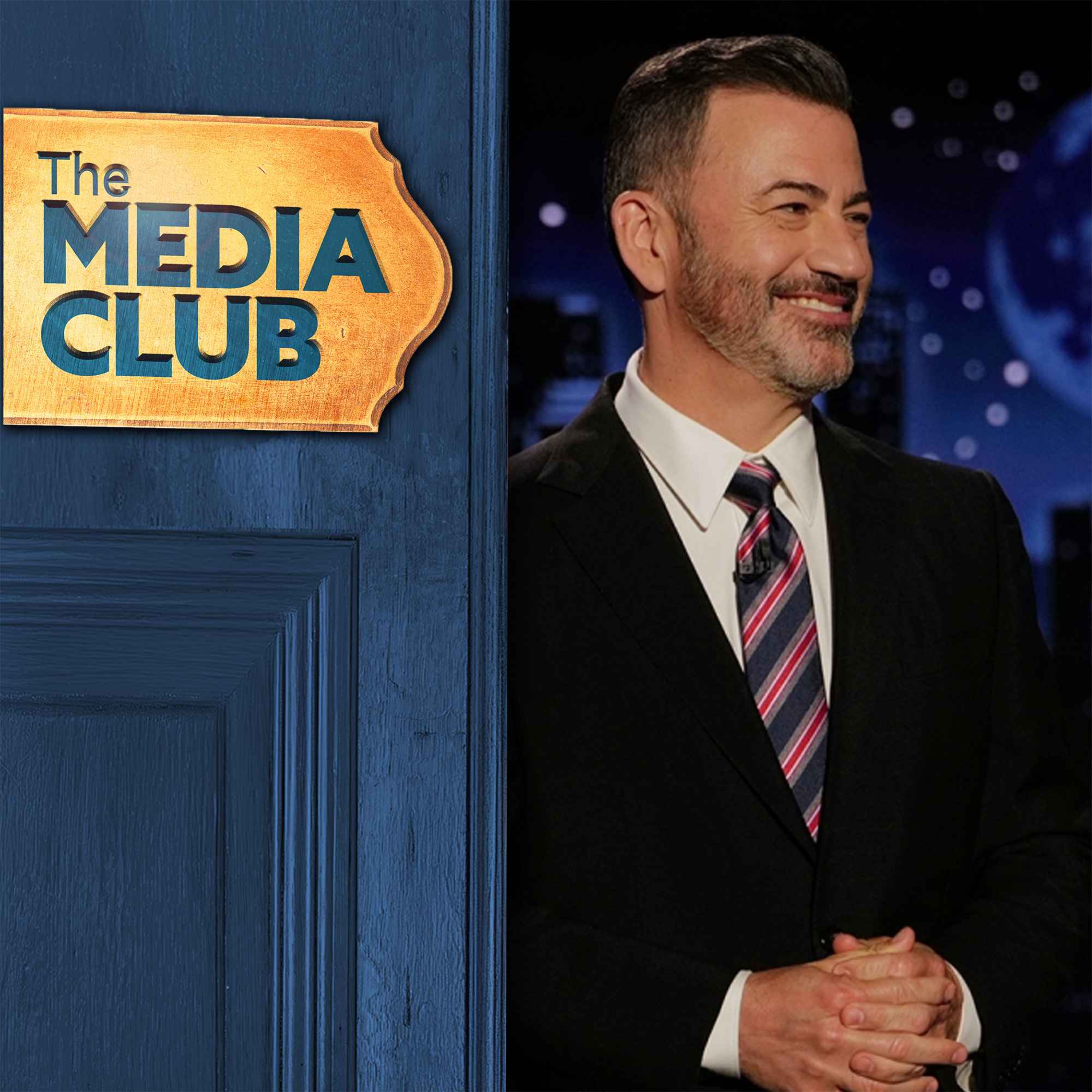
Kimmel's Return, YouTuber Mortgages & Bedtime Stories
In short
Big-media and creator-economy tensions: Disney/ABC’s handling of Jimmy Kimmel’s return after controversial jokes; Tylenol’s reputational crisis amid Trump administration claims; UK/US algorithm and platform regulation debates (YouTube, Sky expansion); advertisers’ shifting channel preferences; and UK MPs forming a cross-party group on online creators’ financial realities (mortgages, freelancer protections).
Guests
Miranda Sawyer, broadcast/audio critic for The Observer and host of Talk 90s To Me; also launched We Have Notes (Observer, with Liv Little). Jane Osler, EVP at Kantar (Dayton Analytics Company), media strategist.
Key claims
Kimmel’s suspension was politically and commercially driven; Disney “threaded the needle” after backlash and subscriber pressure. Tylenol’s crisis response was calm and evidence-based against misinformation. Consumers dislike heavy ad bombardment; marketers still over-invest in easily measurable digital reach. Creator spending is rising (e.g., 61% of marketers plan more), but measurement and freelancer protections lag.
Notable examples
Charlie Kirk death jokes; Tylenol linked to autism by Trump; YouTube says Ofcom intervention is premature; Unilever creator spend; Wondery pausing ads and pushing Patreon; Reach cutting Mirror/Star journalists; Ed Davey zip-wire interview.
Written by AI. May contain mistakes.
Chapters
0:20
Miranda Sawyer's New Podcast
Explore Miranda Sawyer's new podcast and investigative work.
“We're Acast, and we give you the platform to do it all yourself.”
1:40
Miranda Sawyer's New Podcast
Explore Miranda Sawyer's new podcast and investigative work.
“Miranda, you're audio critic for The Observer and host of the Talk 90s To Me podcast.”
3:38
Tylenol's Crisis Communications
Jane Osler discusses Tylenol's response to a recent crisis.
“Is it cheating if I say it's a team of people?”
4:25
Jimmy Kimmel's Controversial Return
Analyze Jimmy Kimmel's return to air after a controversial suspension.
“But more than that, they're associating it with autism as well.”
6:41
Cultural Differences in Comedy
Discuss the cultural differences in how comedy is perceived in the US and UK.
“It's like writing a leader for the Times.”
11:15
Disney's Brand Values
Jane Osler and Matt Deegan examine Disney's brand values and public perception.
“DI during the Biden administration and before post Floyd as well.”
13:12
Influencers and Mortgages
Explore the challenges influencers face in securing mortgages.
14:00
The State of Online Creators and Mortgage Challenges
Discussion on the challenges online creators face in obtaining mortgages and the changing landscape of influencer marketing.
“with a new cross-party parliamentary group tasked with looking at online creators, not just their mortgage bills, just their lives more broadly.”
24:00
Media Landscape Changes and Audience Preferences
Examination of how media consumption patterns are evolving, the effectiveness of various platforms, and the enduring appeal of true crime podcasts.
“There's a podcast out there with fans waiting to be your next customer.”
28:00
The Rise of True Crime Podcasts
Explore the growing popularity of true crime podcasts and their impact on the industry.
“They're after a really juicy true crime.”
Show all 19 chapters
29:35
Changing Perspectives as a Creator
Discuss how becoming a podcast creator changes the way you perceive content.
“of that is that probably in these stories somebody died there is a family so like I find those much because I love Red Hand and I really, really rate that show.”
31:06
Balancing Commercial and Listener Needs
Analyze the tension between commercial pressures and listener expectations in media.
“what they're doing, I find that even more irritating now.”
32:56
The Observer's Transformation Post-Sale
Examine the changes and challenges faced by The Observer after being sold.
“But I went over and I'm very happy I did.”
36:25
The Future of Newspapers in Digital Age
Discuss the challenges newspapers face in adapting to the digital landscape.
“exactly it's got it's got to work so yeah you're more into it yeah okay just enough time for the Audio Network Media Quiz.”
41:03
The Impact of Centralization on Media
Explore the effects of centralizing media operations on journalistic integrity.
“management of those papers has sort of all been brought together so historically the Mirror and the Star and the Express you know, you wouldn't want to be on They want to be on the same floor as them, super battle.”
42:03
The Nuances of Digital Journalism
Explore the differences in reporting styles among various newspapers.
“A mirror reporter is different from an express reporter.”
42:45
Experiential Politics and Media Engagement
Discuss the growing trend of politicians engaging in experiential media.
“We're clipped into a harness to speak of leadership, politics and the pressure on circuit...”
44:08
Unique Interview Experiences
Hear about unconventional interview methods used with politicians.
“Have you ever done any Zipline-related interviewing?”
46:38
Listener Engagement and Surveys
Find out how listeners can participate in shaping the podcast's future.
“Right, it's time for our annual listener survey.”

Ask about this episode
Get the gist, explore an idea or ask about something said.
 Claude
On The Media Club with Matt Deegan, what are the key points of this episode?
Searching your listeningTranscript
Automatic transcript. May contain errors.
0:00Right, it's time for our annual listener survey. If you can spare five minutes to share your opinions on the show, not only will you help shape the future of The Media Club, but one lucky respondent will win a£50 John Lewis voucher. Do it now. There's a link in the show notes or at themediaclub.com. Do you keep hearing podcast ads like this one, for example, but always wonder how you actually get involved with them for your own brand or organization? Well, it's easier than you think. We're Acast, and we give you the platform to do it all yourself. Browse thousands of popular podcasts, choose the shows that match your perfect audience, set your budget, and launch.
0:41And if you want a hand, our podcast specialists are there to help you launch with confidence. This is podcast advertising without barriers. Get started at acast.com slash advertise.
0:57Hello, welcome to the Media Club. I'm your host, Matt Deegan. In the club today, with Disney and ABC facing the wrath of viewers, why are big media beasts struggling so badly with the Trump administration? Broadcast and audio critic Miranda Sawyer looks back on another tumultuous week in talk shows. also on the pod which brands and platforms do advertisers love now and why media strategist jane osler from kantar joins us to reveal the latest media reactions data all that plus mps enter the chat as youtubers demand a mortgage but what about the other freelancers and in the media quiz we travel log our way around three more curious stories from the week that's all happening in this edition of the Media Club.
1:39Come on in. Hello both. Hello. Greetings. Lovely to see you here. Miranda, you're audio critic for The Observer and host of the Talk 90s To Me podcast. But you've added a second podcast to your bow. I have, yes. It started this week. It's We Have Notes and it's for The Observer, actually. So it's quite weird because I'm simultaneously audio critic for The Observer and now presenting a show for The Observer with Liv Little, who's a fantastic broadcaster, incredible person. and it's about culture. So it's like two culture stories per week with a few other little bits around and it's really fun, actually.
2:14It's really, very fun. But yeah, I'm very aware that this is a poacher turned gamekeeper situation. Or it's like simultaneously poacher and gamekeeper. Yes, I'm both. I'm both. Schrodinger's podcast. Exactly. So obviously you've been on the show lots. Your membership is almost gold embossed. Who would you like to add to the club this week? Okay, so I would like to add, she's a writer, but she's made an investigative podcast called The Missing Sister and her name is Charlie Brinkhurst-Cuff. It's quite a difficult thing to do to make an investigative podcast. I actually think it's almost impossible unless you have loads of money.
2:48She did not have loads of money and she followed the story of a young woman called Jo Morgan who was murdered in late 2018. She joined a kind of very unusual church and it was a church member that had murdered her but her disappearance was not followed up for a really long time. And Charlie does this incredible feat of not only covering the story with respect, but kind of looking at the way that journalists go about covering these stories and kind of unpacking the morals around it and how you can ethically do it. And I think the thing that's really amazing about it is she's just on very, very low budget.
3:23Nobody gave her any money for it. And I think it's a really good piece of work. Well, she's very welcome to join the club. Also here is Jane Osler, EVP at Dayton Analytics Company, Kantar. Welcome. Welcome back. Thank you. Who would you like to add to the club this week? Is it cheating if I say it's a team of people? No, they're fine. I would say it's probably Tylenol's crisis communications team. Yes, I imagine they'll be using their own product this week. Yes, exactly, taking it in space. I think they have handled what was a proper crisis in a very kind of mature, balanced and calm way, talking about medical evidence, putting up notices on their website that you see.
4:03and there's been all sorts of memes and other things on social media. But I think given that it's a fairly rough week that they're having in terms of dealing with reputational matters and misinformation, I think they've done a good job in kind of calmly fighting back. So this is the president and the American administration saying that particularly pregnant women shouldn't use Tylenol. But more than that, they're associating it with autism as well. It's absolutely ludicrous. The thing that was mad, even though people don't regard Trump as a great source of medical advice post-COVID, even him just saying the words over and over again, like, you know, don't take Tylenol, don't take Tylenol.
4:43There is a sort of drip, drip, drip approach, isn't there? Yeah, exactly. And, you know, for a company to deal with that kind of problem in the face of the actual president, you know, dissing your product, it's really tough. You do wonder, though. I mean, Trump must get a headache occasionally. No? I mean, he must do. Does his press a button and some pills arrive? Yeah. Well, speaking of Trump and the administration's interventions, a talk show host, Jimmy Kimmel, was back on the air this week after his suspension last week by ABC, the US TV network owned by Disney. Miranda, these were for jokes he made around the time of Charlie Kirk's death.
5:24What has Kimmel said has happened to him? So essentially he made, I mean, I have to say not brilliant jokes around the death of Charlie Kirk. And they were taken very badly by people on the right. They were taken so badly that essentially his show was pulled from air by Disney. And that is a massive, massive deal. It really is a big deal. And he is one of several very important kind of talk show hosts that dominate American kind of discourse, I would say. And to have that pulled just for a joke really does strike at the heart of something that Americans find. You know, I mean, it's free speech for a start, which obviously we can pass till the cows come home because the idea of free speech, Trump is very pro free speech, except when they say something about him that he doesn't like.
6:20I mean, you know, so touchy, it's unbelievable. But also it's kind of about comedy. And I do think that America takes comedy incredibly seriously in a way that we don't really hear. Do you know what I mean? And I think that they take comedy very seriously, which is actually why in the end they end up with these talk show hosts. Most of them come via comedy, not all, but most come via comedy. And they take the kind of privilege of making jokes about the news incredibly seriously. This is really important. It's like writing a leader for the Times. It's a really important role. And so for that to be removed really on a kind of on a whim, actually, on the idea that it was very quickly done as well.
7:00Very quickly done. And also I felt like it was very quickly done on the idea that that somebody might be offended. You know, they might be offended. And like you could have waited. Like you could have waited for a while and see if it calmed down after a week. Like the speed of it, I thought, was the most shocking thing about it, actually. Serving Jane, this is all back to money, isn't it, really? This is the FCC wading in and suggesting on a podcast, always the best place to suggest anything, that they might take a look at Jimmy and the affiliates who have been broadcasting him. Yeah, so it's kind of interesting to think what would happen if there was an equivalent in the UK and, you know, how threatening Ofcom would be in that situation.
7:37But yeah, it all does come down to money. It comes down to Disney. It comes down to the affiliate stations that were running the show, acquisitions that are in the pipeline. And so, you know, it does turn out that everything is political. You know, even a misjudged comment on a show turns into a massive crisis. And I think if you looked at his sort of mea culpa, you know, 28 minute piece on the show a night or two ago, you know, he went through the whole range of emotions. He talked about, you know, Jimmy Kimmel. He talked about Christianity, talked about his family. He apologized. But he also made the point that it's kind of highly authoritarian and not something you expect from the US.
8:25I mean, he said it was un-American. Yeah, he said it's anti-American. Yeah, so it was a good kind of good line. When I watched it, it's a lovely, it's about a 30 minute piece. They sort of did two segments of it. You can obviously watch it on YouTube. I thought actually has this given him more of a pep in his step? Does he end up being the sort of free speech warrior because he's been cancelled for a week and then back on the agenda? Yeah, possibly. I mean, I did think that. So he was cancelled and then basically Disney got cold feet. That's what happened, really. So there were protests by various kind of actors and people in the media outside Disney.
9:02And then there was a documentary that was being shown in L.A. about Lilith Fair and Sarah McLachlan was going to play and she wouldn't play. And basically people started pulling their subscriptions from Disney. So like there was a kind of decision that had to be made. And as far as the reports say that it was very, very close, they really nearly didn't bring him back. But they did bring him back in the end. And so therefore he really had to tread very, very carefully. And I thought he did that very well. He definitely threaded the needle. He really did. And he did get upset, as you said. And he got upset.
9:33What the bits that he got upset about was actually about Charlie Kirk dying, which was a terrible, terrible thing. And about how his wife said the incredible thing that she said at the funeral where she said she forgave the killer, which is like absolutely brilliant. I think as a British person, when you watch these things, like, you know, we do not have this here. Yes. And when I watch these speeches, which I can absolutely recognize is completely great. They make my toes curl. And there's something about them that seems absolutely. I mean, you know, you know, he's obviously pro-America, but he seems very un-UK.
10:10And I just, you know, James Corden, in order to present those shows, had to go to America. You cannot do it here. And I think it's because there was a lot of talk in his speech about kind of like conservative people also believe in free speech and he's very much on the left and he says I'm on the left and what happens in our country I think is that we just take the mick out of everybody so it doesn't matter if it's Keir Starmer it doesn't matter if it's Boris Johnson it doesn't matter if it's Nigel Farage we just take the piss out of one whether you're reading Private Eye or Have I Got News for You it's just merciless Have I Got News for You is absolutely all that is the kind of show that we can stand we don't really have that we are on the left show we have had a few but they've never lasted and the talk show that we've got who are very good, Graham Norton is amazing and also obviously a stand-up.
10:56It's much more about the personal lives of the people. What can you get out of them? You wouldn't sort of see Graham Norton choosing to share much emotion. And I don't think we'd believe it, even if it was true. I mean, I think Jimmy Kimmel does believe it. It's authentic, but it just seems inauthentic to us because we would never do that. It's too sincere. We're like, what? It's so suspicious. We're not sure about sincerity. DI during the Biden administration and before post Floyd as well. A lot of corporations sort of jumped on that and did what a lot would say was the right thing. There's been a lot of rowing back.
11:33And for Disney as well, like they sort of stuck in the middle. They did quite a lot of progressive things, which obviously they don't talk about anymore. And this isn't particularly progressive either. I think it's really sad, isn't it? If you think that Disney only makes, you know, I don't know, certain cartoons or does certain things because they think that this is good for the administration. I mean, that kind of breaks my heart. I think that's really, really terrible. And the best companies, whatever their ethics are, but they have their ethics written right the way through the company. That's the point.
12:05Rather than just to say, oh, we've got someone. Our deals might fall through. We're going to change our morals now. That seems appalling to me. And Jane, when you look at kind of the importance of brand values, I mean, for consumers, is it an essential part of why they're choosing products? Yes and no. A, it depends on the product, you know, and if a brand has some stated purpose and it's doing good, whether it's in its packaging or doing the environment or doing good in society. For some products, that is super important and it is the reason people choose them. For other brands, it's not such a big deal.
12:41well it doesn't work like if you think about like say bud visor um working with dylan i can't remember her surname now but like you know that that really didn't work because it didn't match the brand did it and i kind of think if it matches the brand and disney to me yeah is aspirational and should be you know when i think of disney i mean i'm aware they do lots of things but actually i think of the cartoons like i think of the movies and so and to me they are you know they should be kind of aspirational they're for children yeah they should be for everybody they should be about equal value so it seems very weird to me when they're not yeah this is stapling on the values yeah so you know another example is like patagonia is a good brand that has environmental sensitivity at its core and you wouldn't expect that brand to do anything else and probably that does attract a lot of people um there might be other more sort of household products like you know yorkshire tea or marmite or something that you might not automatically assume has to have a purpose you actually buy it for different reasons and you associate with it for different reasons so you know it's it's i think for media brands yes whether consumers think a lot about those um is is to be decided but some of them that certainly they do have very strong opinions on okay now they may be worth 2.2 billion pounds to the economy but influencers uh like many media professionals are still struggling to get on the property ladder uh now mps want to help with a new cross-party parliamentary group tasked with looking at online creators, not just their mortgage bills, just their lives more broadly.
14:10I guess Miranda's going to be freelancers listening to this who think, yeah, not just them, mate. Yeah, I did think, I mean, it was ever thus. You know, they're kind of saying these content creators do such great things and they're absolutely self-motivated and they create this amazing stuff. Basically, we have platforms, whatever those platforms are. And in this case, we're talking about kind of YouTube and TikTok and maybe Instagram. We have these platforms. What is the platforms filled by? People being creative. And then these creative people turn around and they go to the banks and they go, well, I make this money.
14:41And they go, oh, well, I'm very sorry. You haven't got a pay slip. You can't have a mortgage. And this is exactly what all us freelancers have always been through years and years and years. So it kind of makes me laugh. They're like, oh, they're going, these influencers bring in like, you know, billions to the economy. Why are we not supporting them? And you're like, hello. Hello. We're here. We've been here for a really long time. You can't even claim like childcare as an expense against your taxes. You know, I remember being told by an accountant, if you wanted to do that, I should really say that I had a PA.
15:09And I was like, it's just like, it's literally a childwinder. And they're like, no, you can't claim that. So there's a lot of kind of elements of what they're saying that just makes me laugh. Like, I'm like, this is what freelancers have been through for years. It's just, it's not, I think that the MPs have got excited because of the word influencers. yeah i think influencers and creators have really kind of come to the fore in the last sort of two three years because like the sheer volume of them is growing quite a lot and i was speaking to a big global brand the other day and just in the uk alone they have a network of 40 000 creators right from you know vips to nano and everything in between so determined by your your the number of followers and you know they have regular contracts with these people and they you know pick you because you know you're uh you're aligned with a particular campaign and give you a task and off you go and do it as a creator um and unilever have recently announced they're going to spend over 50 of their marketing budget which is not insignificant on creators as well so it's definitely something that we see happening absolutely everywhere even in unlikely sectors you know it's not just kind of beauty and hair care and things like that um so it's turning into a a recognized profession shall we say but i think the industry does really need to grow up as well because obviously there's always examples of creators who are kind of doing something off brand or you know um they can they can be a bit risky or they you know i don't know and you know they get arrested or something like that might be part of their brand yeah exactly yes it's part of my purpose is to be criminal um so it's a really hot topic and in our recent research we found that actually 61 percent of marketers are planning to increase their spend on creators in the in the next year so it's it's a really big thing now it might be that as a topic you know media freelancers somehow need to band together and create a kind of a movement of some sort are you saying a union yeah exactly i mean i do kind of think yeah they should be a union yeah for people because also like yeah media freelancers yes but there's a lot of media organizations there's a lot of big ones they employ lots of people that that's that's you know full-time ftes whereas actually on the creator end it's all little businesses or micro businesses yeah yeah and they're very easy to pull down that's the thing that i find very difficult but you know if you're say you're looking you know i write for an established newspaper right that is an established newspaper if i write and like it like if i write something terrible it won't go in but if i write something proper it gets checked it goes in i get paid it's fine yeah that it'd be very very unlikely for them to go actually we're just not doing it and like the observer just has decided it's never going to do anything by me again and but that's happens to very small creators it's something happens to the algorithm and they drop down or they get blocked for no reason and that seems to me to be really awful you know when you're building something up you're building your own little brand and it's just you and then something happens to the algorithm and you're all your followers disappear course always a little business and yeah and where would you go i think that they need definitely protection from that ai is you know yeah can make or break yeah you know their visibility and their success agree this is obviously connected to the the research that that you've done this is i always enjoy this is the media reactions research remind us why you you guys bother making it each year we are really interested in what real people think about media brands and media platforms so we cover everything from instagram tiktok snapchat pinterest disney plus that sort of thing right through to local media brands in 30 markets and we asked over 20 000 consumers what they think about the ads and the ad environments and the ad formats on those platforms.
19:06And we also ask marketers around the world the same thing. And we discover there's often a bit of a mismatch between what real people think and what marketers think. So real people... Are you suggesting the marketers are not real people, Jake? Yeah, they're not necessarily connected to the real world. Yes, in work mode. So marketers love, you know, YouTube, Instagram, you know, as kind of global ad platforms. Consumers actually prefer... Actually, they do like TikTok and they like Twitch and they're like Amazon because it's really relevant advertising. But we also found quite a lot of interesting findings about media channels themselves, like cinema and TV and out of home.
19:43And, you know, there's a lot of talk about TV this week because it's the 70th anniversary of the first TV ad in the UK. And it is still the most trusted channel, actually, by marketers. But broadcast TV, not surprised, in decline in terms of marketers' intention to spend money next year. But they're really increasing their spending on streaming, connected TV, you know, and platforms that we all know and love, like Disney Plus and Netflix advertising. So the TV market continues to change and shift really, really rapidly. And then we also looked at creators as well. So we found about intentions to spend on creators really ramping up.
20:24And the key thing for marketers is that I think at the moment They haven't really got the right balance between enthusiasm and excitement about using all these new channels and measuring what the actual impact is. I mean, obviously, I've come from a data and analytics company, but you can't just kind of spaff the money and hope for the best. You actually have some proof that it's working for your brand. So I think that's another area where the creator economy needs to develop further. And is that because they can't measure it yet? Like the creators themselves can't measure it yet? it's the brands that are commissioning their creators who should really be measuring it and currently it's to do with okay you've got a certain number of followers and then there's engagement which is i don't know likes or something like that now if you're offering um you know e commerce like tiktok shop you can measure okay that resulted in those sales so you've got some solid numbers there but there's also like the brand impact of that creator did it change somebody's view about a brand did it make somebody more likely to buy it those are all things that can be researched but not all of the organizations who are commissioning them are measuring those things yet they're just saying oh yeah we got lots of reach and lots of likes or something but that those aren't really not enough no no we want proper measurement what's the sort of biggest gap between sort of what the marketers think and what the consumers think is there a sort of missing middle that yes i think actually where that comes down to is if we look at channels media channels in general people real people uh really like cinema ads and in-person events you know we're talking like immersive environments and all of that kind of stuff whereas marketers are still going hell for leather on sort of you know digital ads online video but they are starting to do more in-person events and experiences which people like so i think one of the biggest disparities is like you know perhaps the more the easier channels that marketers can use where you can reach a lot of people quite quickly like online video um um but people and also i guess that's a little bit of just efficiency of buying yeah yeah it's efficiency of buying and it's you know you spend a lot of money you reach a lot of people in one go um consumers do seem to want more immersive experiences.
22:40So we'll see more of those next year. Okay. And when we return, more about algorithms and Sky Studios. See you in a second.
22:53Hello, Media Club listeners. Patrick here from Podcast Discovery, the podcast marketing company, where this week we've been thinking about the question we get asked more than any other. What's the best day of the week to release my podcast? It's a subject of lots of debate and not much research, but our real answer is that there's about 100 things more likely to influence the success of your show than the day it's released on. What are those? Ask us at podcastdiscovery.com. That's podcastdiscovery.com. If you want advertisers to back you and your brand, you need to give them confidence with a premium look and sound.
23:29Podshop is the ideal space for recording content that stands out from the crowd, including patching our club members in remotely when needs be so you can focus on the talking and leave the rest to the experts. And for a limited time, you can get 25 % off your first booking at Podshop Studios, where we record our show every week. Just use the code MEDIACLUB when you book online at podshoponline.co.uk. Don't miss out. Head to their studio page now and take your podcast to the next level. Here's a tip for you. There's a podcast out there with fans waiting to be your next customer. They tune in every week, they trust the host, and that host wants to talk about brands like yours in their own words to their audience.
24:15The problem is, you just haven't been introduced yet. We're Acast, where that introduction happens. As the world's largest podcast marketplace, we let you browse shows, see who's listening, and book host-read sponsorships or run your own ads all from one platform. Transparent pricing, real-time data, complete control. Start advertising on podcasts by visiting acast.com slash advertise.
24:42Welcome back. Here's a few things we've been talking about in the club this week. YouTube has said that state intervention into its algorithm is premature. This is according to a statement it's given deadline this week. It comes after research Ofcom produced showing that YouTube was the second most watched service in the UK last year and regularly beat the BBC. Culture Secretary Lisa Nandy hasn't ruled out legislation to force the platform to feature the broadcasters' programmes more prominently. Sky Studios has gotten the green light for expansion at Elstery for the second time of asking. The new 65-acre site will enable 2 ,000 new jobs, according to Sky.
25:21Can Marlowe Film Studios in Buckinghamshire pull the same trick? The planning decision for them is scheduled for two weeks' time. and Wondery continue their downsizing with news this week that they've stopped serving ads to one of the biggest sports entertainment shows, the socially distanced sports bar but the team isn't overlooking this crisis tunity they have stopped free episodes for a month and are asking their listeners to support them on Patreon instead to get them which will be interesting to see how well that does you can find out about all of our stories on our sub stack, it's free, go and sign up at themediaclub.com.
25:58Plus, every Monday, we are rounding up every other media podcast. And you keep sending the new ones to ads, so it's getting longer and longer. But it's a really good read if you want a quick insight into what everyone's talking about. Radio, telly, journalism and Hollywood too. Go sign up at themediaclub.com. Miranda and Jane are still with me. Miranda, lots of talk at the radio festival about sort of the death of a narrative documentary. Obviously, we heard about the Wondery News. Yeah. is this death premature? It's interesting. So podcasting has obviously expanded absolutely loads in the last decade, I would say, things like that.
26:37And like at the beginning of podcasting, I think this is what people are mourning. There were some very intelligent, interesting stories that were tackled in serial form. And so there will be a series and that will be made. This takes a long time. It takes a lot of money. and what has happened over the last few years is essentially post kind of COVID, celebrities have got involved. Celebrities are not going to do that. They're not going to be bothered to do that. They want to sit in a nice, you know, actually an environment a bit like this and they want to chat to a mate, right? And those podcasts are getting a lot of traction.
27:14The podcasts, for instance, that I make, so the two that I'm making now, those are the kind of podcasts that actually are also contributing to the death of these shows. It's your fault. It's my fault, particularly. No, but because they're cheaper to make. It's what, you know, like I make one talk 90s to me and that is me interviewing somebody and about whatever their 90s was or like a particular kind of event in the 90s. And then the other one for The Observer is me and Liv talking about something. That particular kind of podcast is the one that everybody at the moment is concentrating on. It's a two-hander.
27:49at the moment it comes out once a week it is always on that's the term and it may be it will go to two times a week the second one being for Patreon supporters that is the kind at the moment the way that most podcast companies want to make their money because it's cheaper to make than investigative series however I will say as a podcast reviewer when people come up to me and they say what should I be listening to they are not saying those shows as good as they are. They are not saying, you know, miss me. They are not saying Ellis and John. They are not saying dig it. That's not what they're after.
28:26They're after a really juicy true crime. They want a proper investigative series. And so I think that those series should be invested in because honestly, that's what the punters want. We did a, like as part of our first episode of We Have Notes, we look at true crime and true crime in terms of audience share, like, you know, in the last five years it's gone up 185 % of listeners like it's enormous so narrative podcasts might be going down but actually true crime weirdly it's going right up in podcasting it just costs money are they in a place where they're sort of this hybrid of always on and investigative sort of storytelling and I think of something like Red Handed sort of kind of always on those ones I always think those ones they're a bit like bedtime stories aren't they do you know what I mean so it's like like it's a way of approaching true crime I actually find them sometimes I have to say morally ambiguous because you're essentially telling a very spooky and horrible story that happens to be true so in those shows you would say to me what about this story and I'd say I've investigated the story and I'll tell you and you would react and the difficulty of that is that probably in these stories somebody died there is a family so like I find those much because I love Red Hand and I really, really rate that show.
29:45It's a great show. There's something a bit weird around that. Well, I guess it's the challenge of volume. There's a limit to how much you can think about it before you record the next episode. Yeah, you have to do it. I mean, say British Scandal, another great, great show, they tend to do it like, I mean, you know it's going to be funny because of the nature of the hosts. And they draw it out over five episodes. The script is very funny. It's kind of very, very well thought out. But actually, to me, still, it's bedtime stories. Like all these ones are kind of bedtime stories, really, with jokes.
30:18With your dual role of both audio critic and now audio maker, has it changed your view on what you get sent now that you kind of understand a bit more how to make them? It's funny because I did know before because I'd made radio. It makes me irritated more quickly. Like when I listen to my shows and I do listen to them, it's horrible, obviously. I hate my laugh and all that. but you you know I'm like okay that was bad you could have done that better you needed to bring that up first you know you know how to hold the interest so come on work it and when I hear shows that don't do that I'm like come on it's not that hard you know just listen to other shows yes and and you know I have to say edit just edit and like if people don't edit and they don't explain what they're doing, I find that even more irritating now.
31:10Yes. Jane, it's kind of interesting the sort of the change to always on. Yes. And we're back to the volume play and the need to fill advertising spots. Yes. How much of media, is media too driven by the commercial imperative versus the listener or the consumer imperative? that is the conundrum really that i think is you know comes out in the research that we've just done and it's also a conundrum in terms of if you look at how advertising is kind of put out to the market and deployed now and there's there's always been a lot of chat about always on advertising and obviously digital networks allow you to do that ai you know exacerbates that you know because there's a lot of talk again about sort of hyper targeting and hyper personalization at scale and you know digital content optimization and all of these things it's like actually do we really want to be besieged by hyper personalized and targeted advertising like tons of times a day i switch mine off yeah like you know it says can you personal i'm like no don't yeah and this is the point point of this research is actually we find that you know consumers unsurprisingly don't like environments where they're bombarded with excessive saturations of advertising they like a bit of light touch and they like to be entertained but they don't want loads of advertising you know thrust at them so i think there's a really careful balance to be struck between the commercial imperative that publishers have um but also the tolerance that people have otherwise you know you end up being like miranda and just switching things off but that's how you know many publishers make their is their sole source of revenue is advertising so they have to take it seriously i mean there's always been a lot of chat about what tech can do to the advertising and the targeting and that side yeah but also advertisers quite like bums on seats even still putting something on coronation street you know reaches three four million people okay it's not 10 million as it used to be yeah but we want to you know flog some fizzy water like that's what we want to use big big mass reach you know high profile events yeah this is why the super bowl in you know the us is still hyper popular you know they can charge absolute premium prices for the for the spots there you know there are fewer and fewer of those certainly on television now but you know there's definitely something in the notion of mass reach events that lots of people watch and can chat about and that that's it's the same for advertising as well you know the kind of advertising if I asked you what ad do you remember you might tell me something but it's you know in most conversations I have it's something from like 1985 you know sort of shake and vac or something it's that or two in it yeah there you go the two you want well obviously that's that's become a meme but I think a lot of advertisers brands and marketers are really struggling with this issue which is like you need to be famous on a mass level you know brands aren't going to always be built by lots of little things you have to have big things as well and obviously big things happening um has happened at the observer uh extricated from the guardians mitts uh you've been i haven't been two peter cross but you've been you've moved with them i have moved with them yes i have it's an interesting interesting process the product seems pretty good that they're putting absolutely i mean the thing that's interesting about it as somebody who i have worked for the observer for very many years but i am freelance you know so i'm on contract for them that contract I can end at any point.
34:43But I went over and I'm very happy I did. And the reason why I'm happy actually at the moment is that there was always a sense with the Observer that you were an adjunct to The Guardian for a long, long time. And I think that that was actually part of the reason why people felt very, very upset when it was sold because it was a bit like, oh, we knew you never liked us and now you've elbowed us. Do you know what I mean? And people were very, very hurt by it. And it was very, very, very difficult. We moved to Tortoise. Now, Tortoise is obviously a very different company. it's a podcast company but the thing that i noticed because i've been to the observer so long is it's populated by a lot younger people and i like that so like i am in like now when you go into the environment of the of the observer you obviously have you know old stalwarts like me that are still there but you have an absolutely super keen really bright um like selection of people that are very excited that they've got a newspaper to play with which and and that i find actually really really inspiring they've obviously got an amazing podcasting division which i feel very privileged to be asked to make a show for but there's an optimism around it now actually and a kind of you know i have to say a fuck you element i'm sorry if i can if i can't say that but like there is a bit of that where you're trying to prove a little bit yeah there's something to prove and i think that that is quite a strong position to work out from and there's also an element so when the observer was part of the guardian we had no marketing there was no separate marketing absolutely the marketing budget was zero so now we have our own marketing you can do things with that you can you can play with it you can you can do all the stuff that you're saying you know try and bring people in because it's a unique product it is not just the slightly unloved part of the guardian yeah it's an essential important part of their business now as well exactly it's got it's got to work so yeah you're more into it yeah okay just enough time for the Audio Network Media Quiz.
36:38What's our prizes, Matt? Well, we'll review the prize at the end. Oh, okay. Always, always. Let's see how much attention to the media news you've been paying this week. What's the title? Platform to Platform. With the announcement of another celebrity travel program, this time for Channel 4's Paul Merton, Driving Amazing Trains. Today, it'll be test driving a few media stories in the same way. You just tell me the story that's been hidden within each travel log script. Okay. It's really that simple. And once again, Alex at Audio Network has taken that massively tortured brief from producer Matt and created a playlist of music to score today's game.
37:21It's the best of three. So buzz in with your names when you know the story. So Jane, you will say... Jane. And Miranda, you will say... Eh-ah. Let's play platform to platform. Imagine a once stately old newspaper folded into a suitcase, shoved in the overhead locker and re-emerging on the other side as a sleek, streamlined backpacker. Jane. Jane, just so. You can have it, Jane. Independent. Yes, what about the independents? It's gone digital only. and it's announced that it's made record profit. Close enough, close enough. So independent tops£50 million for the first time since going online only.
38:08So they've sort of got back to kind of where they've needed to be. Do we know how they've done it? No. So apparently US expansion, e-commerce and their video arm independent TV. Pretty good. I mean, people didn't have high hopes for an online-only independent, did they? No, they didn't. But actually, you know, I want to say the product. The product is pretty good. And I do think it's slightly inspiring for other newspapers. You know, I mean, I'm not certainly, you know, I still believe in print. Most newspapers do. But, you know, there is a sense that this is dwindling. You need to be able to look to online and see what you can do with it.
38:49Okay, let's return to our travel log. Much like the battlefields you can see around me newspapers now fight over territory not with bayonets but with bylines not with trenches but with eyeballs clicks and pivots to video and yet as 321 souls meet their end 100, yes Miranda Okay that's Reach This is Reach So Reach which is obviously a company that owns the Mirror and the Star and a few other you know other important newspapers is sacking lots and lots of people and you know i would say the reason why they're sacking them is because their online offer is so terrible and it has put loads of people off like you know i am obviously you know i used to host a podcast about newspapers i love the mirror i particularly love the star actually which is a great offer and the online portals for those of those is they're terrible and so of course nobody is using them so which means in the end you use you lose money and you lose journalists it's really bad it's really badly handled uh well there are over 600 journalists at risk of redundancy and potential union trouble there might be some strikes i think at reach at reach titles private eye reported this week that amongst those who could go the mirror's only dedicated investigative reporter uh and photographer paul coburn who lost both legs in an attack in afghanistan in 2010 and went straight back to work you worked there you worked there back in the so there's a point I'll explain the point so it's when Piers Morgan was editor and there's a point where they wanted to attract middle class women I don't know why because it's a traditionally working class male paper and they had a kind of section in the middle which is like a kind of magazine area and that was for the middle class women and I had a column and so I went into the mirror a bit it was a very lively and interesting place it's a great newspaper and you know obviously I understand that people have all sorts of problems with tabloid newspapers that that is a left wing newspaper that has done amazing things in its past and still has amazing news reporters working there and I find it tragic that they're being treated like this actually, I think it's terrible I mean Jane, a lot of the management of those papers has sort of all been brought together so historically the Mirror and the Star and the Express you know, you wouldn't want to be on They want to be on the same floor as them, super battle.
41:16Is there a danger that they're weakening the brand value they have? Or actually, is the cash savings, do they outweigh that loss? This is happening across a lot of industries, by the way. So it's happening in the kind of media agency environment as well, where all the back office functions combine, HR and finance and all that sort of stuff. And then the front-facing brands kind of exist mainly as a bit of a shell of what they used to be. I think the job certainly is, you know, to drive some kind of efficiencies. And my understanding is that also they're combining other kind of capabilities like video production or, you know, with a bit of regional kind of expertise.
41:55But actually a lot of a lot of what used to be regional hubs, a bit like in radio, is now being centralised, I guess. But you can't centralise reporting in that way. It just doesn't work. A mirror reporter is different from an express reporter. It's like fundamentally different. Do you think that works in a more digital world? Like when you buy a physical paper versus if you're a more flyby? But still, even if you look at the online offer of, say, the Telegraph, the Times, the Mail, all of whom are kind of like broadly right wing, they're completely different. They have their own personalities.
42:29You know, they know what they're doing with it. And so to say that you can manage and the Express's online offer and the Mirror's online offer and the Star's online offer is just like, you know, it's all the same stuff. That just shows a disrespect to the newspaper and the online offer. Right, back to our travelogue for one last time. It's journalism as extreme sport. We're clipped into a harness to speak of leadership, politics and the pressure on circuit... Oh, Jane. Yes, you've got... Is this Ed Davey? Yes. Doing an interview in Bournemouth on a zip wire. Yes, that is exactly what it is. Which reminded me of a few years ago.
43:09I think it was like 2012 was that when Boris Johnson got stuck on a zip wire. Yeah. And I've got this image imprinted in my mind of a tightly cropped harvest on his sort of crotch. And it's like, it's just hideous. I don't know why. Ed Davey is an example of an experiential politician. Yes. Yeah. Very much. But it's quite sweet though because it's Matt Chorley, isn't it, from Five Live, who's like an intrepid reporter and interviewed him before on a roller coaster. Yeah. Yeah, Davey. So I think that that's quite... He loves the treatment and an angle, naturally. Yes, he really does. He likes, yeah, he likes games, doesn't he?
43:48He just likes gamifying everything. Gamification. And so I think it's actually quite fun. You know, like, we wouldn't know Ed Davey if he hadn't done his stunts. And actually, I think, especially post the slight collapse of your party, then I think that a lot of young people are turning to the Greens and the Lib Dems. And I kind of think, well, you know, he might as well be interviewed in that way. Have you ever done any Zipline-related interviewing? No, I have not. I'm very easily travel-sick. I would not be doing that. Actually, the Mirror got me to interview Gordon Brown one time, which was absolutely fantastic, and I was very excited.
44:21It was just at the point where he was coming up to be elected again, and he didn't. He wasn't. Anyway, I did the interview by a helicopter in a field, and then he got in the helicopter and flew away, and I was like, how am I I'm going to file. Nice. Yeah. Okay, what now? That's it. One vote lost. Straight away. Well, I think that makes Jane our winner. Go and investigate turning the media club into a travel-based podcast. I think we've sold the concept now. Thank you. My thanks to Miranda and Jane. And also thanks to Alex for supplying today's music from Audio Network. Remember, they can do this for you too.
44:55Just head to audionetwork.com. That's audionetwork.com. And there's a link in the show notes. So Miranda, And where can people keep up with your large variety of ever-growing work? Well, I mean, it's all on Instagram. Lots of awful social pictures of me. Please, I do apologise. But anyway, you know, I have two podcasts, which I am very proud to say that I have. And one is We Have Notes, that's the Observer podcast. It's about cultural stuff. And then I have Talk 90s to Me, which is a 90s show of much joy. Both available wherever you're listening to this. Yeah. And also, Jane, where can people catch up with the full report?
45:32They can catch up with everything we produce at kantar.com. Excellent. Jane Osler on LinkedIn is another place to find everything we do as well. Excellent. Thank you both very much. Thank you. And thank you for listening or watching. My name is Matt Deegan. The producer was Matt Hill. It was a Rethink Audio production with video support from Podcast Discovery. I'll see you next week.
46:26We'll see you next time. who's listening and book host-read sponsorships or run your own ads all from one platform. Transparent pricing, real-time data, complete control. Start advertising on podcasts by visiting acast.com slash advertise.
46:45Right, it's time for our annual listener survey. If you can spare five minutes to share your opinions on the show, not only will you help shape the future of the Media Club, but one lucky respondent will win a£50 John Lewis voucher. do it now there's a link in the show notes or at themediaclub.com
From the publisher
With Disney and ABC facing the wrath of viewers, why are the big media beasts struggling with the second Trump presidency? Broadcaster and audio critic Miranda Sawyer looks back on another tumultuous week in talk shows.
Also on the pod: which brands and platforms do advertisers love right now and why? Media strategist Jane Ostler from Kantar joins us to reveal the latest Media Reactions data.
All that plus: MPs enter the chat as YouTubers demand a mortgage - but what about the other freelancers? And, in the Media Quiz, we ‘travelogue’ our way around three more curious stories from the week.
The Media Quiz is sponsored by Audio Network, who select the music to score each episode - they can do it for you too at audionetwork.com
Become a member for FREE when you sign up for our newsletter at themediaclub.com
A Rethink Audio production, produced by Matt Hill with post-production from Podcast Discovery.
We record at Podshop Studios - for 25% off your first booking, use the code MEDIA CLUB at podshoponline.co.uk
What The Media Club has been reading this week:
Jimmy Kimmel returns to TV after highly criticized suspension
UK’s YouTube and TikTok content creators deserve more rights, say MPs
Sky Studios Elstree Expansion Given Green Light
YouTube Pushes Back On Regulation
Wondery Suddenly Drops Ad Sales On Big UK Show
Matt Chorley Interviews Ed Davey On A Zip Line
Reach cuts (and Private Eye's take)
Hosted on Acast. See acast.com/privacy for more information.
More from The Media Club with Matt Deegan
All episodes
We use cookies.They keep VO running smoothly and help us improve it. Privacy policy