
 Ask ChatGPT

- Podcasts
- The Media Club with Matt Deegan
- The Doctor Will Not See You Now
In short
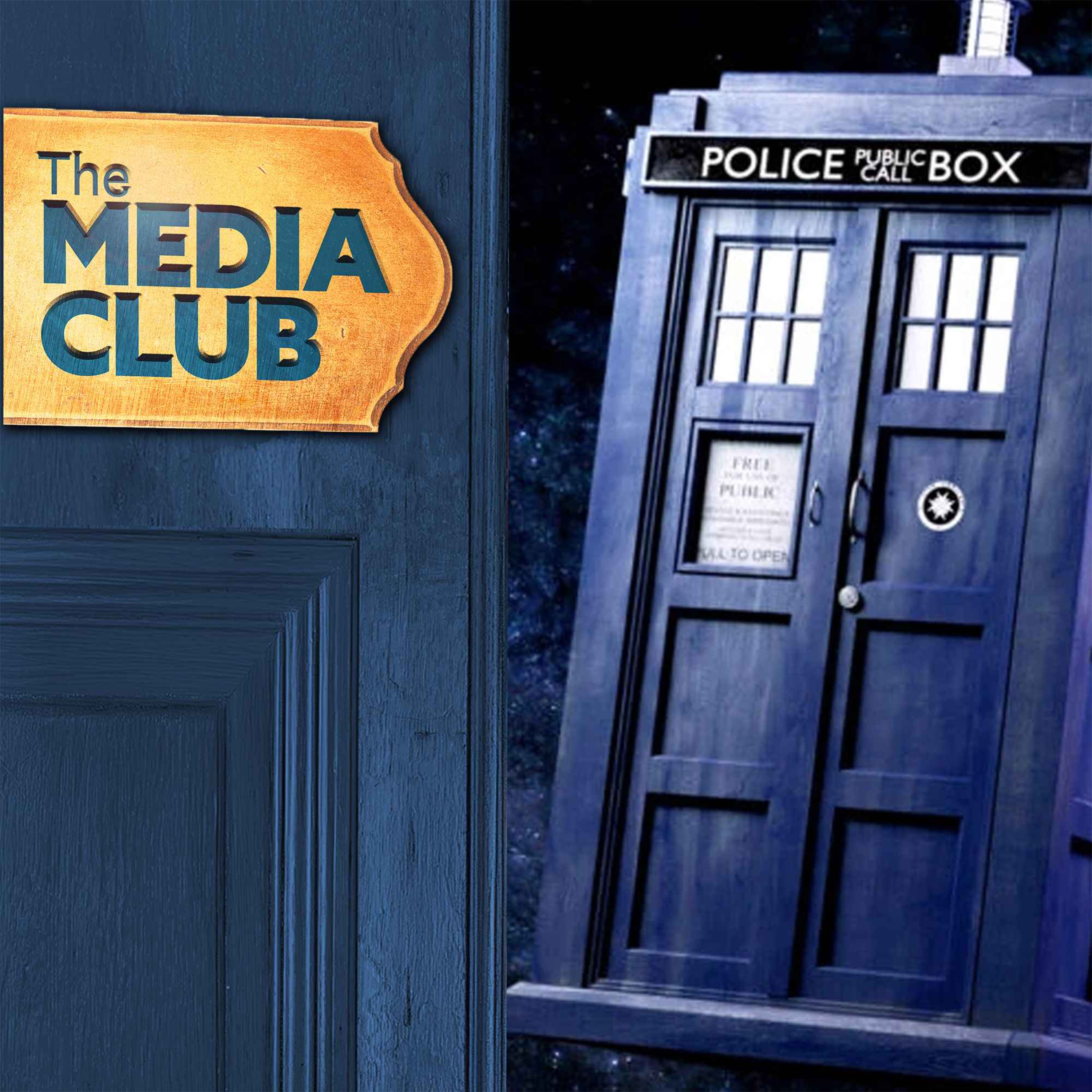
Media Club discusses BBC Doctor Who’s cancelled 2024 Christmas special and the planned competitive tender for the next phase; BBC spending on international acquisitions; BBC’s new Deputy DG appointment; and children’s current-affairs media via Week Junior, plus a World Cup-themed media quiz.
Guests/backgrounds
Rebecca Cooney, Broadcast Insight editor (co-host of Talking TV podcast). Vanessa Harris, editor of The Week Junior (UK children’s current affairs magazine read by 500,000+ kids worldwide; print-only). Also referenced: documentary filmmaker Norma Percy; BBC Deputy DG Rogerie Telfand-Davies; BBC Radio 5 Live presenter Tony Livesey; Mehdi Hassan’s Zetio.
Key claims
Doctor Who’s tender suggests production/timing or creative/rights issues; BBC acquisitions are under 5% of budget but still debated as “baubles” vs market failure; BBC needs to justify licence fee amid platform competition; Week Junior uses calm, clear print writing and solutions-led endings to reduce anxiety.
Notable examples
Schitt’s Creek added to iPlayer; “Reading Rights” campaign; Only Murders in the Building moving to London; BBC Studios role for Carl Warner; Miss Me the Persephoneca podcast leaving BBC Sounds.
Written by AI. May contain mistakes.
Chapters
0:46
Introducing Club Members and Their Projects
Discussion about new podcasts and notable individuals in the media club.
“back to Rebecca Cooney, Inside Editor at Broadcast.”
2:12
Children's Laureate and Promoting Reading
A conversation about the role of the children's laureate in promoting reading.
“And his lovely, lovely thing is reading aloud and how incredibly important that is for early lives.”
4:01
Sponsor: Paylocity
Promotional segment for Paylocity's operational solutions.
“This is Nick and Jack from the Best One Yet podcast.”
4:55
BBC's Doctor Who Changes
Discussion on the cancellation of the Doctor Who Christmas special and its implications.
“Hi, this is Becca Moore of For the Girls Podcast.”
5:45
The Trouble at the TARDIS
Rebecca Cooney discusses the future of Doctor Who and creative challenges.
“The BBC has confirmed the planned Doctor Who Christmas special this year is gone.”
6:40
Balancing Originality and Popularity
Debate on the BBC's role in producing original content versus imports.
7:47
The Importance of Family Programming
Discussion on shows that connect families and their cultural significance.
“Except actually, Disney didn't have the back catalogue outside the UK.”
8:52
Public Service vs. Entertainment
Exploration of how children's media can balance public service and entertainment.
“It's important that the BBC and other broadcasters try and find programmes that really work for families.”
14:00
BBC's Role in Streaming
Explore the balance BBC needs to strike between original content and acquisitions.
“They feel like BBC content and they have, like you said, it's a shiny bauble.”
18:00
Leadership Changes at BBC
Discuss the implications of new leadership roles at the BBC and their backgrounds.
“Also, it's not as if the people who are shouting loudly don't have their own agenda for these things.”
Show all 16 chapters
24:27
Children's Media and Current Affairs
Understand how children's media is adapting to explain current affairs in an engaging way.
“Summer is here, which means the group chats are already spiraling with festival and summer plans.”
28:00
Crafting News for Kids: Tone and Clarity
Learn how to adapt news stories for a younger audience with clarity and calmness.
“director across the whole brand and Dave Kelsall who's the art director so I was listening to them talking about the design.”
33:33
The Value of Print Media for Children
Discover why print media remains important for children and how it impacts their reading habits.
“So, of course, younger children aren't looking at social media.”
38:22
Media Quiz: It's Coming Home
Engage with a fun media quiz themed around the World Cup and new media stories.
“And once again, Ben at Audio Network has taken that flimsy brief from producer Matt and built us a playlist to score today's game.”
42:00
Wrap-Up and Recommendations
The hosts reflect on the episode and share recommendations for other podcasts.
“As your prize, maybe a year to broadcast and then collectively you can get higher scores next time.”
43:50
Historical Highlights
A teaser for upcoming episodes of Today in History, covering various historical events.
“And we all know the worst part of being the one who fronts the money for the passes or housing.”

Ask about this episode
Get the gist, explore an idea or ask about something said.
 Claude
On The Media Club with Matt Deegan, what are the key points of this episode?
Searching your listeningTranscript
Automatic transcript. May contain errors.
0:01Hello, welcome to the club. I'm Matt Deegan. In the club today, the BBC puts Doctor Who out to tender. No Christmas special, no Russell T Davies, no Bad Wolf. Broadcast Insight editor Rebecca Cooney is going to tell us what's been going on. Also on the show, from headline news to deep dive debates, how do you explain the world to an eight-year-old? Vanessa Harris, editor of the Week Junior on the business of children's media and why kids still want print. all that plus itv channel 4 and sky tell the bbc to stop paddling up schitt's creek roger telfan davies lands the deputy dg job and in the audio network media quiz it's coming home for some uh that's all coming up in the media club come on in uh joining me uh two club members to discuss this week's big media stories uh first welcome back to Rebecca Cooney, Inside Editor at Broadcast.
0:54The other week you launched your podcast, Talking TV, with your colleague and fellow club member, Heather Fallon. How's it been going? It's been good. It's been good. Yes. So we're sort of resurrecting. There've been quite a few different broadcast podcasts over the years. I think I'm liking to think that we're bringing together all the best bits of all of those under the Talking TV banner. Yes. And hopefully bringing in more of my colleagues at broadcast sort of as time goes on. A bit like a Doctor Who regeneration. Yes, indeed. come back yes and who's on this week uh so this week we've got norma percy the incredible documentarian um she's talking about her recent documentary brexit a very british civil war and uh she was i mean she was lovely heather interviewed her and it was her podcasting debut as well so we're quite pleased that we've got that little little accolade that's good you can listen to talking tv wherever you're listening to this uh and who would you like to add as your plus one this week in the club mine is thundering the obvious but it had to be done it's Rodri Telfand-Davies who has just been appointed as Deputy DG of the BBC.
1:53So yes, I figured he deserves an invitation. He's a working member. I think we're going to talk about him a little bit later on. And also someone making their podcast debut, Vanessa Harris, editor of the Week Junior, UK's fastest growing current affairs magazine for children, read by over half a million kids all around the world because there's some different versions too. That's right. Thank you for having me. I'm really excited to be here. No worries. Now you're a member of the club. you've got your card or it's in the post who would you like to add as your plus one well oh i'm going to be a bit cheeky i would like well what i'd really like to do but i'm about two three weeks too early would be the uh to bring the new children's laureate to me now i've been talking to various people about this and i keep looking at them really narrowly because i don't know who it is i want to assure you i don't know who it's going to be we were asked to provide some suggestions which we did which was very interesting and exciting and fun um but we sent them into a void so we don't know who it is so um that being the case and since we haven't got time travel sorted out yet um can i have the outgoing uh children's laureate the very lovely frank yes he's uh very much a hero of ours because of course he's part of the children's laureate job is to promote reading among children.
3:10And his lovely, lovely thing is reading aloud and how incredibly important that is for early lives. And that's a bit young for our readers. Our readers are 8 to 14. But it's such an important bedrock so that you connect with people, you learn stories, you share stories. And he's a real champion of that. But when he's going to go on to become the new reading rights ambassador for Book Trust, And his campaign has been Reading Rights Campaign, which is about supporting and working with local authorities, midwives, professionals, teachers, parents, community hubs, about how do we bring stories and reading to children and actually reading and sharing that.
3:57Two excellent choices. They're both very welcome in the club. OK, in a moment, the future of Doctor Who. We'll see you in a sec. Hey, Yetis. This is Nick and Jack from the Best One Yet podcast. Now, the last company we worked at, they used Paylocity and everything just worked. It wasn't until launching our own media business, this show, that we realized how rare that is. Because Paylocity is one delicious burrito of operational needs. They roll up HR, finance, and IT seamlessly into one delicious bite. When everything wraps together like that all at once, your workforce, your tech stack, your business.
4:29You don't need more tools. You don't even need cilantro. You need one solution. And that is why Paylocity built a single platform to connect HR, finance, and IT with AI-driven insights and automated workflows that simplify the complex and power what's next. Or as we call it, a delicious operational burrito. Yes, we do. Experience a one place for all your HCM needs, besties. So start now at paylocity.com slash one. Paylocity.com slash O-N-E. Hi, this is Becca Moore of For the Girls Podcast. All right, a quick shout out to our presenting sponsor, Apple Cash. Summer is here, which means the group chats are already spiraling with festival and summer plans.
5:05And we all know the worst part of being the one who fronts the money for the passes or housing. That's why this year we're only using Apple Cash. It's a super easy way to settle up because you can do it right in messages. Just tap the plus sign to get started. And the best part is you can spend the money you get right away anywhere Apple Pay is accepted. Every payment is secure and protected by Face ID, Touch ID, or passcode. and your transactions are never shared on a public feed. Set up your Apple Cash today in the Wallet app. Apple Cash services are provided by Green Dot Bank, member FDIC. Terms apply.
5:43Welcome back to the Media Club. The BBC has confirmed the planned Doctor Who Christmas special this year is gone. So is Russell T. Davis, the writer, as is Bad Wolf, the production company and the BBC are going to be putting the show out to competitive tender, inviting production companies to pitch to make it. Rebecca, rare for them to announce something and then cancel it. There is obviously trouble at the TARDIS. Yeah, there's a little bit of a suggestion, kind of sort of comments that were going around. And then I think backed up by Russell T Davies, slightly salty Instagram post. I mean, like warm, but also slightly salty Instagram post that was sort of saying, effectively what he was saying was when Disney pulled out there was kind of this fear of oh my god that's the end of Doctor Who, it's gone and that kind of special was announced as like a kind of continuity thing, it is going to happen it is a statement of intent, we are going to bring it back but he maintains that he never started a script, no actor had ever been appointed or like approached to play the role and you know we've been tiptoeing closer and closer to that that um you know christmas deadline and it was six months out drama takes a long time to get together um and you know even if they weren't going to have the kind of post-production you know time which which was required for the for the kind of cgi that they could afford under the disney budget so yeah i think everyone's kind of going yeah that that sort of makes sense i mean the statement he made whilst i'm sure true there's been quite a bit of discussion about people starting to work on things it sounds like it may be this is a sort of slightly retroactively described scenario perhaps perhaps he categorically denies it and says that if you you know you'll be waiting a long time to be proved right if you think that so who knows who knows bbc says competitive tender is about securing the next phase of the show um how much is creative reinvention how much is about the amount of money it brings in for bbc studios um i think it's going to be a bit of both i think um previously before the disney deal they were doing quite well on sort of um sort of jigsaw deals where they were sort of you know one broadcaster in australia's got it one broadcaster in america's got it and piecing it together and then disney came in and took all of the rights outside of the UK.
8:09Except actually, Disney didn't have the back catalogue outside the UK. HBO Max did, which is something we were talking about in The Office that kind of we just hadn't clocked on at the time. And perhaps that had a little bit of an effect as well that there wasn't this massive back catalogue and that is going to run out soon and we'll revert back to BBC Studios. So there's that there. So yeah. And then there is this kind of sense with sort of the Bad Wolf, Rusty Davies, I keep thinking of my brother was little he tried he reasoned that he really liked ham and he really liked jam and he really liked sandwiches so he put them all together and was really really disappointed in the result and I you know I'm a massive Doctor Who fan I've been on here before talking about it I love Bad Wolf, I love the stuff they put out you know his dark materials is phenomenal Discovery of Witches so much of the stuff that feeds into you think go yes that'd be great and rostey davies you know i enjoy his writing he's he is sort of one of our kind of you know really greatest currently working script writers somehow that combination didn't quite come together in the way that it might have done for a lot of people which i think is a real shame so i think there is there is a level of creative reinvention that has to happen as well vanessa there's a lot of discussion about shows that bring everyone together like everyone's got their own screen now in different ways.
9:30I mean, Doctor Who's one of those. It's important that the BBC and other broadcasters try and find programmes that really work for families. I absolutely agree, though I do want to say I salute your brother's creativity. I did the same thing with grape nuts and orange squash. OK. No. That's a ham and jam situation, most certainly. But no, yeah, the shows that bring together, I mean, you know, Doctor Who, we always have big, In fact, talking about this, we were having big conversations in the office about it yesterday. We've got, you know, several big Who fans. We have quite a wide age range in our team.
10:08And so the fact that it was something that we could all talk about. Children doing stuff with parents and grownups is just fantastic. And the children really like it. And it just gives you stuff to talk about. And, you know, conversations, people talking to each other. This is a real kind of theme that we've been developing in the magazine. over the last, well, year, year and a bit, actually. It was the sort of keystone of our 10th birthday. We were 10 last year. Our kind of thing was you give the magazine to children and it buys you, you know, 5, 10, 15 minutes of peace and quiet while they do the puzzles, because that's the bit they always do first.
10:46Now we're saying, actually, no, it's a connector, and it's a connector across the generation. So I'm not saying that we're like Doctor Who. But yes, I am saying. and always regenerate yeah exactly do you think the show does need some time in the wilderness should it just go away should this be another 1989 moment and disappear off for a bit I'd like it not to be as long as the 1989 because I grew up I was born in 1989 and I grew up with this idea of like oh that thing Doctor Who back in the mythical past and then it started again when I was about 16 and I was like oh this is this is fun this is cool see I'd like it I'd like not to wait 16 years but I think that that might help I also just I know I was like last time I was on the podcast I was talking about that that 10 million pounds an episode which is what was estimated like that isn't it's a lot of money it lets you do a lot of stuff it doesn't get you to the level of special effects of the Mandalorian or a Marvel show or something like that so you're in this weird in between space whereas actually I think a smaller budget makes people be more creative makes them do things where maybe we don't see the monster for most of it and maybe the monster is a weird statue of an angel one of the creepiest episodes.
11:54Oh, so scary. Like, yeah. Oh, still scared. So good. And that's just producer Matt, everything. Okay, moving on. ITV, Channel 4 and Sky have all told the BBC the same thing this week. Stop spending so much on international acquisitions. I feel like this is something that everyone has said for like one million years. Coincidentally, the BBC has just dropped all six seasons of Schitt's Creek on iPlayer. Rebecca, the arguments that the corporation should focus on distinctive UK originals and leave imports like this to the to the commercial market is that true or do these sorts of things are they an attractive bauble to bring people to the public service content yes to both I think I think for me fundamentally the question is like what do you think the BBC is for is it to you know provide something for everybody and to give people access to stuff they might not have otherwise or is it to do the stuff that other broadcasters wouldn't touch because it's too risky it might not pay off it's not going to have a commercial return but it's important or market failure is it that commercial doesn't do exactly exactly is it that and i think probably the answer is a bit of both and a bit of balance because the bbc can't just be doing stuff that tanks because everybody would be complaining um and that's not sorry that's not to say that original british content tax but you know what i mean they can't just be doing the market failure stuff if you have no things that fail it means you weren't taking big enough Yes, exactly, exactly.
13:21And I think this thing about stop spending so much is interesting because to put it in context, it's under 5 % of their annual budget goes on international acquisitions. That is, though, about 87 million, which, you know, as was pointed out in these submissions, this was all from the submissions to the Charter Renewal Inquiry, Parliamentary Select Committee Inquiry. that adds up to about a billion or just under a billion over the 10 year period which is a lot of money it is less than 5 % of the BBC's spending and I think yeah Schitt's Creek was interesting because that did land the news that that landed the day after these complaints were all published and you were like oh okay that's interesting but then you know I'd argue okay Schitt's Creek is an example of that has appeared on other streamers other broadcasters you know stuff like What We Do in the Shadows Colin from Accounts those sorts of things have been really successful for the BBC.
14:12They feel like BBC content and they have, like you said, it's a shiny bauble. It has brought people into iPlayer and if you want British made shows to be successful, you need people on the platform looking at it, not going, oh, I'll just look at Netflix because it's got the other stuff. So I think there is a balance to be struck and I think it is, like I can see the point, but I also think, you know, there is a good argument for BBC to be buying in other things. Colin from Cass and the Newsreader, both excellent things to i'm very bbc like yeah yes yeah um do you think it's important yeah you're producing a mag for young people you can be very newsy you can be very featurey uh how do you do that mix how do you do kind of public service uh as well as pure entertainment how do you make those decisions you know with the with news we have to obviously there's a lot of news about and we have to select our stories quite carefully very carefully in fact and we also have to select how what angle we take on it um and um with the features as well it's uh does it feel accessible is it interesting i do find that quite a lot of the quite a lot of stuff i read is it very interesting it's just you didn't put your back into it i just think you could have made it a bit you could just could have made it a bit better and i think um actually just thinking about the the bbc and one of the arguments about it was that the bbc is a great commissioner and is sort of provides a lot of the lifeblood of homegrown creativity and i think that's a huge role uh rebecca i mean sky is saying as well they don't really want iplayer to become sort of an aggregator platform they can sort of see that the bbc have said oh hey come on everybody maybe just be on iplayer and that'd be great for for the uk inc sky not so keen is that because that's what they see themselves as i think quite possibly yes yes it is um i think it's interesting like one of my favorite sentences i keep hearing recently is just people going do you know what we need a new kangaroo um like that's a sentence in in british tv project kangaroo was this idea way back when that the um all of the all of the psbs would come together and have a joint platform and it was squashed by the competition marketers authority because they said that's not you know that's not good competition obviously now we're in a phase where the competition is from youtube it's not from other tv channels um and that turns out to be a very short-sighted decision and there's kind of an idea of like well could the bbc be offering that but in a quick and easy way by platforming other people's content and helping it you know helping them get there and yeah i think sky because they want to be the walled garden where you turn on your tv and you watch everything through sky yes they want to do that i mean does everybody have sky you know is there a role for a public version of that there is also freely on the market right um which is kind of an idea of it's essentially trying to be free view for the the sort of post um digital transmission uh era so internet version of free view yeah when we all have when we all watch our tvs via the internet which is going to happen you know soon um you will you will be able to join your tv and freely will help you have all the prominence of all the British channels before you kind of go off into the wild world of anything else that could be on your connected TV.
17:31I think it just comes down to the BBC is really trying to work out what its role is and how it justifies the licence fee and having this position that it occupies in the market and what does it do in the market when increasingly watching stuff online. Yeah, and I think it's trying to make those decisions while it's being shouted at from all sides. It's very hard to think clearly in that kind of like, what are we trying to do and what do we want? And so, yeah, I don't envy them at all trying to carve a new path. Also, it's not as if the people who are shouting loudly don't have their own agenda for these things.
18:07I mean, the News UK submission to the committee was very interesting because that was like, well, the BBC shouldn't be funded by advertising because that will screw everybody over, which in fairness is true and is a lot of people's. But they were like, but we shouldn't ban advertising on the BBC because the BBC should host, like, podcasts and radio platforms and other news stories on their platforms with advertising on, but the BBC shouldn't get any of the money from that. That should belong to the original owners. Third-party news and sports creators, I don't know, like ourselves. Yes, yeah, yeah, yeah.
18:36They're like, hmm, oh, wow, that's convenient. It's not a horrible idea completely, but it's convenient. Yeah, there's tanks and lawns going on a bit, aren't there? okay just before the break uh another bbc story uh they have revived the role of deputy director general uh vacant for almost a decade and given to rogerie telph and davies uh rogerie was interim dg uh between uh tim davy and matt britain uh and also who revealed about there being 2 000 staff cuts he was the full guy for that um you got matt britain from google bit of an outsider no news background particularly um is this a sort of standard issue get someone's been at the bbc i think he's been there for 28 years who knows how it all works to just do that hard difficult new stuff i think that's fair i think there is a sense of he is balancing out bringing in the the sort of the knowledge of the institution and you know this conversation about matt britain has been maybe it's going to be good to have somebody who doesn't go well we do it this way because we've always done it this way but then you also want somebody who knows why they might do it this way as well so i I think that makes sense.
19:45There is a bit of a sense of, because obviously the context for this is, you know, the scandal that took out Tim Davey and Deborah Ternis as the chief executive of news was a news originated scandal. It was the poor editing of a documentary about Donald Trump. It's always a news scandal. It's always a news scandal, right? Yeah, it's never been. And so this sense of, we need as much news experience at the top as possible. My editor Chris has taken to calling it the sacrificial lamb in waiting role, which I can see. Like, I do think there is an argument for that, of having somebody whose job is to understand news and therefore it's kind of their problem when it goes wrong.
20:27But then I sort of found myself thinking about this. Like, are you adding extra layers of padding and insulation around your DG? Or are you adding more dominoes that are going to tip into him and knock him over as well? Like, what is the scandal that is so big that it takes out your head of news and your deputy DG, but doesn't touch you as the person in charge. Yeah. Like, is it a way of, like, you know, semi-skimmed versus a full fat scandal? I don't know. Well, they would say deputy heads will roll. Yeah, yeah, yeah. BBC, obviously, huge news operator, one biggest in the world. It is a particular skill.
21:06You're responsible for a lot of things happening in a lot of places. Yeah. If you've got no experience in that in that in that organization, is it is it kind of essential for them to have someone like Rodri there to keep an eye on the news bit is too big for Matt Britton, who's a tech exec to get his head around? Yeah, I was talking to, I was talking about this to a friend who used to work for the BBC and a good while ago, but he was saying, you know, there's no such thing as the BBC. He said there are so many different strands to it. And this was, I mean, he works there a few years ago. So this was before all the podcasting and everything really got going.
21:45So yeah, I mean, I think that's, it's an enormous and sprawling. um is sprawling and does that sound a bit derogatory i mean sprawling i'm sure it's highly disciplined but it's diffuse i think there's some discussion like you is the is it too big an organization for anybody to to run and i don't you know i don't think that's the case there's lots of global media companies that have lots of different things they don't necessarily have uh the focus from the press or uh everything they do is is analyzed and is it when you add all that together it becomes too big a job um with rogery he's somebody's been around a long time hasn't been a lot about him he's not really a particularly well-known figure in the industry do you think that's also helpful to have a sort of slightly quieter deputy dg yeah i think so i mean he is very so he's been leading kind of the nations and regions um sort of side of things for the last few years which obviously within tv production is a massive deal and i think you know is well respected in that i uh interviewed him on stage at the celtic media festival last year um and he came off really well he came off as lovely um i have a terrible track record for saying i think this man is really really nice i am confident enough on this occasion to go ahead and say that when we return uh it's slightly safer topic i'll see you in a sec
23:11Hello Media Club listeners, Patrick here from Podcast Discovery, the podcast marketing company, where this week we've been thinking about YouTube. Everyone knows that podcasting is becoming increasingly interested in creating content for the platform, but why? Well, producing video can be expensive and many shows are simply at their best audio first. But for the right show, done well, the potential upside is enormous. Want to make sure that expensive camera setup wasn't bought in vain? Get in touch at podcastdiscovery.com. That's podcastdiscovery.com. If this week tells us anything, it's that nothing in this industry stays in one place for long.
23:49Shows pack up, execs cross the Atlantic, podcasts move out and find their own front door. The good news, you don't have to go far. to sound brilliant we record the media club every week at pod shop studios each studio has its own distinct look and feel professionally designed and fully equipped for broadcast quality video recording you can check out the whole range at podshop online.co.uk and you can also get 25 off your first booking by using the code media club just use that at podshop online.co.uk hi this is becca moore for the girls podcast all right a quick shout out to our presenting sponsor Apple Cash.
24:27Summer is here, which means the group chats are already spiraling with festival and summer plans. And we all know the worst part of being the one who fronts the money for the passes or housing. That's why this year we're only using Apple Cash. It's a super easy way to settle up because you can do it right in messages. Just tap the plus sign to get started. And the best part is you can spend the money you get right away anywhere Apple Pay is accepted. Every payment is secure and protected by Face ID, Touch ID, or passcode, and your transactions are never shared on a public feed. Set up your Apple Cash today in the Wallet app.
24:54Apple Cash services are provided by Green.Bank member FDIC. Terms apply.
25:33welcome back here's some stories we've been talking about in the club this week a goal hanger the gary lineker founded podcast indie behind the rest's history has topped this year's sunday times 100 list of britain's fastest growing private companies with an average of 321 annual growth in the last three years well done to all of them Tony Liversy is stepping back from his BBC Radio 5 live show after issues raised by the Panorama investigation into David Sullivan. The presenter was editor in chief of his sports newspapers in the 1990s. Mehdi Hassan, the former MSNBC host, is bringing his left wing news brand Zetio to the UK, courting paying subscribers this side of the Atlantic.
26:15Contributors announced include Talk TV's Grace Blakely, LBC's Sanjita Miska and of course The Guardian's Owen Jones. links to all those stories and all the things we talk about on the club are available on our sub stack it's free to sign up to just head to themediaclub.com that's themediaclub.com Rebecca and Vanessa are still with me Vanessa let's give you some space I should have found interest one of the things I look after is fun kids children's radio station we do some work with the week junior in your podcast but if you haven't come across the the newspaper magazine magazine magazine um we've talked a little bit about it what's it there to do what what is what has existed in futures world um it is there to uh explain the world to children and that's all it's a very small thing that we do every week um it's uh yeah it's for children when when back way back when in the conversation that was allnd age and everything um it was described to me as a children who like dinosaurs and space rockets, and they want to know what's going on in the world.
27:23And it's going to be print. And I thought, oh, interesting, bold and counterintuitive. Really? Current affairs? Print only for children? And I thought, quietly, we'll see. But I don't care. I really want to do it. And I think that's how various other people on the team felt as well. just like this sounds great let's do it I came to this as well from from sub-editing so I'm really interested I was sort of in charge of tone of voice and pitch how exactly do we pitch this and so I sat with the editorial director sorry the editor at the time Anna Bassi now the editorial director across the whole brand and Dave Kelsall who's the art director so I was listening to them talking about the design.
28:11And so I was then thinking, OK, if they're doing this and they're breaking out of frame, I want the tone of voice to be a little bit quieter and calmer because otherwise it'll be like being shouted at by a clown. And that's very tiring. And so, yeah, the idea was that we would talk about the big stories of the day. And so how I think of it is you're sitting in the back seat of the car. You're 10, by the way. you're sitting in the back seat of the car, your parents are talking about something, or the radio's on, and there's a story on there. This is what it's about. So we only have a limited, obviously we have a limited space on the page, which is quite difficult to talk to young writers because they think you can just go on forever.
28:56No, there's a word count. It's not even a word count. It's like a character count. But that also means that because you have basically, in an American style, in American media, always hates adjectives take out the adjectives take out the adjectives so we have to take out the adjectives and that automatically calms any story down we also the verbs demand insist all that sort of thing we'd get rid of that just say say so we want to be as clear and as clean as possible you know the meaning has to come off the page like steam is the idea and so you haven't got time or space to be um insistent or um confrontational or any of those things so just the very technique of how you get it to fit on the damn page calms things down and makes it more suitable for for children but we have found that the the reading age because we aim for so our readers are eight aged eight to fourteen huge that's a huge developmental age range so we aim for 10 um and a reading age of 10 could be wrong but i think the daily mail has a reading age of 10 okay so you can explain that i found that really heartening because i think you can explain quite complicated stories actually um in the language in for a reading age of 10 so i thought great off to the races here we go um and so we explain quite a lot of terms and things uh obviously the more complicated terms but it does mean that we can tackle quite difficult and complicated stories.
30:28Yeah where do you because I know from Fun Kids you know there are some families who want to kind of put their hands over the kids ears and they don't hear certain things and you know we don't have hourly news bulletins on Fun Kids and some people go oh we like that because we don't have to then explain what that means. Yeah. You know you're leaning into that if you're talking about Iran or things that are happening in America. Yeah. Are you ever nervous about covering those issues or do you think how do we translate this for an audience? No, I'm supremely calm at all times. Nothing flusters me.
31:04Oh my goodness, yes. We have big old chats about stuff. How can we get into this story? Is there a way that we can cover this story? No, let's wait and see how it develops. We may have to do it next week. when there's a when there's a an angle of optimism or positivity or there's a solution because that's another thing that can lead to a slightly hectic i find reading experience that you're reading stories and there's never a resolution so you think you read something and it says you know this is happening and it's really scary and quite bad uh and then this is quite scary and quite bad as well and then oh wait till you read about this this is quite scary and quite bad and it's quite a kind of breathless experience.
31:43So in our stories, even just rounding off a story. So there were real kind of techniques to doing this and loads of people should be doing it. And I think people, it would take down the temperature. They all sound like very solid advice for news writing and journalism in general, but just like, you know, you really, really have to do it. But also solutions led journalism in the Nordics, that's like a bigger thing, isn't it? And sort of reframing how you do normal news. Yeah, so we'll say, you know, in a story about, say, the Middle East, we'll hold off until there are some kind of peace talks going on.
32:22And then we'll say, you know, diplomats, we wouldn't use the word diplomats, but, you know, people are working on it. Teams are getting together. The other thing that we want to say, this is a few years ago, but there was a real thing of around Greta Thunberg, the children are here to save us. the children are here to save us they're the hope for our next generation i don't know if you remember what it's like being 10 but thinking you know oh no i mean i'm getting ready to go to secondary school in the next couple years i'm a bit scared about that and i have to save the world as well because apparently it has run by um fools who don't know what they're doing and keep on looking at me with an expectant air that's that's really unfair so we we want to we want to make clear as well that actually quite a lot of us do know what we're doing and we are in charge and um you carry on being a child but yes the resolution that that you know there are talks going on that um um the study is continuing to find out more about this situation whatever it may be but you round it off and you you finish it you're sort of beginning there about um ah print magazine you know it's not a digital it's not a website or it's not a tiktok channel or anything or anything else uh what's important about that as a physical medium why is that a good way to communicate with kids uh print yeah i mean well um i think you can take your time with it i think i think that's interesting you say about the the lack of hourly news bulletins so it comes once a week we did you know the the our reading figures went up hugely during lockdown um because a lot of kids being homeschooled or home educated and um the magazine would arrive on a friday morning hopefully hopefully it does arrive on on friday morning um and you know with the child's name on it because the name and address because we don't bag them we we uh we go unbagged so you get to see the cover um and you know it's got the child's name on it so it's brilliant um uh and that's your news so that's that's an experience that's when you're going to read the news and i think that gives you kind of permission to switch off not necessarily switch off but that you you know i'll find out about this i don't need to worry about it now i will find out about it on friday because the the week junior will tell me about it i mean you know is there value in like not being on a screen like is that a strong thing with families yes that definitely is but i mean there there's a lot of anxiety i mean and children themselves as well about how much time that they're spending on screens parents worry about it while not necessarily modeling the best behavior themselves and just a little dig in there um uh but children i mean i think children are some children anyway are are beginning to self-regulate um and and think hang on i don't feel totally sensational and marvelous if i spent that much time uh looking at a screen now i'm not talking about social media because hopefully uh our readers are because you have to be 13 with all those safeguards in place.
35:25So, of course, younger children aren't looking at social media. But I think, yeah, being on the screen... There's sometimes less consumption than people assume for that audience. I think if you looked at some of the other press, you'd assume every 12-year-old is on TikTok. And that isn't necessarily the case. No, I don't think so. But, yeah, so certainly getting away from screens and reading something in print, you can, as I say, you can take your time over it. I mean, when we were with the... Sorry, I can really talk about this forever. so I'm so sorry I might want to take shoes off just relax but you know when we were designing the magazine I say we I mean Dave and Anna it was all about dyslexia rules so there's no serif on the font the column width we have black text on a white background all of those things so we incorporate a lot of dyslexia rules in there so it's nicer on the eyes it's easier to read so you know even if you even if you haven't even if you haven't got to Selexia you can you can read it quite easily and actually we find that grown-ups we have had we've had a bit of fan mail from people with dementia who say it's easier to read.
36:35Rebecca when you focus on a particular audience and you do some of these things you end up getting lots of extra benefits don't you? Yes yeah absolutely yeah I was just thinking about the kind of what you're talking about print and sort of people wanting that time to switch off I think that's potentially why trade magazines, it feels they've been a little bit sheltered from the kind of decline of print. I mean, it's coming for us, it has come for us. But I feel like, you know, newspapers were declining at a much faster rate and consumer magazines than trade publications because people were like, I am going to take my time with my cup of tea and I'm going to sit and read about my industry and I'm going to read some long form content about my industry.
37:07It's good to, for consumers to occupy a place in their lives. and like this is the moment so a lot of people hopefully will listen to this podcast on a Friday because it comes out on a Friday What a great day What a great day to come out Hey we had to occupy a bit of that space and again with your families I guess over weekends when they know the magazine Yeah and I mean you know we talk about print as being this kind of you know worryingly declining thing Books, books Do you remember everyone was saying oh you know people aren't going to read books anymore they're all going to be reading kids No, no, boom time for particularly in children's publishing as well.
37:44I mean, everybody's writing a book nowadays. Well, there's just enough time to look at my tablet and say we're going to do the Audio Network Media Quiz.
37:55So three media stories connected by one theme and then shoehorned into a format of an existing media property. This week, it's called It's Coming Home. So the World Cup kicked off yesterday and a nation is once again convinced that football and possibly everything else is coming home. So I'm going to give you three media properties this week that are coming home, or in one or two cases, conspicuously leaving it. All you've got to do is tell me the story. And once again, Ben at Audio Network has taken that flimsy brief from producer Matt and built us a playlist to score today's game. It's a best of three, so buzz in with your names if you know the story.
38:34So Rebecca, you will say. Rebecca. And Vanessa, you will say. Vanessa. Let's play. it's coming home a trio of new yorkers are leaving having packed their bags and crossed the atlantic a death in the family a whiff of royal scandal and suddenly they're over here what's the story three new yorkers on a tv show normally in new york gonna come and record some of it here in the uk vanessa it's a guess yes i mean i'm not guessing that i'm vanessa uh only murders in the building Yes. Yay. Oh, I've lost this. They are relocating Any Merders in the Building to London for its sixth season. Have you watched the earlier seasons?
39:16No, I haven't. I have to be quite careful about limiting my TV watching because otherwise I love telly so much. You would have to turn me for pressure sores. So I have to be quite careful. But I would love to watch it. Are you a fan? I've seen the first few series. Yeah, they are. It's a lot of fun. It's just silly, daft, lovely looking fun. Yes, it is good. The guest list looks pretty good. Simone Ashley, Sharon Horgan, Jennifer Saunders. So some interesting folk. Okay, question number two. Who is leaving these shores for sunnier climbs, swapping Portland Place for palm trees? Rebecca. How spectacular is this?
39:55An exec move. My brain's gone completely blank and I know I should know this. This is Carl Warner. Oh, of course. Yes, yes, yes. So Carl Warner is relocating to LA for a newly created BBC Studios role, hunting creator-led IP. It'd be quite nice to go and disappear off to LA for some time. Yeah, it would be really nice, but I thought this was all supposed to be about UK generated. OK. It's for studios, it's fine. Yeah, and no one of yours makes money for BBC Studios stuff. No one asked me, it's fine. OK, one more story. Two old friends who've been living rent-free under a rather grand, well-established roof are leaving the family home to build a place of their own.
40:37Who are they and whose roof are they leaving? He's quite cryptic this week. I'm really cryptic. I'm so mad. This is in the podcast world. Two old friends are moving from one podcast publisher to another. no I can tell you myself this is Miss Me the Persephoneca podcast featuring until recently Lily Allen is leaving is leaving BBC Sounds to go independent which means they can take commercial advertising and sort of run the show how they like Rebecca this is the BBC's sort of new newish policy whereas shows that used to be BBC shows can move into the commercial world good for the pressure company good for the BBC potentially I think it is again this thing that we were talking to earlier about the BBC as this kind of player in the national media market that it can come in and ruin everything but it can also come in and spark things and it does need to make some money and yes hopefully will do some good for the production company as well as BBC and the BBC brand and yeah here's hoping it's such a knotty one I think I think sometimes it's the BBC takes the risk on something ends up being kind of quite successful and then it continues to exist somewhere else I think that's kind of a win for everybody can I just say I really love Makita Oliver as well can I just say really yeah she's great so yeah Makita and John Stevens who are the new hosts of it in its new incarnation so I think that makes Vanessa our winner in a sort of oh wow World Cup style low scoring quiz.
42:23That was rubbish. I'm sorry. Me too. Sorry about that. As your prize, maybe a year to broadcast and then collectively you can get higher scores next time. Yeah, dude. All right. My thanks to Rebecca and Vanessa. And thanks again to Ben at Audio Network for supplying today's music. Remember, Audio Network can do that for you as well. Just go to audionetwork.com and there's a link in the show notes. so before we go how can people keep up with your good work Rebecca so broadcastnow.co.uk and specifically Talking TV which is available wherever you get your podcasts including where you're listening to this one and it's to supplement and add variety to your podcast diet a wide media podcast diet is good for everybody it's a great listen going to Talking TV and Vanessa how can people keep up with The Week Junior on the subject of podcasts please do listen to The Week Junior show which as Matt was saying is produced in conjunction with Fun Kids and yeah and subscribe to the magazine because it's brilliant.
43:23Excellent advice and thank you for listening and watching. My name's Matt Deegan and the producer was Matt Hill. There was a Rethink Audio production with visual support from Podcast Discovery. We'll see you next week.
43:43Hi, this is Becca Moore of For the Girls Podcast. All right, a quick shout out to our presenting sponsor, Apple Cash. Summer is here, which means the group chats are already spiraling with festival and summer plans. And we all know the worst part of being the one who fronts the money for the passes or housing. That's why this year we're only using Apple Cash. It's a super easy way to settle up because you can do it right in messages. Just tap the plus sign to get started. And the best part is you can spend the money you get right away anywhere Apple Pay is accepted. Every payment is secure and protected by Face ID, Touch ID, or Passcode, and your transactions are never shared on a public feed.
44:14Set up your Apple Cash today in the Wallet app. Apple Cash services are provided by Green.Bank, member FDIC. Terms apply.
44:24So retrospectors, what historical events are we ticking off on this week's run of Today in History? On Monday, who you're going to call the day New York City met the Ghostbusters. On Tuesday, the gruesome end of one of Rome's most notorious emperors. On Wednesday, the anniversary of the day one of America's founding fathers flew a kite into lightning. On Thursday, how legendary rock and roller Chuck Berry came to be behind bars for a third time. And on Friday, the coin-operated food vending machine that was once the future of restaurants. That's Today in History with The Retrospectors, 10 minutes each weekday, wherever you get your podcasts.
From the publisher
The BBC puts Doctor Who out to tender - no Christmas special, no Russell T Davies, no Bad Wolf. Broadcast’s Insight Editor Rebecca Cooney on what’s really been going on behind the TARDIS doors.
Also on the show: how do you explain the world to an eight-year-old? Vanessa Harriss, editor of The Week Junior, on the healthy business of children’s media - and why kids still want it in print.
All that plus: ITV, Channel 4 and Sky tell the BBC to stop paddling up Schitt’s Creek... Rhodri Talfan Davies lands the deputy DG job... and, in The Audio Network Media Quiz, everybody’s moving house.
The Media Quiz is sponsored by Audio Network. Ben selected the music to for this episode and he and the team can do it for you too at audionetwork.com
We record at Podshop Studios - for 25% off your first booking, use the code MEDIACLUB at podshoponline.co.uk/services/podcast-studio
Become a member for FREE when you sign up for our newsletter at themediaclub.com
A Rethink Audio production, produced by Matt Hill with post-production from Podcast Discovery.
What The Media Club has been reading this week:
BBC puts Doctor Who out to tender; Christmas special scrapped
ITV, C4 and Sky call for BBC to cut back on international acquisitions
Rhodri Talfan Davies named BBC Deputy Director-General
Goalhanger tops Sunday Times fastest-growing companies list
Tony Livesey to step back from BBC radio show
Mehdi Hasan launches Zeteo in the UK
Only Murders in the Building moves to London for series six
Karl Warner to relocate to LA for BBC Studios global creator role
Miss Me? leaves the BBC to go commercial
Hosted on Acast. See acast.com/privacy for more information.
More from The Media Club with Matt Deegan
All episodes
We use cookies.They keep VO running smoothly and help us improve it. Privacy policy