Ask ChatGPT
 The New Music Business with Ari Herstand
14 Oct 2026 · 54m · 20 chapters
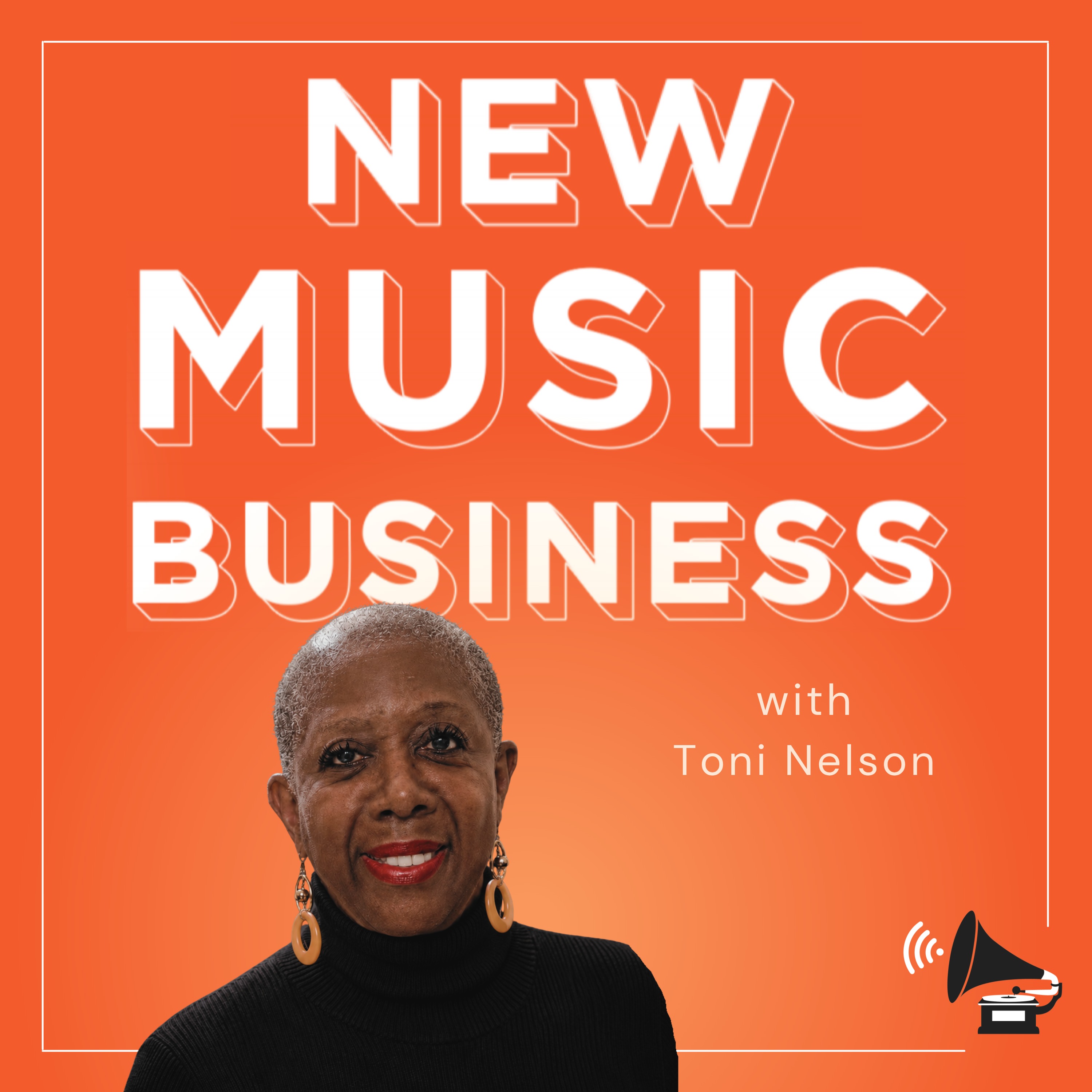
Building a sustainable independent artist career “from the ground up,” balancing visibility with real monetization, and using artist development, community, analytics, and clear IP/business protections to avoid exploitation.
Toni Nelson is a Brooklyn-based artist/manager/music executive and co-founder/CEO of 1990 Records, an indie label using DistroKid. She’s worked with R&B and hip-hop artists generating millions of views/streams and recognition across TikTok Emerging Artist charts, Billboard, Fader, Vibe, MTV Revolt, NPR, BET, Vivo, OK Player, SiriusXM, etc. She also has a mental-health background.
Success = being able to pay rent while monetizing art; build both fan community and creative collaborator community; release music to test resonance; use analytics apps (e.g., SongStats) and respond to saves/playlist adds; protect IP with split sheets; distinguish writer vs producer vs work-for-hire; labels should be negotiated as licensing deals with leverage (keep long-tail catalog).
Adrian Daniel (independent success, multiple TikTok Emerging Artist banners, long-tail catalog); “death curve” vs “uphill trajectory” virality; “Kendrick’s” and “Saining in Canada” as community models.
Written by AI. May contain mistakes.
Toni discusses her approach to artist development and the importance of defining success.
“She is an artist, manager, music executive, and co-founder and CEO of 1990 Records.”
Toni explains the significance of building a supportive community for artists.
“It's interesting because, again, it's about how the artist define their success.”
Toni shares insights on why trust and authentic relationships matter in the music industry.
“What does that mean when you say build community?”
Discussion on balancing creativity with the business aspects of an artist's career.
“People can, and I noticed this, that people can see through the BS.”
Understanding how to protect IP while developing creative projects.
“but let's put something down in writing so that y 'all can free yourself up, not have anxieties, and be able to move forward.”
Exploring the complexities of crediting and compensation in music projects.
“And you need to make sure your stuff is in order.”
How artists should negotiate their roles and credits in music projects.
“An artist needs to know and be able to distinguish the two.”
Guidelines for emerging artists on when and how to release music.
“And so you might have one, two or three songs that you want to put out there and see what people are resonating to.”
Using music analytics to guide release strategies and track success.
“If you are an artist, if you are a manager, you really need to invest in a music analytical app to know what's going on with your songs, know what's going on with your career.”
Exploring diverse monetization strategies for independent artists.
“And when you said something is starting to happen, let's put fire behind it.”
Learn how artists can leverage their data in negotiations with record labels.
“You understand what your music is doing.”
Explore the factors artists should consider when deciding to sign with a label.
“And the artist might look at it like, well, I'm making, you know, I'm making$10 ,000 a month through DistroKid from my streams directly.”
Understand the difference between types of virality and their implications for artists.
“and they understand their data points, they understand the multiples of a song, They got two and three songs that after three years that are still doing well, that are called long tail.”
Learn about the best practices for independent artists when touring.
“Again, you got to look at the data points.”
Hear stories of artists who have successfully built sustainable careers.
“I would advise where if it's independent artists, try to protect their revenue and be able to do something that's not going to make, they're going to be at a loss.”
Discover the importance of collaboration and trust between artists and managers.
“Independent artists can be very successful in those areas if they understand their data, if they understand their IP and their worth of their catalog.”
Learn about the difficulties independent artists face in trusting others as collaborators.
“And they've gotten so used to doing everything themselves that it becomes very, very difficult for them to trust and to release a little bit.”
Discover the speaker's journey from fashion to music and the importance of relationships.
“How did you get into all of this and get started and become passionate about this?”
Explore strategies for artists to maintain mental health amidst industry pressures.
“How do you I mean, it is a music industry, especially with artists and, you know, putting out music that is so personal.”
Understand what it means to 'make it' in the music industry from a holistic perspective.
“Well, Tony, thank you so much for, all of your gems and your wisdom and I really appreciate it.”

Get the gist, explore an idea or ask about something said.
 Claude
On The New Music Business with Ari Herstand, what are the key points of this episode?
Searching your listeningAutomatic transcript. May contain errors.
0:00What is it? You're going to be rich or you want to be famous? You can be famous, visible, everybody know you, and then you crash out because you realize you can't pay your rent. So it's about that balance that success means that I want to be still be able to do what I love to do and have it valued and have it monetized. And to me that in today's climate, this is what success is.
0:31What's going on? Welcome to The New Music Business. I'm your host, Ari Herstand, author of How to Make It In The New Music Business. The book, third edition, is out now. All formats, hardcover, ebook, audiobook, however you like books, you can find it. Today, my guest is Toni Nelson. She is an artist, manager, music executive, and co-founder and CEO of 1990 Records. It's a Brooklyn-based indie label that actually uses DistroKid as kind of the pipes for their label. She has worked with artists mostly in the R &B and hip-hop spaces, and they have generated millions and millions of views and streams, has had recognition on kind of the TikTok Emerging Artist charts, on Billboard, Fader, Vibe, MTV Revolt, NPR, BET, Vivo, OK Player, performances on SiriusXM, etc, etc.
1:25We talked today a lot about artist development. She's dropping gem after gem on just kind of how artists should approach their career, especially emerging ones, and building community and what community means, how to find community, both in terms of just like the audience, your community that supports you as an artist, but also the artist community of your collaborators. We talk about kind of building that community, the professional community of collaborators around you. And then when the business comes into play and how to approach the business, I ask her directly, you know, because this paradox here of just like, you know, you want to keep the vibes high and you don't want to be shoving the business in people's faces when you're in the creative space.
2:11She has really great advice on how to approach it and when to approach that and when to make sure that artists don't get taken advantage of and how artists can protect themselves and managers how to work with your artists to protect your artists when it comes to these situations. We talk about support tours, we talk about tour buy-ons, we talk about when it's right for an artist to tour, but more so how to build a sustainable career as an independent artist and what that looks like and what it means. And we talk about the difference between being famous and being rich, or at least having a sustainable music career where you can support your lifestyle and how that's different from a lot of these vanity metrics, the allure of fame and visibility versus the sustainability of what it's like to just need to live and pay rent and support a family and everything like that.
3:06and she talks about how you can change your focus and make sure that you're focusing on what is actually important. And she touches on that in the final question as well. You can find 1990 Records just on their website or on the socials. You can find Tony on LinkedIn. That's Tony, T-O-N-I, Nelson. You can find all of us that make the show happen at Ari's Take on the socials. Find me at Ari Herstand on Instagram. Please, if you haven't yet, pause this, leave us a five-star review, however you're listening to this, on Spotify, Apple Podcasts. Leave us a comment on Spotify or on YouTube. Give us that thumbs up on YouTube.
3:47Hit the subscribe button. Hit the follow button, however you're listening to this. And while this is paused, please go visit Ari's Take.com and get on our email list. That's actually the best way to stay in touch with us, the email list, Ari's Take.com. All right, let's kick in on the show. Tony Nelson, welcome to the show. Thank you for having me. Absolutely. So I'd love to hear a little bit of how you approach artist development and kind of your background in developing artists and kind of what brought you to where you're at now with 1990 Records. oh um it's interesting um in these days and times regarding artist development it's a quite a different a quite a different take um when i approach an artist it's about well it's two things it's about how they define the success if they're defining success about being some big superstar then i said i don't know if i'm the right fit for you but if you want to talk about a sustainable career, the ability to monetize your art, your creativity, then we can have a discussion because then I'm going to be working with you as a partner to try to set that up.
5:06It's interesting because, again, it's about how the artist define their success. And so when I work with an artist, it's about looking at their catalog. Do they have a catalog? Did they start putting music out? And then I look at the analytics to see what's really resonating with their audience and have that discussion with them and then talk about their identity. You know, what are they saying? Who are they saying it to? And the whole thing is about building an audience. So I usually tell them it's going to take some time and they're going to be patient. There's no instant success in this business.
5:47So it's about being patient. It's about me taking that walk, that journey with them. And just being there to ask questions, being there to kind of, I call it, unwrap and unveil the industry and what's really going on. What's the data points are really saying about their music, you know, and it's building community. that is the hardest thing with artists taking the time and the patience to do is to build that community. And I told them it takes time to do that. Let's talk about community a little bit. What does that mean when you say build community? Well, it means that finding the audience, you know, who is engaging with them?
6:31What are the comments saying? Is anyone talking to you about the music that you're putting out? what are they saying about you as an artist what are they saying about you as your music those are two distinct things and a lot of times you have artists who's on social media that are influencers they like the aesthetics they like what they see but not necessarily the content or the music so it's about trying to decipher for the artists what are they really looking at here you know and so it takes some time for us to kind of dig a little deeper into that and again sitting with them when they do when they create their music with their producers and stuff and and get a sense of creating that community now community does not mean they're fans community also means producers, engineers, the people that work with them.
7:33And I say to artists, it is very important that you build a community of creatives around you as an artist, not to be isolated. And because if someone is successful, they all are successful. And so when you start working with a producer, one or two producers, engineers, you trust each other. You trust this process. You trust your creativity. You create a community. I kind of get a sense when you look at, like out in California with the Kendricks, it's a community they create. Saining in Canada, they create a community. So artists who come and want to start a music career, it's important that they create, there's two types, the fan community, but also the creative community because, you know, they lift each other up.
8:29And so that's extremely important that an artist understands that. Right. That they're not kind of isolated in their own world, which I think as being a solo artist, you can be isolating. But having that community. Now, for the artists that are out there and maybe are creating on their own, or maybe just kind of have one other creative collaborator, like a producer or something like that. And they're kind of stuck and like, well, how do I find this creative community? Where do I go? I mean, am I supposed to be going out to music venues? Am I just DMing people on Instagram? What are you going to tell them?
9:09Just on the how, how do I build a creative community around me? Interesting. Donating your time and your talent with other artists and producers. being able to build trust that's the main thing um it's not about well it's it's you know a lot of times artists people you know they're very transactional and people can read through that you know and and so building trust is um being able to say you know i'm doing this because i like what you're doing i like your sound i like how you put things together i'm going to have you work with another artist, you know, and, and not saying, well, am I going to get paid?
9:50You know, building is, it's got to be very careful about that. It's about building trust, building that sense of relationships. This business is still about relationships with artists. And, um, so you can meet people, um, and having a genuine conversation with people about what they're doing, you know, where they're going to be performing, going to their show, supporting them, sharing their content when they put something out. And people can see that you're genuine. And when they're having something, they will tend to reach out and invite you to it or have you be part of a session. And then in those sessions, magic happens sometimes.
10:32When they ask you, do you think you have a verse for this song? Do you think you have something you want to add? And so that's how you wind up building that creative community about trust, authentic relationships, That is extremely important. People can, and I noticed this, that people can see through the BS. They really can't. Totally. Sure. So artists who want to be able to grow in this industry and grow a career have to be authentic, have to know how to build trust, have to know how to build authentic relationships. And that's how you really, I say you take your steps to success in that way.
11:14Yes. Now, I think some artists have found themselves being maybe very open and willing to build these relationships, being very trusting, very giving of themselves, like you're saying, and, you know, open to collaborate and just build that trust and community. However, there's the flip side of this coin, which we know kind of the horror stories of artists maybe that maybe get into situations where they don't realize the business side of everything. and they kind of maybe their work is used without with like you said maybe you know they're on one side it's to the extreme of they are thinking of this uh just transactionally am i going to get paid which is not the right approach from the get-go but eventually is there there does need to be a business discussion and so i think a lot of artists struggle with balancing that they don't want to get taken advantage of.
12:24We know that a lot of artists have gotten taken advantage of. They don't necessarily understand the business or how to protect themselves or when to even have those conversations because they don't want to turn off their collaborators. But at some point, when the music's coming out, there is a business and there's money to be made and to figure out how to make sure they still got the good vibes going with their collaborators, but that they're still protected how do you approach that that that's that is a sensitive uh situation but business is business it is the music business and even though you might be want to work with collaborators i tell artists to have your split sheets on your phone um have it on your phone so when it comes to we're going to do a record a song and whatever you want to do in the studio take care of that and say this is just business so we can just put this aside and then we can just be creative um it will not dampen the creative process i just think that is to be up front again transparent honest and not be intimidated and i find a lot of times um females are more intimidated in that process than guys guys can be very up front and but i tell artists that even when I called them and they in the studio and I said, well, what are y 'all getting ready to do?
13:48Be getting ready to record. I said, okay, so you have your split sheets. I remind them, you know, and I said, just take care of that, get that out of the way, you know? And, and they say, okay. I said, if y 'all want to change something later on, you can, but let's put something down in writing so that y 'all can free yourself up, not have anxieties, and be able to move forward. So there is a part in the process that the artist must protect their IP. And if they're going to be moving forward with creating a project. And if they're in a creative session and they're throwing stuff around and they just want to just, you know, figure out what to do next or who they want to work with next, that's a difference.
14:30That's to me is relationship building. So relationship building is one thing. But when you start going into now, you're going to be working on projects, that's business. And you need to make sure your stuff is in order. Yes. Now, I'm sure people listening have kind of maybe heard of the ghostwriter situation where, I mean, this is pretty prevalent, you know, across the industry, but definitely in R &B, where, and hip-hop a bit, and even a little bit in country, but it's kind of where if people aren't familiar, where someone is kind of brought in and they might be paid kind of but not credited.
15:18And I'm curious if you've run into anything like that and where you stand on something like that, where someone might be paid but not credited, and then there are other people credited who may not have actually done as much of the work. And if any of your clients have run into that or where what your stance is on that oh um
15:45i will say this i have had artists who there was not it wasn't the issue of not being credited but what they were credited for okay you know so it would credit for being a writer but not a producer and um and so that becomes tricky that's the politics of the business a lot of times labels are involved in because of the splits and the points and all that stuff that takes place if the artists have to be careful about what they're agreeing to and you have called work for hire and if you assigning a work for hire they're giving you a flat fee you come and do what you need to do. And if you're not negotiating in that work for hire, looking at the paperwork and seeing if you want to get credit or not, then they can, if it's not on the paper, then a lot of times they will overlook you and not give you credit.
16:49So you have to be very astute on what you're signing, what you're agreeing to, what they have you in the studio to do as far as a work for hire or are you going to be a featured artist? It's two different things. So if you're going to be a featured artist, don't sign that work for hire agreement or don't agree to that. It's two different things. An artist needs to know and be able to distinguish the two. But again, you have, in most scenarios, people being credited for stuff that they want to be credited, not be credited for. I'm a producer, but you put me down as a writer. You know, so I have seen that more often in particularly in hip hop and R &B.
17:34Yeah. And how do you approach that? I mean, is there, are there any type of standards on who should be designated as a producer versus a songwriter who gets both credits, both the publishing because as a songwriter, but then also some of those back end master points as a producer? because that's why they're fighting for those producer credits because they get points on the master. They're actually making the master revenue, which oftentimes will be much more than what the recording earns for publishing. So how do you approach that when a client says, well, I feel like I should be a producer, and maybe the person at the console or at the laptop really is the one saying, no, I get sole producer credit because I press the buttons.
18:27Well, that becomes your choice. It really becomes your choice. And it has to be something that's discussed up front, not when the process is halfway through. And it has to be up front. You're going to have an executive producer or a lead producer. They're going to make those calls. So you got to have a conversation with them and put it in writing. What are you coming? How are you coming into this project? Am I coming in as a producer? Then follow up in writing is to ask for our conversation. You know, I would be part of this project as a producer, credited as a producer. So now it's in writing.
19:06What happens is when I get involved and people say to me, well, I didn't get credit for, did you got anything in writing that you had this discussion with the lead producer? No, we had a conversation. So it's about memory now. they're going to say well I don't remember having this discussion you know um sure so I I always say to artists producers to writers when you have conversations with producers and other creatives follow up with a text follow up with an email and say you know it was great working with you I would love to be part of this project I just want to be clear as to how I'm coming into this project, you know, and that's the business part again.
19:49So it's about being very intentional about your IP, being very intentional about your role and also being able to follow up in a text or an email to let the lead person who's putting their project together to be able to clarify what your role is in the project. And I think that sometimes the artists, again, they get, they'd be so happy to be part of something that they just, you know, let things ride until the last minute. And now it's getting ready to be signed off by the label and your name is not where you think it should be. So that's tend to what happens in a lot of cases. Gotcha. Yeah, no, that's great advice.
20:34When it comes to more emerging artists, writers, even producers, how do you advise them to kind of get the music out to the world or when it is time to maybe release a song or what is the order of operation in terms of now in this kind of you know social media driven era do you build a following first by showing little snippets and just try to build that following through social media through that community that you're talking about first or do you start releasing music and then start promoting the music through these uh marketing and social media avenues or what is your strategy when you have a really talented young artist or songwriter artist producer and there's like i don't know how to get started what what should i do here well it depends on the genre um hip-hop artists tend to put music out and see what sticks when you are a singer songwriter artist um you're going to have to be able to put a song out and call it you're going to have to promote it you're going to have to promote it this the end and i would say this the it would it's kind of like it's kind of like um mirroring the hip-hop artist a little bit, but you're not doing it as intense.
22:04And so you might have one, two or three songs that you want to put out there and see what people are resonating to. It is extremely important when I work with an artist that I have called, you know, music analytic apps. So when a music is getting ready to be released, if they have music out already, or if they never put music out, I've got to put something out. I said, you've got to release something. You've got to see what resonates. You've got to see if people even like what you're doing. And so if they put the music out, I'm monitoring what's going on with the song. So I'm looking at the analytics.
22:44I'm looking at the saves. I'm looking at how is it added to the playlist. I'm looking at those things so I can have a discussion with the artist as to Well, this song seems to have some stickiness to it. It seems to be resonating. And let's see if we put a little more fire behind it, what it will do. And so you start to slow walk the song a little bit. And then you also tell the artist that, okay, we need to have a follow-up song for that. Because if it starts to take off, you got to have something immediately to go behind it. so it's a journey but I would literally I would actually have to look at the data to see what's going on with the song and if you have independent artists I would tell them they need to invest in at least one or two music analytic apps so they can know what's going on with their song and which ones are you yeah what music analytics apps do you like to use if you are independent artists and is not one of the most inexpensive ones but very effective is song stats.
23:58If you are an artist, if you are a manager, you really need to invest in a music analytical app to know what's going on with your songs, know what's going on with your career. Putting music out and just hoping that something's happening is not in these days and age. You need to really know what's going on with the song and be able to monitor the data points. And when you said something is starting to happen, let's put fire behind it. What do you mean by that? Like specifically when maybe people are resonating with a song, what do you do to kind of put that fire behind it? Well, it is as you would put.
24:43You would do maybe a remix with a song. You might think about putting a feature of an artist that's getting some traction and having them feature on the song. And so those are the things you would do to kind of give the song a bump. But again, you're looking at the analytic to see if that song has called an uphill trajectory. Is it moving? And if it's moving, and then you also can see on what dates that the song is spiking and say, well, what happened on that particular date? Well, they put out a little clip, a little video. Okay, that content is now resonating with someone. Maybe we can now put out more content similar to that.
25:24So you want to be able to respond to how a song is reacting to the system, how they're reacting to listeners. and again you're looking at the analytics to see if the song is being saved if the song is being added to playlists those are two extremely important data points for artists to understand for managers to understand so they know that they're not wasting money putting a lot of ads at a song that's doesn't really not really moving the way it's supposed to move so those are things you look for. Yeah. No, that's great. And you talked about early on kind of monetizing this, an audience. These days, how are you monetizing an audience maybe other than just, you know, hoping what you can get, you know, and fractions of pennies from streams from this audience?
26:19What are some monetization avenues that you're excited about these days that are working? Well, I think artists sometimes, if they got a great song, a great hook, they can use that to create merchandise. Don't negate that. And you have platforms like Even and stuff that you can use, that artists can use to kind of boost that visibility for the artists. Good for pre-order campaigns, yep. Yeah, you also have, you got to look at, again, the data points, your Shazams, you got to look at your purchases, You got to look at, you know, the radio spins. If the song is resonating, go where the audience is going and create content around that song so the audience can feel like you're feeding them the song.
27:07So that's how you monetize. You have to be able to start building that community to monetize because you got to put out projects to build your catalog. And when you build your catalog, you're building your community and you're building your career. and you created a sustainable career and not a career that you put out a song or two and then it doesn't hit and then you wind up, you know, there's no place to go. So you're really building and building and building. And I think artists need to approach the industry in that way as an entrepreneur, not just I'm just going to put out music. I want to put out my content.
27:42I want to promote my content. I want to monetize my content. And if something hits, Ari, that's grace if you get a huge hit that's grace i think artists be looking for the huge hit first and then think about you know the other stuff but i think if you build your career build your community the creative community your fan community and then you monetize those things you in a better position than when you are approaching you do get something that pops and when you approach by a label, you're in a better position to negotiate because you now understand the data. You understand what your music is doing.
28:25You won't discount when the label says, we're going to take 70 % of your purchases, your radio spins, what have you. Because you realize, wait a minute, I'm doing well in that. I'll give you maybe 40%, but not 70%. But you got to understand the data. So in this day and age with artists, they have to really be on top of understanding their data points in their song, understanding how to monetize their IPs, and knowing when to put out content, merchandise, and continue to build on that and not to negate it. Like I said, there's so many platforms out here for artists to use to start building their audience.
29:09Yes. um let's talk about you you mentioned kind of maybe when a label does approach an artist um how do you decide whether to work with a label or to stay independent and you know keep releasing through distro kid and just kind of go and direct that way how do you decide when to work when you yeah and what are what what goes into that decision is just like why would an artist decide If they're doing well and if they're, you know, like you said, a label might come in and say, I want 70 % or I want 50 % or something like that. And the artist might look at it like, well, I'm making, you know, I'm making$10 ,000 a month through DistroKid from my streams directly.
29:54Like, why would I give up half of that or 70 % of that to a label? What are the kind of the value propositions that the label is giving? Or what is just your own conversation that you have with the artist or the pros and cons? It's just like, should we go with a label or should we stay independent? If you're going to go with a label, it should be a licensing deal. If you build up, you've already built leverage. It should be a licensing deal. And it should be in a position that you're negotiating to have, I would call it escalating success. What does that mean? In other words, you're in a position to say, listen, I have a back catalog.
30:29My catalog is doing very well. This next project I'm getting ready to release, I'll give you more percentage of that. But the back catalog, you're probably not going to touch. I got to feed my kids, you know? And so therefore, you're in a better position to say, we can work with this, but this right here, I'm going to hold on to and keep and not give up everything. And a lot of times, artists gives up everything. And I think that artists need to be very discreet. If an independent artist has to build a career and they understand their data points, they understand the multiples of a song, They got two and three songs that after three years that are still doing well, that are called long tail.
31:13They're long tail catalog songs. They are making money. You are in a great position to say to label, OK, I'm not going to probably give you these songs. I'll probably negotiate around the other ones and then my new project. But I make sure that I got to keep something to make sure that my lights stay on. so I think that's the approach that artists needs to take to have that kind of leverage you know as far as the independent artists I mean that makes a lot of sense uh I'm curious if you've seen labels go for that because a lot of times especially more recently in the last you know three to five years or something a song starts to move and starts to make a lot of money because it's going viral on tiktok or something like that they're like I want that song I don't care about anything else i want the song that's making money right now so that will help our books this year because we know this is working we don't know what's going to happen in the future yeah okay let's let's you know let's unwrap this virality um yes issue um there's two types of virality now you got the superstars they put out a song and within a week they got 100 million views, that's a whole different level.
32:28For independent artists, within a week or two, if they accumulated two, three million views, you know, three or four thousand UGCs, that's a song that's viral. Now, you have to then to kind of parse what type of virality that is. The issue with, and I think the challenge with a lot of labels and A &Rs is a song can be viral for various reasons. Trending, mimes, you know, that's virality. But what you really want to look for is people saving a song in their personal playlist because they like the song. They're using the song for their commercial use because they like the song. That particular virality is more important.
33:23and that's something that you want to really look out for. The problem I have with people saying I want to go after a song that's viral is they wind up hitting called a death curve. After a year or two, the song starts to curve down. There's no stickiness. The value is gone from that song. If you ever wanted to sell a catalog, that song has less worth. a song that has upward uphill trajectory that are still having high delta streams that are still having saves and having um added to playlists after three or four or five years that is what investors are looking for they look that's called a high value song not the we got we we get caught up in this virality thing but it's the investor they look at high value songs so if you're chasing a song that's viral and say i want to get an instant you know um i call the streaming revenue that's great but um i think that's the wrong approach um and out and i think that managers and artists needs to be very condescending that when they're approaching you, I want this song that's viral.
34:41Again, you got to look at the data points. You got to look at the data points and say it's viral for what reason? If it's viral for minds and trends, maybe I might give it up. But if it's viral for people like it's on a Vogue Germany playlist, I don't know if I'm going to give up everything. Yeah, sure, sure. When do you think an artist is ready to tour you know a newer artist and and how do you decide um how to get that artist out there and what's the strategy behind that if they've kind of never really toured if you got a song that's a hit you're ready to tour okay simple as that what if you don't have a hit if if you don't have a hit if if you're going to go to a tour and you want to be as an opening act or a support act to an artist and it's not costing you an arm and leg to go out there and you know to tour you know that's a good thing you're building your audience you're building your you know your uh visibility um so if you have a relationship go back to community again it's got back to community back to relationships you got an artist that's hot they got a hot record a hit record they've gone on tour and they say hey Ari you know what you're going to be opening ass support take advantage of that you know um but for going out on your own and putting out that kind of course I wouldn't advise a new artist to do that I wouldn't advise artists to put that kind of um put themselves out like that unless they have a hit record sure and for these opening slots uh what kinds of what is that set up what is that what are those deals uh how does it work for an opening artist to go out um with a headliner it depends on the artist um that's asking you and what they're willing to up front for the opening act and that's negotiated with the promoter and the artist managers as to what they're willing to cover.
36:59There are situations where people are paid to be on tour. I wouldn't advise that either. Like tour buy-ons. Yeah. I would not. That's old school stuff. I would not advise that. I would advise where if it's independent artists, try to protect their revenue and be able to do something that's not going to make, they're going to be at a loss. So if an artist who has a hit is going on tour and they invite you, then you're negotiating then as to what they're covering, making sure the hotel's covered, transportation's covered, and you get a percentage of the fee. And that's something the promoter and the managers work out ahead of time.
37:44ahead of time, not while you're on tour. Right, very important. You got to know, you got to be able to budget for what you're looking at. And are you seeing it's a percentage or the headliner is usually given the opener a flat fee of, I don't know, for club level, maybe 250 bucks or something a night or maybe, yeah. It depends. Depends on, you know, the tour lag, whether it's local, whether it's regional, whether it's national, whether it's global. it depends on whether you're going to be on three shows versus being on 10 shows as an opener. So again, that depends on the details of the artist and the, I call it the headliner, and the managers and the promoters.
38:31Yes. Right on. Tell me some stories of maybe some artists that you've worked with that, you know, Noah, that you've kind of taken from this, like maybe just getting started at an emerging level and you guys have kind of worked together and developed into a sustainable real career. I'd love to hear kind of some of those anecdotes. Oh, okay. I have, well, two artists I'm still working with. One is out in California trying to figure out what they want to do. Okay, wow. No, actually three. One is in California. The other two is here. My main artist has been extremely successful as far as an independent artist.
39:19He's been three times on TikTok Emerging Artist banner. Every era, he's got a viral song. And his audience continued to build. And his upward trajectory of his songs, his catalog, is going into long tail catalog, which means that there's now high value to his songs. And so he's able to build a sustainable career. My advice to him is always, if something hits you in a better position to negotiate, and there's been times we have been in negotiation. So that's the success of an independent artist, monetizing, understanding your data points, understanding what your catalog worth, understanding multiples and sticking this to a song that puts you in a position to be able to negotiate deals, whether it's deals for sync, whether it's deals for merchandise deals, licensing deals.
40:20Independent artists can be very successful in those areas if they understand their data, if they understand their IP and their worth of their catalog. Is this Adrian Daniel that you're speaking about? Adrian Daniel is, yeah. Yeah, yeah, cool. That's great. And when did you get started working with him, and how did that relationship begin? Interesting, because he came to me to listen to his song, and I asked, who was it? And he said, it's me. And I said, oh, okay, this is dope. So I started off managing him. And then I wind up evolving into a label when I got the project onto Billboard as a premiere.
41:02And we started building from there, as far as the label and as far as, you know, figuring out how the industry is evolving. Because at that time I got involved in building a label. That's when Spotify was introduced. And we had no idea what the hell that was. So I think that, you know, working with artists, working with particularly Adrian, he's a unique artist. He's very disciplined, very focused, very business-centered, I say. And so it's easier to work with him. And I got spoiled because when you have an artist like that, then when you say, I need something, they automatically give it to you.
41:45When I say, I need you to do this, they're automatically there. I've gotten spoiled. I don't have to beg him for anything. He's always on top of his stuff. you know he I will say you know I want to are we putting out any new music right you say yeah but I think this is a song we should go with and I learned to trust him so when I when he said I'm going to go with this I said okay I might not even understand what the song is about but I trust him um and to know that he knows his audience he knows his fan base and that's the kind of artist you want to work with an artist who knows who he is they know who their identity is they know what their brand is and they know who their fans are and they know how to feed it great and i mean that's that's uh i mean it's helpful for the artist listening right now when when a manager or label asks for something i mean it's you know it's it's uh it's important that you you you're a collaborator and you're a teammate on that and you kind of are working together equally um i mean have you run into situations no name calling but just like you know where it's been more of a struggle or it's been a challenge uh with some other artists as to maybe there's pushback and i'm curious like maybe where the pushback comes from you think it's like misaligned vision or a trust thing or when someone isn't uh as much of a team player as adrian okay independent artists is one of the biggest barriers is trust.
43:17Trust. And they've gotten so used to doing everything themselves that it becomes very, very difficult for them to trust and to release a little bit. And so a lot of times you would have some ideas of what you want to do, how you want to move a project, and you get to push back. And you go like, okay, so what do you think we should do? and they say, well, I want to do that. I say, well, you know, you did that, but it didn't work. But if you insist on doing it that way, I'm not going to stress myself out about how you want, because you still want to do what you need to do. This is your creativity.
44:00This is your career. I find that, I hate to say it, but when it comes to artists, the guys are more manageable. My ladies, they get emotional. And, you know, it is what it is. But I find that independent artists, they tend to be very, very, when it comes to working with labels, working with even with managers, it's about the trust thing. It's about being able to allow people to advise them and to guide them in a different direction. It becomes very, very, I would call it a very sensitive area for them. And so I think that's the pushback I sometimes get from artists, particularly independent artists, because they got used to doing everything themselves.
45:01Totally. Yeah. I'm curious your story. How did you get into all of this and get started and become passionate about this? And yeah, what's your story? What's your background? My background is in, oh my God. I was starting off in retail in the fashion industry. And then I move into as a clinician. When my parents passed away, I said I need to have more meaningful things to do other than fashion. And so I got into that, but then I wound up in the music industry when I got involved in with Adrian Daniels' career and started to build relationships with other people in the industry. I met, one of the first people I met was actually Lior Cohen years ago.
45:56We had him on the show not too long ago. Yes. And I remember he said to me, he said, well, you know, What artists sometimes don't understand is that it takes time to build a career. You can have a fleeting moment, but to build a lasting, sustainable career, it takes time. and um so having meeting people like him meeting other people in the industry you know um going to music biz and and building those relationships and learning from my peers and stuff um I wind up having a very healthy relationship with people and also respect for the industry in spite of what people say about the music industry um I have a healthy respect for it Um, we all want the same thing.
46:40Um, sometimes it's not fair, but I always tell artists, managers, this is a business. And when you're having a business, someone wants to make money, someone wants to monetize something. It's about negotiating what you're going to get out of it. And, but to protect your IP at all times, you know, protect your creativity, protect your mental health. So my experience in this industry, my background in mental health was actually extremely helpful in helping artists navigate some of the pitfalls that they might fall into. um so um it's been very very it's been a very very interesting journey um in this industry working with artists working with managers working with other labels working with my colleagues um but i learned from them i learned from um people even outside of the industry about how to move forward and how to help an artist build their career yes yeah um speaking of mental health.
47:45How do you I mean, it is a music industry, especially with artists and, you know, putting out music that is so personal. And so much of the music, typically the artist is kind of it's wrapped up in themselves. And oftentimes, when an artist might release a song, and people aren't responding as much. They take it extremely personally, that it's not just someone doesn't like the song. They don't like the person either. And that's at least how the artist feels because the song is so close to the artist. How do you work with your artist to maintain kind of a healthy mental health and just like a healthy mental state and make sure that they don't get too wrapped up and start spiraling affirmation affirming them you know it's interesting when you hear artists talk about you know they lived in cars and they came to the city and they had to sleep on that's trauma and the trauma does undress trauma and it has to also deal with the issue of trust and And their ability or inability to discern relationships, which gets them into trouble.
49:15And when I work with an artist, I get a sense of their personality a little bit and what to say and what not to say. It's important. It's really important to them. Because what you have to always constantly tell them is that it's not, like you said, they personalize everything, but you got to constantly affirm that they're all right. You're good. It's fine. You're not here to please everyone. You're here to make sure that the right person understands what you're saying to them through your songs. so when someone criticizes or says things you have to be able to kind of put a little guard up and say you know they're just not feeling what I'm doing right now but I'm going to continue doing what I'm doing and so but you also have managers that are toxic you know that feeds into the stress of an artist you know and what I also see is that anxiety that an artist will have they got to have you know things happen And you got to calm them down and saying that, no, this is all right.
50:28We're going to take because this industry has their highs and their lows. You can be on top one year, win all the awards one year, and then the next year is quiet. But that's why you have to help an artist find other things to do, you know, other ways to express themselves, whether it's through art, whether it's through, you know, dance. some other ways to express themselves. So when they have those low periods, they can move into whether it's even cooking, but they can also be able to find ways to express themselves that still authentically themselves. So that's what I encourage artists to do, to keep them mentally healthy, to keep them balanced and to keep them in the game and not crash out.
51:15So important. So important. Well, Tony, thank you so much for, all of your gems and your wisdom and I really appreciate it. I know everybody listening right now really appreciates everything that you've given and revealed and definitely the guidance that you have offered today which is so, so valuable. I have one final question that I ask everyone who comes on the show and that is, what does it mean to you to make it in the new music business? What does making it mean? Oh. Your bank statement.
51:54All right. Simple. Listen, listen, listen. You remember that scene in, I think, Cadillac Records with Chuck Berry? And the guy said, you're going to be rich and I'm going to be famous. And Chuck Berry said, no, no, let's switch seats. Yeah. If I ask an artist, what is it? You're going to be rich or you want to be famous? You can be famous, visible, everybody know you. and then you crash out because you realize you can't pay your rent. So it's about that balance that success means that I want to still be able to do what I love to do and have it valued and have it monetized. And to me, in today's climate, this is what success is.
52:40Not to chase after a hit. If it happens, that's grace. If it happens, it's grace. but in the meantime, let Ari be what Ari's going to be. That Ari community, love on him, lift him up, buy his merch, buy his pins, whatever they want to buy, you know, write their names on their arms, tattooing their arms. Let them be what they need to be. That's success. When someone says to Ari that you changed my life, when someone says that I got your poster all in my bedroom and I can't get enough of your music, you are a successful artist because you changed somebody's life. So that's how I defined it. Wonderful.
53:27Tony, thank you so much. It's great. It's great. Thank you for having me again. Thank you so much. This episode was edited by Ruben Zarate with music by Brassroots District and produced by all the great people at Ari's Take.
This week on the New Music Business podcast, Ari sits down with Toni Nelson, artist manager, business manager, and co-founder of 1990 Records.
Toni Nelson is an artist manager and co-founder of 1990 Records with a background in retail fashion and mental health clinical work. Combining expertise in behavioral science with music industry operations, Nelson specializes in sustainable artist development, data analytics, and guiding independent artists like Adrian Daniel, to build long-term, monetizable careers while protecting their intellectual property.
Follow Toni Nelson:
https://www.instagram.com/1990records19/
https://1990records.org/
Check out Ari’s Take:
https://aristake.com
04:01 - What it Means to Build a Creative & Fan Community
09:00 - Protecting IP & Using Split Sheets in the Studio
13:14 - Navigating Producer Credits, Writer Splits & Work for Hire
18:18 - Release Strategies & Tracking Data with Music Analytics
23:27 - How Independent Artists Can Monetize Their Audience
27:38 - Staying Independent vs. Label Licensing Deals
32:45 - When is an Emerging Artist Ready to Tour?
36:22 - Case Study: Developing Adrian Daniel's Career
43:17 - Mental Health & What It Means to Make It in Music
Edited and mixed by Ruben Zarate
Music by Brassroots District
Produced by the team at Ari’s Take
Order the THIRD EDITION of How to Make It in the New Music Business: https://book.aristake.com
Hosted on Acast. See acast.com/privacy for more information.