
In short
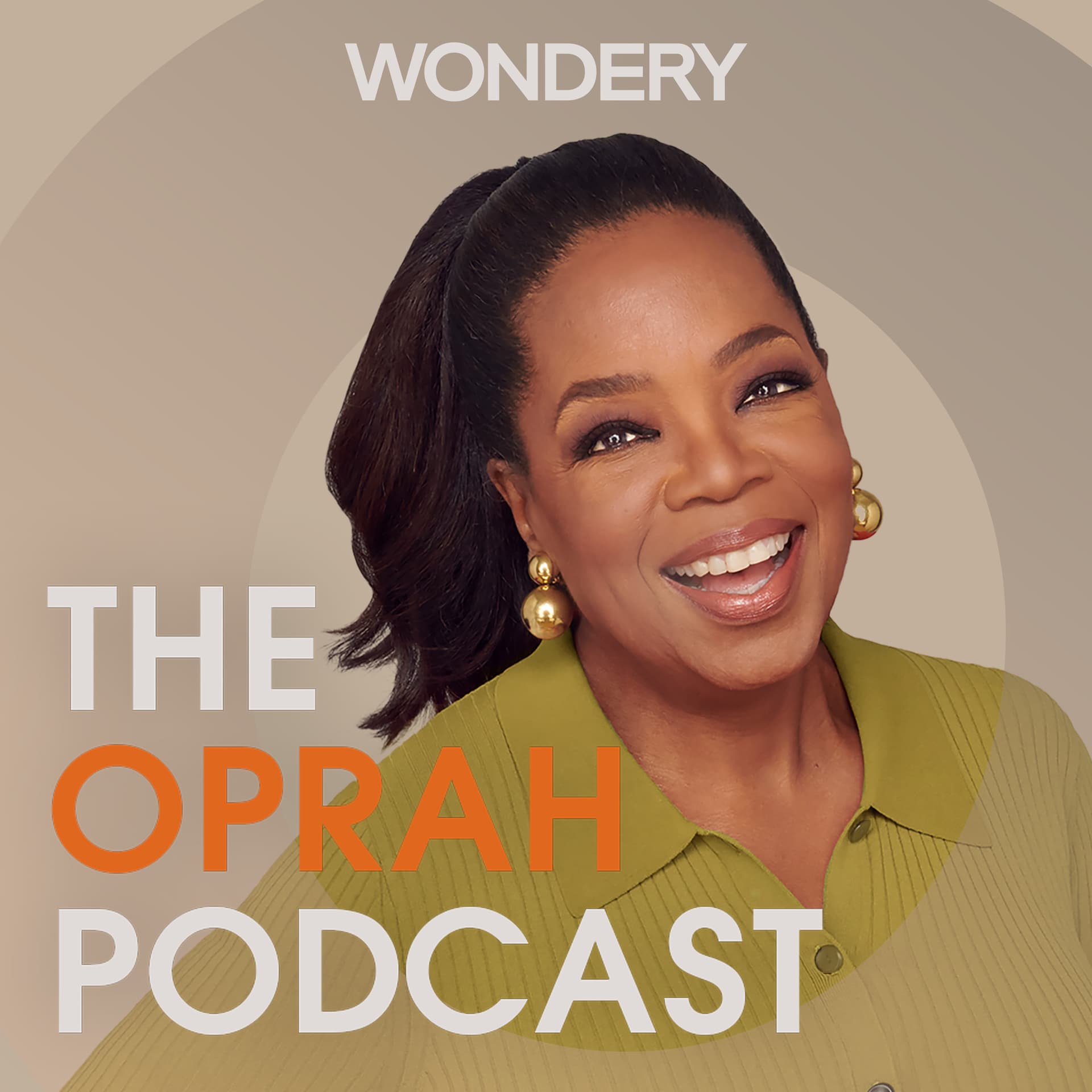
The Oprah Podcast Episode Summary: HAPPINESS PROFESSOR: How to Discover the Meaning of Your Life with Oprah and Arthur C. Brooks
Episode Overview In this episode, Oprah Winfrey sits down with Arthur C. Brooks, a Harvard Happiness professor and author of *The Meaning of Your Life: Finding Purpose in an Age of Emptiness*. They delve into profound questions surrounding life's meaning, purpose, and happiness, especially in today's challenging social landscape marked by loneliness and anxiety. The conversation is enriched with real listener questions and insights from Brooks' students about finding personal significance and fulfillment in life.
Key Themes
The Search for Meaning
- Existential Questions: Oprah poses existential questions such as:
- Am I living a life I love?
- Does my life have purpose?
- What is the true meaning of my life?
- Rising Loneliness and Anxiety: Many individuals today report feelings of emptiness, loneliness, and anxiety, especially among younger generations.
Brooks' Research and Insights
- The “Age of Emptiness”: Brooks describes modern life as filled with distractions (like technology and social media) that lead individuals into a “doom loop,” where temporary relief leads to greater dissatisfaction.
- The Meaning of Life: Brooks outlines three essential components of meaning:
- Coherence: Understanding why things happen.
- Purpose: Having direction and goals.
- Significance: Recognizing why one’s life matters and to whom.
Doom Loop and Technology
- Brooks explains how technology can contribute to feelings of boredom and anxiety, creating a cycle of distraction that prevents individuals from fulfilling their potential.
- The “doom loop” is characterized by engaging in behaviors that provide short-term relief but lead to longer-term dissatisfaction.
Practical Advice for Finding Meaning
- Brooks encourages listeners to engage in hard work and service to others, stating that helping others can provide profound fulfillment and meaning.
- Redefining Success: The conversation emphasizes viewing success not merely in personal achievements but through service and impact on others’ lives.
Listener Engagement
- The episode features questions from listeners, including a college freshman who expresses struggles with procrastination and excessive screen time. Brooks advises seeking meaning through real-world engagement and serving others.
The Role of Suffering
- Brooks discusses how suffering can lead to personal growth and understanding, advising individuals to embrace pain and learn from it rather than trying to eliminate it.
Key Quotes
- “The essence of being fully alive as a human is not answering questions. It’s asking questions.”
- “Suffering is pain times resistance to pain.”
- “You need to ask yourself regularly, 'Why am I alive? What would I be willing to die for?'”
Supporting Tools
- Quizzes and Assessments: Brooks offers quizzes in his book to help readers assess their current state of meaning and purpose.
- Call to Action: Listeners are encouraged to explore Brooks' book and the accompanying resources for self-reflection and deeper understanding of their own lives.
Conclusion This episode serves as a rich exploration of finding personal meaning and happiness through self-reflection, service, and embracing the complexities of life. Brooks emphasizes that meaning is not something to be found externally but is often something that finds you when you are open to it.
Additional Resources
- [Purchase Arthur Brooks’ Book](http://www.themeaningofyourlife.com)
- Follow Oprah on social media for more insights and updates on upcoming episodes:
- [Instagram](https://www.instagram.com/oprahpodcast/)
- [Facebook](https://www.facebook.com/oprahwinfrey/)
- [Listen to the Full Podcast](https://open.spotify.com/show/0tEVrfNp92a7lbjDe6GMLI)
---
This detailed and structured summary provides insights into the key discussions and takeaways from the podcast episode, ensuring clarity and accessibility for readers interested in the themes of happiness and meaning in life.
Written by AI. May contain mistakes. Listen to the episode to check what was said.
Chapters
Tap a time to open that second in VOUnderstanding the Doom Loop
0:00 to 1:00
Learn about the concept of doom loops and their impact on happiness.
“And you describe the problem as a doom loop, you say it is.”
Introducing Arthur Brooks
2:27 to 3:52
Oprah introduces her guest, Arthur Brooks, and discusses his expertise.
“His class at the Harvard Business School always has a waiting list.”
The Meaning of Life
3:52 to 5:12
Arthur shares insights on the meaning of life and societal changes affecting it.
“But I've been working on this for five years.”
Defining Meaning
5:12 to 6:20
Arthur breaks down the concept of meaning and its components.
“To say, what happened during that decade?”
Exploring Coherence, Purpose, and Significance
6:20 to 8:33
Discussion on the three key components of meaning: coherence, purpose, and significance.
“And that's one of the reasons it took me a long time to write this book because, you know, I mean, that sounds like the punchline to a cartoon in the New Yorker or something.”
The Importance of Asking Questions
8:33 to 9:45
The significance of asking deep questions about life and their role in meaning.
“They feel significant because you actually see them.”
Living in a Simulation
9:45 to 12:59
Arthur discusses how modern life feels simulated and the implications on meaning.
“Cross out those you reject completely, then put a number in front of the others from most to least important.”
Personal Reflections and Miracles
12:59 to 14:02
A personal anecdote highlights the role of belief and miracles in finding meaning.
“But the plot of that movie is that there's a mechanical artificial intelligence, a supercomputer that's running all of humanity.”
Exploring Belief and Randomness
14:02 to 15:40
Discussion on the intersection of faith, randomness, and personal scores.
“I was four and then whatever the answer to me was.”
The Doom Loop of Technology
15:41 to 17:09
Arthur Brooks discusses the doom loop created by technology and its impact on mental health.
“You can take this test at themeaningofyourlife.com.”
Show all 26 chapters
Breaking Free from the Doom Loop
17:10 to 17:35
Strategies for escaping the cycle of addiction to technology.
“I mean, if you go to the doctor and say, I can't stop drinking, he's not going to say, well, let's deal with the underlying problems that make you drink.”
Listener Call: Max's Struggles
17:36 to 21:08
Max shares his experience with procrastination and doom scrolling in college.
“I'm with the Harvard happiness professor himself, social scientist and bestselling author, Arthur Brooks.”
Finding Meaning Beyond Procrastination
21:09 to 24:42
Arthur Brooks provides insights on finding fulfillment and meaning, using examples and personal stories.
“It's making your brain work really, really differently than it should.”
Madison's Insights on Happiness
24:43 to 26:25
Madison shares her experience from Professor Brooks' class and the principles of true happiness.
“Okay, Madison is a former student of Professor Brooks, and she's living in San Francisco.”
Creating Impact and Service
26:26 to 28:00
Discussion on the importance of service to others and finding fulfillment in helping.
“I guess I loved how earlier you spoke to the fact that you can create little moments of meaning in other people's lives by something as simple as eye contact.”
The Importance of Seeing Others
28:00 to 30:21
Learn how recognizing the inherent value in others contributes to true service.
“It's seeing that person and allowing that person to be seen by you in a way that makes them feel like they matter.”
Beyond Success: True Fulfillment
30:21 to 31:46
Understand why worldly success alone does not lead to happiness and fulfillment.
“It's a case study in how to do it right.”
Using Success in Service of Others
31:46 to 33:00
Explore how using your achievements to uplift others leads to deeper satisfaction.
“So when something, next time something really wonderful happens to you, say WWOD, what would Oprah do?”
Understanding the Brain's Role in Meaning
33:39 to 36:22
Learn about the theory of hemispheric lateralization and its connection to life's meaning.
“Talking with New York Times bestselling author and the Harvard business professor, Arthur Brooks.”
The Value of Relationships and Family
36:22 to 39:06
Discover how relationships and family contribute to a fulfilling life.
“She's the last person I'll lay my eyes on as I take my dying breath.”
Lessons from Suffering and Accomplishments
39:06 to 42:00
Understand how suffering can lead to meaningful satisfaction and personal growth.
“And it's all the things that the science says, but you don't need the science to know that happiness is love.”
The Misunderstanding of Suffering and Its Meaning
42:00 to 44:31
Explore how suffering can lead to deeper meaning rather than being avoided.
“and most people would say, if I could only be like Leah and be an Olympic silver medalist, oh yeah, then I'd be happy.”
Discovering Moral Beauty in Life
45:07 to 48:30
Arthur Brooks discusses how moral beauty inspires awe and meaning.
“I'm with renowned social scientist Arthur Brooks discussing his new book, The Meaning of Your Life.”
Practical Steps to Finding Meaning
48:30 to 52:51
Learn actionable steps to cultivate gratitude and recognize moral beauty.
“Ryan was a Fulbright scholar who shadowed Arthur for an entire school year.”
The Journey to Discover Life's Meaning
52:51 to 56:00
Arthur shares his personal journey of finding meaning through pilgrimage.
“Like me and my wife had this little practice of checking in with each other at the end of each week to say, what have we got coming up this week?”
Finding Purpose Through Connection
56:00 to 56:25
Discover how personal meaning can lead to uplifting others.
“My meaning in life was to lift people up and bring them together in bonds of happiness and love using science and ideas.”
Transcript
Automatic transcript. May contain errors.0:00Arthur C. Brooks:And you describe the problem as a doom loop, you say it is.
0:04Oprah Winfrey:You're on campus every day. What are you seeing from your students on campus? A lot of people who are bored or anxious, they drink too much alcohol because it temporarily relieves their boredom and anxiety. The problem is it comes back with a vengeance. You can get into a doom loop with booze. You can get into a doom loop with gambling, with lots and lots of things in life where it helps you a little and then it hurts you a lot and it creates the problem it's supposed to solve and so you do it more. That's how doom loops work. And the same thing is true with technology. And the average American looks at their phone 205 times a day.
0:36Arthur C. Brooks:That's 13 times per waking hour or more than once every five minutes. Are you in that group?
0:44Oprah Winfrey:I would definitely say so.
0:45Arthur C. Brooks:And he says the answer is not because they are addictive. It is that people are bored out of their minds.
0:57Hi, everybody.
0:58Arthur C. Brooks:Welcome to The Oprah Podcast. I'm out of the tea house on a trip to beautiful New York, and it's always so great to be in this vibrant city. I wanted to ask you all to take a moment to think about how you would answer these questions for yourself, whether you're driving in your car right now or on a walk or hike right now or in the kitchen doing whatever you do there. I wonder if you can get still just for a second and ask, am I living a life I love? Do I feel my life has purpose? Am I living a life I love? Do I feel my life has purpose? And here's the biggie. What is the true meaning of my life?
1:42Arthur C. Brooks:So I know these are intense questions. And if you don't have the answers, don't worry because you're not alone. We have read that in the past decade, there's been an upsurge of people reporting that life feels for them meaningless. That's a word that people actually use, as well as a rise in loneliness, in anxiety and depression. So what is the key to finding the meaning of your life? How do you live a beautiful life you love? My guest is somebody who may have the answers for you. I know for sure he's certainly done the research for you. And he's one of the best people who can guide and help you find for yourself along this path some happiness and some meaning.
2:26Arthur C. Brooks:Arthur Brooks is a world-renowned social scientist who studies happiness. His class at the Harvard Business School always has a waiting list. His columns for the free press are a must-read, and now he's an expert contributor for CBS. In 2022, Arthur's book, From Strength to Strength, debuted at number one on the New York Times bestseller list. A year later, Build a Life You Want, a book we co-authored, also debuted at number one. Now Arthur and I are talking again, this time to discuss his latest book, The Meaning of Your Life, Finding Purpose in an Age of Emptiness. The Harvard happiness professor and number one New York Times bestselling author.
3:04Arthur C. Brooks:Isn't it good to say that about yourself?
3:06Oprah Winfrey:It does, and it's even better because the number one New York Times bestselling book was co-written with you.
3:10Arthur C. Brooks:Oh, thank you. It's a book we did together, but this book is called The Meaning of Your Life, finding purpose in an age of emptiness. Welcome back, Arthur Brooks. I mean, I say you are a bad dude. You're gonna write a book on the meaning of life. I mean, that is the number one question. And you have the nerve, Arthur Brooks.
3:33Oprah Winfrey:It's some nerve, I know. You got to take it on. I tried to avoid it for the longest time. I mean, it was on my mind, it was on my heart. I thought, I'm not a philosopher.
3:42Arthur C. Brooks:Yeah.
3:43Oprah Winfrey:But then I started seeing the science. and once one plus one equaled two and started to add up with respect to what was actually happening in our society, I started to understand it better. That's when the book actually came out. But I've been working on this for five years.
3:54Arthur C. Brooks:Really?
3:54Oprah Winfrey:Yeah.
3:55Arthur C. Brooks:And so when did this, you call this the hardest book that you've ever written. No surprise when you were tackling actually the meaning of life. And you've been working on it for five years. Why did you want it written now?
4:09Oprah Winfrey:I wrote it now because it was actually ready, but I started seeing the problem when I came back to the university. I was gone. I'm an old-time college professor, but I was gone for a long time. I was running a company for 11 years as a CEO. And during that time, I wasn't paying very much attention. I left academia in 2008. I came back in 2019, and the world changed while I was gone. A lot of people know what I'm talking about right now, who are watching us right now. In 2008, university life was better than ordinary life. You're falling in love. You're making friends. You're studying crazy new ideas that are blowing your mind.
4:42Oprah Winfrey:And in 2019, I came back and there was more depression than I'd ever seen. There was more anxiety. There was more loneliness. There was more anger on campuses. And I thought, this is crazy. This is worse than the life outside that I would see. And I said - In 2019, that's pre-COVID, right? That's pre-COVID. But boy, it sure was a hard time in the lives of university students. And for that matter, for people under 30, something happened during that decade. So, you know, I'm a scientist. I'm gonna be like Sherlock Holmes here. I started getting on the case, right?
5:12Arthur C. Brooks:To say, what happened during that decade?
5:14Oprah Winfrey:Exactly right. Okay, sum it up for us. What happened? So what happened was something changed in the way that people were living that somehow put a blockage in their happiness. Now, you and I both know that happiness is a combination of three things. Enjoyment in life, satisfaction with your accomplishments, and the meaning of life. So I started looking at it. Enjoyment, same as it's always been. Young people enjoy life probably more than you and I do. That's right. that satisfaction among my students at harvard super high they have tons of achievements they're they're strivers but meaning when i started talking about meaning boy their faces really fell
5:50Arthur C. Brooks:and i started looking at the data so people have satisfaction yeah they certainly have enjoyment right out doing all the things and more things to even do exactly okay but more and more people
6:01Oprah Winfrey:started telling you there was no meaning i don't know what i'm meant to do my life feels meaningless and it turns out the data backs it up. The number one predictor of being depressed and anxious under 30 is saying my life feels meaningless.
6:14Arthur C. Brooks:Okay, so in the book, you begin the book by actually defining meaning, which I thought was a good thing. So break it down for us.
6:20Oprah Winfrey:Yeah, the meaning of meaning. And that's one of the reasons it took me a long time to write this book because, you know, I mean, that sounds like the punchline to a cartoon in the New Yorker or something. The meaning of life is too big right now. It turns out that meaning is really a combination of three things, three questions, three why questions in life.
6:37Arthur C. Brooks:Yes.
6:37Oprah Winfrey:The first is called coherence. Why do things happen the way they do?
6:41Arthur C. Brooks:Yes.
6:41Oprah Winfrey:You got to have an answer to that. Some people answer it like you and I are religious people and we believe in science and those are great ways to answer the why do things happen the way they do. Some people, they resort to conspiracy theories for that. Yes. And so the people who are watching us... Too many people. Yeah. And when people who are watching us, they have a relative who's gone down the rabbit hole on the internet really into conspiracy theories. That's a cry for help about meaning. That's what it is. So you can yell at them and say, you idiot. Why don't you respect science? No, no, no, no.
7:10Oprah Winfrey:They're unhappy because they lack meaning, and that's because this coherence thing is missing. You need to meet that with love and give them a better solution for coherence. That's number one. Oh, okay. Number two is purpose. And purpose is something to do. Purpose is goals and direction. Why am I doing what I'm doing? A lot of people can't answer that. They feel like they're going in circles, kind of like a cruise ship. You're not going from one place. humans are made to get someplace. And that's a really important idea for the meaning of life. If you don't know why you're doing what you're doing, no purpose, no meaning, no happiness.
7:44Oprah Winfrey:Okay. So number one is? Coherence. Coherence. That's why things happen the way they do. Number two is purpose. Why am I doing what I'm doing? And last but not least, this is the big one. It's significance. Why does my life matter? And to whom? You know, if you don't know why your life matters, you know, and which basically means you don't have love in your life. Because your life matters to people who love you. That's right. Your life matters to God.
8:06Arthur C. Brooks:And it's also, Arthur, the one thing that I learned all those years on The Oprah Show, that everybody is looking for significance. They're all looking to know that what I say matters, you see me, and that I matter.
8:18Oprah Winfrey:That's the number one thing. And this is something that you've done in an extraordinary way, that when somebody talks to you who doesn't even know you, you see them. I've been out in public with you. And everybody wants to talk to Oprah Winfrey, and you look at them in the eyes. They get a little bit of oxytocin, that neuropeptide. They feel significant because you actually see them. You give them a little bit of meaning. That's a gift. That's an incredible gift.
8:41Arthur C. Brooks:Yeah, we all have the ability to do that with everybody.
8:43Oprah Winfrey:But in this society, you know, we don't really look at people. We don't really pay attention to people. So what do people need in life? They need an explanation for what's going on. They need a direction and set of goals. And they need to be seen. That's meaning.
8:57Arthur C. Brooks:Yeah. You know, we now live in this age where everybody just thinks You can Google it. The Meaning of Life, literally. The Meaning of Life, you can Google it. You can chat, GPT it. You can look it up. And there it is. Yeah. Explain what we need to do to start. On page 76 of The Meaning of Your Life, Arthur Brooks provides a quiz to readers. It's the same one he gives to his students at Harvard Business School. Arthur writes, Think deeply about what exactly you do believe and why. Consider five alternative explanations for why things happen in life. He asks, do you believe things happen because of the decisions I make freely?
9:36Arthur C. Brooks:Things happen because of decisions others make? Things happen because of the determined physical properties of the universe. Things happen because of the will of a higher being. Things happen out of sheer randomness. What do you believe? Cross out those you reject completely, then put a number in front of the others from most to least important. Author says when you do this, you will find a heightened sense of the true meaning of your behaviors and your actions, allowing you to work on your habits and then alter them to be consistent with your beliefs. Is that where we began to help determine?
10:14Oprah Winfrey:Questions are everything. And here's the weird thing. Remember when we were kids, there was this really famous gorilla named Coco. Remember Coco the gorilla? Yeah, yeah, yeah, yeah. And Coco the gorilla was really famous because this primatologist named Penny Patterson in California trained this gorilla to have a vocabulary of a thousand words in sign language. And so Coco the gorilla, I mean, had an obituary in the New York Times. I'm not going to have an obituary in the New York Times. Had covers on the National Geographic kids' books because it kind of blurred the lines between people and animals a little bit.
10:41Oprah Winfrey:But it turns out it didn't. Because there's one thing that Coco the gorilla never did, not once. She never asked a single question. The essence of being fully alive as a human is not answering questions. A computer can do that.
Read the full transcript
10:53Arthur C. Brooks:Or not memorizing words. Yeah, not having the vocabulary.
10:56Oprah Winfrey:It's asking questions. That's what it means to be fully alive, is to be a curious person about the big questions that actually don't even have answers.
11:05Arthur C. Brooks:And most importantly, what you emphasize in the meaning of life is the questions that you are willing to ask yourself.
11:11Oprah Winfrey:Exactly right. Yes, okay. Which are these big questions. And here's the thing. It's a meaning question if you can't Google it. If you can Google a question, that just means it's a mechanical thing with a complicated answer. And that's what ChatGPT does. That's the reason that AI will never make us happier. It's because all it does is the same thing that Coco the Gorilla did, except better. Which is answering basic questions like, what do you want for lunch?
11:37Arthur C. Brooks:In the introduction, I love this, you write, there actually is something missing in people's lives. and people are really wasting huge amounts of time into this simulated life.
11:53Oprah Winfrey:Yeah.
11:54Arthur C. Brooks:Explain what you mean by that.
11:55Oprah Winfrey:So this is funny because when I do research, you know, back in the old days, economists would talk about markets and all that. Then they'd go walk around factories and talk to workers. So that's the right way to do research. Look at the data and do the analysis and be a wonk, but then go talk to the humans. And so this is what I do. I start doing a lot of interviews of people and listen to the words that come out of their mouths. The first set of words that come out of their mouths is this thing about meaning. That's how, but then when the penny really dropped for me, I was talking to this guy, 27 years old.
12:22Oprah Winfrey:And I said, yeah, my life feels meaningless. He was kind of flat in his affect, right? And I said, well, tell me about your day. And he said, oh, you know, I get up and first thing I do is I look at my phone and then I go to work. That's on Zoom. And then he says, and after Zoom work, after all day, you know, I look at my, you know, my dating profile. And, you know, maybe I swipe right, you know, I date online. And I see all my friends on social media. And then I like to, you know, I do a lot of gaming because it gives me a sense of accomplishment. And he's sitting there and he says this thing.
12:49Oprah Winfrey:And boy, it really rocked my world. He said, it feels like I'm living in a simulation because he is because we are. You remember that old movie, The Matrix? That was 27 years ago. So it was a lot. I know. I know. Time passes. But that was way before AI. But the plot of that movie is that there's a mechanical artificial intelligence, a supercomputer that's running all of humanity. taking the energy and attention of humans and is placating them by simulating a kind of a pleasant life where they live in pods. Oprah, we're living in the matrix. And that's a problem because what that's doing is it's simulating your real life in the way that we use technology, the way that we overuse technology.
13:30Oprah Winfrey:But you know the one thing you can't simulate? It's the meaning of your life. That's something you got to live in real life.
13:37Arthur C. Brooks:I love the way you titled it too. You didn't say the meaning of life, but it's the meaning of your life. And what I liked about the book, among other things, are the questions that you force us to ask ourselves, like why things happen the way they do and why, you know, am I doing what I'm doing, right? Yeah.
13:59Oprah Winfrey:Yes. Yeah, and people don't ask themselves those questions very much. And by the way, Chad GPT is never going to give you the answers to that
14:04Arthur C. Brooks:because it can't. It's interesting. You scored differently than I scored. You talk about your score. For mine, it was God first.
14:12Oprah Winfrey:Just like me. Just like me.
14:14Arthur C. Brooks:But I was 4 '3 and you were 4 '1. I was four and then whatever the answer to me was. Yeah, yeah.
14:20Oprah Winfrey:So it's interesting. So I'm a son of my father. And so what we're referring to, there's this question of why things happen the way that they do. And there's a lot of possibilities because God made it that way because people do things that they do because the universe preordains it. There's tons of randomness. Random was my last thing. Yeah, yeah. So my dad was a statistician, a PhD biostatistician. He believed in randomness in the universe, but he was a super strong Christian too. And so he said, you know what the, you know what the greatest thing that God ever created was? And I said, what? And he said, miracles.
14:54Oprah Winfrey:And you know what miracles are? I said, no, dad, tell me what miracles are. He said, long tail events. Now, what that means is random things that don't happen very often. That's how he thought God made miracles. And so here's the point. None of this stuff is incompatible. You can believe in God and believe in randomness because you believe that God made the universe in this wonderful way that let things happen, let the chips fall where they may. But you got to think about it.
15:17Arthur C. Brooks:Everybody needs to take that test. You get the book just to take that test. I love that. And I also love the test about where do you stand in terms of presence and searching. Beginning on page 12, Arthur Brooks offers a quiz that can show you how much you know about the meaning of your life compared to what you are still searching for. Your results place you in one of four categories. Hopeful wanderer, lost in place, relentless seeker, or happy homebody. That's me for sure. You can take this test at themeaningofyourlife.com.
15:49Oprah Winfrey:That's a quiz to find out how well you're doing it. Because, you know, if you're going to be in the search for meaning, you've got to know where you're starting.
15:55Arthur C. Brooks:Right.
15:56Oprah Winfrey:To end up in California, you better know how far you are from California is what it comes down to. And so there's a test that does that.
16:03Arthur C. Brooks:So social psychologists and author, Jonathan Haidt and I have had many discussions, you all have seen them here, about the harmful effects technology is having on young people. And you quote his research in your book and you describe the problem as a doom loop, you say it is. You're on campus every day. What are you seeing from your students on campus?
16:24Oprah Winfrey:What I see is that people self-soothe using technology. And there's a reason for that. People distract themselves all the time. Now, this is nothing new. A lot of people who are bored or anxious, they drink too much alcohol because it temporarily relieves their boredom and anxiety. The problem is it comes back with a vengeance. You can get into a doom loop with booze. You can get into a doom loop with gambling, with lots and lots of things in life where it helps you a little and then it hurts you a lot and it creates the problem it's supposed to solve and so you do it more. That's how doom loops work.
16:51Oprah Winfrey:And the same thing is true with technology. When people, they're bored or they're anxious or they're stressed or they're lonely, the first thing they do is they pull out their phones and they've become very, very addicted to it. The trouble is it makes things worse. The more you binge on it, the worse it gets. And that's a doom loop. And you got to clip that doom loop. You got to get out of the doom loop is what it comes down to, like anything else. I mean, if you go to the doctor and say, I can't stop drinking, he's not going to say, well, let's deal with the underlying problems that make you drink.
17:19Oprah Winfrey:I hope your doctor does that too. But the first thing he's going to do is to try to get you to stop drinking. Absolutely, absolutely. You got to get out of the doom loop.
17:25Arthur C. Brooks:Coming up, are you or a young person in your life trapped in what Arthur Brooks calls the doom loop. We'll meet some listeners who say they need his advice next. Welcome back to the Oprah podcast. I'm with the Harvard happiness professor himself, social scientist and bestselling author, Arthur Brooks. We are discussing today his latest book, The Meaning of Your Life. That's a big topic. Let's get back to it. So we have listeners with questions for Professor Brooks. I love calling you Professor Brooks. I love hearing it. Max is a freshman at Fairfield University in Connecticut. Hi there, Max. You told my producers that you are trapped in a loop of procrastination and doom scrolling.
18:09Arthur C. Brooks:Tell us about it.
18:10Oprah Winfrey:Yeah, so pretty much I went through like, I mean, obviously last year I was in high school still. I was kind of going to school all day, every day. I had this like structure, this built-in structure. It was kind of mandatory in a sense. And then even that continued throughout the summer. I worked at an oyster farm. And like that like structure was still there where I wasn't kind of just like, I didn't have an excessive amount of free time compared. But then like even like I feel like I noticed it super fast when I got to school. Like I am kind of just like sitting around most of the day twiddling my thumbs because I realized that it's a bit of a shock how different, how much free time I have.
18:49Oprah Winfrey:And I think I've kind of fulfilled that free time rather than trying to be productive, like going to the gym. I have just turned into like complete like doom scrolling. I don't know, just complete doom scrolling nonstop.
19:04Arthur C. Brooks:OK, I just want to read you what Arthur, what professor? No, no. OK, OK, OK. Arthur to me, Professor Brooks, everybody is OK. Not he writes on page 30. Not that long ago, no one held a smartphone. He says, the first iPhone was delivered in 2007. Today, 5 billion people around the world have one in their pocket. And the average American looks at their phone 205 times a day. That's 13 times per waking hour or more than once every five minutes. Are you in that group?
19:39Oprah Winfrey:I would definitely say so.
19:41Arthur C. Brooks:Okay. And he says the answer is not because they are addictive. it is that people are bored out of their minds. Would you say so?
19:52Oprah Winfrey:Yeah, I think I also use it as kind of like, I see it as an escape in a sense. It's an escape from this anxiety that I have or this depression that I have experienced in the past. And I feel like there's nothing that distracts me more in the moment or it feels like there's nothing that distracts me more in the moment than technology. Wow.
20:14Arthur C. Brooks:So you have a question for Arthur?
20:15Oprah Winfrey:Yeah, I was wondering, like, how can I find meaningless and happiness while at school? Yeah, no, I appreciate it, Max. And I hear this all the time. To begin with, there's nothing weird about you. There's nothing abnormal about that, even though it feels really horrible. Think about it this way. I'm going to make a prediction about something your great-grandfather never said when he came home to see your great-grandmother at dinner. He never said, I had a panic attack behind the mule today. And here's the weird thing about that. to begin with, his brain was working the way it was supposed to work.
20:46Oprah Winfrey:Our brains were designed 250 ,000 years ago to work and work hard and have relationships in real life. That's what our brains are designed to do. And when we don't do that, things are going to be wacky in our lives. And that's what you're experiencing. You're actually looking to self-soothe normal problems. I mean, you go away and you go to college and there's anxieties, et cetera, et cetera. And you self-soothe in a way that actually torques your brain. It's making your brain work really, really differently than it should. And so the answer is to live more like your great-grandfather. Now, you already know this.
21:18Oprah Winfrey:You worked on an oyster farm. I have a son who, when he was your age, it was the same problem, really addicted to his phone. He went away and joined the Marine Corps. And he was a sniper in the Marine Corps. And when you're a sniper in the Marine Corps, sorry, no phone.
21:32Arthur C. Brooks:Yeah.
21:32Oprah Winfrey:And it's hard and it's dangerous and it's physical. And I'm telling you, it changed his life. You know, he came back after four years of that, married with a kid. and his life has plenty of meaning is what we actually find. You need to do more hard stuff, Max, is what it comes down to. The problem is this. Your great-grandfather, who was pretty bored behind that mule, I guarantee you at the end of his life, he didn't say my life was boring because his life wasn't boring. The problem is you're trying to get rid of the moments of boredom one after the other and the result is this adding up to a boring life and that's what's giving you depression.
22:06Oprah Winfrey:That's what's actually bringing you down. So you need to start doing harder things, picking up heavy things, actually running around. And here's the number one thing I'd recommend. Go serve others. Go do something that's actually hard that requires that you give of yourself. And when you dedicate yourself to those things, the phone will be maybe not the last thing on your mind, but it certainly won't be the first thing on your mind. You'll rescue yourself. Look, you're completely normal, but the solution is as close as finding a way to make the phone uninteresting to you by being fully alive.
22:38Arthur C. Brooks:Or just being another thing that you use responsibly because it's there for... It's just a tool. It's just a tool. Just a tool. It's just a tool.
22:47Oprah Winfrey:That's all it should be is a tool. That's what it comes down to. Yeah. You have the solution, Max. I see it in your eyes. You're going to be fine. I promise you.
22:54Arthur C. Brooks:Yeah. And it's not something that you can't begin executing today because you tell the story in the meaning of your life about this kid who felt meaning when he just fixed somebody else's garbage disposal. Tell that story.
23:08Oprah Winfrey:Yeah, so this is one of the stories that actually begins the book where I'm talking to a young man. His name is Mark. And Mark was kind of walking me through his day. And, you know, he had moved from one city to another and he was working on Zoom. And the result was it all added up to he didn't have enough to do. And so he spent his whole day. He was winding up spending his whole day online. And it made him feel really, really, really empty. And he would even date online. He would meet people. And the problem with a lot of dating apps is that you meet a lot of people, but you're not that attracted to them.
23:37Oprah Winfrey:And that's kind of another problem. that I often talk about. And so he meets this woman and they're having dinner and she starts talking to him about a dumb little problem she has. She says, my garbage disposal is clogged up and I don't know what to do. And he's like really kind of a mechanical guy. And he says, I'll fix it. And she's like, huh? And he wasn't trying to trick her into letting him come home. He really wanted to fix her garbage disposal. And so he goes to her house and in 30 minutes fixes her garbage disposal. She's blown away. She's super impressed. And he felt intense satisfaction doing this thing for somebody else using his hands in real life.
24:11Oprah Winfrey:That's the point, right? That's the point, Max. And then he goes home to his own house all by himself and he realizes his own garbage disposal is clogged up and it has been for a year and he never fixed it because it's not for somebody else.
24:24Arthur C. Brooks:Yeah. The satisfaction came from doing it for somebody else.
24:29Oprah Winfrey:Yeah. For somebody else.
24:30Arthur C. Brooks:I tell you, if you get out of yourself and do something for somebody else, it absolutely changes the way you see yourself. I know. Yeah, it does.
24:37Oprah Winfrey:Absolutely.
24:38Arthur C. Brooks:All the best to you, Max.
24:39Oprah Winfrey:Thank you, Max. Thank you for having me.
24:41Arthur C. Brooks:All the best. Thank you. Okay, Madison is a former student of Professor Brooks, and she's living in San Francisco. Welcome, Madison. Tell us what you learned from the professor here. Hi, Madison.
24:53Oprah Winfrey:Hi, Professor Brooks. Great to see you. Oprah, nice to meet you. Thanks so much for having me. I had the pleasure of taking Arthur's class this year at HBS, Leadership and Happiness. Almost everyone really refers to it as the happiness class. I think the first thing we learned on the first day was understanding what true happiness means. It's not just an emotion. It's actually fulfillment and getting to that over time. And I appreciated the pillars that Arthur would bring to you of what actually ultimately drives fulfillment, drives meaning family, faith, and friends. Absolutely stuck out to me as those pillars.
25:30Oprah Winfrey:And to the point that you all were just making about looking outside yourself, it's easy in business school, especially at Harvard, to be on the hedonic treadmill of just more achievement, more achievement. But ultimately, Arthur really created this framework around how we could both achieve for not only ourselves and our goals, but also for the betterment of others and those pillars that we value, the communities that we're in. And so for me, I've really been internalizing post-graduation, entering back into the real world, how I might continue to do that and have a personal mantra of being a door opener, which I try to do through my podcast called The Room Podcast.
26:06Oprah Winfrey:and the idea is that everyone wants to be in the room where it happens. I'm very excited to be in this room today, but more so being able to do that for others with your platform, with the opportunities you've been afforded, that just keeps you energized to help continue
26:22Arthur C. Brooks:making others feel included and in the room. I hear you have a question for both of us? I do. I guess I loved how earlier you spoke to the fact
26:31Oprah Winfrey:that you can create little moments of meaning in other people's lives by something as simple as eye contact. But of course, you both do that in such a broader stage. I was fortunate to get the Arthur Brooks podcast every Monday, Tuesday in class. And I'm sure that takes from you all, keeping that energy up, still being able to have impact while keeping yourself energized. Do you have any advice for how someone continues to sustainably create impact outside of themselves? How would you answer that, Oprah?
27:01Arthur C. Brooks:um well for me i know that creating impact outside of myself is a part of my calling it actually is what i was born to do is to use my life in service to help other people see their lives more fully that's what the oprah show was all those years that's what all you know in the beginning of the young you know when i was 21 and 22 and 19 working as a reporter that's what I was leaning to or moving to and feel fully realized in that now. And this is what I know for sure. I was saying this to a friend recently who has suddenly received a lot of fame and attention is trying to handle the fame. And the person was saying to me, well, how do you handle going out in public and everybody just wants a piece of you and everybody just wants a selfie and everybody just wants...
27:54Arthur C. Brooks:I said, what you're doing when you're doing a selfie is not actually a selfie. It's validation for that person. It's seeing that person and allowing that person to be seen by you in a way that makes them feel like they matter. And if you are a public figure, that is a part of your service. you are in service to help other people see themselves, not just seeing you as a celebrity, but seeing the celebrity within themselves that matters. And so for me, it's never, never been an issue because I see that what I do and who I am in the world as a part of the service that is my calling. That's why I've been blessed with this, is to share it.
28:40Arthur C. Brooks:You know, I know what I know because I'm supposed to share it. I'm not supposed to keep it to myself. Beautiful, beautiful. How do you answer that?
28:47Oprah Winfrey:To begin with, I know your work, Madison. You're a phenomenal student, super intelligent. And your career is killing it. I know this for a fact. I keep in touch. I know this is going really well. But there's a danger behind that, which is that you become a very, very perfect work machine. And then everything you do is all about success, worldly success, money, power, fame. Why? Because that's how we count our success. That's a really important thing to keep in mind. Now, a couple of different points. And my second point is gonna marry up with what Oprah just said. The first point is that you're not a work machine.
29:24Oprah Winfrey:You're a human being, you're a child of God. You're made for something besides creating economic value is what it comes down to. And that means you need a portfolio of things that you're doing with your life. You need things that are actually creating value and lifting people up, including things that are not acclaimed by the world and don't result in any sort of financial compensation. So that's a really important understanding what leisure is. Leisure is not chilling on a beach. Leisure is really all about cultivating relationships and deepening your understanding of God and learning new things that don't even pay.
29:57Oprah Winfrey:And you need to be able to have a part of your life that actually does that. And the sooner you do that, the better off you're gonna be, the more endurance your career is actually gonna have. That's point one. But here's the second point, and I learned this from you, because what you just said is not just talk. I've seen you doing this. This is amazing to me. People often ask me, what's it like hanging out with Oprah Winfrey? Because we wrote a book together. What's it like working with Oprah Winfrey? It's a case study in how to do it right. You're actually a happy person. Most people who are as successful as you aren't very happy.
30:29Oprah Winfrey:We know them. They're our friends. They're especially your friends. And the reason for that is because money doesn't make you happy per se. Power certainly doesn't. And fame is the only one of life's rewards that you can only ever be happy in spite of. Yes. We got the data on that. Unless you see this as an anointing. Yeah. You see this not for you, but for somebody else. And this is the first thing to offer up. Your success, Madison, is not for you. Yeah. Your success is for other people. You're conforming yourself. I know you're a religious person. You're conforming your will to the will of God.
31:05Oprah Winfrey:And God's will is to love every other person. And when you have success, you say, what does it mean? What does it mean? How am I going to lift other people up and bring them together with the success? And when you do -
31:17Arthur C. Brooks:You are so right about that. You're so right about that.
31:19Oprah Winfrey:But you do it. You do it. You live it every single day. That's why you're a happy person.
31:24Arthur C. Brooks:Yeah. And also why so many people we know who have incredible levels of success are not happy. Because if you're not using your success in service to something bigger than yourself and something other than yourself, it will eventually, no matter how successful you are, start to make you feel empty.
31:44Oprah Winfrey:It will.
31:45Arthur C. Brooks:Because you've got to give it away. You've got to give it away.
31:48Oprah Winfrey:So when something, next time something really wonderful happens to you, say WWOD, what would Oprah do?
31:54Arthur C. Brooks:No, no, no. But does this make sense to you, Madison? Does it make sense, right? This absolutely makes sense.
32:00Oprah Winfrey:both your servant leadership mindset that you both described that you've also been able to use yourselves and showcase is so incredible. And then also rising to the calling. I feel like you both have had specific callings in your heart that you've heard from God to Arthur's point, and then not shying away from them, not being afraid of them, not being intimidated, but stepping into it. So thank you both so much for that feedback and advice. And thank you so much for helping so many with these thoughts. Thank you, Madison. See how great she is?
32:27Arthur C. Brooks:I see how great she is. I see how great she is. And I think this idea of using, no matter where you are in your life, we talked about this a little bit on our last podcast, no matter where you are in your life, using what you do in service to others changes the whole paradigm.
32:42Oprah Winfrey:Right. That's right. I mean, it's interesting because, you know, this is how you lift people up and bring them together is friendship is a wonderful way, but the admiration of others too. Why do you care if somebody admires you? Because you want to share something that's been good for you with them. Otherwise it's empty. And by the way, then it'll be taken.
33:00Arthur C. Brooks:Yes, yes, yes. Time for a break. Up next, Why Arthur Says, to find the meaning in your life, you shouldn't waste your suffering. I couldn't agree more with him. We'll dive into that next.
33:12Oprah Winfrey:On December 12th, Disney Plus invites you to go behind the scenes with Taylor Swift in an exclusive six episode docuseries. I wanted to give something to the fans that they didn't expect. The only thing left is to close the book. The end of an era. And don't miss Taylor Swift, The Heirer's Tour, the final show featuring for the first time the Tortured Poets Department. Streaming December 12th, only on Disney+.
33:42Arthur C. Brooks:Talking with New York Times bestselling author and the Harvard business professor, Arthur Brooks. We're discussing his latest book, The Meaning of Your Life. So one of the things Arthur says, to get to life's meaning, there's a lot we need to unlearn first and then be able to lean into the mystery. Yeah. Lean into the mystery. Right.
34:01Oprah Winfrey:How does that work? So this is actually a little bit about the human brain. So I want to talk about the brain here for a second. We have an incredible, complicated, complex, wonderful brain. We're wonderfully made. But one of the most interesting areas of neuroscience that's come about over the past 10 years is called the theory of hemispheric lateralization. I know it sounds fancy, but that's what we do in academia to get tenure. You take a really easy idea and you put fancy words around it. Here's what it means. The two sides of your brain do different things. The right side of your brain is all about the why questions, the mystery, the meaning, the stuff that you can't quite describe, but that moves you.
34:37Oprah Winfrey:So when you hear some music and it makes you sad and it makes you want to cry and you don't know why, That's because the right side of your brain is working. It's the mystery side, the meaning side. The left side of your brain is where you deal with complicated problems. You solve stuff, analysis, the engineering solutions. And that's what you're using when you're on your phone. That's when you're using technology. That's the hustle and grind culture of answering every single question is the left side of the brain. The left side of the brain, there's no mystery and meaning over there. It's just how to and what questions all day long.
35:10Oprah Winfrey:That's the analytical, right? That's the problem is when we live in a culture and we use our devices and we live all day long on the wrong side of our brains, we literally can't assess the meaning of our lives because we're not using our brain in the right way.
35:24Arthur C. Brooks:And is it also because, this is why I like the meaning of your life so much, is because we haven't asked ourselves the right questions. Exactly. And you allow us in this book to ask the right questions.
35:35Oprah Winfrey:And if you do, the right side of your brain will light up. The right side of your brain will become active. And these are the questions that don't have answers that you can put into ChatGPT or Google. Questions like, why am I alive? For what would I give my life? Ask ChatGPT. What would I die for? It doesn't even make sense, right? Yes, right. And in point of fact, you might not be able to put your finger on it exactly. And that's okay. Because all the things you care about the most can't be solved. They can only be understood. And I'll give you an example of that, by the way. There's lots of stuff that I solve all day long.
36:08Oprah Winfrey:I solve all kinds of analytical problems all day long. That's what I did when I was in graduate school was learn how to solve problems. But the problems that I can't solve are the ones I care about the most. My marriage is a very complex problem without a solution. I've been married 34 years. I mean, I'm so in love with my wife. She's the last person I'll lay my eyes on as I take my dying breath. But I can't quite tell you why. And we've been married for decades. Anything I say, it'd be like, because she's good to me. So was my third grade teacher, Oprah. That's not, that's the reason that -
36:43Arthur C. Brooks:But you all have always had a spiritual connection and bond.
36:48Oprah Winfrey:And that's a right brain connection.
36:50Arthur C. Brooks:That goes beyond words because you didn't even speak the same language verbally at first. But your heart spoke the same language. It was divine. It was divine. It was an uplink to God.
37:00Oprah Winfrey:And that's how a lot of couples were really religious. They see their marriage as an antenna to God, actually. And the reason is because one flesh in real life is not about the stuff that we think it means. It's about the two right hemispheres of the brain working as one.
37:17Arthur C. Brooks:You're a grandfather now. You're both a grandfather and grandmother. How has that changed the meaning of your life?
37:23Oprah Winfrey:It's so incredible. You know, grandparenting is the one thing that's not overrated in life. And it's amazing because it's not as if, oh, yeah, it's because you're not changing diapers, Brooks. No, that's not it because I am changing diapers. My grandchildren live with me in my house. Two of them do. And it's funny because this is how the left brain helps the right brain. My left brain looked at all the literature and said, you're going to be a lot happier if you have an extended household and you don't have to go visit your grandchildren. You shouldn't visit your grandchildren. You should be real, real close to them.
37:54Oprah Winfrey:So we had a family meeting based on research. And we said, we think it's best if we all live in the same area so we can all help each other an awful lot as a family. Because, you know, I don't have very many regrets, Oprah, but there's one regret that I have, which is that I never got to know my parents that well because I was on the go, go, go. I was living in Europe and I was kind of pursuing my career. I was a musician. I was going to say, yeah. And I thought, you know, they're interesting. My dad was a mathematician. My mother was an artist. They were very interesting people. And I said, I'll have time.
38:21Oprah Winfrey:They died. They died young and it was too late. I didn't get to know them. And my kids didn't get to know them very well. They didn't know their grandparents very much. And I said, I'm not going to screw that up a second time. And so I'm not. So we all moved in a great big moving van to the same area. All the families together. My youngest is 22 and she's still in the military, but she'll be back. And my sons, they got married at 22 and 23 and started having kids at 23 and 24. And we're helping, we're helping. And I'm telling you, it's the life in life. The right hemisphere of my brain is fully alive for the first time.
39:00Oprah Winfrey:It's funny, it's hard to describe how beautiful it actually is. It's my heart and my brain are finally united. And it's all the things that the science says, but you don't need the science to know that happiness is love.
39:12Arthur C. Brooks:You don't need the science to know that. Leah, a former student of Arthur's at the Harvard Business School, is joining us from Brooklyn. Leah, hi. What was your biggest takeaway? I want to know what your biggest takeaway was from Arthur's leadership and happiness class. Yeah, yeah. I'd just like to say, hi, Oprah. Hi, Leah. It's great to be able to say that. And hi, Professor Brooks. Hi, Leah Marie. How are you? Nice to see you. So good to be, yeah, so good to see you again. I've just been really enjoying listening to this conversation. It's been very insightful. But I'm a two-time Olympic medalist, Harvard MBA grad, of course, where I took leadership and happiness.
39:55Arthur C. Brooks:And I've been able to achieve a lot of these accomplishments just through a combination of being goal-oriented, relentless, and historically driven by a need to prove myself. I decided to get my MBA after I retired from swimming because I was like, great, I'm an Olympian, but now what? So let me go to business school to have them tell me what I should do and to also prove to the corporate world that I'm more than an athlete. But I realized that as graduation neared and with the catalyst of Professor Brooke's class, that it ultimately comes back to you to decide for yourself what you're going to do.
40:36Arthur C. Brooks:So many of us like at HBS or go to HBS to check a box and to have Harvard as that branding like on a resume because it seems like it's something we should do. So my biggest takeaway from Arthur's class is being intentional and taking my career and my life into my own hands, rooted in like frameworks that make it more manageable to reflect and make these decisions for yourself and to not just accept life as something happening to you, but something that you have full agency in shaping. Yeah, love that. What's your question? Yeah, so my question is, I love how you both are so sure in your calling.
41:23Arthur C. Brooks:I guess how do you translate everything that you've accomplished so far and even suffered through? I know, Arthur, that's one of the topics that you've covered as well, like meeting through suffering. Don't waste your suffering. Right. How have you channeled all that into your calling, into your next step? What did that thought process look like?
41:46Oprah Winfrey:So you're right, Leah. And by the way, for our viewers, Leah's an Olympic athlete who then went to the Harvard Business School. And we've discussed this a lot. She talked in class about how frustrating it is and how empty it is to get to the finish line. and most people would say, if I could only be like Leah and be an Olympic silver medalist, oh yeah, then I'd be happy. Oh no, no. If I got an MBA from Harvard, then I'd be happy. Well, she did that and she's a living testimony to the fact that arriving isn't the deal.
42:18Arthur C. Brooks:Yeah, because then, because arriving, you didn't got to say, then what?
42:21Oprah Winfrey:Exactly right. Now what? Exactly right. Exactly right. And she suffered because, and she exposed herself to suffering because satisfaction is the joy you get from accomplishment after suffering. But the suffering is something that we misunderstand today, that people misunderstand. The greatest lie we tell young adults today is that suffering needs to be eliminated, that suffering means something's wrong. I tell my students, look, you're studying at Harvard. If you're not sad and anxious, then you need therapy. You're doing something hard on purpose. Yeah. And that's the point. Here's how to think about suffering so it will truly bring meaning.
42:54Oprah Winfrey:Suffering is pain times resistance to pain. That's the formula. That's the arithmetic. suffering equals pain times the resistance to it. Now pain is an automatic physiological thing. It's your brain saying, this is bad. And that means it's sensory, you can feel it, or it's affective, meaning that you have a, you don't like it, but that's automatic. Suffering is your struggle that ensues. Your struggle is not automatic. And so we shouldn't go through life trying to lower the pain level, because pain is inevitable. We should lower resistance to the pain by saying, what am I gonna learn from this?
43:32Oprah Winfrey:And I have a whole set of exercises that I give my students on how to lower your resistance to the pain so that your suffering will be lower. And here's how you know you're doing a good job. Here's how you know you're doing a good job in life is when your pain is high, but your suffering is low. You remember my mother-in-law? Remember we talked about my mother-in-law?
43:49Arthur C. Brooks:Yeah, yeah, yeah.
43:50Oprah Winfrey:It's the beginning of our book together. Yeah. She was bedridden in her last three years of life. It was hard and she was in a lot of pain and it was a tough life. but in the most painful part of her life, her suffering was lower because she had lowered her resistance to it and she found what the meaning of that actually was in giving back to other people. And that's the question that we have to ask. When you're in pain, don't say, I gotta get rid of the pain right now. No, no, no, no, no. It's what am I learning from this pain? In so doing, as the resistance falls, you'll find that your suffering falls and that's a life full of meaning.
44:24Arthur C. Brooks:Thank you. Thank you so much, Leah.
44:27Oprah Winfrey:Thank you, Leah.
44:28Arthur C. Brooks:Thank you. Thank you. Let's take a quick break. Arthur Brooks will discuss the meaning of moral beauty. I just love that. And how and where you can find it in your own life. Stay with us.
44:39Oprah Winfrey:When you want your spring break to feel like. And your kids pool day to feel like. And your hotel bed to feel like. Oh, and room service to feel like. Because at Hilton, hospitality feels like... Your cabana's ready. Would you like fresh towels? It matters where you stay. Book now at Hilton.com. Hilton, for this day.
45:10Arthur C. Brooks:Welcome back. I'm with renowned social scientist Arthur Brooks discussing his new book, The Meaning of Your Life. If you're enjoying this conversation, go ahead and send it to a family member or a friend. I'm sure they want some meaning in their lives, too. So you devote so many pages to what you call moral beauty. I love that phrase. And I learned from talking with Dr. Keltner on this podcast not too long ago that moral beauty is actually the number one thing that inspires awe.
45:42Oprah Winfrey:Can you talk about that? Yeah, yeah. So beauty is a funny thing. And when I say, okay, think of something beautiful, people often think of somebody they're attracted to physically. That turns out not to be the kind of beauty that gives you a sense of meaning in life that leads you to make all kinds of odd decisions, as a matter of fact. Three kinds of actual beauty, however, will illuminate the right side of your brain and show you meaning. Number one is natural beauty, beauty in nature. Number two is artistic beauty, like a beautiful song or a painting or a poem. And number three is moral beauty, where you witness acts of selflessness by other people.
46:13Oprah Winfrey:And that uniquely stimulates the brain to transcend itself in a funny way, to go from here's what's actually happening to wow, that's actually the meaning of life. It has to meaning of life. Now, there's a great psychologist who does that. You know, you and I have a mutual friend, my beloved friend, Rainn Wilson, the actor. Yes, yes, yes, yes. His uncle is a psychologist named Rhett Diesner, who actually is the world's leading expert in moral beauty, in moral elevation. He's done all of this interesting research on it. He says you have a warmth, a feeling of warmth in your chest. Yeah, yeah, yeah.
46:45Oprah Winfrey:It gives you a sense of imagination that you wouldn't have had otherwise. And that's absolutely the case. So one of the things that I recommend, I prescribe to people who are really in a funk, they can't find the meaning of their life, is they start looking for moral beauty. Now, that starts with the way that you curate your relationships. Start avoiding the gossips around you. Start avoiding the people that are actually trashing other people. Start hanging out with the people that admire others, that have positive things to say. That's really important. Yeah, because being around negative people
47:14Arthur C. Brooks:is only gonna make you feel worse.
47:17Oprah Winfrey:And it gives you this weird sense of relief at first and then it's empty. It's emptiness. is what comes later. You walk away. The second thing is to actually spend your time doing things where you're gonna witness moral beauty. That means do a service trip instead of a beach trip. That's a really beautiful thing to do. And be like, what, I'm gonna spend my vacation putting roofs on houses for poor people? Yep, yep, that's exactly what I'm saying. And it will be the best vacation you ever had. And the third thing is gratitude, is practicing gratitude. When you practice gratitude.
47:48Arthur C. Brooks:Your gratitude is in every practice or principle you're ever going to have.
47:52Oprah Winfrey:It's so important because it goes against your natural tendencies. We have a natural tendency to be ungrateful wretches all the time. Our brains are wired that way, as a matter of fact.
47:59Arthur C. Brooks:Or just come to accept things as this is the way they are instead of having deep appreciation for it all the time.
48:04Oprah Winfrey:And one way to do that is to start the day. You know, you remember Norman Vincent Peale? Of course. You know, and he would start each day, you know, with a psalm. This is the day that the Lord has made. I will rejoice and be glad in it. Yeah, it's great. Give thanks for all the beautiful things that are going to happen this day. Be grateful for that. But you know what else? Say, and I'm also grateful of the things that are going to challenge me this day. These things are going to be hard for me this day because I'm going to learn and grow from those things. So bring it on.
48:28Arthur C. Brooks:I love that. Bring it on. Ryan was a Fulbright scholar who shadowed Arthur for an entire school year. He's now a PhD candidate in his home country of New Zealand. I was just there. What a beautiful country. Welcome, Ryan. I was just, it's just amazing there. I love it. Every corner you turn is like, oh my God, this is so beautiful. What did you take away from your year with Arthur?
48:51Oprah Winfrey:It's a beautiful country down here at the bottom of the Pacific. Arthur, it's fantastic to see you again. And Oprah, nice to meet you. Thank you. I was really fortunate to spend the year with Arthur as a part of my Fulbright scholarship. And there was so much that I took away from learning from him. But the reason that I wanted to study with Arthur was that I think he's one of the best in the world at articulating the science of happiness and meaning and living a happy and fulfilling life in ways that are accessible to everyday people and that's the sort of scholar that I can that I want to be able to be so I can make a positive impact and share the sorts of things that help me live the happy and fulfilling life with other people around me as well and I'm sure you agree Oprah but I think Arthur is truly one of the best in the world at being able to do that and making sure that the knowledge that we have in scientific articles and research isn't just something that gets hidden away, but is shared with the rest of the world around us as well.
49:47Oprah Winfrey:One of the things that I learned from Arthur, which completely changed how I approached the research, and I think about these sorts of things in terms of concerning what I should research and what I should do with my life as well, is his framework that he shared for me for finding the paths that are particularly promising. And one of the things that he said was that if you can find a pathway where the contemporary social science, contemporary neuroscience, and ancient spiritual and religious wisdom all point in the same direction. That's the direction to focus on and that's the direction to run in terms of living a happy and fulfilling life and finding your pathway in the world too.
50:27Arthur C. Brooks:Wow. And so have you been able to do that?
50:29Oprah Winfrey:I'm trying my best. I've just been appointed at Victoria University here in Wellington as a lecturer and Arthur teaches his class, Happiness and Leadership, very famously at Harvard Business School, and I'm going to be teaching my own iteration on that class on happiness, human potential. Wow, doesn't that make you feel good? It makes me feel really good. And Marian Meechan is a great, he's a unique talent. He does work on self-actualization and self-realization. That's really, really new. I can't wait to see the new stuff, Ryan. By the way, you can't tell, but he's six foot five. Wow. Yeah, he's a big guy.
50:58Oprah Winfrey:He's a big New Zealander.
51:00Arthur C. Brooks:Did you have a question?
51:01Oprah Winfrey:I do have a question. Arthur very famously asked students to reflect on the two big questions for discerning the meaning of your life. And those two questions are, why am I alive and what would I be willing to die for? Or at the very least, dedicate my life to. And I think that's an incredible framework for orientating us towards what we think is the meaning of our life. But my question is, when life gets noisy and busy and on our day-to-day basis, when we're trying to live our lives, how do we live these questions? How do we stay orientated to these questions on a day-to-day basis? Yeah, that's a great question, Ryan.
51:44Oprah Winfrey:I appreciate that because it's easy to have these big highfalutin thoughts and then get stuck in the weeds of moment to moment. Absolutely. And this is one of the reasons that we need to have these touchstone questions in our lives front and center. That's one of the reasons that when people have these big ideas, I recommend that they write them down on a Post-it note and put it on their computer screen and look at them first thing during the day. I recommend that couples actually hold each other accountable to these big questions. You know, when I'm too far off base, I'm going to hear about it from my wife.
52:13Oprah Winfrey:And I know your wife. You should hear about it from your wife too. And to regularly wire your batteries together and say, are we living up to the reason that we believe that we've been put on this earth? are we living as though our lives could be taken from us? And if they are, it is for a reason that actually matters. The more that you do that with the person that you love the most, the more meaningful it's going to be. And then you can go with confidence from moment to moment. But that shouldn't be something you ask just once a year or once in a class. Make sure that the big, big, big things are front and center and you're reminding yourself and reminding each other of these things regularly.
52:51Oprah Winfrey:I love that. I love that. Like me and my wife had this little practice of checking in with each other at the end of each week to say, what have we got coming up this week? And what do you need to be supported with? How do we want to love each other this coming week? And those are some easy questions that I can add to this is, are we living up to the meaning of our life in terms of our relationship to one another and what we know is deeply important to the both of us? Yeah, absolutely. You know, one of the great things about having a, you know, having somebody that you're really close to, somebody who understands you, somebody who is your person, is that you can actually ask these questions together, actually as a couple.
53:24Oprah Winfrey:In other words, why are we on this earth as a couple? What would we give our lives for? What would we dedicate our lives to as a couple, not just as two individuals randomly configured? And so you can answer it for yourself. She can answer it for herself and you can answer it for yourselves. And soon enough with your, I hope, many, many children, you can answer this as a family as well.
53:47Arthur C. Brooks:Thank you so much, Ryan. Thank you.
53:49Oprah Winfrey:Thanks, Arthur. Great to see you. Thank you.
53:51Arthur C. Brooks:I have to say that the end of the book really was so moving to me because so many people, myself included, way back in the day, were searching, searching, searching, and sometimes the thing that you are looking for most actually finds you instead. And you write, life's meaning found me when I was finally in the right place in my life to be found. Yeah. What happened?
54:18Oprah Winfrey:So I left, you know, as I mentioned at the very beginning of our conversation, I was running a company and I did that for 11 years and I was burnt out and tired and I didn't know what to do. So I did what, you know, many people have done for thousands of years when they don't know what to do. I went for a long walk. That's called a pilgrimage. And people of many religions have been undertaking pilgrimages forever. And there's some weird, almost magical property about pilgrimages. Walk, walk, walk, walk for day after day after day. When they have an intention, they tend to find what they're looking for.
54:46Oprah Winfrey:I said, okay, Okay, I'll try it. So I walked the Camino de Santiago, which is this walk hundreds of miles across northern Spain. People have been, pilgrims have been doing that for 1 ,100 years, and it finishes up in a medieval city called Santiago de Compostela. And the legend is... Did you do the 100 miles or 500? I did the last 160 kilometers is what I did.
55:07Arthur C. Brooks:Good Lord.
55:07Oprah Winfrey:So it was, I wanted to do all 800 kilometers, but my wife said no.
55:12Arthur C. Brooks:No.
55:12Oprah Winfrey:She said... You don't have that much time. She's like, no, we didn't have the time. She's like, I just don't have that much will to do that. I have other things I need to do, you know, but, and she knew it was for me. And so that, and that really wasn't enough. And so I started walking and believing, you know, praying and believing that I was going to find what I was looking for. But what I didn't know is it didn't work that way. I got more and more tired and I got more and more sore and I had blisters and, and, and, and I was, I was beaten down and that's what I needed to be. I needed to be properly beaten down because that's when the aperture was open.
55:41Oprah Winfrey:I had this kind of tenderness. It was like a lobster that had molted. And when that happened, as I was entering into Santiago de Compostela, my meaning found me. I felt that I had discovered it. I didn't find it. It hunted me down because I realized what had been there all along, which was my goal in life. My meaning in life was to lift people up and bring them together in bonds of happiness and love using science and ideas. and after that, after my meaning found me, I did what we're doing right now.
56:13Arthur C. Brooks:Yeah. And you continue to do it. Yeah. With this wonderful book. It's always great learning from you, Professor. And the book is, my book is The Meaning of Your Life. I want to thank my guests for joining us today and for your thoughtful questions, Max and Madison and Lee and Ryan. The book, The Meaning of Your Life, Finding Purpose in the Age of Emptiness. And I hope that this conversation has inspired you to continue to live your best life or seek it. Seek it with the most meaning, fulfilled life. Thank you so much. Go well. You can subscribe to The Oprah Podcast on YouTube and follow us on Spotify, Apple Podcasts, or wherever you listen.
56:54Arthur C. Brooks:I'll see you next week. Thanks, everybody.
From the publisher
What is the true meaning of your life? Does your life have purpose? Are you living a life you love? These are questions many people quietly wrestle with in a time when more individuals report feeling lonely, anxious and uncertain about their place in the world. Oprah is back with the Harvard Happiness professor and #1 New York Times bestselling author Arthur C. Brooks. They explore his latest book The Meaning of Your Life: Finding Purpose in an Age of Emptiness. Arthur explains why so many people today feel stuck in what he calls an “age of emptiness,” and reveals the modern traps that can make life feel like a simulation of endless distraction, doom scrolling and procrastination. These leave people disconnected from their deeper purpose. Oprah and Arthur take questions from listeners including a college freshman caught in what Arthur Brooks calls “the doom loop" struggling to break free from constant scrolling while searching for a sense of direction. The episode also checks in with several of Arthur Brooks’ former students who share how they found meaning through serving others, pursuing achievement with intention and redefining success beyond personal gain.
BUY THE BOOK!
To buy Arthur Brooks’ new book The Meaning of Your Life: Finding Purpose in an Age of Emptiness and to take the quizzes discussed in this episode go to www.themeaningofyourlife.com
00:00:00 - Welcome Arthur Brooks, author of ‘The Meaning of Your Life’
00:03:40 - Why he took on the meaning of life
00:04:30 - How campus life changed
00:05:29 - Happiness is a combination of 3 things
00:06:20 - The meaning of the meaning of life
00:09:40 - 5 explanations for why things happen
00:16:28 - What is a doom loop
00:17:50 - Finding meaning and happiness
00:24:26 - Creating impact outside of your own life
00:30:50 - Using success in service to others
00:33:00 - How the sides of our brains work
00:38:15 - Redefining your meaning
00:40:10 - How to use your suffering as part of your calling
00:43:25 - What is moral beauty
00:49:00 - How to stay present to the big questions
00:52:00 - How meaning found Arthur Brooks
Follow Oprah Winfrey on Social:
https://www.instagram.com/oprahpodcast/
https://www.facebook.com/oprahwinfrey/
Listen to the full podcast:
https://open.spotify.com/show/0tEVrfNp92a7lbjDe6GMLI
https://podcasts.apple.com/us/podcast/the-oprah-podcast/id1782960381
Learn more about your ad choices. Visit megaphone.fm/adchoices