In short
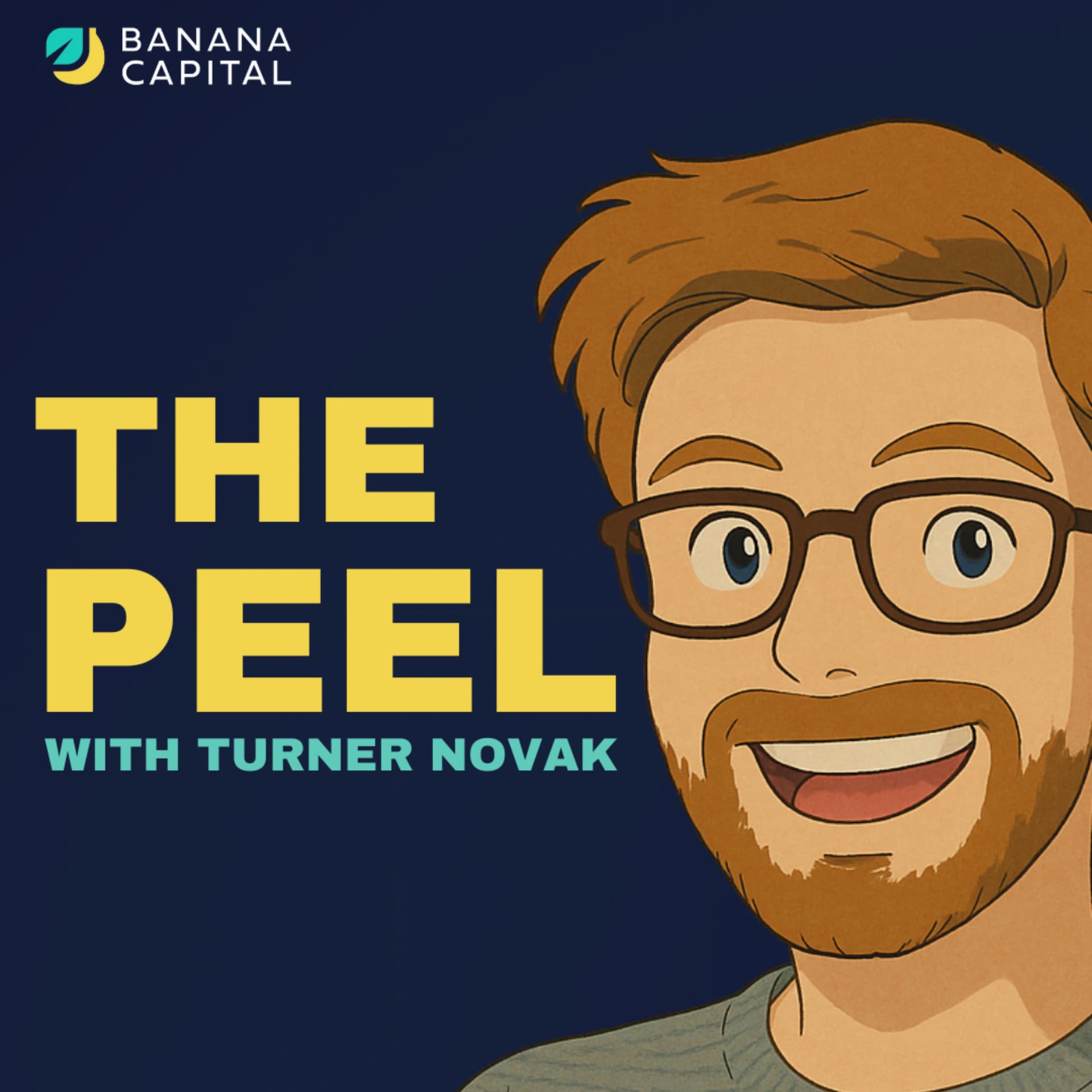
Podcast Summary: The Peel with Turner Novak - Episode Featuring Jacqueline Cheong
Episode Overview
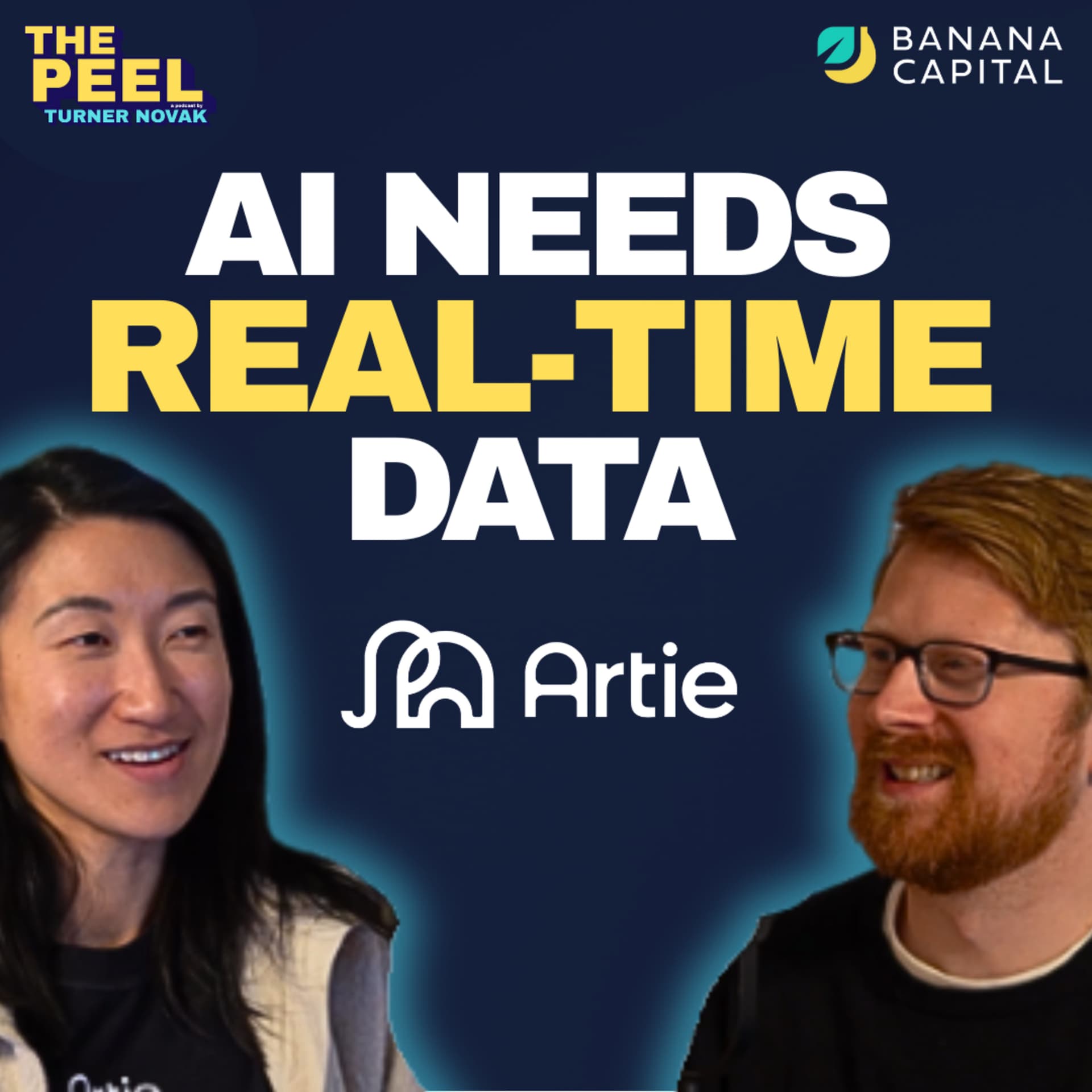
- Title: Building Real-Time Data Streaming for AI
- Guest: Jacqueline Cheong, Co-founder and CEO of Artie
- Release Date: [Insert Release Date]
- Podcast Description: This episode discusses the critical importance of real-time data streaming in the age of AI, the challenges associated with it, and the strategies used by Artie to succeed in this space, especially their recent $12 million Series A funding.
---
Key Concepts and Discussion Points
- Importance of Real-Time Data Streaming
- Real-time data streaming is essential for effectively leveraging AI technologies.
- Less than 5% of data streaming projects succeed, indicating significant challenges in this field.
- Companies must move data from operational databases (e.g., Postgres) to analytical databases (e.g., Snowflake) to perform analytics and AI functions.
- Challenges in Real-Time Data Streaming
- Complexity of Data Integration:
- Different databases have unique constraints (e.g., data types, character limits), making simple data transfers problematic.
- Ensuring data accuracy and handling edge cases adds layers of complexity.
- Scale of Data:
- Even minor changes in data can lead to substantial updates; companies can deal with billions of row changes monthly.
- Examples include large-scale operations like Uber, which may have multiple databases for different services.
- Evolution of Data Warehousing
- Traditional methods involved infrequent data transfers (e.g., monthly) which evolved to more frequent updates (e.g., hourly) with the advent of cloud data warehousing solutions like Redshift.
- As AI applications grew, the need for instantaneous data became crucial for decision-making processes.
- Building Artie
- Co-founder Robin's experience at OpenDoor and Zendesk inspired the founding of Artie to simplify real-time data streaming.
- Jacqueline transitioned from hedge fund analyst to CEO, emphasizing the importance of understanding customer pain points and addressing them directly with their product offerings.
- Customer Acquisition Strategies
- Artie’s initial customer base was built through cold emailing, targeting companies that had data challenges.
- They used a personalized approach, emphasizing real-time data solutions.
- Series A Funding
- Artie secured a $12 million Series A led by Standard Capital.
- The funding will enable the expansion of integrations and hiring across various departments.
- Insights on Sales and Operations
- Jacqueline shares her sales playbook focusing on customer discovery:
- Importance of understanding customer pain points before offering solutions.
- Continuous discovery throughout the sales process helps tailor solutions to customer needs.
- The decision to keep the growth team reporting to the CTO to integrate technical insights into marketing and sales strategies.
- Working with Standard Capital
- Unlike traditional VC funds, Standard Capital offers a streamlined application process and emphasizes transparency in their decision-making.
- The mentoring and networking opportunities with other founders in a similar stage provide additional value to Artie.
---
Key Takeaways
- Real-time data streaming is a critical component of modern AI applications and poses unique challenges that require sophisticated solutions.
- Building strong customer relationships through personalized approaches and consultative sales can significantly enhance acquisition efforts.
- Success in data streaming projects often relies on recognizing the complexity and planning for data integration challenges.
- Effective management structures (e.g., reporting lines) can optimize operations and support product development and customer engagement.
---
Additional Resources
- Artie's Website: [artie.com](https://artie.com)
- Book Referenced: "The Score Takes Care of Itself" by Bill Walsh - Focuses on the importance of controlling outcomes by managing inputs effectively.
---
Follow the Guest
- Jacqueline Cheong on Twitter: [@JacquelineSYC19](https://x.com/JacquelineSYC19)
- Jacqueline Cheong on LinkedIn: [LinkedIn](https://www.linkedin.com/in/jacqueline-cheong)
Follow the Host
- Turner Novak on Twitter: [@TurnerNovak](https://twitter.com/TurnerNovak)
- Turner Novak on LinkedIn: [LinkedIn](https://www.linkedin.com/in/turnernovak)
---
This summary captures the essence of the podcast episode, providing insights into the challenges and strategies of building a successful startup in the data streaming and AI industry.
Written by AI. May contain mistakes. Listen to the episode to check what was said.
Chapters
Tap a time to open that second in VOUnderstanding Real-Time Data Streaming
0:45 to 2:01
Discussion on the importance of real-time data streaming in AI and challenges faced.
“Artie just announced a$12 million Series A a few weeks before we published this episode.”
Jacqueline's Journey to CEO
2:01 to 3:58
Jacqueline shares her transition from hedge fund analyst to CEO, including early challenges.
“This episode is brought to you by Numeral.”
The Evolution of Data Systems
6:45 to 10:15
Jacqueline explains how the market for data streaming and storage has evolved over the years.
“the edge cases like continue to build on each other.”
Real-Time Data's Role in AI
10:15 to 14:03
Exploration of the necessity of real-time data for AI and autonomous systems.
“So how did this market kind of evolve to the point of you have all these different types of databases and data warehouses and also to the point where you guys do real-time data streaming.”
The Evolution of Real-Time Data
14:03 to 16:48
Explore why real-time data has been slow to evolve and its initial use cases.
“I remember when I met you, I honestly didn't believe you when you told me like real-time data isn't actually really a thing.”
Challenges in Building Real-Time Systems
16:49 to 19:40
Understand the complexities and challenges of building real-time data systems.
“If I want to do that, do I really need to spend two years, well, before two years, hire a team, at least a few with distributed systems experience, and then spend like two years building.”
Why Companies Transition to Third-Party Solutions
19:41 to 21:21
Learn why companies switch from building in-house solutions to third-party providers.
“is like they've built it and they're like, okay, maybe I can sit back.”
The Streaming Market Landscape
21:22 to 25:31
Analyze the crowded market of data tools and how to differentiate in the streaming space.
“Like what's kind of the biggest hesitations that you get?”
Product Decisions and Focus Areas
25:32 to 28:00
Discover the strategic decisions Artie made in its early stages regarding product focus.
“Our assumption is that companies want the outcome that a streaming system provides, which is I want data faster to pump data into a risk system.”
The Decision to Say No to Early Partnerships
28:00 to 29:00
Learn about the importance of maintaining product integrity over quick revenue.
“They're like, hey, if you build an integration into Salesforce or Workday, we'll buy your product.”
Show all 37 chapters
Understanding Customer Skepticism
29:00 to 30:40
Discover how customer skepticism can be addressed through product demonstrations.
“So it's like interesting that that's kind of like the NPS score of the market is these like visceral reactions from the engineers of not wanting to use the product.”
Acquiring Initial Customers Through Cold Outreach
30:40 to 32:10
Explore the strategies used to secure the first customers through cold emails.
“What you guys did was the complete opposite of that.”
Onboarding Challenges with Substack
32:10 to 33:50
Understand the challenges faced during the first customer onboarding process.
“And we handle all the hard stuff like schema evolution and merging and everything.”
Learning from Implementation Experiences
33:50 to 35:50
Gain insights on the lessons learned from implementing their service for customers.
“But the funny story is with Substack, like at that time, I don't even think we really had a UI.”
Hands-On Implementation for Compliance
35:50 to 37:30
Discover the importance of hands-on involvement during compliance-related implementations.
“Like dedicated listeners of the show will remember there's an episode with Tommy, the CEO of Alloy, which is like one of your customers.”
Automating Processes After Manual Fixes
37:30 to 39:20
Learn how manual processes can lead to eventual automation for efficiency.
“we sat next to their like security and networking team.”
Hiring Strategies and Organizational Structure
39:20 to 42:04
Explore how hiring decisions relate to company structure and growth.
“it works, like we know what the SOP or like standard performance is, then we'll create a runbook, automate it.”
The Power of Automation in Business Operations
42:04 to 43:54
Learn how automation can transform business processes and efficiency.
“I've like optimized all these things and like I don't have to do any work anymore like if I chose to like, I wouldn't have to do anything because I've automated everything.”
Optimizing Outbound Sales Strategy
43:54 to 45:43
Discover how personalized outreach and automation can enhance sales pipelines.
“So you have the ops team report to the CTO.”
The Role of Direct Communication in Sales
45:43 to 47:28
Understand the impact of using direct communication methods for closing deals.
“And, you know, so you're really dealing with like tweaking the language rather than like training more basic stuff.”
Customer Experience as a Competitive Advantage
47:28 to 49:56
Explore how prioritizing customer experience can lead to business success.
“You're like reaching an engineer who can...”
Identifying Opportunities in Incumbent Markets
50:17 to 56:00
Learn how to find and tackle problems in established markets for innovation.
“and like you can't provide this level of support to your customers anymore.”
Identifying the Problem in Data Streaming
56:00 to 56:40
Learn how Jacqueline identified a significant issue in real-time data streaming.
“And I trusted him, but I also wanted to verify.”
Background in Finance and Technology
56:40 to 57:40
Discover Jacqueline's finance background and its relevance to tech.
“And I found out that, wow, it's it wasn't like a Zendesk specific problem or open door specific problem.”
Deciding to Start a Company
57:40 to 59:10
Understand the evolution of Jacqueline's decision to co-found a startup.
“I really didn't understand like the technology.”
The Role of Y Combinator in Startups
59:10 to 1:00:50
Explore the importance of Y Combinator in Jacqueline's startup journey.
“So funny enough, for whatever reason, like I had, I didn't know about YC at all, like had never heard of them.”
Learning Sales During YC
1:00:50 to 1:02:50
Jacqueline shares her sales learning experience during Y Combinator.
“So I actually just reached out to grab lunch.”
Mastering the Discovery Call
1:02:50 to 1:05:10
Insights into the process and importance of effective discovery calls.
“You didn't have to go like zero to one on the first sale in the 13 week YC batch.”
Building Trust Through Consultative Selling
1:05:10 to 1:09:55
Learn how to establish trust in sales by being consultative and insightful.
“We kind of like explain what the product does on a high level.”
Announcement of Series A Funding
1:10:00 to 1:10:26
Jacqueline Cheong discusses her recent Series A funding announcement.
“where you can have a really good understanding and then consult takes a lot more experience.”
Insights on Standard Capital
1:10:26 to 1:11:28
Jacqueline shares thoughts on her investors at Standard Capital and their approach.
“So we raised a Series A led by Standard Capital.”
Unique Application Process of Standard Capital
1:11:28 to 1:14:09
Details about the application process for Standard Capital's funding compared to others.
“support marketing across the company to help us achieve our vision faster.”
Comparing Series A Processes
1:14:09 to 1:16:06
Discussion on the differences between Standard Capital and traditional Series A processes.
“And for four of them, three people, and there's like one Series A company that like six people were like, hey, have you met blah, blah, blah yet?”
Value Without a Board Seat
1:16:06 to 1:19:40
Exploring the value investors can provide without being on the board.
“And then randomly, like three weeks later, they're like, oh, hey, like I was on vacation, but like, you know, we should catch up.”
Learning from Failures and Successes
1:19:40 to 1:22:43
Jacqueline discusses the value of learning from other founders' experiences.
“It's like, I've always had this weird personal like feelings about, for my strategy, like, do I need to be a board member or whatever?”
Inspiration from Bill Walsh
1:22:43 to 1:24:00
Jacqueline shares insights from Bill Walsh's philosophy on performance.
“Hey, we've actually had like three YC companies that did exactly the same thing.”
Lessons from Super Bowl Success
1:24:00 to 1:25:51
Explore key takeaways on performance standards applicable to business.
“I mean, the biggest, biggest takeaway is the title.”
Transcript
Automatic transcript. May contain errors.0:02Turner Novak:Welcome to The Peel. I'm your host, Turner Novak, founder of Banana Capital. Today's guest is Jacqueline Cheong, co-founder and CEO of Arty. Arty moves data across your systems in real time. We talk about why that's so important in the age of AI. It's a lot harder than you'd think as less than 5 % of real time data streaming projects are actually successful. I talked to a dozen people to prepare for this conversation, including Jared Friedman, who worked with Jacqueline during YC, her sales coach, Roz, and numerous Arty employees, like Ani Rudd, Ryan, Sarah, Shengbing, and Jacqueline's co-founder, Robin.
0:33Turner Novak:We talked to how Robin built real-time data streaming at Opendoor and Zendesk before they started Arty, and Jacqueline shares the sales playbook she learned going from hedge fund analyst to software CEO, including asking customers for their hardest problem and then solving it with the product. Artie just announced a$12 million Series A a few weeks before we published this episode. We talked about how they landed all of their early enterprise customers through cold outbound, how they structure and automate their prospecting with AI so that they have no BDRs, why the growth team reports to the CTO, and why they're seeing customers switch to Artie even after building their own multi-million dollar real-time data streaming projects in-house.
1:08Turner Novak:I also asked Jacqueline what it's like working with Standard Capital. They're a new fund started by a group of YC partners and it was fascinating to hear about all the things they borrowed from YC when investing at the Series A stage. A full disclosure, I am an investor in RD and nothing in this episode of conversation is investment advice. A reminder that I publish two episodes of The Peel every week, exploring the world's greatest startup stories just like this one. Check out the back catalog of over 100 episodes, including recent conversations with Nathan Banesh, author of The State of AI and founder of AirStreetCapital, Marcelo Lebre, co-founder of European Unicorn Remote, and Kevin Hartz, co-founder of Eventbrite and seed investor in PayPal.
1:45Turner Novak:Tune in over the next few weeks for guests like Gary Tan at YC, Jason Budagunta at Benchmark, Jake Stoke at Serval, Mike and Akilah at Footwork, and Duo Security co-founders Doug Zong and John Overhyde. Let's talk to Jacqueline after a quick word from Numeral and Flex. This episode is brought to you by Numeral. Numeral is the fastest, easiest way to stay compliant with U.S. sales tax and global VAT. It's easy to set up, and they automatically handle all registrations, ongoing filings, and their API provides sales tax rates wherever you need them with all the integrations you need. Numerals supports over 2 ,000 customers in both the US and globally, and they pride themselves on white-glove, high-touch customer service.
2:25Turner Novak:Plus, they guarantee their work, and they'll cover the difference if they mess anything up. They're fresh off a fundraise, closing a$35 million Series B from Mayfield, which they're going to reinvest into building an even better product. If you want to put your sales tax on autopilot, check out Numeral at their new domain, numeral.com. That's N-U-M-E-R-A-L.com for the end-to-end platform for sales tax and VAT compliance.
2:52Turner Novak:This episode is brought to you by Flex. It's the AI-native private bank for business owners. I use Flex personally, and I love it because I use AI to underwrite the cash flow of your business, giving you a real credit line. The best part is 60 days afloat, double the industry standard. Flex has all the features you'd expect from a modern financial platform like unlimited cards, expense management, bill pay that syncs with your credit line, and their new consumer card, Flex Elite. Flex Elite is a brand new ramp-like experience for your personal life. A credit card with points, premium perks, concierge services, personal banking, cars and expense management for your family, net worth tracking across public and private assets, and a whole lot more fully integrated with your business spend.
3:35Turner Novak:One card for your businesses, one card for your personal life, one card for everything. To skip the waitlist, head to Flex.1 and use my code Turner to get an additional 100 ,000 points worth$1 ,000 after spending your first$10 ,000 with Flex Elite. that's flex.one and code Turner for$1 ,000 on your first$10 ,000 of spend. Thank you, Flex. And now let's jump in. Jacqueline, welcome to the show. Yeah, thanks for having me. Real quick, for people who don't know, on your shirt, it says Arty. But what is Arty? Yeah, so Arty is a real-time data streaming platform. So in a nutshell, what we do is we help companies move data across their systems in real time.
4:18And a very simple example is like moving data from Postgres to Snowflake.
4:23Turner Novak:And why is that a big deal? Like that seems like not something that, you know, seems like that consequential. Like why is it such a big deal? Yeah. So, I mean, companies have like different data stores. There's like operational data stores and then there's analytical data stores. And they were built for very different use cases. So you have all your transactional data that lands in your operational database, but maybe you want to join it with other data. You want to analyze it, run machine learning models on it, build customer facing analytical products and query that data that belongs in a analytical data store.
5:06So how do you get data into the analytical data store? That's the problem that we solve. Can't you just switch up how the data is stored initially?
5:16Turner Novak:And like, like that's, again, it seems like maybe, like, why is this such a big deal? Like, yeah, it's like this or it feels like a deceptively simple thing. Yeah. Like, can I just copy and paste files into like it is just data copy and paste it. Yeah. I think like why it's so hard is fundamentally, you're moving data between like heterogeneous systems. So a Postgres database is built differently than a Snowflake. So you cannot just copy and paste it? No, no. Just the different data types that they allow. There are restrictions on like character length. And then so when you're moving that data, there's like very small conversions that actually have to happen such that you can land that data into Snowflake and have it still be usable.
6:10So there's a lot of complications. And then as you build the system out, it's how do I make sure the data that's copied over is accurate? How do I make sure there's no missing data that was dropped? How do you get missing data?
6:24Turner Novak:It's just data that gets dropped in a copy paste or... Maybe, yeah, you skipped it. You skipped it because it's not a data type that Snowflake allows. You don't know what to do with it and the system drops it. or you didn't pick it up properly, or it was written out of order. And then you, as you scale it out in production, the edge cases like continue to build on each other. So how big is this system that someone might be using? Is there like 100 rows in a spreadsheet? And how big did these? Most, I mean, transactional systems can be, can be like tens and hundreds of terabytes, can be like petabytes.
7:08big. And when we talk about the data that's moving, we're only moving the data that has changed. So it's not the entire database or the entire tables, but we of course do an original backfill, but afterwards we're just taking the data that has changed. And even then we're talking about like a billion, multi-billion rows every single month. That's not uncommon for transactional systems.
7:35Turner Novak:Oh, wow. Like think about every time you call an Uber ride, every time you check into a hotel, every time you buy a flight. Even when you open an app, isn't that getting logged? Yep. Everything is getting logged. Every email you send, every message you send, everything is logged. And so think about how big these transactional systems can be. Hmm. So if I'm Uber, I probably have how many different databases and how many different rows might I have if I'm that scale? Yeah. Imagine Uber's like rides table. Okay. Across like the US globally. Their rides table, like each ride that exists in a system, that's the rides table.
8:20That must be massive.
8:22Turner Novak:And then would they have a different like Uber Eats table? Yeah. Okay. Just like a different database. Would they have, like is it all rides globally in one spreadsheet or in one database or is it like depends how they architect it yeah it can be split up as your data gets bigger and bigger you know some people start sharding their databases so rides can be sharded into every single month per region is a different shard and then you can see how this gets even more complicated when you're talking about like streaming that data into a different store for a different use case, let alone in real time.
9:05Turner Novak:So there may be some cases where you have like hundreds of different databases that are all dumping into your central data warehouse. Yeah. Do people ever have more than one data warehouse? Yes. It is not that common because by default, it's supposed to be your one centralized data store. but like you might have snowflake for running some AI or ML models, customer facing, maybe not customer facing dashboard. Maybe it's like AI, ML models, your BI reports, your ops team can query that data, marketing sales will run off of that data. And then you might also use a click house for observability and logs and hosting your customer-facing analytical dashboard.
9:57So even within warehouses, there can be different warehouses for different use cases that they're better fit for. We also see customers, like they might have a snowflake for their more like BI reporting system. And then they also have a Databricks because their data science team is running ML models there.
10:17Turner Novak:So how did this market kind of evolve to the point of you have all these different types of databases and data warehouses and also to the point where you guys do real-time data streaming. I remember that was a big thing when you started it. How did it get to that point up to when you did YC? It was like summer of 23? Yeah. When you started the company. So how did the market evolve and play out? So this is like a very old market. Like the, let's say some of these timelines are a little bit more made up, but like 30 years ago, when it was mostly people would move data between their like transactional databases and then move it into Teradata once a month, like a really old warehouse.
11:12Turner Novak:This is pre-internet, right? So you're probably like taking a floppy disk and like putting in a different computer and like dumping it in or something. Honestly, I don't even probably I don't even know the mechanics of that. But it was like, yeah, physically like moving data from one system, like downloading it and then moving it over once a month. And then maybe your executives would look at it every quarter. Like reporting would be done there. And then when warehouses went into the cloud, basically technology got better. you could do more things with the data. And then you could also store more data now that it was in the cloud.
11:50And so because you could do more things, there was more use cases and people started moving that data into, let's say, Redshift.
11:57Turner Novak:Oh, what's Redshift? Is that Amazon's? Amazon's warehouse was like the first cloud data warehouse. And let's say it was like 10, 15 years ago. It was once a week. You know, that's probably like good enough. fast forward to today it's not uncommon for a company to say hey we're moving data from all these different systems into our warehouse once every hour like that's not so surprising anymore because and again technology got better you could there are more use cases people have more data to work with as well and the use cases have also become more common so it's you know once an hour but then the trend has been very consistent like it's consistently going down and i think what's happened over the last couple of years is like with this like everyone's trying to figure out what to do with ai and when you're building ai or agentic systems Basically, systems where software is making decisions on their own autonomously or like automating workflows and or maybe like even interacting with your users without a human in the loop.
13:13A lot of companies are now realizing, oh, wow, like I need to be able to feed live data into these systems because without a human in the loop, there's no human to be like, oh, I know this. something happened in the last 30 minutes that you don't have context to. Let's not push this decision out yet. It's just going to make the wrong decisions.
13:35Turner Novak:So you basically, in order to build good AI products, you need instant data being collected and used. 100%. If you want it to be pushed beyond a demo or a pilot, you want it to be pushed into production and for it to be running mostly autonomously, it needs to have live context into everything that happened as quickly as possible. And why didn't it, when you kind of think about like how the market kind of evolved over time, I remember when I met you, I honestly didn't believe you when you told me like real-time data isn't actually really a thing. Why did it not happen? Was it because, actually, thinking back, we did have LLMs being pretty predominant.
14:25Turner Novak:It was like the summer of 2023, right? Or was it 2022? Yeah, that's when everything really started going. I don't think AI was pushing any of this real-time stuff then. I think it was more like companies that have fraud models. So you had a lot of fintech use cases. Fintech use cases or customer-facing dashboards. Imagine you as a customer using a product and there's an analytical dashboard that you can see based off of previous actions. You've done a bunch of stuff, reconfigured things, you've launched a new campaign. And then this dashboard like shows you nothing. Like it's an hour old, bad user experience.
15:07And not just bad user experience, but like usually in those cases, the customer thinks the product is broken. And so those use cases were the ones that were dominant. And I think what was, and the AI stuff is more like in the recent, I'd say like 12 to 18 months. But why it hasn't, why it's not like democratized, basically, is it's like a really hard problem to solve. It's not like it didn't exist. So there are companies like Netflix, DoorDash and Instacart. They've basically spent many years building out the system in-house.
15:46Turner Novak:Oh, so they have this technology. Yeah, it's like, you could have streamed data like 10 years ago. It's just really hard. And they usually have a team, maybe like five to 10 engineers. Some of them have distributed systems, knowledge. Maybe they've done it before. They really understand how to scale this in production. And then you also, after you build the actual data movement pipeline, you have to build the observability, the alerting systems, the monitoring to make sure it's actually robust. And then failures always happen, right? Like this is software. How do you recover from failure seamlessly?
16:27So all of these like little things, they've built out over many, many years. And, but this is not a, this is a very painful path. Like for, and that was the realization, right? Like for someone that's starting today, that's like, I need to get real-time data into whatever downstream system. Maybe it's a warehouse, maybe it's a lake, maybe it's another database, whatever it is. If I want to do that, do I really need to spend two years, well, before two years, hire a team, at least a few with distributed systems experience, and then spend like two years building. And by the way, the success rate is actually not that high.
17:10Yeah, what's the success rate?
17:12Turner Novak:I remember you told me this. There was like a research paper that like actually Confluent put out. And it was like, the success rate of streaming projects is like under 5%. How is it so low? It's just, you should just be able to like write some code and like connect the connectors and it works. Yeah, that's what everybody thinks. Like that's literally what my co-founder experienced back at like his previous companies. It was like, you know, you make a plan, you're like, oh, it's going to take two to three months because we just need like these three or four core components and we have a plan and we're just going to get it set up.
17:49And it might, yeah, it might take you a month or two to get a demo, like a pilot set up and it might work. And then you try to go to production and it's like a whole different animal where all those edge cases I talked about in the beginning. oh no we like one percent of our data is dropping oh we read them out of order oh now we have shards schema changes have happened to half the shards but not the other half yet but we need to reconcile that because we're merging into one unified table in snowflake it's just really complicated stuff and then it never ends like we it's been almost three years and we are still finding edge cases in different systems as we onboard different customers.
18:36And everybody has messy data. How can a month be 49?
18:45Turner Novak:You mentioned that you've had some teams that have built something in-house that have switched over. So that's kind of an interesting, I guess, development. But why? If you've already built this, why would they switch over? Because it doesn't end. the build is not the end of the project. You have to actively maintain it. You'll find even more edge cases and then you'll have to patch it and then you'll have to build the monitors to prevent or observe those edge cases. So you can, and then you have to build the failure recovery modes. It's unending. And then your use cases will change. And by the way, as your data scales and increases by 10x, the same system that worked may not work anymore because scale will also break the system.
19:39And so what tends to happen with those teams is like they've built it and they're like, okay, maybe I can sit back. And they're realizing there's someone constantly maintaining and running these pipelines. Maybe then they onboard another database. They basically have to rebuild it to support that new database. adding even adding new tables within the same database is not always automatic like there are manual scripts that companies have to run uh and then schema changes so a lot of this stuff is like not automated and you know those companies that have switched over it's basically at that point they're like my whole my team is spending like 30 40 percent of their time on maintaining and running this pipeline.
20:28And we have customer requests, like features, like products that we need to build that's being like pushed out. And so they're just like trying to take their time back. Like this is not their core product. And it is actually something that should be commoditized.
20:48Turner Novak:Should be commoditized because everyone ultimately is building and using the same connections and data sources that they're using? Like if you're moving data from like, again, like Postgres to Snowflake, just using that just because so many people are using Postgres and Snowflake, does every single company need to figure out that, like, and build that same pipeline? It just seems a little bit backwards. But you still get people that hesitate on, should I actually use a third party provider for this? Like what's kind of the biggest hesitations that you get? Yeah, that's a big one. I mean, with any system that's real time, by definition, it's like it's mission critical.
21:32And so the typical thought is, wow, this is mission critical. Especially in the early days when it was like two of us, no employees.
21:44Turner Novak:Are we going to trust this? Yeah. How can we trust this startup to power our foundational data infrastructure? Because if it goes down, their product can't work, right? Yeah, yeah, yeah. And so that is a very rational fear that people have. And I think, but when you think about it is what we benefit from is one, this is like our full time. This is our product. This is our core product. And we benefit from working with, we benefit from scale. So like working with many different customers with seeing like more edge cases than any singular company could, and then dealing with like a lot of data complexities in the day to day.
22:33So it's basically like we've seen more and we're able, like our software has accommodated for likely more edge cases than any one company can solve themselves. And that's why it's actually a safer option and a faster option to get up and running.
Read the full transcript
22:50Turner Novak:I feel like some people might argue that it's a crowded market. Like there's just a lot of different data tools and pipeline connectors, etc. out there. what like but you still did it anyways so why i think on the surface it looks like a very crowded market there's so many data integration tools but when we're talking about the streaming space and and my co-founder actually went through this when he wanted real-time data in snowflake he actually went out to try to buy something first he he initially tried a bunch of the batch players but obviously it didn't meet his latency requirements. And the other thing is he was working at OpenDoor and Zendesk.
23:39So the scale of data was really big and batch systems just can't keep up in those situations.
23:45Turner Novak:This is where you dump the entire database in and it syncs. No, this is even like, hey, every hour we're going to go and find the last, any changes that have happened in the last hour and then move it over. But imagine now that your company is so big that the amount of transactions that have happened in the last hour is massive. The time it takes to move that data continues to increase at every interval. So that's what I mean by like batch systems just can't keep up at scale. But then he's like, okay, let me buy a streaming product. And you know what exists in the market with streaming in particular is like a lot of raw infrastructure.
24:32What does that mean? Yeah, the analogy I like to use is imagine you wanted a wedding cake. And what exists in the streaming market is like there's like different types of flour. There's like different types of salt and there's like vanilla extract and like icing, different types of icing.
24:51Turner Novak:Okay. And then based off, and they're like, okay, now you go based off of the, how many team members you have? Do you have a, like a baker amongst your team? Have they baked a wedding cake before? And then across a period of time, whatever you guys have baked, like the quality of that can really vary. Or maybe the wedding cake doesn't even like, it completely topples over because, you know, you don't have the right team or you don't have the right experience. And that's the streaming market. A lot of like raw ingredients. So you still have to build it. Exactly. Like you have raw ingredients, but you have to like build it yourself.
25:31And so we kind of approached it in a very different place. Our assumption is that companies want the outcome that a streaming system provides, which is I want data faster to pump data into a risk system. I want data faster so my AI agents can get the contacts they need, but they don't actually care about the infrastructure. So our whole thing is like, we're coming in and we're like, forget all the raw ingredients. Here's the cake. This is a cake that's completely done. It's already baked. Just go and eat it.
26:08Turner Novak:That is actually what most people would prefer on their wedding day. It's just, hey, baker, bake me a cake. Nobody bakes their own wedding cake. Yeah. And like that's so it was like taking a very different angle to this space. And it seemed to make sense at the time. We were like, why wouldn't people want this? Yeah. What were some of the biggest product decisions that you've made over time, like early or even more recently? I think one very opinionated thing that we did in the beginning was we only focused on databases as a source. We've since branched out. Like we have an events. We can like ingest events now and like stream it into downstream systems.
26:54Turner Novak:So this is when it happens in the product. It doesn't go to the database. It goes straight to the data warehouse. Yeah. Like it hits our events API. And this is usually more like web events, click streams, like this type of data that doesn't need to hit a transactional database. But in the beginning, it was like, we're not going to touch any other source. We're only going to do databases. Yeah, why'd you do that? So that we could be really, really focused. Because there are maybe like 10 really important transactional databases that exist today. And we were like, if we only focus on these very few sources, we can build really, really in-depth, focus a ton of time on dealing with these edge cases that typically break the pipelines.
27:44and then we can build the best product, the most reliable product. But if we get spread too thin, by definition, you're trading off on quality. So we were like, we're not going to do anything else. And we did have prospects that come in. They're like, hey, if you build an integration into Salesforce or Workday, we'll buy your product. And that was really like, when you had like zero revenue, it's like hard to say no.
28:12Turner Novak:Did you chase any of those or do any of those? No, we said no. And it was painful. But I think it was the right decision because for the first two, two and a half years, that really was our strength. It was our secret sauce. And for people who tried our product, they were like, whoa. And this is kind of funny because you would think products would work. But they're like, whoa, what you said in the demo, it actually works. Yeah. Yeah, I remember when I invested, when I first met you guys, some of the diligence from engineers was like, I had very strong feelings about other products, strong negative feelings, like, you know, specific words to describe them.
28:57Turner Novak:But yeah, already just worked really well. And I like actually liked using it. So it's like interesting that that's kind of like the NPS score of the market is these like visceral reactions from the engineers of not wanting to use the product. Yeah. I mean, it's actually, I didn't even know this before because I wasn't in the data space before this, but it's crazy the amount of skepticism that comes in because they're like, Like it just works. Like, come on, that can't be possible that this thing just works. Actually, they'll come in, they're like, by the way, this is like the beginning of a discovery call.
29:31They're like, hey, I just want to let you know I'm very skeptical because I've been, And I've tried like tool one, two, and three, and I've been burned by all of them. And so, excuse me if I'm a little skeptical on what you can do. And then you show them the demo and they're impressed, but there's still a lot of skepticism. When they try the product, and I always tell people like, all those things that broke from before, just give us your hardest tables and your most problematic data. try to break already with it. And that's when they get their, that reaction. Like, wow, like you actually, like you guys weren't kidding.
30:13Like you guys, it actually just works.
30:15Turner Novak:Yeah. It's kind of like the do hard things, like solve hard problems. So you're basically, you tell your prospects, you're like, try to break it. Like try to stump us, try to do something that you don't think will be able to handle. Yeah. I think another super interesting on the, on the customer front, you, when you were doing YC, I think there's a common YC playbook is sell to other YC companies, people in your batch, whatever. That's the most common YC playbook. That's how you grow really quickly. What you guys did was the complete opposite of that. So how did you get the first couple customers?
30:50Yeah. And by the way, we tend to like to follow YC advice because it's very practical and very smart. Our problem was you need to have a decent amount of data for streaming to make sense. And so like not like most YC companies, like especially in our batch, when you're just starting out, like you don't have data problems. And so we literally would have loved to sell to our batch, but no one had data problems. And so we couldn't. And so we had to rely on just cold emails. And so I was just sending, I think during YC, they had this like, just write personalized emails. And this was in the very beginning of AI.
31:36So like GPT 3.5 wasn't even that good. And so I was just like handwriting emails and I had like a target to write like 20 emails a day.
31:48Turner Novak:And it was just like, Netflix, head of data, what's their email? Be like, hey, James, just slide in and just say whatever needs to be said. Yep, exactly. Like, hey, you know, the email to Substack must have been like, hey, Mike, I noticed that you use Snowflake, you know, already moves data into Snowflake in near real time. And we handle all the hard stuff like schema evolution and merging and everything. does this sound interesting? Would you want to chat? And that was like the gist of it. And that was your first big customer, right? With Substack. Yeah, that was not even our first big customer.
32:31It was like our first customer.
32:32Turner Novak:And it was a big customer though, too. Yeah, I mean, it was terrifying. I mean, like you, we had only tested our pipeline with maybe a couple thousand rows, which in like database land is very, very, very, very tiny. And the moment they wanted to onboard, or like in the POC, they were like, yeah, we're going to start streaming like a couple billion rows. Yeah. So were you guys like, shit, what do we do? I mean, yeah, effectively. And then we're like, we have to make this work. Yeah. And so we obviously, there were like a lot of hiccups with onboarding a table that had like tens of billions of rows of data in it.
33:17But, you know, they were very nice about it. they really wanted the promise of what our product could do at the time. And they really helped us like go through the hurdles of, I mean, they had very, very strict requirements of how you could connect to the database, like how fast you could pull from it. Because they wanted to protect their database. It's like a very reasonable thing to do. That rigor really helped us make our product better. And then actually the next 10 customers we onboarded after Substack were like significantly easier, like nowhere near what we had to do to onboard them. But the funny story is with Substack, like at that time, I don't even think we really had a UI.
34:04Oh, yeah.
34:04Turner Novak:I remember it was a big deal when you just like, there was a dashboard. Yeah, that was a big deal because we didn't have a dashboard when Substack onboarded. So they didn't know if it was working, basically. Like it's like the product's running, but like, how do we access it? Yeah, I mean, they could see it after it landed in Snowflake. And then they could query the data and stuff like that. But there's nothing telling them that it was working? No. Well, what we did, we had a shared Google Doc. Okay. Or a Google Sheet. And then they listed out the hundreds of tables that they needed synced over.
34:36Turner Novak:Okay. And then we had a status column. That you would just update? We would just be like, this is backfilling. Okay. And then when they completed, we'd be like, now this is streaming. It's done backfilling. Okay. And we put like timestamps on things, but it was just like Robin going in there and updating it over like multiple days because it takes that long to, you know. To upload them. Yeah. Yeah. Yeah. And so they still went through with this, even though like that doesn't sound like a good user experience, honestly, but it was worth it to get the... Yes. Like the... Was it... I mean, it sounds like, was it real time?
35:12Turner Novak:Because Robin was manually doing this stuff. Oh, oh. I mean, the onboarding was absolutely not real time. But once data was streaming... Oh, so this was actually like the hookup, the onboarding process. Yes, this is like the implementation and doing the historical backfill. But then once it caught up, then it was just like streaming. And so the backend infrastructure of all of that actually like worked really well. But the UI experience was definitely not there. I mean, it didn't exist. And then you obviously built like almost like scaffolding, observability, alert systems all around that. Yeah.
35:46Turner Novak:So then what did you learn about just like implementation? Because I know there's one customer, it's actually, I think it was kind of hilarious. Like dedicated listeners of the show will remember there's an episode with Tommy, the CEO of Alloy, which is like one of your customers. You were actually in the office implementing RD while we were recording. And I think maybe there's like a couple of people that actually remember us having that conversation, like we brought you guys up, you're in the office. And that was like the first time I think you did like, hands on you went to the office. Yes.
36:21Turner Novak:Did the on board. So like, why? How did that come about starting to do that? Yeah, that was different because it was our either second or third implementation of our, our BYOC offering. So basically, we have our cloud solution, where, you know, RD Cloud processes your data and then moves it into, from your data, like your databases into your warehouse or data lake. They, there are like a ton of like FinTech, GovTech, or just like heavy compliance companies where they're like, our data cannot leave our like AWS, Azure, or GCP environment. And so with those, we implement the entire data plane in our customer's environment so that data processing doesn't have to work.
37:11And this can actually, we actually do a lot of this like remotely now because we've done it enough times. But I think it was more like it was early. We just wanted to make sure that we had like live communication. Because if we do, I think, you know, like we went there, we sat next to their like security and networking team. It wasn't even actually the team that would use us day to day. It was like, let's get security and networking figured out.
37:38Turner Novak:Because there was a big compliance issue. It was a compliance thing. And so it was like, how do we figure out the minimum amount of like networking permissions that our data plane that's sitting in their environment needed to have to connect? So it was really like honing in on these things and then also like making sure the team was comfortable and had someone live to talk to whenever they ran into issues so we could move a lot faster. because you ran into an issue where like their security team just said no we can't do this and like we have to kill the deal or something like that yeah yeah i mean it never went to the point where they were like we're gonna kill the the deal but it was like hey we can't do this we can't do this we can't do this so we're like you know what and this was like over zoom and like over slack like you know what we're just gonna come there and then we'll we'll just like go into a conference room together over a couple of days and then we'll tell you exactly what we need and then you can run the command.
38:35We can be next to you and figure all of that out in like, in a couple of days instead of like, you could imagine that like dragging out for a month. But we really wanted to make sure that the team that needed this could get up and running as soon as possible.
38:50Turner Novak:So you do a lot of this just manual hard product fixes and then you kind of automate them, essentially. Seems like a big, that's like a big part of it. Yeah. Yeah. And we do this for actually everything. Like it's not just engineering, but even across like marketing or sales, like if it's the first couple of times we're doing something, oftentimes like I will like personally just manually do something. Once we realize that it works, like we know what the SOP or like standard performance is, then we'll create a runbook, automate it. And then it's like much easier for the next either customer or the next people that need to do this.
39:35Turner Novak:So I think even now, one of the more interesting things like your, did you hire a head of growth yet? No. But you're looking to, you're trying to make a growth hire. We do not have a head of like a growth hire unless, we do have a marketing hire. Okay. And they report to Robin, the CTO, right? Oh, you're talking about our biz ops. Okay. Yes. Yes. So like, I would think a marketing person, like attached to revenue, they would report to the CEO. Yeah. They report to Robin. Yes. The CTO. Yes. Why did you do that? It's a hack. Like, so business operations, it's a pretty loose, like depending on the organization can mean different things, but it's about like scaling and optimizing processes.
40:28And I think especially today with all of like what you can do with AI and like even on the go-to-market side, like automating with clay tables and like agentic flows, that is a very technical problem. They're just like, not to confuse with like data pipelines, but a different type of pipeline that you would run internally. And so I actually think, and one of the advice that we got is it's a superpower if you treat it as an engineering problem. And so, you know, and especially with like technical leaders, I think their brains are, their brains are wired to always optimize always try to automate yeah i think it's an engineering thing like like all the best engineers that i know they're just constantly thinking like they'll walk into a restaurant like my co-founder will walk into a restaurant they're like they really
41:34Turner Novak:shouldn't put the seating like this yeah that's awesome they're like he's like if they can rearrange this this way they could put like 20 % more seats yeah honestly so sometimes I'll have that conversation with my wife and she's like who cares yeah I'm just like we're just we're just having dinner well actually I remember one time it was I think you had what was the new office party I was talking to Robin once and he was telling me like it was some sort of like yeah I've like optimized all these things and like I don't have to do any work anymore like if I chose to like, I wouldn't have to do anything because I've automated everything.
42:13Turner Novak:And I was like, yeah, that's pretty cool. Obviously, I think he told me like, it's done. Like if I like, I don't have to work anymore, because I've automated every single thing. And like, obviously, that's not true anymore. But it was like a fun, fun, like story. I just remember him telling me he's like automated everything about the job. Like, yeah, I think he like automated fixing bugs. Like when there's like a issue with one of the pipelines, he probably like automated a process of doing that. Yeah. Yeah. We automated like a DevOps process, like every quarter or every half a year, we have to like upgrade Kubernetes and like a bunch of other stuff across all our data planes.
42:51And at this point, between our data planes and all our customers, like BYOC data planes, we have like quite a few. So it would literally take someone like a week or like two weeks. every like quarter to upgrade everything.
43:09Turner Novak:Going into all these different systems and like clicking buttons. Literally just upgrading. Yeah. Like following a runbook. And so we built recently an agentic flow where you just have to, it's the same process, right? Like it's, and AI is great with following runbooks. Yeah. If you can build something into a runbook, now if someone just like, press this like start and it will create PRs. You're like, okay, great. Do the next step. And you just watch it do the next step. Like wait 15 minutes, see it's okay. And then do the next step. We've automated that. But yeah, like having someone who's like naturally like obsessed about optimizing something, run business operations, I think it's like has been the biggest hack for us.
43:53Turner Novak:Interesting. So you have the ops team report to the CTO. because they're automating a lot of things. Yeah. And so do you still do a lot of just outbound, like a lot of cold outbounding at this point? Or is it like you have a bunch of BDRs maybe? Like, is it a lot of warm stuff? What's the process still look like? It's a pipeline. So we still do some, there's still some like personalized outreach that we're doing. It's like highly researched. We like, there are accounts that we think are, we know they're dealing with problems that we solve. And, you know, it's like deep research, you know, learning about the systems that they have, the technographics, the thermographics and whatnot.
44:36But we also have optimized and like built a go-to-market engineering pipeline with, you know, the tools like Clay and a bunch of other tools that like you've stitched together. And it, you know, kind of understands are ICP, the right buyer persona, and this thing is just running autonomously. So we've basically built a pipeline to replace BDRs and SDRs. And we only have AEs at Arty.
45:07Turner Novak:Isn't there some of these like AI tools, like AI BDR? Do you use some of them or you build your own? We do not use those. And maybe this is like, you know, we should test it because AI is improving so quickly. Maybe we're like missing out by not testing it, but we basically like built our own internally that, and it's, it's, it's, and you know, the great thing about this is it's so much easier to train because, you know, with, with a lot of like SDR, BDR functions, there's a lot of like, hey, let's make sure we describe Artie properly. let's make sure there's no typos the grammar is correct let's make sure to remember to follow up to a prospect like exactly 24 hours after the call or whatever yeah or like a certain like drip scenario a drip drip scenario and like that stuff like ai is great at like you it will never drop you'll never get that wrong yeah yeah and it will never misspell words or forget how to describe Artie because they understand our messaging framework and our positioning.
46:18And, you know, so you're really dealing with like tweaking the language rather than like training more basic stuff.
46:27Turner Novak:And actually, this is maybe one of my friends who's probably one of the best like founder, founders at sales I've come across. When you're talking about no typos, he actually showed me that his biggest hack for emailing people is like lowercase subject line in the email and also maybe a typo also because it shows it's not AI. It shows it's like actually a real person sending the email. I think the other interesting hack that he has is like you get people on iMessage as soon as possible because he's like deals actually close on iMessage not on email. Yeah. Which is kind of interesting. Maybe like especially when you're doing like hand-to-hand combat sales he does like pretty I mean it'd be like high ticket ACV, like pretty, pretty big deals that he's closing.
47:12Turner Novak:And he's very much like an iMessage, like deals close on iMessage. Have you found that much? Yeah, I mean, our equivalent is actually just like Slack or Teams. Like direct the channel between and we'll pull our engineers into it. And the whole idea is like you, when you reach out with a question or when there's an error, like you don't, you're not reaching out to a customer support person that might just be going to the docs and copy and pasting like answers and then just giving that answer out to you. You're like reaching an engineer who can... Fix it. Who can fix it and also not only tell you that it's fixed, but explain exactly what went wrong, what we discovered and then how we fixed it.
48:00And I think that's one of the, actually the best selling points when we were working with like prospects They're like, there's a lot of transparency. You guys are actually helpful. And yeah, because like software is not perfect. Like there are errors like here and there. And it's like how you deal with them and how much transparency you give your customers.
48:21Turner Novak:Yeah, it's also too like, you know, if you're emailing, it almost feels like too corporate. Like, hi, Jacqueline. You know, it was great meeting yesterday. I'm following up, blah, blah, blah. Versus Slack, it's like, oh no, this broke. Can you fix it? or whatever. Like it's just like more to the point. Yeah. Like a little more casual. I think the thing actually what it does is like it makes them feel like we're an extension of their team because then it like branches out. They're like, hey, we've decided to build this new feature and we're curious about what is the best architecture so that we can serve it to our customers for this use case.
48:59And they'll describe it. And it's, I guess it's like outside our scope. normally. But then we will actually go in and like maybe do a quick Zoom call or a huddle or something and like think through or we can share, hey, we have another customer that did exactly this thing. And this was the best architectural pattern to achieve this. And so we're actually, yeah, we're very much an extension of their engineering. Yeah.
49:24Turner Novak:And I feel like one of the advantages startups have is you can over support the customer. Like you can just like, you can't be, there's, it's impossible to overinvest in the customer experience. I mean, maybe it's possible, but like just going above and beyond and making people feel good, making it easy to work with you and like the different ways to do that, whether it's you go to their office or you have the Slack connection or you have their iMessage or like you have dinner with them more often just, or the immediate response, like instant response, like they slack you and within two seconds, the bubbles pop up that you're responding.
50:00Turner Novak:Like, or the name, like Jacqueline's typing, like, like all of those things, it just like makes people trust you more and want to work with you. And like, you know, people have been telling us for a long time, like, hey, this isn't sustainable. You know, at some point you're, you know, you're going to, you're going to become a bigger company and like you can't provide this level of support to your customers anymore. And I actually don't believe that because AWS has great support and they're massive. One of the biggest companies in the world. Exactly. I think it's just if you intentionally choose to prioritize this, like if this is a core part, I think this is like a core part of our product, actually.
50:42And if you believe that and you intentionally try to keep it, you can make it happen because AWS has.
50:47Turner Novak:I've been having the worst experience lately with my health insurance. This is like a shout out. Like I'm selfishly saying this. I feel like there needs to be like a better startup friendly version of health insurance or insurance. We use this like provider in Michigan. And I know we like we mess up the password on our account. And like I'm trying I've been trying to pay the bill for like a month and like I can't log in. and we've sat on the helpline like multiple times for hours at a time, like they can't reset our password and like get us into our account to pay. I'm like, this is so like, it's like 20 % of GDP runs through health insurance.
51:30Yeah. Basically. If you care about those things as a company, it's such a hack. Like you could win, your win rate must like triple just from responding to you to help you reset your password. It's such an easy thing to do.
51:47Turner Novak:So if you are making better health insurance, not only will I probably try to buy it, like I want to invest in it. I feel like maybe it's like a terrible category. I have no idea, but I'm like... Probably, I have no understanding of the health insurance space. But it's big. I think it's like an ingredient. It's like you need a big market. Healthcare is like a massive chunk of GDP. There's also the other angle of like going direct and going around health insurance and just go directly to consumers, building like a better product that doesn't incorporate insurance. It might have been Dalton Caldwell or like Michael Seibel that said this to our batch, but it's like, if you're pivoting, an easy way to figure out like what to do is find a really, really big incumbent that's doing something and like all their customers hate them.
52:40Turner Novak:Yeah. And then just build a better that. To find customers who are not happy to have a problem and fix the problem. Yeah. Because clearly there's still, it's a painful enough problem that they're still. Yeah. Well, that's kind of how you started already, maybe initially. Yeah. Going back to the beginning. So how did that go? Going back to the beginning, what's the story there? Oh, gosh. I guess we have to go like six, seven years back. Yeah. But. my co-founder, who's also my husband, he used to work at this like marketing automation, like five person YC startup. And they were a really small company, but because of the nature of like marketing automation, they were dealing with like immense scale.
53:27So he was figuring out how to like build databases that could store like billions of rows of data, like on a daily basis. And then that startup ultimately got acquired by Zendesk. at Zendesk, that's when he really learned and used like CDC because Zendesk had like, have so many different products.
53:47Turner Novak:So CDC is change data capture. Change data capture. Which means? Which is the way you can grab database changes and like get them out of databases. So instead of taking the entire database and copy and paste it, you just say, what is change? And we'll just copy what's changed and paste that in. Exactly. and because Zendesk had so many products they were basically using CDC to grab all the changes from all the different products and building like a unified experience for their customers so that was really important there and like the scale of which like Zendesk was operating at is also important in his like the history of this then he went to Open Door and that's when they really could benefit from getting like real-time data into Snowflake because they were such an ops heavy company.
54:35They were like buying and selling homes. But every time you, they bought a home, like you have to schedule an inspection. You have to do like maybe repainting the walls and then like relisting and like stuff like that. All the ops people, obviously you can't have access to the database. All the ops people worked off of Snowflake data. And so the faster that you could get data in, you can imagine like one of their key metrics was like days on market of the homes. So there's a bunch of different factors that go into that. But one of the things is if we can get data in faster, like our ops was more efficient, then data on market could theoretically go down.
55:14Turner Novak:And make more money. Exactly. And so this was an important project. And then he ended up, I kind of like described it a little bit in the beginning, but what he ended up having to do was like, bake the cake, like get all these tools. it was like seven seven or eight engineers at the time building for like 11 months to a year and it was still not fully ready to go into production because of all the edge cases the schema drift and like all that stuff they had to handle and that's when he was like wow like i am moving data from hostgrest to snowflake how many other companies need to do this do they all have to hire out a team and like use these tools to build it out and like do they all spend a year or two doing this like what if this could be a product where I could deploy in like 15 minutes that's what he wanted and so that was the idea and when he told me about it actually I was initially like you I was like are you sure like that just kind of everybody has Yeah.
56:29Turner Novak:Why is that even a problem? Like it should have been fixed. Yeah. And I trusted him, but I also wanted to verify. So I went out and I talked to a bunch of my friends that worked at different like tech companies in the Bay Area. And I found out that, wow, it's it wasn't like a Zendesk specific problem or open door specific problem. Like this is just how things worked. And then that's when I got really excited because it seemed to be like a structural like problem with how streaming works today. And there, there like seemed to be this like gap that we could fill if this product could, we could build this product.
57:06So we decided to jump in and see what we could see what would happen.
57:10Turner Novak:And what were you doing at the time? I was working at a hedge fund called Ballyazny. I'd been there just over three years, I believe. But I was investing. It was a long, short fund. I was investing in enterprise software companies. And so you kind of understood how software worked as much as a public market investor could understand or? Correct. Yeah. As much. I mean, now I look back and I'm like, wow, I didn't, I really didn't know. I really didn't understand like the technology. But yes, I learned a lot about the business model and what software companies did, what great looks like in terms of financial metrics and stuff like that.
58:03Turner Novak:You knew what a good software company looked like from the outside, but you didn't know how to make it. Yeah. Yeah. Okay. Yeah. So what was the decision to actually start a company? like when Robin was like, I'm going to make this company where you're like, cool, go have fun where you're like, oh man, I kind of want to join. Like this seems fun. Like how did that evolve? Yeah, it kind of started off like, I will help you do. It was, it was very simple. Like it, I think part of it was that we were a little naive at the time because it was like, hey, we're going to get your data in faster. and it's going to be like the easiest thing you've ever deployed to achieve this.
58:44And from a TCO perspective, it's going to be a lot cheaper. It sounded like a no brainer. So our initial thought was like, hey, we're just going to build it and we'll tell people we're building this. And like people will just buy it. Like that was the thought. So I'm like, hey, I'm going to help you like set up the company. I'll do the sales conversations.
59:06Turner Novak:and it was almost like a side project almost as like you were thinking about it or was it like we're gonna quit our jobs and start we quit our jobs like we were like let's we'll quit our jobs we'll do this we just thought it would be easier okay than it was classic just no i mean nothing's ever as easy as you think yeah yeah yeah and you guys did do yc did you was it like right in the beginning like we're starting company let's apply to yc or at what point did yc come into the picture No. So funny enough, for whatever reason, like I had, I didn't know about YC at all, like had never heard of them.
59:39I was like really not in the startup space. I happened to, so we, we quit our jobs. Robin started building. I was like, I need to buy a book to like learn like what sales, like how, how do people do sales? So I was like reading, I think it was like founding sales. That was a book by like Pete Kazanji. Really good book for someone that has like absolutely like no understanding of how to do sales. I was reading that book and I was like getting the business, you know, the admin stuff like set up. And it's, I tried to email a bunch of people to have conversations to see if they would, you know, be interested in the product.
1:00:25And that's what I was doing. And I didn't know what the ICP was or the buyer persona. So it was like a really broad category of people that I was going after. So what I'm trying to say is like, I really didn't know what I was doing. And then at the time I happened to see one of my college friends, like post on LinkedIn that he was doing YC and how he was starting his own company. So I actually just reached out to grab lunch. and to like learn more. And at lunch, he's like, oh, you should apply to YC. And he's like, if you apply and you get in and if you don't do it, like you're an idiot.
1:01:09Turner Novak:That's how he described it. Yeah. Okay. That's just how he was. And he's like, I will, like, you should apply. And then if you get an interview, like I will text me and I'll tell you how the interview goes. So yeah. So then I just did it. And I was like, well, like, who knows if we'll get in because he was like that acceptance rate is really low yeah it's one percent i just had i was talking to gary the i talked to him yesterday the episode will come on in a couple weeks after people are hearing this probably but yeah he's like one percent of application yeah approval rate yeah so i was just like okay whatever we'll just like submit an application and we'll decide if like if we if we get it and this is a very yc thing but like when they accept you, they asked you on the call.
1:01:56Turner Novak:If you're going to take it, right? Yeah. And like, obviously, you're like, it's a little bit of a knee jerk reaction. But I was like, yes. And then your friend was like, you're an idiot. You don't do that. Yeah. And I was just like, okay, I just said yes. And then after the call, I remember, I turned around and I was like, Robin, was that okay? Like, I said, yes. So like, I guess we're doing this. And he's like, Yeah, it's fine. Okay. And then how did that go? Like the whole process of doing YC for someone who's never done it before? It was great. It was great. It was such a great learning experience.
1:02:29I spent the whole batch just like learning to sell. And because we had spent like six months before roughly just building the product, we had... And like data infrastructure tools, like it's like, it takes a bit of time to build. So like, thank God we actually had like that six month lead time. And I spent the whole batch really just selling the product, which I think helped a lot.
1:02:54Turner Novak:You didn't have to go like zero to one on the first sale in the 13 week YC batch. You were able to go like zero to 0.8 or something. And then you go 0.8 to one for the course of YC. Yeah. Yeah. Yeah, exactly. You said you spent the whole time learning sales. Mm-hmm. How did you evolve your thinking? What did you learn through IC or even through today? What have you learned about sales? So I guess it's very specific depending on your ICP and the buyers that you're selling to. But mostly what I learned was how to sell to a technical audience that doesn't like to be sold to is tends to be more skeptical and how do you like win their trust um i think that's the big lesson and then this might sound like really basic stuff but like how do you do a great discovery call how do you i mean like i think there's a bunch of frameworks out out there but how do you make sure you're like asking the right questions?
1:04:12And that depends on your product. But the goal of the discovery call is like, do they have pain? Like a very simplistic thing is like, do they have pain? And is already appropriate or overkill for what they want to do with their data?
1:04:28Turner Novak:And you're basically finding out, is this someone who might become a customer relatively soon? Yeah. And like when they become a customer, are they going to be happy? And I think you can gauge that within the first conversation, but it's learning to actually not sell and ask a ton of questions and understanding where to dig deeper to unveil either pain or what outcomes they really want. So it's a discovery call or discovery portion. How would you take it a step further? And then you do your demo call. And you don't demo on the first call? We don't. We kind of like explain what the product does on a high level.
1:05:16But the first call is really just to understand their situation, their challenges, and their pain. And I think it might feel a little bit weird, but it is very much for us to like truly understand them such that the rest of the process, they can learn to trust us a little bit more. because then everything else is catered from that. And you never stop doing discovery. Like when you do your demo, you do deeper discovery. When you meet again, every time you meet, the rule of thumb is like, you should always find out something new about your customer. But then it's building out the rest of the process, right?
1:05:56Like after the demo, do we do a technical deep dive with their DevOps and like platform and infra teams before we do a POC? How do you run a POC? What do they need? Like what type of checkpoints do they need? Like mid and end of trial. How do you talk about pricing? All of that and like how to multi-thread across like different stakeholders and when to do that and when not to do that. Those are all things that like I've had to learn over the last few years.
1:06:29Turner Novak:What was the one you, of all those areas, what was the area you sucked at the most or the place you feel like you've improved the most and like learned the most on? Probably the discovery call. Oh, really? I think that's the most important call. So did you just not do that? Did you just jump in too quickly and not get to know what they were thinking about? Probably in the first, yeah, definitely in the first couple of months. But it's about like the first 20 minutes you meet someone, maybe it's actually even less, like the first like five to 10 minutes of meeting someone, how do you effectively like make them trust you?
1:07:12And they'll trust you in that moment if they feel like you understood them. And the only way you can understand them is to like ask good questions and then dig deeper in areas that they care about. I think that takes a lot of like knowledge around the technical knowing the nuances and when someone you know someone can tell you like a hundred different things how do you narrow down to like the five things that actually matter and dig deeper i think that takes like it took me a while to get to that point um and then you know what like the other thing is how do you provide an insight that they didn't even ask for after hearing everything they want to achieve.
1:08:01Turner Novak:So why is that important, providing an insight? Because you can be like a thought partner to them. And it helps with the trust. It's like, hey, not only did you take the time to fully understand the challenges that I'm facing, now you've understood it well enough and then have thought of something else that I haven't thought of before. And I think you could actually help me as I think about this new use case that I'm going to do. So for example, someone's like, hey, I am currently using another, you know, I have a Postgres database and I'm using another Postgres database as an analytical warehouse use case.
1:08:48It's not meant for it, but I am doing that for now because it was an easy decision at the time. And, you know, one thing instead of just focusing on like, yeah, we can move data between like Postgres and Postgres, we can do this. This is how you set up already. What else do you have? It's like, oh, well, I know you, this works fine for now. If your data 100xs or 1000xs over the course of the next like year or two. Have you thought of like what you're going to do? Because that warehouse is not going to hold. Where are you going to migrate it? What are your use cases? Like is Snowflake the best one?
1:09:28Is Databricks the best one for a use case? Or should you actually be upgrading to a click house and helping them walk through? It wasn't even what they asked, but it's like helping them walk through what the future could look like. You know.
1:09:44Turner Novak:So it's almost like consulting a little bit, like help them with problems. Yeah. Even if it's unrelated already. Yeah. Sounds like. Yeah. I think it's all, it's, it's, it's all enterprise sales is like consultative and getting to that level where you can have a really good understanding and then consult takes a lot more experience. And you, we haven't even talked about this until now. You like just announced as of, well, we're recording this. You're going to announce it tomorrow. But when this came out, it'll be a couple of days ago. You just announced you raised Series A. So what did you just announce?
1:10:23Turner Novak:And I'm like, what are you doing now? Yeah. So we raised a Series A led by Standard Capital. So it's Dalton Caldwell, Paul Buchay, and Brian Berg's Series A fund. And they were partners at YC for a very long time. Yes, for a very, very long time. And, you know, they have a very deep understanding of actually like developer tools. So we're really, really excited to partner with them and for them to be like a thought partner as we grow and scale or go to market. But with the funding, we're really excited because we are going to invest even deeper into the core infrastructure. We're going to, we already started, but we're going to, you know, expand our integrations to like other sources and destinations where real time matters.
1:11:18And then obviously growing the team. So we're hiring across like engineering, sales, biz ops. support marketing across the company to help us achieve our vision faster.
1:11:36Turner Novak:And so I think it might be interesting for people to hear more about Standard Capital. I feel like at this point, there's been a couple announcements. People are like, interesting. Because I feel like when they first came out with it, there was like, I wonder if any founder will work with them or what type of founders will work with them. Really? Okay. Well, there was just like a... It was a new model. Yes. So like, what's the model that they do that's like kind of different from maybe like the other Series A funds that you talk to? Yeah. So number one, it's an application. It's very similar to YC.
1:12:08Very different questions, but it's an online.
1:12:11Turner Novak:It's a vibe kind of. Yeah. Like all the questions are online. You put in your application. You have to tell them how much you want to raise from them. At what valuation. and then, you know, they ask you a series of like, like more post product market fit questions. It was very different from the YC questions. And the whole thing, I think literally lasted like just under two weeks. So you submit the application by whatever deadline they have. You get a first interview. That's 20 minutes, which is double, like YC was 10 minutes. So this is like double the length. And then if you make it to the second round, they'll meet you in San Francisco for a 45 minute second round meeting where you'll go like much more in depth into your business and how you think about certain things.
1:13:09And you meet the three of them with your co-founder. And then literally, I think it was the next day or the day after you find out if you got in.
1:13:23Turner Novak:And they just give you like a yes or no, basically? Pretty much. Yeah. Yeah. Because it's definitely different from... How would you describe the Series A process with other funds you were talking to? Like, how is that so much different? Well, I was told the average Series A process can be like three to six months. Is that right? Maybe. Yeah, it just depends. Yeah, it depends. and you have to do, you know, like get warm intros. Yeah. They won't talk to you unless you get introduced by someone. It is a little bit weird. Yeah. Yeah. You have to do a warm intro. I was actually sitting there. I was like, do I need a warm intro to someone that I already know?
1:14:07Turner Novak:That Series A investor that you're meeting, like they don't have an application, but they like, there's like 50 people that they might meet and they get, we'll just say in one day, I'm exaggerating this a little bit, but there's like 50 potential warm intros, but 20 of them, two people mentioned it. And for four of them, three people, and there's like one Series A company that like six people were like, hey, have you met blah, blah, blah yet? So like when you're just like squaring that up and like you're doing meetings all day and calls all day, you're like, ah, six people told me I should meet these guys.
1:14:39Turner Novak:Like this one, only one person. So like, and I highly value these six people. And like, I've never actually met this one person before. Or like I met them 18 years ago when we worked at Yahoo together. So like when you just kind of think about how they're like trying to figure out, I'm going to spend time on things. Like six people that I trust said I should meet this founder. So maybe that's the one that I will pick and prioritize. Yeah. So it can be really hard to fight through the noise. So like, so yeah, you spend basically a little bit of time. You have a spreadsheet and you're like, this investor, who are all the people that know them and then you go through each one you're like which one is the best one to ask for a warm intro and then anyway you finally get the warm intro and like maybe you do like a coffee chat and they might say like you know jacqueline great to meet you adding anna to like find time to chat next week or in two weeks or something yep yep and maybe it's a coffee chat maybe it's a zoom call and then you and then and then like you just don't it's not very like the process is like different across funds so it can be like two three meetings it can be six seven eight meetings until you get to an answer and it can be you know like one to two weeks between meetings like who knows it just like it just a lot more of a black box and it goes on for a lot longer standard is just like they there's a formula that they follow and they actually follow it it actually is like you know after the deadline within two weeks everybody knows it's a yes or no and you don't have to like wonder you don't have to wonder oh that's the other thing if a vc says no it's probably just like they'll just ghost you so it's not like a hard no so you have to like kind of deduce that and figure it out.
1:16:32Turner Novak:And then randomly, like three weeks later, they're like, oh, hey, like I was on vacation, but like, you know, we should catch up. And it's just because like you got a term key from someone else. Yeah, yeah, yeah. Yeah. And so what you could say, these are just kind of three guys. No one's heard of them before. There's some funds that like they have a bunch of people on the team that will help you and like join your board. Mm-hmm. How did you feel like Standard Capital kind of matches up against maybe what you might get from a board member who will show up to your meetings and add this value to you?
1:17:07Turner Novak:And they have a platform team with all these people that will help you. Yeah. How did you think through that? Very different. So there's no board. They don't take a board seat. What they do is every quarter, you do group office hours. This is with other, because you do batches, right? It's like we funded six companies in a batch, kind of? Yes. So like every quarter, they'll fund around like five or six companies. Okay. And then each quarter, they'll, I think presumably they'll like move people around, but you'll have a group of founders where you're doing your board meeting too. So it's just a bunch of other founders come to your board meeting.
1:17:52And the, and the idea is you learn a lot faster when you hear about other companies that are roughly in the same spot. Like what are the challenges that they're facing? How are they thinking about solving it? Because you're probably like, it's similar-ish problems.
1:18:09Turner Novak:So have you gone to some other board meetings now or not yet? Yeah. Yeah. We've done, we've done one so far. It was, it was with the entire group because it was just the first like cohort. Yeah. Did you all do all your board meetings all at the same time? Yeah. Like you literally go up like one by one and you present your, you have like 10 minutes to present like where are your, like, what are your challenges? What do you need help on? And then we all talk about it together. And yeah, I mean, I don't know how, what a normal board meeting looks like, but I thought that was like really helpful because we, we all are roughly the same, like doing, having the same problems.
1:18:53Turner Novak:So it's all like different products and maybe like industries and markets, but it's all, we all work on the same types of things. Yeah. It's like, how do we build a team? How do we do like, how, like we're all hiring salespeople now. How are you thinking about that? Like what does marketing look like for all our different companies? Like the things that you don't think of like pre-product market fit that like is necessary now. we're all like working together and like brainstorming. And then we all have a Slack channel. And you can talk to like all three of them, like whenever you need advice, like we can, you can choose to do like recurring monthly chats with Dalton or something like that.
1:19:35And because like their whole motto is like, we don't need to be on your board to be helpful. Like we can just be helpful. Yeah.
1:19:41Turner Novak:It's like, I've always had this weird personal like feelings about, for my strategy, like, do I need to be a board member or whatever? Or like, there's also like, man, that kind of seems like a pretty big burden. Like, gotta be on the board of a company. I'm on the board of one company and like, and one aspect, like, I don't do anything. Like, I just like text the founder a lot. But like, I don't actually do anything. Like, you're on the board. You have to like sign and approve things. You have to like read a document. And we like do board meetings, but they're not. Just like on Zoom at this point.
1:20:16Turner Novak:Like, yeah, it's like one of the things like it sounds really daunting and like you do a ton, but also you don't really do anything at the same time. You don't necessarily have to be on the board to do the same thing. That that was what I was going to bring up. Like if you weren't on the board, like can you still do all those things that you do? Yeah. As a board member. Like I have your phone number and we just text about random things. Yes. Maybe if I was like a board member, there'd be more pressure of like you have to actually do the thing. Oh, like proactively text. Yeah. I don't know. I feel like I do try to, when you do ask for something, I do try to help as much as I can.
1:20:47Turner Novak:But also, what context does an investor have of the business to truly actually help? There's maybe a couple of cases where you can actually move the needle. Like, hey, trying to do a podcast to announce a Series A. Can I come on your podcast? Maybe that's a place I can actually tangibly move the needle. But also, you're like, you know, there's always like recruiting. Like everyone's like, oh, we help with recruiting. And I think there's like, maybe you sit down with them and think through what a process might look like. Or maybe it's like, we have a recruiter on the team that works with you. Or I know someone who maybe could be a good fit and I'll just like convince them they should join.
1:21:25Turner Novak:Like I'll help you sell it to them. Yeah. Or maybe sometimes, you know, I see that the investor will like try to close a candidate that the founder and the team worked on. So there's all these different elements of ways you can kind of help with things. But again, you don't have to actually be on the board. Yeah. I mean, our best investors, they all help with customer intros. Like you said, we have a candidate way down the funnel. We gave them an offer. We're competing against this other offer that they have in my startup. Yeah. Can you talk to some of our investors? And those are all very helpful things and referrals.
1:22:04I think an investor's network is probably like the most, one of the most helpful things there. And then like pattern matching, right? Like if you guys have seen, if you guys have invested in like 100 ,000, maybe not 100 ,000 companies, but like 10 ,000 companies, you know, like you can kind of like tell us like what path we're, like we're thinking about doing this and you're like, oh, I've seen this fail like 99 times out of 100. And this is exactly why this doesn't work out. It's like still good context to have. We may still decide to do it because we're a little different from that context. But it's good context to have.
1:22:40So you go in like eyes wide open. Yeah, that seems to be like the value problem of YC is like,
1:22:45Turner Novak:Hey, we've actually had like three YC companies that did exactly the same thing. And you can talk to the founders of why they failed. Or someone actually did figure this out. Talk to them and see what they can do to help. Yeah. So maybe last question. Do you have a favorite founder, CEO, or business that you've learned a lot from or gotten inspiration from just when it comes to building Artie? Yes. I think one of the best... He's no longer alive. He's an author. One of the best books I've read in the last couple of years is The Score Takes Care of Itself. I've heard of that before, but who wrote it?
1:23:29so I believe someone had to take over and write it for him because he passed away but he was the coach for the 49ers and it was during a period of time when the 49ers were doing like a really terrible job this is Bill Walsh yes they were like the worst worst team in the NFL for like multiple seasons and with he took over and within I think it was like within two seasons they won the Super Bowl and then they continued to win the Super Bowl for like many years after and it's his like his philosophy of like how he ran his team and his like standard of performance and how he implemented it and it's a lot of it is like directly translatable to running a business
1:24:21Turner Novak:What are the biggest takeaways from the book? I mean, the biggest, biggest takeaway is the title. It's like the whole thing is about if you just focus on everything that you can control and you make sure that every single person on your team is performing to the highest standard of performance and you have your standard of performance like strictly written out for everybody. It was not just the players, not just the coaches, but like up to the people, like the janitors that worked in that building had a standard of performance. And if you control all of the inputs that you can control and you do a really good job, you don't have to care about the outcome.
1:25:05Like the outcome will just happen. And there's a lot of takeaways, obviously, for building a company with that. Yeah. Yeah. It's like focusing on all the most important things, focus on what you can control. like don't think too much about like whether or not this deal closes or like this product is like if you focus so much on doing all the right things and you've done work that you're proud of at the end of the day you don't have to think about whether or not it was a good or bad outcome. And then in the long run, it's almost for sure that you're going to have a good outcome rather than a bad one.
1:25:48Oh, makes sense.
1:25:50Turner Novak:Well, I'll throw a link in the description for the book if anyone wants to read it. Yeah. Well, this is a lot of fun. Thanks for coming on the show. Yeah. Thank you for having me. And thanks again to Numeral and Flex for supporting this episode. Put your sales stack and autopilot at numeral.com and upgrade to Flex Elite to get$1 ,000 on your first card using code Turner at the waitlist link in the description. If you like this conversation, please like, comment, subscribe, and name your next data pipeline after me. If you missed it, make sure to check out last week's episode with Nathan Benesh, author of the State of AI Report and founder of AirStreet Capital.
1:26:23Turner Novak:Tune in over the next few weeks for guests that include Gary Tan at YC, Chetan Putagunta at Benchmark, Jake Stouck at Serval, Mike and Nikhil at Footwork, and Dua Security co-founders, Doug Song and John Overhide. If you don't want to miss any of these episodes, subscribe to my newsletter, The Split, linked in the description to get each episode plus the transcript email directly to your inbox every week. Thanks again for listening. See you next time.
From the publisher
Jacqueline Cheong is the Co-founder and CEO of Artie.
Artie moves data across your systems in real-time, and we talk about why that’s so important in the age of AI.
It’s a lot harder than you’d think, as less than 5% of real-time data streaming projects are successful.
I talked to a dozen people to prepare for this conversation, including Jared Friedman who worked with Jacqueline during YC, her sales coach Ras, and numerous Artie employees like A-nee-rud, Ryan, Sarah, Shangbing and Jacqueline’s co-founder Robin.
We talk through how Robin built real-time data streaming at OpenDoor and Zendesk before they started Artie, and Jacqueline shares the sales playbook she learned going from hedge fund analyst to software CEO, including asking customers for their hardest problem and then solving it with the product.
Artie just announced a $12 million Series A a few weeks before we published this episode. We talk about how they landed all of their early enterprise customers through cold outbound, how they structure and automate their prospecting with AI so they have no BDRs, and why they’re seeing customers switch to Artie even after building their own multi-million dollar real-time streaming projects in-house.
I also asked Jacqueline what it’s like working with Standard Capital. They’re a new fund started by a group of YC partners, and it was fascinating to hear about the things they’ve borrowed from YC when investing at the Series A stage.
Try Numeral, the end-to-end platform for sales tax and compliance: https://www.numeral.com
Sign-up for Flex Elite with code TURNER, get $1,000: https://form.typeform.com/to/Rx9rTjFz
Timestamps:
(4:08) Artie: Real-time data streaming
(5:13) Why moving data is so hard
(9:14) Evolution of data warehouses
(12:47) AI needs real-time data
(18:44) Build vs buy in data streaming
(22:51) How to build in a crowded market
(26:26) Early focus on a specific hard problem
(30:33) Acquiring enterprise customers from cold emails
(32:51) Onboarding their first customer with no UI
(35:46) Solving compliance and implementation
(38:50) How to automate internal engineering, marketing, and ops
(44:01) Building an AI-powered GTM pipeline and motion
(46:52) Add your customers on iMessage, Slack, Teams
(53:00) Starting Artie to solve their own problem
(59:25) Discovering YC through a friend
(1:02:20) Everything Jacqueline learned about sales
(1:06:29) How to improve your sales discovery calls
(1:10:08) Inside Artie’s $12m Series A
(1:16:44) What its like working with Standard Capital
(1:22:59) Jacqueline’s favorite book
Referenced
Try Artie: https://artie.com
Careers at Artie: https://www.artie.com/careers
Clay: https://www.clay.com
Podcast with Tommy @ Alloy: https://www.youtube.com/watch?v=e7i8Wxklu-Y
YCombinator: https://www.ycombinator.com
Standard Capital: https://www.standardcap.com
Founding Sales: https://www.foundingsales.com
The Score Takes Care of Itself: https://www.amazon.com/Score-Takes-Care-Itself-Philosophy/dp/1591843472
Follow Jacqueline
Twitter: https://x.com/JacquelineSYC19
LinkedIn: https://www.linkedin.com/in/jacqueline-cheong
Follow Turner
Twitter: https://twitter.com/TurnerNovak
LinkedIn: https://www.linkedin.com/in/turnernovak
Subscribe to my newsletter to get every episode + the transcript in your inbox every week: https://www.thespl.it/