In short
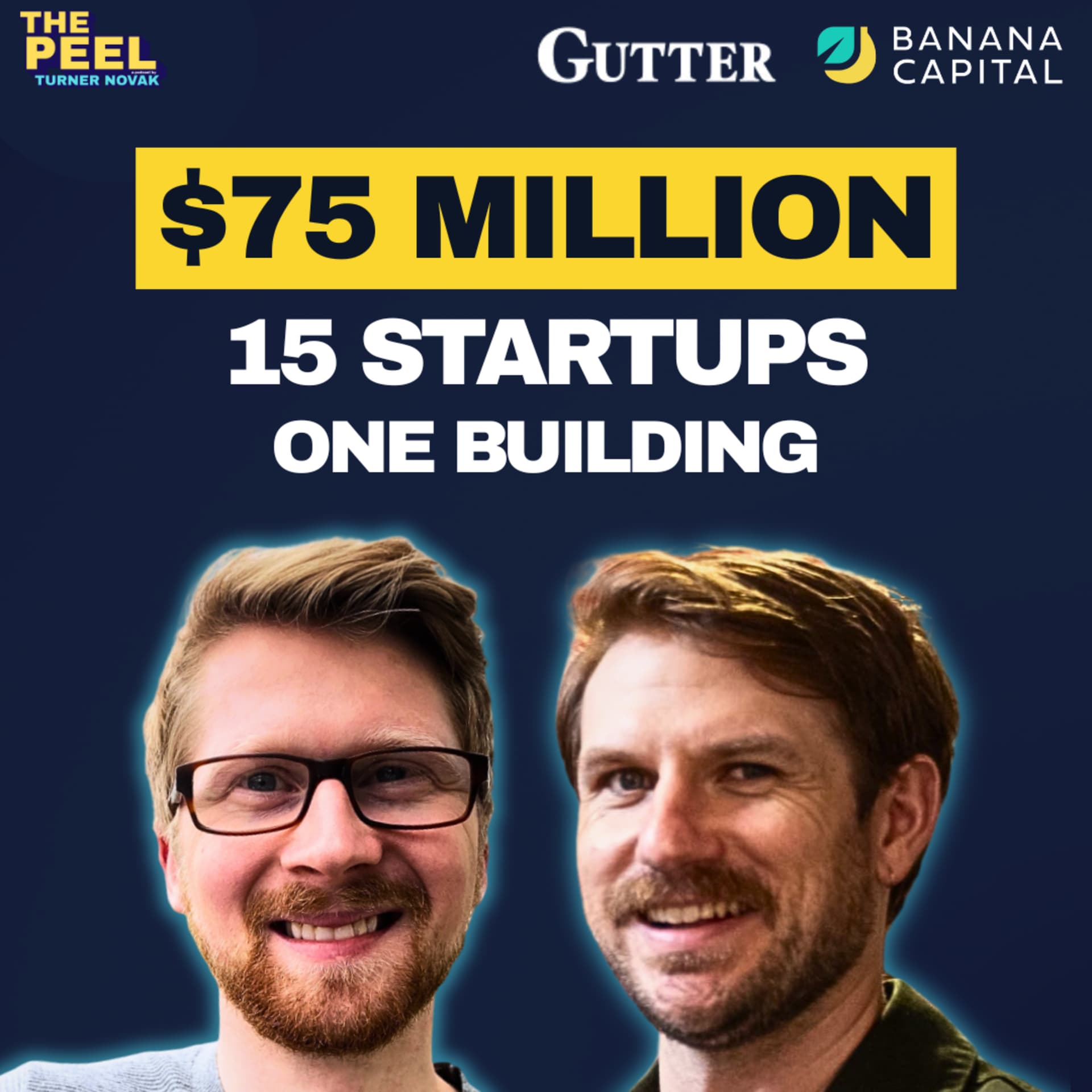
Dan Teran of Gutter Capital discusses the launch of Elbow Grease, a New York City hands-on accelerator, and how Gutter’s fund strategy is built around operational involvement. Topic: Gutter closed its third fund, a $75M Fund III, and opened applications for Elbow Grease (NYC accelerator) running a new cohort starting in January; applications are open until about August.
Key claims
(1) Most accelerators can’t credibly add value because they lack recent founder/operator experience and are often remote, large-batch, and “check-box” oriented. (2) In a world where founders can reach traction without much capital, investors must provide early, tangible help—especially at pre-seed/seed. (3) Gutter’s differentiation is hands-on recruiting and operational support driven by concentrated ownership (often ~30% in top positions), making it ROI-relevant to roll up sleeves. (4) Portfolio concentration: Gutter’s research on ~25,000 investments suggests diversification returns flatten after ~10 investments due to costs like reduced founder support.
Notable examples
Gutter helped recruit founding teams for Opus and Bickey during COVID; both are thriving. They also cite FarmEvo (Karachi) for embedded business-development hiring across Canada/US networks.
Guest backgrounds
Dan Teran is a founder/operator and partner at Gutter Capital; his partner James is a lifetime New Yorker. Richard (mentioned) runs talent at Gutter, previously head of talent at Managed by Q and Primary Ventures.
Written by AI. May contain mistakes. Listen to the episode to check what was said.
Chapters
Tap a time to open that second in VOLaunch of Elbow Grease Accelerator
0:45 to 2:39
Dan discusses the launch and purpose of the Elbow Grease accelerator.
“Yeah, I mean, I think it's a good question.”
The Hands-On Approach
2:39 to 4:25
Explaining the hands-on nature of Gutter Capital's approach to startups.
“And so he's just probably made that phrase up.”
Elbow Grease's Unique Identity
4:25 to 5:39
Discussion on the origin of the name 'Elbow Grease' and its branding.
“So you've got everybody working in the same space.”
Elbow Grease's Unique Identity
6:34 to 7:36
Discussion on the origin of the name 'Elbow Grease' and its branding.
“I use Flex personally, and I love it because I use AI to underwrite the cashflow of your business, giving you a real credit line.”
Differentiating Factors of Elbow Grease
7:36 to 10:39
Dan outlines how Elbow Grease stands out among other accelerators.
“I mean, you can argue there's so many accelerators.”
Recruitment Strategies in Venture
10:39 to 14:00
Exploring how Gutter Capital aids portfolio companies in recruiting talent.
“Um, and so, you know, we just take a really.”
Recruiting and Value Addition in Venture Funds
14:00 to 17:00
Learn how venture funds can differentiate themselves through active recruiting.
“And we've actually hired like two thirds of the team, which I don't think literally any other investor can say.”
Ownership Stakes and Investment Strategies
17:00 to 20:19
Discover how ownership percentages influence venture capital decision-making.
“We arrived at it through doing, you know, over 100, like 110 angel investments ourselves before the fund.”
Ownership Stakes and Investment Strategies
20:25 to 21:00
Discover how ownership percentages influence venture capital decision-making.
“your team and customers rely on, letting agents take action with the right permissions, and keeping everything reliable and cost efficient once you're in production.”
Concentration vs. Diversification in Investment Portfolios
21:35 to 23:20
Understand the trade-offs between concentrated and diversified venture portfolios.
“you know, it's not existential scary of like, holy, this is like way too few.”
Show all 43 chapters
The Challenges of Early-Stage Investing
23:20 to 28:00
Examine the risks and strategies involved in investing in early-stage startups.
“So I have like one company where we're I'm trying to help them get the first couple of customers.”
Fund Return Insights
28:00 to 29:05
Learn about the unpredictability of startup investments and fund returners.
“It's like totally still kind of in this weird gray area.”
Hiring Market Evolution
29:05 to 30:24
Explore the changing dynamics of the hiring market for engineers and sales roles.
“No, we were, I mean, the second fund got easier because we were fortunate to have a really, you know, great first fund.”
Evaluating Job Candidates
30:24 to 32:21
Understanding effective strategies for evaluating and hiring candidates.
“the hiring and recruiting game and challenge that founders are facing out there?”
Managed By Q Overview
32:21 to 35:08
Discover the concept and development of Managed By Q and its business model.
“And I think one thing you mentioned was you talked about managed by queue.”
Fundraising Challenges
35:08 to 37:49
Insights on the fundraising process for Managed By Q and lessons learned.
“It got more challenging closer to, you know, to the, towards the end of the business when we were selling.”
WeWork Acquisition Experience
37:49 to 40:01
Delve into the experiences surrounding the acquisition of Managed By Q by WeWork.
“a lot of your, your OKRs are how many people on your team are you managing?”
Attempt to Buy Back Managed By Q
40:01 to 42:00
Discuss the attempts to buy back Managed By Q and the competitive landscape.
“and ventures at WeWork, which was kind of overseeing a broad portfolio of stuff on the WeWork side.”
Navigating the Managed by Q Deal
42:00 to 43:59
Learn how the competitive landscape affected the Managed by Q acquisition and the impact of COVID-19.
“It was like literally like the day that it was declared a global pandemic.”
Building Opus During the Pandemic
44:00 to 46:55
Discover how a team of engineers pivoted to create a COVID safety training platform during the pandemic.
“Um, but basically I didn't get like any cash at close.”
The Genesis of Gutter Capital
46:56 to 49:29
Explore the origins and early fundraising challenges faced by Gutter Capital.
“Like everything had been abandoned from the building.”
James's Journey into Venture Capital
49:30 to 52:34
Learn about James's transition from a successful poker player to a venture capital investor.
“And I think you funded a decent amount of it with James.”
The Challenges of Fundraising as a GP
52:35 to 56:00
Understand the differences in fundraising experiences between founders and General Partners (GPs).
“And so the name of the fund gutter capital, it's obviously pretty intentional name.”
The Challenge of Attracting LPs
56:00 to 57:40
Learn about the difficulties of securing LP investments and the importance of authenticity.
“They want to like sit on the same side of the table of you and like and see what you're seeing.”
The Value of Detailed LP Letters
57:40 to 1:00:00
Discover the significance of thorough LP letters in building trust with investors.
“And like a lot of LPs are like, what the fuck is this?”
Understanding Portfolio Dynamics
1:00:00 to 1:02:30
Explore how understanding portfolio companies enhances LP relationships.
“And the letter is where it all comes out because like we're, we write these really detailed letters.”
Investment Strategies and Market Insights
1:02:30 to 1:06:20
Discuss the evolving nature of investment strategies in changing markets.
“Like I'm just going a little bit slower than I would.”
Criteria for Gutter Capital Founders
1:06:20 to 1:10:00
Learn what qualities Gutter Capital looks for in founders during the investment process.
“So speaking about interesting problems in the world, one thing you mentioned before is that you would never do managed by Q again.”
Evaluating Founders: Drive and Integrity
1:10:00 to 1:11:55
Learn how Gutter Capital assesses founders based on their drive, integrity, and decision-making abilities.
“Um, and so, you know, the kind of, at a high level, we think about exceptional level of drive, high integrity and good judgment.”
Red Flags in Investment: What to Avoid
1:11:56 to 1:13:45
Understand the types of investments Gutter Capital typically avoids and the reasoning behind it.
“Is there any things that you wouldn't, wouldn't do or I don't know, like red flags or something like that, like anything where you just like shy away a little bit or.”
The Role of AI in Investment Processes
1:13:46 to 1:17:03
Explore the limited role of AI in Gutter Capital's investment processes and founder assessments.
“like, they're definitely going to buy this.”
Customer Insights: Understanding Market Needs
1:17:04 to 1:22:07
Discover how customer calls are used to gain insights into product value and market demands.
“when they're talking, am I like, this is a guy that I want to work for, a gal that I want to work for.”
The Evolution of New York Tech Scene
1:22:08 to 1:24:00
Learn about the significant changes in New York's tech scene over the past 15 years.
“It's funny, like when I, so I started Managed By Q in 2014.”
The Evolving NYC Tech Ecosystem
1:24:00 to 1:25:18
Learn about the growth of NYC's tech landscape and its notable companies.
“and I think that has definitely unlocked a whole nother kind of level of the game.”
Importance of Early Board Formation
1:25:18 to 1:27:42
Discover the benefits of having an early board and its impact on CEOs.
“Amazing business, you know, branded consumer services.”
Running Effective Board Meetings
1:27:42 to 1:29:44
Understand how to effectively run board meetings using OKRs.
“We have board meetings starting at pre-seed, which is like much lower overhead.”
The Role of Preparedness in Success
1:29:44 to 1:32:42
Learn how preparedness can influence the outcome of board meetings and business success.
“Maybe there's some like strategic topics that you want to prepare for because you actually want some input into like, you know, a new direction.”
Founders Supporting Each Other
1:32:42 to 1:35:28
Explore how founders can help one another and the importance of collaboration.
“And that's kind of like all an investor is looking for.”
Rethinking Help for Founders
1:35:28 to 1:38:03
Challenge the notion that the best founders don't need help and discuss its implications.
“it feels really good to know that if we, you know, if we shoot the lights out and have get are so lucky, because I think, you know, past a whatever, 10x, it's like, it's luck.”
Reflections on Accelerator Experiences
1:38:03 to 1:39:49
Exploring the value of accelerator programs and their impact on startups.
“I'd like, I'd ask like, hey, do you guys have any research on this?”
Surfing Adventure with Adam Neumann
1:39:50 to 1:43:28
A wild surfing experience that intertwines personal risk and business negotiations.
“And Adam was like, you know, I'm going to Kauai with some of the leaders, you should come.”
Injury During JT's Wedding
1:43:29 to 1:45:46
A humorous and dangerous pre-wedding surfing mishap that leads to an injury.
“Um, and, uh, you know, one that I'm not dying to repeat, but, um, yeah, it was, it was, it was cool.”
Icicle Incident
1:45:47 to 1:46:54
A surprising and dangerous encounter with an icicle while doing chores.
“And I literally like, you know, go to the, go to the hotel shower and literally arrive like as JT's wedding is started.”
Transcript
Automatic transcript. May contain errors.0:02Dan, welcome to the show. Thank you. So excited to be here.
0:06Turner Novak:You guys just announced something that was pretty big news. What did you guys just announce? Yeah. So we announced earlier this week that we have closed our third fund. So we raised a$75 million fund three. And as of this week, applications are open for Elbow Grease, which is our accelerator based in New York City. We ran the first cohort earlier this year, started in January was a huge success. And so we decided that we needed to do it again. So applications are open right now and they'll be open until about August. So why start in an accelerator? Like there's literally a hundred accelerators and people just kind of make fun of why there's so many accelerators.
0:45Turner Novak:Like why start one? Yeah, I mean, I think it's a good question. For us, this was about a year ago that we started thinking about it. Well, a couple of things. One, we saw companies today are just able to do a tremendous amount with very little resource. And so for a venture capital firm and an early stage venture capital firm, I think we found ourselves asking the question, how do we make the argument to founders that they should partner with us? I think a lot of our industry should be asking themselves that question. Yeah, that's fair. You know, a lot of investors go out of their way to say they actually don't add value.
1:16You know, they say the best founders don't need help. You know, we're going to stay out of your way. And that's fine. But in a world where you don't need capital to get to a million in ARR, and therefore you don't need capital at all in a lot of cases, that's a really fraught pitch. And so, you know, we see even since we started the first program, you know, seed prices continue to explode. I think I saw there like 25, 30 posts now, which is, you know, more than double where they were a year ago, which is just like that's what happens when you don't need money to get serious traction. And so for us, like a lot of what we were thinking was, how do we make sure that we're relevant to founders at the earliest stage in their journey?
1:53And then the other piece is, you know, as a firm, we are very hands on by nature. So a lot of our companies work out of our office down in Canal Street. We do a lot of the recruiting, building the early teams. And so we're kind of doing a lot of this hands on work already. And when you do that and you step in at the seed stage, you know, often you're stepping into a lot of decisions that have been made without you at the table. And so for us, you know, our thinking was, why don't we just get involved as early as possible in the journey of the company and be a part of those early decisions, you know, and if they're good decisions, great.
2:25And if they're not, then we'll help resolve them. But we just found the earlier we get involved, the more impact we can have on these companies. And so, you know, the only way that you can really attract people at the first kind of instance of company building is a program like this.
2:38Turner Novak:And the name sounds pretty apt then, Elbow Grease. like you're getting getting your elbows greasy i guess you're rolling up your sleeves actually yeah we found it's on it's on the website but we found this amazing i was kind of figuring out names for for the accelerator and it came across this quote from andrew marvell in like the 1600s and it was the first uh the first instance of elbow grease in the english language oh really and he says like a few brawny fellows in the corner uh with mere ink and elbow grease are worth more than a thousand systematical divines with their sweaty preaching something like that it's pretty close.
3:11And so he's just probably made that phrase up.
3:14Turner Novak:Yeah, it was like from a poem or something. And we just thought like, wow, that feels like very gutter, like very essential to our brand. Just, you know, mirror ink and elbow grease. And so it stuck. That was the name that we went with. And, you know, now there's like an identity around it. The founders call themselves greasers. It's, you know, taken on. Yes, there were not ours. It's taken on a life of its own. and it's a lot of fun. And so the accelerator, is it like a global thing, San Francisco, like where, what's like the location of this thing? Yeah, so we are, you know, my partner James is a lifetime New Yorker.
3:51I've been in New York for 16 years. I built, managed by Q here. We're very much a New York based firm. We have an amazing office down on Canal Street, which is in Chinatown in New York, sort of gritty part of town where we've been for many years now. So we have two floors that is home to about 15 companies, about 70, 80 people, depending on the day of the week. And it's an incredibly vibrant sort of hub of builders, founders, ranging from, you know, company started last week to series B and beyond. So the Elbow Grease Accelerator is hosted at Gutter headquarters, which is a really special part of it.
4:25So you've got everybody working in the same space. And one of the things that's unique about our program is like, you know, companies graduate as in the program ends, but, you know, we're not kicking anybody out. And in fact we want them to stay. And so, you know, we had eight companies in the first elbow grease in Q1. And of those eight companies, I think about half of them still work out of our office. Two of the companies relocated to New York because we were able to convince them they'd build a bigger company faster if they're working alongside us. And so that's become a big part of the draw as well.
4:52I think like if things keep going at this pace, we'll be taking another floor of the building pretty soon.
4:56Turner Novak:Oh, interesting. How many floors are in this building? So the building has an interesting history. It was actually, it was my office before managed by Q when I was at pre-hype and then BarkBox, before they went public, took over the sixth floor of the building, and then the fifth, and the fourth, and the third, and they actually took over this entire building in Chinatown. And then they went public, and COVID hit, and they moved to the financial district, and the building just sat empty. And so we were able to take over the lease from them, tail end of COVID times, and have subsequently taken another floor.
5:27So yeah, the building has some good history to it, and we're lucky to have it.
5:31Turner Novak:So you're taking up two floors, you have a couple. It sounds like you have four more to expand into. We'll see. I mean, if they got leased up, we're out of luck, but it hasn't happened yet. This episode is brought to you by Numeral. Numeral is the fastest, easiest way to stay compliant with US sales tax and global VAT. It's easy to set up and they automatically handle all registrations, ongoing filings, and their API provides sales tax rates wherever you need them with all the integrations you need. Their solution combines AI-driven automation with human expertise to manage global sales tax compliance end to end.
6:03Turner Novak:Numeral supports over 3 ,000 customers, including companies like Brax and Character AI, and they pride themselves on white glove, high touch customer service. Plus, they guarantee their work, and they'll cover the difference if they mess anything up. If you want to get compliant, check out Numeral at their new domain, numeral.com. That's N-U-M-E-R-A-L.com for the end-to-end platform for sales tax and VAT compliance. This episode is brought to you by Flex. It's the AI native private bank for business owners. I use Flex personally, and I love it because I use AI to underwrite the cashflow of your business, giving you a real credit line.
6:43Turner Novak:The best part is 60 days afloat, double the industry standard. Flex has all the features you'd expect from a modern financial platform, like unlimited cards, expense management, bill pay that syncs with your credit line, and their new consumer card, Flex Elite. Flex Elite is a brand new ramp-like experience for your personal life. A credit card with points, premium perks, concierge services, personal banking, cars and expense management for your family, net worth tracking across public and private assets, and a whole lot more fully integrated with your business spend. One card for your businesses, one card for your personal life, one card for everything.
7:19Turner Novak:To skip the waitlist, head to flex.one and use my code Turner to get an additional 100 ,000 points worth$1 ,000 after spending your first$10 ,000 with Flex Leap. That's Flex.1 and code Turner for$1 ,000 on your first$10 ,000 of spend. Thank you, Flex. And now let's jump in. I mean, you can argue there's so many accelerators. Why would like, what's the point of even doing this? There's just so many options. Like how do you stand out as a new accelerator? Yeah, I mean, our approach is pretty different. It's very hands-on. And I would say, you know, if you take the number of accelerators and you kind of boil it down to are they led by founders who built and sold companies, you know, in recent memory, actually know how to do the thing that they're advising people to do, have done it well.
8:06The universe gets pretty small. And then if you say, is it a is it on location? Are you physically working with the people? Are you spending every day, you know, in and out with these people? It gets even smaller. And then if you say, is it a small batch, say, like, you know, less than 20 companies? Is there one to one mentorship? Like, is there actual tangible value add? I'd say there actually aren't a lot of programs. And I think what you see from the insane numbers of applicants to some of the more scaled accelerator programs, like literally 20 ,000 people applying for 200 spots. I think there's actually just like way more supply of great founders that are looking for help than there is or demand from great founders who are looking for help than there is supply of accelerator programs that can actually help them.
8:47And that was part of our insight when we started Gutter was there's amazing founders, tremendous potential, but maybe they don't come from tech. They don't have deep networks in the tech world. They haven't built a company before. And with a little help, they could do incredible things. And so that was what we set out to do with elbow grease. But, you know, I think the short answer is for the type of work we're doing, I think there's like actually not a lot of great options and there's plenty of room for more, honestly.
9:11Turner Novak:Yeah, it's kind of one of those things we were talking about earlier, like there's tons of podcasts but like are there any actually that good like do you even listen to that yeah yeah there's like any category where you could argue that there's so much of a thing yeah it's probably even more prominent if it's something like you can't even name a specific one like if somebody if someone's like oh i'm starting an accelerator and like oh name another accelerator and they can maybe name like one or two but there's like there's so many of them but they can't name any totally and i think like you know so many people we talked to said you know we tried this years ago it didn't work and so what did you try it was all remote or it was like you know uh it was like this one theme and it's like okay well what was the programming so we had a couple speakers and it's just like you know i feel like phone it in basically like you're checking boxes yeah and i don't even you know everyone's intentions are good it's just like you know we do things our way and like you know basically people have the same approached me with the same logic when we started the fund which was like does the world need another venture fund and it was like i don't really know but we've been doing a thing.
10:09We have like a practice in terms of like how we work with founders, how we invest, you know, the level of concentration, the services we provide. And like, from what I can tell from the founders and the performance of the companies, it's going very well. So we're going to like, you know, raise fund to do that. And I would say, you know, the accelerator is kind of the same thing.
10:25Turner Novak:But so same then with the fund too, that's kind of the pitch like every VC has pretty much is like, we add those value, we roll up our sleeves, whatever people say, you probably heard this pitch a million times before so like you're saying that most people don't actually or like i mean you tell me you're on the you know you work with these people too it's interesting because i had some of the best investors in venture i would say like um satya patel at homebrew hunter and satya led my seed round when they were you know the emerging manager back in the day and it was like super lucky kind of life-changing experience not only because they were great investors and board members but then they were like incredible mentors when we were starting, um, starting our fund.
11:07Um, but if you look at like the average seed investor, I think we realized this more, I realized this more after managed by Q when I was advising other founders and looking at the experience they were having at the board level with these seed investors who, you know, respectfully had done nothing but work at venture firms, um, didn't have a lot of credibility when it came to operational decision-making and frankly, like had no interest in being involved in the operations of the business. Um, and so, you know, we just take a really. different approach, which is, you know, a lot more hands on and a lot more qualified to be hands on.
11:40Turner Novak:Yeah. And so you're saying that they don't, a lot of people don't take an operational approach. What's like the chasm that you've, I guess, crossed that other people are not crossing in terms of like rolling up their sleeves and getting the elbow grease? Yeah. I mean, so it kind of, it always starts with getting aligned on the goals. So we work really quick, closely with founders. We're big believers in OKRs, which I know is a controversial topic yeah it's a hot take that's like a big tech hundred thousand employee type of thing yeah you know i think like it doesn't matter the size of the organization um saying what you're going to do and then either doing it or failing and learning something is really important and so i think obviously the earlier you go the okrs need to be held lightly and you need to accept that like you're going to be wrong but i think a lot of companies wander for a long time because they're just not explicit about what is the actual thing we're testing right now what do we want to learn this you know this week this month this quarter and just have an honest conversation about what's working and not and so you know hitting okrs in a pre-seed stage company is not like the same as at a public company but it's for it's actually about enforcing a cycle of learning and i think it's actually super valuable um so it starts with the goals and then from the goals you know we start to work closely with the founders of you know what can we do to help them hit the goals and so you know from the from the first fund we raised we knew that talent was going to be a big factor I think we talked previously about companies like Opus and Bickey that were in our first fund, where in both cases, I was advising the founders really closely.
13:05During COVID, before we started the fund, I helped them to recruit their founding team. So in both cases, introduced them to their two co-founders. And we saw that drive tremendous inflection in the business. They're both thriving today, some of the top performers in our first fund. And it was like taking these super smart, principled, mission-driven operators that didn't have great networks and software, and actually just matchmaking them with really great technical and, uh, in one case, technical and product co-founder and the other case, uh, technical and sales co-founder. Um, and so we kind of have been able to replicate that at scale with the fund.
13:36And so, you know, you ask like, what does it actually look like? What do we do differently? My partner, Richard, who runs talent at gutter and was previously my head of talent at managed by Q, he has now recruited over a hundred people into the portfolio and, you know, our portfolios are very concentrated. So it's only of 14 companies per fund. So four years, 100 people recruited, less than 5 % regrettable attrition. You know, a typical gutter company will reach the series A. And we've actually hired like two thirds of the team, which I don't think literally any other investor can say. And I think when you're making a pitch to founders, like that's pretty differentiated.
14:09Turner Novak:Yeah. So then what does the recruiting help typically look like from a venture fund? Like, because if I've never heard this before, this sounds great. It sounds awesome. But like other people are telling me the same thing that they help me with recruiting? Yeah. So actually like Richard is a recruiter. It's like what he's done his entire career. He was head of talent for Meet Managed by Q. He was head of talent at Primary Ventures and then at Alma briefly after. And so his goal every quarter, his OKRs, because we, you know, we take our own medicine, is a certain number of critical hires. So it's usually like on the order of five or six critical hires per quarter where we're sitting down with the portfolio.
14:42We're prioritizing the most important roles across the portfolio. and Richard owns the goal. So, you know, he's already hit his OKR for this quarter. He's hired six people, but he's working directly with the founders to troubleshoot, you know, what are the most critical roles? And he's going out there and helping find that person. And a lot of times, you know, these founders don't have strong networks. He's able to build them. You can talk about one hire in particular that was an exciting one. We invested in a company called FarmEvo, which is based in Karachi, Pakistan. And one of the markets they sell into is the silviculture timber market in like forestry in Canada and now in the United States.
15:18And they're in the process of relocating to New York. They're going to work out of our office, but they needed to hire someone to run, you know, business development for these timber operations in Canada. And Richard was able to, you know, basically immerse himself in those networks, meet all of these people, get referrals. And we've now made, I think, two or three hires for them in the US to actually run the go to market for these timber operations, which, you know, I don't think that's like a level of kind of embedded operations that many venture funds are willing to undertake or would frankly have the capabilities to.
15:50Turner Novak:Yeah, I feel like a lot of a lot of the value add is it's they'll help you if they feel like they can invest more capital. And they really, to your point of, you know, they're not an operator. if I'm being really critical thinking about this, like it's basically they see it as a lens of like, can we clip some management fees, raising capital to put it into this business? I mean, it's the business model of a venture firm is like raising capital, deploying capital, both of those things. So it's almost like the startup is kind of like just a conduit of doing that. Totally. Well, and I think for us, like the other thing that's important to note is because we're so concentrated, You know, we own, you know, for our top positions, we own like 30 % of these businesses.
16:35Turner Novak:I was going to say you got some that are like in the 30s. Yeah. So we have pretty significant ownership, which means like there's a real ROI case for us and for our LPs for us to be rolling up our sleeves and making these key hires, making customer introductions, you know, helping to open new markets, whatever, you know, whatever the plan calls for, which is like if you own like 2 % of a company, it's not going to be worth it to make a hire. But if you own 30 % of the company, it kind of changes the calculus of your decision making, which points to a really hands on model. Yeah, because when I think about this, if I'm thinking about what the incentives are, if I own 30 % of a company and it's valued at like 5 million, 10 million, 15 million, whatever, it's just like a first round early stage company and you're owning like 30 % of it or whatever.
17:20Turner Novak:that change from like let's say the company goes public or whatever it's worth like 10 billion dollars and you invested 2 million or something in in the that first round you own 30 maybe gets to lose a little bit but you own like 20 of the company at a 10 billion dollar valuation we'll say it's worth 2 billion so your stake goes from 2 million to 2 billion i'm making all these numbers up but like you the amount of money that you make as a firm it's just like absolutely astronomical that's the hope versus like a lot of the model is like you know you only own one or two three four percent like whatever this number is but the way you actually make the money is as it's going you like put more in and you it's like a much shorter time frame too so it's less of like hey we're gonna like get started hire some people four years we'll raise a series a when like we get this thing cranking or however you want to think about this versus well it looks like this thing's gonna go public in 18 months like we invest a couple more time before that happens yeah we have I mean, we have a very unusual strategy.
18:18We arrived at it through doing, you know, over 100, like 110 angel investments ourselves before the fund. And James and I were, we were the biggest investors in our first fund and almost the biggest in our second fund. But, you know, we're much, we're a much bigger part of the capital base than the typical venture GP. And so when we're thinking about the strategy, we're really thinking about like, what would we do with our own money? We know, based on our experience, the returns are the best, the earliest you go. And I think there is sort of a myth about diversification in the industry. You know, our own primary research, looking at a data set of 25 ,000 venture investments from the 90s to today, which have had long enough to basically achieve outcomes.
19:01We found that the returns, just talking about variance, the returns to diversification basically falls off a cliff after like 10 investments. We ended up doing 14 because 10 is scary to LPs. It's pretty scary, yeah. So you have like, there are modest improvements to the average return, but the variance kind of flattens out. And so our view was you get modest return, modest improvements to the average return, but you don't contemplate the cost. And the cost is when you have 40 companies in a fund, you can barely remember their names. And so for us, it was like, the cost is very clear, which is like, there's a degradation of the founder's experience.
19:37If you're saying that you're going to actually move the needle for them. Yeah. When you can build anything, Amplitude lets you know
19:42Turner Novak:how to build the right thing. Use human language to get complex answers about your products. No more manually selecting events or building charts or dashboards. Just to ask. Use agents to sense changes in customer behavior, decide what's causing them, and ask you if it's okay to fix it continuously in the background while you work. Get the answers you need while building directly in the tools you are already in like Claude, Cursor, Lovable, and more. And for the first time, understand if your agents actually work measure quality, debug failures, experiment, and measure their ROI with agent analytics.
20:15Turner Novak:Amplitude. With AI analytics, all you have to do is ask. This episode is brought to you by Merge, the connective infrastructure for production AI. The hardest part about building an agent is everything around it, connecting to the tools your team and customers rely on, letting agents take action with the right permissions, and keeping everything reliable and cost efficient once you're in production. Merge handles that all for you. It connects agents to thousands of tools, handles permissions and LLM routing, and lets teams move faster without building it all themselves. OpenAI, Dropbox, and Ramp all use Merge to move faster and build AI right.
20:51Turner Novak:Visit merge.dev slash Turner to start building for free. That's merge.dev slash Turner to try Merge for free. I feel like I've had a similar conclusion on the concentration of portfolio I think I've seen similar data around public market portfolio, which is like 20 companies, something like that. It's like between 15 and 20, I think it starts to degrade. And then honestly, like I feel like with venture early stage, you're starting the company, like intuitively you'd think technically maybe you should like increase that just a little bit, like maybe 30. And then like a lot of venture funds will say, you know, we do 40 or 50.
21:31Turner Novak:My general is like, I'm going to do around 20. that feels like pretty concentrated, probably to your point of go a little bit more, but like, you know, it's not existential scary of like, holy, this is like way too few. So how did you get this data around like 10? Because that seems too small almost. I mean, it is like, I think this is the one thing I've learned from James who, you know, my partner James spent nine years as a professional gambler. And I would say that is like the most hardcore education and risk management because you you have to always be ahead or you blow up um you know i think it's like one percent of gamblers get ahead and one percent stay ahead so it's you know very few people actually uh retire from gambling you know not owing somebody else money um so we did our own primary research we had 110 investments of our own and then we actually threw an lp got a data set of 25 000 investments and so we did primary research to figure out what the right number was.
Read the full transcript
22:27And our conclusion was, yeah, after 10, obviously, like it's uncomfortable. Like the optimal strategy is often uncomfortable, which is kind of the biggest thing that I've learned from James.
22:35Turner Novak:So then what's happening with the 11th and 12th and like the 20th and the 30th investment? Like what happens to the returns at that point? And like the psychological, like why would people do it anyways? I mean, so you, I mean, you, basically diversification is not bad if there's no cost to it. So I would do a thousand investments in a fund if there was no cost to it. But the cost is that you can't actually know what's going on in the companies. You can't build meaningful relationships with the founders. And you certainly can't do things that change the outcomes at the companies. And so our bet was that the ROI of us actually doing stuff was going to be higher than the cost of having fewer positions.
23:11Yeah.
23:12Turner Novak:It's something I am challenged with right now too, is someone needs help with something, You have so much else going on and you like you got to help. So I have like one company where we're I'm trying to help them get the first couple of customers. So we're trying to do like 20, like pretty intense customer research calls together, get a bunch of people to talk and it's going to take a ton of time. And like I want to do it. Makes you a better investor, too. Oh, yeah. And at the other point, it's like, you know, company might be raising up Series A or whatever, Series B. And like you want to help.
23:44Turner Novak:Somebody might be looking to like hire a new head of marketing. You want to help. I also have all my own shit going on, like a multiple other things, like like personally or with Banana, with the podcast, you know, after the LP update, like tons, all this stuff going on. So if you have a thousand investments, it's like you just literally can't do anything. Yeah, you have to like your strategy has to be not doing anything, which which didn't feel right to us and also wasn't suited to our skill set. You know, like there's not a lot of, you know, precedence seed investors, forget elbow grease, precedence seed investors that will lead rounds, take board seats and have actually built and sold a company before.
24:19And so we needed to have a strategy that actually allowed us to like leverage our competitive advantage, which is, you know, being able to roll up our sleeves and build companies alongside founders.
24:27Turner Novak:Yeah, it feels like the strategy makes sense when the companies are later and don't need your help. And it's just like you're giving them 100 million bucks, whatever, like they just need a big chunk of money. And it makes more sense to be super helpful super early on. You need to be more concentrated, but then it just gets scary thinking of like, all right, you made 12 investments and the data says there's a very high chance that these will all go to zero and you will lose all the money. So it's almost like people just don't do it. But I mean, so to look at it from another perspective, so the unicorn rate, like the percent of companies that raise a seed that become unicorns, like bounces around, but say it's like, you know, two, two and a half percent.
25:07Turner Novak:Probably a lot higher today, like right now. Sure. So like two and a half percent, though. Yeah. That means that if you have, you know, the average seed fund probably has 40 companies in a 40 company portfolio. Statistically, if you are average, if you have no, if you have no picking skill, you got one. yeah can you imagine pitching an LP with your like why do you have this number of companies because I'm average because I actually have no edge in picking because if you're twice as good at picking then you should have half as many companies you know I'm saying yeah that's fair and so is that what you did when you were raising the fund like did you go out and say like we're just better at picking than everyone and we're not necessarily at picking I would say at helping I mean it's important to note that like our first two fundraisers first one in particular were brutal nobody believed us nobody thought it was a good strategy I think like so what was the pitch at the time?
25:52Like what did it kind of the pitch was like a highly concentrated hands-on venture fund, you know, like it was, um, you know, Richard was part of the picture and fund one. So we had the talent capability. We had a few case studies of companies where we had made a big impact, but they were early. And, you know, like now all of those companies I mentioned are post series B and like, you know, still on a venture trajectory. And so it's a lot clearer that like, you know, we're capable of making a big impact and that we're going to picking good companies. but at the time you know they were still all we raised the fund to lead seed rounds at forerunner bicky opus we did faraday and fun too and those were all companies that i was advising prior to the fund so there just wasn't a lot to point at and i think you know i obviously had a good run as an operator we had you know a nine-figure exit uh but like it wasn't like the world's greatest outcome in venture and obviously like we sold to we work who then exploded so people weren't looking at me like uh you know top top top tier operator yeah so i don't think we were getting credit for that um and we had a funky strategy that like you know a big learning from raising from lps is like the funnier you are the harder you make it for yourself which doesn't mean that it's like the wrong thing to do but it is like these people are not looking to take
27:09Turner Novak:risks yeah because i think i don't know i i don't know what this like chasm is or when you cross it like, okay, now you're legit and we, we trust you and we think you're really good. But it's, I feel like maybe I'm just, I'm just making them a number. It's like, you know, you invested, started the company and either built or invested when they were starting it. And now it's crossed a hundred million in run rate. It's like a real business, whatever. Totally. So like, if you invest in a series A or a series B when it's like 15 million or 20 million, like it takes a year to get to under, like whatever.
27:39And you have a lot more data. You kind of know what's going to happen in the next year or two. Yeah.
27:43Turner Novak:But like if you're investing, like we're starting the company, some R &D, getting the customers, it's like four years later and it's like not super clear. Totally. And it might take like another couple of years and then you might have a company. You might have another, you might have like another one. So, yeah, to your point, it's like, you know, like you open up your, you know, your coat and it's like, you're looking at all these hits that we have. It's like totally still kind of in this weird gray area. And it's like it's a business where Satya, when I had dinner with him when we were raising FundOne and I asked him sort of like, what's the one piece of advice that you'd give to me that like, you know, I might not listen to, but I should.
28:18And he was just like, you just have to know that you don't know and you won't know for a long time which ones are going to be fund returners. And, you know, he used the example of Q, which like at one at one point they thought was going to be a big fund returner. It ended up being like, fine, but nothing to write home about. and there was uh uh chime which in their portfolio which you know has gone public whatever they really struggled you know they've talked about this publicly struggled to raise i think it was the series a and so you know it was a much bigger outcome than q orders of magnitude and they didn't know that until like until the out years um i spoke to a gp yesterday who told me you know they have two uh multi-billion dollar companies in their first fund and it was literally seven years until they thought they were even going to make money on them which is just like that's insane i was like oh fuck we're on year four and a half yeah like we might not even know i think the thing
29:05Turner Novak:that's super challenging is did you so you raised the first fund in 2022 or 21 uh we raised the first fund yeah in 21 okay because you have the thing when you think about what a 2020 or 2021 fund goes through it's like it's that where it takes really long to like know that the companies are working but then there's also like uh you invest in the summer of 2021 price yeah which was too high objectively so that the the valuations being paid just has to get cut way down in addition to you actually have to make the progress you have like an on an extra you know thing going against you of like the outside world saying oh this is working like instead of it being a a 5x it's like you know you did a down round in the seat or whatever and it's like you know you're barely break even even though the company's actually doing well so it's like it's just a tough, it's really hard for all these different things to go right.
29:57Yeah. No, we were, I mean, the second fund got easier because we were fortunate to have a really, you know, great first fund. And despite 2021, we're very disciplined on price. And so continue to see really great performance there. But yeah, it was a brutal, it was a brutal year for a lot of funds.
30:12Turner Novak:Yeah. And so you mentioned, talking about 2021, how has the hiring market changed between now and then, and then even like before with Managed By Q, like just have you seen the the hiring and recruiting game and challenge that founders are facing out there? Like, how has it kind of evolved over time? Yeah, I mean, I think we've kind of seen it ebb and flow. I would say right now is as competitive as we've ever seen it, including like, you know, there was some real go-go years in the late teens at Managed by Q, where it was really competitive for engineers, and then obviously COVID years. But, you know, if you ask Richard, hiring engineers with some experience today, it's like completely counter to the narratives of like, you know, there's going to be no more jobs for engineers.
30:56It's like, no, no, no. These engineers just become 10 times more valuable because of how much code they can ship. And so why would you not want to hire, you know, twice as many engineers, not get rid of them. And so it's incredibly competitive for people who have experience. And I think we're seeing that kind of across all roles, like even in sales roles, you know, if salespeople are more productive, then the best salespeople are worth a lot more. And so, you know we're seeing that we have to move faster to offers on candidates we're excited about or they're going to get scooped up literally within a week of being on the market um it's like it's frantic the pace of hiring right now is is i guess like that would be how i would sum it up is it's frantic yeah okay how do you how do you navigate that like how do you make a good hire bad like
31:40Turner Novak:what's the churning the process like knowing if somebody's a good hire or not i mean it really depends on the role um obviously like there's a technical evaluation for if someone's you know software engineering role and even for like sales you know we're definitely doing kind of mock presentations with people actually having to pitch so as much practical as you can possibly do and then obviously references are like a huge part of the process and really you know being exhaustive and finding out what it's like to work with someone ideally trying to find a bad reference just trying to get the edges of like what the person is really like um similar for our investing process.
32:14You know, it's like, obviously, you're not gonna know what it's like to work with them until you hire them. But you can get pretty damn close if you talk to enough people.
32:21Turner Novak:And I think one thing you mentioned was you talked about managed by queue. If we can just talk about for a couple minutes, I know there's some interesting stuff to pull out there. What was it really quick for people who don't know? Yeah, so managed by queue was a combination of vertical software for the office manager and a marketplace of commercial services. So things like cleaning, maintenance, IT, security, administrative staffing, all the things that go into running an office where you were able to book manage pay through a single platform. And so we started in New York City. You know, at our peak, we had thousands of offices using our platform to run to run their office operations.
32:56We went from New York to Chicago, to San Francisco, to L.A., and then we launched a third party marketplace and were available nationally. We acquired a French company which had some some software capabilities that helped us to go global. um and ultimately you know we reached a point and this is like you know dating ourselves this was uh 2019 and it really was the case that if you went into a startup's office in New York it was like they were either in a we work or they were in their own office and they were using managed by Q um and so you know oversimplifying but that was sort of the logic that made we were want to acquire us which they did in 2019.
33:31Turner Novak:Interesting and I think it was a bit of a challenge fundraising for managed by Q, but you also had some amazing investor, but what was the process like of fundraising initially? Yeah. I mean, we actually, we were pretty lucky. So, uh, I was at pre hype when we started the company, we raised like a $400 ,000 pre-seed round. We were fortunate to have, um, folks like Scott Belsky in the pre-seed. And it was actually Scott that introduced us to homebrew. They had first raised their first fund. And so for the seed, like we weren't even going out to raise, we didn't have a deck. Um, we met Hunter and Satya.
34:02They were excited about what we were doing. And, you know, because we were, uh, when we onboarded a customer, we were, we're taking over the cleaning service, which is like kind of the largest line item for, for a facility. And so we were actually able to grow to like a million in revenue really, really fast. Um, and so this was, this was also like the heyday of like the on-demand economy, you know, bits moving atoms. There was a real obsession with like, you know, software as a remote control in the physical world. um and so and we also you know it was b2b uh they were very like high acvs and it was like it was a really the unit economics were very attractive relative to like an on-demand dog
34:41Turner Novak:walker or whatever yeah because instead of like with a dog walker you pay him like 20 bucks or something a cleaning relation like it's like a retentive relationship yeah they're coming every day of the week contract and the and the the pitch was like you know once they trust us to do one thing, they'll hire us for other things. And so you end up getting like that full wedge of the facility spend, which, you know, which did prove out over the life of the business where you could continue to like take on higher and higher margin services. And so we actually, you know, we were pretty successful at fundraising early on.
35:10It got more challenging closer to, you know, to the, towards the end of the business when we were selling. But I would say that was like, had more to do with the business and sort of finding the limitations of the business model than, than the capital markets.
35:23Turner Novak:So had that influence sort of how you advise founders today to think about fundraising? Honestly, it had a tremendous influence because it's sort of the opposite of it being hard to raise. I was a very good fundraiser. We always raised way too much money. We found ways to spend that money. And we managed to sell at a price that cleared the preference stack and everybody did fine, but barely. And, you know, when I look back on like how I would have built that business if I was, you know, more cash constrained and just like more thoughtful about, you know, how do we make this business generate cash?
35:59You know, I think it could have been very different in terms of the outcome. And so now we are super disciplined on operating expense with our companies. You know, they typically, you know, we want companies to burn no more than 100K a month, like really through the series A, which I think is pretty unique. and until there's product market fit, like well below that, to really kind of invest when things are working versus like hire a team and try and figure it out. And so, yeah, I would say I kind of have reacted and hopefully not overreacted to my own experience as a founder, which is like raising too much money, I think does more harm than good in most companies.
36:36And it's in my experience and from what I've seen, it's like, it's inescapable. You know, it's just like, you're not putting the money in a different bank account and not touching it and pretending like you don't have it. Like everybody does it. And then like the ways that it's destructive are sort of insidious. So like if you hire a head of marketing, an expensive head of marketing and an expensive CFO and an expensive head of HR, it's not like they're bad or they're bad intentions. It's just that they want to talk to you. And if you're talking to them, you're not like talking to customers and you're not building the product.
37:06And so those people all have a role in companies at a certain scale. But I would say you kind of as a founder, and I think the this like AI led founder mode kind of renaissance of like founders as individual contributors is totally pushing against the grain of that. And I think it's, it's changing in a really positive way. But like my experience of it was like, you can do a lot of things that feel like you're being successful as a founder, like, and you're like, Oh, and I'm talking to all these executives all day and I'm managing a team. And all of a sudden, like you wake up one day and you're like, I'm not like building the product or closing deals.
37:36And like, that's probably true of like, you know, public company CEOs, but I would say for like, you know, a series I found or you should probably be closing deals and building the product.
37:46Turner Novak:Yeah. Well, cause a lot of the bigger the company is a lot of your, your OKRs are how many people on your team are you managing? Not necessarily like are you closing sales, increasing revenue? Like it's just not necessarily your job per se. So it can definitely be like a little distracting, I would say, especially, especially if you like have influence coming from that, like how many people are on your team? It's funny. It's like, now, I think it's a flex to have as few people as possible, which is awesome. It's especially awesome as investors. It used to be like, you know, a point of pride that you had like, oh, you have like 35 people on your team at the series A.
38:20That's a lot of people. And then like you hired 100 people in a year. That's amazing. You must be an operational genius.
38:25Turner Novak:And you must be doing well because you're here to be doing well. Yeah. And it's the same of like, I feel like it's kind of like this trope of, you know, you go to like a tech networking event and you meet someone. It's like, oh, like how much money did you raise? Like, that's like the first question when you meet someone it's like what what you didn't even ask their name or whatever totally that's the thing people care about yeah and it is like so not the right thing to focus on it's obviously like it's it is a it is a powerful tool in certain companies and it is like certainly um necessary to accomplish things in certain companies but we're just seeing like so many of the businesses and our funds are like you know break even modestly profitable and growing on like crazy venture scale trajectories.
39:05And it's just like, it's no longer the indicator that it used to be that things are going well to be raising lots of capital.
39:11Turner Novak:So the guy who helps you hire people is saying you shouldn't hire that many people. It's interesting. I mean, it's good. I mean, it's interesting. No, I mean, it's like, we want to hire like excellent, excellent people and then get a ton out of them. You know, we don't need to hire an army. Yeah, that's fair. And so we talked a little bit about, So Managed by Q was like 2019, I think. How did 2019 go? What was like the series of events throughout 2019? Yeah, it was a long time ago. Because I think you were acquired by WeWork. It was April-ish. Yeah, well, I'll give you the high level and then we can drill in as is interesting.
39:49So we sold in April 2019, which was almost like five years to the day that we launched the company. company. Once we sold as part of the deal, I became the head of corporate development and ventures at WeWork, which was kind of overseeing a broad portfolio of stuff on the WeWork side. So I actually left Managed by Q. My head of product became the CEO of Managed by Q. He reported up to me, but I went to work at WeWork every day, like literally from like the day we closed the transaction. I worked at the WeWork headquarters, did like, you know, a whirlwind tour traveling to Asia to visit kind of the regional leaders, was trying to do a lot of things in a very short amount of time as the company prepared to go public, which now historically did not happen, at least at that time.
40:36And then late October, I believe it was, I left WeWork. And so that was like the end of my tour of duty. The company failed to go public twice. And I think the CFO came to the conclusion and I agreed with him that everything that I was overseeing need to be divested pretty much immediately. Um, and, and so as a part of that, the, they also divested themselves of me, um, which was like probably the best thing that ever happened to me. Um, you know, it was basically laid off from, we work, uh, within like, you know, a month or so of COVID COVID happening.
41:13Turner Novak:Wow. And you actually, I think tried to buy back manage my queue is what I did. Yeah, it was crazy. Um, I, I refer to it as my, my attempt to break into prison. And I'm glad that the guards were on duty. Basically, like, you know, WeWork was doing a fire sale of all the companies they had acquired. And Seth from Conductor, for example, bought back Conductor for like nothing. I don't know the exact details. Kevin Ryan partnered with David Siegel to buy Meetup and they just sold it again, Bending Spoons. They did incredibly well. Flatiron School was spun out and so managed by q was also on that list and you know there was a period of time where i thought we'd get a really good deal be able to buy it back for nothing um and you know continue raise some money for that for the forward operations and continue building kind of the vision of what we had um i think because i was the one uh it was my team that was overseeing the divestors they they paid a lot of attention to how competitive the the the deal was and there was a we had a yc-backed competitor that had raised some money and was insistent on buying managed by q from we work and so they basically bid up the deal to a point that like it didn't make any sense um i can i dropped out of the process um i told the guy who was running the process that they didn't need to inform them that i was out of it and so they ended up bidding against themselves to a number that made no sense um and you know managed by q ended up getting sold to a competitor sometime in February of 2020.
42:43Turner Novak:Oh man, what a time for that. It was like crazy. It was like literally like the day that it was declared a global pandemic. And yeah, how lucky am I to not have been, you know, running a money losing managed by Q and office services business going into like, you know, the end of the office as we know it. Yeah, I think you told me that every single WeWork acquisition was a stock deal except for managed by Q. There was large stock components to all of them. The one thing that was unique about Managed by Q was that we negotiated it such that every employee got all cash and at close, which, you know, I think is a contributing factor to why so many of the Managed by Q team members still work with me in our in our orbit today.
43:29Turner Novak:Yeah, I think you mentioned that there's 40 employees that still work in like the gutter orbit, I think. Yeah, it's probably, yeah, it might be slightly higher today, but yeah, 35, 40. The last time I checked that work, you know, within gutter companies and probably, you know, six or seven that are founders. Oh, nice. Okay. And so like around this time was when you started, I mean, so all this went out, COVID happened. Did you like, were you in Asia still? Did you move back to New York? What'd you do during COVID when COVID hit? Uh, so I was in New York. Um, yeah, it was, so I had, uh, when the deal closed with WeWork, um, the way that I got my employees paid with all cash is that, um, I made a deal with Adam that I would defer 80 % of my compensation to the escrow, which was literally just, I think like a way to, to, to punish me.
44:18Um, but basically I didn't get like any cash at close. Um, I got enough to like put a down payment on apartment and move into it. Um, but then as things really started to hit the rocks at WeWork, I realized, um, you know, if we work went bankrupt and I wasn't able to recover that cash, like might not be an apartment I could afford. And so I literally spent COVID in an empty apartment in Tribeca. I was like, I felt like it would be bad luck to buy furniture because that would mean I'd never get paid. I did, you know, but for the grace of God, end up getting paid eventually. But, you know, just to set the stage.
44:48So I'm in New York, I'm in this empty loft apartment alone. I am unemployed for the first time since i was like 14 years old um james and i had done a bunch of angel investments prior and so there were like a lot of new york-based founders that were like you know hitting me up for help with various things um you know at this point if we're like february of 2020 to manage by q the remaining managed by q engineering team that was acquired by this company literally all walked out and they're kind of like i'm ready to suit up for the next tour of duty. And I was advising a few companies. One of them was Opus.
45:22Rachel from Opus introduced me to Abhinav. But Bickey was another was Bickey. And really where kind of all this started to come together was Opus was originally selling English as a second language over SMS for kitchen workers in New York. Very, very nice.
45:37Turner Novak:That is like the most. Very nice. Yeah. Rachel Rachel is amazing. She ran training for Danny Myers restaurants and she was teaching ESL in kitchens. So turn that into an SMS based service. And then when COVID hit, obviously that's not something that restaurants are paying for. Um, and she had the idea to turn it into basically COVID safety training for all deskless workers, because it was, there was a huge need for it. There was nobody doing it. And she had like the infrastructure, she had the infrastructure, but she didn't have like the world's best software engineering team and just like, didn't have the, the, the team really to make this happen at scale.
46:08And we wanted to get it to like everybody. Um, and so I put out a call for volunteers to, to the managed by Q team that were sort of on the beach, uh, uh, figuratively, of course. And we had like a zoom meeting on like a Monday, I think it was. And it was crazy. It was like 15 people showed up like incredible engineers who I'd worked with for many years were kind of like, let's do this. Um, and, uh, Jeff Silver, who is the CTO and co-founder of Opus was part of that crew. Um, Vince Lee, who now is at gutter, but was the co-founder and had a product at Opus. They basically all joined up. They ended up hiring a bunch of the best engineers for managed by Q and they've built an incredible business at opus doing now it's a mobile first multilingual uh lms for frontline workers with a lot of other functionality for kind of uh managing large distributed workforces um but that was sort of the genesis we then all moved into uh this abandoned building uh in in chinatown which is not the one we're in today it was across the street which um literally like there was four floors the second floor was a uh was like a foot massage parlor and james and i literally was
47:14Turner Novak:Was it active or empty? No, it was empty. Like everything had been abandoned from the building. But there was a lot of, I guess a lot of people liked it because James and I were on the second floor. The floors were so tiny. They're like the size of this room. So everyone had their own floor. But people would walk in at least once a week looking for a massage. Like, like, like someone came in once in a suit and he was like, I took the train all the way down from Yonkers for a foot massage. Like, what do you mean? And I was like, he probably could do it if he want. But, you know, but it was amazing.
47:40Like we like, you know, it was New York was locked down. It was like deep COVID. These companies were like going through the ringer, trying to like save their businesses during COVID. And I was like, let's do this. So like James and I moved into the office, Richard started working with us. We had Vicky there, Opus there, Faraday was there, which is in our fund too. And we all kind of went through that time together. And we started to kind of build that muscle of working really closely with founders. You know, and at the time we were introducing them to other investors to lead their rounds. And at a certain point, a bunch of these companies were raising at the same time and forerunner actually, which USV did the A, Wellington just did the B.
48:19It's one of the top performers in our first fund founded by JT White, who I think you spoke to, who was my head of design at Managed by Q. They were raising a seed and he kind of came to us with the opportunity to lead it. And James and I just had this moment of like, well, what are we doing if we're not doing this? And so that was fast forward to 2021. That was like August of 21. And we raised fund one September, October. And, you know, I think I wired the money to for that opus and Bickey before we'd even raised the fund because we were like, we're just we're doing this. We're all in. And that's kind of like the genesis of the firm.
48:56Turner Novak:Interesting. And so did you I think it'd be called like warehousing it essentially like you give them your own money and then you raise cap from LPs. you probably made a contribution to the fund when you say you're where you're the biggest investor in the fund yeah yeah yeah okay that was sort of like the whole fund one was wild in that we were like we didn't know how big it was going to be we weren't sure how much we're going to be able to raise but we just keep having these opportunities and we just kind of kept committing capital and then figuring out how we were going to fund it and like you know obviously like we could have figured it out all personally but it would have been uh you know we would have been quite extended um fortunately we were able to raise ended up raising uh we started to raise 15 we ended up raised just under 25.
49:34Turner Novak:And I think you funded a decent amount of it with James. You say he was a professional gambler. Yeah. I did some of it with gambling proceeds. Like, okay. So how, how, how does that work? Yeah. So James, uh, James has an interesting background. So we met at Johns Hopkins. Um, we actually met on the rugby field. We both played rugby for, for Johns Hopkins. Um, and we built a really strong friendship over, you know, uh, over a few years at college. We both were studying economics. We were trained together, um, became good friends. We both moved to New York after college. James had a startup that I did some of the design work for.
50:09And that company ended up not working out. James started playing poker on the internet to support himself. He was doing pretty well at it. And this was like the very, the dawn of daily fantasy sports. He heard that, you know, poker, that daily fantasy was like poker had been like 10 years ago. There was just like basically people betting real money with no level of sophistication. and he tried it out and realized that there was like a huge opportunity to build a more sophisticated kind of operation to play the game. So we had a five person research team working for him, generating unique data sets.
50:40He was, he did his master's in computer science at Hopkins. He was, he's a software engineer. He was building software to help him play the game, basically to predict athlete's performance, to predict his opponent's behavior and to size bets, which is like also kind of roughly the three things you need to do while in venture. and so yeah he like he became the biggest winner on sites like DraftKings and FanDuel he did it full-time for nine years um I feel like I barely saw him during that time because it's kind of an anti-social you know you have you're just sitting at a bunch of monitors all day kind of job but he approached me in 2016 or so with the idea he basically was making so much money on those sites that he could no longer uh invested efficiently in the game because if you are more than three to 5 % of the market basically ever just copies what you're doing.
51:29And so he came to me with the idea to start investing in venture. I had an amazing network of founders. You know, I was the guy that people were sending their founders to help with fundraising, either to make introductions or to work on the pitch. I'd been successful as a fundraiser. And so, yeah, 2017, we wrote our first check to Ryan Dennehy at Electric AI in his seed round. Yeah.
51:50Turner Novak:So I think just one more comment on that. So James's LinkedIn says he's like a world champion in both football and basketball fantasy. What does being a world champion in fantasy sports mean? Yeah. So they had, I don't know, I'm sure they still do this, but they have like world championships. And so I think it was like in football, he won the DraftKings world championship. I think he was a runner up in basketball. But it's interesting because, you know, it's hard to know for sure if you're the best in the world, because obviously like you don't really know everyone's numbers. But at the top, it's a pretty small community of people.
52:21And so literally all of them are LPs. And so I've, I've, I've gathered over the years of knowing these guys that James was, was very good. They're all making more money now that James stopped playing. They're thrilled. He's doing venture.
52:32Turner Novak:They're making more money and then they can give it to you guys. Yeah. Yeah. Yeah. And so the name of the fund gutter capital, it's obviously pretty intentional name. Gutter capital was where's gutter from? Yeah. It's funny. um so the the real story is in 2016 um we still have this email um the real story is i don't really remember how we came up with the name because james sent me an email um this is i was still running managed by q and he said you know i envision a situation where you know we invest my gambling winnings into venture and basically like i can do the investment diligence and analysis and risk management and you can like you know work with the the founders so like it was very prescient it was kind of what we're doing now and i responded like literally in six minutes and said fine we'll call it gutter capital.
53:18And that was it. That was like, that was where the name came from. So originally we were like, we didn't want our names on people's cap tables because we were doing a ton of angel investments. And so we started, you know, gutter capital LLC. But at a certain point it was like, it was on 110 cap tables and founders kept coming, you know, we would be talking to the founder, Oh, you're gutter capital. And it was like people, VCs would be like, Oh, I see you on all these cap tables. And so it started to take on a life of its own. And I think, you know, my, my wife is an art dealer, and, and, and she would tell you that it's a, an institutional critique, you know, every venture fund wants to sound as prestigious as possible.
53:53And we felt like it was very, you know, integral to us and how we are and what we're like to have a fund name that, that almost intentionally sounded unprestigious. And one of our, one of our LPs once said, which I liked, you know, actually LPs hate it, because they have to like go to their investment committee and say we're um we're suggesting a 10 million investment gutter capital they hate it um and we had one lp who said um if you call yourselves gutter capital you better be good and i thought that was like uh a really nice succinct way of putting it
54:22Turner Novak:yeah it just reminds me of like like garbage like gutter like the most yeah non unsexy uninstitutional like throw them in the gutter kind of a kind of name which is i mean i think it's good sounds like Like you're in the gutters, you're cleaning out the gutters. You get it. You're getting in there. Yeah. I mean, I think ultimately it's a brand and brands are kind of whatever life you breathe into them. So it's working for us right now. You got the fun together. You got the name 2021. First couple of deals, first couple of companies got this thing going. What was it like in terms of like raising money for a fund versus the company?
55:01Turner Novak:Because you just said you're pretty good at fundraising. Yeah. Sounds like Manage by Q was a breeze to fundraise. you're helping founders. People are introducing you because you're good at fundraising. What was it like raising money for the fund? Yeah. It was like getting punched in the face. It was crazy. I actually, I was pretty, arrogant's a strong word, but I was confident going into the fundraise because, you know, as a founder, yeah, I started Managed by Q when I was 24. We had always like raised more than we needed on great terms. Like I was, you know, I was good at it. Um, and I assumed that raising for the fund would be similar and, um, and we had done it before, right?
55:38We had like, we had 110 angel investments, really strong performance, like all top quartile, if not tap decile every year that, you know, it was good. And then we started, you know, trying to actually raise. And I think my, the biggest insight that I had from what it's like to raise as a founder versus raising as a, as a GP, um, as a founder, you know, when you're pitching good VCs, they want to believe you. They want to like sit on the same side of the table of you and like and see what you're seeing. You know, they're like compelled by your vision. And I think that LPs are trained to look for reasons why you can't do it.
56:14I felt like everyone we talked to just wanted to tell me why we couldn't do it, which was not my experience as a founder. VCs would ask like constructive questions, but like even ones that I didn't want to work with were like, you know, wanted to be like, how big can this thing get? not like, are you sure you can lead around? You know, it's like, is that a real question? Like, why would founders want to work with, you know, just like we kind of would just get these like sort of antagonistic questions. And I think a certain for a certain type of LP, we're just, you know, we weren't what they were looking for.
56:50You probably experienced this as well. You know, spin outs have been in vogue for as long as I would say you and I have been in the venture business and like For a lot of LPs, it felt like they would take the call. But like as soon as they learned that I didn't used to work at Sequoia, they were never going to invest or I didn't used to work at Andreessen or whatever. And so, you know, I think my what I found was that James and I say this all the time. You find your people in this business, and I think we really found ours. We have some incredible LPs. They're not, you know, the usual suspects because we're not the usual suspects.
57:25But like, that's also kind of awesome about this business because hopefully we're going to make them a ton of money.
57:30Turner Novak:Yeah, that's fair. Yeah. To your point, I mean, my deck is like a bunch of memes. Yeah, yeah, yeah. Like, here's some examples of some memes I've made. And like a lot of LPs are like, what the fuck is this? Yeah, yeah. They're honest. Like, this is not a strategy. This doesn't work. But I think authenticity is like, I mean, it's cheesy, but it's like authenticity is the only strategy that the older you get, I think the more you realize that like, and the more confidence you have to like live this way. But authenticity is the only strategy that ever works in anything. If you're trying to be the best in the world, you just can't do what someone else is doing.
58:07Turner Novak:Yeah. And, you know, I think we've just kind of leaned into that. Like we got through the hard fund raises now, like they have gotten easier, like with this most recent fund. And it was really gratifying because the first two funds they took, we hit the time limit of two years and we didn't hit the target either time. And for the fund three, which we just announced this week, we hit the hard cap. The target was 50. So we hit the hard cap and we did it in like three or four months. and that was like you know there's the hard work is ahead of us obviously but it kind of felt like very nice that there are LPs who've been following along and we're just kind of like we're open to seeing that it could be true that like our strategy is working and I think a lot of LPs are like this doesn't look like what other people are doing you didn't used to work at these firms you know best of luck wow and I feel like you have these like legendary LP letters I didn't get read all of them um because they're pretty long thanks for looking at them why i mean why do you write these super long lp letters like who cares like what's the point of that yeah i mean you know we james and i both are big writers you know we draw a lot of inspiration from people like um you know the other people who've written amazing letters are some of the best investors in the world like you know all the way back to like john maynard kane's incredible writer incredible thinker uh obviously like buffett incredible writer howard marks um we we draw a lot of inspiration from people who put a lot of thought into the written word um and it's like it's kind of a way for james and i to really get on the same page so we alternate who's writing it every quarter and um that's a good approach yeah and it's like we fight like cats and dogs about like we're really we really care you know i think you probably got that from the letters we really care we take the job really seriously we take the responsibility really seriously we take our commitment to our founders really seriously.
1:00:00And the letter is where it all comes out because like we're, we write these really detailed letters. We do a lot of like proprietary analysis and him and I have to get really in sync on like what, how we're communicating things. And I think we find like every quarter, and this is true in any partnership. There's just stuff that like you thought you're on the same page about, you sit next to each other all day. Uh, but you know, it really comes out in the letter. And so that's a really great part of the process. Um, for me, it clarifies my thinking and my messaging. And so I, it is, it's grueling, you know, like the, the, the latest one that I sent you, like, I literally had a board meeting in Atlanta.
1:00:34I went a weekend early and just stayed in a hotel room the entire weekend and wrote, and I still didn't even get like anywhere. And, you know, it's always a 40 hour process. Um, but I think, you know, it's, it's fun to have a small community of LPs that really, really read them. You know, people look forward to them at this point. Um, and then they really know us though. Like they really know what we're doing. They really know why we're doing it. They kind of are following along the journey. And for fundraising, it's like a nice it divides the world because I feel like most people don't read. And that includes LPs.
1:01:04But for people who read our letters, I would say anybody who actually reads the letter, either they invest or we have a really good conversation about, you know, where they think we're wrong and we might learn something, which is also an awesome outcome. So I kind of just think it always pays to have a perspective because either like you sharpen your own point of view and you give people a target to shoot out if they think you're wrong and then you can have a discussion about it and then you learn something.
1:01:27Turner Novak:Yeah, that's right. Like they know exactly. They almost like know what you're going to say in some cases and they can jump to the second or third order or level of the discussion versus just like, you know, tell me about your portfolio or like. Totally. Where do you get your deal flow from? Yeah. And I think you also just get into this habit of being wrong. You know, it's like if you have a point of view all the time, which, you know, James and I have a point of view all the time. And you tell people like you're just going to be wrong. And like you get really comfortable, you know, being vulnerable and sharing exactly like where you were wrong, where you were right, what you're doing about it.
1:02:06And then people don't mind like, you know, engaging with you on like how it's going versus like, I'm an LP and a dozen funds from before we started this. And it's like the updates are all kind of the same, you know, it's like GPT led, you know, market analysis. And then like very rosy updates from companies that like they clearly don't really know what's happening at the company.
1:02:28Turner Novak:oh no yeah i had one one lp told me he's like i can tell you just like actually like really understand what the portfolio companies are doing and it was like kind of surprising to me i was like i thought i was seriously which i get if you have like you know if there was a hundred companies i wouldn't know what they all do yeah it's just like it's too much to remember yeah that's right i've kind of gotten man like i'm kind of i've been kind of trying to figure out what the right pace is i've been slowing down a little bit just from like the current macro state of like what's happening in the market.
1:02:58Turner Novak:Like I'm just going a little bit slower than I would. Otherwise, but I feel like the pace is like one or two, a quarter roughly. I don't have as big of checks as you guys do. I don't promise quite as much. Yeah. But I've been like kind of trying to get into like what's like an okay state of how many new companies I should be investing in founders. I should be really starting to help to the extent of really actually knowing what's going on. And then also like being the one where they like text you like, hey, we want to like with the company I mentioned earlier, like we identified about 20%. 20 different potential customers I think I can introduce them to.
1:03:34Turner Novak:And it's going to be like a pretty hands on like. You learn so much doing that, though, too. You get, you know, empathy for the operator. Like, it's amazing. We do that in the investment process. We basically have a rule that if we can't, you know, we basically play the SDR. And if I if I can't generate a couple of meetings for you from my network or even just like cold outreach, it's probably like going to be very hard for like an SDR to do this. Um, and so, you know, we, we learn a lot when we source those calls and we actually try to pitch the product to someone. Um, but we also show the founder what kind of partner that we're going to be, which like gives us a lot of leverage in the deal.
1:04:10Turner Novak:Yeah. I always think a lot about just how could I actually help if I invest? And like, there's actually been some cases where like, I just like, don't really think I can do anything and I don't really get this. And I don't really like, I don't have a strong opinion on it. And like, I think about it as like the shower test almost where it's like, if I'm in the shower while my mind wander to like the thing that they're doing and like i just like come up with something totally that could help in a way yeah yeah i mean you get like amped by thinking about like oh i could do you know like that energy is really positive because i mean it just carries through everything in the relationship yeah so the this one i mentioned i can probably say it's it's they're basically making like health insurance for startups just like a better health insurance products like when you think about like the wave of neobanks they came for startups and made banking a little better yeah they're trying to do the same thing with health insurance it's like a really big problem and it's like very down the fairway i'm just like pretty sure i can help you with some stuff i don't know anything about insurance we know nothing about it aside from that it sucks yeah i guess i'm exaggerating this a little bit but but i can be super helpful like hey i know like a ton of people that i can probably literally just say like hey you guys should switch to this because better product cheaper i mean it's like the whole the holy grail of course so um but yeah it's like i i just been thinking about this for a while like i was thinking about my first ever mortgage payment for my first house i bought in grand rapids michigan in 2015 it's like 444 was my like all-in mortgage payment which was like you know the taxes insurance the actual like debt payment the interest and principal payment my current health insurance premium that i pay every month married with two kids it's like twenty eight hundred dollars or something like that wow it's just like that's crazy insane like people complain about the cost of housing is expensive but i was reflecting on this like a month ago and i was like man i pay so much for insurance yeah 2015 me would be absolutely blown away by what my like current insurance costs it's just nuts and you don't have a choice you just like barely even think about it yeah and like well you don't have a choice you barely think about it until you go to the doctor and like oh by the way this is still 700 yeah yeah i mean plus you know we think you might have cancer but like come back in six months and we'll see if it got worse totally and you'll pay 700 again and you'll pay 2800 a month every month between now and then it's just crazy yeah it's uh it's a broken system for sure.
1:06:44Turner Novak:So speaking about interesting problems in the world, one thing you mentioned before is that you would never do managed by Q again. If you were to start a new company, you wouldn't do it. So why do you say that? Like, what would you actually be investing in right now today? Yeah. Well, I think the managed by Q point, it has a lot less to do with like the problem and more I'd say to do with me. It's just like I spent five years of my life focused on office management. I don't think it's like one of the most pressing issues facing the world today. There were ways that we made it interesting and I loved our customers and our partners and working with small businesses in the marketplace and that stuff was all great.
1:07:21But I just feel like I've kind of I've lived that chapter of my life. I'm happy to like, you know, we have a company that just went through elbow grease that's doing AI agents for the back office for commercial service companies. And like, I'm happy to open up my Rolodex of, you know, large janitorial companies for them. Um, and like, you know, so I'm still happy to like keep a foot in those worlds, but I think if I were to build another company, probably wouldn't be around office services just cause like I'm trying to hold myself to a high bar of, uh, what are the meaningful problems for me to solve personally?
1:07:53Yeah.
1:07:53Turner Novak:Um, what kind of areas are those that you're most interested in right now? Yeah. So for the first elbow grease, um, we had a focus on sort of like real world problems. So energy, real estate, construction, manufacturing, small business, um, government, And that's kind of historically the themes that we've invested in. I think because of AI, the entire economy is up for grabs. And so we're kind of moving away from just doing vertical software, which we, you know, vertical software marketplaces where we had a lot of domain experience and what we thought were like, we thought those categories were the most underpenetrated by software and therefore the most interesting.
1:08:31I think that's still true with AI. But I think, you know, given sort of the proliferation of LLMs into the entire economy, you're just going to see like literally every industry turnover who are the dominant players. And so we're really broadening the aperture today. Like as an example, you know, we were angel investors in Cure Hydration, which is like a hydration supplement. You know, one of those sachets you put in your water.
1:08:55Turner Novak:I'm pretty sure I had one of those last night, actually. Oh, amazing. I'm pretty sure it was Cure. It's like I'm a very proud investor. we were angel investors and i just joined their board uh post series b um because lauren the founder is a good friend she's amazing um and it's sort of like these are not it's not the type of company we would have invested in in gutter you know two or three years ago but like you know there's kind of a why now for everything with ai um given that like the cost structure of every business has changed and so you know we're trying to keep a really open mind and so for for anybody considering applying to elbow grease, uh, we're just like, if you're doing your life's work, we need to know about it.
1:09:32And I think like, you know, there's just a much broader universe of, of, uh, what could work now that couldn't work before. What could be interesting now that wouldn't have been interesting before. And so, you know, we're, we've historically done a lot of kind of real world gritty stuff, like field services, manufacturing, we're kind of open-minded today.
1:09:48Turner Novak:So what does a gutter founder look like? Like, is that something you guys can think about? it? Yeah, that is something that there's probably the thing we think about the most. Um, you know, when you're investing at such an early stage, you know, to your, to, to our conversation earlier on concentration, it's like, it's the most important decision is like, who's the founder, because you gotta be, you've gotta want to be in the trenches with them for like a decade, um, uh, for our model to work. Um, and so, you know, the kind of, at a high level, we think about exceptional level of drive, high integrity and good judgment.
1:10:21Judgment is kind of the hardest thing to evaluate, but it's the most important thing. I mean, you can really only do it experientially. So like, do they have a history of making good decisions? They understand a good decision from a bad decision. Can they talk about mistakes comfortably? Can they tell you what they learned from mistakes? Do they focus on process, not outcomes? There's like a lot of stuff that goes into it, but judgment is really, I mean, the beauty of elbow grease is like our intention is to lead the next round. And so we get to watch them make decisions like nonstop for 10 weeks.
1:10:48That's like a really good way to evaluate that. Um, but I would say, you know, elbow grease and gutter founders tend to be, you know, it doesn't need to be like the central casting Silicon Valley founder. We're not obsessed with second time founders. We think they're, they're overrated relative to first time founders. Um, we don't mind if people don't have a technical background. We, we, we almost prefer people have a deep connection to the problem. they're solving and like a deep commitment to the industry we're in. We have. Yeah, I mean, I mentioned, you know, Rachel from Opus is a great example.
1:11:23She was like literally teaching English as a second language in kitchens and Danny Myers restaurants, like doing that nights and weekends. She was so driven to improve the life of frontline workers that like there was just nothing that was going to stop her. You know, Abhinav is the founder of Biki. He, uh, his, his mother-in-law, uh, owned Indian restaurants. It was like her problem he was solving when he started Vicky. Um, we see those types of, of, uh, stories across the gutter portfolio. Um, we want people who have an authentic connection to the mission. That's not going anywhere.
1:11:55Turner Novak:That makes sense. Yeah. Is there any things that you wouldn't, wouldn't do or I don't know, like red flags or something like that, like anything where you just like shy away a little bit or. I would say we're really interested in founders that are called to solve a problem. And so I would say broadly, we have not been historically excited about crypto gambling, gaming, advertising, sports, like things that are maybe charitably more nice to have than the need to have. And in some cases, create more problems than they solve. yeah i can see that yeah well it's interesting now with james like gambling background totally not haven't done any of it well i think like part of the reason that he wanted to quit was like i think it has become you know it's become a lot more common knowledge that there's pretty negative externalities of those businesses you know it's often people who can't afford to lose the money yeah and so you mentioned he you do all this analysis related to that but then also now sort of on portfolio construction stuff like so i know you guys kind of use a lot of ai to like make things run more efficiently but i know you also are very much not leaning into like using ai to make all the decisions like where's the line like what do you kind of use it for where do you not use it like personally like internally at the firm yeah so our investment process uses i would say very little AI today because at the very earliest stages, like when you're doing these founder assessments, like, so our investment process probably doesn't look that different from, from other people's.
1:13:28I would say the things that are unique is like heavy emphasis on customer calls. And so, you know, talking to a lot of their customers, but also just like prospecting and finding, you know, net new customers that we can pitch on the problem. I think one of the advantages that we have as, you know, people who have founded businesses has before is like, I kind of know what it feels like when I'm pitching someone vaporware and I'm like, they're definitely going to buy this. Or like, if they're like being nice to me, you know, it's like, I've just been there before. Um, and so that's like pretty unique part of a process.
1:13:57And then the founder assessment is like, is kind of like the full thing we've evolved it over. So the founder assessment is a, is a thing. Um, we've evolved it over the last three, four years. And the way the shape it takes today is I do like a 90 minute interview with, with each founder and James does a completely different script, completely different 90 minute interview with each founder. And we're kind of assessing the things that I mentioned earlier, along with some other things. But that's like and it's intensely personal, biographical, also walks through career, walks through scenarios, decision making.
1:14:30It's like, you know, it's meant to really assess for the founder on a number of dimensions. That's pretty unique and differentiated and something that we keep building on. We also, you know, not only do we not use AI to evaluate it, But we actually have another human, a guy named Josh Levine, who's an expert in the Enneagram, as well as a CEO and founder coach. All he does is work with founders. And he actually reviews the founder assessments, grades them for us. And then we have sort of an independent third party who has actually evaluated every founder that we've invested in, or almost all of them at this point, which we can then go back and have a really spirited conversation comparing the founder in hand to historic investments.
1:15:11So that piece is like pretty, pretty unique to us. And also like pretty low tech, all things considered.
1:15:19Turner Novak:Yeah. Cause I, I've had this like internally, I mean, it's just me, like in my head, almost debate of, you see all these people, like people talk about like, you know, in the next 18 months, the investment process is going to be totally AI. Like, like the VCs like, they don't, they don't, you don't have to interface with them at all. And you almost like apply, you do all the stuff, give them your data. and the VC just like, it just shows up and they just, I guess they like maybe decide if they should do it or not, or it's like automatically. Yeah. I'm not sure. There's just, especially maybe at later stages when there's a ton of data, I think you can usually, I think AI is probably pretty good at deciding what you shouldn't invest in.
1:15:58You know, there, there is just like rules based things that like, you don't want to be, you know, if the, if the net revenue retention is really bad or like whatever, like the growth is really bad. You know, there's just like things that you can you can determine and so i think with with elbow grease like you know as we think about using ai in our process it's certainly not going to be like selecting companies i think it could help filter down but like you know ultimately there is so much nuance to choosing people and missions and i feel like you know the ai is not a great detector you know we have we have tried so like we've tried to do the founder assessments using ai and someone will say um i have a ton of integrity.
1:16:37And the AI will be like, this guy's 10 out of 10 on integrity. Like the AI is very easily fooled. You know, it's like, well, how do you know? He said so.
1:16:46Turner Novak:And obviously you can like tune it beyond that. But like, I think that is sort of like, generally what it's like. And it's like, it's just not at a point where it's like, in the same room with the person watching how they're sitting. Are they fidgeting when they say it? You know, it's like, how credible are they in this thing? How much conviction do they have in this thing? And those are all like, it's like, when they're talking, am I like, this is a guy that I want to work for, a gal that I want to work for. Like, I don't think that the AI is going to be able to figure that stuff out in the near future.
1:17:15And so still still room for guys like us.
1:17:18Turner Novak:Yeah, well, there's a lot of because the AI is just like whatever data is out there that it can find, like it's using that data to make a decision. And, you know, you can have, I guess you could say, like, you know, is this a good market or not? Whatever. Give me a market map. Give me all this like research that you've done. But then the founders actually like there's like a new data point that like yeah the acbs are five times bigger today or like there's a new it's also like the founders are using the ai too so they're not gonna present you with a market that's like bad the ai says it's bad it's like no the ai is probably gonna say all the markets are pretty good because the founder used the ai to like describe the market to you yeah you know yeah that's um i had one founder he's it's a pretty funny conversation he was just like yeah by the way like this isn't in clod like whatever it was like he was like telling me like there's a couple times you mentioned like i know you probably just like threw this in and like it just spit some stuff out like you can't figure this stuff out using clod like he specifically knew what because it's probably he's just gotten the same things over and over again yeah yeah from people and so he kind of like i actually didn't do this like i didn't talk to clod at all before i talked to him so like it was i just thought it was kind of funny because I was like, I didn't know this anyways, by the way.
1:18:30I think like the, I mean, at this stage in the game where the LLMs are useful is to help point out things that I might be missing, but it's never like, you know, making judgment calls. And so like we have like an app that we built that basically every customer call, every reference call, all the transcripts get pulled in and it starts to like, you know, it has a blueprint of like, what would a complete investment memo look like in terms of like the volume of information about competitors, about the market, about the founders, like, you know, all, all of these things. And it just kind of is like, helps us make sure we didn't miss anything.
1:19:04But the answer is always like, you need to do another customer call with someone in this segment. It's not like it, you know, it's not like you should invest or you shouldn't invest.
1:19:12Turner Novak:Yeah. And so when you do these customer calls, what do they look like? Like, what are you looking for? Cause you mentioned that you wait quite a bit on what the customers are saying. Yeah. I mean, we are asking basically like, you know, I have a background in design um we put a heavy emphasis on user research we're basically doing a user research call you know we want to understand um them and their world sort of like you know who they are what their job is you know how they're compensated what um how their how their job performance is evaluated we want to know what are their software tools they use what does their kind of universe look like um how did they first learn about the product uh why did they agree to take the call um ultimately like how was the hiring uh the purchasing decision made so like you know who holds the budget who made the decision etc and then like very specifically like when they made the argument internally what was like the value they said it could provide has it met that value you know what there's like little user research things like you know what do you do right before you use the product and like what's the first you know tab you open after you use the product like kind of understanding what's at the adjacencies which gives you a sense of like what else might not be be up for grabs and then obviously like the the most important question is um how upset would you be if it went away that's like kind of the whole thing builds to that very question because like you know we've had people literally who are like i'd quit my job if they took it away from me like um and we've had people be like i'd use this other thing and they're like oh i see that's bad yeah interesting yeah because ultimately the value of the company comes from customers paying you money and like what is that worth yeah and and like you know the lock-in is derived from there not being suitable alternatives yeah so i think i mean i think that's like super underrated i think a lot of it of it about is like the company is just the value of the cash flow you get from customers really at the end of the day totally i mean it's like super simplified way of like just extracting it in one sentence but like it's super important like what and the durability of those cash flows and the ability to expand them over time.
1:21:16Turner Novak:Exactly. Like, what does this look like? How much money can you get from them over time? Yeah. Because I think a lot of times with like pre-seed, you know, one of the things you got to look out for is like, are they like, I love Steve. We love him. He's great. He does whatever we ask. And it's like, but the product, like what do you use the product for? And they're like, well, whenever there's an issue, I just talk to Steve. You know, it's like oftentimes really amazing. Great founders are great, you know, great client service. And so you kind of want to make sure that like the product is the thing they're valuing, not like an expert person to talk about.
1:21:47That could still work, but it's like that's the kind of nuance that you only get when you like really talk to the customers, talk to a lot of them.
1:21:56Turner Novak:So a little bit of a slightly different topic. How has New York tech changed over the past, I don't know, 15-ish years? Is that the number? I don't know how long you've been in it, but how has it kind of evolved over time? What's the difference you've seen? I think it's a lot bigger. It's funny, like when I, so I started Managed By Q in 2014. And, you know, you could fit like every founder into a room and like they kind of did. So you had like, you saw the same people over and over again at every like, you know, SVB dinner or whatever. So it was very like small and intimate and like we really knew each other.
1:22:35Everyone was in the same offices that like changed hands. And so, you know, I just had a very kind of like cottage industry feel to it. I think the biggest thing that has changed, though, is at some point in the last, it was probably like 10 years ago, I think like Google was kind of like led the way. But Google, Facebook, Amazon, they all realized that, you know, it's kind of the opposite of like, you know, the post-war era. You build the factory and the town springs up around the factory. And now it's like you need to build the factory where the talent is because they're just going to live where they want to live.
1:23:09And everyone wants to be in New York City. I mean, not everyone, but like this is I would say pre-AI boom. It was like when people when smart kids are graduating from college, you know, all things being equal. I think a lot of you wanted to be in New York City. It's very vibrant. It's got an amazing cultural community. There's just like so much happening here. My daughters want to be in New York and they're nine.
1:23:30Turner Novak:They should. You should. I'm just like, why do you want to be in New York? And it's like it's like the propaganda of totally. It's like every other show on television. Yeah. But so that happened. And then, you know, Amazon opened a huge office here. Facebook opened a huge office here. Google, you know, bought the St. John's Terminal and like has another huge office here now. They have the whole Chelsea market. So basically what happened was those companies hired tens of thousands of software engineers in New York. And so we went from just having like no software engineers period to actually like a pretty well-trained workforce.
1:24:04and I think that has definitely unlocked a whole nother kind of level of the game. And then there's been some huge like, you know, MongoDB, Datadog, Squarespace, like there's been some pretty big internet winners that are Oscar. So there's like, you know, none of those companies really existed when I got here. And now there's like, you know, a pretty big ecosystem. And I think of like real, real, you know, Datadog is a good example. where it's like, it's a real, you know, software business. It's not, it's like a highly technical product. And the kind of like meme when I started out was that New York was like only, you know, it was like e-commerce.
1:24:45Turner Novak:Yeah, in like brand, consumer. Yeah, I mean, that was sort of the, yeah. A lot of the D2C stuff for sure, which kind of came and went. Yeah. Have you, did you say that you invested in a CPG company though, in Cure? Yeah, Cure was like an angel investment. We did a ton of sort of branded CPG as angels and honestly, like I've done pretty well there. Yeah, I mean, like another one that we invested in as angels, that's an incredible business is Rowan, which is like piercing studios for little girls. Like here? Yeah, yeah. Amazing business, you know, branded consumer services. Louisa, the founder and CEO is a good friend and LP in the fund as well.
1:25:27Turner Novak:So this is like Claire's, the one we used to go to in the mall. Totally. It's like the Claire's killer. Okay. So it's like Claire's that's, you know, made for the modern day, not in the malls. Totally. Yeah. So I think New York, there is, because you have industries that are not tech here, you also just do have a lot more interesting kind of diversity of businesses. Obviously like the, you know, Casper, like CPG era didn't exactly end well, But I think for this AI moment with the cost of building a company really kind of driving down to zero, there's just like a lot of opportunity here. Well, speaking of building, do you have any opinions on building a board early on?
1:26:10Turner Novak:Because you guys invest super early. I do. What do you usually recommend? Yeah. I mean, I mentioned earlier that I was really lucky to work with Satya Patel. He joined my board when I was 25. And so they were known for being dogmatic about forming a board at Seed, which used to be a big taboo. Founders would tell you horror stories about like, you know, losing control and and also just being kind of a pain in the ass, like extra work. What I experienced firsthand sort of at Satya's direction was that like the board meeting itself made me a better CEO. It forced me the same way that writing our quarterly letters or like taking the medicine.
1:26:51It was like it forced me to get organized once a quarter, step off the trail, reflect on progress, have a strategic view in the business. I have like a reason to ask all of my functional leaders to like generate materials that made them have a view on the business versus just like plotting along. And then you really can get insight from a board who can hold you accountable to like what was the plan? Like what did you say you were going to do? What happened? And even if things are going well, it's really important to drill into the things that didn't work because you're calibrating as an organization a bunch of stuff.
1:27:22It's like, what are the things that we say we're going to do that never actually happened? What are the things that we're not good at because we don't have the right people? And then you're also making it like you're normalizing talking about failure as part of the company's culture, which I think is really important. So that kind of moment of reflection. So we are dogmatic about forming the board. We have board meetings starting at pre-seed, which is like much lower overhead. There doesn't need to be a formal board because it just makes more legal bills than are required. But at seed, yeah. And it's usually, at seed, it's usually me and the founders or James and the founders.
1:27:59Turner Novak:So, yeah, what's the appropriate amount of work to put into this? Because based on what you just said, somebody could say, man, this sounds like kind of a distraction if I'm a pre-seed stage company. Like what's, what's like the appropriate amount of kind of like effort and like triangulation going into this thing? Do I have to make a deck and like write a bunch of, prepare a bunch of stuff? Like how many, how much time should I probably spend? Cause it could be a lot, honestly, in some cases. So it's a good question. Um, basically it's no work if you're, if you're running the organization well.
1:28:32And so what I mean by that is what we tell founders and like what we coach founders on is if you were using OKRs to run the business and by run the business, I mean, you have weekly meeting with your team and the OKRs are the lens through which you talk about progress. And when you write your monthly investor update, that's the lens through which you communicate it. And then at the end of the quarter, you have a board meeting. And what does the board meeting do? You review the quarter's performance through the lens of the OKRs, which you have already graded because you use them every week. And you literally like we give a document to founders on how to run a gutter board meeting.
1:29:03It's literally performance against plan, what's going well, which is the things that are green. And then you spend 80 % of the time on what's going poorly, which are the things that are, you know, yellow and red. And then what are we doing next quarter, which is usually an answer to the things that are going poorly. It's like our hypothesis of how we're going to make those things go well. And so if you, you know, now if you set OKRs and then you don't have like the, you know, infrastructure in place to actually measure them and you never talk about them and you don't even know, remember why you set them.
1:29:32Then at the end of the quarter, it's like a mad dash to kind of make some stuff up to present to the board. But if you like actually have an operating cadence and you use it to run the business, it is like literally no work at all. Maybe there's some like strategic topics that you want to prepare for because you actually want some input into like, you know, a new direction. But I think like the meat and potatoes of it is like really, really dead simple. As long as it's like being used to run the business regularly.
1:29:58Turner Novak:It almost sounds like if I'm a founder who's pretty on top of it, I have some investors I catch up with semi regularly to just like keep them up to date, asking for help on some things. It sounds like that's basically what this is. Yeah. At the end of the day. And it's like, and the founders who are really benefits are the ones who are not on top of it. You know, like, I mean, I, I just say that from experience, like I was never, I was never an organized person. Um, and I got religion around it because I, you know, became a CEO as like a 25 year old and needed to figure it out. But it was like I had one like very bad board meeting that I remember where I kind of like blew up because I didn't have good answers to questions.
1:30:38I was defensive and I was like, you know, Sati was kind of like, well, let's make sure that doesn't happen again. And I was like, right. And the way that makes sure it happens again is just to like be prepared and being prepared just means like never being unprepared.
1:30:49Turner Novak:Yeah. I mean, honestly, being prepared is like such a underrated strategy. Well, it's just like it's not the preparedness that matters the most. It's just like all the implications of always being on top of your shit. Yeah. Like I had one my very first job out of school. I worked at a bank lending money to small businesses. And we had this thing called credit committee where every single person on the credit team met and like discuss the loans that were coming through. Someone usually presented it. we had like uh there were different teams and each team had a meeting the day before going through the deals like the loans they were gonna push through and i don't know i mean it's like pretty low stakes stuff but i remember one of the times i my my lender that kind of worked with so the analyst just like asked me to kind of like present the loan i don't even remember what it what it even was but i just remember like i i just wasn't prepared to do that like i forgot what it was and he like he like asked me to do it right there and i was just like i just like made something up honestly it was terrible like it was a disaster yeah um and it was like i've never actually really like reflect on that until right now specifically but like that was probably my my worst moment of like not being it happened at work and like it's kind of embarrassing honestly because like usually i was pretty on top of things well that's like you you evolve these like operating systems for yourself to like to not feel like that again i mean that was my experience of it.
1:32:15And so when I'm like trying to impart this on founders, you know, it's not like there's not friction, you know, cause it is a little bit of a pain in the ass, but it's just like, you know, you're going to raise the next round. And if you come in with just like these bulletproof like decks from every board meeting and like every update, you know, even if things aren't perfect, they're going to look at how you operate. And they're going to be like, this is a team that like makes commitments, follows through zone commitments. And when they don't, they learn from it. And that's kind of like all an investor is looking for.
1:32:47Obviously, business has to perform versus like, you know, if you set goals and you never address them, like that's what they're going to get.
1:32:55Turner Novak:Yeah. Yeah. Because most cases, it's not going to be you show up and meet someone and just right there, they invest like just immediately. A lot of people like to see those like line, the line going up over time. Totally. Right. And the more you can do to like synthetically give that to them, whether it's a chart of the revenue going up or like some metrics, some OKR, or, and or literally, if you can't get to know them over a long period of time, maybe it's like, hey, here's like two years, eight quarters of board meetings. Like, here's what it's like. I love those like as a material, like, I mean, you know, they're usually the companies are pretty new, but I'm like reading those.
1:33:33And like, from the beginning, chronologically and seeing how a company sets goals, identifies a problem, proposes a solution, executes on the solution. That's not enough problem anymore. Now something else is. It's like if an organization has demonstrated or a founder has demonstrated that that's just like how they roll, that's going to happen like all the way to being a public company CEO because the whole thing is just like identifying, diagnosing, and solving problems over and over and over again.
1:33:59Turner Novak:And speaking of like how you guys specifically do things with founders, there's one thing you do with the carried interest from the funds? Yeah. What do you do this a little bit different than most people? Yeah. So we wanted to have a model. We knew that we know the funds going to be very concentrated. We're going to have this dense community of founders. We're all going to be in the same space. I'm like, everyone's going to be pulling for each other. We wanted to have for our founders to have a shared interest in each other's companies. We actually like we're pretty strategic in that, you know, we didn't tell any of the fund one companies that we were doing it until after we invested.
1:34:32We didn't want this to be like, I think it's a really bad pitch. You know, it's almost adverse selection to tell someone that you're going to give them equity in your fund.
1:34:40Turner Novak:If you fail, you'll still make money. Yeah, yeah. That's not what we were trying to do. We were trying to reinforce the behaviors that were already happening, which was, oh, we like hired an amazing engineer, but we had another candidate who was great. Do you guys want to meet him? Oh, you're raising a series A. I just finished my process. Here's my list. Here's who's good. Who's here's who showed up unprepared like they're a waste of time. And like, I'm happy to make the intros because intros are always better for coming from founders than from, from VCs, um, you know, or even like we have a lot of companies that have kind of overlapping industries and they help each other with customer introductions or like business, you know, intelligence in the market.
1:35:14And so we wanted to incentivize, uh, those types of things that were already happening. Um, and yeah, it's, I mean, it's worked out great. I mean, who knows what it actually does and if people would just be doing these things anyways, I think they probably would kind of people they are, but as a, as an investor, it feels really good to know that if we, you know, if we shoot the lights out and have get are so lucky, because I think, you know, past a whatever, 10x, it's like, it's luck. But if we're lucky, and we have like a generational fund, you know, all these founders are going to, you know, participate in that.
1:35:47That's like, also pretty fun.
1:35:48Turner Novak:yeah it sounds like the founders in it gutter they do really stick out for each other try to help each other there's kind of this mantra like the best founders don't need help i don't know i don't know if we really talked about that much earlier but what's what's your opinion on like i mean it sounds like maybe they do yeah i mean i think everyone needs help right like what a crazy thing to say that like the best founders don't need help um i think like the history of silicon Valley is actually littered with the opposite, you know, like, um, you know, Don Valentine famously, uh, when I think Nolan Bushnell introduced, uh, uh, Steve jobs to him, he said, why did you send me this renegade of the human race?
1:36:24Um, and, and he introduced him to Mike Markola and without Mike Markola, you know, we might not have an iPhone and you see kind of a similar thing play out at Google with, uh, Eric Schmidt where John door gets involved. It's just like. People like to say that the best founders don't need help. But I think like often what they're saying is they're not interested in doing the work to help founders or they're not qualified to do that. And I would say a lot of investors are not qualified to help founders, but I just think that it's kind of silly to say the best founders don't need help. I think history tells a very different story.
1:36:51And if like, you know, if Steve Jobs isn't the best founder, then I don't know who is. Yeah.
1:36:57Turner Novak:Do you think it comes from the best founders don't need help because most of the help that investors give is just like not helpful? Well, they might not need your help, you know, like, yeah, not not you, not you specifically, but like, yeah, they definitely don't need help from somebody who's like never really done a relevant thing. Um, but it's like, do they need help? Like hiring an engineer? If you can like pull that forward a quarter, like, could it change the trajectory of the company for sure? Like, you know, introducing co-founders, it also depends on like who we're talking about. There are like some founders do just have a ton of experience and they probably don't need my help.
1:37:31Um, but that's not really like the archetype of the founder who we're typically investing in. Um, and even in our case, like we funded second time founders and like they don't need help, but they certainly appreciate it. And that certainly like is impactful to the business where like we can pull in, you know, the right customer at the right time or the right investor at the right time. So I just think it's very kind of lazy and self-serving to say that the best founders don't need help. And I also think it's like a pretty poor strategy for a venture fund to like brand themselves as not willing to do anything.
1:38:02Turner Novak:Yeah. Well, it's interesting that like the heyday of this with Tiger, like that was almost the branding of like they don't help you it's great yeah i love that they just get away from me which is like i guess some people do actually like that but maybe it was because they had such bad experiences with the over arching hand of like meddling with things almost in a way yeah and also it's like people might like that but like did it go well for them you know yeah and actually they actually do help like honestly like what i used to do a lot was I would email Tiger and be like, hey, did you guys have, because they just had all these like this data, like their, that Bain would do for them.
1:38:42Turner Novak:I'd like, I'd ask like, hey, do you guys have any research on this? And they sent me like a 60 page deck, like a ton of stuff on some market, which I thought was pretty helpful. And then I also knew if they didn't have anything, that was also a signal to me of like, it could mean it's just like a bad market. Like it doesn't matter. It's not significant, but auction like waste, like no one's paying attention. This is like an interesting spot. Totally. I remember I had one, one specifically where I think that like it, that has gone pretty favorably, like specifically that was like, honestly, part of my thinking around this was like, felt like a really, a lot of it was really good, but there's just like not a lot out there.
1:39:15Turner Novak:And literally no one was talking about this. And I just, I was kind of like, man, I just like, don't know if it was a good idea or not. Just like stupid. Like, it's just not even a good opportunity. And so I think you had one other crazy thing that you've done. you've gone surfing with adam newman and is it layered hamilton he's like a pro surfer is that his name yeah yeah laird is like um he's like the most famous big wave surfer uh in the world yeah i this was like um you know i can tell this story because adam has told it publicly like much to my chagrin um we were in the middle of negotiating the deal for um the sale of the company this was New Year's of 2019.
1:39:56And Adam was like, you know, I'm going to Kauai with some of the leaders, you should come. And I had to like be somewhere like, and so I literally like flew to Kauai, which is very far from New York, for like a 24 hour period. And I got there and he was like, Oh, like meet us here. And I got there and it's pretty sure it was Laird Hamilton's house, which is like on this river up from Hanalei Bay, just like a beach. Yeah. And I get there and they're like in the sauna and we're doing like the sauna and the cold plunge. And they're like, come on, we're going surfing. And I'm like, great. We're like getting the cars and realize that there's like this river with the jet skis tied up.
1:40:34And everyone's like hopping on the jet skis. And they're like, oh, no, just hop on. We have a board for you. And I'm like, I'm a fine surfer. I'm not like a great surfer. And they had this like, you know, little tiny short board. And it's like Laird's crew. And they like take you out on the skis. i've never done this before i've never like you know surfed off a jet ski before it's like very oh you served off yeah yeah no these are like they're like towing you into like 20 foot weight it's crazy it was it was a very crazy thing to do okay um but i was trying to get this deal done so i was like i would do literally fucking anything um forgive my life at risk it sounds like yeah so we go like ripping out um and we go to like the far end of uh hanalei bay and you know they're like kind of just like gunning it into these waves that are like as big as a house and the guy is kind of like i was like i don't really know what to do um he was really nice um and he was like you know i'm gonna slap your leg and when i do like you go then like you don't wait you don't hesitate because like you know the ski can get caught in the wave whatever and so you like dump onto your chest and then you're going down the face with this huge wave and you kind of have to get up like immediately yeah and i was like what happens if i fall and he was like you just like go underwater water and count and wait for the board to start to pull because you might swim in the wrong direction.
1:41:45You know, it's such a big wave that you kind of don't know which way is up. Um, and I was like, and then what, and he's like, uh, he's like, and then I'll pick you up. But like, as soon as you get up, grab on, there's like a foam thing on the back of the jet ski. He's like, you grab on because the next wave is coming. And so you, you get up like half drowned. Cause I did get crushed by these waves. I was not very good. And you grab onto the back of the jet ski and then they immediately gun it like into the face of a wave and they, you have to get over before it breaks and like literally Adam's jet ski got caught.
1:42:12And I just remember seeing his jet ski gets thrown like a rag doll. He jumps over the back of it. And like, we were out with like Laird's crew and Laird had seen this happen from like the gas station. And he came out on his jet ski and was like, everybody okay? It was like a very surreal experience, but like, sorry, I'll make a long story short. I did end up, I was, I, Adam's like, do you want to go in? Cause I just kept getting pounded. And I was like, no, I'm going to get it. Like I had to get it. And I ended up like catching one beautiful wave, like you know wrote most of the way in they actually like there is footage of this because of course adam had a drone out there like covering the whole thing and you know i was like uh it was whatever i was like trying to just get through this experience and then um you know six months later whatever adam's like announcing the acquisition to the entire like global we work and i'm like he starts launching into i'm like oh god he's gonna tell this story and then it was because the one i was just like embarrassed it was like it was like surfing with him it's kind of like is that the you know highest leverage thing for the business um and then he like just kind of keeps going about how like he knew that i was the right person after he just watched me get crushed by wave after wave after wave and this is like in front of my whole team which didn't know that
1:43:22Turner Novak:this happened it was uh that grit that founder i mean that was like what he was trying to get across while also just like really taking me down a notch you know um no it was fine um yeah and it it was just a wild experience. Um, and, uh, you know, one that I'm not dying to repeat, but, um, yeah, it was, it was, it was cool. But didn't you cut yourself once surfing and then you went to JT's wedding the next day? Is this the same thing or no? No, I mean, that was the day, the day of JT's wedding. Um, JT's wife, Caitlin is amazing. It's like a good friend. She like, she was very adamant that we could not get hurt.
1:43:58It was like the day of his wedding. She actually was adamant that JT could not get hurt. And we went surfing on a very stormy day. in Little Compton, Rhode Island, and I like very stupidly paddled into a closeout and I felt something on the back of my head. And I just remember like getting tossed in the waves and I get up and I kind of felt the back of my head and I was like, please don't be bleeding. Please don't be bleeding. And my hand is just like completely covered in blood. And so I'm like paddling in. I'm getting like it's so stormy that like it's very rocky there. And the beach is just throwing rocks at me.
1:44:29It's like it's making fun of me. It's like the surf is just throwing rocks at me while I'm paddling in. and then I go to my car and there's like some family in the parking lot and they're like, do you need help? And I was like, no, no, no, I'm fine. I'm fine. I'm fine. I'm fine. And I'm bending over because I put the keys, you know, on the hub, the wheel. And so I'm trying to find it. And every time I bend over, blood just dumps out of the back of my head. And I literally, I'm starting to get lightheaded and I just can't find where I put my keys. And this family's just standing there and they're like, I was like, actually, you could do one thing.
1:44:59could you actually just find my keys for me and they like you know they they like feel the perimeter of the wheel wells they find the keys and they're like do you want us to take you to the hospital and go somewhere like i'm fine just like they're like the fire station is like just down that road so i drove myself to the fire station i walked into the ambulance bay and i the guy's like eating a like a meatball sandwich and he's like can i help you i'm like in a wetsuit and then i just like turn around he's like oh fuck and i was like i just don't get up i just wanted to know do you think I need an ambulance to get to the hospital or can I go myself?
1:45:29And he's like, that's kind of a toss up. It's just straight down that road. He's like, you know, if you want to give it a shot, you know how to reach us. And I was like, all right, fine. So I drive myself to the hospital. I walk in, I get like nine staples, maybe it was 19, so they nine down the back of my head. And I'm like rushing to get out of there. And I literally like, you know, go to the, go to the hotel shower and literally arrive like as JT's wedding is started. Yeah. And so anyways, yeah, a lot of a lot of surfing mishaps.
1:46:01Turner Novak:I've had one slightly less head open bleeding thing. It was in the winter in Michigan. I was, I think, trying to move my garbage bin to the curb. It was like buried in snow and I was like shaking it, trying to pull it out. And I was not paying attention in an icicle. Oh, my God. This is like a final destination. almost yeah i didn't even realize like really what happened until like later but yeah the icicle came down like hit me in the head and i was like oh man that kind of hurt and i just like moved the garbage to the curb and i got to work and my head was like still kind of sore and the other intern like the that i was working with on my team he's like dude what happened to your head and apparently it was like bleeding like crazy it wasn't quite as bad because i didn't need to get nine staples um but it was like i realized after i was like holy shit i had icicle fall man like i could have die.
1:46:53Turner Novak:That's serious. It was, it was wild. Um, anything else you want to talk about or should we end it on that? No, I mean, that's like a pretty, uh, dark way to end it, but, uh, feels fitting, you know, it's a very gutter gutter ending. Yeah. You're, it was literally from the gutter. It was attached to the gutters. There you go. So it's actually a perfect way to end it. Awesome. Well, thank you so much. This has been a really fun conversation. I'm sure, uh, people got more than they bargained for. Yeah. This is a lot of fun. Thanks for doing it. Awesome. Thank Thank you. And I hope you got what you bargained for.
1:47:21Turner Novak:Thanks again to this episode's sponsors. Flex, upgrade your business banking and credit with the link in the description. Numeral, put your sales tax on autopilot at numeral.com. Amplitude, for AI analytics, just ask Amplitude. And Merge, secure AI access for every employee with Merge. If you enjoyed this, please like, comment, subscribe, and share this with your friend who should apply to elbow grease. Make sure to check out the back catalog of over 100 episodes with the founders of companies like Robinhood, Sweetgreen, and Mercury, and investors like Gary Tan, Alad Gil, and Chathan and Erica Benchmark.
1:47:53Turner Novak:Tune in over the next few weeks for conversations with Charles Hudson at Precursor, Peter Rahal at David, and Hans Swildens, whose secondaries firm, Industry Ventures, was recently acquired by Goldman Sachs. If you don't want to miss any of these, subscribe to our newsletter, The Split. Links in the description to get each episode plus a transcript emailed directly to your inbox every week. Thanks again for listening. See you next time.
From the publisher
Dan Teran is the co-founder Gutter Capital, a concentrated seed fund in NYC, and Elbow Grease, the accelerator that puts 15 startups in one building and helps build their teams for them.
Gutter just announced a $75M Fund III and opened applications for the second Elbow Grease batch (apply below by July 31st)
We get into starting an accelerator when there’s already a hundred of them, why Gutter prefers very concentrated portfolios, what it was actually like selling Managed by Q to WeWork, why raising a fund turned out to be harder than selling a company, why he thinks startups should form a board and use OKR’s from day one, and the time he went big-wave surfing with Adam Neumann and Laird Hamilton.
Thank you to James Gettinger, Satya Patel, Abhinav Kapur, and JT White for help brainstorming topics for the conversation.
Thank you to Numeral, Flex, Amplitude, and Merge for supporting this episode.
Numeral: The end-to-end platform for sales tax and compliance https://www.numeral.com
Flex: Get premium banking and a net 60 day credit card at 0% APY https://home.flex.one/referral/bananacapital
Amplitude: AI analytics, all you have to do is ask https://www.amplitude.com
Merge: Every modal. One API. Total control. Check out Merge’s Agent Handler. merge.dev/turner
Timestamps:
(0:00) Elbow Grease: NYC’s new accelerator
(7:39) Building a small, hands-on, in-person accelerator
(13:39) Recruiting 100 people into portfolio companies
(16:25) Portfolio concentration makes investors more helpful
(24:58) The challenge raising Gutter Fund 1
(28:08) Advice for new fund managers
(30:30) “Hiring today is as competitive as ever”
(32:23) Selling Managed By Q to WeWork
(35:23) “Never raise too much money”
(39:43) Almost buying his company back from WeWork in Feb 2020
(43:50) Starting Gutter Capital in the depths of COVID
(49:34) Funding angel investing with gambling proceeds
(52:39) Behind the name “Gutter Capital”
(54:49) “Raising a fund is like getting punched in the face”
(59:03) Writing long LP letters
(1:06:45) Investing in real world problems
(1:09:48) What a Gutter founder looks like
(1:12:46) How Gutter makes new investments
(1:18:41) Doing customer calls at pre-seed
(1:21:59) Evolution of NYC tech over last 15 years
(1:26:15) Why you should form a board at Seed
(1:28:29) How to run a Seed stage board meeting
(1:34:04) Sharing carry with portfolio founders
(1:35:56) The best founders need lots of help
(1:39:30) Big wave surfing with Adam Neumann and Laird Hamilton
Referenced
Apply to Elbow Grease: https://forms.gutter.cc/eg0002-application
Elbow Grease: https://elbowgrease.cc/
Gutter Capital: https://www.gutter.cc/
WeWork Acquires Managed By Q: https://techcrunch.com/2019/04/03/wework-acquires-managed-by-q/
Follow Dan
LinkedIn: https://www.linkedin.com/in/danteran/
Follow Turner
Twitter: https://twitter.com/TurnerNovak
LinkedIn: https://www.linkedin.com/in/turnernovak
Subscribe to my newsletter to get every episode + the transcript in your inbox every week: https://www.thespl.it/