Ask ChatGPT

 The PR Week
6 Nov 2026 · 24m · 12 chapters
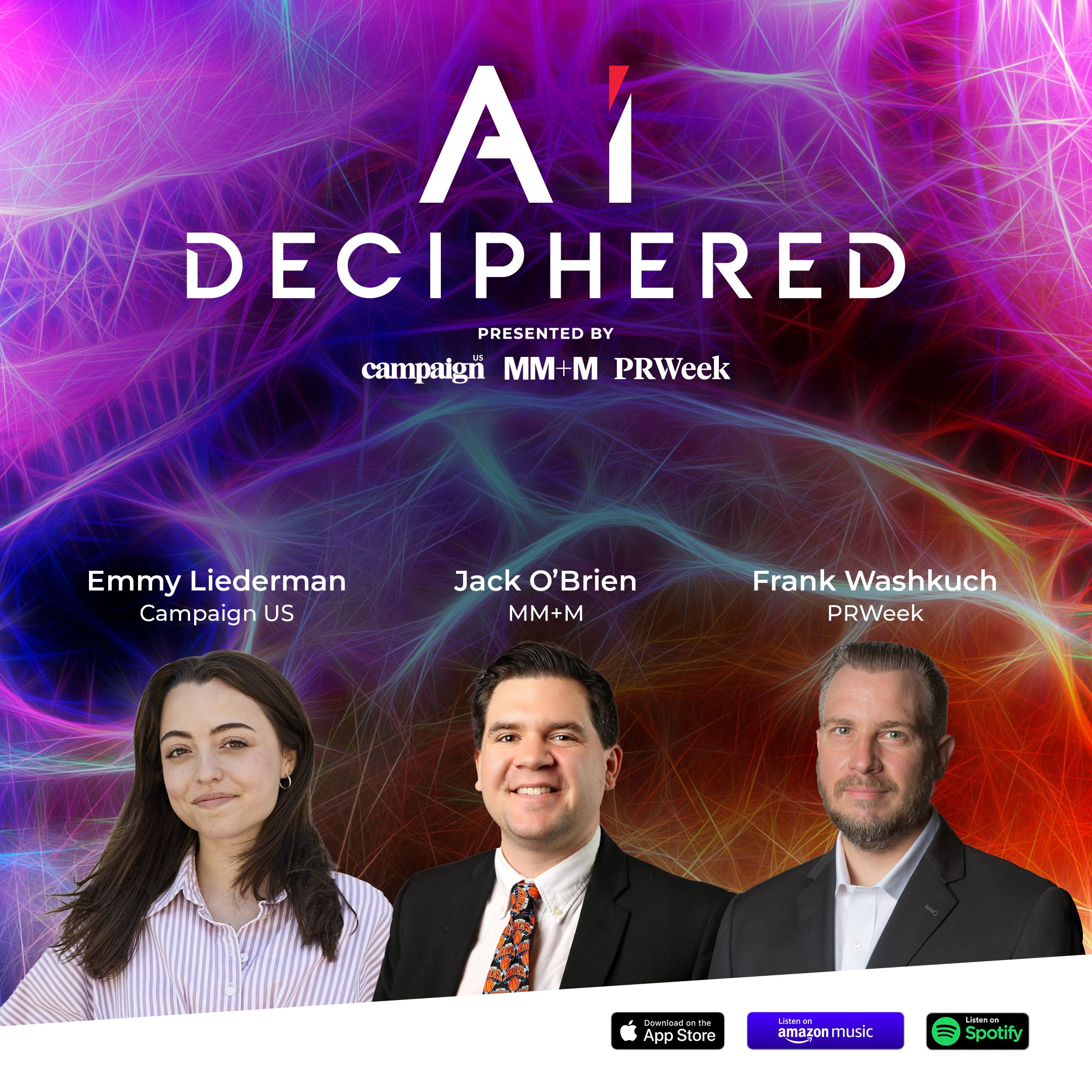
Preview of Haymarket Media’s third annual AI Deciphered conference (Nov 12, 2026, NYC) and how AI is changing brand marketing, PR/earned media, agency workflows, and healthcare communications.
Companies must explain what AI does/doesn’t do and avoid “AI solves everything” narratives. AI is becoming embedded in workflows (not a temporary bubble), and teams must be trained to work alongside AI agents. In PR, earned media and LLM “attention” depend on building authoritative, text-heavy digital properties (e.g., company sites, press releases, Reddit-like sources). In healthcare/pharma, AI will be part of the care journey, but legal/regulatory responsibility can’t be outsourced to AI.
“Ugly” text-heavy websites as LLM magnets; using LLMs for hyper-personalization; Reddit as an LLM magnet; Yahoo’s AI scaling approach.
Jack O’Brien (MM&M executive editor, host); Emmy Lederman (Campaign US managing editor); Frank Washcook (PR Week executive editor). Closing keynote mentioned: Matt Sanchez, CEO of Yahoo.
Written by AI. May contain mistakes.
Explore how companies need to improve AI communication and public expectations.
“By and large, companies need to explain better to the general public what AI does and what it doesn't do.”
Discussion on the evolution of AI topics in the conference over the years.
“I am Emmy Lederman, the managing editor of Campaign US.”
Frank outlines key topics for the PR Week track at the conference.
“So I would just say, first of all, you didn't ask me this, but I'm going to talk about it anyway.”
Emmy discusses how AI influences brand expectations and agency roles.
“We had in the earned media sector, in PR, people talked and agencies talked so much about having creative chops for the longest time.”
Discussion on how AI is reshaping consumer trust in healthcare.
“And I know that there's no silver bullet to any of this sort of stuff, but at least from the people that you've talked with and like, what is the resolution to that?”
Conversations on AI's ongoing integration and the healthcare industry's adaptation.
“So, yeah, no, it's something, too, where it's like if you think the stakes are just like that, imagine if it's here when it comes to your medications and your treatments.”
Explore how AI and digital solutions transformed healthcare delivery during COVID.
“So it is something that people need to get up to speed on, even if the business media news cycle is showing some panic about it.”
Discuss the evolution of digital communication and its cultural impact.
“A lot of money would be, I don't want to talk us into a recession here, but there would be a lot of money lost, right?”
Analyze the current state of AI within marketing agencies and its future.
“Can you just give us a little more on that?”
Clarify the misconceptions surrounding AI's capabilities for business leaders.
“when you ask them about that AI bubble and when I talked to John Wren about it and I just said, like, you're investing so much in these AI capabilities.”
Highlights of what to expect at the upcoming AI Deciphered conference.
“You're also going to hear from executives of companies who are having a great impact on how the LLMs function, in this case, Reddit, but across the board as well.”
The excitement of gathering diverse industries at the conference.
“And, you know, it's worth that awkward moment to try to get someone to sit in silence.”

Get the gist, explore an idea or ask about something said.
 Claude
On The PR Week, what are the key points of this episode?
Searching your listeningAutomatic transcript. May contain errors.
0:02Rob Gaige: By and large, companies need to explain better to the general public what AI does and what it doesn't do. And they need to get away from this narrative that it's going to solve all your problems and that it's going to be a super assistant for everybody all the time. That's just not true yet. We're taking an approach from two sides of the industry. One is just the brand side and then another is the agency side. So from the brand side, we're talking a lot about just this idea of hyper personalization and the ways that rely on AI changes what consumers expect from brands. So if they can go to ChatGPT or any type of LLM and get an extreme level of personalization from there, how does that impact the level of care that they expect from brands?
0:48Matt Sanchez: So a lot of our sessions are focused on, hey, AI is going to be an inextricable part of the care journey. And it just goes this ongoing digitization of health care. How is that going to matter to you if you're a brand and you're trying to get out there and say, dominate in a category or be a challenger brand or bring something to market?
1:13Matt Sanchez: This is not the refill by M &M. This is not the PR week. This is not campaign chemistry. This is something entirely different. different. And by that, it is the preview of the third annual AI Deciphered Conference held by Haymarket Media. I am Jack O 'Brien, the executive editor of MM &M, and I'm pleased to be joined by two of my colleagues from our sibling publications. Emmy, you want to lead us off there?
1:36Rob Gaige: Hello. Thanks for having me. I am Emmy Lederman, the managing editor of Campaign US.
1:41Matt Sanchez: And last but not least, Frank.
1:42Rob Gaige: Sibling publications. Sibling. That's terrific. Yeah, I'm Frank Washcook. I'm the executive editor of PR Week. Thank you for having me on. Thank you guys for being here. It's a joy to be here. Is calling it sister publications out of style now? I go sister publications.
1:55Matt Sanchez: I thought it was a more progressive way of referring to it. It can be sister, it can be brother, it can be whatever we want. I thought siblings were very good at y 'all.
2:04Rob Gaige: So including brother is now progressive.
2:06Matt Sanchez: It might be. It may not be. We're less than a minute in. I've already gotten myself into it.
2:11Rob Gaige: Well, I'm the only child of the group, so you guys can argue among yourselves. That's true. And I'll just sit here and laugh. Let's do it.
2:17Matt Sanchez: That is that's so classic PR week. Well, I so appreciate you guys coming on. We have our upcoming AI Deciphered conference, which is on Thursday, November 12th here in New York City. It's the third iteration. It's actually interesting because, Frank, you've been here for all of them. Yeah, all three. As I mentioned on last year's preview pod, I missed it because I was getting married. And so I was at my rehearsal dinner instead. Thank you. I'm always fishing for that, even years out. And Emmy, this is going to be your first AI Deciphered, which we're going to be able to get to because you have multiple roles across the day.
2:51Matt Sanchez: But Frank, I want to throw it over to you because you've been here throughout the entirety of this programming that we've had. What can we expect, at least as it relates to the PR Week track? Totally.
3:01Rob Gaige: So I would just say, first of all, you didn't ask me this, but I'm going to talk about it anyway. So the three years we've had it, we have totally seen the main topics of this conference go from early adoption to experimentation to now people bringing it into workflows. That's a really pivotal point to be in because people have to get this right when they do it. They have to do it in a way that works well with their staff, with their employees. So critical time for this to be happening. From the PR Week track, we have, so first of all, if you're one of the people wondering about how earned media is changing because of LLMs and because of AI, the Q &A we have with the top executive at Reddit is going to be fantastic.
3:45Rob Gaige: It is going to talk about how a social media site with the depth and the scale of Reddit is, how it became such a magnet for the LLMs and why it's important to be knowledgeable about the things that are happening on. as well as the other different types of websites that are attractive to LLMs. In a lot of cases, those are company websites. They're press releases. They are sites that the LLMs consider to have authority. And so I think the PR Week audience is in an era where earned media is very important for attracting the LLM attention. They're looking at the LLMs as an audience in and of themselves.
4:24Rob Gaige: They're, in many cases, building websites that are kind of ugly. that are text heavy, that are just magnets for these different platforms. And that can be owned and that can be earned media, it can even be press releases. So we're going to have a lot of info about that and more. And I'm hosting a panel about legal issues that have to do with AI. And this is a really fascinating in-depth area. And I think a lot of people have a lot of questions about it.
4:51Matt Sanchez: I appreciate you kind of outlining multiple aspects of the PR week track. And again, And for any of the people that are interested in attending, we'll have the link in our show notes for$100 off ticket. But the thing you bring up there is like there's multiple ways to look at how AI is impacting the PR industry. And I think that's really key there, even including those ugly websites you talk about. It doesn't have to be these. Ugly websites, right? They don't have to be these grandiose things. Yeah.
5:15Rob Gaige: And it's crazy how the pendulum swifts back and forth, right? We had in the earned media sector, in PR, people talked and agencies talked so much about having creative chops for the longest time. And now it turns out that digital properties they're building tend to be very text heavy, tend to be, you know, not very creatively made. So it's a totally different time in terms of the digital properties they're building. They might be doing both at the same time. They might be building a website that is attractive for the consumer to look at, while also building an element of it that is very specifically focused on the LLMs.
5:53Matt Sanchez: And we know that, at least from our side of the business, pharma companies, let alone the brands that they have, are doing the exact same thing as they want to be when you go and say, I have the sniffles, and you go to Claude or ChachiBT, you're going to get recommended in that space. So it's very interesting to hear you talk about it from that lens. Emmy, we were talking a little bit off mic about how differently our audience look at AI and what they're all expecting to use it for and what the future is and everything. How is Campaign's various tracks tackling that in terms of the programming and stuff?
6:21Rob Gaige: Yeah, so I think we're taking an approach from two sides of the industry. One is just the brand side and then another is the agency side. So from the brand side, we're talking a lot about just this idea of hyper personalization and the ways that rely on AI changes what consumers expect from brands. So if they can go to ChatGPT or any type of LLM and get an extreme level of personalization from there, how does that impact like the level of care that they expect from brands? So I think there's going to be a lot of helpful content there in terms of how brands can actually create their digital presence and iterate on campaigns.
7:03Rob Gaige: Then also just this burning question of if there's so much that brands can now do in-house, what is actually the value of hiring an agency? And traditionally, it's been about just hours of work that agencies have put into campaigns, but naturally, AI is about speeding up processes. So it's sort of creating this tension in the industry. So I think that's something that we're going to be addressing.
7:27Matt Sanchez: And I know that there's no silver bullet to any of this sort of stuff, but at least from the people that you've talked with and like, what is the resolution to that? Because it's not like you can fully get rid of these agency partners that you have that you rely on for so many different capabilities, but AI does have to be blended in a certain way. Like how do you, how do you balance those, I guess?
7:44Rob Gaige: Yeah. Yeah. I think just relying on subject matter expertise and I think training people to be subject matter experts in multiple areas, opposed to just one discipline is a way to just invest in talent and make sure that people can work alongside these AI agents and still show their value. And I think just just sort of transitioning people into roles where they're not as operational, But really, really showing their understanding of the industry and also adding a new product line for agencies where they're actually helping those agencies use in-house AI tools effectively. So it's like you're not just helping them with with campaigns or anything that's on the consumer facing side, but helping them internally with with how they're implementing AI.
8:36Rob Gaige: And then also to what Frank was saying, like how they're showing up in LLMs and just navigating GEO.
8:42Matt Sanchez: Which I'll take as a perfect segue over to what the MMM track is going to be primarily focused on, which is you guys are talking about it in the way that your various industries focus on getting their products and services out there. I mean, for us, it's medications, it's treatments, it's being able to provide care to people. And, you know, I was half joking when it was like, oh, when you get the sniffles, it's like you go and say, what should I be on? But like so many people are doing that. You can look at any number of surveys. So a lot of our sessions are focused on, hey, AI is going to be an inextricable part of the care journey.
9:13Matt Sanchez: And it just goes to this ongoing digitization of health care. How is that going to matter to you if you're a brand and you're trying to get out there and, say, dominate in a category or be a challenger brand or bring something to market? There's obviously been so much focus on drug development, which there will be a couple of sessions and conversations about that. But like ours is so if people are going online, they're trying to figure out how to get the most accessible, effective, cost conscious, I guess you can say care. How do you position yourself in the AI matrix of it all? And so is it the sexiest thing?
9:46Matt Sanchez: No, but it's definitely a key part of the AI conversation.
9:49Rob Gaige: But it is interesting because consumers have so much trust in AI for when it comes to like the probably most important thing that they're purchasing, which is like health care related products or just getting recommendations in that field. Like, do you feel like the industry is keeping pace with that, given that it's typically pretty conservative? Sorry, I know this is your interview.
10:10Matt Sanchez: No, no, no. And I appreciate that because it's weird to just be interviewing your co-workers. But no, I've been covering healthcare for almost 10 years now from hospitals and now covering over to pharma and biotech. And I don't think the industry has ever been on the cutting edge of this stuff. I see the stuff that you guys cover and I'm like, damn, pharma's going to catch up to that in three or four years. And it's going to be so cool for them. But it's so highly regulated. And that's the excuse. But these are also the people that are like, you see any of these big pharma brand campaigns, we're the dreamers, we're the innovators.
10:41Matt Sanchez: And then it's like, oh, but the FDA has rules. And they're like, oh, darn. And it's like, oh, you can't have it both ways. Yeah.
10:47Rob Gaige: And that's actually something we're going to be talking about on my panel, which is that I think, you know, to your point about the excuse making, legally, agencies and in-house teams, they're not going to be able to come back and say like, well, the AI made me do it or the AI gave me this answer or it created this creative component for a campaign. Like they're actually going to have to take responsibility for these things.
11:10Matt Sanchez: So, yeah, no, it's something, too, where it's like if you think the stakes are just like that, imagine if it's here when it comes to your medications and your treatments. And I don't I don't need to belabor that point too much. I mean, I want to go back to you because you have the closing keynote and that's with the guy from Yahoo. Am I correct?
11:28Rob Gaige: Yes. Matt Sanchez, who is the CEO of Yahoo.
11:32Matt Sanchez: I know you have you already had the prep call for that at the time of this. I'm curious because we have Reddit, who was just at our media summit, and they've obviously been so intrinsically linked to the AI conversation. It is kind of interesting to see Yahoo, where it's kind of a similar trajectory to Reddit, where it was super hot for a while, and then it gets overshadowed by these other forces in tech. And now it's a pretty ascendant force when it comes to AI.
11:55Rob Gaige: Yeah. And I think it'll be interesting when I talk to Matt at Yahoo, because I think talking to tech companies in general about AI, I think what they would have said about it a year ago is probably different than what they would say today. And there is just this like FOMO race that I think exists across all categories, but is especially true when it comes to like being at a tech company and wanting to implement it. And I think there's a lot of like copycat stuff happening with AI among tech companies. And right now it's really about like, what do we still do that AI doesn't do? How do we use AI in a way that's different?
12:34Rob Gaige: And also, how do we scale it effectively? Like I think with Yahoo, it's about still having those high quality products and making sure that you can see it at a scale.
12:47Matt Sanchez: And it's one of those things too, where it's like everybody's hands are in their various cookie jars too. It's like you have Amazon working with videos, working with it's like the whole Magnificent Seven is all fully invested there. And I'm curious if he's going to be able to offer some points from Yahoo's perspective. But Frank, kind of bouncing off of that, I want to ask you a question because you have seen the evolution of this conversation over the years. And this year, more than any, has been the kind of existential, what's this going to look like? What do you make of that kind of evolution in the narrative there?
13:16Rob Gaige: Yeah, it's interesting, right? Because if you follow the business news, there's a lot of speculation about are we in an AI bubble right now? And you just mentioned a lot of these companies investing in other components of the AI ecosystem. That's all true. But the AI technology that exists right now is going to continue to be out there. If you think about the way it's built into existing products right now and is going to continue to be built into products for the next six months to a year, these things are going to continue to exist, even if there is a bubble burst. So people are going to have to build this into their skill set.
13:49Rob Gaige: They're still going to have to get used to using these products, even if they're not right now. And their managers and their companies are going to expect them to be able to competently use them. So it is something that people need to get up to speed on, even if the business media news cycle is showing some panic about it.
14:10Matt Sanchez: And I can only catch that from our perspective on the healthcare side. Like I think about when COVID hit and there was at one point that about 80 to 90 % of all the care that was being delivered in America was done through by digital means. It was people doing those telehealth appointments because he couldn't go outside. He couldn't go to the hospital or anything like that. And I remember talking with hospital leaders at the time being like, oh, we're never going to have the same brick and mortar institutional strength that we did. And it's like, well, there was some drop off, but still most of the care in the discussion is delivered that way.
14:38Matt Sanchez: And I think it's the same way where it's like, if you have that burst, there's still going to be AI that's out.
14:42Rob Gaige: A lot of money would be, I don't want to talk us into a recession here, but there would be a lot of money lost, right? But if you think about the original, like, if you think about the original internet bubble, okay, yeah, a lot of the companies didn't make it after a number of years, but it's not like you stopped using digital or internet products. Like AOL may not be around anymore, but there are - I still have an AOL email.
15:06Matt Sanchez: Do you really? It was my first one. I was - Rainmanjack at AOL.com. You can send an email there. It will go nowhere.
15:12Rob Gaige: This is a topic for a different podcast, but I think AOL Instant Messenger in the late 90s and early aughts was the peak of human communication. Can you just give us a little more on that? Yeah. If you said something funny and you got in a friends away message, you would made it for the weekend. You know, you were on top of the world. Anyway, but you look, everything we do is digital. We don't even talk about digital media anymore because it's so built into every campaign, every single little thing we cover. We used to have to single out like what's the digital element of it. Everything is the digital element now.
15:46Rob Gaige: Everything is going to include AI in the future to some degree.
15:49Matt Sanchez: I'm curious, Emmy, too, like with us having these various tracks, like we can only come at it from what we hear from the folks in our audience. What have the recent conversations been like with people in campaigns area in terms of how they're feeling about AI? Is it good, bad, somewhere in the middle? Like what's it like?
16:07Rob Gaige: Yeah, I think a lot of people are admitting that they went wrong in the beginning when it came to AI, especially agencies. I just moderated a like 2027 Outlook conversation with the four A's and a lot of it was about like, where do we go from here with with AI and agencies? and I think a lot of people were like we actually got rid of certain departments and trimmed head count in a way that we we shouldn't have and I think there's a bit of a reckoning point right now where it's like not about having fewer people it's about training them in different ways and there's a lot of like cliches that you hear about AI like the whole AI could never replace human creativity I think we've all heard a million times and I'm hoping at this conference we can dig a little deeper and actually get people to show like what do you mean by that and how are you proving that like what are how is AI freeing up time for people on your team to do other things
17:03Matt Sanchez: that you consider creative well it's interesting too like you just had the interview with John Ren from Omnicom and it's one of those things where it's like creativity is obviously viewed in a different light as part of the new Omnicom and AI is viewed in a different light like there's all these especially when you look at the holding companies publicist is the same way where it's like how they're prioritizing kind of in this weird binary of one against the other. That's something that's not lost in the broader AdLan sphere, too.
17:29Rob Gaige: Yeah. And it sort of feels like some some of the the major like holding companies or just big agencies in general, when you ask them about that AI bubble and when I talked to John Wren about it and I just said, like, you're investing so much in these AI capabilities. Like, do you foresee a future where where that reaches like an end point? and you struggle there. And they seem to think that like the press and basically the public in general caught on to the AI thing like a lot later and they've always been doing it in the background. So I think people don't necessarily, depending on the person, buy into the whole AI bubble thing or at least like don't want to admit that they do publicly, which I think makes it the conversation a bit harder sometimes.
18:14Rob Gaige: Yeah. It's a great B2B topic. It's a really tough B2C topic because by and large, by and large, companies need to explain better to the general public what AI does and what it doesn't do. And they need to get away from this narrative that it's going to solve all your problems and that it's going to be a super assistant for everybody all the time. That's just not true yet. Right. But you need it's still very useful for a lot of different things. And I think, you know, I mean, what you mentioned, a lot of agencies made that same mistake, too.
18:46Matt Sanchez: I think that's a critical point that you bring up there. I want to be able to kind of bring this home for our audience, too. And Frank, I'll let you lead us off here because you've been for every iteration of AI Deciphered. If I'm a marketing leader and I'm on the fence, I get all these opportunities to go to different conferences and thought leadership events and stuff. Why do I have to go to AI Deciphered? What's the elevator pitch for?
19:09Rob Gaige: You are absolutely going to find out things that are going to help you do your job better and your team's job better by going to this conference. In the case of one of our panels, you are going to have a better understanding of the legal implications of what you should do and what you shouldn't do, whether that's media monitoring, measurement, creating a campaign, all of the above. You're also going to hear from executives of companies who are having a great impact on how the LLMs function, in this case, Reddit, but across the board as well. And you are going to have a better understanding of this technology and how it works, and you will be able to plan strategy better.
19:52Matt Sanchez: That's pretty convincing right there. I don't even work for PR Week, but that's very convincing. Emmy, going into your first AI Decipher, what is the thing outside of your own responsibilities of moderating these different conversations and campaigns track? What are you most excited for in terms of getting to experience it for the first time?
20:09Rob Gaige: Yeah, I think the idea of having one topic that has so many different use cases across our three brands, but they all kind of have a similar undertone. Like we can all talk about GEO and honestly spend the entire day doing that. We could all probably spend the entire day talking about like social search and how AI has impacted the consumer experience on social. I think there is like just so much overlap, but also there's a way to get like really niche into a topic within AI. And I think because we have like such a diverse agenda, we'll be able to do that. And I'm also hoping that we move away from some of those cliches that I mentioned about like human creativity and get people to give specific examples of what they're doing, which is always what I try to do as a moderator.
20:59Matt Sanchez: And at times again, feel like pulling teeth or something where it's like, please just give me a specific.
21:04Rob Gaige: Yeah. And, you know, it's worth that awkward moment to try to get someone to sit in silence. It's something that's I've had to learn over time. I'm not always the best at. But, yeah, pushing back on people. I stare at them awkwardly. you should give a talk on that
21:19Matt Sanchez: we should do a whole panel on it next year next year is AI Deciphered it kind of leads me to what I enjoyed last year being AI Deciphered and what I do look forward to because we all do our own events I got to speak at a campaign event earlier this year, I've gone to PR events there are times where it's like oh we kind of make cameo appearances if this is like the Marvel cinematic universe of Haymarket Brats
21:39Rob Gaige: we're not always invited which is worth mentioning
21:42Matt Sanchez: Jameson if you're listening and I know you are rectify that. But the thing I really get excited about too is like, I think about it where it's like, and I'm sure you guys have this even in your personal life is like when you have like one friend group and then you have another and it's like bringing them together. It's dangerous. It's kind of dangerous sometimes, but like when you, when I'm bringing like pharma leaders in and like they're in the same room as people from like Ford or Procter and Gamble or stuff like that and being able to say like, here's how they're doing it. Like there's a whole, you think that like your little ecosystem is the most important thing in the world, but like here or all these other things to consider and work with, I always find that to be very invigorating.
22:16Matt Sanchez: And I love seeing you guys on stage. I love seeing you guys actually get to moderate and do this sort of stuff.
22:20Rob Gaige: Yeah, and this is an area where you should cross the streams.
22:24Matt Sanchez: Yeah, absolutely. Yeah. Yeah. It's my Ghostbusters reference. I know. For anybody in the audience, it might be after Halloween, but we still got something when it comes to that. Any final thoughts before I put out the magical promo code that is in our show notes if you didn't listen this far?
22:38Rob Gaige: What are your thoughts in general about mixing friend groups?
22:42Matt Sanchez: I'm very positive on that because I like to think that I'm consistent across that. I would hate that if one friend group is like, wow, Jack acts like that instead of with me. I'm like, yeah, I'm like, you get the same version of me, so you should all get along.
22:55Rob Gaige: So you have to have like a consistent brand and that keeps you honest.
22:58Matt Sanchez: I try to, you know, and that was even before I got in this line of work. I've always just met it out, consistent brand promotion. I think that's probably the best place that we can wrap up this conversation. Emmy and Frank, I want to thank you both again for being here, talking to all things AI Deciphered. I am over the moon about it. And for the sake of our marketing team, I'm going to reiterate in no uncertain terms the sign-off that they gave to me, which is that AI Deciphered, third annual one, hosted by Haymarket Media, will be on Thursday, November 12, 2026. That convene 117 West 46th Street in New York City.
23:33Matt Sanchez: and for those of you who are listening that are on the fence, may I present you an offer code. The code is POD100 for$100 off is available in the show notes. We have a link there. Thank you both again. Thank you, the listener, and we will see you on Thursday, November 12th in New York City.
24:28Rob Gaige: MMM Transform.
24:32Rob Gaige: dot com
On Thursday, November 12, three Haymarket Media publications — PRWeek, Campaign and MM+M — are reuniting for a daylong conference focused on all things AI. Attendees will receive incisive analysis and predictions about a topic that dominates the headlines and has businesses around the world future-proofing their operations.
The opening keynote will feature Rob Gaige, the global head of insights at Reddit, and the closing keynote speaker will be Matt Sanchez, president and COO of Yahoo. From 11 a.m. to 3:35 p.m., all sessions will be on individual tracks specifically designed for Campaign, MM+M and PRWeek’s audiences.
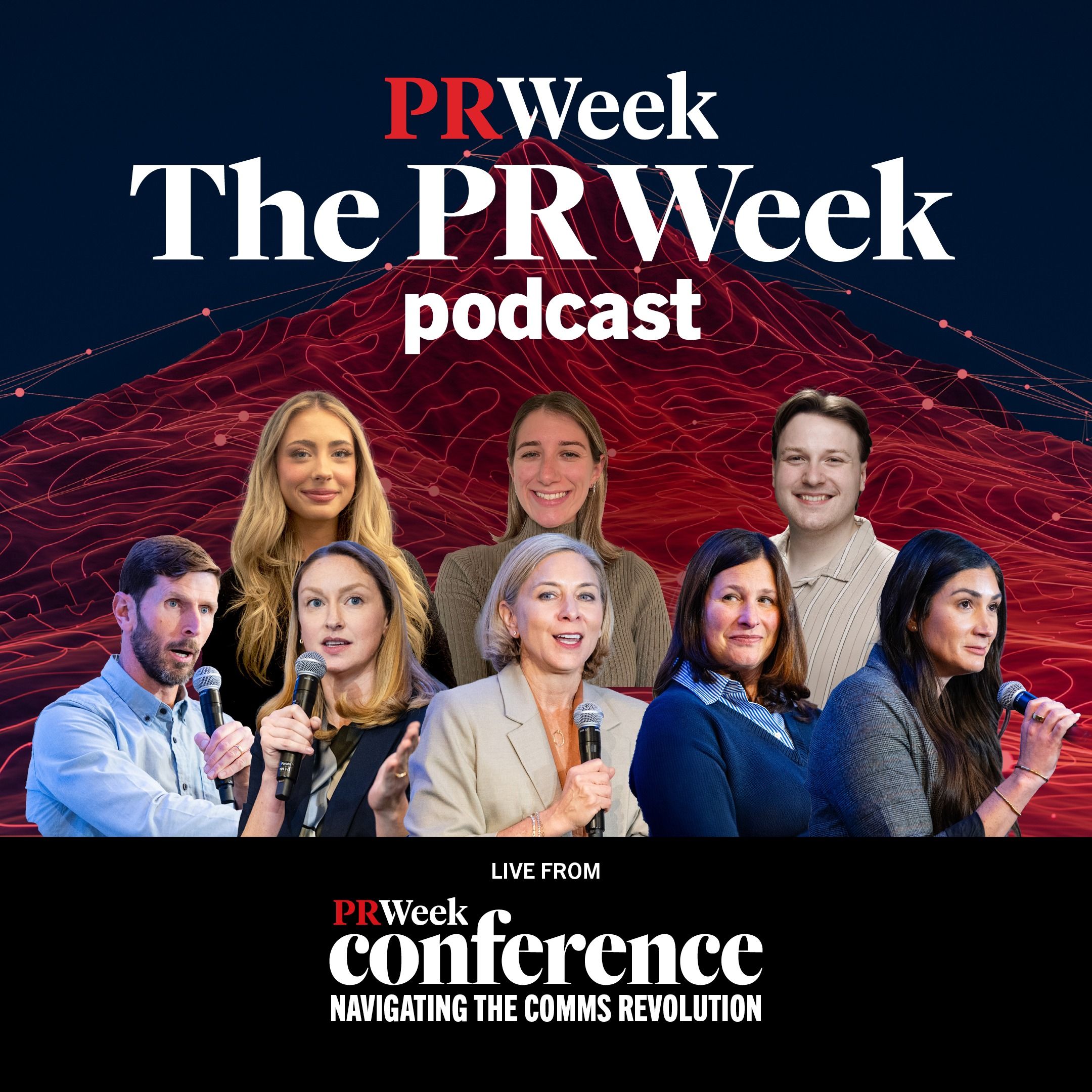
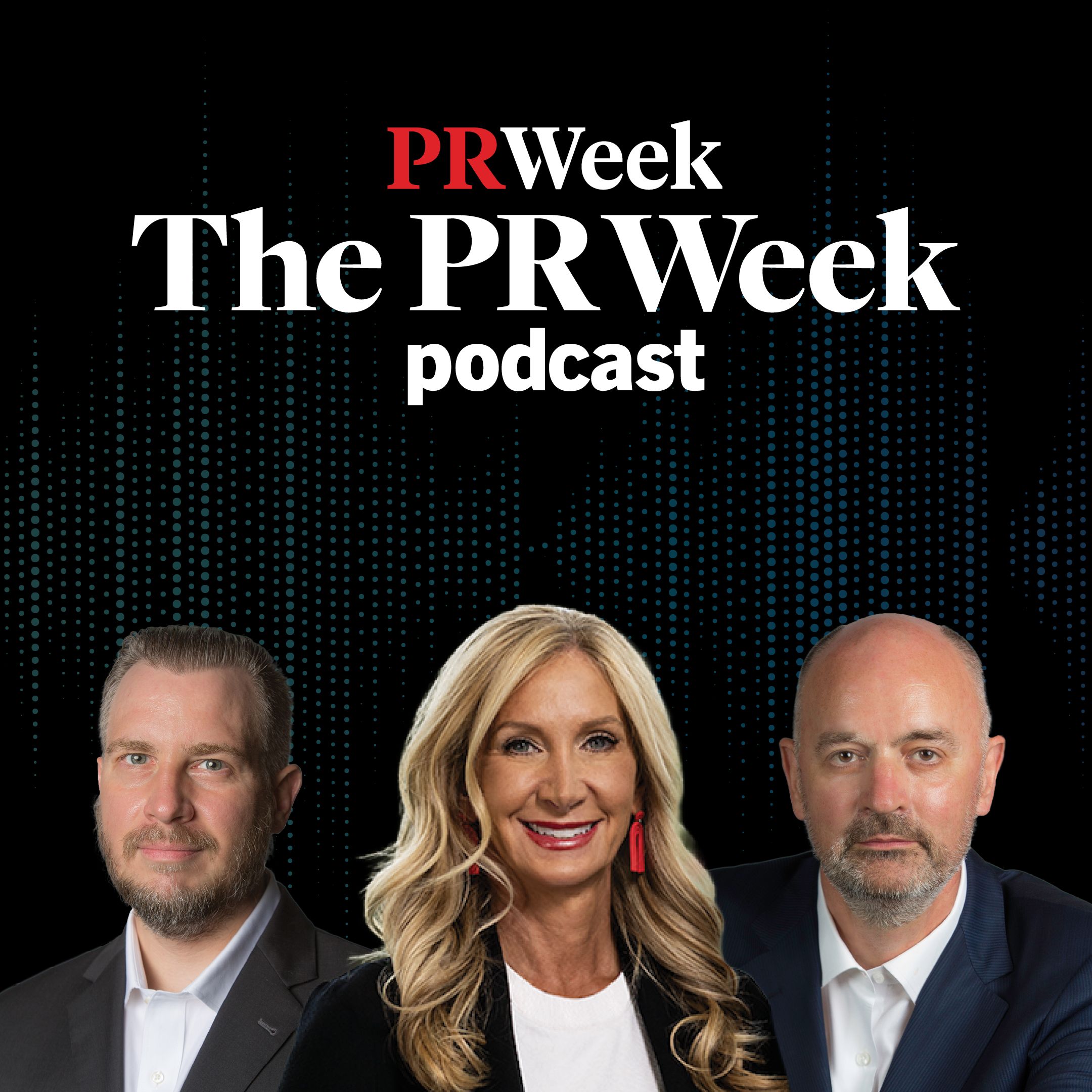
To preview the third annual AI Deciphered conference are three editorial leads from Haymarket Media: PRWeek executive editor Frank Washkuch, Campaign managing editor Emmy Liederman and MM+M executive editor Jack O’Brien.
Register here for tickets to the 2026 AI Deciphered conference and use promo code: POD100 for $100 off.
On November 12th, join hundreds of top marketers in New York City for AI Deciphered, presented by Campaign, MM+M, and PRWeek. Get your ticket here
Theme music provided by TRIPLE SCOOP MUSIC
Jaymes - First One
Follow us: @PRWeekUS
Hosted by Simplecast, an AdsWizz company. See pcm.adswizz.com for information about our collection and use of personal data for advertising.