In short
Podcast Episode Notes: Alan Menken on "This Cultural Life"
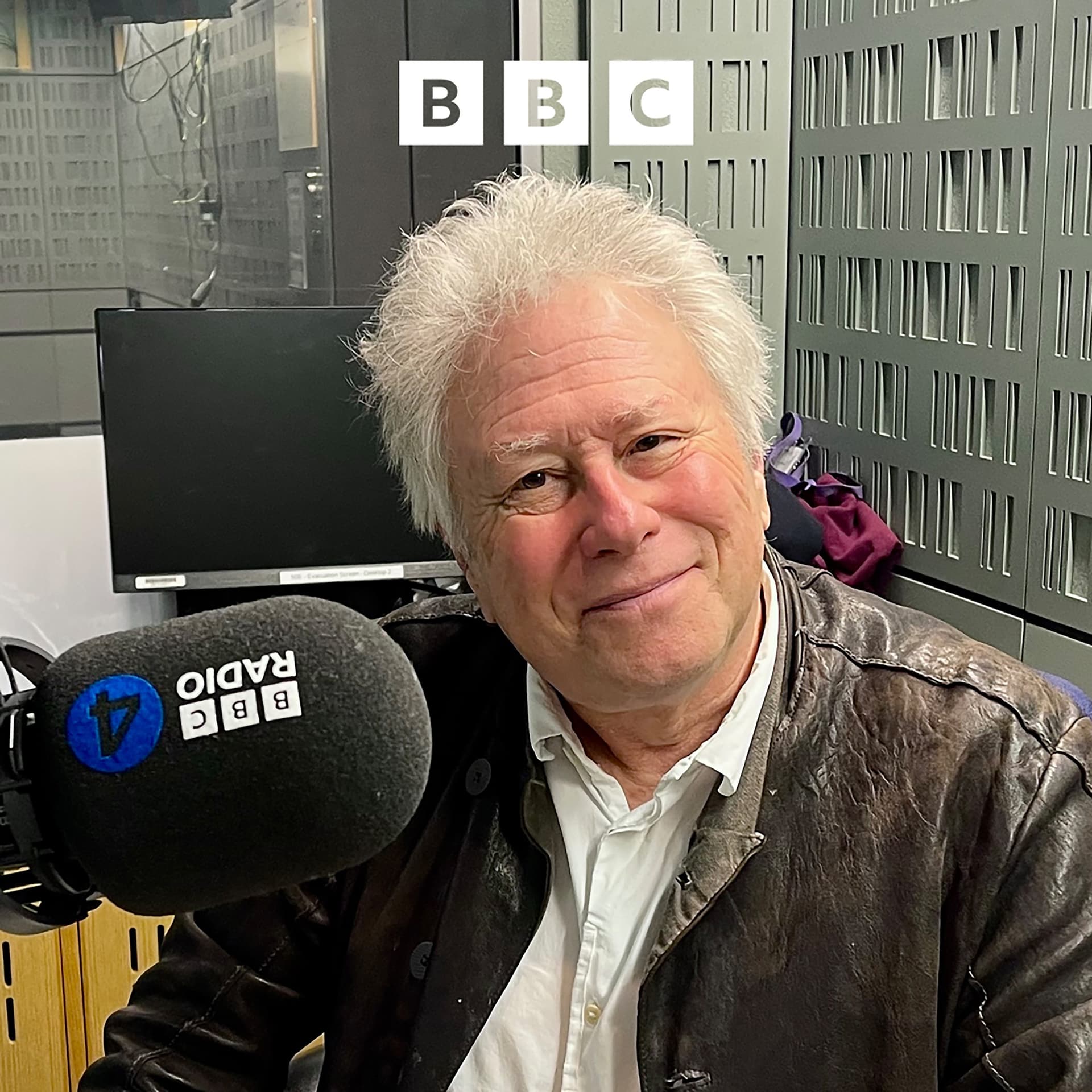
Episode Overview Host: John Wilson Guest: Alan Menken - Renowned composer known for his work on various Disney animated films and musicals.
Key Achievements
- More Academy Awards in competitive categories than any other living person.
- Notable works include scores for *The Little Mermaid*, *Aladdin*, *Beauty and the Beast*, and *Pocahontas*.
- Winner of 8 Academy Awards, 11 Grammys, 7 Golden Globes, 2 Emmys, and a Tony Award.
Childhood and Early Influences
- Background: Born in 1949 in Manhattan to a family of dentists.
- Musical Talent: Showed musical talent from a young age, influenced by family expectations to pursue dentistry.
- Key Moment: Watching *Fantasia* sparked an interest in combining music with visual storytelling.
Family Influence
- Father: Dentist and pioneer in nitrous oxide use, which humorously inspired the character of the sadistic dentist in *Little Shop of Horrors*.
- Mother: Actress and writer who studied with Sanford Meisner, contributing to Alan's artistic environment.
Education and Musical Development
- Enrolled as a pre-med student at NYU, but focused on music and songwriting during college, particularly in the late 1960s counterculture era.
- Joined Lehman Engel's BMI Musical Theatre Workshop, where he learned the fundamentals of writing for the stage, leading to his partnership with Howard Ashman.
Partnership with Howard Ashman
- Collaboration Beginnings: Met in 1978; initially worked on the musical adaptation of *God Bless You, Mr. Rosewater*.
- Notable Works Together: They created *Little Shop of Horrors*, *The Little Mermaid*, *Beauty and the Beast*, and *Aladdin*.
- Impact of Ashman's Illness: Howard was diagnosed with HIV in 1988 and struggled with his health while producing successful works, informing the depth and emotionality of their collaborations.
Creative Process and Musical Style
- Menken discusses his process of writing music first or lyrics first, adapting to the style of the story.
- He emphasizes his desire to create music that serves the narrative rather than adhering to a personal signature sound.
Notable Songs and Scores
- Little Shop of Horrors: Utilized 1960s rock influences, reflecting the comedic yet dark themes of the story.
- Disney Renaissance: *The Little Mermaid* marked a revival for Disney, showcasing a blend of modern influences and classic storytelling.
- Songs like "Under the Sea" and "Beauty and the Beast" interweave contemporary themes with timeless narratives.
Reflections and Legacy
- Menken reflects on the emotional weight of working with Ashman and the pressure of their success during the AIDS crisis.
- He acknowledges the ongoing influence of Ashman on his work and the way their partnership shaped the musical landscape of the time.
Future Projects
- Menken is actively working on adaptations like *Hercules*, *Animal Farm*, and a live-action version of *Tangled*.
- He expresses enthusiasm for the creative process and the unexpected developments that arise when composing new music.
Conclusion
- Menken's legacy as a composer is characterized by his ability to blend storytelling with music, his collaborations with significant artists, and his resilience through personal and professional challenges.
- His work continues to resonate with audiences and inspire new generations of musicians and storytellers.
---
Additional Notes
- Producer: Edwina Pitman
- Release Information: This episode of *This Cultural Life* is part of a series that showcases discussions with influential artistic figures about their inspirations and creative journeys.
Written by AI. May contain mistakes. Listen to the episode to check what was said.
Transcript
Automatic transcript. May contain errors.0:00Hello, I'm John Wilson. You're about to listen to This Cultural Life. Episodes are released weekly, wherever you get your podcasts. But if you're in the UK, you can listen to the latest episode first on BBC Sounds, seven days earlier than anywhere else. Do subscribe to This Cultural Life on BBC Sounds and make sure you have push notifications turned on and we'll let you know as soon as new episodes are available.
0:31Hello and welcome to This Cultural Life, the series in which some of the world's leading artistic figures discuss the most important influences and experiences that have inspired their own creativity. I'm John Wilson, and my guest in this episode is the film and theatre composer Alan Menken, the winner of more Academy Awards in competitive categories than any other living person. He's best known for his scores for the animated Disney films The Little Mermaid, Pocahontas, Aladdin and Beauty and the Beast. We'll feel as old as time. Tune as old as song. A whole new world. A dazzling place I never knew.
1:14Under the sea. Under the sea. Can you paint with all the colours of the... We are guests, we are guests. I'm a man who's on the west of the... His first big hit was the musical Little Shop of Horrors, one of several he created with lyricist Howard Ashman, his long-time writing partner. Other stage musicals include Sister Act, The Hunchback of Notre Dame and Hercules, which recently opened in London. Alan Menken has also won 11 Grammys, 7 Golden Globes, 2 Emmys and a Tony Award. Alan Menken, welcome to This Cultural Life. Thank you. We have a keyboard in the studio. for you today. I'm sorry to say it's not the BBC's grand piano.
2:01It's perfectly fine. It works. Do you play every day? Most days. I think so, yeah. One of my theories about people and what they do with their lives is the thing that you like to do every day is pretty much what you're going to do with your life. So you don't regard it as sitting down and going to work when you're at the keyboard. This is work and pleasure. It is work, but it's always a mystery what's going to develop. You were born in 1949 in Manhattan. What did your parents do? All the men in my family were dentists. My father was a dentist. His brother was a dentist. His father was a... Actually, his brother was an orthodontist, excuse me.
2:35His father was a dentist. My mother's sister's husband was a dentist. Family's lousy with dentists. Interestingly enough, based on Little Shop of ours, my dad was also a pioneer in the use of nitrous oxide. And when I wrote Little Shop, he was actually president of the New York chapter of the American Analgesia Society of dentists that promote the use of nitrous oxide, laughing gas, as safe. And, of course, Howard and I thought it would be hilarious to have our dentist laugh themselves to death on nitrous oxide. We should just explain the subplot of Little Shop of Horrors, which features this malevolent dentist.
3:10We adapted the Roger Corman movie Little Shop of Horrors as a musical. You'll be a death pentest. You'll be a dentist. You'll have a talent for causing things pain. Some be a dentist. People will pay you to be inhumane. We said, you know, we have this sadistic dentist, but maybe he likes to give himself laughing gas when he's inflicting the pain on Seymour. I'm going to want some gas for this. Thank God. I thought you weren't going to use any. Oh, the gas isn't for you, Seymour. It's for me. But the mask gets stuck and he laughs himself to death. But what did your father himself make of seeing his profession portrayed in such a sort of sadistic, malevolent way?
3:58Well, at first he was like, what is this? But, you know, the show is a comedy and farce. And after it opened and it became a big hit, his colleagues would come and say, hey, Normie, how's our show doing? So they got a big kick out of it. Did he play music as well? Was he musical? He played sort of boogie-woogie at the piano. At home just for fun? At home just for fun, yeah. Was he a good pianist? He loved boogie? No, no, he pounded. He was playing... Up the lazy river. Now, he would just be pounding the piano. But he loved the American songbook, and he would, you know, sort of fump his way through.
4:35And he loved it. Wasn't your mother a performer as well? My mother was an actress and a writer. She gave most of that up to be a mother, but she actually studied with Samford Meisner as an actress. She wrote some, but most of it was confined to things close to home. So you grew up in New York and in the suburbs, I believe. Yes. But you were a 1960s teenager. How important was rock and roll to you? Oh, everything. It was everything. You know, the Beatles coming out, Bob Dylan, the Rolling Stones. Those were my touchstones at a certain point. Were they songwriting role models for you at a young age?
5:16Yes, they were. But at that age, they were mostly societal models because the girls liked them. And we wanted the girls to like us. But yes, of course, we emulated writing like the Beatles or writing like Bob Dylan or writing like the Stones. But I also grew up with a pretty rich background in classical music and in Broadway. So I would sometimes fold those elements in. It really wasn't until later on that I began to integrate all of that into what's now my current style.
5:53On This Cultural Life, Alan Menken, my guests, choose the most significant influences that have inspired their own creativity. And your first choice is Disney's Fantasia film. What age were you when you saw it? Where did you see it? I had to have seen it in a movie theatre because that's the only place you could see it at the time. It was done before it was born, like many of the films, but they would perennially be re-released. It was made in 1940, I think, wasn't it? Exactly. But all those films would get re-released and you'd have an opportunity to see them. What you're going to see are the designs and pictures and stories that music inspired in the minds and imaginations of a group of artists.
6:36In other words, these are not going to be the interpretations of trained musicians, which I think is all of the good. It's a portmanteau film with several story segments by different animators, all set to famous pieces of classical music. Was the one particular section that you particularly loved? I think I particularly loved Beethoven's pastoral section.
7:17Oh, so beautiful. Oh, my God.
7:27Having seen Fantasia, any time I heard classical music, I always had to wed it to some kind of an image, some kind of a story that the music reflected. And so my brain kind of just married music to specifics, started with Fantasia. And were you learning piano at this time as well? I was having piano lessons, and I hated to practice. I had to read those notes. How pesky is that? I had to sit there and learn a Beethoven's... Oh, my God, I'm looking at it. I'm trying to sight-read through something, and I go, oh, I just get bored. and I just started playing the piano and my parents said, oh, look, Alan's practising for an hour.
8:12Isn't that wonderful? But in fact, you were composing. Yeah. Even if you didn't know it, that's what you were doing. I was just playing, yeah. And my piano teacher said, Alan, what's he doing? He's not learning the pieces. He's playing beautifully for an hour. And of course, I had to fess up. He said, okay, I think you have to learn some pieces, but we can also encourage him to compose. So I reluctantly learned some pieces, which actually came in handy later because out of college, I didn't know how I was going to make a living. And I used what I learned in my piano lessons to accompany ballet and dance classes.
8:49And with dance, I would more improvise, obviously, but with ballet, I would use specific pieces. I developed a really good feel for that. And that was a very early way I made a living. What were you like at high school? I like in high school. Yeah, what were you like in high school? What sort of student were you? Well, oh, terrible. I had a peptic ulcer in high school. I developed a peptic ulcer pretty young. And I think part of that was feeling the pressure that, you know, my father was really concerned about me. I did not get great grades, particularly. I didn't like to do homework. I just wanted to play piano.
9:24I saw myself as, I guess I'm just a loser, a dreamer. Where's my life going? And eventually, you know, this roiling just gave me little peptic ulcer which lasted through high school. You got a peptic ulcer because of the worry of what you're going to do in life and because the expectation was that you would be a dentist and you wanted to be a composer. I mean isn't it right that you enrolled as a pre-med student at New York University? Yes I got into NYU as a pre-med. So you were on that path to become a dentist? Well I would say I faked being on that path to become a dentist. I somehow Now, I got into NYU, which was very nice.
10:01They were probably kind to let me in. When I got into college, it was 1967. That was my first year in college. Now, we all know what we were like in the late 60s. And it was not about studying. It was basically about growing our hair and smoking pot. Most of what I did in college was I just escaped to the piano practice room to just wrote song after song after song. I loved that period. It was a very exciting period to be young and feel empowered. Well, musically, culturally, but also politically, a really, if you're there arriving in 67, 68, 69, the end of the 60s... The Vietnam War. Vietnam's going on, but also domestically, the politics are incredibly violent as well.
10:43So did you feel yourself very much part of the counterculture? Yes, I felt like part of the counterculture, but it was more peer pressure that drew me into that, and my sensibility as a person. The truth is I was mostly interested in creating songs and playing in bands. And, you know, I believe you have a dharma pretty much as a person. You know, this is built into me. Being a composer is just cemented into my being from birth. My guts would not allow me to just abandon that ever. But it's interesting the way you've described your musical passions because you love the Beatles and the Stones and Dylan.
11:22And you're working in a way as a singer songwriter. but also this interest in composing as well. Did you feel sort of competing forces? Well, there's also, by the way, okay, go from them. Think about Elton John's first album. That was really pivotal, what he did on that. That combination of rock and gospel, but also such strong classical influences in there. Just let me wake up in the morning To the smell of newborn hay To laugh and cry, to live and die In the brightness of my day, I want to hear the feeling. That was kind of where I was heading. And coming out of college, I took some of these songs I had written, and I put them together into a rock ballet.
12:09At one point in what walks this ballet dancer named Janice Roswick, who just changed my life completely. I was deeply in love with her, and I am. This has been 54 years together, something like that. Can you just explain to listeners, you've just looked through the glass in our studio and waved at Janice because she's here with you today. Yeah, well, I mean, I owe a lot to Janice. I mention that because if I wanted to become a recording artist, intrinsic to that is touring. Being in New York, us living together, us having our life together. I just didn't want to tour. I was so happy.
12:53Well, your next choice for this programme, Alan Menken, is the composer and conductor, Lehman Engel, who founded the BMI Musical Theatre Workshop for aspiring musical theatre writers. And you were mentored by Engel himself when you took part in his course in 1971. Well, he basically shared this room full of 30 composers and he gave us assignments and he would comment on the work and we would comment on each other's work. So it was a musical theater workshop for people to get a sense of what makes musicals tick, how you're always wanting to move story forward through songs, what are the elements of the story of a musical that make it effective, where do you start the song and where does it end and how do you segue in and how do you segue out, how you make people care about a character.
13:46I mean, an example would be, if you want to make an audience cry, last thing you want to do is have your character crying on stage. You want that character to be so open and optimistic when you know the situation is dire. That breaks your heart. Things that are obvious when you know them, but just observations that inform how you write and how you approach song. But I also recognized something very liberating about writing for a musical because each story gave you an opportunity to work in a different genre. Each character gave you an opportunity for different nuances, lyric writing and of musical development.
14:29What led you to enrol with Lehman Engel in the first place? I did it to appease my parents. They were terrified that, what's going to happen with Alan? I mean, my grades were not particularly good. I think I was majoring in philosophy. What are you going to do with that, Alan? they basically said, would you join this workshop? So I remember I went down to meet with Lehman Engel. I played some nonsensical songs I had written. Lehman watched me play these songs, and he said, apparently he didn't do this a lot. He said, well, I can tell you, you're in. And he then apparently wrote a letter to the friend of my parents who had recommended me saying, this boy is very gifted.
15:12It's not something I ever even realized, because I wasn't in any sort of situation where someone would say, oh, look what you're doing. That really has value. And he knew what he was talking about. He had the credentials. Lehman Engel was a very successful theatre director. He was a composer. He was a conductor. Had you seen any of his work on stage or in the concert halls? No, no. He conducted Porgy and Bess. Both on stage and I think the 1951 recording as well, wasn't it? Yeah. And he was just constantly working, you know, back through the 50s, maybe into the early 60s. Again, he studied what makes musical tick, you know, from the podium.
15:51He just watched. And looking back at your early compositions, your early attempts at musical theatre, how do they sound now? Do you recognise them very much as your work, or were they written by a very different person? It's still my work. When I listen to a lot of my early songs, I'll cringe. more because of the sound in my voice you're trying to sound like Bob Dylan or something it sounds like a kid playing the children of the world are playing games dancing while the rows of flames surround them
16:33desperately reaching for another's hand But if I actually dig into what I was writing, there's some value there, some real value there. And I remember somebody recommended I look at the movie Midnight. Billy Wilder directed it. Beautifully structured story, and I started writing songs for that. And there was another part of my songwriting ability that just came to life through adapting something that was so well-structured to begin with. and recognising also musicals are very much an adaptation form. The best musicals, they're either adapting something very known or they're musicalising a situation that is very familiar.
17:21Like if you look at a chorus line, you go, it's an audition. With Little Shop of Horrors, we took something that pre-existed that was one of those so bad it's good movies. Because it was an early 1960s Roger Corman B movie, wasn't it? The one of the cheapest movies ever made. And Howard had an idea that we would adapt that. And our first adaptation, actually, we had, you know, a totally different style. Remember, we had, like, Audrey 2 going... Feed me, I'm hungry. Feed me, I'm starving. Feed me, I'm fainting and fast. And just to explain to those people who haven't seen Little Shop of Oz, it's about a flesh-eating plant, which is nurtured.
18:02It's a man-eating plant, and it makes Seymour's life so much more successful, but the plant has to eat human blood. When it's time to pick up that flower, who's the shrub we love? Who's a potted plant of the hour? So those were fun songs, and it didn't make any sense until we got to... And there we are, early 60s rock and roll going, Little shop, little shop of horrors. These three girls, the three urchins. Leader shop, leader shop for horrors. Leader shop, leader shop for terror. Call the cop, leader shop for horrors. No, oh, oh, no. You get that we're in the world of that early 60s rock and roll.
18:48And Phil Spector, Wall of Sound, and all these songs that are about these apocalyptic themes. And it's also reflecting on those beach blanket horror movies. So you're using musical genre to create a world of time but also sensibility that informs the story and allows us to both be making fun and also be delivering a serious theme within it because it's a Faustian tale. Feed me. Does it have to be human? Feed me. Does it have to be mine? Feed me. Where am I supposed to get it? Feed me, Seymour. Feed me out. Night long That's right, boy You can do it Layman Engel died in 1982, so he would have seen the beginning of your success.
19:41What did he make of your work? Well, Layman, he loved my talent as a composer, but he could be very hard. And we played some little job songs. I remember Layman saying, Oh, my dear, this song is relentless. Ooh, he could devastate you.
20:02Your next choice is Howard Ashman, with whom you wrote some of your biggest hit works, Little Shop of Horrors, also The Little Mermaid, Beauty and the Beast and Aladdin. When did you first meet Howard? I first met Howard in 1978. I got a call from Maury Yeston. I'll do a Maury Yeston imitation, even though it won't mean anything to you. Ellen, it's Maury. Listen, I got a call from this guy, Howard Ashman. We were both composer-lyricists, me and Maury. He said, he has the rights to do a musical of his Kurt Vonnegut novella, God Bless You, Mr. Rosewater. I said, oh, wow, I love that. He said, yeah, but, Alan, he wants to write the lyrics.
20:46He's only asking you to be the composer, and I was exclusively composer-lyricist at that point. Well, I love the idea of Vonnegut. I love the idea of someone with it. I said, I'll meet with him, sure. and we started working together. Our first meeting, Howard, was very, very skeptical about what he thought was, quote-unquote, Broadway, and somehow he associated us in the workshop as being wannabe Broadway writers. And I remember he came in, he was chain-smoking, and he'd bring a bomber jacket, kind of a tough exterior a little bit. He knew exactly what he wanted. To illustrate it, he'd sometimes bring in, like, a record, and say something like this or something like this.
21:28Like when we got to Little Shop of Horrors, he brought in records of the Ronettes or the Shirelles. So they were the musical touchstones for Little Shop of Horrors. Yeah, the musical touchstones. And from that point forward, almost everything I've written, I've discovered the first reaction to having someone say, write something like this is, oh, wait. I mean, that's not going to be me. I mean, I have my own voice. and I'm going to be imitating. But then you realize that in writing in that style, you're forced to find your voice in that genre. The results are so powerful because an audience now can tell from the style of it what world we're in, what the message is, but yet there's a new piece of music there, but it's using a specific musical vocabulary.
22:21and we very quickly forged this collaboration because Howard was a triple threat. He was the best lyricist ever in his own way. Book writer and director, just amazing artist. Generally, when you were working with Howard, having worked as a lyricist yourself, did you always start with the music, the composition and sort of sketch in rough words for him to... Not always, no. Sometimes it would be music first, sometimes it would be lyric first. Where my career has gone now, I'm mostly music first. But with Howard, we were still finding our way. Every collaboration has a different dynamic. Howard was so passionate and so...
23:01I mean, listen, I loved him immensely. There are times where being in the room with him could be an absolute torture, especially when, I hate to say it, when he was sick with AIDS and wasn't telling anybody, including me. the dynamic that could happen in that room could be absolutely shattering in in terms of his frustration and anger it got better when he shared with me but he finally had to tell me because he was desperately afraid of telling anybody what was going on i mean the understory of all of the disney things that we did together mermaid beauty and aladdin he was sick the entire time that series of very successful movies that you worked on because after a little shot of Horrors, you were commissioned with Howard by Disney to write the new musical version of The Little Mermaid, first of all.
23:53And looking back now, this is the start of what is regarded as the Disney renaissance, new management coming in to Disney, needing hits to match those glory years of the 40s, 50s and 60s. Did it feel like pressure on the two of you as a team? Of course. I had never written the score for a film before. When we did Little Shop of Horrors, it was adapted into a film, there was maybe, I don't know, 12 minutes or something of adaptation scoring. When we got to working on Mermaid, we wanted to sew the songs together with an underscore that really used those themes and was basically, it's almost like one work, it's score and songs.
24:36It was unifying the whole piece. It was a unifying element. And so he said, you've got to do this, and I learned how to do that. It was hard work.
24:47Under the sea Darling, it's better down where it's wet And take it from me But it paid off. You won the first of... I won the Oscar. Well, the first of your first two Academy Awards for best score for The Little Mermaid and the best song for Under the Sea. And I think that was the first time a Disney movie had won that category in 25 years. Yeah, it was incredible. Did you know you were onto a hit? Did you know you'd hit gold when you wrote something like Under the Sea? We knew it was good, but, you know, until you get the reaction, the reaction of the press and audiences was like there was this hunger we didn't know existed, which was, oh, my God, Disney animation is back.
25:30And it's slightly breaking the mould as well because it had that sort of calypso thing going on with Under the Sea reflecting the setting of a little mermaid. Well, that was very deliberate. I mean, originally the conception for Sebastian was a stuffy English crab. and it's more interesting to make him Caribbean in his case it's more like Calypso like Trinidad but that adds so much texture to the character, Ursula the biggest influence on Ursula one of the biggest was a drag queen Divine I admit that in the past I've been a nasty they weren't kidding when they called me well a witch but you'll find that nowadays I've mended all my ways Repented, seen the light and made a switch True years So what Howard and I, especially Howard, was bringing was so much of our current culture and the gay underground culture in New York and all of that into informing what was going on at Disney.
26:31That's really interesting, isn't it? Bringing the counterculture to mainstream Disney movies. Hadn't you worked with Divine on one of your early musicals? I wrote a vehicle for Divine, was called The Teen Evil Queen of the Galaxy. But at the same time, when the AIDS crisis hit, because of very gay sensibility of the storyline, it had to be shelved. Now it's coming back as a tribute to that period. I think I may have a production of that in the near future. But those influences that we brought came into this renaissance at Disney that we were a part of that and a big part of that, but it was also in the animators.
Read the full transcript
27:10It was in everybody who was there. Again, one of the most pivotal things that caused stress was on the Oscar night. We're sitting there with our three statuettes, and Howard says, I'm really happy tonight. It's great. But when we get back to New York, we have to have a serious talk. And it's like, I don't know why I didn't realize it. What? What? Well, not now. When we get back, we'll talk. and I still, my brain didn't form what he was going to tell me until I walked into his house and he said, I'm sick, HIV positive. And then we proceeded our work on beauty and on Aladdin while that was the undercurrent.
27:54Had you had any inkling that he was sick up to that point? I should have, but he told me he was fine. I believed him. It was all around us and it was terrifying. so you found out as you were leaving the oscars having one for the little mermaid and you were already working on beauty and the beast we had already started also aladdin but that got put aside to work on beauty how did his illness inform the tone of the lyrics that he wrote for beauty and the beast you know we'd have to ask howard that there are people who read into the lyrics a lot. They read into the mob song, we don't like what we don't understand the fact that scares us.
28:34We don't like what we don't understand the fact that scares us and this monster is mysterious at least. Bring your guns, bring your knives, save your children and your wives will save our village and our lives. We'll kill the beast! He was being a dramatist and he was writing for that situation but still you can't help but read into it the infusion of what was going on beneath the surface. Same thing with, there was a song that was cut from Aladdin called Humiliate the Boy. It was for Jafar. It's easily interpreted being about all the neuropathies that were just taking away Howard's voice, and then his eyesight, and then his sensation in his fingers, and one by one losing all those things.
29:18And it's so rich! So rich! And it's so rare! So rare! To take his shirt, his shoes, his jewelry. And then we'll thin his hair. I will emasculate him slowly, all the better to enjoy. How delicious to humiliate the boy. And that was happening while you were still working together. I mean, from what I understand, there were many songs written for Aladdin. Three of the songs used in the film had the lyrics that Howard Ashman wrote with you. What was the process like? I mean, it must have been incredibly difficult emotionally for both of you working under those circumstances. Yeah. before I knew there was like I remember we were working on a song at his house there was this thing it was a creme de la creme of it was a Sony Walkman Pro beautiful piece of equipment so it was like a Walkman so it had a cassette in it but with the Pro you could record it to really good quality he's recording what I'm doing and he's listening back and it's crackling you know in a normal situation you go oh damn what's going took the thing and he threw it and he smashed it against the wall and there were other moments where I just would have to leave the room and practically weep because there was the pain was so deep once he told me then we had a reference point and there were difficult moments still because we weren't telling anybody else because he was afraid that he would be blacklisted that's absolutely appalling isn't it and I think he died in March of that year of 1991 and then you won another Oscar for Beauty and the Beast The Oscar goes to Alan Menken and Howard Ashman for Beauty and the Beast from Beauty and the Beast.
30:55His partner came up with you on stage. Yeah. This is the first Academy Award given to someone we've lost to AIDS. In working on Beauty and the Beast, Howard faced incredible personal challenges, but always gave his best. And what made that possible was an atmosphere of understanding, love and support. That's something everyone facing AIDS not only needs, but deserves. When Howard died, I was literally packing to go to L.A. for the first sessions on Newsies. And I was scoring Beauty and the Beast, doing the underscore for Beauty and the Beast, and working towards completing Aladdin. And flew out for the sessions, flew back to Baltimore, helped carry his casket.
31:44flew back to LA finished the sessions and just the work just continued, continued, continued and it almost didn't have a chance to absorb it Prince Ali was the last one we wrote together that was in the movie that was written I hauled a keyboard into St. Vincent's Hospital sat at Howard's bedside put it on the bed, he's sitting there we talk about the song and I'm doing the music and we wrote the song. And he's writing the song in his hospital bed. Yeah. Yeah. And that Prince Ali, fabulous he, Ali Ababwa. It's, you know, one of the happiest, most triumphant songs. And that's what we do. That's where, you know, we're, that's our job.
32:31Then come and meet his spectacular quartery. Prince Ali, mighty he, Ali Ababwa. Strong as ten regular men That's what it may He feasted the galloping hordes A hundred bad guys were sworn Who sent those goons to their lords Why Prince Ali Well, I asked you earlier whether his illness informed the tone of the lyrics. Did it change your compositions at all? No. Working under that sort of pressure. I want to say I think we would have written exactly what we wrote regardless. because Howard was that kind of a perfectionist and that kind of a professional. And I still feel the effect of him very actively in my career and in my life.
33:18In what way, Alan? I mean, what is the legacy? I have dreams, literally. You know, I have dreams in which we're working on something new together. And what about his musical legacy on you and the way that you compose the sound of your compositions? Oh, it's just, it's ineffable. I can't give you a specific. The influence of Howard on everybody I work with, And the younger writers, they want to hear about Howard. They want to know. It's very emotional. He's a legendary person to them. And, of course, he was, you know, my collaborator, my friend. And it's a powerful story of what it was like to go through those years.
33:55Tale as old as time, song as old as rhyme. Beauty and the Beast
34:17You've now written dozens of musicals over the years. How do you guard yourself against repeating yourself musically? Different stories, looking for different... Like when I did the sister act, I knew that the movie had pulled on Motown in a way that felt similar to Little Shop. And I thought, no one's ever done a musical that really is exclusively at those 70s styles of disco and psychedelic soul and, you know, Lou Roll. And so I looked for the vocabulary that would make it fresh. Take me to heaven. Take me to ecstasy. I'll give you all I've got Cause nothing's as hot as when you grew with me And when you struggle I was concerned that Hercules, being gospel, might feel too much like Little Shop, because also the muses, but going full into gospel, the way we did with Hercules.
35:15Well, Hercules is about to open in the UK. I know, at the Drury Lane. It found its own voice, and I was very relieved about that. But I feel each of my projects have their own separate voice, and that's extremely important. What is the overall tone, the voice of Hercules? The voice of Hercules is gospel. It starts with its own gospel truth. You have zero to hero. He hurls his thunderbolt. He's had locked those suckers in a bomb. They're trying to learn his own stuff. Chaos in its trash. And that's a gospel.
35:58Hercules is a very stylish score. The essence of it is gospel, and gospel as a praise to the gods. So many composers would recognize that they have a musical signature that recurs in their work. If something was described as Mencken-esque, how would it sound? I'd like to think I try to avoid having that signature sound. I'd like to think what men can ask is that it's catchy and tuneful and emotionally effective. But I want to serve something bigger than me in terms of the music. And I let the musical idea and my collaborators approach inform what I write. You're in service to the song, to the project.
36:42But is there one song that you are most proud of? I don't know. I don't want to say they're all my children. I mean, a song I think of maybe is out there from Hunchback. It's actually one of the few songs I've written where the music came first. There was no conception of anything other than I'd gotten a new Disclavier piano. I just wanted to try something out, so I started playing with these classical themes.
37:24And it goes to... Up there, living in the sun Give me one day up there All I ask is one To hope forever up there So I just wrote that piece of music and then Stephen Schwartz started working on it. on Hunchback, I just wanted to show him my piano. And I said, look what I can do. He said, Alan, that's Quasimodo's song. That's out there. I'm more proud of a whole score. But even then, it's hard for me to choose what score. They're all different. You must also be proud of what is regarded as the Disney renaissance that your songs powered. How do you feel about the Disney classics that you created now being remade for a new audience with the live action versions?
38:18I feel good and also, okay, we're done. Because it is hard in that it's very much a director's medium and it's going to be a director's team and they're going to want to legitimately bring their own voice to interpreting what we did. At the same time, it's my music and my inspiration that is fueling it. It's driving the narrative, yes. So on the one hand, I have to be the torchbearer for the original idea. On the other hand, I have to be an enthusiastic and proactive member of a new team, both equally important. It must be hard going backwards, though, when you've worked so hard on those animated movies that have been so loved by successive generations, millions of people around the world.
39:05It must be tempting, surely sometimes, to say, you're remaking it, what's the point? It's tempting. Then again, when they negotiate the deal and tell me how much I can be paid, to write the score and to write the songs, the temptation to fight that becomes a little more difficult. It's complicated, but the truth is that the nature of working with a company like Disney, which is unique, I think, in this, is that they're going to pursue going into different mediums with things and possibly remaking. It's a mixed blessing. I created these touchstones that they want to come back to, which is wonderful, and also creates work.
39:46But that's part of the job. Did your parents live to see your success? Yeah, they did. Oh, my God. My parents would walk around wearing the merchandise sometimes. My mother would wear her jacket and there's Lumiere's on the back. She's like, oh, that's my son. So, yes, they were very proud. My dad, you know, he was kind of amazed with everything. It was very sweet and very wonderful. I remember when we were working on Aladdin, the Aladdin live-action movie, and my dad, of course, loved Big Band. I was in London. We were at Air Studios, and Dad was dying. I mean, we discussed it. I mean, he said, you go.
40:25You have to go. If I die, I die, but you have to do that. Because it was just us, both parents, they were both fading at exactly the same time. You know, I embraced him and hugged him, and I went. I remember I FaceTimed. Let's show Dad. There was this band playing the song. I said, Dad, look at this. Oh, that's great. That's great. And he actually died while I was in London working on Aladdin. And then Mom, six weeks later. But, you know, they're both late 90s and you can't... That's life. You are an EGOT, of course, an eight-times Oscar winner, 11 Grammys and Tonys and all sorts of other awards.
41:10You're not resting on your laurels, though, as well as Hercules here in London. There's talk of musical versions of Night at the Museum, Animal Farm and Nancy Drew out there with your name attached. And a live-action adaptation of Tangled. And also a stage adaptation of Tangled. What drives you on creatively, Alan? It's the people I work with, I think, mostly. And also it's just to see what develops. Every song I write is like a surprise to me, in a way. You know, you create the mould of where does the song start, where does it go, how does it develop. Then the hand goes to the piano when I start to play with ideas.
41:52And you just start to let it pour. So it's a very intuitive process then. I am very, yes. And then a song develops and you go, oh, that's good. That's really good. Wow. Wow. It's wonderful. I'm sure there's going to be hundreds more songs on the way. Alan Menken, thank you very much indeed for sharing your cultural life with us. Thank you.
42:20And if you enjoyed that conversation with Academy Award record holder Alan Menken, other Oscar-winning guests who we've had on the show include Judi Dench, Whoopi Goldberg, Sam Mendes, Nicole Kidman, Thelma Schoonmaker, and many more. You can find them all in our archive, which is available on BBC Sounds. And please do subscribe to the series on Sounds or wherever you get your podcasts internationally. From me, John Wilson, and series producer Edwina Pittman, thank you very much indeed for listening to This Cultural Life.
42:54I'm Annabelle Dees, and from BBC Radio 4, this is Shadow World, The Smuggler. People coming to this country was making me successful. A year ago, I met a people smuggler, a British man who joined an international smuggling gang. I uncover his motivations and his methods. I'm telling you now how easy it is. And investigate whether his tactics are still possible. That does leave a really exploitable loophole for individuals who want to do harm. Shadow World, The Smuggler. Listen now on BBC Sounds.
From the publisher
Composer Alan Menken is the winner of more Academy Awards in competitive categories than any other living person. He’s best known for his scores for the animated Disney films including The Little Mermaid, Pocahontas, Aladdin and Beauty and the Beast. His first big hit was the musical Little Shop Of Horrors - one of several he created with lyricist Howard Ashman, his longtime writing partner. Other stage musicals include Sister Act, The Hunchback Of Notre Dame, and Hercules, which recently opened in London's West End. Alan Menken also wrote the scores for Disney films Mirror Mirror, Enchanted and Tangled. As well as eight Academy Awards, he has also won eleven Grammys, seven Golden Globes, two Emmys and a Tony Award.
Alan talks to John Wilson about his childhood in New York and the expectations of his parents that he would follow family tradition and become a dentist like his father. A musical talent from a young age, he recalls how seeing Walt Disney’s Fantasia was the start of thinking about the marriage of music with story and images. Despite initial ambitions to be a singer-songwriter, enrolling in a workshop in New York for musical theatre composers, lyricists, and librettists led by composer Lehmann Engel taught him how to write for the stage. It is also through Engel that he met lyricist and director Howard Ashman with whom he went on to write many of the hit scores credited as the driving force behind the Disney Renaissance of the 1980s and 1990s. Tragically, Howard Ashman was diagnosed with HIV in 1988 and died at the age of 40 in 1991.
Producer: Edwina Pitman