In short
Don McCullin discusses how his poverty, exposure to violence, and accidental entry into photography shaped a career spanning working-class London and major conflict zones (Cyprus, Beirut, Vietnam, Cambodia, Biafra, Northern Ireland), plus later work photographing dark “Wagnerian” Somerset landscapes and Roman ruins. He argues he’s “just a photographer,” not a “war photographer” or “artist,” and reflects on guilt, “stealing” images without permission, and survivor’s/complicity feelings.
Guest backgrounds
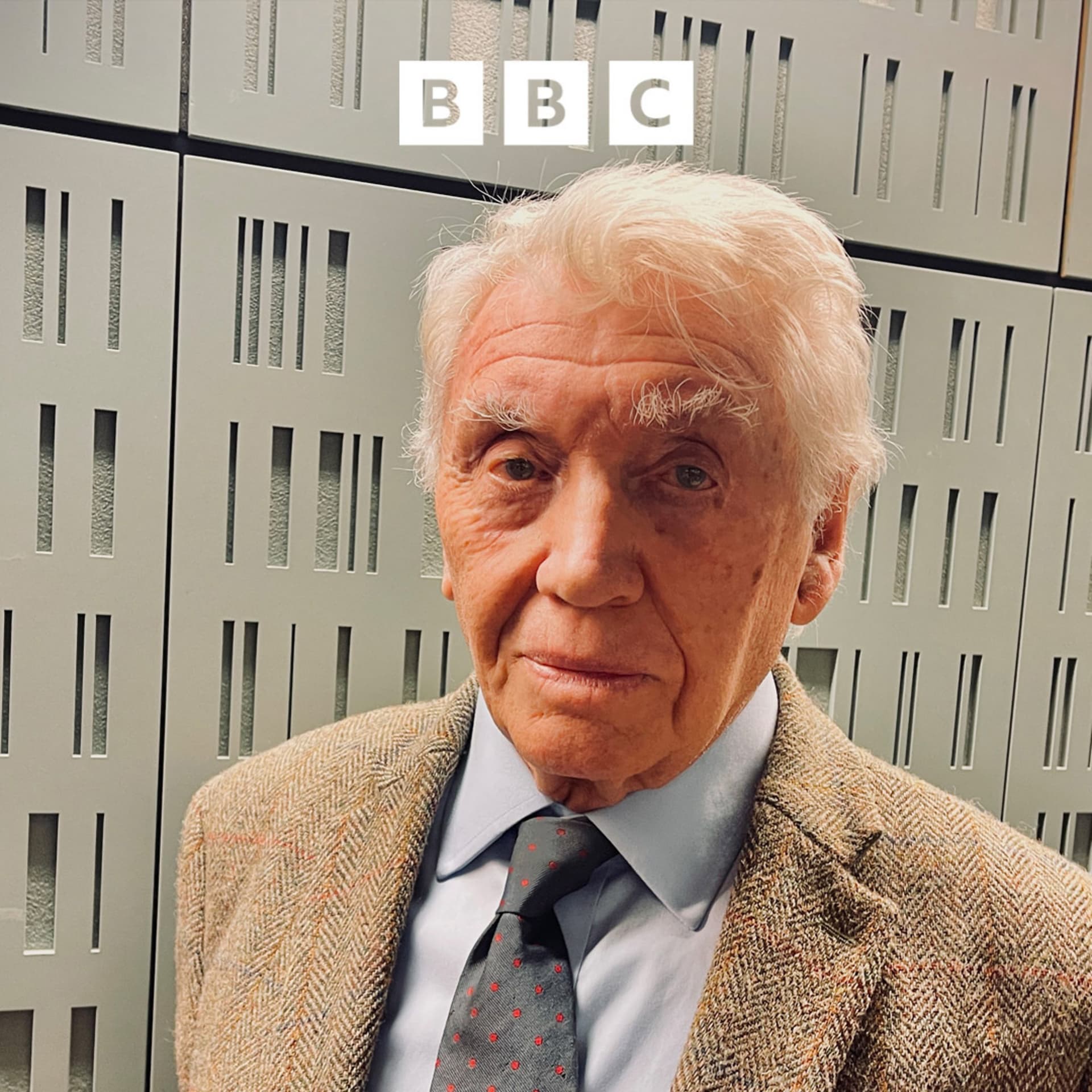
Sir Don McCullin (born 1935, North London). Grew up in poverty; father died when he was 13; mother was stern and violent. National service in the RAF (Kenya/Egypt/Cyprus) where he did printing/mapping. First camera: a Raleigh Cord bought for £30.
Key claims
His career began with The Governors (Observer, 1959). He prints dark to force attention. He feels complicit in atrocities he photographed (e.g., Beirut 1976). Awards feel undeserved; landscape work is “running away” from war.
Notable examples
The Governors (Finsbury Park youth in “Sunday best” suits); Cyprus 1964 village murders; Hue 1968 (photographing a crucifixion-like antiwar prisoner); Cambodia shrapnel incident; Biafra executions; later Roman Empire books and Vatican collection photography.
Written by AI. May contain mistakes. Listen to the episode to check what was said.
Chapters
Tap a time to open that second in VODon McCullin: The Photographer's Journey
0:45 to 2:14
Discussion of McCullin's early career and his reputation as a war photographer.
“McCullen earned a hard-won reputation as one of the greatest war photographers of all time.”
The Impact of Childhood Experiences
2:14 to 4:19
McCullin reflects on his challenging upbringing and its influence on his work.
“and if it wasn't for photography I wouldn't be the kind of man I am today, really.”
The Role of the First Camera
4:19 to 5:36
Exploration of how McCullin acquired his first camera during national service.
“I was sent away to Somerset, where I live now.”
The Photograph that Launched a Career
5:36 to 8:28
Discussion of the impactful photograph that marked the beginning of McCullin's professional journey.
“I would sit every night and chop up three and a half thousand pictures of the jungle.”
The Weight of Violence in McCullin's Life
8:28 to 10:23
Exploration of violence and its significance in McCullin's early life and works.
“But, I mean, violence and bigotry is what those people dined out on.”
Learning the Craft of Photography
10:23 to 12:18
McCullin discusses his journey to learn photography and influences from notable photographers.
“But I had a very reoccurring kind of imaginative mind.”
The Darkness in Photography
12:18 to 14:02
Discussion on why McCullin's photographs often feature dark tones and themes.
“Oh, well, I don't know if we know, we feel maybe there's talent in us, but we mustn't boast about it.”
The Guilt of Witnessing Tragedy
14:02 to 16:46
Explore the emotional complexities Don McCullin faces as a war photographer.
“if not hold him for a couple of minutes or seconds longer.”
First Experiences of Conflict in Cyprus
16:46 to 19:06
Don McCullin shares his initial encounters with violence and conflict in Cyprus.
“You're saying now, retrospectively, you have this sense of guilt and also you feel you were stealing people's images.”
The Emotional Toll of Documenting Violence
19:06 to 22:14
McCullin reflects on the emotional impact of capturing death and suffering.
“And I think here on the next page, this is amazing, It's a man in a trench coat running from, I think it's the side of a cinema, again, holding a shotgun.”
Show all 18 chapters
Surviving the Vietnam War Experience
22:14 to 26:15
Insights into how McCullin navigated the dangerous landscape during the Vietnam War.
“From here, Cyprus, 1964, for the next at least two decades or more, it was almost back to back war for you.”
Near-Death Experiences and Reflections
26:15 to 28:00
Don discusses life-threatening moments during his career and their implications.
“It slightly annoys me, that picture, because it didn't really tell you the true story of that battle of way.”
A Haunting Experience in Cambodia
28:00 to 29:51
Learn about Don McCullin's harrowing encounter with war and survival in Cambodia.
“Well, he did leave me, and I saw these Cambodian soldiers getting off the truck, and they looked like a kind of Gilbert and Sullivan outfit, really.”
Guilt and Abandonment in the Life of a Photographer
29:52 to 31:59
Explore McCullin's reflections on guilt from both war experiences and family relationships.
“everything that came through the underneath.”
The Impact of War on Photography
32:00 to 34:39
Discuss the loss of film and the emotional toll of witnessing violence.
“I was lying down one day, I saw three men killed, a sniper.”
Transitioning from War to Roman Ruins
34:40 to 37:15
Understand McCullin's shift from war photography to documenting Roman ruins and its significance.
“Let's move on to your next choice for this cultural life, the ruins of the Roman Empire in the Middle East and North Africa, which have provided a focus for so much of your work over the last 25 years or so.”
Capturing the Beauty of Somerset Landscapes
37:16 to 39:56
Learn about McCullin's artistic endeavors in landscape photography as a form of refuge.
“I've been invited to go and photograph the Vatican Museum.”
Reflections on Life and Legacy at 90
39:57 to 41:41
Listen to McCullin's thoughts on aging, creativity, and the pursuit of knowledge.
“the power of that imagery, the storytelling that you convey, has done something to make the world a better place?”
Transcript
Automatic transcript. May contain errors.0:08Welcome to This Cultural Life, the series in which the world's leading creative people discuss the influences and experiences which have most inspired their own creativity. I'm John Wilson and my guest in this episode is the photographer Sir Don McCullin. He started out in the late 1950s documenting the working class lives of the North London neighbourhood in which he'd grown up. Employed by the Observer newspaper and later the Sunday Times, McCullen's photographs captured scenes of struggle, despair and violence. Travelling to the front lines of conflict zones in Cyprus, Beirut, Vietnam, Cambodia, Biafra, Northern Ireland and elsewhere, McCullen earned a hard-won reputation as one of the greatest war photographers of all time.
0:51In recent years, he's focused his lens on the beauty of the natural world, particularly the landscape around his home in Somerset. His work is held in permanent collections around the world, including the Tate, the National Portrait Gallery and the VNA. He was knighted in 2017 for services to photography. John, we are. Oh, hello. How are you? Old. No, you're not. You haven't aged a day. You're 90, aren't you? I am. I mean, that's ridiculous. You look fabulous. That's very kind of you, but I passed myself by date.
1:25Don McCullen, welcome to This Cultural Life. Thank you. Your name is usually paired with the phrase war photographer, but you've said in the past that you don't like that description. You don't like being called a war photographer. Well, it sounds like somebody who works in an abattoir. It's not a very flattering kind of name. I'm just a photographer, very happy with that title. And also, I have a broad range of photographic interests. so to be associated with the most grimmiest kind of cultural aspect of human life war is pretty uncomfortable for me Do you regard yourself as an artist though?
2:03No, absolutely not, that's another title I detest actually I'm a simple man I don't have too many demands on my life but I've stumbled into photography by accident and if it wasn't for photography I wouldn't be the kind of man I am today, really. You were one of the first photographers to have a show at the V &A in the 70s. In 2019, there was a massive show at Tate Modern, a retrospective, and your images are shown in museums and art galleries all around the world. Why resist this word artist? I think it's because of the intensity of myself as a person and my work. I stumbled into photography accidentally.
2:46I failed my trade test to become a photographer in the RAF when I did my national service in Kenya. And I came out with a camera and I pawned it. And my mother got it out of the pawn shop for a fiver. And I started photographing the local people in Finnsbury Park. We're going to come on to that. You were born in North London in 1935. And you've talked before about growing up in poverty. Can you describe in your memory the walk home from school, the walk down your road into your family home? What do you see in that memory? It was a pretty miserable family life I had. My father was dying when I was a child, and I loved my father.
3:25My mother was very stern and quite brutal, and bad language and violence from her drinking. Poverty, actually, it grounded me, really, because I felt ashamed of my life as a child. I felt ashamed of my family, really. I mean, my father I loved because he had a chronic asthma and died at the age of 40. So you would have been... I was 13 years of age. But I think all these combinations of struggles that I had in my life as a child, I was fighting, you know, the poverty. I was fighting the boys in the street. The schoolmasters were the last of the Victorian sadistic schoolmasters who felt they could teach you by, you know, violence.
4:10You can't teach anybody anything using violence as your method. You were evacuated to the West Country during the war. I was sent away to Somerset, where I live now. I stayed there two years. I went back and I was shipped out to Lancashire, an even tougher place where the people were not kind to me. And I didn't have a bath in 18 weeks, staying with that family. They were quite brutal. but I mean all these kind of scars from my background I could only help feeling that they at the end of the day they did me a lot of good when I grew up and I faced up to the political world, the newspaper world I worked in
4:55On This Cultural Life, Don McCullen my guests choose the influences and experiences that have most inspired their own creativity and your first choice for this programme is your first camera. In the mid-1950s you were called up for national service and you joined the REF and you were posted, I think, to Egypt and Kenya and Cyprus and this is where you were first introduced to photography in a way. What were you doing? What was your role? I was doing really awful, just printing, mapping. We were leaving the Canal Zone, we were leaving Kenya at the end of the day I was constantly making maps and aerial reconnaissance maps and things.
5:34This was during the Mau Mau uprising? That's correct. I would sit every night and chop up three and a half thousand pictures of the jungle. Reconnaissance photos. Hardly creatively inspiring. Brought back by some camera bomber. So what was the first camera and where did you buy it? It was called a Rolly Cord. Somebody said to me in the RAF camp at Eastleigh in Nairobi, if you give one of the pilots 30 quid, they do these milk runs to Aden where it's duty free. and he'll buy you a camera. So I chose the Raleigh cord. It was£30. It was brought back to me in a brand-new leather case, German camera.
6:07It was the poor kind of cousin of the Raleigh Flex, which I couldn't afford. Nevertheless, that got published in The Observer, 1959, I think. Well, it was that photograph that you're talking about that changed your life, depicting a gang of youth standing in the framework of a bombed-out building in Finsbury Park, just yards, I think, from your family home. Absolutely. The photograph is titled The Governors. So who were the governors? Well, they felt that they were the people who ruled the area. They don't look that tough, to be honest, I must say. They're in their kind of sandy suits. One of the boys sitting down was an armed robber eventually.
6:46This guy here? Yes. I've got the photograph here in front of us. Yes, I see. That, by the way, building was at the end of my street in Fontail Road. And they said, why didn't you get that camera? And I went up the house and got the camera, and I said, jump up there. And everybody says how nice the composition is. And there was a gap for everybody, as you can see. Well, it is a beautiful photograph in many ways. The symmetrical structure, the youths, the gang, standing on the framework of the building, they're almost like crows on a telephone line, aren't they? You know what, the most important aspect of it, if you are looking at it in a deeper way, is the fact that each individual one of them is wearing a suit.
7:27And that's their Sunday best because they were off to the cinema, off to dates or something. That's right. There was a cinema just across the road. They would always go to the cinema without trying to pay by breaking into the exit doors at the back. So these were bad boys. I mean, this was a seriously violent gang then, wasn't it, at the time? Well, they were bad, but they weren't, that particular bunch, weren't particularly good, you might say, with their fists. We all grew up in that part of having to fight each other. that scarred my life. I still have dreams of these fights and boys, and I didn't want to be part of that.
8:04I actually didn't want to be incarcerated in a prison, as most of them eventually wound up doing. Dan, it really is extraordinary, because I know in the past you've talked about being haunted in a way, having dreams of war, but you're saying that even these boys that you knew probably at primary school, that you grew up with, that you feared in a way, still are there in your memories and your fears. Well, I fought a few and lost a few battles among a few. Let's put it like that. But, I mean, violence and bigotry is what those people dined out on. This is really interesting. This is the back story of this photograph.
8:36It's the urban destruction of the war that we can see, the sort of almost implicit gang violence of the governors. This photograph set the recurring theme for your whole career, really, which has been violence and brutality. were you, I mean you talk about the fear of these were you attracted to violence do you think as a young man? Not at all I was attracted to escape it the truth is violence was the name of the game when I grew up in North London and some of the actual boys in that photograph were later involved in a gang war with another bunch of people from Islington itself and they came down to attack these boys and a policeman tried to intervene and was murdered was stabbed by one of the other boys So my whole life has been established on this note of the policeman died, the man who stabbed him was hung in Pentafilk prison.
9:30So you're quite right. I'm obviously directing. My life is taking me towards the ultimate violence of war. But the irony is that this photograph began your career because to illustrate this story of this policeman having been stabbed and then the young man being hanged in Pentafilk, They used this photograph in the Observer newspaper. So that was the beginning of your career. Did all the commissions after that follow fairly quickly? No, they didn't really. I mean, the Observer gave me 50 pounds, which was like a king's ransom. It was an amazing amount of money for me to have in my life. And then the idea of having my name under a bunch of pictures in the Observer newspaper in 1959 elevated my imagination.
10:13I mean, you know, when you came from, we were humbled by our poverty as children, as people, and degraded by it. And, you know, I left school at the age of 15 with no education, not a single sign of education. But I had a very reoccurring kind of imaginative mind. I knew I wasn't going to settle for what I was given. And once this picture was published and it had my name, and by the way, it wasn't my name. it was my father's name who died. The reward for me and my life is knowing I've made my father's name mean something. When you first started taking those photographs, whether it was your neighbours in the street or travelling around England, there was so much drama and poetry in those images.
10:59How did you know what to do at that time? Well, naturally, when I got my pictures published in The Observer of the gang, I started trying to learn about photography because I knew nothing about photography. and then I started picking out people who I thought were useful to me. So I came across a man called Alfred Stiglitz, who was a German-Jewish New Yorker. And then there was another man called Edward Steichen, who came from Europe. So I'd picked on two of the greatest men. And what about some of the greats at the time when you started people like Cartier-Bresson or Brassai, La Tigue, some of those great French photographers?
11:37Were you aware of them? I eventually got round to them And I met a very sweet man called Bill Brandt who fled Germany in the early 30s, having had consumption and came and never went back to Germany and never spoke German again. And he photographed the English miners in the north of England. Photographers have always been attracted by the people in the north of England who were the backbone of our society, who were even poorer than the people I grew up with in Finster Park. Yes, Brandt did that and so did Robert Frank, the American photographer. So you're looking at these people who were established already possibly as the great.
12:10Yeah, historical people, yeah. But you must have had, you must acknowledge now that you had some incredible natural talent for image making. They or me? No, you. Oh, well, I don't know if we know, we feel maybe there's talent in us, but we mustn't boast about it. We have to discover it and we have to mine it ourselves. But I had to learn about, because I left school with no education, I didn't have much of grey matter up here. but I've acquired it over the years, and without being bombastic about it, I've tried to be modest, because if you open your mouth too big, somebody will put a cricket bat in it.
12:45But the history of photography is the most important thing to me. I do my own printing because I can keep control of the whole thing. And I waste a lot of paper, I know, but when I'm printing in the darkroom, my hand reaches out for paper and I expect it to be there, and I'm just like a kind of glutton of a schoolboy with sweets. I don't care until the last one's gone and then I realise the last one's gone and there's no more paper and I've got to stop printing. And then sometimes I finish when it's dawn and my hands are numb with the freezing cold water that you have to keep using. You have always worked in the darkroom in a very traditional way.
13:27The darkroom is a very deciding kind of moment in my life. I'm alone there. I'm in charge of these people's images, and I can go dark and dark. If violence is the recurring theme, then darkness is surely the recurring tone, even before you started taking photographs of war. A lot of these photographs that we see of England, of Finsbury Park, around the streets of your home, they're very, very dark. Why do you print so dark? I can only assume it's the darkness within me, and I always manage to feel that if I print my pictures dark, Like, nobody's going to walk past one of my pictures and not take a second look, if not hold him for a couple of minutes or seconds longer.
14:08What's extraordinary, looking through this book, which is one of many that you've published, documenting the photographs from throughout your whole career, is many of the early photographs that follow this one of the governors are of poverty in Britain. The streets of North London, there are unemployed men scavenging for coal in Sunderland, the squalid back rooms of homes in the north of England. actually. I think it's in my blood. I care about other people's lives. I feel guilty that I live in a very nice house in Somerset. But do you think you set out to take those photographs of England initially with a sense of social purpose or even a moral purpose?
14:46Yeah, I have two moral aspects of life. One is the moral aspect of feeling guilty about, A, surviving many wars I've been to and I lost many, many friends and journalist friends and the other moral thing is, is feeling that I've helped myself to other people's lives misery. I photograph misery. I photograph murder. I photograph death of children in starvation in the Bialyst War. I'm covered in a kind of guilty cloak that makes me feel, you know, I haven't got it all my own way. Whatever I own, I feel it doesn't really belong to me. For all the honors I've received, which are also uncomfortable.
15:28I'm a very complex, uncomfortable man, really. But do you not take any quiet, I was going to say pride, but that's probably not the right word, or satisfaction knowing that you have illustrated some of the awful things that go on in the world? Not a bit. I couldn't possibly feel good about any of the things I've done in wars. The only time I enjoy myself is when I photograph the English landscape in Somerset around the house where I live. I mean, I can't imagine why I haven't been heavily criticised in the past for the things I've done. After all, photography isn't just about photography. It's about stealing other people's images, other people's tragedies and lives.
16:08You don't have the God-given right to just walk around helping yourself to other people's problems. Stealing is a really interesting word. Stealing? You say you're stealing people's images. I have. What I was doing was never given permission to do. I went around helping myself. I would walk the streets in East London and photograph homeless people. Strange enough, when I did that, I think it was one of the best essays I ever did in my photographic life. Going to war never benefited anybody, really. Even the people who believe in anti-war, they're already converted. What was I doing? What was I trying to prove?
16:47But what did you think at the time? You're saying now, retrospectively, you have this sense of guilt and also you feel you were stealing people's images. But did you feel that at the time? Yeah. I mean, I've always tried to deal with honesty. When I press that button, I know I'm telling the truth because I'm in charge of my actions. And I've stood in front of people who are being executed and crying and looking at me and thinking I can save them. and there's no way and yet I've only did that once in Beirut when I saw the phalange murdering hundreds of Palestinian males even boys of 14. I always felt as though I was complicit in being part of that massacre that day.
17:33I was with them the people who decided who would live and die. They released all the baby women and children and murdered all the men. They allowed only the over 60-year-olds to leave. But arguably you were bearing witness if you hadn't taken those photographs and had that sense of that complicity in a way, then we possibly wouldn't have seen the horrors that were taking place in Beirut then. I've got you cornered here because, you know, I did that in 1976. A lot was happening in Gaza in the last couple of years. I stopped nothing. My work could never be attributed to helping anything or anyone.
18:09That's why I feel so bloody uncomfortable.
18:23Your next choice for this cultural life, Don McCullen, is Cyprus, 1964, when conflict broke out between the Greek and Turkish communities. And, as you say in the notes that you've sent us, this was my first taste of conflict. Away from the city in the brown, parched countryside of Cyprus, the full horror and suffering of intercommunal hatred can be seen in the tiny village communities. Turkish Cypriots battle for the heights of St Ilarion, which dominate the Kairinia Road. To do so, they use guerrilla techniques. There are some extraordinary, almost cinematic images from this time. I've just opened the book to a page in which we see a Turkish gunman in a suit and balaclava with a shotgun.
19:09And I think here on the next page, this is amazing, It's a man in a trench coat running from, I think it's the side of a cinema, again, holding a shotgun. What's striking about the picture is, almost like a Hollywood still, the man is extremely well-dressed. It almost takes away the importance of the picture because it looks like a film kind of situation. Especially with the shadow of the gunman. So you're standing on a street in which bullets are flying at this moment for the first time in your life. Was it exciting? The hair on the back of my head was standing up, really. I knew at the time, I thought, you're a lucky devil.
19:44All the press that's not here, you've got it all to yourself. I mean, do you know, I think it's fate in a way that has governed my life. I've been at the right place at the right time or the wrong time. But that particular day, I was just running all over the place. Then I went to other villages where there was terrible things happening. in the following pages of this book there are some appalling images of the civilian casualties dead in this case in their own homes this is your first experience of seeing this kind of slaughter, how did you react emotionally? Well because I came from Tuffle, Trinsbury Park there were two sides to my nature, one was I'm tough enough to handle anything and the other side was I was suffering from I wasn't really a photographer, I kind of stepped into this new role and I was thinking all the time about the pictures, the editor back home as one does when you're in the media world, you're split down the middle and then there are other factors involved like do you get your exposures right, which is important in my craft, you know, I was worried about the exposures, I was also worried about people attacking me Well I was going to say because what's happening in this image where there are two men Two brothers.
20:59They're brothers lying literally in the pools of their own blood. But they were murdered by the Greek irregulars and then the woman holding the towel as looking at her new husband in the foreground who she married a week ago and all their wedding presents in another room had been smashed by the men who murdered those two brothers. Their father was in another room dead. That's how things went on. But you talked about the idea of theft. In this moment, had you asked any permission to take this photograph? I did, I knocked on the door, there was no answer so I gently let myself in that room and the first thing I was met with was the stench of warm blood and I kept saying hello, hello so I was seeking permission within a few minutes of being in that room, that door opened and these people came in and I thought, my God, you're going to get it now they're going to be so angry, you're trespassing over the murder of their family but they weren't, they didn't I actually was moving around that house almost like a ghost.
22:00I was tiptoeing gently and respectfully not treading on anything that might be like blood or anything like that. So I was testing myself that day in more ways than one. From here, Cyprus, 1964, for the next at least two decades or more, it was almost back to back war for you. The Congo, Vietnam, Biafra, Northern Ireland, Cambodia, Beirut. What was driving you on from war to war? Was there a sense of moral obligation, the more you saw? I like the idea of my name being under the Sunday papers pictures. It was a very conceited thing to say. Also, I felt that if I did a good job here, another door would open there for me.
22:44There was a very famous photographer called Robert Cuppa who died in Indochina. he stepped off of the trail to have a pee and stepped on a landmine and went up in the air and I thought hang on there's a vacancy here I want to be the next Robert Capper it's a very silly thing to say I know this and I eventually met Robert Capper's brother Cornel he kind of encouraged me in a way to carry on doing this work. So it wasn't just about morality it was about ego as well Absolutely, you know you couldn't have hit the nail better on the head Ferret Square. It was a bit of this, a bit of that, you know.
23:21But what I did, I had my own philosophy of the way I worked. I worked in a very caring way. Respectful then? Yeah. Respectful of the plight of people? Respectful knowing I'm on thin ice. The Battle of Hue in 1968 was one of the deadliest during the Vietnam War. In the present flare-up of intense fighting in South Vietnam, one of the cities most badly hit and destroyed was the ancient imperial city of Hue, up near the demilitarised zone with the north. Cost in civilian suffering has been terrible. To win back control in Hue, the Americans and South Vietnamese were destroying what they had claimed to protect.
24:08Over 200 American soldiers killed, thousands of Vietnamese were killed during this battle, which I think took place over several weeks. How did you survive it? Well, I spent two weeks there with the American Marines. And, you know, you're never one of them in the first place. I had accreditation which gave me the simulated rank of major. And it always makes me laugh because I came out of the Air Force with the lowest rank that I went in with. But it allowed you to chuck other people off of aeroplanes that rank if you wanted to get on for emergency. And then I started photographing. and the officer I met said this is a 24-hour operation.
24:47This was to capture the citadel which sat on the edge of the Perfume River in the city of Hue. The ancient capital, wasn't it, of Vietnam? It was very beautiful and oriental-looking and by the time they left, there wasn't a stone standing. They flattened it, the Americans. I think the Vietnamese had rebuilt it because I went back but it was one of those gung-ho battles and these American marines, there were snipers in a way that were just picking them off. And I couldn't understand how I exposed myself standing and photographing and doing things. The sniper must have seen me. And he must have said, well, this man's not carrying a weapon.
25:26I'll get somebody else. That's only my own thinking. So I spent 12 days with those people, living next to bodies. And then one day I photographed a man. It looked like the crucifixion of Christ. he was against the war with his arms and being held by two soldiers. I thought, my God, this is the crucifixion of Christ. And I'm not a very religious man, I can assure you. And I shouted, bring him over. And they came towards me and they fell with him. And then I thought, oh God, they've got to blame me. And then I picked him up and carried him away from the battle. I thought, I owe him this. I've just helped myself to his pain.
26:07Was he dying? He didn't die. he eventually went to Guam to hospitalisation came back to Vietnam and six months later took another bullet through his lungs and still managed to survive but he wrote his mother a letter about this strange Englishman who carried him away from the battle I have a copy of that letter at home I felt once in my life I had to do something to give back for a change instead of helping myself that's extraordinary so he wrote to his mother from the front line yes okay he said he'd been hospitalized yes did you ever meet him later did he survive but a friend of mine a very distinguished man called anthony lloyd who works for the times newspaper he went to america and found this man it was there was another man the the actual picture that's staring you now this other man who had a mental breakdown this is the very famous image of the this soldier with a shell-shocked thousand-yard stare.
27:05It slightly annoys me, that picture, because it didn't really tell you the true story of that battle of way. You know, those Americans lost about 40 men in the Delta company I was with on the wall, and we were getting most of the casualties. Just to talk about this shell-shocked US Marine. He's alive today. Is he? Alive and unwilling to talk to us. Really? So you haven't met him since? No, he's around, but his sister said he would have nothing to do with you. But throughout this whole battle over the two weeks that you were there, you were unscathed. It's astonishing that you did survive. But then later in Cambodia, a few years later, you were hit by shrapnel.
Read the full transcript
27:45And I think probably lucky to have survived that. What do you remember of that? Well, I was told by another friend of mine called John Swain, who worked for the Sunday Times. He said, look, I'm going to a press conference. I'll drive you down to this area where I think there's some action brewing. And I'll come and collect you later. Well, he did leave me, and I saw these Cambodian soldiers getting off the truck, and they looked like a kind of Gilbert and Sullivan outfit, really. They weren't very soldierly looking. And they started probing. Some small arms fire came, and my hat blew off. I thought, I'm not going to get killed for that.
28:17And I ran and dived into a ditch by the road. Most of the roads are ditched because of the monsoons. And I thought to myself, don't be a coward. Go. So I went forward with him. The man was in front of me, and we got to a jeep. And I knelt down behind the jeep, and the other man ran around the front of it and took the full explosion of this 82-millimeter mortar, a Chinese mortar. And the next thing I know, I'm bleeding and burning in the legs. And so I crawl away because I don't want to be taken prisoner by the Khmer Rouge because they notoriously killed every correspondent they caught. There was the Mekong River near me, and I thought, I dumped my cameras because I was a good swimmer.
28:59I was only hitting their legs. And I thought, I'm not going to be captured. And the next thing I know, two soldiers dragged me in a house, plunged a morphine into my legs, took me back down the road where the explosion picked up all the wounded, and even the man in front of me. And we're off to hospital. Swain turned up to take me, and he followed the car back to the hospital. And on the way back to the hospital, the man who was in front of me during the explosion sat up in the truck for his last gasp of human life and he died in front of me and I photographed him I thought, I'm lying in the truck I wanted to take my mind, so I got my camera and I photographed this man sitting up dying, shouting all his chest and abdomen were bleeding through this bandage and I thought, why him and not me?
29:50He happened to be in the front of the jeep and I got everything that came through the underneath. But returning home, Don, from each of those conflicts to your wife and children, did you never think that's it? No more? Can I tell you that many journalists in my life I've worked with have been married many times, and that's the reason. We were bad husbands. We were really bad people. We abandoned our families thinking that our lives are more important. And how shameful can that be? And when I talked to you earlier about guilt you know i'm guilt ridden in every direction you can think of knowing what i'm guilty about is true all the things i've ever done in my life i've never really had a a green light signal to do it i gave it to myself if i don't talk like this i'm it's a waste of time you and i sharing this conversation you have to keep a balance in your life and you know that battle of way i think about it every night i close my eyes go to sleep every night every night I don't know why I think it's because miraculously I survived I Survivor's guilt possibly Well yeah It wasn't about just other people dying It was a I thought you know I was while I was there strange enough one of my children who was only a five year old boy swallowed a rubber sticker from a bow and arrow game which should be made illegal and he was dying on my little kitchen floor in Hapsigodden suburb where we live and my wife was left to deal with it.
31:21And luckily, we lived around, there were three doctors living around. That morning, they went to that house to save this boy. They were going to do a tracheotomy to give him some air, because he was choking. And one of the doctors held him up by the feet and punched him in the back, and the rubber sticker came out. And it was during that Battle of Kwe. I could have lost a child in my own house instead of poking my nose into somebody else's war in the other side of the world. So you were driven on every time to head to the next war. For each of those wars, you went with cameras and rolls of film in the chaos.
31:58There must have been times when the rolls were damaged or lost. I lost two rows in that battle. I was lying down one day, I saw three men killed, a sniper. I was lying trying to avoid the sniper. Two rows of film fell out of my bullet, which I'd exposed. And I've never stopped thinking about those two rows of film. What of what might be on those? Well, I knew what was on them. Everything on those rows of film, that battle I was witness to the most human struggle you've ever seen in your life. I mean, every day I was photographing dying soldiers, wounded soldiers. I've never seen a battle like it.
32:37There were phantom jets dropping napalm on us. There were battleships in the South China Sea shelling 17-inch shells just ahead of our grid lines. There were fixed-wing aeroplanes coming down, dropping small bombs. And it was just unbelievable. This city, when I left, was blackened and destroyed. And so were many human lives. And yet you still think about those images that you may have brought home with you, but you lost. I mean, do you regret that, that there could be some great photographs on there? No, I don't regret. There aren't many things in my life I regret. Only the tragedy that where I saw two men executed one day in the Biafra War, they were Nigerian soldiers.
33:22And one of the subordinates said to the, what should we do with the prisoners? Now we leave, he said, kill them. and then the man was very timid and he went back again and he said sir, what did you say? I said, kill them and the two prisoners started shaking they were blindfolded and tired with rope and they started shaking and crying I thought, they're not going to do this I was with a French photographer who was later murdered in Cambodia and one of the soldiers opened up on one of the men and he dropped like a bullock you'd see in an abattoir and then the other man was really shaking and then they shot him.
34:01I said to the Frenchman, we've got to get out of here. Now they've killed those prisoners because we haven't got a chance if we get captured. And as we fled, I remember a man whose eyes were hanging out from an injury, grabbing our legs as we were trying to flee. So you stop becoming a photographer, you become somebody else. So what I was doing, I was leading many dysfunctional lives, and I was becoming artful, I was becoming a survivor, a man who abandoned his family. What was I? What kind of person was I turning into, or already had turned into?
34:48Let's move on to your next choice for this cultural life, the ruins of the Roman Empire in the Middle East and North Africa, which have provided a focus for so much of your work over the last 25 years or so. Why Roman ruins, first of all? Well, I reached a point, by the way, I was expelled from the Sunday Times by the editor of the time, who's not worth mentioning, and I was 50-something. Most human beings eventually arrive at some crossroads in their lives, and my wife had died, my first wife, and it was quite a tragic death on my son's wedding day and I thought I was being punished for my kind of lack of human kind of awareness.
35:28And then I was with a man called Bruce Chapman who was quite a famous writer who worked on the Sunday Times as well and we found ourselves in a small Algerian village and it was a Roman village and Bruce eventually died. When Bruce died I thought, what am I going to do with myself? And then my mind went back to that Algerian village and I thought I'm going to do something about the Roman Empire which is pushing your luck when you never had an education and you didn't go to Oxford to the archaeological world. So I went to Jonathan Capes, the people who published my books and I could see an immediate boredom at the mention of the Roman Empire but they reluctantly gave me a very stingy advance and off I went to a wonderful city called Constantine where Bruce and I also went and I did the Algeria, I went from there and I went to Leptus Magna and I went all along the North African coast and I thought, you know, you're on a very dodgy kind of wicket here because those archaeological kind of expats, you know, would crucify you.
36:32And I was worried about, you know, criticism. I've always been worried. But I eventually published this book called Southern Frontiers. And was it the sublime beauty of those ruins or was it because they were reminders of ancient wars and conquests? It was a bit of both, actually. I mean, there's no denying it. When you look at those Roman figures, they are mind-blowing. But then I was, again, because I'm a depressing old thing, I arrested my thinking, and even the great temples, the great... Hang on a minute. These things have only got here by slavery from the quarries. You know, I immediately steal my own joy away from myself.
37:11Well, having said that, I've published three books so far on the Roman Empire, and I'm going on Sunday this week to photograph the Vatican collection. I've been invited to go and photograph the Vatican Museum. Wow, that's fantastic. So commissions are still coming in. Well, it's not so much a commission, because they saw one of the books. I published a book last year called Roman Conceit, and I went all around the European capitals, museums and photographing their Roman collections. In recent decades, you've also been capturing the beauty of the Somerset landscapes around your home. They're always as dark and foreboding as your images of war.
37:54That's just an old habit, is it? Or are you trying to capture something of what you see that other people don't? You're quite right. I mean, when I do those, I call them Wagnerian skies. I print those skies as if I'm listening to Tannhauser or something. I can't stop myself. I have to put me into those pictures. And it's like a huge thrusting fist. I simply can't help myself in the darkroom. It's an obsession. the Somerset landscape for me and I'm now not capable of doing it because when I climb over those farm gates and I'm stuck in the middle I think if you fall from here at your age, you're going to break every bone in your body, not just an arm or a leg and there's the barbed wire to get over and one day I climbed over a barbed wire fence and found I was so entangled, I had to take my trousers off to get on the other side of the barbed wire and everything was becoming absurd but landscape is like poetry You can twist people's minds, and there's nothing I'd like more than a nice rainy day with those Wagnerian skies.
38:59I couldn't resist it. And I also did still life things as well in my garden shed. Yes. But are they, those landscapes and those beautiful still lives that you do, are they a way of purging the thousands of images of death and destruction? You're quite right. Actually, I felt I was running away from the kind of war. I did not want to be labelled as a war photographer. Despite all the thousands of people I've seen dead, injured and dying, I wanted to be somebody else. I wanted to have some celebration in my life. And I've been over-rewarded with all kinds of awards, but they don't mean anything to me.
39:42Really? Because I feel I didn't particularly deserve it. I don't need a reward for my work. I was rewarded for the privilege of being trusted by the editors of newspapers. I think you've possibly already answered this question, but is there no sense that your photography, the power of that imagery, the storytelling that you convey, has done something to make the world a better place? What I realise is that I've been so privileged. everywhere I go I've been privileged by the right time and the wrong place but you know now I'm facing at the age of 90 all I think about is death do you I mean you're incredibly fit looking still I'm not fit at all actually I've had heart biker I've had broken arms broken ribs malaria I've had everything you name me I've had it but I always think that they're the kind of things it was like paying the hotel bill really do you know one day I woke up in a hospital in Cambodia but in the distance I could hear shell crunching coming in and I thought you've lived a special life you started as a really kind of poor little skinny little blonde haired boy in North London completely living in that stinking dump of a basement flat with a dying father I thought I'm not going to settle for that I think I'm going to get a better world out of that then that's why I I've worked my kind of backbone off to do the photography.
41:09It saved me. And at the age of 90, you are still taking photographs. So you say, what's driving you on creatively? Possibly boredom, really. I'm married to a much younger woman. She's a writer. She said, I'm not having you sit in that chair reading newspapers all day long. But that's what I love doing, reading. And as a child, I never read a book. There was never a book in my house. I'm absolutely hungry for knowledge and culture culture is my biggest thirst Don McCullen, thank you very much indeed for sharing your cultural life with us I don't know what to say but I think I've said it, haven't I?
41:47You really have, thank you Don Thank you
41:57An absolutely fascinating conversation with Sir Don McCullen Other great photographers who we've had as guests on previous series of This Cultural Life include Annie Leibovitz, Martin Parr and Sebastio Salgado. All of them available to listen to in our archives, available on BBC Sounds or wherever you get your podcasts internationally. And please do subscribe so that you never miss an episode. From me, John Wilson, and series producer Edwina Pittman, thank you very much indeed for listening to This Cultural Life.
42:31Hello, I'm Alan Davies, and on BBC Radio 4, we're off into alternate realities mapped out by science. This is Life Without, where I pull one thread from the magnificent fabric of life and watch what unravels. Scientists around the world would be crying themselves to sleep. A bunch of mammals would be worrying about where their favourite snack was. And we bring it down to Earth. David Beckham. I can imagine him putting that on the socials. My bees of my girls have all disappeared. Sometimes we patch it up and crack on. We will survive. We will survive. Humans are ingenious. That is our hallmark priority.
43:10We should prize above everything else. But sometimes it's bigger than us. Join me to find out just how far the unravelling can go. Subscribe to Life Without on BBC Sounds.
From the publisher
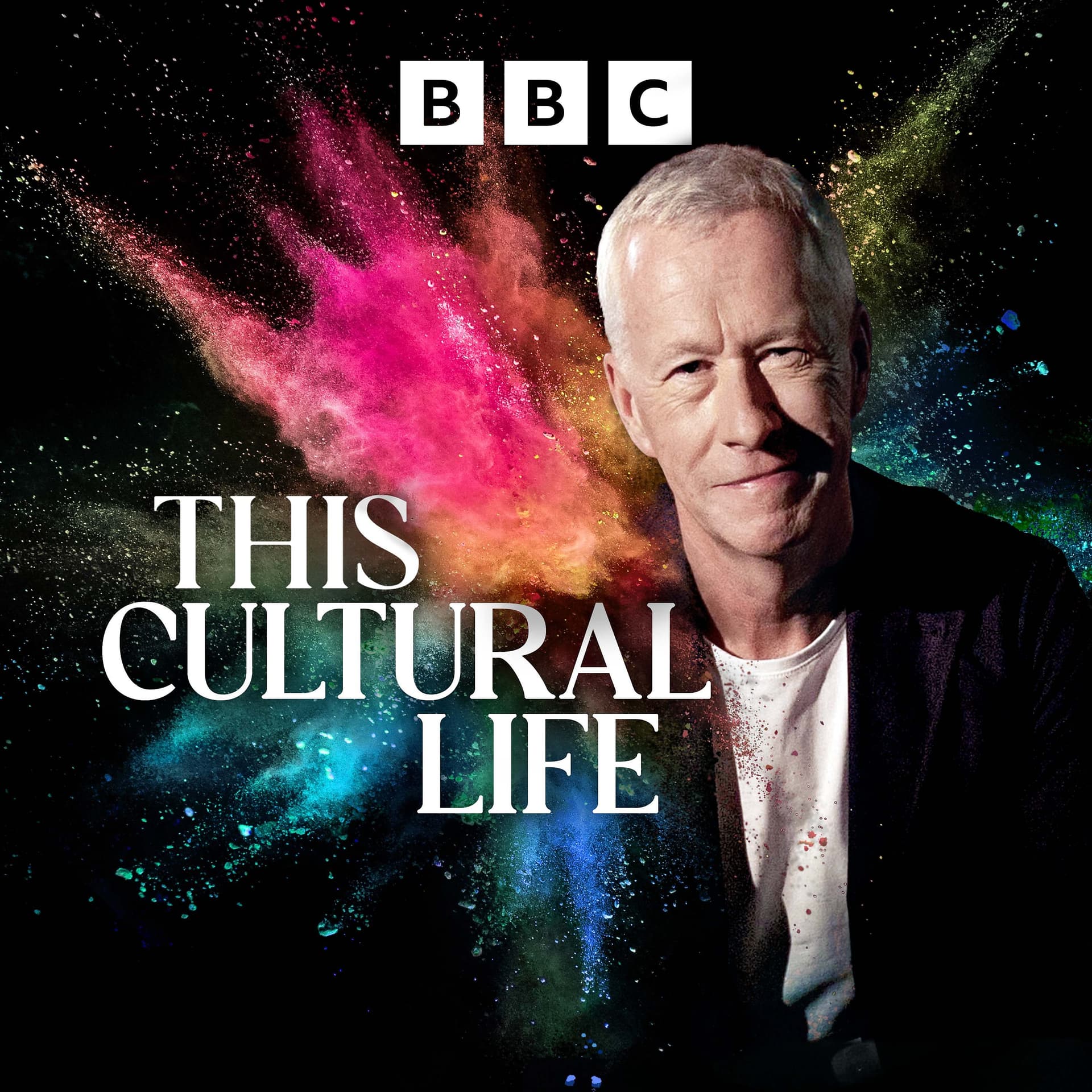
Award-winning photographer Sir Don McCullin talks to John Wilson about his cultural influences and formative experiences. He started out in the late 1950s documenting the working-class lives in the north London neighbourhood in which he had grown up. Employed by the Observer newspaper, and later the Sunday Times, McCullin photographs captured scenes of struggle, despair and violence. Travelling to the front lines of conflict zones in Cyprus, Beirut, Vietnam, Cambodia, Biafra, Northern Ireland and elsewhere, McCullin earned a hard-won reputation as one of the greatest war photographers of all time. In recent years he has focused his lens on the beauty of the natural world, particularly the landscape around his home in Somerset. His work is held in permanent collections around the world including the Tate, the National Portrait Gallery and the V&A. He was knighted in 2017 for services to photography.
Producer: Edwina Pitman