In short
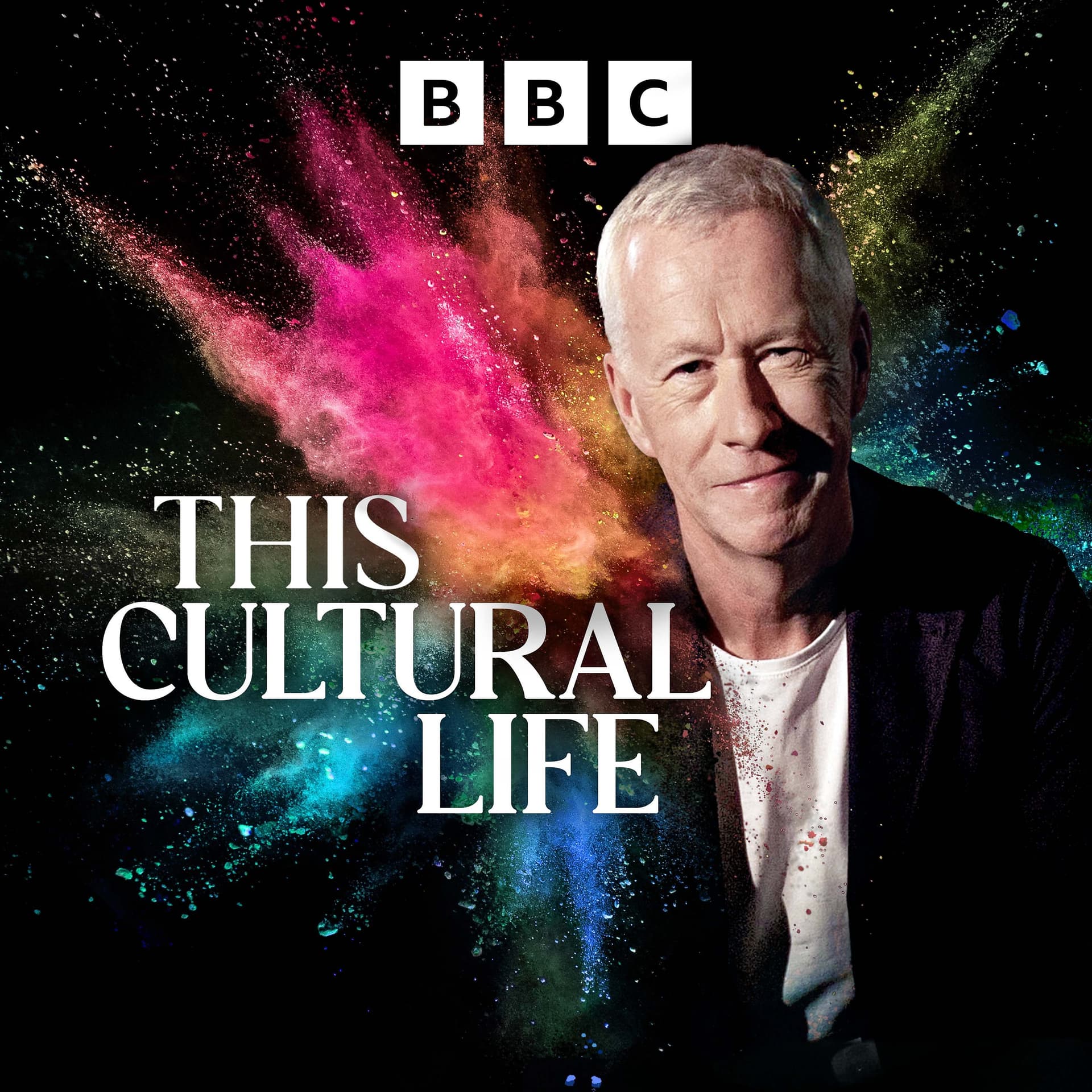
Podcast Episode Notes: This Cultural Life - Errollyn Wallen
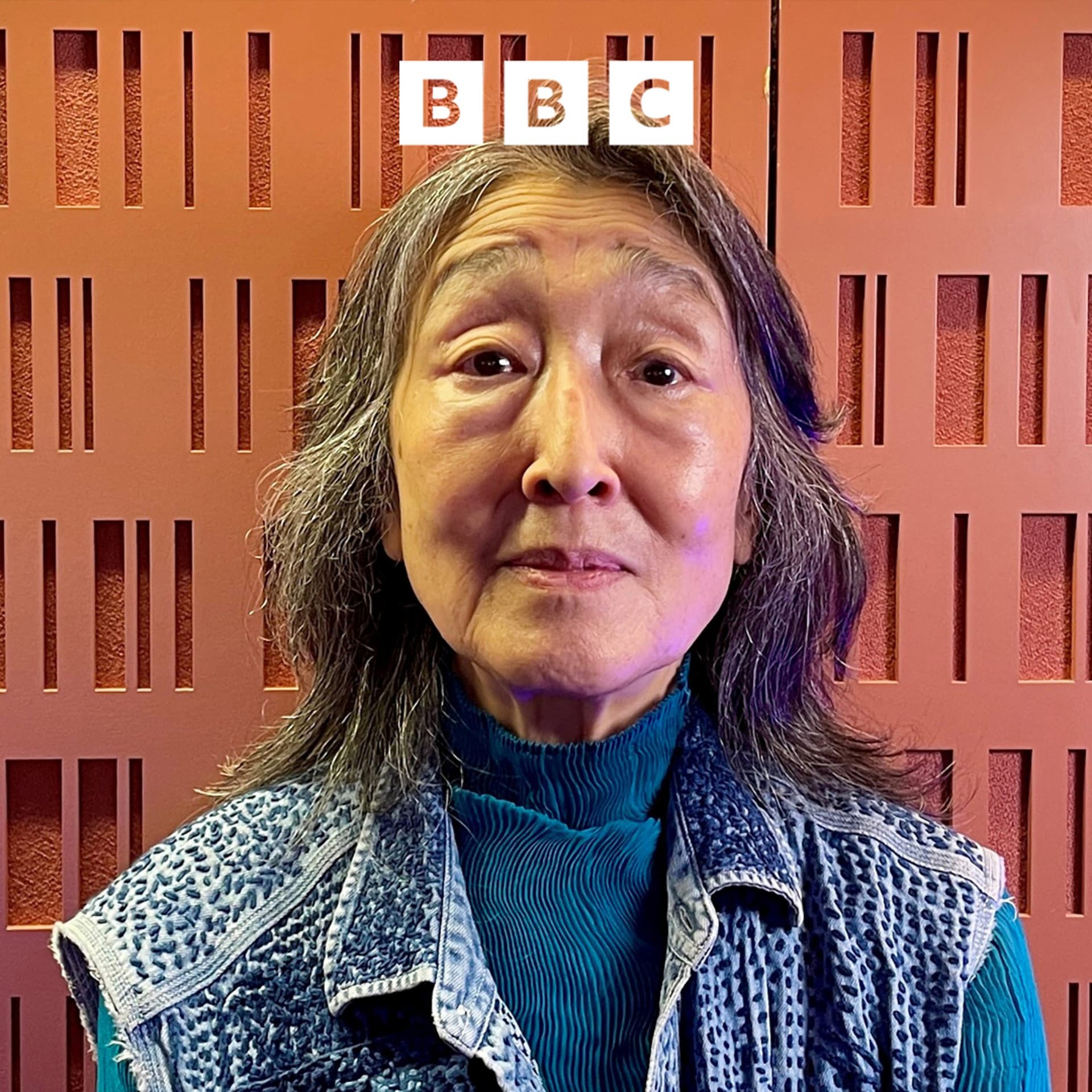
Episode Overview Host: John Wilson Guest: Errollyn Wallen Description: This episode features in-depth conversations with contemporary composer Errollyn Wallen, discussing her background, influences, and significant contributions to music. Wallen is notable for being the first woman to win an Ivor Novello Award and the first black woman to have a composition played at the BBC Proms.
---
Background on Errollyn Wallen
- Birth: 1958 in Belize
- Move to UK: Relocated to North London at age 2
- Family: Grew up with an aunt and uncle after her parents moved to the US
- Major Achievements:
- First woman to win an Ivor Novello Award
- First black woman to have a composition played at the BBC Proms
- Has written 22 operas and numerous orchestral, chamber and choral works
- Composed for significant events, including the opening of the 2012 London Paralympics
- Current Residence: Lives and works in a lighthouse in northern Scotland
---
Early Life and Influences Family Dynamics
- Raised by Aunt Rini and Uncle Arthur in Tottenham, who provided a loving and fun environment.
- Uncle Arthur, a hopeful writer, instilled a love for the arts and education, influencing her speaking style and love for poetry.
- Discussed the complexity of a multicultural household, with cultural influences from Belize and the UK.
Musical Education
- Early exposure to music through her family, particularly her father's interest in songs and her aunt's singing.
- Began piano lessons at age 9 after a significant childhood trauma (pneumonia).
- Described the piano as a vital part of her identity, equating her separation from it to emotional distress.
- Influences included classical composers, particularly Chopin and Bach, whose music inspired her later works.
---
Musical Journey Compositional Process
- Wallen’s compositions often begin with the piano, although she also utilizes a variety of instruments.
- Described her creative process as similar to sculpting, where she shapes her ideas into music.
- Her music blends various genres, including classical, jazz, and funk, reflecting her diverse influences.
Notable Works and Contributions
- Discussed the significance of her work on Jerusalem, reinterpreted for the 2020 BBC Proms. This version included new lyrics referencing the Commonwealth and aimed to draw attention to deeper themes within the poem.
- Expressed the mixed reactions to her work, particularly regarding its accessibility and the blending of genres.
Challenges in the Classical Music Scene
- Highlighted the historical barriers faced by women and people of color in classical music.
- Shared her determination to compose despite potential lack of recognition or acceptance in the traditional music community.
- Reflected on her journey, acknowledging both the hurdles and support she received from mentors and family.
---
Artistic Philosophy Creative Ambitions
- Wallen expressed a desire to continue advancing her craft, aspiring to write more operas and theatrical works.
- Emphasized the importance of authenticity in her work, stating her aim is to write music that resonates with listeners and reflects her own experiences.
Influence of Visual Arts
- Cited the painting "Rain" by Howard Hodgkin as an inspiration, describing how it influenced her music composition and the emotional energy she tries to capture in her works.
---
Key Takeaways
- Cultural Identity: Wallen's multicultural background significantly shapes her musical perspective and aesthetics.
- Education and Mentorship: The role of supportive figures, like her uncle and teachers, was crucial in her development as an artist.
- Innovative Composition: Wallen’s unique blending of genres and emotional depth in her compositions reflects her personal experiences and broader cultural narratives.
- Resilience and Passion: Despite barriers in the classical music landscape, Wallen’s commitment to her art and the importance of representation in music drive her ongoing creative journey.
---
Conclusion Errollyn Wallen's episode provides a rich exploration of her life as a composer, detailing the formative influences that have shaped her work and her views on cultural identity in music. Her journey is a testament to resilience and the transformative power of the arts.
Written by AI. May contain mistakes. Listen to the episode to check what was said.
Transcript
Automatic transcript. May contain errors.0:00BBC Sounds. Music, radio, podcasts.
0:12Welcome to This Cultural Life, the series in which leading creative figures reveal the formative influences and experiences, the people, events and cultural works that inspired their own creativity. I'm John Wilson and my guest in this episode is the British composer Errolin Wallen.
0:33Born in Belize and brought up in North London she was the first ever woman to win an Ivor Novello Award for a body of work and the first ever black woman to have a composition played at the BBC Proms Errolin has written 22 operas as well as orchestral, chamber and choral works which are performed all around the world She was commissioned to write pieces to commemorate the Queen's Golden and Diamond Jubilees and for the opening of the 2012 London Paralympic Games. She lives and works in a lighthouse in the far north of Scotland.
1:13Eralyn Wallen, welcome to This Cultural Life. Hello, John. It's great to be here. You were born in 1958 in Belize. When did you first move to the UK? I was two years old and actually my earliest memory is of being on a plane. I could just remember sitting on my granny's lap, my sister Karen and I and our mother. My father was waiting to meet us. We hadn't seen him for a year, but he said I ran straight towards him. And already here were my uncle and aunt, Rini and Arthur Wallen. And my uncle had been in the RAF in the Second World War along with my other uncle, Edwin. And so that's why they were in England.
1:51And my father, being much younger, was coming over to study. So we were living separately. In other words, I was living with a mother and father. But then, bit by bit, I have to say, my parents drifted away. First of all, my father went to study in Trinidad. And then they both went to live in Brooklyn. Your parents did? Yes. And so I would have been about six, seven. This was a gradual process then. And you were living, as you say, between parents, between uncle and aunt's house. And then when they went, you were living with your uncle and aunt. So before they went, we were all living in a house in Tottenham.
2:25Tell me about your aunt and uncle. Well, from the moment I... You know, I love my mother, but she, even as a child, she wasn't that particularly... What's the word? She was often very ill with asthma, you know, all through her life, basically. So there was a lot of disruption, mummy having to go away, being this sort of invalid figure. But from the moment I met my aunt and uncle, I loved them, and I remember thinking, I want to stay with them. I don't necessarily want to go back to mum and dad. That was just as a baby. Because they were a lot of fun. And they didn't have children of their own.
3:00She was reany, you said. Reany. So East End, but real East End. She was a cockney. Oh, totally. We'd go somewhere, like a pie mashup, and she'd say things like, oh, this is not a pie mashup. There's no sodas on the floor. And she'd send off for jelly deals Sundays. And we'd have these curious meals of rice and beans, rose potatoes and mushy peas all on the same plate. But I'm very grateful for growing up in that household because we weren't like other children. We had this real sense of, I suppose, what it's like to be white and English. And also she had been evacuated in the Second World War.
3:37I mean, her family were very, very poor. And she never quite got over that. So she was always talking about going to stay with a family who didn't treat her well. So there's a sense of displacement on her side, but also your uncle, her husband, he was from Belize. So there's a complete cultural mash-up then in this household. And the other thing, well, the other complexity was that actually my uncle, he wanted to be a writer, but he was working, you know, he was highly educated and he believed in the arts and culture. I speak the way I speak because my uncle made us listen to the radio and copy people and we'd had elocution lessons and he made us recite poetry and he never ever spoke about the war and he's died now but I often think, what happened?
4:23It wouldn't have been a pleasant experience. He would have encountered racism which he wouldn't have known about in Belize. He came from quite a well-to-do family and so the culture shock would have been great. And his brothers, the other two uncles, you said they were in the RAF during the war. My uncle was in the RAF as was his older brother Edwin. In fact, Ed... Flying? Edwin was flying. Edwin was actually shot down twice. And if you're black, you see, you couldn't be a pilot. So he was probably working as an engineer in the plane. Yes, that's right. But the plane was shot down and the pilot was killed and he had to fly it back.
5:01And my dad told me a story that he was in Belize and it was the middle of the night. And his mother, my grandmother Sarah, ran in and said, something's happened to Edwin. And it had. She just felt it. Yeah. And getting back to your Aunt Rini, white Cockney woman, did she bring music to their house as well? I mean, it's probably a bit simplistic to suggest there were kind of knees-ups around the old piano on a Friday night. So she had a lovely singing voice, but she suffered throughout her whole life with us practising piano because she regarded music as noise, strangely. She was quite a nervous person, anxious, very anxious person.
5:37So when my brother was practising euphonium, that was a step too far. But she was always singing songs of the time, Vera Lynn. The house was full of music. My uncle and dad loved playing Calypso. They loved jazz. And my father started collecting these albums for children, which was an introduction to the composers. And the moment I started to play the piano, I was commandeered to play, you know, learn the popular tunes to play to everyone. We'll come on to the piano in a moment, but just tell me about your parents when they moved to New York. I presume you weren't seeing them very often, if at all.
6:12No, and I think something like maybe five years went by before I saw my dad again. It was, looking back, very peculiar. We were living in this sort of limbo, but the idea was that we would be sent for. But the fact is that we were never really sent for, but my mother would visit us every so often, maybe. I just can't remember, but I remember missing my parents, but at the same time not really wanting to be taken away. So it's a curious thing. So there was no lingering sense of loss then? You didn't feel like they had gone, they'd abandoned you? Or did you? A little bit. Certainly my sister Karen did.
6:50She's very close to my mother. And it was more, things weren't properly explained. I think the most difficult thing was this sense of split loyalties because my uncle and aunt were very anxious that we'd be taken away. And actually they were very, they were more, they could look after us better. I knew that instinctively. Anxious that you'd be taken away? from them by your parents yes oh very much so that that was always a lingering thing and so it meant that we could never you know the normal things if you fell over if you got sick everything was really minimized because they're so anxious that it would get back to our parents so it's a bit of a burden i don't know why they put up with it so your parents are still with us no sadly not they've gone.
7:31Everybody's gone.
7:37On this programme, Erin, I ask my guests to choose their formative cultural influences and experiences. And the first thing that you've chosen is the piano. When did you first start learning to play or when did you first come across a piano? Well, I'd been in hospital. I was four, I think, and I'd had pneumonia. That was quite a traumatic experience. But when I came out, there was a piano at home. But it was for my dad so that he could write songs. He'd written some really good songs and recorded them. So that piano stood there for at least a couple of years before I actually had any of us had lessons on it.
8:14And dad never played it. You say recorded them? Yes. What, professional recordings? And my dad had the most beautiful voice. And in fact, that's why I would never have thought of singing because I thought dad is the singer in this family absolutely lovely voice yeah if you let me have my way are the guys old have a say
8:42for all the things I do
8:48would be only just for you So did he start teaching you then? You would have thought so, but he didn't. In fact, he couldn't play the piano, but the piano was there as this lumbering thing, and it was when my cousin Stephanie, she showed me where the notes were on the piano. But I didn't start piano lessons until I was nine years old. I talked to it quickly and easily, and in a way I would say the piano was the thing that led me on to finding out about other bits of music, because I would learn a piece so quickly, I was hungry to find music to just play. So I would go to the library, just roundly take things off the shelf and play.
9:27But were you particularly drawn to the instrument itself, to the physicality of it? What did it represent to you? From the moment I started the piano, every dream at night was about the feeling of the piano. And if I was separated from it for any length of time, it was torment. So we would go in the summer. We started going to New York every summer for six weeks. But it was agony for me. And in fact, my mother went unknown to me, went to the doctors and said, is it OK if my daughter doesn't play the piano for six weeks? Because, you know, obviously I was exhibiting. And I kept trying to draw bits of piano.
10:01I said, Mum, can we just get a dummy piano and I can bring that over? But it was the tactile sensation of your hands on the notes. It was just, I don't know, it became part of me. You were dreaming about it as well every night. Dreaming, and it's as if the piano had become very soft and you're squeezing the notes. But the thing about the piano is, it's not that I'm a great pianist, but sitting at it, everything makes sense. And that I can solve any kind of problems, do anything in my life, I'm at the piano and things occur to me. And if I'm composing, not the composing is away from the piano, often.
10:36But when I sit at the piano, it's as if musical energy starts to take a lot of decisions. It's the physical with the mental. it just feels like my home
11:01Over the course of your career you've written operas and ballets a lot of chamber work and orchestral music does everything still start on the keyboard, on the piano? It doesn't always start at the piano But I feel I have to play through everything note by note. And even if I can't play it, say if you're playing in an orchestral score where there's maybe 60 parts, you can't actually get to all of them. But I feel to feel that time passing, you have to play it, you know what I mean, to get the experience of what the music will be like physically. And, you know what I'm saying, I can't do that away from the piano.
11:34It's a huge piece of kit, the piano, isn't it? There's an amazing video that I've seen. I should say, you live in an incredible location at the tip of Scotland in a lighthouse and there's a video of your piano being delivered. I've been delivering pianos for 30 years and never, ever done one like that to a lighthouse. Quite an uphill struggle. Quite an uphill struggle. And the story of that is I moved into the lighthouse and I thought, I can't be in one second without a piano, you have to get one. So I was ringing around and I happened to speak to this piano tune and he said, I'm in Tane, but I've got a piano at the back of my van.
12:09I can bring it up now. Well, the truth is the piano was pretty awful. But, you know, I can work on it. And I've since acquired another one up there, which is pretty awful. Why did you move to a lighthouse in the first place? I wanted to have somewhere where you could work undisturbed. I've always been of the opinion that as an artist, you shouldn't be too fancied. You should be able to work anywhere. And I never wanted to work in this ivory tower situation. But you can't get away from the fact that sometimes you need absolute quiet. I had three requirements. On top of the sea, nothing much going on, really.
12:45And also where I wouldn't disturb anybody, they wouldn't disturb me. And I stumbled across this website called lighthousesforsale.co.uk. I wasn't looking for a lighthouse. Yeah. I mean, it's a white building. It literally is an ivory tower, though, isn't it? I know. And I think, oh, dang, people will think I'm precious. but it's an incredible place to work because nobody can get to you see. It's been a surprise to me how that place has suited me. I don't get lonely and I get stressed because of a deadline maybe but I know it's a place where I know that there's no excuse for not working the optimum conditions.
13:22And of course every lighthouse looks straight out to sea so that's your view when you're composing. What does the sea give you? I often think look how busy the sea is. nobody's telling it what to do, it's not deliberating and it's doing its thing it's forever changing, that's what it is but I find that very comforting the sea reminds me just to get on with things
13:45you feel small it's good, it's good to feel small
13:53but you're feeling the force, the real true force of nature there aren't you it's the extremes Does that come into the music? Do you hear that in the music, do you think? I think if you have imagination, you should be able to work anyway. But there's something for me. I need to be on top of the sea. And that particular stretch of sea, it's wild. And I like that wildness. It's quite remarkably cosy inside. But sometimes the whole place rocks, you know. It feels as if you're on a ship. Sometimes it's so windy you can't go out.
14:35So the piano was there at home. Who were the role models? Were you listening to pianists and taking your inspiration from any particular musicians? My dad did say when I was about three that we really didn't watch television at home, but this one time the television was on and Winifred Atwell's playing, and she was swivelling from, I think, a white honky-tonk piano to a stymie. And my dad said he stood for ages waving his hand across my little face and I just was awestruck.
15:14She was a real star of... She was popular on television and she played a range of music. You see, I don't even know that much about her, really. That's the truth of it. But I have a record of... Black American pianist, wasn't she? And playing a variety of stars. So it was kind of classical but also jazz. Yes, very virtuosic and entertaining and she was hugely popular.
15:41Your next choice for this programme is your school English teacher, Elizabeth Pearce. Why have you chosen her? Well, I went to boarding school in East Sussex and there was a point where I was really thinking, yes, I really want to be a musician and it seemed impossible and hard. And though I loved my music teacher, she said to me, I just don't think you have the temperament. I'm not sure what she meant by that, but I really loved our English teacher because she brought with her a whole world of feeling and the sense that there's this world outside. We'd been reciting Tennyson and so thinking, wow, the world of words has always been crucially important to me and she sort of guided us.
16:23But one day she came up. I think we had a history teacher called Mr Black who was very musical and he said to me, he said, well, maybe you ought to be a composer because there aren't really many women composers. But Miss Pierce came up and just said one day, you know, you must always follow your path. But she thought about it and I thought, what an incredible thing to say. So inspired by the English teacher, the history teacher, but not the music teacher. Well, the thing about the music teacher, I did love her. but you know music training is a is a specific thing and it's it is shall we say more conservative environment but she thank goodness she put my technique back on track and taught me the to always aim for perfection so the english teacher said just follow your dreams do what you want to do and you knew already at that point or you were starting to realize that music was a calling yes but the calling for me was through the little dancing lessons we went to the Maureen Lyons School of Dancing in Tottenham, where we did a range of things, tap dancing, modern dancing, national dancing.
17:24But then we did ballet. And then in ballet, one day this pianist came and played this music. And I just couldn't believe it was Chopin.
17:40So dancing led me to music. I always really, if I'm honest, I wanted to be a dancer before I wanted to be a musician. But without knowing, I was already so steeped in music, I took the music for granted. And so I was sent to the school because they could see I was gutted. I said, I want to be a ballet dancer, I need to go to a residential ballet. I had it all worked out, and they said, no, you can't, we've never seen a ballet dancer. And somehow, I don't know how they got the money together, I went to this boarding school where they're supposed to be doing ballet. I got there, they're only doing half an hour a week.
18:14so at the age of 13 I knew that part of my life was over and I was very, very unhappy, very unhappy. So I would just spend all the time playing the piano. I had no idea it was anything.
18:39When did you start writing your own music? I always had been. I found everyday life quite boring so I'd make up little songs to sing and walk to school with my two sisters we would sing a song of mine we'd sing all the way there, all the way back and recently I had to write some songs for nine-year-olds and I was nine years old so I just put that song in it's called It's a Quarter to Nine So the very first piece that you wrote when you say it's called Quarter to Nine it was about the process of going to school it was the journey to school Yes, and what would happen Really? Can you remember how it goes?
19:11It's a quarter to nine We've got plenty of time, plenty of time for school. When the whistle blows, we all stand still Cos we know the rules, we know what to do And so should you It just sounds very of its time, actually. But we love, but we honestly would sing it. It's part of My Citizen Me, that little song. When I said, when did you start writing music, you said you were always writing music. Do you mean in your head? Oh, yes. You could always hear something going on. And there was a time, and it started to trouble me, and one day my uncle and I were walking to Ridley Road Market to get, as we always did, to get fruit and vegetables for the week.
19:55And I said to him, because I felt I could ask him this question, I said, Uncle Arthur, I can hear all these sounds in my head, but I just don't know what to do with them. And he said, oh, you might be a composer. And nothing more was said. But, you know, I now know what that sound is. That was the sound of electronics. and a string orchestra that I could hear these sounds but I couldn't find a way of getting them out, you know. So it was all literally buzzing around in your head but it had no outlet. Yeah, and you didn't have the technique maybe to bring those sounds out to the world. I definitely, all the time there's sounds, calculations.
20:29I'm thinking about a piece I'm writing now, pieces to come. It's just all computing in there. It's one thing to sing a song with your friends on the way to school. Another thing to sit down at the keyboard and start expressing. through those keys, the sort of melodies that are happening in your head. When did that start seriously? Very good question. Teenage years, I guess. Trying to write things for, say, maybe groups of instruments. I would have started with songs, probably. I remember setting Ted Hughes, Kathleen Rain, Philip Larkin, when I was sort of about 16. But, you know, my notational skills weren't very good.
21:06But I could remember how everything went. You were setting the poems to music? Yes. Did you think of becoming a singer-songwriter? No, not at all, because my dad was the singer, that's the whole point, and I didn't think I had a particularly good voice. So the songs I was setting, those Ted Hughes, they're like art songs for maybe a professional singer to sing, but then I started to write songs where I was singing and playing, and those just started to tumble out and seemed to combine classical music and jazz and popular music, and I just don't know where that came from. They just really came unbidden, these songs.
Read the full transcript
21:41What's up, duck? What's up, duck? Is it the world to see the way you see it? The tears pour in my soup and dance around the room... Your next choice for this cultural life is Bach.
22:06It's not a huge surprise for a musician to cite the influence of Bach. What do you find in his music that still inspires you? A childlike joy in invention, simple invention. The fun he had in composing is right there in the schools.
22:27he inspires me to go further in what I'm doing because that's exactly what he did
22:41you'll start with a simple material arpeggio, scale
22:49but by the end of it it could be a two part invention it could be a fugue, it could be something really small and slight. But you've gone on this journey.
23:04He wears all his excellence so lightly. But I feel that Bach is completely in command of all the elements of music and that's not easy to do. Some talk about melody, harmony, the rhythm. And he makes it seem easy.
23:25But it's this joy in creating that inspires me most.
23:32Which pieces in particular? I loved the concerto for two violins. I usually play Pirelli and Frug every day. We started the Brandenburg concertos for O-level, so I must have listened to Brandenburg Concerto No. 5 maybe, I don't know, 5 ,000 times, again and again and again.
23:56And so his music was, you know, seeped into me.
24:09When you were studying music seriously at college, this was at a time when the prevailing fashion in music was avant-garde and it was Beriot and it was Boulez and it was Webern. and those sort of composers who are regarded very often as difficult.
24:28Did you soak up all that stuff as well? Oh, absolutely. So the radio was my window into music, and I left school early, so I had to sit my A-levels in my front room. And also the second year of my A-levels, I had to do my correspondence course. Why did you leave school then, if you were still doing A-levels? Because I got sick of it, really. So I came home for a year, which was a big mistake, really. But the thing is, I remember sitting right for A-levels and writing an essay, and it was all the pieces that had just been composed, you know, Bruno Moderna, Brunelles. I was very taken with that music and very excited.
25:08But it's just my music hasn't quite turned out that way. You say quite turned out. Your music is relatively accessible for a contemporary composer, isn't it? It's very melodic. is that intentional? Are you, or if you did soak up and you did understand all of that avant-garde music are you reacting against that? No, but what I think is, like writers we have this treasure trove of our childhood and all those years before you decide to be you know, professional artist and that is a tremendous resource and my childhood was full of tunes I remember in my masters we set this task of writing a set of variations for string quartet but I couldn't get this hymn tune out of my head.
25:49The tune was Leaders, Heavenly Father, Leaders but as a kid I used to play for school assembly a lot of the time but I remember thinking I'd better ask permission to set this thing but it was there, that had to be the theme and so I work with material that I've known and they're part of me. It's a bit like when I did Jerusalem for Last Night at the Proms. I love that tune and also I would have played it for Assembly. I feel hymn tunes are part of me. That Jerusalem that you reworked, based on the Hubert Parry setting for the William Blake poem, that was performed at the 2020 BBC Proms. During lockdown, completely empty Royal Albert Hall.
26:34And it was quite controversial at the time, wasn't it? What did you set out to do with Jerusalem, first of all? Do you know, a big inspiration for my music, I do think of my family, I think, what would my dad like? Because my dad had such broad musical tastes. And I was thinking, in the Commonwealth, a hymn like Jerusalem would be, everybody would know it. But here, people don't realise that. And I thought, well, I'm going to add a line about the Commonwealth for a start, and I'm going to dedicate it to the winter-restre generation, because they would have, Jerusalem would be their hymn too. And so I did bring this other aspect to it as well.
27:15All the people of the Commonwealth, all of nations, the Commonwealth, say,
27:32So you're saying during the colonial Caribbean education, everybody would have sung Jerusalem, the school? Yes, yeah, and lots of other things. but also I used that as a way of sort of binding things together, as a tribute in a sense.
27:54Well, you've already told us two of your uncles fought in the Second World War. Yes. With the RAF, which is another reminder, and I presume you had them in mind as well. Yes, and I can never forget that. You know, John, I feel that I've had access to a really amazing education and I look back, you know, to family before me and they just didn't have that, do you know what I mean? I have this life because of being here and the education I was able to have. How did you regard the Hubert Parry Jerusalem? Well, I love it, but I feel if you're set in music, the only way to be able to set the text, the first thing you must do is to look at the words and let that be your guide.
28:35And so I looked at William Blake and I saw what a mysterious but sardonic and questioning poem that has dark elements and it's really searching. And I was thinking, I have to bring that out. It's not brought out in the parry. The parry is more... Celebratory. ..and triumphant, but it's actually at odds with what the words are saying, the words asking, searching questions. So how did you reflect that musically? I started the work very quietly. I thought, I'm going to play with quietness and silence and then save the big tutti of the orchestra for later on, because I do then quote from the Parrys arrangement later on, and I slightly re-harmonised it.
29:16I wanted to be a lot wilder, but the BBC felt that perhaps saying, come on, England, everyone will shout you at the end wasn't quite apt. But I... Well, is that what you wanted to do? Yeah. Like a football chant? Yeah. And they said no? Yeah. By which time I'd already got other things in there, like this extra line. And because of social distancing, we just couldn't have the full orchestra. And of course, so that Barry couldn't be played. So I realise now I was being asked to just reduce it. I don't think I was being asked to re-imagine it, but that's what I did. I think it's pleasant pastures seen.
29:57Did you not expect it to be controversial in any way? And I say that because, I mean, there are competing political claims, the Hubert Parry version. I mean, the left would regard it as a kind of alternate national anthem. But, of course, people on the right maybe see it as a triumphant celebration of England. Reworking it and bringing in those references to the colonial past and empire and all of those things, as you were doing, did you not expect that to wind some people up? to be honest I had years ago written something about Nelson to mark the 200th anniversary of the Battle of Trafalgar and I remember coming across something in a far right group and reading what people were writing but actually I hadn't the other thing is that it's so beloved the Parry but the fact is what we are hearing is already Elgar's version so it's not even Parry so it's already and the arguments are so silly but I did spend a lot of time just sort of, all these trolls came out I remember thinking, God it must be hard to be in the public life and just to have to go through this it just got really silly
31:31For hundreds of years, there were relatively few women and very few people of colour who were accepted within the core classical repertoire. How difficult was it for you to establish yourself within the sector, do you think? I remember sitting myself down one day and saying, Errolyn, this is how your life could continue Writing music, nobody really wants it Nobody wants to play it Would you still write it anyway? But you have to know, you know, it may never be played Life will be really difficult And so if you're doing it, you have to want to be doing it So I went away for a couple of days Came back to myself and said, yeah, we're doing it I just see how fashions come and go You know, I was being educated at a time when Philip Glass, Steve Wright, Anathema, nobody would play their music.
32:22And if you wrote in that style, you would be failed, as one of my contemporary students was. And I see how things are now, much freer world. When I left after my master, I was doing lots of things working as a keyboard player. I set up a commercial studio. I was doing lots of things. I worked in different aspects of music. And a day came and I thought, I'm going to die unless I can... I need to write a string quartet. I will die unless I write it. so it's that feeling that keeps me going so you might do well you might do badly but I have to write music and I can't exactly tell you why You say I will die if I don't write a string quartet I mean there's hyperbole obviously but it was that serious.
33:01No I thought I would, I did I thought I'd waste away because I can't see the point of living if you're not doing what you want to do somehow. I know that sounds fanciful but there, you see that goes back to Miss Pierce it's an intuition thing thinking about how to really do the thing you're meant to do you know you've got to make that happen for yourself and I remember being in that studio and thinking right I'm just starting and that began my real life as a composer
33:54MUSIC PLAYS
34:12Did you feel that being black in the classical world was holding you back, that there were barriers, the people that thought you didn't belong? Probably, but I really didn't spend too much time thinking of it. And I'll say that's because of my being brought up by a white woman and a black man who really believed that, you know, who took me to piano recital at Wigmore when I would have been 11 or 12. To me, this was my world. Maybe looking back, I could say maybe I was sidelined or this and that, but I thought I mustn't dwell on these things because I don't want to be this chippy person. And I remember thinking that actually, if the spotlight's not on you, you can just get on with what you're doing.
34:58I did see how some other composers who were greatly fated, I thought it's a terrible burden, you know, early on in their career. I thought, just write the music, just write the music. Other composers, do you mean other younger emerging male composers? Yes, who were very talented and brilliant, but they were being talked about in terms that it's impossible to live like this. is the next Mozart, this is the next, you know, it seemed we live in a culture, everybody has to have this label on them. You know, my teacher was the student of Egon Veles, Egon Veles was the student of Schoenberg, so I could say I've come from that lineage.
35:36But you see, I think that all that lineage is, is training to be a sort of witness to your time. And I'm not living in Berlin, you know, there's a real rich culture in here, we have all these things that you can draw on as well. And that seemed to be the thing that people opposed most when they heard my music, that you shouldn't be mixing these things together and this idea that there was a pure music. But I just thought, life is pretty short. Write what you would like to hear at a concert. So I did sort of just have to forge my own path. But, you know, now I see that younger composers, they want to study with me because I let the chaos in, in a way.
36:15I'm not saying there's one way of writing music.
36:33Your next choice, Errolin, is a painting called Rain by the British artist Howard Hodgkin. Why this work? I went to see an exhibition at the Hayward Gallery, I think it was in the 90s, and I was just bowled over by the colour, the motion, the energy but also a very direct emotion. His works can be described as abstract but there's something very clear about them to me. He always said they were figurative. Yeah, I can believe that. So Rain, there's a little pinky bit and I know that I'll be a person. his work is inspired by emotions fragments of poems and real things that happened in his life what impact did that painting have on you when you first saw it?
37:21just the sense of possibility and the fearlessness but also it haunted me so I wrote a song called Rain but when I came to mix it I used the textures as I could recreate them in the studio the textures of the painting, musically You were trying to evoke a sense of that painting. A little bit, or aspects of the painting. So we sat with a... Gerry O 'Rear, my sound engineer, and I sat with a postcard on the mixing desk, and we sort of mixed to it. So we already had all the elements, so it has... My brother's playing trumpet on it, I'm playing the piano, and there's a range of percussion, but it was all bedded in, so the idea is that you'd have the foreground and the background, so we were playing also with EQ, with reverb and things like that.
38:09And another day As I rise up to Greet the rain
38:23In his best works, he just nails something, a very specific moment. So do you see him as a kindred spirit then musically in the way that he would create his work? Yes. I think it's to do with his attitude but it's the bravery the fearlessness yeah he's not timid or tidy certainly as a composer a lot of composers will say this looking at things, visual things the energy of them is sometimes more inspiring than say looking at another piece of music it takes you into another world
39:09When you sit down to compose these days, does it still start with a melody in your head? Does it start with that thing that you can't get? Oh, no, it's often not a melody. No, it's a feeling. It's all snapshot, a picture, something. And you think that you've been thinking about it. But then, you know, the reality of getting notes on a page. I think what keeps me going is my childhood self, you know, just diving. I do just do dive in. And then, a bit like a sculptor, I'll see what I've got, get to learn the material and then sculpt it. Do you enjoy the process or is it a struggle often? I've got more patience.
39:46I used to be very impatient, so I didn't like all the sitting down. But I understand the process now. So, you know, because my music's played, I'm very lucky. There was a time my music wasn't being played. That's what I live for, so it's worth it. It's worth it every minute. What changed from it not being played to being played to being popular? I just don't know. My music's being played nearly every day somewhere, and that's extraordinary, whether it's a choir singing. I like to think that maybe individuals came across my music and just liked it. You can't hope for any more than that. It comes back to that thing I asked you earlier about the accessibility of your music, about whether you are writing for people to enjoy it.
40:28Yes, I want people to enjoy it, And I want them to enjoy it the way I enjoy it. This thing of taking something on a journey the way Bach did. And I do really naff things in my music, but I do silly things. But why not? For example, my concerto grosso, which I work really quickly. And I sort of combine the Baroque concerto grosso form. So inspired by Corelli, Bach, Vivaldi. But then I'm combining it with my love of funk music. Because actually those two worlds are very, very aligned. So everybody can have a good time.
41:10I have this abiding memory of being in the house in New York in Brooklyn with my mum and dad. They would have had to endure me practising lots of strange music, but they always had this canny ear. And if there's something they like, they would jump up and start, you know, dancing.
41:31You started out, you wanted to be a dancer. I really did. I did like chocolate, though. But the thing is... Hang on, you closed your eyes then. You said, I really did, and there was a seriousness to that. Yeah. You still regret not being a dancer? Yeah, I was sort of devastated. And so when I went to school, I couldn't bear to look at anybody dancing. I just put away all the books. But the music did win out. What are your creative ambitions now, Erroline? What drives you on? I would really, really love I've already written 22 operas it is a life-shortening exercise but I would like to write more more for the stage every piece you write you think this is the one, this is it and then you look back at it you're ever so slightly disappointed so you're always trying it's not even the form I write in I just want to be able to really just to get better and I sort of have a sense of what that might be you know, certainly getting older, it's really helped me in being able to critique things very precisely, knowing what's, you know, what's not working I'm just trying to get better Errolyn Won and thank you so much for sharing your cultural life with us Thank you John
43:00I'm Helena Bonham Carter, and for BBC Radio 4, this is History's Secret Heroes. She received a brown envelope and says, do not open it until you get on the plane. A series of rarely heard tales from World War II. They knew they were going to be caught, and actually that was sort of part of the plan. Unsung heroes, acts of resistance, deception and courage. That is a morning that is seared into my memory. I will never be able to forget the terror of that morning.
From the publisher
Errollyn Wallen is one of Britain's most acclaimed and widely performed contemporary composers. Born in Belize and brought up in north London, she was first ever woman to win a Ivor Novello Award for a body of work, and the first ever black woman to have a composition played at the BBC Proms. Errollyn has written 22 operas, as well as orchestral, chamber and choral works which are performed around the world. She was commissioned to write pieces to commemorate the Queen’s Golden and Diamond jubilees, and for the opening of the 2012 London Paralympic Games. She lives and works in a lighthouse in the far north of Scotland.
Errollyn tells John Wilson how, after to moving to London from Belize with her parents at a young age, she was brought up by an aunt and uncle in Tottenham. An early love of ballet led her to discover the music of Chopin, and she started to learn the piano at home. She describes the huge influence of Bach on her compositions, but also how her work is influenced by a wide range of music, from avant garde composers to jazz and funk.
Producer: Edwina Pitman