In short
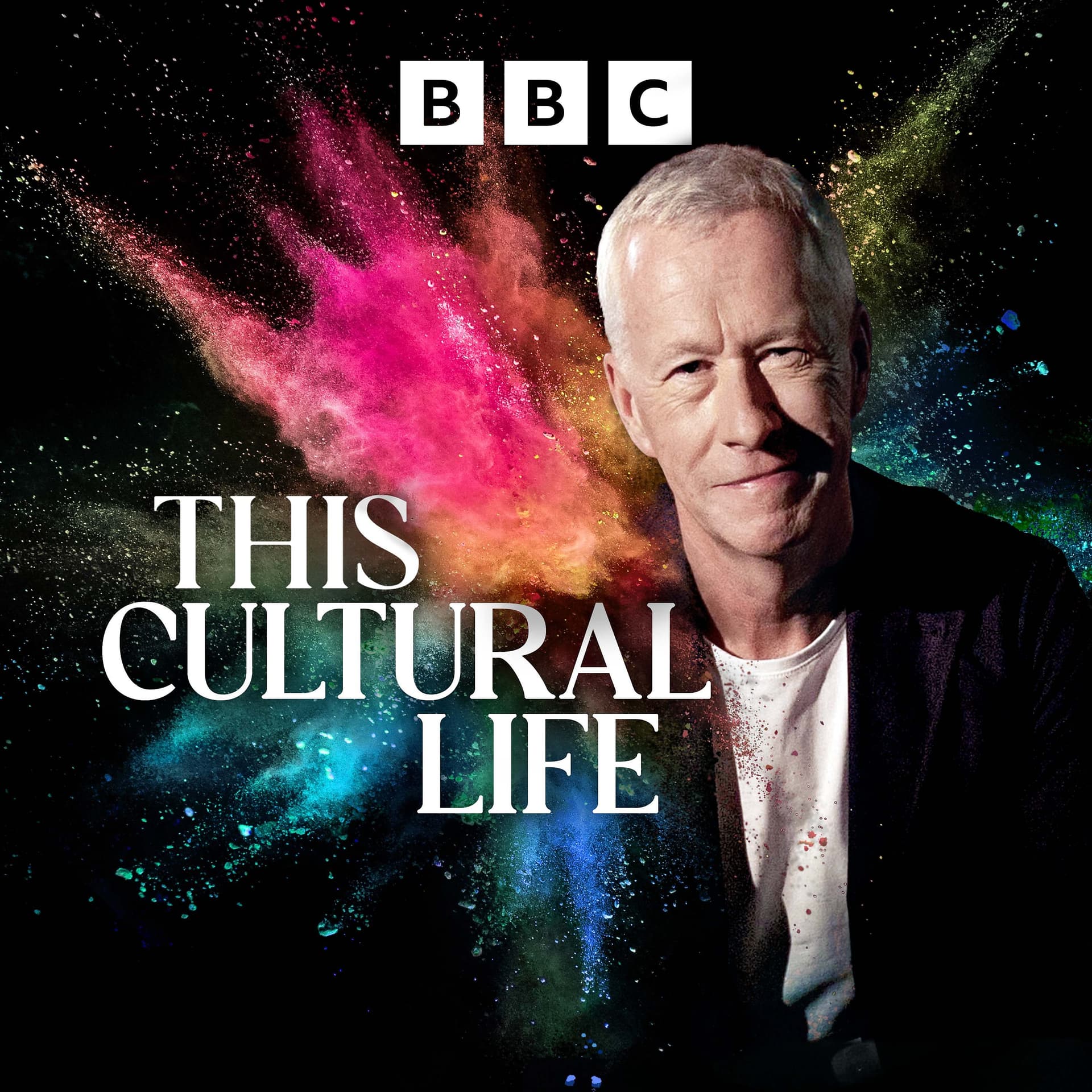
Podcast Notes: This Cultural Life - Episode: Gilbert & George
Overview
- Podcast Title: This Cultural Life
- Host: John Wilson
- Episode Title: Gilbert & George
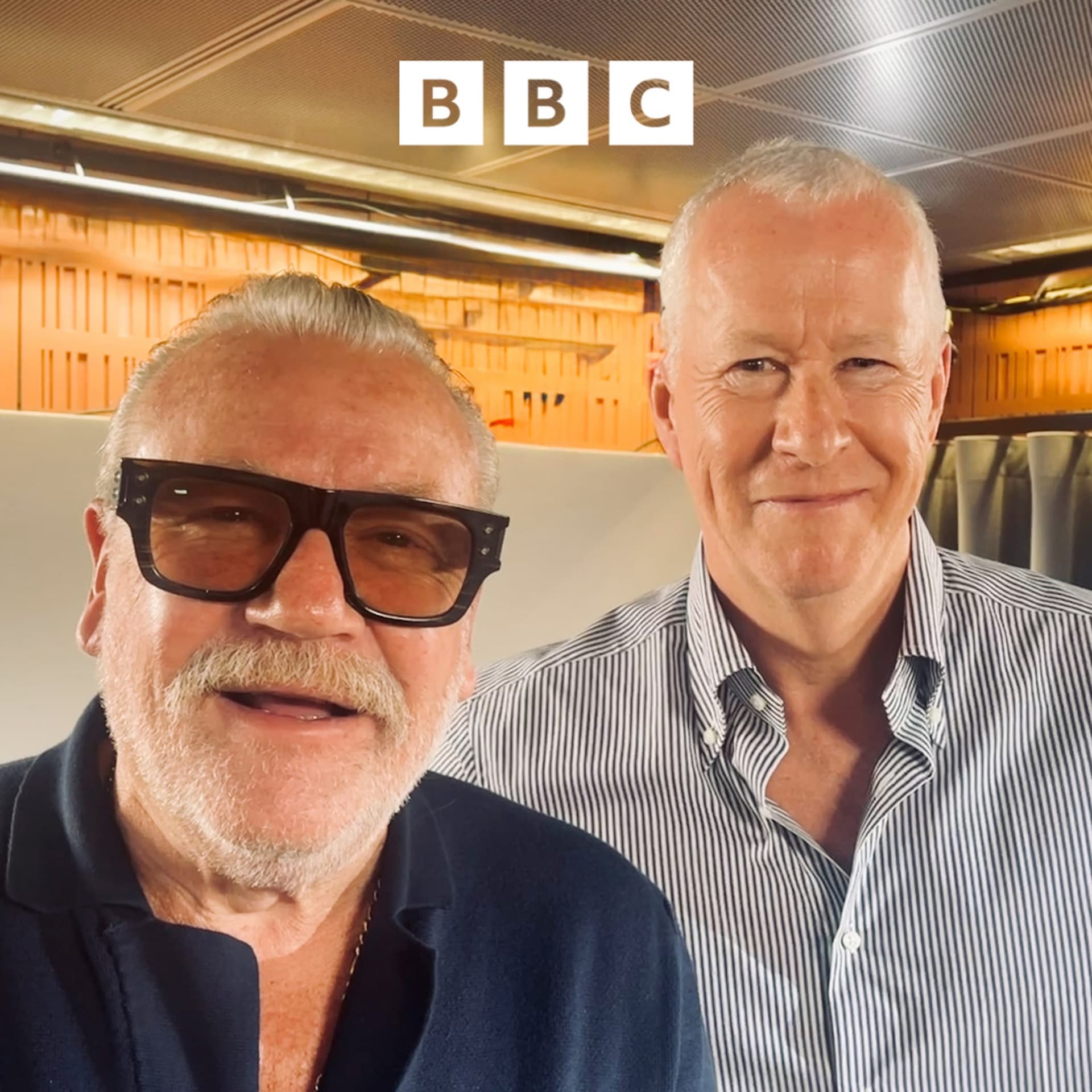
- Featured Guests: Gilbert Prousch and George Passmore
- Description: The episode features an in-depth conversation with the iconic artistic duo Gilbert & George, who discuss their 55-year partnership, their distinctive approach to art, and the influences that shaped their work.
---
Key Themes and Discussions
Introduction to Gilbert & George
- Artistic Identity: Gilbert & George refer to themselves as a single entity, "two people, one artist."
- Visual Aesthetic: Known for their brightly colored works that resemble stained-glass windows, often featuring urban life, sexual imagery, and scatological humor.
- Cultural Impact: Winners of the Turner Prize (1986) and representational figures for Britain at the Venice Biennale (2005).
Early Life and Influences
- George Passmore:
- Born in Plymouth (1942), had a challenging childhood during WWII.
- Influenced by literature, especially Van Gogh’s letters, which sparked his ambition to be an artist.
- Gilbert Prousch:
- Grew up in a small Italian village, inspired to be an artist by local artistic traditions, particularly in wood carving.
- Moved to London seeking to engage with the vibrant art scene.
Meeting and Artistic Development
- First Meeting: Met at St Martin's School of Art in 1967, where they felt inspired by the artistic freedom of the time.
- The Singing Sculpture: Their first notable work that launched their careers, where they performed as "living sculptures."
Artistic Philosophy
- Life and Art Interconnection: They believe there should be no distinction between life and art, aiming to create art that resonates with universal human experiences.
- Human Condition: Focus on themes of life, death, sex, and socio-political issues, challenging traditional art narratives.
The Role of Place
- Spitalfields, East London: Their home and a significant influence on their art. The area’s rich cultural diversity and history shaped many of their works.
- Cultural Melting Pot: Despite initially moving there for affordability, they were drawn to the area's vibrant cultural life.
Process and Collaboration
- Creative Process: They do not adhere to conventional notions of idea-driven art; instead, they allow spontaneous creativity to guide their work.
- Collaborative Dynamic: Their long-standing partnership reflects mutual understanding, with no significant conflicts about their artistic direction.
Public Persona and Performance
- Performance vs. Living Sculpture: They prefer to consider their work as “living sculpture,” distancing themselves from traditional performance art, which they feel alienates audiences.
- Engagement with Viewers: Their works aim to provoke thought and emotion, often confronting viewers with challenging themes.
Reflections on Fame and Legacy
- Recognition: They express ambivalence toward fame, enjoying the freedom it provides but also emphasizing the importance of artistic integrity.
- Establishing a Legacy: They aim to create a lasting impact through their works and recently established the Gilbert and George Centre in Spitalfields.
Future Aspirations
- Ongoing Creativity: Despite being in their 80s, they remain deeply engaged with their work, constantly creating and refining their artistic expression.
- Cultural Commentary: Their latest works continue to explore complex themes like mortality and the human experience.
---
Conclusion Gilbert & George share a unique perspective on the intersection of life and art, emphasizing the importance of spontaneity, emotional connection, and cultural commentary in their work. Their enduring partnership and commitment to challenging artistic conventions have made them iconic figures in contemporary art.
---
Key Quotes
- "Two people, one artist."
- "We want a human art that deals with all thoughts and feelings."
- "The whole living is one big sculpture."
---
Final Thoughts The episode of *This Cultural Life* featuring Gilbert & George is a profound exploration of how art can reflect the complexity of human experience and the enduring power of creative collaboration.
Written by AI. May contain mistakes. Listen to the episode to check what was said.
Transcript
Automatic transcript. May contain errors.0:00BBC Sounds. Music, radio, podcasts.
0:12Welcome to This Cultural Life, the series in which leading creative people reveal the most significant influences and experiences that have shaped their own work. I'm John Wilson and my guests in this episode are the artists Gilbert and George, a seemingly inseparable duo for over 55 years now. They're an artistic odd couple for whom they claim there is no distinction between life and art. Always formally dressed in matching suits, Gilbert and George have described themselves as living sculptures and are usually the subject of their own work, which has involved sexual imagery, scatological humour and profanity.
0:48They're best known for brightly coloured imagery depicting contemporary urban life framed within large-scale panels that evoke the stained-glass windows of churches. They won the Turner Prize in 1986, represented Britain at the Venice Biennale in 2005, and were the subject of a major retrospective show at Tate Modern in 2007. Gilbert Prouch is 79, and George Passmore is 81. They live and work together in Spitalfields in East London. Gilbert and George, welcome to This Cultural Life. Thank you very much. This is a first for this programme, I've got to say, because we usually only interview one guest at a time.
1:27And even though I have two people in front of me, you have always regarded yourself as one artist. Two people, one artist, yes. The most normal arrangement of the world is divided into twos, including the animal kingdom. Well, let's go right back to the start. George, you were born George Passmore in Plymouth in 1942. Yeah. What sort of upbringing did you have? I was bombed out of Plymouth by the Germans, of course. We went to the countryside. Brought up by your mother alone, I think? Yes, yes. Did you know your father? I met him once. At what age were you? 21. How was that? It was all perfect.
2:08You'd had no memories of him as a child at all? No, no. What were your memories of being brought up by your mother? What sort of childhood was it? It was all an idyllic post-war austerity years upbringing. Troops all over the place in Devon at that time still. What about your cultural upbringing? About what? Cultural upbringing. Cultural upbringing. Kind of books at home? Were you aware of art? Yes, we had an educated background. And then I started to go to Dartington Hall as a teenager and found out all about what artists do and what they don't do. Very exciting time. Did you have any early ambitions to be an artist as a child?
2:47I think I first had the idea to be an artist when I read that first book of Van Gogh's letters. It was published in Britain in 1957, I think, and I read the whole thing through, fascinated, and realised one thing about the book, and that was that he'd done it all wrong, but he'd won. You mean he hadn't played by the rules, but he is the one that... He's still won, yes. He's still won because we remember him. All of the ones around him who played by the rule, they didn't win. And Gilbert, Gilbert Prus, you were born in South Tyrell in northern Italy. Like George, a rural upbringing? Was it village life that you remember?
3:25Yes, it is a village, a small village, I don't know, 900 people and we speak a different language. It is Ladino language, a rather Romanic language. Only in the group, in the Doromans, they speak that language, like Cortina, Lampetto, Valgadena, Valbadia. There are three places. it's quite rare. Three valleys. And what did your parents do? Tell us something about your upbringing. My father was a shoemaker. But the whole idea in the family was always my uncles, they were all some funny artists, they would start drawing, stuff like that. That when I was six or seven years old, I only wanted to be an artist and nothing else.
4:06And you were drawing yourself at that time? I did full, non-stop doing that kind of stuff when I was chiseling, chiseling in the wood little figures. And when I was a little older, I didn't know how many thousands of Madonnas. Madonnas. But if you wanted to be an artist from the age of six or seven, when did you start thinking, seriously, how do I do this? How do I achieve? When I was 14 years old, I went to an art school in Valgarden and it was a famous art school to do with wood carving at the time. The whole valley is very famous for wood carving. So that's where I went for three years. And then I realised that I didn't want that.
4:47I had this vision to go to London because London was very famous at that time for the young generation sculptors. Absolutely. Just let me rewind to the wood carving because that is highly skilled work and relates, I guess, to, as you mentioned, and Madonnas and iconography and churches. Was religion important in your upbringing? We had to be religious, but I tried to leave it as soon as possible. And I think I left it when I was 16 years old. George, what about you? What about your religion? Ban religion. Ban religion? I was christened a Methodist, but we still say ban religion. We say we would accept organised religion very nicely if just once they would apologise, and they haven't apologised yet.
5:33and what should the church be apologising for? Oh good heavens, they have a huge list they don't need me to make the list
5:46Well on This Cultural Life I ask my guests about the influences and the experiences that have had a major impact on their creativity and your first choice together was meeting each other at St Martin's Art College Can you remember, George, can you remember the first meeting vividly? Yes, we were in St Martin's School of Art, which was in the Charing Cross Road, which we felt was the centre of the universe at that time. It was a time of extraordinary freedom, free love, anything goes. We thought we were extremely privileged and we were completely spoiled brats, I think. And this is 1967, Gilbert.
6:23What was the moment when you first saw George? Can you remember? I was not able to speak English. I didn't know anything. But anyway, they took me, they accepted me. That was important. So I went up to the fourth floor where all the postgraduates, you know. Yes, the postgraduates, yeah. Anyways, and I was on their floor and they accepted me. It was extraordinary. And so there was this person who took an interest in me and he accepted me and he showed me East End of London in the evenings. Off we went. Off we went. He showed me. It was amazing. I remember so well the street, all this dark, narrow street with yellow lights.
7:05It was so romantic. It felt like moving into a Dickens book or something like that. George Gilbert says that you seem to take an interest in him. Of course. Why? Oh, we found a perfect person. One knows immediately. It's very simple. When you say a perfect person, somebody that you could work with. Just in general, yeah, life, a life partner. Oh, so you knew that straight away? It was about physical and romantic attraction straight away? Love is the second greatest driving force in the world, isn't it? The second... What are you saying is the first, then? Sex. You're guessing. Did it become apparent very quickly that you were also kindred spirits artistically?
7:51That started when we left St. Marsting School of Art. We were outside the system, alone, and we still wanted to be artists. How did you regard the other students? Did you feel different to them in what you were trying to do? We began to realise very fast that the students and the teachers were talking and thinking and creating an art that didn't address the thoughts and feelings which were inside people all over the world. We felt that if you took the work that they were doing out onto the street of Charing Cross Road, that no one would see what it was. We wanted a human art that dealt with all the thoughts and feelings.
8:28Wherever you live in the world, whatever your religious background or age group, an art that could deal with death, hope, life, fear, sex, money, race, religion, shitty, naked, human, world, and everything else. And that's the way we're heading. How many times have you said that together, do you think, over the years? Many, many times. It's your mantra, isn't it? Oh, yes. It's one of them. One of them. When did you realise that you were different from, or the work that you were trying to do and your interests were different to the other students, do you think, George? When we left college, that was the magic moment.
8:59Most people, when they leave college, try to figure out what to do. So they either find a part-time teaching job or get a grant or something like that. They all wanted to become artists once they left college. They tried to be artists. And we felt we were artists already and we wandered the streets of London and we were amazed by everything we saw, the tube stations, the railway stations, the palaces, the prisons, the shops, the hospitals, everything. And we realised that we were part of the great Western triumph. We are safe and free, and that we wanted to be part of that. Well, freedom is really important, isn't it?
9:35Because, Gilbert, this is summer of 67, is now regarded as the summer of love, swinging London. Did it feel like that when you arrived? It felt amazing, I must admit that Everybody seemed to be able to express themselves how they wanted to And I never felt that before And the freedom that you could do on art That is not what you call stuck in old-fashioned ideas It was amazing for us That we were able to create something new Like that we were able to say that we are the art That was magic for us Were you taking part in all that Swinging London had to offer? Happenings, gigs, parties, that sort of thing?
10:18I think we were unlike our tutors and unlike our fellow students. We were very well behaved. They were all taking drugs and having sex all over. And we weren't like that. We were very well behaved. We had a very highly developed sense of purpose. That's why we wandered the streets of London. We didn't go chasing grants or anything like that. Were you known as Gilbert and George at college? When did you become an artistic duo? After we left. Right. And we went back into St Martin to give a lecture as Gilbert and George. That was one year later.
10:51Your next choice for this cultural life is the Flanagan and Alan song Underneath the Arches, which was to play such an important part in one of your earliest works. George, when did you first hear the song? We were wandering the streets of London and we came across an old shop, very near Houston station, which sold anything that was the detritus of human life. And there was a pile of gramophone records and the top one was called Underneath the Arches. And we knew what that meant because we lived in the East End where hundreds, if not more, people were living literally underneath the arches. And we took the record home and we found somebody who could play it and we realised that it had a truth and a beauty and an accuracy for life.
11:34There's only one place that we know And that is where we sleep Underneath the arches We dream our dreams of... It's about homelessness. Yes. Homelessness and being discriminated against. And when we played the record, we realised the truth, which was the writs I never sigh for, the Carlton they can keep. There's only one place that I know And that is where I sleep Underneath the arches I dream my dreams away Underneath the arches On cobblestones we lay Every night you'll find me Tired out and warm Happy when the daylight Comes creeping Herolding the dawn Sleeping when it's raining And sleeping when it's fine La-dee-dee-dee-dee-da, da-da-da-da-da Pavement is my pillow No matter where we stray Underneath the arches I dream my dreams our way And there we had it in that moment.
12:50That deserves a round of applause, I think. Normally on this programme, my guests are talking about the work. You are still performing the work. You are always... You're always working, really, aren't you? We never see it as work. You never switch off? No. We didn't work. Right, OK, not work, but it's always performance. You're always switched on. We never use the word performance because that alienates a lot of people. We call it the living sculpture. Yes. So that's what happened then. You tried to redefine what sculpture could be because you, I mean, you don't like the word performance, but looking back at some of the film from the 60s, there you are on plinth singing underneath the arches and your faces seem to be painted silver.
13:33Art my life and art my way. Sears painting in mud and clay. Sears dancing in smiling too. Good Lord, let's hope that art is true. Underneath the ashes I dream my dreams away So what was the first idea for that, George? Where did that come from? I mean, the first time I think that we became totally, when we went to Hyde Park, there was this big Mick Jagger concert, Rolling Stone concert. So we went there, we thought it would be a good idea for people to see us.
14:08You were there at the Stones in the Park? No, I mean in the park. Not for the performance. We were in the park. Oh, I see. And we arranged the metalised heads. We put on the metalised head. Multicoloured? To be different from everybody else. It was an extraordinary success. So did you perform there as the crowd? No, just stand still. We just walked through the... Very slow motion through the park. As a living sculpture. As a living sculpture, walking up and down and all the stuff. And they all came up and talked to us all about sex and love and whatever. You all asked extraordinary personal questions, very young people.
14:42Very intense personal questions. And I remember distinctly there were lots of people wearing caftans, sitting on the floor with their knees up and masturbating because it was free love. It was anything goes. Right, extraordinary. This is 69, isn't it? 69, yes. It was extraordinary. We thought it would be a very good idea for people to see us. An audience. So we had a metalised head. A public. That take us away from ordinary people. It's quite exciting. There is a film of the Rolling Stones in the park in 1969. Are you in that? Yes, it's even a book. Can we see? Are you? It was a magic moment.
15:18So after that first performance in Hyde Park, you realised that was a good idea. Did you start taking the living sculpture idea around the country? The living country idea we took because we went to the ICA for an opening. It was an opening of modern art, and we were not invited. We were so furious. So we thought we could gate crash with our heads on. And we did that, and they only looked at us after that. We stole the show. And then at the end of the evening, a young man came up to us and said, My name is Conrad Fisher. You exhibit with me in Düsseldorf. this was the leading modern art dealer of that kind in the world at that moment.
16:00Every artist would die for that invitation. And then he invited us to go to Dusseldorf and then it's the first time that we did a singing sculpture on a table with multi-coloured heads. It was extraordinary. Did everything change then in that moment? We were famous overnight. He took us all over Europe. and then when we were in Europe we were doing the singing sculpture on a dismal night in Brussels in what we now would call a pop-up gallery somebody borrowed a shop that wasn't in use and we did the singing sculpture and at the end of the evening what we thought was a little old lady she was much younger than we are now came up to us and said my name is Ilyana Sonnebend I'm opening my gallery in New York and I want you to do the inaugural exhibition again the most amazing introduction to North America we could have a dream of.
16:53And we took the senior sculpture in New York and again stole the show. It was quite exciting because they were all sitting on the floor and crying in front of our sculpture. Were you trying to reclaim the idea of what sculpture should be? No, I think we were quite naive about it. We just experimented. Did you not like conventional sculpture? No. I think we didn't want to be part of an art world that didn't speak to people in general, that just spoke to people who understood the language of art. We wanted to reach out to people. I mean, there were a lot of very successful British sculptors at the time, working in the 60s, sort of...
17:34But they did exactly what we didn't want. Formalism. Formalism. Stakes and, you know, triangles, squares and circles and all this stuff. But what happened to them? For them, love was a dirty word in art. Sex was the dirty word. Colour was the dirty word. Anything that could possibly mean something, they didn't want. They wanted shapes, an angle, a rectangle, a square, a circle. But these were the people who taught you as well, I presume, some of these established artists and these sculptors. Yes. What did they make of you? What did the teachers make of the work that you did? What did Anthony Carr say?
18:10I don't think they were very keen. I remember Anthony Carr famously said in an interview, I hope very much that they don't succeed but I rather think they might a very good quote Anthony Caro known for his really large monumental steel sculptures steel abstract sculptures steel abstract and you weren't having any of that you didn't like that this is not liking or dislike we're artists we don't have taste you don't have taste of course not why not people who look at art have taste artists don't have taste so it's more instinctive we have a purpose emotional feelings inside a drive that has been amazing for all our lives this emotional drive day and night driving us to become it it must be quite a job standing for five hours singing underneath the arches, do you find you get bored at all with the song?
19:04we like it very much, more and more love it really is every moment of your day art? Are you sculpturing or sculpting continuously? More or less, yes. You don't take breaks for living at all? No, the whole living is one big sculpture. You weren't just working in a vacuum, though, because in the late 60s and the early 70s there was a huge range of performance art that was emerging at this time. And, George, I know you've already taken issue with the word performance, but people using their own bodies... Who are they? Rather than being limited by the traditional... Who are they now? Who are they?
19:41Where are they? Well, Yoko Ono was obviously somebody who was associated with that sort of work at the time. But we never did that because we felt we did this, we made ourselves the living sculpture, like an object we made ourselves. But you saw it as distinct and different to the performance art that was... Yes, generally speaking, we felt that performance art alienated huge sections of society. If you take your mother to a performance evening, and some people are rolling on the floor making strange noise. That's the sort of thing Performance Heart did. Most people wouldn't understand it or like it or get it.
20:20But two men in suits singing a Flanagan and Alan song with metal heads. They're crying. People were glued to it. We still get letters from people who saw it. Extraordinary. Why do you think your work cut through in a different way to some of that more avant-garde performance art? Yes, we knew about the tramps from the First World War, the Second World War and the sexually discriminatory. We knew what it meant to be alive and we always understood that we should be part of the past, present and future at the same time. We don't want to show life or reflect life. We want to form our tomorrows. So many artists claim that they want the work to be known, not themselves.
21:01But with you, there is no distinction. You are the work, aren't you? We are the work. So were you happy then when you started to become so well-known, when you became famous? Nothing to do with happy. We're not sent here to be happy, are we? Did you welcome fame? Of course. We used to go out drinking every night. My God, we had money for the first time. We were very lucky. The first exhibition we had in Düsseldorf with Conrad Fisher, and then he said, you must do something for the gallery, something to exhibit. So we went away and we did a very beautiful charcoal-on-paper sculpture and took it over and hanged it in his gallery.
21:33And he was very excited. and said, that's great, and we were very pleased. And then he said, so how much will it be then? And we hadn't thought of selling a work of art, and we certainly hadn't sold a work of art. So we just said the most extravagant sum we could think of. Nobody's going to buy it, so we might as well have a grand figure. So we said£1 ,000, which was an unheard of amount of money for an unknown artist at the time. And he sold it the following day. Fantastic. Then began the drinking sculptures. You began the drinking sculptures? Yes. Started the drinking sculptures. We had freedom suddenly, freedom to go around and enjoy ourselves.
22:10Your next choice for this programme is London's East End. You have lived and you have worked together in a house just off Brick Lane in the East End of London for the last 55 years. What took you there in the first place, George? It was the only part of London where we could afford to live. It was£12 per floor of any building in Spitalfields. It didn't have a bathroom or anything, but it was just eight floors. It could be the basement, it could be the first floor, second floor. They were all£12 per floor. For a month? Per month, yes. This is Spittlefields. In fact, famously, you live in Fournier Street, which is a row of really beautiful 18th-century Huguenot houses.
22:50We were the first ones to restore a building in Fournier Street. They were all cheap factories when we were there at that time. We remember coming back from the West End because there was nowhere in the East End to entertain yourself. You have to go to the West End for fun. And coming back, the taxi would pull up in Faunus Street and the driver would always say, when's this lot coming down then? Not will it come, just when. You don't say that anymore. And I remember all the neighbours were looking at us because we restored the house ourselves. Day and night we worked on restoring this house. It's an area of huge cultural and ethnic diversity and has been for 300 years now because it became home to the Huguenots and then Jewish and then Irish and then Bangladeshi immigrants.
23:36Was that part of the appeal for you? No, it was cheap. But what about the cultural melting pot? Was that not stimulating? I think for country people it was very exciting as well. This room that you like so much, it seems rather bleak to me. It's just bare wooden painted walls and a couple of rather hard-looking green wooden chairs and this large window and really nothing else, There's no carpet on the floor, no pictures. We like it to be very simple like that. That's our blackboard. That's our canvas. Do you draw up your chairs and look at it? Yes, we nearly always have the chairs at the window.
24:15It's like a television screen. We are behind the curtain. It's not really a great deal to see. You're in a little narrow street in East London where there are a dilapidated house opposite and at the moment a big truck parked there. not the most exciting view I would have thought perhaps. We're very fond of it. We get more and more fond of it. We always say that we spend our time here thinking about sculpture and about art for all and reforming our ideas about that just as an artist works on a piece of clay or a canvas. You must go out sometimes though. We have a few new sculptures at the moment which do take us out of the room but that's very recent.
24:54They're drinking sculptures. For a long time we never drank anything at all. And about six months ago, we started to drink in bars. Before that, we'd never been in a bar at all. Would you regard standing in a bar drinking as a form of sculpture, though? Very much, yes. You have become local landmarks in yourselves, haven't you? Yeah, I think we lived there longer than anybody else. Do you ever leave the East End? No. On in the evening, we go to dinner. And we go to North London. North London, every night in the same place. You have always done that. You've gone to a particular restaurant or cafe every day, but that cafe changes sometimes.
25:37As it close. As it close, we have to find another one, but then we stick to it for... We don't want to try our heads thinking where to go for dinner or what to eat. If it's the same thing every night, our heads are completely free for us. We never read a menu. What do you eat? We eat two marmalade toasts for breakfast. One each. One marmalade toast each. That's it. Lunch? We go to Nelly's. Nelly's. We have maybe bacon sandwich. Nelly's is a local cafe then. Yes. And for dinner? We go to Mangalpitu, where we have some vegetables and then one chop, and then coffee. Yes. We are the only ones who have a table there, a reserved table.
Read the full transcript
26:21You don't take reservations, but we have one. Makes life simple, I guess, doesn't it? It keeps our heads free for what we want to do, which is more important than reading a menu or a wine list. Even it's very exciting to leave the house in the evening, to go and take a bus. We have to take two buses. We have to change buses because there is not a straight bus anymore. But you say you keep things simple, so you don't have to think about the menu. You know what you're going to eat because it frees up brain space. It frees you head. You're free. To do what? To think about art. We only think about art and nothing else.
26:56I mean, 55 years, non-stop art. I mean, we went on holiday. They pushed us to go once or twice. We say that life is a holiday compared with what is to follow. Have you taken holidays over the last 60 years? We went two or three times. We went once to Portugal. We went once to Spain, to Malaga. We went once to... We didn't bother so much with it. Now we don't do it anymore. You went to Malaga? Yeah. That's a really interesting thing to imagine. And Palermo. It was nice because it escaped the two weeks in London where it's all very frenetic and everyone's office parties and every secretary getting pregnant at the office party and things.
27:37Because Christmas is not taken seriously in that way on the continent. It's more religious. I can't imagine Gilbert and George lying by the pool in Malaga, though. Never been on the pool. Not a great deal would be achieved by lying beside a pool with a glass of wine, would it? You've chosen London's East End as a really formative influence on your work for this programme and the physical environment around your home has really clearly inspired so much of the work because you're known for these large-scale panel pieces. You mean the Dirty Words? Well, I was going to ask about the Dirty Words, which is a piece from 1977 featuring photographs of words which you'd seen graffitied on walls around your district.
28:18Just tell us about that work. The dirty words are part of the Western world, really. Oh, it doesn't matter if we are Chinese or Russian. They all want to scribble on the wall to express themselves. In every toilet, they express themselves. And why was that of interest artistically? Speaking that language, what they call, that maybe is a kind of frustration of human beings when they have to scribble on the walls. And it's amazing, powerful. The expletives written very large on the wall. When we created the Dirty Words pictures, most people, including all of our fans and supporters, thought that we'd gone a bit silly, a bit childish.
28:59And then the years rolled by, and then for the first time we showed them all together for the first time in London, and everybody came to the opening saying, it was marvellous, marvellous. Do you see the pictures have stayed still, but the world had changed and adjusted to accommodate them. And you say some of your... We change the world in a strange way. But you have gone a lot further than that. I mean, so much of your work over the years has featured all sorts of challenging subjects, and you've included not just... Our nudity. Nudity, but also excrement and... Flowers. Well, flowers as well.
29:36But what about the obsession with bodily fluids, which seems to... Only for a while. After all, we are doing it every single day, so why not? It's an amazing subject. doctors don't giggle when you say blood lavatory attendants don't giggle when you say shit it's a serious subject so what you were doing is making us confront the everyday the fact that these are things confront ourselves what we are and how does a work like that start, I mean just talk me through the process, does one of you come up with the idea and the other one say I don't know how it came up no ideas, we never base anything on ideas and if we base it on ideas as it would be things we knew already.
30:17We want to fall into some new truth, something we hadn't thought of. That's called the creative process. It's the most magical thing in the world. To come down to the studio in the morning and see what we worked on yesterday and not being able to reconstruct exactly how we arrived at that is extraordinarily exciting. Every day we're thrilled that we're able to create something. After all, we did nearly 3 ,000 artworks. It's extraordinary. So you're always in agreement about the sort of work that you should be making? But we are, because we are taking images, no? Hmm. Photographic images. We're all both taking images.
30:54Before doing a group of pictures, we are taking maybe 10 ,000 images. We don't know where we are going, no? Do you ever argue about the sort of work that you should be making? No, we call that the great heterosexual question. I apologise for that. No, we don't argue because, again, we see the newspaper in the morning and we see the news at six and we see that the whole world is engaged in arguing, fighting. The whole world is in a huge, horrible argument and we don't want to be part of that. We like to be superior in that way. Not only that, we want to win. You want to win? Win what? I mean, our idea is an art.
31:34If we start arguing, we would stop immediately making art. Well, that's the thing, isn't it? George is there saying that you don't want to be in conflict with each other. We never did that. And yet you are sometimes in conflict with the viewer because your work can be often difficult to confront. The viewer is very good because it opens, it makes it all alive. If they only would love it, you would fall asleep after a while. But because we are confronting them with different ideas, it's quite exciting. Do you set out to shock? Do you think this one's going to get people going? We say T-Shock. What about the way you dress as well?
32:12The suits, where did that come from? The beginning. We went to try to sell ourselves to different galleries at the beginning. We called it the responsibility suits of our art. We didn't want to alienate anyone. We didn't want to be like the traditional artists, being weird, smoking a tobacco pipe or having a beard or sandals or something. We wanted to be acceptable by everyone. We didn't want to alienate. So far it's worked. We never search the airports and we get a table at any restaurant in the world. You were the first British artist to have a major retrospective show at Tate Modern. Tate Modern rather than Tate Britain.
32:53Because we wanted it. Did it feel like you'd finally joined the mainstream art establishment then? We felt that when we showed the first British artist show at the Guggenheim in New York. Or many other exhibitions all over the world. We did more than 100 museum shows in the world. I don't think any living artist is shown at all of the places we've shown in London. Not one. You were elected to the Royal Academy in 2017. Yes, we were. Which is very much to the heart of the arts establishment in Britain, but then you resigned in 2017. No, because we checked ourselves. Three years later, why? I mean, they tried to make us a Royal Academy for years and years and years.
33:33They begged us. They're begging us to join the Royal Academy. And then we went and we had some dinners with them. Once a year you pretend to be a nice person and have dinner with them. And then we thought, my God, it would be a good idea to have a show here. And so we asked if they would consider having a big show for us there. We assumed they would want it, yeah. They said no and that was it. So you said we're off. Yeah, of course. We don't need dinners. Do you feel part of the arts establishment in this country? We are in. We're part of the world establishment. We never want to be part of the art world.
34:08We want to be part of the world. We don't want to eat lasagna in other people's houses, do we? Lasagna. Is that what people in the art world do? It's a house rule. Is it? Never eat lasagna in other people's houses. Why is that funny? I don't know. But you say the art world in a kind of disparaging way. Are you saying you're part of the arts establishment? We have never been part of the art world. But not part of the art world. We've never been part. We did it all, but we are not part of it, because we want to be free people. You have established your own museum now, the Gilbert and George Centre, very close to your home.
34:44So clearly you have an eye on posterity, on legacy, on remaining a part of Spitalfields, of the Brick Lane area. I mean, we have a lot of artworks, and we want to show them, and that's one way to do it. It's very simple. If somebody arrives in London from Venezuela or Wolverhampton, there'll always be someone where they can see our pictures. But without being morbid, I mean, you're both now in your 80s. You've got an eye on the future, on the legacy of Gilbert and George. We call it a leg over rather than legacy. We don't like the term legacy. There's nothing wrong with leg over. It's fantastic because the spittle fields where we lived, our house is there.
35:23You walk around the corner, our little museum is there. If not, it would be impossible. nobody would be able to see our works because it's limited what a museum can do for an artist. A museum can show one picture or two pictures sometimes. We started this conversation by talking about two people, one artist. I hesitate to ask this question, but what if one of you gets hit by a bus tomorrow? Does the other one carry on?
35:53Fear not, we always cross the road together.
36:00Is there a serious answer? No, no, no. We would ask the man in the newsagent shop down the road, what's going to happen when his wife dies? I think what it is, it is. That's my motto. Are you still working in the same way as when you started? We work much more now. I think we work 12 hours a day. Unbelievable. We don't like to call it work, but we do. Yes, we do. We think in terms of achievement. We personally think that to create the last pictures, which are the corpsing pictures, was an achievement. Nobody's ever done that. And the pictures for the center are called... The paradisical pictures.
36:38The paradisical pictures. To deal with that subject is extraordinary. Not paradise, but the thoughts and feelings people have about paradise or not all over the world. We think we've been able with those pictures to address the people who believe in the afterlife and the people who don't believe in it. And I think that's an amazing achievement. It's a complicated thing to do and fascinating. After all, we are not Gaga yet. No, you still seem very focused on your work and your purpose. What about the Corpsing series? Oh, they're fantastic. They're extraordinary pictures. We are showing them. I haven't seen those.
37:15What do we see? They're extraordinary. It's very interesting. Young people, if you say corpsing pictures, they immediately think of dead bodies. But in the theatre and film world, Of course, it has a totally different meaning. And because of those two meanings together, we think that's why the corps in pictures look like they do. So what do we see in those photographs? You see yellow soles. You see the soles of our shoes, which we don't normally see in our pictures. They're all yellow. It's like Dick Whittington walking the streets of London. Remember, Dick Whittington thought that the streets of London were paved with gold.
37:45He was very disappointed they weren't, but it didn't stop him. He went on to become famous and wealthy and became the Lord Mayor of London. because we believe in the feeling that the feet are touching the ground all the time. Human contact is us, the soles of the feet. So the images that we see are upturned shoes then, are we? No, bodies. Oh, they are bodies. They are lying down bodies that you can see the soles, and behind them we have the bones. Okay, so George, you responded with an amusing answer when I asked the question about if one of you died. but there is a serious undertone to this most recent work then.
38:28I don't think we're thinking about that. I think it's too early to be thinking about that. But I'm sure people will see it in that way. People are thinking about that as we speak. I'm sure there's an undertaker around the corner measuring somebody up. It's normal. You still seem so energised by working together. Do you ever imagine what your lives would have been like individually if you'd never met each other at St Martin's? Never thought of that. There's nothing more exciting that we've found in life than the creative process. That somebody can sit down and write a poem that someone will read again in 100 years.
39:04What amazing magic that is, compared with ordinary life. That somebody can make a movie that can be shown all over the world and then shown 50 years later. It's extraordinary. You talk about the movies, though. Do you go to the cinema? We used to go all the time, and then we stopped. We stopped in 16. In 17, in 17, we stopped. We saw the deer hunt, and we didn't see any more. We stopped going to galleries, museums, and theatres and everything. Oh, really? Why? We cut ourselves off. Why? We didn't want to be contaminated. Freedom. Yeah. No contamination. We wanted to be pure. So was it a decision to cut yourself from all cultural stimulus?
39:44It wasn't about seeing deer hunt? We were friends, roughly. Dear Hunter was the last film you saw? By chance, yes. A rather good one to go out on. You're never tempted to go back to the cinema? No, it'll come round on television. Oh, you have television at home? We have a small thing, or weird or something? What do you watch in the evening after you come back from your pork chops? Just the news. Game shows? Sitcoms? Reality television? Some films we watch. What about programmes like? Are you aware of Big Brother, Love Island? those sort of programs? Horrific stuff. Well, you sort of almost kind of started off.
40:20We're not middle class. You're not middle class? No. Of course not. What are you? Lower class. We're a gladly lower class. Of the streets? Yes. It's the streets of the world we're walking, really. And what is inspiring you right now? What is driving you on creatively? Life inspires us. Being able to use our heads, our soul and our sex together to create something that will mean something to somebody else. We can make someone go home being different from having seen an exhibition. We know that from our fan mail. They tell us extraordinary stuff in the letters, very personal stuff. People feel they can confess things or tell us very personal things when we've never met them.
41:04Because of our art, I think, it gives them a feeling. Do you ever employ people to advise you on your image? Do you have publicists? No. Are you self-publicists? We wouldn't think of it like that. People recognise us, of course. In Lisbon, three or four years ago, somebody said, you must try the restaurant to this other hotel, which was a very grand hotel. So we went to, it was very grand, and standing at the dining room door was a very grand head waiter with a leather-bound volume under his arm. And I said, good evening, do you have a table for us? And he said, without hesitation, we always have a table for great artists.
41:42It's this way, gentlemen. Did you ever, over the course of the career, work out a routine at home? Routine? Between yourselves, because, as I said before, this is not just like talking to two people, having a normal, candid conversation. You are, to an extent, always switched on. You are always Gilbert and George. Yes. But do you ever talk about how that works? No. It just happens naturally. It is it. Why would one talk about it? It is it. So you don't have to agree certain rules, parameters. I think we're very, very privileged people in that way. We're able to do anything we want, say anything we want.
42:29We fought for it, but it's ours. To be part of the free world is fantastic. So many people came before us, and we like to think about that all the time, the effort and the sacrifice that so many people did that you can get to this point. We can walk out of here and take a bus or a taxi, say what we want, do what we want, go to the library, go to anything. We're free and safe. Gilbert and George, thank you very much indeed for sharing your cultural life with us. Thank you. You're very sweet.
43:10Hi, I'm Rylan, and I'm here to talk about men. Because in recent years, we have all seen the man in Britain undergo radical change as the rule book has been well and truly ripped apart. So I'm going to talk to a range of prominent figures and celebs who have each got their own diverse and contrasting takes on what it means to be a man today. I want to prise open the fault lines of modern masculinity and get to grips with the changing landscape and try to get some answers so that we can pass them on to the next generation. This is Rylan, How To Be A Man, from BBC Radio 4. Listen on BBC Sounds.
From the publisher
An inseparable duo for over 55 years, Gilbert Prousch and George Passmore are the artistic couple known as Gilbert & George. Always formally dressed in matching suits, Gilbert & George have described themselves as ‘living sculptures’, and are usually the subject of their own work, which has involved sexual imagery, scatological humour and profane language. They’re best known for brightly coloured imagery depicting contemporary urban life, framed within large scale panels that evoke the stained-glass windows of churches. They won the Turner Prize in 1986, represented Britain at the Venice Biennale in 2005, and were the subject of a major retrospective show at Tate Modern in 2007.
They talk to John Wilson about meeting in 1967 while studying sculpture at Saint Martin's School of Art, their first notable work The Singing Sculpture; which launched their career internationally; and the importance of Spitalfields, east London where they have lived and worked together since the late 1960s.
Producer: Edwina Pitman