In short
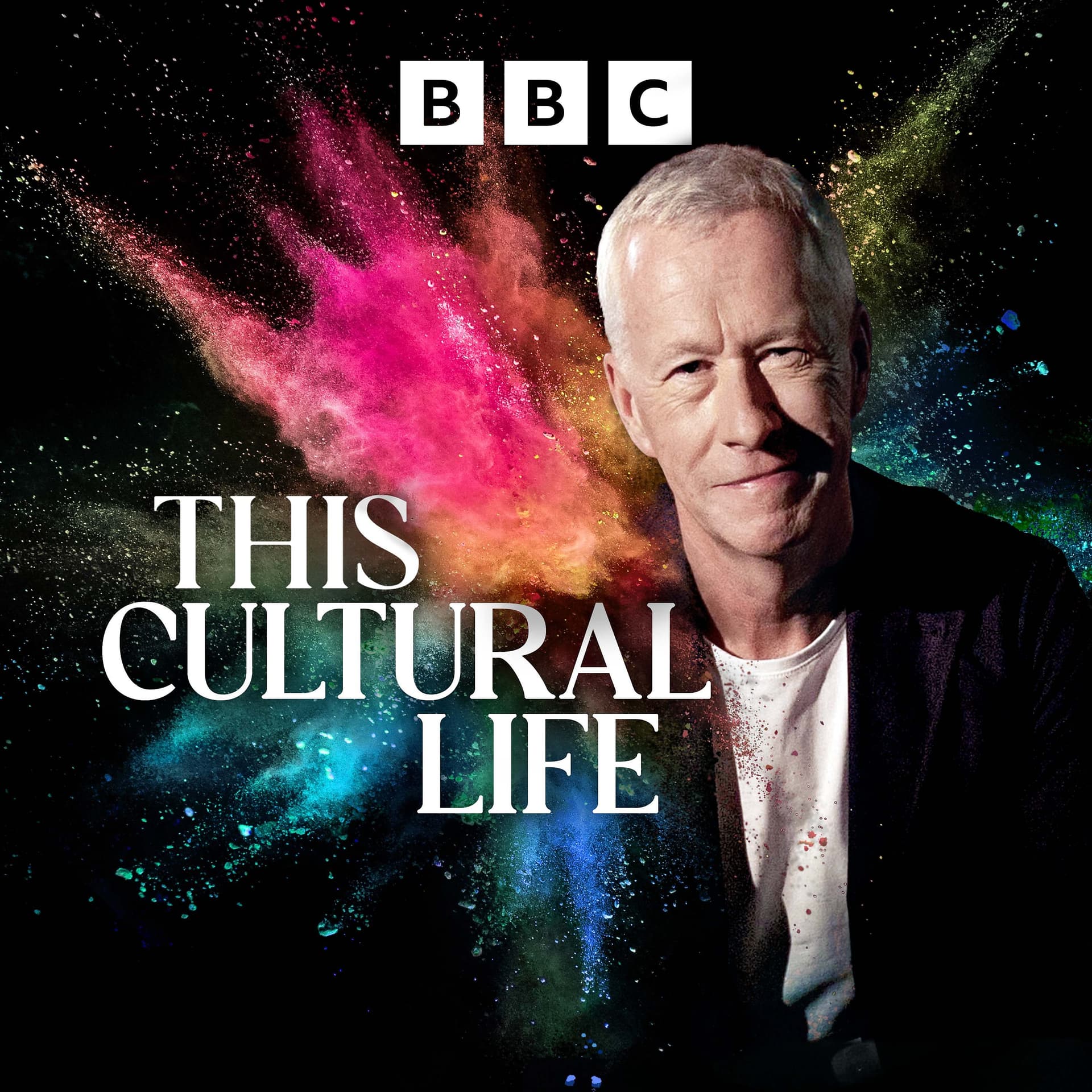
Podcast Notes: This Cultural Life - Episode with James Ivory
Overview
- Podcast Title: This Cultural Life
- Host: John Wilson
- Episode Title: James Ivory
- Description: An in-depth conversation with filmmaker James Ivory, co-founder of Merchant Ivory Productions, exploring his life, career, and insights into filmmaking and creativity.
Key Contributors
- James Ivory: Filmmaker and director; co-founded Merchant Ivory Productions.
- Ismail Merchant: Producer and life partner of Ivory; co-founder of Merchant Ivory Productions.
- Ruth Prawer Jhabvala: Writer and life partner of Ivory; co-founder of Merchant Ivory Productions.
Background
- Merchant Ivory Productions: Founded in 1961, known for over 40 films, particularly literary adaptations in the 80s and 90s.
- Awards: James Ivory became the oldest recipient of an Academy Award in 2018 for Best Adapted Screenplay for *Call Me By Your Name*.
Early Life and Influences
- Birth and Upbringing: Born in 1928 in Oregon; raised by adoptive parents.
- Formative Experience: Watching *Gone With the Wind* at age 12 sparked his interest in cinema.
- Education: Studied architecture before transitioning to film at the University of California.
- Influential Figures:
- Satyajit Ray: Influential Indian filmmaker Ivory met during a trip to India.
Merchant Ivory Films Hallmarks of a Merchant Ivory Film
- Aesthetic quality: "They look good, sound good, and are well-written."
- Focus on interesting characters and settings, often reflecting social and political changes without being overtly political.
- Notable films: *A Room with a View*, *Howard’s End*, *The Remains of the Day*.
Filmmaking Approach
- Emphasis on location shooting and real places rather than studio sets.
- Collaboration with skilled cameramen and artists for visual storytelling.
Partnership with Ismail Merchant and Ruth Jhabvala
- Initial Meeting: Ivory met Merchant in New York after screening his Indian documentary.
- Collaboration: Formed a successful partnership that included both professional and personal elements.
- Creative Dynamic: Described as a "triangular relationship" where each member played distinct roles (director, producer, screenwriter).
Themes in Filmmaking
- Adaptation of Literature: Ivory often adapted novels, particularly focusing on themes of repression and emotional turmoil.
- Forster's Novels: Adapted *A Room with a View*, *Maurice*, and *Howard’s End*, exploring themes of societal change and personal identity.
Notable Adaptations
- *Maurice*: A groundbreaking film for its portrayal of a gay love affair, released during the AIDS crisis, which faced criticism despite its positive reception over time.
Criticism and Legacy
- Merchant Ivory films faced backlash, often labeled as "heritage porn."
- Despite criticisms, Ivory remained committed to creating meaningful work, exploring complex themes and character dynamics.
Personal Reflections
- Discussed losing Merchant in 2005 and how it affected his work and life.
- Ivory's recent work includes continued writing, with the possibility of future projects, reflecting his ongoing creativity.
Conclusion
- James Ivory’s contributions to film and the cultural landscape highlight the importance of collaboration, trust, and artistic integrity in filmmaking. His reflections on his life, partnerships, and the evolution of his work provide invaluable insights into the craft and the impact of cinema on society.
Key Takeaways
- The importance of collaboration in creative efforts.
- James Ivory's unique perspective on adaptations and the significance of visual storytelling.
- The enduring impact of Merchant Ivory films on cinematic history and cultural discourse.
Additional Resources
- Books: Ivory's autobiography for deeper insight into his life and work.
- Films: Recommended viewing includes *A Room with a View*, *Howard’s End*, *Maurice*, and *Call Me By Your Name*.
---
This markdown file serves as a detailed summary and analysis of the podcast episode featuring James Ivory, encapsulating his insights and the thematic richness of his work in cinema.
Written by AI. May contain mistakes. Listen to the episode to check what was said.
Transcript
Automatic transcript. May contain errors.0:00Hello, I'm John Wilson. You're about to listen to This Cultural Life. Episodes are released weekly, wherever you get your podcasts. But if you're in the UK, you can listen to the latest episode first on BBC Sounds, seven days earlier than anywhere else. Do subscribe to This Cultural Life on BBC Sounds and make sure you have push notifications turned on and we'll let you know as soon as new episodes are available.
0:30Welcome to This Cultural Life, the series in which the world's leading artistic figures choose the most significant influences and experiences that have inspired their own creativity. I'm John Wilson, and my guest in this episode is the director James Ivory. Along with producer Ismail Merchant, he formed the filmmaking company Merchant Ivory in 1961, and they went on to make more than 40 films, becoming synonymous with a particular movie genre in the 80s and 90s, often adapted from literary classics. Merchant Ivory won awards and acclaim for A Room with a View, Howard's End, The Remains of the Day and many more.
1:07In 2018, at the age of 89, James Ivory became the oldest ever Academy Award winner. Having been nominated three times previously for Best Director, he won the Best Adapted Screenplay Oscar for the coming-of-age drama Call Me By Your Name. He's now 96 years old. James Ivory, welcome to This Cultural Life. Thank you. Very happy to be here. Your name is most commonly associated with the film company that you co-founded. Most people will have an idea of what a Merchant Ivory film is. But what are the hallmarks of a Merchant Ivory film to you, James? Well, they look good. They look good. That's always been important to me.
1:50And they sound good. They're well written. I try to have them be as well directed as possible. and they're about, I think, interesting people. In interesting times. Places and worlds. None of them have ever been very political. The one time we did make quite a political film, which was Jefferson and Paris, nobody liked it. But they're quietly political often, aren't they? Yeah. Reflecting the changes of the times, political shifts, social shifts in particular. Right. You were born in 1928, and you grew up in Oregon. What are your earliest memories of home life? My father was in the lumber business.
2:32He, with a business partner, bought a sawmill in Klamath Falls, Oregon, called Boy Scouts Mill, and totally redid it. And I lived in a small town, Klamath Falls. There was about, I don't know, 16 ,000 people there. You were adopted by your parents? I was adopted, yeah. Did you know anything about your birth parents? No, I know very little about it. I mean, later on I came to know a bit more when I discovered my birth certificate, things of that kind. But no, I didn't know, really. Were you a creative child? Very, I think, yeah. When I was in the second grade, so I must have been about seven, the teachers there saw my drawings and thought I really ought to have private art lessons.
3:20as with another boy also there. So he and I learned all the basic rudiments of drawing and painting. And we went out sometimes into the woods and painted. I still have those paintings. Really? Yeah. Interesting that a few moments ago when I asked you to describe a Merchant Ivory film, you say, they look good. So that's a lot to do with your artistic eye as well. Yeah. Well, they look good for a lot of reasons. I mean, I always had terribly good cameramen. We hired the best cameraman we could get, always. That's why they look good. I have a theory that there is something in the Italian landscape which inclines even the most stolid nature to romance.
4:01It reminds me somewhat of the country around Shropshire, where I once spent a holiday at the home of my friend, Miss Apesbury.
4:12And I divine it, Charlotte, you had an adventure there. Vain to deny it
4:28On This Cultural Life, James Ivory I ask my guests to choose the most important influences and experiences that have inspired their own creative work and your first choice that you've made is seeing Gone With The Wind at the age of 12 years old
4:46the film came out in 1939 so you must have been seeing it in the cinema shortly after its release probably i don't know how long it took to get to our town but i imagine very soon after its release it got to climate falls if you go where shall i go what shall i do Frankly, my dear, I don't give a damn. And I remember the nuns speaking darkly of it. I'm sure they had not seen it, but we were to stop up our ears when Rhett Butler said damn. So I don't know how the nuns knew that Rhett Butler said damn, but we were not to listen to him saying damn. They warned you in advance. They warned. They warned.
5:28Of course, my mother and father said damn all the time, so this is nothing new. So sometimes even God damn. Was it the story of Gone with the Wind? Was it the drama, the spectacle, the visual spectacle? All that. All that. I liked the story. Civil War thing. It was all great. Gone with the Wind, of course, is adapted from the bestselling 1936 novel by Margaret Mitchell. You went on to adapt many great novels yourself. Were you a big reader as a kid as well? Yeah. And I read adult books and my parents never guided my reading. There was a period when I was very interested in the Old South, you know, the American Old South, because I'm half Southern.
6:06And I started reading Southern novels. I was reading stuff which probably my parents would have preferred I didn't read, but they didn't tell me that I couldn't. You know, when Gone with the Wind came out, it was such a huge success. So then authors began to write other Southern novels, that kind of romantic stuff. Did seeing Gone with the Wind spark an early interest in possibly going on to make movies, do you think? Probably. It's there, you know. Somewhere along in there, I decided that I wanted to be a set designer for movies when I was in high school. And we had an architect who came to work in our house, and I must have been about 16, and I got up the nerve, and I said, if you wanted to be a set designer in the movies, how should you prepare for that?
6:54and the architect said, would you go to architectural school? And that's exactly what I did at the University of Oregon. I went into the School of Architecture. But with a view to becoming a set designer rather than a designer of buildings. Yeah, with a view to becoming a set designer, exactly. And I had that idea for quite a while and all the time I was seeing movies and that must have encouraged me. But then slowly I began to think I'd like to make my own films. But it's interesting, isn't it? So many of your films feature great buildings. The physical landscape is one of those recurring features of the Merchant Ivory film.
7:35So architecture itself was a real interest. Yeah, of course. I always had a great interest in where we were shooting a film. And very early on, I decided I wanted to shoot my films in real places. I didn't want to go into a studio and build sets and so forth. We had to do that on one film. I shot them like the French New Wave films were shot in real rooms. On location. Real streets on location. We made so many films in England. and we had wonderful, wonderful houses to use as sets. This is the ballroom. Goodness. Like it? Proper. Even I know a good thing when I see it. Yes, but nowadays, with...
8:24Evie Orle was out with her fiancé, when I get home in the evenings, I tell you I can't stand the place. It would be very lonely for you. Yes. Do you ever get learning a snagel? After the University of Oregon, you went to the University of Southern California to study filmmaking? Yeah, I did, right. And it was during this time that you made your documentary, very early documentary. Well, I had made a trip that I made to France in the summer of 1950. I also went to Venice, and I was just blown away by Venice. It was an extraordinary place. I had to go back. And when I was then at USC, getting a master's degree in film, I decided what I would like to do is go to Venice and make a film about Venice.
9:12I suggested that to my teachers, and they said, sure, but we're not going to pay for it. But my father paid for it. And this was a film which I think was hailed by the New York Times in 1957 as one of the best non-theatrical films of the year. Yes, it was. But this was a documentary film. It was a documentary about how artists had seen Venice over the last 500 years. The design is of many colors. The shades of weathered brick, the tints of stucco, of amber marble, and unknown oriental stones. For centuries, the painter has found a subject in these shifting patterns.
10:00Your next choice, James, is meeting the producer Ismail Merchant and the writer Ruth Jabvala, whom you describe as your life partners. They are the people with whom you went on to form the company Merchant Ivory. Let's start with Ismail Merchant. When did you first meet him? It would have been 60, probably. In New York? In New York, yes. I had made a film about Indian miniature painting. He'd been to see my Indian film, The Sword and the Flu. It was shown at the Indian consulate. And then I remember after the screening, I came out and I was standing there. And this fellow came up that was Ismail and said how much he liked it.
10:40And he said privately to other people, he was surprised that an American knew how to make such a nice film about India. So then we went to have coffee. But all the time he was on the telephone while we were having coffee. We went to a place on Madison Avenue and had nice coffee. And he was on a pay phone, you mean? Yeah, I guess so. But he was on the telephone the whole time. Yeah. 1960. Exactly. It was a payphone. He was going away to talk on the telephone. During your first meeting? During our first meeting, sure. But did you hit it off personally straight away? Terribly, yeah, sure. And what was he doing in America?
11:18He was a student who had gone to the NYU Film School. And he made a film there with some other Americans about Indian dance. and it was so successful and so much liked that it was nominated for an Academy Award. And he had gone to California with that film for the Academy Awards. He didn't get into the Academy Awards and it did not win an Oscar. So anyway, he was now on his way back, passing through New York, on his way to Bombay. So a really fortuitous meeting then in New York. How long was it before you decided to work together that there would be some kind of professional partnership? The thing is, I was given a grant by the Asia Society of New York to go to Delhi and make a portrait, a historical portrait of the city of Delhi.
12:04So I knew that fairly soon I myself would be going back to India. After several months, I followed him and also went to Bombay. And then once I was there, he showed me a novel. I've never been able to find the copy of that novel. I don't know what happened to it. of Ruth Javala's novel, The Householder. But someone out in California had handed him the novel and said, they'll never make a film like this in Hollywood, but you go and make this film. So he was following up on that advice. He wanted to make a film out of The Householder. Well, in order to do that, we had to get, of course, the permission of the writer, Ruth Javala, who lived in Delhi.
12:45So he and I went to see her in Delhi. And we told her what we wanted to do, and she had not seen any of my documentaries or anything. She didn't know who we were, but she must have liked us both. Though her husband, who was there at the meeting, said, you watch out for them. They're probably con men. You watch out. But anyway, we told her we wanted her to write the screenplay for the householder. And she said, well, I don't know how to write a screenplay. I've never written one. And his mom said, well, I've never produced a film, and Jim has never directed one either. So we all agreed to make The Householder.
13:22That's an extraordinary start to the Merchant Ivory story. Ishmael, when you made that film, did you think it would be your only collaboration? Immediately there was this chemistry, you know, which we all wanted to be together. Ruth, Jim, myself, we developed a kind of more than just a working relationship. It was almost like an instant friendship. Not even for an instant, we thought that we would not do films together. It was just right from the very beginning. Was there a sense of making it up as you went along at the start? I don't know. We were... Not really. Yeah, we were novices, but somehow we managed.
14:03Why do you leave my mother sitting alone upstairs? Have you had a quarrel? I don't quarrel. What do I do? Shh! Quick, get us a more tea. broken pieces of bread and hash words that's the law for mother-in-law we sold that film and we made it in two versions one in hindi and one in english the american film companies had a lot of money in india and they couldn't take out they couldn't expatriate the money so we took that money that we got from columbia pictures to make shakespeare wallah And Shakespeare Waller tells the story of a travelling family troupe of players putting on Shakespeare. Putting on Shakespeare, going around India and putting on Shakespeare.
14:47And it stars very young Felicity Kendall. Right, she was 17 then. Do you like acting? Of course I like it. Well, I mean, I've never known anything else. Sometimes I get depressed, though. When nobody comes, we play to an empty house. Romeo, Romeo, where for that thou? That's all I remember. A real actress, someone like my mother, she plays for all she's worth right up to head. I'd like to be like that. When you're like that, it means you're the real thing. You also mentioned to us that the great Indian filmmaker Satyajit Rai was a big influence on your work. You met him there in India, didn't you?
15:27I went to see him, yes. Well, I had seen Pathak Panchali, and I just thought that was the most wonderful film I'd ever seen, practically. So when I arrived in Delhi, people who knew his film said, oh, you must see the music room. I said, well, how can I see it? They said, well, just ask Ray to show it to you. I said, well, how will I find him? And they said, he's in the phone book. Just look up his number in the phone book and call him up. And I did exactly that. I went to Calcutta, and I called him up, and I said, I'm an American documentary maker, and I was wondering whether it was possible to see the music room.
16:03He said, sure, I'll show it to you. And we went to the Tali Gunge studio, and he ran it for me and sat next to me, and he would translate important bits of dialogue for me that I needed to hear. And what's the film about? It was about a great connoisseur of music who, in a way, is ruined by his love of music. The music was ravishing. It had all these great Indian maestros.
16:40So did Rai become a big influence on your later work? Then, yes, he did. After I made my first feature, which was The Householder, and we made it in two versions, one in English and one in Hindi, it was a big, unwieldy movie, you know, too long and so forth, and I thought, I need some help, I ought to show this to somebody who could help me slim it down a bit and make it more concise. I got on a train with Ismael and several trunks containing the film because it was all in 35mm. There was no other way to see it. I went to Calcutta to show him. And he was very encouraging. Very encouraging. He liked the film very much.
17:20And then I said, you know, it's an unwieldy kind of awkward film. I don't know how to trim it down and so forth. And he said, I'll do it. But he said, I'll do it for you. It'll take three or four days. But I have only one request, is that you let me do what I want to do and you don't stop me from doing any of it. If I take out things that you like very much, you can always put them back in. So I let him do it. So Sacha Achit Rai is the film editor on the household. Well, you can't call him the editor because he brought in his own editor to do all the work. Does he have a credit on the film? On that film, no, on the next film very much so because he composed the music for it, Shakespeare Waller.
18:13And after the success of Shakespeare Waller, Merchant Ivory established itself and went on to have such incredible success and it became an almost byword for a particular genre of filmmaking in the 80s and 90s, lavish period dramas, often adapted. Well, that made me cross. It makes me cross when I read it now. Lavish period dramas, that's all people talk about. I made so many films in the United States. They weren't period films, except for Mr. and Mrs. Bridge. So I made a lot of films in France. I made films in China. I made films in Argentina and so on. But they always talk about the English films, which, of course, were box office hits, so I don't blame them.
18:54I mean, they need to talk about it, but they never talk about the other films I made. I find that irritating. And most people haven't bothered to look at them. But many people would immediately associate you with Howard's End or Remains of the Day or Room with a View or Heat and Dust. That's fine. Which are lavish period games, aren't they? Yeah, exactly. But there are others. What sort of films did you set out to make? Films that we wanted to make, that we liked. We liked the stories, we liked the actors. We had a group of actors in India that we worked with a lot. Meanwhile, I was always seeing the Ray films.
19:29I mean, the Ray films were there as a kind of spiritual guide to what we might be doing. Sometimes when I look at my later films, I mean, films that are made in the United States or in Europe or wherever, and I see they look the way they do because of my experience of working so closely with my Indian cameraman, Shubhutamitra, who was Ray's cameraman, and they have a look about them that they wouldn't have had, had I not had that experience with that cameraman. Miss Kenton, you mean a great deal to this house.
20:11You're extremely important to this house, Miss Ginton Am I? Yes Yes Now look here If you're really sure about this young woman You'd better call her back in Actors over the years have described your style on set directors unusually quiet and restrained compared to other directors. How would you characterize your approach to directing? Well, I don't believe in telling talented people that you've hired because they're talented. I don't believe in telling them what to do. I want to see what they are going to do. I have to leave them to do it. The role of actors and directors, they're quite different.
21:00Actors are deep, and particularly when they're developing a character, God knows where their knowledge of that character comes from. It comes from personal experience. It comes from their own souls somehow. It comes up out of them. They're bringing it out of the depths of their being. So that's why actors are deep. But directors are shallow because we have a million things we have to look after. And we never get into any of them all that deeply because we have thousands of things we have to pull together. So there are two different kinds of forces at work there. One's the shallow overlook of the director, and the other is the deep look of the particular artists who are working with you.
21:38And that doesn't just mean actors. It also means set designers, costume designers, the woman who does the hairstyles, all those kinds of things. They have to be allowed to show you what are they bringing up out of their souls for you. You have to let them show you that. And then if something is wrong, then you steer them away from it into something else. But that's rare. So it was very much about trust from your perspective, trust in your cast and your crew. Exactly, exactly. Well, these are artists. You hire artists because you trust them. You know, you wouldn't hire them otherwise. Why would you work with somebody that you didn't trust?
22:14You just wouldn't. And that trust was also most important when it came to the relationships with Ismail Merchant and Ruth Jabvala because you formed this company and you were very, very close. How did it work on a professional basis then, in terms of deciding the next project and developing? Well, we worked very closely, and the first films we made, I was a co-writer with Ruth Javala of the screenplays. I mean, Shakespeare Walla, The Guru, Bombay Talkie, those are all original stories, and I'd sort of concocted the idea, and then I worked with her on it, and then that gave her something to work with, and then she came up with the screenplays.
22:50I mean, films for me are in two stages. One, when I write the script, and I'm more or less on my own. and that's the nice bit. And then there comes, for me, the unpleasant bit when they all go out and 100 people and film sets and actors and lighting people and camera and sound. I stay awake. When they go to the editing room, then I come in again and work. That's the bit I like. But do you like it? Do you like that bit? After all, aren't you looking at that point at what they've done to your baby, as it were? Oh, no. A film is not like a book. It's not a writer's baby at all. I mean, so many people have put in their talent by that term.
23:29But nevertheless, there must come a point at which, and I think your husband said you're perfectly capable of screaming at the other two, you must have some screaming. Oh, they scream much louder than I can. What was the secret of the success of your filmmaking partnership, do you think? Did you just bring out the best in each other? Well, each of us had our, you could say, assigned roles. It's rather like the American government. You have a president, that was me. You have a Congress who does everything, finds the money. That was Ismail. And you have a Supreme Court who decides what is good and not good.
24:02And that was Ruth. And that was our setup. It worked incredibly efficiently then, didn't it? It worked very, very well. It did and still would work if they were around, but unfortunately they're gone now. Once a week in the evening I cook a meal for my crew and actors and their guests. So it could be from somewhere 50 to 80 people or 100 people would come to dinner. And then we are all, even in this small budget, we have very good wine or champagne and a wonderful meal. So it's like a family getting together. It gives them something to look forward to. People don't want huge salaries when they work with us because they know the producer and the director have gone through a hardship to come to the stage of really filming it.
24:43So they all realize that and then they work with dedication. And I think that we are very grateful and lucky that this has happened, you know, because not many people can boast about it. Ismail Merchant was both your business partner and your life partner for over 40 years. It's something that neither of you ever spoke about publicly. Why was that? Was that out of respect for his family primarily? Pretty much, yeah. He came from a very conservative Muslim family in Bombay. And I've never been... If you want to read about all that sort of thing, you can read my book. I've read that, but the people listening to this program, not everybody will read that book.
25:20Well, they can go out and buy it. It's there in the bookstores. So is it still something that you don't particularly want to talk about, your personal relationship with Ismail? Yeah, I mean, it's not easy to really, yeah. But the people that you were working with must have known the dynamic of your personal relationship. Yeah, they did. And it was fine with everybody. It was another world in those days anyway. and that relationship with Ruth and Ismael working relationship you were also living very close to each other as well weren't you yeah in our building we each had an apartment on a different floor we had the same view out out the back to the New York skyline Empire State Building and everything I was on the 12th floor Ismael was on the 14th floor and Ruth and her husband were on the 7th floor and then she had another apartment on the 7th floor for her grown-up daughters.
Read the full transcript
26:17History could well be made under this roof over the next few days. You can, each and every one of you, take great pride in the role you will play on this momentous occasion. Polished brass, brilliant silver, mahogany shining like a mirror. That is the welcome we will show these foreign visitors to let them know they are in England. The order and tradition still prevail. The productions were, as you say, shot on location, large casts, lavish costumes and sets. The attention to period detail is often ascribed to you, credited to you. Does that all go back to that love of art, do you think, in the early days?
27:03Well, I mean, things either look good or they don't. Things are either right or they're not right, and you have to make them right. My attention to period details really comes from what I've learned from those artists who have worked with me. I didn't know anything about costume or hairstyles. Whatever I learned, I learned from my designers. But that attention to detail, that demand. If you're going to do a period film, you have to have that attention. And one of the ways that it's possible to have is I never did a period film apart from Jefferson in Paris that was before the age of photography.
27:42So you had many, many photographs of people from about the 1840s on, and you know exactly what they were wearing and how they looked and how their hair had been done and all the rest, and what their interiors were like. You knew everything about them because they'd all been photographed. Despite the sumptuousness of the films, budgets were often very tight, weren't they? Always were tight. Actors talk about being underpaid. There was never a time they were tight. That must have led to tensions during the production sometimes, did it help that you were in a personal relationship with your producer, or did that make things more fraught sometimes?
28:16More fraught, of course. And for Ruth, too. You know, I wanted certain things, and we couldn't afford it. And I'd be told, no, that's not possible. We can't go there. How did you get around that? Didn't do it. But it's interesting, when you look at some of those films that were hailed as the classic Merchant Ivory films, It doesn't look like budgets were tight. Well, I know that, but that was due to all our joint cleverness, I guess. Your mother would never forgive me if I took the view. Your mother would want you to have it. On no account, the view of the Arno is yours. I don't know why we're arguing, because we don't have it.
28:57We have no view. I have a view. I have a view, so does George. My son George here. You can have our rooms and we'll have yours. We can change. But why shouldn't you have them? Women like looking at a view. Men don't. Merchant Ivory made three very successful adaptations of E.M. Forster novels, A Room with a View, Morris and Howard's End. What was it about Forster in particular that appealed to you? The only Forster novel I'd ever read was Passage to India. I didn't know his other novels and they were introduced to me by Ruth and she thought that I ought to read his other ones particularly Room of the View and then once I started reading Forster and reading all his novels I thought this is a wonderful writer and he's a deep writer but he's also entertaining and funny and sharp but you in a way hope you yourself are But was it the period in particular that appealed to you or was it very much the themes and that idea of the repressed emotions and society changing very slowly, but people caught in the grip of extreme emotional turbulence, often hiding?
30:14All that had its appeal. I don't know why. Your 1987 film, Morris, starring Hugh Grant and James Wilby, as lovers in Edwardian England, was possibly a surprising choice of adaptation after the huge success of A Room with a View. In fact, I think your partners Ruth and Ismail were quite reluctant to make Morris. Well, no, think about it. It's the other side of the coin from A Room with a View. It's about a main character who, if they didn't do what their heart told them to do, which is to love someone who loved them, it would be living a lie. Both Morris and A Room with a View are on that subject, and that seemed important to me to point out.
30:58Durham, where did you get to? I know you read those books in the back. How do you mean? You'll understand then, I don't have to explain. Understand what? That I love you. Don't talk rubbish. Durham? Durham, come back! Ruth thought Morris was sub-Forster, and therefore if I made a film for Morris, it would be sub-Ivory. But in fact, she got very much involved in it. And it's she who figured out a lot of plot problems. I mean, she just thought that as material, it wasn't up to Room of the View or Howard's Inn particularly. But looking back at Morris now, it is very bold. It seems to be ahead of its time in its depiction of that gay love affair, especially as it was being made at a time at the height of the AIDS crisis.
31:53Right. Did it feel like you were pushing boundaries cinematically at the time? It may have done. It did in England. It was criticized by most of the English film critics, which I always thought was odd because every one of them were gay. But all of them didn't want to be associated with it and write nice things about it. Do you really think that's what the resistance to the film was about? Well, I mean, that's the subject matter, isn't it? It's about a gay love affair that ends happily. Yeah. And that's why Forrester could never publish it because it had a happy ending. It was about behaviour that was considered criminal and had a happy ending, and that's why it had been impossible for him to publish it.
32:32He was going to destroy the manuscript and all kinds of things like that. Luckily, he didn't. But was it very important for you personally, do you think, at the time, given that the subject was about this relationship between two men, and as you say, it's a story that has a happy ending, and you knew you were... I mean, it was not a deeply satisfying thing for me personally. It's interesting. Of the three Forster films, it's the one that has had the longest life. And it's the one where people run up to me on the street in New York and grab me and say, you changed my life. I remember there was a guy riding on a bus.
33:08I was walking along, bus stop, and the guy jumped off the bus. He ran up to me and grabbed me and said, oh, I just have to tell you how you changed my life when I saw Morris. That kind of thing. That must be a lovely film. It must be incredibly gratifying. Yeah, it's good. I mean, I'm happy. I'm happy that it's made other people happy. But that's what I mean. It was a film which was ahead of its time. It was ahead of its time, yeah. You went on to have such huge success with the Merchant Ivory films, with Howard's End and Remains of the Day in particular. But there was a backlash, wasn't there, from so many critics, fellow filmmakers even.
33:44I mean, often Merchant Ivory films described as heritage porn or Laura Ashley filmmaking. Yeah. Some of that made you laugh and it was funny and you just didn't care. Other things made you, you know, a bit angry that people could be so stupid. Did you respond to people directly at the time or did you try and ignore it? I've never responded to a critic ever once. Or a fellow filmmaker. I think Alan Parker was particularly critical. Yes, but then on the other hand, Martin Scorsese said that Mr. and Mrs. Bridge is our greatest film and things like that. No. Other filmmakers who saw our films seemed to love our films.
34:22Not all of them. Some of them, I'm sure, hated them. But it didn't worry you at all because you knew. No. Because why? Because you just knew, you believed in the films, you knew you were making great works of art? No, you don't believe you were ever making a great work of art, I don't think. But you're doing what you want to do. in the face of criticism sometimes. Yeah, and lack of interest, and lack of interest from the public. I mean, you could make a fantastic film that everybody would be thrilled with and the public doesn't go to. One of our main films was Jefferson and Paris, which was, people wrote about Jefferson and Paris because he had an affair with a black mistress and then fathered several of her children.
35:00They said, oh, he was too fine a man to have done that. He would not have had a mistress like that. They actually wrote that. And yet it was historically known. It's striking that you are still slightly aggrieved by the criticism and the fact that there are many films that you feel have been overlooked or not given their due. Yeah, but they were very often films that people just weren't all that interested in. I think there's a link between Jefferson and Paris in the next film that we did, which was the film about Picasso, surviving Picasso. Yes. Well, those were two great cultural heroes. Both of them treated women rather badly.
35:37And that these two fine men were shown as not being all that fine by us. We're shown as being in some ways rather monstrous. That didn't go down well. Again, ahead of its time, because of course Picasso's reputation has been reappraised. Yeah, but we don't like his pictures or any less. We want to do something which we really believe in, or we feel strongly about, or committed to it. Whether it be an original screenplay or a novel like Foster or Henry James or Gene Rees. And also the satisfaction of making a film that may not be a big box office success, but at least if people see it, they know that our commitment is to the good work.
36:17Ismail Merchant died unexpectedly at the age of 68 in 2005. So you lost your business partner, your filmmaking partner, and your life partner. I mean, that must have been devastating for you at the time. It was. Yeah, it was. I mean, it was a huge shock. I somehow got over it, I think. by the time I was making my next film, my last feature, The City of Final Destination, by that time I was able to feel happy again. But of course you'd never made a feature film without him up to that point, had you? No. What difference did that make in the production? A lot. A lot of difference. What did you miss?
37:03What I missed was his expertise and what to do with it after you finished it. We didn't have that. But you must also have missed his personal input. Very much, of course, of course. There was a lot of shouting and fighting, but yeah, of course. Was there? Was it quite a turbulent relationship? Oh, yeah, people couldn't believe their ears yell at each other. Are you talking about on the film set when you're making a film or at home? No, never on the film set. Yeah, at home. It was a passionate relationship in that way then? Yeah, but he yelled at everybody. The only person he didn't yell at was Ruth.
37:38And she would have yelled right back. And the Oscar goes to James Ivory, Call Me By Your Name. In 2018, at the age of 89, you won an Oscar, James Ivory, for your screenplay for Call Me By Your Name, starring Timothee Chalamet, a film about first love, about sexual awakening, about a homosexual relationship set in the 1980s. What did it mean to you to win that Academy Award for the screenplay? It was good. I was happy. I mean, the film was a big success when it came out. But your very first Oscar, wasn't it? Hmm? Your first Oscar. Yeah, I'd been nominated for Best Director three times already, but I hadn't won.
38:21So, yeah, it was nice. Was that frustrating at all? Not to win? Yeah, I mean, because you're known primarily as a director. Not really. I mean, I didn't have those kinds of feelings. I mean, I would have liked to have had some more, well, Remains of the Day. I mean, I thought, well, Room of the View also. Those were very, very good movies. But no, I wasn't bitter about not winning. What were the thoughts going through your head as you went to collect that Academy Award that night? My fear was that, I mean, I had to walk with a cane. and I knew the Academy Award would be very heavy and I also had something I had to read and how to manage the paper in front of me at a mic, cane and the whole Academy Award which is incredibly heavy and be up there in front of millions of people doing this.
39:19You don't want to drop an Oscar in front of millions. Exactly, exactly. But somehow, the pleasure of it came after I actually had the Oscar and they take you around, back of the stage around to get back to your seat. And I remember walking along holding the Oscar by its head and I thought, no, this is not bad. This is good. I like this. There is a very moving scene in Call Me By Your Name, a frank conversation between Timothee Chalamet's character and his father about the love affair that has happened. Look, you had a beautiful friendship. maybe more than a friendship. And I envy you. My place, most parents would hope the whole thing goes away.
40:09Pray their sons land on their feet, but... I am not such a parent. We rip out so much of ourselves to be cured of things faster that we go bankrupt by the age of 30. and have less to offer each time we start with someone new. I mean, that's not a conversation that I presume you could ever have had with your own father about your sexuality. I did not, no. We were like two generations away from that. You could never have that sort of encouragement, that kind of affirmation. But I never had discouragement of any kind. I mean, my parents must have realized after, I mean, I'm sure they did. It was not likely that I was going to go out and get married in the usual kind of way and produce the usual kinds of grandchildren that would come jumping around.
41:03Are you still working, James? I write a lot. So at the age of 96, astonishingly, I've got to say it is astonishing that you are 96. I'm astonished. I don't know anybody else that's 96. But you still have these creative urges, though. you still feel that you need to be writing and creating. I do need to write, yeah. I feel, yeah, I write a lot of things down. I keep little notebooks and, yeah. You're clearly still so energetic and driven. So there is a possibility of another James Ivory film. Well, I might, I don't know, make another documentary or some kind, maybe, who knows. You must miss Ruth Jabvala and Ismail Merchant terribly, though.
41:45Of course I do, yeah. What would it have been without their partnership, do you think? Can you imagine the sort of films you would have made? Well, I wonder about that sometimes. I imagine I would have continued to make documentaries and it would have gone in a whole different way. Wow, it just makes me think what we wouldn't have had. A whole genre of filmmaking. Thank God for them, yeah. Thank God for, I mean, it made my life. James Ivory, thank you so much indeed for sharing your cultural life with us. I'm happy to.
42:23Well, I do hope you enjoyed my conversation with James Ivory. Remember, you can subscribe to This Cultural Life on BBC Sounds. Make sure that you have push notifications turned on and we'll let you know as soon as new episodes are available. From me, John Wilson, and series producer Edwina Pittman, thank you very much indeed for listening to This Cultural Life.
42:49I'm Michael Gove, and on a new series for Radio 4, I'll be discussing how to survive politics. I'll be joined by fellow politicians to discuss how politics really works. It is only because of your principles that it is worthwhile. We'll be talking about how to build alliances. You're all trying to make the world a better place, and you have quite a lot in common. How to cope with being unpopular, and how to stick to your principles when things get tough. Faith, family and friends are very important. Has there been a time when you felt betrayed? do you think you've ever done the betraying? Surviving Politics with me, Michael Gove.
43:22Find it on BBC Sounds in the Politically feed.
From the publisher
James Ivory formed the filmmaking company Merchant Ivory with producer Ismail Merchant and the writer Ruth Prawer Jhabvala in 1961. The company went on to produce over 40 films and became synonymous with a particular sumptuous movie genre in the 80s and 90s, often adapted from literary classics. Merchant Ivory won awards and acclaim for A Room With A View, Howard’s End, The Remains Of The Day and many more. In 2018, at the age of 89, James Ivory became the oldest ever winner of an Academy Award. Having been nominated three times previously for best director, he won the best adapted screenplay Oscar for the coming-of-age drama Call Me By Your Name.
Now 96 years old, James Ivory recalls his upbringing in Oregon, the son of a timber merchant. He says that seeing Gone With the Wind soon after the film had first been released in 1939 was a formative moment in his love of cinema. Having initially studied architecture, he enrolled at the University of California to study cinema and began making short films. It was during a trip to India that he first became fascinated with the country and was introduced to the great Indian filmmaker Satyajit Ray, who was a hugely influential figure. James Ivory also talks about the unique relationship he had with Ismail Merchant and Ruth Jhabvala whom he describes as his "life's partners".
Producer: Edwina Pitman