
In short
Podcast Notes: This Cultural Life - Jonathan Pryce
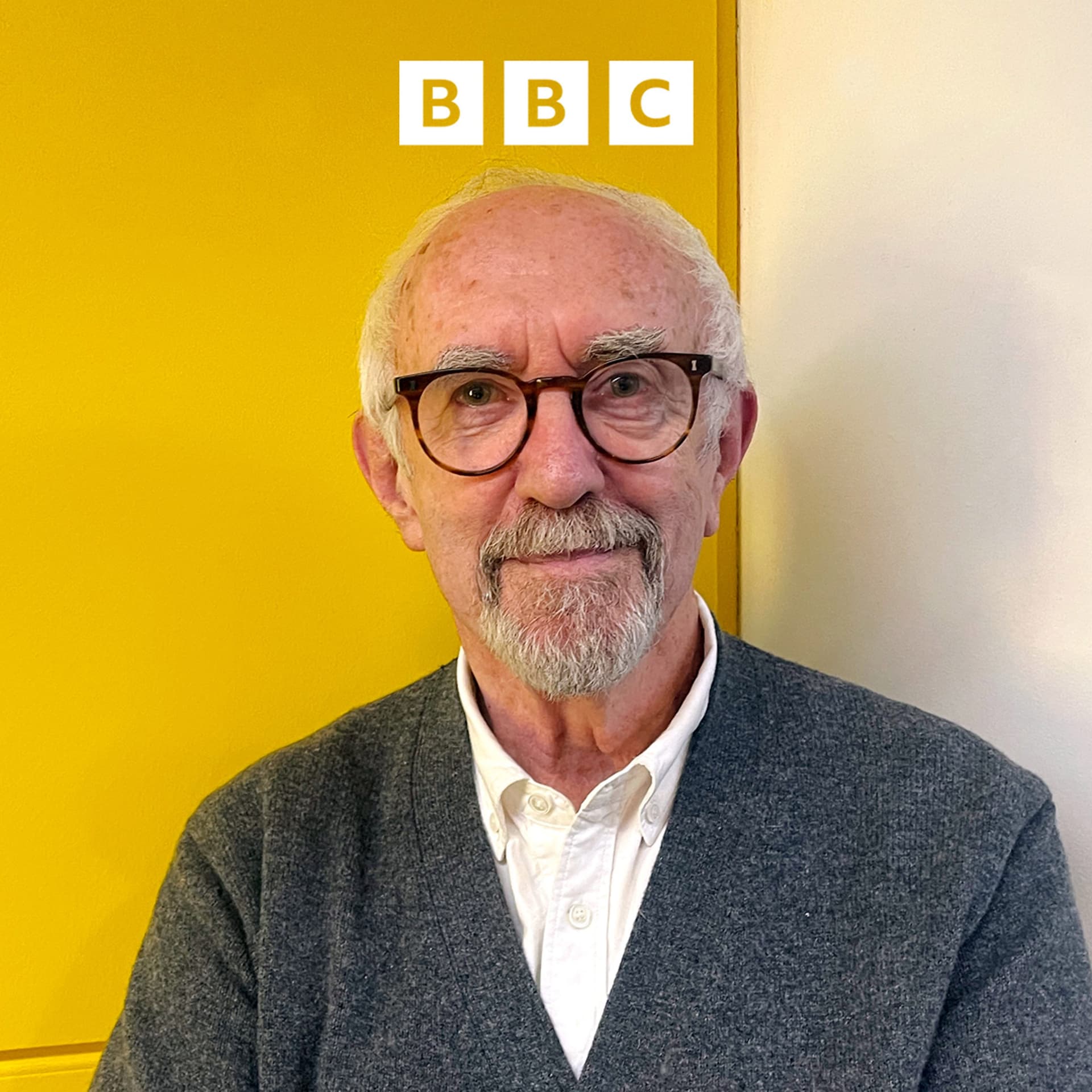
Episode Overview In this episode, award-winning actor Sir Jonathan Pryce shares insights into his career and cultural influences with host John Wilson. With an extensive background in theatre, film, and television, Pryce discusses pivotal moments in his life, his notable roles, and the evolution of his craft.
Key Highlights
Early Life and Influences
- Background: Born in 1947 in Holywell, North Wales. Grew up in a grocery store environment.
- Family Influence: Father was a coal miner who transitioned to running a grocery store. Mother played a significant role in his early life.
- Cultural Education: Limited exposure to culture at home; significant influence from listening to radio dramas, particularly "Listen With Mother."
- Early Performance Experiences:
- Participated in school plays, including a notable performance as an elf.
- Developed a passion for performing, but initially pursued graphic design in art school.
Turning Points in Career
- Discovery of Acting: Encouraged to consider acting by lecturer William Murray, leading to an audition at RADA.
- The Everyman Theatre:
- Joined the Liverpool Everyman Theatre in 1972, known for its politically charged productions.
- Worked with notable figures such as Julie Walters and Bill Nighy.
Notable Roles and Achievements
- Comedians (1975):
- Pryce's role as Gethin Price in Trevor Griffiths' play earned him a Tony Award.
- Explored themes of class and rage through his character.
- Hamlet (1980):
- Received an Olivier Award.
- Used personal grief from his father's death to inform his portrayal of Hamlet, creating a deep emotional connection.
- Miss Saigon:
- Faced protests over casting as a white actor in a role originally intended for an Asian character. This incident sparked discussions around race and representation in the theater.
- Film and Television Career:
- Extensive filmography includes "Brazil," "Evita," and "The Two Popes."
- Gained recognition in television series like "Game of Thrones," "The Crown," and "Slow Horses."
Personal Reflections
- The Role of Music: Music, particularly by Leonard Cohen, plays a significant role in his creative process, reflecting on its impact during his college years and beyond.
- Longevity in Acting: Discusses the changing perceptions of aging in the acting industry and the importance of choosing meaningful roles.
Conclusion
- Future Aspirations: While he enjoys acting in various media, he expresses contentment with his current project choices, focusing on collaboration with younger directors.
Key Takeaways
- Cultural Roots: Pryce’s early environment and family background deeply influenced his artistic journey.
- Theatre's Political Nature: His experiences at the Everyman Theatre shaped his understanding of how art can respond to social issues.
- Emotional Depth in Performance: Pryce emphasizes the importance of personal experiences in crafting authentic performances.
- Industry Evolution: His reflections on race, casting, and representation highlight ongoing conversations within the arts.
Archive Clips Used
- Listen With Mother (BBC Home Service, 1950)
- Is Your Honeymoon Really Necessary? (Whitehall Theatre, BBC1, 1940s)
- Protests on Broadway (April 6, 1991)
- Comedians (BBC2, March 15, 1975)
- Jonathan Pryce in Hamlet (The Southbank Show, ITV, 1988)
- Brazil (Terry Gilliam, 1985)
Final Thoughts Sir Jonathan Pryce's journey reflects not only personal growth but also the evolution of theatre and film as platforms for social discourse. His experiences invite listeners to appreciate the complexities of performance art and the ongoing dialogue about representation in the industry.
Written by AI. May contain mistakes. Listen to the episode to check what was said.
Chapters
Tap a time to open that second in VOEarly Life and Family Background
0:45 to 2:35
Jonathan Pryce discusses his upbringing in North Wales and his family's influence.
“and an Oscar-nominated performance as Pope Francis in The Two Popes.”
Cultural Influences at Home
2:35 to 4:36
Exploration of Pryce's early cultural influences and memories of storytelling.
“There's no way I'd have followed him down the pit.”
Early Acting Experiences
4:36 to 7:02
Pryce shares his initial experiences with drama and school performances.
“watching Brian Ricks drop his trousers and that sort of...”
Transition to Drama School
7:02 to 8:15
Discussion on Pryce's shift from art to drama and the influence of a college lecturer.
“and so I was quite influenced at the time by a lot of the pop artists because that was very graphic, Peter Blake and as a painter it would have been William Scott.”
Musical Theatre Experiences
8:15 to 12:10
Pryce reflects on his experiences with musical theatre and notable roles.
“my guests choose the most significant creative influences and inspirations on their own artistic lives.”
Controversies in Casting
12:10 to 14:00
Pryce discusses the controversies surrounding his role in 'Miss Saigon'.
“and Simon Russell Beale on the piano and my agent said, I'd forgotten you could sing you should do a musical and I said, yeah, okay, yeah, let's think about that.”
The Impact of Multicultural Casting
14:00 to 15:28
Exploration of a pivotal debate on multicultural casting in theater.
“Yeah, so he was prepared to pull this production, which had already, you know, was taking millions.”
Working with Madonna: Insights from the Studio
15:29 to 17:43
Jonathan Pryce shares his experience working with Madonna during their collaboration.
“Yes, and the positive thing that's come out of it is that Cameron set up a school for people who wouldn't normally have access to musical theatre education.”
Joining the Liverpool Everyman Theatre
17:44 to 20:10
Pryce recounts his journey to the Liverpool Everyman Theatre and its significance.
“So what took you to the Everyman in the first place?”
The Play 'Comedians' and Its Challenges
20:11 to 24:18
A deep dive into the play 'Comedians' and the complexities of the character Gethin Price.
“including Pete Postlethwaite and Bill Nighy and your future wife Kate Fahey and Julie Walters as well.”
Show all 18 chapters
Personal Loss and Artistic Performance
24:19 to 28:00
Pryce reflects on the emotional weight of his performance linked to his father's tragic death.
“It was, you know, there were nights, all kinds of things happened.”
The Impact of Comedy on Society
28:00 to 28:48
Exploration of how comedy reflects societal issues, particularly racism.
“again, the humour side of it, It was a time of Bernard Manning and wheeltappers and shunters and racist comedians, and the play was against that.”
Personal Loss and Artistic Expression
28:48 to 30:28
Jonathan Pryce discusses the profound connection between his father's death and his performance in New York.
“And he hit my father over the head with a hammer.”
Hamlet: A Personal Journey
30:28 to 32:56
Insights into how Pryce's father's death influenced his portrayal of Hamlet.
“so I would have these one way conversations down the phone where I would tell him everything I thought he wanted to hear.”
The Duality of Playing Hamlet
32:56 to 35:28
Discussion on the complexity of embodying both Hamlet and his father's spirit.
“And that I'd so wanted to see him, as I had done with my father, that I conjured him up.”
Career Reflections and Future Projects
35:28 to 36:48
Pryce shares insights into his career, including decisions on roles and projects.
“It won fantastic reviews, I think, at the time and is now regarded as one of the definitive hamlets of, well, certainly of your generation.”
Music's Role in Performance
36:48 to 39:48
Exploration of how music, especially Leonard Cohen, influences Pryce's acting preparation.
“And having done Hamlet at the Royal Court, I was completely broke.”
Exploring a Historical Mystery
42:16 to 43:10
Discover the chilling mystery surrounding the 1999 apartment bombings in Russia.
“From me, John Wilson, and series producer Edwina Pittman, thank you very much indeed for listening to This Cultural Life.”
Transcript
Automatic transcript. May contain errors.0:05Welcome to This Cultural Life, the series in which some of the world's leading artistic figures discuss the influences and experiences that have had the biggest impact on their own creativity. I'm John Wilson and my guest in this episode is the actor Jonathan Pryce. He made his name with the 1975 Trevor Griffiths play Comedians, his role as a stand-up comic winning him a Tony Award after it moved to Broadway. He won an Olivier Award for a landmark production of Hamlet in 1980 and another Tony for his role as the engineer in Miss Saigon. His huge and diverse list of film credits include Terry Gilliam's 1985 dystopian drama Brazil, the musical Evita alongside Madonna, and an Oscar-nominated performance as Pope Francis in The Two Popes.
0:51And he's been increasingly prolific in the age of television streaming, with acclaim for his roles in Game of Thrones, The Crown, Taboo, Slow Horses and Wolf Hall. Sir Jonathan Bryce was knighted for services to drama in 2021.
1:07Jonathan Price, welcome to This Cultural Life. Thank you. You were born in 1947 in Holywell in North Wales, where your parents ran a grocery store. So did you live above the shop? You know, what are your earliest family memories? No, we didn't live above the shop. My parents did, used to, and then my mother had asthma, and she moved from the shop which was down in the valley, the Greenfield Valley, and she went higher up in a village called Carmel. And that's where I was. For fresher air. Yeah, fresher air. And your father had been a coal miner, I think. My father left school around about 13, 14 and went down the mines.
1:46Then he met my mother and she rescued him from the mines. She was the daughter of a shopkeeper. And together they opened this store in Brinkallin. So he wasn't a miner for very long? No, he was down the mines, must have been 10 years maybe, yeah, and was in a pit accident. He was half buried. The guy next to him was killed. And the image all the time was that sort of David Mercer image of the coal miner father who still had scars on his back, blue scars, which my father had. They were like everlasting bruises. Like tattoos, like sort of tattooed with a coal dust. Yeah, from the pitfall. Is there any sense that if your mother hadn't rescued him and taken him into the grocery business that you may have had to follow him down the pits?
2:35There's no way I'd have followed him down the pit. No, I can't bear sitting in the middle of a row in a theatre, so going down the pit. No, nightmare. What are your earliest memories of home life and early cultural influences, cultural education at home? Well, there wasn't a great deal of culture at home. We had a bookcase, but my father never read a book, I don't think. My mother used to read. But, of course, the main influence on me was being at home with my mother because I was the youngest of three children. So I was at home with my mother a lot. Of course, we used to listen every day to listen with mother.
3:17and I'd sit on her knee, which is what you're supposed to do, and I'd listen to Daphne Oxenford reading stories. Are you sitting comfortably? Then I'll begin. One cold winter's evening, Willie Mouse was settling down in his bed in the little straw house in the corner of the big barn. I think it was hugely influential on me, my love of the spoken word, I think that was the main thing. but at home there was very little music played on records. We had a few, but most of the music came from the radio. The radio was on all day. Radio dramas? Especially radio dramas, yeah, right through to today. So radio plays a big part in the storytelling that you have carried on doing throughout your life.
4:08Very much, yeah. What about live theatre? Were you taken to see plays as a child? No, no, hardly ever. Occasionally went to a pantomime in Chester, or Liverpool. Ironically, the live theatre that I remember was on television. They used to do these live broadcasts from the Whitehall Theatre, the Whitehall Farses. Oh, yeah. With Brian Ricks. Aren't you coming to bed? Yes, dear. But when? Well, what's today? It was thrilling as a child watching Brian Ricks drop his trousers and that sort of... The live element was there You sensed when things went a little wrong or they made each other laugh. I found that fascinating.
4:50Did you do any drama at school? I did. I think in my infant school, I played an elf in the pot of fairy gold. I had one line, which I addressed to all the other elves, in a shimmering silk costume that my mother had made. And I said, c-c-c-c-cumbrothers for it is c-c-c-cold. And I thought I was great. And day two, I had the line taken away from me. I assume for overacting. I must have made an unconscious note that no one is ever going to take a line away from me again. And then I did another, at the grammar school, I did Our Town by Thornton Wilder. where I played Howie the milkman with the imaginary horse.
5:44Again, I think I had one line, which was somebody said how cold it was. Again, it's this feature. And Howie said, yep, ten below by my barn, and then moved the horse on. My sister, Margaret, will tell you that I was always a show-off. She'd bring her girlfriends home, and I'd make a nuisance of myself. I was trying to make them laugh, and I would do impersonations. I used to do a very good Terry Thomas, which dates me. Oh, hell yeah. So I enjoyed, you know, even as the elf, I enjoyed it. And I remember thinking, I didn't want to play the elf. I wanted to play the king. I was very upset that I remember his name, Melvin Evans, played the king.
6:30And I, you know... Still jealous of him. Not only did that have my line taken away from me, but I didn't get to play the king. But it's interesting that after school, you didn't go initially to pursue drama or the study of performance, but to study art. You went to art school, so you wanted to be an artist. I wanted to be an artist. The way to get employed as an artist I thought was to be a graphic designer, so that was my main interest. I left school at 16 and went to the local art school at Calsterton. So you saw it as a potential vocation then, because graphic artists were needed. Yeah. Abstract expressionists weren't.
7:06Yeah, that's true. and so I was quite influenced at the time by a lot of the pop artists because that was very graphic, Peter Blake and as a painter it would have been William Scott. For William Scott, I think he was West Country based, wasn't he? Associated with the Cornish School but often did frying pans and domestic objects. I have a lithograph of the frying pan on the kitchen wall. My painting was, it was okay but his style and the graphic style was something I knew I could do and I knew I could achieve but I was always aware that even in 16, 17 I would look at my fellow students' work and I'd think, mine isn't quite that good and I think to make the leap about how I got into performing and acting was there were more people, even when I was a student saying they like my acting than had ever said they like my painting.
8:14On This Cultural Life, Jonathan Price, my guests choose the most significant creative influences and inspirations on their own artistic lives. And your first choice is a college lecturer called William Murray. So who was he? Why have you chosen him? Well, he wasn't my lecturer. I was at Ormskirk College of Education. training to be an art teacher. And when I applied to go there, you had to apply to do a subsidiary course. And friends said the easiest course to do that required the least amount of work was the drama course. And so I quite happily signed up for it. And there were only three of us in my year.
8:53I would do plays at the college, but I would also work with Unity Theatre in Liverpool. But at the same time, down the road, there was a girls' college in Kirby, and they put a notice up in my college saying men wanted for production. And I remember I didn't quite run to the girls' college, but I thought, you know, something might happen from that. Anyway, I performed in this production at Kirby, and their tutor, a man called William Murray, saw me act, and he said, have you ever thought of being an actor? I said, no, of course not. And he said, well, I think you should, and I think you should go to RADA.
9:36And I, oh, all right. And he sent off for the application forms, and he coached me through two audition speeches, one from Little Malcolm and one from Two Gentlemen of Verona. And I got a place. I was accepted. Can you remember how you impressed him so deeply, what it was that made him think you... I must have been good, John. I think I was good. But he obviously saw something, the potential not just to be good in an amateur play, but a potential to build on what he saw. And I was due to take my final exams at college. To become a teacher? To become a teacher, yeah. So that's a real fork in the road moment, isn't it?
10:24Absolutely, yeah. I enjoyed teaching and I enjoyed the teaching practice and I enjoyed being with the kids. I was 21 I wasn't thinking what I'm going to do for the rest of my life it was just the immediate future I wasn't looking for a career that this is a job I can do that was the next thing But do you think that if you hadn't met William Murray then you possibly would have spent a life teaching and you would never have become an actor No, no, just for that one him saying have you ever thought of being an actor I think you should So you got to RADA You won a place. Did you feel at home there?
11:00Not immediately, no, because I'd have felt more at home if I'd gone to an art school. It was a time when I learned about theatre and I went to the theatre occasionally in London. So it was a great learning process for me. Drama school teaches you all sorts of performing skills, including singing. And you have been known throughout your career primarily as a dramatic actor. but you have sung your way through so many stage and screen roles, including duetting with Madonna in the film version of Evita, in which you play the Argentine president, Juan Perón. So did you particularly enjoy those musical roles that you did?
11:40Oh, I did, God, yeah. Miss Saigon was the age... I think I was 42, I think. It was my first musical. I was playing Macbeth at Stratford and I organised the first night party at the duck across the road and we had a cabaret and it was mainly an excuse for me to sing and I sang witchcraft accompanied by my three witches as backing singers and Simon Russell Beale on the piano and my agent said, I'd forgotten you could sing you should do a musical and I said, yeah, okay, yeah, let's think about that. And I'd just seen Les Miserables and I'd loved it. It was sensational. And I remember I was looking at all these actors having a glorious time fulfilling the most emotional roles and it wasn't causing them pain.
12:42And I felt I was banging my head against the wall and it was very anxiety-making playing Macbeth. And I thought, that's got to be an easier way. But, I mean, having said that, on stage you've played Fagin in Oliver, the engineer in Miss Saigon, for which you won a Tony Award, and Henry Higgins in My Fair Lady. All of them were kind of fraught productions, though. Well, Miss Saigon, no, I absolutely adored playing. The actual production wasn't fraught. It was politically fraught by whether I could go to New York to play the engineer as a Caucasian actor playing a Eurasian role. What's that eye smell in the air?
13:25The American dream
13:30Sweet as a new millionaire The American dream And American Equity tried to block you in that part and nearly shut down the performance. There was initial protest by Asian-American actors.
13:50Yeah, an American actor, he said that they weren't going to allow me in. And Cameron said, well, if you don't allow him in, then the production is not going to go ahead. Cameron McIntosh, who was a producer. Yeah, so he was prepared to pull this production, which had already, you know, was taking millions. So there was a lot riding on it, wasn't there? Yeah, yeah. Nicholas Heitner directed it. Nicholas Heitner directed it, yeah. And how do you look back on that whole episode now? It was a debate that absolutely had to be had. It was a start, I suppose, of a lot of people of all kinds of races, nationalities, whatever you like to say, were seen for parts that they ordinarily wouldn't be seen for.
14:37So you're saying you helped open the door in a way? I'm not saying I helped open the door at all. I wouldn't make any claim, but the argument helped open the door. Yeah, and the outcome of that argument. So that it became possible for more people to play anything. We played it in London with a multi-ethnic cast, people of every race playing everything. And I was part of that team. That's why when there was the protest from New York, It was a shock to me and a shock to everyone else in the company because that's not what we were about. That issue just simply hadn't been aired in. Not at all. In London.
15:21No. But it's now almost unthinkable, isn't it, that somebody who wasn't of Asian descent would play the engineer at that sort of level on Broadway. Absolutely. Yes, and the positive thing that's come out of it is that Cameron set up a school for people who wouldn't normally have access to musical theatre education. It's a huge, huge argument, but it did have very, very positive results. But at the time, I came from political theatre. I was like, guys, I'm on your side. And it was quite hurtful because I wasn't allowed to give my voice to it. I wasn't allowed to be heard. Anyway, it's a very good thing that it happened and it was a huge watershed moment.
16:15I don't think there are any protests at you playing an Argentine president. What about singing with Madonna in the studio? Did she give you notes? No, God no. For many years, people's first question was, what's it like working with Madonna? and she was absolutely fine. I thought she was great in the part. I thought she got a lot of unfair criticism and she worked very hard. I've heard so much about you I'm amazed for I'm only a soldier Nothing to shout about, only a girl on the air We were both in the hands of the most brilliant director in Alan Parker. You know, if you'd expected Madonna to be a bit of a diva, there was no way in an Alan Parker film that a diva would be tolerated, and no need for it.
17:11I remember when we first met, and we were doing piano rehearsal, Alan was trying to big me up to Madonna, and I think I'd just won something and he'd just won something. He said, Jonathan's just got this award. And we turned to Madonna and she said, well, I got a lot of cash.
17:44Your next choice for This Cultural Life, a really big creative turning point for you, Jonathan, came in 1972 when you joined the Liverpool Everyman Theatre, renowned in the 70s for being a radical place, both artistically and politically. So what took you to the Everyman in the first place? They asked me. Good enough reason. Well, I was a student in Liverpool. And then when I was at RADA, Tony Haynes, a musician, composer, he was the musical director of Oklahoma. and it was a final production at RADA. I didn't have a leading role. I was one of the poor Joddy's dead barbershop quartet. But I sang very high tenor and Tony had written music for the production of Caucasian Chalk Circle that he was going to be doing at the Everyman.
18:37He'd written the music for the narrator as a very high tenor and he wanted me to play it and he told Alan Dosser that he'd found the person who could play the narrator and who could sing his music. And Alan Dosser was the artistic director of the Everyman. Absolutely. So Alan came to see my final show, which was Ride a Cock Horse by David Mercer, a play that I'd chosen. So you couldn't miss me. It was one man and about four or five women. I learnt later that Alan had actually left at the interval, but he'd left a note at the stage door saying, there's a job for you at the Everyman if you want it.
19:19Based on half a performance. Yeah. So that was it. I left Strada the winter of 71 and started at the Everyman early 72. And the Everyman had a reputation for responding to social and political issues of the day, local issues, strikes, disputes, that sort of thing. And they commissioned the likes of Willie Russell and Alan Bleasdale and John McGrath. that must have been really exciting for you as a young actor then. Oh, it was, yeah. It was incredible. And it was repertory. The companies stayed together for a year or two years. Nobody got sacked at the Everyman. That was the ethos, except when I directed and I did sack someone.
20:03Because you took over from Alan Dosser, who was the almost legendary director there, and you became artistic director and then employed a new group of young actors, including Pete Postlethwaite and Bill Nighy and your future wife Kate Fahey and Julie Walters as well. We gave Julie her very first job. I think it was Bill's second job. We were all around the same age, all young actors. I'd been the everyman as an actor for almost two years. Then I went to Nottingham with Richard Eyre and then heard that Alan was taking a sabbatical and that they were looking for someone to form a company, season of plays.
20:44What sort of artistic director were you? I thought I did all right. I wish I had a good eye for casting. But you'd never directed anything, had you? In my last season at The Everyman, I directed a production of Taste of Honey. I just got very, very fond memories of it all. It was a real privilege to have done it. But then I went back to acting.
21:14Your next choice for this cultural life, Jonathan Price, is the theatre film and television director Richard Eyre, who in 1975 cast you in the lead role of a new Trevor Griffiths play called Comedians, which premiered at the Nottingham Playhouse and then later transferred to New York, and you won a Tony Award for that performance. Tell us first of all about the scenario of Comedians for those who don't know the play, and particularly the character that you played, Gethin Price? The set-up, it's a night school for aspiring comedians in Manchester, run by a retired comedian who, in his day, would have been quite famous.
21:54They are performing in a working men's club for the London agent who will hopefully issue them contracts or get them work. and we assemble in the night school. The first act is kind of warm-up, exercise, a bit of prep. You realise that certain tensions are in the room between the different characters. You also realise that Gethin Price, my character, is the favourite of the teacher, Eddie Waters. And Eddie Waters is pinning all his hopes on Gethin Price. Are you all ready? Yeah, just about, Mr Waters. You're still finishing on the song? No, I'm not doing a song now. Why not? I mean, how are you going to get off?
22:42Well, I've been working on something else. Since when? Last week. I didn't like the act. I found something in the book he lent me. Yeah, but you've not changed the basic... I mean, it's only a week. It'll be all right, Mr Waters. And then the middle act, they're performing their acts for the audience in the club and everyone on the whole does their act that they've rehearsed and they're either successful or they go wrong a bit. And then I come on and I'm the last act and I've completely altered my act. I shaved my head, I was dressed half clown, half Manchester United supporter, three halves, a skinhead prone to violence.
23:32And I attack to middle class dummies on stage. So it's a bit of the class thing, the working class is aggression to the rich people who look down on him. Look, I'm talking to you. Say something. Come on, tell us what kind of a day you've had. Do you work on the buses? Here, shall I tell you something funny? Shall I make you laugh? See, there was this fella, he pays 20 quid for this all, but she don't fancy him, so she runs out the room. He follows a star naked down the street. Cop stops him, says, hey up lad, where's the fire? Never mind about that, but if you see a naked tart running down the street, screw her, it's paid for.
24:11You can laugh, you know. I don't mind you laughing. I'm talking to you! It finishes in silence. there's never been any well I make them laugh at the beginning and then I pull the rug out from under their feet It's a really deeply uncomfortable experience There were nights, New York especially where they're very vocal as an audience there was one night I could hear somebody sobbing, crying and I remember thinking I've got to pull back and one night a man blew a whistle in the audience and he was kind of dragged out of the audience and he kept blowing his whistle and he was outside and he said, I'm sorry, but I felt I was being mugged and I carry a whistle when I'm being mugged.
25:02It was, you know, there were nights, all kinds of things happened. Well, it's a play... It's a very powerful piece. Really, yeah, still. And, I mean, in a way it's about what's funny and what's not funny, whether comedy should serve some kind of social, deeper social purpose. And Gethin is a comedian very much driven by rage. Were there any particular role models or characters or comedians that you based that performance on? And even as I say that, I think probably not, because he's not funny, is he? It's not a comic performance. The rage comes from being me. And by then I was 27, 28. But, you know, I was...
25:42Angry? No, you see, it's very hard. You're either pinned as, labelled as working class, middle class, whatever. I didn't feel I was, although my father was, my parents were definitely working class. They owned a shop which made them, even though they had no money, no money at all, I could never really label myself as working class. But I found myself as that person in an incredibly middle class world. Almost everyone I met had been to university. I had a bit of rage about that, you know. But also rage against what was happening in society. It was a time there was huge inequality. It's even more now.
26:26And the sort of the plays I'd been doing in Liverpool, Caucasian Chalk Circle was set on a building site at the time of the builders' strike. We were dealing with issues like that. So I was just politically aware of the inequity. And you've chosen Richard Eyre as a formative influence on your career. So what was it like working with Richard on this performance? Well, Trevor Griffiths had written the play for that company, knowing, he told me, that I would play Gethin. So in effect, he was writing it for you. Yeah, but it was, and that I think made it more difficult in a way. I couldn't, it's a lot easier to play someone who is outside of yourself and then bring that character to you.
27:14But if someone thinks that's what you are, it's not so easy to portray yourself. For two weeks, I found it quite difficult. And it was... Yeah, it was me. I was angry. I look at myself now and it's...
27:45When you look back at that performance, when you see... It's the... The anchor is still there. Yeah. So he was right, he recognised that in you and you were tapping into that at the same time. I think so, yeah. And it was, again, the humour side of it, It was a time of Bernard Manning and wheeltappers and shunters and racist comedians, and the play was against that. That was the undercurrent of the play, but with this character. I mean, this may be even more difficult to talk about, Jonathan, because I know when you took it to New York and you won the Tony Award for that, I think this was the time when you heard that your father had died.
Read the full transcript
28:27So do you associate that performance with the loss of your father? And it was, from what I understand, it was tragic circumstances. It was. He'd been attacked a few years prior to it. In his shop? Yeah, by a 16-year-old who was there to steal cigarettes and a pint of milk, I think he took. And he hit my father over the head with a hammer. And he immediately survived the attack. He split his head open. and I was at Liverpool and I got a phone call from my mother and Kate and I went to the hospital to see him and he was sitting up in bed and he still had his clothes on which were still blood stained and he was talking and the policeman was interviewing him and it looked as if he was going to be okay and he had a stroke that night lost his speech for a while couldn't speak very well and he came to see comedians in Nottingham with my mother we went to a restaurant afterwards for dinner and he wasn't saying anything but just staring at me and then they went back to Wales and I spoke to my mother I said how was Dada?
29:59And she said that he'd wished he'd been able to talk to me the way the teacher had spoken to me. And because we'd had a, not a terrible relationship, but a difficult one. And then after that, that revelation, when I thought, oh, great, I can have this relationship with my dad now. he had another stroke and he never spoke again so I would have these one way conversations down the phone where I would tell him everything I thought he wanted to hear. As you were preparing comedians? Well as performing comedians yeah. It was already on? Yeah yeah yeah in New York and I didn't come home for the for his funeral because we were about to open so then the next thing I did with Richard was Hamlet Richard, I think he'd asked me when we were at Nottingham together if I wanted to play Hamlet and I said no, I didn't it was too soon or I didn't have anything to say really with it and then he said he'd been offered a play at the Royal Court to do whatever he wanted and he said I've chosen Hamlet and I want you to play Hamlet and by then my father had died all sorts of things that had happened psychologically with me and my father's death and what I thought about it and I realised how alike Hamlet's situation it was.
31:29Hamlet's father had died as a result of violence and he hadn't done anything about it. And even I remember at the time, my sister Margaret especially was really angry and I wasn't angry. I was so philosophical about it, but I thought anger wouldn't achieve anything. but then you know thinking of hamlet's inaction and also another thing that happened is that i had thought i'd seen my father after he died i thought he was standing looking at me and it was very real where was this it was in the garden at the house i was in at the time in oxfordshire and he was standing in the garden seen through the window and he was just looking at me and it was very real and very strong and anyway, talked all these things through with Richard and they meant something to Hamlet and also Richard was also trying to find a way of portraying the ghost in as frightening a way as possible as it would have been for an Elizabethan audience But did he have an actor in mind to play the ghost?
32:47No, he didn't And then, out of the conversations of I thought I'd seen my father and this inaction on my part, we came up with this idea that I would be possessed with the spirit of my father. And that I'd so wanted to see him, as I had done with my father, that I conjured him up. I am thy father's spirit doomed for a certain term to walk the night and for the day confined to fast in fires till the foul crimes done in my native nature I watched a video of people speaking in tongues and being possessed by spirits and devils and came up with this way of this belly speak My dear father love Oh God revenge is foul and most unnatural murder.
33:40So, in effect, you're playing both Hamlet the Son and the ghost of old Hamlet, the dead father. It is but in this most foul, strange and unnatural... I do... I mean, around that time, was that film The Exorcist as well, I think? Well, that was... Had that been another... It was a reference point, yeah, definitely. Yeah, yeah. But, God, I remember the final run in the rehearsal room and I did everything for whatever, the possession, everything, everything, everything. And then I'm standing up and I die, Hamlet dies, and I just blanked and just fell to the ground. I fell on my shoulder. And we had to re-choreograph all the fight because for the first weeks and weeks of the show I couldn't raise my arm above my shoulder level.
34:40It must have been, the whole performance must have been incredibly emotionally draining as well. Did it help you deal with the grief? I think it must have done. It must have done. I've always felt very positive about it. I felt, and I still feel, there was a bit of a celebration of my father. It was motivated by my father. That's what I was wondering, because you say that obviously it happened in the wake of your father's death and you use that experience and there were certain real life echoes. Yeah. But you weren't doing it to kind of get over the grief. You were almost using the grief because you had an understanding of it.
35:17No, no, I wasn't that aware. It was just something that felt right and also right for the play. I mean, we were still doing a play, you know, and we were incorporating everybody's ideas. It won you an Olivier Award. You went back to Broadway. It won fantastic reviews, I think, at the time and is now regarded as one of the definitive hamlets of, well, certainly of your generation. You must have felt that something had changed with that performance. Did you not feel at that moment? This is it. My time is now. No, no, I didn't. No, it was on, you know, what's next? And I always think of it, it's a job, you know.
35:58And so I was thinking about the next job. It was great that it had the reception it had, but my very next job, I was offered Time Bandits by Terry Gilliam. And at the same time, I was offered a film called Loophole, which was a bank robbery film starring Albert Finney and I'd got the script for Loophole and I thought, I can't see what the point of this film is it's not very good, this script but Albert Finney's doing it so there must be something in it and all the while there was the Time Bandits thing from Terry sitting there and then my agent did a preliminary deal for Loophole and it was going to pay twice as much as Time Bandits was.
36:49And having done Hamlet at the Royal Court, I was completely broke. You needed a payday. I needed a payday. But what would you have played in Time Bandits? David Warner's part, the evil genius. Yes. I get offered a lot of evil geniuses. You did go on to work with Terry Gilliam, of course, most famously in Brazil. Jack, I'm innocent, please. Help me.
37:16Jack, this is all a mistake. Please, Jack, take that mask off. Well, Brazil was, he used to say, whenever it was difficult in Brazil, when I was in some kind of physical difficulty, he'd say, this is your punishment for turning me down for the time bandits. Since then, you have been more or less a constant presence on our screens, particularly on television. I mean, you think even recently the High Sparrow in The Game of Thrones or playing Cardinal Wolsey in Wolf Hall, Prince Philip in The Crown, former MI5 boss David Cartwright in Slow Horses. Were all of those roles as much fun to play as they looked?
37:55Yes. Yeah, they were. What do you look for in a role these days? Well, I look for something that my first agent, Jimmy Sharkey, said when you're looking at a script as a young actor, can the story exist without you? and when you do appear, do you move the scene along? I've been really fortunate the last five, six years of those roles that you've just mentioned. When I was younger, I always thought I'd retire at 60 because I didn't want to be the older, patronised actor on the set. And unless they're being very kind to me, I'm not being patronised just yet. You mention in some notes that you sent to us that music plays a huge role in your preparation in the dressing room, and Leonard Cohen in particular had been an influence.
38:53Is that also looking at his longevity and the way that he dealt with age and took on a different pursuit? Well, I played him on my record player in college all the time, like we all did, and had my own ideas of the stories he was telling. Suzanne takes you down to her place near the river You can hear the boats go by You can spend the night beside her And you know that she's half crazy And it was a time of the student riots in Paris and everything, and it was a time of revolution. And I've listened to him all my life since then, various times and various venues, went to see him at the O2, and he was better than ever.
39:46He sang better than ever. He was surrounded by the most extraordinary musicians. It was inspiring. Will we be seeing you back on stage any time soon? Not any time soon, I don't think, no. Do you regard yourself primarily as a theatre actor, though? Or do you not differentiate? I used to, but I enjoy filming. I enjoy working for blocks of time and then being home for a long time. I unfortunately don't get to film very much at home. That's the sad thing. I live in East London, and across the road from me is a house, an early 18th century house that is used constantly as a film location. and I'm looking out my window, looking at all these actors going in and out and having their coffee breaks, or I'm arriving back from the airport and there's a whole crew there on my doorstep and I'm like, why can't I get that job?
40:45Just walk to work. I was going to ask you what drives you on creatively. So it's still that urge, it's still the kind of the need to win a role, to play a part. Well, I don't know. The winning days are gone, I think, because I just get asked to do things and I get to choose things. I mean, I've just done three projects, which are things that were really interesting and exciting to do, and all with two directors, 30 and under, and some first-time filmmakers, and I'm enjoying that a lot. And like Leonard Cohen, do you get better with age? Well, I can look at myself more. I used to never, ever look at myself.
41:26I couldn't bear it, looking myself on screen. But there's a bit of it, when I see myself on screen, I don't recognize myself because I can't possibly be this old man that I'm seeing. Jonathan Price, thank you very much indeed for sharing your cultural life with us. Oh, thank you. Thanks, John.
41:53Well, I do hope you enjoyed my conversation with Jonathan Price, who joins a vast cast of actors in our archives. Jennifer Lawrence, Bill Nye, Andrew Scott, Whoopi Goldberg, Nicole Kidman, they're just some of the names waiting for you in the virtual green room. You can find every episode on BBC Sounds or wherever you get your podcasts internationally. And please do subscribe so that you never miss an episode. From me, John Wilson, and series producer Edwina Pittman, thank you very much indeed for listening to This Cultural Life.
42:28If journalism is the first draft of history, what happens if that draft turns out to be flawed? In 1999, four apartment buildings were blown up in Russia, hundreds killed. But 25 years on, we still don't know for sure who did it. It's a mystery that sparked chilling theories. Because these bombs, they're part of the origin story of one of the most powerful men in the world. Vladimir Putin. I'm Helena Merriman, and in a new BBC series, I'm talking to the reporters who first covered this story. What did they miss first time round? The History Bureau, Putin and the apartment bombs. Listen first on BBC Sounds.
From the publisher
Award-winning actor Sir Jonathan Pryce talks to John Wilson about his cultural influences and career. He made his name with the 1975 Trevor Griffiths play Comedians, his role as a stand-up comic winning him a Tony Award after it moved to Broadway. He won an Olivier Award for a landmark production of Hamlet in 1980, and another Tony for his role as The Engineer in Miss Saigon. His huge and diverse list of film credits include Terry Gilliam’s 1985 dystopian drama Brazil, the musical Evita alongside Madonna and, an Oscar nominated performance as Pope Francis in The Two Popes. And he’s been increasingly prolific in the age of television streaming with acclaim for his roles in Game Of Thrones, The Crown, Taboo, Slow Horses and Wolf Hall. He was knighted for services to drama in 2021.
Producer: Edwina Pitman
Archive used: Listen With Mother, BBC Home Service, 7 February, 1950 Is Your Honeymoon Really Necessary?, Whitehall Theatre, BBC1, 1940s Protests on Broadway, 6 April 1991 Comedians by Trevor Griffiths, 2nd House, BBC2, 15 March 1975 Jonathan Pryce in Hamlet, The Southbank Show, ITV, 1988 Brazil, Terry Gilliam, 1985