In short
Podcast Summary: This Cultural Life - Kiri Te Kanawa
Episode Overview
- Host: John Wilson
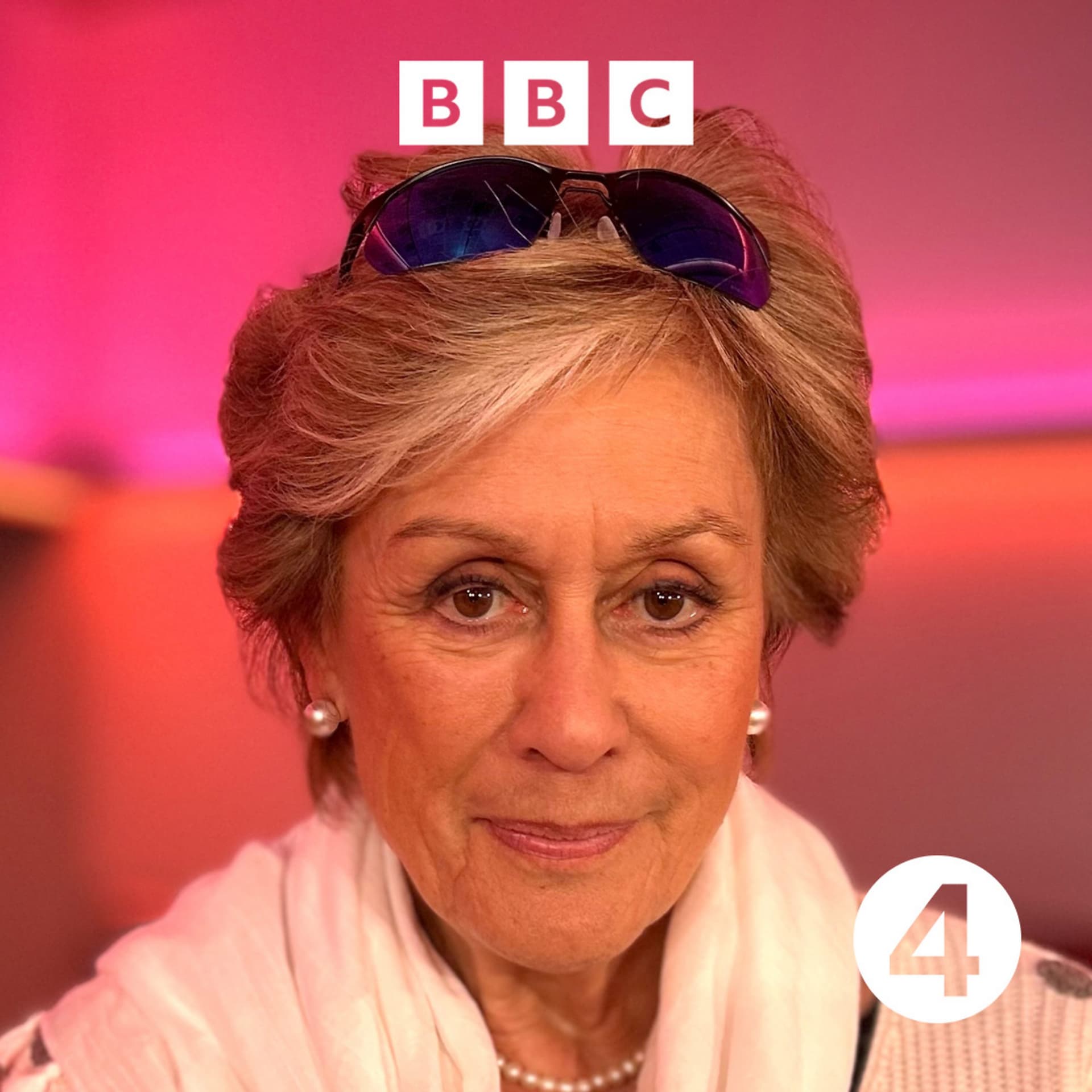
- Guest: Dame Kiri Te Kanawa, renowned New Zealand opera singer
- Focus: Dame Kiri's life, career, influences, and her foundation supporting young opera singers.
Key Themes and Discussions
Early Life and Influence
- Background: Born in Gisborne, New Zealand; adopted at a young age.
- Parental Influence:
- Strong work ethic from adoptive parents.
- Emphasis on education and achievement despite humble beginnings.
- Māori Heritage:
- Discusses the challenges faced by Māori people in terms of education and representation.
- Reflects on her upbringing and connection to her heritage.
Musical Journey
- Early Singing:
- Sang from a young age; influenced by her mother’s piano playing.
- First recorded song was “Mona Lisa” in New Zealand.
- Education:
- Studied at the Royal Opera Centre in London after winning a competition.
- Underwent vocal training with notable teachers, including Vera Rózsa.
Career Milestones
- Breakthrough Roles:
- Debuted as Countess Almaviva in "The Marriage of Figaro" at the Royal Opera House (1971).
- Made a significant debut at the Metropolitan Opera performing Desdemona in "Otello" (1974) at short notice.
- Celebrity Moment:
- Gained international fame after performing at the wedding of Prince Charles and Lady Diana Spencer (1981).
Retirement and Legacy
- Retirement:
- Retired from performing in 2017; shifted focus to her foundation supporting young opera singers.
- Foundation's Mission:
- Aims to prepare young New Zealand singers for international opportunities, reflecting on her own early challenges in London.
- Cultural Impact:
- Discusses the changing landscape of media and opera's role in popular culture.
- Critiques modern talent shows, emphasizing the dedication and effort required in classical singing.
Personal Reflections
- Passion for Music:
- Music served as a therapeutic outlet throughout her career.
- Describes her voice as "silvery" and expresses comfort in interpreting Mozart and Strauss.
- Connection to Heritage:
- Emphasizes the importance of her Māori heritage and the influence of her adoptive parents on her career.
- Final Performance:
- Reflects on her highlight performances, particularly her debut at Covent Garden.
Conclusion Dame Kiri Te Kanawa shares the journey of her extraordinary life, from her humble beginnings to becoming a global opera icon. Her story is a blend of personal struggles, cultural heritage, and a passion for music, culminating in her commitment to nurturing the next generation of opera singers through her foundation. The episode captures not just her achievements but also the deeply personal aspects of her identity and career as a leading soprano.
Producer Information
- Producer: Edwina Pitman
- Episode Archive References: Various archival performances and interviews used to enrich the discussion.
Additional Notes
- The episode provides insights into Dame Kiri's philosophy of work, the significance of her roots, and her views on the evolution of the opera industry.
- The conversation is not only a retrospective on her life but also serves as an inspiration for aspiring artists and a commentary on cultural heritage in the arts.
Written by AI. May contain mistakes. Listen to the episode to check what was said.
Transcript
Automatic transcript. May contain errors.0:00BBC Sounds. Music, radio, podcasts.
0:11Welcome to This Cultural Life, the series in which some of the world's leading artistic figures choose the influences and experiences that inspired their own creativity. I'm John Wilson and my guest in this episode is the New Zealand-born opera singer Dame Kiri Takanoa. One of the greatest sopranos of all time, she enjoyed a 50-year career singing lead roles in opera houses all around the world and on dozens of studio recordings.
0:46In 1981, she became an international household name when her performance at the wedding of Prince Charles and Lady Diana Spencer was watched live by 600 million people. Since retiring in 2017, she's focused on leading her Kiri Takanova Foundation, which supports young opera singers.
1:14Kiri Takanova, welcome to This Cultural Life. Thank you. Nice to be here. And I have to say, happy birthday for your recent 80th. I know. It's a bit of a shock. Was it? Yes, it was a shock. I thought, how could I be 80? I don't feel 80 at all. Well, it's a big age. I mean, were there big celebrations to go with it? Lots of things, yes. My governor general gave me a nice cocktail party for friends and the government recognised me in parliament. So I sat in parliament while all the ministers all spoke about me and the Maori ministers spoke about me and all that sort of thing. My contribution to our New Zealand culture and things like that, I didn't know if they thought about that at all.
1:52That's fabulous. That really confirms you are a New Zealand national treasure. It would be nice, but I never set out to be like. I kept on saying I come from a very simple background and very simple parents, and my parents gave me this life, and I'm very proud. On this programme, we talk about the most significant influences and experiences, and we are going to start with your parents who adopted you when you were just, I think, just a few weeks old. Just tell me about your parents. Well, that was it. But the social services came around to my mother. And, of course, I think she housed lots of young students, young people from the country.
2:27And they came around to her and said, look, this little baby, would you like her? And I think my father must have been there. He said, no, I want a boy. I don't want a girl. So that was it. So they sent the social services person on the way. And a few months later, she came back again and said, are you sure the baby is still available? And my father was away at the time. So my mother said, yes, we'll take her. And my father came home to find he had a girl and not a boy. So from that point, I was brought up to go on the truck with him. On the truck? He had a trucking business? Yes, he did the roads in the gorge, going through the gorge to Gisborne.
3:01And then he taught me to fish and to shoot and to do all the things that boys do. And while I haven't turned out to be a boy, I love all those activities. I love all those outdoor activities. How important was your Maori heritage growing up? And how much did you understand about that? That's very interesting because the Maori heritage was not looked at very clearly in New Zealand. The Maori people were badly educated because they only spoke Maori. And I kept on screaming. I said, you know, people were not educated properly because they were taught in English and not Maori. And this is why they've suffered for many, many decades.
3:39They become slaughter men, truck drivers, digger drivers, nothing that's like a doctor or lawyer or anything. physiotherapist, headrest, nothing but they are now which is exciting and it's taken a few decades to bring them to equality which I'm really thrilled about. And both of your adoptive parents are Maori then? No my mother's white. Your birth father was Maori? I believe so yes. But you never got to know? No I never got to know the family no no no but also I didn't need to I had the most perfect parents in the world and I still look at them and people say oh they were your adopted parents.
4:12I said, yeah, but they were real. They were my real parents. I had a deep love for my mother and father, even though my mother was a toughie. I think that's why I'm here today. She was tough on you when you started to sing or even before then? I don't know. I think because she came from such a difficult background, she wasn't going to let me fall back there. She came from one of 16. So, you know, these families were big in use. Daddy came from one of 11. And, you know, they were never going to let me fall back into the circumstance that they came from. Tough background because of working class backgrounds.
4:44Yeah, very much so. My mother had no education. My father was from a farming family and all he could do was do the farm work and milk the cows and things like that. They had a tough upbringing. But I look back at it and say, you know, you can come from nothing and you can achieve a lot as long as you make sure you don't waste a moment in time. When did you start to sing? Oh, gosh, forever. All that I could remember, as I always sang. My mother played the piano, so I would sing along. She was your accompanist then? Something like that. I don't know if she was taught piano, but I know she could play the piano.
5:16And that's how we were entertained, my mum playing the piano. What was your early repertoire like then? Oh, it was always Daisy Daisy or something like that. But my first real recording was Mona Lisa. Where was that? In New Zealand. It's amazing. And was that a home recording or was that properly in a studio? It was. I think this man did recordings, yes. And he had a sort of recording studio. It was fairly basic way back then. And I remember standing on the chair and singing it into the microphone. Just a little girl. So your talent had already been spotted. Well, I'm not sure. Was it nurtured by your parents?
5:48Yes, absolutely. My mother, I think she could hear that I could sing. And I would sing in the car all the way to her little beach place because I would get carsick. So she made me sing. And so that made me breathe properly. And so I didn't get carsick. Did it always come completely naturally? Did it feel like the most easy thing in the world? Yes, yes, I could always sing. It was all musical theatre, maybe Climb Every Mountain and things like that.
6:19When I was about 16 or 17, they said, what would you like to do? You can either take a secretarial course or you can sing. I said, easiest option is I'll sing, which I did. And from that point on, I just sang and I learned from this very amazing nun, famed Sister Mary Leo. and I just stayed with her for several years and then someone said, right, you're off to England and then I turned up in England. And this nun was a teacher at a school that you moved to. This wasn't in Gisborne where you grew up. This was in Auckland, wasn't it? Yes, yes, we moved from Gisborne to Auckland and then my mother got me into the school where Sister Mary Leo was and then I took my education from there.
6:57But it was all about music because Sister Mary Leo was teaching me. I suppose she heard something in my voice because my formal education was suffered because she kept on pulling me out of classes. Was this nun renowned for her teaching, for her singing? We had a singer called Mina Foley who had a uniquely high voice and we all admired this young girl. And she could go at the highest, highest level, I think a C above C, top C. And we were always astounded by this amazing young girl.
7:37And were you taught opera at that point, or at what point did you start to learn technique, or did that all come later? That all came, I don't know if it was described as technique, but it was a very gentle training that I had. The only aria I think I ever sang was Por Giamor. I arrived in England, that's the only operatic aria I could sing.
8:02Por Giamor
8:21I never really saw opera, so my whole education was in England.
8:35Your next big moment of creative inspiration is seeing the film of West Side Story.
8:47Which must have happened in your teens. Can you remember, did you go to the cinema? Was it a family out? I must have gone to the cinema because there's no such thing as television at that time. So I'd gone to the cinema and seen it and thought, oh, so romantic. Oh, I'd love to do that part. And I sort of dreamed about it. Maria, yes. I dreamed about it. Only you, you're the only thing I'll see Forever In my eyes, in my words And in everything I do Nothing else but you, ever And there's nothing for me but Maria Did you have musical theatre ambitions at the time? Yes, only, only. I never thought I'd do opera.
9:29Was it just about Maria or was it the whole thing? The whole thing. The story, the dance and then the lovely romance. And I just loved Natalie Wood in the part. She was absolutely beautiful. And I thought, oh, I'd just love to do that. But of course, you know, having done it, it was very difficult. It wasn't an easy part to sing.
9:59The world and the way You live tonight There should be you tonight What you are, what you are, what you say In 1984, 23 years after the film version of West Side Story, its composer, Leonard Bernstein, recorded an operatic version of the musical with you as Maria alongside Jose Carreras as Tony.
10:35MUSIC PLAYS
10:48A documentary film about the recording session reveals it to have been a somewhat fraught project for many reasons. Did it feel it at the time? Well, we were all on high tension, I must say, because Leonard was, he was, he was quite a, how do you say, amazing person and extreme in lots of ways. So when his conducting and his emotions were, I hope I'm not being terrible here, but they were extreme. You were working with something who was very volatile and you didn't know if it was a good time to speak or not, you know, because also we respected him so much. You didn't approach him and just think you're the best buddies.
11:27You would approach on a sort of very formal, and he was very, very kind to me. So I didn't really have too many problems, but there was a lot of tension going on, yeah.
11:44You're ahead of me. Watch me, not the music. And if you make a mistake, we'll go back. You know this. When you look at the music, you sing wrong words. Just look at me. Jose? Yes. Uh, coming. Uh, coming. Come. I'm saying come, coming. Uh, John, please don't do this. Don't give elocution lessons over the microphone, okay? Silly man. 32. Okay, stand by everybody. Something's coming. Take 1.30. Coming to me. And what about the way he was conducting, just having seen that documentary? The passion is extraordinary. He seems to feel every moment of music. Yes, yes. Very physical. He was a very emotional type of person, very physical and emotional, and I was quite terrified most of the time to be with him because, you know, he's a genius.
12:47He seemed to be chain-smoking on the podium. Yes. And in the control room as well. Until finally I said, you're going to kill me if you keep smoking like that. And he stopped. It was quite nice. Was it affecting your voice? Oh, I couldn't breathe. I just couldn't breathe. And then, of course, I got tonsillitis anyway, but that wasn't his fault. But to be smoking when we're singing and trying to breathe in a studio only about as big as this, we were getting very choked up with his smoke. Tell me what Jose Carreras was going through in trying to nail that part of Tony. Because he's really taken to task by Bernstein, isn't he?
13:22and he looks like a sort of a scolded child at one point. Well, I think what it was was that, as with all people who sing top notes, they stop just before the top note and ask to pop it in. I think that's what happened. And José stopped and he wanted to go back and pop it in and Lenny couldn't understand. What, you mean to overdub just that very top note? Yeah, I think so. Maria, Maria, Maria I would like to do these three bars alone. I mean... Oh, come on. You're doing wonderfully. Would you rather do this tomorrow? Well, because the session's over. Oh, well. OK. You've really pulled back the curtain there and revealed something, that actually singers would do that in the studio.
14:25Well, it happens so... Just to save their voice, and then they would just drop in and overdub the very difficult... We've all done it. ...high seal, whatever it is. We've all done it. Really? Yeah, but I think at that point I knew what Jose wanted to do because I knew he got to the stage in the song that he felt that he could have put a better note in later. and we've all done it, so it's not as if it's unique. Did you work with Bernstein ever again? No, but I'd worked with him before. I had met him before. He liked my voice, but I think I was still a bit young for him. I wasn't as experienced by the time I got to him.
15:02Somewhere, somewhere Although the song Somewhere is not sung by Maria, but it's sung by an offstage voice during the ballet in the second act. I couldn't resist, once I was working with Kiri, hearing her sing this song, which is one of my favorite songs in the show. And so we made a take of it, even though in the final recording the song was recorded by Marilyn Horne.
15:45How do you feel about the West Side Story recording, the album, now? I think it's very good. I would love to have done the speech or the dialogue, but his children did that. They were much better than me. They did it properly, but I love the recording.
16:10Your next significant moment is moving to London in 1966 to join the London Opera Centre. And this is a school run by the Royal Opera House, training opera singers and stage managers and people working in opera. What brought you to London in the first place? How did you win the place at the school? I was in a competition in New Zealand and I came second in it. And the person who was in charge was James Robertson, who was in charge of that school, which is now the National Opera Studio. And he said, if you come to London, I'll accept you immediately into my school, which was really nice. So I went into the competition again and I won it.
16:51Without asking my love
17:01So that gave me more finance to go to London and he said yes I could immediately go into the school. And the school itself, the London Opera Centre, was housed within an old 1930s cinema in the East End. It's the Troxey in fact, isn't it, which is now a working venue. I think it was a ballroom at one point, a bingo hall and now it's a rock venue. What did you make of the place and the environment at the time? Well, coming from New Zealand into an institution like that, I just didn't know what was going to happen because I'd never seen anything like it or been in a group of singers like nothing like where they're all very, very ambitious.
17:38And I didn't know about ambition until I got there, which was interesting. And they were all aiming for sort of auditions and things like that. And I'm this sort of New Zealand girl who didn't know very much in lots of ways. Can I just jump ahead a bit? But that's why my foundation exists, because I knew so little when I got to England that I made sure that any New Zealander leaving New Zealand would be far more prepared than I was when I got to England. When I got here for the first year, I didn't know what I was doing. I was a terrible student. I was going shopping. I'd do anything except study.
18:10But then I suddenly realized I had to knuckle down because I was paying for fees. But it took a little time for me to settle in. And this is 20 years after the end of the war. it's basically a bomb site around there, isn't it? I mean, it must have been a huge culture shock for you. I didn't know anything about the war and I could see that it was a little bit downtrodden. I was also living in the East. It was all very, everyone queued. Everyone was in a line from the shops and they had beehive hairstyles and things like that. You got on the bus and everyone called you love and they're darling and things like that.
18:41They were the most wonderful people and generous and very sort of familiar, which was lovely. Mr. Carnival, how full and varied is your operatic course at the London Opera Centre? What are some of the highlights of the curriculum? I love everything I do there, especially fencing, something I do like, and the people, of course. Now, you said fencing for an opera singer. Oh, yes. It makes you very light on your feet, and it teaches you to be very graceful and quick thinking, I think. For an opera singer, you've got to have your wits about you if anything goes wrong. Can we expect more Maori students of music and singing in London in the near future, do you think?
19:21Well, I hope that I'm doing my little bit to help them, to encourage them. That's what I want to do. I think encouragement from another Maori, someone that they can possibly look up to, even if it's in a very small way. This is what I'd like to be able to be responsible for.
19:49Tell me about your teachers. Gosh, when I did the masterclass with Richard Bonning and Joan Sutherland was there. His wife, the soprano, Joan Sutherland. And he said that I was a soprano and not a mezzo. So that was a shock. I never thought where I was going. Then I sort of had to find a singing teacher to try and teach me that, which after about the third choice, I got a really good singing teacher, which is Vera Rocha. And from that point on, I never looked back. I was guided in exactly the right way, the most amazing thing to fall into the hands of this woman. And then after a while, Richard, he invited me to sing little small parts in his recordings with Joan, which was a lovely experience.
20:29So you were told you were a soprano rather than a mezzo. Did you not know that instinctively? No, not at all. I was singing mezzo and no one said to me, oh, your voice is changing, what's going up. I think that when Richard Bonning heard me, it was mostly still mezzo, but he could hear that there was something else going on. But after being vocally reassigned, did it become easier? Did you suddenly feel yourself into a different kind of performance? And did it come naturally? I think it did. But I still, I had that sort of, the Maori sound, I suppose, this Maori sound, the South Pacific type sound, because there is a sort of sound that we have.
21:24And my voice, because you can hear it, I speak quite low. My voice has got a sort of colour to it that I suppose I put into the music.
Read the full transcript
21:45But what about those coloratura rolls? The coloratura, I like doing them very, very much. I remember Joan Sutherland once, she said, I got lost. She said, Rekki, get me out of this one. I can't. She got lost in one of the passages and she went round and round and round. She said, get me out of here. Are they technically very difficult then? Yes, they are. The thing is, if you get lost in one, you really are lost. You can do it in Alleluia. Right. Mozart's Alleluia. You could actually get lost in the Mozart's Hallelujah. Someone told me that, and I got a worm in my ear for it. And I had to really go back, double-check where you could get out of it, and made sure that I could get out of the Hallelujah.
22:40And you made your stage debut at Covent Garden in 1970, I believe. But then the big break came the following year when you sang the role of the Countess in Mozart's The Marriage of Figaro. How well do you remember that production? When I was told I was going to be singing it, I said, I can't sing that role. It's impossible. I said, just let me do Baberino. They'll be fine. And so they started teaching me. I had never seen a performance of Figaro, never heard the opera, and I learned it without any knowledge whatsoever. I just learned it as they taught it to me. Was that added pressure, given that, you know, you're playing a key role of a countess here in an opera that you knew absolutely nothing about?
23:24You know, I have no idea. Because when you're young, you just go along. And of course, everyone today, and those singers I was working with at the London Opera Centre, were far more experienced than me. They had far more languages and piano and things like that. I had none of it. But I just learned what I was taught. I was taught by great masters. I had Colin Davis and I had Ubaldo Gardini, who was the Italian coach. And I learned it for a whole year. And then the moment came. They said, well, now you know it. You know it really well. Now learn it in English. And you will sing it in New Mexico in the opera.
23:58So you will trial it in English. Then you'll come back to Covent Garden. We start all again in Italian. Were you a natural linguist, did you find? I think I was a natural parrot. I have to say that I was still parrot style because I could pick it up. I loved languages, but I didn't go into what they meant until afterwards. I mean, I would write down all the translations. All my scores of my writings with it all translated into English. But I wonder if you, because you didn't know the opera at all, you were coming to this completely fresh and new, whether you brought a fresh approach and maybe that was what stood out.
24:30Maybe I did. I did. It's quite good in some ways, but also, you know, should I have learned a lot more or would it have been better? I don't know, but everyone was pleased with it.
25:00You mentioned earlier that you'd sung that aria for Marriage of Figaro as a child. That's all I knew, yes, yes. So that bit was familiar. That was, yes.
25:11But I'd never heard a recording. We didn't have recordings. We didn't have things like that. We didn't have television when I was growing up. So you weren't learning by listening to other people. That's right, yeah. That really is quite extreme. I had no influence from anywhere. No preconception of what an opera singer should sound like. That's right. It's just so crazy, isn't it? Yet it came out right. Your career really began to take off in the early 1970s. And then it was 1974 when you were an understudy at the Metropolitan Opera in New York. And you stepped in to a role just a couple of hours before the curtain up.
25:46You were singing Desdemona in Verdi's Othello. And this was a broadcast live on radio as well. Open night, opening night. Opening night. So where were you when you got the call, when you heard that you were stepping in? Well, I was just in the apartment that I was renting. And I got a telephone call from the agent who has been looking after me. And he said, they want you at the Met. I said, what for? He said, well, you're on. I said, on what? You're on. I said, but it's 11 o 'clock. He said, yes, you're on at 2.30. It was a matinee. Yes. And so I just threw everything in. I said, I don't have a robe.
26:20He said, don't worry, I'll get you a robe. So I just got into a taxi. And I said, can you take to the Metropolitan Opera? He said, where's that? I said, just go down here. Just go straight down here and dump me out. So he just dumped me out in front of the opera house. And I ran for my life to the stage door, came through it. They were waiting for me and everything happens. Like, you know, there's a wig, there's a costume, all your clothes come off, everything comes off, everything. Makeup gets slapped on, wig gets slapped on. Boom, you're on. Quick, have a look at the stage, quick. And you're on.
26:47Were you nervous? I think so. There was no time for that. No time to be nervous? No, I was more nervous in the taxi because he didn't know where he was going. I think that was more nervous. Right. But when the curtain opened, did you feel immediately at home, this is where I should be? I think so. I think it was with John Vickers, who was just a tremendous friend, and he just said, just don't worry, we'll get through this. And I remember my very first entrance, I thought, I'm either going to fly off the stage, trip, fall or something, but I thought, I'll just go for it. So I rushed on and I stood there and I thought, I'm on, I'm on.
27:23Many understudies go through whole seasons without getting that call, but it happened to you on the very first performance then of that production. And they couldn't even pronounce my name, which was interesting. It's just strange. The role of Desdemona will be sung this afternoon by Kiri Tekanawa. Miss Tekanawa was to have made her first appearance at the Metropolitan early next month, but her performance today as Desdemona will mark her Metropolitan debut. Was it a one-off for that production? No, I sang it again. And that girl who cancelled, she came back and she did it. Sometimes, you know, people are too nervous for the first night and they sort of think, fall to peace, I can't do it, I can't do it.
28:05And then I came back, I think, maybe on the fifth or sixth performance.
28:28What effect did that performance have on your career, do you think? I think it sort of opened up the Met for me, really, and I was sort of very welcomed by the New York public and I had a very big welcome. And the fact it was broadcast live on the radio as well. Yes, of course, yes, it went all over the country. Thank you for the day by the side of the world.
28:59The next moment you have chosen was seen live by over 700 million people around the world. In 1981, you sang at the wedding of Prince Charles and Lady Diana Spencer.
29:18Did you already know Prince Charles? Had you sung for him before? Yes, I had definitely sung for him before, But it was in New Zealand when I actually had lunch on the Royal Yacht Britannia. And Princess Anne was there, Prince Charles and the Queen and Duke of Edinburgh were there at the performance. So you remember getting that call for the Met to be an understudy. What about the call to say you're going to sing at the biggest television event of all time? Well, it was a bit strange because my agent said, oh, Charlie wants you to sing at his wedding. Can you imagine? Did you say Charlie who? People talk these things down.
29:52I'm near Charlie. I said, Charlie who? And then he said, well, Prince Charles. I said, oh, yes, and you can't say a single thing. So what do you do with that? Oh, you mean you couldn't say anything until the way you got it? Nothing. Nothing until it was announced. So I was working in Paris at the time. I thought, well, I'd better get a dress. So I just went to this place I happened to be at and I just said, I'm singing at something rather special. Could you make something? It just has to be head and shoulders. That's all it's got to be. It's nothing more. so they made me a dress to suit just my neck and my shoulders.
30:24Very brightly coloured dress, wasn't it? Yes, lots of colour. Pinks and greens and... Everything. And was it a blue hat as well? Yes. Everything seemed to... Yes. I thought it was quite sweet. Yeah, very 80s. Yeah. They're all wearing now, those hats. You sang Let the Bright Seraphim from Handel's Oratorio, Samson. So how was the piece chosen? Prince Charles chose it. I had sung it, I think, a few times but then, of course, I started to really sing it a few times after I knew what I had to sing, but he chose it. Were you nervous at all? Oh, absolutely, yes. I think this time it was pretty horrendously nervous.
30:57But I knew how to cope with all of that. And if I listened to the first couple of phrases, they didn't falter, which was important. The worst thing to do is to falter on the first phrase because everyone knows you're nervous. But I think I'd done it enough times that I wasn't going to fail on that moment.
31:23The Lord of Lief, the angel, the Lord of Lief It was an absolutely huge moment, obviously, globally, and it turned you from a big star of the opera world into a global superstar. Did you welcome that, that level of fame that you suddenly had? I don't really think it was so big a deal, really, because while I knew that I was well-known, And I didn't take it on as, you know, I'm sort of going to do crazy things. I just went back into my world and I started doing my music and I just quietly went off and did all my performances that I loved doing. And while that was quite a moment in my life, I didn't take it wherever I went.
32:06People took it, but I didn't because I knew there were more important things that I had to do with singing the performances that I was booked to do. And those were things I had to be relied on. It's interesting, isn't it? Looking back, this is an era, a time in which opera was probably more part of the mainstream media. You were regularly on chat shows. I've seen videos of you on, you know, Terry Wogan's show or Noel Edmonds. You sang on Top of the Pops at one point. She's one of the greatest sopranos of modern times. It's live in the studio, Kirita Karnoa. There's a dream... No, but, I mean, you're a star because you've got that rare thing that not many people in opera have, Which is a personality which attracts beyond opera lovers why do you say you didn't want to you don't want to be a star?
32:50Well, the stars not really the word star. I just think I want to be good in my job You can't say that you've made it really till you did can you know what I mean? You've not made it then I mean you've had it there Maybe it's means you want to get on a chat on the deep voice You're doing a bit of stuff with them Paul McCartney we had that's right well he's a bit out of date. Is he? Final bit of advice, Keely, get a capsule. It's a bad day. Whose show is this? Are you sure you're Kiri Takana with the opera singer? Opera stars now don't have the same place, do they, in the mainstream media? It seems not.
33:28Now, there are more important things. I mean, you've got sort of these, I call them these fast performances like The Voice and Britain's Got Talent and stuff. they've superseded all that we do and i feel that what we do is as hard work and it really is a lot of hard work a lot of study a lot of sacrifices and things i'm not sure all those people who win all these prizes do what we do you know you can't diminish it because they do well but ours is a little quiet it's a quiet profession that takes an awful lot of of work i mean serious work a lot of sacrifices and your health is major. Sometimes for pop singing it gets cold or it's voiceless.
34:08They can almost sing voiceless with the microphone, but we can't. We have to sing with the natural voice. Yeah, and very often the people who appear on those shows, the moment in the spotlight is very short. You were obviously from the moment you started, you were at the London Opera Studio, you were in it for the long run. But there must have been huge graft work. It must have been incredibly difficult were there times when you thought over the years you know this is just so difficult to be maintaining this level it most really crossed my mind but then when I retired I suddenly realized the pressure I that was off and I think it took retirement it took me a while to calm down took me a while to say I've retired but I was closing down anyway and I just decided that that the way to do it was very slow and that I would be able to leave this profession without regretting it.
34:58Is that a burden carried particularly by opera singers, do you think, because the standards, because the expectation for excellence is so high? It's a prerequisite, really. Yes, in lots of cases. You know, I hear singers that you can't name but you could who should be off the stage and you could say very quietly, don't you think time's up now? No, really. But that's the thing that I never wanted that to happen to me because I always felt that because I'd been given this amazing privilege of singing for the best in the world, at the best of my quality, that it was time for me to leave it with dignity.
35:32I had to be dignified about departing. But that constant need to keep your voice in check, I presume you have to really, you've looked after it over many years and that kind of the rehearsal and the expectation we're talking about, did all of that pressure take its toll, do you think, Onye? Well, I suppose it took a toll on my private life, but in lots of ways it was a wonderful relief that if I wanted to get rid of any heartache or anything, I'd just go and sing. And so it didn't matter. You know, singing kept my soul pretty happy. And music does. Even today, it keeps my soul happy. That's a lovely thing to hear then, that you could go out on the stage and that was your release.
36:10That was your unburdening yourself. Yeah, it was like if you're unhappy at home, which happened on a few occasions, when home wasn't so great, I could just go off and sing. And no one ever knew, which was nice. I thought I fooled the world because I can still sing, I can still produce what I could do and still be heart sore inside.
36:54That I'm so happy to be in my life Over the years in the recording studios and on the opera stages, you were probably primarily associated with Mozart or Richard Strauss. Are they the composers that you felt most comfortable with? Is that your comfort zone? Yes, and even today, if anything I would listen to would be Mozart or Strauss. It's beautiful to listen to the orchestra play those beautiful orchestrations. It's just such a joy. Does that mean that over the years, if you did do Wagner, it didn't feel as easy or you just weren't as comfortable there? I just felt that sometimes, you know, you damage your voice.
37:40You've got to be very careful to keep it to the right sound. And I was always very aware of it, along with the teachers I had. I remember I said to my singer, you know, could I ever sing Wagner? She said, well, if you never want to sing anything else, yes. So that was the answer. So I got it very quickly. What did the teacher mean by that? You'll blow your voice up and that's all you'll do. Oh, I see. So if you do Wagner, you have to dedicate yourself to Wagner. That's my type of voice. I didn't have a Wagnerian voice. That's what I think she was trying to tell me. You did do some Wagner, didn't you?
38:07Very little, very little. It was a soft-grained voice. It didn't have that bite that a Wagnerian voice needs. You need a little bit more oomph than mine had. And volume. Yes, yes. And there's that lovely rumble sound you hear in a Wagnerian singer, and it's gorgeous. It's just sort of the voice rumbles, and mine doesn't rumble. Can you not make it rumble? No. That's a natural attribute then? Yes. Birgit Nilsson had that wonderful bite. Callas had a bite of her voice as well. That was beautiful. How would you characterize your voice then? What is the sound of Kirita Carnival? Well, I suppose it was silvery.
38:43That's lovely. I think.
38:59You announced your retirement in 2017. Was that a difficult decision? No, because I was coming to it. I knew what I had to do. I think I'd planned it by two or three years before. And I sang last moment in Australia and said to my little team, that's it, no more. Don't even think about it anymore. And I didn't sing really another note after that. I mean, I sang privately, of course. I sing in the car a lot. It keeps me awake because I sing along with Barry White. I don't mind Amy Winehouse either. I think she's back to black. I rather like her song. It bounces me along on my long journey back down to Auckland.
39:37I want to hear Kirita Karnas singing back to black. She's good. She's really good. I like her. She bounces along. I'm going to get some real good pop music and sing along with it. You talked about your parents' backgrounds, coming both from working-class families. What did they make of your career and your superstardom and the global success? Well, my mother died the week after I made it to Covent Garden. And my father lived on for many more years. And so he came to the Met and people would come up to him and say, you must be Kiriti Karnabas' father and things like that. He just was a very quiet man.
40:13He thought it was quite fun. They didn't think too much of it, but my mother, of all the people who should have lasted a very long time, died the week after I made my debut. She knew about it, did she? Yes, she did, yes. I felt those, you know, sometimes the messenger leaves, and I think my mother was the messenger. I sort of feel like that. What do you mean by the messenger? Well, they bring the message to you, then they leave. It's a bit like that, isn't it? But she had encouraged you? Oh, all the way, yes. She was so proud. And, you know, if she was here today, she'd most probably go on and on and on.
40:51But they gave so much to me, you know. And I just remember so many stories about her that I won't repeat, but many sad stories, you know. They came from a very difficult background. And in New Zealand those times, way back there when she was born, there wasn't very much help from governments and things like that. There was nothing. So they'd all brought up in horrible circumstances and had to make some sort of their life. And she did. She gave it to me.
41:31You had such an extraordinary career. on stage and in recording studios. Is there one performance that you are most proud of? I suppose it can only be Figaro, because it was Covent Garden, the Royal Opera House. It can only be the Royal Opera House.
41:51Dame Kirita Karnowar, thank you very much indeed. Thank you. For sharing your cultural life with us. Thank you so much.
42:07Well, I do hope you enjoyed that conversation with Dame Kiri Takanoa. Don't forget there are dozens of world-class artistic guests to be found in our archives, including more classical stars, violinist Nicola Benedetti, pianist Vickin Olofsson, and composer John Adams, to name just a few. Search for This Cultural Life in BBC Sounds or wherever you get your podcasts to subscribe to the series. From me, John Wilson, and producer Edwina Pittman, Thank you very much indeed for listening to This Cultural Life.
43:03the impact of birth on a mother affects us all. Then we're going to look at the incredible feat of human growth and learning in the first 12 months of life. Whatever shape the journey takes, this is a story that helps us know our world. Listen on BBC Sounds.
From the publisher
The New Zealand born opera singer Dame Kiri Te Kanawa is one of the world's greatest sopranos. She enjoyed a 50 year career singing lead roles in opera houses around the globe, and on dozens of studio recordings. Since retiring in 2017 she has focussed on leading her Kiri Te Kanawa Foundation which supports young opera singers from her home country.
Dame Kiri talks to John Wilson about her early life in Gisborne and Auckland, New Zealand. Of Māori heritage, she was adopted as a baby and cites both her parents as a huge influence on her choice of career and work ethic. As a teenager she loved musical theatre, her favourite being Leonard Bernstein's West Side Story which she was later to record in an operatic version conducted by Bernstein himself. Moving to London in 1966 to study at the Royal Opera Centre, her education in opera began in earnest under her teacher Vera Rózsa. Her breakthrough role came in 1971 when she was cast as the Countess Almaviva in the Royal Opera House's production of The Marriage of Figaro. Her Metropolitan Opera House debut followed three years later when she was asked at the last minute to replace the soprano singing Desdemona in Verdi's Otello for the opening performance. Dame Kiri discusses the fame and attention she attracted when in 1981 she performed at the wedding of Prince Charles and Lady Diana Spencer, watched live by 600 million people. After over 60 years of performing, she also talks about her decision to finally retire in 2017.
Producer: Edwina Pitman
Archive used: Omnibus : Leonard Bernstein's West Side Story, BBC1, 10 May 1985 BBC Sound Archive, Kiri Te Kanawa interview with Andrew Sakley, 1966 Soprano Sundays, BBC2, 21 Dec 1975 Le Nozze di Figaro, Royal Opera House Covent Garden, 1971 Otello, Metropolitan Opera New York, 1974 BBC Sound Archive, The marriage service in St. Paul's Cathedral of Prince Charles and Lady Diana Spencer, 29 July 1981 Top Of The Pops, BBC1, 24 October 1991 Parkinson, BBC1, 18 March 1981 Going Live, BBC1, October 1991 Wogan BBC1, 25 Dec 1984