In short
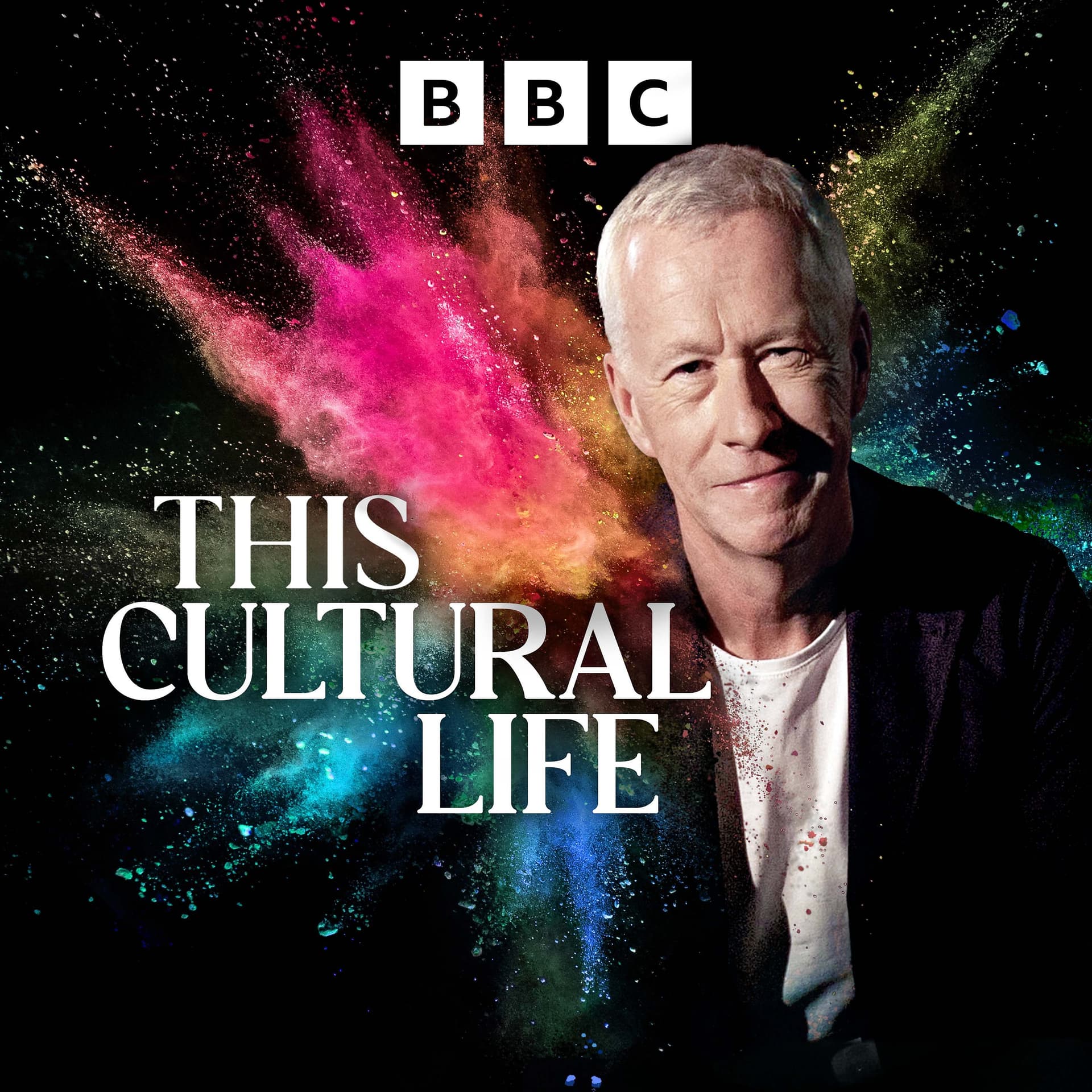
Podcast Notes: This Cultural Life - Matthew Bourne
Episode Overview In this episode of "This Cultural Life," host John Wilson interviews Sir Matthew Bourne, a highly influential choreographer known for revolutionizing ballet in contemporary dance. Bourne discusses his early influences, his path into dance, and his groundbreaking productions, such as *Swan Lake* and *The Nutcracker*.
Table of Contents
- [Introduction](#introduction)
- [Early Life and Influences](#early-life-and-influences)
- [Career Beginnings](#career-beginnings)
- [The Breakthrough: Swan Lake](#the-breakthrough-swan-lake)
- [Artistic Philosophy and Style](#artistic-philosophy-and-style)
- [Legacy and Recognition](#legacy-and-recognition)
- [Conclusion](#conclusion)
---
Introduction
- Host: John Wilson
- Guest: Sir Matthew Bourne
- Highlight: Bourne's impact on classical ballet, his innovative choreographic style, and his inspirations drawn from film and literature.
Early Life and Influences
- Childhood Background:
- Grew up in Walthamstow, East London, in a working-class family.
- Parents were enthusiastic about theatre and movies, instilling a love for the arts.
- Formative Experiences:
- First major film influence: *The Sound of Music*—viewed at a young age, sparking a passion for musicals.
- Notable encounters with celebrities as a teenage autograph collector (e.g., Gene Kelly, Fred Astaire).
Career Beginnings
- Late Entry to Dance:
- Did not begin formal dance training until his 20s, with his first ballet experience at age 18.
- Founding Adventures in Motion Pictures:
- Established a company aimed at innovative dance, focusing on storytelling through movement.
- Created a new version of *The Nutcracker*, which showcased his distinctive approach to ballet.
The Breakthrough
Swan Lake
- Innovative Production:
- Reimagined *Swan Lake* with an all-male ensemble instead of traditional female swans, challenging ballet conventions.
- Initial controversy transformed into a massive commercial success, achieving critical acclaim.
- Cultural Impact:
- Bourne’s version became recognized as a family-friendly production in the UK, despite initial backlash.
- Topic of gender politics and representation emerged, with Bourne's work being seen as a celebration of LGBTQ+ themes.
Artistic Philosophy and Style
- Definition of His Work:
- Bourne describes his work as "contemporary dance theatre," blending ballet and theatre without the constraints of traditional ballet.
- Emphasis on Storytelling:
- Prioritizes emotional depth and character development over technical feats, aiming to make dance accessible to broad audiences.
- Response to Criticism:
- Acknowledges and embraces the skepticism from ballet purists, asserting that emotional engagement is vital in his productions.
Legacy and Recognition
- Awards and Honors:
- Winner of multiple Olivier and Tony Awards; knighted in 2016 for contributions to dance.
- Continued Influence:
- Bourne remains committed to creating new works and reviving classics, emphasizing collaboration within his company.
Conclusion
- Current Endeavors:
- Continues to lead New Adventures and create innovative dance works.
- Personal Reflections:
- Expresses satisfaction with his journey in dance, highlighting the joy and fulfillment he finds in his craft.
---
Key Takeaways
- Cultural Impact: Bourne's adaptations of classical ballets have broadened the audience for dance.
- Innovative Approach: His focus on narrative and accessibility has redefined perceptions of ballet.
- Personal Connection: Bourne's early love for film and theatre continues to influence his work today.
Next Episode Preview
- John Wilson will continue to explore the lives of other leading creative figures in the arts, focusing on their journeys and influences.
Written by AI. May contain mistakes. Listen to the episode to check what was said.
Transcript
Automatic transcript. May contain errors.0:00BBC Sounds. Music, radio, podcasts.
0:13Welcome to This Cultural Life, the series in which the world's leading creative people reveal the formative influences and experiences that inspired their own work. I'm John Wilson and my guest in this episode is the award-winning choreographer Sir Matthew Bourne. A latecomer to professional dance, he shook up classical ballet with his groundbreaking company Adventures in Motion Pictures, first with a radical new version of The Nutcracker, and then, in 1995, with an all-male Swan Lake. Since then, he's continued to popularise classical dance with a succession of innovative productions, often drawing inspiration from movies or literature.
0:50He's had hits with The Red Shoes, Edward Scissorhands, Dorian Gray and The Lord of the Flies, and has won Olivier and Tony Awards. Matthew Bourne was knighted in 2016 for services to dance.
1:05So, Matthew Bourne, welcome to This Cultural Life. Thank you. Very good to be here. You are arguably one of the world's most successful living choreographers and your shows are part ballet, part contemporary dance, part theatre. How would you describe the work you do? Well, I sort of call it contemporary dance theatre. Dance theatre, I suppose, is how I'd describe it. A lot of people call them ballets. And I think that's correct as well. You know, a ballet is a story told without words through movement and acting and all those things. But I think for purists, obviously, it's not a ballet. It's not on point.
1:44It's not classical dance. Well, ballet has rules and sometimes you break the rules. Yes, I break the rules, I guess. I don't know, it's always been a problem with the labels of what to call what I do, you know, and it's got a bit easier now because people sort of understand. I used to get a lot of, oh, he's not really a choreographer, he's more of a director and all this kind of thing. And I even questioned it myself after a while. But I am a choreographer, you know, I make up steps. It's a story told through dance. And movement and expression. I mean, there's mime involved. Definitely mime, I think.
2:14and body language and anything that doesn't speak, really, or actually say anything. So it is hard to pin down, and people do sort of think, they come to my work and they say, I'm going to see my first ballet tonight, and I don't want to spoil that, but, you know, it's just a definition, really, as long as they have a good time. OK, let's stick to the word ballet for now. You were famously a latecomer to ballet, to dance, generally. You didn't even start studying it until your 20s. But take us back before that to childhood. Describe family life. I was born in the East End. I was brought up in Walthamstow.
2:50My parents, at a very early age, took me to see a lot of things. They were movie fans. They were theatre fans. What did your dad do? My dad worked for Thames Water. And your mum? My mum was sort of a secretary of the local council. They were both youth workers as well. Would you describe it as a working-class upbringing? Oh, definitely. Yeah, definitely. They actually met playing table tennis for the county. So it's quite a sporty family, but not a theatrical family. There was no sort of theatrical history in my family at all. That's interesting that, I mean, clearly not a lot of disposable income, but they took you to shows and that was important.
3:27So culture was important to you as a child. Shows and films I was taken to a lot. We always sat in the cheapest seats. We were always in the top. We were all in the upper circle. A special treat on Boxing Day or something, Christmas treat, was to be front row of the upper circle. We booked in advance, you know, and that felt quite good. I mean, I never dreamt I'd ever sit in the stalls, actually, at one point. I actually really thought that was my place, you know, and it didn't worry me whatsoever. I loved everything I saw. You know, mostly at that point, you're sort of non-critical about everything.
3:58You sort of love everything. But it never worried me at all, and I developed this love. I mean, you say I came to dance late. It's true. I did actually in terms of training, but I loved it from a very early age through the films I was taken to see. And my parents had a great love of Hollywood musicals and MGM musicals. And they would build these things up, make them exciting for me before I'd even seen them. In those days, of course, you had to watch it when it was on. You couldn't record it or anything. So you'd build it. It's on Saturday afternoon. You're going to watch Singing in the Rain or The Bandwagon or something for the first time.
4:34and, you know, I absolutely adored these things.
4:40So the Hollywood musicals were important from a young age and the first big moment you've chosen for this cultural life, a formative influence, is seeing the sound of music. Yes. Was that at home on television or would that have been in the cinema? No, I chose it because it led to this great love of musicals, musical theatre, but it was probably the first one I was taken to see, at the Dominion-Tottencourt Road, where I found out fairly recently that it played for five years. It's unbelievable to know that now. You know, a film played for five years in one venue. So I think I saw it when I was about five or six, and I loved going into this enormous cinema with this enormous screen, and that beginning of that film, where you go over the hills and you end up in Salzburg and Julie Andrews on the hill coming across, You know, it's still, for me, the most exciting opening to any film.
5:35The hills are alive with the sound of music I think the influence of that as a small kid, and it was overwhelming. I think life-changing, really. The hills fill my heart with the sound of music Isn't it interesting, because it is, I mean, I described it as a theatre, you're talking about it as a cinema. It's a venue where I think you played later, didn't you? I mean, that was one of the venues in which you staged your Svon Lake. Yes, we did, yeah. It's a very significant venue for me. And, of course, it was the beginning of seeing a lot of those big blockbuster musicals in particular on the big screen.
6:20They were re-releasing films like West Side Story and Seven Brides for Seven Brothers quite regularly at cinemas in those days. and the dancing in those films really excited me. And I wanted to recreate them once I'd seen them and I did put on my own little shows at that point where I kind of copied and did things from memory and made up... I wouldn't have known the word choreography in those days but I put a show together. So you're talking about Hollywood musicals there featuring choreography and dancing, And yet Sound of Music, despite the spectacle, the drama, the singing, there's not a lot of choreographed movement in that film.
7:01No, there isn't. It's interesting that I made that choice, partly because it was the beginning of probably me loving going to the cinema, but also such a brilliantly made film. It's easy to be funny about the Sound of Music and it's saccharine, but actually it's a brilliantly made film by Robert Wise, who also did West Side Story, another absolutely masterpiece movie that I love so much. And as well as falling in love with musicals, I think I fell in love with cinema as well. It told its story so brilliantly and the use of location was so exciting. And the reason I chose it is because it was the start of something, I think.
7:39Was it the story? When you take yourself back, young Matthew sitting there, what is the overriding impact of that film on your imagination? If I try and think about it now, Now, I love the music, the music, and I've always loved Rodgers and Hammerstein ever since, but I kind of fell in love with Julie Andrews. Raindrops on roses and whiskers on kittens, bright copper kettles and warm woolen mittens, brown paper packages tied up with strings, these are a few of my favourite things. I used to kiss a picture of her before I went to bed on the back of the oven cover every night. I did for a while.
8:18when I was very young. I thought, I don't know why. It's interesting, my mum looked a bit like Julie Andrews, actually. But, you know, it wasn't that I needed another mother. I had a very good mother. I don't know. Were you in love with her, do you think? I think I was, you know, and to a certain extent I still am. I love her. When the dog bites, when the bee stings, when I'm feeling sad, I simply remember my favourite things And then I don't feel so bad I don't know. Even if the movie starts on the TV today and I catch the beginning of it, that's me gone for two and a half, three hours. You know, I can't stop watching it.
9:07It's just magic to me. Oh, every rainbow Till you find your dream
9:27Have you ever met Julie Andrews? Yes. Did you get a chance to tell her about your album kissing moment? Well, my friend Cameron McIntosh, who I'm working with at the moment on Old Friends, the musical I'm working on, he did something wonderful for me. when Swan Lake opened on Broadway, which was a thrill enough as it was, he secretly invited Julie to the opening. And I was very nervous on that night, obviously. And when she got out of the car, I wasn't expecting her to be there. I didn't care about anything else. It just made everything all right. Spoonful of sugar. It was just sort of like, ah, this has made my life, you know.
10:06This has certainly made my night anyway. So seeing Julie Andrews in The Sound of Music at the age of five, that sowed the seeds of your love of the musicals. Yes. What was happening at school at this time, creatively? Well, I hated school mostly. I mean, I started off enjoying it in the early years and I was allowed to put on little shows at school. I was allowed to use anyone I wanted in the school. They obviously recognised I had some sort of theatrical interest. and I did these little productions of shows based on things that I'd seen, I guess. Are you talking about primary school now? Yes, primary school.
10:42Really? Yeah. And I enjoyed that time and I did productions. I did a little version of, I mean, pressing for what happened later, I did a production of Cinderella where all the boys played girls and all the girls played boys when I was about eight or something. So there was some... But what was the thought there? why did you want to do that do you think maybe it's something to do with panto or something that I thought I wanted to be an ugly sister I think which I was my brother played Cinderella my little brother who was also at the same school beyond that I couldn't tell you why really I think I've always had that thing of wanting to do I like doing popular things but I don't like doing them in the the way they've been done before if that makes sense yeah I'm sure the teachers would have loved that but what about your classmates I mean we're talking about a kind of I presume a little kind of tough feast end school in the 1960s.
11:33Well, it got worse, you know, in later years. I suppose I wasn't exactly bullied, but I wasn't one of the popular kids. And I ended up not liking it much at all and feeling it was all very much... At the age of 14, I went to an all-boys school. And it was very much geared toward boyish pursuits and sport, which I wasn't good at. And did you continue putting on the shows? I did outside of school. because my parents had, as I said, were youth workers, so they had access to stages and halls and things, and I used to put on shows, and I formed a little sort of dance theatre company at the age of 14, the first one.
12:12It was sort of self-taught through watching. And who were your dancers at that age then? Just local people, local other kids that were interested in dance? Yeah, sometimes it started off being kids down the street. I just did little shows in my own house, you know, And any girls who moved in next door or down the street, I thought I would just sort of bring them in and make them the leading lady. My poor brother, my younger brother, I mentioned, I was putting a wig on him to be my sort of female partner in the early years. So he was quite relieved when some girls moved in down the street and they could take the female roles.
12:45Were you creating your own shows or were they always adapting existing stories? They were always adapting something I'd seen and sort of from memory in a way. So they were like versions of films I'd seen or Disney films and things like that. You've never stopped doing that then? No, I've never really stopped doing it. That's what I say, because people say you came to this late. And I say, well, something about what I do now is always there. You know, it was always from the beginning. And so you had been taken to the theatre. You'd seen live theatre from a very young age. Yes. And that love continued.
13:16What was it about the live experience, do you think, as an audience member? Once I'd got the bug, I sort of saw everything, and I loved... It felt like a world I wanted to be part of as well, and I just couldn't get enough of it, you know. I would see plays, I would see musicals. It wasn't just musicals. I saw all the great actors from the cheap seats and learned so much at an early age from watching. I didn't necessarily see myself doing it, which I eventually did, you know, for a while. It seemed a little bit untouchable, I suppose, in some ways. Otherwise I would have sort of gone to a drama school at an early age or thought about that.
13:54I thought it was sort of something other people did. I didn't sort of know of a way in. I didn't know how to get into this world. You've talked in the past about being the classic stage door Johnny, waiting after the shows to meet the stars. So was that almost subconsciously you were trying to find a route into the theatre? I think so. I was a prolific autograph collector. I mean, one of London's top autograph collectors, I would say, at that point. I mean, I knew all the major figures in that world. It is quite an underworld. There's a king and a queen of autograph collectors that I met. Thelma and Lionel was the king and Thelma was the queen.
14:36And they were the ones who'd been doing it for the longest. And there was a whole system, you know, and it took a while to be included in all the knowledge that they had. and once you'd proved that you were serious about autograph collecting, then they would let you in. What was the knowledge that you needed? It wasn't just what time the curtain came down, which door they were going to come out of after the show. It wasn't so much... There was a thing called the Bulletin, which Thelma had access to, which was the thing newspapers got that told you where people were, when they were coming to London, where they were staying and the dates they were going to be there.
15:11It was sort of secret information. And she somehow had access to it and you had to pay her a certain amount of money a month and you would ring her twice a week at a certain time and she would tell you who was in town and what date they were coming. So it was about hotels as well. So that was the sort of magic thing. When you got the bulletin, you were definitely one of them. Which were the greatest autographs that you managed to collect? So many, I can't tell you. I mean, during COVID, I sort of went through them all again and found people I'd forgotten I'd even met. Every great movie star of that era, anyone who was well-known in the 70s, you know, And I met Charlie Chaplin, I met Fred Astaire, Gene Kelly, Elizabeth Taylor.
15:51Was it just a, hello, Mr Astaire, can I have an autograph and then goodbye? Or did you manage to then engage them? It was very rarely more than that, I have to say. You know, I was like 14, 15, 16, that sort of age. I was very, very polite. It was always Mr Astaire, please, would you mind? I was never sort of pushy. And so because I was quite polite, I was this little English kid, they were very nice to me and sometimes they would stop and chat, you know. And I think you're right. It was about making contact with something that I didn't know how to be part of and wanted to be part of. Given the career that you went on to have, looking back at that, it must have been such a thrill to have met Gene Kelly and Fred Astaire.
16:30Well, Fred Astaire is my great influence and inspiration of my life, really. Partly because when I think about Astaire, I think about someone who made dancing feel natural to the whole world. Just walking, suddenly you would sort of start to pick something up and play with it, and it just feels so natural. It didn't feel like dancing. It felt like something anyone could do. Of course they can't.
17:06And meeting him, you know, even at that age, even at 15, he was my idol. I've got a vision of him in my head walking towards me. It was just me waiting outside the Connacht Hotel in the rain and I could see him in a cream mac walking towards me from a distance. I knew it was him because of the walk. And it's just, we had this little encounter on the corner of the street and I asked him, he was here to record an album and I asked him how it was going. And I can remember every little moment of it now and, you know, a little brief conversation. He was very polite. Was that the only time you met him?
17:39um well a couple of days later i was waiting for gene kelly at the savoy hotel and fred came to pick him up in his car and while fred was waiting for gene to come out he saw me and he waved at me he'd remembered me from a couple of days before i later became friends with his daughter arva who's a lovely lady and and you know those sort of connections mean the world to me um but he was definitely the one. And I think because he made dancing feel natural. I feel that's what I try and do in my work now. I try and make dance something that's not a mystery for people, not something that you need to have read a lot before you see it.
18:21And I think I get that from Astaire and Kelly.
18:31Your next choice for this cultural life, Matthew Bourne, is the composer Tchaikovsky and you famously adapted his ballets, The Nutcracker and Swan Lake, early in your career. When did you first hear his music then? I was brought up in a household that loved music. Popular singers, we would all be singing along to the albums and everything. It was a very noisy household with loud music playing all the time, but not classical. My parents didn't know anything about that. We had one LP that was classical, which was The Planets, which probably a lot of people had at that time, at Woolworths, you know.
19:06So I didn't know anything about classical music. Everything I grew to love about classical music came later when I got into dance, watching dance. You know, the very first ballet I went to see at the age of 18, I'd left school and I wanted to learn, you know, more about the arts. And so there were things like, you know, I think, well, I've never seen an opera, I should go and see one, you know, I've never seen or read a Chekhov play, I've never read Jane Austen. You know, I would think about these, I should do that, You know, I should read these, see if I like these things. And I did the same with ballet.
19:37I went to Sadler's Wells to see Swan Lake. I thought, well, that sounds, that's famous. So I should see that one.
19:47And once again, I was right at the very top of Sadler's Wells, the back row, actually, of the upper circle, which is very high up. I remember I'd had a couple of glasses of wine beforehand. I don't know why. So I was in quite a sort of merry state-ish. The whole thing just felt like a sort of fever dream to me. You know, it was sort of this piece of history happening. I love the glamour of it. I didn't have that reaction that most people have about ballet where it's, oh, it's so beautiful, they all move so beautifully. It wasn't what I expected it to be. And I love the presentation of people in a rather glamorous way, the entrances and the bows and everything.
20:28I loved the eccentricity of it. I know it sounds very naive now at 18. I thought, oh, they don't, you know, they dance all the way through. They don't speak.
20:49So I think we'll get more of this, we'll get more of this, you know. So I, having seen the Swan Lake at Sadler's Wells that week, I saw that it was also on at the Royal Opera House with Canadian ballet. So a few days later I went to see it again and it was sort of quite different, you know, and I thought, oh, this is interesting, you can do... I thought I was seeing the version of Swan Lake that is Swan Lake, but actually you realise that there was different productions, different costumes, some different choreography. And I suppose that was the beginning of something that interested me of interpretation, actually.
21:39So two Swan Lakes in a week, your introduction to ballet at the age of 18. Did it make you think, that's the direction I want to go into? I certainly found a new love, you know, straight away. And like all things with me, once I like something, I have to see all of it. and I have to read all of it or I have to collect all the albums of someone I love. And, you know, I'm a sort of completist in that sense. You know, I get very obsessed. And because I'd been to Sadler's Wells, which is actually more known for contemporary and modern choreographers, I started to go there and I saw things like Twyla Tharp and Moe Cunningham and started to become a regular at the Royal Ballet at the Royal Opera House and had a great love for Frederick Ashton's work and Kenneth McMillan, who were both working at that time.
22:23And I learned by watching, you know. So that kind of drew back the curtain, that revealed ballet to you. What was your practical entry into the world? Well, alongside all of this, I was working at the National Theatre as an usher and on the bookshop. I was about 20, you know, 20, 21. Again, seeing a lot of theatre, all the great productions at the National I saw many times and learned a lot from those as well. So it wasn't just dance. And I met someone there who was an usher, but he was also just started training as a dancer. He was the same age as me and was training at the London Contemporary Dance School.
Read the full transcript
22:59And I thought, why am I not doing that? You know, it was literally, that's what I want to do. I wanted, I didn't, I thought I'd missed the boat, actually. He was the inspiration for me because he'd actually was the same age as me and had got into a column as actually training. I thought, oh, I haven't missed the boat. I thought you were supposed to start when you were six or seven or something, you know. And I applied to various colleges and I eventually did an audition for a place called the Laban Centre, which is now called Trinity Laban in south-east London. And I did the audition and it was literally my first ever dance class.
23:32I'd never done a dance class before. I was sort of self-taught. Goodness knows, I didn't know what I looked like. It must have been atrocious. But I actually thought I was quite good at the time. What were you dancing? How were you moving? Well, I just copied what they, you know, taught me to do. In the class, they do exercises. You just sort of follow. I don't know. I'd love that there was a film of it now. But I actually thought I was quite good. As I said, I'd been doing it since I was a kid, putting on shows and dancing and stuff. Of course, I learned very quickly that I had a lot to learn.
24:07Because you'd had no formal training whatsoever. No, no. You must have been quite good, naturally good at moving then. I definitely had a passion for it. I don't think I physically would ever have been a great dancer. By that point, my body was not as limber as it might have been. But, you know. Well, even at 20? Yes. Yeah. But I did have a passion for it and I loved dancing. I thought I had some musicality, you know, which is what you need, obviously, as a choreographer. So, you know, I had certain things, but I think they were most impressed by it in the interview that I did for the college of all the things I'd seen.
24:44because at that point I'd seen literally everything, you know, and I'd read about all the great choreographers. I'd read so many books and seen so much and they were so sort of impressed and they thought, I think they, this is my theory, I think they thought, oh, we've got a writer here, so someone who's going to be involved in dance in some way but not necessarily as a dancer. And they were brilliant like that as a college and, you know, they produced quite a lot of choreographers actually because they took people on who weren't necessarily going to have, get into dance companies. And I didn't think I would for a while but I eventually formed my own so I could perform, you know.
25:17It was quite soon after you left the Laban Centre that you formed your own company with some fellow students. Yes. What were you hoping to achieve at that point? And were you firmly set on the role of choreographer by that point? I think I was. I'd majored in choreography in my last year at college but I also loved dancing and I did kind of want to perform. So getting together with a group of friends, we formed a company where we would perform and do each other's choreography. That's how it started, really. This was Adventures in Motion Pictures. In Motion Pictures, yes. Which was in 1987, and your first ballet was a new version of Tchaikovsky's The Nutcracker, but the big break came a couple of years later in 1995.
25:59Swan Lake featured an all-male troupe of dancers with a reworked story. Did you set out to challenge the conventions of ballet at the time? I don't think so, no. So I thought, the first one I did, as you said, was Nutcracker. And that was a big thing to be asked to do at the time.
26:24We were a very small company touring around the country in a minibus. Quite a quirky company, I suppose, we were known as. And then we got asked by Opera North to do a version of Nutcracker. It was the centenary of Nutcracker. and they figured that there's a lot of classical versions around. Why create another one? Let's ask someone who might do something a bit different. So the impetus and the commission really was to do something different, actually. And the thing that grabbed me straight away was this music. It didn't become a ballet later. It was written as a ballet and it was written to tell a specific story.
26:57So there's a lot of storytelling music in Tchaikovsky's ballets.
27:09And you adapted the story because this was the one, I think, set in a Dickensian orphanage. Yes, in a Dickensian orphanage. We were true to the piece in many ways, but tried to find a new way of interpreting it, going to appeal to a wider audience, I think, and that was always the goal straight away. And because that had gone well, I really wanted to do another one, and Swan Lake was the choice, you know, and it probably would have been my first choice if I'd been asked. It's interesting because I described it as a radically reworked version, and yet you say the mission was to appeal to a broader audience with something which is different and new, which often goes the other way because you have more of a niche audience for that sort of thing.
27:50Yes, well, it's interesting what happened with that piece. I think in approaching Swan Lake, there was no point in me doing another version of something that had already happened. It was a bit similar to what was already out there. so the idea of male swans was radical enough to sort of change the whole story but still quite true to the Tchaikovsky Petipas scenario it challenged things but also it it was also entertaining as well I think which is important you're taking an audience on a journey that was something that was get-at-able for them and not something that was mysterious even though it was sort of controversial as well I guess in some people's minds you said it's entertaining it's also dramatic.
28:32When you think about swans, you think about the grace, but also the violence of swans. We're always warned not to get too close to them. There was violence to that production, wasn't there? Definitely. We went to the source material of looking at real swans, how they came into land and when they attacked people who got near their young and that kind of thing. We used all that in the piece.
29:04It got labelled the Gay Swan Lake. I didn't like it being labelled that much because it wasn't that clear-cut. Actually, after all, it was a swan and a man. It wasn't exactly two men. But, you know, I also welcomed the fact that it was embracing something new or it was something that could be celebrated as gay relationships. You know, I liked that side of it. Well, gender politics at the time was quite a fraught area, wasn't it? Yes. important for you to be representing on that level as a gay man? I wish I could say that that's the reason I did it now, but I think I did it because it just felt personal and I just felt I could feel it more through that story.
29:41And I was told to play it down when we first went to Broadway. I was told to not talk about that side of it so much. This is the amazing thing that's happened with that piece. The journey it's gone on is really, now it's become such a popular piece in the UK in particular. It's bring the family, you know, at Christmas. Swan Lake, bring the kids. Nobody even thinks about it anymore, nobody questions it. But for a while there were walkouts, there were purists who were unhappy. Uproar in the ballet world, Swan Lake as it's never been seen before. A production opens tonight where all the swans are chaps.
30:14When the corps de ballet for this version of Swan Lake glide across the floor, it's more a question of hairy legs than feminine legs. Of course, because we're conditioned by the fact, is for us evocative of the picture of white-clad girls in pointe shoes. and it is going to be very difficult to look at what Mr Bourne may do with men and not feel, oh, I wish he hadn't done that. I was called the bad boy of the ballet and all silly things like that. The Damien Hirst of the ballet I was called at one point, I don't know why. But generally it was very, very welcomed. Gender swapping within performance, it's the norm now.
30:49Did it feel radical at the time? Yes, and I like that. I remember in the rehearsal room we all felt that we were doing something that was a little edgy, but more importantly, it wasn't about shocking, it was about surprising. It was all about this iconic figure of the female dancing swan, Margot Fontaine, you know, in a tutu and the feathered headdress and everything, point shoes, and Adam Cooper, who created the part in the original production, this very manly presence, mysterious, wild. That was the moment that really captured the audience. after all the royal stuff which was fun in the first act of the piece once the swans came on I think everyone felt that that was going to be the funny bit because they couldn't imagine men as swans being anything other than funny or a parody when Adam came on that night the whole atmosphere changed
32:01It was the front page of newspapers the next day, not the arts pages. It was pictures of Margaret Fontaine, pictures of Adam Cooper next to each other. And even if people didn't see Adam Cooper on stage with your production, they would have seen him leaping probably at the end of Billy Elliot. Yes, of course. In the final scene in which Adam Cooper becomes the grown-up Billy. He becomes the grown-up Billy. So it remains, 28 years later, your biggest success. When you set the bar artistically and, more importantly, commercially that high so early in your career, was that a problem? It was at the time.
32:39I mean, it's that second album syndrome, isn't it, the thing that people have? I mean, I was happy to be known for anything in a way. You know, at that point, it was so much bigger than I expected it to be. But then there was this, you know, the next piece and the next piece. You felt, can we follow this? I think if I had only had Swan Lake as a success and I was still trying to sort of top it now, maybe that wouldn't feel so great. But actually, it's not necessarily our most successful show in terms of audiences. Some have done even better. It's the one by which you are most readily remembered.
33:13It definitely is. Yes, I don't argue with that at all. It's interesting, you're telling the story, you know, the boy from the East End who, you know, almost walked his way and talked his way into ballet school, not a natural dancer, then you form a company and then your second show is a global success, front page of every paper. It makes it sound like everything came quite easily, but I'm presuming behind the scenes there was a lot of struggle. It was terribly difficult, actually. The story of Swan Lake, the early part of it, we were not equipped to take this on actually early on. Cameron McIntosh, who I mentioned earlier, he came to me in the interval of the first performance of Swan Lake.
33:53It just sort of pinned me against the wall and said, this has to be in the West End. And we took the show into the West End the year after. Of course, we weren't really prepared. Dancers generally are not used to doing that many shows. We were doing like eight shows a week suddenly. We didn't have enough covers in the show. People got sick, people were injured. we hadn't worked out how to do it yet we didn't have any physio on site to help us, all these things we have now we have rotating casts, we know how to do it but it was a brand new thing a dance company in the West End or on Broadway doing a show, eight shows a week you were buoyed up every night by the audience reaction but then the next day was, what's the next problem we've got to deal with what are we cutting, how do we make this work it was a lot to handle, a lot of new you know, it was something we struggled with I think
34:43Your Next Choice is another work that you adapted for the dance stage, Paul and Pressburger's 1948 film The Red Shoes. I thought once, Mr Lermontov, that there would be no room in my life for anything but dancing. You will think so again, my dear. You're jealous of her? Yes, I am! But in the way that you will never understand. Well, Vicky? Julian, I love you. Would you love that more? When did you first see the film? Well, I think one of the reasons I chose it is because I think it was probably the first time I'd seen ballet. We talked earlier about me seeing it live for the first time, but in this film, I think that was the first time I'd seen what a ballet company was.
35:25But when I think about The Red Shoes now, as you say, I have adapted it for the stage, and that was a dream that I'd always wanted to do. I think one of the things that I found so appealing about it, and the thing that's always been very important to me in my life, is the idea of a company. And what The Red Shoes is about a company of people, this sort of eccentric characters, this bunch of people who get together to create something beautiful, you know, to create art. And the passion there in that film for creation and a life as an artist is so powerful. And I found that very compelling, I think.
36:00The idea of a group of like-minded people coming together to create something. And I did it when I was a kid. I always called it the something company inn. I'd always make up these names for companies. One of them was called the Bornadium Theatre Group, which is my name and the Palladium put together. So it was all about teamwork. Teamwork. Rather than about one individual imposing their view. Yes. So is that the way that you run your company? Yes, definitely. Collaboration. And it's the reason what we were just touching on earlier about when Swan Lake started, and everyone wanted to reproduce it everywhere.
36:33We can have the Australian company, we can have the touring US company and I always said no to that sort of madly really for me it was my company that did that show it was only going to ever be one production of it at any time danced by Adventures in Motion Pictures or New Adventures as it later became so I've kind of been my own worst enemy in some ways financially for me the loyalty to the company and the group of artists that I work with and have worked with over the years has been the thing that's stopped me from going to other things because it would take me away from that company. So The Red Shoes in particular, I think I saw something in that which appealed to me and is one of the reasons why I love that film so much.
37:15Why do you want to dance? Why do you want to live? The underlying theme of The Red Shoes is about making that very stark choice between art and life, being torn between the professional life and the personal life. Is that something that you particularly identify with, do you think? I don't really struggle with that very much. One of the alarming things I felt when I was studying the film to make the stage adaptation was I kind of agreed with most of what Lermatov was saying all the time. Lermatov was the choreographer. Yes, he was the sort of... He was the Diaglio figure. He was the empresario in a way.
37:50He brought the people together to make the work. He was the Diaglio figure. I kind of agreed with a lot of it. You know, art, for me, is the most important thing. I mean, I'm lucky I have a life partner, Arthur, who's we've been together for 26, seven years now. I don't know where I'd be without him. But the idea of having children, that kind of thing, I don't feel I've missed out in that sense. For me, it is that important. It is that it's enough. It satisfies me totally. Are you a workaholic? Yeah, well, I think I'm lazy, but other people say I'm a workaholic. So work that one out. Your work is so popular, Matthew, you and you are probably the most successful living choreographer and a lot of the appeal of your work is that it is very accessible to a broad audience.
38:43The stories are clear, it's all about movement and the expression is often more theatrical and representational of the narrative than you'd find in perhaps traditional classical ballet. Is there ever a worry about having to sacrifice some of the subtlety and the nuance of ballet for the sake of the storytelling? No, not at all. I think what we do is its own genre. I think it's almost the other way around. Sometimes ballet can be a bit happy or sad, you know, that's all it is. Sometimes. We try to go in a lot more depth, you know, the characters have a lot more, they're many-sided. But generally speaking, I think, you know, My whole later life has been delving into this exploration of telling stories without words by any means.
39:30And sometimes you question, can we really find a way of saying that without actually saying it? And that's where the interesting things start to happen sometimes. You find a way of doing it eventually. I think the thing that we don't do, which people enjoy classical ballet, which I still enjoy, by the way. I'm not so anti-ballian anyway. I love it is you know I'm not interested in technical feats just for the sake of it so lots of pirouettes and big jumps and you know spectacular lifts and things like that just for the sake of it I always try and find a justification for it I don't like mindless um well in my pieces I don't like mine so I like I actually quite like watching it in ballet but um but you say within your work you're looking for that emotional depth.
40:18And, yeah, you must be aware there is sniffiness about Matthew Bourne amongst many of the ballet purists. There has been over the years, you know, and it's for lots of reasons, you know, really. We're the only company that still tours all around the UK to, like, more than 20 venues, you know, more than half the year. Most companies can't really tour anymore. You suggest there's a bit of jealousy as well. Well, I'm not going to say, but we have a loyal audience, you know, and there's been a lot of snippiness about that maybe as well. You could be working anywhere around the world as a choreographer for hire and yet, as you say, you're still leading this company.
40:59Why don't you take up those offers? I love what I do and I love working with the same people and seeing them develop from show to show. You know, that's all part of the company thing we were talking about. Sounds like you're describing Strictly Come Dancing there. Nurturing talent, seeing the development week on week. You were invited to be a guest judge, weren't you? Well, I was invited to be, or to be seen to be a judge at the beginning of when it first started. And I have no interest in being a personality. I don't really like being on the screen. I don't want to be, you know, you have to, it's an act.
41:29You know, they'll all tell you, all the people who've done it, they're putting on, it's a persona. I'd hate it. I'd be terrified. Matthew Bourne, you are still as busy as ever. It's been quite a feat to get you into the studio today. I'm even looking at the clock right now because I know you're running straight to a rehearsal. What is the big ambition left for you? There isn't one, to be honest. I really am not ambitious. I love having my company and I love bringing the pieces back that I've done. I'm in a very sort of privileged position because I've always been able to do the pieces I wanted to do because I have my own company.
42:05I go, like, I want to do, you know, a version of The Red Shoes and we get on and do it. You know, it's very hard to raise the money to do anything for most people out there. I find it very difficult to put anything on, you know, these days. It's extremely difficult. So I'm really lucky. I don't have ambition in that sense. And I'm so boringly fulfilled in my career, you know. Maybe a few years ago I would have said it would have been nice to make a film or, you know. But I think it's a different skill. It's a different – I'm a theatre man, you know, and that's what I love. You haven't done The Sound of Music.
42:40But it's already there. Who wants to see a different version of that? A choreographer. They're all a danced version of The Sound of Music. The Sound of Music is perfect. It doesn't need anyone to touch it. I'm aware you have to be in a rehearsal studio in 20 minutes' time. So thank you very much for joining me today and sharing your cultural life. Thank you.
43:02Thanks very much for listening. And if you enjoyed my conversation with Matthew Bourne, don't forget there are many more leading creative figures, including from the worlds of dance and theatre, to be found in our This Cultural Life archives. Previous guests have included ballet stars Tamara Rojo and Carlos Acosta, choreographer Akram Khan, directors Sam Mendes, Kwame Kwe Amar and Mike Lee, and actors including Glenda Jackson and Kenneth Branagh. All and many more are available on BBC Sounds and all other podcast platforms. This Cultural Life is presented by me, John Wilson, and produced by Edwina Pittman.
43:39Hi, I'm Robin Ince. And I'm Brian Cox. And we want to tell you about a great series we've made for BBC Radio 4. Let's just say it's average. It's above average. Each one is a handy little guide to everything from the supernatural to the meaning of infinity. Supernatural one will be short because there's no such thing. I'm so going to haunt you for saying that. We've pulled the best moments from the past 27 series of the show. That's nearly 15 years worth to bring you some of the most surprising science and sometimes, hopefully in your judgment, some of the funniest moments with guests including Steve Martin, Brian Blessed, Josie Long and some scientists, lots of scientists as well.
44:15Listen now on BBC Sounds.
From the publisher
One of the world’s most successful living choreographers, Sir Matthew Bourne shook up classical ballet in the mid 1990s with his ground-breaking company Adventures In Motion Pictures, later renamed New Adventures. His breakthrough production, a radical new version The Nutcracker, was followed by a production of Swan Lake where he replaced the traditional female swans with a male ensemble. After initial controversy in the press, it became a massive critical and commercial hit. Since then he’s continued to popularise classical dance with a succession of innovative productions, often drawing inspiration from movies or literature. He’s had hits with the Red Shoes, Edward Scissorhands, Dorian Gray and Lord Of the Flies, and has won Olivier and Tony Awards. Matthew Bourne was knighted in 2016 for services to dance. In This Cultural Life he talks about how his love of classic films musicals started with seeing The Sound of Music as a young boy, and falling in love with Julie Andrews. He recalls his teenage years as one of London’s top autograph hunters meeting the likes of Gene Kelly, Charlie Chaplin and his hero Fred Astaire. He also explains how he was a relative latecomer to ballet and only saw his first ballet - a Sadler's Wells production of Swan Lake - at the age of 18. Matthew Bourne also chooses Powell and Pressburger’s 1948 film The Red Shoes as one of his formative influences.
Producer: Edwina Pitman