In short
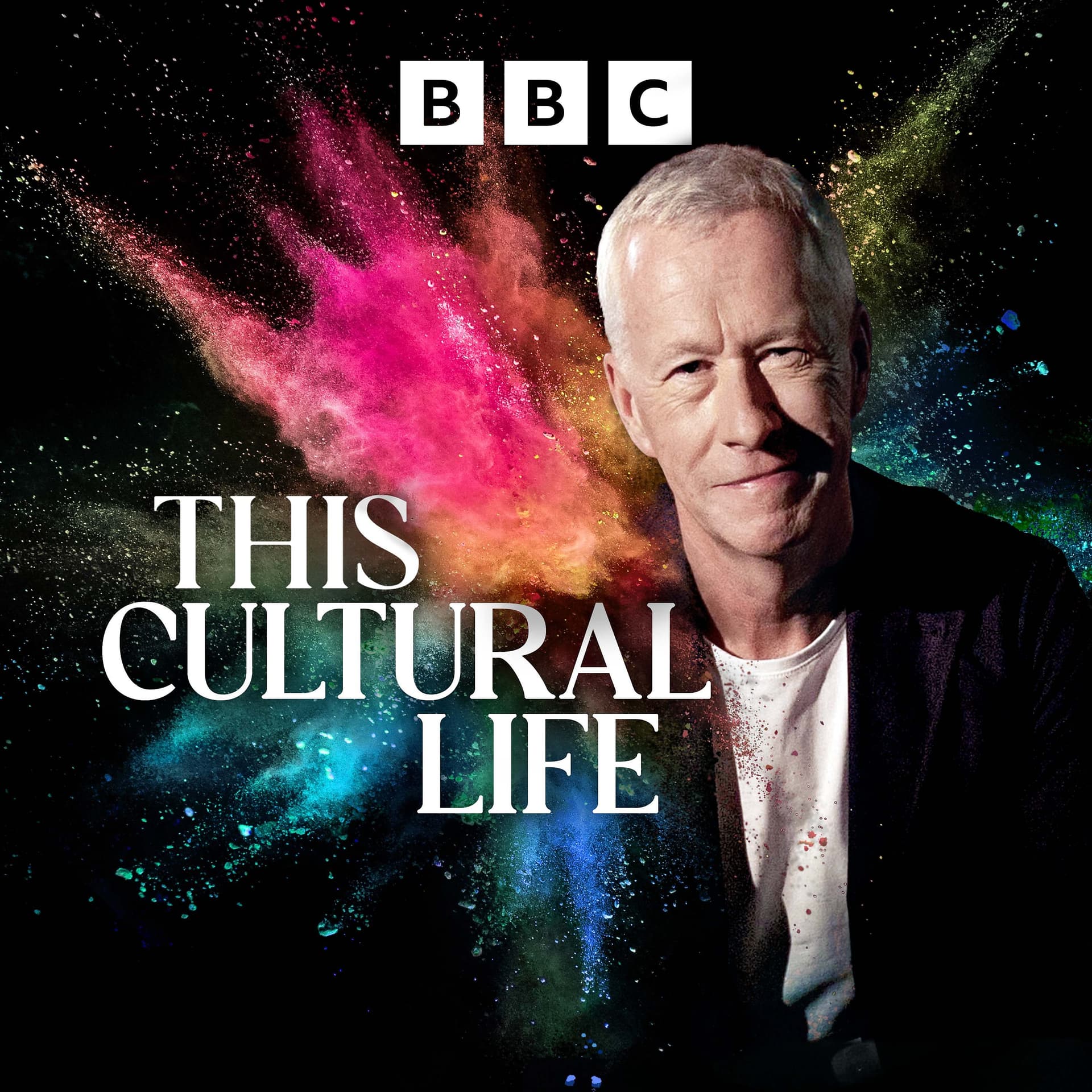
Podcast Episode Summary: Nigel Kennedy on This Cultural Life
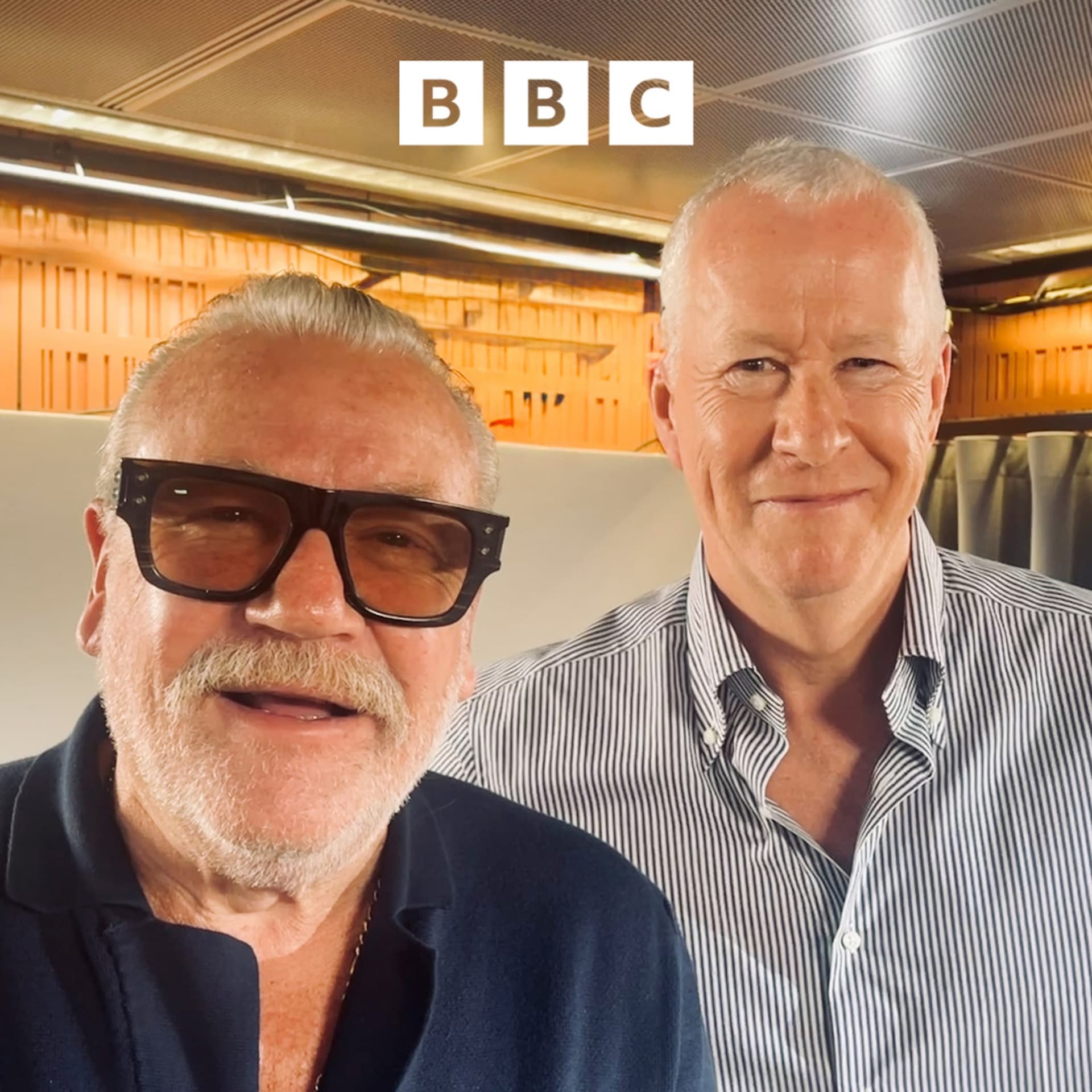
Episode Overview In this episode of *This Cultural Life*, host John Wilson interviews violinist Nigel Kennedy, who reflects on his musical journey, influences, and personal experiences. Kennedy shares insights about his childhood, musical mentors, and the fusion of classical and jazz music that defines his career.
Key Details
- Host: John Wilson
- Guest: Nigel Kennedy
- Producer: Edwina Pitman
Nigel Kennedy
A Musical Prodigy
- Born in Brighton, England in 1956 to a musical family.
- Childhood musical education involved listening to his mother teach piano.
- Early influence from Yehudi Menuhin, who recognized Kennedy's potential.
- Achieved fame in 1989 with a recording of Vivaldi’s Four Seasons, which became the best-selling classical album of all time.
Early Musical Influences
- Family Background:
- Kennedy's mother was a piano teacher.
- Father and grandfather were accomplished cellists.
- Education:
- Attended the Yehudi Menuhin School, where he received a scholarship.
- Describes early struggles with the violin compared to the piano.
Musical Mentorship Yehudi Menuhin
- Kennedy describes Menuhin as a charismatic figure who nurtured his musical talent.
- Menuhin encouraged creative exploration beyond classical music, allowing for jazz influences.
Stéphane Grappelli
- A pivotal influence, Grappelli introduced Kennedy to jazz and improvisation.
- Kennedy played with Grappelli, enhancing his confidence and improvisational skills.
The Juilliard Experience
- Transitioned to studying at Juilliard in New York.
- Critiques Juilliard’s teaching methods as outdated compared to European standards.
- Inspired by legendary jazz musicians in clubs, including Jimmy Rowles and Ellis Larkins.
Fusion of Genres
- Kennedy discusses the integration of jazz into his classical repertoire.
- He reflects on the loss of improvisation in classical music and advocates for its revival.
- Emphasizes that music should be a communication form rather than merely a theoretical exercise.
Cultural Influences Aston Villa Football Club
- Kennedy connects his experiences as a fan of Aston Villa with understanding crowd dynamics in music performances.
- Sees the importance of audience interaction and energy during live concerts.
His Dog, Huxley
- Describes Huxley as a source of joy and simplicity, teaching him to appreciate the present moment.
- Attributes a sense of contentment to his relationship with Huxley.
Reflections on Career and Music
- Discusses the success of *Vivaldi’s Four Seasons* and its impact on his career.
- Expresses a desire to focus on live performances and the unique emotional connection they create.
- Critiques the elitism of the classical music establishment and discusses the need for greater accessibility and diversity in music.
Conclusion Nigel Kennedy's journey highlights the interplay between classical and jazz music, the importance of mentorship, and the value of personal experiences in shaping an artist's work. This episode offers listeners a candid and insightful exploration of a leading figure in contemporary classical music.
Key Takeaways
- Musical Identity: Kennedy's identity as a musician is shaped by his diverse influences and experiences.
- Improvisation: Advocates for the importance of improvisation in both jazz and classical music.
- Audience Interaction: Values the role of audience engagement in creating a dynamic performance atmosphere.
- Life Lessons: Draws meaningful lessons from personal relationships, emphasizing joy in simplicity and creativity.
For more conversations with artists and creatives, visit *This Cultural Life* on BBC Sounds.
Written by AI. May contain mistakes. Listen to the episode to check what was said.
Transcript
Automatic transcript. May contain errors.0:00BBC Sounds. Music, radio, podcasts.
0:11Welcome to This Cultural Life, the series in which the world's leading artistic figures reveal the most important people, places, events and cultural works that have inspired their own creativity. I'm John Wilson, and my guest in this episode is the violinist Nigel Kennedy, a prodigy whose childhood talents were nurtured by Yehudi Menuhin. Kennedy became an international star in 1989 with his recording of Vivaldi's Four Seasons. It sold over three million copies, topping the UK classical charts for a year, and it went on to be listed as the biggest-selling classical album of all time in the Guinness Book of Records.
0:48But an unconventional classical musician from the outset, it wasn't just his wardrobe, accent and attitude that set him apart. As well as recording all the major violin concertos, his repertoire includes jazz standards, folk tunes and Jimi Hendrix. Nigel Kennedy remains one of the world's greatest virtuosos. Nigel Kennedy, welcome to This Cultural Life. Great to be with you. You were born in Brighton in England in 1956 and there was a lot of music already in your blood, your mother, father and grandfather, all musicians. Your mother was a single mum, brought you up by herself and taught piano at home.
1:28So is that your earliest cultural memory, listening to her? Yeah, my earliest recollection of anything cultural was like hearing her teaching pupils coming into the flat. I was kept under the piano because piano teaching was not a renumerative profession, really. and so there wasn't a babysitter possibility. So she'd dump me under the piano and I'd hear Chopin and Schubert and Beethoven at kind of Led Zeppelin levels, you know, with accentuated bass because under... I tell you, I still like lying under a piano if I'm in a bad party of mine and someone's playing it. I'll go and lie down and listen to it.
2:07It's a completely different noise. Because of the reverberation? Yes, and the deep lower frequencies and I'm always careful if I'm playing the piano because I play a bit in my gigs and that, that I'll have a mic underneath the piano to capture those rich, darker sounds as well as the more prosaic, treble-orientated sounds. Wow, so that really is a very early formative experience. Yes, and it put me into the direction of harmony because hearing the piano and piano music being so harmonic, it gave me something which maybe as a normal violinist I wouldn't have. What did you know about your father and your grandfather at this time?
2:47Well, I knew they were a long way away, like both of those guys, because my dad was back in Australia while I'd been born in England. He was Australian. He was Australian-Irish kind of background.
3:03You know, he was a really talented cello player, and as a 21-year-old, which is really pretty much just out of college, He was leading the cello section of the Royal Philharmonic in London when Beecham started that orchestra.
3:25And then my granddad, Laurie, he was a pretty renowned cellist. He was working under Toscanini. He played with Heifetz. He played also with Rubinstein. He played with Rachmaninoff, I believe.
3:43So, you know how in Scotland they say you can't be a real piper unless you're third generation. Well, I'm third generation, so I'm real. Nigel, the real deal Kennedy, man. You know, but, like, there's almost something DNA about it as well as environmental.
4:04So if your father and your grandfather were both renowned cellists, why did you not take up the cello? Well, my mum thought I'd be good at string instruments, but because my dad had kind of vamoosed over to Aussie world, she didn't want a cello in the house. Oh, but it really was a reaction to her relationship breaking down and him leaving. Exactly. She didn't want to remind her of that. She didn't want to remind him or even gratify his ego that his son was playing the cello. So she got me on the violin, which I'm so happy about now. When I was a child, I always wanted to play the cello and maybe that was to do with being kept under the piano because hearing those deep bass frequency sounds, I preferred the richer sound of the cello rather than the more strident, piercing sound of the violin.
4:54But she just wouldn't let me go on it and then I got into Yehudi's school of music, Yehudi Menuhin School of Music, and I got a scholarship from him and so I think they definitely wanted me to play the violin if I was going to be the recipient of the Menuhin scholarship. So then my future was kind of set. Well, Nigel, that was simply terrific. Come up to my height now. Well, now, for a seven-year-old, that was pretty good playing, I think. How long have you been playing the piano? Two years. You also play the violin, don't you? Yes. And how long have you been playing that? Eight months. Mrs Kennedy, you must be very proud of your son.
5:35This is a very valuable scholarship he's just won. It's worth almost£4 ,000, I believe. Yes, it's the most wonderful thing to have happened because it assures his education for the next eight or nine years. Did you take to it right from the start? No, it was a gruesome process. You know, standing up and playing the violin was very unattractive compared with sitting down and playing the piano. And this is common with all violinists, that we all feel very uncomfortable in the early years. You know, guitar or piano, they're self-sufficient, whereas the violin, you're playing these meaningless lines which only start meaning something if you've got a pianist accompanying you.
6:16Like, I don't know, Sati Gymnopadi, for instance. You've just got this melody.
6:27And that's as nice as I can do it. If you don't know what the harmonies are, then it's just... It's like a sentence with no meaning to it. Listeners will be aware that you have arrived in this Cultural Life studio with your violin. Does it go everywhere with you? It hounds me, man. That's always around. You know, I don't let anyone else carry it. On the aeroplane, it has to go in with me. The fiddle's always there. I might sometimes have a couple of days without playing it, but I've always got a violin around. You never know when the opportunity might arise. You think of an idea or you meet somebody you want to play with.
7:03You know, I quite like meeting people on the street or, you know, something might happen in a pub. And then if the fiddle's not within half a kilometre or something, you're kind of, you can't do anything. My singing is not anything to write home about. It's something to leave home about if I start doing it in the home. But like the violin, it reflects your heart. That's something I learnt at a young age. The intonation, how you play, it'll just give away your feelings. And that's something which happens without pre-planning.
7:36On This Cultural Life, Nigel Kennedy, I asked my guests to choose the formative influences and the inspirations that have helped forge their own work. And your first choice, or choices I should say, are two violinists, Yehudi Menuhin and Stefan Grapelli. And at the age of seven, you won a scholarship to the Yehudi Menuhin School of Music. Let's start there. How did you get to the Menuhin School? By car. I don't know, you know, like there were auditions when I was about six years old and my mum thought I was going to be something good on the violin. And so she said, all right, I'll take the kid down there to London.
8:19because for the first year the school was in Kensington, then they bought this country house, huge estate in Surrey.
8:30I went and played for Yehudi and one or two other strange-looking teachers who were there.
8:41Yehudi was charismatic, and it was a good audition in the aspect that I couldn't really play the violin. and I'd only been playing it about six or seven months. Wow, really? Yeah, and he noticed that I could play in tune. It's not that I could play like Paganini or anything, but I was playing in tune with a good tone production. By the clarity and rhythm of his violin playing, which was still an embryonic stage, but already had the mark of strong rhythmic personality, and the impeccable ear that demanded perfect intonation, regardless of the awkwardness with which he may have handled the instrument, I knew that I was dealing with one who would inevitably become the musician he was destined to be.
9:29Then also he was singing to me phrases and he was saying, can you make up the second half of this phrase? And it turned out I was very good at that. So they were judging not just for instrumental virtuosity, they were trying to see what the potential of a musician was. Your musicality. Yes. This is the early mid-60s then, I guess, so he probably would have been the most famous violinist in the world. Did you know who he was? I'd been to a concert of his in the Brighton Dome and he was such a charismatic guy, you know, with his blonde hair and blue eyes and then playing with the soul. You know, that five notes of his, this is something I kind of learnt later, but it must have transmitted to me at the time, five notes of his were worth, like, more than a thousand of another violinist.
10:30He could play a melody and every layer of it, the poignancy, the melodic qualities, the direction of it. He would have that. Other players, you'd be impressed by how clever they were, how good their bow was, how quick they were playing. This man, he could convey the emotional intelligence of whichever music he was playing.
11:07So you won a place at the menu in school. You're away from home at seven years old. What was that like? What was school life like? It was a very strange place, I have to say. It wasn't like the greatest gift from God to be in a place where Yehudi would get a fad. One time it would be he'd turn up at the school and say, oh, it's good for all the kids to be taking Bairstraf, which was some kind of dark brown liquid which you'd have to have out of a little medical mug thing. And it was syrupy and that. It probably had a lot of yeast and other stuff in it. He was into health foods and yoga. He was into that, yeah.
11:46And another time he'd turn up with seaweed tablets. So then we'd have to have seaweed tablets or shoals, you know, those wooden clanking shoes and that. And it was just really uncomfortable. I mean, my trousers came back from the laundry like concrete because I'd stashed the seaweed tablets in the pockets because I wasn't going to eat that stuff. So that was very weird. He had a lot of sycophants around him who would do whatever he thought. What was great with him later was making some kind of musical relationship with him. When I started playing jazz on the piano and the teachers were coming in, giving me a rap on the knuckles and saying, get out of the room, you can't play that stuff there.
12:28His reaction was, oh, it's fantastic that his mind's actually working. When did you first hear jazz then? I first heard it when I was about seven or eight from my stepfather's jazz record collection, which people call Vinyl now. So he had all of these albums of Fats Waller and Satchmo and the Louis Armstrong Hot Five, you know, the early stuff from the 30s. and so I really got into swing.
13:01That's interesting because a lot of people think, you know, Nigel Kennedy started out as the classical violinist who then explored jazz, but jazz was there right from the start. It was there right from the start and, I mean, it was the kind of jazz which maybe a middle-class doctor might listen to because that's what my stepfather was, but at least it was great jazz. To the extent that, when I heard Stefan Grappelli the first time, when I was about 13, and he was the first important... Him and Django Reinhardt were the first important European jazz. Yes. But I thought, that's not jazz.
13:43But you've chosen Stefan Grappelli, the French jazz violinist, alongside Menuhin as a formative influence. When did you first come across Grappelli then? When did you first meet him? You made such a smooth segue. Well, Stefan, like, he was invited to Yehudi's school when I was maybe 13. And he came and played for us and he was very nervous, all of us precocious brats, all so clever on our little violins and stuff. At one point he asked us a kind of joke to loosen things up. Will, does anybody want to play? And I said, yeah, and I'd got my violin underneath the chair. An expletive almost slipped out of my mouth then, but I'm keeping it straight for the BBC now.
14:31I was ready to play and I knew his repertoire. I knew the Fats Waller songs he played. I knew the Gershwin songs he played. And he was so happy that someone from two or three generations below him was into his type of music. That's amazing. So you were already aware of his repertoire? Yes, yeah, and I played in a very different way. I played more like a violinist who was equally great called Stuff Smith, who was from Detroit, I reckon, originally, and he played Brutal Swing, but it swung like a bucket hitting a donkey's head, you know. It was phenomenal. He wasn't so suave like Stefan, and so it made a really good mix.
15:13Stefan playing his beautiful, flowing music and me playing my more minimal style. If I'd have just been copying him, I don't think it would have worked. That must have been an amazing moment to have stood up in front of your classmates, I presume, with Stefan Grappelli playing a different style to the sort of music that you were being taught every day at the menu in school. Did that give you the taste for the limelight for being centre stage, do you think? Well, it kind of gave me, first of all, the confidence that I had was because I tried to get a few others playing along to the records in Yehudi's school of the old jazz stuff, and they were proverbial toilet at it.
15:53So I knew I could get up and play and I wouldn't disgrace myself because the other ones were, they just weren't into it. I knew I loved improvising and it actually gave me a whole sense of vitality in my classical playing, the realisation that the moment is now. It's not yesterday, it's not tomorrow, it's this magic moment. And I started learning that when I was about 13 from trying to play with the albums of Stefan. And so when I was allowed out of the school on the weekends, he was just reviving his career after having played with Yehudi on the Parkinson's show. Because that was 1971. It was Michael Parkinson who brought Yehudi Menuhin and Stefan Grappelli together.
16:32Exactly. Stefan Grappelli and Yehudi Menuhin joined together, need I say, for the very first time, to play their version of Jealousy.
16:46And then that collaboration... And they jammed in that programme. Yeah, and Stefan was playing in Sacha Distel's club in Paris for 100 francs a week. So nothing, really, even in them days. And, like, his career started going, and Stefan was playing in folk clubs and places around England, and I was able to go on Friday and Saturday nights to play with him if it was within a 30, 40-mile radius of Yehudi's school. so I got an amazing apprenticeship as a young teenager playing with him. He never told me how to do anything. He just liked it that I played different and he'd say, Lady Be Good, Limehouse Blues, you know, all of that stuff and we'd just play it.
17:33And there were wonderful players in his group which showed me another way of life altogether as well. It wasn't so rarefied, you know, it was like He'd go around antique shops every day and I'd go with him and he'd look at everything in the antique shop and say, I do not like this, let's go somewhere else. And he'd just do that all day. And then he'd get up on the stage, play like an angel without four hours' practice preparation and just from his ear and his sense of life was an eye-opener. So what was Yehudi Menuhin's attitude to incorporating jazz into your repertoire and having this new sense of musical freedom?
18:09His attitude was also phenomenal, I have to say. He respected Stefan as an equal, which was very unusual in classical music at the time where they had kind of delusions of superiority over any other form of music. Perhaps musically the most adventurous of our youngsters, particularly because he's lost his heart to Stefan Grappelli. I rather approve of that. it doesn't meet with unanimous support. People have strict categories in their thought and they imagine that certain things don't mix with others. The other thing with Stefan, it gave me a whole joy in music making which I didn't have before.
18:53It was all a bit like Harry Potter and like Gormungust in the Yehudi Menuhin School. It was all weird characters and frustrated kids away from their families and, like, all with huge parental expectations. And Stefan enjoying that magic moment and making relationship with the audience, it became a live art form music as opposed to being a pre-planned intellectual art form. Well, you could say he freed you up or he corrupted you. He corrupted me into enjoying life. I mean, God forbid, you know.
19:33After the Yehudi menu in school, you continued your musical studies at Juilliard, the prestigious conservatory in New York, and you've chosen this time that you spent in New York as your next big formative experience. You're talking about not what you heard there in the classrooms, but what you heard in the clubs, specifically the jazz clubs of New York. Before we talk about that, what was your first impression of Juilliard? How different was the teaching to the sort of thing that you'd experienced at the menu in school? Very backward, I would say. You know, they were way behind the musical knowledge that we had in Europe.
20:06We're really taught about how to analyse the shape of a symphony by Brahms or like Beethoven and to be able to analyse harmonic progressions. That, of course, going down to the village later, I would be able to develop my harmonic understanding much more by playing jazz. But the classical students in Juilliard were pretty much ignorant of that aspect of music. Nigel is quite an extraordinary talent. I've seen few people who were as open and as receptive to ideas as Nigel is. We had a master class last week, and Nigel was to play a movement of a Bach solo sonata at this master class, and we had to pry him away from playing jazz on the piano to get him to take his violin out.
20:56There's quite a lot going on. In fact, I think I'm improving at my jazz faster than I am at classical music now and playing with different people is helping me find new ways of doing things. You mentioned two jazz pianists in particular, people that you saw, I presume, in these clubs in New York. Jimmy Rolls and Ellis Larkins. When did you see them and where did you see them? Well, I was actually lucky to be able to play with these guys. With Ellis Larkins, in those days, some of the clubs, it was really only black clientele. And I'd be this young guy turning up with a violin and the only white one in the club.
21:34And at first, I'd get opposition to even be going in and they'd say, are you old enough? Basically, it wasn't that question, which was one which mattered. And what is that? What you got? and they'd say violin and obviously violin wasn't equated with jazz at all in these clubs. But meeting Ellis Larkins and playing with him, it was wonderful to hear the harmonic changes that he was doing and the smooth, beautiful touch on the piano.
22:20Whereas Jimmy Rolls, he was playing in Bradley's. It was a club down in Crennish Village, as opposed to up in Harlem. And, like, he knew 3 ,000 songs.
22:38He was a baron leader, composer and a company... He was just playing with Trio. Yeah, but, I mean, that was his reputation. His reputation was like as kind of the piano player who was so great with repertoire. He could just pick up any song and his harmonic understanding was great. And I remember when I said, look, I'm off to England now. I've been offered a lot of classical gigs to play. He really thought I'd sold out. He thought I'd sold out into a more commercial form of music. His feelings were quite hurt by the whole idea of a musician choosing another type of music over jazz.
Read the full transcript
23:16But this is after you've forged a relationship with Jimmy Rolls. Just rewind a bit to actually turning up at these clubs because what you're suggesting is you arrived with your violin expecting to play with these jazz legends. It wasn't there just to observe. Well, I was hoping, you know, I was hoping and I'd turn up there but I wasn't a very pushy type of guy so I'd just carry on turning up there with the violin and then at some point Jimmy Rolls, his person who looked after him, He said, you're here all the time and you've got to watch that violin. And I said, yeah, I can play it, you know. And so they asked me to play and then we got on really well.
23:50That's amazing. And you knew the repertoire anyway. Yes. So you could. Well, not 3 ,000 songs like him, you know, but I knew a lot of repertoire. And they were all songs he liked to play. Did it change the way that you approached the classical repertoire? It changed the way that I approached the lessons in the respect that having only gone to bed by about four o 'clock, I'd miss all the morning lessons in Juilliard. It was a bigger priority for me to play with these great musicians than to be told some stuff about music which I'd learnt five years earlier in Europe. It must have influenced your classical technique as well, didn't it?
24:25It kind of influenced me in the respect that even with classical music which is notated because I don't even really like the word classical music, I have to say, because classic period is just Mozart and Haydn and Beethoven would have given you a whack around the chops if you'd have called him classical. So I'd prefer to call it notated music, but I also forget and I carry on calling it this inane word, which, you know, for the intelligentsia to come up with a word like classical music, it's so uneducated. It's like calling all of pasta spaghetti. It's ridiculous, man. But anyway, playing with Jimmy or Ellis Larkins and some of the other musicians I was playing with, it helped me analyse the harmony better and it also helped me relate to the fact that music is communication and not just theory.
25:12Did that jazz sensibility not start getting itself heard in the way that you played the classical, the notated repertoire? Well, it did start me thinking, right, my own cadenzas because the cadenza is meant to be an improvised part where the soloist shows a little bit of their insight into the concerto or shows what they can do on the fingerboard with some clever finger-flicking type of stuff. And in the Baroque times and Romantic times when the big concertos were written, it's an empty space. It just says cadenza. And then it would be some other violinists who'd written these cadenzas like Joseph Joachim in the late 1800s or Fritz Kreisler in the early 1900s.
25:55And I was thinking, why are we still doing these cadenzas, which are beautiful, but it just showed that the whole art of improvisation had been lost within the classical notated sphere. And you started to introduce that into your repertoire? I started to mess about with the cadenzas, and I wouldn't say it was exactly a privilege for the audience to hear it always, but at least I was trying to have a go.
26:26So there's a meeting of these two traditions, a clash almost. There's a story that I've read about you having been offered a classical recording contract by CBS Records. What happened? Well, it was quite amusing in hindsight. Dorothy DeLay, my professor, should say. At Juilliard. At Juilliard. She said, yes, CBS are interested in you, honey. They'd like you to play some Mozart. Well, I already didn't like Mozart much in them days. But it was still, as a young cat of maybe 17, It was amazing to be offered a recording contract or have the possibility or the smell of it around the corner. So I went to Carnegie Hall to hang with Stefan when he was playing there.
27:10And he said, you're going to play with me again. And I said, well, my teacher said it's probably not good for my career. And after I'd said those words to one of the greatest violin players ever in the world, I suddenly realised this kind of outrageous stuff to have come out of my mouth so arrogant, what is my career compared with this beautiful violin playing but I'd already said what I'd said you changed your mind so I went around his dressing room kicking various things like the door stop and had half a bottle of his whisky then I thought man what have I said to him and so I put my head round the corner and they were on stage and did saw me and he made a sign to Stefan.
27:58I met this young person in the Menuhin school and I noticed with him he's a very great jazz fan. And always, when we are playing somewhere, he managed to be there. So he's here tonight and I'm going to ask Nigel Kennedy to join us. Nigel!
28:21So then I played Lady Be Good and Tiger Rag and some songs of that style. And yeah, then I went back the next week and Dorothy DeLay said to me, oh, I hear you played at Carnegie Hall. And I said, yes, it was fantastic. And she said, well, CBS aren't interested anymore. They think you're the wrong type of artist. And that's the type of prejudice that was. You could have had a contract with CBS at 17. You don't regret that then? Not at all. Because can you imagine what type of music I would have been playing if I've got this contract and doing all the right things? And as a 17-year-old, I noticed it about the Julio students.
29:01They all behaved like 75-year-old ambassadors for Liechtenstein. You know, to have lived that kind of life? No, I'm so happy with the life I've had and that I still have. My next guest. Well, you may have seen carry off a BPI award last week for his outstanding recording of Elgar's Violin Concerto. Best British classical recording, Nigel Kennedy. This is obviously, you know, one of the most important moments of my life. You know, it would stand up against the event of Aston Villa winning the League Cup, if such. A few years later, you were back in England and you did have a recording contract and you made your recording debut with Elgar's Violin Concerto, an album that you put out in 1984.
29:43How did you approach the concerto? Well, I mean, one should say that it's the longest concerto in the violin repertoire. It's amazingly personal. And I also went to live in Malvern later, but going on the top of those hills and being in the centre of England and looking at the seven counties that you can see from there, real centre of England, and Elgar lived there. So I think that helped give me a little bit of an insight. You know, I'd let off fireworks on Elgar's grave and different stuff on his birthday, you know, having a bit of a party about his existence.
30:25Yeah, I would say living in the circumstances which inspired him, it was a little bit of a door opener because music isn't just clever stuff, is it? You know, it's not just an intellectual exercise. a melody like this, which is not the most virtuosic, but this kind of semi-fault melody.
30:58That melody has got to be the focus of that first movement. It's not how clever we are and huge orchestral tooties. it all comes into that real personal moment where Elgar's expressing his own heart.
31:43Four years after you recorded Elgar's Violin Concerto, you recorded Vivaldi's Four Seasons, which went on to become one of the biggest-selling classical albums of all time, selling over three million copies to date.
32:03Did you suspect before you went in the studio to record it that it would be a hit? Well, I had an idea and I went into the record company and said, look, all the albums you're selling, they've got 12 tracks on it, each song lasts three minutes. You're talking about pop albums, rock albums? Yes. So I said, look, there's four seasons, it's the same structure, it's melodic, it's got some rhythm in it And each track doesn't alienate everybody by lasting eight, nine, ten minutes. They're two and a half minutes long. And so it's perfect for today's climate in music. And they said, yeah, maybe you've got a point.
32:40And so then we had an objective or an ambition of selling 25 or 30 ,000 copies of it, because then that would have been about four or five times more than the other nearest contender. but then they got me a manager and that was like fantastic and it was a geezer called John Stanley and he kind of looks like Gandalf from that movie. Lord of the Rings. Yeah, horrible movie, so boring, all these hobbits messing about. But like he just camped in EMI and made sure that no one slapped off and then before we knew it, it was all over the place.
33:28Classical music, it was a kind of ghetto of self-congratulation. It was like a private club. And what I was so happy about with that Four Seasons, it opened the door to the private club and everyone could just go in.
33:59What was your approach when you went into the studio? What did you aim to do with those four seasons that were broken down into a series of hit singles? Right. Well, I thought, give it the contrast, which friends like mine who don't listen to the old music can get it. And so high-level forte and low-level pianissimos, that type of thing gives it a contour that anybody can understand it play it with the vivacious energy that is inherent in those melodies and the beautiful simple slow movements just simple, no anguish, no cleverness just the melody, you know
35:02How do you feel that after all these years, most people will still associate you with the Four Seasons? Good question, man. It's great to have some kind of brand, so even though it might be a bit of an albatross musically for me sometimes, at least for the recognition factor where somebody might think oh well he's a bit of a laugh you know we like that geezer he's a bit of a rebel or something and most of what I did to get that reputation was on the four seasons so I'm lucky to have that even though it might not be my volition to go there musically at the moment. When did you last hear the four seasons do you listen back to it?
35:43Oh I don't listen to my own stuff really I mean I play it but I don't want to get hooked up in yesterday or tomorrow because that's what I learned from Stefan at a very young age, Stefan Grapelli, is it's this magic moment called now which is never going to happen again. Has the live performance become more important to you then in recent years? Much more important I'd say. You know like the live thing is where the real beauty is because you're communicating with people that you're aware of and you can see them and feel them and almost smell them depending on your circumstance. A recording is something which is crystallised as in a painting whereas the live music nobody can tell what's going to happen and my colleagues they know it's not going to be the same as the last time that's what they enjoy about it you became a musical superstar with the four seasons and known as much for your hair clothes your accent your football team also as well aston villa you've arrived in our studio today wearing a Villa shirt and you say Villa is one of your formative cultural influences I want to know how they helped shape your artistry in a moment but first why Villa when did you become a Villa supporter?
36:54Well my mum remarried into the Birmingham area and then I saw Aston Villa the colours were good the crowd atmosphere it taught me a lot about live occasions and some of the things we've been referring to earlier. You know, this moment where everybody wants the same thing. And it's helped me try and garner that type of atmosphere with the orchestra that we've all got this common objective. Yeah!
37:37A football manager would say that the crowd itself, the home crowd, can be a 12th man on the pitch because it can actually lift the game in a way. You know, the idea of noise in a stadium. Would you welcome that at your classical concerts? For audiences to be a bit more vocal in their appreciation. Well, I don't mind. I was just playing some concerts in Serbia last week and, like, half of the audience, when I got a bit of applause after the first movement of some Bach concertos I was playing, they started applauding. and then the other half were all going as if you shouldn't be doing it and I just told the audience like in the time when it was written there was no law against applauding and no one actually probably would play a whole concerto they'd probably just play a movement of it so I like to have a bit of reaction but there's this seance aspect to it as well with jazz or notated music where there's a seance and people are really quiet listening to it which is also just as much support as a lot of noise and so you get lifted by that and it's almost like levitation.
38:37So there's different forms of emotional group support for us musicians. You've been famously critical of the classical music establishment which you have said in the past is elitist and it's snobbish. Has your view changed in more recent years given the huge move to make it more accessible and to increase diversity within music? I think it's splintered now. this kind of old notated music it's been splintered into the ones who are even more reactionary that they're in their little ivory tower even more so they've gone up another floor and they're that much more separate from the rest of all of us and then there's these other desperate attempts to popularise classical music as we all call it like having Gustav Holst's Planets played with pictures of Jupiter on it or something.
39:32I mean, how inane is that? What's great about Gustav Holst and that is you don't need pictures to envision it and that we can use our own brains and have our own feelings in our private world and relate to the music, each one in our own way. I see it as desperation. It's trying to be groovy and it makes it even less so. And these orchestras playing Chemical Brothers, to have an orchestra turning it into Namby music with no sense of rhythm. I mean, come on. It's just a crime against music, and these cats should be sent to Siberia and do it there. But flip it round the other way, it's OK for you to play Jimi Hendrix?
40:10Because I've been doing it since I was 13, 14. You know, there's all kind of clones of my career and how we did it in the old days, and every young violinist now has to be seen playing Wynton Marsalis or doing some kind of metal stuff on cello or the violin. Some of them are doing it because they want to, and I really love those guys. But people who are doing it under managemental, with mental being the main quality of it, managemental advice, that you almost can't have a record contract now unless you do a Kennedy on it and you try and... Well, I was going to say that is the commercial pressure which is brought to bear on any young classical musician.
40:49You kind of arguably led the way. Yeah, and, you know, I'll take blame for it, you know, but I think there's a slight difference, whereas my route was almost more like a rebellion against the status quo, as opposed to the young cats now being acquiescent to having their autonomy taken away by having to do a mini Kennedy on it. Before we finish our conversation, I just want to ask you about something else which in your note to the programme you said was another key formative cultural influence on your creative life. Your dog. What did you mean? Well, he's no longer with us. He died two years ago and I still miss him like crazy.
41:28What was his name? He was called Huxley. And, you know, I learned more from Huxley than I learned from Stefan Grappelli or from any of these great people that we've been talking about, because I learned a more simple way of life. He taught me about that more simple values. You know, all I want to do is get up in the morning and play the violin. And if I've got food and camaraderie and some love exercise as well, those are the only things that a dog wants. And they're just as grateful for it every day you get it. It's like they're having it for the first time, whereas us lot, we all want to get more and more.
42:05And so I've been much more content just to get the vibe of playing music and some simple things, living in the mountain in Poland, and not all of this aspiring to more and more stuff all the time. I love getting up in the morning and I do two, three hours of music first, and I'll start with an hour of Bach. Not always brilliant, you know, there's some up days and there's some down days, but like this joy of making music in its own right, that is what my motivating force is, and sharing it with my musicians around me and with audiences. You know, it's just such a compliment that people might actually spend a whole evening of theirs, spend money, spend time, and come and hear a concert.
42:49You know, that is something I would only have dreamt of when I was a teenager. Nigel Kennedy, thank you so much for sharing your cultural life with us Thank you man, it was great talking
43:08Well if you enjoyed my conversation with Nigel Kennedy other musical guests on This Cultural Life have included fellow violinist Nicola Benedetti, composer Max Richter pianists Sir Stephen Hough and Vickinger Olofsson the folk musician Eliza Carthy, and Oscar-winning director and jazz fan Damien Chazelle. Listen to all episodes and subscribe to the series on BBC Sounds. From me, John Wilson, and producer Edwina Pittman, thank you for listening to This Cultural Life. I'm Dr Michael Moseley, and in my new BBC Radio 4 podcast, Cold Therapy, I'm going to be looking at the science behind the surprising benefits of the cold.
43:51How turning down the temperature in your house can improve your blood sugar and fat metabolism. How exercising in the cold can help you get fitter, quicker and more easily. And how cold water swimming can boost your mood and might even protect your brain. Based on the latest research, we'll reveal some simple, safe and practical things you can do and the effect they'll have. if you choose to invite in the colder side of life. I hope you'll subscribe on BBC Sounds.
From the publisher
John Wilson's guest is the violinist Nigel Kennedy. A prodigy whose childhood talents were nurtured by Yehudi Menuhin, one of the greatest violinist of the 20th century, Kennedy himself became an international star in 1989 with his recording of Vivaldi’s Four Seasons. It sold over three million copies, topping the UK classical charts for a year and went on to be listed as the biggest selling classical album of all time in the Guinness Book Of Records. An unconventional classical musician from the outset, it wasn’t just his wardrobe, accent and attitude that set him apart. As well as recording all the major violin concertos, his repertoire includes jazz standards, folk tunes and Jimi Hendrix. He remains one of the world’s greatest virtuosos.
For This Cultural Life, Nigel chooses his two violinist mentors; Yehudi Menuhin and the French musician Stéphane Grappelli with whom he shared a love of jazz and improvisation. Going to New York to study at the prestigious Juilliard School also proved a turning point for Kennedy, not so much for the teaching he received there, but for the legendary jazz musicians like Jimmy Rowles and Ellis Larkins that he sought out in clubs downtown and in Harlem. Nigel also discusses how being a fan of Aston Villa football club has made him think about crowd dynamics in his concerts and reveals the influence of his dog Huxley on his approach to his career. Producer: Edwina Pitman