In short
Podcast Episode Notes: Ricky Gervais on This Cultural Life
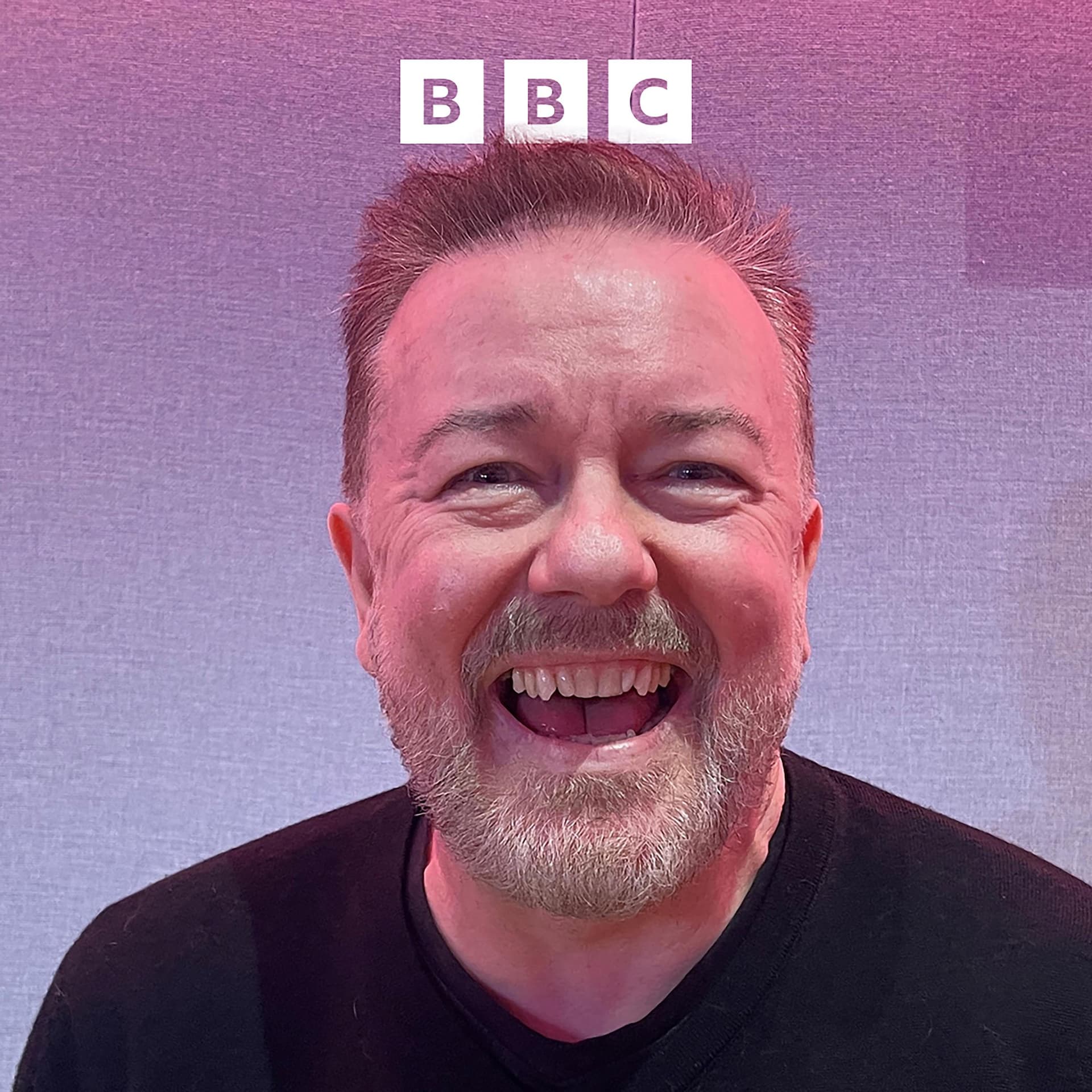
Host: John Wilson Guest: Ricky Gervais Episode Summary: Comedian and writer Ricky Gervais discusses his formative creative influences, inspirations, and the evolution of his comedic style.
---
Key Themes and Discussions
- Early Influences and Background
- Gervais was born in 1961 in a working-class family in Reading, Berkshire.
- Key takeaways about his family life:
- Youngest of four siblings, learned humor through teasing and cheekiness.
- Initially unaware of their financial struggles; humor was a coping mechanism.
- Storytelling was influenced by his upbringing, focusing on honesty and relatability.
- Educational Experiences
- Gervais speaks about a significant English teacher, Mr. Taylor, who encouraged him to write about real-life experiences rather than melodramatic stories.
- A pivotal moment was writing a mundane story about his mother cleaning, which earned him an A, reinforcing the lesson of drawing from personal experiences.
- Comedic Influences
- Gervais cites classic comedic figures such as:
- Laurel and Hardy: Their simplicity and empathy influenced his understanding of comedy and character.
- Basil Fawlty (Fawlty Towers): Inspired his approach to comedy of embarrassment and awkwardness.
- Derek and Clive: Introduced him to raw, improvised humor, highlighting the absurdity of adult behavior.
- This Is Spinal Tap: Its mockumentary style profoundly influenced Gervais in creating *The Office*.
- Career Evolution and Creative Philosophy
- Gervais reflects on his rise as a comedian, actor, and writer.
- His work often explores themes of social class, particularly his identification as a working-class individual.
- He critiques the treatment of working-class people in society and the hypocrisy in celebrity culture.
- Emphasizes the importance of honesty in comedy and the need to confront uncomfortable truths.
- Controversial Humor
- Gervais discusses the balance between pushing boundaries and the risk of offense:
- Believes comedy should challenge societal norms and taboos, often leveraging humor to address serious issues.
- He differentiates between his intent as a comedian and how jokes may be interpreted by audiences.
- Stand-Up vs. Sitcom Writing
- Outlines differences between creating stand-up routines and scripted content:
- Stand-up involves real-time audience feedback and is a more organic process of trial and error.
- Sitcom writing is a meticulous process requiring multiple edits before reaching the audience.
- Reflections on Fame and Success
- Gervais shares his evolving relationship with fame:
- Initially sought fame but now prioritizes creative expression and personal peace over celebrity status.
- Discusses his experiences hosting the Golden Globes and using humor to critique the celebrity culture.
- Final Thoughts
- Gervais expresses gratitude for his career and a desire to continue creating meaningful work.
- He acknowledges the importance of humor and storytelling in connecting with audiences and reflecting societal issues.
---
Conclusion This episode presents an insightful look into Ricky Gervais's creative journey, highlighting his influences, comedic philosophy, and the evolving landscape of humor in modern culture. His candid reflections on fame, class, and the purpose of comedy resonate throughout the conversation, showcasing his unique voice in the entertainment industry.
---
Additional Notes
- Producer: Edwina Pitman
- Archived clips used:
- *The Office*
- *Fawlty Towers*
- *This Is Spinal Tap*
- Gervais's Golden Globe monologues
Written by AI. May contain mistakes. Listen to the episode to check what was said.
Chapters
Tap a time to open that second in VORicky Gervais' Family Background
0:45 to 2:56
Explore Gervais' upbringing in a working class family and the impact on his humor.
“Ricky Gervais has written and performed numerous solo stand-up shows, the latest of which, Mortality, was filmed for Netflix and has just earned him a tenth Golden Globe nomination.”
Lessons from Childhood Experiences
2:56 to 5:14
Gervais shares key lessons learned from teasing and the dynamics of being the youngest.
“So you're the baby of the family, in effect.”
Understanding Hard Work and Life Lessons
5:14 to 7:30
Discussion on Gervais' father's labor and how it shaped his perspective on work.
“was to work hard, pay your way, and then have a laugh.”
Influence of Education and Early Writing
7:30 to 9:18
Gervais recounts his experiences with a teacher who encouraged him to write authentically.
“Well, I suppose it helps me as an actor.”
The Impact of Classic Comedy Figures
9:18 to 11:12
Gervais discusses how classic comedians like Laurel and Hardy influenced his work.
“and it probably was nothing at the time.”
Themes in Gervais' Comedy
11:12 to 12:06
Exploration of recurring themes in Gervais' work, including empathy and character dynamics.
“and you think about David Brent and Gareth in the office.”
Comedy Duos and Creative Partnerships
12:06 to 14:02
Gervais reflects on partnerships in comedy, drawing parallels with his relationship with Stephen Merchant.
“And it made it twice as good that they were optimists.”
Comedy Inspirations: Laurel and Hardy to Fawlty Towers
14:02 to 15:00
Explore how classic comedy duos influence modern humor.
“nothing conscious, but I don't think so.”
Class and Rage in British Sitcoms
15:01 to 17:26
Discuss the portrayal of class struggles and rage in British comedy.
“everyone loved porridge, everyone loved rising damp, everyone loved steptoe and sun.”
Comedy and the Working Class Experience
17:27 to 19:24
Understand how working class perspectives shape comedic narratives.
“because I think working class people get blamed for a lot because the waters are muddied and that's done on purpose.”
Show all 19 chapters
Derek and Clive: A Comedy Revolution
19:25 to 22:31
Examine the impact of Derek and Clive on the comedy landscape.
“I want to explore that more, that idea of taste and offence.”
Ricky Gervais at the Golden Globes
22:32 to 24:25
Learn about Gervais's approach to comedy at the Golden Globe ceremonies.
“and I know it off by heart, and I've listened to all of them, I like the fact that they were doing something they shouldn't, and they were grown men, educated men doing something they shouldn't.”
Vulgarity and Humor: The Art of Offensive Jokes
24:26 to 26:38
Delve into the nuances of using vulgarity in comedy.
“So, if you win, right, come up, accept your little award, thank your agent and your God, and fuck off, OK?”
The Responsibility of Comedians
26:39 to 28:00
Discuss the implications of comedic content and audience reactions.
“Do you ever consider that your jokes, though, may give your audiences or people leaving a theatre after a stand-up show some kind of licence to let their own prejudices go unchecked?”
Ricky Gervais on Artistic Regret and Controversy
28:00 to 30:20
Ricky discusses the nuances of comedy, artistic regret, and societal changes affecting humor.
“There's subtlety, there's nuance, it's satirical, it's ironic, you might get it wrong.”
Influences of 'This is Spinal Tap'
30:20 to 32:30
Gervais reflects on how 'This is Spinal Tap' influenced his comedic style and character creation.
“Your next choice is the 1984 Mock Rock documentary.”
Fame and Creative Freedom
32:30 to 35:07
Ricky talks about his relationship with fame and the creative freedom he seeks in his work.
“and I'm good friends with Christopher Guest, and we always talk about Lauren Hardy.”
Misanthropy in Comedy
35:07 to 37:49
Gervais explores the balance between misanthropy and appreciation in his comedic persona.
“But your stand-up persona is pretty misanthropic and cynical.”
The Craft of Stand-Up Comedy
37:49 to 41:25
Ricky breaks down the differences between writing sitcoms and performing stand-up comedy.
“a stage show, and one of those sitcoms populated by a range of characters.”
Transcript
Automatic transcript. May contain errors.0:07Welcome to a new series of This Cultural Life, the show in which some of the world's leading creative figures choose the most significant influences and experiences that have inspired their own artistic lives. I'm John Wilson and my guest in this episode is the writer, actor and stand-up comedian Ricky Gervais. He made his name as the co-creator and star of The Office, the mock documentary series which became a landmark in British television comedy and which was shown all around the world. Further success followed with the comedy drama series Extras, Life's Too Short and Afterlife, and awards including two Emmys, four Golden Globes and seven BAFTAs.
0:45Ricky Gervais has written and performed numerous solo stand-up shows, the latest of which, Mortality, was filmed for Netflix and has just earned him a tenth Golden Globe nomination.
1:00Ricky Gervais, welcome to This Cultural Life. Hello, lovely to be here. On this programme, my guests discuss the most significant creative influences and inspirations in their life. And your first choice is your family. You were born in 1961 in Reading in Berkshire and grew up in a working class family. I think the youngest of four children. Just tell us about home life. Happy household? Yeah, it was about sort of like fun and learning. I didn't know about all the survival that was going on. I mean, I didn't know I was poor until about 17 or 18, until I got to university, and they all spoke like the royal family.
1:39I didn't realise that we're in poverty. I didn't realise it at all. In poverty? My dad was an immigrant labourer. He was a French-Canadian who came over, volunteered for the war, incredibly. Met my mum, got her pregnant. Had my oldest brother, Larry, then Marsha, then Bob in 1950 and I didn't come along till 1961. 11 years difference. Yeah, I remember asking my mum when I was about 13, I said, why are my brothers and sisters so much older than me? And my mum said, because you were a mistake. That made me laugh when she said that. And so I realised honesty was funny. Everything was fun, wind-ups, cheeky.
2:27You didn't hug your best friend, you insulted them to show that you liked them. You know, it was that sort of thing. And I learned, particularly from my brother Bob, that you could sort of say anything as long as it was meant well, as long as it was meant to make people laugh. You could say the cheekiest, on the face of it, rudest things, but as long as it was like a hug, it was fine. That was the first seed of seeing humour and comedy. It was almost like a social power. So you're the baby of the family, in effect. What did that do for your psychological make-up? I don't know. I don't feel it, but probably it's the classic, I had to be heard.
3:06You had to be louder than your size. I think so, yeah, yeah. I remember when I was about eight, nine or ten, and one of my presents for Christmas was Subutio, and they laid it out on the dining room table, which was the kitchen table with leaves that pulled out, and I remember them playing all night. I didn't get a looking. I wasn't even high enough to see over the table, so that was, I think, right, okay. I've got to make my mark here. But when you're nine years old, the next sibling is 20, an adult, you are in effect still the baby. I mean, arguably, maybe you got away with a lot more in that.
3:42I mean, it's swings and roundabouts, isn't it? You know, I think you're right. I was also a bit of an experiment, I remember. Like, my sister, she taught me to read. I could read when I was three or four, like, properly. And I remember teachers at the school, when there was a new parent came, they called me and said, Ricky, come and read this. In retrospect, that was to make the parents think that all the kids could read. So I feel I was a bit of an experiment. But yeah. You raised the bar for the class. Yeah, I think I had to compete. I had to compete and I had to play fight. An early lesson too was when you're teasing each other, if you get angry, you lose.
4:24So you have to take it well. You have to take a joke well. I think you're talking about your surroundings. You're sort of bulletproof, you know, and I think it was a good lesson that I can brush things off. And I think I was brought up with sticks and stones. Your dad was a labourer. Yeah. So, I mean, that's a tough job. Yeah. Were you aware of what he did and the sense of graft? Again, probably not till I was a teenager. I think he worked on building sites till he was nearly 70. and that's probably why I try not to complain in my job. If my cappuccino is a bit cold, I think, well, your dad used to work on a building site in all weathers till he was 70.
5:07You've got nothing to complain about. So again, there was probably a life lesson there that everyone worked hard, but the point of life was to work hard, pay your way, and then have a laugh. And also, it was all about the kids. Again, this might be in retrospect, I didn't know I was poor till 16, 17, because I used to get presents like everyone else. I didn't realise my mum was getting them out of a catalogue and paying them back for the rest of the year. You don't realise, because they're kept from you. I probably would have said, I don't want anything. And if there was a sense of it being a kind of comic hothouse at home with the siblings, a lot of verbal jousting, rough and tumble, what about at school?
5:47Were you set apart not only because you were clever, but because you were funny in the playground? Class clown? I certainly wanted to be, but I felt everyone was like that. I thought everyone liked to laugh. Everyone liked to make everyone else laugh. So social power sounds horrible and frightening, but I knew my place. I didn't mind other people being funny. I wasn't competitive in that way. And what about academic encouragement? In the notes that you sent us before coming here today, you mentioned a particular English teacher that you had at around the age of 14. What did that teacher offer you?
6:18so without realising it all my stories were really off the telly they were like detective stories you know it was that starsky and hutch and kojak all put into a blender and and i'd do these stories right and my teacher would always go too melodramatic just write about what you know just write about what you know and then i'd keep doing i think my story is the best it's amazing and i'd get c plus and other people would get b and i think what am i you kept just write about what you know and so I thought I'll show him and uh my mum at the time used to go next door and help a really old lady uh tidy up clean up wash up cook her a meal and um sometimes if I was bored I'd go around there to sort of just to watch you know like a 14 year old just watching his mum clean up after an old lady right nothing on the telly and I thought oh I'll show I'll show my teacher so I tried to write the most boring story possible about my mum cleaning up after an old lady and I handed it in, I couldn't wait and I got it back and it was A and he just sort of nodded I remember how proud I was, I'd cracked it yeah of course you write about what you know that was a real life lesson and that's what you've been doing in effect ever since I've been trying to and rooting it very close to home I mean it's interesting after The Office which was set in Slough famously and you did Afterlife, which was set and that character was rooted also in Berkshire because the accent is your accent and you didn't want to travel very fast.
7:48Well, I suppose it helps me as an actor. If you can draw on, you know, your own mannerisms, that's easier than putting on a ridiculous French accent and wearing a silly wig because I only deal in realism. I don't do those things. I don't do those heightened things. I don't do surreal stuff. I don't do fantastical stuff. I don't do high concept I don't do time travel so I want the thing to resonate most it was real and that's why I did The Office as a documentary because I wanted it to resonate because the things that I watched documentaries sort of meant more to me almost in real life you can be watching the greatest movie ever on TV but if you hear a siren and your neighbour being taken away you're at the window because it's more interesting because it affects you And all of that goes back to that essay about your mum cleaning.
8:40What was the name of that teacher? Mr Taylor. Does he know? I thought you were going to say, well, he's here tonight. A chill went down my spine.
8:54It was A-minus, Gervais. Stop exaggerating. I don't know. You don't know if he knows the effect that that piece of advice had? I think, strangely, someone somewhere years ago came up to me and they said, my uncle is Mr Taylor. So I assume he does know. But that was such an important piece of advice and it probably was nothing at the time. He just wanted you to focus more on the reality of the situation. Yeah, but those little things do mean a lot, don't they? It is those minutiae that become huge.
9:38Your next choice for This Cultural Life, Ricky Gervais, are classic comedy figures. Well, here's another nice mess you've gotten me into. Let's start with Laurel and Hardy. When did you first see them? On television? I remember I was a kid. I just thought they were two funny men falling over, doing silly things, getting angry, fighting. It wasn't until I was an adult or nearly an adult I realised some of the nuance and the pathos and all those things, but I just loved them. I just showed me empathy with your character, that they could do anything because they were so lovable. They were at the bottom of society.
10:19They could do anything because they were just trying to get out. You know, they were trying to make their life better. And the fact that it was against, usually against the Depression. These were filmed in the 20s and 30s. They shared a bed. They had no money. They were struggling. They were struggling. Add to that that they had bad ideas. It was that blind leading the blind, you know. And I think that taught me about conflict because even though they both thought of wanting the same thing, they didn't agree on anything. It's that old adage from the screenwriter's rule when you say, the cats are on the mat, boring.
10:55The cats are on the dog's mat, now we've got a story. So your characters have to want different things. And these are two individuals who are joined in a situation and they are one of the most famous double acts ever. Have they influenced the way that you've written, I mean, not your double acts, but those partnerships and you think about David Brent and Gareth in the office. Exactly that. Or Andy and Maggie. That's exactly right. I remember one of the few notes I used to give Ashley Jensen was more Stan because Andy Millman and Maggie were a Laurel and Hardy platonic boy-girl duo. That was how it was planned.
11:32You can have lots of stands, but you only need one Ollie, one person who goes, I'm surrounded by these idiots, which was Tim, you know. They're all idiots. The Martin Freeman character. Yeah, you have to have someone that's representing you, I think. And another huge lesson they taught me was men as boys, women as adults. You know, the men don't grow up. They're big, fat babies, mostly men. So that's always a theme that I've put. Do you know what I mean? But mostly they taught me the empathy, that these characters were falling over for our pleasure, but they were always getting back up. And it made it twice as good that they were optimists.
12:13They would go, we can do this, and then they didn't do it. And I think probably the single biggest staple of comedy, particularly British comedy, is an ordinary guy doing something he's not equipped to do. It's that blind spot, which I totally exaggerated with David Brent. is probably the biggest blind spot of any character ever. He thought he was loved, he thought he was popular, he thought he was funny, and that's not how we saw him. So he had a huge blind spot. We were laughing at his self-delusion. Yes, exactly, yeah. And even that, I wanted to redeem him. If I knew David Brent, I'd say, you don't have to try this hard, mate, you're all right.
12:50You're all right. He was, you know, dealt a bum hand. He was told that fame will sort everything out because that was a big theme of The Office, that if it wasn't a fake documentary and David Brent didn't want to be famous, that's quite a boring sitcom. As soon as you know why he's doing it... That's the path. He wants to be loved. Be gentle with me today, Dawn. Yeah, why isn't it? Oh, God, I had a skin fall last night. I was out with Finchy, Chris Finch. Had us in a pub crawl. Elvino did flow. It's a bit of blotted... Bladdered. Blottoed. Don't ever come out with me and Finchy. No, I won't. You've got to go for it.
13:31There's guys my age and they look 50. How old do you think I look? 30, yeah. Yeah. But I would have to slow down. Drinking a bit too much. If every single night of the week's too much. And every lunchtime. You created the office with Stephen Merchant, who I think you'd met whilst working at the indie music radio station XFM. Was there a Laurel and Hardy aspect to your relationship? Well, only that you fall into your roles and I guess you play a chalk and cheese, obviously, nothing conscious, but I don't think so. I think Laurel and Hardy are very clear why it worked. There was this southern gent who just thought he was erudite and smart and had all the plans, and there was this other guy who was an idiot, totally hapless, but it was the pretentious one that ended up in the duck pond.
14:28That was a lesson in comedy, that you can deserve slipping over. If someone falls over in the street, mildly funny, if they're really being pretentious or they've just shouted some sort of abuse at someone and then they fall over, oh, we've got a winner. I'm going to give you a damn good trashing!
14:53The next name that you mentioned in your notes, Basil Fawlty and Fawlty Towers, which I presume that was family viewing them, was it, growing up? Absolutely. We used to watch all the classics, like, you know, everyone loved porridge, everyone loved rising damp, everyone loved steptoe and sun. But I think Fawlty Towers was the first really smart farce that everyone liked. Was it also the sense of rage expressed by Basil Fawlty? Yes, anger's funny, again, because it's involuntary. And in every episode there's that series of escalating misunderstandings. Did that inspire your approach to what became one of your hallmarks, the comedy of embarrassment, the awkwardness, the cringe factor?
15:38Yes, lots of things happen with Basil Fawlty. He still ticks the box of someone who thinks they're better than everyone else and they're trying to do something they're not equipped to do. He's on the cusp between working and middle class, but he wants to be upper class. He loves that lord that turns out to be a con man. He really wants to rub shoulders with the aristocracy. Can I ask you, please, to move to that table over there? I'm so sorry to trouble you. We're halfway through. This is Lord Melbury's table, is he? What? Lord Melbury, when he stays with us, he always sits at this table. Why did they put us here, then?
16:14An oversight on my wife's part. I'm so sorry. He's only just arrived, you see. Would you mind, Paulie? Would you help these people move? Great fruit around your ears. Thank you. Thank you so much. Come on, come on. Thank you. Ah, Lord Melbury, do please come this way, Your Lordship. I have your table over here by the window, as usual. Thank you. Thank you. Thank you very much. It was about class again, and most British sitcoms have been about class. we're obsessed with it. So we should be, I think. You say we're obsessed with it. Are you obsessed with it? I think I am. I'm much more aware of it now.
16:51I was going to say, because there seems to be something that you are expressing more in your most recent stage show, Mortality. There is a recurring, almost disdain for the middle classes, for posh people. Now that is something which is expressed more vehemently than I think it has done in the past, even though there's been an awareness of the strathes of class in society. but you are more clearly identifying yourself as a working class person. I think you're right and I even explained to them that I'm not working class anymore but I was. That's very broad brushstrokes but you're right, I think I am more into it.
17:25It's more to do with the power struggle because I think working class people get blamed for a lot because the waters are muddied and that's done on purpose. It's to keep us down and, I say us, it's to keep them down and fighting amongst each other and you say blamed, blamed blamed for what? well I think people understand most power struggles people understand why racism is wrong and why homophobia is wrong and why misogyny is wrong but sometimes they're very disparaging about the working classes it's the one thing that seems to be fine to take the mickey out of with no blowback at all and I don't know why that is But I feel it.
18:11But that's interesting, though, because you test the lines, those red lines when it comes to racism, sexism, you know, ableism. You know, you make a lot of jokes at people's expense and whether that's about ability or race. But when it comes to class, you see that as being different. You take that, what, more personally? No, I don't. I'm just honest because I know I'm not a victim of racism, homophobia or misogyny. and I'd say that my jokes about them aren't racist or homophobic. They're about racism and homophobia. So I want to make that clear. And very often the target of the joke are the audience's prejudices that they laugh out of recognition.
18:55They go, yeah, he's got us, he knows. So I'd say that that's the real target and I like confronting the elephant in the room. I like that. I like that slight apprehension. I like the discomfort for a second when I bring up a taboo subject. I can feel people going, where's he going to go with this? And then the punchline, oh, it was all right, it was all right. It's like I'm taking them by the hand through a scary forest. And they're out the other side and it's sunny, good, it's fine, it's fine. But I do like that slight discomfort of approaching taboo subjects. I want to explore that more, that idea of taste and offence.
19:32and it's probably a good time to bringing another of your choices that you mentioned in your email that you sent us and that's Derek and Clive, the foul-mouthed, drunken alter egos that were created by Peter Cook and Dudley Moore on three, I think, largely improvised spoken word albums recorded in the 1970s. I don't think they originally even intended to be heard. They sort of emerged as bootlegs originally. When did you first hear them? I remember it well. So the first time I heard Derek and Clive, I might have been 15 probably my brother had a bootleg of Derek and Clive live on a cassette tape he put it on obviously some of the most horrendous things ever said in a recording studio came out we were all laughing I couldn't believe I felt privileged to be there you know hearing this I suspect that even though it's 50 years ago that these records were recorded we probably can't even even though normally on This Cultural Life we play clips to illustrate a conversation.
20:33We probably can't play anything from these. There was nothing like it before or after. It was incredible. The incredible thing about Derek and Clive is, it is improv, right? But these were establishment figures. These were like comedy gods of the BBC. They were huge. They were so established and they were educated. These university graduates. and then they were sitting in a room getting so drunk towards the end, like the third one in the trilogy. They were so drunk. Peter could hardly talk. You couldn't hear the clinking of the bottles. It was amazing. I mean, I can't believe it actually happened.
21:14I don't know what would happen now if anyone... I mean, you couldn't. You couldn't. You couldn't. And you couldn't. No, you couldn't play a clip of it on... No, on this programme. No, no, no, no. But as somebody whose comedy has often courted controversy, was that the appeal, do you think, primarily, of Derek and Clive? Because I can't believe they're getting away with this. Well, again, I don't think there was any malice, actually, because I don't think there was any political motivation. I don't think they were pushing boundaries other than being how stupid and offensive and drunk can we be?
21:47It was like an academic experiment. I don't feel they meant anything they said. They did it under character. it was like how crazy can we go you know that experiment when if someone's in a white coat you you can actually kill someone by turning the it's that it was like that it was like okay well like the stanford experiment yeah exactly yeah okay right how mad can we be and it's just it's funny that it's gratuitous it's funny that it's so stupid and childish and they're trying to up each other. It's just about vulgarity though, isn't it? It is. But I think within that, there is something more nuanced about it.
22:26It feels like a social experiment almost. I mean, people don't even know what we're talking about. If they haven't heard it, and I know it off by heart, and I've listened to all of them, I like the fact that they were doing something they shouldn't, and they were grown men, educated men doing something they shouldn't. It just made me laugh. Some of the riskiest comedy of your career has been delivered live to millions of people around the world and a room full of some of the world's most famous film stars and directors and producers. When you were hosting five Golden Globe ceremonies between 2010 and 2020, did you set out each time primarily to, you know, puncture the pomposity of that world of celebrity and to expose some of the absurdities and what you saw as the hypocrisies of Hollywood?
23:12Yes, and that got more honed and more targeted and more important and more liberating as I went along. I mean, the first time I just thought, OK, what do I do here? I wasn't particularly well known in America. It was a great opportunity. You know, do I bite the hand that feeds me? Well, the answer is yes. Because who am I doing it for? Am I doing it for the 200 egos in the room, the most privileged people on the planet? Or am I doing it for the 200 million people around the world watching who aren't winning a Golden Globe, who aren't multimillionaires? Of course I'm doing it for them. I'm the fat bloke on the couch eating potato chips watching this.
23:52And I played that card. I shouldn't be there. I purposely played the outsider. I walked out with a beer. I didn't look like them. I didn't act like them. I didn't think like them. Well, you say you're woke, but the companies you work for, I mean, unbelievable. Apple, Amazon, Disney. If ISIS started a streaming service, you'd call your agent, wouldn't you? So, if you do win an award tonight, don't use it as a platform to make a political speech, right? You're in no position to lecture the public about anything. You know nothing about the real world. Most of you spent less time in school than Greta Thunberg.
24:27So, if you win, right, come up, accept your little award, thank your agent and your God, and fuck off, OK? The truth is, I do know some of them. I have got things in common with some of them. I mean, I'm an actor, I'm an entertainer, but I couldn't, I was there as a comedian. As you say there, you're sort of skewering the uncomfortable truth about Hollywood and that's jokes about Harvey Weinstein or Jeffrey Epstein or the amount of facial surgery that clearly happened in this room. But there are other jokes that you deliver which were clearly intended just to prompt gasps of disbelief. The one about Dame Judi Dench appearing in Cats in particular.
25:07Yeah. Yeah. Well, that goes back to Derek and Clive vulgarity, doesn't it? Well, it's sort of silly because the pulling the rug there is, we start off with something Dame Drew Dint said, it was the role she was born to play, OK? Now, actors say that, and then I skewer it by going, well, she acts like a cat. That's why she did it. She likes nothing better than plonking herself down on the carpet, lifting her back leg and licking her own boop, right? so there that is clearly a misdirection so it's justified it isn't it isn't about the vulgarity because we don't mind a cat doing that the twist is dame judy dench acting like a cat that's funny and out there and it happens to be vulgar but i didn't do it to be as disgusting as possible because i could go on a lot further i did it because the the funny twist in the tale is, well, if you say you're acting like a cat, why don't you do this thing that cats do?
26:04That's the joke. Is it, though? Because that's just one thing that cats do. I mean, it's... Well, of course I'm going to choose the exaggerated one. I'm not going to say Dame Judi Dench. There's no joke. Dame Judi Dench said it was the role she was born to play because she likes sitting on the couch and eating. There's no joke there. So I have to do the thing that cats do that Dame Judi Dench wouldn't. That's the joke. You say you don't worry about causing offence. You've said that many times. And you've often said these are just jokes. They're not your real beliefs. You're playing a character, delivering these scenarios, exploring all of these issues.
26:43Do you ever consider that your jokes, though, may give your audiences or people leaving a theatre after a stand-up show some kind of licence to let their own prejudices go unchecked? That was one of the many criticisms that people aim at a comedian when they do a joke that they don't like. Or if you joke about a bad subject, that might make people think it's OK, right? Which is a nonsense. So people joke about dark subjects all the time. I can't wait for the day when someone is in court and the judge says, why did you rape and murder all those people? Well, because I heard a joke about it and I thought it was probably all right to do.
Read the full transcript
27:25Yeah, but maybe it's not as dramatic as that. No, it isn't, no. What I'm thinking about is the guy who goes down the pub and makes jokes in front of other people about mental disability or some kind of physical disability or something that you have created scenarios about on a live stage within the context. But if they do it in the pub, then they don't have the same comic context that you do. So I should say, don't try this at home, is what you're saying. I assume they do that. I know what I'm doing and I've seen it before. And I have seen people try and do what I do and they've got it slightly wrong.
27:56but I don't think that's my fault. It's like, you know, maybe I should put a warning on, don't try this at home. There's subtlety, there's nuance, it's satirical, it's ironic, you might get it wrong. I don't think that's my problem. I don't think it's my problem because all art can be misunderstood once it's out there. I just don't, I don't buy it, I don't buy it. Are there any jokes or sitcom scenarios over the last 20 years or so that you do regret? Or that you would rewrite now if you were doing them again? Probably. Yeah, probably. Because, you know, you are a product of your time and you do make things for people of your time.
28:39But as a document, I wouldn't go back and change anything. I'd put trigger warnings on things, but I wouldn't go back and change something. I remember they were changing Roald Dahl. Were they doing that? Roald Dahl, yeah. Yeah, I just say, this was then, this was, you know. I did a joke live about when they're pulling down the statues and I said, well, don't change history, just add to it. Just when there's a statue, put something like, was a great soldier, bit racist. You know, add to...
29:17No, do I regret anything? No. Would I do things differently now? probably, you'd have to be specific, but it changed all the time. Well, I mean, your jokes about disability, transgender issues, fat shaming, that kind of thing that you have been accused of. Yeah. It's almost like you haven't changed in, you know, in parallel with the times. You've almost kind of doubled down on those issues. It's become almost more important for you. That's probably true, but that's because I think I'm right. You're right in what way? Well, I... You have a right to talk about those things. Well, yeah, I have a right to those things.
29:53And there's jokes that I certainly stand by. And I can't look back and go, oh, sorry about that. I said that. I was only 50. But as you do get more progressive, maybe, and milder and change, what usually happens is the things you used to do look worse. What I do is I try and get more offensive. So when I look back, I go, oh, wasn't I kind when I was 45? That's a joke. I was going to say, you are joking now.
30:33Your next choice is the 1984 Mock Rock documentary. This is Spinal Tap. Is this, stylistically, is this the main inspiration for The Office? Yeah. The first time I saw it, I think, again, I saw it on a bootleg video, 1985 maybe, and I thought, well, no-one's going to like this film as much as me. I was in a band at the time. I was thinking, this film was made for me. And then you find out that everyone likes it because it's so brilliant. Look, right across the board, 11, 11, 11... Amps go up to 10. Exactly. Does that mean it's louder? Is it any louder? Well, it's one louder, isn't it? It's not 10.
31:15You see, most blokes are going to be playing at 10. You're on ten here all the way up all the way up. Yeah the way up. You're on ten on your guitar Where can you go from there? Well, I don't know where exactly what we do is if we need that extra Push over the cliff. You know we do put it up to 11 exactly one loud Why don't you just make ten louder and make ten be the top number and make that a little louder These go to 11 I was blown away I didn't even know they were American when I saw that. I couldn't believe it. I couldn't believe how good it was and how silly it was and how funny it was and what a great film it was.
31:53Did it particularly resonate because you were in a band at this time, a band called Siona Dancer? Oh, this was after that, but I was in another band. I was in about five bands. Oh, right. Just trying and failing. But yes, because I thought the observation was great. But even Take It Out Being in a band, it was still classic, a group of idiots trying to do something they're not equipped to do. It was still that. Even they just happened to be in a band, I realised. Well, I mean, as you say there, you've just pointed to the essence, the self-deluded buffoons creating a presumer template for David Brent, Vince, all of those characters.
32:28Yeah, and Nigel is very stand, and I'm good friends with Christopher Guest, and we always talk about Lauren Hardy. They're both our favourites. So, yeah, Spinal Tap, couldn't believe it. And that was my first introduction to really good improv as well. To see these actors, who are obviously brilliant comedians as well, just saying the funniest things and they were making them up on the spot and it just got funnier and funnier for me. The more I knew about it, how that was made, yeah, I took so much from that. And just a word about your short-lived pop career, Shona dancing, which is the electro-pop outfit, that I think got signed, it's still out there on YouTube and streaming platforms.
33:14Don't tell everyone, don't tell anyone, it always crops up. With pleasure, let's go by, so break the noise and we're silent, we fly apart. Did you really think you were going to be a pop star? Yes, yes I did, and that was my biggest mistake. What I should have wanted to be was a musician, but I did think it was about hair and cheekbones and synthesizers. And fame? Fame, yeah. As a David Brandner? Yeah, it wasn't just I wanted to be famous. It was I genuinely wanted to be a pop star because all my favourite things were like, you know, David Bowie. How important is fame to you? I'm better with it now.
33:52I feared it at first because when I got a second bite of the cherry, so to speak, I thought, right, I'm going to do this right. I don't want to do this to be waving on a red carpet and just be in stuff. I want to write and create. That's what I love. Sorry, when you say second bite of the cherry, you mean after The Office, the fact that the success continues? No, after failing as a pop star, then having a go at being an actor. And I was very, very conscious. I'd always say I'm a writer-director, I'm a writer-director, I'm not just an actor. And I wanted people to know if I was going to be famous, I was going to be famous for something.
34:28And I feared fame as well. And I didn't want to go to premieres of films I wasn't in. I didn't want to pop up anywhere. I didn't really have any joy of watching my fat face on the screen. It was done. I wanted to move on to the next project. But I'm sort of better now. I'm over it. And I'm left alone as well. I just want peace and quiet. I want to do what I want and nothing else. Probably not going to the Golden Globes. I've just been nominated for a Golden Globe. It's too far. Congratulations. Thank you. It takes a lot to get me off the couch with my cat and my girlfriend watching Netflix. I love the work.
35:02I love writing. I love creating. I love stand-up. But all the other stuff, I could really do without. But your stand-up persona is pretty misanthropic and cynical. It is, but I think people know I don't mean that. That's a way in. But in your show Humanity, which I think was 2018, there was a line right near the beginning where you said, I don't know why I called it Humanity, I'm not a big fan. I mean, how much of that is you? Well, that's clearly a joke. But is there? Oh, yeah. Are you drawing on your own outlook on it? Listen, like everyone else, I'm offended by stuff every day. And most of that stuff is humanity.
35:43No one's offended by rocks and trees and animals. Anything that offends you is usually done by a person. So there's that part of it. But I think it's always a celebration. And I think most of my stuff is about humanity. I think comedy at its best says we're all idiots, so it's fine. and I've always wanted to celebrate warts and all. Oh, in all honesty, I absolutely love humanity. Of course I do. But you foreground that sense of that misanthropic aspect, don't you? Even in the latest show, which you say is your most personal, there's this recurring theme of finding the world baffling, particularly the older you get.
36:23You say, I'm getting grumpier all the time. Why don't things work properly? Why can't you say certain things? You know, the cancel culture. Are you angry? I don't think I am. I haven't got the energy to be angry anymore. You know, certain things annoy me still, but I'm not an angry person, really. I want peace and quiet. So it's usually things that interrupt that that annoy me. Leafblowers, the Amazon man when I was trying to take a nap. These are the things that annoy me, you know. I don't watch the news because it would annoy me, so I don't watch it. But I'm not that person. I think the problem comes when people think the set-up for the joke is the real bit as well.
37:03And usually it's not. The set-up is the sucker punch. The set-up isn't true either, you know? So I think I'm quite a... This will make people laugh. I think I'm quite a happy-go-lucky guy. And when I find myself not being grateful and appreciative, I go, no, you've got nothing to... You know, I'm grateful every day. I know how lucky I am. I know what an amazing life I've had and still got. I don't go around feeling sorry for myself. And when I do, I'm disgusted by myself. You are primarily known as a performer for creating fictional characters, but also as a writer. Just tell me something about the differences between creating a new stand-up show, a stage show, and one of those sitcoms populated by a range of characters.
37:54Are they very different disciplines? Yes, they're very, very different. And the biggest difference is profound, I think. So when I write a sitcom or a narrative drama, you try your hardest, you do it, you rewrite, you rewrite, you rewrite. Something changes, oh, you change your mind. Then you're ready, then you cast it. Who's right for it? Then you film it. Then you go, ten takes of that. No, that's the best one. Then you edit it, right? And you get it all together and you go, right this is as good as it can be this is my best shot and you put it out there and there's nothing you can do about it stand up you go out you try something they laugh at one bit they don't laugh at you lose that bit you keep that bit so you're honing it yeah they're an algorithm they pick your best hour okay so in a way writing is like an art form and stand up is more like a science because it either works or it doesn't you're listening to the audience you're responding to the laughter, how often are you responding to the critics?
38:56And I'm going to be honest, looking back through the last few shows that you've done, you know, you've had some mixed reviews, let's say. Of course. Some of them have said this is just, you know, you have the usual thing of punching down that a lot of people... I talk about that in this show as well. And you talk about that in the show Mortality. But a lot of people have said he's just not as funny as he used to be. Does that hurt? No, because it's going to happen because, you know, it's a different group of people. I started with the backlash. everything i've ever done has got one star and five stars because everyone's different if you weren't polarizing you're not doing anything if you do something so anodyne that no one gives you one star or five star why why have you done it who are you trying to please why are you trying to go under the radar if you're saying anything slightly interesting or contentious or valuable of course as many people are going to hate it as like it that that should be celebrated but in the The way that you defend the right to offend, do you defend the right of a critic to say, this guy is just sitting on fun anymore?
39:59Of course. Of course. Just like I defend the right of someone to never come and see another show. I'm all for consequence culture. I'll keep doing my thing until no one comes. And that's fine too, because then I'll have real peace and quiet. Are you happier writing the stand-up because you have more freedom? Yeah, I mean, the stand-up's quite incredible. It really is the truest form of self-censorship outside the novel. What you think and say is what they hear. There's no filler. There's not 60 executives worrying about stuff. You can be as brave as you want. And sometimes it is about bravery because everyone's got the right to free speech, which is so.
40:47But some people don't want to use it because it's too dangerous, which is fine as well. Now, I sometimes I think, no, I won't do that. But most of the time I go, a lot of people won't like that. Yeah. So what? Let's have a go. Let's see. Let's see. You know, do not press. Oh, you've got to press that button. You've got to press the button. And what drives you on creatively? The buzz. When I go for a run and I have an idea, oh, my God, it just comes to you. You're just a vessel. And it sometimes comes fully formed. And what comes first usually? The gag, the punchline, the scenario? It depends. Sometimes it can be a feeling.
41:30Sometimes it can just be, oh, no one's talked about that. Oh, it can be anything. And it comes in, you go, how can I work that? What's that best for? Is that best for stand-up? can I give that to a character I'll say it it'll be a stand-up thing I run home I go Jane I've had an idea for a joke I tell her she goes please don't do that in public and I know it's good Ricky Gervais thank you very much indeed for sharing your cultural life with us my pleasure
42:01well I do hope you enjoyed that conversation with Ricky Gervais just one of many comic writers and performers who we've had on This Cultural Life, including Michael Palin, Stephen Fry, Hannah Gadsby, Tim Minchin and others. You can find them and all of the guests from previous series in the archives if you head to BBC Sounds or wherever you get your podcasts internationally. And please do subscribe to the series so that you don't miss an episode. From me, John Wilson, and producer Edwina Pittman, thank you very much indeed for listening to This Cultural Life.
42:35Hello, I'm John York. In my podcast opening lines, I take a famous book, play or story. There is such beauty in the writing. And look at what makes it work. I see something new in it every single time I read it. From classics. Something utterly transcendent and extraordinary. To modern fiction. That kind of sense of joy and wonder. With the help of book lovers and expert voices. It feels like a hand is reaching out of the page. I reveal what makes these stories tick and explore their impact today. It's joyous, thrilling stuff. Opening lines with me, John York, from Radio 4. Listen on BBC Sounds.
From the publisher
Comedian and writer Ricky Gervais talks to John Wilson about his formative creative influences and inspirations. Ricky Gervais made his name as the co-creator and star of The Office, the mock documentary series which became a landmark in British television comedy, and was shown all round the world. Further success followed with the comedy drama series Extras, Life’s Too Short and Afterlife, and awards including two Emmys, four Golden Globes and seven BAFTAs. Ricky Gervais has written and performed numerous solo stand-up shows around the world, the latest of which, Mortality, was filmed for Netflix and has just earned him a tenth Golden Globe nomination.
Gervais tells John Wilson about his early comic influences including Laurel and Hardy, Fawlty Towers and Derek and Clive, the foul-mouthed drunken alter egos created by comedy duo Peter Cook and Dudley Moore on three, largely improvised, spoken-word albums recorded in the 1970s. He also talks about his own approach to writing comedy and the huge inspiration that the 1984 mock rock documentary This Is Spinal Tap was on the creation of The Office.
Producer: Edwina Pitman
Archive used: Laurel and Hardy theme, Dance of the Cuckoos The Office, Series 1, Downsize, BBC2, 2001 Fawlty Towers, Series 1, A Touch of Class, BBC2, 1975 Golden Globes, opening monologue, 2020 This Is Spinal Tap, Rob Reiner, 1984