In short
Podcast Summary: This Cultural Life - Thelma Schoonmaker
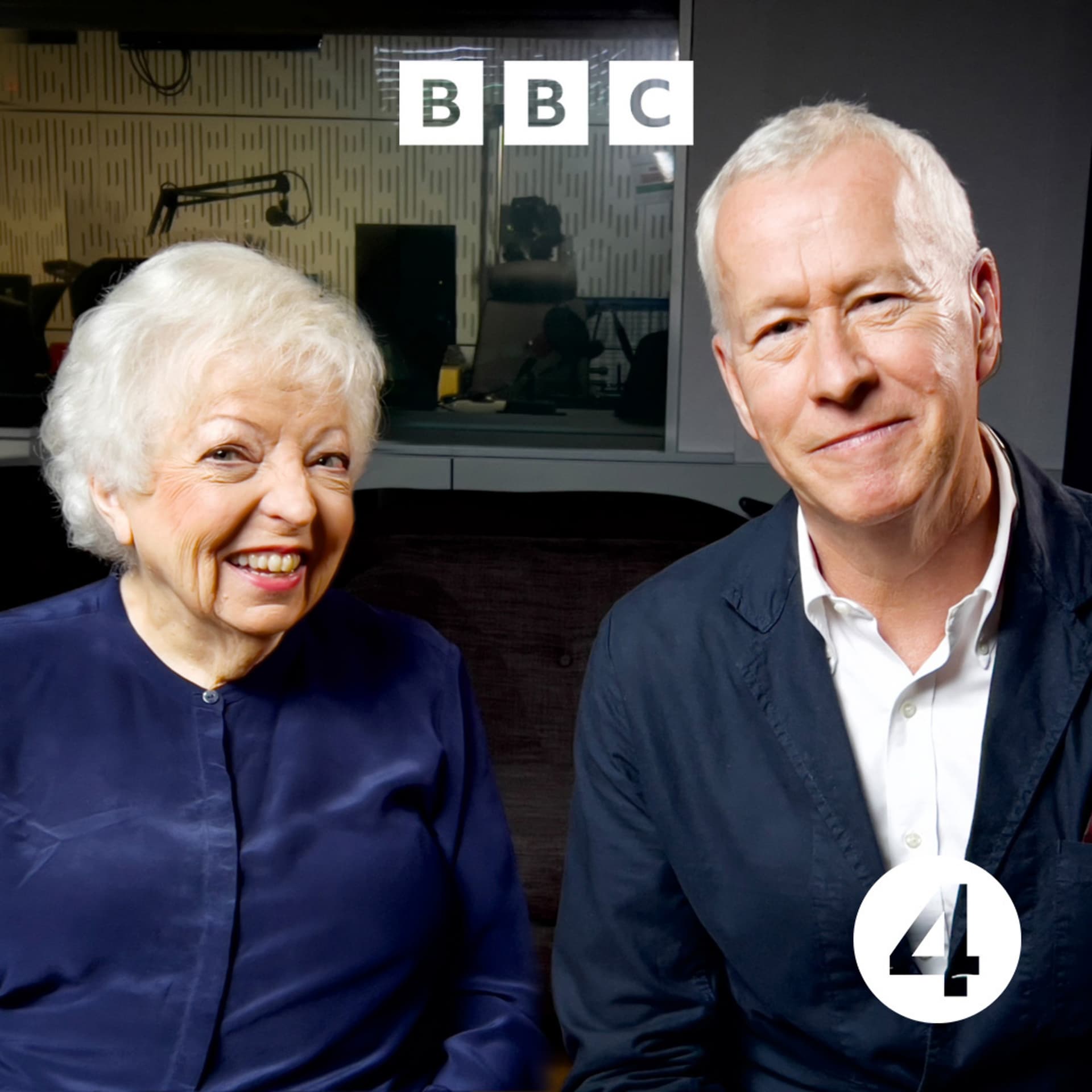
Episode Overview In this episode of "This Cultural Life," host John Wilson interviews Thelma Schoonmaker, a renowned film editor best known for her longstanding collaboration with director Martin Scorsese. With over five decades of experience, Schoonmaker discusses her journey into film editing, her influential role in the restoration of classic films, and her creative partnership with Scorsese.
Key Themes and Discussions
Early Life and Influences
- Cultural Background: Schoonmaker was born in Algeria and grew up in Aruba, exposed to diverse cultures. This upbringing instilled a global perspective that shaped her future career.
- Initial Aspirations: Initially aiming to become a diplomat, her passion shifted towards film after taking a filmmaking course at New York University.
Meeting Martin Scorsese
- Accidental Beginnings: Schoonmaker's fortuitous meeting with Scorsese occurred when she helped him fix his miscut film during her course.
- First Collaboration: They worked together on Scorsese’s first feature film, *Who's That Knocking at My Door*, which set the foundation for their enduring partnership.
Career Highlights
- Editing Woodstock: Schoonmaker describes her experience working on *Woodstock*, where she received her first Oscar nomination. The documentary's innovative editing techniques were influenced by their documentary filmmaking background.
- Raging Bull and Beyond: Their collaboration continued with *Raging Bull*, where Schoonmaker won her first Academy Award. The challenges of editing this film involved structuring the narrative and enhancing emotional depth in performances.
The Art and Process of Editing
- Collaboration with Scorsese: Schoonmaker emphasizes the collaborative nature of their work, where emotional resonance is prioritized in the editing process.
- Influence of Music: Music plays a critical role in shaping the rhythm of the edit. Thelma discusses how Scorsese's use of music influences the emotional impact of the films.
Influence of Michael Powell
- Marriage to Michael Powell: As the widow of filmmaker Michael Powell, Schoonmaker reflects on his influence on her career and the mutual admiration between Scorsese and Powell.
- Restoration of Classic Films: Schoonmaker has contributed significantly to restoring Powell and Pressburger's films, helping revive their legacy in the film industry.
Key Takeaways
- Enduring Partnership: The relationship between Schoonmaker and Scorsese is depicted as a deep, trusting collaboration that has significantly shaped modern cinema.
- Female Perspective in Editing: Schoonmaker discusses the unique emotional insights she brings to her work as a female editor, a perspective that has been historically underrepresented in film.
- Commitment to Craft: Schoonmaker expresses her passion for editing, viewing it as a form of creative expression and artistry.
Conclusion The episode concludes with Schoonmaker reflecting on her illustrious career, her work with Scorsese, and the continued relevance of classic cinema. John Wilson invites listeners to look forward to upcoming episodes and shares information about the filmed version of this conversation, scheduled to air on BBC4.
---
Listening Information
- Podcast Title: This Cultural Life
- Episode Title: Thelma Schoonmaker
- Host: John Wilson
- Producer: Edwina Pitman
- Available on: BBC Sounds and various podcast platforms.
Written by AI. May contain mistakes. Listen to the episode to check what was said.
Transcript
Automatic transcript. May contain errors.0:00BBC Sounds. Music, radio, podcasts.
0:13Welcome to This Cultural Life, the series in which some of the world's leading creative people discuss the most important influences and experiences that inspired their own work. I'm John Wilson and my guest in this episode is the film editor Thelma Schoonmaker, who for over five decades now has been Martin Scorsese's cutting room collaborator. Having edited his very first feature film in 1967, she's worked on every Scorsese movie since Raging Bull, including Goodfellas, Casino, The Departed, Wolf of Wall Street, right up to his most recent features, The Irishman and Killers of the Flower Moon.
0:49As the widow of the legendary British filmmaker Michael Powell, Thelma has played a key role in the restoration of classic Powell and Pressburger films, including The Red Shoes, Black Narcissus and A Matter of Life and Death. Thelma Schoonmaker has won three Academy Awards more than any other film editor.
1:09Thelma Schoonmaker, welcome to This Cultural Life. Thank you. You were born in 1940 in Algeria, where your father was working for an American oil company, and then you were evacuated as a family to the Caribbean island of Aruba at the fall of France in 1940, that same year. Your earliest memories then, I presume, are Caribbean. They are, yes. I wish I had known something about Algeria. My mother loved it. She never wanted to leave. But, you know, the North African invasion was going on, so they took us out. What sort of cultural upbringing did you have as a child? Well, my parents met in Paris.
1:46They were both American. My mother was there from the time she was a teenager. My father came over to work for American Express. And so they both spoke French and they both loved Europe. so I had a wonderful world upbringing from my parents always. And then on the island of Aruba, they brought people in from all over the world, Czechoslovakia, Australia, France, Germany. So I was around people who were different from Americans right from the beginning, and I loved that. And when we came back to the United States when I was 15, I was very disappointed to lose that. And everybody seemed a bit homogeneous to me, So I wanted to go back to that world, and that's why I decided to become a diplomat if I could.
2:32That was the idea, was it? Because you had this global perspective from being a young girl. I missed it. I really missed it. But that cultural melting pot you're describing on Aruba, that could be New York as well, surely, in the 1950s. Not as intense, because I wasn't living in New York. I was living in New Jersey. So I hadn't experienced the great, incredible artistic richness of New York yet. So I was very unhappy. I said to my mother, I don't know about being here in America. So my decision was to become a diplomat if I could. I studied Russian language and political science at Cornell University, which was a wonderful place.
3:11Vladimir Nabokov was there, and I got to audition some of his wonderful lectures about literature. Wow. And so I thought, well, I'll go take the State Department exams after I graduated from Cornell. I passed all the exams, but then they gave me a stress test because they sensed I was a bit liberal, you know. And they said, well, we're not sure you're going to be happy here. So what would you do if you were in South Africa at a cocktail reception? And somebody said, what do you think about apartheid? And I said, well, I would say that's terrible. And they said, well, you can't do that until the government.
3:48tells you as a diplomat that they've made up their mind to take that stand. And they said, you're going to be very unhappy here. So I left and didn't become a diplomat. But has that training, that background in diplomacy held you in good stead when it came to the cutting room? Definitely, because, you know, my director, Martin Scorsese, is such a complex and fascinating character. So you always have to go with the mood of what he's in at a certain period of time. it's the best possible job in the world, but diplomacy does come into play, for sure. When did your interest in movies start? Did you see them at the cinema or on television initially?
4:28Well, I saw Red Shoes when I was 12 on the island of Aruba, which is amazing that they brought that film there. The Pound and Pressburger film. It was a worldwide hit. It was so impactful, I remember it vividly. I thought once, Mr Lermontov, that there would be no room in my life for anything but dancing. You would think so again, Maria. My mother wouldn't let us watch television. She would choose what we watched at night. And she worked and came home after I came from school. So when I was 15, I turned on Million Dollar Movie, and there was The Life and Death of Colonel Blimp, what I consider the greatest Powell-Pressburger film ever made.
5:07And I was just stunned by it, and I was able to get all the way through it before my mother came home and put her hand on the TV set to see it. But I never thought I would get involved in film, but I was just so impacted by those two movies. And we'll talk more about Palin Pressburger later on in this interview, but what was your introduction to film editing then initially? It was all a big accident because I got a job with a Peace Corps program at Columbia University. There was a professor training people to go to Sierra Leone, and then that ended and I saw an ad in the New York Times which never happens, willing to train assistant film editor and I don't know, I just sort of thought maybe I should look into that and I did and it was a terrible man who was butchering the great films of Europe for late night television slots so he would just take a reel out of a great film by Visconti.
6:06Oh, he was shortening them for the time slots. He was shortening them and he was making a decision. Even I knew that was bad. So I stayed just long enough and I couldn't take it anymore. But I did learn how to cut negative because we were chopping things out of these great movies, unfortunately. I quit the job because I couldn't stand what he was doing. I saw there was a six-weeks course at New York University in filmmaking. I could just afford that. What led you to a filmmaking or film editing course in the first place? You know, I really don't know because I just think that those two movies I had seen had such an effect on me.
6:44And I just liked the idea that it was very different from what I had studied. And I really don't know why this act of fate, I mean, what luck that I should meet Martin Scorsese at this place.
7:01on this cultural life thomas schoonmaker i asked my guests about their formative influences and experiences those things that have inspired their own creativity and inevitably we're going to be talking about martin scorsese you have edited i think 22 of his feature films now so where did it start when did you first meet well it was all a big accident fortunately for me i had seen this course advertised for six weeks at New York University to learn a 10-minute film, how to make film a bit, you know, just the beginning. And the professor at the end of it said, someone has miscut the negative of Mr.
7:39Scorsese's film. And is there anyone here who can help him put it back together? And I said, well, I have a little experience with cutting negative, so I'll try. And I went over and there was Marty. He had been sitting up for three days editing his movie and he was completely zonked but it would do anything to get his movie back so and he was a student he was on on the same he was one of the students in the six weeks course but he was actually studying film that was what his degree was going to be in so he this was almost his last year there so i said well listen i'll try and help you and um he says that during 36 hours we put back together what had happened to his film.
8:22I don't remember it being 36 hours, but that's what he said. And I think because of that, he felt he could trust me to do what was right for his films if he needed an assistant or an editor. And so he took a gamble on me to work on some things with him. We were making little documentaries for television and with other people from New York University. And so gradually things developed, and I worked on his first feature film called Who's That Knocking, which most people haven't seen. But he was teaching me about editing. I knew nothing about editing, nothing. And so he gradually was teaching me as I was helping him with Who's That Knocking.
9:05That was such a lucky break. This was 1967. I think it was starring Harvey Keitel in his debut. And, in effect, your feature film debut. Oh, yes. You really had me believing that. I do love you, that's why. What, that's why? Because you love me, that's why? You're not going to marry me? What kind of business are you handing me here? And that was a great experience, I mean, because we were all doing everything, holding microphones, pushing wheelchairs as for crane shots, doing the slates. It was a wonderful group of fantastic people working together happily to help Marty finish his film.
9:48Hey, hey, hey, hey, the beat is getting stronger. In 1969, you and Martin Scorsese both worked as part of the editing team on the documentary film Woodstock, about that huge music festival that had happened just earlier that year. You were Oscar-nominated for your role as an editor. What did you in particular bring to that film? You know, what happened was while we were making these documentaries, we were lucky enough to get this beautiful German machine, which was a flatbed machine, as opposed to the old movieola, which was very noisy and upright. We could have three picture heads, or we could take the picture heads out and put sound heads in.
10:26It was an incredibly flexible, beautifully designed machine. So the crew that we've been working with went to film an Aretha Franklin concert, and when we got the dailies back, I was cutting it, we noticed that when there were three images of her or two, she seemed dynamised. so we thought why don't we do a movie like this and Woodstock opportunity came along and with great bravery Michael Wadley the director decided to go for broke and spend his own money to get us all up at Woodstock and that was just an amazing experience.
11:03Well the sense of excitement and the scale of that festival is heightened by the use of those superimposition of images and those freeze frames you see it you know i remember seeing the who and as pete townsend leaps into the air he's frozen in in that moment you know it was absolutely wild we went up thinking we rented motel rooms we thought that we would drive back there after the evening performances we couldn't even get out it was jammed with traffic and people coming So for three days, we never had a place to sleep. We slept on the ground, ticks in our hair, no food. Every once in a while, someone would come up with a Frankfurter maybe, if you were lucky.
11:46So it was an amazing ordeal, but also tremendously exciting to have six cameramen on the stage. The main cameraman was Michael Wadley, who was bent over an éclair camera, looking down at a lens for three days solid, with no sleep, no food, doing these amazing shots of people like The Who. Scorsese was helping Wadley decide what numbers to shoot, and there were people backstage negotiating for rights to do it, and sometimes they would kick us off the stage. The Who actually kicked us off the stage, but then they didn't even notice because they were having such a great performance that we snuck back on.
12:38I was mainly underneath the stage trying to load magazines. We had six cameramen on the stage, 15 out in the audience. We had no idea what we were getting, you know. I mean, we were hoping and praying it was okay because we couldn't send the film out to be developed. So it was this mammoth, absolutely back-breaking job, but so exciting. And when we got back to New York, we realized we had something very special. I knew you were working on that film after as supervising the cuts and then the Oscar nomination, of course, for that film. I had no idea you were actually there underneath the stage as the bands were playing.
13:17I know, and it was, you know, we'd brought friends up. There were pregnant women. People brought their dogs. It was insane, and it was raining a lot, and so the cameras were jamming, and so they would throw the magazine under the stage, and we would try and reload it, and it was madness. I mean, I've never gone through such a horror... It was like being in a war. The great moment was the last day. It was dawn. We had been shooting all night again. We were completely exhausted. Ladies and gentlemen, the Jimmy Hendricks experience. And Jimi Hendrix came out. And I thought, my God, is this really Jimi Hendrix or am I dreaming?
14:00And he did that incredible job of playing the Star Spangled Banner and massacring it to show what was happening in Vietnam. It was a transformative moment.
14:25And then suddenly it was over, and everybody had left. There was just mud and detritus everywhere. We packed up and barely were able to do that. And then on the way home, we stopped and ate for the first time, and Michael Wadley was so tired that his head just crashed into his spaghetti. And when I got home, I had big welts on my pants because we've been wearing the same thing for three days. You know, Marty thought we were going to be able to go out to dinner and he had brought cufflinks. And, of course, we were just trapped in there with everybody else. In a muddy field for three days. Yeah.
15:04But the sense of excitement, the visceral thrill of that documentary is so overwhelming and maybe that is explained now to me because of the fact that you were there. So when you were editing, you knew how it felt. Do you think that helped? Definitely. And, of course, we hadn't seen all the footage we had of the people who were out in the field. And we got wonderful interviews. There were so many wonderful things in that, which we didn't even know we had. However, Warner Brothers were not interested in the film. They said, it's a news event, just get it out quickly. And we said, no, no, no, you don't understand.
15:35We have something very special here, a breakthrough in how to film festivals and how to film music. So it took, actually, a work of thievery to prevent them from cutting the movie, finally. We were supposed to bring the movie to New York City to show the press. And Warner Brothers were saying to us, you have to cut it. You have to cut it down. You have to cut it down. And we said no. So Dale Bell, who was one of the producers, and I went in and stole the soundtracks from the vaults to keep them from cutting it. So they had no choice but to send the version that we wanted to New York. And they had Pinkerton guards on me.
16:16I wasn't allowed to go in the projection booth because they knew that we had stolen the tracks. That radical intervention. At one point I was standing watching the press look at the movie. And they were getting up and dancing in the aisles, which I've never seen before. So we knew we had something special. But Ted Ashley, the head of Warner Brothers, came up and touched me on the shoulder. and I jumped and he said, OK, you're right, we won't cut it. I'm fascinated by what you said about seeing those rushes when you arrive back to start editing and seeing all that, those images of the kids arriving and the interviews which make that film so special.
16:51But does that say something about, does that saying, isn't it, about you find the movie in the cutting room very often? Is that what happened with Woodstock? With documentaries, that is what you do. You're given a lump of stuff and you have to make it work like a movie. You have to find a shape and speed and movement. So that was not unusual. We had done a lot of documentary filmmaking, which is very important to the work that Scorsese and I do together because that documentary history has really affected his work a lot. The following year, that film was released, 1970, and you were nominated for an Oscar for Best Editing.
17:27Looking down your CV, you didn't then do another feature film until 1980 with Martin Scorsese, of course. That was Raging Bull. What happened for a decade? Yes, well, unfortunately, Scorsese went to bust in in Hollywood and did, and he wanted me to work with him. But the union at that point in L.A. had very old-fashioned and very illegal rules. You couldn't edit unless you had spent five years as an apprentice, seven years as an assistant, and then you could edit. And I said, I was just nominated for an Oscar, So I'm not going to spend five years as an apprentice. So I couldn't work with him. I mean, it was absolutely not allowed.
18:09So I worked on other documentaries and things until he came back to New York and our producer, Erwin Winkler, somehow got me into the union. And the winner is Thelma Schoonmaker for Raging Bull. Raging Bull won you the first of your three Academy Awards. it must have felt like a huge vindication for you personally after having that battle with the unions and being almost ostracised from the industry for decades. Yes, yes. Well, I mean, it was, first of all, my first big major feature film, you know, on a Hollywood lot, which I had never done before. I'd never been in California before. And I always used to put my own trims away, and now I had three assistants and a backup editor, and I was just not used to this.
18:59They were shooting the fight sequences for Raging Bull for six weeks, and Marty and De Niro would come to see the dailies every day of the previous day. And that was quite an experience because it was such a powerful film I could see right away. I couldn't take my eyes off De Niro. Marty had thought that film out so incredibly. The fight sequences are amazing. he determined that he wanted to be in the ring, which is very hard when you have two fighters and a referee and a film crew, and he somehow did it. That's his documentary training, I guess, isn't it? Yeah, and brilliant conception of the shots.
19:37So I was still learning in terms of feature film editing. I had been editing documentaries before while I couldn't work for him in Hollywood. There couldn't have been a better film to learn on than Raging Bull. Well, ahead on point. He hooks the left to the jaw, left and right to the head by Robinson. Raging Bull tells the story of the boxer Jake LaMossa, played by Robert De Niro, and it's a film that spans three decades. It's about the rise and fall of this boxing legend. It's a beautiful film. It's a very brutal film as well. What were the main challenges for you in the cutting room, do you think?
20:10Partially it was the structure, because Paul Schrader had written the script and he wanted to do a flashback to De Niro Heavy as an older nightclub entrepreneur after every fight. And Scorsese and I went to screen the film. We always screen it by ourselves the first time. And we both said, my God, that film is so powerful, even in the first cut. And the projectionist opened the window to his projection booth and he said, that's some movie, which was really amazing. But we felt that we should take out the flashbacks and only see Jake LaMotta fat at the end. That was the biggest decision. But basically it was a matter of making the fights as brilliant as they can be, but also what Scorsese and Michael Powell, who we'll talk about later, are so good at is making you care for people who are not perfect, who are not villains or heroes, who are complicated people.
21:08And that was what was very important in terms of shaping De Niro's performance. In fact, at the very end, when he confronts himself in a mirror, Marty and De Niro did 15 takes. We never do that because they were talking to each other in between. I could have had class. I could have been a contender. I could have been somebody. Instead of a bum, which is what I am. Let's face it. And just in terms of the process, some people might think that the film editor joins the production after everything is wrapped. But from what you're describing there, You're on set all the time. I'm not on set, but I'm in the editing room.
21:47But, I mean, as it's being made. Definitely. I'm on from the first day of shooting. Always have been. And cutting dailies, or are you waiting for everything to be finished? Well, what will happen is that Scorsese will screen with me, even if we're in different locations, for example, on Killers of the Flower Moon. I couldn't go to Oklahoma because of COVID, so Marty and I would do it on the Zoom. So the most important thing for me as an editor is to sit with Marty and watch what he feels when he sees his dailies for the first time. And you should never forget how you feel about those dailies the first time.
22:21That impact is very important to hold on to. So he tells me what he thinks, I tell him what I think, he'll say, I hate that take, don't show that to me again. I liked a part of this take. And then from that I start building the movie in what we call an assembly, which is a loose composite of it in proper script order. And then he comes into the editing room and edits it with me after he's through shooting. And that's very important. It's completely a partnership, a collaboration between the two of us. Editing is his favorite thing in the world. In most of the pictures I made, we kind of nail it on the set, usually.
23:00And invariably, looking at rushes, I'll tell Thelma that's the take. And then she'll feel a certain thing for some other takes, and we line it up that way. Ultimately, what I think I need her to watch for me is the emotional impact of the picture, is keeping track emotionally of the characters. This is the key for me. There is a long history of women in the film editing business. I think somebody called Anne Bouchens, who was nominated in the film editing category in 1934, and in fact she became the first woman to win a film editing Oscar six years later. Without being too simplistic about this, Do you think, is there something about a female sensibility that you bring to the editing process and to the aesthetic of a film?
23:44I think there is. I think from my own experience there are times when I have noticed something more emotional in one take than the other, which I think comes from being a woman. I really do. And I keep telling people, you know, I was not one of the first film editors. There have been women from the very beginning, famous women, actually. And in terms of the influences, the aspects that determine the way a film is edited, you sent us a note, in fact, before we met today to talk about the use of music in The Last Temptation of Christ. Music composed by Peter Gabriel, which you said deeply affected you in the editing process.
24:20Just tell us something about that music and what Gabriel was doing. Yes, Scorsese's decision to ask Peter Gabriel to do the score was quite surprising, but fantastic, because Peter committed himself so deeply to the film that he started recording the music, even while we were still editing. And we kept saying to him, no, no, wait, because this is only a first edit. There will be four or five or six edits. Wait, no, no. He wanted to do it immediately as soon as he started seeing footage. So we had a studio below where our editing room was, and Marty and I would go down to watch him record with all these amazing musicians from around the world.
25:01But the greatest moment for me was when Peter Gabriel decided to use a famous Pakistani Kowali singer, Nusrat Fatah Ali Khan, one of the great musicians who ever lived, as the music over Jesus carrying the cross to Calvary. It was. I just have never seen anything like it. It had such an impact. And I think the solo voice, too, was something about the suffering that Jesus is going through. It was a stunning moment, but the whole score is stunning.
Read the full transcript
25:45SCORESCIO Scorsese was shooting Last Temptation of Christ in Morocco. You weren't there with him, were you? No, I wasn't. How was he getting those dailies back to you then? The dailies had to be sent to me in New York and developed and then I had to report to Marty. At one point, he shot the crucifixion, and that was a very difficult day. There were wild dogs running around the set, and poor Willem Dafoe could only be up on the cross for five minutes because what happens when you're up on the cross is you suffocate to death. It was a hellish day, and the light was going too soon, and Marty only had one day to do it, and it was agony.
26:25So when he phoned me on a radio phone, that was the only way you could talk to him from Morocco and asked me about the crucifixion, was it okay? And I started to cry because it was so moving. And poor Marty saying, what's the matter? Is it no good? Do I have to reshoot it? I can't reshoot it. So I'll call you tomorrow. So he called me tomorrow and I started to cry again. But eventually I reassured him it was okay. And the negatives were being flown across from Morocco to New York. And sometimes when they opened there, there would be sand.
27:02Scorsese obviously is a huge rock and roll fan. He really loves that 50s and 60s and early 70s rock and roll. We hear it in so many of his soundtracks. How does it determine the rhythm of the edit? Sometimes what'll happen is he knows already that he's going to use something. For example, the Muscania music, which is the theme for Jake LaMotta in Raging Bull. In the very beginning, you see him bouncing in a ring. He knew that from his childhood. He used to hear that piece of music through the windows of the tenement, and he decided to use it. But there are times, for example, on Casino, where my editing room would be filled with charts of nine different pieces for each scene that he was thinking of, and we would play them all, and then one would click, you know.
27:52Baby, oh baby, baby. He loves to compose his own movies. with his own musical knowledge, and my job is to help him make it work possibly the best. That's really interesting that you're saying you're almost auditioning the pieces of music and then setting them to the cut. Does it ever work the other way around when he is determined to use a particular piece of music and then it changes the edit that you're presenting? Yes, well, I mean, as soon as you put music to the image, then you immediately find there are things that would work better if you tightened this or if you moved this shot around.
28:31There was one time when Scorsese wanted to do it with the beautiful piece, Layla, in Goodfellas, when De Niro is killing all the people who made the heist with him. Marty wanted to show all the dead bodies, you know, one in a garbage truck, one frozen to death in a truck, a meat truck. He had Layla running on the soundstage, and he was making sure that the shots he had designed for certain bars were fitting properly and then me as an editor, I had to make sure they did fit properly.
29:08When you won your Oscar in 1980, you were up there on the podium and you immediately thanked and credited Martin Scorsese and you said it is a team effort, it's a joint effort, a collaboration. Is it possible to imagine how different his films may have been if you hadn't have worked with him? Oh, that's not for me to say. But I'm just so happy that he trusts me and feels comfortable with me. He had had some bad experiences in Hollywood with editors who didn't understand his use of rock and roll, improvisation, which was groundbreaking at the time. He was very glad to get back with me on Raging Bull because he knew I would be with him all the way and understand what he was trying to do and help him do it.
29:54Your next choice for this cultural life, Thelma, is Michael Powell, who, of course, with Emmerich Pressburger, his partner, made some of the greatest British films of all time, Matter of Life and Death, The Red Shoes and many more. Michael Powell was also your husband. We'll talk about that in a moment. But what was it about the Powell and Pressburger films that appealed to you so much when you first saw them as a child? The powerful emotion in them, not sentimentality, by the way. When I saw The Red Shoes, it was so different. It was so powerful. It was so emotional. And the subject being that you can devote yourself to art, even if it's dangerous, was something I guess I was absorbing at the age of 12.
30:35I don't know. But it certainly never left my mind. And how would you characterize their filmmaking style? They were very brave, very unusual. They created movies from original stories, not from books. And they wanted to challenge the audience. One of the things that Michael Powell taught both Marty and me is never explain, make the audience feel what you're trying to get across to them, but don't tell them how to think. That's a real sin. And stay ahead of your audience because they're ahead of you. So you try and stay ahead of your audience. And Michael Powell suffered deeply from this desire to be ahead of his audience when Peeping Tom was made.
31:17But he always said, if you're ahead of your time, you're out on a limb. no one's going to help you and you can be cut off easily, which happened to him, but I would rather be ahead of my time than conventional. The reputation of Powell and Pressburger had waned in the 1960s with the advent in Britain of the kitchen sink dramas, Carol Rice, Tony Richardson, Lindsay Anderson, all of those sort of filmmakers coming to the fore. To what extent did Martin Scorsese resurrect their reputation? Well, it was devastating for Powell and Pressburger. Not so bad for Pressburger because he was writing scripts for other people too.
31:55But for Michael, it was absolutely devastating. I think one of the triumphs of his life is that he never gave up. And he never became bitter. And he asked me to put on his gravestone Michael Powell, film director and optimist. And he was. And living with him was heaven because he enjoyed every moment of every day. or made something of it. I had the 10 happiest years of my life with him as a result. What was happening was Scorsese and Ian Christie here in England and Kevin Goff Yates at the British Film Institute realized that they should try and bring these films back. And Marty was desperate to find them because he was so impressed by their work.
32:41He came to the Edinburgh Film Festival to get an award for Alice Doesn't Live Here Anymore and they asked him, who do you want to give you the award? And he said, Michael Powell, and they said, who is that? They had no idea who these great filmmakers were. So Marty came to London after Edinburgh and he met Michael Kaplan, who was doing publicity for 2001 for Kubrick, and Kaplan said, I know where Michael Powell is, and he arranged a lunch for the two of them. And Marty was so thrilled, and Michael was stunned that this young director knew everything he'd ever made and was asking him, how did you do that shot and why did you do that?
33:20And he writes in his autobiography, the blood started to run in my veins again. That'll show you how terrible the period of oblivion was. He was almost taken to jail for not paying the rates on his property. A friend did that so that he didn't have to go to jail. He couldn't heat the house he was living in and he got big chillblings on his cheeks as a result. That's absolutely shocking, isn't it? Somebody who'd made such incredible films that had such influence and longevity. Genius films. I mean, maybe some of the best films ever made in England, but they were thrown on the trash heap. Received your message.
33:56We can hear you. Are you wounded? Repeat, are you wounded? Are you bailing out? What's your name? June. Yes, June, I'm bailing out. I'm bailing out, but there's a catch. I've got no parachute. You were married to Michael Powell in 1984. When did you first meet him? Well, Scorsese, from the first time I ever met him, we would go to the movie theaters and watch, you know, the greatest film from Kurosawa in Japan or, you know, the great French films of the new wave. Once we started getting videos, then Marty would send me home with one of the Powell-Pressburger films because he wanted me to learn them and fall in love with them the way he did.
34:32That was my great education. And when Marty had arranged for the Museum of Modern Art to do a retrospective on Powell and Pressburger, He brought Michael over and Emmerich. And he came for dinner one night at Marty's apartment where we were editing Raging Bull. And Marty said, would you like to meet him? And I said, oh, yes, of course. So there he was, this amazing man with his love of art all over his face. Didn't say too much. But when he said something, it was really important. And he came back to where I was editing, and he saw film racks in the bathtub. He thought that was the funniest thing he'd ever seen because we were editing in an apartment.
35:14And then I started seeing him when we went out for the Oscar nominations to Hollywood. And then surprisingly, things developed between us, luckily for me. Michael was there a lot, pretty much became part of the family, really. My mother and father would be cooking dinners. He'd be there. Robert De Niro, Keitel, Brian De Palma would have a social event. Michael would be there. and I guess I met Thelma that way. I got married in 84. That must have been quite strange. You were the cinematic matchmaker, really. I think so. My mother suspected it.
35:53She told me, I think. So I said, okay. They have a way. They have a way of knowing. I'm always the last to know. So I not only have the best job in the world but I have the best husband in the world thanks to Martin Scorsese. And after you were married in 1984, did it change the relationship with Scorsese at all because you were now living and married to his great hero? Well, I think he missed not having Michael around him as much as before because he loved it. But he loved having Michael on the set with us and Michael actually gave us some very good things. He, for example, Marty could not get Goodfellas sold because of the drugs.
36:37The studios kept saying, you have to take the drugs out of Goodfellas. And he said, I can't take the drugs out of Goodfellas. That's the story. So when I told Michael that, he got very upset. He was so passionately involved in Marty's artistic freedom. So he said, read me the script. His eyesight was growing a bit. So I read him the script, and he said, get Marty on the phone. And I did. And he said, Marty, this is the best script I've read in 20 years. You have to make this movie. so Marty went in one more time and sold it but Michael didn't live to see it unfortunately. But Scorsese was galvanized by...
37:15He knew if Michael Powell was telling him this is the best script I've read in 20 years he better listen and try harder. I mean everybody loves Goodfellas, right? Everybody says I'm going to just watch 20 minutes of it and they end up watching the whole thing. So can you imagine if that movie had not been made? I mean it's unthinkable. So Scorsese benefited from Michael Powell's advice. Did you seek his advice? You know, we didn't talk about editing much because Michael claimed that he didn't go into the editing room, which is not quite true. I think Emmerich Pressburger did more. But the reason is that they only did one take.
37:51As an editor, it just stuns me. When you look at those movies, one take. Now, they rehearsed a lot, but Michael really felt that he only wanted to do one. And so that is not such a big deal for an editor when you have a beautiful Roger Livesey and Wendy Hiller one take and you cut them together. You still have to worry about motion and a mood and character building and length. But it doesn't take as much time as having Marty in the room looking at four different of his preferred takes that I've put together and for him to choose. But Michael could never understand. So we didn't talk much about editing, But he loved Scorsese's movies.
38:34He wanted to see where one of the scenes in Mean Streets had been filmed, a cemetery scene that he really liked. And De Niro was with Marty, and they took him to see that. And then they went to see De Niro training for Raging Bull. They were watching videotapes in his gym, and Marty was designing the shots in his head. And Michael said, there's something wrong about the red gloves. And Marty said, you're right. It should be in black and white. I saw these movies with my father, these fights, which were done in black and white, very cheap things in movie theatres, and he said that's what it should be.
39:11And that was an enormous gift. The irony is, of course, that Michael Powell's films were always saturated in colour, and especially the colour red. Yes. I mean, it's so significant, isn't it?
39:23Michael said about Mean Streets, there's too much red, and Marty says, who gave me that idea? They're red in all these shots that Michael did.
39:37And having been such a huge fan of Michael Powell yourself and then married to him for six years, did it change your appreciation of the art of filmmaking, having seen everything almost through his eyes in that time? I think, you know, Marty teaching me about the films of Powell and Pressburger is what really did it. With Michael and me, it was this wonderful life, and his vivacious way of approaching things and his optimism. He was just so wonderful to live with. It didn't change how I felt about their films. I've loved restoring them, particularly the Technicolor ones, which was just heaven to do.
40:17But it's funny, Michael and I didn't talk much about filmmaking. Michael Powell died at the age of 84 in 1990. he must have been so proud of your achievements. Oh, I think so. I mean, you know, he loved being with us. Sometimes he would just come bringing a cake into a looping session with Ray Liotta or something, you know. He just loved being back in the film world again. One of the things that happened while Michael was living with me is he had begun writing his autobiography by hand, but his eyesight began to weaken, and so I gave him a little recorder, and he would record all day his writings and then I would come home at night and transcribe it and then on Sunday, which was our favourite day because we would never get out of our bathrobes, we would get up and work on his book and we would edit it together and that was one of the happiest times we ever had.
41:13You are now in your 80s yourself, Thelma, and still working and I'm sure still waiting for the next call from Scorsese to work on. What studio would hire an 84-year-old film editor? There will be more films with Scorsese. I hope so. What drives you on creatively? Well, being an editor is one of the most creative jobs you could ever have in the world. I think it's the best job in the world. You're constantly shaping and creating a work of art. It's just fabulous. You can't ask for anything. I've had it all. I've had it all in my life, thanks to Martin Scorsese. and what is the next Scorsese project?
41:52we're not allowed to talk about it I suspected that would be the answer Thelma Schoonmaker thank you so much for sharing your cultural life with us oh it's been a joy, thank you
42:10well I really hope you enjoyed my conversation with the great film editor Thelma Schoonmaker and in fact we filmed that episode and you'll be able to watch it on BBC4 and on BBC iPlayer as part of a forthcoming Powell and Pressburger season of films and documentaries in November. Thelma was my last guest in the current series of This Cultural Life in which we've heard from Niall Rogers, Lee Child, Marina Abramovich, Kirita Karnawa, Hanif Qureshi and many more. They join over a hundred other leading creative figures who have shared their most important influences and inspirations and who have told some extraordinary stories on this show.
42:46If you don't already, then please do subscribe to the series on BBC Sounds or wherever you get your podcasts internationally. That way you never miss an episode. We'll be back at the very start of 2025 with more of the world's greatest artists. So until then, from series producer Edwina Pittman and me, John Wilson, thank you very much indeed for listening to This Cultural Life.
43:16I'm Hannah Fry. And I'm Dara O 'Brien. And in the all-new series of Curious Cases, things are getting curiouser and curiouser. We'll be looking the universe squarely in the eye and demanding an answer to your everyday mysteries. Including... Can you actually die of boredom? Why do some people taste music? And how many lemons would it take to power a spaceship? We will shine a light on the world's most captivating oddities. Brought to us by you, you delightful bunch of weirdos. I don't think you're allowed to call them that. But I love them, really. Curious Cases. On Radio 4. And available now on BBC Sounds.
From the publisher
Thelma Schoonmaker has, for over five decades, been Martin Scorsese’s cutting room collaborator. Having edited his first feature film in 1967, she has worked on every Scorsese movie since Raging Bull, including Goodfellas, Casino, The Departed, Wolf Of Wall Street, right up to his most recent features The Irishman and Killers Of The Flower Moon. As the widow of the legendary British filmmaker Michael Powell, she has also played a key role in the restoration of classic Powell and Pressburger films including The Red Shoes, Black Narcissus and A Matter Of Life And Death. Thelma Schoonmaker has won three Academy Awards, more than any other film editor.
Thelma tells John Wilson how enrolling on a six week film making course as a young graduate in New York led to her meeting and helping Martin Scorsese edit a short film he was making. He then asked her to edit his 1967 feature film debut, Who's That Knocking at My Door and their partnership began in earnest. She recalls how she and Scorsese were part of the editing team on Michael Wadleigh's music festival documentary, Woodstock for which she received her first an Oscar nomination for Best Film Editing - the first documentary ever to be nominated in that category. Thelma reveals the process of working with Scorsese in the cutting room and how, through him, she met her late husband Michael Powell, whose films with Emeric Pressburger, both she and Scorsese had so admired from childhood.
Producer: Edwina Pitman
Archive and music used: The Red Shoes, Powell & Pressburger, 1948 Who's That Knocking at My Door, Martin Scorsese, 1967 I Can't Explain, The Who, Live at Woodstock, 1969 See Me. Feel Me, The Who, Live at Woodstock, 1969 Star Spangled Banner, Jimi Hendrix, Live at Woodstock, 1969 Raging Bull, Martin Scorsese, 1980 Cutting Edge: The Magic of Movie-editing, BBC4, 30 August 2005 Passion: Music for The Last Temptation of Christ, Peter Gabriel Sunshine of Your Love, Cream Intermezzo from Cavalleria Rusticana, Pietro Mascagni Love Is Strange, Mickey & Sylvia Layla, Derek & The Dominos A Matter of Life and Death, Powell & Pressburger, 1946 Michael and Martin, BBC Radio 4, 30 June 2005