Ask ChatGPT

 Thriving Minds with Alberto Zandi
24 Sep 2026 · 1h 32m · 37 chapters
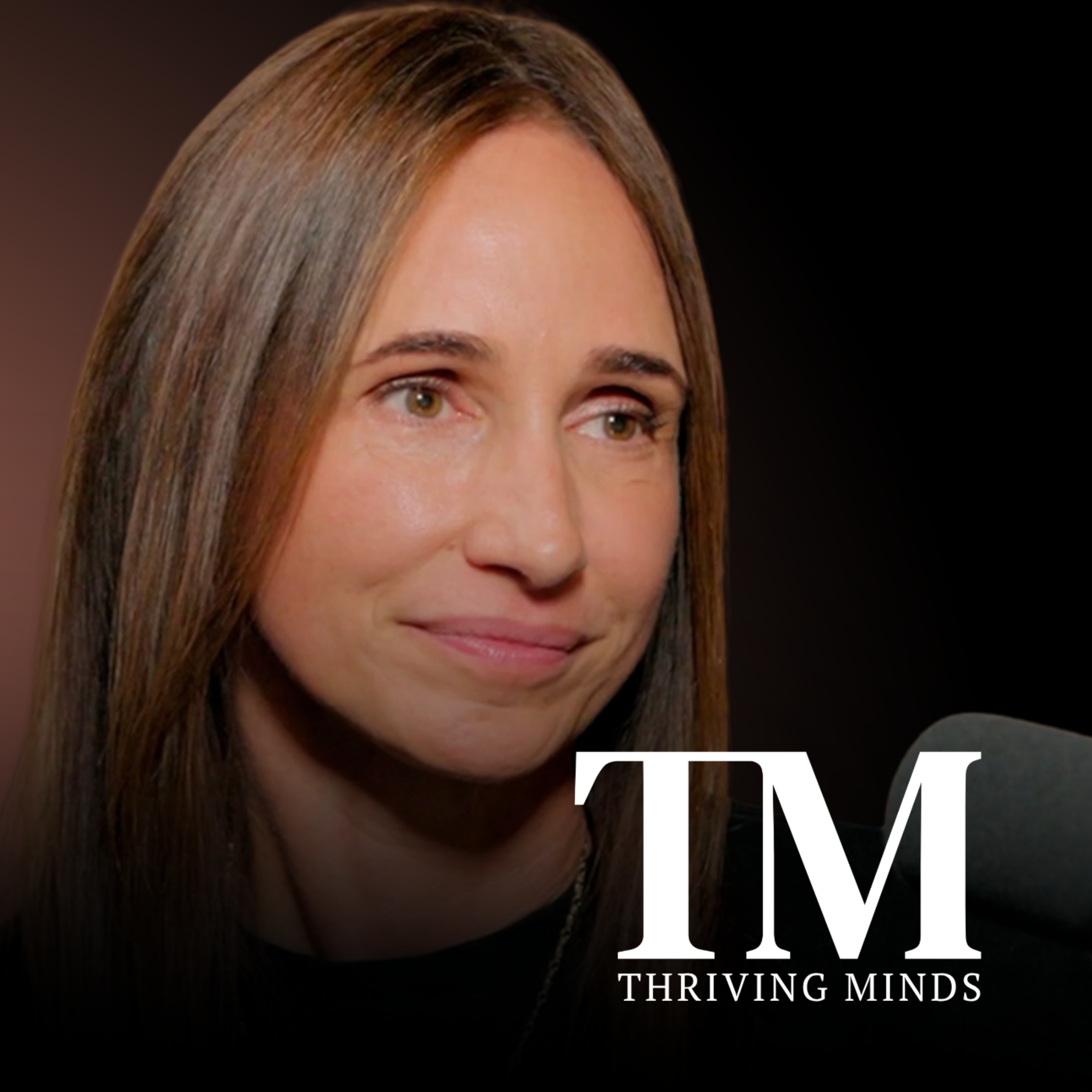
Rose Ferguson explains “metabolic flexibility” (switching between glucose and fat/ketones) as a foundation for energy, brain clarity, insulin response, and overall wellness. She connects tiredness, bloating, and stress to chronic sympathetic activation, blood glucose swings, and gut microbiome dysfunction leading to low-grade inflammation and possible gut permeability. She argues against extreme diets, emphasizing moderation and “reset” protocols built on basics (fiber/protein, hydration, movement, sleep, circadian rhythm, community).
Rose Ferguson is a functional medicine practitioner, nutritionist, and clinician; she retrained at the Institute for Functional Medicine after a career as an international model. She leads a wellness practice/health club and is author of The Reset. She consults for health and wellness brands.
Stress keeps the immune system “always triggered,” inflammation is often irritation, bloating can reflect an unhappy microbiome (most of the immune system is in the gut), and food quality affects mood/cognition via vagus nerve signaling and short-chain fatty acids (e.g., butyrate). Sleep quality issues can relate to stress and blood glucose patterns; alcohol disrupts sleep. Sugar’s “amount” (not fruit) drives dopamine-driven cravings.
“Fit at 50” fecal test (FIT) for bowel cancer/IBD screening; stool analyses (GI-MAP/GI-360) for microbiome, secretory IgA, SCFAs, inflammation, parasites; her 5-day plan (Monday/Tuesday gut-support, Wednesday liquid day, Thursday liver-support, Friday “fresh by Friday”).
Written by AI. May contain mistakes.
Discover what metabolic flexibility means and its importance for health.
“Following a successful career as an international model, she retrained at the prestigious Institute of Functional Medicine, now leads wellness practice, our health club.”
Explore how stress affects the body and the immune system over time.
“and always trying to resolve inflammation.”
Understand wellness as feeling good and how to achieve it.
“If people stay with us for the entire duration of the episode, what do you expect them to learn?”
Learn about the foundational principles of health and wellness.
“Would you say that that's what people will learn to feel after our conversation?”
Examine the differences between traditional and alternative medicine approaches.
Identify common symptoms of stress and the impact of lifestyle choices.
“I want to talk about the symptoms because many people, and I've had this discussion with many of my friends, they have the same symptoms and they don't understand why they feel that way.”
Understand how sunlight and social connections affect health.
“Well, sunlight is particularly good for circadian rhythm, this internal clock that we have, which I know people in my world bang on about a lot.”
Learn how stress biologically impacts our bodies and its implications.
“but it's been there for a long time actually, but about community and how important that is.”
Learn how stress and inflammation impact your body's health and wellness.
“And we used to sit in parasympathetic for the majority of the time with these spikes of sympathetic action.”
Explore why poor sleep quality can leave you feeling exhausted despite adequate rest.
“I want to talk about another symptom which happens regularly to my partner she can sleep for 7 or 8 hours but she wakes up tired and exhausted why could this be happening?”
Examine the complexities of alcohol and sugar consumption and their effects on health.
Moderation in dietary choices is key for a balanced approach to health.
“But if you're having it with breakfast, you know, like eggs, a bit fat, then it's fine.”
Learn how to differentiate between inflammation, bloating, and hydration issues.
“You know when somebody tells you something and it just convinces you because you just feel like that feels right.”
Explore how gut health affects mood, fatigue, and overall well-being.
Learn about essential functional medicine tests and their importance.
“One of my understandings of functional medicine is that we need to do a lot of testing in order to understand our own tailored analysis of what's going on within our bodies, right?”
Discover the concept of health resets and the five-day plan.
Learn about a structured five-day dietary reset plan and its phases.
Understand the effects of stopping sugar and caffeine and how people react.
“So things like turmeric, your cruciferous vegetables and then Friday you'd feel fresh.”
Explore the differences between glucose and ketones as fuel sources.
“If I was a 10-year-old boy, how would you describe to me what are ketones and why using ketones or fats as a source of fuel is healthier than using glucose?”
Discuss the benefits and restrictions of ketogenic diets and moderation.
“So the way I see this is from your explanation, it's like if our body has two different sort of like gasoline tanks, right?”
Evaluate the effects of intermittent fasting on men and women.
“And then the other thing that I think I did, we did a green keto plan actually earlier this year.”
Learn how fasting affects men and women differently and the importance of personalizing dietary approaches.
Explore the mental challenges of dieting and the importance of listening to your body rather than adhering to strict rules.
“We don't know if our hunger levels are real or they're being driven by something that is not real hunger.”
Discover foundational practices for improving health, including emotional support and managing stress.
“that comes from experimenting a lot and not being afraid of experimenting.”
Learn about establishing a daily routine that incorporates meditation, journaling, movement, and breathwork.
“I think emotional support is really important.”
Learn how reducing phone usage in the evening can enhance your mornings.
Explore which supplements are beneficial and which may just be placebos.
Discover why protein is vital for your health and tips for optimizing intake.
Get guidance on selecting effective protein powders for your nutrition.
“Because I was running out the door at six o 'clock in the morning.”
Understand the concept and goals behind the upcoming book 'The Reset'.
“I want to talk about your book, your upcoming book in September, 2026, The Reset.”
Discuss the impact of aging on health and the misconception of needing to feel worse as you age.
Learn about the evolving field of functional medicine and its importance in health.
Explore personal insights on aging and societal beauty standards through the years.
“How has your relationship with aging evolved over the years?”
The discussion focuses on the positive aspects of aging and maintaining a youthful spirit.
“But in myself, I'm full of it at the moment.”
A conversation about the importance of being present and embracing the current moment.
“how you wanted it to, but there's lots of other things that are good.”
Rose shares practical advice about kindness to oneself and implementing small changes.
“My last question to you is my favorite one on the show because it's the only question that we repeat across every single guest.”
Discussion about making expert knowledge relatable and actionable for everyday life.
“But you've given me the best of both worlds.”

Get the gist, explore an idea or ask about something said.
 Claude
On Thriving Minds with Alberto Zandi, what are the key points of this episode?
Searching your listeningAutomatic transcript. May contain errors.
0:00If someone wants to improve their health today, where should they start? Metabolic flexibility, where you can switch between fuel sources and you do so regularly. It's really good for our insulin response. It's really good for our energy. It's good for brain clarity and cognition. We are in a world where we don't do that very much. Which supplements would you recommend people to take? Most supplements have a placebo effect. I mean, the placebo is amazing. It's probably the best medicine out there, right? Rose Ferguson is the queen of Reset, a globally renowned nutritionist, functional medicine practitioner and author.
0:30Following a successful career as an international model, she retrained at the prestigious Institute of Functional Medicine, now leads wellness practice, our health club. Her upcoming book, The Reset, presents a four-week roadmap to better health. Can we stop talking about aging like it's a negative thing? It's a freaking asset, but we are the unhealthiest generation of all time. People say, oh, I feel stressed. So what is stress and what does it do to our bodies over time? It's quite challenging because it means your immune system is always triggered and always trying to resolve inflammation. It just means that the body is irritated, desperately trying to fix it all the time.
1:07The very fact that you're getting bloating is a sign that your microbiome's not very happy and what's in your microbiome? Most of your immune system. So if the microbes aren't happy, then the text messages that are going to the brain are like, things aren't great here. And how quickly can we feel those symptoms? Is it after like one meal, days of eating bad, months, years?
1:31rose how would you introduce yourself and what you do um well i'd introduce myself as rose i'm a functional medicine practitioner and a nutritionist um i'm a clinician actually is what i do most of the time i do work with i consult for brands um about health and wellness and I live life as best I can most days. Beautiful. If people stay with us for the entire duration of the episode, what do you expect them to learn?
2:05Well, I tell you what, I'd love people to, I hope people are reassured by the end of the episode because I come as a clinician, I have seen it all, I've been in clinic for a really long time and the word wellness didn't actually exist when I started and I feel like wellness has become really alienating for people and it's really not rocket science to you know and I think that I think people are very very confused and as I say alienated and it really pisses me off because I think this idea of being well being healthy feels very out of people's reach but also it's one it's just one way of looking at it you know it's this i suppose the word optimization which everyone's now freaking out about um optimal health to me is you feeling the best that you can feel or the or how you want to feel it's not like a stat or a bit of data and it might be but you know so i hope people feel reassured in simple terms what is your definition of wellness feeling the best that you feeling how you want to feel and having the energy to do what you want to do, feeling good in yourself.
3:14I think it is you are your North Star. You are N of one and how you feel is everything. So if you feel great and you feel happy and you're able to do what you want to do, I'd say that's pretty well. Would you say that that's what people will learn to feel after our conversation? I hope people will understand a few ideas of how simple it can be or no. Sometimes it's not simple i see very complex cases in clinic so sometimes people really are you know you know they're ill um and then it takes it it's not so straightforward but for the vast majority of people who are well there are some there are such simple things that people forget i think because people are always looking for the top you know they're looking how they're looking for quick fixes often it's like i'll take that or i'll do that and it'll fix me actually what i know and what the data absolutely supports is that these foundations these basics are literally that the foundations of feeling well so you know i see people all the time in clinic and the word longevity has a lot of responsibility around this because people are like yeah but what about if i do these peptides what about if i do this cold plunge i'm like yeah but are you actually eating enough fiber protein are you hydrating do you move or do you sit at desk really basic stuff which i think is a much which opens that world of wellness that everyone thinks is so elite up to everyone and makes it available because it is it's just that the world we live in is not structured or designed to fit our human biology at all interesting why is this topic important to you because i believe that what makes the greatest professionals um is when somebody truly cares about what they're doing at the level that is purposeful why is this important to you um well i i can't i do you know what i don't know why but it really is and i and when you we spoke earlier and you were asking about what why I went into this field it was the the main criteria for my qualifications was I wanted to practice so I had to be qualified I had to be qualified so I could be accredited to practice in clinic aka help other people um I think I feel very very passionately that we've been served by a system which isn't or not served we've been we haven't been served by the system that's not to say i don't believe that there are you know i think the integration of lots of health practices would be so beneficial to so many so by that i mean western medicine and then things like nutrition which should be part of mainstream medicine as far as i just let's see i go speechless about this because i'm just like why why do people not talk about food this is information we give our body every single day yet it is still taught for one and a half days in a medical degree you know it's getting better but I think that for me I felt very passionately I grew up around with what was called alternative medicine now it's called complementary medicine and so I have a really strong belief that the body you give it the right environment it can take care of you really well but you have to take care of it a little bit what is the difference in between the traditional medicine the western medicine and the alternative medicine well so um well i suppose so i trained in functional medicine um as a practitioner functional medicine because people always ask me this is another word for holistic medicine so we're looking at the whole body we're not looking at the symptom we're looking for drivers for what causes that what what's causing this problem health problem and then alternative medicine is are looking at things that are you know functional medicine is quite is scientifically backed it's evidence-based um so it sort of sits in the sweet spot between what people call crazy stuff like homeopathy there's absolutely no data around it yet people still respond positively to it and the outcomes can be good just because we can't put our finger on why and we can't test it in a lab.
7:38But that would be cool, you know, alternative things like, I mean, you know, acupuncture has lots of data around it, but I suppose alternative medicine is anything outside Western medicine, medicine, the conventional medicine as we know it. I want to talk about the symptoms because many people, and I've had this discussion with many of my friends, they have the same symptoms and they don't understand why they feel that way. So they feel foggy, bloated, stressed. The people that come into your practice, if you see them with these symptoms, what are the root causes that drive them to feel this way?
8:16Well, if you're looking at root causes, so it depends what symptoms you're seeing, but I suppose the gut is something that people always think of digestive issues, but it can be skin, it can be hair loss, it can be foggy head, it can be mood fatigue, you know, joint pain, you name it. So the gut would be somewhere that you would look to, I suppose, as it is a very, very key and foundational part of health. And then I think lifestyle is really important. It's, you know, ironically, it's funny you say lots of your friends have the same thing, but we all live in this mental world where we're on the go from morning to night.
8:51We do more in a single day than we have ever done. And we're expecting the body to do it, but we're not giving it the right input necessarily. So I think stress is a big one is where I was going with that. you know i don't think i know stresses so people will come to me saying they're very fatigued or foggy and then you listen to what they do in a day and what they don't do in a day and you're like wow and i think something else that's a big lifestyle one is sedentary lifestyle um and within that you know we can go to the gym we could do a two-hour workout and then we sit at desk for nine hours that is still considered a sedentary lifestyle and on top of that if you're not moving your body in a gym it means you're inside you know there's lots of other things that go on with a sedentary lifestyle it probably means you're under fluorescent lighting it probably means you're not getting fresh air it probably means you haven't seen the sun it probably means you haven't hung out with a friend so there are lots of other things that are you know they it's like a web basically it's all like a web if you think about what what it means to be sedentary it's not just that you're not moving and why are those things important like the sunlight you know walking, seeing a friend?
10:03Well, sunlight and getting out. Well, sunlight is particularly good for circadian rhythm, this internal clock that we have, which I know people in my world bang on about a lot. And in while I'm talking about it, in my head, I'm going, but I travel all the time. So I understand that, you know, when we talk about circadian rhythm, the majority, oh no, not the majority, a lot of us travel, but even that, even that, lots of us don't go to bed at the same time. Some people go out till four o 'clock in the morning. Some people go to, you know, it doesn't necessarily fit perfectly in our world, but it's a nice thing to keep in your mind that your body does respond to daylight.
10:39So actually when you do travel, going outside in the morning is quite a good way of telling your brain, okay, this is morning. It doesn't feel like morning, but it is because those are the blue lights I'm seeing. And then in the evening, there is more red. So then your brain's going, oh, okay. So that would be for that. Getting outside, the thing about getting outside is a you're moving b you're getting sunlight maybe or daylight let's see let's you know might not be sunny um but the other thing is that actually if you're in nature even if it's in a park in a city there is something very distressful about being around something quieter and on top of that if you happen to be near trees there are lots of they they're really good for the microbiome i'm laughing because i think about the pollution and sort of trying to weigh up which, but again, it's kind of like, it's better to be outside.
11:27But, you know, they have these little, they have lots of microbes that come off the trees, which we inhale, great for our microbiome. And then seeing friends, well, it's just fun, isn't it? But it is really, we know, I mean, there is brilliant data coming out about, but it's been there for a long time actually, but about community and how important that is. I mean, the loneliness data came out probably about five or six years ago where it became really a big risk factor. So when we talk about risk factors, we're talking about things like heart disease or diabetes or cancer. Loneliness is up there as a really big risk for early mortality.
12:12I think a lot of people can relate with stress. People say, oh, I feel stressed. but I don't think everybody knows what stress really is. So what is stress and what does it do to our bodies over time? It's true because when we talk about stress, you assume it's just like load. It's like, I haven't got enough time. I'm rushing, I'm rushing, I'm rushing. But actually, when you talk about it biologically, we're talking about the stress on the body. So yes, stress in a very traditional sense is that sitting in a sympathetic nervous system, which is our fight or flight nervous system, we have two arms to it.
12:52You have parasympathetic, sympathetic, you know. Sympathetic, if you're sitting in that state, you are triggering, your brain will be asking your adrenals to release cortisol, to respond to what it sees as a threat. And also, but the problem for us is that that threat used to be a really sharp threat. So if you think about jumping out of the way of a car, your body moves really fast. And that is adrenaline first, cortisol second. It saves you. And it is life-saving hormone. It's, you know, it's, no, that's not true. It is there to save our lives. It's very protective. And it will win every time because it is, it's a quick responder and it is, it's there to keep us safe.
13:39So, but it's meant to be that quick. See a car jump out of the way. I don't know why I'm using a car. Don't stand in front of any car. But, you know, that really fast movement, your brain thinks fast, your body moves fast. And then you're meant to, that's meant to end. But when we're sitting at our computer getting shitty emails, our body doesn't distinguish. So we get, I'm sure lots of people know this, but, you know, you're sitting in that sort of high alert for hours in the day. And we used to sit in parasympathetic for the majority of the time with these spikes of sympathetic action. Now it's the opposite.
14:15you're lucky if you get a moment of parasympathetic in your entire day. So you've got that, which is more the, what I think people probably understand. But then on top of that, we've got things that the body perceives as stress, things like blood glucose control. If we eat alcohol, you know, I mean, the body sees excess, not excess exercise, any exercise, it sees it as stress, but it's sort of a good stress. Your body responds, it recovers, it makes you more resilient. but in things like blood glucose roller coaster all day every day your body is it has a very very narrow range of what we call home is called homeostasis it keeps your temperature in that range it keeps your blood glucose in that everything stays it's very controlling our body to keep the right environment if you're always going out of it with blood glucose swings and roundabouts your body is stressed about that it's like shit we cannot stay stable and so those sort of stresses are chronic for a lot of people and I suppose when you ask what that does inflammation is one of the key things which I know is also another term that gets thrown around but inflammation because your body's inflamed because it's irritated I think if you sort of think of inflammation as irritation it can be low level it can be really annoying to the body but that is what you're doing and where does our body get inflamed well it depends you can get i mean inflammations are funny so when you cut your finger you know you get a really clear inflammation it goes red it's sore it is often raised because it's healing and it's sent shit tons of immune response which makes it inflamed you know there is a theory that it also makes you be aware and careful of it because you're aware that it's there so you know apart from just the healing process it's like be careful i've cut my finger don't cut it again when we're talking about systemic inflammation it can be anywhere so you can feel it i mean the amount of people i see who are like oh yeah i've got i've got backache why have you got backache we need to find out you know sometimes it's mechanical damage but sometimes those joints are sore because of inflammation not that your back has a joint but you know the skeleton you can get inflammation in your skin and you can get systemic inflammation i think when you when you think about inflammation you're talking about an immune response so your immune system is reacting when it shouldn't be so if you think about any immune response it can show up in many many different ways which makes it which is probably why inflammation sort of gets thrown around such a lot and they're all coming from stress they can all come from stress stress is a huge inflammatory input huge and why is inflammation bad but well it's quite aging aging so i'm not talking about aesthetics of aging it's quite challenging because it means your immune system is always triggered so if you i suppose when i talk about things like intestinal permeability and things i talk about it like a scab that you keep on picking and so your body's always it means your body is always always triggered and always trying to resolve whatever inflammation it is and that and inflammation come from lots of different places um but as i say you know when you cut your finger you see the inflammation and it does resolve but imagine if that finger never got better and it just i mean if you think about oral health which people really don't if you think about it and you have this constant people have this constant bleeding gum that's what that's a chronic inflammation but it's going on in the body and it's just it just means that the body is irritated and desperately it's exhausting it's desperately trying to fix it all the time um and sometimes you will have low-grade inflammation that you don't even notice i think but i think most people probably do we live in a very inflammatory world yeah
18:22I want to talk about another symptom which happens regularly to my partner she can sleep for 7 or 8 hours but she wakes up tired and exhausted why could this be happening? quality of sleep is it also stress? it could be I think the typical signs of stress sleep is waking up at 3 o 'clock in the morning which can also be a blood glucose I mean, those are very, it's really hard because everyone is different. So I think listening to yourself is a really, that's something that I'd love listeners to take away, is that if something like that is happening to you, think about what precedes a good, a better night.
19:00Think about, start, this is where journaling is quite good because you start to, you might, sometimes you don't, but you might start to see a pattern emerge. It's like, okay, last night was a terrible night's sleep. And then, and before that I was, I don't know, you know, the classics are on my screen, or I read a stupid email that I wish I hadn't looked at or I went out and ate 10 minutes before I went to bed um but I think so uh waking up tired is quality of sleep and if your girlfriend is doing any of what I just said that might be it um but there can be things like sort of I'm just trying to think because there are some we used to always talk about um um zinc and magnesium those two can make a big difference if you start eating zinc and magnesium foods um this is where i would say a wearable can be quite useful and you know something like an aura ring for sleep just for like a three month period to see or even if you just wore it for a week you would be able to see where your sleep is it's it's not perfect um i did have i had a a friend of mine who's at Johns Hopkins University and he is works in the sleep center there and researching he said or he said or are not perfect but they are pretty good it's good to get an idea so I was like okay good but um it might be a way of her understanding whether she's getting REM sleep deep sleep neither too much one too much little of the other um yeah and having a look at what goes on before i mean alcohols were terrible for sleep good for other things terrible for sleep is there a place for alcohol in a healthy life uh it depends which wrangle you're going from i mean i my answer for me is yes um i think i mean we know biologically it's really got it doesn't have a leg to stand on biologically poor alcohol is like no does nothing emotionally and therefore the link to biology yes so when you so what i mean by that is if we took alcohol and looked at a cell's response not much to say other than it's a toxin the body is freaking out talking about stress the body prioritizes sorting out the alcohol first it will stop everything else because it's like holy shit we've got this neurochemical neurotoxin coming in fuck we've got to get rid of it but then if you think about talking about community hanging out and having a glass of wine or i mean whatever it is emotionally how you feel when you do that physiologically and biologically reduce it could reduce stress you know so it's sort of like and it makes you feel more connected it's definitely going to disrupt sleep um but there are there are positives to it and i think obviously aside from someone who has an addiction um i think it i think there is a place and sugar is there a place in our lives for sugar because right now we're hearing everywhere on social media on tv glucose spike and it's going to accelerate your aging and it's going to make you feel like your energy is going to deplete um i has become like this very bad villain i think it quite a bad villain actually i think only and it's not sugar it's i mean it is it's the amount it's the amount it's the amount so it's sort of like you know i think where i draw the line is when people start banging on about fruit i'm like oh come on fruit has got so many good things in it you would be amazed how many people walk in my clinic and say it's okay i don't eat fruit and i'm like why why do you not eat fruit it's like that extreme again it's sort of so i think sugar this is where I say it's not our fault because it's been added to absolutely everything when it didn't need to be so people's intake of sugar unwittingly is probably higher than they think and it's just it's the amount it's in everything and it is and it's and it's used for marketing and it triggers the dopamine pathways which interestingly so you know that sugar hit don't the dopamine reward is a reward and we used to get it from it's seeking you get the reward from seeking it not actually doing it so you get the reward so you know so in historically that dopamine would come from quite hard work you'd graft to get that reward now we can get it from in literally 30 seconds you're just going to shop you buy sugar cigarettes alcohol whatever and you get that dopamine hit so that in itself has become its own addiction like just constantly getting that hit but um yeah sorry that was a ramble about sugar i don't think it it's just the amount of it it's just the fact that it's putting everything and it's everywhere and it is it's triggering this dopamine dopamine ergic uh response you said that fruits have tons of benefits what are those benefits well it's got loads of these i mean i'm obsessed by polyphenols and phytochemicals it's got a lot and fiber um it's got loads and loads i mean the word antioxidant has become sort of i don't like using it anymore it's but it is antioxidants are powerful little molecules it's just that it's become a marketing tool so then it loses its scientific value but they are really we need them to balance out the rest so how an antioxidant works it donates an electron to a free radical isn't there and it stabilizes that free radical and stops it causing any damage in the body fruits are full of them they're full of them um and other you know loads of different ones but they are fantastically nutrient dense um obviously the problem comes when you take them out or take the fiber out so that's why juicing fruit is not necessarily fabulous if you have blood glucose balance issues so we shouldn't be drinking juices i love a juice but i would stick with vegetable based and then um and then yeah i would i would i mean i'm a green juice bit lemon ginger kind of girl but yeah i mean it depends if you're really well but the other thing is if you are going to have a fruit uh sort of i I think orange juice, I think pure anything fruit juice is probably not great.
25:37But if you're having it with breakfast, you know, like eggs, a bit fat, then it's fine. I think when you drink fruit juice on its own, it is going to hit that blood glucose spike. You are going to have a blood glucose spike. There's something that you've said that I really, really agree with and that I think is very important for people to listen to, which is that in nutrition, things are not black or white. We like to either demonize things or put things on a pedestal, like you should do this and don't do anything else, or do not do that because this is going to be terribly bad for you. And after doing tons of research on your work, it seems to me that your approach towards this topic is moderation across everything, equilibrium, which is not a popular answer.
26:22But it feels right. You know when somebody tells you something and it just convinces you because you just feel like that feels right. This is how it feels for me. Good. I want to explore one more thing about inflammation because this is something that I was discussing with my partner a couple of days ago. So I think right now, especially with JGPT and AI, we like to self-diagnose ourselves. So we tell ourselves, I have this or that. When it comes to inflammation, how can we know if we have inflammation or if we're just bloated or retaining liquids? i would say that bloating i'd say retaining liquids it's probably all signs of mild inflammation and bloating perhaps not it might be a um you know like a transient response to so bloating it depends why you're bloated for one it could be because you're sitting down all day and if it progresses through the day that might be why oh wow if i'm sitting down all day yeah and you've wow well it might be some people fight you know when i ask people and they're like i get bloated every day i'm like when and they say at the end of the day i'm like does it is it fine in the morning and then they sit so yeah so it could be that but if it is in response to food so if you eat might be a certain type of food it might be after every meal um then that's to me is a sign that your microbes and your microbiome might have a little bit of dysbiosis a bit of imbalance and that can be really transient it could be just for one meal but if it's an ongoing thing the very fact that you're getting bloating and we think it's your microbiome talking is a sign that your microbiome is not very happy and what's in your microbiome most of your immune system so then you'd go there's probably some sort of lick this what i mean it's like a spider's web when you start thinking of whole system it kind of blows your mind you're like holy shit yeah so that links to that and that works with that um and so yeah so i would say that um those sort of mild things can be and if they are ongoing what's amazing about people is that they don't i guess if it's not causing you discomfort people don't sort of go hmm maybe i should have a look at that or investigate it um but then having said that people with extreme pain just keep on going you know it's amazing what we get used to how can a bad diet affect things like our cognitive functions our mood our digestion i mean well that comes back to the microbiome as well probably um so if you think about the the bugs in our gut there are trillions they are i mean people call it the second brain and i was doing a talk with dr tyrus fort the other day and she's like i hate that term and seeing as she's a neuroscientist i was like why she just said because it needs to stand on its own it's not a brain it's your gut i was like yeah fair point because it is so important it's like let's not but but what we have in there is the communication between your gut and your brain through the vagus nerve so that for mood is really important so if your gut microbiome and you're eating lots of less than perfect food then you're the microbes in your gut you're not feeding them so then they're not going to thrive and actually when you do eat very ultra processed foods the gut the bacteria in your microbiome that do thrive are ones that cause inflammation they set off inflammatory pathways they set off inflammatory cytokines they can subdue mood um they can you know they can make you feel foggy um and that is i'd say the vagus nerve is just a really important connection between two because it's like sending messages to the brain all the time so if the microbes aren't happy because they've not got the fiber they need to thrive, then the text messages that are going to the brain are like, things aren't great here.
30:15They're really not great. We either need to slow down, stop expending energy because we don't have the information that food gives us. So then you might feel fatigued. And the other thing actually that that does do when you're eating less than fantastic food is it will slow down what the bacteria produce. so they produce what we now call what we call postbiotics short-chain fatty acids things like lots of people have heard of butyrate those things are really those short-chain fatty acids are really important for immune function also for our gut lining which is only one cell thick so we need to take care of it we don't um and then you know but that is very systemic has a systemic impact on how well we feel um what is the gut lining the gut lining is one cell thick and it is amazing i mean i it blows the body blows my mind still i've been doing this for nearly two decades and i'm still like holy shit that's it's one cell thick and so the thing about it is so when you i mean i don't know i'm sure your listeners will have heard of the leaky gut or a permeable intestinal permeability so this this gut is oneself thick and it has these things called the cells and together like with velcro strips is how i described it um they're called tight junctions like this and this that little channel between my fingers is what allows the right particles microbes to get into the bloodstream that's all that separates what we eat and what goes through us and out the other end from from the bloodstream um and when that velcro strip starts to because it's inflamed irritated you've been eating the wrong things when it starts to get annoyed it can that it white it sort of unsticks and then you get in particles that shouldn't be getting into the bloodstream microbes that shouldn't be in the bloodstream and the body goes what the hell is that oh i'm sorry that should not be there and it mounts an immune response and creates inflammation or symptoms or you know and that can feel like headaches brain fog fatigue joint pain skin issues and how quickly can we feel those symptoms is it after like one meal days of eating bad months years i think i mean it's so i know it's a really annoying answer but it's it's possible for all of those um i think probably you could so you can impact the permeability of your gut from one meal you can impact it from one night out say drinking loads of booze you're going to wake up the next day and you're probably not you're probably going to feel it digestively possibly but then you recover so i suppose what we what we are looking at so if someone came to me and said that it was a one-off time I'd be kind of like okay see if it happens again wouldn't think anything of it what we're looking at is chronic when someone says no this happens every time or I've had this on and off for the last four years or you know there's a when it's history the body really wants to help itself be better and often it can do that I think when it's a persistent picking of that scab that's when sometimes it needs a bit of intervention or a bit more attention paid to it
33:40So we've discussed about functional medicine and you're obviously an expert in functional medicine. One of my understandings of functional medicine is that we need to do a lot of testing in order to understand our own tailored analysis of what's going on within our bodies, right? There's a lot of tests. Which ones are the ones that you would recommend everybody to take?
34:09before i answer that can i just say that functional medicine got a bad name because everybody was going well you have to do all these tests yeah um and the thing is that functional medicine started the term and the institute is in america where a lot of these tests are covered by insurance so i get yeah so i understand because you tell when i say to a client if you could just go and ask your doctor for this this and this i know what the doctor the majority of doctors are going to tell me to jog on um so so i think that so i i i mean as functional medicine practitioners we love to test it's great and the theory of that it comes from test don't guess so rather than guessing and there is something to be said about the economics of you spend you want to spend a fortune on supplements but you don't know why we don't know if you need them so spend a little bit of money here and then you spend less over here but my answer to that question is or my in my clinic you can get a load out of a case taking consultation so in consultation one thing that we do have because nutrition and functional medicine are private practice or functional medicine practicinging are private practice in the UK I have the luxury of spending an hour i read their forms before so that's half an hour an hour talking to them and an hour creating a protocol for them so when so during that consultation we talk about everything i want to know their history their family history i want to hear about any interventions surgeries i want to talk about emotions um medications supplements food movement i want to hear it all and from that and listening to what goal that they have um we i can we i don't what i'm trying to say is i don't always test because from that you can get a pretty good idea i think when you've been doing clinic for as long as i have i have a wealth experience so i've come across a lot of things before when i'm unsure i will i will say that i'm i think that's a really powerful thing to be able who go yeah i'm not sure i'm gonna go and look at that um so yeah so i don't always test but in answer to your question my favorite test of all time is a comprehensive stool analysis a gi 360 a gi map a gie they're all different labs they are so informative for me um when you do the so when you get to 50 as i have you get a lovely test through the post called the fit test um it is a fecal matter test because it comes from the nhs and it is looking for everyone should do it that's why i'm mentioning it because most people i've seen they're like oh yeah no i didn't do it it's an early screening for bowel cancer and um and ibd so they're looking for serious bowel disease and bowel cancer, which is a really important early detection.
37:22So please do it. If you have one, do it. So that is what they're looking for. And that test is looking at inflammatory markers in the stool and it's looking for occult blood. So it's looking for blood in the stool. The ones that we use in my clinic or people in my world use show so much more. it shows what bacteria you do have what bacteria is out of balance it shows you what your secretory iga is which is a very good marker for the health of your gut lining it shows you what your short chain fatty acids are how you're breaking down protein fat oh i mean look how excited i get it's so informative um it shows you if you're absorbing it shows if there's inflammation infection parasites um and i think if you are concerned or yeah if the gut's on your mind then It's well worth doing one of those tests.
38:11And what do you do with this information? Well, if I'm in clinic, well, we work off it. We can see when we get the results. I will look at my case, listen to what they're saying, and have this data, this pretty clear data to put in together into a protocol. And that's what we'll do. We'll integrate that information into a protocol to deal with whatever's come up. You know, if something's come up, we'll angle the protocol to deal with that. So this is called the fit test. The fit test, F-I-T. F-I-T. And you get it when you reach 50. You get it through the post when you reach 50. I think they should change the name.
38:54I think they should change it to, you've made it test, you know, because then it's something to celebrate. But if you get the fit test, it's like, am I fit? Like, is this a good sign? I know. I was like, it should be called fit at 50, surely. When it comes through the post, it should be fit at 50. And you'd be like, yeah. but um yeah no it's not it's the fecal test you're known as the queen of reset what is a health reset well there are it's a big continuum that because it goes all the way from i mean it goes from there are so many of them um and some are very very extreme some are very very short time-wise some are very very long some are more balanced some aren't I suppose the mentality around a reset is um wiping the slate clean let's start again um I think that's probably how people often see it um yeah and I suppose I I feel like reset that you know the word talking about scientific words that have been totally like hijacked by the wellness world and now are quite toxic things like detox the word detoxification is what our liver does every second of every single day and now you can't really use it because people get oh you know green juice detox or whatever it is it's a negative when actually it's a really explanatory scientific process that we do all day every day um but i think the positive thing about something like the term reset is it's like okay i'm going to take a minute i'm going to take stock um and i'm going to reset a little bit um so i think that's how i've used it i mean for me it's a protocol i guess and where queen of the reset came from was because i i started doing well i've always done protocols with clients and that is most people will come to me because they want to we need to shift something so we'll put them on quite a therapeutic protocol and then move towards a maintenance sort of like do this most of the time and we can maintain what we've worked really quite hard on for a few months yeah um but when i wanted to work with groups um i started something called the five-day plan and the five-day plan started because some of my friends were like yeah but I can't be able to cook and I was like all right I'm gonna do it for you so the reason the five-day plan started in my kitchen with pots and pots and pots of stuff and it was really there to show people that you could feel completely different in five days by eating and not feeling hungry by just changing what you and the tagline for it was feel fresh by friday and the downside of that was that everyone did feel fresh by friday went completely nuts on a friday night i was like guys you've just worked really hard all week can't you just maintain it for the weekend just you know but you know that's where it came from and then i suppose that then um the plans moved on on to my website um so the group it was it's really nice we had some massive groups doing plans together um and that is kind of where cleaning of the reset came from I suppose what is a five-day plan let's go day by day Monday to Friday the five-day plan oh my god it's been a while since we've done one because then I stopped delivering because of COVID obviously you couldn't um so we'd start with I know that Wednesday was liquid day and liquid day just meant soups and smooths just everything blended and the reason for that was to rest the gut so Monday Tuesday we would do gut work so it would be quite fibry but everything was in there so it was an omnivore plan um and there were oats there was rice it was wheat free it was gluten and wheat free dairy free i think i cut out deadly nightshades and eggs too which was perhaps a little bit rash but i did um and so it was a really anti-inflammatory way of eating basically and so you would have and actually what's funny now you see how you evolve as a clinician because I was desperate for people not to feel hungry I was going I was so hell-bent on proving to people that you could feel great and not be hungry that there was a smooth there was a juice in the morning and a snack in the afternoon and I'm really like I'm not a huge fan of snacking but there was a breakfast juice lunch snack dinner but I we should have done continuous glucose monitors actually but it was a bit before their time um but anyway yeah so it was that's what you'd eat so on monday tuesday it would be sort of more like mucilaginous so thinking about oats and things that would support the microbiome wednesday would be a liquid day thursday i would move to sort of thinking more liver food supporting because helping to the liver support the liver as it lets go of whatever it's letting go of or support it in working more efficiently.
44:02So things like turmeric, your cruciferous vegetables and then Friday you'd feel fresh. I have to say on Tuesdays, I used to get some really shitty emails. I feel terrible. I feel because people were coming off sugar and also coffee actually. A lot of people would stop coffee. Oh, you would tell them to give up coffee for a week? I started with no coffee and then I realised it was ridiculous. Why am I asking people to stop coffee? There's loads of benefits to it. Unless people want to give up. Some people wanted to stop coffee. So they were the people who would be furious on a Tuesday. But no, in the end, after about the first two, because this was going on for years, the first two I was like, this is crazy.
44:45You know, like we're putting people through hell with awful caffeine withdrawal headaches and they're just going to start drinking coffee again on Saturday. It didn't make any sense. So that, but for those who chose to, Tuesday was always quite a difficult day and we'd get really shitty emails. And then Wednesday, Thursday, they'd be like, oh my God, I feel amazing. I'm so sorry about the email I sent on Tuesday. It's interesting that people are very reactive within 24 hours that they don't give it like two or three days to see how they feel. Well, I think the thing is that when you, I think sugar, talking of sugar, when you stop taking, when you stop consuming sugar and you know and it's not that there was no carbohydrate because there was but when you stop that refined sugar it you feel you can feel pretty shit actually you really can feel very foggy and fluey and you know um so i think it was quite surprising to people i'm probably not very nice i think i'm not that was that was not my intention but it does just show you the power of food it's interesting because we always say that our bodies are and our biology is so intelligent and smart and sophisticated yet we do know that things like alcohol or sugar are bad for our bodies but then we have these withdrawal symptoms right which is basically our body saying i know this is rubbish but i want more of that rubbish well i think if you think about it it's more like the input so you've just taken out a huge so it's because that that withdrawal is more like your blood glucose levels are all over the place it's been used to this input which is sugar but i think it's not so much the dope the dopamine is the i want that sweet thing this is your biology and your physiology is going where the hell's that gone because that's what's been keeping me up and now i'm having to lean on other systems because you've taken that away then it's time to readjust yeah so it takes a little while for the body so if you know it takes it to a little while to tap into a different fuel or when people do ketogenic diets they call it the keto flu and that can be i mean there people miss the um sodium side of life the electrolytes it often is actually electrolytes you need and that will help you feel better but what you are asking the body to do overnight is to stop using glucose start using ketones or start producing ketones for my fuel source that's really hard it was not it takes time for the body to respond um so that's why you might have a week of feeling not great when you're doing that until the body goes okay we're we're going to be more flexible now we're going to use fat as fuel instead of using sugars as fuel um yeah so um so we want our bodies to start using our fat stores as a source of fuel and to produce ketones and use those, but not sugar.
47:37If I was a 10-year-old boy, how would you describe to me what are ketones and why using ketones or fats as a source of fuel is healthier than using glucose? I don't think it's healthier. I don't think it's healthier. Our body is built to use glucose. So glucose is our preferred source of fuel. I think where we get that glucose from is the big one. So leucosate, glucose drink, is not what I'm talking about when I talk about glucose. any single carbohydrate that we eat whether that comes from a stem of broccoli or a mars bar will get turned into glucose so any carbohydrate molecule will end up as glucose in our body and that is our preferred and our brain works on glucose so um i think that is a so it's really important and it is absolutely to do with the source of that carbohydrate glucose sugar um what is good for our body is to be able to be flexible one thing that we have sort of lost because we have live in such a world of food it's everywhere all the time our body very a lot of people's body very rarely has to make the effort to switch into using stored fuel which would be fat when it breaks down fat it creates this thing called a ketone which our body can use as energy in the same way that we use glucose it's just coming from a different fuel source we would call that metabolic metabolic flexibility where you can switch between fuel sources and you do so regularly it's really good for our insulin response it's really good for our energy it's good for brain clarity and cognition um we are in a world where we don't do that very much because either because we're grazing all day long or we're eating late going to sleep takes a little while for our body to switch into that ketone state because it will use the glucose as i say it prefers glucose easier the body will do easier um so if you if you go to bed at 11 o 'clock and you ate at 10 30 your body's got loads of lovely glucose to get through the night and then you eat again at seven in the morning you might not have flipped into using stored fuel yeah if i was talking to a 10 year old about ketones i think i would say i would just say they're different sources um of they're different you've got glucose does its work and you've got ketones and the thing you want is them both to work and if you want them both to work this one ketones work will will you'll start to create ketones when you have a bit of time or food which is why this is where fasting comes into a big thing this is where everyone talks about fasting because when you take give your body a break from consuming food your body is forced to get fuel from somewhere else.
50:22So the way I see this is from your explanation, it's like if our body has two different sort of like gasoline tanks, right? One is for glucose and the other one is for ketones. So one comes from glucose is the conversion of carbohydrates into glucose and then the other one is fat into ketones. And then the one for glucose is to be used for quick releases of energy. But then the other one is that slow release, less potent, but more steady and stable. And what you're saying is that we should have the ability to switch in between one and the other according to the needs of our day or our night. So my question is, then does that mean that people that are on a ketogenic diet should not be on that diet all the time because then they're only using ketones as a source of fuel?
51:08That's a really good question. And the answer is no. If you are on a ketogenic diet, it works well for you. It doesn't stress you out which keto diet ketogenic diets can um it's really good for some people some people thrive on a ketogenic diet it's particularly good for clarity um it's really good for some adhd clients who might thrive on a keto diet i suppose for me maintaining a ketogenic diet and ketogenic some people absolutely are very very passionate about ketogenic diet for me it comes back to a slightly restricted way of living which i can't get on board with as you said at the beginning i am very moderate which is oh so unsexy but i am and i've seen enough clients read enough papers to know that that is kind of the missing part um for lots of people they want extremes and they want to actually if they just got consistent and stayed sort of moderate they might do better um so yeah So ketogenic can be a really useful way of eating, but it can be very restrictive.
52:17And then the other thing that I think I did, we did a green keto plan actually earlier this year. And by that, it just meant we included fiber because I think the problem for people in my field that we have with these ketogenic is that it can get really extreme where you're leaning into sort of carnivore. and therefore there is very very little fiber um which is a problem for me i was having a conversation with dr tim specter about the ketogenic diet and he told me something that i found very interesting which was one of the underlying principles on why people follow these very restrictive diets a is because they want a sort of quick fix and they feel like if they do something that is very like the opposite of what they do in their everyday lives they're going to get that quick fix but also it's just easier to follow when you're completely restricting a number of food categories right so it is easier for people to understand because it's either black or white within this gray area people find harder to make those everyday choices um i want to talk about in intermediate fasting is this something you would recommend for people to do should maybe women not do it because it affects their hormonal balance that's a very good question people get very very heated about this i did my master's dissertation on um intermittent fasting um i think i think well it depends what you're talking about when you're talking about intermittent fasting because to me intermittent fasting what we know works what we know is sustainable and what you can be consistent is in is a 10 hour eating window 12 hour eating window or 12 or 14 hour fasting window overnight and people will say if i'm talking to someone about 12 12 they'll be like that's what i already do obviously then i say really tell me tell me what you actually do they're like well i have a milky coffee at 7 a.m and then we get through the day and then i have a quick beer at 10 p.m and i'm like well there you go that is now we're down to nine hours fasting time so I think that when people think they're doing a 12 hour which sounds really simple they're possibly not so actually something that people could try try to try it really keep it tight and and that doesn't mean you can't have a beer at whatever but it's like okay whenever you consume your last substantial drink so you can drink water you can drink herbal tea you could have a black coffee although I wouldn't suggest it at night in the morning whenever you have your last you consume your last bit of food or your last substantial drink then from that time wait 12 hours till you eat or have another something substantial and so that's what's quite good about time-restricted eating or intermittent fasting because it's really flexible but I would you know try it see how that feels for a few weeks um I think the question around men and women the thing about this men and women thing that irks me because it does irk me is that that suggests that you have a man's physiology and a woman's physiology are exactly the same that every woman has the same and every man has the same and that is just not true obviously so some some people will do really well some men will do really well and they can i see men oh my god they're like i only eat once a day i wait they're dying of stress but they only eat once a day and then you see women who aren't dying of stress and they do eat once a day and they feel great so the thing is it's again there is a huge overlap of what men and women there will be some men who who don't it doesn't suit and some women who really does suit so i think this idea i mean the data around men and women there is some data to support that it's that women don't the outcomes aren't so good for women in extreme fasting so when we're reducing the eating window down and they're having one meal a day um and i think the thing that you have to remember with women is that it's you know also it's time of life you know and men but you know this idea that it's sort of women for what women when they're 15 25 30 when are we talking because it's you know women's hormones are a huge fluctuating ongoing thing as are men's not as fluctuating but still and I think you also have to again take into account the spiders where it's like okay if I'm really stressed and I'm not sleeping great and then I'm gonna it feels restrictive for me to but I'm gonna stick to it through gritted teeth I'm gonna eat one meal a day but I'm really stressed about it and I'm miserable why would you do that it's like actually no no no right now today it could be different every day today I don't have it in me today I need to have eggs and avocado for breakfast or whatever you know for me for me it's kefir and nut butter whatever it is and then tomorrow you might be able to I just think that this idea of not I think you have what I'm trying to say in a very long-winded way is you know yourself better than anyone and yes 12 if you start with 12 hours off overnight that might be quite a big jump for somebody who's used to having an eating window of 14 hours yeah but that would be my first goal that would be my first goal to get to 12 hours a night 12 hours and then within the 12 hour eating window i would be really looking at what i'm eating so i'd be looking at um i call them complete meals so we live in a world where snacking it's a really weird culture actually that we and it's quite specific to the western world um and it's driven by food companies um but you know so what i see a lot of these little mini binge purge cycles throughout the day you have you know most people don't have breakfast because they're fasting and then around 11 o 'clock they're like fuck this so then they go and get croissant and then at one o 'clock they restrict their lunch they have a healthy lunch but they restrict the sides of it because they had the croissant then mid-afternoon they're absolutely starving because they had a stupid little lunch and so then they snack again and then they restrict at dinner because they did it in the they snacked in the afternoon and then they snack after dinner because they didn't eat proper dinner and it's this tiny little cycle that goes on every day and I think that comes around to not trusting food so much and not trusting that you can eat allow yourself to eat a proper meal and then forget about food for a few hours
59:07I feel like we are losing the ability to understand our bodies yeah um I think because of stress or because of emotional dysregulation right now. We don't know if our hunger levels are real or they're being driven by something that is not real hunger. I've had an interesting relationship with food for a number of years, so I wanted to achieve a specific number of body fat, a specific percentage of body fat and look in a certain way. And in order to get there, I needed to make severe restrictions in my life from an exercise perspective, but also from the amount of food that I was eating, the times in the day that I was eating, and then what I was eating, right?
59:55So macronutrients, how much of those, and then how many times during the day, right? And then I achieved that goal thinking that looking in that way would not only make me happy, but that would make me feel also healthy. And I confused looking in that way, looking so-called good, right? Having a six pack and so on with being healthy. And then you're sort of building a prison of your own. because then you start restricting your life in a way that is just not healthy. And right now, I'm in a phase in my life, which I fundamentally agree with you. I'm rather than looking outwards for what works for this person or this other person.
1:00:31I'm very much listening inwards, looking inwards. So I do intermittent fasting, but sometimes I don't do it. But if you would have asked me this three years ago, I would have done it every single day, whether I was stressed or traveling, which when you travel is more complicated to do it, just because I wanted to prove something to myself that I can do it. I'm strong enough and tunnel vision and so on and so forth, which it made sense at the time. But when I look at it right now, it's just so dumb, right? Because nobody's going to give me a medal for achieving those things. So I feel like finding this inner balance is a personal journey that comes from experimenting a lot and not being afraid of experimenting.
1:01:08I had this breakfast this morning and it just didn't feel great. But then one week later, I had this other breakfast and that felt great. So maybe I should lean more towards into this. Yeah. I was going to say, not experimenting, but experimenting is right, but also experience. Like when you're doing that, it's like you said before we started about failing. Yeah. And actually having the confidence. If you, I think people do want a quick fix. They really do. And then they get stuck in these traps for, and actually when you say about you being really rigid, um as you said rigidity is actually a really supportive network in a way it's a supportive framework because you're like okay these are the rules this is my these are my rules i know what my rules are the brain thrives on extreme it doesn't like nuance it finds it more difficult i was talking to a neuroscientist she told me this and i'm like now i'm like that's so fucking true like the brain cannot that's why social media is so tricky because the really extreme gets through because the brain that's easy it's like that it's categorical i can deal with that when you say well you could do this and maybe you should do that and then the brain's like that's too complicated that's exhausting so what you've described is absolutely what people could do is like actually it's not the end of the world if that day i had you know i ate that for lunch and it didn't sit right that's information and then we come back to journaling or writing a noticing you know you're your own experiment you're your own you're your own research project and if you have something works for you it's good to notice but the other thing to notice is that you change yeah you change every day your circumstances change every day over year you know weeks years months no weeks months years what you need and what your body needs and what makes you feel good changes yeah so um sort of observing i feel like even with wearables actually i think actually if you sort of take a and this comes from you know therapy uh this is what therapists do they're like sort of take yourself out of yourself and look so rather than looking at your data in the morning going shit i didn't sleep well or whatever it is look at it and go oh that's interesting that's interesting i wonder my sleep's really down last night that's funny because I feel okay but I wonder what I wonder oh maybe you know so you look at it a bit like taking data rather than subjective like reactive I suppose is what I'm trying to say If someone wants to improve their health today, where should they start?
1:03:48I think, I mean, there's lots of places you could start. I think probably looking at what and why. I think the why is quite important. Like, why do you want to? Because that actually will drive you further than, you know, if you really look at why do I want to improve it? Because having that purpose is usually quite a strong driver. Let's say people want to live a long, energetic, functional life. Okay, so if that's your goal, then you would think about, if you're thinking about that, you're thinking long term, and you're like, okay, so that needs to be consistent then. I'm not going to do two weeks of a reset now, um and that's not going to last for the next 40 years it has to be okay i can do this now but then i need to take information of that with me or just you know i mean for me it would be eat more plants do a 12 hour um give your gut a 12 hour break overnight move a bit more managing stress i would say is pretty key actually to long-term health because we always put it off.
1:05:02It's like, oh, yeah, yeah, yeah. I'll work out my stress tomorrow. But tomorrow might not. You might never get there, so start today. But I think being honest about that. I think emotional support is really important. I'm a huge talking about therapy. I think that's, I feel I might be wrong, but I feel like there's still stigma around it. I've been having therapy since I was, I don't know, 25. I think that's really important. But yeah, so I'd say move a bit, eat vegetables, eat some more plants. Walk me through the foundations of a healthy day. So from the moment that we wake up until the moment we go to bed.
1:05:42Well, again, it's very subjective, which I know is a really annoying answer. I think there are a few things that I do think can apply to everybody. I think the 12-hour thing is, you know, just for a starting point, having 12 hours, sort of a 12-hour eating window, fasting window is just so doable. and then what I would say so when I get up in the morning and this isn't just me this is from years of working with clients there's something I ask my clients to do and we call it MJMB meditate journal move breathe and it takes it's literally two minutes of meditation and I'm terrible at meditating awful awful because my brain's like my husband said when you wake up in the morning it's like Christmas every freaking day you are so annoying in the morning because I'm like let's go so i need to sort of manage that cortisol rush i need to slow myself down because i am otherwise by two o 'clock i'm exhausted so meditate for me just means i sit there and i listen to what i can hear around me for two minutes because that's i have to engage my brain doing something um and then i journaling for me is really important and i know people roll their eyes at all of these.
1:06:56But A, there's loads of data supporting them and B, just try it because you know what? It really works and it helps so many people. I know it does. So then I journal and in that morning journal, I think I do try and reflect in that journal. I really, you know, in that writing, that's when I really do sort of just take a moment to sort of go, okay, this is, I'm kind of happy about this, this and this today. And then breathwork for me is something I do throughout the day that i would say is um working with some quite alpha clients who when you tell them to breathe they look like they want to strangle you you're like i just want you to come back six weeks later and they're like that is literally the most powerful thing i've ever learned and it's so simple i mean i'm talking you know two minutes of box breathing okay and then a bit of a stretch or a move i i tend to i actually do after i've done a bit of that i i usually go and no I don't three times a week I would probably go and do a class of something if it's you know before work I that's interesting I used to try and get every single day I don't go every single day and I'm I get better results I sleep better because I'm not stressed about going to bloody gym in the morning so that's interesting yeah so that's when I yeah so so I will do that and then um i work i i do work is probably the thing that i have to work hard to and now that my children have all left home there is nothing stopping me so um so that's something i have to keep an eye on so i will make myself so i work i'll do meetings or clinic um i will try always to go for a walk after lunch for metabolic reasons yeah maybe but definitely for um psychological yeah definitely because otherwise I just, I feel that's when I get wired and tired.
1:08:47If I don't do that and I push, push, push, I'm just like a ragged wreck. You know, it's actually, I can really envisage how that feels and it's not very nice, but I still end up there sometimes. How long would your walk be? Oh, I don't go for long, 15 minutes. It's not very long. I mean, if I've got time, I might go for longer, but it's really, it's literally, and I can, it's so funny when we're talking about this because I can feel that just by going. But it doesn't need to, yeah, I don't, it's like 10, 15, 20 minutes. Not particularly long, but it really resets me. I mean, it's amazing. And I talk to clients all the time who also roll their eyes at that.
1:09:30But we also know it's really good for your flow state, like getting that flow state back, concentration, productivity. um it's but it's a very it's a real disconnect that you think walking away from your desk is going to create more productivity when you come back because everyone's like if i sit here it means i'm working really hard and i do struggle with that mentality but i know and i know the data um and then um the other thing so yeah so and then the other thing that i definitely would do so then i you know as i say work is a thing for me that i need to manage um but then in the evening something that one of the best things I ever did was leave my phone so in the evening I don't have my phone really from around nine o 'clock um and it's amazing how liberating that is it's so nice and in the morning obviously my phone's not in my room but so those are things I'm quite so my morning 10 minutes and then that screen thing in the evening uh pretty big things for me
1:10:42let's talk about supplements oh yeah which supplements um would you recommend people to take that have a strong evidence of them being actually helpful and which ones are pure placebos um i think it would be i think all i think probably most supplements have a placebo effect i think taking anything doing anything which i mean the placebo is an amazing it's probably the best medicine out there right so um but i think yeah i think a supplement i think you get what you pay for um and then when i say that i hesitate because some of the supplements out there are marketed so highly that they are expensive and also not great um
1:11:33i think so what i keep thinking is magnesium magnesium has a lot of data on it and we are quite deficient often in it so this comes back to foundations if you because what i was going to say you could supplement i would be happy to say yes take a magnesium supplement for three months because you're most likely quite low on magnesium but then i'm hesitating because actually unless you're if you're not eating loads of greens um and nuts and things like that if you or let's stick with leafy greens because they're really accessible if you're not eating loads of those then don't bloody supplement start eating those and then check you know what I mean so it's like I'd rather you get it from your food but if and if you're not eating that food try eating that food first and then you can supplement um but magnesium is vitamin d is you know very well researched and that I would supplement and I would say that to I can I feel happy sort of saying generally i think people should supplement vitamin d what about protein should we because everybody's like you should get your 30 grams of protein in the morning and eat tons of protein all day long i can't i'm really bad i really don't believe in counting anything or weighing anything um i think that uh protein forward thinking is is correct protein and fiber forward why those uh well protein is the building block of everything um it also is really good so when talk when we were talking about ketones and glucose protein can go both ways so it can go down the glucose pathway it can go down the ketone pathway um it's a if you're eating protein if you think about the um the construction of your plate and you're eating protein you've got a bit of olive oil you've got some fiber that's quite complicated for your gut to break down so it's slow it's a slow release and protein is the building block of everything and i think particularly when you get over 30 i hate to say this about 30 year olds because it's not it's really it sounds everyone i see now is like over 30 it's all downhill i'm like you should try being 50 babe see how it feels but it's not but i think it's good to be aware that actual muscle synthesis and is not as on point so it's it's good to support the muscles that's all i'm saying it's not anything drastic but um so then protein intake is important but so is exercise and strength work um so protein is really important as with anything on social media it's become like protein maxing you know um so and i don't i think that there is a concern around people taking so much protein you know if you've got kidney issues you do not want to be taking in two grams per kilo of body weight a day no um i think that uh i think balance is really important i think you know fiber is really important for the gut fats are really good for slowing absorption um and protein is really important and i think actually if you start your day with a protein uh focused breakfast for many people it's a better start for your blood glucose balance throughout the rest of the day there are some people again it's like what works for you there are some people who are really attached to their porridge and they it works really well for them if i eat porridge i am starving hungry at 11 a.m so yeah so i think that's you know protein is really important for that and if your question is about protein powder i really love saying this because i everyone's like what do you mean i like protein powder i think it's really bloody useful and I don't have a perfect life with perfect time.
1:15:11Nobody does. So protein powder, you spend the money, you get a good one. Which one is a good one? Well, I love Ancient and Brave. I work with Ancient and Brave for transparency, but I've loved Ancient, way before I worked with them, I've loved Ancient and Brave since the beginning. And they have a really amazing protein powder just because it's got lots of cofactors and extra bits in it. The other ones I like is Ancient Nutrition do a really nice, so bovine um both ancient nutrition and ancient and brave are bovine one's a bovine collagen one's a bovine isolate the ancient and brave bovine isolate ancient nutrition is a bovine collagen um and then for there are there are ones like pure and supernova do really nice plant-based ones um so yeah so i think is if you're going to get get one i think that's the problem with protein powder is there's a lot of shit out there there's a lot of ones with sweeteners and fillers and you know so again if you are going to get a good one that they're expensive to make no do you take it every day the protein shake i think no i don't but i do that's what i mean they're really useful if you are time poor which most of us are they're a really good way to you know to you know if I'm running out the door, today would have been a great day for a protein shake, but I didn't cross my mind until now.
1:16:32Because I was running out the door at six o 'clock in the morning. Actually, that's why, because I was never going to get that together. But, you know, when you're rushing, then protein is quite good. Protein shake is a really useful tool. I want to talk about your book, your upcoming book in September, 2026, The Reset. What should people expect from it? And what will people learn from it?
1:16:56well it is a reset i think it's really important to explain i want people to understand if they want to you know a lot of people i know just from clinic that lots of my clients want to understand they don't just want to be told what to do they want to know why they're being told to it so quite a lot of the book is explaining about things like insulin sensitivity blood glucose control the book was written because generation x my generation i'm a very proud generation xer i live generation x to the full but we are the unhealthiest generation of all time um our chronic illness stats are horrendous you know type 2 diabetes cardiovascular and while we're talking you know and it's going to keep going so it's not just gen x for all those gen x's out there it's not just us it is going to keep on going but the trend is not moving in the right direction it's moving in the wrong direction so the book was really written for people who have sort of accepted that getting older means feeling worse because it actually really upsets me that i'm like you don't have to you you don't have to feel worse as we get older and i and i hear it in younger and young people and people in their 20s 30s like yeah but this is just what it's like when you get older no it's not um and so there's quite a lot of ranting in here about that it's like no no and we're not going to accept that and we can change it um and the book i've kept it very simple and very accessible so if you have never done anything then you can do this so i've tried to keep supplements out of it there is a bit about what you could take there's some explanation about magnesiums but the reset itself is based on food lifestyle and lifestyle and that is it and it i it is the power of food so it's four weeks first week is very much a foundational week preparing you because you know i think what is the statistic it's like six fifty over fifty percent of people's supermarket trolleys are made up with ultra processed food so this is going to change that And for some people, that first week is going to feel quite different or difficult, maybe.
1:19:12Then weeks two and three are slightly more spicy, but not really. I mean, it's about eating. I want it to be, I want after the reset, this is like a blueprint for you to have and use after the reset. And then the fourth week, we're back to 12-12. so it sort of just talks you through i'm with you every step of the way um i know that it works we you know i've used this protocol many many times it was fun writing it because i was thinking about my generation just thinking oh my god they're gonna be like is that what inspired you to write it well the stats when i saw the stats around the metabolic health of of of my age group and the declining health of our population because of you know chronic health because of things that we can have an impact on lifestyle what we eat I was just like this is insane and I think and so that inspired me to write it I was like okay I know I'm quite good at writing reset you know I've been this is what I'm I love doing it focuses people mind people's minds so while I say consistency is really key doing doing something where you've got a beginning and an end and you're guided through it can be an absolute life-changing experience where you learn a different way of feeling um and a different way of being and you learn how you're listening to your body you're focusing on you for a while um and that can be really transformative for people and I just wanted to give people a chance because I think people you know you work in this space I work in my space we're probably very mindful and aware the vast majority of people I see in clinic or that I or that message me or that I see on the street they are really fed up and they feel tired and they can't shift whatever weight they want to shift and they feel you know and they feel like there's no answers they feel like it's just getting older yeah and i think that's where we come back to a system that doesn't serve us very well and an environment that our biology isn't built for what's the greatest lesson you've learned throughout your entire career in the health sector and wellness sector um i think i mean there's loads but i do really think that food is medicine that you know you can do that it's that you have agents in power to change things often like really profoundly what keeps you going what keeps you writing books what keeps you purposeful to keep spreading the message whether that's through your social media accounts or your clinic or writing books i think i mean as i i really feel very privileged to be able to help people i'm amazed that people risk but you know no i'm not amazed at people i'm always thrilled when somebody has a good outcome like it is the best feeling in the world um and i love working with people and i feel really passionately about what i do which i'm sure every well i don't know if everybody does actually i feel lucky that i love what i do and the other thing is that functional medicine nutrition my whole world is really evolving and it's evolving fast because it's the the you know it's a it's quite a newly researched field you know and it's very and people are very very interested in it now um so that's exciting people always you know it's funny because when i started nobody gave a shit and now everyone wants to talk about it and that is really nice but it's the science and the data is exciting because you're like oh i you know what are we going to find out next week and there's always something new coming out.
1:23:23Yeah. How has your relationship with aging evolved over the years? Because you've been exposed in the earliest stages of your life to an industry that very much determines your value based on your beauty. And the definition of beauty according to society's lens is very much according to our age, unfortunately. How has this evolved for you over the years? Oh, that's a good question. I will come back to you in 20 years. um it is it's kind of I quite like it in a way because it's challenging because I you know you have this and what's funny is I have three daughters who are grown up now and they're so like gorgeous and you know um and sometimes I look and go it's so funny isn't it because I do feel like they've moved into my slot not not like in a competitive way but it's like okay so now I have to find a new slot as a 51 year old woman who still feels like a 17 year old um and I think
1:24:34I don't know it's kind of it's a it's a real weird world it's so funny because actually on my Instagram feed you know on the explore page I get sausage dogs nutrition and facelifts because obviously me and my friends are all sitting around talking about facelift but I think aging I feel the best I've ever felt I know that I feel the best I've ever felt um the aesthetic aging is challenging but I don't I mean I've never really thought that much about even when I was modeling I was not you know um but it is challenging that's for sure and I don't really I mean, I do lots of things like microneedling.
1:25:13But anyway, I think it is challenging. But in myself, I'm full of it at the moment. I feel really the best I've ever felt, which is nice. I will say that you not only on the outside look incredibly good, but in the inside, you feel very young. And I think that's incredibly important. I think that as we get older, and this is my humble opinion, we should mature definitely and we should be obviously more confident. But there are a few things that we shouldn't lose, which is that spark, that excitement for life, right? And I see that in you. And I think our audience will be able to see that through because it comes very clearly across.
1:25:55So what you're doing, whether it's a micro-niddling or the journaling, you should keep doing that. I've definitely already took a few notes because I'm going to do a few of those. I do think aging is an asset. that one thing that really i've had to rewrite in my head and i correct other people i'm like you know what can we stop talking about aging like it's a negative thing it's a freaking asset when you get to 51 years old you i mean most people have lived quite a lot of their life they've got loads of experience and it doesn't have to be like boring wisdom i feel i think people give up they hang up their their part of being a person in society and just become an older person i'm like No.
1:26:32And I really believe, I think aging as an asset is a brilliant term because it is in lots of ways. Yeah, okay, you've got some wrinkles and the body might not look quite how you wanted it to, but there's lots of other things that are good. Yeah. I started to think about this as I turned 30 a few months ago. And I believe that I'm quite an analytical person. So as my mom grew older, she had not the best relationship with aging. She was always very anxious about it. And I always used to talk to her through a very logical sense, which was you should embrace every journey of your life and so on and so forth.
1:27:13I've always had this kind of relationship with my mom where I felt like we were both conversing at that level. And I always thought, well, when I get older and as I will grow older, I'm going to embrace every face of my life because there's something unique about every face of our lives. but lately when you start seeing a few things change and it's it's not something logical to explain right it's just a feeling um i was over um i was on holiday with a few friends um a few days ago and i was just saying guys i don't i don't want to get older for the first time and i was being honest not only with them but with myself like and i used to be the one to tell my mom for so many years it's okay to grow it's it's a blessing right but some people don't even get to go right unfortunately but um it's it's a real thing it's a true thing and um it's not an easy one it's not easy and i'm still incredibly young it's not an easy one um but it's something to to accept and to live with and one thing that a friend of mine um shared with me and i think it was a beautiful way of framing this it's not necessarily only about aging but about our lives is that the best place to be in the in the world is is here right here and right now because there There's no other, right?
1:28:19We tend to think something. That is nice. There is no other. No matter what. Like you could be in bed and I'd rather be, no, no, no. There is no other. It doesn't exist. But literally for you, it does not exist anything else, right? And sometimes we want to live in a different place. That's good. It gives me goosebumps, that. Or a different point in time in the past. Oh, those were the good old days or like we're in the future. Oh, once a weekend arrives or the summer or the holiday. But no, no, no, no, no. There's no other place and no other time. The only reality is this one. And that's so powerful and so liberating.
1:28:46Exactly. Now we're here together. Exactly. I was discussing this with my partner last night and she was like, wow, can you repeat that again? Yeah, it's really good. It's really good that. My last question to you is my favorite one on the show because it's the only question that we repeat across every single guest. And it's very interesting to see the different responses. I'll start by saying that there is no right or wrong responses, whatever is true to you. Rose, if you had to compress all your knowledge into one essential piece of advice that we all must implement in our daily lives, what would it be well it's going to be really not sexy still and boring it's going to be be kind to yourself small things make big changes so by that i just mean keep it consistent give yourself you know it's like just be kind and those small changes that you introduce whether it's drinking one less tequila at night or you know eating one more vegetable a day or introducing a 10 minute walk or doing a bit of journey those tiny tiny changes are what will get you there not that big sort of post-Christmas gym session thank you thank you for coming I enjoy this at various different levels but my biggest take on our conversation is that when I have conversations with experts right whether it's a cardiologist or neurologist or an expert in nutrition, I'm typically expecting someone that would unpack their knowledge and their experience for a very academic or very doctor-oriented lens.
1:30:24But you've given me the best of both worlds. So you were giving me the data behind most of your recommendations, but for a very human lens, which is very relatable because ultimately we're all just trying to figure out what to do in life, right? Whether it's for a professional capacity or personal capacity, right um and hearing it from someone that has lived a very specific type of life right that perhaps we didn't live but there's a number of things that really worked for you and really worked for your clients and just transferring that knowledge in a very normal relatable and human way it gives at least me and i'm pretty sure also for all of our audience the right knowledge for them to be able to implement it because sometimes if things feel very complicated or, you know, it's just very sophisticated, you know, and science-based, you don't understand it.
1:31:12And you're like, oh, that makes sense, but you don't implement it in your life. And this is not the purpose of this podcast. The purpose of this podcast is to give you the tools that will enable you to become a better version of yourself, which is exactly what he said on your last remarks. Those little things, you know, whether it's one tequila less or whether it's just going on that 10-minute walk, those are the things that anyone can do in their daily lives that when you stack them together across the years, that ends up in a beautiful transformation. So thank you for sharing this. And it's been brilliant.
1:31:40Thank you so much for having me. It's been a complete pleasure.
Rose Ferguson is one of the UK’s leading functional medicine practitioners and has spent nearly two decades helping people understand why they can be doing everything they think is “healthy” and still feel tired, bloated, foggy or stressed.
Her message is surprisingly reassuring:
Health does not need to become another full time job.
In a world of supplements, glucose monitors, extreme fasting, restrictive diets, protein targets and endless wellness hacks, Rose believes many of us have forgotten the foundations that actually determine how we feel.
She explains:
◼ Why chronic stress can affect your energy, digestion, sleep and inflammation, and the simple ways she reduces it
◼ Why she recommends starting with a 12 hour overnight eating break rather than jumping into extreme fasting
◼ How to build meals around protein, fibre and healthy fats without obsessively counting everything
◼ What she really thinks about sugar, fruit, alcohol, keto, supplements and protein powders
◼ The simple daily habits she uses for better energy, including daylight, movement, breathwork, journaling and short walks
Rose also challenges the idea that getting older automatically means feeling worse.
After a career in modelling and years spent working with patients, she says that at 51 she feels better than she ever has.
Her final lesson is simple:
You do not need to transform your entire life overnight.
Small things make big changes.
Order Rose's best seller, The Reset:
Follow Rose:
https://www.instagram.com/rosemaryferguson_/
https://www.instagram.com/rhealthclub/
https://www.instagram.com/diorbeauty/
https://www.roseferguson.com/
#ThrivingMinds #AlbertoZandi #RoseFerguson #FunctionalMedicine #Nutrition #HolisticHealth #CareerChange #ImposterSyndrome #AlternativeMedicine #Wellness #PersonalGrowth #Naturopathy
Hosted on Acast. See acast.com/privacy for more information.