
 Ask ChatGPT


 Thriving Minds with Alberto Zandi
22 May 2025 · 1h 19m
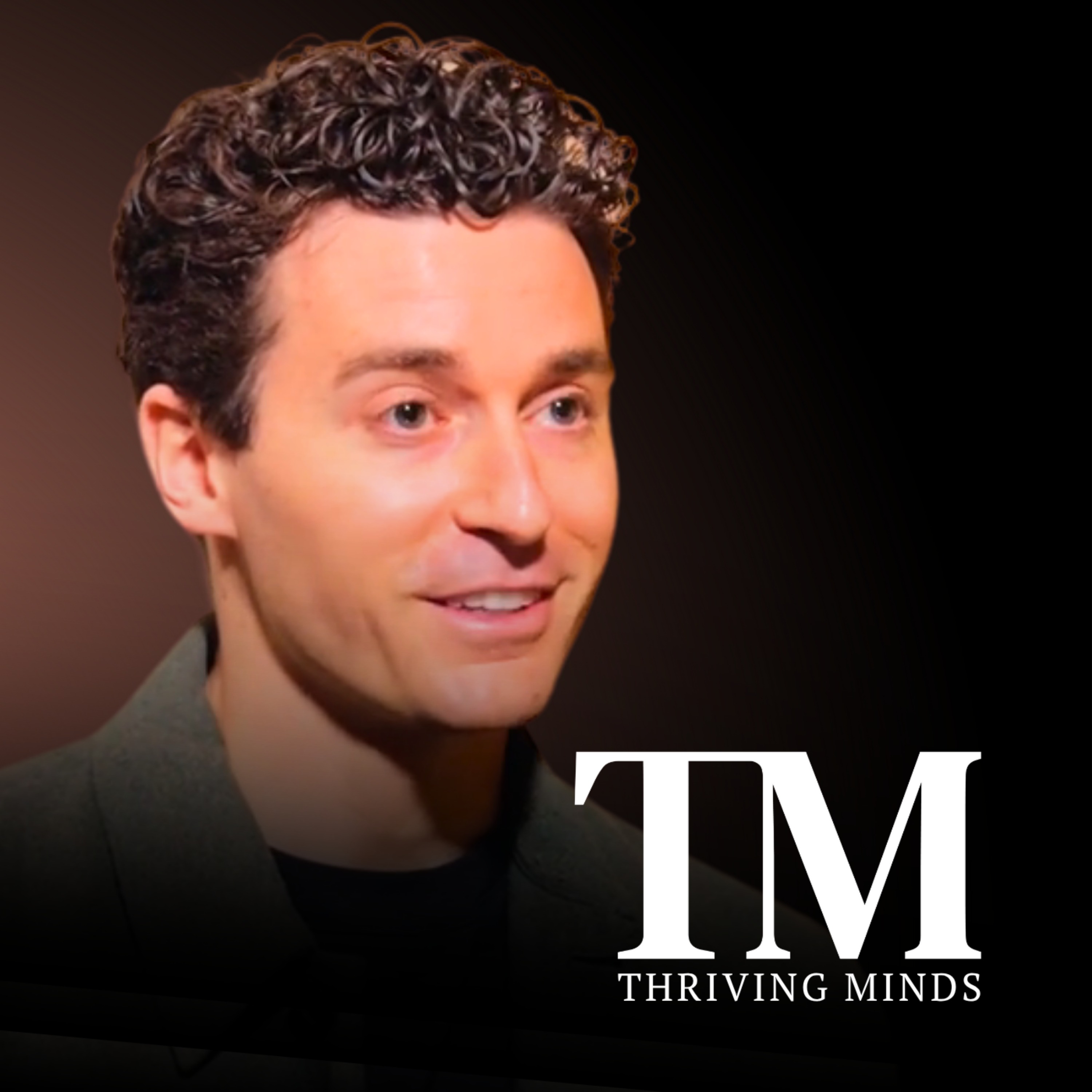
In this episode, host Alberto Zandi interviews Josh Deal, a British entrepreneur and founder of ZEBR, a platform that revolutionizes music marketing through influencer partnerships. Josh shares his journey from being a drummer to a tech entrepreneur, discussing the challenges and innovations that defined his path.
Written by AI. May contain mistakes.

Get the gist, explore an idea or ask about something said.
 Claude
On Thriving Minds with Alberto Zandi, what are the key points of this episode?
Searching your listeningAutomatic transcript. May contain errors.
0:02We're the sort of secret source behind a lot of viral tracks. essentially connect those clients to creators or incentivize creators to use said songs or films in their content and make it essentially go viral. British entrepreneur Josh Deal founded Zebra, a music platform that pairs more than 5 ,000 influencers with music to create trending sounds on TikTok. The platform amplifies trending songs that lead to sales and streaming spikes. The company has landed 20 plus top 10 trending sounds on the platform by artists including madonna elton john and billy eilish this is dynamite this is a really great idea he said but be prepared to be the most hated guy in the music industry what we're actually doing is replacing traditional marketing which is billboards and tv ads and actually going you're gonna you're gonna pay a creator to have your music at the time it wasn't it was it was sort of unheard of now it's obvious and it's kind of in the same way in which a restaurant would pay perhaps an influencer to come and dine at the restaurant you're paying exactly answer to use Yeah, that's exactly it, yeah.
1:03And everyone's kind of tried to do it. We've noticed that labels have tried to do it. And I wish them well, and I think... I'm sure you wish them well. Is there a proven recipe to go viral? The algorithm is changing all the time. I'm so subjective to sometimes what can work, because really the algorithm is humans. If you closed it all down tomorrow, you would go back to a very disconnected world. Would you say you're successful?
1:40Josh, you're the founder of Zebra. In the simplest of terms, what is Zebra? So it's an influencer marketing platform. We look at it as a paid organic approach of how we run campaigns. So we've essentially scaled the sort of unscalable space and gamified influencer marketing and really became an agency by accident. So the concept of how we do it is we have a mobile app and we work with film companies. We work with record labels to work on new releases, catalog, soundtrack, and then sort of film movies to essentially connect those clients to creators. And we look for the sort of micro to macro creators at scale.
2:20So we'll run competitions and gamify it. So we incentivize creators to use said songs or films in their content and make it essentially go viral. So we're the sort of secret source behind a lot of viral tracks. We're very lucky to work on, we're always doing about seven out of the top ten tracks at any time, primarily across the US and UK and globally now. So it's a connection point of that to make sort of viral moments and create new exciting things on social. I want to go back to your late teens because I want to understand what kind of life, what type of life you lived that led you to build a business of this nature.
3:05What did you study in university? I did one year at university. So at the time, I think now you have to do two years further education in the UK. I was just before that threshold where you could leave school at 16 and go out into the world. So I went to uni, I went to BIM in Brighton for one year when I was 16, 17. I did a diploma in drums. So I was actually a drummer prior to this. So I used to play drums for singer-songwriters and do session work as a musician. So I played drums since 14, 15, went to drum lessons, studied with Bob Armstrong as a jazz instructor, and then left school and went to university for one year doing drums.
3:51And then you dropped out. And then I dropped out, yeah. So my drum teacher, I thought I was going to go on the whole way and graduate. and I went to, you know, BIM. I thought I was going to be in the next Kooks because that's the sort of bands that were coming out of there and you've got this kind of rock star dream. Did it for a year, learnt about session musician work. So realised you could actually play for different pop artists and you didn't have to be in a band to kind of get into the music industry. And it was kind of a revolution for me. And then went into sort of contacting art. So my drum teacher at the time said, you know, I was commuting.
4:24So he said, you're commuting. it was Gordie Marshall who's a great drummer he plays for the Moody Blues and he convinced me not to stay on which I thank him for now because it was a really good decision I saved three years of my life really and I think for some others it works for me it wouldn't have worked education and that system was he convinced you he convinced me to not stay yeah why he just said you're commuting x amount of time a day you're having like three hour breaks between lessons you would use that that time so much more productively by practicing at home and and networking yourself so I basically sort of agreed to do that um stayed at home and I'd have a I'd have you know 40 % more time to actually practice have more focused practice time have a private instructor which was much cheaper in the long run of what universities end up becoming and then I could sit at lunch and network and reach out to studios and artists and sort of build my own network in the music industry So I sort of did that for that second year instead.
5:25That's a very practical and pragmatic approach to making a decision, in particular for an artist, for a musician. So you're basically looking at the time that you were spending in this commute and the amount of money that you were spending. Those are the two factors that determine this decision. Yeah, yeah. I mean, yeah, it's more so the time, I think, was just like how productive you can actually be spending that time. And it was great to socially. I loved the first year that I did and I recommend people to I think when you're 16 and you don't know how to get into an industry I think it's a great especially for music it was great to be around other musicians the community and the culture around the university was great it was great to be in a new city and sort of be around different people playing and for different people so I think that the mix of the socialization so this is a social side of it was great um but actually kind of you know isolated but as long if you're isolating yourself and you're practicing home make sure you're still going out to like you know local nights or mixing with other people i think that's still the social side and playing with different musicians is still really important so you are a musician an artist that dropped out from university and right now is a successful entrepreneur in the tech social media sector do you think for anyone that would like to get into that space and become an entrepreneur in that industry would benefit from going to university personally i don't think so um i think i think there's more access by going the way that everyone else my mom always says to me do what everyone else isn't doing and i think there's such a conveyor belt of musicians and it's a very liberal education right yeah yeah i think there's so many people coming out of the same system you think every year every university or every sort of you Creative industry is producing so many graduates in those spaces.
7:17I mean, I am kind of like, I am a dropout advocate. So almost like everyone on my staff or everyone that I meet, I sort of, you know. So if your kids, they drop out, are you going to celebrate it? I think it depends what they're doing. Possibly. Yeah, I think it depends. I mean, I think there's industries and there's things to study, which I'm trying to be sort of a little bit balanced with it. I think if you want to be a brain surgeon or you want to be a vet, I think absolutely. Education is important and certificates of doing that are really important. And required. Exactly. But I think for a lot of creative industries, I think it's almost the opposite.
7:55I think you should be going the uncharted route, which is people aren't wandering down. I think everyone wants to go the same route that everyone else is going and it gives you the same opportunities that everyone else is getting rather than standing out, trying to be a bit more of a black sheep amongst it. And I get that from a creative perspective. So if you're not following the norm, it allows your brain to think in very conventional ways. And if you're tapping into the social media space, for example, like yourself, it enables you to create things that nobody has done, to innovate. But then that's one thing.
8:32But then a different thing is building a business. And there is a blueprint in how to build a successful business. in your journey has there been a moment in which you thought damn it I think I could have learned this at university and and perhaps save time or money uh I don't think so I think I think educate I think there's so much access online to almost everything you could wish for I mean chat GPT now you could you could yeah I think you could I think you can sort of look I spent a lot of time so that that second year that I didn't go to university um I spent reading a lot so I think I learned a lot through networking in London.
9:09So I would reach out to studios. I tried to get as close as I could to the industry and people in the industry that were doing it every day. So producers, managers, artists that were upcoming, reading books. So I tried to read as many autobiographies of people that had been in the industry. People like Jerry Weintraub is a great book, who's worked so many different roles in this industry. He was Elvis Presley's tour manager, Frank Sinatra's tour manager you can learn so much from just sort of i just kind of binge read for a year um so many books and kind of the self-help section as much as i could watched youtube videos around people's stories you know similar to this really i think that's why i wanted to do this to sort of speak to my younger self in some ways of going you can you don't have to have parents in the industry you don't have to have any connections um you don't have to go to university to unlock that audition that you think you're going to get, you can actually go your own way and figure out and learn as much as you can and be able to reference people's experiences.
10:07Because anything you're looking to do, someone's done already. Yeah, beautiful. I love it. I think it is. Yeah, it's true. And you're mentioning industry. What about industry experience? So would anyone, do you think anyone would benefit from getting corporate experience prior to becoming an entrepreneur in your particular field? Yeah, I think there's, I think there is value to it. I think if you go and try and jump to be an entrepreneur you know I think if you look at the concept of an entrepreneur it's a lot of networking it's a lot of who you know and what you know in some aspects and you can learn that stuff I think being I think number one being just a social person I think being you know a lot of things I've been looking at there's this great guy I think his name's like Scott Scott Galloway I think his name is I've been listening to him a lot and he says whenever he sort of educates or coaches entrepreneurs in the space, one of the first things he says is go and speak to strangers.
11:02And I think there's such a value in that. If I look back at my... To do what with strangers? So just to be social and to be put on the spot and be able to have conversations in a spontaneous way. So put yourself in social environments where you can speak. And I think university that first year did that for me, where you're in a completely foreign situation with people you haven't grown up with and you're around different people. you're sort of forced to make conversation when you walk in that you can tell the people that are going somewhere the ones that walk in with the hood up keep their headphones in don't converse don't make eye contact aren't going to be the ones in six years time because life is long that that person you're sitting next to is going to be the drummer for Beyonce and you should have spoken to them and actually so make friends with everyone all the different years speak to so many people so I think being in social environments whether it's university or going out and doing stuff or working in a corporate job i think if you jump to be an entrepreneur too early and you're you're a 17 year old entrepreneur i think well what's your entrepreneurship based on you know if you if you might have an idea and you might have some funds but if you've not got a contact to you know do you know anyone at caa do you know anyone that's in that's at sony music do you know anyone that works in film do you know anyone that can do photography and so i think that first your early 20s should be collecting and networking with as many variety of people and I think that's what I did for so long I didn't jump to try and become an entrepreneur too early I sort of worked as a drummer for different artists I you know I tried to intern at Sony and didn't get in and but I tried to get around and work with as many different people I worked in you know in the film spaces I was doing like background acting for for roles I got to meet directors and so it allowed me to I got to meet a director called Michael Gracie, who I auditioned for in commercial films, so like commercials.
12:53And years later, he became the director for The Greatest Showman. And we've kept in contact. And I've been able to message him and meet with his assistant. And that's allowed me to learn more about film now. So all of these different experiences build your network to then later on in life, because life is so long that seven years later, you can connect and ring that person up. So I think being a social and going and working in different spaces is important. I 100 % can correlate with that because prior to starting my company, my business, I was in a strategy consulting and what that unlocked were a few things.
13:29The first one, tap into potential investors. And my very first investor was someone that was working within the consulting firm that I was working for. Another thing fundamentally important for us was to be able to identify a gap in the market. And I identified it while I was in consulting because I was working cross-sector and I saw a clear gap in a particular sector. Yeah, 100%. And then the third thing were applying some principles that perhaps were not applicable in a copy-paste approach. But I could mold them to what it was needed. And at least I had a baseline on how to go from A to B. and that was very beneficial.
14:14So going back to you. So you drop out from university, you get all these different experiences in the music sector, in the filming industry. How and when did you come up with the idea for Zebra? So I think the journey through music. I love what you just said, actually, and it's very similar to my experience where I was around in music for seven, eight years, touring as a musician. So I got to work in lots of studios with great producers, toured similar to finding a market like you did where I noticed a sort of, I guess, an attention sort of bridge where I was recognising artists were breaking out through sync.
15:00So I worked with an artist, Gabrielle Aplin, who broke through on a John Lewis ad in 2012. she had the sort of power love cover it went on to the john lewis ad it was on tv everywhere for that year the track went to number one two weeks before christmas so sync was because and i was around a lot of artists like sophie tucker and and um icona pop and these guys were breaking out through apple ads and so tv adverts were an amazing opportunity love island we see it now and so there's sort of a great when was this so this was 2012 2012 yeah 2012 when um so she had first sort of a big sink there and there was a real pattern that was happening where artists were breaking out through that so we you know the year after it was lily allen or tom o'dell lots of artists were breaking out through these moments which gave huge discovery i wanted to essentially create the contemporary version of that so i was really excited by that discovery portal and saw the equivalent of that being as like social media so at the time tiktok wasn't really around with the licensing agreements it has where you can just choose a song from a library so I saw it as having if you had your song featured on a Casey Neistat vlog that would be the equivalent discovery and I was discovering a lot of songs from from YouTube videos I was watching that had sort of clearance of these songs so I wanted to create a portal that would connect independent artists to that so that's where the concept came from and essentially it was going okay how do we connect these two we had to build out licenses agreements eventually TikTok's wave of social media culture evolutionized everything.
16:30It had a library now. So the game that we were coming into became much easier for us because suddenly we could just give creators the opportunity to pick this artist's song and then we would essentially incentivize them to use it. So that was where the concept came from. So you had this revelation in 2012 in which you realized that an amazing channel for artists to go viral are ads, marketing ads, right? Yeah. And then you have this revelation in which you want to take it a step further and instead of utilizing traditional advertisement, you want to use social media platforms. So that was in 2012.
17:10Fast forward to when did you take this into a reality? So how did you build this company? So the idea was always there and I was around those spaces in 2012. Well, 2018, I sort of came up with Zebra's V1. Six years later. Yeah, so six years later. How can you hold on to one idea for so long? Because... I don't think I had it, though. I think, yeah, yeah. So I think it wasn't really an idea I had. It was just an observation I had. And then I started to recognize, well, what would the contemporary version now in today's world be? And I started to recognize we were discovering songs through sort of social channels.
17:40But it wasn't yet TikTok. It was kind of a vlog or a sort of YouTube video or a Twitch stream. and your favorite Twitch stream was listening to a song. So it was discovering it through that. So it took me probably eight years for it to actually sort of... And then when you deploy your platform in 2018, was there anyone else doing something similar? So the platform I launched in 2018 was a different concept. So it started with a... I came up with like an idea for Tinder for music. So I was like, I just wanted to start... Talk me for that idea. Yeah, I just wanted to start something. So I was like, let's, I just wanted to get into the, so I met with, so Jake Legton Pope is a, I kind of look at him as an uncle of mine.
18:21He's a great friend. He used to be a booking agent for Gabrielle and a lot of artists I worked with. He used to be a CAA. He now does his own independent stuff. And I was, I was used, I used to play in the house band at the X Factor for a few years. And he used to book a lot of the acts there. And we were back, we were sort of post-show, I think we're at like the after party somewhere. and he was like, you don't want to be, you know, sort of pretending to play trumpet on the X Factor when you're 30. He said, go and start something and, you know, get yourself. And he gave me really great advice, which was basically get on the pitch.
18:51I love this concept that he has. And he says, you know, it doesn't matter what position you're in, just get on the pitch because if you're on the pitch, you can get past the ball and if you can get past the ball, you can score a goal. Interesting. You've had two mentors in two critical moments in your life that defined your path. your teacher telling you to quit university and this person telling you to quit your job essentially yeah yeah yeah please go on yeah you're right yes good observation and and to then essentially go and you know kickstart something yourself and whatever it ends up being so he sort of didn't come up with an idea just said you know maybe do like an airbnb songwriting sessions or whatever it ends up could be a good one for someone to do whatever it ends up being just start somewhere and then build from there so i went and i sort of spent the next six months I love that advice.
19:34Yeah, I think it's really, really helpful. It shaped everything I did as an entrepreneur and went and came up with something. I was like, I'll just start some. I wanted to do something in tech. I've always been interested in tech. So I went, try and come up with an app idea. So I went, okay, a Tinder for music. You upload your music. You discover it, like, dislike, and then independent artists can upload. So we launched that. It was rubbish. That's very brave because you didn't have a computer science background and a lot of people will be refrained from venturing in such an industry when they're not a technical expert.
20:06Yeah, definitely. It was really daunting. It was like I spoke to everyone that I could. No one had built an app before. Everyone sort of didn't really give any solid advice of like, where do you start? So I just went around, spoke to loads of agencies, found an agency in Brighton. I won't mention their name because it wasn't a great experience. and eventually just sort of went and self-funded an app project initially. So I went, okay, I'm going to build a V1 of this idea. So it gave me a load of experience. Wasn't a great idea. Don't go to an agency when you're launching a company. That'd be my first bit of advice.
20:42Find a freelancer that has the same passion that really wants to come involved and try and make them your co-founder if you can. So I sort of went to an agency. I very much correlate and support that advice 100%. but yeah. Yeah, exactly. And so that experience wasn't great, but I learned a lot. I learned what not to do and how not to build things. And eventually, we kind of deconstructed everything and rebuilt again. So we went to that and launched it as a V1. It was a different concept, but it put us on the map and allowed us to build a community. How did you find this? So I actually, so I had savings from my music career.
21:17I had a house at the time, which I saw, I moved back to my parents' house. So I sold that, moved back, and then basically put everything I had into it. I borrowed a little bit of money for my brother. I took a bounce back loan. So there was a COVID bounce back loan at the time. I think I had like, I basically just applied for it. Had no, we had no revenue. You're very brave. And I just went, apply 50 ,000 pounds and they, and they just gave, gave it to us. And it was like interest free for the first year. We ended up paying it back after the first couple of years, once we started turning over.
21:46You quit your job in a stable environment, the X factor and a known one, probably that could have led you to land other jobs. You sell your house, you go back to your parents. So you're delaying gratification. You put that money into your business. You also take a loan from the government. It is true that the government were giving quick and cheap loans, but still you were incredibly young and putting all in. And also you requested money from your family, which that can come with certain attachments. You are a brave person and I really admire that. Thank you. Yeah. the company is profitable now it is yeah yeah we were profitable in the first year i think after sort of we had such quick escalation of revenue um once we kind of found our market fit so it sort of took us four years i think it was four years of nothing um three three to four years of nothing and now we've had four incredible years of growth what do you mean four years of nothing so no revenue essentially yeah so from from 2018 when we launched we didn't start turning over revenue till 2020 2021 um is it because you didn't have traction or what is it that you changed in order to unlock this revenue i think market fit i think the the v1 as i said wasn't a sort of i actually launched with an intention not to have a revenue model just yet so i i made sure i kind of followed the facebook philosophy where make it cool and traction and then we'll see how to Exactly.
23:12Don't try and think about how you're going to make money yet. Just build a community, build something that's interesting, that's cool and sexy, and then people will, you know, it's that building and they will come and then you'll go, okay, now where can we, like, what's the interest here? Would you do that again in that way? It would be hard to. I think it would be hard to. I personally don't believe in that anymore. I think it worked when Facebook had their idea, and in particular at that point in time, VCs were throwing a lot of money to tech startups that even have a revenue model. But I think in this day and age, there are so many different tech companies that are trying to raise funds that if you go to a VC, a potential VC, or even if you want to bootstrap, it's going to cost you a lot of money if you don't have a monetization model more or less defined.
23:56But please, okay, go on. Yeah, I think it depends on what you do. I personally wouldn't advise raising money too early. I think that can end up sort of actually tripping yourself over because you're having to hit expectations where you don't realize what it is yet. And I think if you can keep it bubbling, there's so many things you can do for free. There's no reason. I mean, we're looking at 99 % of companies fail in the startup space that raise money. There's very few that you can kind of name that are actually doing anything and actually generating profit. And there's a lot of spaces that kind of trip over because they've raised money too early.
24:33And I think if you get to a stage where you know where the market is going and you're building something at critical mass, I think there are certain industries and businesses that do need that and are encouraged to raise money because they can't do it. I find so many people I speak to, it's the first thing on their mind is we're going to go raise money to do X and do this rather than what have you got now? What can you actually self-fund? How can you put yourself against the wall where you can actually go and build something yourself and figure it out? you don't need to i don't think you need to raise money to actually make something out of the gate or need to actually have everything in order to know what you're going to do i think there's so many things you can do for free like the we spent the first two years just building an instagram page where we knew what our market was it was independent artists and it was creative so we started to build a community for them and we built up to i think we had like 10 000 followers at the time where we were just posting.
25:29At the time, we were doing like six posts a day, loads of stories. We were doing all sorts of content to build a community. And that was completely free. It was just my time, which instead of binge watching Netflix and whatever else you're doing, drinking out with your friends, do that for three hours a day and 15 minutes a day. And so there was so much we could do for free where actually the Instagram page was the main benefit for us of building a network of creators and communities around that, that then we could leverage later to go, now we're going to offer you something of value and we can understand this community that we've got and we've become so close to, to know what would benefit them and where we could add value to them.
26:10And I think that's before we had any money of input to it because I was kind of building the app on the side. So when I came to launch the product and the kind of concept of Zebra, I had a community to launch it with. So you built a community, you analyze your data and then you value engineer your value proposition to your community after three to four years of doing this and then it's when you unlock your revenue exactly yeah yeah so it took us a few models first um and what how does the existing model look like so existing models evolved to then i kind of just came up with a new concept of going i'm going to allow creators to connect with um influencers and the idea was i mean i remember going to tom fredericks who's my lawyer at clinton's he does spotify's law really brilliant guy and i came to him with the car so i've got this i actually came to him with a i had the v1 which was tinder for music i was going to then monetize that so i said well we'll start allowing maybe create an artist sorry to distribute their music through us and he was kind of like well as you know it's not that big of an idea but yes it could work and then towards the end of the meeting i said well i've actually got this other idea that i've been thinking i've been sitting on for a while um it's basically for creators for artists to connect with creators and pay them to use their music he sort of sat there bemused for a second when this is really wild idea he said this is dynamite this is a really great idea he said but be prepared to be the most hated guy in the music industry because traditionally everyone receives money for having their music featured in sync whereas you're now flipping it and saying you should pay for your music to be featured.
27:47And I said, it doesn't sound great, but... Whether you're tapping to a non-artist. Exactly. What we're actually doing is replacing traditional marketing, which is billboards and TV ads, and actually going, you're going to pay a creator to have your music. At the time, it was sort of unheard of. Now, it's obvious. In the same way in which a restaurant would pay perhaps an influencer to come and dine at the restaurant, you're paying the influencer to use your music. Yeah, that's exactly it. and making sure and that was the concept were you one of the first ones or the first ones to come up with this?
28:19I think we were definitely the first the only others that were doing it were sort of agencies at a smaller scale we were the first to kind of gamify it and scale it into such a market I love it and I think only someone with your experience can come up with such an unconventional thing because for example I personally believe that if perhaps you went to university and stayed there longer or had a long corporate job, you would have started seeing problems that would have prevented you to deep dive into this idea because the recommendation that your lawyer was telling you is that everyone's going to hate you because you're reversing the equation.
28:57I think you would have agreed with that and perhaps not continue if you would have had a long previous career or long previous job or went to university. So I think everything happens for a reason. I don't think everyone's foot fits in the same shoe. Yeah. And I find your particular journey very, very interesting. So you're matching the influencer with the artists and the artist is paying the influencer to use their music. Now walk me through the details of that. So how much are they paying? How do you filter how good that influencer is? So we have a community on our app. So we have an app for influencers to sign up to where we vet them on there.
29:38We have around 15 plus thousand creators globally from sort of ranging from a thousand followers to tens of millions of followers. So it ranges from like micro to macro creator levels. We then have two approaches for every campaign we run. So a label or a film company will come to us and we do, as I mentioned, you know, new music catalogue. They'll say, we've got this budget to work with. We want to get exposure and generate lots of content for it. So then we have the two approaches we have are challenges, which are the gamified way we run things. So we set incentivizations for creators. so it'll come up on the app and it will say you know ed sheeran unlocks tomorrow at 4 p.m here's the brief we want you to follow so we either come up with a bit of an idea for the brief or we sort of um hijack a moment that's working well or you know essentially fan the flames of a trend that's working if there's nothing yet then we'll just start from zero creators do it all day long so we'll say to them here's the song you interpret it how you want to and we see what we generate we then have checkpoints of views influencers based on engagements will hit checkpoints and earn money for that so they get 500 views they get x amount a thousand views ten thousand hundred thousand so it allows us that that's what they earn for the yeah so the artist the influencer will earn so we'll have a budget that gets set into that challenge and then influencers will earn prizes based on what the content your typical client on the artist side is it usually a record label or an mostly record label yeah we started independent exactly those type of agreements yeah and we always want to make sure there's there's a tangible budget that you can achieve certain results i think if you're a more independent artist i'd recommend doing as much as you can for free get as many of your friends before you start spending on stuff so basically what you're doing is biting tapping into the marketing budget of big recordables yeah yeah interesting very very yeah and the and the space has adopted a lot more to this way now and then to run a company like yours you've been doing it for many years now what kind of organizational structure do you require so is it a very lean organization in which you have almost everything outsourced and it's a two or three men show or women or do you actually need business units for marketing operations finance it's something i've kind of been learning on the fly um you sort of figure it out so so kenny is my cto so he was the first so as I mentioned I went to an agency first which is a horrible experience Kenny was my saving grace so I rang up loads of co-working spaces and that would be my main advice like find your tech guy so he developed the platform you gave him free equity I would imagine yes well not free equity you gave him equity for that's right so you saved the money like that that's it yeah did you know him did he have a personal relationship with him no so I hired him first as a freelancer okay um so I contacted loads of co-working spaces and reached out find someone who's got the same passion for what you're doing and loves the space kenny answered the phone um and it was love at first business he was like yeah this sounds amazing let's meet love at first business it was yeah yeah so it was basically um and kenny changed my life i think without without me we were the sort of yin and yang for i don't know anything about code um he's your is he your co-founder then he's the closest thing to my co-founder yeah so yeah he's the only other person the company with shares and um his um technical expertise were enough for him to develop the first nvp he didn't need anyone else so he was a front-end developer he was a full stack developer interesting yeah so which is really important do you think you were lucky in finding him definitely yeah kenny's a unicorn you need to find a unicorn in the space of being able to do that that has the same passion so i hired him as a freelancer how many freelancers did you interview before many many many yeah maybe you weren't that lucky yeah yeah you actually looked out for someone like yeah oh yeah yeah yeah so oh definitely I mean I'd spent a good year on the I mean every day I was ringing through different spaces contacting anyone I knew and and code is one of the most expensive hires you can you can find as well so it was trying to find him a good cost for freelance I then was he based close to you so what was yeah yeah he was like you think that's that's important because everyone in this day and age right now is remote working and people that are building tech startups for example a good friend of mine I was I was zooming him yesterday because I'm I'm building a not a conversation conversation for another day but I was I was picking his brain on a new idea that I have and someone behind him was in his house and I said who the hell is that guy and he's like well he's my developer he lives in Portugal but I just flew him over really yeah do you think that works so Kenny's in Bali now so yes and no but to start I think to start it was really important that he was here I think I don't think we could launch the company with him in the setup now now he lives in Bali so he was in Brighton and I was local to him so he has his partner and that was perfectly fine now it works, I mean it's amazing because there's almost 15 of us in the company now to kind of go back to how we've kept it lean I think our culture our team is incredible everyone in our team has been there almost 3 years I've just kind of hired friends and people that were close to me.
34:46And we've gone through people that haven't been great for the company. And I think probably the biggest hurdle and the biggest struggle of running a company is staff and actually building a great culture and building great people. At the end of this year, I'm going to have 400 of them. On one hand, I'm incredibly excited and happy. On the other hand, yeah, I think I need to start going to therapy. Yeah, it's like having 400 kids. 100%. It's a lot. and you work for them. I think, you know, Gary Vee is someone I listen to a lot and he says, you work for your staff. I completely agree with you. And I agree with that now.
35:21Once you've actually hired people, you're like, yeah, my job is to make them happy and make sure they've got the great environment to work in. Especially if one of the missions or one of the fundamental values of your work culture is staff retention, which at least for us is, you definitely in a way end up working for them because you want to keep them happy, incentivized, motivated. All of that stuff, yes. Yeah, all of that. So I think that move for Kenny was one of those reasons. The first two years he was, you know, in the country and we spent a lot of time together and we got it out of the ground and it was just us two.
35:49And I think that was really crucial. And then we got to a level where, you know, now we're 24 hours. Well, you know, a lot of our work is in the US. You know, we do more of our work is in the US than it is UK. We're very global as a company. So Kenny being over in Bali means that we never sleep now, which is actually a benefit. We have a few coders underneath him as well that he manages. and then I have the team in the UK. So we're able to have a really good structural dynamic now. You're saying most of your work right now is in the US. A lot of companies, when they start growing, they make conscious decisions or direct decisions on where to expand, market A or market B.
36:27And that's sometimes a proactive decision rather than reactive. Reactive is that perhaps a great opportunity lands on your table and you just grab it. yeah was was this move proactive or reactive in your case so did you always want to go to the u.s because you know that your industry could thrive there your company yeah it was more reactive i mean the u.s came to us luckily um so i think the expansion of the industry sort of allowed us to so we launched i think we launched through canada universal um weirdly enough just thinking about it now and then we started to work with a lot of uk labels naturally with us being based here i sort of networked through a lot of labels i had a few label connections from my previous sort of career in music and then i think it just kind of snowballed and naturally moved through market so once you get in you know great contact at the london office they'll and a lot of and i think having been in the space for sort of six years now you've you see that there's a lot of cross-pollination with staff and companies and sort of um team members moving across the different offices so you'll get an intro saying um you know hey josh i don't know if you remember but i used to work at this label i'm now at this label or i'd love to intro you to my friend here so i think your reputation um kind of precedes that and it's really gonna get that snowball it just kind of builds out into different markets if you do a great job and you focus and you care the most and you have a great team and our staff are just amazing and they care the most and they're on it all the time and it's a lifestyle for them and they've been able to be the best extension of myself and they've built their own rapport with clients and that's allowed us to naturally move through and I think you sort of start moving towards the the highest points of the market so it's going where who is spending the most where are the most important campaigns coming from and a lot of it being you know the US are the kind of biggest in the space.
38:15What's the end goal for you do you want to sell this company at some point? We've had those conversations you know So confidentially we've had kind of acquisition offers from some of the major labels and we've had sort of acqui-hire type situations. I think it's something I've personally learned going through this experience was even social platforms we've had kind of opportunities from as well. I personally learned that when you launch a company, there's always that sort of idea and that fantasy that you're going to either get loads of investment or you're going to sell and you're going to sail off on your yacht.
38:54Definitely that's what social media is telling us. It is, isn't it? And I think there's a misconception to that where if you set that as your goal, you're going to spend so much time distracted on building decks every month. You're going to be trying to do meetings. you're going to be trying to flirt with all of these different companies. And rather than actually trying to build a company, you're going to be trying to sell a company. And it's a very different thing. And I think it's building a company that has great value naturally. I heard a quote that was like, you don't sell your company, you get bought.
39:26And I think so much of us focus on selling rather than getting bought. And getting bought is making a great company and you'll attract it rather than trying to just raise money every time. and I think that my parents for example were my dad is a carpenter he's retired now my parents were sort of entrepreneurs in their own way they did construction and buildings a very different game but they built a company in a very traditional way and I think they encouraged me to build it in the same way even my lawyer Tom said what are you raising the money for what are you going to spend that money on I said well we don't we've built into a great position where we have great cash now in the company it wouldn't make any difference to us raising the money because it's like what are you going to spend it on so you're kind of doing it just to have it as almost an ego boost to say you've raised money the company right now is only owned by yourself and your it is yeah so we've been able to kind of self-finance and we and we that first year of running the company you go through the woods of you know hold your breath as long as possible we had so many opportunities and that was for four years yeah we had so many investment people were throwing money at us in an honest way.
40:33And great people. And it was hard to turn. And we sort of got to a stage of going, well, what are we actually, one, what are we going to do with the money that we can't do now anyway? And I think that's where it goes back to making sure you're giving equity and hiring key people. My lawyer said, and I say lawyer, I think it's a throwaway term because it sounds like it's a real expense, which it can be. But I think find a lawyer, I think it's one of the key things I would start with. Find a lawyer that has a passion for your industry. Because I didn't spend anything at the initial stages. It was only when we started to make money.
41:08And if you can have someone that's almost going to invest in you as a person. Why a lawyer? Because they've got so much foresight on obviously the legal stuff of what you're trying to do. You're not going to misstep a lot of the time. I think in your particular use case, there were a lot of tedious legal barriers that you needed to. But perhaps in other industries, I wouldn't say that that's replicable. For example, in my case, we do have, depending on the different deal, that we are approaching three different lawyers. I wouldn't say any of them are my friends, to be honest. No, really, yeah.
41:43And I think that they're brilliant when it comes to giving you legal advice, but at least in my experience, they're terrible at giving you business advice because I think most lawyers, they are very risk adverse and they just want to protect you as much as possible, even if you don't get the business done, right? Yeah, but that's great to have a devil's advocate. So I'll go meet Tom and he'll, and because he's got such an industry sort of experience across so many different sectors and he's seen, you know, he sat with Daniel Ek having his first investment. So I think having someone like that around me.
42:15Did you have a personal relationship with him prior to him becoming your lawyer? Me? No, no. Met with him in a serendipitous way, went to an art gallery, someone was interested. You just become good friends with everyone you work with. Try to, yeah. We should work together. Yeah, it's just, I think just being social. and being networking and speaking. It comes from, if I look back, there's the breadcrumbs of everyone I've met somewhere along the line has helped me out because of something. And it's going to an event. I went to an art gallery event exhibition, met someone who was interning at the law firm.
42:51And she was like, oh, you should come meet Tom. He's the best. Got a meeting with him. He loved the concept, loved what I was trying to do and just gave me lots of advice to begin with. So I think anyone you can get advice from that is as close to the sun as possible and has done so many different projects is great for that. And I think if you can get a creative lawyer that is sort of in that space, then it's brilliant. That's in your sector rather than just trying to find. I'm going to stress test you. So you have built a marketplace. How would you pivot or what would you do if the social media platforms would tap into this and they would enable artists?
43:30to be connected with influencers? It's happened. We have gone through the multiple sort of journeys going really similar to what I've just been mentioning about acquisitions or selling or whatever that would look like. We've realized we've got to a stage where we're just very content in what we're doing and happy to be centralized across the space. So we actually work a lot for social platforms. So we did a lot of work for TikTok at SoundOn. We were the kind of secret source for a lot of their projects behind the scenes. they kind of drew us in almost like bruce from nemo um where they sort of drew us into the into the company and then try to extract everything we were doing and built their own thing um which actually failed and hasn't worked and it's actually only benefited us because a lot of labels realized that we were the company behind those projects and now they've decided to come to us we still have a great relationship with them and i think what they're doing is great and the team are great um but as a company overall that's kind of what they've done so there's been a sort We've kind of almost gone in competition with our clients in that way, where TikTok have kind of built out their own system to do it.
44:36And in the immediate launch of it, you sort of think, and everyone's kind of tried to do it. We've noticed that labels have tried to do it. And I wish them well, and I kind of go, well, good luck, because what we went through, I think... I'm sure you wish them well. But I look and think, good luck, because you're probably going to die trying to do it. But I wish you well. But I wish you well. Yeah, I wish you well. You'll die peacefully. Exactly. You can die peacefully and we'll sit on the sidelines knowing that the sleepless nights and everything we went through, it's like we're three years ahead of everyone.
45:10And I think we sit, I sleep very peacefully at night knowing that. And I think, well, you know, I've got my popcorn and I'm watching and I'm interested to see how you do it. And we've kind of... I respect that because you're basically saying that hard work is always going to be even deep pockets. because these companies, they are bigger than yours. Absolutely, yeah. And they could implement something very quickly, very robust. Yeah, yeah, overnight. But you just believe that grid basically is going to... Yeah, I know they haven't got the team that we've got. I know they haven't got the culture of what we've got and the work ethic.
45:45And I think respectfully, when you look at the staff at these types of companies, they are nine to five. And I think... And you aren't. And we aren't. So I think, you know, Dave finishes at five, who works on that team, and Karen, and they're not going to be, you know, up at night and trying to work out why that's not done well or pivot that idea or innovate here. And we are, and that's why I know we'll win. How do you get your team to do that? Because I run various teams, even the team here in the podcast. So everyone listening, guys, maybe we'll start working on weekends. Yeah. How do you get for them to actually, I don't like to force things ever, but how do you get employees to buy into that idea what do you give them any incentives i think i heard something great from i can't remember his name but he's one of the co-founders of netflix i just watched the podcast and i loved what he said and um he basically said when he was running netflix the early stages they had all these facilities at the company and they had hot tubs and everything you can ever imagine yeah and he was walking past some of the engineers sitting in the hot tub and they were in you know outside in the sun on their break in a hot tub and he said when I walked past them they didn't see me and I could overhear them complaining about the company and he said well they're sitting in a hot tub complaining about the company and he said I realized in that singular moment that it's not actually about the facilities or the environment that you create it's actually about the flexibility and what you're giving them as a culture and actually allowing them to live in the way they want to remote working in your case it could be I think so yeah I mean for us we're quite we do you know three four days in the office we give the team you know two three days from home some weeks we allow them our team will sort of all over us we have some in London some in Brighton I've allowed them you know for Kenny for example him being in Bali I'm getting you know more productive work out of him he's happier with his life we still make sure we've got that I still think it's important to have that collective culture so flexibility is the key factor for employees to work after hours I think everyone has well yeah I mean I definitely don't force anyone to work out of hours in that way I think it's I kind of give them I look at us as like a sports team and I say we're a sports team everyone in the team is putting points on the board and the more points we put on the board that we win the championship and we won the championship for the last three years with a leading team and if you win the championship what does that mean for them because for a lot of my employees they would say well if we win the championship you are winning absolutely yeah so how how do you share that success with them?
48:19I think it's incentivizing with, you know, I think you can do obviously salary increases as and when it sort of makes sense. And is this something that you give them visibility to? Meaning if we achieve this target, this is what you're going to be getting. Not so much. So we don't really go transparently on like targets or aspects. I think we're lucky that we have a factor of, you know, the campaigns and the projects we do are with Lady Gaga and they're with Ed Sheeran. And so they're always like... It's more of an intrinsical motivation. yeah you wake up in the morning and you get a barbie campaign in or this chris you know last christmas we were working on home alone so there's always a more purpose driven it's a it's a purpose driven thing where it's a very exciting dynamic creative industry and i think we've been able to there's a bit of a culture hack where we've hired everyone that's almost been in music or has a musical interest plays an instrument um it's been in some aspect of what we do where they're not we're not hiring sort of corporate ladder i personally like to hire from and obviously we're quite a lean team we're not at the 400 level but i think everyone and that's why it's so critical with who you have on board and i personally like to find talent in unexpected places rather than hiring someone from a corporate ladder that's worked at a label for many years and it's now going to bring all this aspect in you can train skills i think you can't train someone to be to not be an idiot or not and to be a nice person thousand percent yeah so we just want really lovely people that bring a great energy to the team and then we can build off of that and we can train them and I think that's that's the main thing is people that actually want to be part of it and want to be part of something that they can look back on and go you know look what we did and when I was growing up I used to work on this project and that project and it feels like a great time in your life and I think your 20s should be doing that I don't think you should go for a corporate job as such I think you should be working in the riskier aspect because you get to learn closer to success and failure.
50:10Also because I personally believe that failure is just part of succeeding at some point. So they go hand in hand. But also if failure, we all start from the point in which accept that failure is an option, you might as well want to fail early because your opportunity cost is very small. So your career in your 20s, you're not living behind a huge salary, but also the cost of failing is very cheap. If you're failing at the age of 40, you perhaps might have some kids and a wife and a lifestyle that you need to maintain. But if you're in your 20s, you're not very much sacrificing anything. And your risk appetite, it is by nature different.
50:56So I fundamentally agree with you that the best time for anyone to start playing with the idea of becoming an entrepreneur and testing things is in their 20s. Because ultimately what you want is not to build up a great company immediately, but to learn how to become a great entrepreneur so you can build one company or three companies down the line that become successful. So if you build a very successful company in the very beginning, it might be very much related to luck. But for example, in your case, you had to pivot to adapt, to shape, to understand. And then I know how to turn up the volume because I stayed small too long to understand what works.
51:35So then I can go big and put all the gas in the tank.
51:45You're obviously a social media expert. So I think one important thing that everyone is trying to reach these days is understanding what it takes to go viral on social media. Is there a proven recipe to go viral? I think viral is termed in different ways where you're looking at a singular video that might go viral because of something creative you've done. um also just having your song go viral is also another aspect where you're getting thousands of people using your your music which can be stemmed from one idea i think the recipe and the algorithm is changing all the time i don't think anyone knows even the people that work at these companies i don't think they sometimes even know there's probably a few people that are locked away that have an idea but creatively it's so subjective to sometimes what can can work because really the algorithm is humans you know it doesn't matter yeah algorithms always change but human perception of a piece of content topical things so i think if you can hijack moments that are topical relevant in social other landscapes so maybe something that's on netflix or a certain film we'll see correlations to that um in the world that we work in which is more so activating kind of film sort of access and song access to creators it's making those sort of relevant connections to lyrics and narrative driven things so if you can create something that is relatable um where it can allow people to interpret it in their own way and you're building you can find that piece of your song that is relatable i think phineas actually mentioned something um billy eilish's brother who they've written everything together he came out with something that was on music where when people sort of create lyrics that aren't too storytelling or too specific it makes it more relatable to everyone so if you're not saying actual exact details of a name and a place and a location if you do that it makes it harder for you to relate and sort of imagine yourself in that position I think that's what's the beauty of music and film is we always kind of interpret ourselves in that position we project ourselves into that that position so with music itself if when you sort of have a song that can be interpreted in lots of different ways especially with pov content i think that's a recipe for something great um so it can be more narrative driven so finding the section of your song to be able to go viral is really important experimenting with time stamps experimenting with many ideas because often the time for us it ends up happening organically and is almost never the thing we thought would go viral you think it's going to be the dance actually it ends up being you know we worked on Ray Prada and one creator from our challenge used the aged filter and they were like this is me as a grandma singing the song to my grandkids and we end up having tens of thousands of people follow the same idea and we never would have come up with that idea ourselves it was a creator so we like to go wider with creators and see what happens and then pick out what's working rather than trying to brainstorm an idea and crystal ball where we think this is going to go almost every time it never does go the way you think so i think something that is predictable you just put yourself out there exactly tries many different ideas and and and go sort of you know build the campaign trousers up with with lots of variety of micro creators and then inter and you can you can identify what's working and go that creator's over indexed on their average views that's probably something that's going to work let's keep pushing on that idea so i think that's always a good discovery point what's one truth about social media that the average person doesn't really know i think i think the the cost of entry is is free to for anyone to do to actually create something i would say that anyone could be an influencer and i think that the dilution of influencers is getting broader and broader and it's splintering into so many niche spaces so i think people don't realize that whatever their weird niche or passion is they can actually build and monetize it through social as a side hustle i think if you love pokemon or you love collecting stamps whatever it is you can post something and create something and build a community around what that is and generate money i think zebra has done that for i think that's one of the proudest things that i find for our company and that i personally am about what we do is is the variety of creators and the thousands of creators that we've had that aren't your stereotypical creator but are more niche that have jobs and that are mums and that actually now have an opportunity to monetize their content on the side and i think many people don't realize they can do that they think they have to be um you know a big influencer to make money let's say that i'm starting from zero today and i have no money and no followers what would you tell me to do in the first 30 days if i want to become an influencer i would find i would follow what your your passions are and start creating content around them so stick to maybe two or three types of content what do you mean by types long form short form video yeah so so the concept of content your your the style of content so the so if as i said if you're into fitness or if you're into pokemon or if you're into skateboarding posting content around that and being on every platform that you can be so diversifying your audience across everything is frequency more important of posting than quality i think so because quality is subjective yeah and i think that's always a i always look at the sort of um document versus create is a concept we go for with with mass scale because quality of anything is subjective so you've just got to put stuff out and that bad it goes the same for music and songs it's often the song that that artist never thought would be cool enough to release ends up doing really well and i think the market will always decide so be as experimental don't be sort of too judgmental on your content yourself you know you find a lot of people still post stuff they delete it because it didn't do very well.
57:59Put it out there and see what happens. Post as much as you can. What's something you used to believe about social media success that you no longer believe? I don't know, actually. I don't know if there is one. Or like a myth that everyone can relate to about social media, but it's an actual myth. It doesn't work like that to become successful. Probably that you have to have millions of followers to make money on social media. interesting yeah that's a good one yeah you don't you don't i think you can have minimum you need to make money any i think you can have no followers and and go somewhere and say and and find you could go into a restaurant yeah and say hey i love your restaurant i've got a creative idea that i'm going to start posting about this i've got no followers yet but i'm going to be posting every day yeah i'd love for you to sponsor me in some way and you would go yeah great if you're going to go off and do that work then brilliant and then we'll incentivize you with more as it goes along I think there's a lot of people aren't doing anything because they think they have to get to a level to do it.
58:59But you've just got to start somewhere and build out. And especially with the way that TikTok is framed, personally, we don't look at followers a lot of time. We look at engagement. Why not followers? Because the TikTok algorithm and concept is there's a real lottery effect when you first start posting. So almost everyone that first starts posting has a viral moment at some early stage if they're consistent enough and the content is good enough um we've ali for example who works at my company posted one of her first videos it's got a couple million views on there because it was just sort of a video of her getting her new dog and it's one of those ideas that anyone you don't have to have followers to go viral i think the structure of tiktok is very different to what we used to see on youtube and most traditional platforms where they're encouraging creators to post.
59:52So essentially... Which one pays better, influencers? It's less about the platform that we notice. It's more about the brands and the companies and the clients that you can work for to post on your content. So it's more about leveraging the audience that you're building and leveraging the content that you're building. So I think you can start initially by building out an audience. Anyone can go viral on TikTok in some aspect. It's more saturated than it used to be, but it still has... But TikTok still has its charm where it's going, anyone can post and you can get discovered by someone. It always gives you a sort of an algorithmic kick initially.
1:00:25And it puts a dip test out and goes, this is performing well. If it is, we'll show it to more people. But the two main platforms are TikTok and Instagram. I would say so. Yeah, I would say that. I mean, YouTube, I think, is still an amazing place to build audiences. It's my personal favorite. It's kind of where I grew up watching stuff. I still go on there now. I built Zebra for YouTube originally. I think YouTube Shorts is becoming really cool. Snapchat is another great one. I think you should be on everything. And if you were to split where the marketing budgets from big brands are going to, if you can split it into all these different platforms, how would you split it?
1:01:03So if I am, let's say, Nike, out of my social media budget, 50 % goes to Instagram and then the rest is in between TikTok, or how would you split it? Yeah, I would say... Based on your experience. Personally, I'd be putting the majority of it onto the platform that's leveraging the most engagement and has the most community and culture on, which is TikTok right now. There's always going to be the coolest kid in the playground at some stage, right? And I would say that's TikTok right now. I think, and that's across kind of mass content. I think YouTube is more bespoke to branded creators. So creators that kind of have more of a brand about them, have more of an audience, a kind of more of a sort of celebrity type influencer.
1:01:44I think that world works amazing for them. I think TikTok is kind of the mass, if you want to have sort of a paid organic, user-generated approach to have a sort of a conversation going on about your brand and it looks like you got lucky overnight and you can influence those moments a little bit and encourage what you want your brand to be spoken about on those platforms. I think so many brands are scared about bad conversations happening or the wrong conversations, but they're happening anyway. so you may as well influence it a little bit to help encourage more positive conversations about your brand so i think i would personally focus on on tiktok as a primary platform i would look at cherry picking certain creators on youtube but for user generated content which is ultimately what word of mouth is in person and that's why we go do stuff tiktok and instagram are king for that and tiktok firstly so i would be doing 70 80 on tiktok and splitting the rest elsewhere from what you're saying it sounds like tiktok requires for the influencer to spend less money creating quality content and it's just quicker content rather than for example youtube that perhaps you need to have more of a professional format and maybe that's also related to instagram i think so yeah so going back to the question in which i'm starting with zero followers no money within the first 30 days but what you're advising me to do is start on tiktok and i'd be posting yeah I'd be posting three plus videos a day on TikTok every day.
1:03:11Okay slightly different angle to this question but still about social media so in 10 years from now do you think we're going to be proud of how we've been using social media today or we're going to be looking back with regret? Personally I think there's there's there's pros and cons to it in lots of ways I think there's a lot of um you know conversations around kids being exposed to social media too early i think not going outside i was lucky i was the generation where you'd go outside and play football in the garden and build you know tree houses and not be on i wasn't i wasn't playing video games and i wasn't you know on social media as much and facebook and bebo and those in my space they started to come around so i'd sort of dabbled in those spaces and i had a band so i was promoting it so i think i use it in a very positive way um i think there's ways you can be encouraged to use social in a positive way i think it's evolutionized creative industries so much where there's no gatekeeper i think it's an incredible place for anyone to create what they want to do in their lives it's i think if you closed it all down tomorrow you would go back to a very disconnected world um and i think it's given so many more opportunities to people so i i think there's a there's a massive positive that you can all look at it and use it for the right ways.
1:04:28I think when you go back to, I always love looking through history and going, you know, when the internet came out, everyone thought it was going to be a fad, the internet, not Google or the actual internet itself. And I think there's always pushback on whenever anything is slightly out of our control or kind of wildly goes into a new space. We see it with AI is becoming the next thing. I think if you adopt it into a positive way and you, and you educate your kids and you educate, you know, the new generations on it and can steer them into the right places. I think there's so much more opportunity because of it that is giving kids and, you know, new opportunities for entrepreneurs so much more abundance because of it.
1:05:08Interesting. I think education is going to be key. But yeah, as an entrepreneur, what's the greatest lesson you've learned? I would say patience. Patience. Yeah, I think it's going to take longer than you think it is. Long game. It's a long game. You know, I always say life is long. And, you know, I feel like I've had like four lives in my 32 years of doing different careers and different experimental things in music and in film and entrepreneurship now and tech. I think realizing that it's going to take longer than you think and sticking with it and being honest with yourself and having great people around you that have your best interest at heart to know that it's going to be, it's a long game and you're going to have to sacrifice a lot.
1:05:59You're going to have to probably break up with your partner that's not supporting you. What did you have to sacrifice? um probably the last the last six years just having any um serotonin in my life in a lot of ways like not having a sort of social life um you know i have one friend that i've had charlie from from school who's my sort of friend at school and he's the only friend i really have um apart from everyone i work with now so i think having a very lonely life and a very isolated life and not having, you know, not going away and not sort of experiencing, you know, nightlife and things that most, most younger people are doing.
1:06:40You sacrifice a lot of that. So when you, in your twenties, and I think a lot of people have it the other way around, they try and live everything out in their twenties to then later I'll, I'll figure it out and I'll get a job. Um, whereas if you really push in your twenties, you can actually get out ahead of everyone else. And then when in your thirties, you'll be in a much more abundant place. And I think it you know I'm starting to find more life now because of that so I think that was a big sacrifice if you could start over what would you do differently I'd probably do the same I've done I think in in the sort of when I because I think serendipity of life is such a important factor and you only recognize it when you look backwards and you realize if I hadn't gone to that thing I think I would have encouraged myself to go to more networking events and to more socialize, more social events where you can sort of meet different aspects and different people in different industries.
1:07:38I think trying to build and throw yourself out in your 20s as much as you can. Do you have any regrets? And I need you to be very honest. Regrets? I don't think I do on anything I've built out or I've failed a lot and there's been a lot of things that I've wasted money on with building but actually it all ends up being an investment. Any personal regret that was a consequence of a professional decision? In terms of what? Perhaps you let go of someone because you didn't have the right time to spend with that person. or as you were saying you missed out on opportunities to live a different life do you have any regrets whatsoever now that you look backwards i wouldn't say so no i think i'm pretty happy with the decisions i sort of made um i think it's worth it i think i got through the other side i'm now trying to spend more present time with my family you know i've got a new partner now and I'm spending more time with her and I'm making sure that I'm making time for that I think that's what I'm in the key stage of now where I've put so much work in and sacrificed so much to kind of get myself to this place in life where you know my finance I'm in a very abundant position where I have more flexibility I can sort of decide what I want to do every day I have a great team and a great company I'm really encouraging myself to to have more life as well and spend more downtime where I'm not just working all the time because I think I've just spent every day, every hour just doing that.
1:09:23So I think I'm in the pivotal stage now where when you do start to see some success and you get into a more comfortable position in life, not to completely move away from the work ethic but make sure you're getting a healthy balance because I don't think I've been the healthiest in the last six years mentally and physically as I could have been. But I don't think I would have been able to do that without having the sort of work that I've put in. So now I'm in that stage where I'm consciously trying to push myself to be more present, to do more things that maybe aren't business-focused but are sort of more personal-focused as well.
1:10:00Thank you for the honesty.
1:10:08Josh, you were included in Forbes 30 under 30 list in 2022. Was this important to you? I think it was a surprise it was actually one of the team members mentioned it and said oh you should look into this and we ended up getting amazing nominations from all the companies that we were working with so it came up as a surprise it gets announced on the day so you just sort of get an email and it says congrats you've got this so I think it was a nice badge of honour to have us recognise what we were doing and innovating in such a space and the people that I've met through it. And it's been celebrated in the industry of what we've done.
1:10:51And I think it's been because of the team. It was kind of celebrated. It wasn't just myself. It felt like I was awarded it, but it was a trophy for the whole team. So I think it was nice, Russell, to have some recognition because entrepreneurship feels like a sport you're playing where you don't win any trophies. And it's sometimes nice to have something, you know, F1 drivers in most cases get a trophy every week. or there's, you know, and football players don't. And so it's sometimes nice to have something to recognize it for you and to feel like it's a team accomplishment to know that everything we've been putting in was innovative and different and against the odds of what we were trying to do.
1:11:30So I think it was a personal recognition for me going from, you know, I'm just a drummer that has now turned entrepreneur and it sort of allowed me to... Sort of validation. I think so yeah I think it was you do have a lot of imposter syndrome when you're going into a new industry and starting in a space where everyone's been here forever and you've come from a different style of working so I think to go into this and be recognized as an entrepreneur which I never really labeled myself as before it's sort of I think entrepreneurship kind of gets achieved otherwise you're just someone that says they're doing stuff as a side hustle and I You definitely are an entrepreneur.
1:12:09You have the mindset, the problem-solving approach. I can definitely tell you that. Then I've sat with countless entrepreneurs in this show. Did Forbes help your journey as an entrepreneur in any way, perhaps to raise funds or maybe to recruit? Not really. I think it was a nice discovery platform. I think being in the Forbes kind of catalogue of people was great for, we had a few reach outs, I think, in Discovery. You know, I use it a lot as sort of a, it's almost like a checker trade for your business. But in the entrepreneurial way, it's quite nice for people to have that sort of official stamp of something.
1:12:52But nothing directly, it's been more sort of indirect that we've been using it as a sort of badge and a sense of approval for our company, I think, as well. How would you define success?
1:13:07I think being able to achieve a healthy kind of harmony of lots of things so if you can be healthy and happy and doing something you're talented at and passionate about then it's a and you've you've got the holy grail I think of all of those things I think if you can make sure or there's not an area of your life that's going to sacrifice too much to compensate for doing something else. I've learned that. You know, I would stay up very late. So I think now I'm trying to get more of a healthy lifestyle balance, and, you know, I walk around with a skip in my step, and I'm sort of, you know, a much healthier, happier person with the way that I live my lifestyle.
1:13:55So I think definitely there's a sort of flexibility and way that you can live your life that gives you what you want to do. And I think if you can find what you're talented at and find a place where you can make money from that and have a great community of people around you, then I think that's the best you can achieve.
1:14:21Based on this very definition, would you say you're successful? I would, yeah. Now I am, yeah. I think it's taken me a long time to get to it. I think it's now that you kind of work your way and you keep your head down for so long and then you sort of pop up and appear and look around and go, wow, look how far I've come. I think there's that recognition for yourself that you need to do sometimes. I'm definitely not finished. I still feel like I'm beginning. I think once you accomplish one mountain, you look up again and you see there's another one and you never really finish. and I think that there is a slight danger to the treadmill that you keep wanting more.
1:15:00So I think if you can balance your life with how much you start earning great money and then suddenly your lifestyle gets really fancy, I think if you can live within your means and reinvest into your company and make sure you're not being silly. I've seen many people have great success, earn lots of money and they're very quickly losing it because they're trying to match their lifestyle to what they're earning. So I think I've tried to be quite conservative with what I'm spending, make sure that you're spending on things that are benefiting you and people around you and you can be giving to people and do it for your lifestyle.
1:15:37And I think that's where I've got to a place where I'm in a healthy, happy place now. Thank you, Josh. Thank you for coming this morning. You're a very inspiring and genuine entrepreneur. And I say this with an open heart. I've had the pleasure of chatting in this show with other great entrepreneurs in the social media space. And I still cannot find, for the love of God, a clear recipe on how to go viral, which is one thing that I think almost everyone is trying to find. But there is one common denominator that all of you have shared, which is consistency. If you post every day at some point, you're going to break through.
1:16:26And for me, that's a revelation or a further stamp proof that even in the newest forms of business, the oldest saying within business still applies, which is grit, hard work. will always outperform luck or talent. Yeah. As I said, I think your approach to entrepreneurship, in this case, to social media is very genuine, is very innovative. But the particular reason why I really like it is because most companies define success through a very purely financial KPI. So how does my bottom line look like? Yeah. I'm selling these glasses. I don't really care who buys these glasses, but ultimately the more glasses I sell, the more money I am bringing to my house.
1:17:17In your case, the more money you make, it means that the more artists get revealed, get exposure. So you're helping an industry that by definition is very hard to make money from. Obviously, I'm not talking the Ed Sheeran's, but the new upcoming artists. And again, I say this with a very open heart, but I very much hope that you keep making loads of money because that is not only going to benefit Zebra and yourself, but that entails benefit a lot of different inspiring young talents. Yeah, I love looking back across the years and going, wow, that artist came out through a project that we did and one of my favorites is Leo Stay Trill.
1:18:04We worked on the Pink Lemonade campaign campaign and that was one of my favorites and most talked about last year and it's so great to see him doing amazing things and how that song has not only impacted his career but also other artists that are similar to to his genre and i think it gives any time an artist breaks through in a genre and a style and an age it gives a pathway for others that are similar and i think it ends up unlocking a whole new industry of of you know independent artists and gives an opportunity for that and I think that's what we you know I personally get more pride and and excitement for breaking out an artist and helping on those projects than I do for you know working on Beyonce Texas Hold 'em it's like that's going to do well anyway.
1:18:46And that's the feel that got you going for four years without making money because a lot of people they start a business and they quit when they don't see profits overnight and if profit is what you're seeking you're going to end up quitting very quickly because it's not normal to make money overnight. So thank you. I mean, this has been incredibly insightful, educational from a social media point of view and inspirational. Likewise, no, I really enjoyed the conversation.
In this compelling episode of Thriving Minds, we sit down with Josh Deal, the mastermind behind ZEBR, a platform that's redefining music marketing in the digital age. From his beginnings as a drummer to becoming a tech entrepreneur without a coding background, Josh shares his transformative journey.
What you'll discover:
Whether you're an aspiring entrepreneur, a music enthusiast, or someone seeking inspiration, this episode offers valuable takeaways on turning dreams into reality.
Follow Josh & Zebr:
IG: https://www.instagram.com/joshdeal
LI: https://uk.linkedin.com/in/joshdeal
Zebr
Web: https://www.zebr.app/
IG: https://www.instagram.com/zebr_app/
Hosted on Acast. See acast.com/privacy for more information.


