
 Ask ChatGPT


 Thriving Minds with Alberto Zandi
7 Nov 2024 · 1h 36m
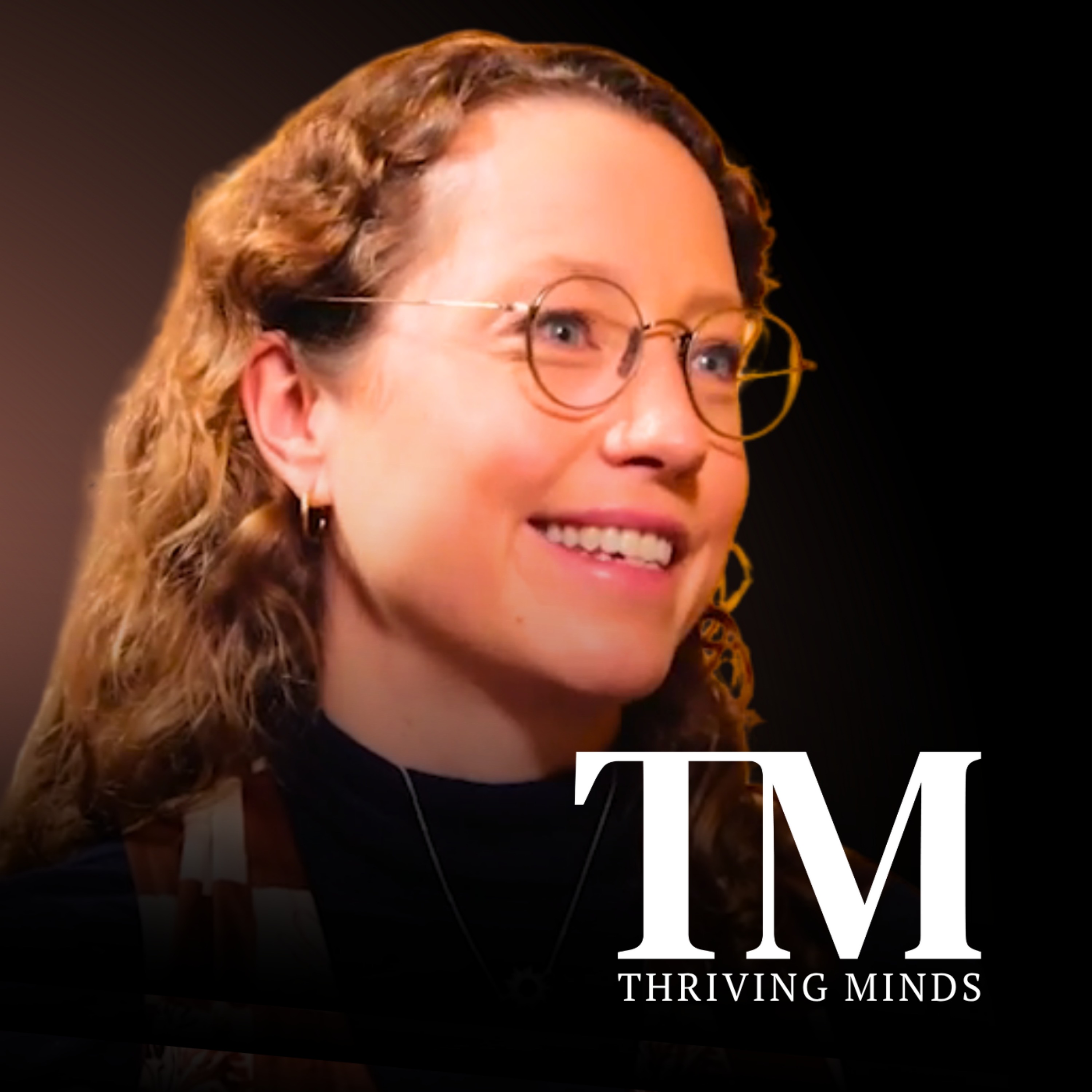
In this episode, Alberto Zandi interviews Pip Murray, the founder of Pip & Nut, Europe's largest nut butter company. The discussion revolves around Pip's journey from a passionate runner searching for healthy nut butters to leading a thriving food empire. Pip shares insights on entrepreneurship, challenges faced, and the importance of consumer feedback in product development.
Written by AI. May contain mistakes.

Get the gist, explore an idea or ask about something said.
 Claude
On Thriving Minds with Alberto Zandi, what are the key points of this episode?
Searching your listeningAutomatic transcript. May contain errors.
0:02Doing lots of marathon training at the time. I was about 23 at the time when I first had the idea for the brand. and doing lots of training and a part of that is always like, how do I eat well? And I'm quite a greedy person. So if anything, running gives me a good excuse to eat a lot because you can run off the calories and all of that. But, you know, for me, nut butter on toast was always like my go-to. In 2015, Pip Murray started selling her all-natural palm oil-free nut butters, Pip and Nut, at a local artisanal market before branching out to 4 million customers across the UK and Europe. Based in London, Pip and Nut generated over£11 million in sales in 2023.
0:40It is also now a certified B Corp. No mortgage, no kids. You know, I was relatively early in my career, so it's not like I had a big salary at the time. I kind of felt like I could give this two-, three-year push, see if it goes anywhere, and if not, well, I'll always get a job if I need to. It's our 10th year at the end of this year, our 10-year anniversary in January, and, you know, this idea of an overnight success is just such bullshit. It takes a really long time to build a really good brand. And I genuinely love doing it every day. And I feel an immense amount of pride of what my team managed to achieve and the kind of brand that we're building.
1:14And I think that is success. When you find your passion and you really feel it. Jesus, this is so good. Your company is successful right now. Can you describe to me the toughest moment that you can remember? That's an interesting question.
1:40in 2013 you started to sell nut butter peanut butter in a local artisan shop here in the uk if we fast forward to 2024 you're selling across some of the biggest retailers not only the uk but in euro and you're selling to millions of customers now to achieve such a dream it takes a lot of dedication passion drive who is peep murray and why do nut butters matter so much to you that's a great question a good place to start um i think for me you know i've always been a big foodie um food has been a really big part of my upbringing uh grew up in a big family and you know every night we'd sit down together so I think always from day one I've had a kind of a real kind of um grounding and like the importance of food and the importance of good food so I think that's probably one of the the first starting point um but I guess second to that you know um and one of the reasons why nut butter really like caught my attention in the early days was that you know I was doing lots of sort of marathon training at the time I was sort of about 24, 23 at the time when I first had the idea for the brand.
2:57And I was sort of doing lots of training and a part of that is always like, how do I eat well? And I'm quite a greedy person. So if anything, running gives me a good excuse to eat a lot because you can run off the calories and all of that. But, you know, for me, nut butter on toast was always like my go-to. Like it was a thing that was my treat and I just loved it as a consumer. I wasn't in food and drink at all. I was really just loving you know the product and consuming it naturally um but for me when I spotted the kind of uh well the kind of brands that I were buying in store like when I looked at the back of pack every time I saw it was had palm oil in it had loads of kind of sugars and additives and just really didn't sit well with me as a consumer that was more health conscious um that believed that food should be both delicious and good for you and I just felt that there was just an opportunity to clean this product up so yeah I mean that was the idea but I guess the threads that held it together were really about my kind of principles when it came to food.
3:51And actually that was what kind of drove me. And I think as like fundamental, the thing that I loved about nut butter was that it always had this like permissible indulgence to it. Like it has this like delicious, it's kind of a bit addictive and you just always go back for another spoonful. But it always feels really honest and sort of simple. And I just really love that. So yeah, it was an opportunity, I guess, to improve something that was existing and kind of disrupt an already existing category. Also just from a consumer point of view, I just loved it. There was just something really kind of tangible about it and just delicious.
4:26And I just loved that aspect of it. I just thought there was so much potential in it. So I really did fall in love with kind of the product, but also the potential of the brand. So I guess those are kind of a few of the threads that kind of fell together that sort of made me start to think, I've got to do this, or if I don't do this, someone else will do it. So I'll give it a shot. Right. So some people that I know, they share with me great ideas on a business that they want to start. But perhaps those ideas are not around technology. So they don't think that they're as innovative and that they're going to change the world.
4:59So there are more conservative industries like, for example, the food and beverage industry. And they start analyzing how competitive the market is. And they realize that perhaps their chances to succeed are slimmer. I'm sure when you identified a gap, then you kept on researching on how big are your competitors and how complex is to tap and penetrate the market. How did you overcome this barrier and still think I do have a good chance in succeeding? yeah it's funny because I think almost the naivety of not working in the industry when I did initially start doing research you know I didn't really know the complexity that was sort of getting into retail and food and drink um I didn't even know what FMCG stood for let alone like what it entailed like working with some of the national retailers in the UK so in some ways I think not having that kind of understanding of just how hard it is to get cut through and get that kind of competitive edge against you know existing incumbent brands actually played to my advantage because I think in some ways I didn't I kind of didn't have that fear that maybe some people in an industry might kind of have back of mind if they're trying to crack into a new category having said that I guess for me a big part of like why why did I think I had the ability to be able to launch something and it be successful was I think big part of it was actually seeing other entrepreneurs particularly within the food and drink space that I kind of were inspired by as a consumer um that that looked and felt a little bit like me um there are a few brands that I really sort of loved at the time there was a brand called proper corn a woman called Cassandra had founded that sort of popcorn brand here in the UK and I remember sort of reading up about her story just as a consumer being interested and seeing her and I was like you know what she looks pretty normal and she didn't have any background or experience in this sector you know she must you know have similar sort of capabilities to me like it kind of always made me believe that actually if someone like her could do it then maybe I could too who you know didn't have the experience um I also felt like the category whilst there was sort of an underlying trend in nutbutters in the UK and they were kind of growing the category was growing year on year which was kind of good bits of data that I was like okay there's something going on here I don't think I over complicated it at the start and I think a big part of it was almost just getting an idea and getting the product right and thinking about the product and really not really focusing on too much of the noise around it so for me you know I started by literally I literally bought a blender and I started developing products in my kitchen and I spoke to friends and family and got them to try it and that was like an initial first step and I think sometimes almost not over complicating it with too much data and analysis can almost be the thing that kind of frees you up to just getting going and just seeing.
7:49And I think the starting is a big part of it because as soon as you start, the ball starts rolling and you either discover the passion that you think you have for this product and brand that you're looking to create or you decide actually I don't think there's anything in it. So I think really starting to get out as early as you possibly can to speak to people and try your product in front of consumers is really important. So in my case, I think, yes, I did have some consumer research and I did do some kind of category analysis very simple but i actually didn't really it almost was more the case of i don't know what i don't know and actually i just kind of went into it and just felt like i could create a really great product and that was really what my focus area was not really about like what are all the competitors doing um so i guess that was my approach i think it is very powerful to start a business in your 20s precisely because of what you just said being naive i think it can be an advantage when you're starting a business because you don't see complexities that are going to paralyze you and you're not going to start i think that if you stay too long in a job or in the corporate world and you become more sophisticated into how the business world operates you're going to identify barriers that will contribute to perhaps you not starting in the first place.
9:07So being young, in my opinion, it is perhaps the best moment for you to start a business. Could not agree more. I think it gives you such a level of confidence and energy that you don't realize you have in your twenties. And I think a big part of it for me was like, I literally have nothing to lose in this scenario. I had no mortgage, no kids. You know, I was relatively early in my career. So it's not like I had a big salary at the time. Kind of felt like I could give this a two three year push see if it goes anywhere and if not well I'll always get a job if I need to so I feel like that also like I don't really have anything to lose mindset it's such a like kind of freeing way to look at kind of starting up a business um the later you get on in your career to your point you get a salary you'll get you know responsibilities that mean that you have to be more conscious and and it feels like the odds stack against you and the pressure gets on on you to kind of make it a success um and the other thing I think that's really kind of powerful is that like nobody was watching me nobody cared whether or not I was gonna have the successful business or not and I think almost being fresh to an industry but being very young like you have no eyes watching you and I think that kind of takes the pressure off as well so you're like yeah I'm just going to give this a go and nobody's going to really kind of you know look at me and think oh you know what's she doing like what's she playing or again put the pressure on to make it a success because you know you know I was just kind of going with the flow and doing what felt right at the time i think we need to have a better relationship with failure too because i think failure is part of the journey to become successful in any way shape or form i don't think failure is fatal while at the same time i don't think success is final so if you apply this mindset then i think it's important to realize that if failure is something that will happen I might as well fail cheap yeah so failing cheap is exactly what you said I'm in a stage in my life where I don't have kids so people I don't have anyone that is depending on me yeah or I'm not married and I need to also contribute into the finances of my marriage and so on again also the opportunity cost of being in a more advanced career stage where I may have a bigger salary that I would have to decline and so on so yeah there are so many different powerful and real reasons on why starting a business in your 20s it is a great idea and just building on that I think I think for me actually when I started sort of thinking about my career and where I wanted to take it I actually felt in some ways weirdly that climbing the ladder in an organization was almost harder than just starting and and doing something for yourself and I've always been pretty independent and I love kind of I I like working hard I like kind of putting my all into something and actually I kind of felt that I didn't want to have someone else sort of saying whether or not I should get that promotion or should get that job and actually I wanted to just prove it for myself and work for myself so I think there was a big part of like weirdly I actually thought the corporate route was actually more challenging because in some ways you're competing against everyone else and in trying to climb up that ladder whereas I don't know if you start a business it's more in your hands that you can really run with it and it's in your control so however much energy you want to put into it that is what is going to be the output so I kind of also felt like it weirdly I was like I think this is like more of an exciting and for me more easier way and almost to kind of get where I wanted to be wherever that was you know.
12:35I'm going to board us together into this imaginary train and we're going to travel back in time to 2013 when he had the idea when he started to experiment what will I say? so you'll see someone i was living in sort of north london at the time sort of in a shared flat with some friends um at the time when i sort of first had the idea i was sort of developing the products in my kitchen like i said and um i was also sort of taking them down to market stores so i was very like in the first couple of years um you know very much kind of trying to figure out how i was going to make this business work um so you'd see me probably with a blender with loads of products I was experimenting with um I was doing that um you know I was still working sort of part-time at my job I was working at the science museum as a theatre producer at the time so on my one or two days off I would sort of develop the products in sort of a kind of little kitchen up in north London I'd then at the weekends take them down to market stores literally drive the van down packed full of products and I'd go to like Maltby Street market down in south London I'd sell them at the weekend and that was me literally just testing it and getting consumer feedback right from the early days.
13:47And it was pretty scrappy at that point. I was doing a lot of like emailing manufacturers. I was trying to figure out how I was going to raise money. I was trying to meet other people in the industry to kind of understand what was the world of food and drink all about? How did I get into it and how could I scale up this brand? So yeah, it was pretty all over the place, if I'm honest. It was both really exciting because I was doing something very different and it was very much in my own destiny in that sense. It was really stressful. I remember I was working part-time, so I was just on sort of a part of a small salary anyway.
14:21And so I was also racking up credit cards, trying to sort of self-fund the early stages of sort of getting the business up and running. So in lots of ways, I actually felt quite anxious, probably at times, because I was sort of a little bit kind of navigating a path. I didn't really know exactly where it was going and doing something quite different to a lot of my friends at the time. And I think I felt quite self-conscious. Whenever I'd tell a friend, I'm thinking about setting up this nut butter brand. And I'd tell some friends, whilst they were always super supportive, I felt always at the back of their minds, it might have been a bit of like, it's not going to work.
14:57Or, you know, that's a bit weird. Why would you set up a nut butter brand? And again, similarly, my family is super supportive, but nobody worked in business. My dad was a doctor. My mom was a nurse. my sister's work in nhs or charity sector so it really wasn't something that i was sort of following worried like the flagship of the family i was a massive black for some time exactly and i think i think people thought i was a bit weird and you really have to get kind of comfortable being that site outlier when someone asks you what you're doing you know when you're at a party or whatever and you try and explain you're setting up a business and you're starting up a peanut butter brand you can see people almost staring you seriously are you crazy yeah or isn't that cute is the other kind of response you got, which is also really patronizing.
15:40And you'd be like, no, I imagine it being this big brand. And then you try and like sell it to people. And so, yeah, there was a big part of like loving it because it was incredibly creative and it was super fun being at markets at the weekend, but also kind of very self-conscious. Did a part of you also want to like prove them wrong? Yeah, 100%. I think it's also, you've got a vision in your head and you can imagine it and you can visualize it and you can see where you could potentially be, but nobody else can see it. so you almost want to prove to people to be like no there is this like great brand that i see that i can develop but a lot of people just they don't see it because they see you either making in your kitchen or being at a market school and they think oh isn't that cute that she's she's doing that at the weekends um so i think yeah there is a bit of you that's like no i'm gonna i'm gonna show i'm gonna show show people that i can do this um and that's a big motivator isn't it like trying to kind of get to the point where you're like actually got something that you're like can stand behind and be like look like this is this is what i was imagining um 100 i mean i can for sure see myself and empathize with that because i've lived something very similar when i told my friends and family at the age of 22 i'm gonna start i'm gonna build a group around the hospitality industry and then the first question was you mean restaurants and i'm like no it's a group that has a portfolio of different brands that there's a gap in the market that I want to tap into and they're like the restaurant business is probably one of the toughest ones and you have no experience you're so young you have a great career path you're in consulting maybe wait a few like there were so many different people that they were telling me you have better things that you can do with your time and perhaps you're choosing wrong and you're going to regret it some other people were like patronizing me especially like the ones that don't know you that well they're they might not be as confident to tell you you're choosing wrong they might be like oh good luck
17:38but I also wanted to prove them wrong but also in a way myself like I can do this and it's great also to see that this was fuel for you too yeah no it was a massive motivator and yeah it gives you that drive I think because you know it's not like you want to prove people wrong necessarily it's just you want to prove it to yourself yeah um that you can do it and i think sometimes to build on your point around um what people would say to you about like the things that could go wrong i almost think half of that is people just sharing their anxiety of like what they would feel or they're like their nervousness around it and some of these things i didn't even feel myself um so it's not necessarily that they're trying to like down you know sort of encourage you not to do it i think it's almost like if they were to do it these are the fears that they would have and it's you've got to ignore it you've got to kind of acknowledge it listen to sometimes the advice that people are giving you and choose what bits you're gonna take on board and listen to and other people who've never started a business or never done anything where they've really stepped outside their comfort zone to some extent like it's fine advice but they don't really know what you're going through so you kind of almost put it to one side let's discuss what it means to receive customer feedback at an early stage so a friend of mine he just opened also in the food and beverage industry a business in germany and he's rightfully i can also understand him rightfully concerned on some of the feedback that he's getting from customers because in the early stages this is really your baby this is what you stand for and and also perhaps you might be the perfect consumer for your company.
19:31And sometimes people can be very brute in how they share their feedback and this can impact you. And I think the most important thing is to not quit, to keep going, to pivot, to reinvent, you know, change, adapt, but keep going. This feedback can impact that, can make you stop. How did you go through this? it's like absolutely fundamental that you need to get in front of consumers as early as you possibly can and get that live feedback it is unbelievably helpful when you're developing a product is to get that live feedback which is why i always think market stalls it's not for everyone but it's one of the great things about food and drink is that you can get out there quite quickly and test and learn and i think it's probably our equivalent of like a minimal viable minimal viable product if you were in tech you like test and learn as you're live and for me that was being at a market store i never imagined or wanted to have a market store brand i always imagined it being a brand but the market store was really key part of like getting out there early um but we do obsess like when we launch products now like we'll obsess about the feedback that we get on reviews so like amazon reviews or our d2c reviews because people will be be genuinely honest about whether or not they liked or rated the product would they buy again and they'll give tidbits of information about what they liked.
20:48Maybe it's an ingredient that they find puts them off it, for instance. Or maybe the texture of the product wasn't quite right. I think it's just trying to take all of this feedback and some of it will be personal preference and you're trying to decipher like, okay, our products, they don't have palm oil, so they separate and it creates a bit of oil at the top of our products sometimes. So some of it might just be personal preference or that it's something a bit different and people aren't used to it yet. So you kind of acknowledge that other things might actually be genuinely like taste preference, taste, maybe it's not right or the texture is not quite there.
21:22And you do have to then iterate. And I do think like even now, like our like core crunchy smooth peanut butter, we're still evolving it and developing it and improving it. And there's always things you can tweak. And so I do think just making sure you don't block yourself off or hide away from that feedback. You've just got to kind of acknowledge it and, like I said, codify what's just preference and what is genuinely useful feedback. Market sales was our way of initially, but now we do all sorts of different ways of kind of getting that feedback, whether it's standing in a Whole Foods, doing sampling to get live feedback, to doing actual more kind of quantitative surveys and things like that where consumers might give us that feedback on our products.
22:10I think feedback is fundamental, especially when you're going from zero to one, because things are moving very quickly. You need to adapt what was your idea into an actually viable product or service that people will want to buy. Because what you might think people like might not be the reality. what i told my friend is the following i've interviewed a great founder from an e-commerce e-commerce platform and when he was starting he had the opposite problem he said look because we operate in the internet we had no feedback whatsoever we didn't exist we needed to ask for feedback we needed to create these these questioners and and send them out to people that perhaps were not even our customers our users and that is i think a much more dangerous place to be than if you get tons of feedback like in our industries because then it's just a matter of filtering it who are you onboarding the feedback from because if you onboard everyone's feedback then you stand for nothing you're like in a spaghetti company right there's no direction but in our case what we did was identify feedback and put it in aggregate so when there is aggregate feedback that makes sense so more than a specific number of customers are telling us this that's when we need to change the product, the price, the taste, whatever it is.
23:23You said that this was initially a hobby, but you wanted to convert this hobby into a global brand.
23:33That is ambitious. How much does money drive you? Yeah, I mean, money, for me, it's not the driver. um it's in some ways it's a marker of success I do recognize that in myself that you know we hit certain revenue numbers that or growth numbers I can recognize that okay we're doing something right um but a big motivator for me is more around the impact we're having with consumers and when I particularly when I see um consumers really loving our product and like or you know I might be working an event at a weekend with my team and I hear people I love that brand and they'll walk past that stand or whatever that for me is like more of a marker of like genuine success that you create something that people are really genuinely you can tell that they love it and that in turn you're also doing them some good because your products are healthy and you're kind of promoting that that kind of lifestyle that's more motivating but money is a funny thing because in in many ways you know whether we're working towards any kind of exit or anything like that getting to that exit point is almost demonstrating that you've been able to do the thing that you said you're going to do rather than the output of the money that you get at the end of it if that makes sense it for me isn't a particularly big motivator I'm not a hugely um you know consumerist person um and in some ways I think when you have too much money it actually you know detaches you from or it makes you you know it's harder to connect with friends or things like that so in some ways I think money is a a funny thing to be able to you know when you have a lot of it I guess um but yeah I think it's you know we're a b corp and a big part of like what what I feel most passionate about and when I really like feel it in my tummy is like knowing that we're building a brand that is genuinely good and pushing boundaries when it comes to sustainability and that my team come in every day and they genuinely enjoy what they do I think that for me I get a bigger sense of like pride than I do when I just see like a kind of revenue number or valuation that we've achieved or whatever that is so yeah I guess what I'm trying going to say is I have mixed emotion with like money because in some ways I think it's is indicative and it is it one of the key indicators I guess of success in inverted commas um but I don't necessarily think it's like the long-term driver particularly and I say this when you're having a year where maybe your growth isn't as strong or maybe you haven't delivered kind of your budget that you expected to do to do and I find in those years you really do have to lean more on actually what is the brand genuinely doing for people and therefore getting fulfillment from that rather than just the revenue number.
26:34But don't get me wrong, there are moments where ego kicks in and you can feel yourself slightly playing into the kind of the flywheel of always wanting to chase as much growth and you have to keep reminding yourself like, why am I doing this? Or if we are trying to, I don't know, break into a new market, check your ego. Is it something you believe the brand should be doing? Is it the right thing for the brand or is it you're trying to prove something if that makes sense and i do find i have to sometimes tussle with that i think finding purpose beyond profits is not only useful i think it's fundamental if you're starting a business in this day and age because as you said some months some quarters some years especially in the early stages of a business you won't be making money and that's normal that that's normal it would be not normal if you're making tons of money in your first year and if your main driver to start a business is to make tons of money you're gonna quit you're gonna quit on your first year most likely and that's what you don't want to be doing you need to as much as possible convince yourself that you shouldn't be quitting if you have purpose that is beyond profit in your case you clearly had one because you would have been the perfect consumer for this and you wanted to see this through that's gonna allow you to pull through yeah and it's it's also a really long journey as well so if you're just chasing money the whole time like pippin it's our 10th year at the end of this year or 10 year anniversary in january and you know like this idea of like an overnight success is just such bullshit like it's it takes a really long time to build a really good brand and then if anything like brands that have grown too fast and particularly I'm thinking that kind of consumer kind of and in the kind of food industry in kind of Europe it just takes time to actually get into the hearts and minds of consumers in a way that actually isn't just like a quick buck and so you know some of the best brands that I respect in my industry have taken 10 if not 20 years to get to the point where they're like iconic if that makes sense and that is what you want to achieve not just like you manage to deliver x number a million revenue and create a really successful exit.
28:46Really brands that are here to stick around in the long term are ones that have been built consciously and in a sustainable way, not in just a hockey stick. And so I think that's something to kind of recognize is that this idea that you get like a five year, you know, you flip the business in five years is generally the brands that probably won't be here in 20.
29:10do you think investors share this idea because some investors don't want an exit in five years seven years how do you convince them of exactly what you're saying yeah i think i don't think every investor thinks that way and um that's that's a challenge i think whenever you take money from anyone you've got to recognize that they'll have their own agenda and they'll be pushing you in the right direction in in certain directions having said that i do think if you get the right people that understand the like the sector that you're in they will i think appreciate the fact that um growth is um shouldn't be at all costs and that if you're you know we're a b corp so any investor that um invests into our business has to sign up to our articles of association which in them says that our company like company has to deliver on stakeholder governance i profit people and um planet as well on equal footing so there is an element of like being up front i think with certain investors that this is the kind of brand that you're building but don't get me wrong i'm sure that there have been times where i felt the pressure of like we need to deliver more growth um and i think it's just trying to have to push back in terms of what that growth will how to if you're going to achieve that growth what what cost will that be at so I think yeah I think be careful where you take money from be really mindful of like who you're taking money from because if they don't understand the sector you're in they might have unrealistic expectations about the speed of growth that they think that you should be achieving and they won't understand the compromises that you'll make by kind of chasing that that target that growth rate?
30:46Aside from running my company, I'm also an investor in a number of different companies, mainly early stage companies. And I was recently introduced to a particular project and the founder, he comes from the cryptocurrency industry. And he's a great guy, but he's the type of person that he believes that he's just one deal away from being set up set for life and when i when i do that or when i achieve that the day after i'm going to be very rich so that's the kind of mentality that he has and i've met a lot of people like that by the way but in this case he was introduced to me in the form of do you want to invest in my project um and i think the idea is good i just think and i told them very clearly because i think the best form of advice is to be honest i told them i think the idea is great i just don't think you're the right person to execute this idea because businesses take a lot of time to take off the ground at least this is my experience and what i've seen in my business and in businesses that i have analyzed that became successful in various industries not just in one industry and i think you're the type of person that if you don't see results very quickly and these results are mainly from a financial perspective so that seems to be your most important kpi how much money are we making how does my bottom line look like no how many customers are we retaining are we penetrating at the right growth rate so on and so forth like things that maybe don't translate into real money but they are very important indicators on how your business is performing you might be quitting much earlier than than what it really takes for this idea to become successful.
32:35And for those reasons, this is not an investment for me. I do believe the idea is amazing. Perhaps if you change your mindset, you could, I believe, this is my humble opinion, you could turn this around. But as of now, I don't think you're the right person for this. And he gave me the meanest look and he said, thank you. And then I received an email the day after saying, I've been thinking all day about what he said. and it is really changing my perspective in business. I've been researching about so many different industries and in particular the industry that I'm launching this business and you're absolutely right, it takes a lot of time.
33:14And his answer also was, the reason why I also adopted this approach going to investors, telling them that I'm going to give you a return on investment in this number of years and this is going to be the profit that you're going to have and the multiple that we're going to apply as an exit is because I'm struggling to be realistic with myself, the business and the market and matching the appetite of the investor. So if you're too, and this is also fair, if you're too realistic, you might not raise funds. I think that's, it's such a good point. I hate that question of like, what's your exit plan?
33:45Especially when you're right at the start, it just feels like a ridiculous question to ask you. It's like, who knows what the next five years are going to be? And it's also crazy to expect something to just get out the door and five years be done. But it is the question that gets asked all the time. So in some ways I can totally empathize with what he was saying, which is that this is kind of what I feel like I should be saying as opposed to necessarily what I feel like I want to do. And they're two very different things. Let's talk about fundraise. In those early days when you needed to raise funds for your business, aside from the credit card that you were using, walk me through those initial baby steps.
34:23yeah so pippin i definitely think in the early stage or years was very much bootstrap even though we did raise money it wasn't like we raised lots of money all at once right from the get-go um so initially i founded the business through credit cards uh a loan from my dad um and then some startup loans as well that i had uh so it was quite a lot of pressure in terms of at the time it wasn't crazy amounts of money but you know talking 50 grand that was largely linked to just me so it was personal loans as opposed to the business loan so it was kind of risky I guess at that early stage I then raised a small bit of capital pre-revenue to get out the door and sort of do the first productions and get the stock initially and that was through Crowdcube and this I think was one of the earlier signs or indicators that I felt and it was as much about the money but also about the validation of the business in some ways that first fundraise it was on Crowdcube so we did kind of raise about 100 grand through Crowdcube and for people that don't know what Crowdcube is is a platform for crowdfunding exactly and it's equity crowdfunding I raised the money that I needed within 10 days on the platform you normally have up to 60 to close your round so raise the money really quickly I think food brands do well on crowdfunding because people really understand them they're very tangible and sort of easy to understand how you'd you know build and grow a brand like that but it was really great it was really sort of um exciting but equally it was a really tangible kind of measure of like okay other people believe in this idea um enough that they'll put their money against it okay i feel even more confident about it now so that was great so raise that a little bit that tranche of money and then after the first year when we got into sainsbury's i then went out and raised some more money and i guess for me there were key like milestones that I needed to achieve in order to unlock like the next load of you know fundraising that I needed and particularly getting into national retailer was was that tipping point because once you get into that national retailer you've got to be able to support it so over kind of like the course of the last sort of uh 10 years the last fundraise I did was back in 2019 but we've raised about sort of 5 million for the business and that's through uh crowdfunding uh angel investment and then venture capital as well and then we've also done some debt financing so it's been a real like mixture of all sorts of different financing um and different investors i guess getting involved at different stages but been really fortunate over the years not to have you know we've never taken private equity money um by choice in some ways because i think that's sort of drives a certain type of business and sort of timeline i guess so my investors have been incredibly supportive and all within the kind of cpg fmcg sector so have been also quite tangibly sort of able to help in a way that the money obviously was one of those help but you know actually that was help and unlock and help support me as I was growing the business it'd been I'm probably one of a case study that sort of really celebrates the journey I've been on from a kind of fundraising point of view I've had really kind of fantastic people involved in the brand um but equally not raise crazy amounts like I there are definitely points where I think I could have raised more money um but kind of actively chose to try and keep it quite lean I think you tend to be smarter with how you invest in your money in sort of marketing activity or in your team if you're kind of more sort of mindful and a little bit feel the stretch I think that's important um so yeah I think it's a balance but making sure like for me it was unlocking funding at certain tipping points for the brand so that I knew that like I had the momentum behind it to be able to unlock the capital but not taking so much that then I kind of bloat our P &L with loads of kind of glamorous marketing campaigns that actually weren't going to necessarily drive the ROI that I needed.
38:08What about dilution? A lot of founders are particularly concerned in being diluted, especially in the early stages of a business. How did you develop an equation to to know that this is the right amount of money that the business needs, but at the same time, I'm not too diluted? Yeah, I mean, like I said, I think running a business on a bootstrap in some ways is like a good uh kind of um mindset to have in because really you're only ever getting enough money in the business to get you to that next bit so I was really really lean like I would watch every penny that ran through the business and I would also sweat as much of other capital around the business as I can getting long payment terms getting bank invoice financing set up making sure that with us you know customers that they pay us as quickly as I can I think there are other ways of also thinking about money other than just like raise capital um particularly within kind of product-based businesses um but in terms of just making sure that I or what was my mindset about dilution I think in some ways I did recognize that I was I'm a sole founder so I don't have a co-founder so in some ways I kind of felt um it was more important to get the right people into the business um who can actually support and coach me as I didn't know the sector at all so I did need to kind of have experience in those early years like getting good people in was actually a real value in itself my main investor is a guy called Giles Brooke and he um ran Vitacoco across Europe Middle East and Africa and he set up various other food brands and you know was a general manager at Innocent so he had loads of experience he basically taught me everything I knew in the food and drink space um and I think for me you know he put money into the business he was he is our largest largest investor the value that he's given us aside from the money has been more what has been so worthwhile i don't think i would have got to where i am today without those sorts of people involved in the business um having said that like i said being very conscious about how much money you need at any one stage like being really clear about your forecasts and projections and being ambitious but not um sort of ridiculous and i think if you make sure your forecasts are in a way that I sort of feel realistic you'll make sure you take the right amount of money into your business and be like more moderate in the way that you anticipate spending it if that makes sense so yeah I think dilution for me was never really something I felt nervous about if I got the right people in at any one stage I think was the key thing for me.
40:45And did you ever face a question from an investor or a potential investor did they question the fact that you had no experience in the industry yeah it came up all the time and it's particularly in the early days pre-revenue funding rounds are some of the hardest especially if you don't have industry experience to kind of sort of lean on um it though also is one of the reasons again if you get kind of experience on your cap table um get investors who know the game and i used to kind of always reference giles in like pitches and decks and stuff like that to be like you know i might not necessarily have the experience but i've got you know great people you know by my side who are going to help support me in doing that so they can be valuable in that sense as well because other people then be like okay that person they've got the right people around them or they believe in it so i'll believe in it too um but it was often um you know did often get raised at funding rounds and actually the reason why i initially went to crowdfunding in that first um pre-revenue round was because when I went out to angel investors and I was looking for 100k like I said I got every every investor said no any investor that was putting in more than 5k or 10k or 15 20 30 at that time said no nobody backed me at that early stage so I was like fine I'll just go to crowd funding and and fund it through a mixture of friends and family some industry people who might be willing to chip in a small amount and then the rest of the crowd will take over and I'll just raise it that way um so yeah I had probably about 30 pitches to various different investors pre-revenue all of them said no and that was therefore my my other way around was crowd funding um and that was 2014 so yeah if we fast forward to today if you want to raise funds today yeah is it much easier for you to raise funds I think it's probably harder um I haven't raised money in the last few years so I don't know but from every industry contact that I know um they say if you can avoid it like the plague do because it is super hard and the valuations that you're getting these days are not where they used to be so it's even tougher from that kind of dilution point of view um again it just comes back to just making sure you're being really mindful of how much money you need because you don't always need to take capital and we shouldn't always be measuring ourselves by like how many millions we've managed to raise into the business it should be about how much you've managed to make that capital stretch and what revenue you've therefore being able to deliver off the back of you know maybe a few hundred thousand pounds that you've got into the business and i think if i would to do this business again if i could or if i was to start another business i'd try and do it without raising money and i think there's something really empowering about owning as much as possible for sure um i think it would be a really interesting kind of test to be like can you can you scale a business without taking capital potentially um so yeah that's my thoughts on that one for a period of your journey you were employed So you were a producer, a theatre producer.
43:37When did you decide or how did you decide now is the right moment for me to quit? How did you come to that conclusion? It's such a hard thing, that moment where you're going to suddenly pull the plug. So yeah, when I first had the idea for the brand, I was 24, it was in 2013, and it took me two years to get the products from my head. into Selfridges which is when we officially launched the business in 2015. I quit about a year and a half into that kind of startups journey i.e the stages that I was I was just trying to figure out the supply chain I was figuring out the product development and the branding and the packaging and and all of that behind the scenes stuff which you need to kind of basically have a business.
44:22The way I quit though was probably a bit more unconventional to like most business owners um at the time so yeah I was 24 25 a mentor of mine uh sent me a link to a competition that was that was being run by a company called escape the city and escape city are like a recruitment company for getting people leaving their corporate jobs and joining startup or scale ups and they were running a kind of pr competition for startups to basically work rent free and um give desk space for one or one or two entrepreneurs to kind of get their business off the ground I entered the competition and I ended up winning it and so but the catch of this whole kind of competition was that it was called Escape to the Shed and it was basically they set up a shed in the back garden of their head office and one entrepreneur was going to live in there over the summer and that person was me so when I won the competition I quit my job the next day for me it was a really weird three months but it was an opportunity to live rent-free in London desk space in their office to be able to kind of set do the crowd fund like I said so I raised the hundred grand that I needed over that summer and then after which I could start paying myself a small salary and sort of move out of the shed and yeah I never turned back since so I really did push it right to like the edge where I felt kind of comfortable in myself but yeah that competition was like one sort of small little lever that I pulled on to try and sort of quit my job but yeah I would say I thought it would take a year to maybe get the product from my head into retail it ended up taking two it so always takes longer than you think it's going to develop a product and I'm sure it's the same for any other sector as well um and yeah I would push it as far as you possibly can before kind of really kind of quitting the thing for me though what was critical was that particularly when raising money I think to some extent you do need to I was raising a pre-revenue round so I felt like I needed to demonstrate that I was fully in and I think investors or people putting money into your business need to know that you are going to be working hell for leather on that one thing so I knew that I needed to quit my job but I only did it when I knew that I had a viable product had my manufacturing set up I had all the packaging ready to go I had a first kind of indicative view of like a couple of key customers like Selfridges that were going to launch so really I was at that real tipping point where I was like okay I know I've got commercially viable product I can I can make this work but I just need some capital to get going and I need to be able to give this like all my time now so yeah push it as far as you possibly can before you need to kind of pull the rug because yeah I mean depending on what life stage you are everyone needs to be able to pay the rent or everyone needs to be able to like buy food so um yeah don't kind of do it too early you went from idea in 2013 to two years theater in 2015 selling your products in selfridges and saintsbury's yeah how did you achieve this yeah i mean the selfridges was one of i mean it was so amazing um when we when we won the listing um and that that particular kind of retailer was you know from a volume revenue point of view it's it's pretty tiny but what it does for your sort of um credentials as a brand you know they if selfridges back your product it gives everyone a bit of a tick to be like okay so this brand's like it's good enough to be stocked in their food hall it's it's an iconic place to be listed um but my biggest way of like kind of building in retail is always about sort of always doing it in steps particularly in the early days when you're trying to build your brand but also test your product still with consumers so selfridges helped us unlock likes of whole foods whole foods have you know five six stores in the uk so you kind of use that that retailer to kind of sell into the next sort of stage up whole foods you then helps you unlock the likes of ocado which is like an online retailer here in the uk but still relatively small ocado if you kind of can prove yourself in ocado then you can then use that to unlock self-region a sainsbury's rather which is like a national retailer here in the uk so really build it brick by brick and use every uh the previous kind of retailers to kind of prove the success as to why it should work in in the next retailer and and and it's like a flywheel once you get one retailer really working and really like performing at its best, you can then use all the selling points from that to then get into the next retailer.
48:50But also critically, if you get too much distribution too soon, your awareness isn't at the level that you can support it. So building it slowly like that in the early, in the first year, it also helps slowly build up your awareness in step by step. So then when you get into Sainsbury's, you know, a national retailer and you've gone up and down the UK, at least you've got a level of awareness for your brand that can help support a national retailer. and you're not just launching straight in expecting you to suddenly build that brand from day dot so yeah I mean it was quite fast um and definitely when we were on the Sainsbury's listing it was a complete game changer like suddenly you're available everywhere um but equally like behind the scenes and all of that was literally sweating every single stocking point that we'd got into before that and making sure that we didn't move on to like the next big thing until something until we felt confident that it was working in that other retailer and a smaller retailer and we've proven it so you get into sainsbury's you sign this contract how does it work so they stock your product nationwide yeah i mean it's in one go it's not every every single um store but we went into say i think it was we had four products that went into 400 stores um and sainsbury's have up to like 1400 stores so you go into proportion of the retail and even then you're proving it in those stores and if you can prove success in those stores they'll then unlock more or maybe they'll unlock more skews going into more um distribution so yeah every everything with retail is like you might get into sainsbury's that is like always whenever anyone says i just want sainsbury's you people always think oh you've made it you've landed it you're you've succeeded you've achieved but actually that's like day one um and and from that day one you then have to prove it and you normally have about 12 weeks to do that you have to prove within those first 12 weeks selling that you've got the rate of sale to prove or kind of mean that you kind of deserve that that space on shelf um so it really is like quite a lot of pressure to get going right from the get-go um but now even we're in all the retailers in the uk and now for us it's about building our depth and breadth on shelf if that makes sense so building more stores unlocking more stores in tesco and sainsbury's and building out our range on shelf so getting more and more kind of space and visibility and brand blocking is is key when you're in retail because you need to have you know it needs to be really as visible as you possibly can be so um my other top tip is making sure that don't just go over after like loads and loads of stores like try and build out range because if you have six products on a shelf versus one like i bet all of the six will perform much better because you've got that visibility and round blocking so just be mindful about how you build it it's it's different ways how does success look like to sainsbury's for an early stage brand like yours was so in the first 12 weeks yeah what were they asking you in terms of sales yeah i mean it's they're looking at rate of sale they're always looking at retailers that's how they measure you like how many store how many units per store per week are you selling and they'll use they'll benchmark you against all the other competitors so brands that maybe have been on shelf for 20 30 years you'll be expected to achieve some way in near their kind of performance having said 12 weeks not necessarily in the first 12 weeks but they have to see a pathway to it so you have to be showing like uh building base rate of sale but the the thing that often we would sell to the trade when we were in that first 12 weeks is like how incremental have you been have you managed to bring new consumers into the category so you've not just stolen sales from your competitors you've actually managed to grow the category by bringing in new consumers who maybe hadn't shopped in the category before and that was exactly what we were doing we were targeting a completely different demographic who a lot of people hadn't really considered this particular product or this category for a really long time and so actually we were really incremental to what was coming already existing on shelf so maybe we weren't hitting the rate of sale that they necessarily needed they were kind of okay with that it was like moderately okay but actually we were delivering sales that they didn't have before they were all incremental if that makes sense.
52:58And how were you able to identify that your customers were from a different customer segment than what Sainsbury's was having at the time? yeah we used to buy like snippets of data um so you can buy retailer data is so expensive but you it is important that you invest something to try and get an understanding of what you're actually doing aside from just looking at how much you're selling into the into the retailer so we'd buy like a data dump basically a 52 week read of like and we'd do it once a year or twice a year when we had a key meeting coming up and we'd understand okay it would tell you where is where are consumers swapping in and out where are you kind of stealing from but also how much of your sales are incremental and it will give you loads of other kind of data around loyalty or you know things like that which actually helps build a bigger picture as to what your brand is actually doing for the retailer and to the category itself and for an aspiring entrepreneur exactly what it just what what you did then is this something that you researched while you were doing it so i need to identify where my customers are from and then this is how I can gather this data or this was something that was shared by the smart capital that you've locked basically these shareholders that were also advising you yeah it definitely was support from the outside in I didn't know anything about how do you I knew how to win listings like I was really good at like selling into the like the dream and like selling the story and the why to retailers and getting the buyers to initially like say all right I'll give you a go it's a very different thing growing a retailer and and really driving sort of penetration within that retailer so that's when you either need like to hire someone you know who in sales who kind of understands how national retailers work or you work with your kind of investors if you've got kind of industry expertise at your side to help kind of give you these kind of there are certain rules of the trade that i think you have to like conform with and there are other things where you can be different and unique but yeah when it comes to kind of retailers unfortunately data is important so you do need to be like grounded in sort of rational um information as opposed to just like all about the kind of passion which only gets you so far if that makes sense marketing marketing is deeply important for an industry but i think in consumer goods like yours it is not important but fundamental what's the greatest lesson you've learned so my greatest lesson i think is to i think marketing is like art and a science there are some things which are intangible and there are some things which are super tangible but making sure you kind of build your brand using both that intuition and gut feel as well as data and not forgetting that actually if something feels good when you're doing it it probably is the right thing partially the right thing to do so that would be one aspect of it and really trying to get kind of that emotion into your brand is like the key thing um the second thing is just try and be I mean you have to try and be as distinctive as you possibly can and try and create a brand that has as many kind of distinctive assets as you as you possibly can so that you can really create a bit of a motor around your brand and try and you know probably there are lots of people that could make peanut butter but it's the brand and the way you make your product and the way you tell your stories which is like the most important part of brand building, I think.
56:33So I think, you know, for us, even just our, you know, I'm a big believer that invest early doors in really great branding for your packaging, really strong kind of identity. And our logo is really kind of distinctive and playful. And I like to think quite memorable. And that was like one of the first things I invested quite heavily in. And so pre-revenue, I approached a branding agency and we still work with them now. They're brilliant. And they created the identity that you see today. So from when you started until today, you haven't changed marketing? I haven't changed the agency. No, still work with them.
57:11Their packaging agency and specifically, but they created like the identity and the identity Pippa Nut hasn't changed at all. The packaging has changed and tweaked. but we we did i invested quite heavily in sort of creating a really good like professional really polished kind of brand and i do believe from a kind of branding and packaging point of view that's your most important investment and don't scrimp on it um so i developed the brand that you see today pre-revenue i actually gave them a little bit of equity to do the branding in exchange obviously for everything that you see today and i think having that investment early doors has really made us stand out and i think particularly when you have a physical product where every time you make a change to your your brand you're you have to i don't know change all of the packaging around it which means like a lot of wastage because you have to um you know put put aside all the packaging that has old branding on it and also you're building a brand and you've got to try and build memorability of your brand so the more you change it the more it's then difficult for consumers to recognize it if that makes sense so establish and invest early in great quality creative design from a kind of identity logo packaging point of view and it will pay back in dividends in the years to come if you've managed to build your brand on really solid creative design if that makes sense so I am a big believer in investing and not scrimping on certain things so whilst i did run the business on a real bootstrap that was something i was never going to compromise on on the physical product and the look and feel of the identity itself legacy versus innovation so you're establishing the notion that the legacy of your branding should remain throughout the years because that will pay back but at the same time a lot of industries in particular your industry gets more competitive year on year because there are new brands.
59:10How do you remain attractive to consumers? Yeah, you've always got to like, you think you're out front when you launch and then everyone catches up in terms of, you know, either because they see you're doing well and they try and like mirror what you're doing. So you've then got to like decide what's the next thing and how are you going to kind of defend yourself? I think that's where, if you're very distinctive, so Pippinup, we've got a squirrel in our logo and we're quite a playful brand and our tone of voice as well, the way we speak as well as the way we look is quite different from a lot of our competitor set.
59:44And if you've got that kind of distinctiveness very early doors, then you'll always have those assets and that ability to be able to kind of be more memorable maybe than your competitor set. Having said that, you do still need to kind of push the boundaries about what it is that your brand stands for. And I think for me, that's where constantly, you know, for us, sustainability is kind of part of like what we do as a business, but we really do constantly push ourselves to do better from a sustainability point of view whether that's for instance we're a carbon neutral brand we pay a lot of attention to all of our sourcing so we really go deep on our supply chain and make sure that we're sourcing really sustainable nuts and working with our farmers to really invest in sort of really innovative farming practices to kind of really again make sure we're both getting the quality but also a really strong provenance stories so paying attention to all those things that actually can help differentiate you and stand you apart from your competitor set but then innovation I think you know we launched lots of different flavors and new products now and I think that also kind of helps you build your brand and build the kind of I guess yeah you're kind of I guess the creative aspect of it kind of from a product point of view helps stand you aside from maybe other competitors who maybe are a little bit behind you um yeah i think you often you have to continually innovate within your core and outside of your core to be able to keep in front but it does start from having solid foundations i'd like you to describe to me your day so you wake up in the morning and what do you do when it comes to work in 2015 and then describe to me a day work day in 2024 yeah uh so 2015 so bearing in mind there was me and one other person in the business who were a two-man team in 2015 I was running the supply chain I was looking after all the national retailers and I was also doing marketing on the side so it probably involved some sort of like trying to do some Instagram posts on the tube on the way in back then I feel like the world of social media was much more kind of rough and ready so I could get away with probably looking a little bit not quite as slick as what we are today um depending on what was going on like manufacturing and operations really did absorb a huge amount of my time it was also an area that I definitely wasn't strong in so that would have looked like anything from like trying to get a grip on our forecast understanding what how much nuts we needed to buy for the next sort of six months to kind of import those over from from California for instance to wrangling my manufacturer to get the stock out the door that I needed to then sell into I don't know Sainsbury's or something like that but then there were also slightly more glamorous bits of my day so in the early sort of years in particular like telling the story was like the biggest way to get the word out there so press because we were kind of like a hot new brand I used to get so many requests from a press point of view or doing kind of influencer kind of events or things like that so we really did sort of build the brand through advocacy and sort of word of mouth in those first few years so yeah being pulled from very different sides of your brain basically was my first you know if you're looking at me in 2015 going deep into kind of like operations to then suddenly having to be really creative or tell the story in a really kind of engaging way of the why why I set up the brand to someone in press if you fast forward to now um so there's about 30 people in the team at Pippa Nut now um it's a really different job where I'm very much less in the detail less in the doing and more in the kind of um sort of coaching and supporting my team I often find it funny because when I started up the business I really all I thought about was just the brand and the product and what I was going to make I never actually imagined that I'd be running a team and like that leadership piece was something I never really ever thought about that was part and parcel of the business I mean, that just shows you how like kind of green I was to in business in itself.
1:03:45So, yeah, now sort of not being so hands on in some ways, I'm I'm a bit of a doer. So I really do love just getting involved. So I have to kind of sometimes pull back and allow my team. I really have to kind of restrain myself from getting in their areas, but really know my job and doing my job well is like kind of coaching them along the sides. but there are certain things and some advice that a friend of mine in the industry said to me was that as a as the founder of the business running a team like I do now you've got to focus on the things that only you can do and let go of the things that actually aren't your areas of expertise so for me I try and prioritize in my day you know having conversations like this where nobody else can tell the story as well as I can I prioritize being within with our customers because again like if I spend time with Tesco or Sainsbury's or Azza or Morrison's like that is going to be time well spent because they'll engage with the brand in a different way because I know that I'll tell the story of the brand in a way that no one else can um and being really close to product so I still get really in the detail when it comes to any product that we're launching and it's the area that I probably get my sense of flow from um so yeah if I can really make sure that I'm sort of thinking about i don't know it could be as simple as like what kind of sea salt we want to have in our next products because we want to have a nice provenance story with it i don't know just an example but those would be the things i spend my time on like when it's the real brand side of it side of things so yeah it's really different early days it was like packing the van you know placing the orders doing the pr um whereas now it's much more of a leadership role but also still very much on the kind of face of the business, if that makes sense.
1:05:26Two things that really caught my attention from what you just said. So the first one is the summary in between what you were doing in 2015 to now is that in 2015, you were basically doing everything. But right now you are coaching, you are in product development and strategy, having these strategic meetings with your retailers. the second thing that really caught my attention is the fact that in 2015 you were distributing across 400 different stores Sainsbury's stores and there were only two of you like for example myself if I see a brand in Sainsbury's in 400 Sainsbury's I would think this is a big company so I think this is a great lesson for people that are perhaps tapping into the food and beverage industry meaning that you can achieve that level of scalability without a lot of manpower perhaps maybe little sleep but not a lot of manpower yeah yeah oh you can do so much and importantly like outsource bits that you don't need so we had like outsource finance support outsourced um pr agency like there's some things we always kept in house like social media and things like that but yeah be super lean um because one I think think I think is the best things about starting up a business is that like the first couple of years or throughout your whole business you've done every single job in the business so whilst I'm not an expert in operations and and now if I had to run our operations I couldn't do it but I know I know it inside out I know I understand every principle that's gone into kind of our building our brand and I've pretty much done every person's job at one point or another during the growth of the business and over time I've dropped these things away as I've brought you know the real experts into the business but it does give you a kind of knowledge and understanding of your business that you just could never do if you just helicoptered in and were like the MD if that makes sense um so I think there's a real strength in like being really lean and doing everything yourself because then you really understand it from a from a practical point of view but yeah you don't need a lot of people in the first instance and I've always hired when we when we're creaking you know when you can really feel like the business is stretching and I'm like right now we need to hire someone not in anticipation of growth I'm like we land the listings then we build the team as opposed to the other way around that's just my way of doing it because I believe in running a really tight ship um and it's and it's fed me well um maybe there are probably times where that's kind of backfired and I've hired too late and it's got us into difficult situations so yeah it swings are some things we've done well and some things i'm sure in situations i've not done it quite so so well
1:08:20you briefly mentioned about the topic that i'm going to ask you right now but i'd like for us to deep dive a little bit more on it so you initially started with one product yeah right for the people that are not watching this, just listening to it, it would be a nut butter, peanut butter, to be particular, or to be specific. But if you fast forward to today, you have multiple types of nut butters, each of them with various different flavors. You also sell nut butter cups, which, by the way, they are addictive. And you recently launched the energy bars. Yeah. For anyone that is looking to start in the food and beverage industry, would you recommend them to start with one product or with a range of products to better penetrate the market?
1:09:14Yeah, I'm a believer in focusing on one category initially. So us, we were in the peanut butter category in the UK and building and establishing yourself really well in that category. So I do think it's important to have multiple products within that category. So we had three products initially, a peanut butter, almond butter and a coconut almond butter. And we built that range out quite quickly. So we started to kind of innovate with flavours and different formats and sizes, things like that, quite quickly in those first couple of years to kind of build out our visibility on shelf and build out the range on shelf so that we had brand blocking effectively.
1:09:51the moment you jump into a new category so for us we're in confectionery and we're also in cereal bars so they're two different parts of the store you multiply everything by three so you've got more buyers that you've got to look after you've got more marketing spend that needs to go and support each of those different product ranges you've also got three different supply chains you've got you know just complexity that comes when you go multiple category and it can distract you from actually like doing one thing really really well i think what's made us or certainly lessons i've learned over the years because we have had innovation that's failed quite quickly in other categories because we launched them too soon in our journey um but i think what has made us successful and what we've been doing recently is that our core where we started nut butter um we've got really good market share with the number two brand in the uk now so we've kind of we're starting to cement ourselves in that space and we are confident when we go into retailers we've got a really strong story to tell about why you know we're doing well etc um so it's enabled us to kind of then divert some of our attention somewhere else and and channel energy into making some other categories successful so having a strong base is key before you start to kind of straddle into lots of other super stores and then other categories and because if you do it too soon you're just you spread yourself too thinly and you end up just doing nothing well and you then don't get any competitive edge against any of the bigger players in the market who are already at that kind of scale where you haven't quite achieved it in any areas if that makes sense um flip side of that is obviously if you are in multiple places it can help build the visibility so i think it is always dependent on what kind of category you're in or how big the category is as well so and there are there are so many different ways to do it but i'm a big believer on focus really build well in one area but build faster than it and then leapfrog into other categories and then you know that kind of again do the same thing again build there and then leapfrog into another category and build there and carry on i had the same conversation with the co-founder of double dutch which is um tonic water her name is rice at the house and basically she grew the business, her business with her twin sister from nothing to selling right now, just a bit over 2 million bottles every month.
1:12:18And her answer to this was the following. Even if she had more capital to start with, to produce a wider product range, she wouldn't have done it because of two reasons. The first one is that when you're penetrating a consumer market, if you offer too many products, you're confusing the consumer. People will not really get what you stand for. What is the niche? What's the gap that you're trying to cover in the market, right? So in your case, you're not using specific types of oils, so on and so forth. If you have a lot of products, maybe that dilutes a little bit the message because there's too much that you're trying to teach them.
1:12:59And then the second point, which is very similar to what you were sharing right now, is that if you start with a number of products instead of perhaps just one, you don't know if people are really going to like it. So it's better if you build your product range based on data. Yeah. On the feedback that the market will be giving you as your company slowly grows. Yeah. Yeah, you want to get that product market fit and it's hard to do that when you're, or it's hard to know when you're in so many different places. But yeah, I couldn't agree with her more around making sure your consumers understand what it is that you're doing.
1:13:35The more stuff you have out there, the more harder it is to get that messaging landed. I was told that you still today, after several years, consume on a daily basis your products. I was also told about your favorite breakfast, which is sourdough with nut butter and fruit. Yeah. so I've asked my team to prepare that for us and also I've asked them to prepare for us my I don't usually have breakfast but if I'm going to have something for breakfast it would be this and it's actually using one of your products so it's basically a fresh date with a little bit of love that in this case almond butter with sea salt on top so good so what we're going to do thank you very much team so what we're going to do is you're going to try my snack I'm going to try your breakfast amazing and you need to give you need to describe my snack with three adjectives and I need to do the same okay let's do it right
1:14:40Jesus this is so good do you want to go first? so the way I describe that
1:14:54indulgent for me
1:15:02rich satisfying
1:15:09actually I'm going to have another one as well we can also have a bit of your breakfast thank you I 100 % will we're also going to have mine now so yours definitely rich energizing and addictive addictive is such a good word that is what everyone always says about our brand they're like obsessed is the word they'll be oh my god i'm addicted this stuff is like crack i can't stop eating it yeah i think obsessed is a better way to frame it because if you write somewhere addictive yeah yeah people are gonna be like is that a good thing yeah no 100 that is why back to your first question i just i loved it because people do get really obsessed by it they they really just go back for more and more and more and i love that but what's great about it is it's healthy it's peanuts it's almonds it's protein it's fiber like it's good for you so it's amazing i mean right now i'm a bit distracted to continue so your products they literally taste like success like literally your company is successful right now but i am very sure that you've gone through very tough moments in your journey can you describe to me and try to point back into the toughest moment that you can remember yeah i think um yeah i think the toughest moment i always lean on and actually i hold a kind of thought in my mind around it which is nothing can be as bad as it was in that moment so actually things that I've faced since have never felt as scary actually um but in early doors in the business two three years in um we had quite a bad product recall that we had to um that we had to uh manage and bearing in mind at this point we'd we were sort of in national retailers so we were in sort of Sainsbury's in Tesco and um and there was a one particular product that we um had to kind of pull from the shelves basically there was a fault with it that um meant that we couldn't we couldn't sell it but more than that we had to kind of take stock from from the retailers and it was a particular issue which um our manufacturer had not been honest with us about something that they were doing and it was a really um stressful period because when you have to do a product recall you have to pull all the stock from the stores and then you have to any say if it's a certain batch or kind of production date you have to then pull that also out of your warehouse and there's a huge write-off basically because you can't sell that product anymore you've also got to manage kind of your relationship with your retailers who are rightfully so really pissed off when these sorts of things happened and then also manage your manufacturer who um at that particular moment in time i after that moment i ended up moving away from them because they just kind of broke some of the trust that I hadn't sort of instilled with them.
1:18:12But the reason why it was just stressful because it was like managing a product issue and the cost of it was so significant, like it went into the hundreds of thousands of pounds worth of stock that we ended up having to kind of write off. And it was just from a consumer point of view, it wasn't the kind of standard that I held the brand to. And I was just really upset in terms of what had happened from a manufacturing point of you and I think this is probably one of the examples where your naivety sometimes it can be your downfall and I remember I trusted the factory to produce the product in a way that and and sort of to the standard that I needed and and they weren't doing it and it resulted in a really big you know cost implication and brand damage in that sense in that particular moment and it was just really stressful as I tried to unearth like what was the kind of the root cause of the issue but also just manage the kind of implications when this this the cost hit our business and we were still really uh young as a business and the the having that amount of like unpredicted kind of cost hit the pnl really almost tipped us over the edge um so i think that then and the whole process probably took about four or five months to kind of really resolve it and then another year before we actually moved the factory away from uh the supplier that we were working with and yeah I think it was the first time where I was like actually there are times where I feel that we need more expertise in this business because we're now a brand that's sold nationally we're a product that's eaten in every single person's home you know hundreds of thousands of people were buying it every year at that point and actually these sorts of issues were ones which we couldn't have anymore so it was just it was super stressful on lots of different fronts and it wasn't the kind of thing that I would ever want to experience again because it is so damaging to your brand in those early stages but even now would be you know catastrophic in terms of when we when you have a product recall so in some ways having gone through that it kind of really grounds you in sort of you've at least seen what the worst that can happen in terms of from a product point of view and it really made me kind of um I guess be a bit more uh protective of the business and less trusting with certain manufacturers and to protect myself in in that as well so I think it kind of gave me a little bit more kind of strength and a bit of um probably experience I needed to have in order to kind of continue to build the brand if you would allow me to look into your thoughts back then what were you feeling emotionally what what will i see uh i think at that particular moment fear probably was the one of the biggest emotions or feelings that i had um i felt embarrassed i think as well i felt like i've been a bit too trusting like I said of a manufacturer taking their word for something and really I should have been more rigorous in the way that I kind of validated what they said they were doing um and I felt um deeply upset I guess about the impact it had I'd been building a really successful business and I remember it really clearly because the night before I'd won a um women in business award and I remember being sort of ah super exciting it was obviously a really nice evening and it was the next morning that I got the call from the food standards authority saying that a batch of products had to be removed and when I discovered it it wasn't just one batch it was quite a few batches that needed to be destroyed and it was like a real kind of high to real um real low moment and yeah I remember just feeling like I had um took my eye off the ball I guess in that particular moment and got on a bit too caught up in the kind of hype of building the brand and actually some of the fundamentals were not sort of solid so I was sort of yeah kind of annoyed at myself I think for being so sort of reckless in that sense um so it was definitely a hard lesson learned and the final point on it I think is like what I think most founders will feel at any one time in their business is that you realize that you feel quite alone because really the only person that's going to sort this out and manage this and has to sit with it is you and you're the only one that's going to get you you've got to be the one to dig deep and fix the issue and um and this is literally in my case my name is on this product like it's your reputation in every sense and so yeah you do feel quite alone when when it's really difficult and nobody's going to give you the answers it's only you that's going to figure it out and that i found really difficult and um i think even now it's a bit different because the team's bigger and so there's a bigger and there's more experience and you know directors and stuff in the business whereas back then it really was always on my shoulders so yeah it's quite an isolating time and I remember not really having you know friends just would not get it like wouldn't get like what kind of pressure that put on me and uh and family as well like would understand but they wouldn't really understand so yeah I'm sure every business owner that has been through that how did you bring yourself to an equilibrium state of mind a few things i think um speaking to people that i trusted about exactly what was going on i think is absolutely key i mean obviously it wasn't something that i like advertised and told loads of people about at the time but you know few trusted con you know friends in the sector i would speak to and what always really helped was that when people said oh yeah i've had that that's happened to me or when people shared something even worse always made me feel better because I was like okay I'm not the only one fucking up in this situation I think that helps um basic stuff like I running has always been like my thing to kind of relieve stress and at that particular moment almost having like really good structure and making sure I continue to look after myself because I actually trying to like release the stress in some way was like really important um and then I think the third thing would just being like knowing that this will pass like really but the but the most important thing is to act now and do something about it and see a sense of progress and feeling that you're at least resolving the issue and facing into it not avoiding it but just dealing with it here in the now and i think that's the only way you can take it when you've got something where you're sure isn't going to just fix overnight it's going to take at least three four five months to kind of resolve itself like you just have to take every day but lean into it and don't avoid it just keep chipping away it's probably my three things i did in that particular moment i do two similar things yeah you just said the first one is benchmarking so i think unfortunately sometimes we benchmark ourselves especially as entrepreneurs too much on the businesses or other entrepreneurs that are performing better than us and i think that's good from a reference point of view i'd like to be like in a way like this person or grow the business like this other person did or my business should look like that one and you can mirror things that perhaps could be healthy but when things are not going well if you are only looking upwards yeah that could be very emotionally sensitive i think from time to time it's also very healthy to look sounds bad to say downwards but look at other cases where there are companies that are not performing as well as yours or that went through similar things that that your company is going through right now and that is not to make you feel like you're better than anyone else your business is better than another one it's just for you to feel that you're human yeah and that as a as a human things are not perfect and life is not about perfection but progression and that's okay so i do that also then the second thing is exactly what i've just said put things into into perspective sometimes we magnify things like oh my God, this is so big.
1:26:12And this is just a moment, right? Like what I do in that particular moment is I try to imagine myself in 10 years. What am I going to be doing in 10 years? And all of a sudden this seems so small. I might be with my kids. I might be with this business or I sold it and I'm doing something else, whatever it is. But just seeing that there is continuity in my life, that there is a tomorrow, that there is a future. And that is guaranteed unless for health reasons, I am not here anymore. But if health is there, if I'm healthy, there will be a tomorrow. And that just makes this problem smaller and gives me confidence and gives me perspective to deal with it in a much more logical way rather than emotional.
1:26:53Yeah, yeah, exactly. Taking the emotion out of it is so key because otherwise you end up riding that roller coaster. But also the people around you are also in this whirlwind. And really all they need from you, your team, however big it is, is stability and leadership. and yeah that's that's that's kind of what you can do in that moment
1:27:16do you think you have been lucky
1:27:22i i don't believe in luck um i do believe in timing i think timing has been definitely on my side in terms of i think i launched the business at the right time from a consumer point of view I also think the timing of when I launched the brand and the product in the category I was sort of it was the right time and it was the right time in the sense that nobody else had been and done something similar so I felt like I had that edge so I think that that was in some ways lucky but in some ways it was also that intuition piece of like I saw the opportunity and I executed it well um yeah I I genuinely believe that you graft and you work and you work to create the opportunities that are sitting in front of you and it doesn't happen through happenstance.
1:28:12So yeah, I don't think I've necessarily been lucky. I think I've just been bloody determined. I think it's probably what I would say. If you could quantify percentage-wise how lucky you've been towards your success. That's an interesting question.
1:28:37gosh it sounds sort of arrogant to say that you haven't had much luck in it because the other implication is that it's you that's done it all um i would put 30 to 35 percent of it is down to luck i think in terms of timing i think timing is everything um and that's what gave us the initial kind of headwind or the other way around the push um the rest i think is just hard graft thank you thank you for the honesty
1:29:10forbes you made it to forbes list in 2018 when you saw the nomination how did you react
1:29:24surprised um I think a big part of these sorts of things, at least for me, or that I carry or have carried over the years is that sort of, because I didn't work in the sector, I've never really known what I've been, how to do things or whether I'm doing things right in inverted commas. And I think these sorts of awards help validate that sense that, okay, well, I've got to be doing something right. Um, so yeah, I think it holds something in that imposter syndrome piece that I think a lot of people carry when they're sort of doing something very new to them and they haven't necessarily got loads of confidence in themselves, um, to really like feel like they deserve to be there.
1:30:13And so getting the Forbes 30 under 30 for me was like a sense of recognition that I probably needed at the time. Um, but it wasn't necessarily something that I assumed I should get.
1:30:27To me, and I think it's fair for me to say that was the same for my twin brother, we don't come from the hospitality industry, so we don't have experience in this industry. We come from, I mean, I studied computer science, which is totally different, and professionally from the consulting industry, consulting. so we've always done things in a way that looked right for us from an emotional perspective but also obviously from a professional point of view all the different processes that we have implemented methodologies of doing things the values that we have implemented into the business the culture and so on and because we don't have industry experience i really felt like you're like is this the way i should be scaling is this really the way that we should be doing things in a particular aspect of the business or another one and getting some small recognitions from wider institutions give you a small boost of confidence that allow you to think for a brief moment that yeah perhaps i'm right perhaps i'm right and i think that's okay um in your case did forbes contribute in any way to the growth of your business directly i don't think no indirectly yes i think confidence um is a big part of like your own development over the years and the more confident you feel in yourself the more likely you'll be able to make smarter decisions or fastest decisions or um believe in the vision that you've got even more um so i think in that sense it sort of helps um but i'm not a big believer that awards get you any further down the line in fact i think you have to be careful sometimes in spending too long navel gazing about how great you are instead of actually just cracking on and working on your business um because ultimately like you know the day-to-day is what matters not just the like nice awards ceremony where you get recognized for the achievements or what your team have achieved um so yeah i think it's more important to kind of acknowledge it feel proud than the next day go into work and carry on
1:33:03how would you define success i think for me success is enjoying what i'm doing to be honest and there are definitely days or have been weeks sometimes where I found it quite difficult at Pippinut there are definitely periods of time which are harder but if I find myself day to day like literally loving going into work or like just finding it satisfying I genuinely think I mean workplace obviously a really big part of my life I like run a business it's sort of it's integrated into my life and I feel real um happiness at the thought I found something that I really love to do and I genuinely love doing it every day and I feel an immense amount of pride of like what my team managed to achieve and the kind of brand that we're building and I think that is success like when you find your passion I can you really feel it that that that is that's it um because not everyone has that or has had the privilege that I have had over the last 10 years to build something from an idea into a household name like I feel like that is such a privilege to be able to have that journey so yeah I'd say that was probably success in sort of a very personal way I guess.
1:34:18Would you say you're successful? Yes I would actually I think I recognize that the brand that I've built is one that is well loved and established and And I think there's something really cool knowing that like every day there are literally millions of people that have my product and they get it out of the shelves and they have it on their breakfast or as their snack. And I play a little part in someone's day and I make it a little bit better in a small way, but I still think significant. So, yeah, I think in that sense, I do believe that we've had success. Thank you. Thank you so much for coming.
1:34:58Thank you for being so authentic. I'm going to briefly share how you and I met. So I was doing groceries in Whole Foods with my girlfriend. And we were just about to check out. And she's like, babes, babes. She's the founder of the Nut Butter that was talking home. And I'm like, can't be. It's a big brand. Why would she be here? Like, she could have anyone within her business do it. There must be other things that she needs to attend. so I came to you we spoke briefly and I was so inspired from what I saw we spoke very briefly but I clearly saw an authentic entrepreneur you wake up in the morning you work very hard you love what you do then you go to sleep and then you do it all over again the day after so I thank you I thank you for being a reference to many.
1:36:03And I also thank you for making people like my girlfriend a little bit happier every day. Thank you. That's so kind of you to say that. Thanks.
Pip Murray had a passion for nut butters as a fuel source to run marathons, but couldn’t find healthy, tasty options without palm oil. In 2013, she decided to make her own and started selling them at a local artisan market in the UK.
By 2024, her company, Pip & Nut, is selling millions of jars each month across Europe, stocked by major retailers like Whole Foods, Sainsbury’s, Waitrose, Tesco, Holland & Barrett and many more.
In this episode, Pip shares her journey from an idea to building a food empire, while Alberto unpacks the emotional and professional insights of her path, revealing valuable lessons for scaling a food business.
Hosted on Acast. See acast.com/privacy for more information.


