Ask ChatGPT
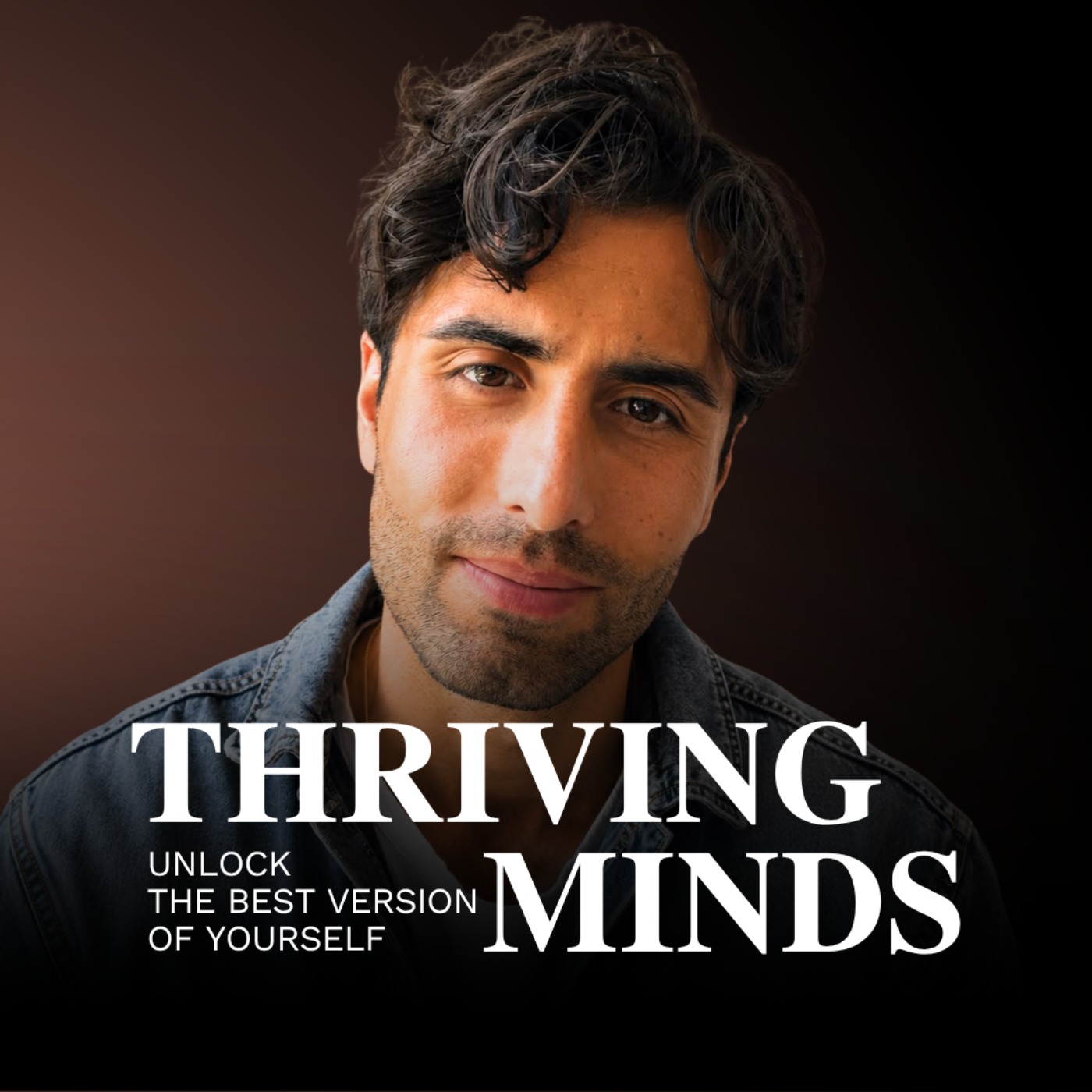
 Thriving Minds with Alberto Zandi
26 Sep 2024 · 46m

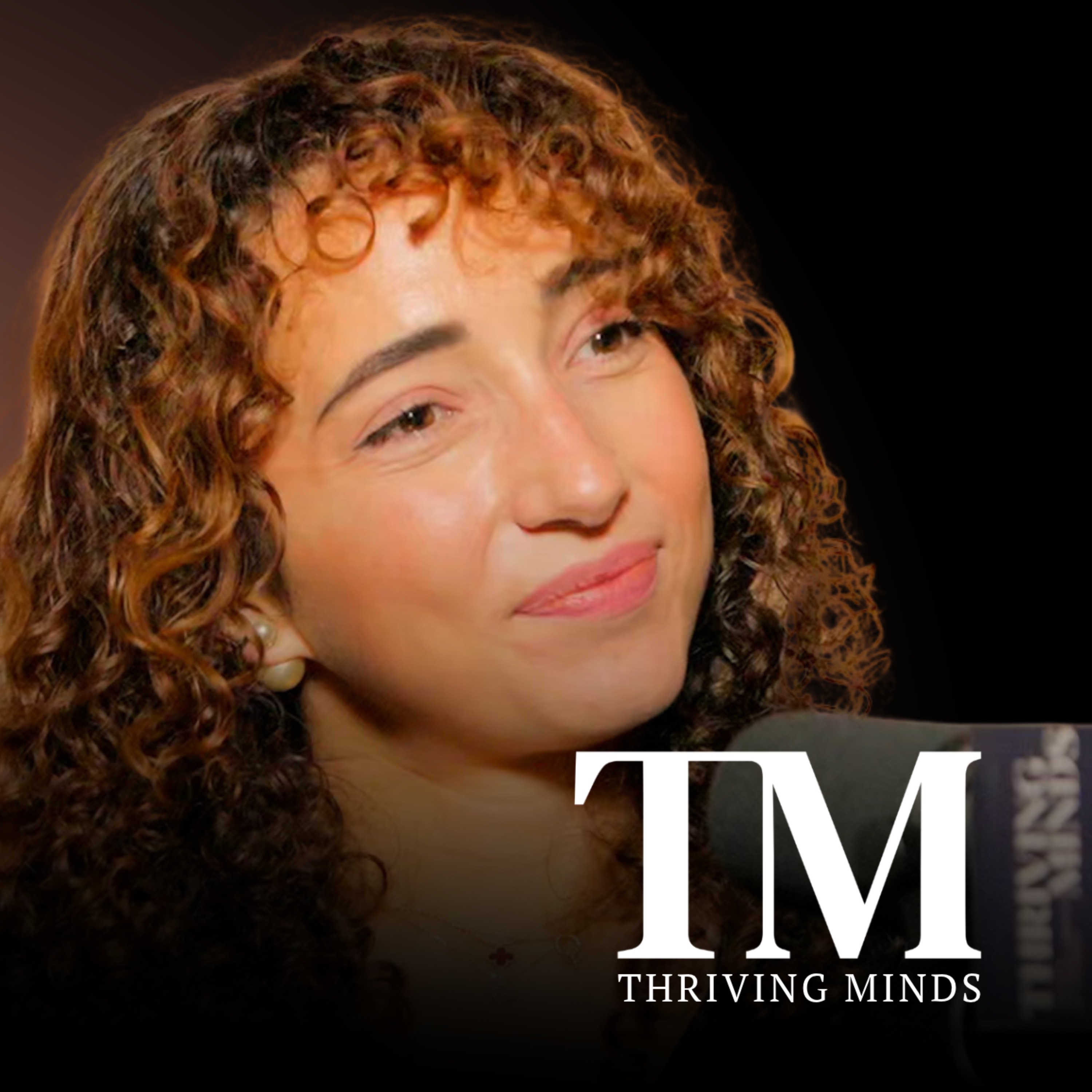
In this episode of Thriving Minds, host Alberto Zandi invites Claudia Stankler, the Chief Operating Officer of Connectd, to discuss the fulfilling and stimulating aspects of corporate jobs compared to entrepreneurship. Claudia shares her journey, insights about work-life balance, her psychology background, and her definition of success in a corporate environment.
Written by AI. May contain mistakes.

Get the gist, explore an idea or ask about something said.
 Claude
On Thriving Minds with Alberto Zandi, what are the key points of this episode?
Searching your listeningAutomatic transcript. May contain errors.
0:02At the age of 28, you made it to Forbes list. I've interviewed several founders now, but you're the first executive that sits on that chair. How has these recognitions contributed, if it contributed at all? We all grow up aspiring to be something, but I don't think when you get there, you necessarily realize you're there. And so you're always searching for more. Claudia Stankler is the COO of Connected. Connected is a funding platform connecting investors and advisors with startup founders. The aim of the platform is to democratize access to funding via the company's SaaS solutions and has raised$5.5 million to date.
0:40Being in operations can be incredibly intensive. And I think this is even more in a startup environment. What's the greatest lesson you've learned? Balance is key. You have to be your best in this business. You have to be the best for your team. You have to be the best for the investors. You have to make sure that you are okay. They want to be, I would say, the go-to operating system for founders to run their businesses through when it comes to managing their connections with advisors and investors. We are currently running off$6 million annual recurring revenue. In your case, you've studied psychology.
1:16How is this useful to your work? It's an interesting question and I actually get it quite a lot. Honestly, my answer is I don't think it is particularly helpful. You've spoken publicly about gender discrimination in the investment ecosystem. Can you walk me through your concerns? Do you have any regrets?
1:40Claudia, you are the COO of Connected, which we're going to deep dive into shortly. Most operations officers, most C-levels, they have a business background, at least from an academic perspective but in your case you've studied psychology how is this useful to your work it's an interesting question and i actually get it quite a lot um and honestly my answer is i don't think it is particularly helpful um i think from a people to person you know people to people perspective it is useful i think it is a very well-rounded background to have and i think it's useful in all elements of life but i think from a business perspective it isn't necessarily as useful as a business management degree would be for example but I think it does teach you to I think pick out elements of what you do know and apply it to other elements so it is a very it's a degree that helps you apply things differently and I think that is where it can be useful a lot of what I do is learning on the job I think you have to I think when you are in an early stage business you do have to learn as you go you have to be very experiential with how you learn.
2:50You have to throw yourself in there. You have to be open to, you know, taking the feedback into learning everything that you can do. So I think it has taught me not necessarily what I learned in my degree was useful. I think it's more the skills that I've learned through applying what I've learned has been useful for me in my career. Do you think if you would have studied something business oriented, you would have performed better? Probably. I think so. I think when you are, I think I would have performed differently. I think when you are taught specific things, it's very easy to just reiterate that and do that.
3:26But I think a benefit of what I have had is that because I wasn't necessarily taught to do my job now, it is all learning. I think I'm able to apply things differently to how somebody in my position who had a business management degree would have applied. And I think that can be a benefit. it, I think diversity brings innovation. And I think by coming at my career from a different angle as somebody who maybe would have gone through the more traditional route, I think that has allowed me to have different experiences that helped me in the job. But I think having come from a traditional business management background on the other side of that, I think could have been useful just to feel maybe more secure in myself on a day-to-day because it's difficult when you are learning on the job.
4:12But yeah, I think either way, whichever way you look at it, there's benefits and there's pluses and there's minuses. It's interesting because I've started business management. Then I went and did computer science. But I don't think I've applied anything that I've studied into what I do today. I think they're good foundations, but there is not, at least in my experience, there's not a one-to-one correlation. And if I'm going to open up a little bit, I've always wanted to study psychology. So I also think that the grass always seems greener on the other side. So whatever you studied, you know, wasn't good enough and you want to do something else, right?
4:51But this is something that it's a conversation that we've been having from a different angle with some friends when we go out for dinner because some of my friends are parents now. and they ask themselves when their kids grow older, what should their advice be when it comes to university studies? And I was able to gather two consistent advices. The first one is advise your kid to study something that they're passionate about, something that they love. And then the second one is advise your kid to study something that allows them to change careers if needed. What would your advice be? It's interesting.
5:32Definitely the former, 100 % the former. And that was what I did. I think, you know, because psychology is, you wouldn't necessarily think in my job position that I'm in now that I would have a background in psychology. And that's because it was a passion of mine. I also didn't necessarily know what I wanted to do when I was younger. And so it would have been wrong for me to choose or for my parents to have stipulated that I went down a traditional route, because if that wasn't what I wanted to do, I find it very difficult to engage myself. if I don't want to do it, if I don't have a passion for it.
6:04And so I feel like you'll probably, and the way that I will raise my children in the future if I have them, is that I would want them to do what makes them happy. Because I think when you're doing something that makes you happy and then you have a passion for it, you are able to put your all into it. And I think when you're putting your all into something, that's when the success happens. I think I've seen so many people in my group in life that they went into something that they didn't necessarily enjoy and they're struggling with it because you have to get up every single day and you have to be bought into something that you aren't actually bought into and that's a difficult position to find yourself in.
6:38So for me in the future and for your friends' parents, what I would say is make sure they're doing something that makes them happy and the rest will fall into place. I agree with you. I also think that when you're choosing your university career, there's so much stress around it. You think that it's this big decision that you've got to make and if you get it wrong, you're doomed. And throughout all the interviews I've had with incredible founders and successful entrepreneurs, most of them are not working in an industry that is related to what they study, which is very interesting. It's also my case.
7:16I started business management, yes, but most of my academic background comes around computer science and I'm right down in the hospitality industry, right? So they have nothing to do. So my advice for my kids would be to do definitely something that intrigues them, something that motivates them and that inspires them. But most importantly for them, not to think that this is a life-changing decision. Like you can study something that you learn and you can apply some things in whatever job you end up engaging yourself with, but it won't define who you are and your path. And I think that's removing that stress allows you to do things with conviction, even if you make a mistake.
8:01let's talk about your company introduce me to connected yeah so connected is uh it's a really great business i'm totally bought into bought into it so what we are wanting to do is make and manage meaningful connections within the startup ecosystem there is so much there's wealth of knowledge there's wealth not only from the the you know the monetary perspective but from a talent perspective out there in the ecosystem and it's a matter of finding the right people that can help progress your business forward whether you are in the hospitality industry whether you're in the tech industry or cosmetics whatever it may be there are people out there who can support you from whether it be a smart capital perspective or a little black book perspective or have the blueprint of what not to do perspective and we've got a platform to help those people find each other so to make sure that we are unlocking capital whether that is monetary whether that's human and making sure that we're allowing the startup ecosystem to thrive through these fundamental connections that they might not necessarily have been able to find each other otherwise.
9:05A little bit about my background is when I was running the operations for the first London-based technology that it was, I was also fundraising for that business. And having a background in psychology, it didn't necessarily lend itself very well to having the little black book of strategic investors. And so when I was fundraising, I ended up cold outreaching to anyone with the word investor in the title on LinkedIn, which I think most people have had to do at some point if they don't have that network. And that is where I actually met the founder of the now founder of Connected. Connected didn't exist back then.
9:36So it was a cold outreach. There was synergy there in terms of his background. He was going through an exit. He was looking to start angel investing. he certainly had the skill set to support me and what I was doing and he came and invested in that business and then he realized that you know there are really great founders out there there are really great entrepreneurs out there who don't necessarily have the network and why should they be at a disadvantage because they don't know where to turn to find smart capital or to find human capital and then he found connected um and because I'm totally bought into it because I was that person who was fundraising I know I needed something like this and it didn't exist um you know it's a very very good fit for me to come over and run the ops for connected i think what you guys are doing is absolutely great because you're allowing for innovation to really happen most businesses and a lot of great ideas they never see the light of the day because they are afraid or they don't have the right access in particular to capital if you have an idea but you don't come let's say from a comfortable background or you don't have immediate friends that you know that you can call out to and ask for some initial funds, you don't know where to start from.
10:45And if your risk appetite is not very strong to start, you know, calling people that you don't know. And as you said, like you had a psychology background, maybe not a business background. Someone else might be in a similar situation where they don't have those, let's say, economics or business skills to call someone and know what to say or what not to say. A great idea would never come to the world. So I think what you guys are doing is fantastic. I do have a question on how this differs from crowdfunding. So in crowdfunding, which is, it has been around since I think 2008 or nine, you get small tickets, a lot of investors.
11:23I think for some, some, in some aspects that might be crude, but in your case, I think it's different, right? So you get higher tickets and less investors within your cap table. Is that the case? Yeah, so the investor vertical of our platform, and there's three morphing into four now, but the investor vertical is essentially focusing on smart capital. So as you said, crowdfunding is very small tickets through anybody who really wants to support you. Anybody can chuck a grand in, sometimes as low as 50 quid, 100, but if they want to. they don't provide support to the team they don't provide support to the founders and it's all done very not informally but there's no actual connection between the team and the investors what we focus on is angel investing and also VC capital so that's I would say the step above that which essentially is people who have had you know could be flourishing careers it could be you know they could be investors they could be searching for deal flow for VC firms so they could be associates, they are looking for these high growth businesses.
12:25They're looking to support these businesses, not only from a capital perspective, but from a smart capital perspective. So they might be looking to actually, you know, invest their time with these founders to use a black book that they've got, or to use the skill set that they've, you know, spent 20, 30 years, for example, building up to support these founders moving forward. So engine investment, VC comes with a lot of support to the team itself and the founders itself. Whereas crowdfunding is, there isn't much of a connection between the actual people running the business and the investors. It is a ticket, essentially.
13:01I've often thought, because in my business, we initially started with a small amount of investors. And for a period of the maturity stage of the company, that worked. And right now we are in a stage where we have more investors, people that I don't necessarily know on the first basis. I do obviously know them, but I don't have a long standing relationship with them. And I'm not too sure to what extent is it good. And I think maybe it might be industry dependent to have investors in the business or shareholders where they have an operational input. So I think my question here is, you're an important investor.
13:44The idea is that they're not only inputting capital, but they're also providing knowledge and experience. To what extent is that an advisory capacity in comparison to really being at an operational level? Because, I mean, there can only one person, right, steering the wheel, one CEO. There's not two drivers in a car. There needs to be one. So how do you draw the line? It's a great question. And I would say that smart capital isn't operational. it is strategic and so you know you still have the operational teams working and running the business that doesn't change these investors who are investing time it could be you know it could be just being at the other end of the phone for the founder to give them a call and ask their advice on something it doesn't necessarily have to be a stringent relationship and i think in most cases it isn't i think there is more of a comparison that you draw between the smart capital from an investor and an advisor because as you say they are supporting from that perspective but the board advisory relationship is quite an it's quite it can be quite informal and so they can be quite similar obviously to be a smart investor versus a board advisor the investor would need to invest capital but you know I think if it is an informal board advisor it can be quite similar to being at the other end of a phone it could be an hour a month engagement with the team you know it could be whatever they agree between them but I would say that the investor and the smart capital side of things, they wouldn't be operational.
15:07It is strategic. It is to make sure that they're able to support the businesses and the founders and the teams moving forward with whatever they need to help the progression and the trajectory of the business with, you know, the background that they might have built themselves. How old is the business and what are their actual revenues? How old did you say? The business, yeah. So Connected is about four years old. So about four, four and a half years old. So we are currently running off, I think it's six million dollars annual recurring revenue. What is the mission and the vision for the company?
15:40So we want to make and manage meaningful connections. And, you know, as I was saying earlier, I think there is a huge gap in the ecosystem of people not knowing where to turn. And even once you have that connection, how do you manage that relationship is something that's very important. You don't just take money off someone and then never speak to them again. It is a relationship. And so we want to be able to build infrastructure for the ecosystem, essentially to not only make those connections, but then help them manage them through time, through the life cycle of the business. And so, you know, we really want to be, I would say, the go-to operating system for founders to run their businesses through when it comes to managing the connections with advisors and investors.
16:19There's also another service line within your business, which is a reporting tool. So I've read from your founder, an article from your founder, that the success of startups can depend on how good your reporting to your shareholders is. Is there an ideal frequency for an early stage company to report to their shareholders? I think it is very dependent on the business. I think on the industry, I think on the size of the business, where they're up to. Generally speaking, I would say monthly is a good amount of time to use. I think it does depend, as you say, totally on the business. we do monthly updates to our investors and we find it actually being very beneficial not only for the investors but also for us because at the end of the day when you've got a cap table of incredible people who have done wonders for their own industries for their own businesses you want to be tapping into them and you want to be using them that's why they're here to support you moving forward as well so i think if you're not updating your investors how are you going to be able to tap up tap into that you know potential support that they can provide for you so that's why we want to make sure that founders are not only making those connections, but they're able to manage them.
17:28So the progress reporting tool that you mentioned allows founders to plug in metrics of their own business. They get it on multiple graphs. They're able to see their LTV versus CAC, for example, and the investors are able to get reports on this. So their founders can share data on a lot of different levels. It could be private. It could be with their connections. It could be with their shareholders. And that allows the investors to get updates through the founders on, it could be a monthly basis, it could be a real-time basis. But I would say if you're actively reporting to your shareholders, a monthly basis, I think, would be a good happy medium where it's not too much contact time.
18:07But because at the end of the day, you're meant to be running the business. You know, you can't spend all of your time talking to your shareholders. You have to be operationally actually doing something. But you also can't be ignoring them because it would be detriment to the business anyway because they are there to support you moving forward. My business is six years old, just a little bit over six years old. The first year and a half or so, we were doing monthly updates. So we're basically sharing monthly reports with our shareholders. There were calls because not all of them were in London.
18:38And then as the business grew, we gradually moved these two quarterly reports, mainly because we don't have as much time. Right now we employ over 200 people and I would like to be very close to my shareholders, but that would mean that I wouldn't spend as much time in the business. My experience with reporting was, I mean, there's two things. The first one is that every shareholder is different. So my cap table looks very different. The background of each shareholder is different to one another. So their requirements and what they're expecting is different. Some people want quicker or let's say more frequent updates.
19:13Some other ones are happy with the quarterly basis. But one common denominator that I've seen across all of them is that when things are going fine, monthly, quarterly are completely fine, that frequency. But when things are not going so well, they want to stay updated even on more operational, smaller details. I don't know if this is something that you've seen too also. Absolutely. And I think it's a good thing. You know, they have a vested interest in the business. So they want to be supporting you, not only for you, but obviously for them as well, because they are shareholders. and I think you know as I said these people have probably got a wealth of experience that as you know us as the operators of the business should be tapping into so I think when things aren't going as smoothly as you want it to that's the time you need to be tapping into the people that are there to support you ultimately so I think that would I think that's you know definitely you know viable for them I would also say on your point that you're totally right a lot of investors want different things.
20:10And I think it depends on the stage of the business. A VC, for example, might want their updates in a particular structure, whereas an angel might be a little bit more okay with the structure that you implement. So it does also depend on the investors themselves. Why do you think they employed you to be the CEO of this company? I'm very anal when it comes to knowing where I need to put things. And that is a good trait of a COO. You know, Rory, the founder, is an incredible CEO. He's the visionary. And that is what you need from the founder and the CEO of a business. But when it comes to making sure everything is done and everything is done the right way, that's when you need somebody who, you know, wants to cross their T's and dot their I's.
20:54And that is me. I obviously also have worked with Rory in the past, so he knows how I work. And we know that we work well together and we have a very good dynamic and I think that is possibly underrated when it comes to being in the executive team of a small business if you aren't gelling or vibing with the people that you're working so closely with personally I don't think the business will work because you can't be loggerheads you need to be you know managing your skill sets in a way that complement each other and I think that was definitely a benefit for for for myself and Maury how much freedom do you have because myself as a founder, I had a learning curve on how to delegate.
21:34It's your baby, you put a lot of time, you put a lot of money, your credibility, investors. And delegating sometimes can be hard because you always think, most likely wrongly, you mostly think that you can do things better yourself. So how has this experience been on your side, which is on the other end of the spectrum? I think it's a really great point that you touched upon. And I think delegation is difficult when you don't necessarily... Let's pretend your founder is not listening. Yeah. You don't necessarily have the trust. I think, you know, when you trust the people that you work with, delegation is actually easy.
22:10Because you know that whatever you're delegating to them will get done. And you will only delegate to them if you know that they will do it how you would do it as well. And so you have to fundamentally have that trust there with the people that you're working with. And, you know, I think what makes a great founder is hiring people who are better at them in certain elements. And in doing so, that will allow them to, I think, relinquish some of the control. I think it was Steve Jobs that said that he was hiring smart people so they could tell him what to do, not vice versa, which is something that I think founders sometimes they get the other way around.
22:46I'm employing people, so I tell them what to do because I'm the leader, I'm the boss. So that should, I mean, it's the nature of the role, right? I need to tell people what to do. But I completely agree with you. I mean, if you can be in an environment where you are able to employ high caliber, highly qualified people, and they are the best at their craft, I mean, that's the best place to be. And that business, whatever that business is, has a high degree of success. Absolutely. And it reminds me of, we've just launched actually a mentoring program within the business. And that's for all of our team members.
23:23It's not necessarily on exec level. It's not on senior management level. It's on anyone. You know, anyone in the business can enroll into this. And the way that we've built it is that the relationships work both ways. So you get paired with somebody and you mentor them, but they also mentor you. And so it doesn't matter, you know, the ethos behind that is it doesn't matter who you are in this business. you have a skill set and you bring something to the table that I can learn something about and so I think it's also important to you know hone that in the business that doesn't matter really what your job title is we're all here for a reason because we have a certain skill set in our position and we could all learn from each other and I think that in itself makes sure that you know everybody feels part of the team doesn't matter if you're the CEO or an intern you know you have a skill that you can teach other people and that really does help I think on that same level
24:14Being in operations can be incredibly intensive. And I think this is even more in a startup environment. What's the greatest lesson you've learned? Balance is key. Balance is key. I've never been able to get the right balance between personal and work life. And I really struggle with that. And I have for the last six or seven years. And it's been something that is really important to me to try and figure that out because you have to be your best in this business. You have to be the best for your team. You have to be the best for the investors. You have to make sure that you are OK in order to actually fulfill your responsibilities.
24:53And for me personally, if I'm not getting that balance right between my self-care, my time to myself, then I'm not able to actually perform well in my job, which is kind of a double-edged sword because you feel like if you're taking that downtime then you're not doing your job well enough because you're not constantly on it but actually it's counterproductive because me as a person I need to be able to have that time by myself I need to be able to have that self-care time to look after me in order to be able to put that back into the business and so I think you know some you know when I was younger I used to run myself into the ground I never used to focus on myself and I used to focus on my career and building it up And then I realized I reached a point where it's not sustainable.
25:33And sometimes you're not okay. And you have to actually take stock and step back and say, I need to look after me first in order for me to actually provide to the people around me, whether that's personal life people or people at work. And so getting that balance right is something that's very, very important to me. And one of the most important things I think that I will do, and I still haven't found it. It's a learning journey. can you give me an example so for example at 6 p.m you leave the office or at 9 you just you know log off from every device is there anything that you're actively doing for you to keep that balance or at least to try to keep the balance i would say hobbies are very underrated in our line of work because everyone spends so many hours a week actually at work you kind of forget that when you leave the office, you also have another life that you don't, I personally wasn't really tapping into.
26:29I just kind of dropped all of my hobbies when I was younger. You don't necessarily see your friends as much. And for me, it's, it is as much as switching off at a certain time that I need to switch off as it is actually investing in the things in my personal life, whether that's refinding a passion that I used to have that I dropped or whether it's, you know, engaging properly with my friends and actually being present in those conversations rather than thinking about work while I'm there. So I would say that for me, it's been a huge learning journey of, yes, I can switch off my phone or take my emails off my phone or don't check my emails at the weekend, for example, is one element of it.
27:05What did you sacrifice to be where you are professionally? Um, I think everybody has to sacrifice something at some point in their life. I don't think there will be many people out there who have never sacrificed something. I think for me, personally, it's probably been fully investing in friendships and relationships. I am very lucky that I have a group of very strong group of friends who understand the lifestyle that I potentially have chosen. But I think, you know, not being able to turn up to all of the events that they're having, maybe feeling at times that you're not committing yourself to your friends as much as a sacrifice that I made.
27:45Because when you are in the very early stages of running a business, So when you are there from day dot, you don't have weekends, you don't have evenings. And even if you do, your head is not where it needs to be. It is in putting the structure in the business because at the end of the day, the business doesn't get to that place where it needs to be if you're not doing that in the early stages. And so I would say over the years, there's probably been some element of sacrificing my friends and my personal relationship. but I'm very fortunate that everyone's very understandable and I still got you know a lovely group of you know a strong group of friends around me because they understand that but there have been times I haven't been able to turn up to things I've been locking myself in the house just do you have any regrets no none no I think life's too short to have regrets I also am a firm believer that things happen for a reason and so if you're going down one route of your life and it doesn't work, then it didn't work because something else is meant to happen for you.
28:44And that's just my personal beliefs. But I think that helps me kind of realize that life's short to have regrets, you know, and every route that you take in your life sends you down a path that is where you are today. So had I have made any different decisions at all in my life, I might not be where I am today. And so I think as long as you're happy and content where you are now, there isn't a reason to necessarily have regrets. In my case, I did sacrifice something. So I started working while I was studying at the age of 19. So I started in strategy consulting and I did that all the way until I was 23, 22, 23 years old.
29:22And then I started in the hospitality industry. So what I've missed was those university years, which I did study, but I didn't have a university life. You know, they usually say those are the years where you can lose a little bit yourself. You can make mistakes. You can be goofy. You can be stupid. And I never had that. But I never consciously had that. I decided to sacrifice short-term joy for long-term happiness. So this is something that I'm happy that I've done. I consciously know that I did it. But in other cases, for example, I have some other friends that they do have regrets. They are in a maybe professional financial situation right now that it is very comfortable due to the sacrifices they made.
30:09But they feel like those sacrifices were greater than the outcome that they are receiving right now. And I think that's a great lesson learned for everyone. There's not one route to happiness. there's not one route to define what really success is. I think it's very personal. But it is great to find people like you where you have achieved what you wanted and there are no regrets on the way. I think for me, it feels like dangerous territory to have regrets because I'm a bit of a worrier. I'm one of those people that will just sit and think about things that happened five years ago and it will get in my head.
30:45And I think if I allow myself to, I guess, ruminate on those small things that in comparison to life they are small if I allow myself to I guess hone in on that tiny thing and it will become bigger and it will become a bigger thing in my mind and then I won't be dealing with it and then that is potentially when the regret comes in and so for me I just try to think I've made decisions that I've made in my life for whatever reason I've made them and I've made them because they were right at the time and if it was right at the time and I acted true to how I felt I needed to, then I personally don't think it would be a regret because, you know, I think you tend to regret things that maybe were not, maybe ways that you acted that were not true to your values could be a regret for someone.
31:31And I think as long as somebody is doing something that was right for them and it was true to them as who they are, then for me personally, it wouldn't be a regret in my life. You've spoken publicly about gender discrimination in the investment ecosystem. Can you walk me through your concerns? Yeah, I think it's a well-known fact that, you know, I think it's less than 2 % of VC funding goes to female-founded businesses. And I think a recent stat that I think was PitchBook brought out is that if a female founder has a male co-founder, that 2 % increases to about 21%, I think it is, which I think is quite a harrowing stat which basically shows that money is going towards the men in our industry nothing seems to be nothing seems to be you know changing and I think a lot of the problems and I you know I've spoken to quite a few female LPs of VCs and their perspective on it has been that a lot of the VCs are run by men and so they are wanting the funding to go to like-minded people and so i think yes you know being on the receiving end as you know potentially as a female founder receiving the funds is one problem because there's not there's not enough of them receiving the funds i think there is also another problem in that it's nine cells out of ten is men giving the funds and that is probably where that discrepancy is coming from i'm going to play devil's advocate here.
33:01Is the lack of investment in female founders industry oriented? So for example, female founders are getting less capital, less funding in the financial sector, because there's just less female and there's less women in the financial sector. So by definition, they're going to get less funding. But perhaps if you transport this into the cosmetics industry, they're getting more funding because there's more women in that industry. Probably is the case. I haven't looked into it, but I think those statistics are basically sector agnostic. And so it's not looking within a particular industry. It's just saying VC funding goes to less than 2 % of female founded businesses.
33:42But I would say that maybe that is the case. And I would say that also something that I think I'm quite passionate about is that young girls growing up don't necessarily know the paths for them. and so I think there was an education problem because when I was growing up I didn't really know I didn't know what a COO was you know you don't necessarily think that it's a route that you can take not only because you don't see women in it as much but you also don't know that it is even it is even a job that you can have and so I think a lot of the problems that we are now seeing in our industry stems from a lack of education for women growing up you know we're all taught the traditional jobs, but we don't necessarily know much about innovative jobs, you know, in the ecosystem that we're working in.
34:27And so I think that's why until we start investing more in, I guess, women in STEM throughout the school years, maybe we're not going to see enough women in STEM jobs, for example. And so I think it all starts with education. Do you really think it's just related to education or more related to educational content? So for example i mean i guess both a girl and a boy when they're young they can be told in the same classroom what is a co um and that is gender agnostic but at the same time when they grow older and they see movies and tv shows they perhaps don't see a female figure in those roles do you think that that's even more the case where where the change needs to happen absolutely i think representation is everything um you're absolutely right you know i think it is important to touch upon that because, you know, when you're looking at TV shows, you are looking, I guess, at what you could be in the future when you are a young child.
35:24And if you don't see the representation on TV, you're not going to think it is a viable option for you. And so I think, honestly, that a lot of elements are falling short of where they need to be, whether it is representation on TV, magazines, whatever it is, versus education. I think all of it can do with a little bit of a revamp. There's a TV show that I really like, which is called Soots. I don't know if you've seen it. Cool, sorry. Suits. Yes, I love suits. So two of the, I mean, there's three strong female characters, but let's say two of them, they've been through the entire series and they are basically portraying very strong corporate roles.
36:03And I think this is something that started happening from 2015, 2016 and it's gradually happening more and more. So, for example, we're seeing superhero movies is that the main character is a woman. So I think surely and slowly, at the same time, we are getting there. Do you think that speed is fast enough or things should happen quicker? I think in the 21st century, things should happen quicker because I think we've been talking about it for a long time. And I think that's the problem. If we'd only started talking about a lack of representation last year, then seeing a couple of TV shows where they are empowering women, would be great but i think that conversation has been going on for you know over a decade at the very least if not two decades and so i think it's not moving quick enough um and you know i do think that the media has a part to play in that as you've said you know tv shows they do have a responsibility because they are shaping the minds of the future um and so i think things can be done a lot quicker than they are i think there there's something that could be done at a recruitment level Well, right now, there's so much attention across the very senior roles and executive roles.
37:19So you see boards that are quite balanced from a gender perspective. But I think still today, there's a lack of visibility on what is happening at the entry level recruitment where no one is looking. How many men versus women are getting those jobs? And I think there's a lot of work that should be done at those under junior levels because no one is really looking at them. What do you think on that? I agree. And that's also why we wanted to launch the mentoring program, because, you know, the idea behind it is that we want to help people grow personally and professionally. And you don't have to enter at the level up here to end up up here.
37:59Let's talk about Forbes. At the age of 28, you made it to Forbes list. How important was this to you? It's something that I've always wanted. I don't know, you know, when I was 15, 16, for example, I always wanted to be on the Forbes 30 and the 30 list because it's kind of a gold standard you aim for. And I think when you are kind of, when you're in school, you're, you know, you have GCSEs and then you have A-levels. You always have something that you're measuring yourself again, against. But when you enter the working world, you don't necessarily have that. You have 40 years of working or so until you retire, which is the traditional way that, you know, this country tends to do it to do it um and so I always felt that I wanted something to aim towards even within that working element of my life um because I work well with structure um and you know Forbes is a great name um they've obviously done a lot of hard work over you know the decades to get themselves to that position um and so it was always something that I knew about it was always something that I strived towards but it was it never felt in reach for me because I didn't have a traditional path.
39:07You know, I did take psychology because it was a passion of mine, not because I thought it would get me towards that goal. And then obviously things fell into place. I stayed in technology and that became more of a, I think, a real goal that I could aim towards because I actually had that path to get myself there. And so when I got it, I didn't really believe it. But yeah, it's great to finally achieve something that, you know, I've known about for a long time. I've interviewed several founders now, but you're the first executive that sits on that chair. How has these recognitions contributed, if it contributed at all, to your career?
39:46I would say that, firstly, the network that you get access to is incredible. So I would say, you know, raising investment funds or having access to people who are working in your industry has been great. So I would say from a professional perspective, the network that being a list to provide you has been fantastic. I would say that I kind of want it to be seen the other way. And I would want people to maybe see if I am the first executive who didn't found the business themselves to be sat here. I would maybe want to use that and show people that you can do it because COOs are traditionally not the face of the business.
40:25You know, they are the person in the background building the structure, implementing what they need to implement while the CEO, often the CEO and founder, is the vision of the business. And I would really love for people to see that you can be the person in the background building the structure, implementing everything that they need to implement to get the business where it needs to go. And you don't have to be the entrepreneur to find the business in order to get yourself there. So I hope that other people can see if they are, you know, trying to get on the list or if they are trying to enter the startup ecosystem, that you can be in that position.
40:57You don't have to be the founder. You don't have to be the CEO to get somewhere like that. Very refreshing to hear this. Thank you.
41:07I think that in today's world, success, it is often portrayed as making loads of money and gaining power. What is your definition of success? Long term contentment. For me, success is just being good in yourself. Because I think so many people chase the money, so many people chase the power. And ultimately, it doesn't necessarily get you happiness, because I don't think money can buy you happiness. And so for me, success, and though for me, success is completely subjective. And for me, success is achieving Forbes because I wanted that when I was growing up. So for me, that is a success. But I would say in life, success for me is being happy.
41:53Because I think you look in the streets of London, you walk past people and people look quite glum. you know it seems to be quite a it's very rushed people don't seem to be that happy and ultimately I think life is hopefully long you know you want to build relationships you want to have um you know you want to I guess have strong relationships with people around you and I think that's ultimately the long-term goal for me for happy for success is happiness you know to wake up in the morning and be good because I've been in positions where I wake in the morning and I feel good and no matter what my job title is that doesn't change you know if even being a COO I can be unhappy and I have been in the past not in this business but in previous ones and so that didn't feel like a success to me even though I got the job title wasn't a success for me because I was waking up and I was thinking okay actually this doesn't feel like me I don't feel happy I haven't got my balance right and so for me success is making sure that in myself I am good would you say you're successful now?
42:56I think it's a work in progress. I think I also think success is a journey. You don't necessarily wake up one day and think, ah, I am successful. I think you will probably always move the goalposts as well. So, you know, when one, you know, you know, you're always chasing something, right? And when you reach what you thought you were chasing, you might again be moving the goalposts and keep moving the goalposts until you realize that actually, what is success and so for me success is internal because you know i am happy now and that for me is successful because i've been in positions when i haven't been happy and that didn't feel like a success so right now i'm happy to say that i am claudia somehow the world tells us that being a founder owning your own business is the ultimate target to to success and i don't think that's necessarily the road to happiness for everyone.
43:53I've had the privilege of sitting down with other founders and I've seen spark joy, excitement, passion. And these are the same things, if not more, that I've seen today. Listening to you, your vision about life, your vision about business. so I thank you for that because you are showing that success can have more than one definition more than one form and that people should find their own answer to what success is rather than aspiring to what others tells them so for that I really thank you thank you I think it's important I think you know we all grow up aspiring to be something but I don't think when you get there you necessarily realize you're there and so you're always searching for more and so if the success for you comes from inside you know when you've hit it um so for me that's just been a life lesson that I've had to learn because you know you know through the years of my career there have been so many ups and downs that it almost takes those downs to realize actually what you need in life And that is just the ups, because if you can have the what everybody externally sees as success as CEO of a tech business, Forbes, Lister, that might be success to other people.
45:17And it's I'm so grateful to be in this position. But if I'm not happy doing it, I'm not successful. Thank you so much for coming. Thank you for having me.
A business founder is usually filled with passion, vision, and has a strong emotional bond with their business.
Claudia Stankler, Chief Operating Officer of Connectd, shows us how a corporate job can allow you to have a life outside work while feeling as motivated and fulfilled as a founder.
Connectd is a community-driven technology platform that connects investors and advisors with leading and relevant startups. The tech company boasts over 1,500 members across the globe.
In addition to being listed in Forbes 30 Under 30, Claudia holds a master’s degree in psychology and was the President of the University of St Andrews Psychology and Neuroscience Society in 2015.
In this episode, Claudia shares with Alberto the importance of work-life balance, the relevance of her psychology degree to her professional role, and how she defines success as a corporate professional and a person.
Hosted on Acast. See acast.com/privacy for more information.