Ask ChatGPT
 Thriving Minds with Alberto Zandi
10 Oct 2024 · 1h

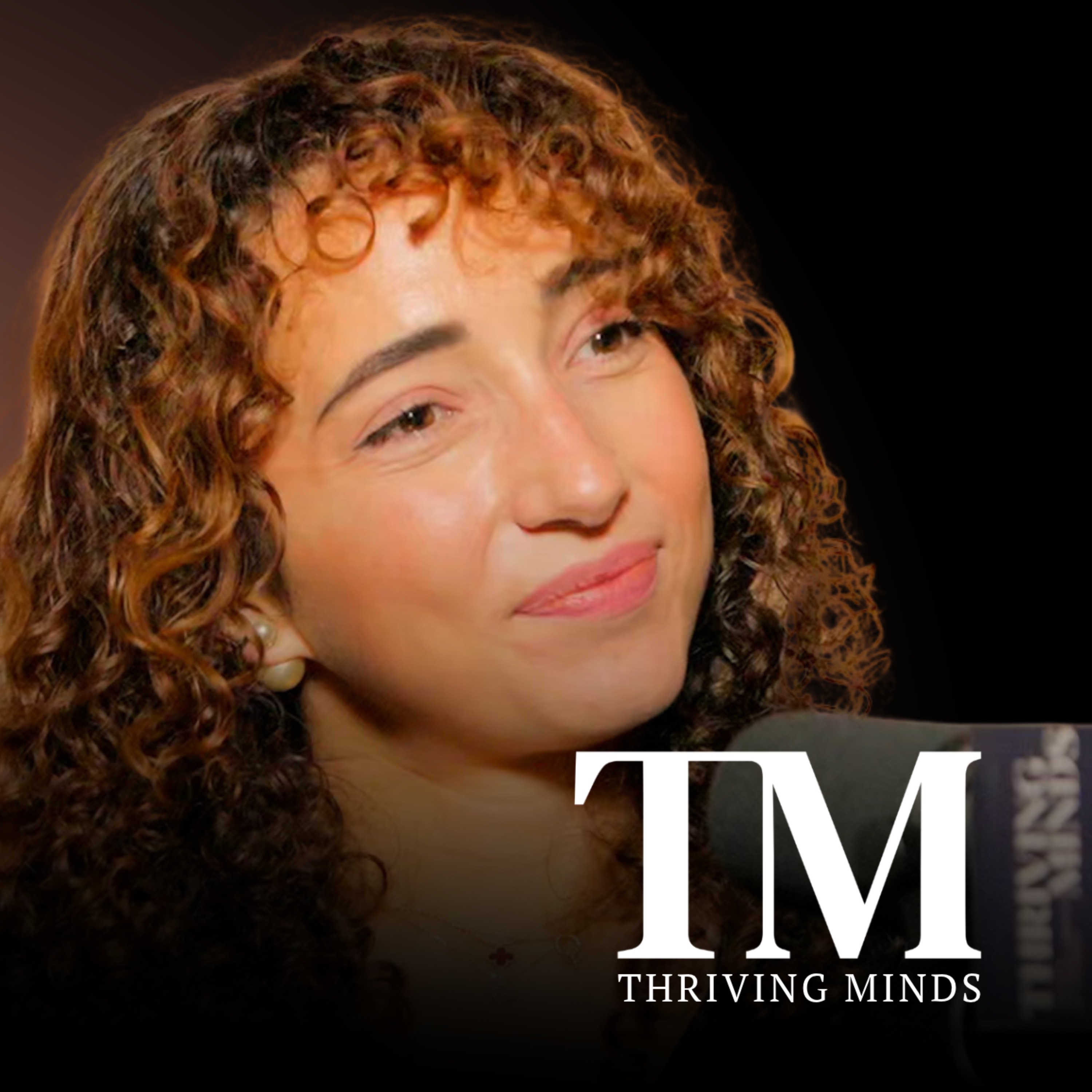
Guest: Ruby Aryiku, Co-Founder of VAMP
The episode explores the untapped economic power of the Black community, discussing Ruby's journey of building a multimillion-dollar agency focused on representation and the significance of the Black pound.
Written by AI. May contain mistakes.

Get the gist, explore an idea or ask about something said.
 Claude
On Thriving Minds with Alberto Zandi, what are the key points of this episode?
Searching your listeningAutomatic transcript. May contain errors.
0:02Our main focus is supporting Black talent in the UK, connecting them with brands, but also working with brands to help them connect with a wider, diverse audience with the black community community.
0:30for entertainment PR. Is the influencer happy? Do they feel like they're being compensated fairly? Is the client happy? Does this benefit us as a business? They either don't acknowledge us and our culture and or they don't acknowledge our history. I think if you can do both, you're already way ahead of most of the industry. When we look at segmenting and defining our customers, we look at age brackets, gender, demographics, taste and preferences. If I go to my marketing team and I tell them, let's identify what black people like, I just feel uncomfortable. I'm not sure if they're going to take it in the wrong way.
1:09How much invested should you be emotionally into your business? As an entrepreneur, do you think there's a downside to that? Forbes 30 and their 30. How important was this to you?
1:27ruby at 23 you decided to quit your job and start your own business walk me through that calling well um i was working in pr tech pr to be specific and if anyone has worked in tech pr know that it's very hard it wasn't your fun b2c tech it was b2b so it was very to some people dry but very interesting um and i knew that wasn't my calling um and i knew that wasn't my calling mainly because i was doing projects on the side working with my friends doing events etc and the excitement i would get from those projects outside of my day-to-day outside of my nine-to-five was very similar to how my colleagues in my nine to five felt when they got great news, new leads, coverage.
2:21And I just would not feel that way. I did very well in the role. I was only there for 11 months, to be fair. But, you know, I got coverage in BBC, Bloomberg. Like I did very well in a short space of time, but I didn't feel that excitement that my colleagues would feel when they got great coverage great you know new business leads um but yeah when i was doing my side hustles that's when i'd be excited so i would spend my mornings on my commute to work lunch after work doing my side hustles and that's where i'd be one of those side hustle so um i had i did um pr for a dj at one point i did pr for an artist at another point um i was part of part of an events team for a big um events um entity for uni student students and um then this was also the early days of what we know ramp to be now but it was not the same back then um so yeah anything that involved the culture involved events involved i guess the early stages of influencer marketing I was trying to be a part of.
3:27I didn't realize why. I just love doing it. So it wasn't very much the industry itself that you were not excited about, but mainly that you were working maybe nine to five for a bigger corporation. It's not that specifically because I had always thought I'd be a corporate girly. Like I like the corporate world. I think it was a mixture of the industry, but also I fell into the role. I fell into the role because I needed a job after uni. I got the job very early before I finished my dissertation. I got the job and it was like, why not? Let's give it a go. I'm very much, you know, let's try something at least once.
4:09So there was nothing wrong with the role, nothing wrong with the agency I worked for. I loved working there. I still in contact with all the directors, some of them are my mentors. But I think it was just it wasn't right for me. And I knew that quite early on. Was it useful in this experience, this corporate experience in terms of building a business? Absolutely. One, the department or the part of the business, part of that that I head up is publicity. So I learned a lot about your standard publicity strategies when I worked at my old agency. Without that, I don't think I'd be as good at my job as I am today.
4:47But also just in terms of like corporate structure, I learned a lot. I went from working at an agency to building an agency. So naturally, I hopefully would take some things from that. And I'm very observant. So there were certain things I was like, OK, well, we used to do things like this. So we had these processes. How can I implement them into VAMP? Annoyingly, because I was only at the old agency for 11 months, I feel like I didn't take as much as I probably could have because I didn't know I was believing in 11 months. But I definitely feel like the corporate experience was extremely beneficial to especially the early days of 100%.
5:24So from having the urge of leaving the corporate world to actually leaving, how long did it take you? Because I have some friends, you know, that they tell me I want to do something and the urge is inside of them. But when is it the right moment to say I'm doing it? Yeah, it was actually really short because it was a very impulsive decision. I would love to have this really cool story that, you know, from young, I knew I wanted to be an entrepreneur. And then it was not that at all. It was my business partner. She was working in ad sales and she felt like she had got everything she could get from that role.
6:00And she was like, guys, I'm going to see what I can do with this. Don't know where it's going to go, but, you know, let's let's give it a go. We've got some really good leads. Let's see. And we're like, OK, cool. Good luck. Keep us updated. We'll help you out. And then, so that was January. And then I think in April, I was like, okay, yeah, I'm joining you. Like, we didn't have anything specific that we were doing that was like massive. I was like, yeah, this is going to be, you know, our breaking point. But I was at the point where I was like, okay, I'm just, I'm not loving what I'm doing every day.
6:32And I was also worn quite thin because I was, you know, working on the way to work every lunchtime after work. Like I was doing long days. so um yeah april came and i was like yeah i think it's time um i didn't end up leaving until may june um because they wanted me to stay a little bit longer which is obviously really nice um a feeling for me um but i couldn't stay for too long so yes it was space of like a couple of months i guess some people when they think about starting a business they never really started because they start analyzing what are the possibilities of failing yeah and that fear is really paralyzing you so you stay at your job because it's safer how did you overcome this fear we didn't have fear because we did when i tell you i again i wish we had this really like amazing story of how it came about but i think it was the the benefits of being young you know 23 very little responsibilities um so we could take that risk um but it didn't even feel like much of a risk it was literally like why not like it was why not let's try it let's see what happens you know we all have degrees we we all know we're good at something so regardless we'd figure we'd figure things out and um so yeah there wasn't an initial fear it maybe the fear crept in you know when I wasn't making any money for the last first six months um and um I didn't have any savings and you know I wanted to do certain things and I was like oh oh crap, that's probably why I should have kept my job.
8:08Like, yeah, you have those moments. But there wasn't any fear that I had to overcome to make the decision to start, which I'm actually quite grateful for because I think that fear might have stopped me because I'm quite an anxious person by nature. And it was actually quite strange that I didn't have that being an anxious person. Most of my anxiety comes from like thinking of the worst. so the fact that it didn't really cross my mind about the worst case scenario probably shows that it was always the right decision for me never thought about like that but yeah i think um yeah that fear thankfully didn't didn't stop me i think in this particular topic we're onto something very interesting because when you're in between your let's say 20s and 30s you are somehow not responsible for for you know the obvious things like maybe you go out too much you parted too much, you dated the wrong people.
9:03So it's like in your head, in your 20s, you're allowed to make those mistakes, right? I'm allowed to be responsible for those things. And then I think it should be wrong. I think you should be allowed to have an irresponsible mentality when it comes to business, because that's when you can fail very cheaply. Because if you fail in business at the age of 35, 40, 45, and upwards, it becomes much more expensive. Because A, you have a lot of responsibilities in the case of having a family, and also B, life is finite, right? So you just have a certain amount of years that you can be working. So I think this is maybe a very good take and I would summarize it saying that we should be a little bit more responsible in our 20s when it comes to business.
9:47So we can try things without always super double analyzing and getting this paralysis, this fear. I think that's a really good point. I think, yeah, as you mentioned, it's expected to make mistakes when you're young and like you know but if we don't talk about it in the business world and we've definitely made mistakes and I'm happy that we made it in the early days and we're still making mistakes now like you know with everything you live and you learn but um I completely agree that yeah I think we should be allowed and there should be a more open narrative about the benefits of failing early or the benefits of failing in the early when I say early but any I would say anywhere you know in the first 10 years of a business, I think is still quite early, especially if you want it to last for a long time.
10:31There should be a more honest and open narrative that it's almost, should be encouraged. I agree. But then how many 10 years of our lives do we have, right? To then fail and rebuild? So if you start at 35, then if you fail those 10 years, you know, wait, let's say business failure, you need to start at 45, you might have only one or two more decades, right? So the earlier you can fail, the better because you're going to get ahead. It's like, I think you're going to find a very hard time in finding the right person to be in a relationship with unless you have already experienced some bad relationships.
11:08Let's talk about Vamp. You're one of the three co-founders. Walk me through the baby steps of how the company was built. because I think that especially when you're young, you have a lot of uncertainties on how you actually build up a business. So I have an idea. Then what do I do next? I open up a business. Where do I do that? The company. How do I open a bank account? How do I onboard my first client? Whether it's B2B or B2C. Walk me through those initial steps. Yeah, so we didn't have a conventional sort of like baby steps to start in the company. It was kind of all over the place. The name came later.
11:45the concept came later everything was just yeah all over the place which um i like talking about because i think there is an expectation that everything is written down and thought out and it was not i'm not saying that people should do it the way we did but i think there's there's benefits in being a bit freer and again it goes back down to age and the time period we were in we we could afford to do that if i was doing it now probably would have been a bit more structured But we actually had our first client first before the business actually started and before we knew what we were doing. So at uni, we had a friend who was really big into makeup, hair, fashion, and people would constantly stop her and ask her for tips on makeup, etc.
12:27Which she loved, but it would get frustrating for her. So in our friendship group, we just all encouraged her to start a YouTube channel. this is you know back in 2014 2013 so early early days like just start a youtube channel put it all on there when people ask you just direct them to your channel um and she started it and we then said to her okay we're gonna manage you we didn't know what that meant but we just you know we worked in events we worked in um you know our student union we were part of the african caribbean society so we had an understand you know being media students um two of us and a business student we have a basic understanding of you know the media industry so we started managing her and that literally just consisted of sending emails to brands getting her invited to events getting loads of freebies for her and again there was no strategy there there was no understanding that it would turn into something um but we had her that was our first client and that was our first way into the industry so we would accompany her to certain events and we were kind of finding out how the industry works but the um the next step after that yeah i think we registered the business because we were like oh well this is something we don't know what it is but let's put it down and pay for uh we had an email address but it was her email address so then we decided to make our own but then we had to think of a name so then we took a while to think of a name um i think we did the bank account we did probably do the bank account for a long time because we are not making any money we weren't making any money um but um i think the next step after that was working out okay well who who could our potential clientele be and it was super wide back then we weren't just doing influencer management we were also doing social media management and our main thing was helping brands um mainly small brands connect with wide audiences that was actually our main aim at the beginning of vamp um but we realized we didn't enjoy that So social media management was just not our passion.
14:24So we moved more into the management. We started managing a makeup artist who had gone viral with some videos and with some content. And that quickly we realized that's a space that we wanted to go into. So that next step was, yeah, working out who our clientele was. And then I think the step after that was us quitting our jobs and figuring things out after that. You've touched on a point that I think is very interesting.
14:52You launch a business and you launch it with an idea. And your idea will change because, first of all, in this case, if you're inexperienced, if it's your first business, you think that whatever you're deploying in the market is going to work. Then the market is going to give you loads of feedback. Yeah. And you have to adapt. So how does VAMP look right now? So if you were to elevate or preach me, so how would you define what are the services, what are the products that your company is offering? So at Vamp we are a cultural agency in America. Some might call it a multicultural marketing agency.
15:25And our main focus is supporting black talent in the UK, connecting them with brands, but also working with brands to help them connect with a wider and diverse audience with the black community in mind. So we do everything from consultancy, which a lot of the brands we work with need, especially in today's climate, to make sure that they're speaking to their audiences authentically. They're working on making sure their marketing is accessible to all. And we also do a lot of events from screenings to launch parties, work in the music industry, sports, anything entertainment we tap into. and then probably what we're most known for, which is influencer management and marketing.
16:11So we've worked with some of the biggest names in the influencer industry, helping them build their career and nurture them to make sure that they are authentic, but also commercial, so they can hopefully build a brand and make money. Why does this subject matter to you? I think for me, I was always very outgoing. Well, from a certain age, I was quite outgoing. I was actually very shy as a child, but my parents put me into drama school and performing arts. And from then, I really came out of my shell. And I'm a massive TV head. I love TV. I love film. And back in the day, I used to watch a lot of American shows that had great black leads, black cast.
16:56And as I got older, I realized that was not something that we were seeing. And what was so weird, it's like we went backwards. and especially in the UK because most of the shows I watched were American and I've I realized that yeah that representation that I saw growing up that I really believe gave me my confidence was not available to to most in the UK and after a certain period and so far so for me it's being able to to give other people that confidence I had growing up and giving them that that drive to know that look there's someone there that's making it there's someone there that looks like me or has a similar background to me a similar experience that is doing well um and is is considered and they matter and I used to say I don't say anymore but I used to say that my job is done when there aren't any more firsts and when it comes to representation so I'd go to America to visit family and I see huge billboards with with black women with natural hair black women with you know working for big beauty brands whatever it may be but it was always in the UK if it happened it was like the first black woman or the first you know Asian women to front a campaign etc and that is all obviously really great that we're breaking down barriers but it's also can be annoying that in today's day and age we're having first of the and we're celebrating first like that it should be the norm it should be part of everyday culture especially if we look at the numbers and how much you know um black people contribute to the economy if we look at all the numbers and we can get into the nitty-gritty of that just by the numbers it's ridiculous that brands don't invest more into it because they're losing out on so much money but there's the money side and there's also the representation morality side of like why would you not want to cater to all and make sure that everyone is considered and and spoken to so yeah i think i've went off on a tangent how would you define success for your business so what would you say i'm satisfied so it used to be when i used to say there's no more first um i think now it changes if i'm honest and i think i think it's quite important to know that um you don't have to have one one success point that you're working to i think you should have some um but i think for now for me it's um making sure that we're we're supporting our talent and the influences we work with in building their brand building their dreams but probably um equally important for me is is the audience and making sure that the next generation as I mentioned they feel that they matter and they feel they feel like they have the opportunity to do whatever they want to do there are no restrictions um and as I mentioned I used to feel like that but there's a period of my life where I didn't And I don't want the next generations to have that period because it can be very discouraging and not everyone can pick themselves back up from that moment.
19:54So, yeah, success for me is helping the next generations after us, especially black women, whether they're working on industry or not, just knowing that they can do whatever they want. This venture, this topic is obviously very close to you and to your heart. Do you see yourself in the future building a business that is not related to something that you're not as identified or passionate for? That's a really good question. I already know what I want to do next or some of the things I want to do next. They are all passion projects, but some of them have no relation to me whatsoever. They're just things that I really care about in society.
20:39But one of them is to do with the next generation and making sure that there are better avenues for careers for kids. So for me, I went to a grammar school and we were taught medicine, law or something, corporate finance, etc. There was no doing something in the creative arts. I did media at university, had never done it at school. My parents weren't keen on it. I actually remember one time I went back to my school with one of my friends just to say hi to some of the teachers. And, you know, they asked me like, oh, what are you doing now? And I said I was working in media and, you know, I had just got an internship with Disney at the time.
21:20And they were like, oh, OK, that's nice. And I was so shocked because I think I wanted some kind of validation. But the way they responded to me versus my friend who I think she was doing law, they were really excited about her. She went to a really great university and me, it was like, oh, that's, you know, that's lovely. And that cut those feelings I had when I was at school with regards to like, you know, I wasn't the most academic, but I pushed through that. But that's because of my family and my friends and just my personality in general. But there are going to be kids who might not be able to do that.
21:54um so one of my next ventures is supporting kids through the navigating what they want to do in their career but more importantly um the the venture I want to do is the reason it's a passion project is the industry I work in I love it but it's too it's misunderstood should I say it's misunderstood when you hear media or the influencer industry you just hear that oh you want to be a YouTuber or you know you want to be a streamer there's so many different roles within that industry like if we look in this room everyone has a different role you can be a producer you can be you know a copywriter you can be you know head of marketing so the venture I want to do is related to trying to show kids the different avenues they can go into from that one field and trying to suit their skills to those industries but also showing them the bad and the good of those industries so So there's a dark side to the influence industry.
22:52There's a dark side to gaming. There's a dark side to working in the sports industry. So just being more open. So that relates to me because of how I felt at school. But then I also have other business ventures that I want to start that have nothing to do with anything I've experienced. It's just things I want to do to help society. This is interesting for me to hear because I've always had the question in my head whether entrepreneurs should be emotional or logical, right? So I think you can make great choices in emotional situations in your life, but also very bad ones. And also in the same case, you can make great choices when you have a logical mindset or not.
23:34but how much invested should you be emotionally into your business um as an entrepreneur do you think there's a downside to that i think it depends on what what the business is i think for us at vamp there needs to be an emotional attachment to it because it fuels us a lot i think there'll be there would have been a lot of times if we weren't emotionally invested that we would have given up or just been okay fine we'll accept this or you know that's that's whatever but because of that investment we have and the fact that it relates to to us and you know our peers it gives us a bit of an extra drive um and it's not to say that people who aren't emotionally invested don't have a drive because they they might they might be driven just by get getting the job done but in the work that we do so specialists that it's not just one job that you can get done it's you know there's about three things or four things for every job that we're doing that has to be considered.
24:29Is the influencer happy? Do they feel like they're being compensated fairly? Is the client happy? Does this benefit us as a business? There's all these different things that we have to consider and weigh up and our emotions are definitely a part of it. However, I'm also very emotional and I think one of the benefits of having two co-founders is that we balance each other out. I tend to be quite emotional and one of my business partners can be quite logical and vice versa. And so we definitely balance each other out with that regard. But I think it depends on the industry. It depends on what the business is and also depends on what the business purpose is.
25:07For us, it's about representation, changing the industry. And to really understand that, I think it'll be hard to take out emotion. I would agree with you. I think what matters is to find a source of purpose, of motivation that allows you to not quit. whatever that source is if it works for you it works so i had the pleasure of having conversations here with other great entrepreneurs that their topics uh might not be as socially impactful as yours but they're as motivated right to see them happen and to implement them and i think that's where success happens because you will only fail when you quit so whatever is keeping you away from quitting that motivation that source of power that's it if it works it works it works let's talk about your clients so i've had the conversation with the current manager and founder of a company that manages the sidemen one of the biggest influencer groups i think i would say with talents globally and i was very interested in his strategy because they only manage one client one big client obviously from going back to logic and not emotion but from an entrepreneurial perspective that's something that could be quite risky because the moment that they dump you i mean you have all your eggs in one basket yeah so my question to you would be if you could choose any influencer or talent it could be an actor or a singer that you could represent that your agency could represent whoever it is no matter how big it is would you still consider that is a good idea to onboard other clients in to your agency um yes i think uh we would because i think it's about balance and also being realistic as you mentioned if they if they they dump you or they decide to leave you'll be screwed so that's where that balance of like logic and business has like logic and and um you know emotion comes into it you want to be able to give your all to your client um but there needs to be an element of you know we're a business we need to make money and does this make sense for us long term and you know if if you know if you're in a contract with someone and it's a five-year contract and it's, you know, non-exclusive, always exclusive, sorry, and you know that you're locked in with that client for a period of time, then maybe, yes, you can just have them.
27:26But I think it's risky to only have one client because of, and we've had this experience before as well, where, you know, people come and go. And also for us, we could change direction and realize it doesn't work for us to have that one client. And if you're not projecting for the next few years, you know, you could be left in a really difficult position. but um more importantly for us and we and we have these conversations of our talent there's an understanding of the bigger picture we yes we want to help them grow and we want to nurture them but they also understand that we have a bigger mission that we're trying to impact the industry and we can't do that for only working with one with one client and a lot of the influencers that we work with understand that appreciate that and give us a lot of grace which we appreciate that you know where we didn't we also didn't start the business to be an influencer management agency it's actually one segment so um it'd be unfair and we're very clear at the beginning what we do so it'd be very unfair to to for anyone to expect i'll just focus all our attention on on one person but also if we're doing the business right we should hopefully be growing and be you know be able to delegate and have people that can focus a bit of attention to that talent a bit more so so this was more or less precisely his argument he said that let's say we have someone you represent someone as big as Jay-Z, for example, right?
28:46He said that the service quality would drop because your attention, the amount of hours that you have in a given day are limited. So if you're not giving your 1000 % to this client, this client will not get 1000 % value for money when it comes to the service. Is this something you agree? I think it depends because again, you have to, you know, from a business perspective, especially with management you you only get paid for for what they get paid for you know for the for the industry the standard industry model is commission only so what about all the hours that you're putting in where you know you're doing a um relationship builder relationship builders can take months and you're making no money from a business perspective it doesn't make sense well it can make sense for some but um resource wise especially if you're trying to build in scale that's not going to make sense you need something to bring in money um and there are some clients that you know it'll work out but you still need to you know pay the bills yeah you know that you know if you do this and we've had this before where we've done relationship builders for up to a year and it's really paid off but you know it can only pay off if we have you know the lights still on and we're you know we're covering our taxes and we're you know paying for our rent and etc so there needs to be again that balance so i think you can have that thousand percent but it's only going to get you so far because again anything could happen that person could the brand could go bust or that person god forbid could you know break a leg and they can't work for x amount of months so you can't put all your eggs in one basket at all i don't believe anyways how many clients do you represent that influencer wise or brands influencers influencers we have eight.
30:29And brands? It varies anything between 10 and 30. And what are the revenues of the company, ballpark figure? Ballpark, we made our first million in year four and we've been going up since. And year four was when exactly? Year four was 2021. Okay, congratulations. Thank you. there's a very interesting research that you're doing partnering with clearview walk me through the research so um we we partnered with clearview initially in 2021 i believe um and for anyone who doesn't know what clearview do they are a research company um it's also owned by one of our friends kenny and um it all started because very early in our in our journey with we realized there was not a lot of data on uh the black audience so and i think year two um and i and i love research so that's one of the benefits of working at my last agency we used to do a lot of research a lot of reports looking into different industries and um i used to see a lot of reports in the u.s about black hair and you know black beauty etc but in the uk at that time there was only one study one in-depth study that looked into the black community specifically women but it wasn't just a black community it was a report on the BAME community they had grouped us with Asian and other minority ethnicities and the problem with that especially when you look at hair is we don't have the same hair type so brands can't cater to us in the same way and even when I think back i actually think it was crazy that that was even done because it's it seems so obvious to me that you can't put us together they can't put us together for many reasons but just simply if we just look at hair but then if you also look at our skin types there are differences between us 100 you can't deny it so um we we were really motivated by that and the fact that again the us are just so much more advanced than us they have their issues but they're way more advanced than us and we're always like about 10 years behind them and we I think we've just been trying to close that gap each year by the work that we do so we decided to do a report back then this is 2018 um looking at um the black beauty industry and um we did like just a survey on our own we had I want to say 400 people take part um we just we did a survey sent it out analyzed the results made a report and we used it to consult our clients.
33:15So we looked at everything from the marketing in stores for like, you know, if someone's going into Superdrug or Boots, do they feel represented when they go into those stores? More importantly than the advertising, can they get their products? Can they get their skin shade when they go into those stores? So this is pre-Fenty. This is pre-Rihanna and Fenty and all the brands kind of coming on board and realizing that you can't have three shades for Black women or any woman darker than tan. and um we looked at everything from from hair so what hair products people use what hair brands could we realize that again this is pre the brands kind of getting it that um black women were spending a crazy amount of money on on brands like tresemme l 'oreal products but they weren't being marketed to this is just innovation uh word of mouth black women telling each other that product's really good for your hair that product's really good for your wig so we were really trying to build an understanding of um the industry or the community so that we can give that information to our clients so we use that to consult our clients and we found it really valuable so that um that was back in 2018 so then when we decided to work with clearview this was post covid um the industry had had a lot of changes with regards to you know the entertainment industry the cinema industry had taken a massive knock um and we decided to work with them to understand what the the black pound looked like post-covid um where was people where were people spending their money were they spending their money in entertainment were they spend their money in beauty grooming lifestyle travel again it was just trying to get a better understanding that so we can consult our clients because it was post um the george floyd murder where loads of brands were saying that they wanted to do this and do that and support the black community etc but we wanted to be able to provide tangible results for them so that they can do it you know we can we can say we can do it for you we can help you but we also want them to be able to do it themselves because it goes back to our purpose we're trying to increase representation and make sure that brands are doing what they should have been doing all this time and we're not gatekeepers that they have to do it through us and we're not the only people that can do it um so for us it was about building um this study that um anyone can can utilize so we've done the first phase um and again we we use those results to consult clients and we're hoping to do another phase that is you know five years on what what does that look like where does the industry look like how much are our black british people spending in this industry in this industry because as i mentioned before the amount we contribute to the economy is sorely overlooked like ridiculously overlooked um and if you just look at you know the numbers brands are missing out on so much money by not marketing more or better to the black audience we've got loads of disposable income but it's just not being tapped into i'm just trying to understand why are both private or public companies either A, not analyzing this data, or B, once analyzed, not tapping into it, because I'm pretty sure, and I haven't analyzed it, but I'm pretty sure it's a huge market.
36:28I'll give you, for example, the example of my company, right? So we're in the consumer business, it's a hospitality, in the hospitality industry. So when we look at segmenting and defining our customers, we look at age brackets, gender, demographics, taste and preferences. but I think like if I go to my marketing team and I tell them let's identify what black people like how much do they spend I just feel uncomfortable I think I'm not sure if they're going to take it in the wrong way so at least for us that's the reason where I don't want in any slides you know in a power that says that you know we are targeting you know black people because of these reasons this is the the average ticket they spend and this is what they are eating because maybe I don't know I I just feel like it might feel wrong and someone might take it in the wrong way.
37:19What do you think about this? What country are you from? Spain. So I think what I like to do is always put myself into something. So would you be offended if someone said, you know, we've done a study or we've looked at, you know, 100 Spanish people. and we found that your culture says this or, you know, your family structure looks like this or the average spend is this or these are the things that really matter to, you know, most Spanish people. Would you be offended if someone kind of told you that? No, but at the same time, we haven't been persecuted or we haven't been, you know, belittled in any way, shape or form as compared to many black people.
38:04So this is a thing where I want to be very delicate about this topic. So I think I'm so glad you mentioned that because I think all you need is an understanding that there is a different culture and, you know, stats are stats. We're not on a list, but there are some things that are very clear that, you know, are there in the recent studies. So you've got an understanding of how we are, what we do, how we spend. but then there's also an understanding of, as you mentioned, our history. If you've got those two things together, it'll be very rare that any Black person should be offended because you're doing more than most industry have done for most of our lives.
38:43They either don't acknowledge us and our culture and or they don't acknowledge our history. I think if you can do both, you're already way ahead of most of the industry. Which industry is most behind? It's a good question.
39:04maybe beauty oh wow hair and beauty i would have said that would be the most advanced it's probably the most advanced in a short period but if you look at you know beauty industry's been around for a long time beauty and hair we've only made strides in the last three or four years really this is globally or in the uk globally but you know more if we look at western countries that have um a mixed population of the of demographics yeah i would say in the last last five years in the uk probably the last three or four literally since since rihanna like we call it the fenty effect like she completely changed the industry and the way the industry thinks about who's important and how to cater to that audience and i say the most advanced is just because you know if you look at the top sports football american football basketball the teams are very diverse And so by default, they have to make sure that they are, they're doing more for the culture and understanding black people, understanding people from diverse audiences.
40:04But at the same time, my annoyance comes from, it's only by default. I don't think they would bother if they didn't have, you know, a sucker, you know, dominating the team or even they didn't have Michael Jordan for the last 20, 30 years. Aside from what you're doing to help with the situation, which is tackling the under-representation for black people, is there anything else that you think we could do at a societal level or the government? Because the first thing that comes into my head is education, right? So how much of our culture are we taught, especially at school? Maybe in Spain a little bit less because, you know, there's less black people, but surely in the UK, I mean, this should be something very important.
40:47I think yeah I think you've hit the nail on the head education is is the first step and it's and it's still not being done like the the curriculum in the UK is is appalling with regards to representing the the population like it doesn't reflect the population I think the current stats is the quote-unquote BAME community like diverse audiences represents about 15 percent of the population so if we just do it by numbers at least 15 % of the of the curriculum should cover those people's history their culture and it absolutely doesn't I know I'm sure it's less than five percent it's probably like one or two percent if it hasn't changed from when I was at school it's like one percent of the curriculum covers black history when I was at school we only covered and I did history all the way up until a level we the only kind of black history we did was looking at segregation and Martin Luther King that's the only era that we ever studied and um I hope I would I would hope that now with more attention on the Windrush um era I would hope that there's more emphasis in the in the UK curriculum to look at how black Brits have um experienced their culture and history in the UK but I'm doubtful but I would hope that that's part of the curriculum now but yeah I think as you mentioned education I think is the first step but also self-education as well I think we can only you know shout at the government so much you know that they'll they'll either listen to us or not so in that time I think it's really important for everyone including even myself I try to learn more about Asian history and their culture I think it's really important all of us to have that moment of self-reflection what do I know what don't i know what can i understand more to to understand my peers understand other people in society even when they show we did the tiny segment of slavery but literally reading the books it's it's all a lie half of it's a lie um so the question is you know what who is deciding the curriculum who is deciding what is being taught there needs to be um i guess a more mixed body of people deciding what should be what should be taught from an early stage because You know, some of it is also very traumatic as well.
43:04But at the end of the day, as a Black person, we're dealt that trauma from young anyways. We're going to have that in society. We're going to have it, you know, seeing it at home where family members may have experienced trauma. It's got to happen. And I think it's important to introduce different forms of, I guess, the negative parts of history at a young age. Not to desensitize kids, but to inform them from early that, unfortunately, life has been crap in certain aspects. And if we hide from our history, I think that's also why we're struggling still today, because there's a blind spot in the UK with a lot of things like, oh, but, you know, there's a Black person presenting on ITV, so how bad can things be?
43:49But they're not realising what that person has to go through to get to that point. And if you don't learn about the history, you can't really make advancements to support the future, but also help anyone so that they don't have to go through all those unnecessary hardships. Right. So I'm going to drive us back to business.
44:10What's the biggest challenge that you can think of right now that you've endured during your professional career? um i think probably so we're in year seven now uh we're about seven and a half at the moment and um i think it was very much midway through vamp um my dad passed away in 2020 and that created i think a it was a period of challenges that started from there we had challenges as a business as all businesses do in their first three four years but um that also happened during covid so we were already having to readapt our business our business that was heavily um relying on events couldn't do that anymore um heavily relying on you know relationship builders with clients meeting up with them and you know the whole world shut down so we had to adapt so it was already a hard time for us but we actually weirdly enough made a profit that year we actually did very well in covid because of how quickly we adapted.
45:14So yeah, for me, the biggest challenge has been, yeah, my dad passing away in the aftermath of that. I think being an entrepreneur, especially in the early stages of a business in a startup environment can be a roller coaster of different emotions. And if your external environment is unstable too, which in this case, I'm very sorry to hear that, that this was your case, you can you can end up in a very very painful situation in your case what did you apply a technique a methodology is there is there something that you've done that allowed you to pull through this hard moment i think um it's a mixture of things there was definitely not just one and it wasn't a planned thing i learned along the way but um one if i had the business on my own it would have fell apart completely I'm we always say this all three of us that how grateful we are to have each other because we've all had ups and downs that we've all been able to support each other um and that was 100 % a period where that was really important to be able to do that so one yeah having two business partners that can essentially pick up where I wasn't able to to contribute to the business um also that purpose the purpose of the business you know I had moments where I was like okay do you know what it's not important to me right now but it's always going to be at the back of my mind and you know it it helped me some days it gave me something else to focus on something else to be angry at something else to be you know passionate about um during my my morning periods but also um as I mentioned before I'm quite an anxious person anyways and weirdly that period forced me to kind of stop a bit and I had anxiety in other areas but it kind of steadied me a bit because um unfortunately you know death and trauma have a has a way of of balancing things and making you work out what's important and what's not important and prioritizing things um and it definitely did that for me and made me realize that yeah I really love my work um I really want to make a difference um family and friends are so important to me and I want to make my dad really proud so I think it was a mixture of those things um it definitely changed me as a as a businesswoman I yeah it definitely changed me I can't pinpoint what it is but I know that there was a turning point in how I operate as a in in my business and all I can pinpoint is it was during that period I can't work out in what ways but I know I am different but in a good way I think I'm better um but yeah so for me I think it's a balance and also time the last thing is time I took about on and off about six months off um so it wasn't off because I was on sometimes but um I took six months where I wasn't solely invested in the business and I'm a workaholic by nature like in a bad way i don't recommend it but i will work 12 13 14 hour days like every day for two weeks um that's how i used to be to be honest i'm not like that anymore and um but yeah i think time people really underestimate the the healing power of time and i think it's because it's not a great answer if someone who is who is struggling or is is hurting ask for a cure and you tell them time I don't want to hear that.
48:45No, I didn't want to hear that at the time. But when I look back, definitely time helped. Thank you. Thank you for sharing this.
48:55Listening to this from the outside, I can, if you allow me to do this, I'm going to pinpoint one, I think, critical driver that from my analysis allowed you to pull through, which is the purpose that you had for your business. So for example, if I try to reverse the situation and let's say my mom or my dad would pass away i'm not sure how much i would care about serving food as honest that's as as honest as i can be right um but in your case you are serving a greater greater cause right so there's more people that you want to help and and you feel very close to to that problem that you want to solve so i think that's something very beautiful and and i'm happy that entrepreneurship help you was something that helped you to put through something so traumatic.
49:45I think being in business, if you're A, a woman, and then B, black, could come with a certain level of complexities. What advice would you give to a young black woman that is looking to start her own business? I've definitely said it quite a few times, but purpose. Find your purpose, but then this follows really nicely onto what I just said with regards to knowing your strengths and weaknesses. I'm not saying that, you know, I have the weaknesses I have, I've just left and I don't care about, but there are some that I'm not going to break my back about because I'm fortunate enough to have my business partners who can, you know, fill those kind of gaps, as I mentioned.
50:27But if you're, especially if you're working on your own, and unfortunately it's something that we've been told our whole lives is that, you know, you have to work twice as hard. so there isn't i'm not gonna say there isn't room for failure because there is there should be room for failure but there's not a lot of room to to fail and chill let's say you've got to fail and get it back get back up really quickly um and be able to adapt but all of that is rooted in what's your purpose what's the end goal or what's your end goals because as i mentioned i don't think you need just one i think sometimes it's good to have quite a few so yeah purpose and um Yeah, just always building yourself.
51:07I've learned so much in seven years. I've worked in the industry for 10. I've learned a ridiculous amount and I'm still learning every single day. And I actually want to learn more. I'm a big advocate for education plus experience. So I'm actually currently on a board for a charity called the Black British Initiative. And one of the initiatives that we have is called the MBA 30, which is like a mini MBA. because not everyone can afford to go to uni get a master's or you know take time off but this course allows any entrepreneur who has started in the industry to get valuable experience and you I truly believe you need both it doesn't mean you have to go to university and get a full-blown degree but I think everyone should be able to have tangible um you know practical experience but also theoretical experience that's what I believe anyways and I truly believe that's why i've done well because i did i was i had so much experience from the age of 15 to 8 15 to 20 i did so much work experience but i learned so much from my course as well that i was able to put into practice so yeah constantly developing your skills and and building your confidence in the work that you're doing because at the end of the day you can talk i'm a big believer in fake it you make it however it can only get you so far you want to be able to to hold your own especially as a black woman depending on the industry you're working in but for us we constantly would walk into rooms where we were either the only black person in the room or the only black women in the room or sometimes the only women in the room and we had to learn to be able to hold our own in each of those rooms and unfortunately for us we're always going to be the only in some sense or for most of the time but that shouldn't be something that should hinder your confidence, hinder you from being able to sell yourself, sell your business, sell your purpose.
53:06You need to be able to like almost close your eyes and still be able to do it no matter what but you're only going to be able to do that if you feel like you can hold your own and it's that definitely that self-confidence that you need to build but also you need to back it up with the knowledge of that industry or the knowledge of a product or the knowledge of that person's industry so that no one can make you feel lesser than yeah thank you for the honesty incredible inspiration thank you
53:38forbes third under 30 how important was this to you it's so funny because um i think i had mentioned it to a friend of mine an old friend of mine like in the early days of amp And I had completely forgotten that and mentioned it to this person until we were like this close to getting it. And because there's like a whole process for anyone who doesn't know, like Forbes, there's a process. And I mentioned to this person, they were like, oh my God, but you mentioned this, you know, X amount of time. I was like, did I? Because I hadn't spoken about it to anyone in that, as far as I knew. So I didn't realize that it had been, you know, a previous dream.
54:19But, you know, as you go on with business, you just get on with stuff. I would believe that most people on the list hadn't been thinking about it for the whole duration of their business. I'm sure you weren't, I can assume. It might be like something in the back of your head that could be a driver, but I also didn't want to focus on it just in case we didn't get it, and I didn't want that disappointment. But it was... Personally, for me, I think it was more symbolic than anything else. Like, it's something that people know of. you know and except some people like my mom my mom didn't know what it was when i told her that we got it is that good i think yes and my mom's verification of something is asking her brother her brother lives in america and she's like oh rubies made for somebody 30 under 30 and he goes what and she's like okay well that must mean it's important um so for me it's yeah it's definitely symbolic it's something that you know it's nice to be acknowledged and something that when my mum did her research she was like wow Rhiannon is on the list and this person's on the list so look at you you're you're on the list with them um so it's nice to be acknowledged it really really is nice to be acknowledged and for me it was very bittersweet because my mum didn't know it but I know for a fact my dad would have known it a hundred percent and I think yeah he would have been so proud so gassed he would have been telling all his friends he would have put me on his whatsapp status like that's the sort of thing that he loved and the reason it was bittersweet for me is that my both my parents weren't keen on me going into this industry but um they both took different takes to motivate me and my dad was you know he helped me he financially supported me for the first year he said okay I'm gonna give you a little bit of money to live on for the first year if you don't make it in that year you need to go back to work i like a challenge so i made sure that even before that year i was up i was self-sufficient or i self i was self-sufficient to him i would never tell him if i was broke because i was like i need to make sure this works and my mom's mindset was look you know we're not happy so just make sure it works and make sure make sure make sure it works so um for me i i was you know i always knew that we we'd be able to do something um but you need those certain accolades that other people can acknowledge at the end of the day.
56:41You know, some people are fine with not having recognition, accolades, and I really applaud those people because it shows they don't need any outside opinion to motivate them. But for the most part, everyone likes being acknowledged and being appreciated for the work that they're doing, and I'm definitely one of those people. And I really, I think, needed that validation from my parents. So it was really hard for me to celebrate when we got forward because like the one person that I think would not only appreciate it, but also give me that validation that I needed, wasn't there to see it. But, you know, I'm Christian, so I believe that he is seeing it, he's seeing my success and he's watching down on me and definitely part of my my motivation and why i've been successful um but i think yeah for me it was a a a win that i was able to give to my parents by getting on it it was more important for me to make them proud and that is one moment that i think i can i no matter what happens to vamp i know that i did that i made them proud in that moment so that's that's important to me in your own terms how would you define success i think i would define success as um
58:04being able to fail and not feel like a failure and always focusing on your purpose and at some point fulfilling it even if that purpose changes even if um it's not that valuable to other people they don't see that value in it but you know it's important to you and whatever industry you're working in it makes an impact in that in that sense yeah I think that's that success and I think I believe I'm I'm doing it I'm would call myself successful in the sense that I don't class myself as a failure. I've failed many, many times in my career, but I've always picked myself back up. And I believe I am making an impact in my industry.
58:54I wouldn't call myself a success yet because I don't think I'm at the end of that. But I am, you know, I'm on the way. Rubik, thank you very much for all your honesty. You've shown me the good, the bad of your life, of your business. And I really appreciate it. I really do, because this is what we stand for here to show the real side of what entrepreneurship means and also what success can look like. I think the purpose that you have that is fueling everything that you do for VAM, for your business, is so inspirational that I really hope it takes you anywhere you want in your life. Thank you. Thank you for coming.
In this eye-opening and educational episode, Alberto dives into the untapped economic power of the Black community with Ruby, Co-Founder of VAMP, a leading talent agency representing Black talents. Ruby shares how she and her friends turned their frustration over the lack of representation into a multimillion-dollar company that showcases the value of the Black pound.
Alberto and Ruby discuss how VAMP is pushing big corporations to recognize the financial strength of Black consumers and talents. Ruby’s inspiring journey offers crucial insights for brands and entrepreneurs, revealing the huge opportunities many are still overlooking.
Hosted on Acast. See acast.com/privacy for more information.