Ask ChatGPT


 Today in Focus
5 Nov 2026 · 12m · 4 chapters
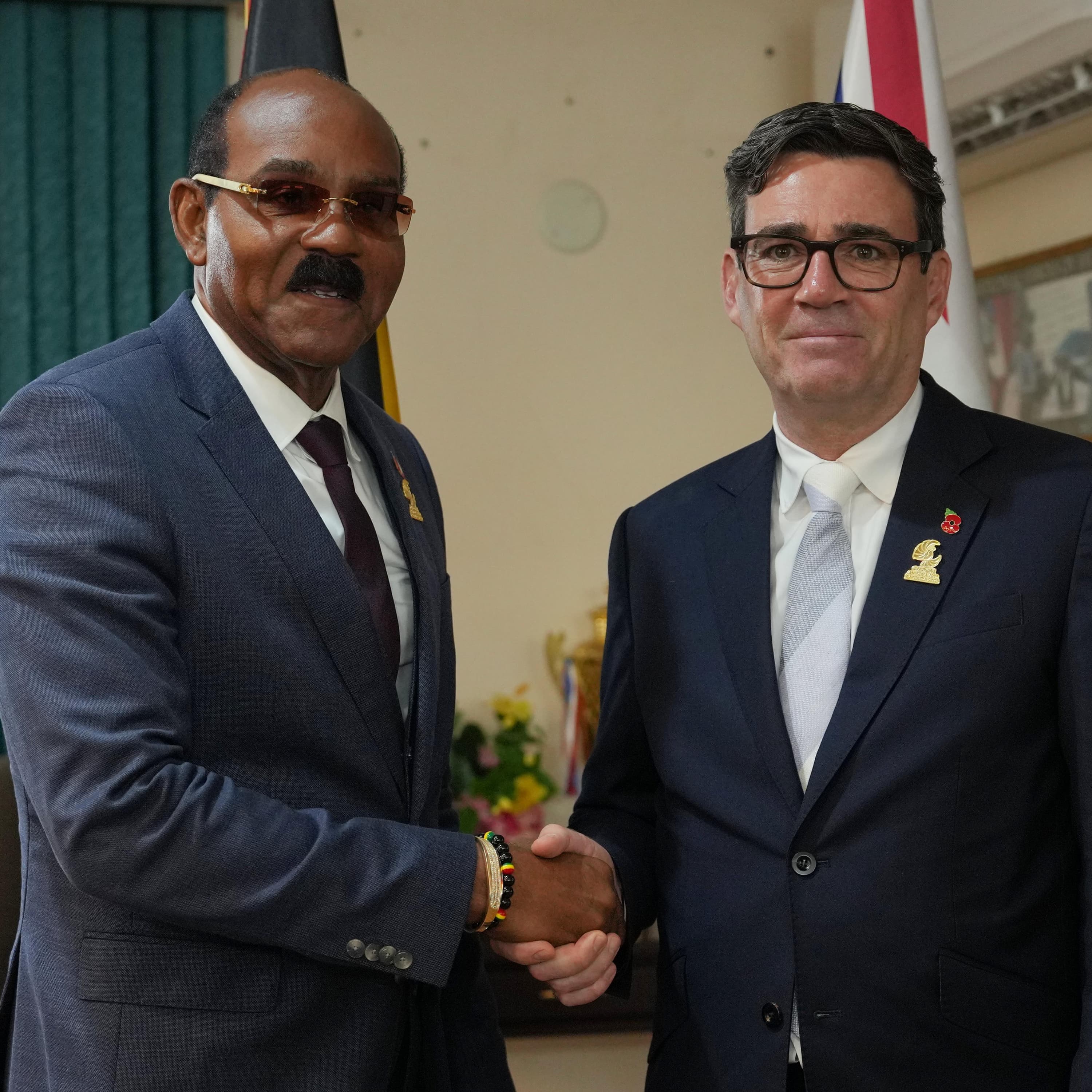
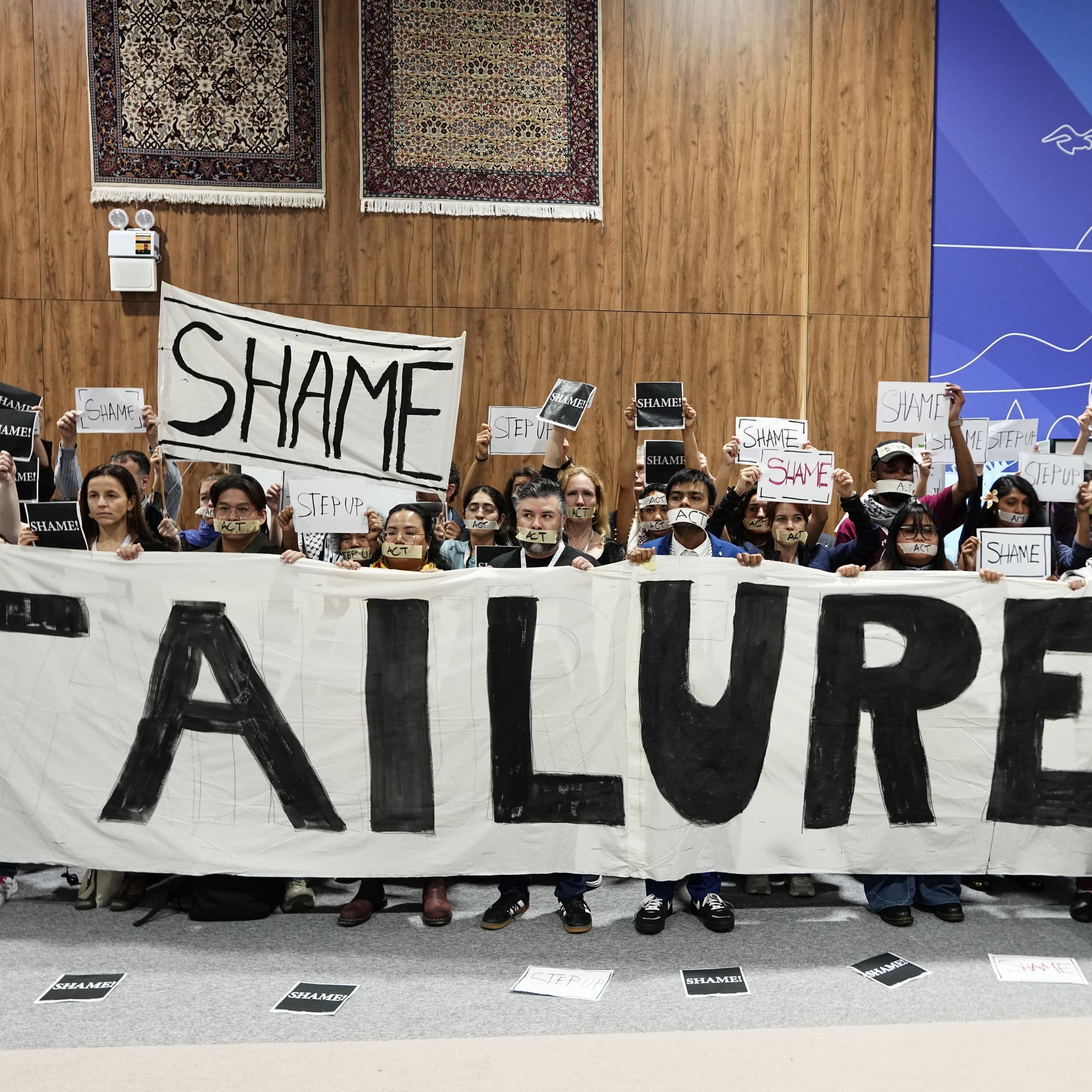
Whether the UK should pay slavery reparations, discussed during King Charles and UK Prime Minister Andy Burnham’s Caribbean visit to Antigua, amid protests and calls for justice.
Natricia Duncan, The Guardian’s Caribbean correspondent (covers Caribbean politics and reparations activism).
Burnham announced a time-bound, structured dialogue and said he would consider an apology, but reparations are “off the table.” Caribbean leaders view the dialogue as a “win,” but Rastafarian campaigners and others call it an insult because no apology or reparations were offered. The movement argues reparations must be determined by affected people and include more than debt restructuring, citing long-running demands since emancipation and independence.
CARICOM Reparations Commission’s 10-point plan; St Vincent’s independence in 1979; psychological harm described by Duncan.
Written by AI. May contain mistakes.
Discussion on the reparations movement and its historical context.
“People in the reparations movement would say that this campaign spans centuries.”
Exploration of the recent dialogues between UK leaders and Caribbean campaigners.
“The Rastafarian movements, they are the ones, the Rastafarians, they are the ones who really started this movement in earnest in the Caribbean.”
Insights into psychological impacts of slavery and ongoing challenges faced.
“the fact that these colonies, like, for example, I mean, I come from St.”
Summary of the discussion and future possibilities for reparations talks.
“things might change and there may be some glimpses of hope of what these campaigners have so long been pushing for.”

Get the gist, explore an idea or ask about something said.
 Claude
On Today in Focus, what are the key points of this episode?
Searching your listeningAutomatic transcript. May contain errors.
0:00This is The Guardian.
0:30operation needs all in one place. Upgrade your shipping operations to stress-proof your biggest sales days and capture every bit of potential revenue. Go to ShipStation.com and use code audio and get 30 days free.
0:45People in the reparations movement would say that this campaign spans centuries. That shameful chapter of history is one that fills my heart with some horror. To them, this is an insult. It doesn't go far enough. Burnham, he said, yes, I will consider an apology, but I will not consider reparations. The leaders in the reparations movement saying, well, you're asking us to come to a dialogue, but you're saying reparations is off the table. So what are we talking about? From the Guardians today in Focus, this is The Latest with me, Lucy Hart. There is a serious conversation that's been happening this week over the historic harms of the transatlantic slave trade and the possibility or the calls for reparations which come as King Charles and the Prime Minister Andy Burnham visit the Caribbean, Antigua to visit Commonwealth heads of state.
1:39Natricia Duncan, you're a Caribbean correspondent. These are talks that have been inclusive of campaigners. There have been protests outside the meeting. How do you think it's all played out? Well, one thing I would say, yesterday, I attended a press conference by Prime Minister of Antigua, Gaston Brom. And, you know, his takeaway was that this was a good meeting. This was a successful meeting. He talked about camaraderie. And he did say that the issue of reparations, which I think lots of people were concerned would derail this meeting or cause discord that in fact they were able to come to an agreement about how to move forward on this topic.
2:28So obviously before the meeting, in the run-up to the meeting, there was a lot of uncertainty about how the UK would respond to the calls from the Caribbean to put slavery reparations on the agenda. And in fact, it was never formally on the agenda. But on Saturday, we had Andy Burnham announcing that he's ready to have a structured dialogue, and he's even ready to do an apology. And that is historic, because no other British Prime Minister has gone that far. And that is really recognized in the movement in the Caribbean by heads of government. And as I said, like yesterday, the summary from that press conference was that, yes, we have a plan, we're going to have a structured dialogue.
3:21And the word structured was quite important, the Caribbean says, because this means that it's time bound, there are specific goals and outcomes and targets. Do we have a sense of what the shape of those specific goals and targets are? Do they get closer to what campaigners have been calling for? So that is the information that we were all trying to gather yesterday, we're still trying to understand. And which, you know, the Prime Minister would not be drawn out. He's only saying, look, we have agreed to a dialogue, it's going to happen in the next year, we're going to sort out the nuts and bolts of it, hopefully by the end of this year.
4:01And that's as much as he would say. And to them at this moment, the feeling was that this is a win. However, if we look at the broader reparations movement, there is still a lot of discontent. The Rastafarian movements, they are the ones, the Rastafarians, they are the ones who really started this movement in earnest in the Caribbean. They're incensed by the fact that the king came to Antigua. He talked about sorrow and what a lot of people in the reparations movement described as platitudes, but did not offer an apology. And to them, this is an insult. It doesn't go far enough. And they also are concerned that Andy Burnham, in his announcement, he said, yes, I will consider an apology.
4:52I will come to the table for dialogue, but I will not consider reparations. And he talked about other options such as debt restructuring. and others in the movement are saying debt restructuring is not reparations. Reparations gives agency to the people who were affected. It gives them a say in what they get and it's also a matter of justice which means that the repair has to be something that is determined by the people affected. That's the argument. So tell me about this campaign, because it's a campaign that you've been covering for some time now and speaking to lots of people who are involved in it.
5:37Who's involved and what are they calling for? People in the reparations movement would say that this campaign spans centuries and that, you know, it's something that those enslaved have been asking for since emancipation, since independence in many of the Caribbean nations who were formerly British colonies. And when they got their independence, they asked for some form of reparations. So they are saying that this is something that has been ongoing. But of course, in 2013, I think it was the Caribbean leaders then decided that they were going to take this on and formally make it a part, a movement for the Caribbean community, which is the block of Caribbean nations, you know, led by independent leaders and some of them who are still British territories.
6:30So from that point, that's when I think it started to really gather momentum. You had academics coming in, you had the creation of the CARICOM Reparations Commission. These were academics who came together, worked out what they've called a 10-point plan. And that 10-point plan is basically their vision for what reparations could look like, addressing things such as debt burden, which is directly linked to the fact these Caribbean people were enslaved and to the fact that these colonies, like, for example, I mean, I come from St. Vincent, and the country got its independence from the UK in 1979.
7:13and they would argue that the UK up and left without giving this country what is needed for development and if you think about it you're starting a country in 1979 so you're already a million steps behind everybody as in terms of you know what is happening globally and then you have to build an economy infrastructure there was lots of issues with functional illiteracy among the population. So they're saying that you need to consider when we're talking about reparations, the psychological harm. And, you know, I think I would say like, in my experience, there is something growing up in the Caribbean, right?
7:58About how we feel about ourselves. There is a sort of inferiority complex that I was keenly aware of. I mean, like growing up, I was told, I mean, I come from a sort of mixed family and my brothers are very much more light-skinned than I am. And growing up, I was always told that I should raise my colour, which means I should, when I'm looking for somebody to get married to, I should get married to somebody who is much more fair skin than I am. You would not imagine how that has an impact on your, how you feel about yourself and how, you know, you feel about your physical features. And, you know, so you have that, what they call a psychological harm.
8:44And, you know, in my community, I think I look around and I grew up in a small village called Mesopotamia. And I look around and there was so much brilliance and amazing people there, but so much of it, you could see that there is evidence of that psychological harm which really affects your ability to really fulfil your full potential. So you can understand in that context, given that you're talking about this long trauma, that the king expressing his extreme sorrow just goes nowhere near far enough to atoning for the historic harms and the depths of those harms. that happened. But others are saying that this is something of a tipping point, given that we have a British Prime Minister who is willing to engage in these time-bound talks, that is a sign that things might change and there may be some glimpses of hope of what these campaigners have so long been pushing for.
9:46Yes, and I asked the Antiguan Prime Minister yesterday, you know, I raised the concern, which was raised by some of the leaders in the reparations movement and who were saying, well, you're asking us to come to a dialogue, but you're saying reparations is off the table. So what are we talking about? What's the dialogue about if you are excluding that? And there were calls for Andy Burnham to come to that table with more of an open mind instead of a predetermined outcome. and the Prime Minister said, well, you know, we are confident that he will come to the table with an open mind and we see where the discussions will lead.
10:25So I think that there is an element of hope. That's what I'm sensing, at least from that discussion yesterday. Yeah. So let's hope that Andy Burnham sits around that table with an open mind. Latricia, thank you so much for your time. You're welcome. Thank you very much. Thanks so much. That's it for today. My huge thanks again to Natricia Duncan, The Guardian's Caribbean correspondent. You can keep up with all her reporting over at theguardian.com. Thanks for listening to this episode of The Latest. Today in Focus, we'll be back in your feeds as usual tomorrow morning, looking at the conviction of Russell Brand, the former comedian who's now been found guilty of multiple charges of rape and sexual assault.
11:08The Latest, we'll be back tomorrow night. This episode was produced by Angus Neal. The senior producer was Leo Schick. The executive producer was Zoe Hitch, and it was presented by me, Lucy Hough.
11:24NASA is the new award-winning documentary produced by The Guardian that the Israeli government doesn't want you to see. Directed by two of the Oscar-winning directors of No Other Land, NASA reveals the secret systems used by the Israeli military in the mass killing of Palestinian civilians in Gaza. Time Out says, as a work of journalism, it is inarguable. As a work of cinema, it is exemplary. New York Magazine has called it one of the most important films of our time. NASA, the most critically acclaimed documentary of this year, is available in cinemas now. This is The Guardian.
12:15You've got big plans for your money. You invest, you track, you plan ahead. But does your financial app actually help you decide what to do next? Quicken helps you go beyond balances and basic reports. Project your cash flow, dig into your investments, and use Quicken AI to understand what matters across your finances. With Quicken, you can make sense of your options and decide what to do next. Quicken. Know what to do next. See how at Quicken.com. Still waiting in line? Again? That's time you'll never get back. Save time and money with Stamps.com. Over 4 million businesses have skipped the line with Stamps.com.
12:54Join them to save up to 90 % off carrier rates from your computer or phone right now. Print postage for certified mail, registered mail, and packages in seconds. Then schedule a pickup right from your home or office. For a limited time, go to Stamps.com and use code PODCAST for a free welcome gift. Taxes and fees apply. Cash Now More Later from Opendoor gives you cash up front for your home, plus all the profit later. That's no chaos now, no cash left behind later. Skip the showings now, pocket extra profit later. This is so simple now, this is so awesome later. Or sell fast now and pop the champagne later.
13:31Cash Now More Later, now available nationwide. Start your offer at opendoor.com slash ACAST. Profits calculated after fees and costs, eligibility and offer price may vary.