Ask ChatGPT


 Trailblazers by Erica Wenger
13 Oct 2026 · 39m · 16 chapters
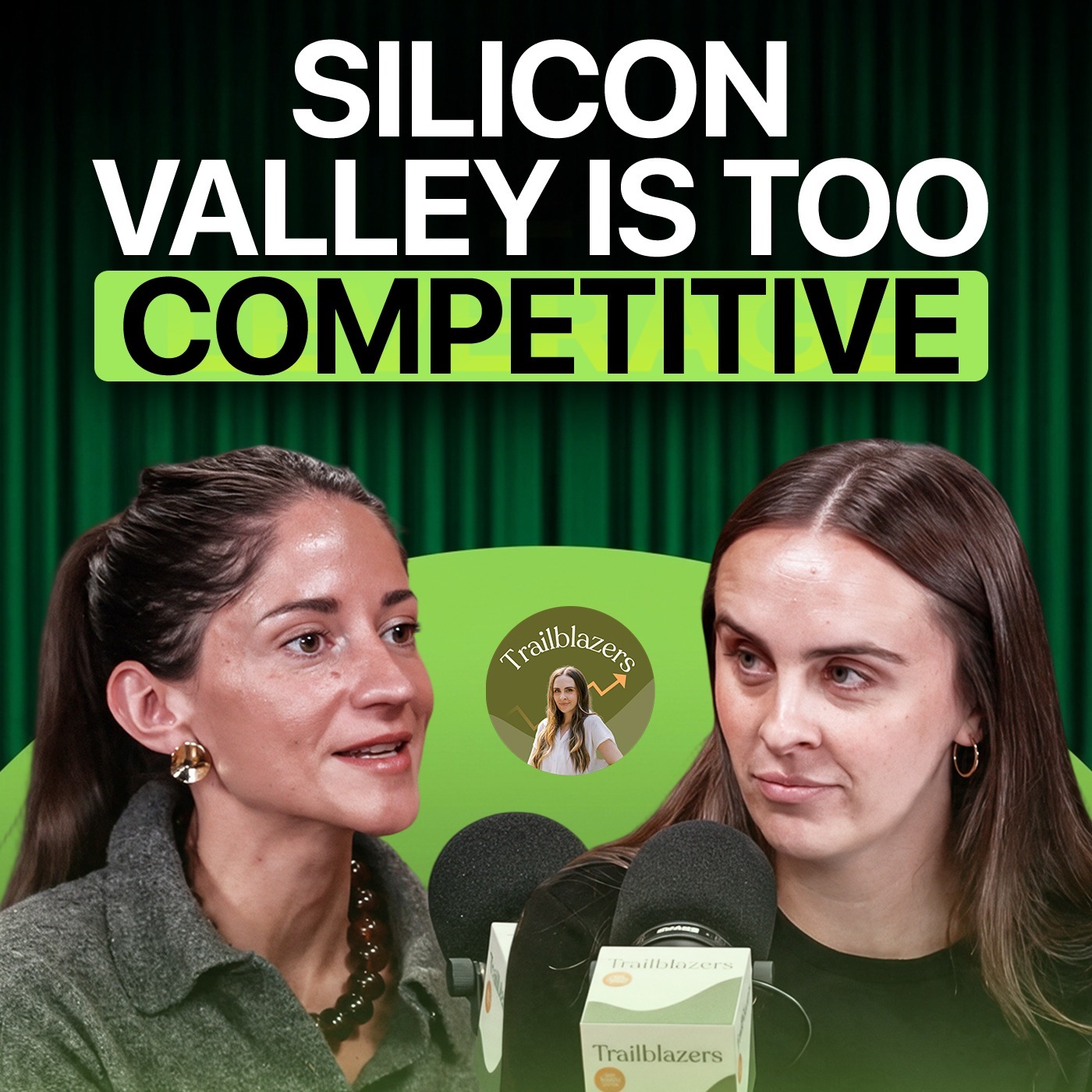
Nichole Wischoff argues early-stage investors should avoid “Silicon Valley” incentives and instead fund unglamorous, operator-run categories that power the physical economy. She also shares personal resilience lessons from perinatal depression and explains how her fund builds deal flow and brand via transparency.
Nichole Wischoff is founder and solo general partner of Wischoff Ventures, a pre-seed/seed fund focused on freight, logistics, construction, industrial automation, and B2B financial infrastructure. Before founding, she worked at fintech companies Blend, One, and Built. She grew up on food stamps in rural Arkansas and raised her first fund without a traditional track record, using daily “build in public” transparency.
SF makes it hard to be contrarian because founders get many term sheets after flying in for dinners. Health (no control) can break founders; medicine and support are essential. Content works when it reflects the actual investor’s day-to-day.
Her perinatal depression while moving her family to San Francisco to open an office; her “third-tier VC” Twitter controversy involving Keith (2023) that she reframed as fuel; her fund raises ($5M in 2021, $20M in 2022, $50M in 2024) and deploys from Fund 3.
Written by AI. May contain mistakes.
Nichole shares her experience with perinatal depression while managing her firm.
“Okay, so I'm going to start with an icebreaker.”
Discussion on the importance of support from family and friends during tough times.
“You know, like, brute force, like, no medicine.”
Exploration of the lack of control over health and how it affects success.
“they have a health episode oh and a lot of it a lot of it is mental health some of it is physical health.”
Nichole discusses her decision to move back to Nashville for better work-life balance.
“which is, you know, you're very, very global in nature.”
Exploring Nichole's current investments and her outlook on the venture capital landscape.
“I think that's actually a lot of the argument why some people live in New York City as opposed to SF.”
Explore the speaker's journey in investing across various sectors and their approach to finding community-driven opportunities.
“Every meeting, I'd be half listening and half scribbling, and still leaving with gaps on next steps, details that were shared, and more.”
Discussion on the competitive landscape of sourcing deals in Silicon Valley and the strategies to overcome these challenges.
“So deploying from 50 million and then and so far things are good.”
Insights on how casting a wide net in deal sourcing can uncover emerging opportunities and the importance of connectivity.
“Just trying to slow down because it's moving fast.”
An exploration of the evolving role of content in the venture capital space and its impact on personal branding.
“And it's like, are you betting on the right team?”
Explore the inefficiencies in raising funds and the shift in investor perspectives.
“Like, you know, raising funds is really inefficient.”
Discuss the struggle of maintaining authenticity while interviewing established founders.
“Like I think when you kind of like plop down a media person and this is like no shade.”
Delve into the value of sharing knowledge and content creation in the tech space.
“And so back to like sort of the content strategy.”
Examine the disconnect between public perception and self-identity in venture capital.
“And well, J.Cow was like, he was like, you're a public figure now, he commented.”
Learn about the importance of resilience and handling rejection in business.
“And they look at you as someone where they're like, wow, she has been through an immense amount of grit.”
Hear an account of overcoming criticism and the lessons learned from public challenges.
“I talked to my husband about this because he's like, you don't give what anyone thinks about you.”
Reflect on life lessons about friendships, personal growth, and moving forward.
“You know, because now I'm like, I don't know, like VC brags.”

Get the gist, explore an idea or ask about something said.
 Claude
On Trailblazers by Erica Wenger, what are the key points of this episode?
Searching your listeningAutomatic transcript. May contain errors.
0:00Erica Wenger: Today on the show, I am so excited to be joined by Nichole Wischoff. Nichole is the founder and solo general partner of Wischoff Ventures, a pre-seed and seed fund with a deliberately conturing focus. The unsexy industries that make up a huge share of the economy, but rarely get the spotlight. Freight, logistics, construction, industrial automation, and B2B financial infrastructure. While much of venture chases the same fashionable categories, Nichole writes early checks into the businesses actually running the physical world. She comes at investing as an operator first. Before raising her own fund, Nicole worked in the trenches at fintech companies like Blend, One, and Built.
0:33Erica Wenger: Hands-on experience in regulated, complex markets that shape how she evaluates founders today. And she's built one of the more distinctive brands and venture along the way, treating daily posting and radical build-in public transparency about everything from her deals to how she constructed her fund as core infrastructure rather than a side project. Her own story is a big part of why she bets on unglamorous grit. Nicole grew up on food stamps in rural Arkansas off and raised her first fund with no traditional track record, relying on sheer conviction to win over her earliest backers. The same quality Chanel looks for in the founders she funds.
1:03Erica Wenger: Let's welcome Nicole. Thank you so much for having me. I'm super excited. I'm so excited. I'm excited to chat. Okay, so I'm going to start with an icebreaker. Okay, I'm going to get right into it. Okay. There's a lot to pull from when I look back at your bio, but what has been a time in your life that almost broke you? And it could be personal or professional. um yes I I think it was actually pretty recent I mean you've like periods of your life um I what was it so I think I had already raised was I raising a fund I feel like I'm always in the middle of like you're always fundraising um but I was pregnant with my daughter so I got pregnant with her in May of 2025 and then had her in January I think that's right um of this year and I am someone who like every single day wakes up and is like let's do this thing um and like just in don't even need coffee I drink a lot of it but I'm like I cannot wait to like live today um and I had something called I'd never even heard of it called perinatal depression which uh just means that you're really really depressed a lot of women go through it I think postpartum thankfully I haven't had that but I did not want to physically move I moved my whole family to San Francisco to open up an office for the firm.
2:18And I was like, everybody's in, my parents came to take care of my kids, like my husband. And then I get them all there and they're all taking this risk for me. And like, I'm like deeply depressed. And so everyone's like, wait, what's going on? We just did this huge move for you. Like what is happening? And like, I didn't even recognize it. And then like, thankfully OBs were like, hey, they all have like behavioral clinics. It's obviously like a more personal answer. But I was like running the firm and I have Neil on my team and I have all these people that count on me and I was like I cannot get up like it makes me so sad thinking about it so in such an amazing place now I think it took a few months she's like eight months and like I'm so back but like it was like such an interesting period of time where I've really never had mental health issues like I've never been like wait I'm I didn't honestly like I like being the CEO like I like being an entrepreneur I like having it for everybody like personally and professionally I'm like I've got it like I'm just always the person that's like booking the dinners and doing the things and I was on my knees Like I was like, I can't like, where is this person?
3:13And then I was like, is it my life? Like, is it just my life that I have to fix? And then like, I remember calling my OB after suffering for four or five months and she's like, sweetie, this is like, you just take medicine. Like, this is not you. Like, this is like very common. We're going to get you on some medicine and we're going to be better. And then I felt I'm in school over that. But I, that is the hardest thing I think I've ever been through, which was like, how do you get up and keep doing the things and showing up for your people and run your company? So moms are amazing. also because it's that's like real stuff you know I think I like equate it I don't know what to equate it to but I think that was this past year was really hard and then now it's like it never happened like I'm like let's go you know like every day again and we're back but it was really
3:54Erica Wenger: tough but those are the moments that make you much stronger and thank god you had the support from family and friends and medicine and you know that is so much of it is that you could go to people and that they could also call you out because I think when you're stuck in those spirals too it's hard to know what right from left and like how to get out of it when it feels so debilitating oh yeah my husband one day was like and i love him so much this is not a negative but he was like i'm gonna need a little bit of like like like nicole attitude like we got you know i think he thought with enough cheerleading we could do this and one day he was like like it's not in there and i was like it's really not in there and so he's like why don't we just call your doctor really encouraging and he's type 1 diabetic so he's had to take insulin his whole life he's like i would die without it so he was really encouraging because i also don't even take like, Advil before this.
4:35Like, I was like, I've got it. Like, migraine, I can do it. You know, like, brute force, like, no medicine. And so him being really encouraging was like, he's like, I'll take it with you. He literally took an SSRI with me and was like, I didn't die. You didn't die. I feel great. You know, like, it was awesome.
4:50Erica Wenger: I love that. Supportive partners. Is there a fear around, like, what the medicine is going to do? And I say that because I have, like, a couple people in my life who really don't like taking anything because they don't want to change their chemistry. Like, they love who they are and they don't want to mess with it. Where does that come from? Or is it just like you're so gritty and you want to prove you can do it? I feel like I am broken. And then the reason I am broken is because I'm not mentally tough or I didn't do all the things I needed to do to make it better. Like, was I journaling? Did I get enough exercise?
5:15Am I sleeping well? Should I drink less wine? Like, I just think that it is something that I created and therefore it's something I have to fix. And that was like this like huge melon I couldn't get over.
5:24Erica Wenger: That's such a burden for you to carry. That's why I was like, why would the doctor, the doctor's just going to be like, it's you like, figure it out. Your body's different. You're pregnant. And she did not say that, by the way. Like she was so loving. It was like, honey, this is so common. Like I didn't know this, but OBs now they just start taking this seriously because apparently the the number one reason pregnant women die is because they overdose on pills. They kill themselves. I did not know this. And a lot of it is like correlated with what I had. And so she was just like, this is a no brainer.
5:50Like, you know, take the medicine. But they also have a behavioral hotline where I can call 24 seven. And I had to a few times, which was just like literally just talk to me, just like talk like I'm not like just walk me out of bed. It that bad um and then but they she was like it's completely normal this is like what we do it just makes me sad because it's like it's such a dark place that like and I'm so sad that people go through that men are women like I think mental health is really real but but I mean and that
6:14Erica Wenger: took me down I hear you and I really appreciate you sharing and I honestly you wouldn't you would be surprised how many GPs come on here and when I ask them this question it's why I start with it they have a health episode oh and a lot of it a lot of it is mental health some of it is physical health. In a lot of ways, they're one in the same. Actually, it's like your body. But these people that are so ambitious and ignore their health to get to where they're going. And I think of you as actually like the ultimate example of that. I mean, your story, like I know you want like a personal way, too.
6:44But even when people just hear your bio, like you've come from, you know, such
6:48Erica Wenger: humble beginnings and you're so gritty and you're like, I will give my all to this. And there is a point where you are a human, you know, and you will break. And this is a story I hear with so many people that are insanely successful as they have that moment where they realize like they are a human and they have to take care of themselves and they are all they have. Well, I think it's like it's just it's a lack of control. You know, like if you had asked me before this happened to me like two years ago, if I was here, I'd probably talk about some career stuff or like personal relationship stuff, like a bad breakup or because it's I think it's it hits harder because it's out playbook like with fundraising for a venture fund i know i will get kicked in the teeth and i know that i will get rejected by like 75 80 each fund i usually convert the 20 20 which apparently is good i thought it was terrible because 80 of no's is a lot of no but like i knew it's just a numbers game and like we're good and like we're gonna get it done and it's gonna be the right fit for someone so i think it's like you build this muscle i'm literally reading a book right now on how to take rejection because i hate it but it's like don't take it personally um but i think it's like okay there's a playbook for this just get your reps in but when it comes to your health you can't control it well you whatever the lead-up was is already in the past and so then it's like wait i just i can't if i squeeze it like it's not going to solve the problem so i think that's probably why it hits so hard because there's nothing you can do about it at the time you know 100 i was just chatting with someone who um on this recording before whose sibling was diagnosed with cancer and it's like we don't really know where a lot of cancer comes from it's your sibling So you can't really do anything but support them.
8:20Erica Wenger: And this happens a lot. Like it's we don't understand a lot of things that happen in our in our health and in our body. And to your point, like there isn't a playbook. There isn't a way to understand it so easily. And thank God medicine was able to help. Yeah. But yeah, it's it's something that it brings us all to our knees. And so I really appreciate you sharing. And it sounds like life is in a much better spot these days. So one thing I've learned talking to GPs on the show and in my own experience as a GP is that your back office is a signal. how fast you close deals, how clean the LP experience is, how your K-1s land.
8:52Erica Wenger: Investors notice all of it. The more buttoned up you are, the more likely they are to give you more money in the future. That's why I want to talk about Sidecar. Sidecar is the SPV platform built for fund managers who want institutional quality execution without hiring a full back office team. They'll review your deal within hours, handle full secondary transaction support, and give you transparent pricing upfront, no platform carry. Also, your LP relationships stay private, which is super important. This is not a marketplace. If you're running a professional fund, your infrastructure should look like it.
9:23Erica Wenger: Sidecar makes that possible without the overhead. Check them out at sidecar.io slash partners slash trailblazers. That's S-Y-D-E-C-A-R dot I-O slash partners slash trailblazers. I want to talk about something that you've shared a little bit, which is, you know, you're very, very global in nature. You're always flying all over, especially flying over America, but you've put roots down more back in Nashville. Tell me a little bit more about that move. Was that connected to just wanting to like get connected to who you are? Is that wanting a place to separate all the craziness so you can think clearly?
9:59Erica Wenger: Like talk to me about the Nashville piece. Yeah. So August, it was like August 24th. I won't forget it. We sold our house in Nashville. We basically got rid of everything, which honestly felt pretty good because you don't realize how much stuff you accumulate. and I was like I really really thought that what would take the fun to the next level like this is my baby and it's all I it's all I do all I think about and then the content around it is so much fun it's like a hobby but it's like all I do um and so I was like you know what like AI this AI that SF like you read all the stats of like all the funding in the world that's going to like the epicenter of like San Francisco and there's all these labs and you know neoclods and so I was like we should just be there and I really wanted an office with my name more like I was like I I like this is like important to me.
10:39And so we move out there. I get, you know, an apartment for me, my husband and my kids, which is like coming from very cheap, amazing real estate in Nashville was like very humbling. Like people are so funny. He's on Twitter. They're like calling me tone deaf about something very random. And I was like, you guys, the apartment I'm living in San Francisco, like doesn't even have a shower head. Like there's two random like shower rooms, but they're old jacuzzis with the wands. So we like taped wands to the wall and there's like no shower curtain. I was like, it was literally awful. And I was like, this is the price you pay to be an ass of.
11:07My parents are down the street. They've never lived in a city. And then I get the office, which I love. I still have it. I'm going to go back often. So like I'll be back every three or four weeks for a week. So it's essentially like I'm still there. I think for my family, like I think an important lesson I've learned is that it's really important, at least for me, to have like almost two personalities or like just the separation of church and state. When you're in SF and in the mix and like living in the city, everything you do is one dimensional. And I love it when I'm there. But when you're there all the time, that is like your thing.
11:35it's like work centers with vcs and founders and operators like every single weekend from two weeks postpartum I was getting coffees with founders in person like do I think it makes me a better investor maybe but I was so sucked in and I think distracted by like every event everything and so what I took for granted is when I'm in Nashville there's nothing going on there and I don't want anything to be going on there personally so that I can like have my weekends with my family and there's no question or distraction of like let's go do something and then feel like I live like a totally normal life and then get on a plane like I am right now in New York and just send it.
12:08Like I have like a million meetings. I'm hosting this amazing dinner tomorrow night. I'm just like with people I love and it's all work. So like I just needed that. So now we're back in Nashville. My family is much happier. It is like a much better quality of life for us. But I get to go be like killer Nicole on the road and like separate that side of myself because I think all of it together was like very like hard for me.
12:28Erica Wenger: Totally. I think that's actually a lot of the argument why some people live in New York City as opposed to SF. Like I think it's in a slightly different way, but I feel like I get to have a little bit of a life outside of tech. Like one of my best friends works in philanthropy. The other one's trying to be a Broadway actress. Like you have this dimension. I have no clue. No, I like I love everyone at SF, but we all do this. Everyone I know that I love does the same thing. Same. And like whenever I go out there, it is all the same. And so there is something to be said for that being really valuable for a point of time, but it's maybe not so sustainable long term or maybe not for everyone.
12:57Oh, in your 20s, I met my husband there. Like if you have, I think I even talk about this like on my own channels, like if you are in your 20s and you are out of college and you want to win, you need to go surround yourself by the smartest people in the world who elevate you. Go be as social as you can be. The good news is you can retreat as an introvert on the weekends because there's no plans. But like I would just find any apartment. I met girls on Skype when I moved out there. I was in a five bedroom sharing one bathroom. Like I would wake up in the morning and have to be so bad. I would just be like waiting for whoever to get down in the shower.
13:25Like I was like, this is hell. but I met the most amazing people. I met my husband. I got into tech as I moved out there. Like if you have no family or anybody to like, you know, like that's latched onto you and like nothing to lose. I mean, there's never anything to lose, but good. Just go to the Bay area. So I think there's a chapter for that in your life for sure.
13:41Erica Wenger: A hundred percent. I completely agree with you, but I love that you've recognized what works for you today. And the beauty of being your own boss is like, you can make your own rules and you can change it up. No, you're not old. You're not old. So I want to talk about the fund. You've done some incredible investments. You're scaling it like crazy. Talk to me about where you guys are at today. What are you investing in? And what are you excited about? Fill everyone in. So let's talk about the part of building an audience that nobody teaches you. How you actually get paid. Everyone waits until they have enough subscribers.
14:10Erica Wenger: But on Beehive, you can start earning from day one. Even with just a handful of subscribers, the ad network is already working for you, plugging you into a network of sponsors that fit your content. Then, once your foundations are set and you've built something people genuinely value, that's when you layer in a paid tier, giving your audience exclusive access to that extra value and using boosts to grow it. And here's what creators love most. When you earn on Beehive, you keep it. 0 % taken from subscriptions and 0 % taken from digital products. So whether you're just starting out or ready to add that next layer, go to beehive.com, that's B-E-E-H-I-I-V.com, and use code TRAILBLAZERS30 for 30 % off your first three months.
14:50Erica Wenger: That's beehive, B-E-E-H-I-I-V.com, code TRAILBLAZERS30. So I have a confession. I used to be a compulsive note taker. Every meeting, I'd be half listening and half scribbling, and still leaving with gaps on next steps, details that were shared, and more. Granola completely changed that for me. It's an AI-powered notepad for meetings, and it's connected to every call on my calendar. Before each one, it shows me a well-researched brief so I know who I'm meeting with, when we last talked, and the full context going in. During the call, I jot down whatever notes stand out, a keyword, a decision, a quick thought, and then Granola handles the rest.
15:27Erica Wenger: It literally fills in and transcribes in the background and turns my rough notes into clean, structured takeaways the second we hang up. There's no bots joining calls, it just works in the background. I use Granola for several things. If I finish a meeting with a potential investor in my fund, I'll ask Granola what I could have done better to get my point across. If I'm meeting with a founder I like, I'll ask Granola to point out any major green flags or red flags I may not have already caught. For people with a lot of meetings and decisions that require endless context, Granola is a game changer.
15:55Erica Wenger: Actually, we're running Granola on today's episode. You can read the full show notes at granola.ai slash trailblazers and you can see it linked below here. New users get three months completely free. That's granola.ai slash trailblazers. Yes. So we are, it's funny when you were doing the intro, I was like, oh gosh, like I'm actively working with Neil on my team on like fixing this. But we, when we started, we were ultimately investing in areas I've operated in. So like deep financial services, fintech, both consumer and B2B, and then was in construction tech and love industrials. And was like, wait, these are massive, like it's like 30 % of global GDP in those categories.
16:27And it was like, the tagline was like unsexy and like bringing the physical world online. And now I feel like we've like, you know, AI being honestly is like in an exciting way terrifying in terms of like what it will own and take over. And I'm sure we could talk about that for hours. I almost want to help bring the physical world like offline. Like I want like on the consumer side, I'm like, how do we become more social? Like we do very little consumer, but I do love it. But it's like, how do we actually increase community and like bring people together? So we are still investing in those categories.
16:57I'd say it's more broad, though we're still North America. We're leading precedency now, so we were not when I started. So our first one was$5 million that I raised when I was still operating in 2021. I raised$20 million in 2022, and then we raised$50 million in 2024. And we're still deploying from the$50 million fund. Things are going very well. We actually just probably had our biggest quarter ever. I think the docs will all get signed in the next two weeks before it ends in terms of markups, but I'm petrified for our fund three. where i'm like it's like a few sort of tedx's from our entry price like like the from seed like just to a that's not normal like so i'm like these things like i'm almost scared of like the success of the fund it's early it's just on paper um but things are going well i think there's massive opportunity especially in industrials for ai so again how do we cut one and a half to two and a half million dollar checks into like amazing founders and then what i will say back to sf is it's really hard to be contrarian because we would meet founders first we're still the first term sheet but guess what when you're an sf they're gonna fly in for two weeks which is smart founders by the way like i hate it as an investor but it's smart get on a plane stay there stay in a cheap little hotel somewhere and then basically don't like one-way ticket and then take as many means as you can and try to hard launch yourself into any dinners or any happy hours with other tech companies and you will get 900 vc intros and then all of a sudden you'll have like 14 term sheets so my strategy of like being the first term sheet like being the total dog like that will take the risk and all of that with founders like and kind of felt like being offline and doing that from Nashville had a was seemed like a way it was a way better strategy being an SF it sort of does nothing but work against you because you are like a signal you were there you're like oh you saw Nicole yesterday or if they mentioned our name and then it's like everybody gave them a term sheet I was like are we just like a signal now which I am not to I don't I think it's just the market I do not think that's us but I was like it used to be the case you're the only term sheet they never got another one and then now it's like Like if I move to SF, we give a term sheet and then everyone has one.
18:53So deploying from 50 million and then and so far things are good. Just trying to slow down because it's moving fast.
19:01Erica Wenger: Yeah. And also, you know, so much of it is on paper. And that's always the worry with our industry. It's like what's going to become real? And that's the that's the DVD. How are you guys sourcing differently now? I mean, I hear you on this SF point. I think everyone struggles with this or like, you know, even if you do find a founder first, like the valuations are just so high. It's just a whole other conversation of how insane that is. How do you think about sourcing differently now, now that you've been in it for all these years? Like, are there any tips, tricks, things that you won't negotiate on, things that you're really excited about that you can share with folks?
19:28You know, it cracks me up because I think there's so many funds now. And like, I think that what LPs want to hear and like and like I think what LPs want to hear, I find to be mostly complete BS. And then I think in terms of like actually trying to execute on the strategy, which is like, hey, I might have this like niche intolerance, niche market. I'm only focused on like this spreadsheet of like you know 100 or 200 people like this is the thing that I do I do think this works really well for some people I think there's some funds that have like a grand strategy that are multi-stage I think when you're doing specifically seed that strategy of like hey it's really niche and like cottage and like all of that is like extremely hard um and so for me it's like our strategy is we cast an extremely wide net a big fear is that we don't take the you know the right first call um I and so I'm still kind of working on that to be honest I am like every day kicking myself because I'll go see a massive billion dollar new unicorn that's minted and they the founder DM me two years ago rogo ai micro one like the list goes on and I'm just like and then I literally reach back out to all them recently because I still the inbox on Twitter is so terrible that I just can't navigate it um and then I'll see their announcement I go to message them to say congrats and I realize they already messaged me and I'm extra embarrassed I'm like well I came to say congrats but like I'm an idiot like you know I'm so sorry so one I would say like we cast a wide net i want to see everything because also it helps i think it um improves or helps form my idea of like what is the next wave that's coming and so like you look at the yc batches it's like that's interesting they're like on the forefront first money into a lot of these companies but like of 200 companies that's a good way to index of like what is coming up in the future like what are people building what should we all have our eyes on like what's exciting with ai like are they it goes from copilot to like agentech to um and so we are trying to see a lot.
21:11However, Neil and I are constantly trying to get better at it. I'd rather see quality deals over quantity. So what we count as that is, is it in a hotter market where deals actually get done? It can't be in the middle of nowhere, like in Maine. That wouldn't make any sense. So obviously California, Bay Area, LA, Austin, I think is great. Chicago for free. New York, clearly. And so those are usually our markets. And then how do we make sure that we have tons of connectivity? So I'd say my inbound is insane and that just happens. I just need to be better at monitoring that and then are like in terms of outbound when neil started i said this to him and i also did this um when i was raising money for my first fund but i was like i want to get a check from all the top gps so like i wanted like thrive and kushner and like his support and he had started kind of the way i have which is like a smaller five million dollar fund um lee fix all like others peter teal came in and i was like you know like get the money from the big guys and like ask for like ask questions like you know not often but like when i need guidance get the phone numbers of their associates like the boots on the crown the ground like dog so like i told neil i said i want you to go to all the top funds become best friends with all of their associates and we'll do a deal share so we do this insane monthly deal share we've got like 150 jeep like like younger investors the ones that we really love though across funds that invest in what we do we share our top 15 deals a month that we see and they share theirs back and so we have like from that, this insane flywheel where I just want the connectivity.
22:35Let's tag it. AI is great. Like it can just organize all of it. So like Neil doesn't have to do as much work, but it's basically an analyst. And so I think every month we see anywhere from 300 to 500 deals, summer's quieter. And then the ones we really spend time with are probably 10 a week. And then we do one-ish deal a month. So some of them might be like, that funnel's way too wide, whatever. I feel like I'm informed and I want to be informed. Like I want to know what's up and coming. And I want to feel like I met everybody because then people all start to build the same stuff. So it's like, do we meet all of them?
23:03Do we meet one of them? Like, is this a new category?
23:06Erica Wenger: The 2026 primaries are taking shape. And if you have a strong opinion about how they're going to go, CalShe lets you actually trade on it. CalShe is the largest prediction market in the U.S., federally regulated and available in all 50 states. You're not betting against a house. You're trading against other people in a live market, taking yes or no positions on real world events like elections, Fed rates, economic data, you name it. Right now on CalShe, you can trade on the California governor race, Senate outcomes, and a dozen other major political storylines as they develop. As the probability shifts, you can buy in or out of your position in real time.
23:38Erica Wenger: It's a completely new asset class and honestly, one of the more interesting ways to have skin in the game on what you're already watching and know about closely. Download the CalShe app, that's K-A-L-S-H-I, and use code TRAILBLAZERS to get$10 when you trade$10. Or go to calshe.com slash r slash TRAILBLAZERS to accept this$20 offer. With Kalshi, you can trade on anything. 18 plus only, restrictions and eligibility requirements apply. Event contract trading involves risk and may not be suitable for all investors. Prices, values, and available markets may differ from those mentioned. For more information, see Kalshi.com slash regulatory.
24:11Erica Wenger: So quick experiment. Think about the last long message you typed. A Slack thread, a prompt into Claude, a detailed email. It probably took you 10 minutes, maybe even 20 to get it just right. Now imagine you just said it out loud instead. That is the whole pitch for Whisperflow. Whisperflow is a voice to text that actually works in every app on every device. You speak naturally and it outputs clean formatted text that's ready to send. No setup, no integrations, no fixing weird transcription errors. It works in Gmail, Slack, Notion, Claude, iMessage, wherever you type. And unlike the built-in dictation on your phone, Whisperflow actually removes all filler words, mid-sentence corrections, and jargon.
24:48Erica Wenger: What I love most too is that it perfectly matches my style. so I often type in all lowercase letters and say things like LMK, which means let me know in shorthand, and it auto-adjusts it for me. Like many of you, I also do a lot of brain dumping into LLMs, so instead of typing it all out, I just speak my windy train of thought into Whisperflow, which is infinitely faster than trying to get my fingers to keep up with the pace of my thoughts. If you do any serious writing or just send a lot of messages, using Whisperflow is a no-brainer. Get one whole month of Whisperflow Pro completely free at ref.whisperflow.ai slash trailblazers.
25:23Erica Wenger: That's ref.whisperflow.ai slash trailblazers. I think that's so much of the issue with emerging managers too is like you find a great team and you find a great idea, but there's another 10 people doing it. And it's like, are you betting on the right team? I think that's so much of it. And when you have that coverage, you can bet on that, which is amazing. You can see who is actually the one horse we want to back here. Well, that's the hard thing too about what we do. Like when you're first money or me, like, well, like, because I can't remember if you're just doing early, but like if I'm truly the first check into a company and I call pre-seed up to three million, if it's over three, it's seed.
25:53And then now it could be a seed round could be like up to 10 million right now. And so and then the next question is always like, I'm like, Neil, I love the worst deals we've done are B plus founders with A plus ideas. I like swear by that. And so it's like, how do we make sure even though we fall in love with the idea? Because it's the first time we've heard it. I swear this always happens. It's the first time we hear an idea in the past. We've made that investment. And then three weeks later, there's a way better team. Like there's just a it's a bigger round. But it's like, wait, like we should have been patient because now more eyes are on this market and it's going to get gobbled up.
26:22And so I just I'm like, we have to be patient. We love the category. We'll find the right team.
26:26Erica Wenger: Totally. I'd love to hear your thoughts on content. I know you've had like a roller coaster journey with it, but it's very much what's brought you here, I would say. What's your take on the importance of content for up and coming VCs? Does it matter? Does it not? and what's your relationship with it today and going forward? Yeah. So I will say I'm not a student to the venture content game as much as I wish I was because I do know that there were at least, I don't know, 15 to 25 GPs using Twitter way back in the day before I was like 10 years ago. I know like Fred Wilson, the USV team, like kind of like have this amazing blog that they still all contribute to that apparently has been around forever and they've been sharing their ideas.
27:06And like that was essentially, I think, the equivalent of us like tweeting like crazy or like, you know, posting. And I say that as a huge compliment to them. I think what's interesting is when I started in 2021, there were really no one that was out there being really opinionated about like the day to day of this job. I think people always write sort of thought pieces on where they think the market's going. I think I see a lot of that now. I'm seeing a lot more partners come out of the woodwork and writing blog posts. So I think that is probably their introverted way of saying I'm never going to be like somebody that's hot on X.
27:33I don't have the courage or confidence or people just don't like to be kicked in the face, which I, by the way, completely understand. And you probably do, too. And so I think that like it's been interesting to see the evolution. So I came in like guns blazing because a couple of friends that are now at big VC funds which cracks me up because they were very anti that when they, you know, but they were like, you should be on Twitter. You're a VC. And then I was like, this job is so silly. Everybody is like so like everybody's ego is so big. Why does everybody like, you know, whatever, whatever.
27:59And so I started building the brand by basically giving my opinion on the day to day of the job. Like, you know, raising funds is really inefficient. Why does it work this way? Or like whatever it may be. And then for two years, everyone was like, LPs are going to hate that. don't do it or and it was all other gps being like i don't know if you should be doing that and then two years later i'm getting calls from the same gp saying hey so like in our partner meeting like we all need to build personal brands it's the future like how do i get started on the internet and this was in 2024 and then now we're in 2026 and everyone has a podcast podcast is like a funny machine to hide behind like you run your own firm it's very different but like all of the massive funds trying to find like talking heads to like bolt on to this like Like it doesn't make any sense to me because I'm like I think the beauty of it is that it's a reflection of you, the interviewer, and like your interests.
28:44And like I kind of like I think that's like sort of sacred. Like I think when you kind of like plop down a media person and this is like no shade. Everyone's doing a good job. People are going to hate me for saying this. Like I love you, new media team at Andreessen. But like, you know, it just becomes this like like it's not there's sort of a separation of like the people doing the job and then like what what the platform is and the actual investments themselves. and all of that. Does that make sense?
29:07Erica Wenger: 100%. And I think also a lot of traditional ventures separates it. There's like the investing side of the house and the marketing side of the house. And, you know, not a lot are doing it as one. You know, the person who actually does the investing job is the one that's actually doing the interviewing and doing the marketing. And I think you're one of the few people who does both sides. You see the deals, you're in the mix, you know you make the check, you write the checks, but then you also are the one making the content, doing the thing, and you're like right there in it. Yeah, and I tried the, you know, I tried the podcast thing, but I am so authentic.
29:34It is like, it is a core value. I cannot not be myself and be honest that I find it very difficult to, when I was trying with the podcast, I was like, okay, well, I wanted to interview the best seed Series A founders that no one knew about yet. And then they're fun interviews because the founders have nothing to lose. It's great banter. The problem is nobody wants to watch it because they're like, who is that person? And I don't know. They'll watch it hopefully years later when they realize they were interviewed at the Series A. Who they want to hear from for clicks is the billion-dollar-plus founders.
30:02The issue with that is they all have PR teams. It's really scripted. I have to send all the questions in advance. And it's like, I literally hate every second of it. And I love these people individually. I know them really well, but the interview is painful. And I'm like, I can't get a thing out of it. I don't even think I could ask them your opening question. I think it would be like against the rules. So it just becomes this like, and I understand, especially if you're pre-IPO, like you probably don't want to be saying like ridiculous, you know, like you probably don't want to be being too honest.
30:25But I find that to be like, just really uninteresting. And so back to like sort of the content strategy. For me, it was never strategy. It was like, hey, I'm being myself and people really want to follow. I think act two, I'm still asking myself, like, I really enjoy teaching and like giving back like content for me and TikTok and like talking about investing and like, hey, founder tips here or hey, you want to go start a coffee shop? Like, I'm just interested in everything. And so whenever I'm learning, I want to share the little things along the way. Nothing makes me happier and fires me up more than somebody saying, thank you so much.
30:54I learned a lot from this. So that's like my almost side project that happens to work and I keep it in the ecosystem. So right now, that's like where it's all focused of like, how can I teach as many people as possible? And by the way, it builds insane brand recognition because you're adding value to the world. Like you're giving people a lot and it's all related to tech or business building. Twitter, I'm just kind of like, it's too big for me. Like I'm like, it's too big. And even J Cal, because like VC Braggs is like destroying me. And especially when I was going through all this pregnancy stuff, it was like eating me alive.
31:24And everyone's like, Nicole is spiraling. And I was like, well, so be it. But like stop being mean to me. Like this is not the time of my life for this. And then I, after that, what was it? And well, J.Cow was like, he was like, you're a public figure now, he commented. And I was like, what? And I remember to my husband, I was like, I sat with that for a few days and I was like, gross. You know, I was like, I'm just a person trying to build a firm. By the way, I have like no massive wins yet. Like there's no DPI. Like I want to make my LPs a lot of money, but we're not there yet. And so it just feels like really gross to be like, you can have this status and be no one.
31:57And it's very bizarre. So I think I'm just trying to rework a lot of that because I don't want to be like a weirdo who's like, you know what I mean? like I don't know it's like kind of weird because your brands can really grow and then to me I'm like wait I'm still a nobody like you know like let's just all be nice.
32:09Erica Wenger: Well just the disconnect between how other people see you and how you see yourself oh because you have so much that you still want to prove but you also I think other people see how far you've come because I know DPI is everything in our business but there's also been so many wins in different ways along the way you know in terms of like you've been able to raise these funds you've been able to get early into some great companies that look good on paper yes you know so I think I hear you though that disconnect is really hard um i do have one final question before we wrap um you are someone who i know you're reading a book now on rejection i think of you as someone though who um can handle a lot of it like your bar your tolerance bar for getting kicked in the face as you call it whether it's on social media whether it's like losing out on deals whether it's just getting nose from lps like i i see you as someone who has achieved incredible things because you have such a high bar for being able to be rejected and a very high bar for resilience and grit.
33:05Erica Wenger: What's your advice for people who feel really knocked down, who feel like they don't know if they can raise the round, they don't know if they can raise the fund, they don't know if they can serve their customers the way that they want, and they really want to? And they look at you as someone where they're like, wow, she has been through an immense amount of grit. How does she do it? What's your advice to them? So here's a problem I hear constantly from operators. The data exists and the answers are somewhere in there, but getting to them, actually pulling a useful insight without bugging the data team or learning SQL takes too long or just does not happen.
33:40Erica Wenger: Hex solves that. Hex is an AI analytics platform where anyone on your team can ask data questions in plain English and get real answers backed by your actual business context. No SQL required. And the best part is that Hex shows you exactly how its data agents think, so you can see where the logic comes from and trust the output. The more your team uses it, the smarter it gets. From seed stage founders running lean to larger orgs dealing with serious data complexity, Hex is built to scale with you. It's game-changing for people like me in particular, who want to understand what's going on under the hood but are not the real data experts.
34:13Erica Wenger: It's funny, too, because I feel like every time I look over my operator friend's shoulders, whether they're in product or marketing or ops, they often have a Hex dashboard pulled up. Trailblazers listeners get an exclusive 30-day free trial at hex.ai slash trailblazers. That's H-E-X dot A-I slash trailblazers. I will start by saying I do. I talked to my husband about this because he's like, you don't give what anyone thinks about you. Why are you so upset about these little comments, like these little comments? and the only ones I get upset about are from people I admire like sometimes like people that like when the Keith stuff happened I have nothing but respect for Keith I think it's just poor internet etiquette or something but like tell everyone what happened there just um your boy I think it was in 2023 um when he was still at Founders Fund and Peter was an LP I had commented something about Miami and he took it as a jab and I probably had wine and I I don't know but I said something like I and I genuinely my husband and I were considering moving to Miami so we spent a few weeks there and I didn't meet any founders and so I tweet like I've been in Miami for I think a week or two and I haven't met any founders yet and Keith responded and said something like it's been so long now he said they're too busy succeeding to talk to a third tier VC and I like sobbed I'm not a big crier and I was like oh my god my career is over like dropped my phone and was like I can't even like do this and then apparently he deleted it a few minutes later and then someone took a screenshot and posted it and then it went viral and like attacking him for it and it just ballooned into this whole thing in some ways I think like some of my LPs were like, I think it was actually good for you and like your brand and all of that, like the whole third tier VC thing.
35:42I think my Twitter was like 10 ,000. In a lot of ways, like, thank you, Keith. Like, I think I built a backbone from that just on like the Twitter stuff. It was like the first time on the internet, like somebody I really respected, like came for me and like in a big way. And I was like, that's terrible. And then I was like, is anything ever going to be as bad as that? So like, thanks, Keith. You know, because now I'm like, I don't know, like VC brags. I'm just annoyed because I was like pregnant or postpartum and going through a lot. And I was need this to stop. And also they make a lot of money and like, because they get a lot of followers and engagement from my tweets.
36:11So that's why they retweet me so much. Um, and so I was like, well, if anyone's going to monetize on my con, like my content, it's me. Um, and so they are blocked. And I was just like, it's gross that they can still like repost my stuff. Um, I, in terms of feedback for people, JK Rowling has this quote that I love, which is like, she's like rock bottom is the foundation from which I built my life. And I say this to myself all the time, which is when you I don't know your personal story for anyone listening but in case this resonates I grew up with absolutely nothing one of seven I was number five and I was the odd one out and like never had any friends I like desperately wanted to go back to school like I tucked myself in at seven and like because right when the sun went down because I couldn't wait to go back to school um my school teachers would like let me do sleepovers at their house because they knew we had no food or anything and so like to me I'm kind of like are all these like random bullies who have like feedback for me that have never gone through hardship or like aren't trying anything like do they really matter, I don't even notice.
37:04Like, I don't look across at my other peers or down at anyone else. I look way up. Sanders, like the people that you like compare yourself to are like, he's like, it's like, that's insane that you would even be like disappointed that you had a bad day because you're not there yet, which is basically like Josh Kushner, love you. But he's like, you know, like every day I wake up and I'm like, I'm not even close. And so I think it's just a question of like, are the people that are making you feel like crap or commenting, the people that do that have nothing going on and nothing better to do. I have literally tried, this is a screwed up thing to say, and I'll leave you with this.
37:37Like I have tried to create a non-accounts myself on X so that I could be rude one or two times. And I literally couldn't even do it. Like I was like, I can't even be mean to someone because I know how much that sucks. And that's just gross. So it's like, just to make myself feel better, this is stupid. But like one time I was like, no, like you're stupid, but like on a different account. And then I was like, that's what I literally can't even do that so i think it's if like whoever you are trying to be in your life you are going to outgrow and shed the person that you were in that network that you're with and every period of your life you're going to have a new chapter of friends and probably for 10 years and if you get to live long enough like i was just at my um my husband's grandmother's funeral and she had friends there she was 86 and they all sit up and they're like i've known judy for 15 years and i'm like they missed her whole life that's insane they've met her in her set like Like when she was 71, like they don't even know anything about her marriage and having kids and like all of that.
38:31So what I'd say is people will forget they're not thinking about you. They're miserable and awful. And if you want to keep going, you're going to shed a lot of people in the real ones day. So just you get one life. Fuck it. Like that's my feedback. I love it. Nicole, thank you so much for being here. Thank you so much for having me.
38:47Erica Wenger: Thanks for listening to Trailblazers. If you found this conversation viable, follow the show, share it with a friend and leave a review. Most of all, please subscribe to our channel. It helps more Conterrian builders find us. To learn more about this podcast, you can visit trailblazerspod.com. To learn more about our venture capital firm, you can visit parkrangerscap.com or just follow along on socials at Erica underscore Wenger. Until next time, keep trailblazing.
Nichole Wischoff is the founder of Wischoff Ventures, an early-stage venture capital firm investing in overlooked industries. She's grown the firm from a $5M first fund to a $50M third fund.
In this episode of Trailblazers, Nichole explains why great startup ideas can make bad investments, how she finds promising founders before other VCs, and why Silicon Valley can actually hurt early-stage investors.
We also discuss her journey from growing up on food stamps to building a venture firm, her decision to leave San Francisco for Nashville, and the personal challenges of balancing motherhood, mental health, and entrepreneurship.
If you're interested in venture capital, entrepreneurship, startup investing, founder evaluation, fundraising, Silicon Valley, or building a venture capital firm, this episode is for you.
This episode is supported by Sydecar, HEX, Wispr Flow, Granola, Beehiiv, Kalshi
Sydecar: https://sydecar.io/partners/trailblazers
beehiiv: http://www.beehiiv.com/splash?utm_campaign=trailblazers-2026-Partnership&utm_medium=podcast&utm_source=trailblazers&utm_term=podcast-20&stripe_campaign_code=TRAILBLAZERS30 (or use code “trailblazers30” for 30% OFF)
Granola: http://granola.ai/trailblazers *Granola is the official notetaker of Trailblazers!
Check out the episode show notes here: https://notes.granola.ai/t/287d5390-612b-44e7-bfbf-51da8cde9116-00b881l8
Kalshi: http://Kalshi.com/r/trailblazers
Wispr Flow: https://ref.wisprflow.ai/trailblazers
HEX: http://hex.ai/trailblazers
🎧 Listen on Apple Podcasts: https://apple.trailblazerspod.com
🎧 Listen on Spotify: https://spotify.trailblazerspod.com
📲 Follow on TikTok: https://tiktok.trailblazerspod.com
▶️ Subscribe on YouTube: https://youtube.trailblazerspod.com
📸 Follow on Instagram: https://instagram.trailblazerspod.com
🐘 Learn more about Park Rangers Capital: https://parkrangerscap.com
Trailblazers is your favorite tech + VC podcast, hosted by Erica Wenger (GP at Park Rangers Capital). Each week we sit down with founders, operators, and investors who’ve found conventional success in unconventional ways. New episodes every Tuesday.
Enjoy!
Timestamps: