Ask ChatGPT
 Trailblazers by Erica Wenger
10 Nov 2026 · 55m · 16 chapters
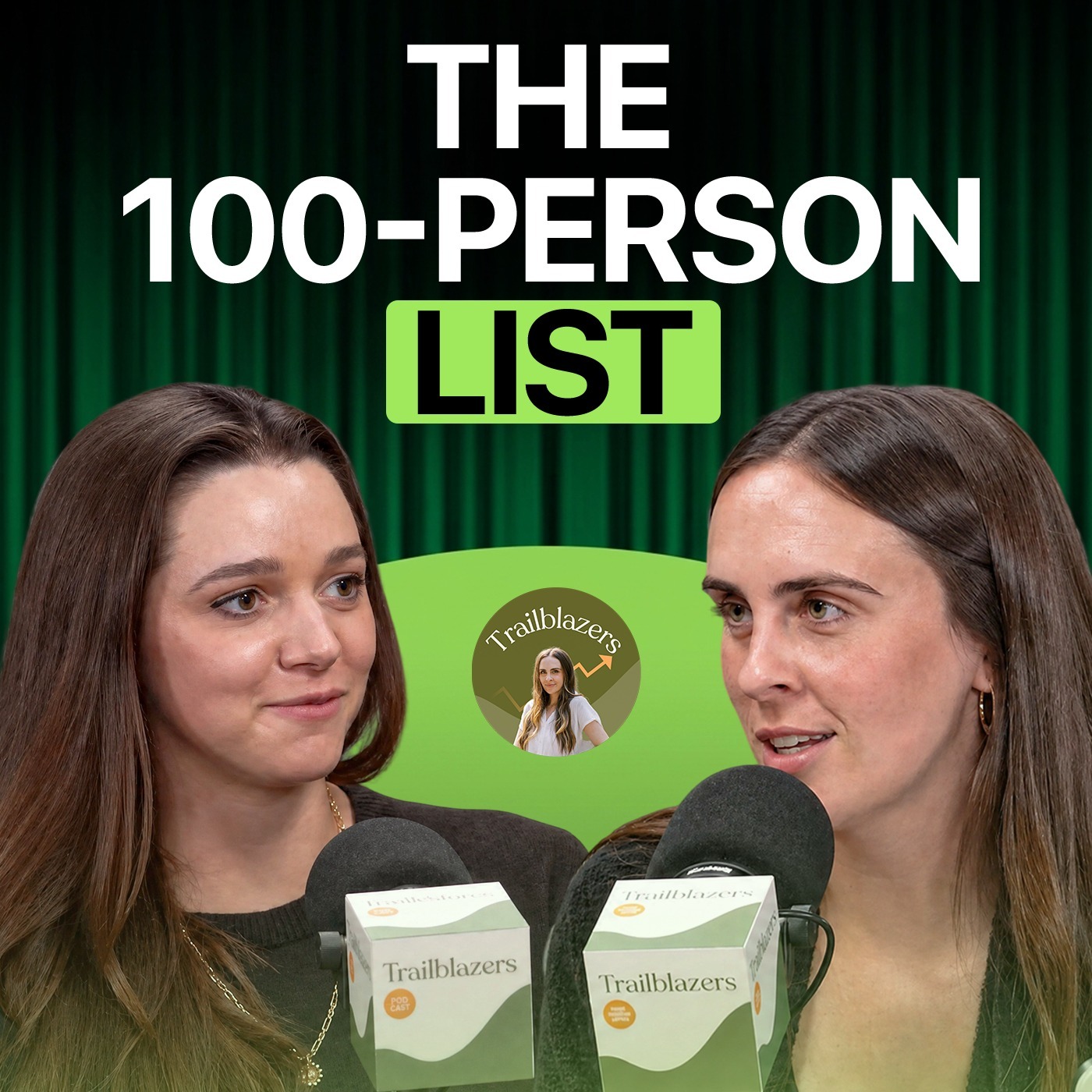
Molly O’Shea’s Trailblazers episode explains how her company Sorcery gained access to Silicon Valley’s top CEOs/investors and why her “show” format (walking interviews, HQ/factory tours) works, plus her pivot from venture capital after a breaking point.
Molly O’Shea is founder of Sorcery (started 2020 as a newsletter tracking companies/financings/emerging tech; expanded into interviews, podcasts, and factory tours). She previously worked in tech investing, including about seven years across New York Life Ventures and Upfront Ventures, and earlier pursued venture capital while starting her own company.
VCs and founders can learn more in-person; “back office” quality signals investor trust; Sorcery’s access comes from research + the right questions + consistent relationships; walking/tours are more dynamic and performative than sit-downs.
Interviews with Alex Karp (Palantir) and Vlad Tenev (Robinhood), Dylan Field (Figma), John Collison (Stripe), Jack Altman (Uncapped) and others. Viral moments include Alex Karp’s “sword” walking interview and a Jack Altman joke about Sam Altman being his brother.
Written by AI. May contain mistakes.
Molly discusses the benefits of visiting companies and seeing their operations firsthand.
“I feel like now you need to write my fund pitch deck.”
Molly shares her hardest moments transitioning within venture capital and its emotional toll.
“You've had really interesting personal professional experiences.”
Molly reflects on her journey of pivoting into building Sorcery after leaving VC.
“Like it took me a while because all my ego was in this profession completely.”
Discussion on the challenges in the current investment landscape.
Exploration of the journey from newsletter to podcast and the challenges faced.
“Well, we have to talk about like what gave you the confidence to start your own podcast because obviously it was a newsletter for a while and you're sending out deals.”
Discussion on gaining confidence and skills in podcasting through iterations.
“I want to make kind of like an open source expert call.”
Insights into standout interviews and their impact on Sorcery's growth.
“Like not long after I took it full time, did I get the Alex Karp interview?”
The importance of organic relationships and strategic guest list creation.
“And I'm like getting a water in the main room and someone comes up to me.”
Learn how a minor oversight led to a major interview opportunity with Alex Karp.
“That's kind of like a thing you should do because Alex and his team are like, why am I not on there?”
Discover the challenges and dynamics of conducting a walking interview with a high-profile CEO.
“Hey, you know, he can be a bit of a runner.”
Explore how humor and personality can enhance tech interviews.
“And for whatever reason, you know, we were going to take a picture with the sword.”
Find out why some interviews never see the light of day and the challenges behind them.
“Is it that they didn't think it went well?”
Learn how walking interviews evolved into a signature format for engaging story-telling.
“Was it like going to like Andrel as like the first big one?”
Learn about the intricate details of managing video production logistics.
“But it's become a format that just works really well.”
Discover the common characteristics of powerful CEOs off-camera.
“So you've obviously interviewed a lot of killer founders.”
Explore the potential growth and vision for the future of Sorcery.
“So obviously the past couple years, we're talking all about sorcery has been crushing.”

Get the gist, explore an idea or ask about something said.
 Claude
On Trailblazers by Erica Wenger, what are the key points of this episode?
Searching your listeningAutomatic transcript. May contain errors.
0:00Erica Wenger: Stay on the show. I am so excited to be joined by Molly O’Shea. Molly is the founder of Sorcery, which began in 2020 as a newsletter for herself and her peers to track companies, financings, and emerging tech, and has since grown into a full media business of interviews, podcasts, and factory tours. She sat down with more than 200 founders, CEOs, and investors, from Alex Karp of Palantir and Vlad Tenev of Robinhood to Dylan Field of Figma and John Collison of Stripe, going beyond the usual interview to tour the facilities and dig into the decisions behind the business. Her path there was anything but linear.
0:30Erica Wenger: Molly got into NYU for art before pivoting on her own into business and graduating early. She discovered venture capital in college while trying to get her own company off the ground, then spent roughly seven years in tech investing across New York Life ventures and upfront ventures. What ties it all together is a researcher's instinct for the right people and the right questions, paired with an artist's eye for taste and storytelling, both of which she brings to everything she builds at Sorcery. Let's welcome Molly. Hey, Molly. Hello. Thanks for being here. I feel like now you need to write my fund pitch deck.
1:01Erica Wenger: I need to. I feel like I know everything about you. Thanks for coming to the East Coast to do this. I know you're like hardcore West Coast. I know. But you're good at traveling. You're good at traveling, I feel. I'm good at it because I can make it logical in my head and efficient. But then I'm like, maybe I don't need to travel five cities in four days. Maybe that's a little crazy. Like, are you reaching a point where you can have people come to you? Like, I feel like you know in the beginning I get the hustle and I respect the hustle like it's like not really a hustle it's just I like it you do I like traveling and it's fun and I feel like I'm like on a mission I'm on an adventure I get to like you know we'll talk about this but like once the show I started going into people's offices and like seeing how it's made it's so addicting it's like being boots on the ground and like getting to know the team throughout the entire day being there like you get a glimpse into companies that i never did when i was even investing it's like we wouldn't do that you just like bring them it's so crazy you just bring them into your uh your office you'd sit with them for a couple times like you'd call them on zoom you do all this stuff maybe you go to their office but you don't really spend that much time you definitely don't do tours and have a video video taped um so that's a good point like i we actually now that you're saying it like vcs expect founders to come to them but there's so much to be learned when you go in person you even see like the office layout you see how people are engaging with each other you see if you are like you know the ceo behind closed doors or everything's open you can get a lot you can pick up on a lot of things just from like the culture by going totally yeah makes a big difference maybe we'll start a revolution vcs should go to founders not found i don't know if the founders will like that that's let's be real here so they're like please stay away wire the money and stay away.
2:44Erica Wenger: I love it. So one thing I've learned talking to GPs on the show, and in my own experience as a GP, is that your back office is a signal. How fast you close deals, how clean the LP experience is, how your K-1s land. Investors notice all of it. The more buttoned up you are, the more likely they are to give you more money in the future. That's why I want to talk about Sidecar. Sidecar is the SPV platform built for fund managers who want institutional quality execution without hiring a full back office team. They'll review your deal within hours, handle full secondary transaction support, and give you transparent pricing upfront, no platform carry.
3:18Erica Wenger: Also, your LP relationships stay private, which is super important. This is not a marketplace. If you're running a professional fund, your infrastructure should look like it. Sidecar makes that possible without the overhead. Check them out at sidecar.io slash partners slash trailblazers. That's S-Y-D-E-C-A-R dot I-O slash partners slash trailblazers. I read your bio. Okay. You've had really interesting personal professional experiences. I want you to think about when you look back at all your time so far, what has been the hardest point in your journey? The point that you thought might almost break you?
3:54really good question and very clear to me so from looking at my background you can see that like it started in college where i was interested in venture capital and i was interested in tech and i wanted to do all this stuff i was interested in venture capital because i like was starting a company at the time i was like how can i become a better founder i can learn from all these cases like all these investments all this research all this diligence and so like i put a mission to do that and to get into venture capital because it's so easy. It's so easy as a woman. It's so easy as an art student.
4:32And like, why not just go for it? And so I did that in my tunnel vision. I went for VC and I worked at all these different funds, emerging managers, institutional, like cool brand names, all this stuff. And my breaking point was I was transitioning from one fund to another. And I don't talk about this. So you're getting a secret story.
4:57Erica Wenger: It's a scoop. Wait, this is what you do, breaking, right? Breaking news. Breaking. It's a bit ironic and I love it, but it's okay because it works. It works. It works. And I was going from one fund to another. I was very deep into getting poached by this firm, very large firm. No one knows the name. It's very secret. but I mean everyone knows the name of the firm but not that you were about to be poached by this firm or is does no one know the firm I would say no one knows the firm well okay uh but I have worked my entire career to get to this point of like okay the goal is obviously to get to a big firm like you'll probably get paid more you get more ownership you're closer to becoming a real partner you know I was leading a principal role I wanted to become a partner all that kind of stuff I'd been sourcing more deals than anyone else I've worked across all stages early growth can do both I was on the LP side at one point I was like yes I can finally get to that big like megathon multi-stage bond whatever you want to call it and I got there and like I hated it I hated it um right away right away uh it just it I kind of got bait and switched like I am like a really hardcore worker.
6:11The one thing that will attack my ego is saying that I'm lazy. I get up super early. I do my work every day. I've been doing this since college. That's how I pivoted from an art student to graduating early at NYU and getting into business and becoming a venture capitalist. That's crazy. And so I get to this fund and it's just, it's not for me. Like I'm immediately, you know, treated on a lower rung. Like I think I was paid less than my last job. Like I don't know if I was given carry.
6:49Erica Wenger: Did they give you the partner title or no? Not even. Like said I would. And then all of a sudden, like when I started was like telling me I'd be an analyst. I'm like, what is going on? Like, you know, I was an analyst like seven years ago. What are you doing? My biggest breaking point was transitioning out of VC because I worked my entire career for that. I thought it was like the end all be all. I thought it was the ultimate goal, get to a large fund, do all this stuff. And it turns out like I've just been through the ringer. Like it's not an easy industry. Most firms are not as they seem. But by the way, that's common with all of them.
7:26It's just a hard environment. And so once I left, I got so depressed. And so then I shifted over and I put all that energy into building out sorcery. And so I went on a mission to discover and figure this out. And podcasts are great, as you know, for networking, deal flow, business development, all the things of VC. But, you know, you're not like out of fund unless you have a fund. And so, yeah, I just I just pivoted into that. But I was like severely depressed. Like I maybe not just severely, but I was like significantly depressed for maybe like four or six months. Like it took me a while because all my ego was in this profession completely.
8:19I start I it was my mission once I graduated. It was my mission throughout. I thought the goal would be to get to, you know, that, you know, that label or whatever. And turns out I got that and it wasn't what it was. And I was like, fuck.
8:35Erica Wenger: Yeah, but good for you for leaving. Like, I think a lot of people, you know, put this like halo effect over a title or halo effect around like a certain job. that they think that they want. And then when they get there, they like are not honest with themselves, that they hate it. What made you say like, I'm done, I'm leaving? I come from LA and LA is just such a cool community of young people, people doing all sorts of things, building any type of business. It's not just tech. Moving up to South Bay, there's no one young there that has any sort of fun in their body. Like, and if they do, they probably don't live there.
9:12Erica Wenger: like you sound like me talking about new york a little bit like i feel like the way about no no as in like why i'm not an sf like why i'm not in the bay and why i think la is great and new york is great not to say the bay a lot of people are happy there but you have people doing so many different things in la so many different things in new york and people are prioritized like fun and passionate adventure in a way that i think the bay does not prioritize it's hard no they prioritize your like next round and like whatever model company you can work at next it's just they're completely different worlds and look like maybe it works for them because half of the bay is going to become a centimillionaire or a billionaire now right and money talks like i get it that's what they like want but like it's not really like how i want to live totally and um i want to ask you just about even like getting your start in venture so like another breaking announcement you are not an eppo baby shout out molly hard work art student to venture like like it's so hard to break into venture honestly like we no one talks about this enough because everyone tries to be like, oh yeah, no, no, no.
10:09Erica Wenger: Like I didn't, it was easy. But like - No, it's sheer brute force of will. A hundred percent. And like, you have to constantly push in. And once you're in, by the way, you're not safe, like at all. It's the most like delusional world ever. It's really tough. And I don't say this in like a complete negative way. I'm just like validating. It's a very hard job. I know most VCs are not happy. I know most people are like, you know, you're either waiting for companies or you're looking for them and that kind of thing, it's a hard psychological environment to live in, especially when it's really hard to get in.
10:45And once you're in there, you're constantly checking yourself if you're good enough, if your investments are good enough. It takes so long to know if they're good, if there's validation, if there's an exit, if any of them get momentum. My God, you strap in and you make sure you hold on. But it is not an easy environment. The entire career I've had, I feel like I've just been pushing it and forcibly like trying to make it work. And like, it's just been such an uphill battle. And I never knew if I was good or not, which is a common theme. And I don't know if I will, but like, you know, now I have angel investments and all that stuff.
11:21It's really good. But throughout the entire career, you know, I've had many different pivots, whether it was working for an emerging manager that ran out of money or which happens. Which happens a lot. Happens a lot. And I still want to do this job and like finding another one, finding a safe ground, finding an institutional investor, you know, getting poached to go to another firm. I've constantly been met with like, should I make this jump and take a risk and grow and see what's on the other side? Or like stay where I am in my train of thought and like how I am naturally as a person is like, I'm curious.
11:58Like, I want to go discover. I want to explore. I want to grow so much as a person. And so I've usually made that jump. Now, like, if you looked at my LinkedIn, if you looked at my resume, you'd be like, damn, this girl jumps around a lot. But like, there's a distinctive reason for everything. It's like, you know, some emerging managers failed. Like, sometimes there was COVID. There's like lack of uncertainty. It's like, what do you do in this scenario? But also, I had this deep desire to learn as much as I could about this asset class and this industry as I could from many different lenses. So I started in growth equity.
12:37And it was late stage investments, pre-IPO. And we did Series Ds and whatever, and all the spreadsheets and all the good stuff. and then I went into early stage and then I went into institutional investing off of a balance sheet which is completely different and doing LP investments investments as an LP and directs and then I decided to go to LA and work for Upfront Ventures and all along the way the one thing that like kept me centered was sorcery because I had this one thing that I owned that was me that was consistent the entire time. So while I'm even making all these jumps and whatever, the thing that I'm most interested in stayed constant.
13:22And I was constantly, every week, I was reading all of the deals. I was organizing them. I was packaging them up from early stage to growth, to private equity, to IPOs, SPACs when they came along, because that was a moment. Throwback, yeah. You know, they come around every now and again, but that was really a moment to the IPO window being closed, then to being open to funds being raised. And so I've seen this scope throughout time. And it was really good understanding of the tech world. And I think now it's kind of unrecognizable. I'm sure a lot of people are having imposter syndrome or just not sure what's going on.
14:02It's easy to ride a momentum train, but objectively from a macro perspective like this is a crazy environment and there's a lot of money being thrown around into things that have not existed for more than a year so um yeah i would say it's it wasn't just one moment there have been many moments where i've had to make these decisions and change and like really push myself um the biggest jump since then was obviously going full-time on sorcery
14:30Erica Wenger: if you've ever felt like podcast monetization is a club you're not big enough to join yet More downloads, more listeners, a big name sponsor you have to go chase. I've got good news. Beehive's new dynamic ad insertion has no minimum download requirement. That means you can turn on programmatic ads and start earning across new episodes and your whole back catalog without pitching a single sponsor yourself. And it's still your show. You choose where the ad breaks land, how many ads play, and which advertiser categories can run. So it always stays true to you and your audience. You just focus on making a show people keep coming back to and Beehive handles the rest.
15:06Erica Wenger: Go to Beehive.com and use code TRAILBLAZERS30 for 30 % off your first three months. That's B-E-E-H-I-I-V dot com code TRAILBLAZERS30. So I have a confession. I used to be a compulsive note taker. Every meeting, I'd be half listening and half scrambling and still leaving with gaps on next steps, details that were shared, and more. Granola completely changed that for me. It's an AI-powered notepad for meetings, and it's connected to every call on my calendar. Before each one, it shows me a well-researched brief so I know who I'm meeting with, when we last talked, and the full context going in. During the call, I jot down whatever notes stand out, a keyword, a decision, a quick thought, and then Granola handles the rest.
15:47Erica Wenger: It literally fills in and transcribes in the background and turns my rough notes into clean, structured takeaways the second we hang up. There's no bots joining calls, it just works in the background. I use Granola for several things. If I finish a meeting with a potential investor in my fund, I'll ask Granola what I could have done better to get my point across. If I'm meeting with a founder I like, I'll ask Granola to point out any major green flags or red flags I may not have already caught. For people with a lot of meetings and decisions that require endless context, Granola is a game changer.
16:16Erica Wenger: Actually, we're running Granola on today's episode. You can read the full show notes at granola.ai slash trailblazers and you can see it linked below here. New users get three months completely free. That's granola.ai slash trailblazers. Yeah. Well, we have to talk about like what gave you the confidence to start your own podcast because obviously it was a newsletter for a while and you're sending out deals. You're sending out just like thoughts on like macro trends. What made you want to do like a podcast? I mean, I would honestly call it a show actually. Yeah. Starting a show, getting sponsorship, traveling around.
16:47Erica Wenger: I mean, it's more common now, but at the time, like I feel like TBPN had not even really launched, or maybe had just launched. You were in that early wave, I remember, of shows really taking off on X. What gave you the concept to do it the way you did? So it's constantly evolving. I know if we go back to when I started to work on external presence, it really wasn't Elon took over X. When he took over X, I knew he was going to gamify it. It would be some sort of algorithm, maybe an algorithm of words, and it would be a game. And so how do I beat this game? How do I make sure I'm excelling? Guess what?
17:28I'm actually a really good writer. I can gather my thoughts quite well, organize them, and make them an interesting thing to read or a story to tell. And so once he took over X, I was like, game on, let's go. And I pretty much had no account. I don't think I ever tweeted before or posted on X. And I started working at it and it took off pretty quickly. Like I got some traction. There was a summer where no one was on X except like, you know, partners at A16Z. People were actually protesting X because they're like, they didn't want to be on it because he had taken it over. And I was like, no, like I got this, like let's go and so um so I started on that but the podcast really started in um I think the winter like two years ago so as you know like I've had sorcery the newsletter for a while it's nothing crazy I didn't even know about marketing not until I was like wait if I put this on LinkedIn and tell people that I'm writing this or I wrote something will it grow like people were here hearing about it so i didn't like of course like marketing so obvious but it was just a natural like organic thing like shared by friends and read by friends i didn't care it's not like i was making one of these like performance marketing newsletters or anything like that where i was trying to make money off of it it was just a resource for work and uh so about two years ago in the winter eric torenberg was creating turpentine media or he already did and he was making a verticalized network of podcasts and had reached out to me to make Sorcery, the deals, not deals, letter, news, pot, newsletter, podcast, whatever you want to call it, uh, Sorcery, the news deal thing into a podcast.
19:19So I was like, yeah, sure. Like that sounds awesome, but I am a little bit nervous about following the news cycle and feeling like anxious and beholden to that. Like I want to make evergreen content that's like educational and something you could learn from. Like I do the newsletter so I can use it for work and so I can learn from it. And so with this show, which I think it definitely is a show, it's not really a podcast. I want to make kind of like an open source expert call. So I diligence and I research companies all the time. I'm sourcing them. It'd be so cool. This was like right when like ChatGPT was really starting to work and you could put documents in it and you could get transcripts and all that stuff.
20:00And so it'd be cool if I can gather like an amazing set of data and research from the person that I'm interviewing and then form it into an investment memo. That's kind of my thinking and logic. And so I start off and I start doing a couple of shows with founders and investors. And it was early on, you know, a handful of names from like 8BC and Founders Fund and that kind of thing.
20:26Erica Wenger: And how are you getting them at that time? Like how are those early, you know, podcast guests coming on i mean i was an investor so it's already my just your friends yeah it was a lot of my friends a lot of favors it was a lot of like nice things i mean i had a following on x so people would people are helpful i mean like you would know yeah i know yeah yeah i want to say yes and so this is what i'm trying to get at is like people were already wanting to help you because they had seen the effort they had seen you working hard even if you feel like you didn't have as big of a following it was clear you were like a hustler even when you were starting you know it was clear like you were going to be something great it was just like figuring out the right medium, you know?
20:59For sure. And you see this oftentimes where people like work really hard at something and nothing really happens and you don't know why or whatever. And there's just a mismatch. But for this, I was like, no, I'm going to make this work. And I went through so many different iterations. If you watch the early ones, it's like a Zoom call. Like it's not great, but I learned really quickly and I'm focused on like making my skills better, making the conversations better, doing a bunch of research, tossing away the research, just having a one-on-one conversation and focusing on the main things. Because like, think about it, like I spent six years doing diligence calls with founders.
21:36I know this isn't really like a diligence call interview or show, but I know how businesses are made. I know the things we're evaluating when we're investing into them. I know the risks to be aware of. And I get some pushback sometimes on like not asking hard questions and I don't really care. Like at this point, I'm just like, I'll throw something in every now and again, but I'm just deeply curious about these companies and I want to know how they're run or what, you know, growth point they're at. And so I'll do all that work and then have the conversation. And it's led to like crazy interviews.
22:09Like not long after I took it full time, did I get the Alex Karp interview?
22:13Erica Wenger: Yeah. Well, we have to talk about that. I mean, I feel like that was your big breakout moment. You'll know better than I, but that went viral, like his sword or whatever that you guys were playing with. It was so funny. What was that the moment that you feel like sorcery really took off in like a league of its own or do you feel like it was already starting to before the alex carp interview it already started to before the alex carp interview the alex carp interview obviously made it into a meme which also my jack altman interview made it into a meme oh yeah i've seen that all over wait you should tell everyone so you interviewed jack altman that still goes viral so tell me so you interviewed jack altman and you had this one moment that literally like it's still you watch it now you always laugh What was the moment?
22:54Okay, so I just have a dry sense of humor. And sometimes I think I'm very funny. And so going into this interview, like I knew I wanted to make something a little bit creative in asking because it was really an interview about Jack Altman's podcast, Uncapped, because he hadn't talked about it really much before. You know, he's a great investor and he's interviewed crazy people. Like he has an amazing list of guests. And so we get to one guest and I ask, so you recently interviewed Sam Altman. Were you nervous? And he goes, no, why would I be nervous? And I'm like, I don't know. And he's like, you know, kind of like replying and stuff and we're going back and forth.
23:42And he's like, that's my brother. And I'm like, what? That's your brother? And he's like, yeah, Jack Altman, Sam Altman. and I'm like oh so you've known each other for a very long time and he's like this is good keep this in keep this in this is good and uh like every month that like literally goes viral which is a good testament to know that not everyone knows who Sam Altman is yet people are still learning um and so that was one of them but to your point did you know they were brothers I mean
24:10Erica Wenger: like I feel like I did yes I feel like that's the joke is like people either are like how did she not know or they're like oh my god this girl is so funny because she obviously knew and i feel like people on the internet don't always know well at the time did you know they were brothers i leave this one unanswered we can leave that yeah people will just never know it and let me know what you think yeah more clicks more engagement wait tell me the alex cart piece i want to hear about that so like how did the interview come to be and how did that change it sounds like the meme really like put you in another you know stratosphere so a couple of things with this one so it definitely was a meme thing that was not intended uh this interview was like months in the making sort of uh i am not and i've gotten better at this like i am really not a transactional person which makes me a bad vc i don't want to like just explicitly ask for things i want to grow and develop organic relationships over time to the point where i feel comfortable asking for things and so i was at this conference it's really great conference in the spring of uh 2025 and it's hill and valley it's thrown by christian garrett and jacob hellberg and delian and it's a bipartisan conference summit fusing you know policy and tech it's phenomenal like amazing guests i think josh kushner was speaking that year and uh alex carp was too and so i'm there i'm like i'm also a huge introvert So I'm not good in public settings, which is probably like a surprise to people.
25:46But I just get nervous. I'm not good with this. And I'm like getting a water in the main room and someone comes up to me. Oh, hey, I know you from Twitter. And I was like, hey, what's up? And was like, I work at Palantir. And I was like, no way. That's so cool. Like, I'm a huge fan. I've been following Palantir for a while. I've been writing about it in my newsletter. And they're like, oh, come meet the team. And so I went over and I meet the team and I'm like meeting Shob and I'm like so embarrassed. I don't know what to say. I don't know what to do, whatever. Anyways, I leave that scenario pretty quickly.
26:18I go back to my seat. And, you know, a couple months later, you know, I'm an online person. So that person saw my content. We became friends over time. And so that person like had seen my content over and again, saw the interviews I was doing and uh i put out this this is an important piece so while this was the big kind of moment i had a couple other moments that really put me into a new trajectory and for people to like respect and like want to come on sorcery and like understand the audience i had i put out this list of like
26:57Erica Wenger: 100 dream guests and which is epic because you're like manifesting you're like oh if your name is on here. Come on now. Oh, it manifesting works like it worked. Right. And it makes you easy to understand and know and how to help. And so I put out this list. First, it was, you know, I was going to do top 20 people. All right. I went through that one really quickly. I got to like, all right, then I guess it has to be 40. And then I was like, it's at 80 now. I'm really growing the list. Fuck it. I'll make it 100. So I made it 100. Didn't think much of it. Probably made it in 15 minutes put it out on x turns out people love lists on x and it went kind of viral um and they also love to help so it blew up and i was so like i was so amazed by the response and by the support and help i had so many people reach out to me from that and i got some of my biggest guests from just putting that out there the one caveat was was alex on there i forgot to put alex carp on there but That's kind of like a thing you should do because Alex and his team are like, why am I not on there?
28:04Erica Wenger: Like, you know, almost like the leaving them off makes them want you more, you know? So I get a I get a message from my friend over there and he's like, yo, what the heck? You forgot a very large name who you've mentioned before you want to interview. And I'm like, oh, shit, you're right. Like I made a mistake. We're going to have to make a one B to the one A. The one A was Ivanka Trump. The one B, Alex Karp. So I fixed it, edited it, put it back on the internet, and then sure enough, get a call later like, hey, he saw it. He's interested. Let's do this. And this was maybe the same day. Keep in touch.
28:48And then three days later, it was confirmed. And it was confirmed because they had earnings coming out and this biography that was being written on Alex Cart. And so it was a great opportunity to interview both on earnings and this biography. And so I got shipped the book. I read the book in like two days. I'm getting ready for this interview. I think I'm in like L.A. or San Francisco at the time. And then I go to New York and there's one caveat. It's a walking interview. I've never done any of those before. This is the first time I've ever done a walking interview. And the reason why he was walking is he doesn't like to sit.
29:25Believe it or not, he's not good at sitting. So he makes everyone else walk with him. So this was like a good opportunity to get some energy out and walk. And it originally was like a 20 minute. I was allotted 20 minutes. I think he's misunderstood in some capacity because he's actually a very kind and thoughtful person. before the interview uh even like without meeting um he wanted to like learn about you know my childhood and my parents and what I did and all this kind of stuff and I told him about the art like his mom was an artist and so there was some overlap and it was just like really interesting like I didn't think of anything of it and for me it's kind of like with you it's like you immediately go into interview mode you're like tunnel vision yeah and so we do this walk and talk and I was briefed.
30:14Hey, you know, he can be a bit of a runner. So be prepared to like, you know, walk and like follow his, you know, stride and distance and whatever, or wherever he runs off to. And I didn't experience that at all. Like he was waiting for me to walk. Like it was not, it was totally fine. He enjoyed it probably. I mean, I would run away if I didn't like something, but he liked talking to you. So he stayed put. But it was like a nice walk and talk. I've never talked about this before, by the way. And we did a couple laps around the office i think people on the video watching the video kind of thought it was funny at a certain point because it's like we did four or five laps around one floor of the office which was great and uh got a lot of like looking back that was an amazing interview um i know someone who's in news and they're like you didn't have an earpiece in like you didn't have note cards you just did that interview on the fly while you were walking like it was a really rich discussion.
31:10I read a freaking entire book beforehand. I obviously knew everything about Palantir I could. I took it very seriously. I did a lot of work to go into this. And it was a very difficult format, but it was really fun and really cool. And by the end of it, you know, my friend ran away and all of a sudden ran back into screen. You'll see and you'll watch the video and you'll see him run by in the background and he's carrying a sword. And so in every office, he has a sword. And for whatever reason, you know, we were going to take a picture with the sword. I'm like, okay, cool. Like, I'll try to just stand here.
31:49Like, you can hear me on the video. Like, it's a video. And I'm like, what do I do? Like, do I just stand here? And then he all of a sudden, like, starts wielding it. And I'm like, what is going on?
31:58Erica Wenger: You're like, don't put that thing near me it was uh it was really funny and like it was kind of like should we put out that video should we not like you know like I love making fun and having fun and doing quirky things because like why not everything is pretty boring anyways like if it if it's just a standard kind of media interview but like if this is the person's personality and they like it why not and so we ended up putting out that video and the original video on x i think is like 4.5 million views the sword video easily got viewed over 50 million times from many different all the clippers yeah and it continues to get put out and it was like in many like iconic moments and i understand because he is like you know alex carp and he has a sword and like there's a girl in a dress next to him you know like it's a weird situation but uh the interview if you haven't listened to it is actually very good.
32:56Erica Wenger: I love that. I think it's awesome. And I think that like you bring this levity and this lightness to your interviews that I think the especially the tech landscape is like desperately needs. Like everything can be so stuffy. And because you have your dry humor and because you wear like, you know, your really cute dress and you like let him do his sword thing. There's something so refreshing about it. And it's not just the Alex interview. Like I feel like it's a lot of the interviews you've done. The 2026 primaries are taking shape. And if you have a strong opinion about how they're going to go, CalShe lets you actually trade on it.
33:25Erica Wenger: CalShe is the largest prediction market in the U.S., federally regulated and available in all 50 states. You're not betting against a house. You're trading against other people in a live market, taking yes or no positions on real world events like elections, Fed rates, economic data, you name it. Right now on CalShe, you can trade on the California governor race, Senate outcomes, and a dozen other major political storylines as they develop. As the probability shifts, You can buy in or out of your position in real time. It's a completely new asset class and honestly, one of the more interesting ways to have skin in the game on what you're already watching and know about closely.
33:57Erica Wenger: Download the Calci app. That's K-A-L-S-H-I and use code trailblazers to get$10 when you trade$10 or go to calci.com slash R slash trailblazers to accept this$20 offer. With Calci, you can trade on anything. 18 plus only restrictions and eligibility requirements apply. event contract trading involves risk and may not be suitable for all investors. Prices, values, and available markets may differ from those mentioned. For more information, see calshi.com slash regulatory. So quick experiment. Think about the last long message you typed. A Slack thread, a prompting declawed, a detailed email. It probably took you 10 minutes, maybe even 20 to get it just right.
34:33Erica Wenger: Now imagine you just said it out loud instead. That is the whole pitch for Whisperflow. Whisperflow is a voice to text that actually works in every app on every device. You speak naturally and it outputs clean formatted text that's ready to send. No setup, no integrations, no fixing weird transcription errors. It works in Gmail, Slack, Notion, Claude, iMessage, wherever you type. And unlike the built-in dictation on your phone, Whisperflow actually removes all filler words, mid-sentence corrections, and jargon. What I love most too is that it perfectly matches my style. So I often type in all lowercase letters and say things like LMK, which means let me know in shorthand, and it auto-adjusts it for me.
35:11Erica Wenger: Like many of you, I also do a lot of brain dumping into LLMs. So instead of typing it all out, I just speak my windy train of thought into Whisperflow, which is infinitely faster than trying to get my fingers to keep up with the pace of my thoughts. If you do any serious writing or just send a lot of messages, using Whisperflow is a no-brainer. Get one whole month of Whisperflow Pro completely free at ref.whisperflow.ai. That's ref.whisperflow.ai. slash trailblazers. I want to ask you, is there any interview that you've done that never saw the light of day? For sure. And why? Is it that they didn't think it went well?
35:49Erica Wenger: Is it that they're like, oh, no, earnings weren't great. We don't want to focus on that. Like, talk to me if you can give one example. You don't have to name names if you don't want to, but where an interview never came out, actually, but you thought you did a great job. So there have been, and sometimes it's due to scheduling things. Sometimes the person just wants to wait for a bigger story. Sometimes it's where the guest isn't really saying anything, you know, is just kind of answering in general questions is not quite prepared. And I take this really seriously. Most of the people I interview are the industry experts and are media trained and all that jazz.
36:37And so I don't encounter this much, but sometimes people, because I have done and I have a quirky personality, might take it a bit as like not serious, but it's like fucking serious.
36:50Erica Wenger: It is serious. No, you're like moving money and you're interviewing big people. I want to also ask you about, so you started the walking with Alex Karp. You've continued your walking with your factory tours. I feel like walking is like your thing now. I don't know if you feel that way. By the way, I'm so happy. Yeah, it's great. It's a good workout. It's great. It keeps things dynamic, you know? But like, I feel like these factory tours have also become like a really big thing that's uniquely you. What started that? Was it like going to like Andrel as like the first big one? Was there just, hey, I kind of liked walking with Alex.
37:19Erica Wenger: I want to do that more. Like, tell me how that came about. Because a lot of people like sit, like we're sitting now and it's like a little more one dimensional. But I feel like, and you know way better than I, but I feel like I see some of your stuff that you're always walking. You're like getting a tour of something and you're like, oh, hey, this is like the CMO and oh, this is this person. And you kind of it's very like dynamic or like you just did the USV interview and you're like at their office. And like, you know, I want to see the space. Like where did that come from, that desire to do like HQ tours?
37:46It was really clear after the Alex Karp interview that that is a format that works tremendously well. It's very dynamic. It's very engaging. It's really hard. So it takes more prep for me. And like for prep, like I do all this research. I try to memorize the information, the data, like the key points, all that kind of stuff. And it's hard also if like you're a little bit, you know, ADD and you're like walking around things. So like I usually will need some prep on this space beforehand so I know what we're walking around, you know. But it really started at the Alex Karp interview. Shortly after that, Anderle's team was like, hey, saw us on that list.
38:25We want to do one. All of our four founders, Matt Grimm, Brian Shimp, the CEO. it was Trey Stevens and Palmer Luckey and they're like all four founders are here on this one day why don't you come down to Andruil and we can do an Andruil tour in all the different departments and like talk to each person on their specialty like it was crazy it was we we got like every angle I got to drive like one of their vehicles that has one of their systems on it and uh we we looked at everything and that was when I first did more of like a factory tour it was new ground it was really hard I actually remember and this was something I didn't find until like you know maybe a week ago I was like going through my like my voice notes and I like wrote a voice note to myself after that because I got up at like it's down in Orange County I think guy like drove down the night before, stayed at like a hotel down there.
39:25And I woke up at like 4am, like start prepping and getting ready for the day. I had to be there early and just running through all these motions. It's expensive. You have two camera people. They have to know what they're looking at. They've got to know all this stuff. It's really complex. You know, we only have a certain amount of time allotted for each space. And we're just like running through all of it, you know, running over, you want more time, you know, as you can, as much time as possible with Palmer, you never know what he's going to say. We were talking about crazy stuff. We were talking about aliens.
39:59We were talking about war on the moon. We were talking about talking to whales, like crazy stuff. It was really fun. And he has like a crazy deep answer for everything.
40:08Erica Wenger: It's so insane how brilliant he is. Like you can ask him anything. He knows everything. He's read every book, every sci-fi book. Like he's crazy. Very, very knowledgeable. And so after that interview that day at andrel i get back home and i'm like walking around trying to decompress right and i like listen to this voice note afterwards maybe like a week later or like a week ago and it was i can't do one of these again it was really exhausting it was really um uh expensive i don't know if the format's gonna work you know we did all these little interviews We're gonna have to put it together like a documentary.
40:47Do we put out every individual interview? I don't really know. Like, this was completely new to me. And I was like, so stressed out and overwhelmed by it. Turns out it was like one of the best performing things I ever did. And it was the coolest format ever. So the initial exhaustion was very much depleted and like shared with high ROI. But it was clearly a format that worked and something that I needed to hone in on and replicate. And so since then, we've done like walking portions of our interviews. Sometimes I'll do sit downs and then a walking portion. Sometimes I'll just do walking portions.
41:22I'll do factory tours. I'll do HQ tours. We did an HQ tour of Harvey. It was phenomenal. Like it did really, really well. We did a sit down with a couple of people there. I did a walk and talk with Vlad Tenev of Robin Hood. I did a walk and talk and like little HQ tour with Max Levchin of a firm. I did one recently at Rocket Lab. We did like a three-part series with Peter Beck there. And so we just keep on doing this. And one, it takes a lot of time. You have to fly to these places normally. It's very expensive. You need equipment. You need gimbals. You need to make sure that the audio is good.
42:00The video is good. It's not too shaky. You're showing the right things. And it's a complete learning process. But it's become a format that just works really well. And I love it. It's very exhausting, but it's hard to make any sort of media thing pop. And so between that and the hot takes, the hot takes also fly. I'll go to conferences. I was just at the all-in summit we got like five million impressions from one week there it's crazy that was because of jake paul you know saying something very controversial about the u.s
42:37Erica Wenger: constitution um love jeff woo has a lot too he's great they both love their hot takes yeah it's great what's um so i want to talk a little bit just about like the logistics because you're making it even now you're even like downplaying it like it is so much work like a camera crew in the middle of nowhere and if you screw it up like you screw up the whole interview and it's expensive not only to fly there to stay in hotels to have the camera it's like how does that all work do you have like you know the set camera crew that you bring with you everywhere do you you know like rent them in different spots how do you make sure it's good have you had to like educate yourself on all things like video and audio like talk to me about all the logistics i'm very curious so many lessons in this and like you know the youtube comments they don't lie some of them are weird but mostly they like don't lie and so i've learned like editing practices from that, like making sure we're showing the things we're looking at to the logistics behind it.
43:31I have a video crew, my main videographer, his name is Brett. He's awesome. He helps handle like, you know, the production and all that kind of stuff, getting the gear there, working the gear, getting it all set up. For some of these, like we did one at figure AI. We did one at figure AI with Brett Adcock. His team was kind enough to give us his production crew. Like they're always making videos. So this is my favorite part, because if you get their team's production crew, they know what to look at. They know where they've been. They know what's not allowed to be on camera. What's what is like what a good flow is.
44:06And so working a lot of the it's like really surprising, but, you know, it's something common. Most of these like hard tech manufacturing, rocket companies, robotics companies, they pretty much usually have their own video crew and production team. And so these are a lot of
44:23Erica Wenger: famous founders, too. So even if they're building like software, I feel like a lot of them have content machines behind them just because they're like a well-known founder, like a Palmer, Dylan or whatever, like they're just known. So they have a person, they have a team anyway, right? Most of the time, but sometimes not. And sometimes they're not available. So we usually try to make it so we can do it when they're available if that's possible. But if not, like we have a crew. It just makes things easier for post-production and that sort. But for the most part, so like rundown wise, I'm usually never in one city for like more than two or three or four days.
44:58Like I'm constantly on the road going from one thing to another and I don't mind it, but you know, logistically trying to get equipment all in one place, learning, you know, how to be on camera. Like these are things I'm learning in real time. Some of the interviews we didn't know we were going to post some of them were supposed to be b-roll and then we put them online and you know people are like what you know like saying you know look at the camera or look at the guest or stop looking around you know like and it's like whatever man but uh for the most part like overall that type of content is the video walk and talks these factory tours the hq tours are a hundred if not like a thousand times more performative than traditional sit-downs.
45:43Now, again, they're very difficult. Most traditional people don't want to do them. It can be awkward. Sometimes their guest is super tall. Luca Ferrari is so tall. Like we were walking around and I'm like, you know, but that one was a really good series we did at Bending Spoons.
46:04Erica Wenger: And so different than the other stuff he's doing. Like that's the thing with Luca. But like he's already doing so much media. Like all these people you're interviewing are doing so much media. How can you build the thing that stands out when you put all of them next to each other? Like Dar of Uber, like another example. Like he's just so much stuff. How can you be the one that's like, ooh, that one looks a little different? You know, and I feel like that's almost what it is. Whether it's like a walking tour or it's something else, you have stood out. And so few do, you know? I try. You do. You're doing a great job.
46:32Erica Wenger: I wanted to ask you. So you've obviously interviewed a lot of killer founders. the alex carbs the vlads of robin hood the dars of uber what's the one thing that has surprised you the most about all of these folks i mean we'll throw like a palmer in there too the ones who are running like the biggest companies and have consistently been outperforming what's the one thing that maybe people wouldn't guess they all have in common they're all pretty easy to talk to off camera like they're just they they might seem like intimidating people but they're all like it's all normal like doing 200 plus interviews people are just people and so you just have to talk to them like they're normal people don't gaze don't ogle like like some people like i know come up to me and will either just come up to me and be like like you know whatever but like you could just they're just so easy to chat with and talk to like even when i was talking about alex carp like we were having a normal conversation beforehand like and obviously that interview like got funny because i asked about cupcakes and stuff which he has a cupcake addiction but apparently it's over um why cupcake addiction you have to read the book come on oh i haven't read the book sorry sorry alex okay okay people don't understand these points but it's in the book okay okay but yeah they're all like pretty easy to talk to and they obviously all do media stuff all the time so they're more than happy to help people out like i've been so privileged and like happy and i'm really grateful for the amount of support i've had building this and with even the greatest ambitions of having a top 100 list of the hardest to reach most powerful people in the world, literally, like Elon Musk, Jamie Dimon.
48:25I want to try to get Ken Griffin on, Bill Ackman, all these people. And then you meet them in person and they're like pretty normal people. Like it's not like you have to go through 10 layers of security to talk to them. They just like actually want to help and, you know, like feel like they're doing something different in their day.
48:44Erica Wenger: Yeah, I love that. It's funny. I've had guests on where like the ones you think would have security don't. And the ones who you're like, really, they show up with security. And it's interesting. Like it's not who you would think. And yeah, I think that likability is also why you've done so well. Because I think the more that like as you have success, the more you can stay humble, you can stay likable, you can stay normal as best you can, the better off you're going to do in the long run, you know? So here's a problem I hear constantly from operators. The data exists and the answers are somewhere in there, but getting to them, actually pulling a useful insight without bugging the data team or learning SQL takes too long or just does not happen.
49:19Erica Wenger: Hex solves that. Hex is an AI analytics platform where anyone on your team can ask data questions in plain English and get real answers backed by your actual business context. No SQL required. And the best part is that Hex shows you exactly how its data agents think so you can see where the logic comes from and trust the output. The more your team uses it, the smarter it gets. From seed stage founders running lean to larger orgs dealing with serious data complexity, Hex is built to scale with you. It's game-changing for people like me in particular, who want to understand what's going on under the hood but are not the real data experts.
49:52Erica Wenger: It's funny too because I feel like every time I look over my operator friend's shoulders, whether they're in product or marketing or ops, they often have a Hex dashboard pulled up. Trailblazers listeners get an exclusive 30-day free trial at hex.ai. slash trailblazers. That's H-E-X dot A-I slash trailblazers. Okay, I have one final question for you. Okay. And I'm excited to hear this answer. So obviously the past couple years, we're talking all about sorcery has been crushing. And I think you're also at an interesting inflection point where it's like, okay, now what's next? Like, how do you want to grow this?
50:25Erica Wenger: Because you have options, you know? We were talking a little bit off camera about some of them, but like there's several directions you can take this. What does the future of sorcery look like? Where do you want this to go? You know, is it more formats? Is it more of the same? Is it opening new vehicles? Like, where do you want sorcery to go? It's a really good question. And I think about this a lot. And my answer is not that fun. I genuinely still think I need to perfect this. Like, I don't think I'm anywhere close to being quote unquote mainstream quote not that like you know it's not like my goal is to be famous my goal is to make a very educational helpful interesting exciting spin on what's going on in tech and going on in finance and to be in the conversation to help these companies and founders and brands get into the conversation and to tell those stories and to pursue my you know curiosity Like I come from the investing world.
51:29Like I love investing. And so digging into these companies through that lens and sharing it and like building the audience around it is still my main goal. I don't like I'm so far away from, you know, being in a Spotify top chart or whatever. Every platform is growing phenomenally well, but it's not like I have a million subscribers anywhere. I know this is kind of the realistic bend. It's been growing tremendously. We hockey-sticked the entire year that just happened. I have grown tremendously. We're doing hundreds of hundreds of millions of impressions. We're getting the biggest guests ever.
52:19We're doing all this stuff. And I think it's just natural to feel like I need to do more. I need to do it better. And so I continue want to I want to continue to do that before I do anything else, before I get tempted by a fund. You know, people have come to me and tried to acquire me. They've tried to make me a GP. They've tried to do all these things, and I just see them all as distractions because because I'm still not at the level of comfort or, I guess, satisfaction of where sorcery is. Like, I want to make sorcery better. Look, we get billboards everywhere in Times Square. Our billboard was in the Elizabeth Holmes documentary just by chance.
52:58But like, oh, and then like I was at Harvard Business School last night speaking to, you know, this club or this class there. And it's just to say like, there's still so much to go. And I just don't want to wreck that ball of momentum by adding in extra factors when it's just so clear. All I need to do is focus and make it better and better every day.
53:25Erica Wenger: I love it. I love it. And I think, honestly, that's what makes people fail is when they start doing too much and they lose sight of the thing that's clearly working. Like, I mean, obviously founders talk all the time about product market fit. Like it is so hard to find product market fit. Once you've found it, like don't mess with it. Like just pour, pour stuff on it and just keep working it because you found something that is so hard to find. I think you have that, right? Like media market fit or whatever we want to call it, you know, MMS. But like it's an idea like that's already so hard to find.
53:55Erica Wenger: Why change it? Just get better and better and better and better and keep milking it. So, well, I'm for one, And I'm very excited to see what comes next. And I'm so proud of all you've done. And I can't wait to watch you keep crushing. Thank you. So thanks for coming on, Molly. Thank you for helping me overcome my fear of being a guest on a podcast. You crushed. I don't know. You're going to, you know, we'll see the reception. You'll be like, Molly, stay in the interview seat. No, you did an awesome job. I'm sweating. You crushed it. You crushed it. Thanks for being here. Of course. Thank you. Thanks for listening to Trailblazers.
54:23Erica Wenger: If you found this conversation viable, follow the show, share it with a friend and leave a review. Most of all, please subscribe to our channel. It helps more Contarian builders find us. To learn more about this podcast, you can visit trailblazerspod.com. To learn more about our venture capital firm, you can visit parkrangerscap.com or just follow along on socials at Erica underscore Wenger. Until next time, keep trailblazing.
Molly O'Shea is the founder of Sorcery, a technology-focused media company known for its interviews with some of Silicon Valley's most prominent founders and executives, including Palantir CEO Alex Karp and Anduril founder Palmer Luckey.
In this episode of Trailblazers, Molly shares how her career in venture capital led her into media, what she learned from a difficult experience at a major investment firm, and how she developed an approach to interviewing tech leaders that goes beyond traditional sit-down conversations.
She also breaks down the story behind her viral interview with Alex Karp, the challenges of producing factory tours and behind-the-scenes visits at major technology companies, and how she uses social media and genuine relationships to connect with hard-to-reach guests. Molly also explains why she's focused on improving Sorcery rather than pursuing new ventures or acquisition opportunities.
If you're interested in venture capital, Silicon Valley, building a media business, or learning how to create content that attracts influential people and stands out in a competitive industry, this episode is for you.
This episode is supported by Sydecar, HEX, Wispr Flow, Granola, Beehiiv, Kalshi
Sydecar: https://sydecar.io/partners/trailblazers
beehiiv: https://www.beehiiv.com/splash?utm_campaign=trailblazers-2026-Partnership&utm_medium=podcast&utm_source=trailblazers&utm_term=podcast-25&stripe_campaign_code=TRAILBLAZERS30 (or use code “trailblazers30” for 30% OFF)
Granola: http://granola.ai/trailblazers
*Granola is the official notetaker of Trailblazers!
Kalshi: http://Kalshi.com/r/trailblazers
Wispr Flow: https://ref.wisprflow.ai/trailblazers
HEX: http://hex.ai/trailblazers
🎧 Listen on Apple Podcasts: https://apple.trailblazerspod.com
🎧 Listen on Spotify: https://spotify.trailblazerspod.com
📲 Follow on TikTok: https://tiktok.trailblazerspod.com
▶️ Subscribe on YouTube: https://youtube.trailblazerspod.com
📸 Follow on Instagram: https://instagram.trailblazerspod.com
🐘 Learn more about Park Rangers Capital: https://parkrangerscap.com
Trailblazers is your favorite tech + VC podcast, hosted by Erica Wenger (GP at Park Rangers Capital). Each week we sit down with founders, operators, and investors who’ve found conventional success in unconventional ways. New episodes every Tuesday.
Enjoy!
Timestamps:
00:00 - Intro
03:00 - Why Molly Left Venture Capital for Media
14:04 - Building Sorcery and Finding a Unique Content Strategy
21:48 - How Molly Landed Her Viral Alex Karp Interview
32:31 - Reinventing Interviews With HQ and Factory Tours
37:28 - The Challenges of Producing Unconventional Content
41:21 - What Molly Learned From Silicon Valley's Top Founders
42:35 - What's Next for Sorcery?